The Promise Keeps Moving
You chose an apartment partly because management said EV charging was coming soon, but two years later you are still relying on public chargers. Your options depend heavily on your lease, your state, and the building itself. Still, you have more leverage than simply waiting indefinitely.
 ViDi Studio, AdobeStock; Factinate
Start With The Lease
Look carefully at your lease, move-in paperwork, advertisements, emails, and any written promises about EV charging. If charging was merely described as a future possibility, enforcement may be difficult. A specific written commitment, especially one tied to your decision to rent, can carry more weight.

Save Every Promise
Keep screenshots of rental listings, promotional materials, emails, and messages mentioning planned chargers. If management repeatedly represented charging as imminent, those records help establish what you were told and when. They can also strengthen a complaint to corporate management or a consumer protection agency.

Ask For Dates
Stop accepting vague phrases like “coming soon.” Ask management in writing whether a project has been approved, whether bids have been obtained, and whether there is a target installation date. A concrete response can reveal whether the project is genuinely delayed or has effectively been abandoned.

Understand The Difficulty
Installing chargers at an existing apartment complex can involve far more than bolting equipment to a wall. Owners may need electrical load studies, new panels, trenching, conduit, permits, utility coordination, accessible parking considerations, billing systems, and ongoing maintenance arrangements.

Older Buildings Are Harder
A newer complex may already have spare electrical capacity and conduit near parking spaces. Older properties can require expensive retrofits, especially when parking lots are far from electrical rooms. Federal guidance notes that trenching and site work can make retrofit costs rise dramatically.
Power Capacity Matters
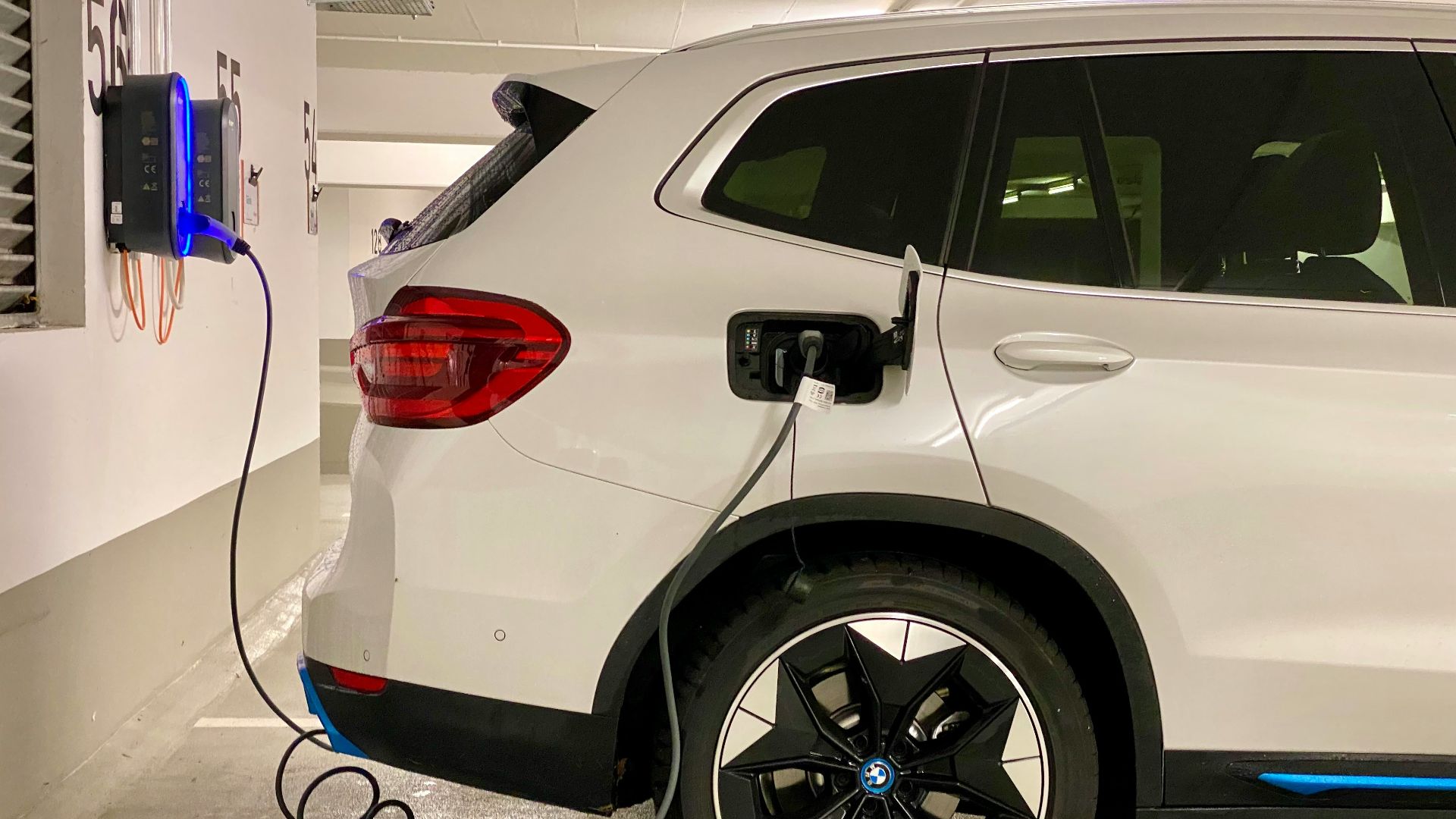
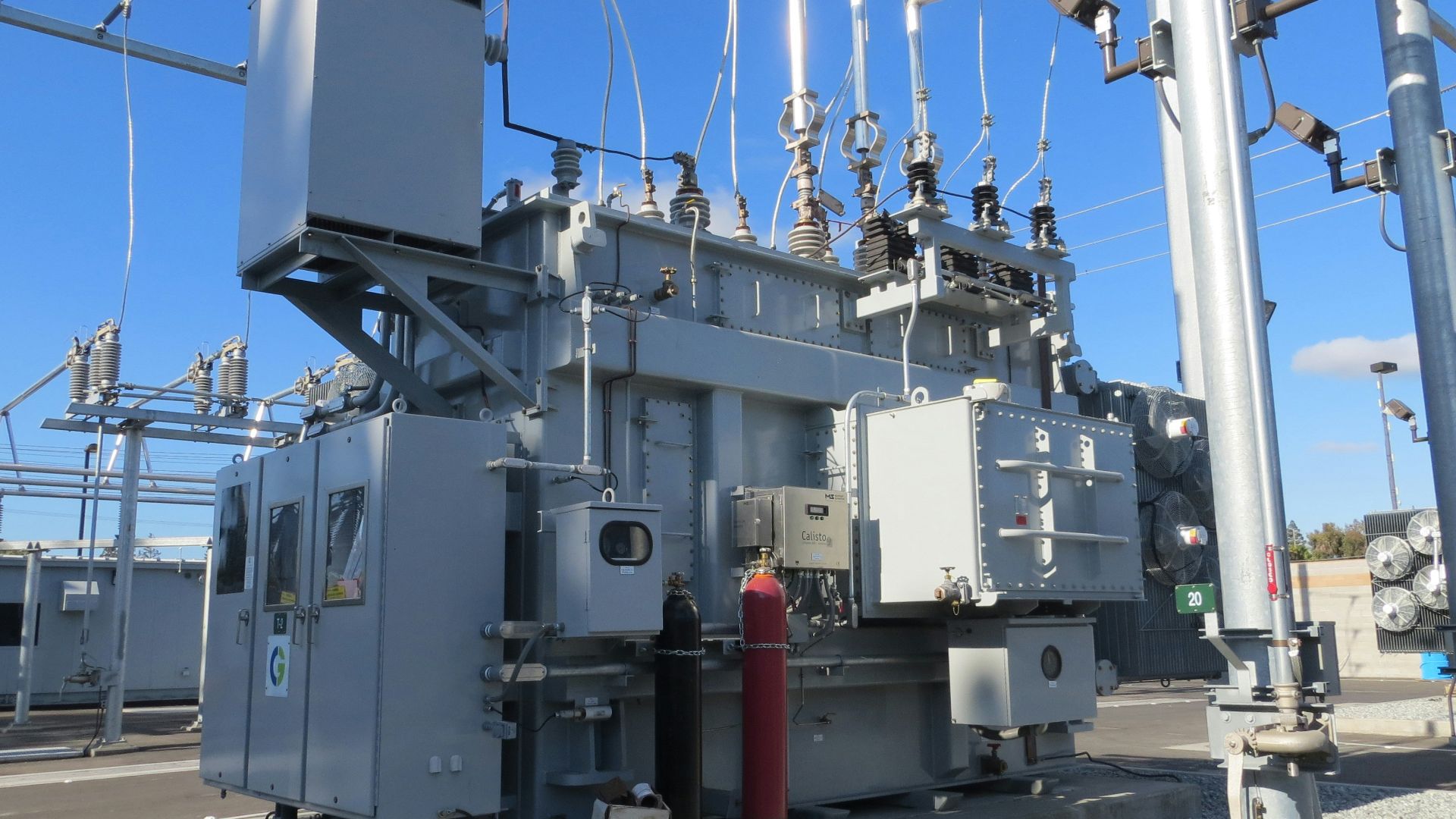
Management cannot simply keep adding chargers to an overloaded electrical system. Engineers may need to determine whether the property's service can handle the additional continuous load. Load management technology can sometimes distribute available power among several vehicles instead of requiring a major utility upgrade.
 American Public Power Association, Unsplash
Charging Can Be Shared
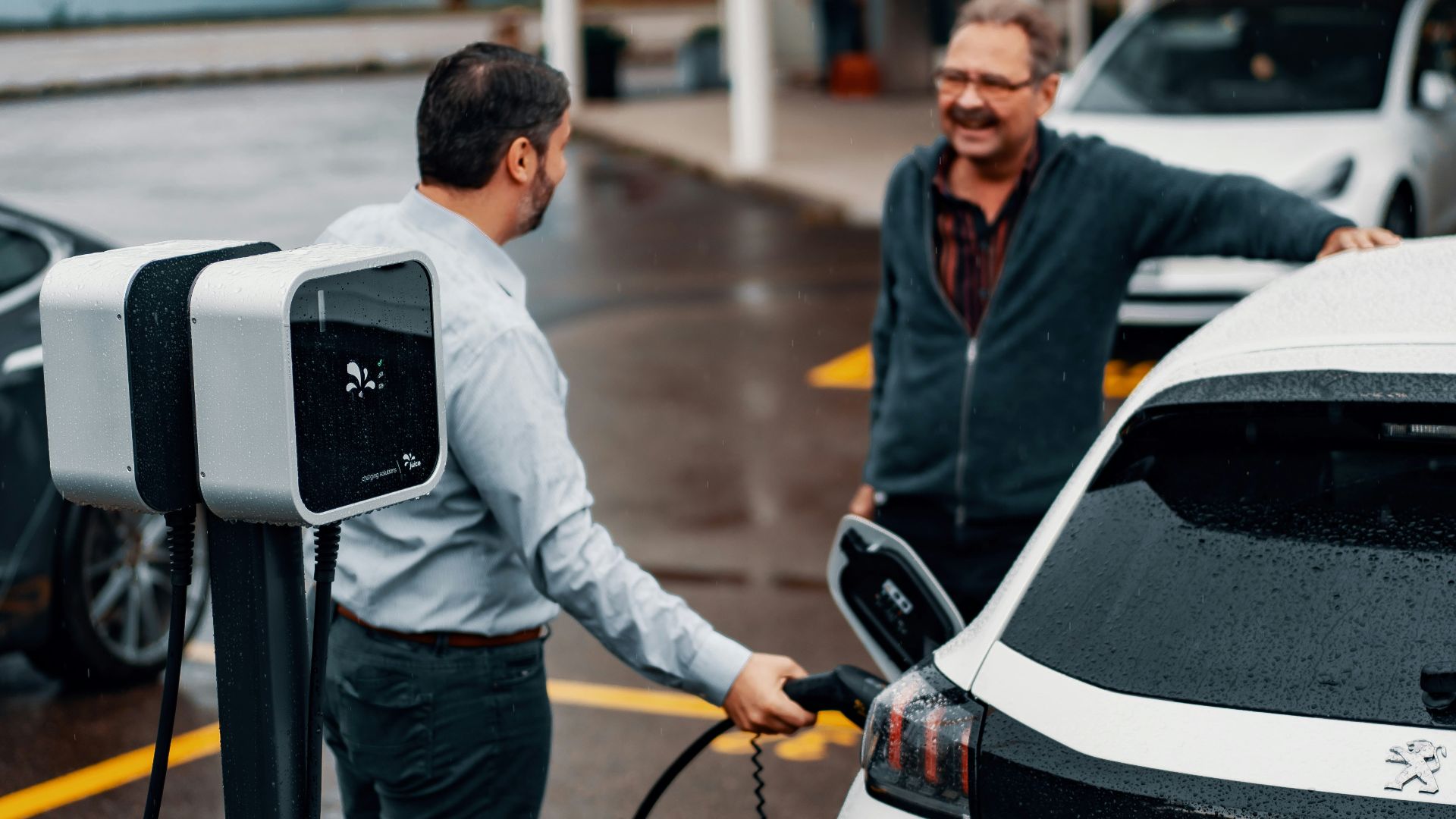
An apartment complex doesn't necessarily need one charger for every EV. Because residents often park for many hours overnight, lower-power Level 2 chargers or managed shared charging can serve multiple vehicles. That approach may reduce electrical upgrades while still providing useful daily charging.
Level One May Work
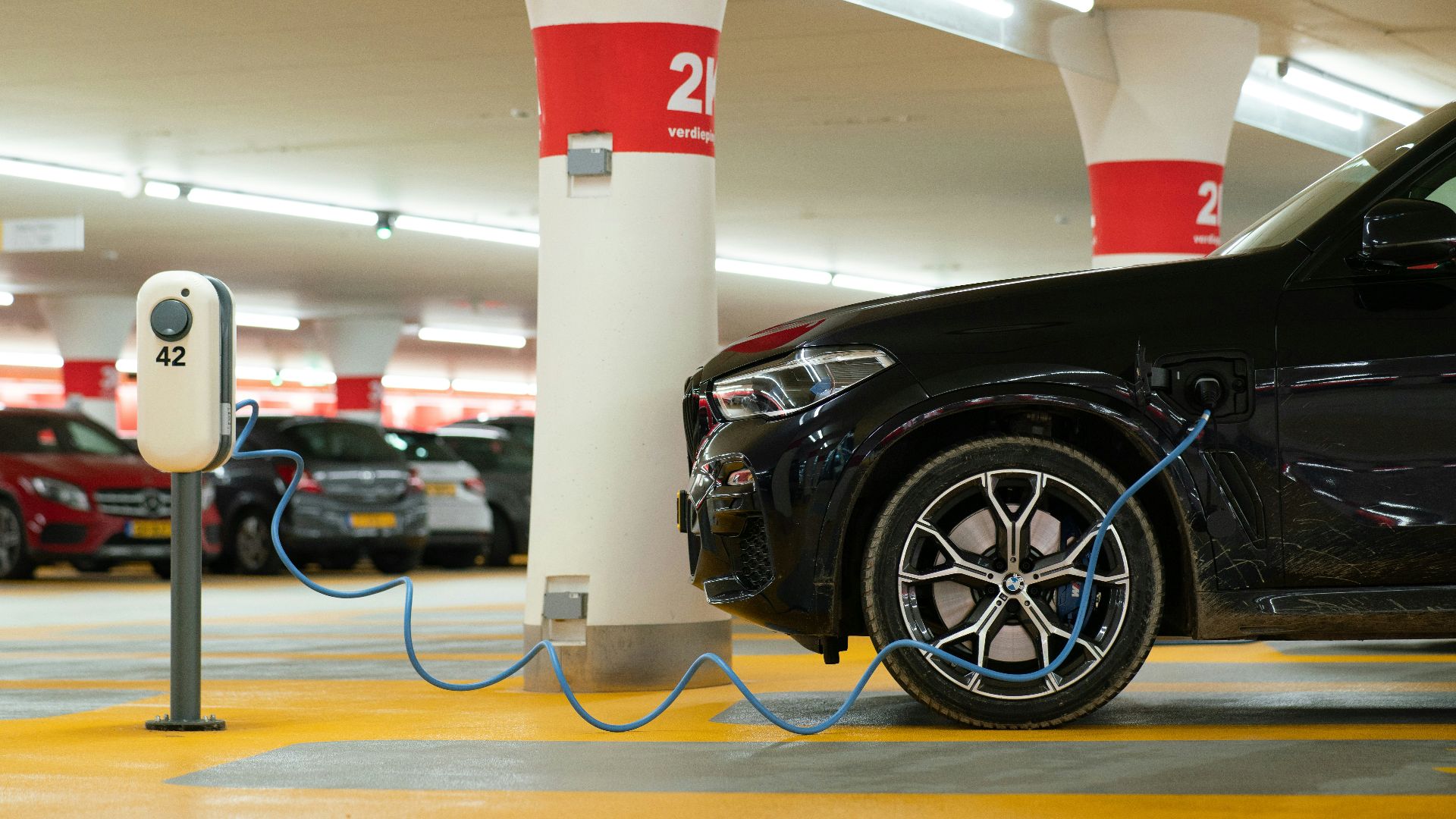
A dedicated 120-volt outlet can provide Level 1 charging. It is slow, but residents with modest daily mileage may recover enough range overnight to cover routine commuting. For some buildings, installing safe dedicated outlets can be simpler than immediately building a large Level 2 network.
Rights Vary By State
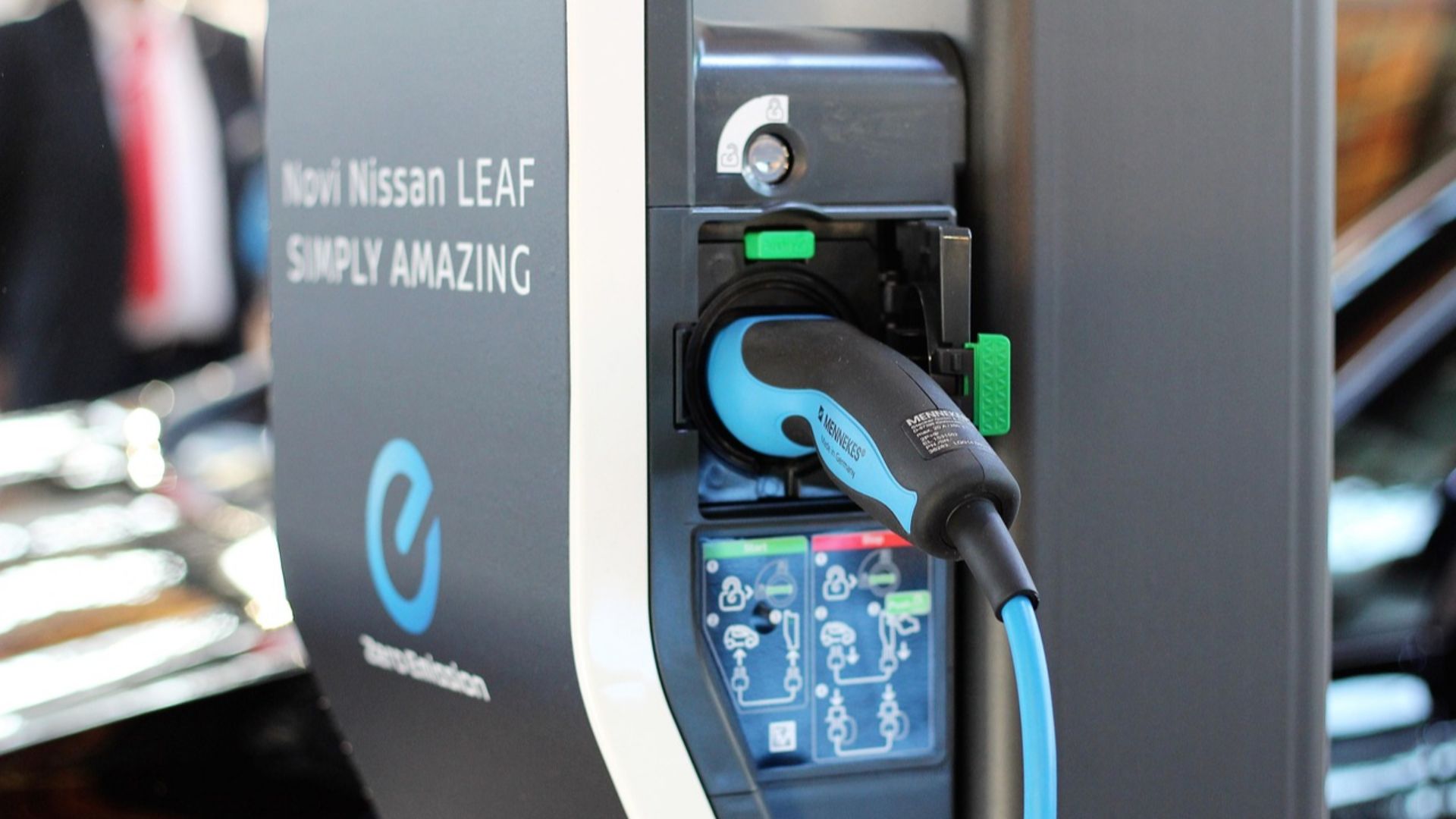
There is no single nationwide rule requiring every apartment owner to install EV charging. State and local laws differ significantly. Some jurisdictions have adopted “right-to-charge” protections that make it harder for landlords to reject reasonable tenant requests for personally funded charging installations.
Check Your State
Before assuming management has the final word, search your state's landlord-tenant laws and EV charging rules. Connecticut, for example, requires landlords to approve qualifying written requests for chargers in designated tenant parking spaces, subject to statutory conditions. Other states use different approaches.

California Goes Further
California has aggressively expanded EV-ready requirements for newer multifamily construction, including rules requiring significant portions of parking to support charging. Those building standards may not force an older apartment complex to retrofit immediately, but they demonstrate how dramatically rules can vary by location.
Offer To Pay
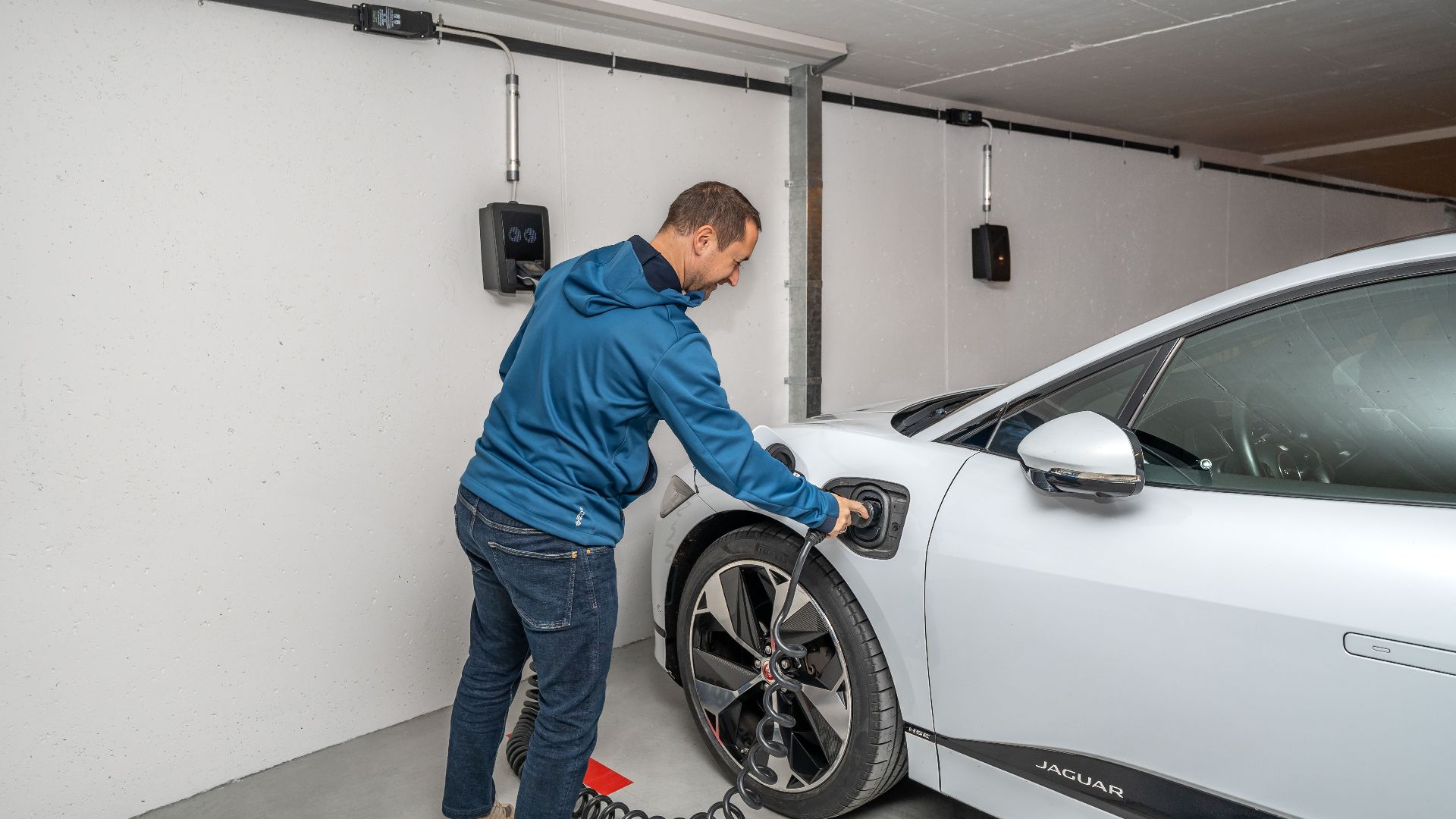
In states with right-to-charge protections, tenants may sometimes be allowed to install equipment at their own expense. You could propose paying for an approved installation in your assigned space, although costs, insurance requirements, electricity billing, permits, and removal obligations may still fall on you.
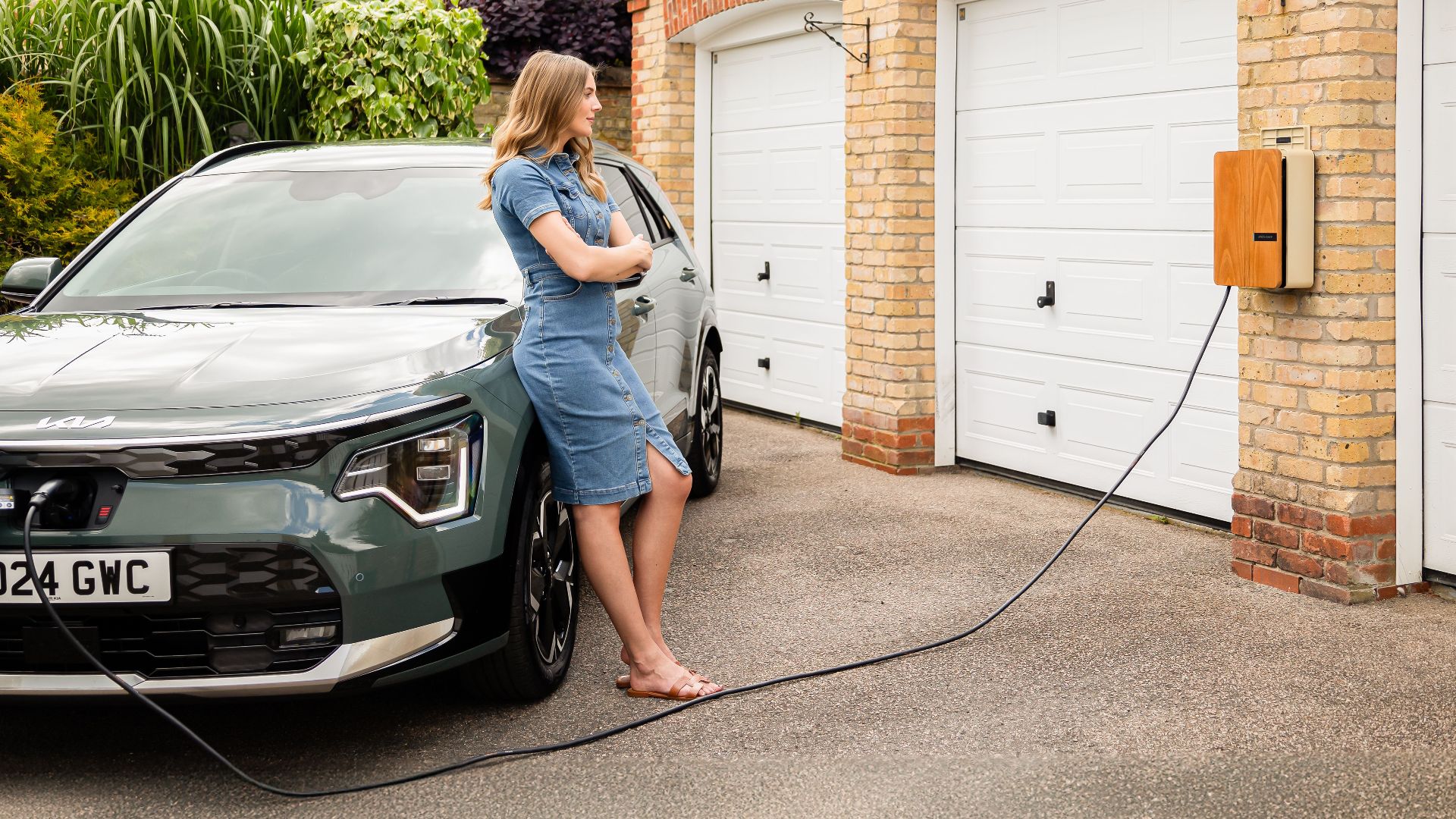
Get Permission First
Never run an extension cord across a sidewalk or install electrical equipment without written authorization. Besides violating your lease, improvised charging can create electrical, trip, fire, and liability concerns. Any permanent installation should use properly permitted equipment and qualified electrical professionals.
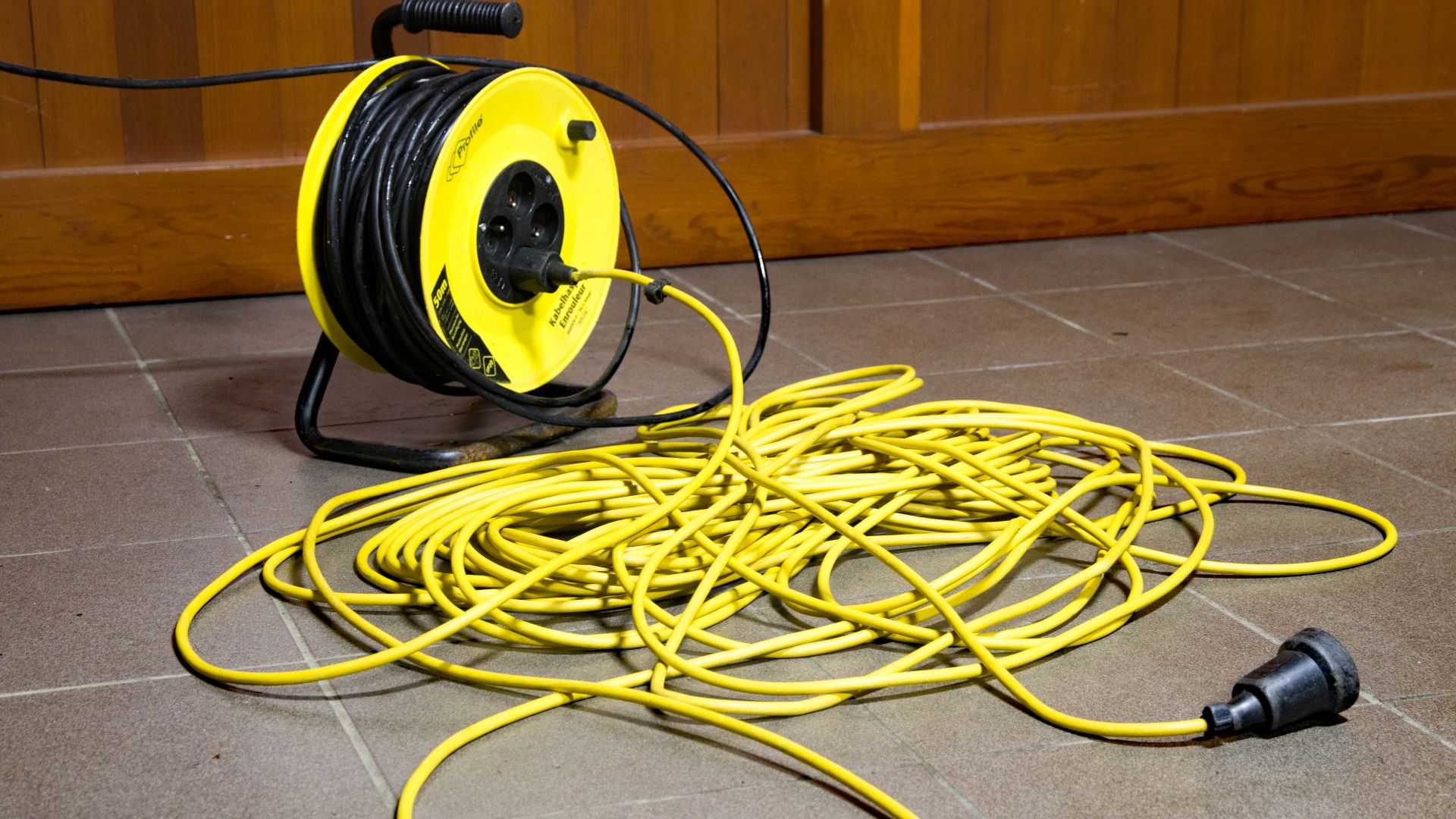
Show Management Incentives
Property managers may not know what rebates, utility programs, grants, or tax incentives are available locally. Federal guidance specifically encourages multifamily owners to investigate state and utility incentives. Presenting management with an actual program can be more persuasive than simply asking them to spend money.

Organize Other Tenants
One EV owner asking for charging can look like a niche request. Ten or twenty residents requesting it looks like tenant demand. Some apartment residents report that persistent collective requests helped convince management to expand charging, especially when residents also identified available incentive programs.
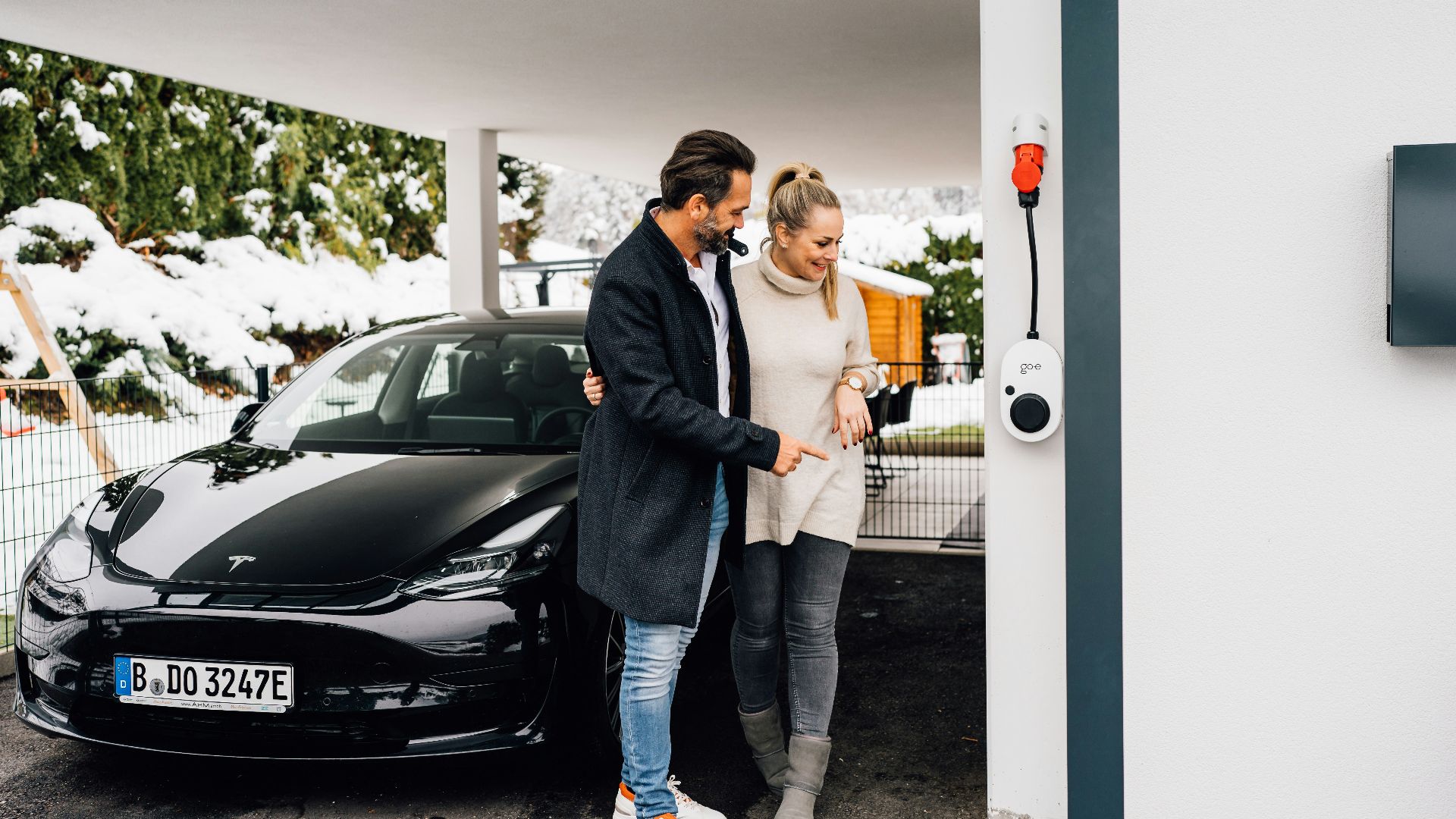
Make A Business Case
Instead of framing chargers purely as an expense, point out that the Department of Energy describes EV charging as an amenity that can help multifamily owners attract and retain residents. Management may be more receptive if chargers support occupancy, marketing, and future competitiveness.

Expect Charging Fees
On-site charging does not necessarily mean free electricity. Property owners may charge for electricity, access, reserved parking, or network operation depending on local law and lease terms. A paid but dependable charger may still be considerably more convenient than driving elsewhere to charge.

Maintenance Is Real
Installing a charger is only the beginning. Equipment can fail, cables can be damaged, networks can lose connectivity, and payment systems can malfunction. Owners must decide who will monitor, repair, and maintain the equipment, which adds another layer of cost and responsibility.

Public Charging Helps
If the building remains stuck, identify dependable charging near work, grocery stores, gyms, shopping centers, or other places you already visit. Public charging is less convenient than plugging in overnight, but combining charging with normal errands can make apartment EV ownership far more manageable.
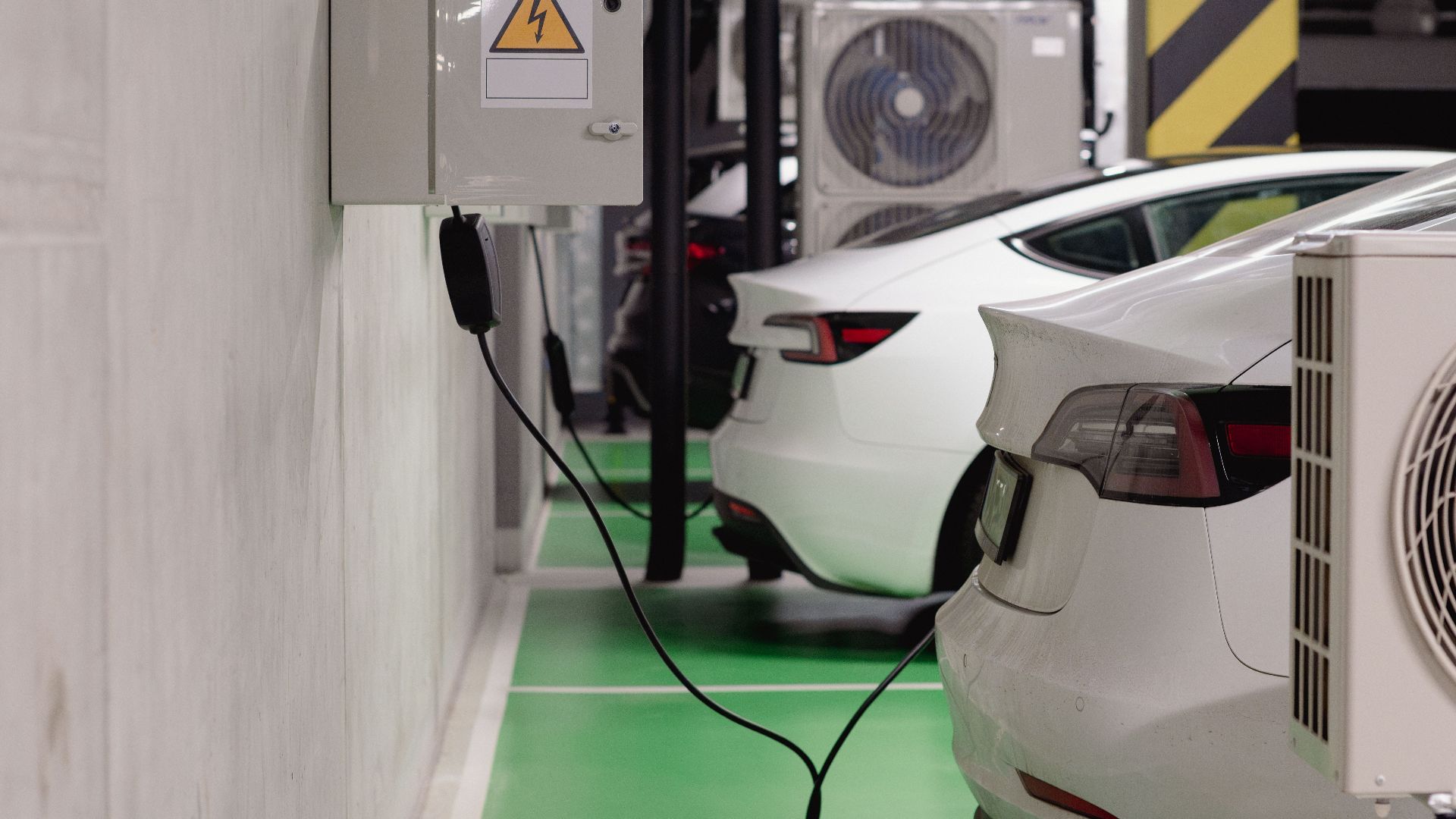
Workplace Charging Matters
Ask your employer whether workplace charging exists or could be added. For apartment residents without home charging, reliable access at work can effectively substitute for overnight charging because the vehicle may remain parked there for eight hours or more on most weekdays.

Consider Nearby Garages
Some cities are expanding curbside, municipal, and community charging specifically because so many residents live in multifamily housing. Public garages or neighborhood charging hubs may provide a more dependable long-term solution than waiting for every individual apartment building to retrofit its parking lot.
Escalate Misleading Marketing
If management continues advertising EV charging as an existing or imminent amenity while providing no realistic installation plan, consider raising the issue with the property owner, corporate office, local housing agency, or consumer protection authority. Whether that advertising is legally actionable depends on your state's laws and the specific representations made.
Reconsider At Renewal
Your strongest leverage may arrive when the lease expires. If charging was important enough to influence your original rental decision, compare nearby properties before renewing. A landlord that has postponed the project for two years may continue postponing it unless tenant demand creates a financial reason to act.

Stop Waiting Passively
You may not be able to force every landlord to install chargers, but you can document promises, research local rights, organize neighbors, identify incentives, propose practical alternatives, and make charging part of your renewal decision. After two years, “coming soon” deserves something more concrete than another vague assurance.

You May Also Like:
Hyundai Is Going To Cut EV Charging Time Down To Just 3 Minutes
My electric bill spiked after buying an EV. Am I doing something wrong when charging?