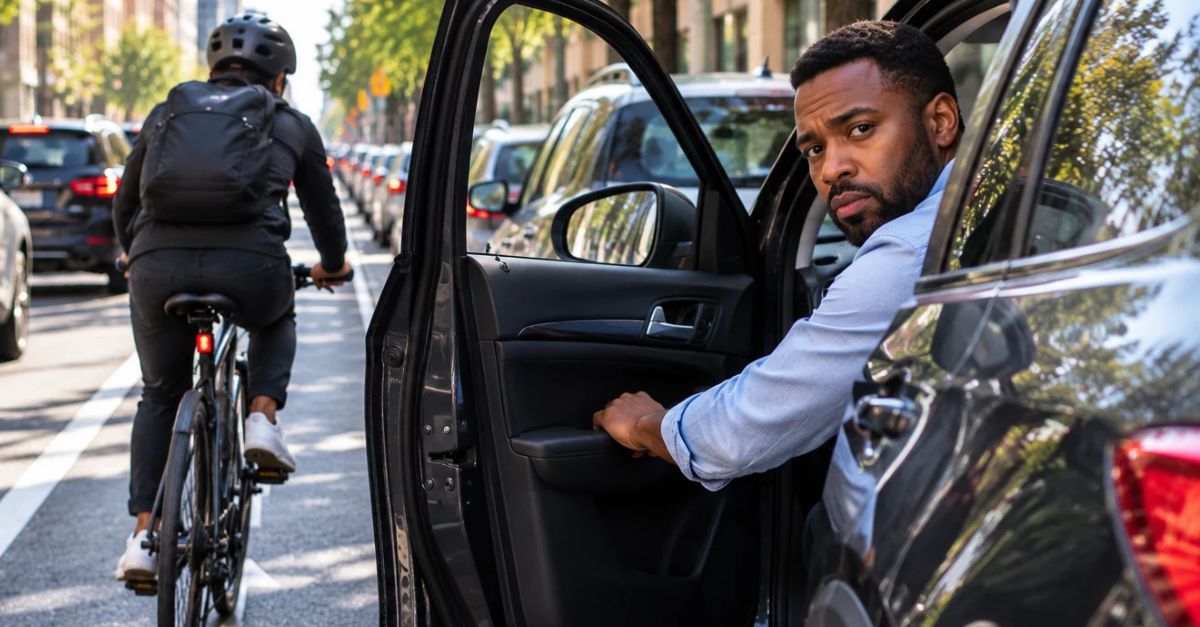
A Painted Box Can Still Be Dangerous
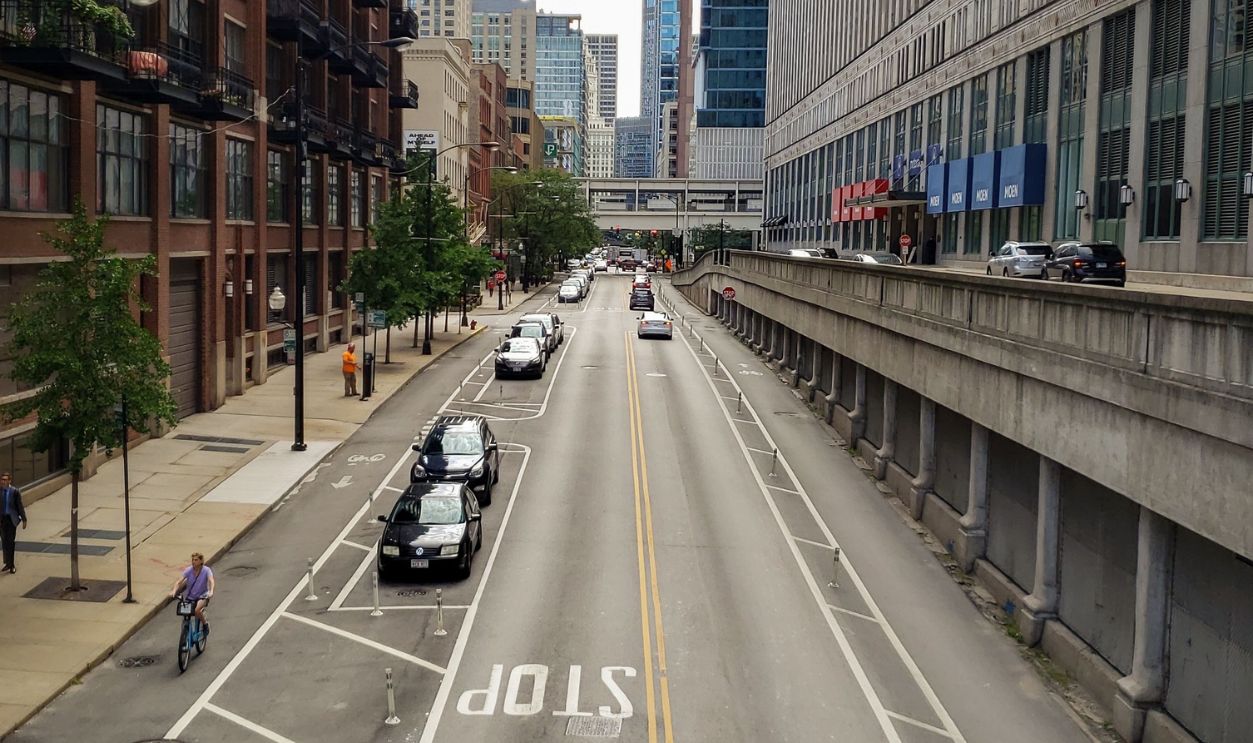
Every inch is at a premium in today's cities, which means narrow lanes and tight sparking spots. If you can feel the wind off of passing traffic while you're trying to get out of your car, it's reasonable to ask whether legal also means safe. Often, it does not.
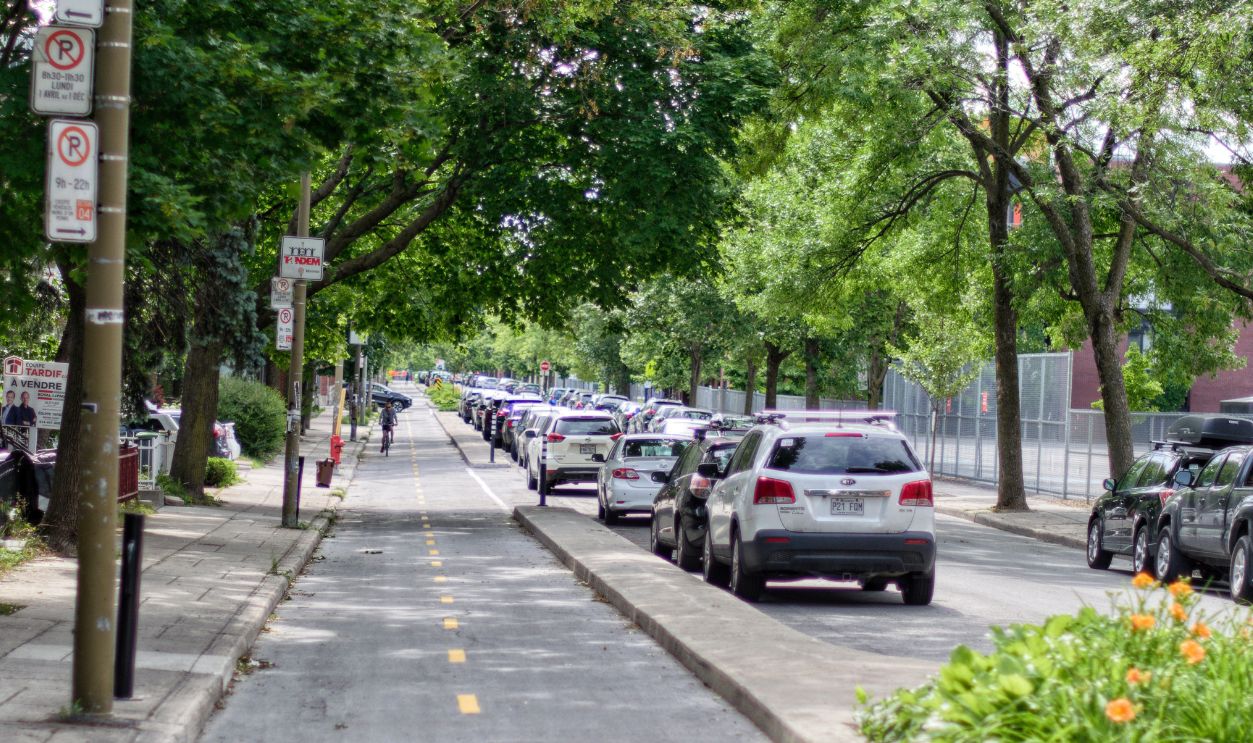
A curbside space can follow local parking rules and still put drivers, passengers, cyclists, and pedestrians at risk if the street leaves too little room.
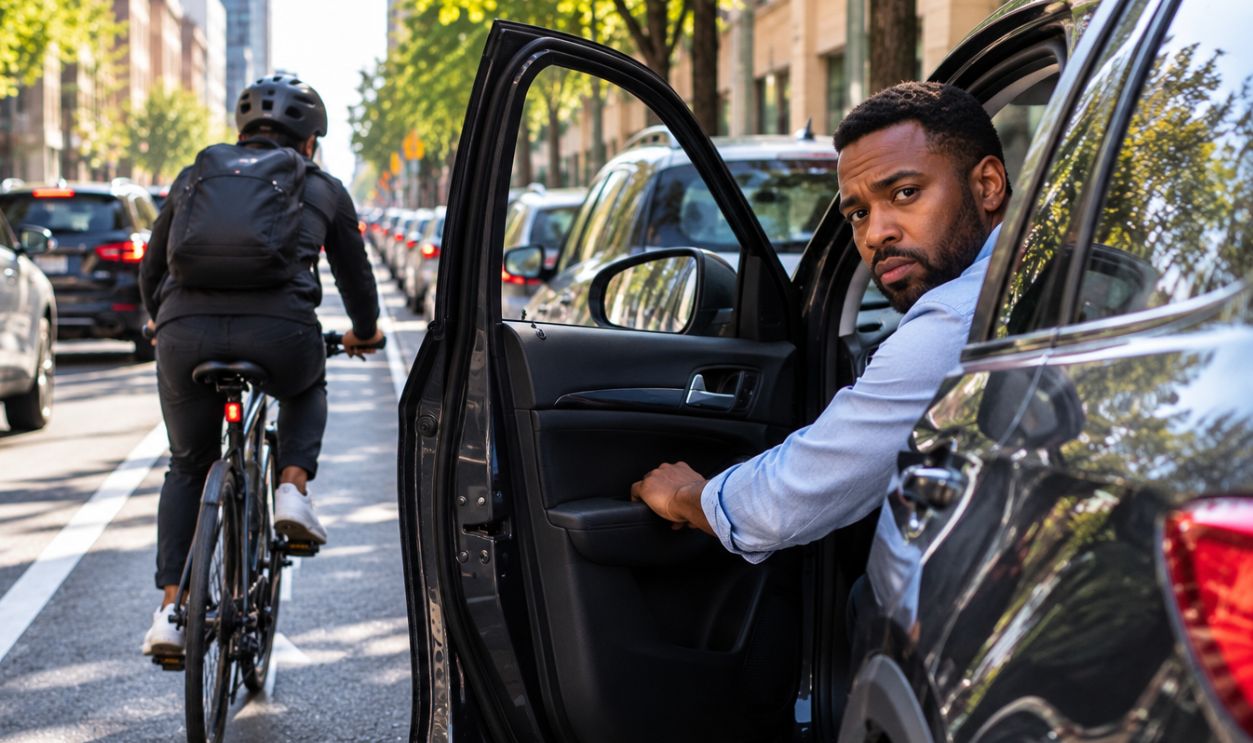
What The Rules Usually Cover
Parking laws usually answer one question: are you allowed to leave your car here? Safety standards answer a different one. They look at lane width, clearance, visibility, bike access, and whether someone can get out of a car without stepping into traffic.
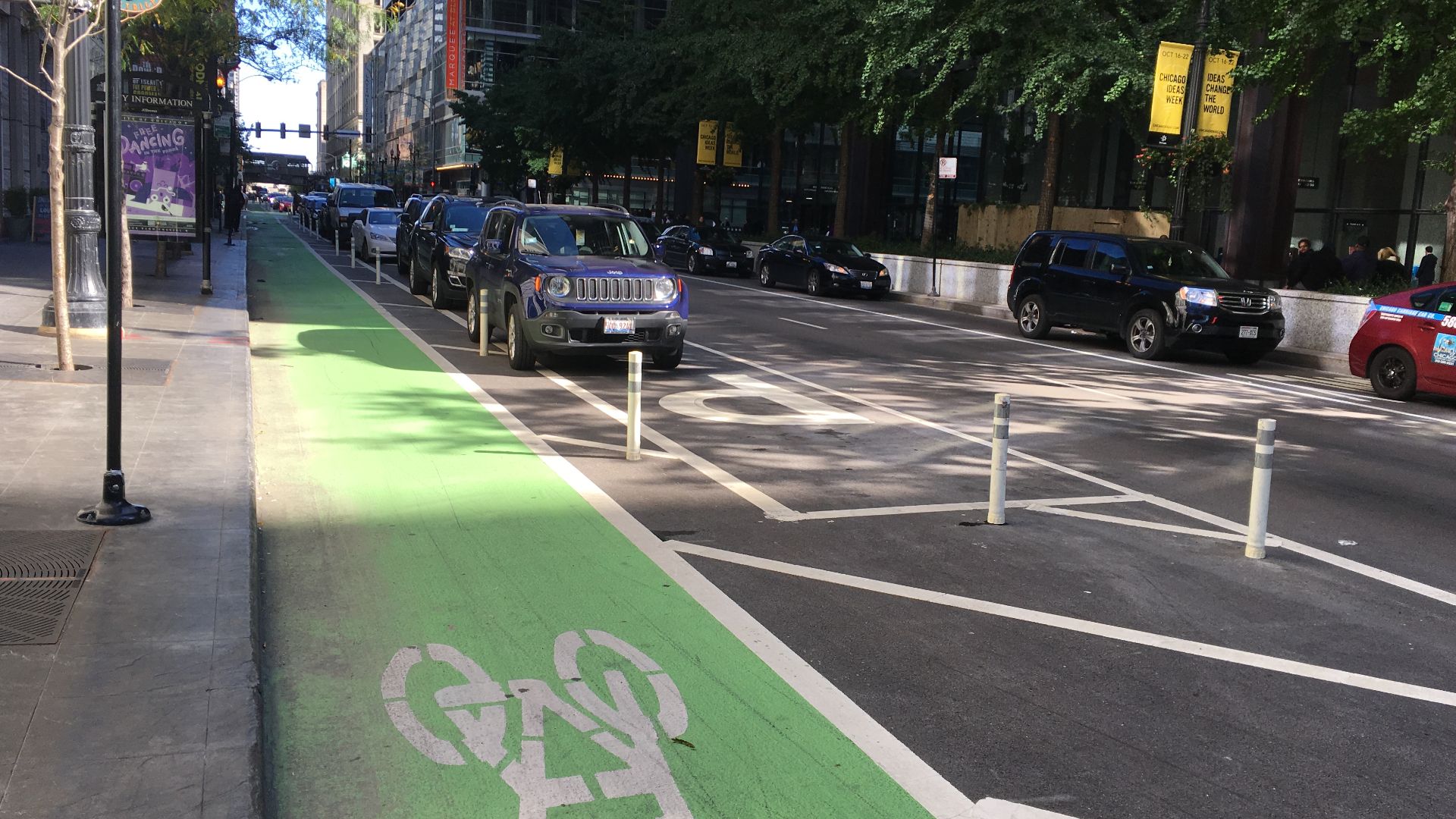 Eric Fischer, Wikimedia Commons
Why This Happens So Often
Many older streets were not built for today’s mix of SUVs, delivery vans, bike lanes, and heavier traffic. Cities often repaint curbs to add parking or organize space better, but paint cannot create extra room. That is how a legal parking spot can end up feeling far too close to moving vehicles.
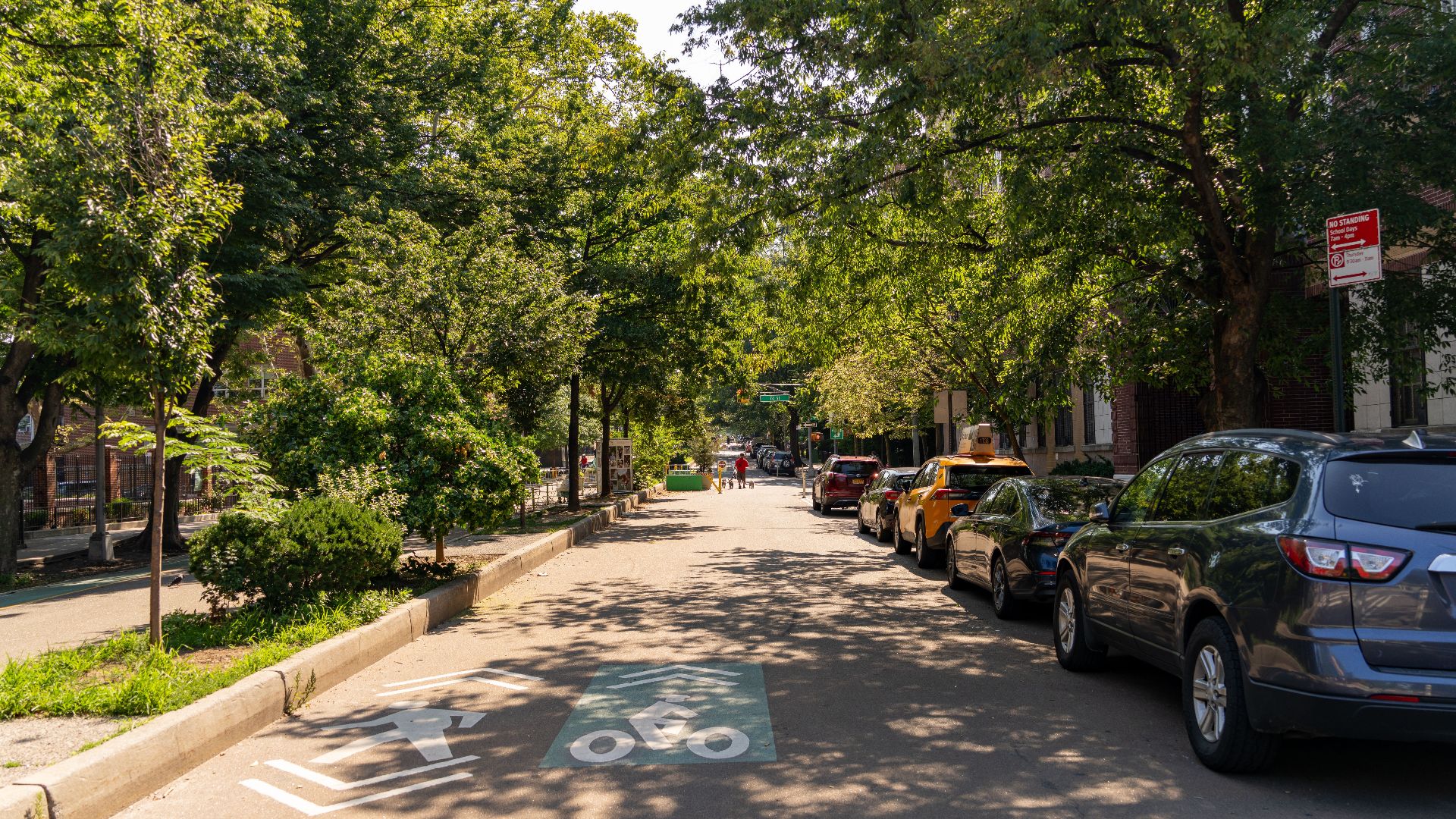
The Federal Baseline Starts With Dooring Risk
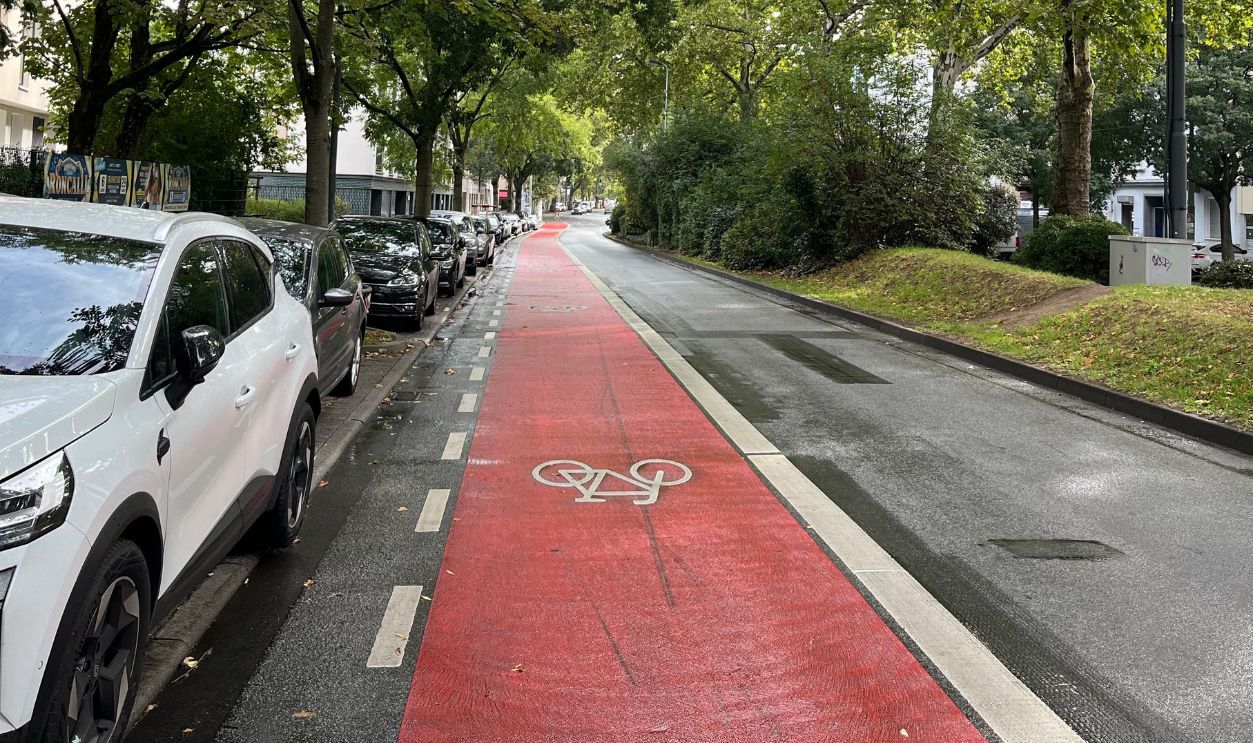
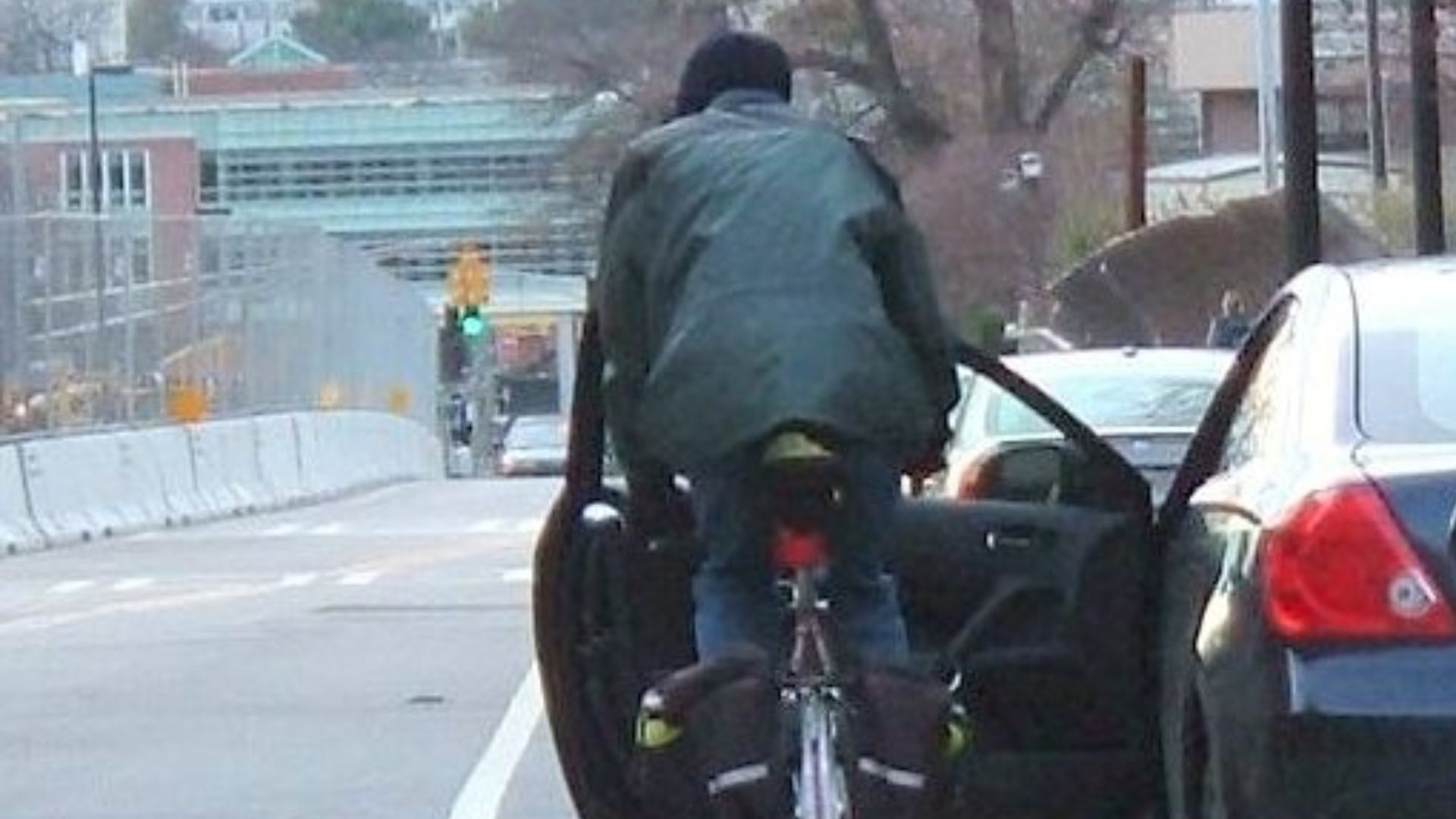
The Federal Highway Administration has long warned that on-street parking next to bike lanes creates a dooring hazard. Its guidance explains that a parked car door can swing several feet into the space beside it. So a parking stripe may be legal while still putting anyone getting out of the car directly in the path of bikes or traffic.
NACTO Put Numbers On It
The National Association of City Transportation Officials recommends 11.5 feet of combined width for a parking lane and the nearby door zone when a bike lane runs next to parked cars. NACTO also says a 7-foot parking lane is generally preferred, with 8 feet desirable on streets that see frequent truck loading. Those numbers reflect the space real vehicles and real people need at the curb.
Standard Width Is Not The Same As Safe Clearance
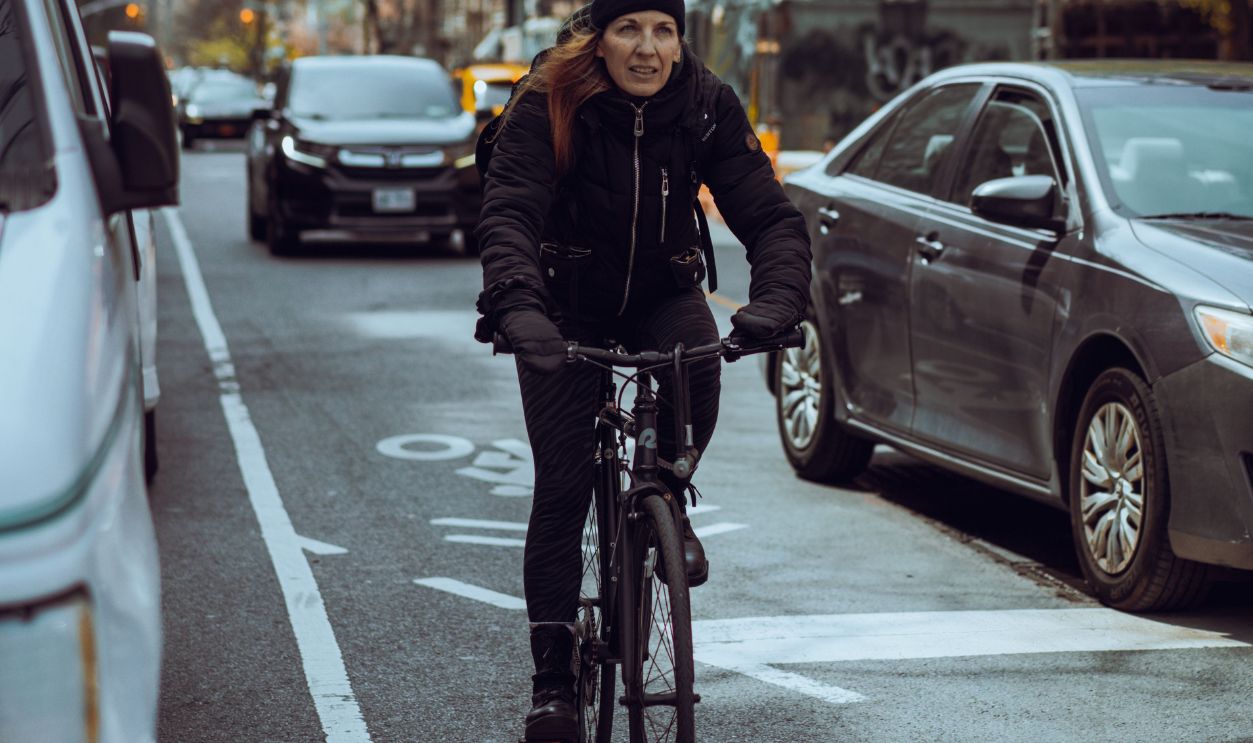
The American Association of State Highway and Transportation Officials says a parking lane width of 7 to 9 feet is desirable. That may sound roomy until you consider what is moving right beside it. If the travel lane is narrow, or larger vehicles are common, a parked car can still feel dangerously close to passing traffic even when the lane meets standard guidance.
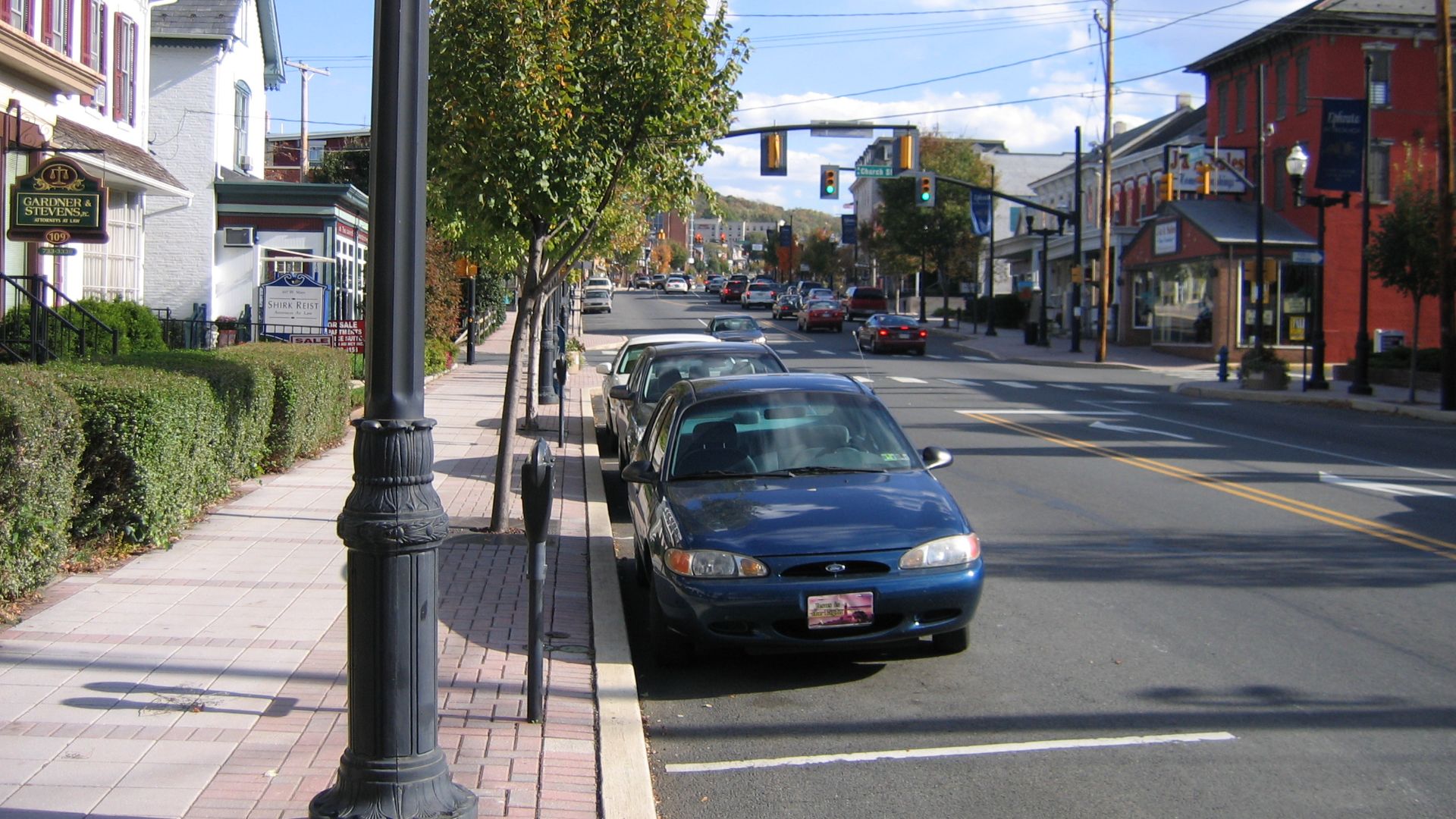 Andrew Bossi, Wikimedia Commons
City Design Manuals Acknowledge The Tradeoff
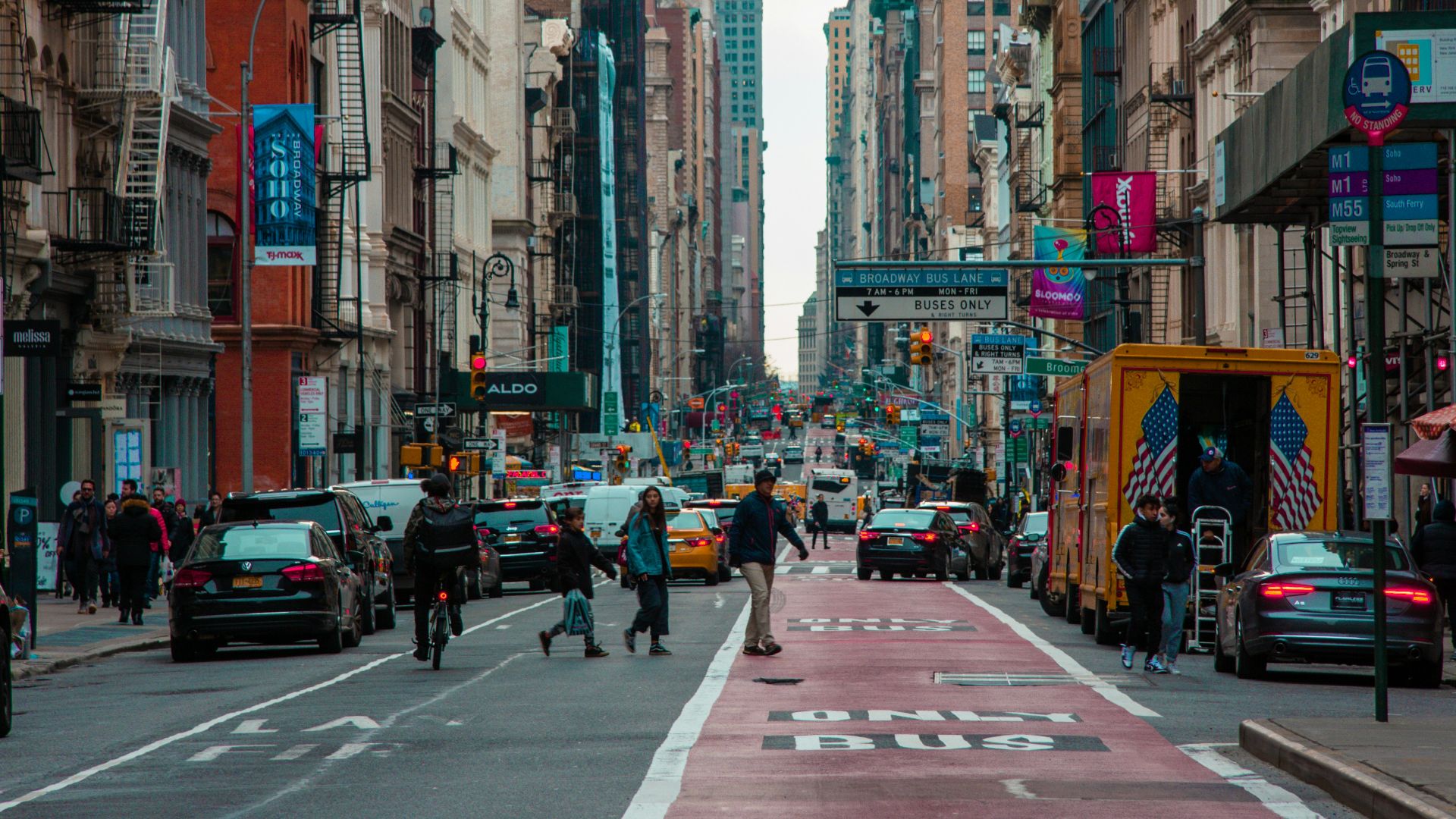
Local design guides often say this more clearly than parking signs do. For example, the New York City Street Design Manual explains that curbside uses have to be balanced with moving traffic, bike facilities, and loading needs. The key point is simple: a city can allow parking while still choosing a street layout with very little margin for comfort.
The Risk Starts When The Door Opens
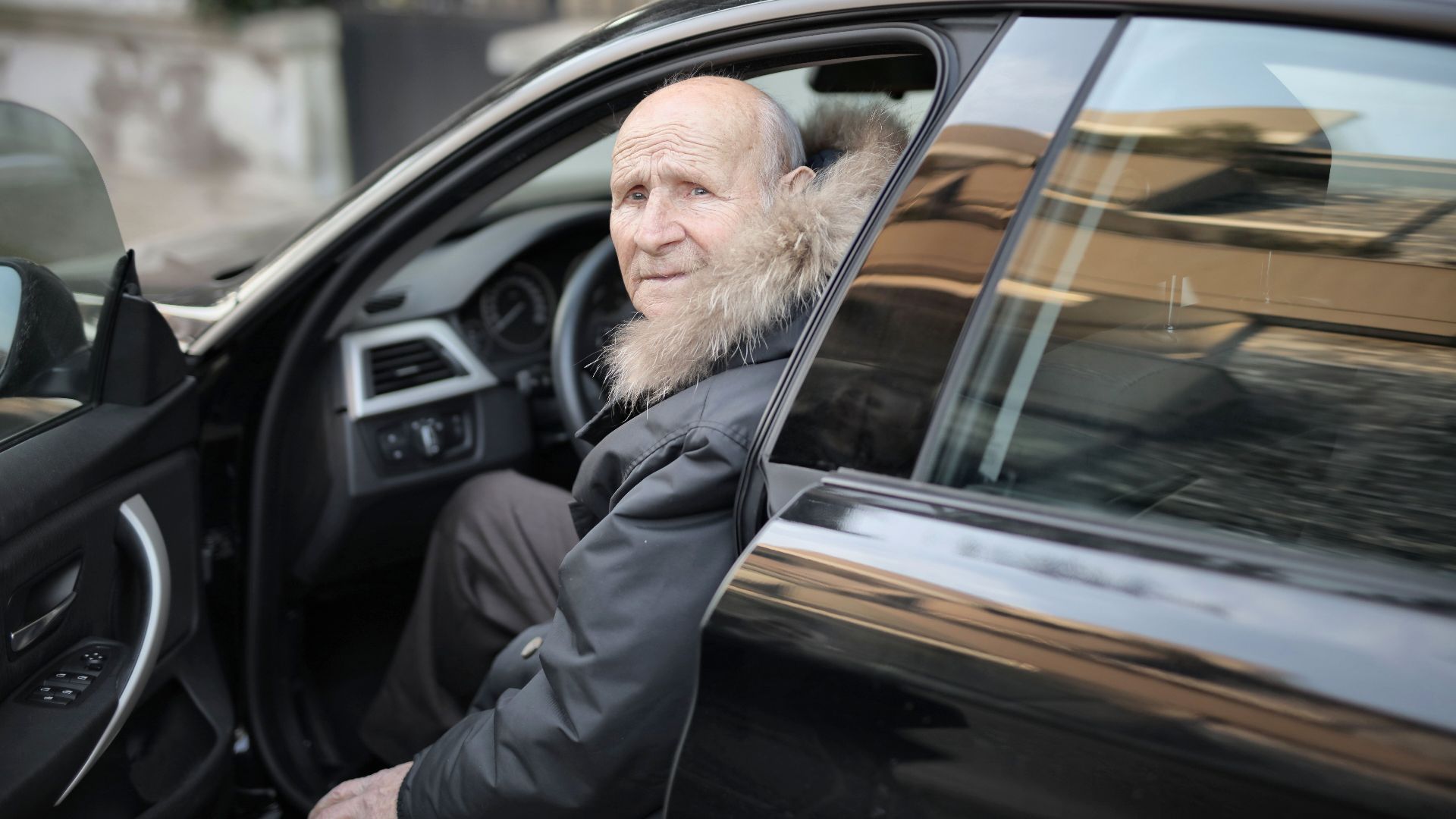
One of the biggest dangers begins after you park. If a passenger steps out into a narrow live lane, the threat is immediate, even before the car is unloaded. The fact that the space is legal does nothing to slow a passing bus, pickup, or cyclist.
Rear Passengers Often Face The Biggest Risk
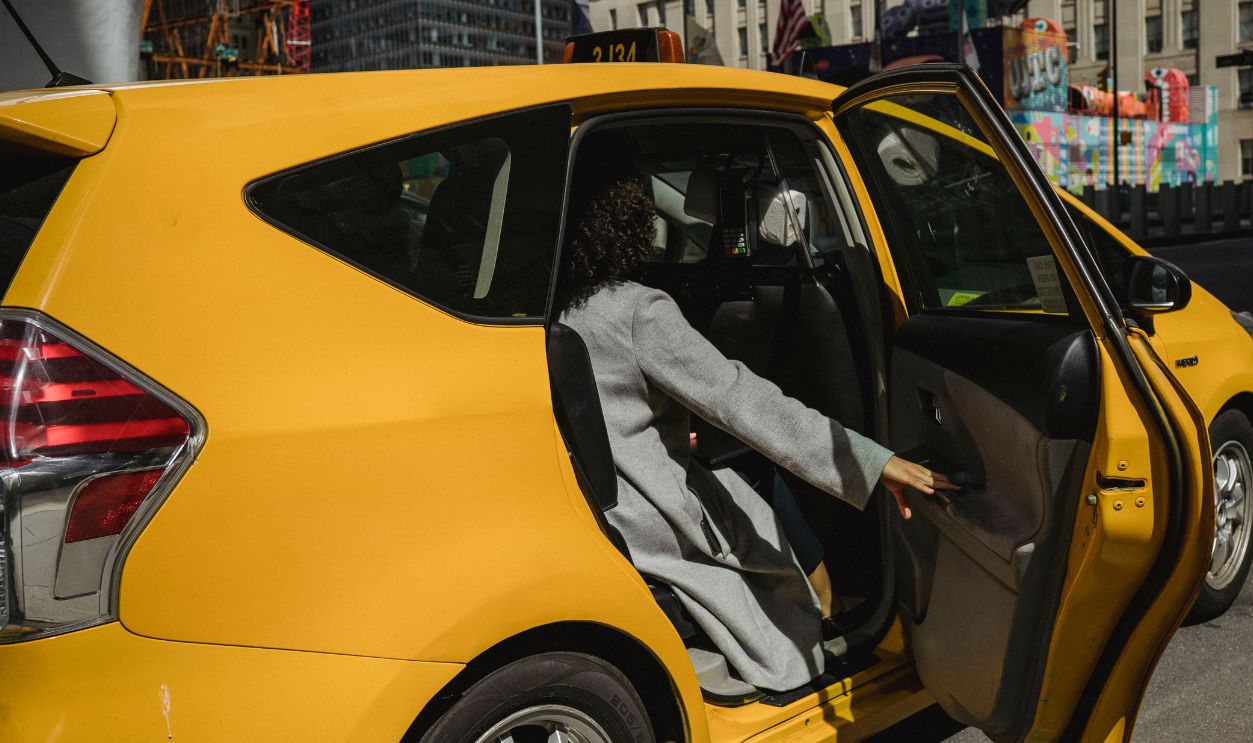
People in the back seat are less likely to check traffic carefully before opening a door. Children may step out quickly without looking. On a street where the parking line sits close to moving traffic, that danger is built into the layout.
Cyclists Have Flagged This Problem For Years
Transportation agencies and safety groups have repeatedly warned about door-zone crashes. The pattern is familiar: a driver parks legally, opens a door into the path next to the car, and a cyclist either hits it or swerves into traffic.
Visibility Matters Too
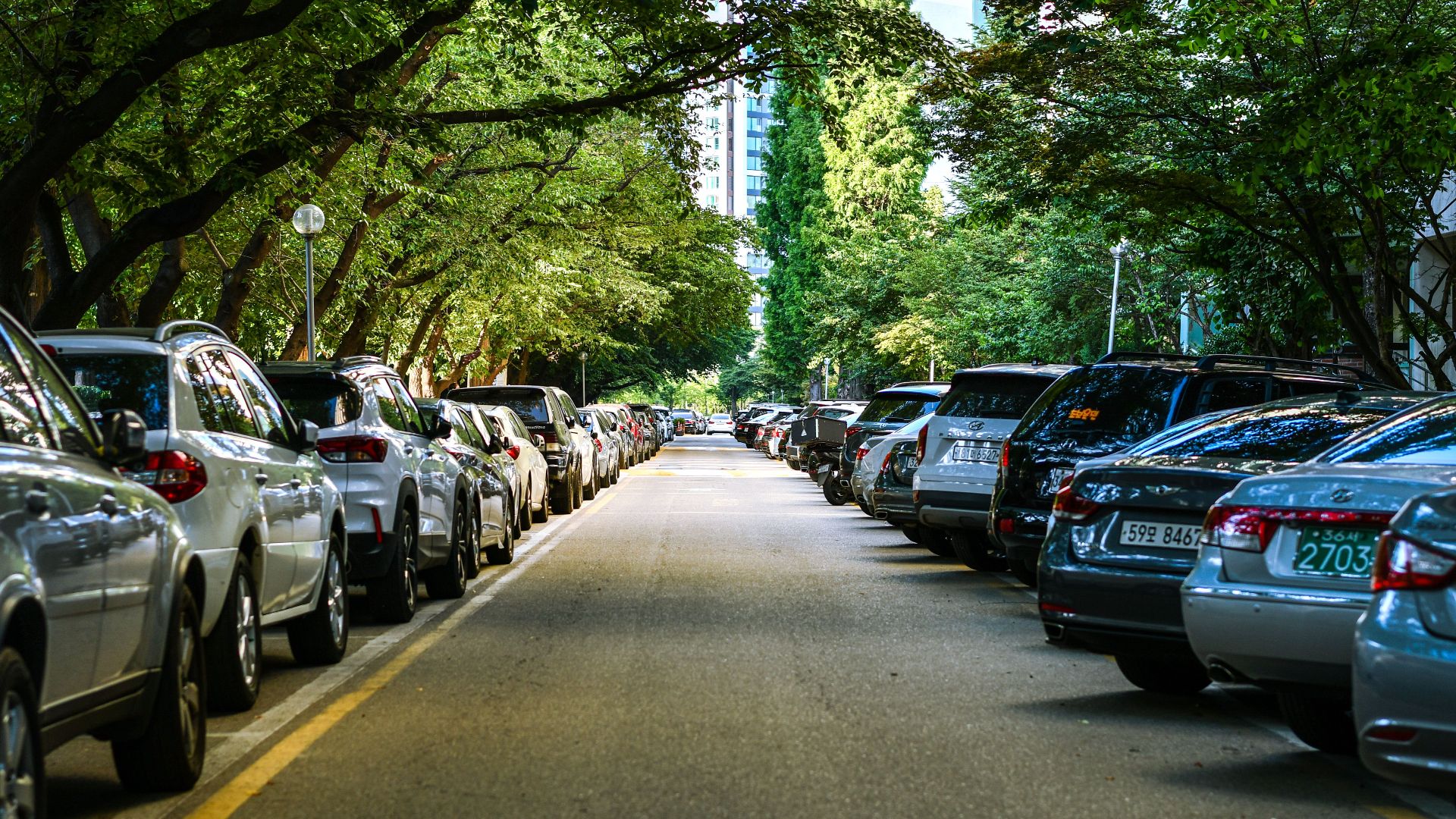
A parking spot can also be unsafe because of poor sight lines. If large vehicles parked ahead or behind block your view, pulling back out can become a guessing game. The city may have created a legal space, but if drivers have to inch blindly into traffic, the safety problem is still there.
Bigger Vehicles Changed The Math
Street dimensions that worked decades ago can feel much tighter now because vehicles are larger. Taller hoods, wider mirrors, and bulkier bodies eat up the little buffer space that once existed. A painted space that once fit sedans may be a bad fit for modern crossovers and trucks.
Speed Changes Everything
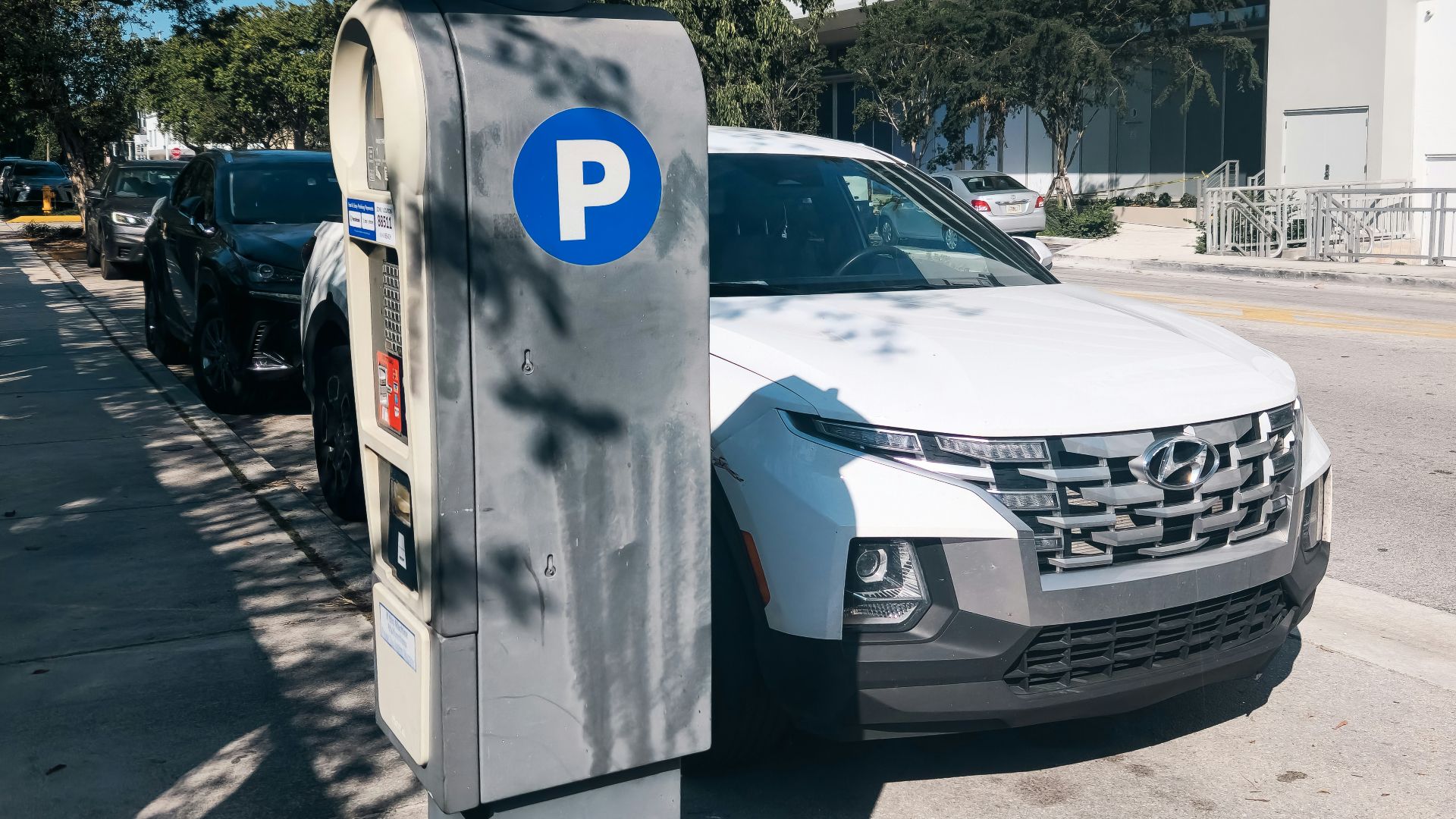
The faster the traffic next to the space, the less forgiving it becomes. A curbside spot beside slow city traffic may be manageable. The same width beside a fast one-way corridor can make ordinary parking feel risky from the moment you pull in.
Legal Does Not Mean Risk Free
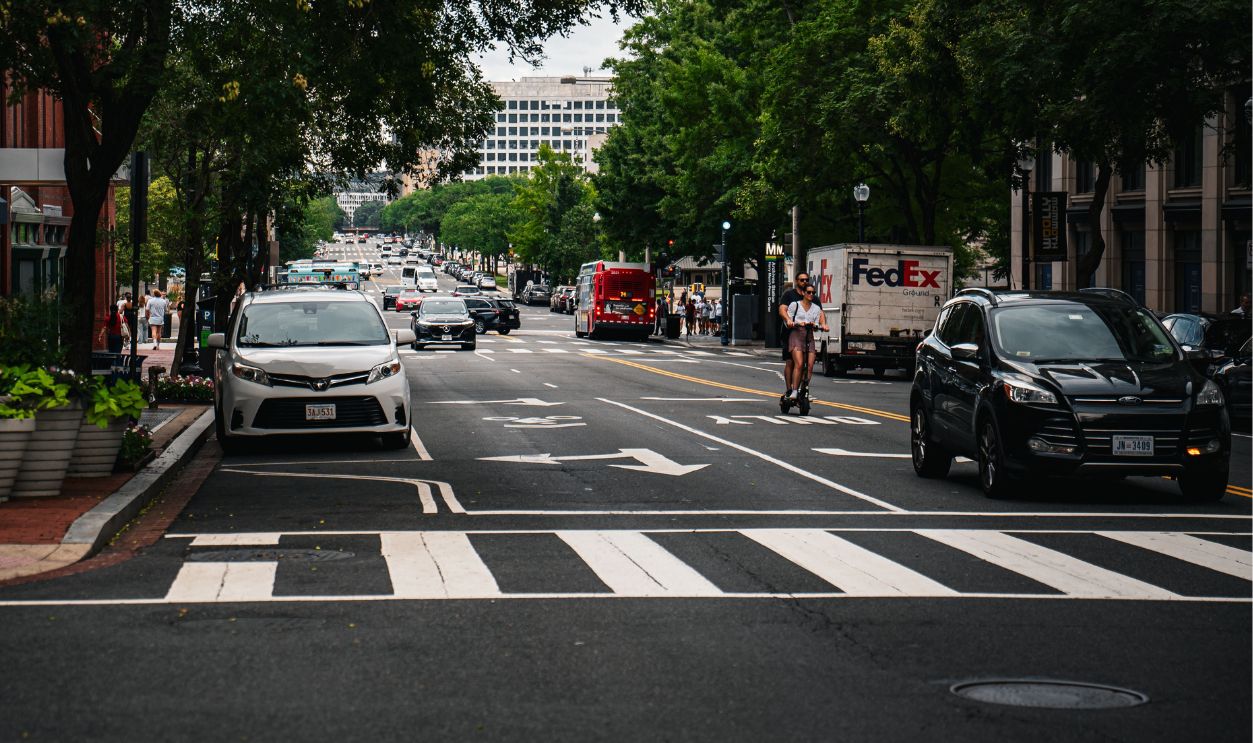
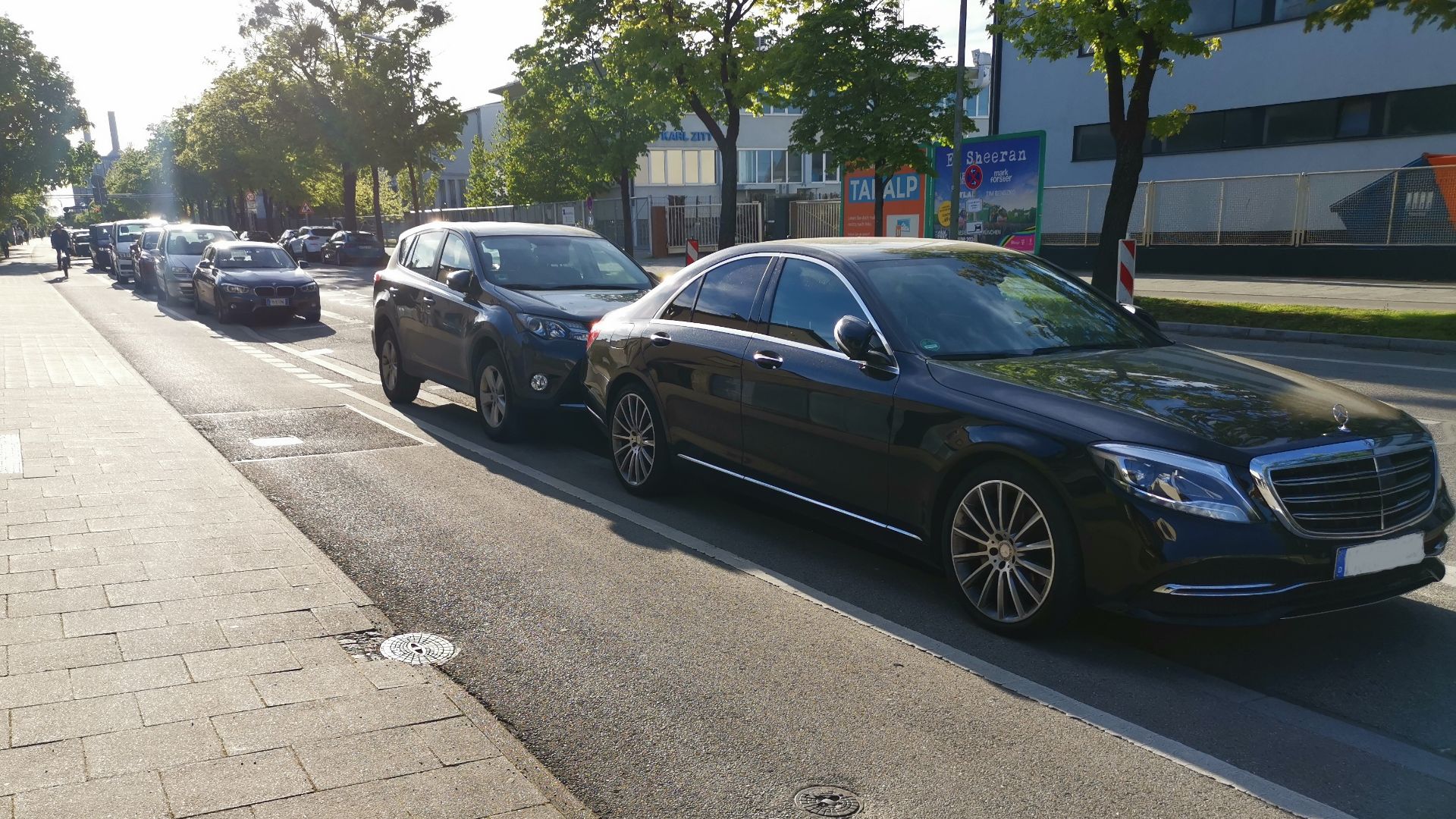
This is the point many drivers miss. When a city marks a spot, it is usually saying parking is allowed under local rules. It is not promising that every driver, passenger, cyclist, or pedestrian can use that space safely in every situation.
 Wikitarisch, Wikimedia Commons
Why Manuals Use “Preferred” And “Minimum”
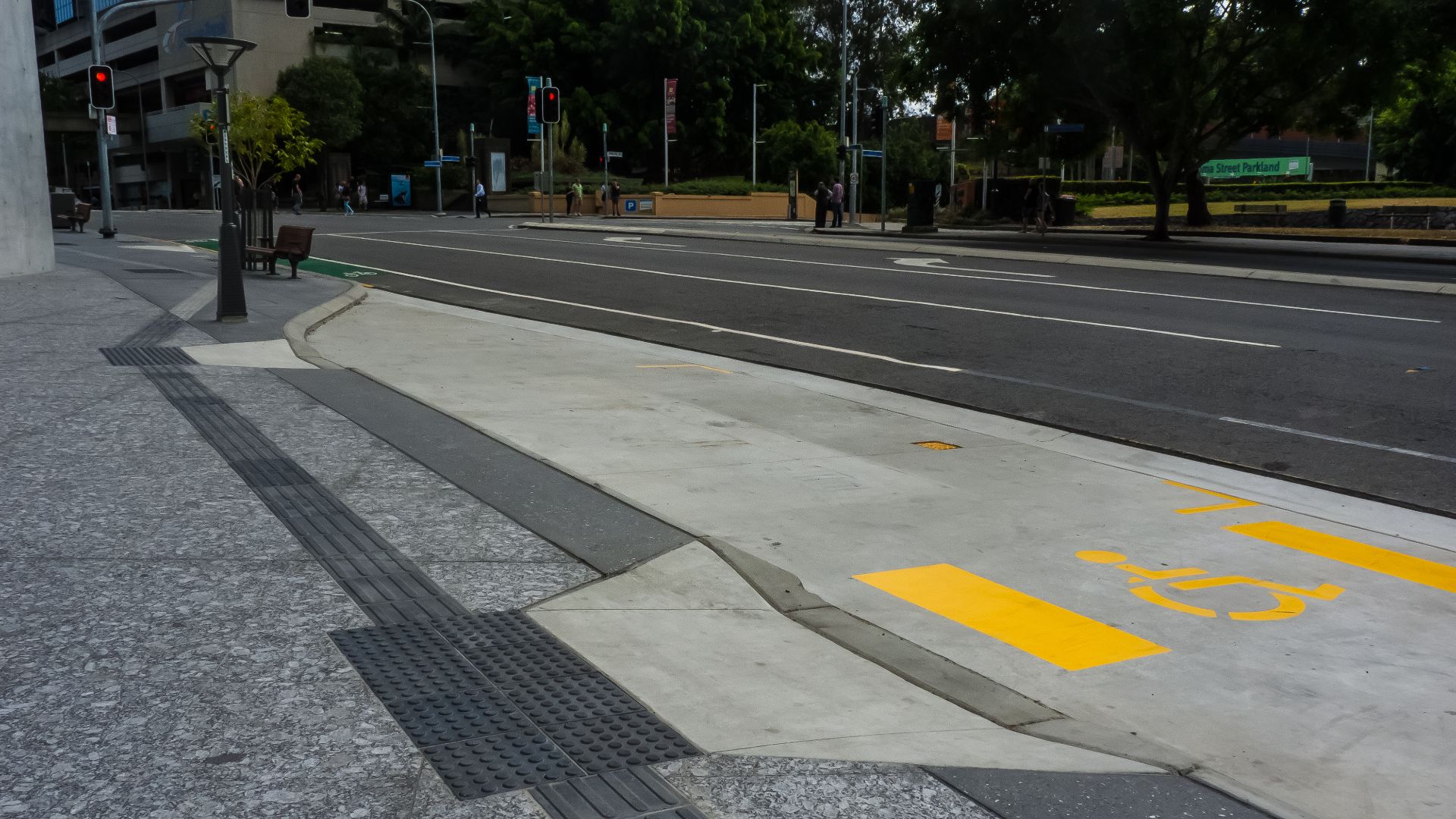
Street design manuals are full of minimum dimensions, preferred dimensions, and exceptions for tight spaces. Cities sometimes rely on the minimum because the street is constrained. That does not mean the result is ideal. It often means planners accepted a compromise to keep parking, travel lanes, loading access, or bike facilities.
 John Robert McPherson, Wikimedia Commons
There Is A Difference Between Fitting And Feeling Safe
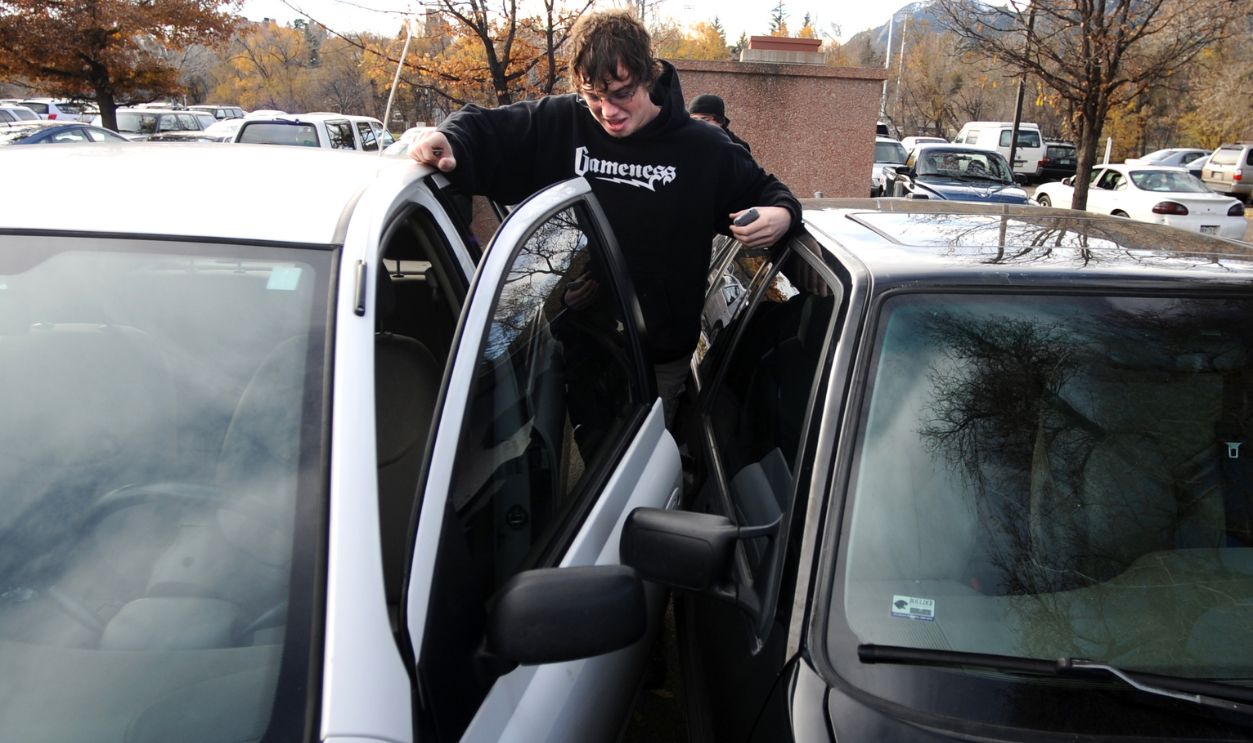
Engineers may be able to show that a car fits inside a painted box. Drivers experience something else. If getting out means squeezing the door, waiting for a break in traffic, and guiding passengers out one by one, the spot may be legal but still not feel safe in real life.
 MediaNews Group/Boulder Daily Camera via Getty Images, Getty Images
What To Check Before You Park
Look at how much room there is between your vehicle and moving traffic, not just between your tires and the line. Watch the speed and size of passing vehicles for a few seconds before you commit. If opening the door would put you straight into live traffic, think twice.
Use The Sidewalk Exit If You Can
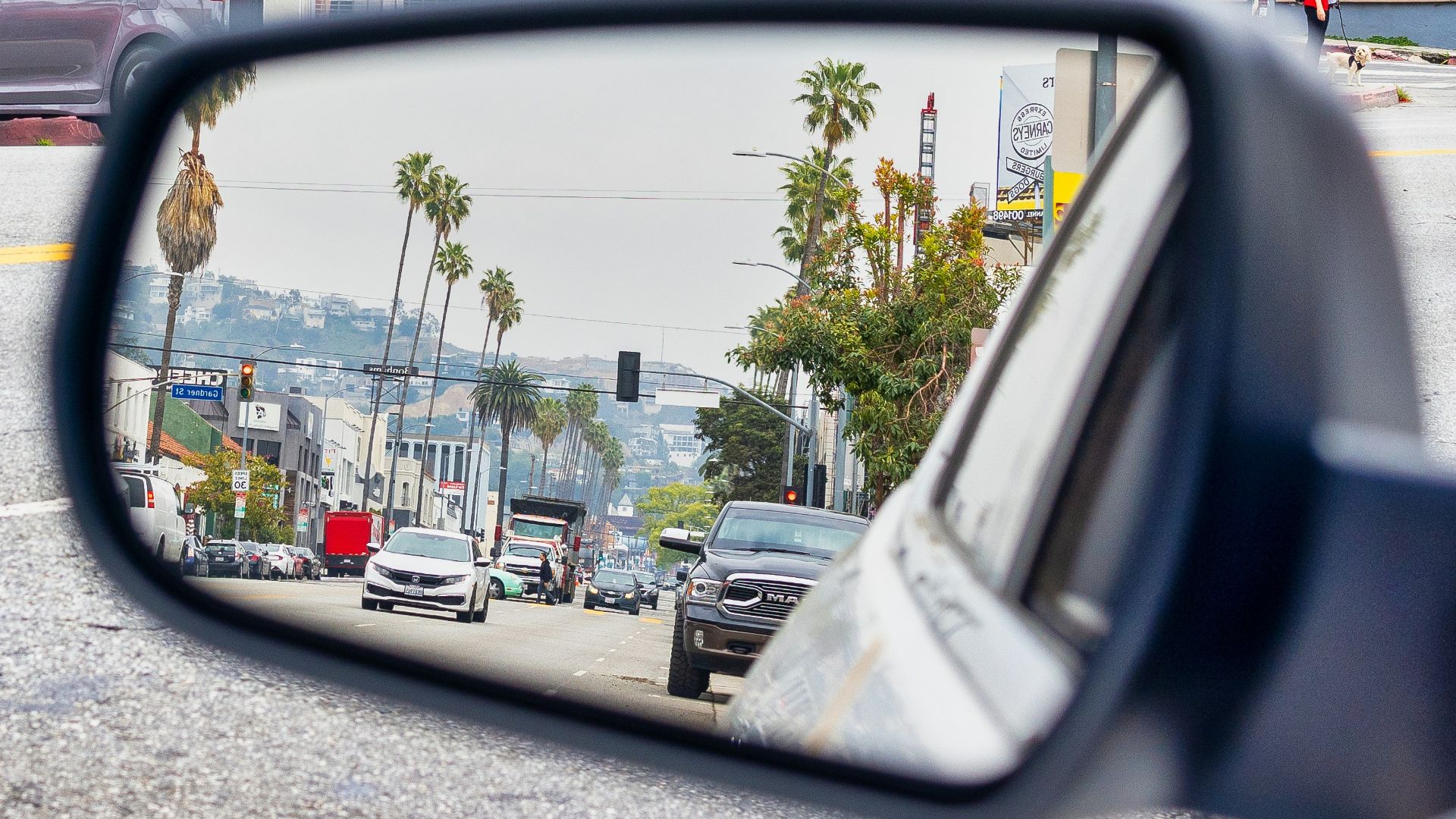
If there is a sidewalk on the passenger side, have people get out there instead of into traffic. That one choice can cut the biggest risk right away. It matters even more for children, older adults, and anyone handling bags or car seats.
Try The Dutch Reach
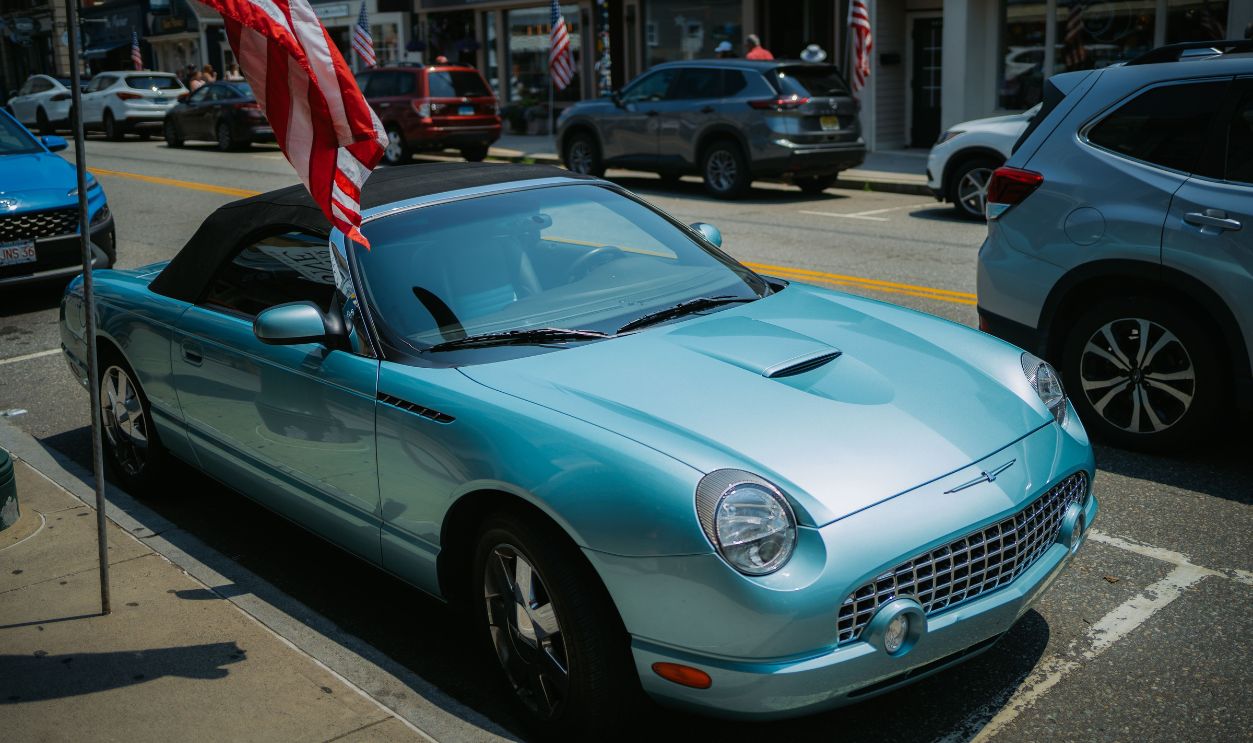
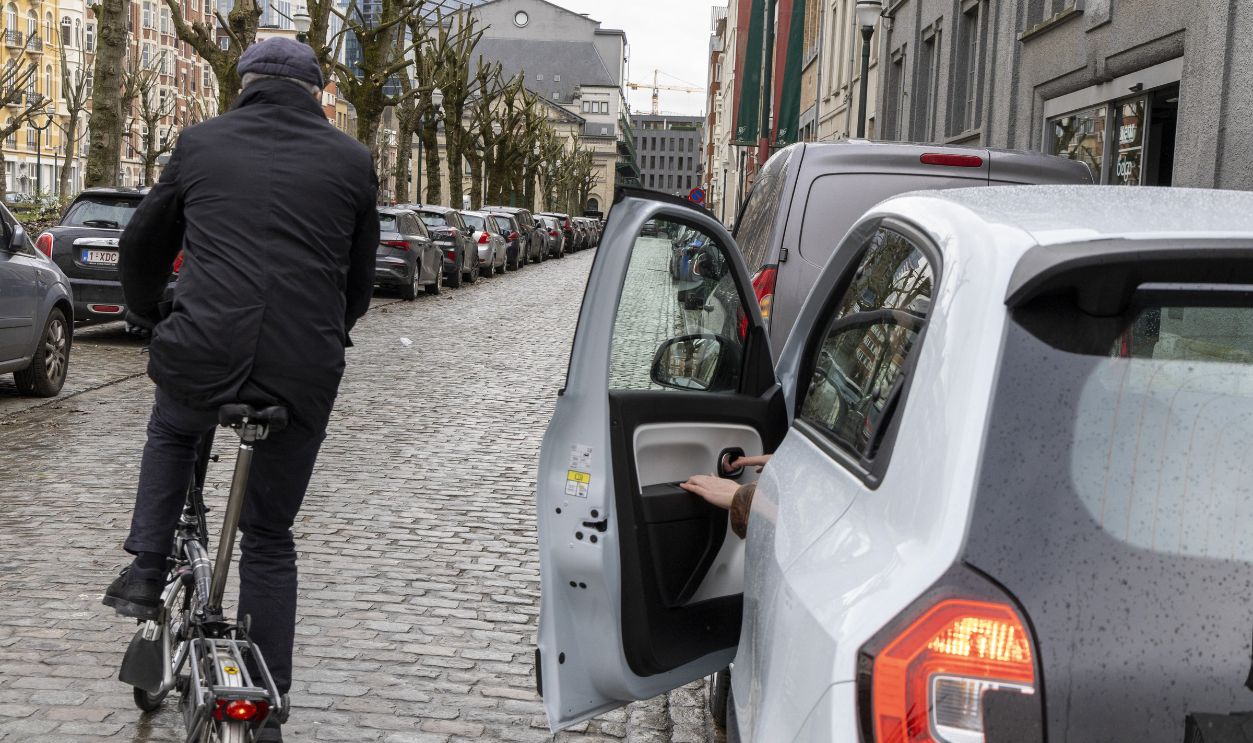
The Dutch Reach means opening the door with the hand farthest from it. That naturally turns your body and makes you look back for cyclists and traffic. U.S. safety agencies and local campaigns have promoted it because it is simple and free. It will not fix a bad street design, but it can lower the risk of dooring.
 NICOLAS MAETERLINCK, Getty Images
Be Extra Careful Pulling Out
Narrow curbside spaces often force drivers to re-enter traffic at a sharp angle with limited visibility. Signal early and wait for a real gap, not an optimistic one. If vans or trucks block your view, creep out slowly and be ready to stop.
Sometimes The Best Move Is To Keep Going
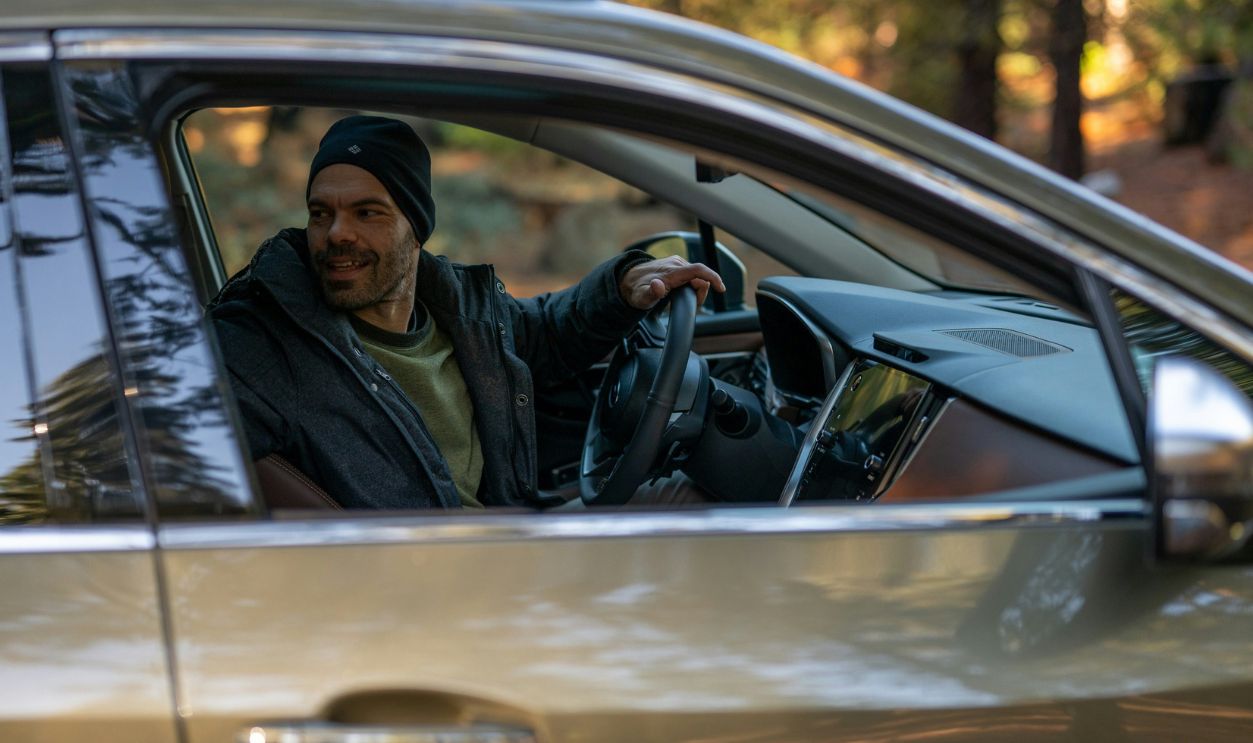
You never have to use a legal parking space just because it is there. If the lane feels too tight, traffic is moving fast, or passengers would have to step straight into danger, find another spot. A longer walk is usually a better trade than unloading into moving traffic.
What To Document If The Design Seems Unsafe
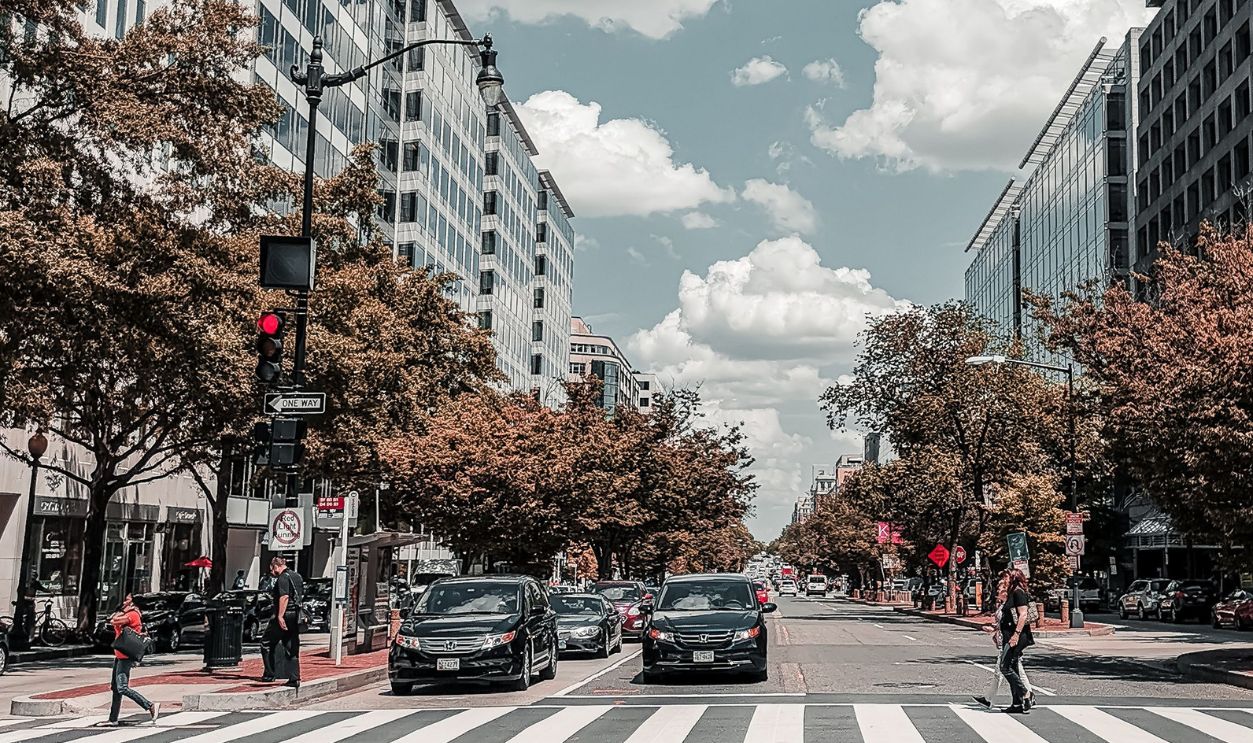
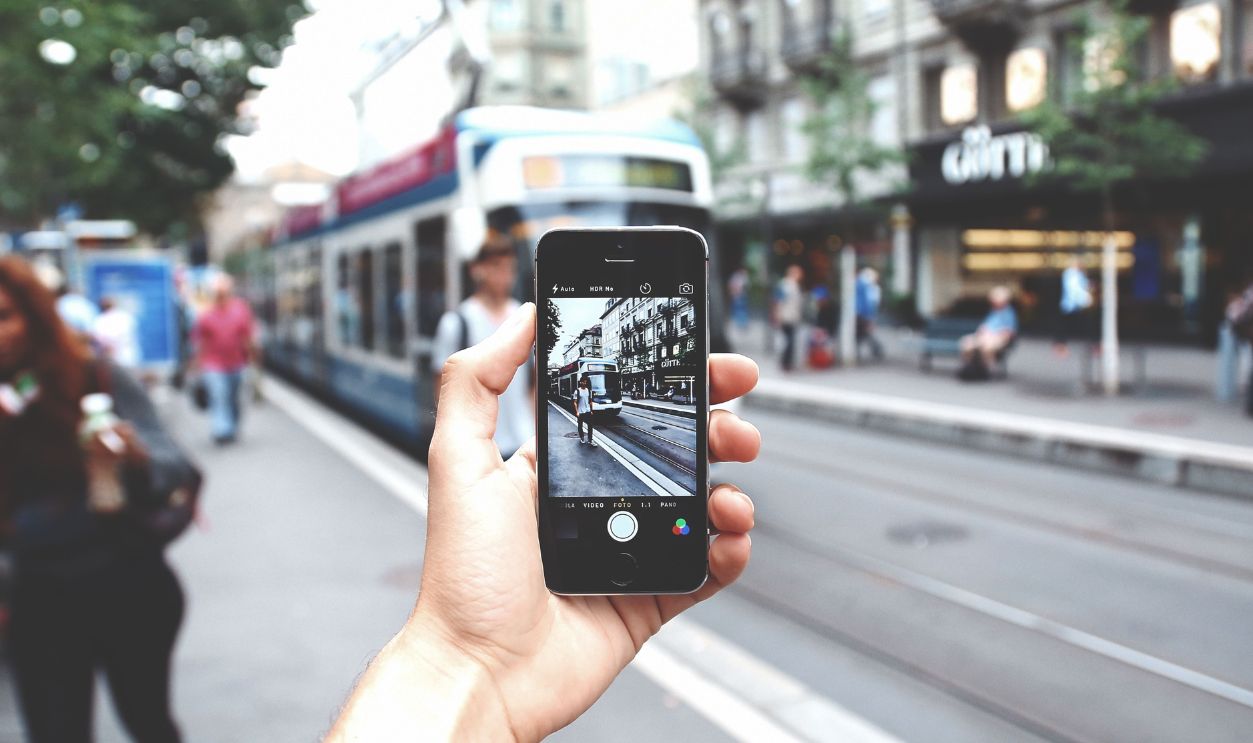
Take clear photos showing the parking line, the lane beside it, traffic conditions, and any nearby bike lane or blocked sight line. Write down the street name, cross streets, and the date and time. If close calls keep happening, that information can help a city traffic office decide whether the layout is creating a predictable hazard.
Who To Contact
Start with your city’s transportation, public works, or traffic engineering department. Many agencies now have online request portals for striping concerns and safety complaints. Be specific about the problem, whether it is dooring risk, blocked visibility, or parking placed too close to fast traffic.

What Officials Usually Review
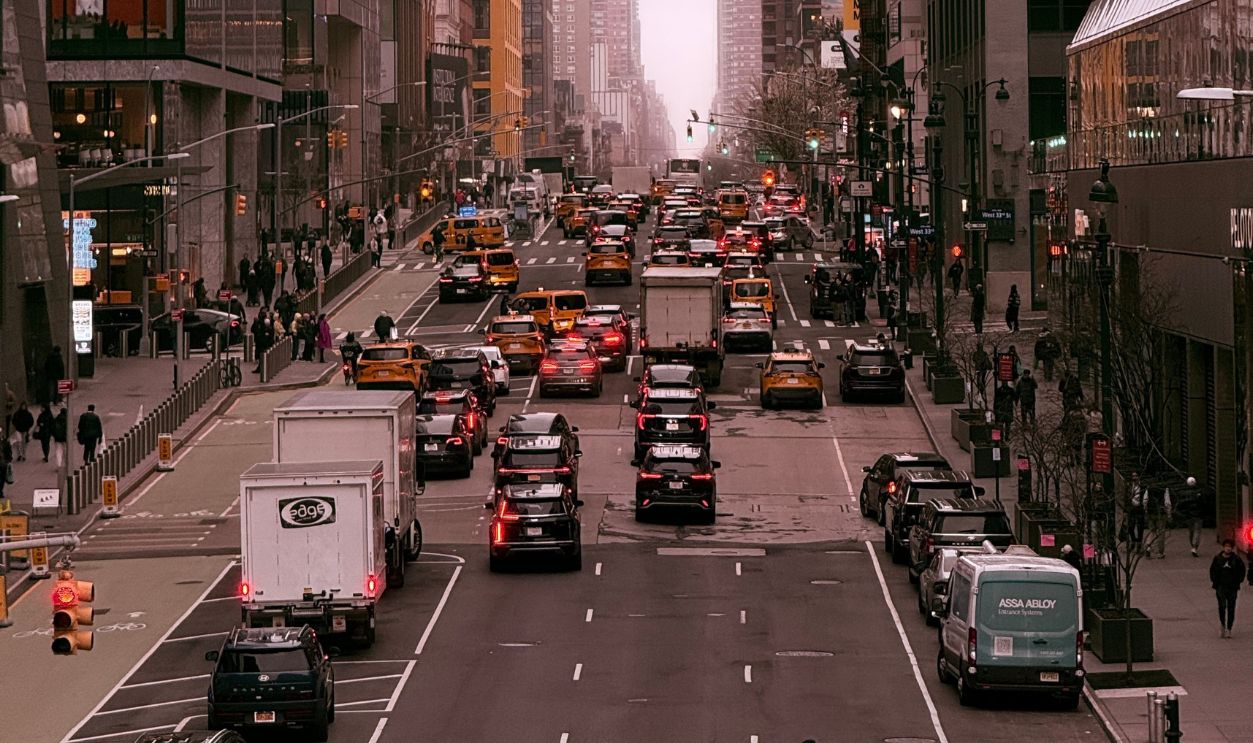
Officials may look at crash history, lane widths, traffic speeds, bike activity, transit use, and whether the block serves deliveries or schools. They may also compare the street to local and national design guidance. Sometimes the fix is removing a space, widening a buffer, moving a bike lane, or limiting parking during certain hours.
More Paint Does Not Always Fix It
If the street is simply too narrow, repainting lines may only shift the problem around. Safer changes can include daylighting corners, adding buffer space, moving parking away from intersections, or narrowing lanes only where speeds and traffic volumes allow it. The goal is to create space that works in real life, not just on a plan.
The Bottom Line
Yes, a legal parking spot can still be unsafe. Federal, state, and city guidance all show that marked parking has to coexist with door clearance, bike access, visibility, and traffic speed, and those things do not always fit neatly on tight streets. If a space leaves you or your passengers just inches from moving traffic, trust that instinct, use extra caution, and report the location if the design looks like a crash waiting to happen.