The Screen Froze. Unfortunately, So Did Everything Else
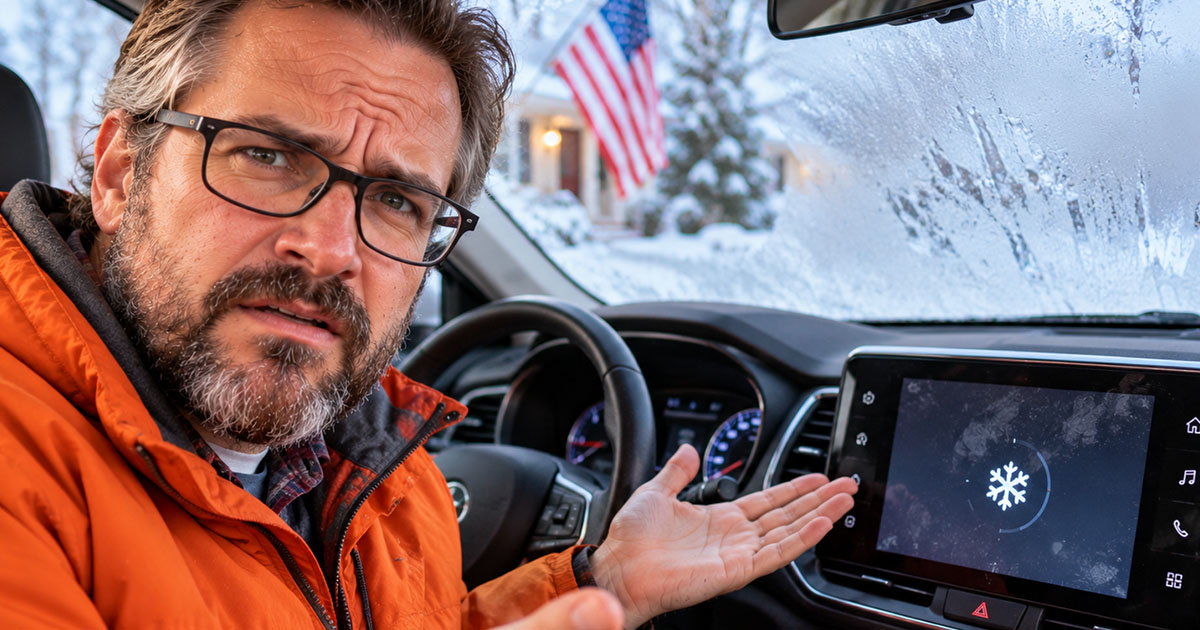
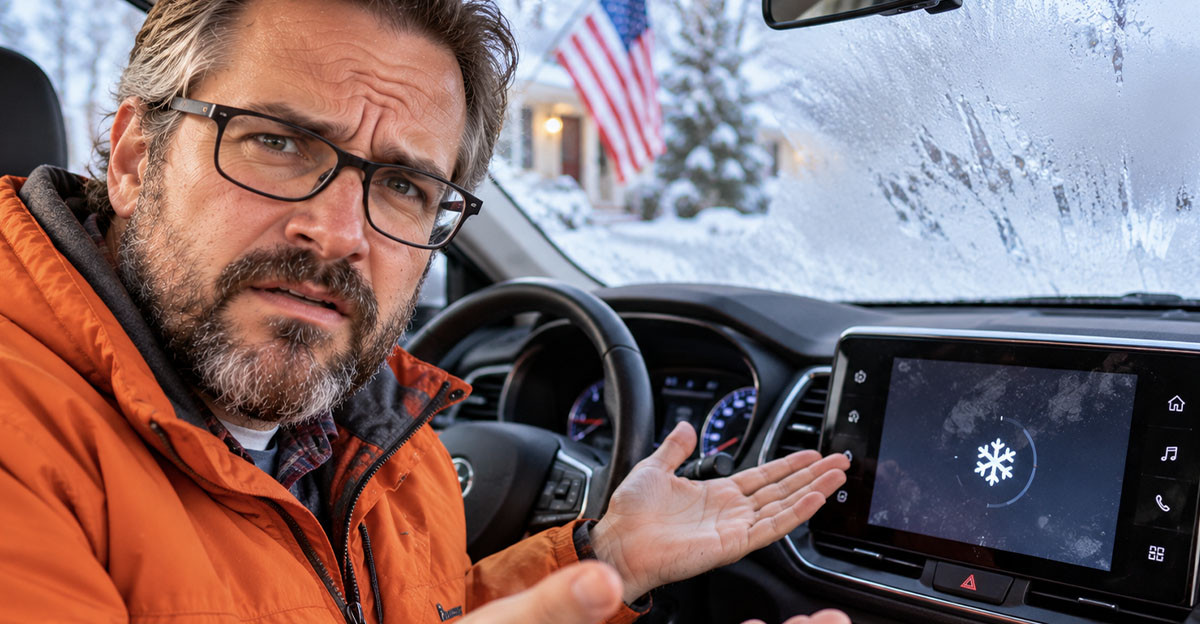
You're driving on a freezing morning when the windshield starts fogging up. No problem—you'll turn on the defroster. Except your car's climate controls live inside the touchscreen, and suddenly that screen isn't responding. You tap it again. Nothing. It's a painfully ironic malfunction, but when a frozen screen prevents you from clearing a windshield, has an annoying technology problem officially become a safety problem?
Cars Have Changed A Lot
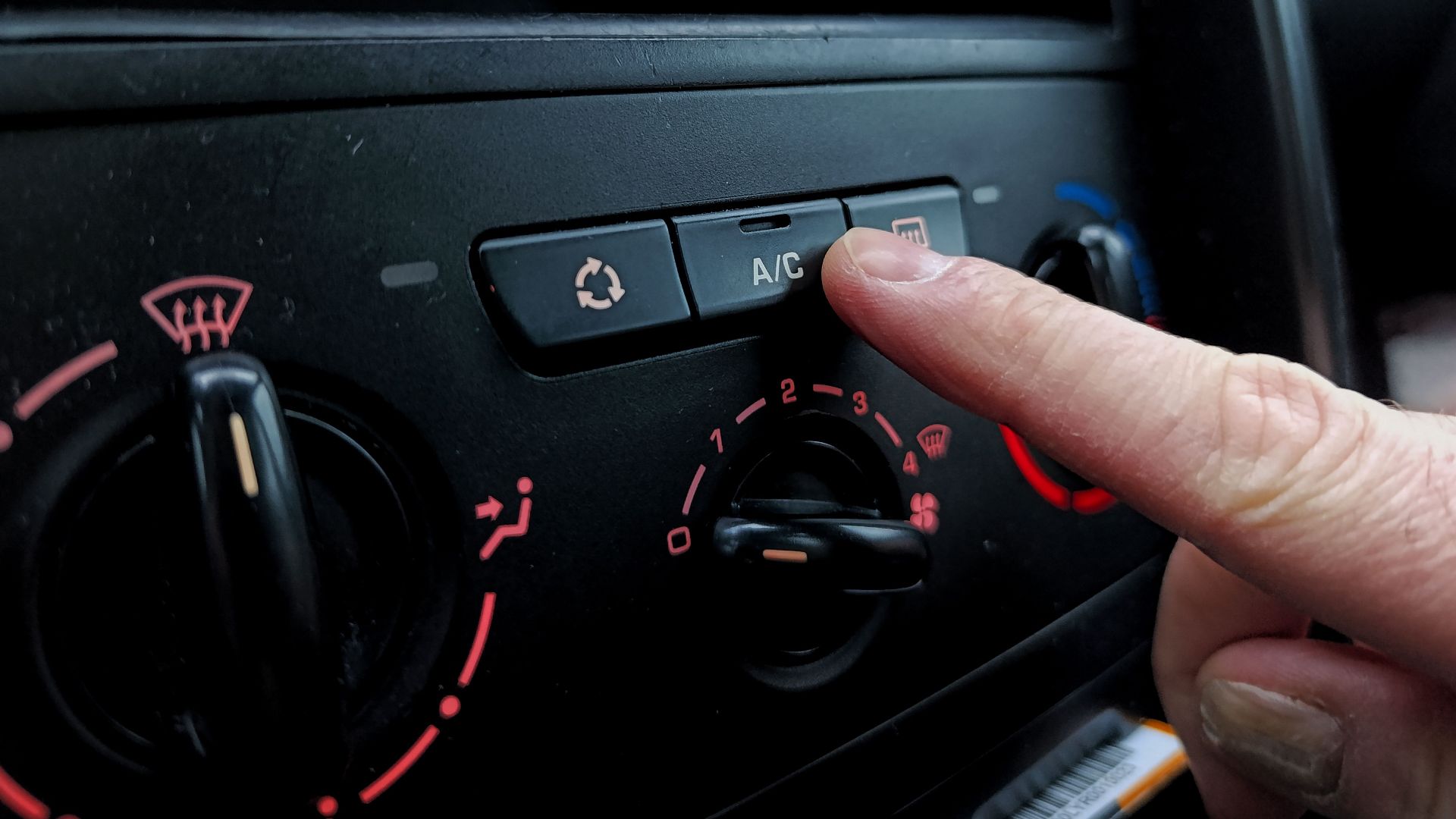
Not long ago, turning on the defroster usually meant twisting a knob or pressing a physical button. You didn't need menus, graphics, processors, or software to make warm air hit the windshield. Modern vehicles increasingly integrate climate functions into digital interfaces, creating capabilities older cars never had—but also some unusual failure points.
The Touchscreen Isn't Just A Stereo Anymore
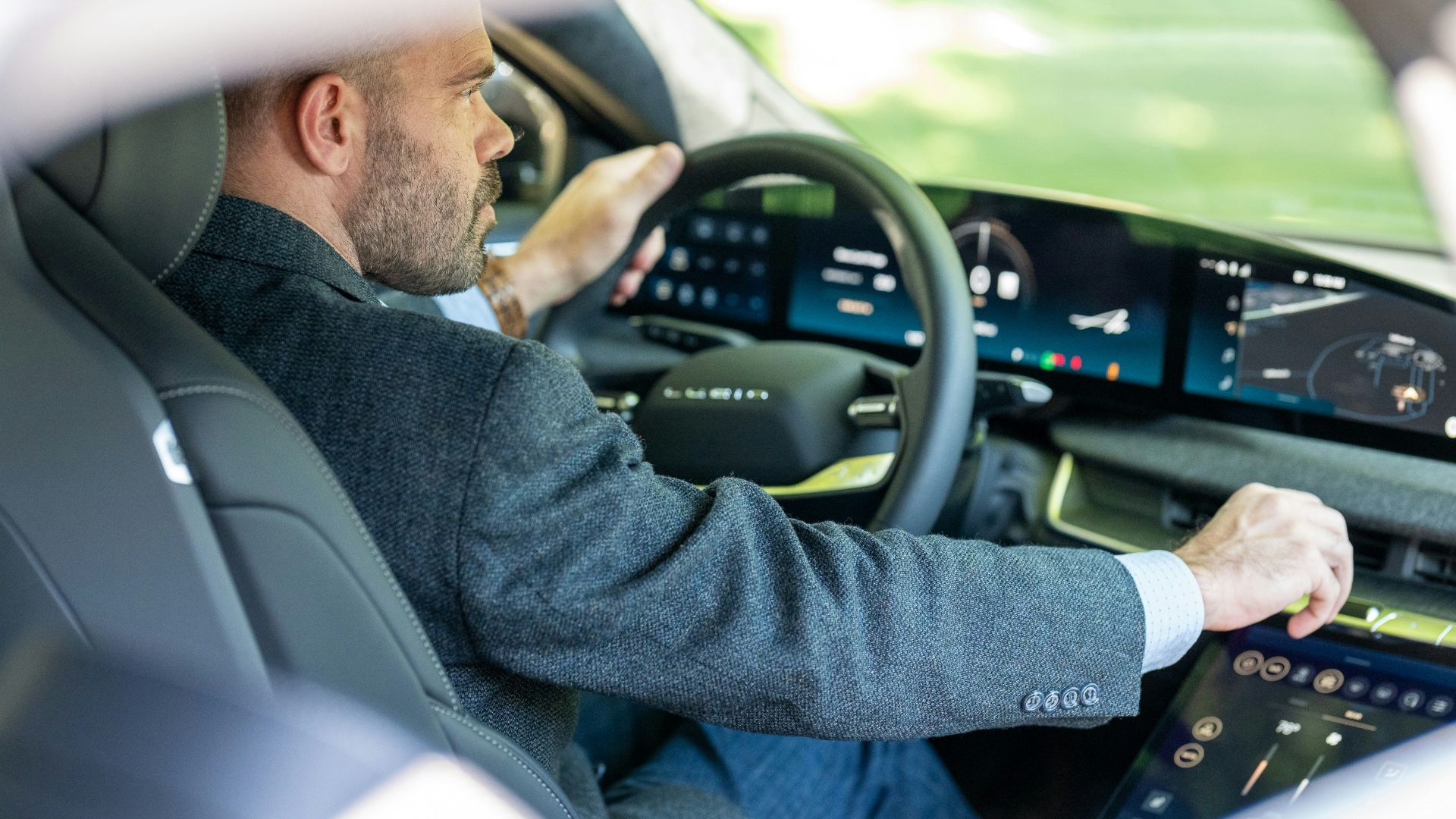
In many newer vehicles, the center display controls considerably more than music and navigation. Depending on the model, it may handle climate settings, heated seats, vehicle configuration, cameras, drive modes, and other functions. That makes a malfunctioning display potentially much more consequential than losing your favorite radio station.
The Defroster Is Different From Spotify
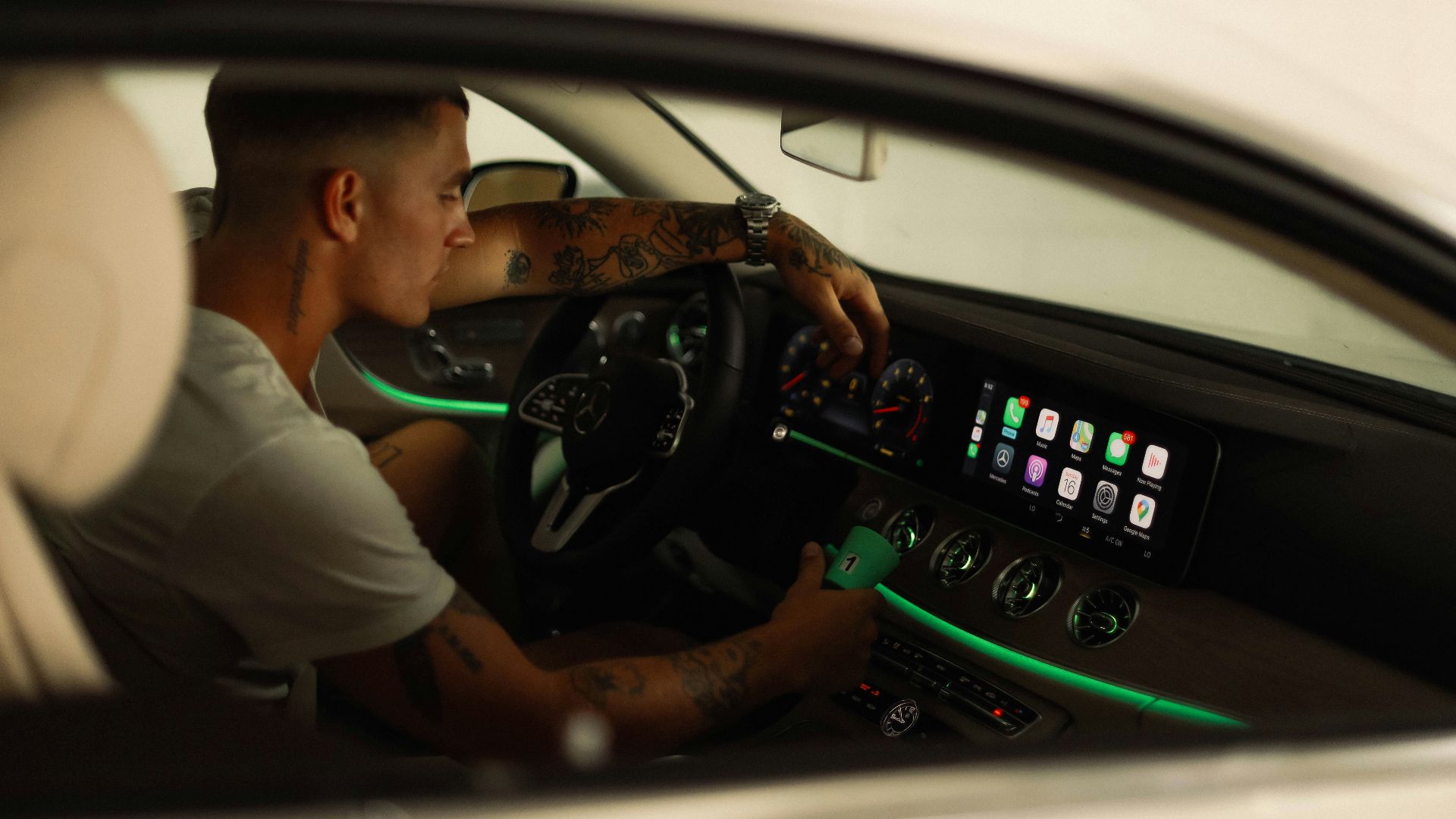
There's an obvious difference between losing access to entertainment and losing access to something that keeps the windshield clear. If your music stops working, your drive gets quieter. If your windshield becomes covered in condensation or frost and you can't clear it, your ability to see the road can deteriorate.
Uncle Sam Actually Takes Defrosting Seriously
Federal vehicle-safety regulations specifically address windshield defrosting and defogging systems. Federal Motor Vehicle Safety Standard No. 103 applies to passenger cars, multipurpose passenger vehicles, trucks, and buses and requires covered vehicles to have a windshield defrosting and defogging system.
That's a pretty strong clue that we're no longer talking about a mere convenience feature.

Why Is A Defroster Considered Safety Equipment?
Because seeing through the windshield is fairly important when you're controlling several thousand pounds of moving machinery. Frost, ice, and interior condensation can obscure the driver's view, particularly during cold or wet weather. A functioning system helps restore and maintain the visibility needed to operate the vehicle safely.

But The Federal Rule Isn't A "Must Have A Button" Rule
Here's an important distinction. Federal safety standards establish performance requirements for the defrosting and defogging system. They don't simply say that every vehicle must have an old-fashioned mechanical button sitting on the dashboard.
That means a manufacturer can use modern electronic controls while still having to satisfy applicable vehicle-safety requirements.

So Touchscreen Defrosters Aren't Automatically Unsafe
Putting a climate function on a screen isn't, by itself, proof of a safety defect. Millions of drivers use electronically controlled HVAC systems every day without problems.
The concern appears when failure of the interface means the driver can no longer operate an important function when it's needed.

And Yes, Regulators Have Encountered This Exact Problem
This isn't merely a hypothetical argument among drivers who miss dashboard knobs. Federal regulators have dealt with vehicle defects where a malfunctioning central display could interfere with windshield defogging and defrosting.
That history makes this scenario considerably more interesting.

NHTSA Investigated Failed Touchscreens
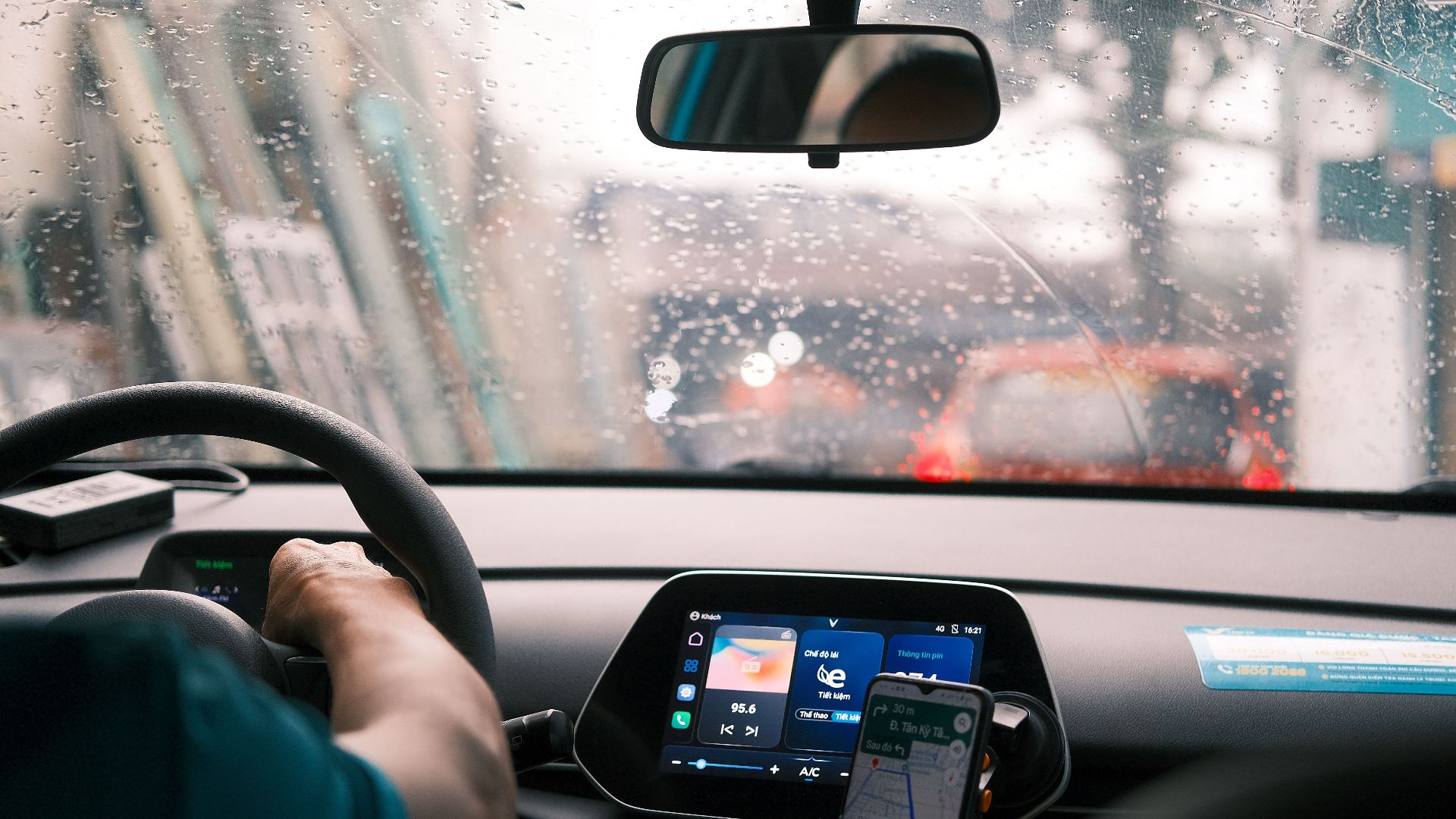
In a federal investigation involving certain Tesla vehicles, NHTSA examined failures of the media control unit that could cause the touchscreen to go black.
The agency specifically noted that when the unit failed, affected vehicles could lose a functioning windshield defogging and defrosting system.
NHTSA Called That A Safety Issue
The agency's reasoning was straightforward: losing the ability to defog or defrost the windshield could reduce driver visibility during bad weather and increase crash risk.
NHTSA's Office of Defects Investigation said similar loss-of-defrost problems had previously resulted in numerous vehicle safety recalls.
That's An Important Answer To Our Question
So, yes—a touchscreen failure that prevents operation of the windshield defroster can absolutely represent a legitimate vehicle-safety concern.
That's different from saying every temporarily frozen touchscreen constitutes a federally recognized defect. But the function you've lost matters enormously.

Other Manufacturers Have Had Similar Problems
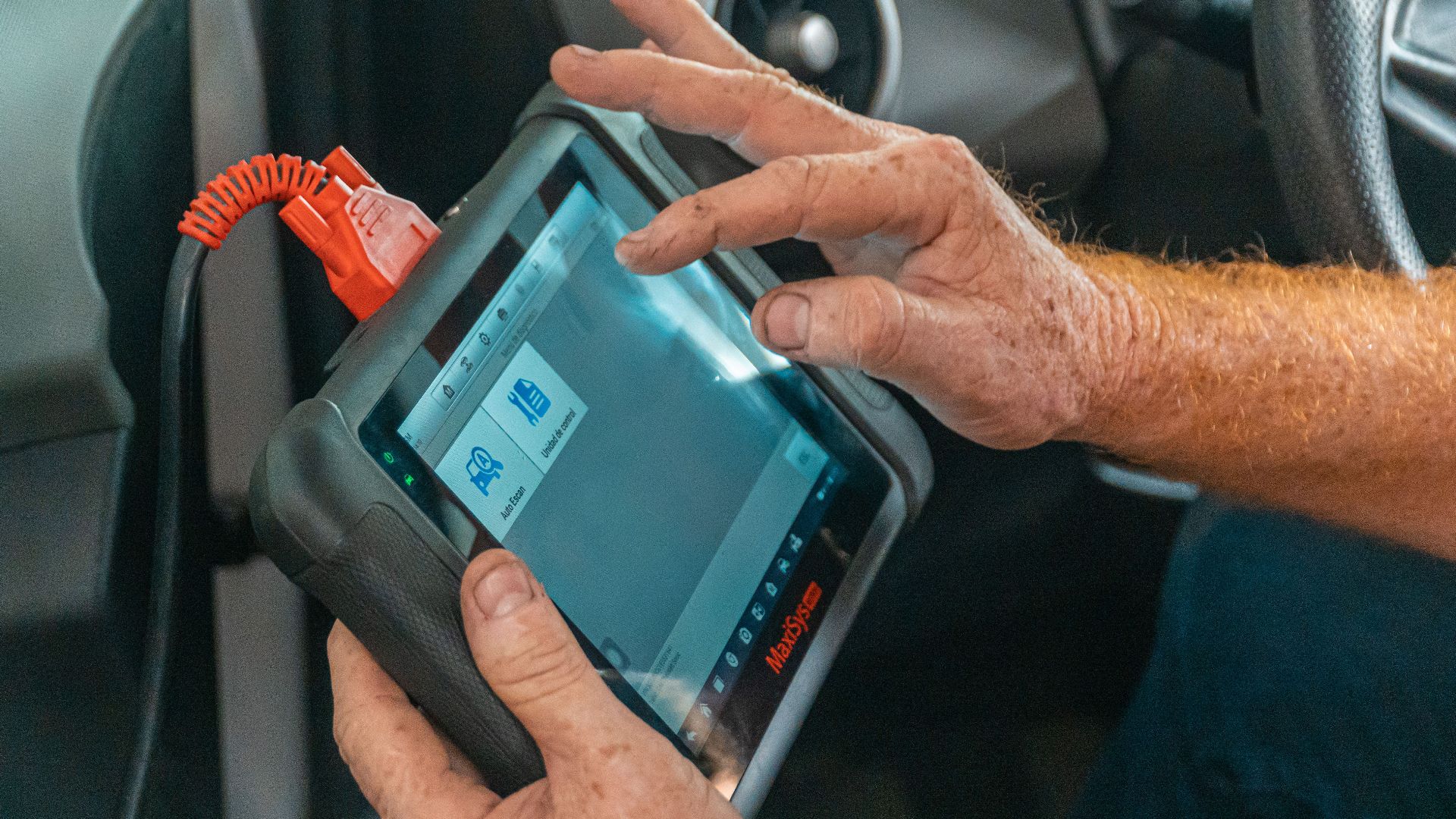
Software-related HVAC failures aren't exclusive to one manufacturer. Vehicle recalls have occurred when electronic control problems interfered with heating or defrosting systems.
Modern cars may be mechanical machines, but software can now determine whether some very physical pieces of equipment work correctly.
 Jose Ricardo Barraza Morachis, Pexels
Software Can Cause Surprisingly Physical Problems
Think about what's actually happening. The heater itself might be perfectly capable of producing heat. The blower motor might be functional. The vents might be completely unobstructed.
Yet if the electronic interface won't accept your command—or the control module doesn't properly execute it—you can effectively lose access to the whole system.
That's The Strange New Reality Of Car Repairs
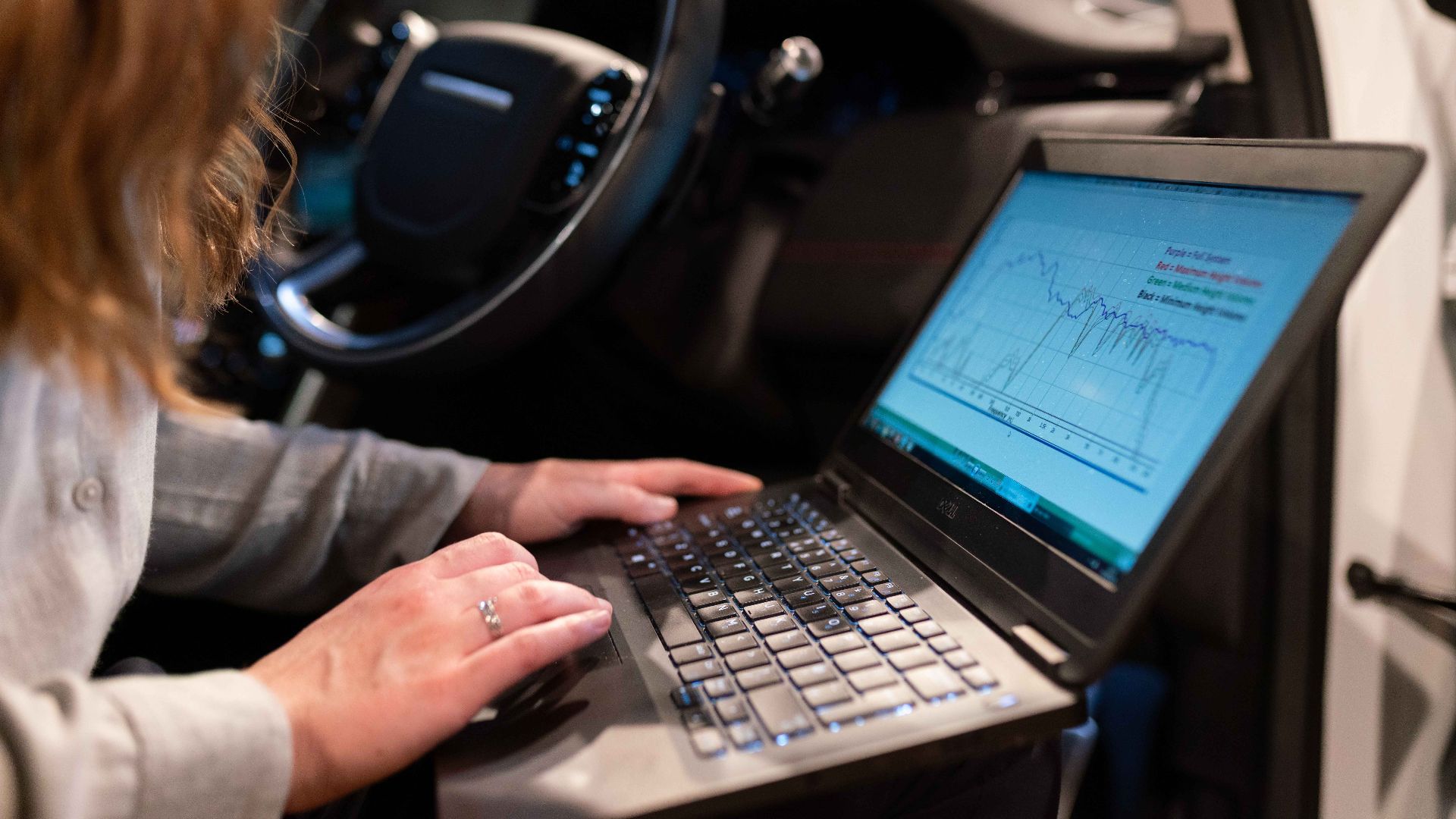
An older car with a broken climate-control knob might need a switch, cable, resistor, relay, or another physical component.
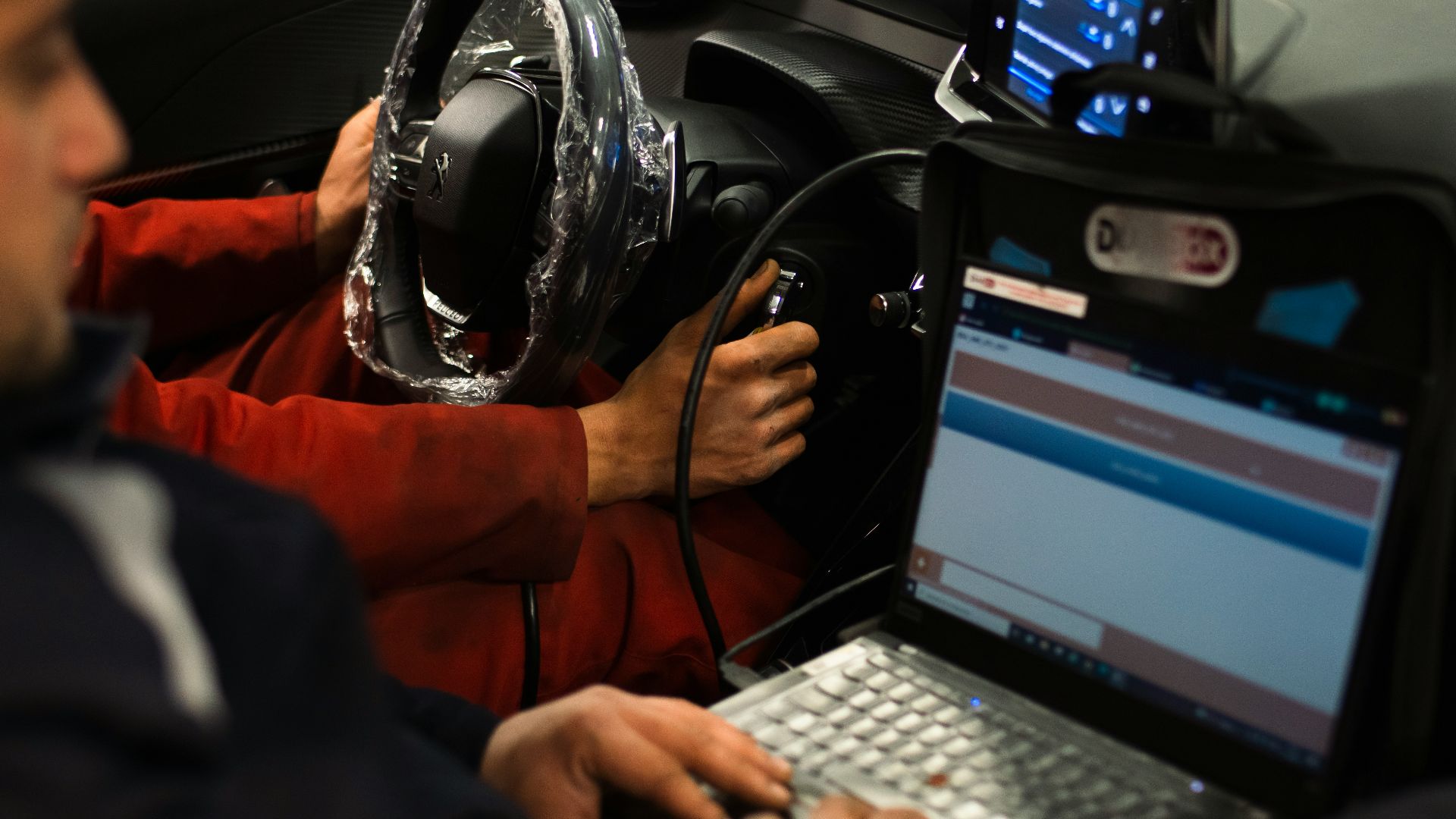
A modern vehicle might need a software reboot or update to solve a problem that ultimately determines whether warm air reaches the windshield.
A Frozen Screen Could Also Create A Second Safety Concern
There's another issue here: distraction.
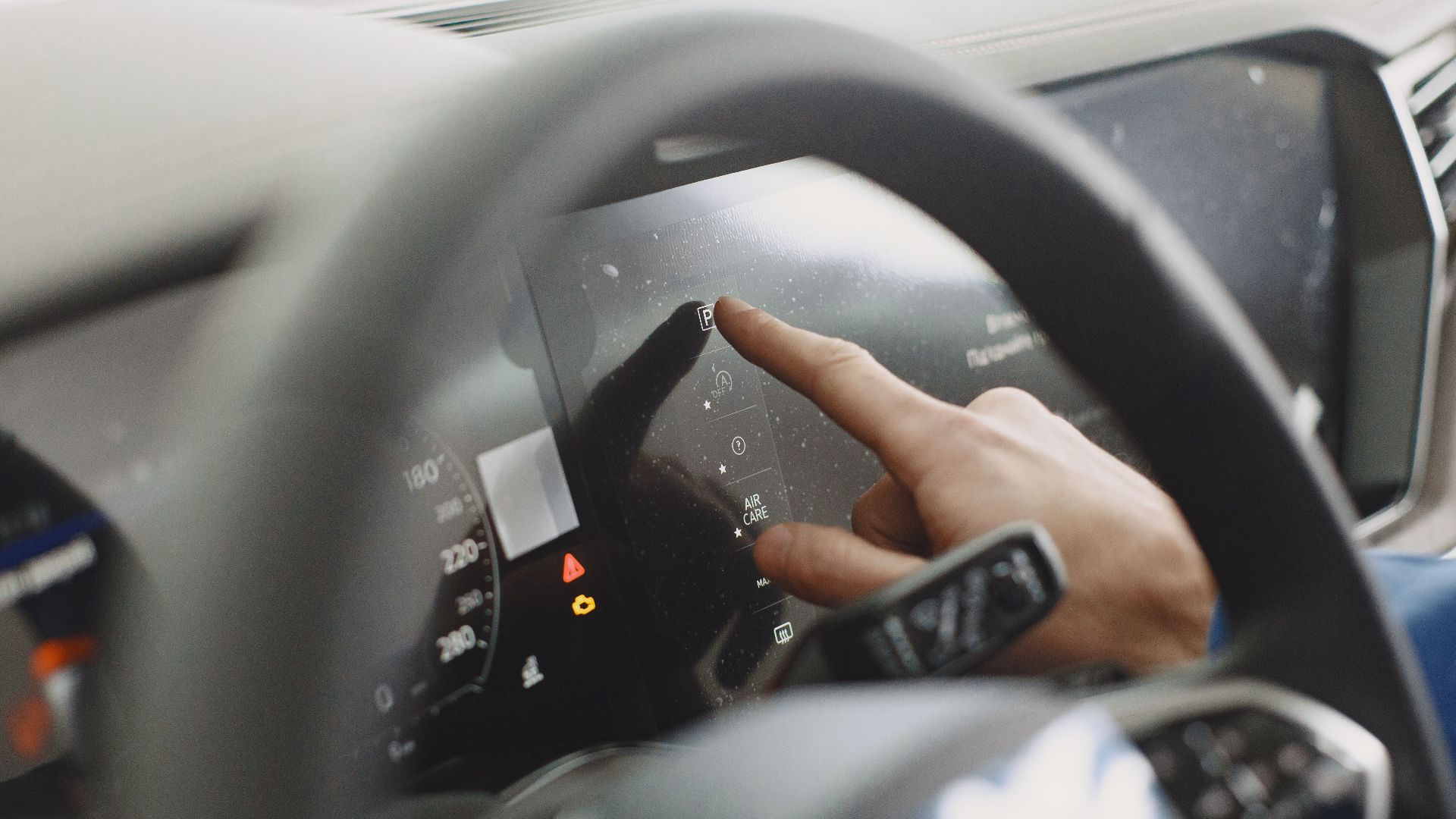
When a touchscreen stops responding, what's the natural reaction? You tap it again. Then again. Then you start hunting through menus, swiping, pressing icons, and wondering whether there's another way to activate the function.
Your Eyes Aren't On The Road Anymore
NHTSA defines distracted driving broadly as activities that divert attention away from driving, including interacting with entertainment and navigation systems. The more time you're staring at an unresponsive screen trying to make something work, the less attention you're giving to traffic.
A malfunctioning interface can therefore create an especially frustrating combination: the windshield is becoming harder to see through while you're also looking away from it.
That's When You Need To Stop Fighting With The Screen
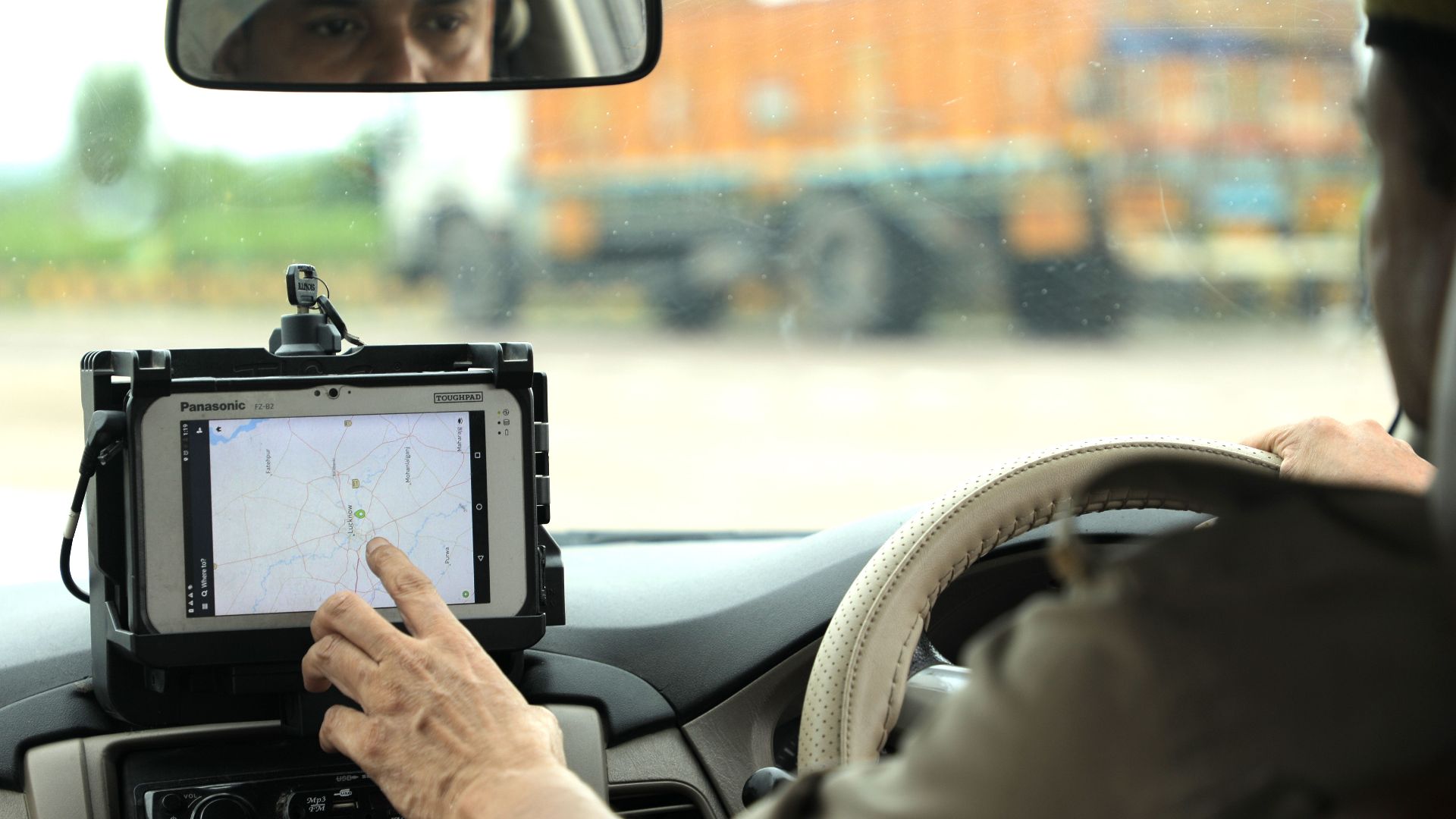
If visibility is deteriorating and you cannot activate the defroster, don't continue driving while repeatedly poking at the display.
Safely pull off the roadway and stop somewhere appropriate. Troubleshooting a malfunctioning computer while simultaneously trying to see through a fogging windshield is not a sensible experiment.

But What If The Screen Comes Back After A Reboot?
That certainly makes the immediate problem less dramatic, but don't automatically forget about it.
A system that crashed once can potentially crash again. If the failure affected something important to visibility, document what happened and have the vehicle checked rather than treating it like a frozen smartphone.

Take A Video—While You're Parked
If the problem happens again, document it while the vehicle is safely stationary. Record the unresponsive screen, show what happens when you attempt to activate the defroster, and capture any warning messages.
Intermittent electronic problems have an irritating habit of disappearing the moment a technician looks at the car.
Write Down The Conditions Too
Record the outside temperature, whether the vehicle had just started, how long you'd been driving, whether the windshield was fogging or icing, and what other controls stopped responding.
Those details could help a dealership reproduce the problem and identify whether it's associated with known software or hardware issues.
Check For Recalls
This should be one of your first steps.
Use NHTSA's recall lookup and enter your vehicle identification number. A recall is VIN-specific, so don't assume your car is covered merely because you found someone online describing the same problem with the same model.

Also Look For Manufacturer Service Information
A problem doesn't necessarily need to trigger a recall before the manufacturer knows about it. Dealers may have technical service information, software updates, or repair procedures addressing touchscreen crashes, HVAC control problems, or other electronic glitches.
Ask the service department specifically whether there are applicable software updates or known issues for your vehicle.

A Recall And A Warranty Repair Aren't The Same Thing
This distinction matters. A safety recall generally involves a safety-related defect or noncompliance and is handled under federal recall requirements.
A warranty repair, meanwhile, may address a defective component or software issue without there being a formal safety recall.
Your car can have a genuine problem even if its VIN shows zero open recalls.

What If The Dealer Says, "Just Reboot It"?
Ask them to document the complaint anyway.
Describe it specifically: the touchscreen became unresponsive and you could not activate the windshield defroster. That's much more useful than writing "screen froze."
Make sure the repair order accurately reflects the safety-related function that became unavailable.

Keep Every Repair Order
If this happens repeatedly, paperwork becomes extremely important.
Keep dates, mileage, videos, repair orders, software versions, dealer findings, and descriptions of the weather conditions. If a recurring defect eventually leads to manufacturer escalation, a safety complaint, warranty dispute, or state lemon-law question, you'll have a clear history.

You Can Report A Safety Problem To NHTSA
If you believe the malfunction creates a vehicle-safety problem, you can file a complaint with NHTSA.
Individual consumer complaints help the agency identify potential defect patterns. A single complaint doesn't automatically create a recall, but recurring reports involving similar vehicles can contribute to a federal investigation.

Does One Frozen Screen Automatically Mean Recall?
No.
Cars contain computers, and computers occasionally glitch. A single temporary touchscreen freeze that immediately resolves doesn't prove there's a widespread safety defect requiring federal action.
What matters is what caused it, which functions were affected, whether the problem can recur, and whether similar failures are occurring in other vehicles.

Losing The Defroster Changes The Stakes
That's the crucial distinction.
If your display freezes and you lose album artwork for three minutes, that's annoying. If the same failure prevents you from clearing condensation from the windshield during a snowstorm, the consequences are completely different.
The hardware failure may be identical. The safety implications aren't.

Physical Controls Have An Obvious Advantage Here
A traditional dedicated button gives the driver a simple, familiar way to request the function without navigating a graphical interface.
That doesn't mean physical controls can never fail. Switches break too. But placing multiple essential functions behind a single electronic interface means one failure can potentially affect several systems simultaneously.
There's Also The Question Of Usability
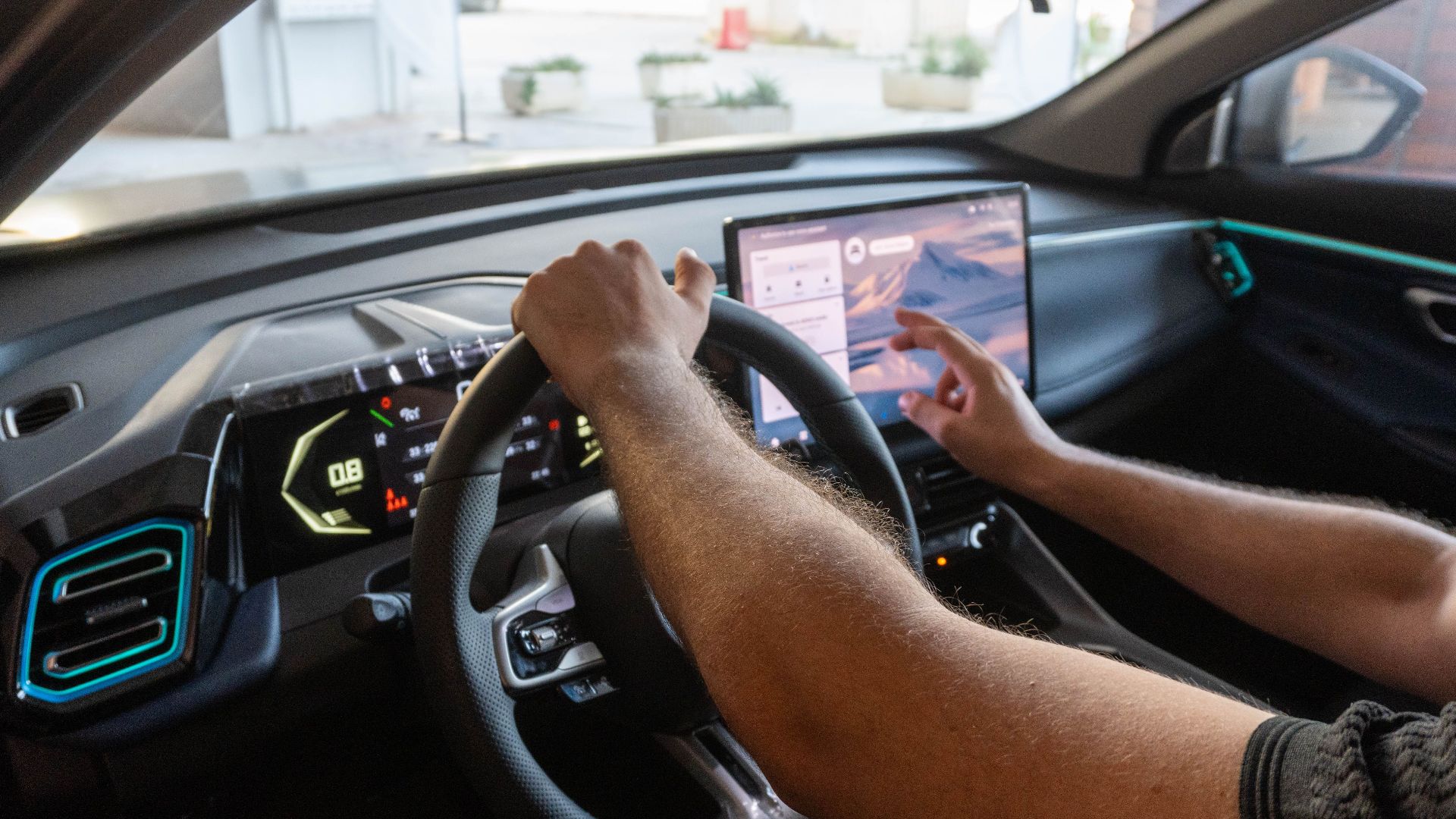
Even when the screen works perfectly, drivers still need to operate controls without becoming excessively distracted.
NHTSA has developed voluntary driver-distraction guidelines for in-vehicle electronic systems, reflecting the broader concern that interfaces should minimize the amount of attention drivers must divert from the road.
So... Is A Frozen Touchscreen Defroster A Real Safety Problem?
Yes, it certainly can be. The federal government specifically regulates windshield defrosting and defogging performance, and NHTSA has previously treated failures that eliminate defrosting capability as potential motor-vehicle safety defects.
That doesn't mean your particular vehicle is automatically defective under federal law because its touchscreen froze once. But losing access to the windshield defroster is substantially more serious than an ordinary infotainment glitch.

Here's What You Should Do
If it happens while your windshield is becoming obscured, prioritize visibility rather than troubleshooting. Pull over safely if you cannot maintain a clear view.
Afterward, document the malfunction, check your VIN for recalls, contact the dealership, ask about software updates or known service information, and make sure the repair order specifically states that the touchscreen failure prevented operation of the windshield defroster.
If the problem repeats or the manufacturer doesn't resolve what you believe is a safety-related defect, consider submitting a complaint to NHTSA.
Because there's something undeniably ridiculous about your defroster controls freezing when you're trying to defrost the windshield—but once you can't see the road, the joke stops being funny pretty quickly.

You May Also Like:
Car Brands That Break Down The Most—According To Mechanics
New Car Models Baby Boomers Can’t Stand
Studies Now Show That Advanced Driver-Assistance Systems (ADAS) May Be Doing More Harm Than Good