
When Your Car Starts Sending Bills
You already paid for the car. But a growing number of automakers are finding ways to charge drivers again for features and conveniences that previous generations expected to keep using without another bill.
The Subscription Era Has Reached The Dashboard
Car subscriptions are no longer limited to satellite radio or entertainment services. Manufacturers now offer recurring plans covering remote controls, navigation enhancements, driver assistance, and other connected features. The important distinction is that some subscriptions fund ongoing services, while others unlock capabilities built into the vehicle itself.

Remote Start Is No Longer Always A One-Time Purchase
Remote start once commonly came as a factory option or accessory that drivers paid for upfront. Toyota's Remote Connect service now offers remote engine starting through a compatible smartphone app on eligible vehicles. The feature requires an active subscription after any applicable trial, although availability and alternative key-fob functions vary by model.

Toyota's Key-Fob Controversy Surprised Owners
Toyota attracted criticism when owners discovered that remote starting through certain factory key fobs could depend on an active connected-services subscription. The company explained that the feature relied on its Remote Connect system on affected vehicles. Not every Toyota works this way, so the vehicle's model, year, equipment, and service terms matter.

Your Phone Can Become A Paid Car Remote
Many automakers now allow drivers to lock, unlock, or start compatible vehicles using smartphone applications. These functions may require manufacturer accounts, connected-service plans, and working cellular connections. Unlike a traditional physical key, the app can depend on a service agreement that changes over the vehicle's lifetime.

GM Charges For Certain Remote Commands
General Motors offers connected-service plans that can include remote vehicle commands through its mobile applications. Depending on the vehicle and plan, drivers may be able to lock doors, sound the horn, or start the engine remotely. The subscription requirement applies to the connected app functionality rather than necessarily eliminating ordinary operation of the physical key.
Ford Can Charge For Navigation After The Trial
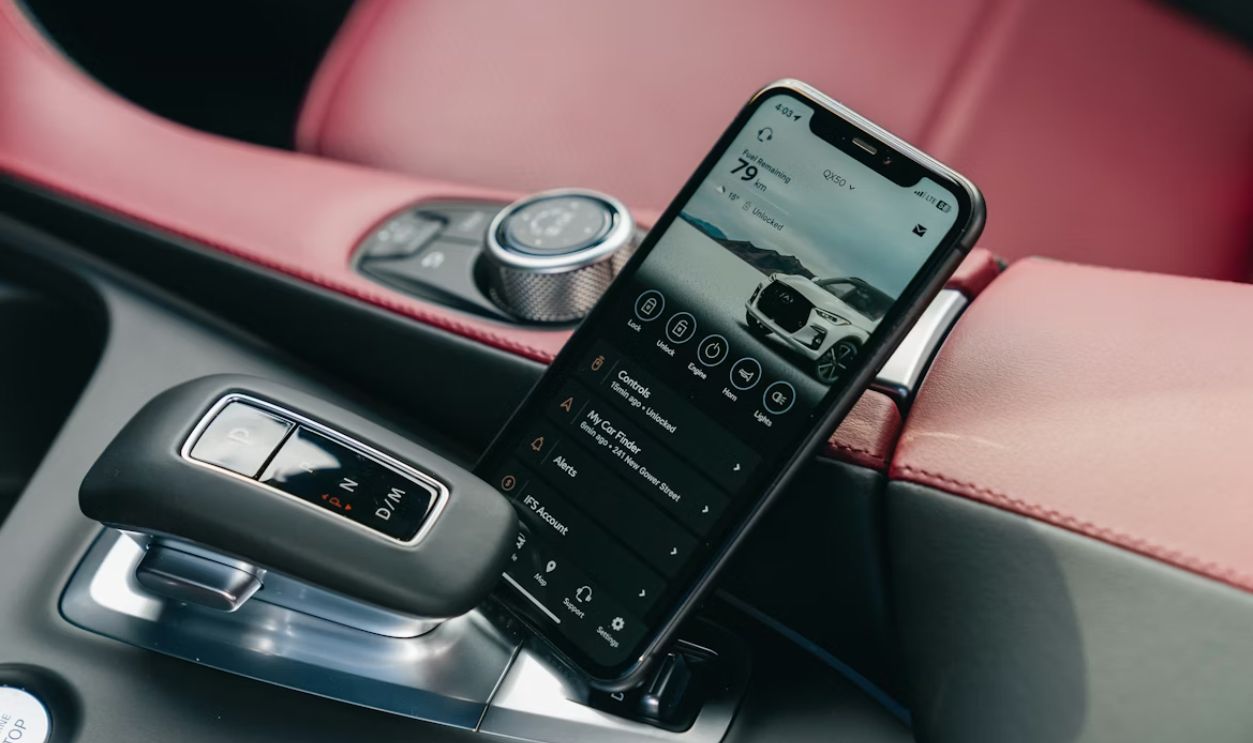
Built-in navigation was traditionally purchased with the car or included in a higher trim level. Ford now offers Connected Navigation on eligible vehicles for $7.99 per month or $79.95 annually after the complimentary trial. It provides turn-by-turn guidance, live traffic information, and other features through the vehicle's infotainment system.

Some Ford Maps Lose Directions When You Stop Paying
Ford makes an important distinction between Connected Navigation and Connected Built-In Navigation. When the Connected Navigation subscription expires, the former can revert to a basic moving map without turn-by-turn directions. Vehicles with the older Connected Built-In Navigation system retain offline routing but lose certain live services.

Live Traffic Information Can Cost Extra
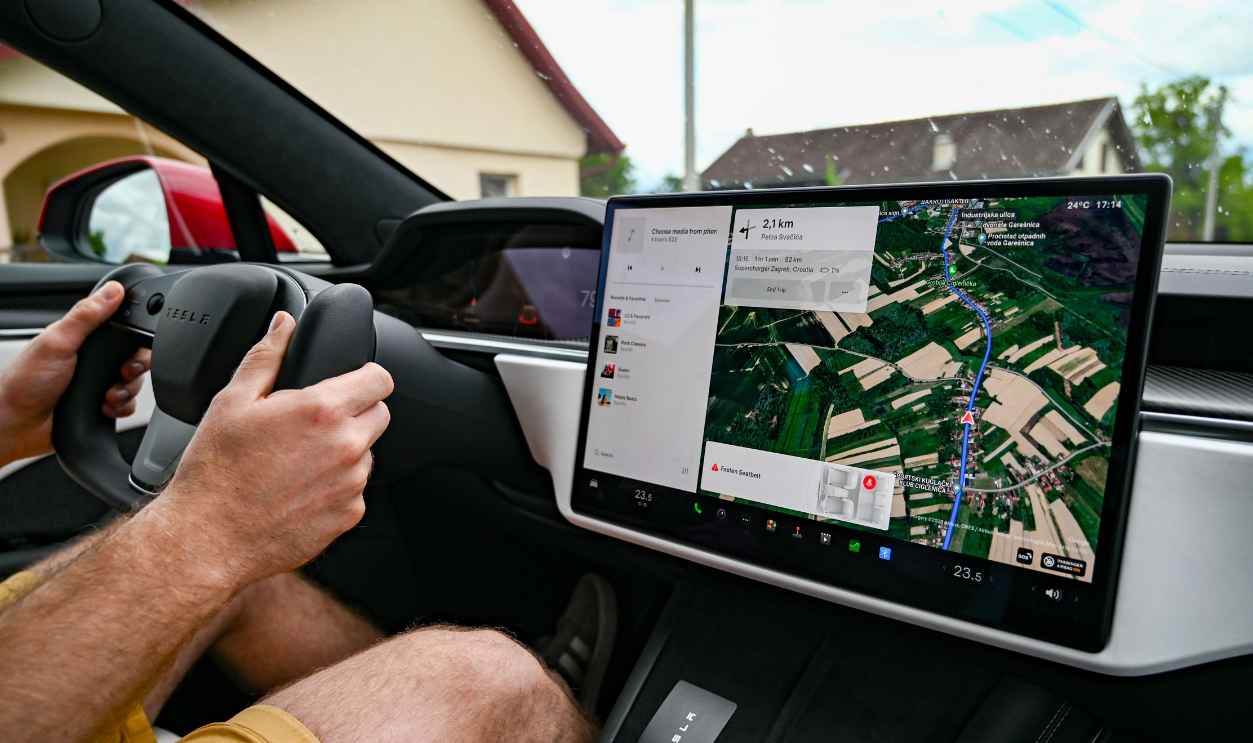
Traffic information used to be included in some factory navigation systems or offered through separately purchased traffic services. Tesla's Premium Connectivity package now adds live traffic visualization and satellite-view maps to its standard navigation experience. Basic maps and navigation remain available through Tesla's included Standard Connectivity during its stated service period.
Satellite Maps Are Behind Another Paywall
Tesla's Premium Connectivity service currently costs $9.99 per month in the United States. One of its benefits is satellite-view mapping, which replaces the basic map presentation with more detailed imagery. Drivers can still navigate without Premium Connectivity, but the enhanced display is part of the paid package.
Even Music Streaming Can Require Two Payments
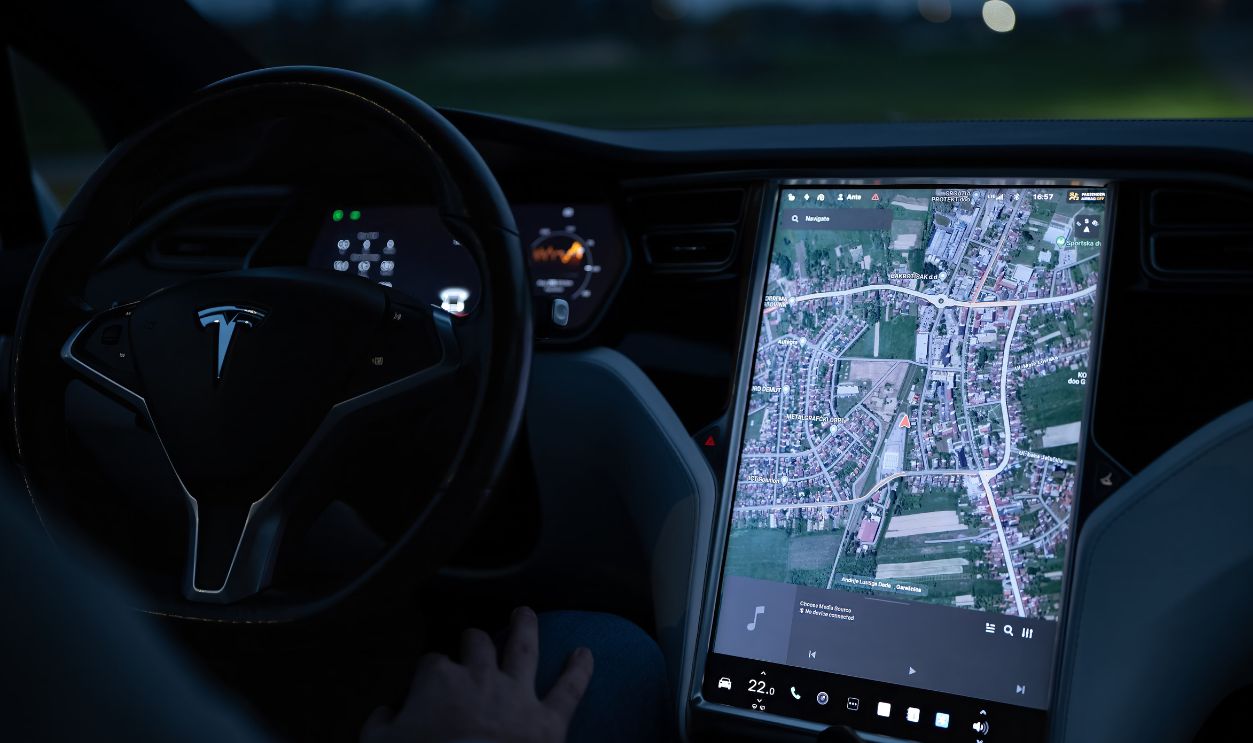
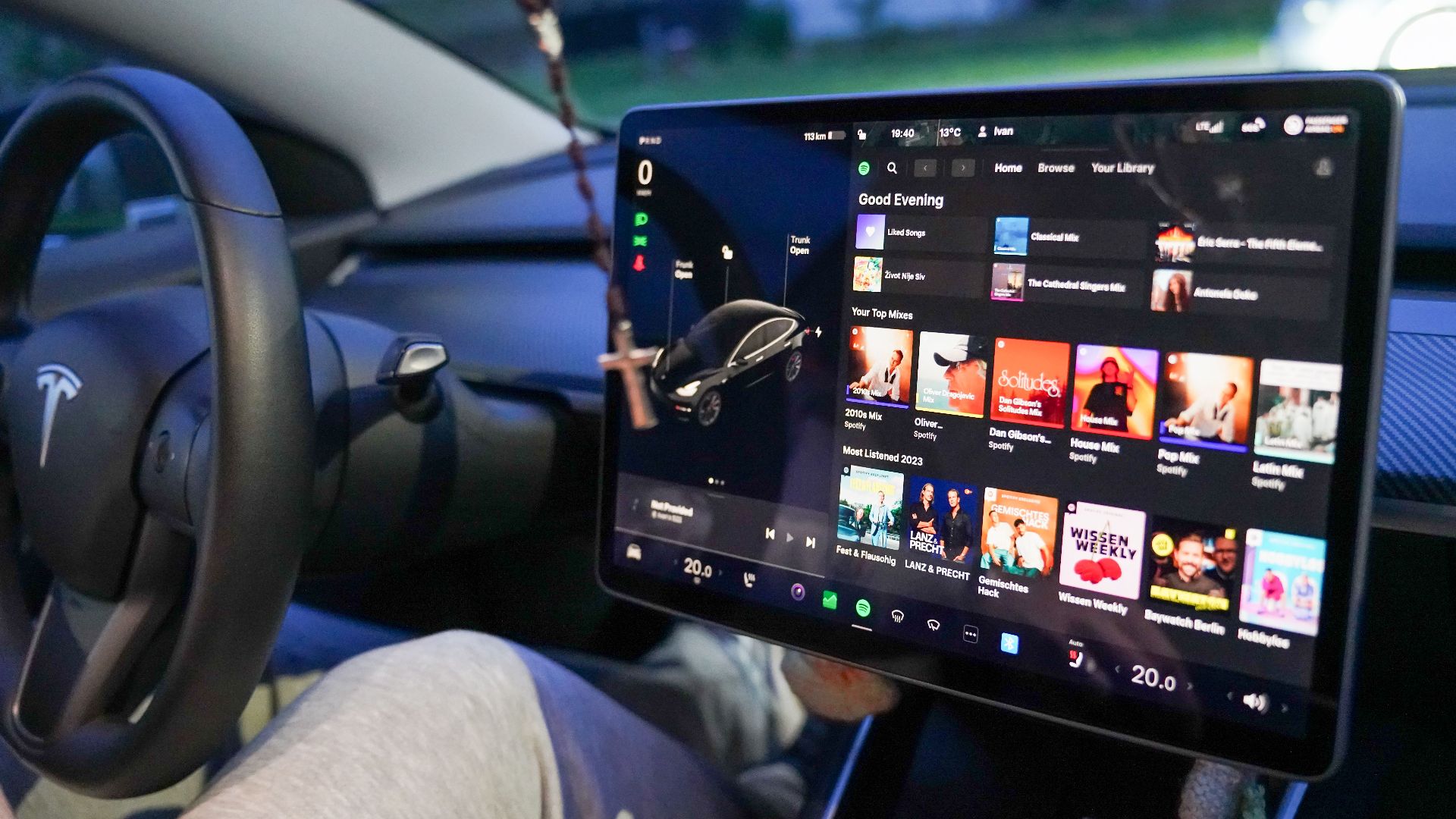
Tesla's Premium Connectivity enables in-car music and media streaming over cellular data. However, Tesla explains that drivers may also need separate paid accounts with the streaming providers themselves. That can leave owners paying for both the vehicle's connectivity and the entertainment service.
Ford Has Bundled Entertainment Into A Monthly Plan
Ford's Connectivity Package combines several connected features, including navigation, Wi-Fi, streaming, and voice assistance on compatible vehicles. The package currently costs $14.99 per month after its included introductory period. Some entertainment applications also require separate accounts or subscriptions, so the vehicle's fee does not necessarily cover everything.
Even Voice Commands Can Be A Premium Feature
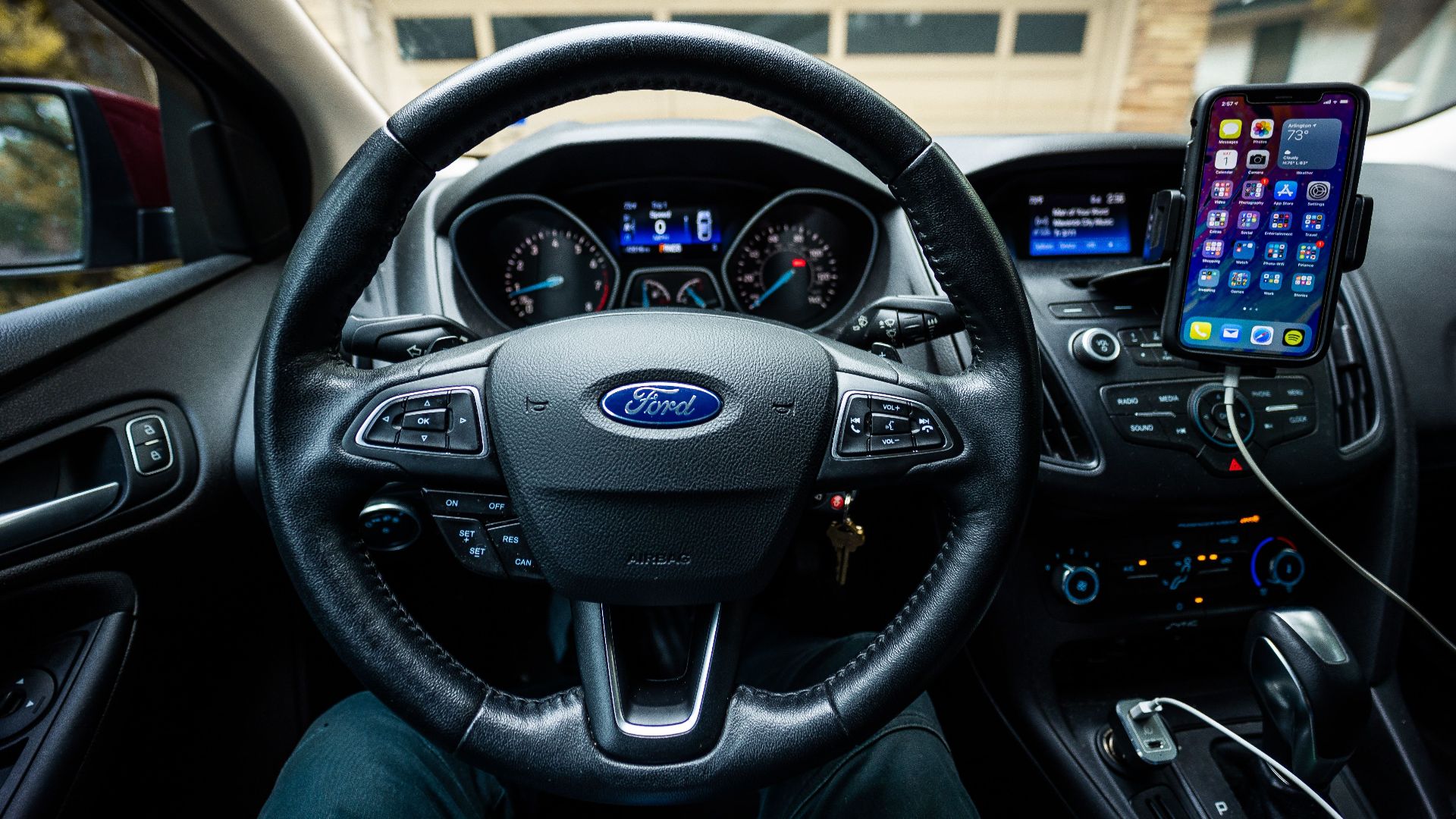
Voice controls have existed in automobiles for decades, although their capabilities have improved dramatically. Volkswagen now markets Premium Speech and enhanced voice assistance as part of its connected-service offerings. The distinction is between basic vehicle controls and newer cloud-connected functions that require continuing service access.

Volkswagen Offers Premium Navigation Plans
Volkswagen's connected-services catalog includes Premium Navigation alongside other subscription-based features. These services add connected capabilities to eligible vehicles through the manufacturer's software platform. Availability depends on the model, equipment, market, and selected plan.
The Car's Wi-Fi Hotspot Has A Recurring Bill
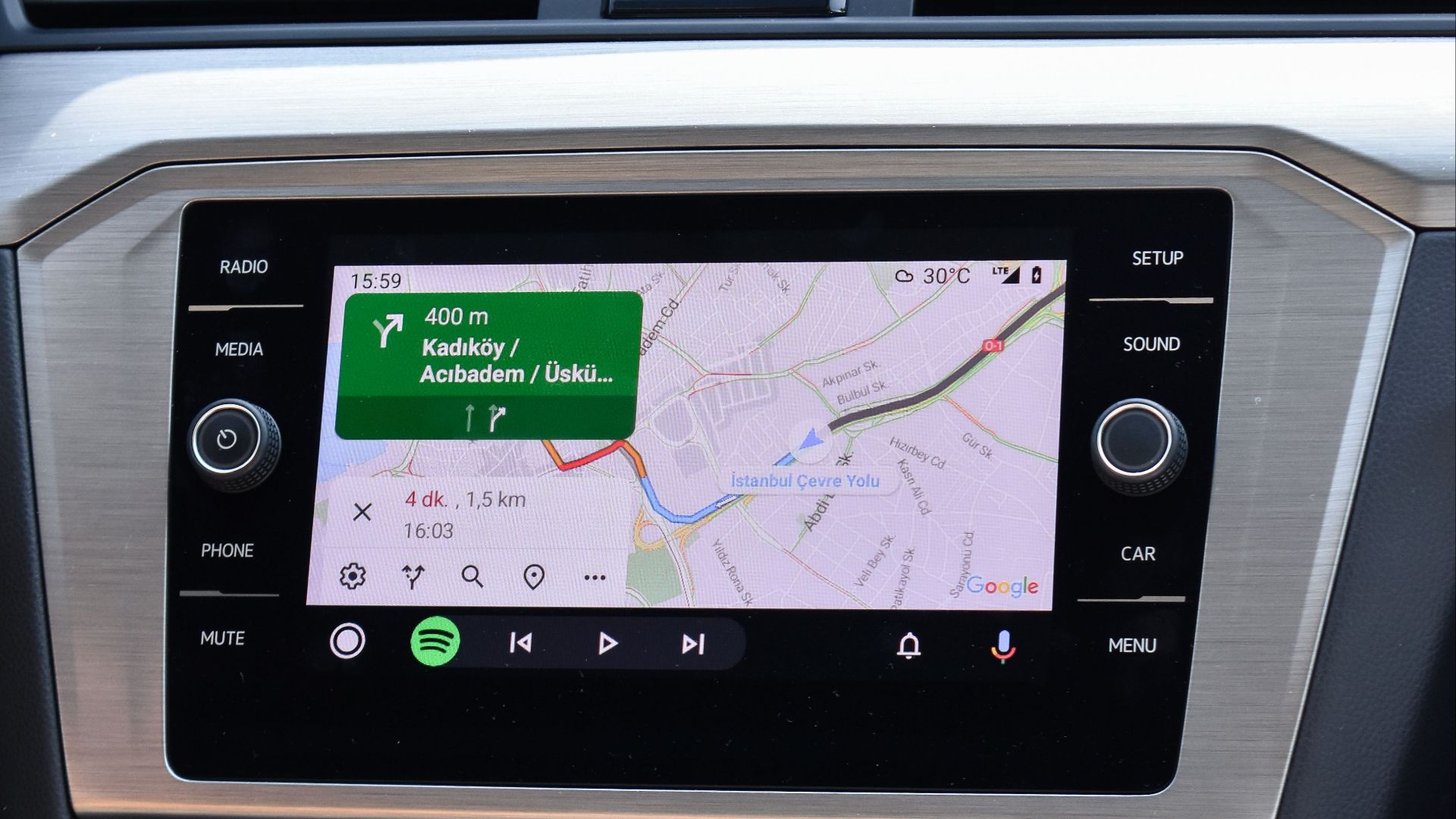
A built-in Wi-Fi hotspot can provide internet access to passengers without relying on a separate phone connection. Ford's Connectivity Package includes an unlimited-data hotspot supporting up to ten devices on eligible vehicles. The cellular service behind that feature is part of the recurring package rather than a permanent free benefit of the hardware.
 denis kalinichenko, Shutterstock
BMW Experimented With Subscription Heated Seats
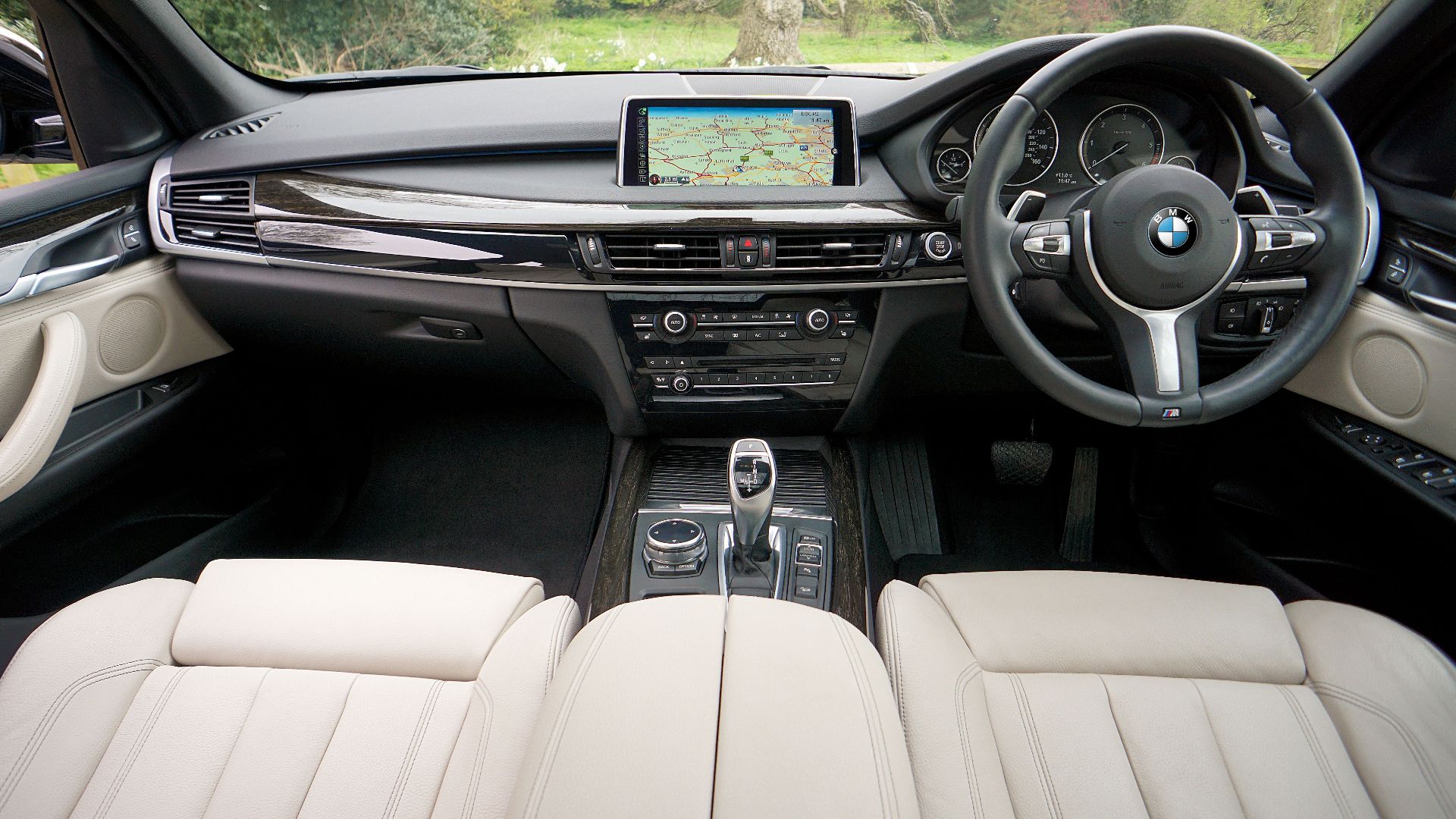
One of the most controversial examples involved a feature that did not require a continuing internet service to produce its basic benefit. BMW offered subscription access to heated front seats in certain markets, allowing owners to activate hardware already installed in their vehicles. The program attracted criticism because customers could be charged repeatedly to use equipment physically present in the car.
BMW Eventually Abandoned The Heated-Seat Subscription
BMW discontinued its heated-seat subscription offering in 2023 after customers showed limited interest. The company continued pursuing other downloadable vehicle upgrades, but heated seats became a prominent example of the limits of consumer acceptance. It also showed that subscription experiments are not necessarily permanent.

BMW Also Offers Digital Parking Assistance
BMW's ConnectedDrive Store allows eligible owners to purchase Parking Assistant Professional as a digital upgrade. The package can include remote parking, automated maneuvers, and assistance reversing through tight spaces. These are more advanced than traditional parking sensors, and availability depends on the vehicle's existing equipment.
Even Suspension Performance Can Be Software-Enabled
BMW also lists Adaptive M Suspension among its ConnectedDrive upgrades. On compatible vehicles, software activation can provide access to suspension functionality without installing an entirely new suspension system. It illustrates how manufacturers can sell the capabilities of existing vehicle hardware after the original purchase.
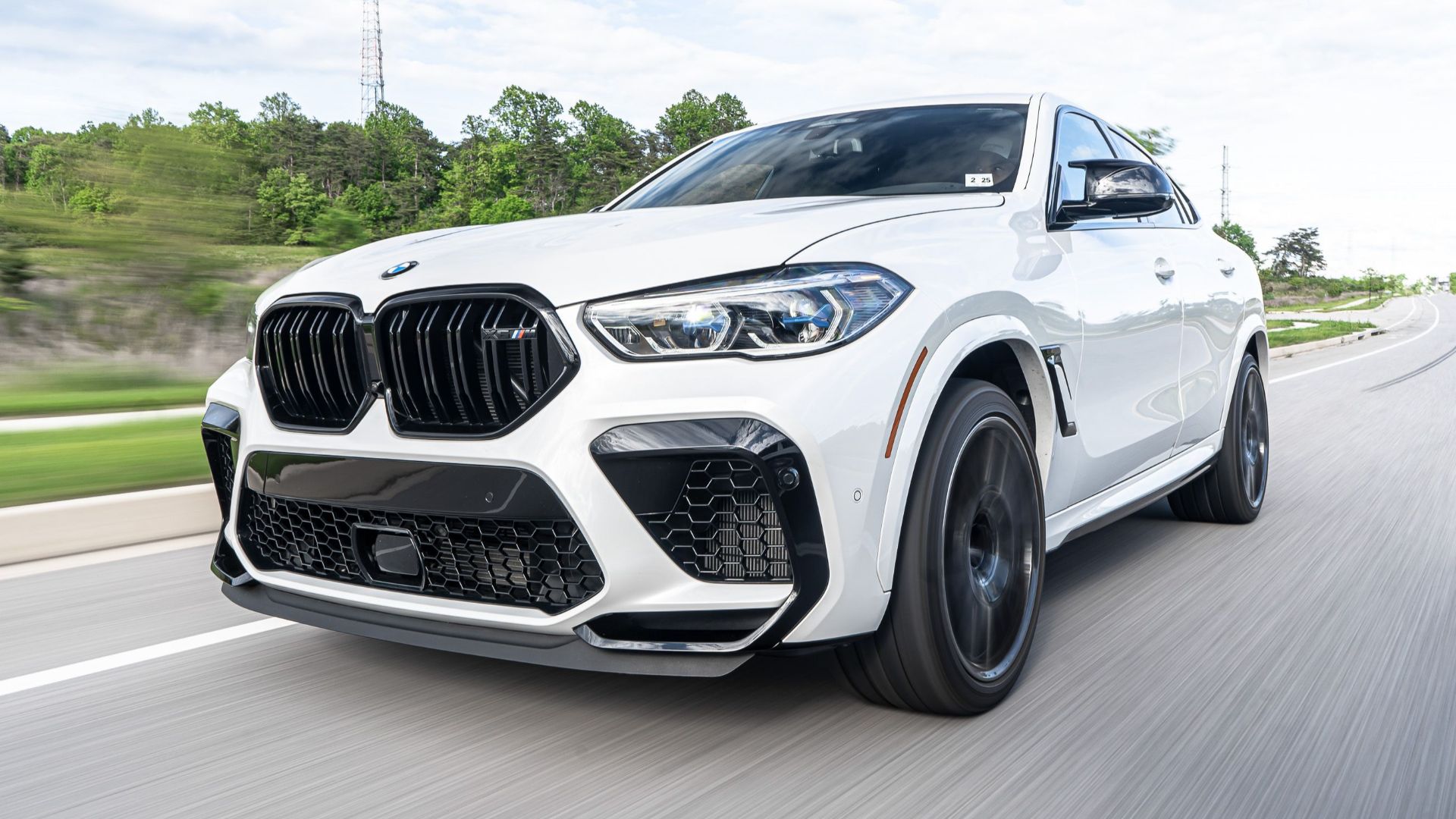
Mercedes Put Extra Acceleration Behind A Payment
Mercedes-Benz introduced Acceleration Increase On-Demand for eligible EQE and EQS electric vehicles in North America. The upgrade can increase output by as much as 80 horsepower and improve acceleration without requiring physical engine modifications. Mercedes offered monthly, annual, and lifetime purchase options, turning additional vehicle performance into a software-controlled product.
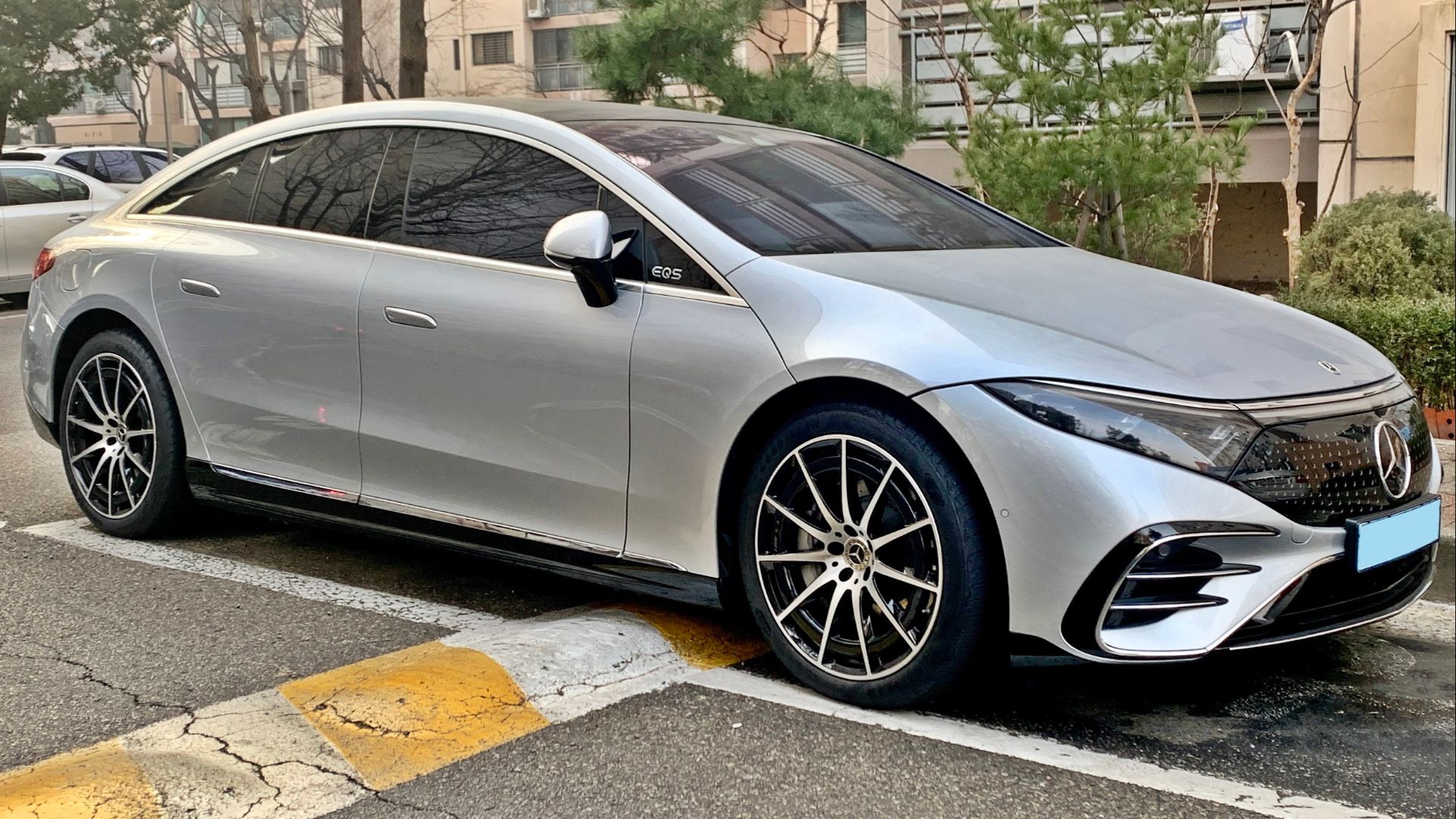
Ford Charges For Hands-Free Highway Driving
Ford's BlueCruise system allows hands-free driving on designated compatible highways while requiring the driver to remain attentive. On eligible vehicles, access can continue through a paid subscription after an introductory period. Ford's Canadian pricing has listed monthly, annual, and one-time purchase options, depending on the model and purchase date.
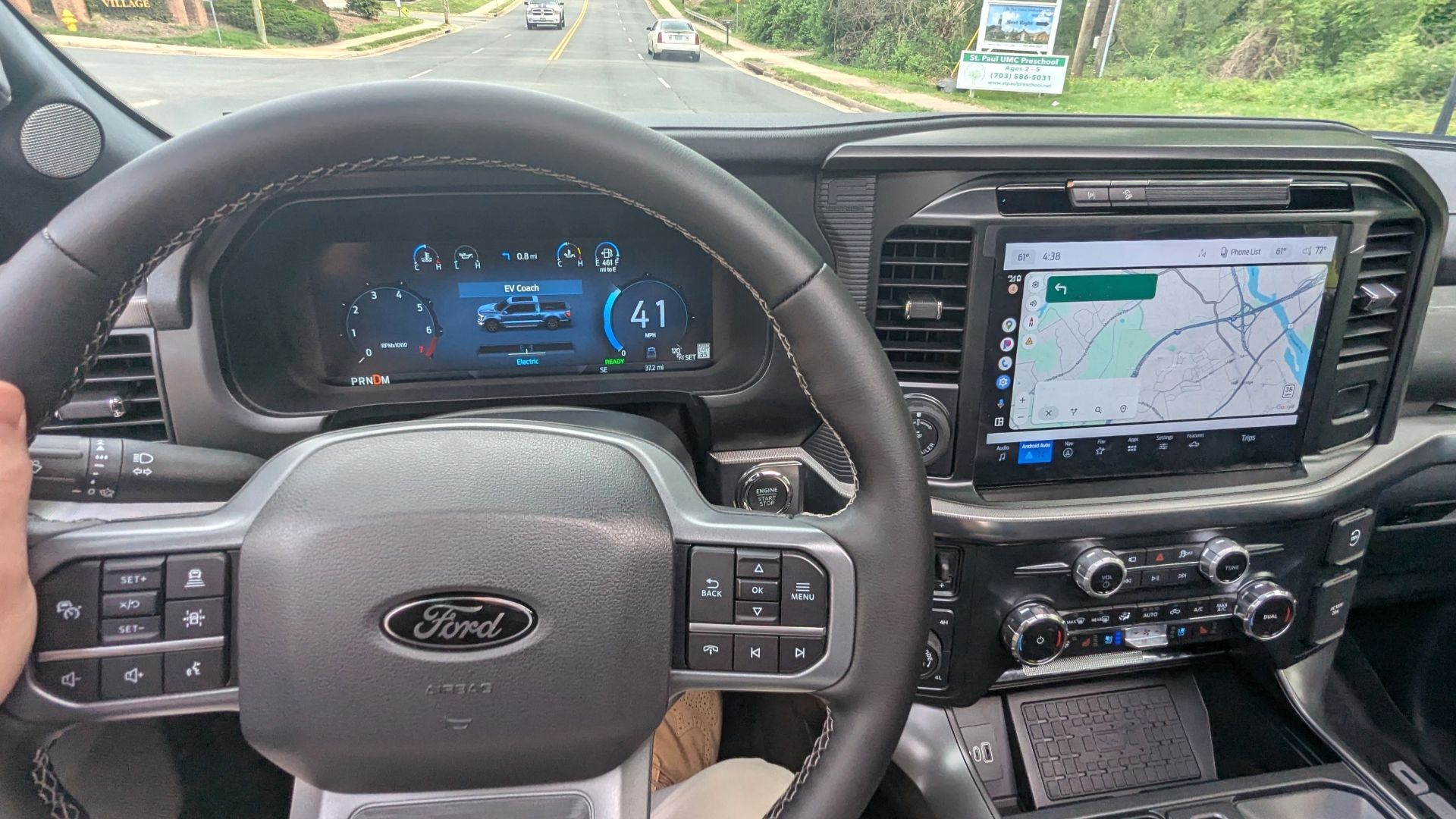 User:McChizzle, Wikimedia Commons
Tesla Makes Advanced Driving Assistance A Subscription
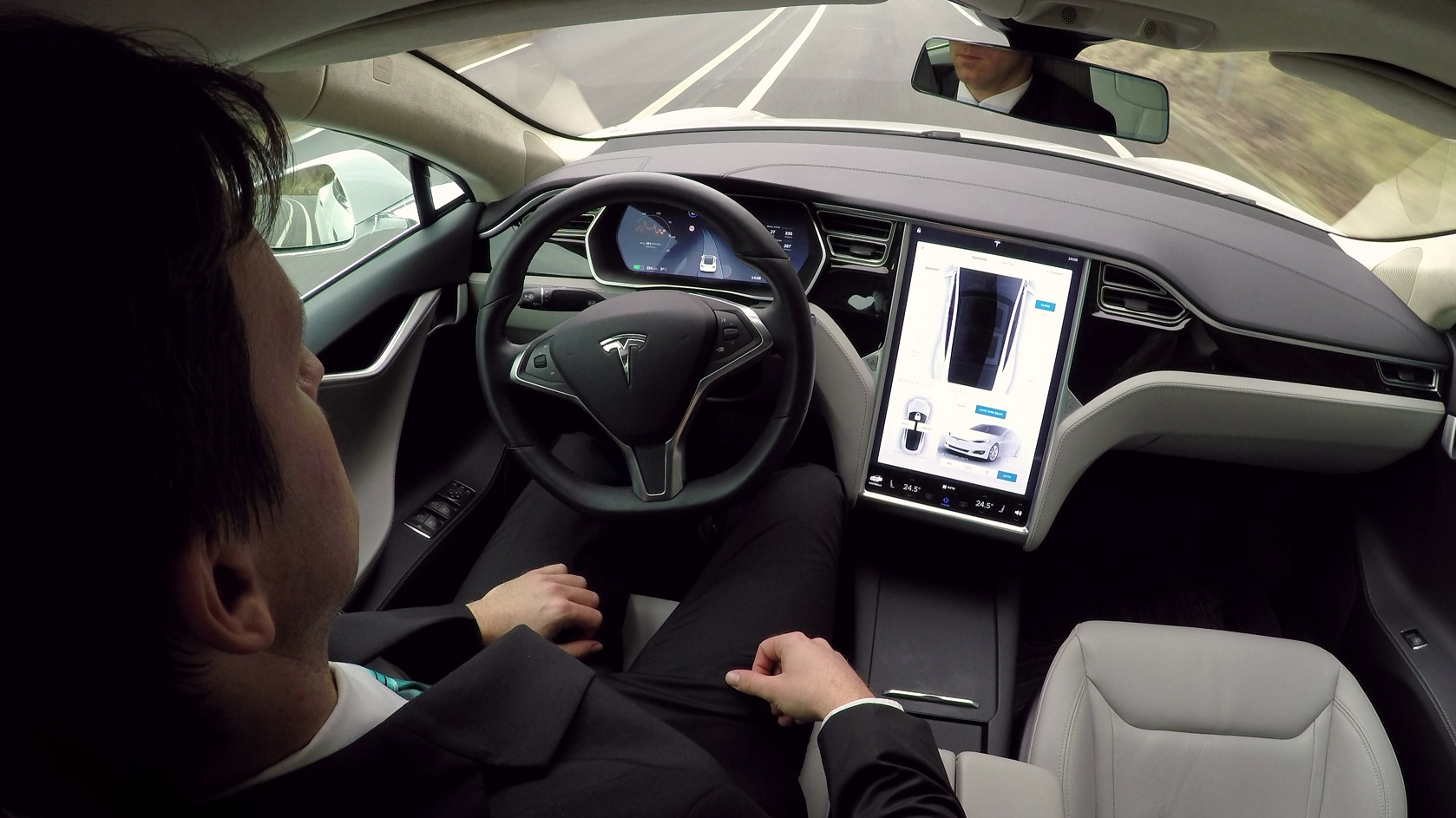
Tesla offers Full Self-Driving (Supervised) as a recurring subscription for eligible vehicles. The system can assist with steering, lane changes, turns, parking, and other driving tasks, but the driver must remain attentive and responsible. Tesla's U.S. subscription price is $99 per month, and the currently enabled system does not make the car autonomous.
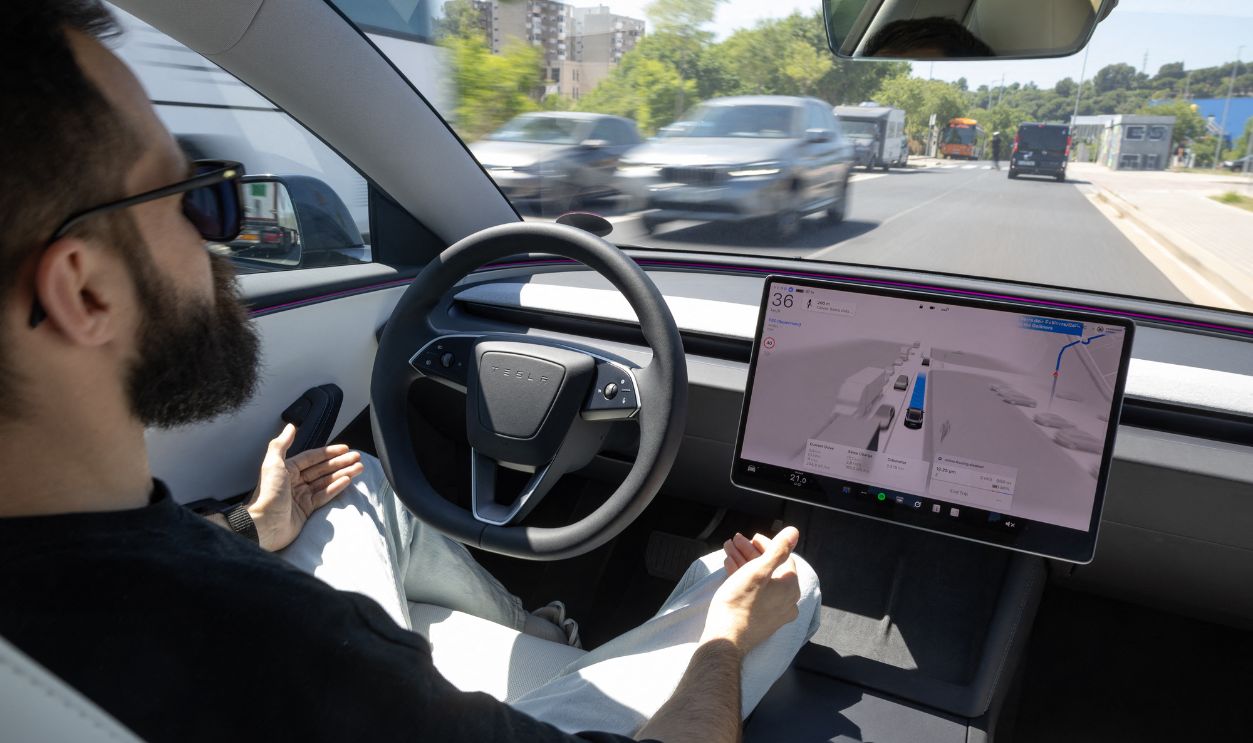
Automatic Parking Can Be Part Of That Fee
Tesla includes Autopark among the capabilities available through its Full Self-Driving (Supervised) package on eligible vehicles. The feature can maneuver the vehicle into certain parallel and perpendicular parking spaces. Its availability depends on the car's hardware, software, and market, making it another example of a familiar convenience being bundled with paid advanced technology.
Toyota Can Charge For A Digital Key
A physical key traditionally came with the vehicle and worked without an ongoing service contract. Toyota's Digital Key feature allows a compatible smartphone to function as a vehicle key on certain models, but Toyota states that it requires an active Remote Connect trial or subscription. Owners should distinguish that optional digital convenience from the physical key fob supplied with the car.

Free Trials Can Hide The Long-Term Cost
Connected features are often included for an introductory period, which can make them feel like permanent equipment. Toyota, Ford, Tesla, and other manufacturers use trials of varying lengths before some services become paid. A buyer should check what expires, when it expires, and what remains usable without renewing.

Used-Car Buyers Can Inherit Subscription Surprises
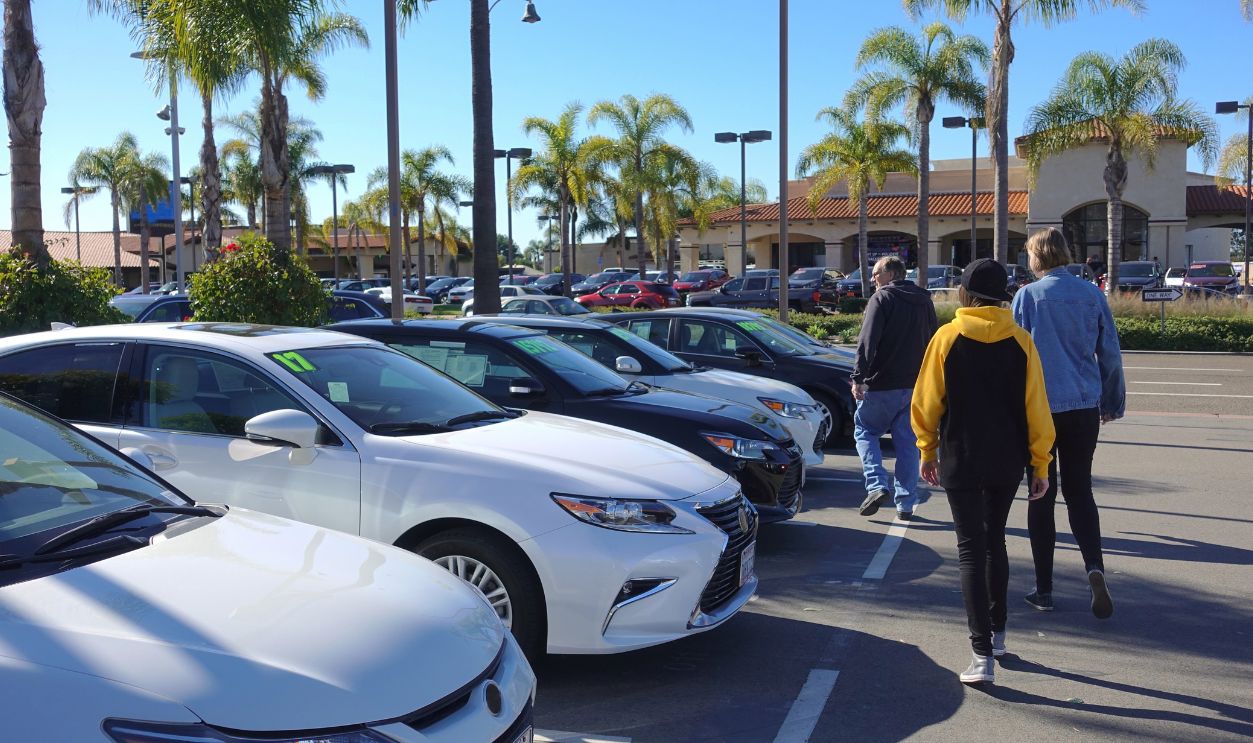
Connected-service entitlements do not always transfer in the same way as physical equipment. Tesla says a used vehicle's Full Self-Driving (Supervised) access depends partly on whether the previous owner purchased it outright or merely subscribed. Hyundai likewise distinguishes between benefits for original owners and those available to subsequent used-car buyers.
Not Every Manufacturer Charges The Same Way
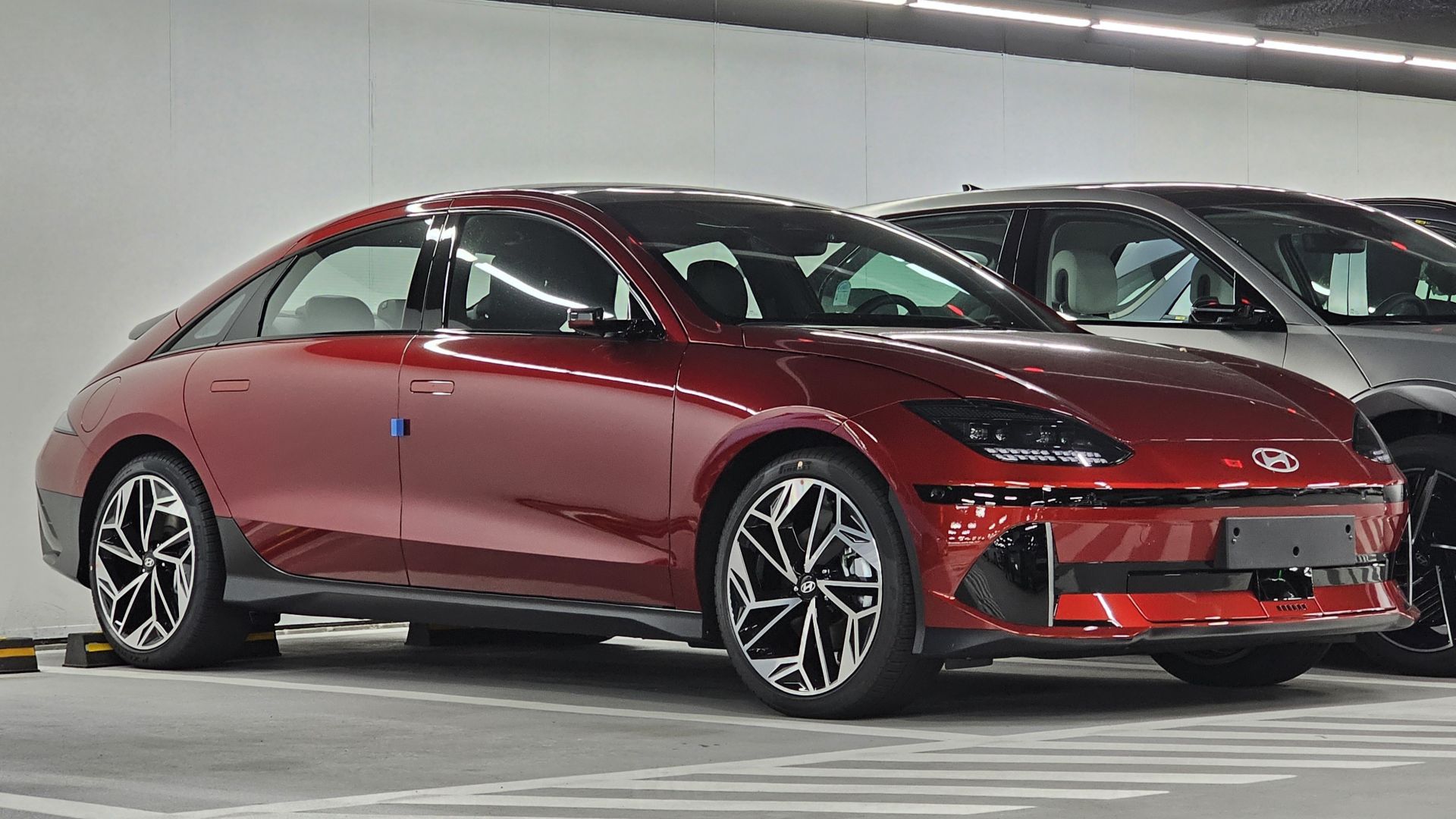
Hyundai offers an important counterexample to the idea that every automaker is putting remote services behind a paywall. Its Bluelink+ program provides certain connected services without recurring charges to qualifying original owners of newer vehicles. Benefits can differ for used-car purchasers, but the approach shows that subscription pricing is a manufacturer decision rather than an unavoidable technical requirement.
 Damian B Oh, Wikimedia Commons
The Real Question Is What You Actually Own
A car can contain the hardware for a feature without granting permanent access to every capability that hardware supports. Some paid services genuinely involve ongoing data, software maintenance, or third-party licensing, while others primarily unlock existing equipment. Before buying, ask which features are permanently included, which require renewal, and whether a one-time purchase is available.

You May Also Like:
Overpriced Classic Cars That Don't Live Up To The Legend
The Most Iconic Pickup Trucks Of All Time
Sources: 1, 2, 3, 4, 5, 6, 7, 8, 9, 10, 11, 12, 13, 14, 15, 16, 17, 18, 19, 20, 21, 22, 23