Your New Car Might Still Know Where The Previous Owner Lived
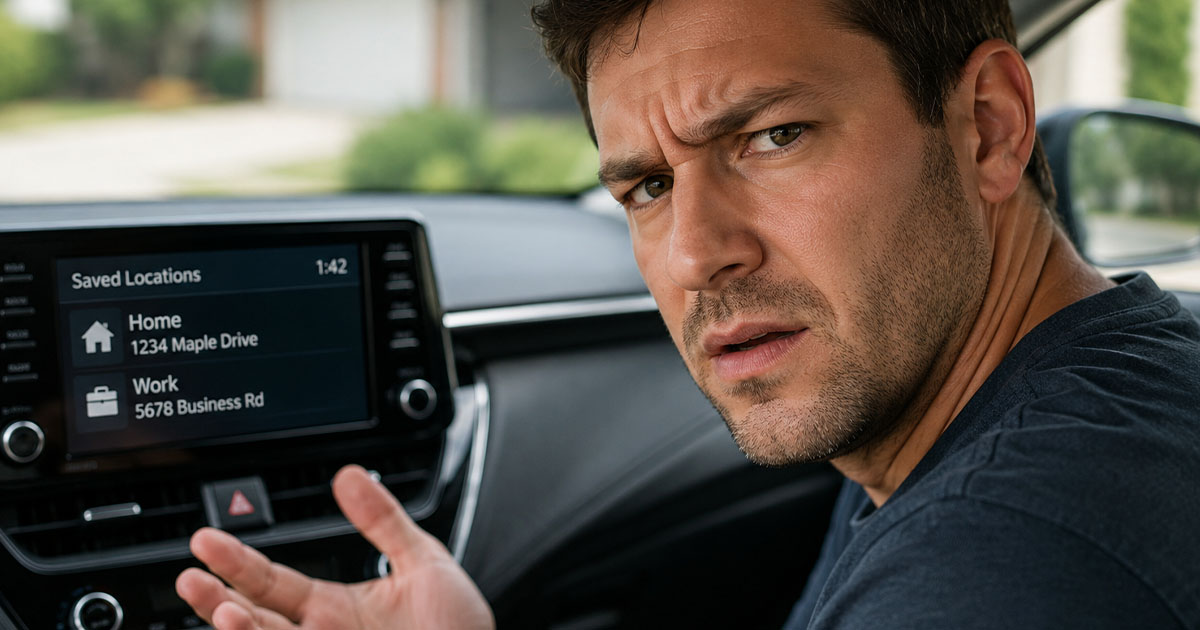
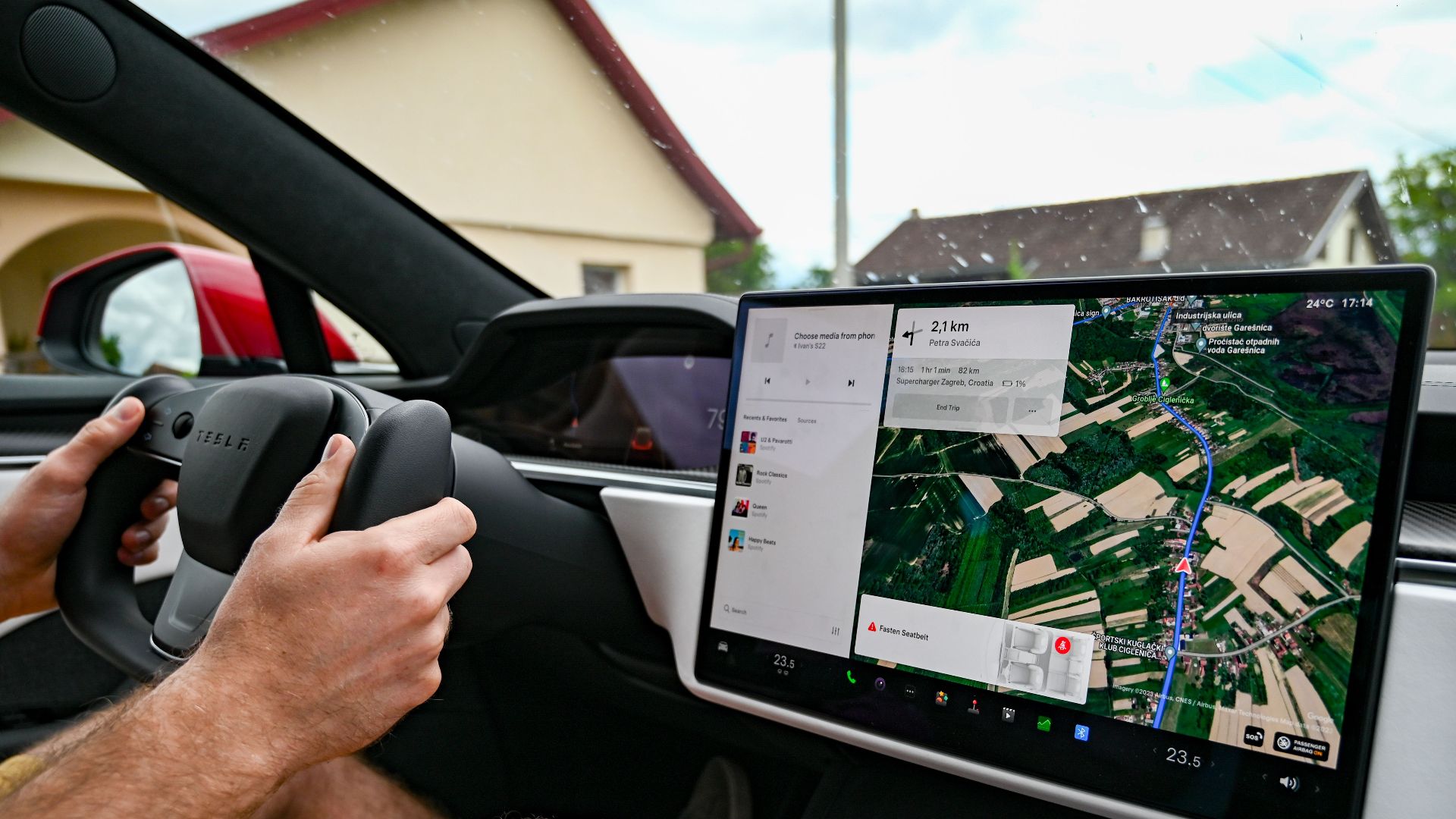
Buying a used car is exciting until you connect your phone and discover something unexpected. The navigation system still has the previous owner's home address, workplace, favorite coffee shop, and maybe even their garage door opener programmed into the vehicle. It might seem harmless at first, but modern vehicles store far more personal information than many people realize. If that data wasn't erased before the sale, it can create both privacy concerns and security risks.
Modern Cars Are Basically Rolling Computers
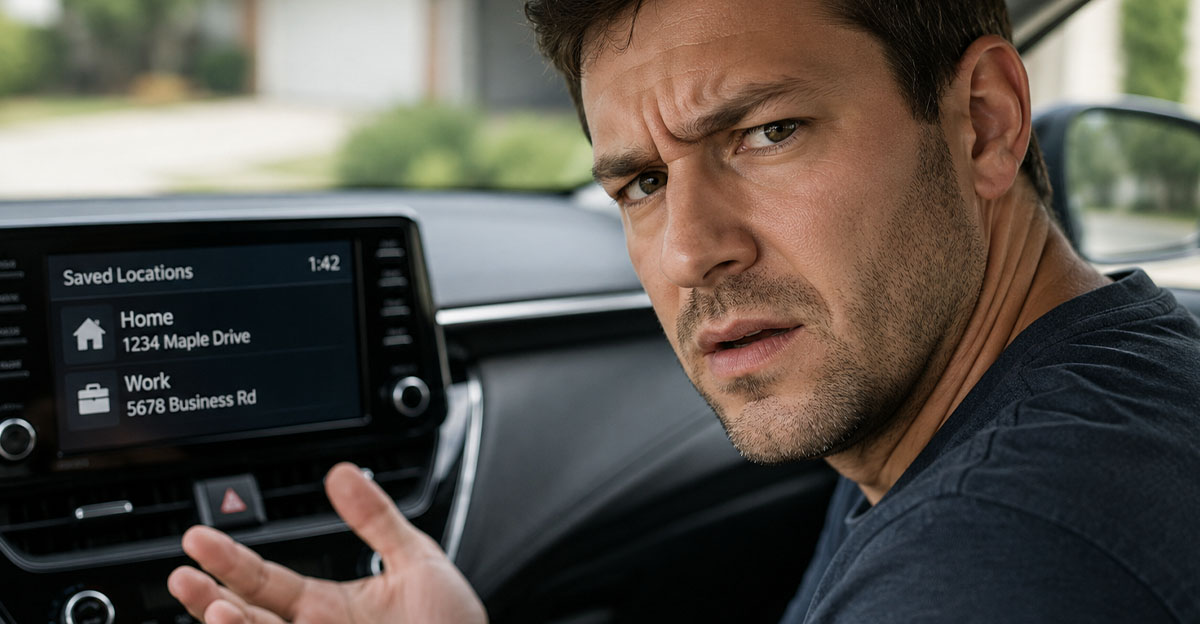
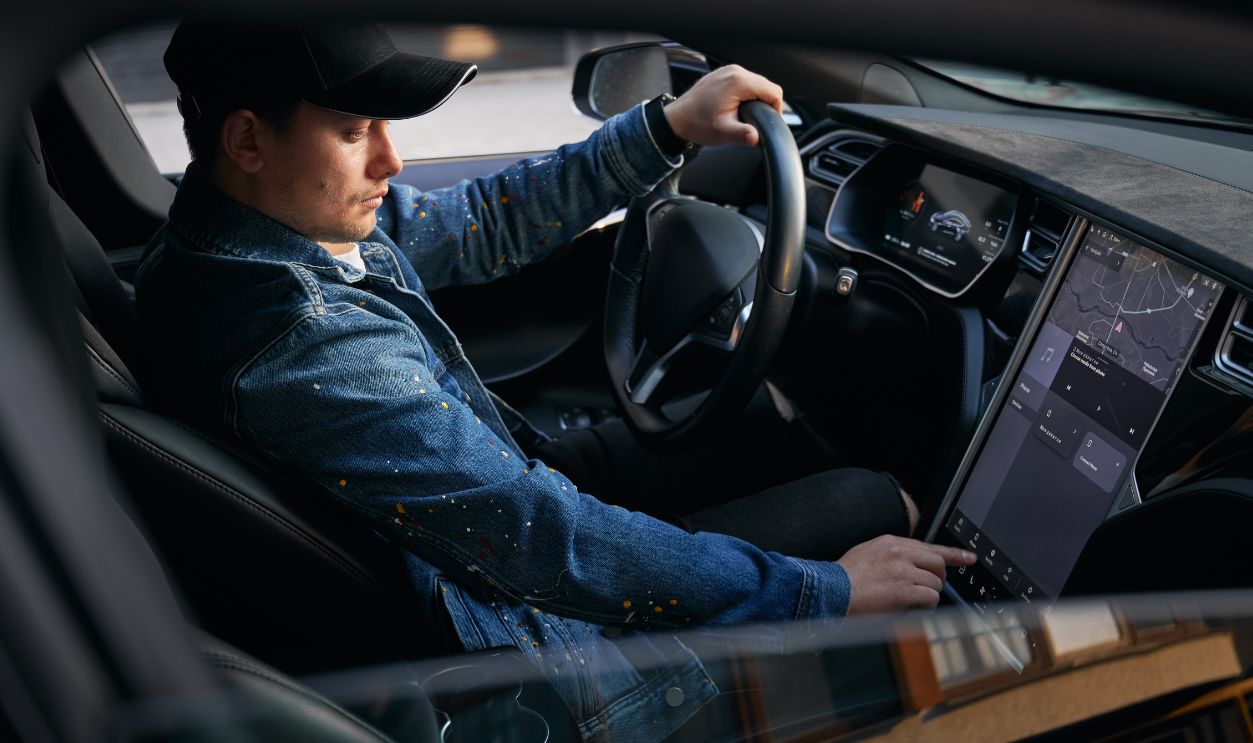
Today's vehicles remember much more than radio presets. Depending on the model, they may store navigation history, contacts, text message records, paired phones, Wi-Fi passwords, calendar entries, driver profiles, and even garage door codes. The convenience is great—until someone else inherits all that information.
Driver Profiles Can Store A Surprising Amount Of Data
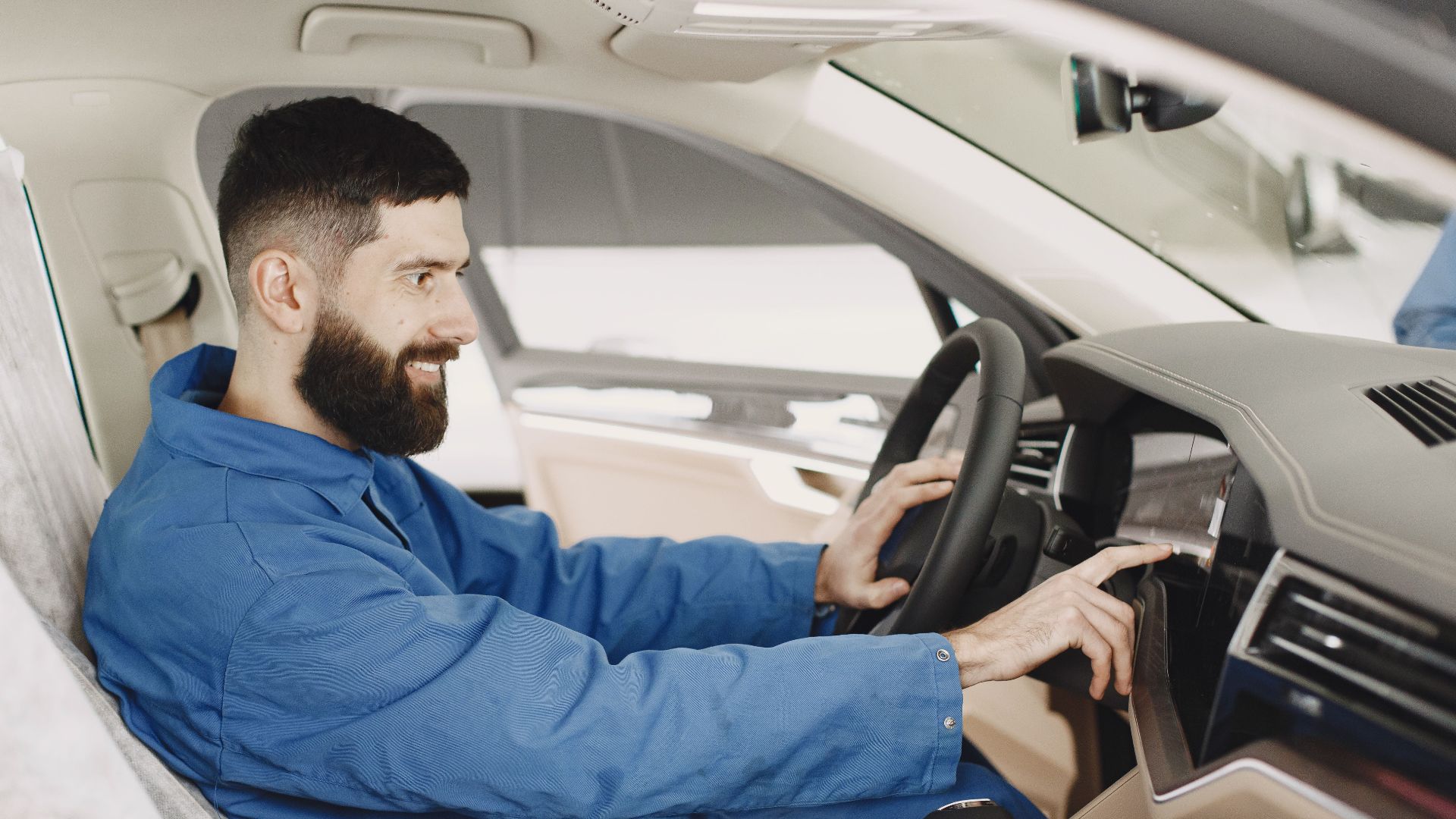
Many newer vehicles let drivers create personalized profiles. These profiles often remember seat positions, mirror settings, climate preferences, favorite destinations, navigation history, and connected devices. In some vehicles, simply selecting the previous owner's profile can reveal places they visited regularly.
Finding Someone's Home Address Isn't Just Awkward
Seeing "Home" or "Work" appear on the navigation screen isn't just uncomfortable—it can reveal exactly where the previous owner lives or worked. Even if you have no intention of using that information, it's reasonable to wonder why it was left behind in the first place.
Is This Actually A Safety Issue?
It certainly can be. Personal addresses, daily travel habits, contact lists, and garage access information could be valuable to someone with bad intentions. While most used-car buyers are honest people, privacy experts recommend removing this information before a vehicle changes hands simply because you never know who the next owner will be.
The Dealership Doesn't Always Clear Everything
Many buyers assume dealerships automatically erase vehicle data during trade-ins. Some do. Others perform only a basic inspection before putting the vehicle on the lot. Unless someone intentionally performs a factory reset, personal information can remain stored indefinitely.

Private Sales Can Be Even Riskier
When buying directly from another owner, there's often no inspection process focused on digital privacy. Sellers may honestly forget that their navigation system, Bluetooth history, and driver profiles are still sitting in the vehicle.
Bluetooth Isn't Just For Music
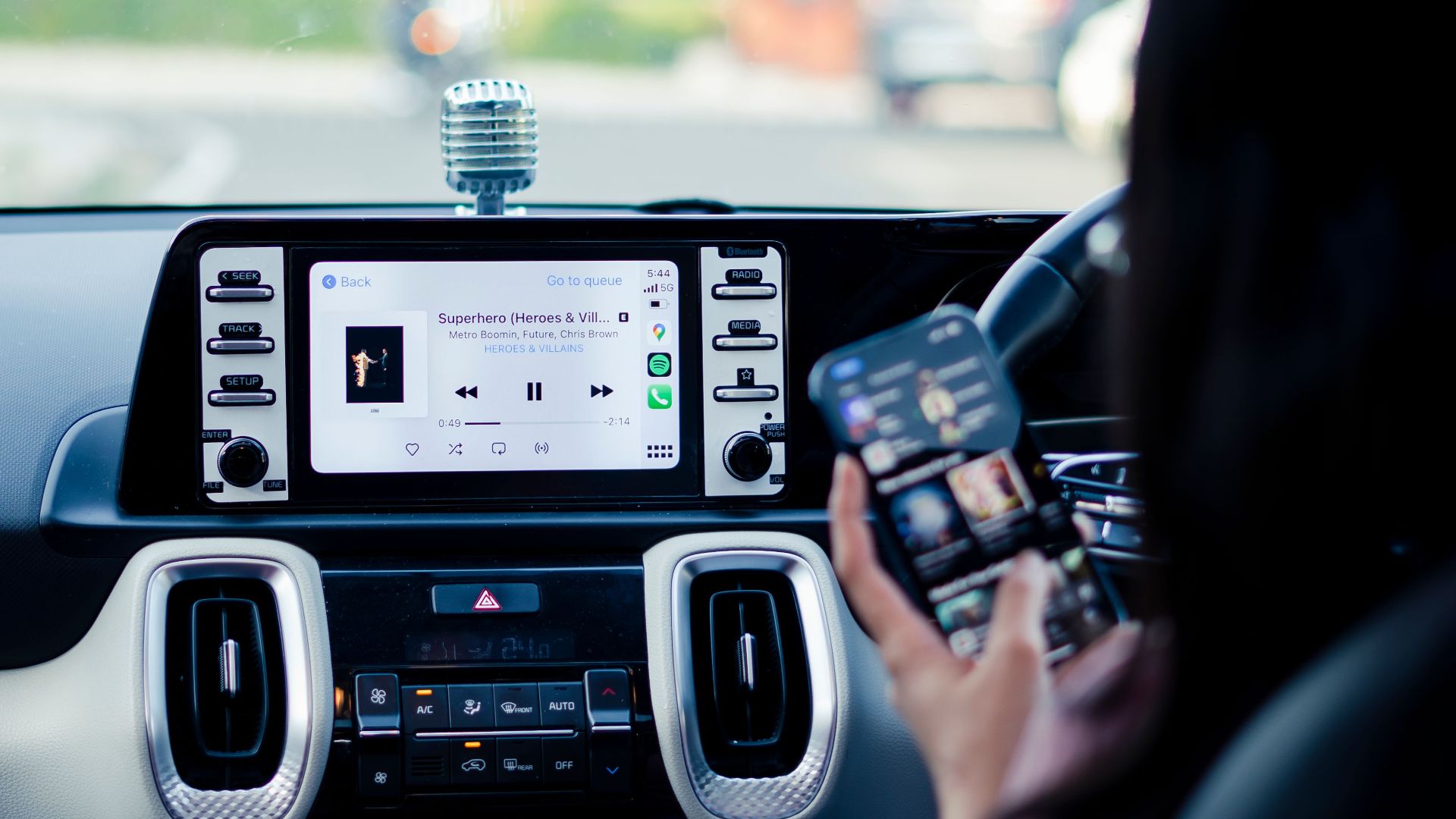
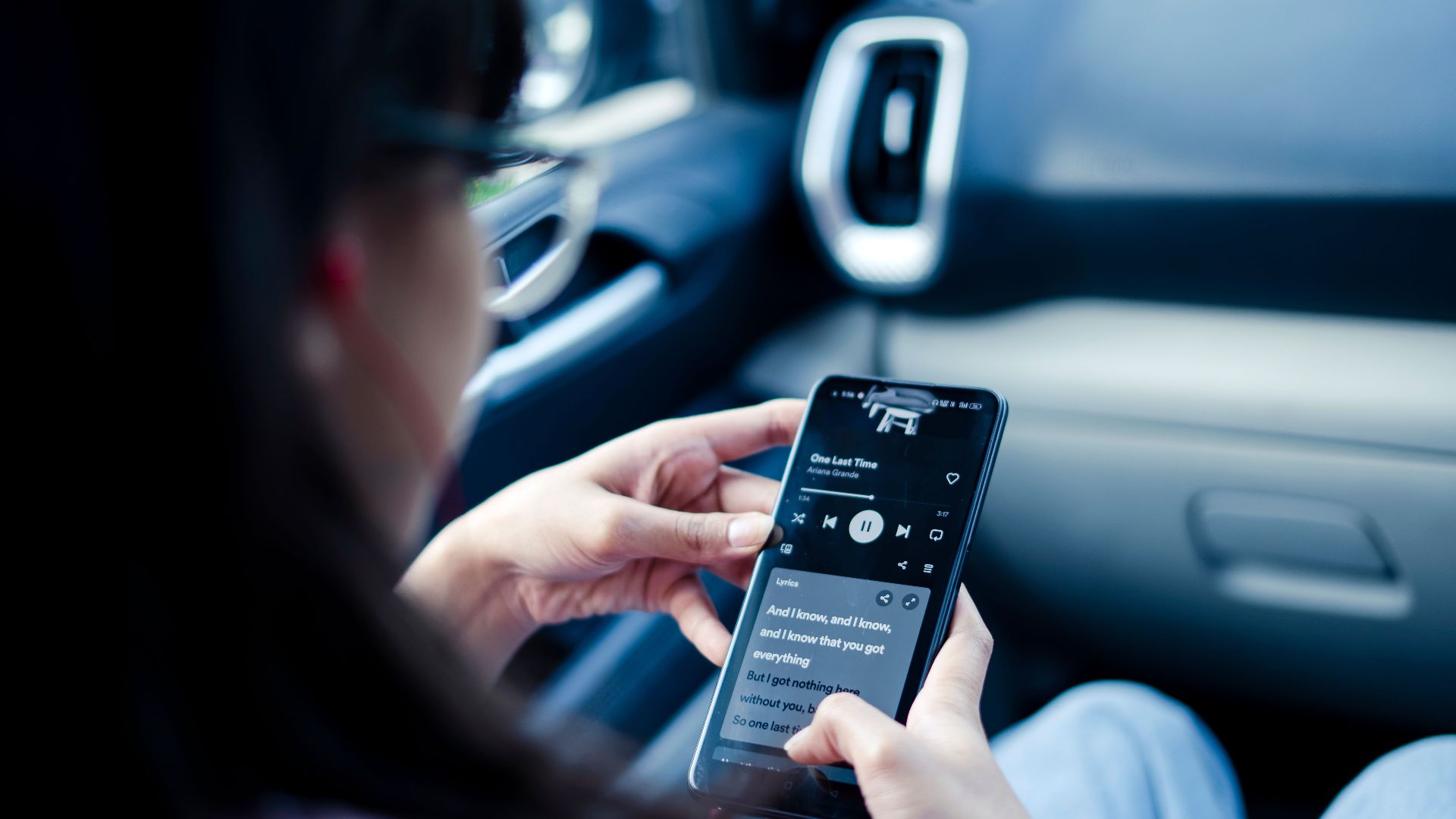
When you pair your phone, your vehicle may download contacts, recent calls, messages, and other information depending on the settings. If those devices aren't removed before selling the vehicle, portions of that information may remain accessible.
Some Vehicles Remember Garage Door Openers
Many vehicles include built-in garage door controls such as HomeLink. If those codes aren't erased before selling the vehicle, the next owner could potentially have access to devices the previous owner completely forgot about. Fortunately, these systems can usually be reset in just a few minutes.
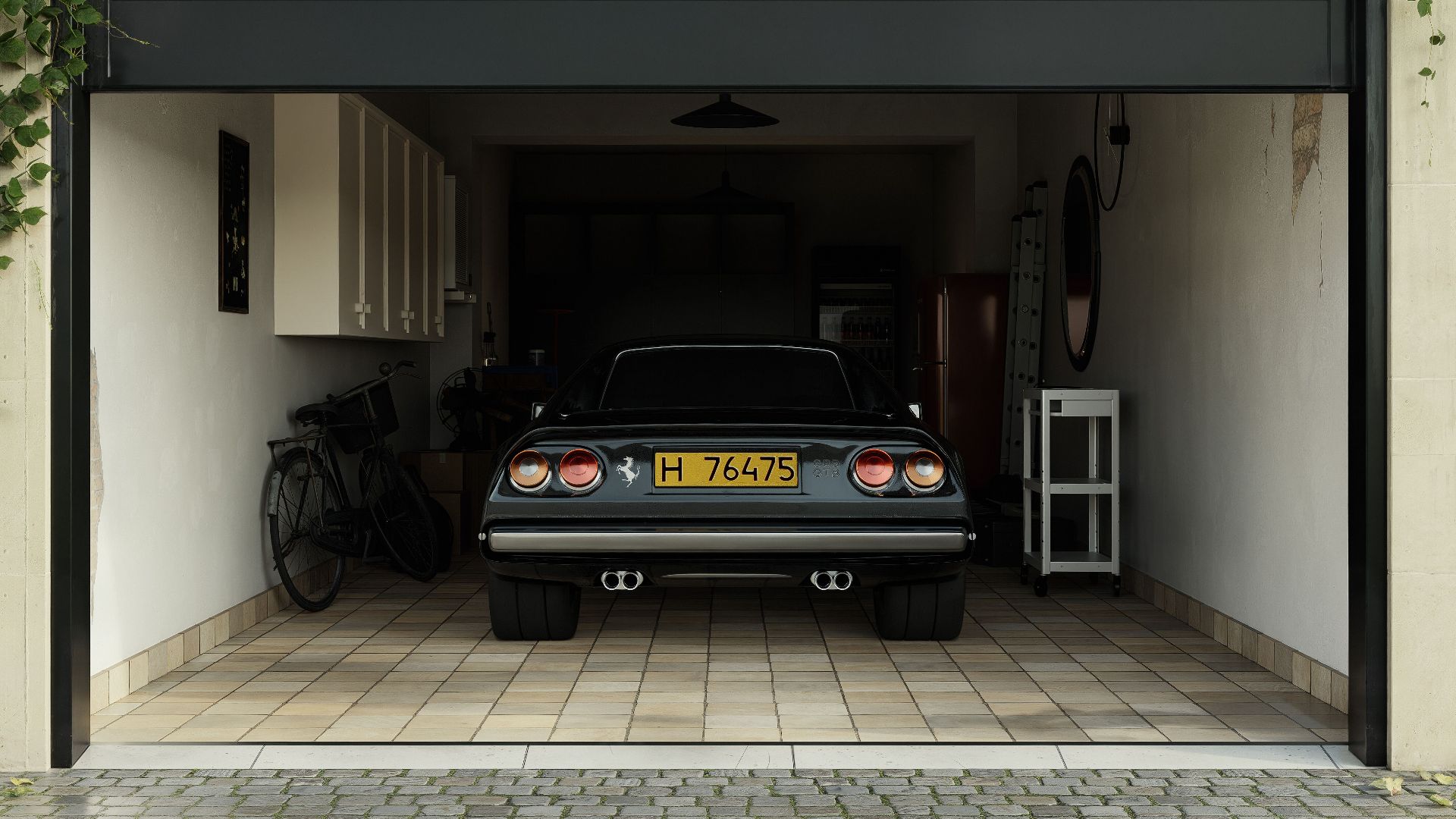
Navigation History Can Reveal Daily Routines
Even without a saved "Home" address, recent destinations may tell quite a story. Schools, workplaces, gyms, medical offices, and relatives' homes can all paint a picture of someone's daily life.
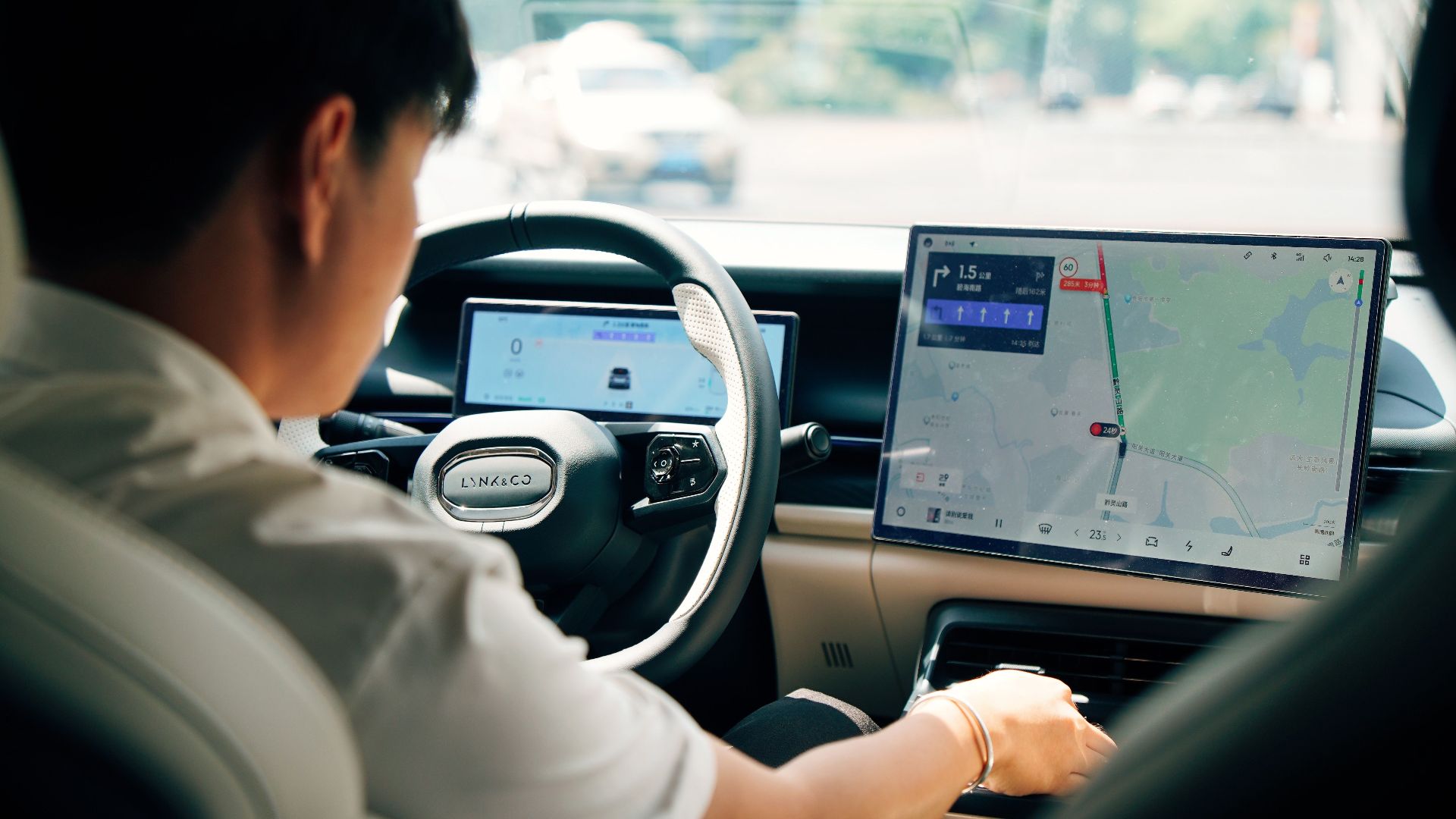
Connected Apps Can Stay Logged In
Some vehicles remain connected to manufacturer apps or subscription services after ownership changes. If accounts aren't properly removed, features like remote vehicle information or connected services may continue working until ownership is officially transferred.
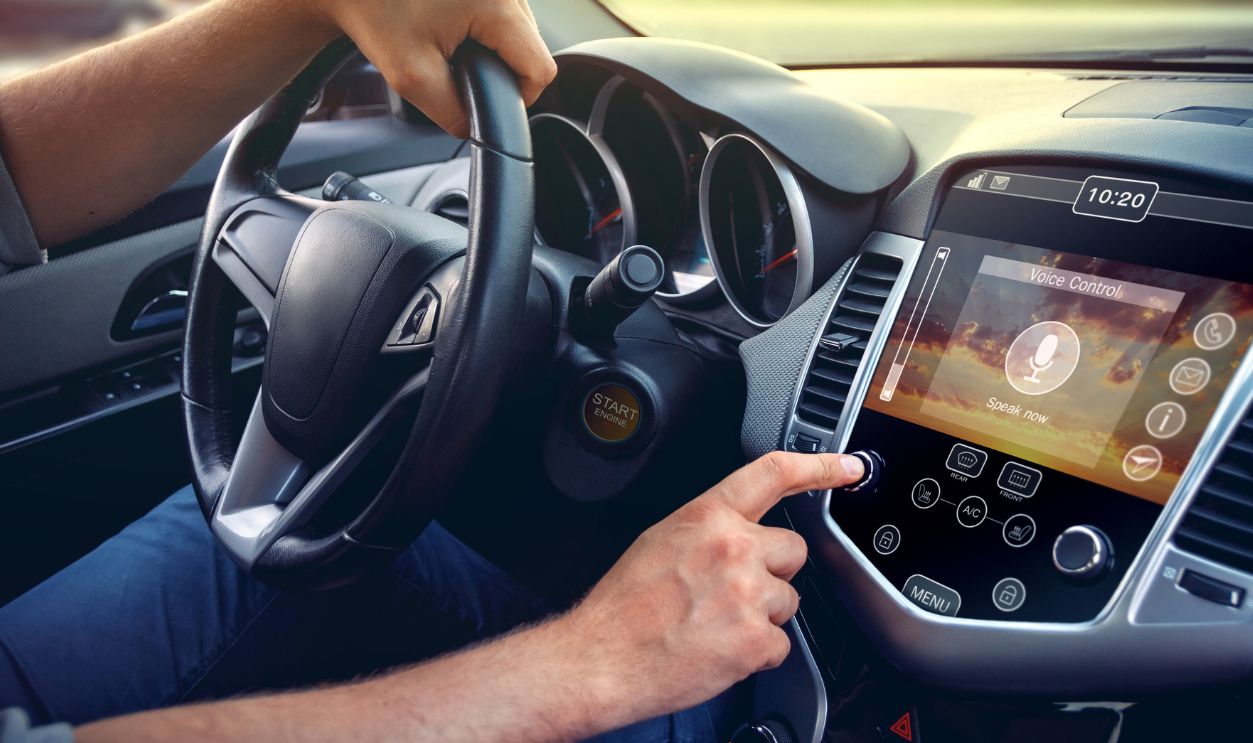
Phones Should Always Be Deleted
If you discover several old phones still paired to the vehicle, remove them. Besides protecting the previous owner's privacy, it also prevents connection problems when pairing your own devices.
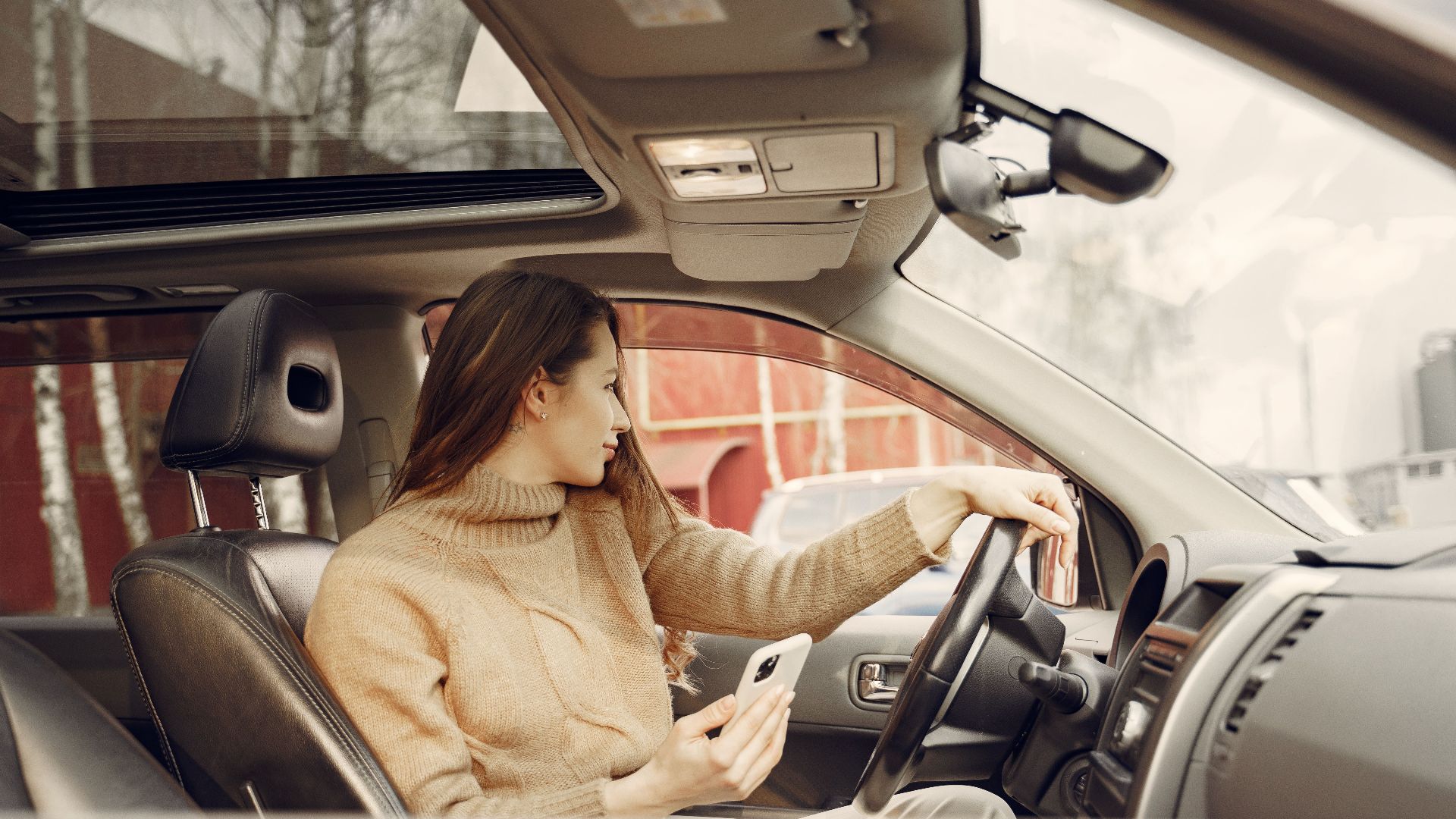
A Factory Reset Usually Solves Most Problems
Most manufacturers include a factory reset option within the infotainment system. While the exact process differs between brands, resetting the system generally removes driver profiles, navigation history, Bluetooth devices, saved destinations, and other personal information.
Check More Than The Touchscreen
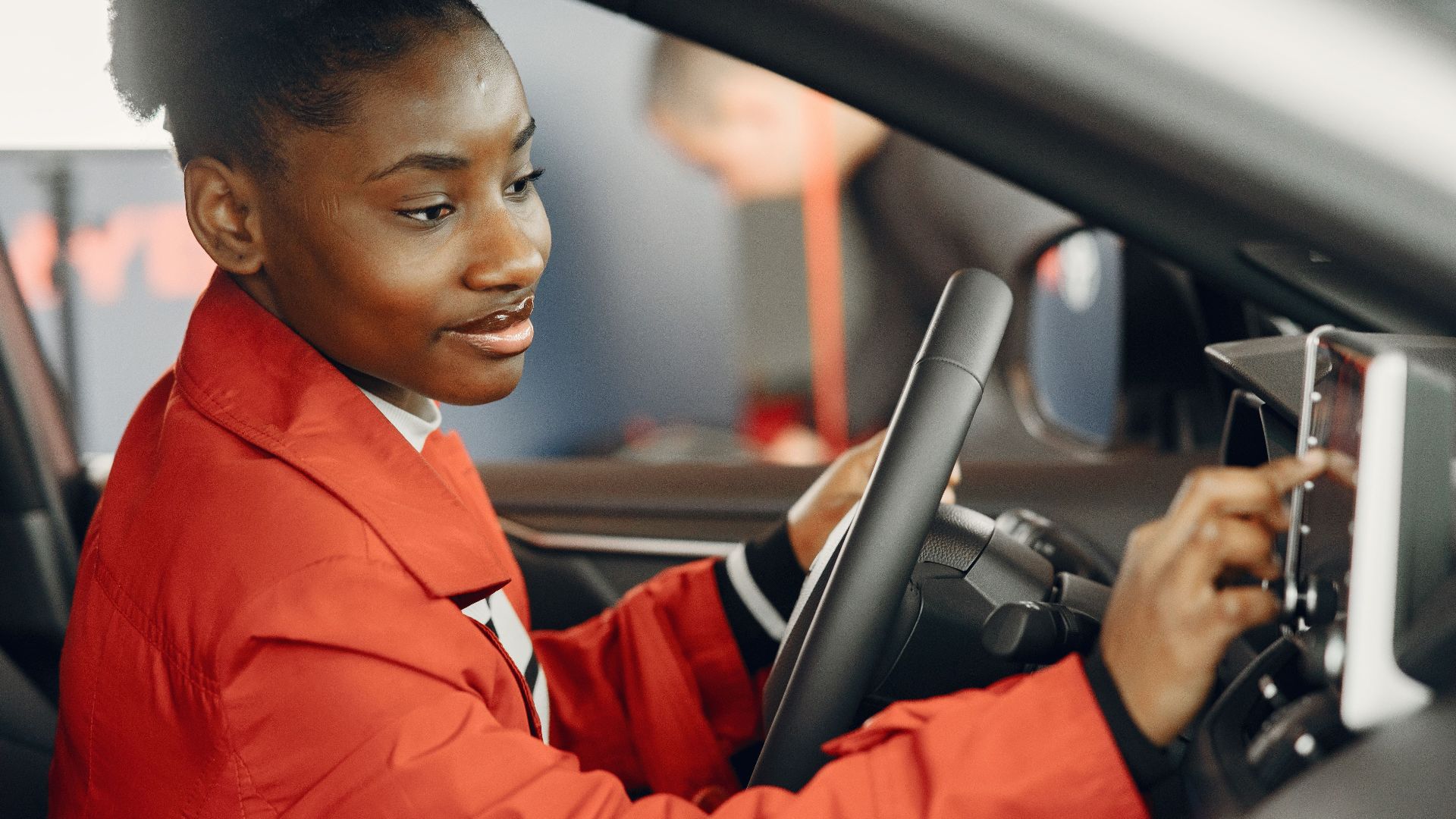
Don't forget places people often overlook. Look for programmed garage door buttons, stored navigation favorites, connected apps, USB storage devices, memory cards, and secondary driver profiles. Personal information can be stored in more places than you'd expect.
Sellers Should Reset Before Handing Over The Keys
Privacy experts generally recommend completing a factory reset before selling or trading in any connected vehicle. It's one of the simplest ways to protect personal information and avoid unnecessary headaches later.

Buyers Should Do Their Own Reset Too
Even if the seller says they cleared everything, it's still smart to perform another factory reset after buying the vehicle. Think of it as the automotive version of changing the locks after moving into a new house.
What About The Previous Owner's Accounts?
Some vehicles require the previous owner to remove the vehicle from their manufacturer account before the new owner can fully activate connected services. If features don't seem to work properly, this is sometimes the reason.
Here's The Question That Really Matters
Is finding someone else's saved address just an inconvenience—or evidence that the vehicle's digital information was never properly cleared? In many cases, it's a reminder that modern vehicles deserve the same privacy precautions as smartphones and laptops.

So... Is This A Serious Safety Issue?
Potentially, yes. Finding the previous owner's addresses, paired devices, or personal information doesn't necessarily mean you're in danger, but it does mean sensitive information was left behind. The safest approach is to perform a complete factory reset, remove every stored profile, and make sure any connected accounts are properly transferred before you begin using the vehicle.
A Five-Minute Reset Can Protect Everyone
Modern vehicles remember far more than most people realize. Whether you're buying, selling, or trading in a car, clearing its digital memory is just as important as removing personal belongings from the trunk. It protects the previous owner, protects you, and helps ensure the vehicle gets a truly fresh start.

You May Also Like: