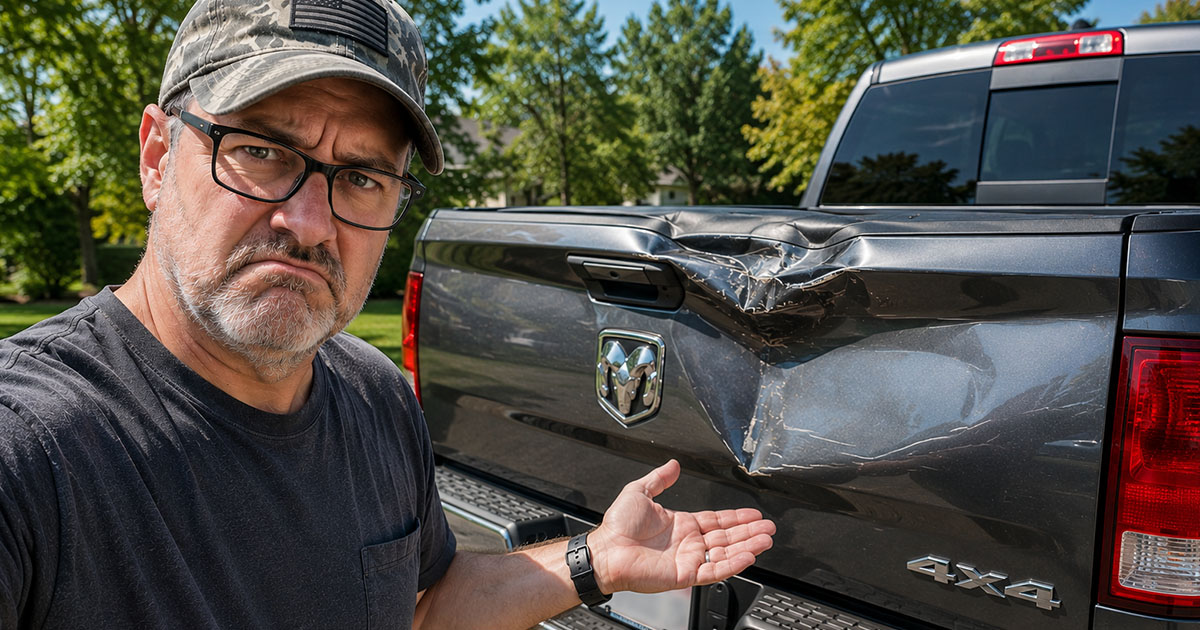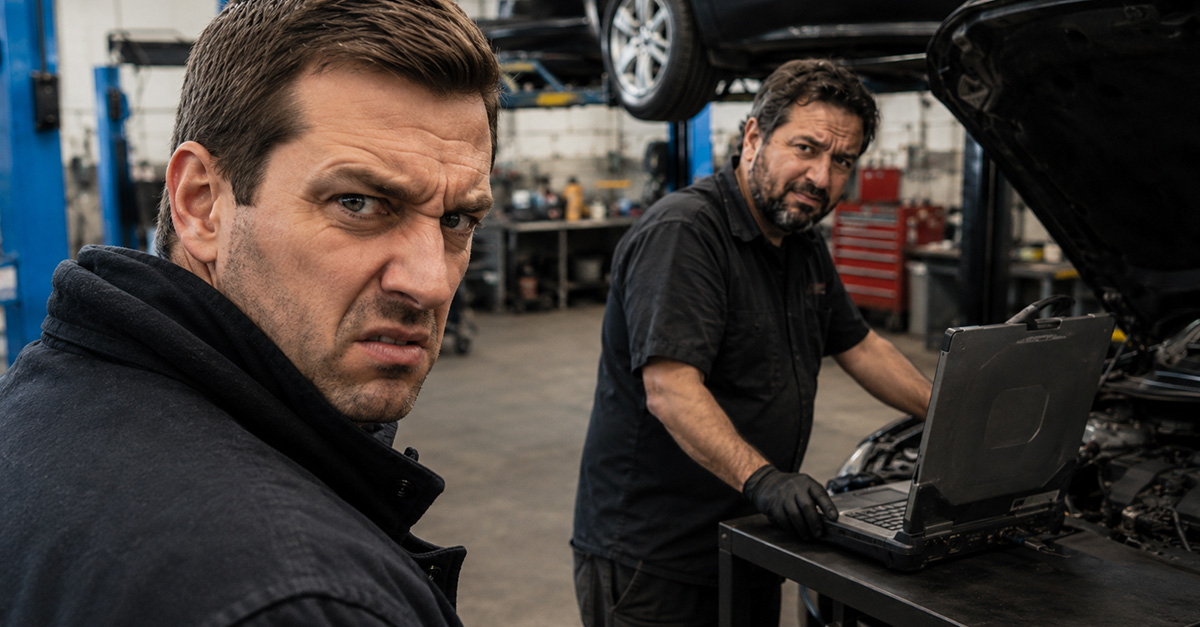
Welcome To The Era Of The Rolling Laptop
Your mechanic was not being dramatic. Modern cars really have turned into rolling laptops with wheels, cupholders, and occasionally, a turbocharger. When advanced electronics fail, the repair may require scan tools, calibration targets, software access, subscriptions, and equipment that some independent shops simply cannot afford.
The Dashboard Is No Longer Just A Dashboard
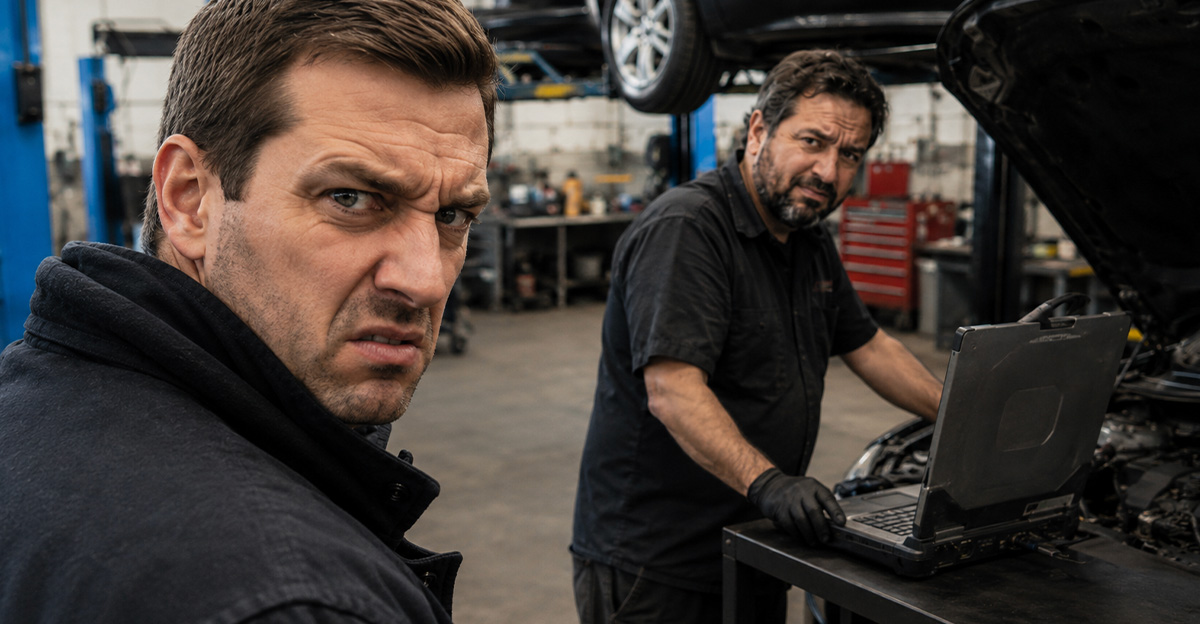
Once upon a time, a dashboard told you speed, fuel, and whether the engine was having a tiny tantrum. Now it manages touchscreens, cameras, radar, climate zones, phone apps, driver alerts, and sometimes semi-automated driving features. That little glowing warning light may be connected to a very expensive digital spiderweb.
Your Mechanic Needs More Than Wrenches
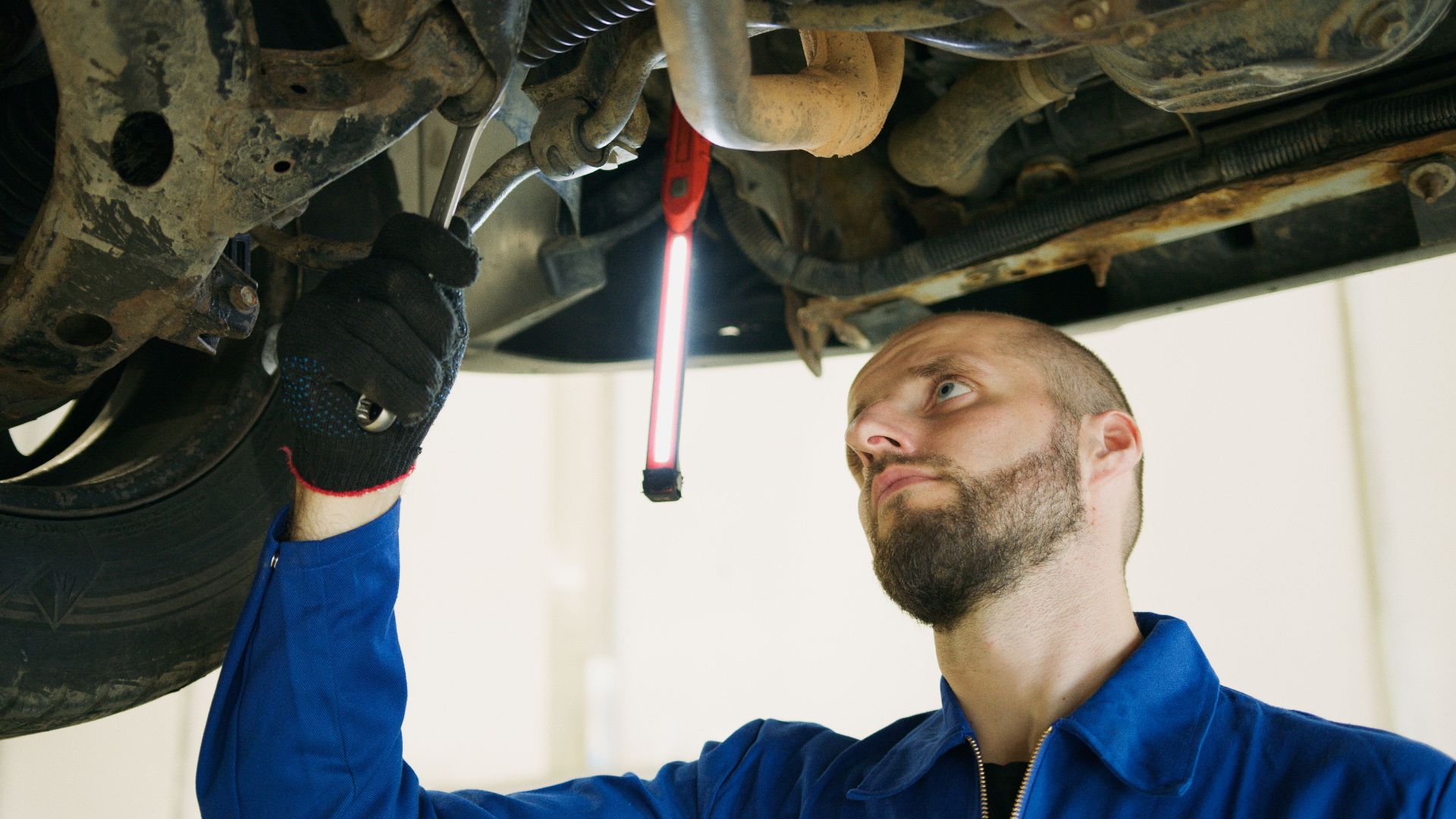
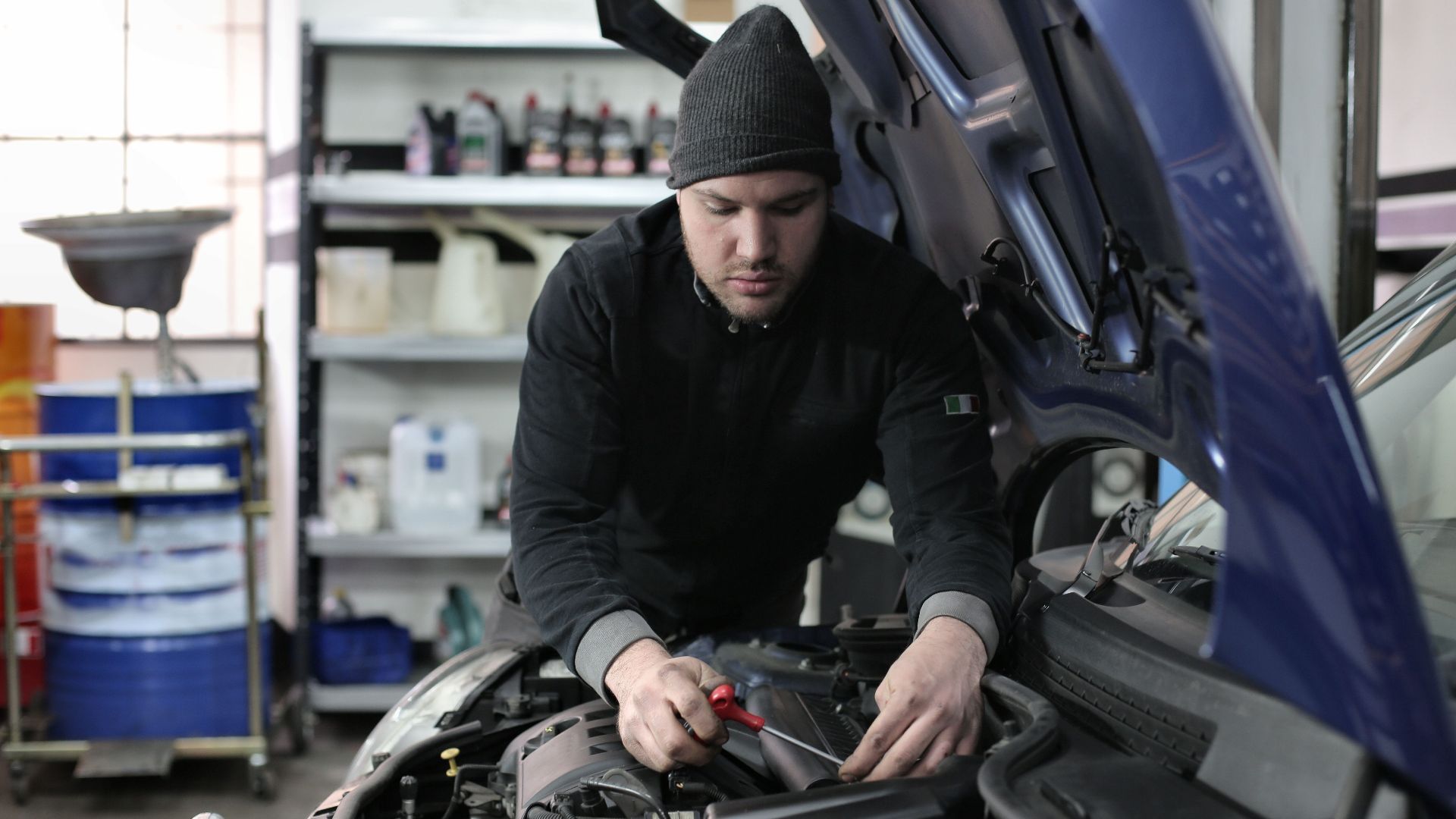
A good mechanic still needs skill, experience, and patience. But today, they also need computers, factory service data, software updates, diagnostic subscriptions, and specialized calibration gear. The toolbox has grown from sockets and screwdrivers to laptops and laser-level floor spaces.
Why The Equipment Costs So Much
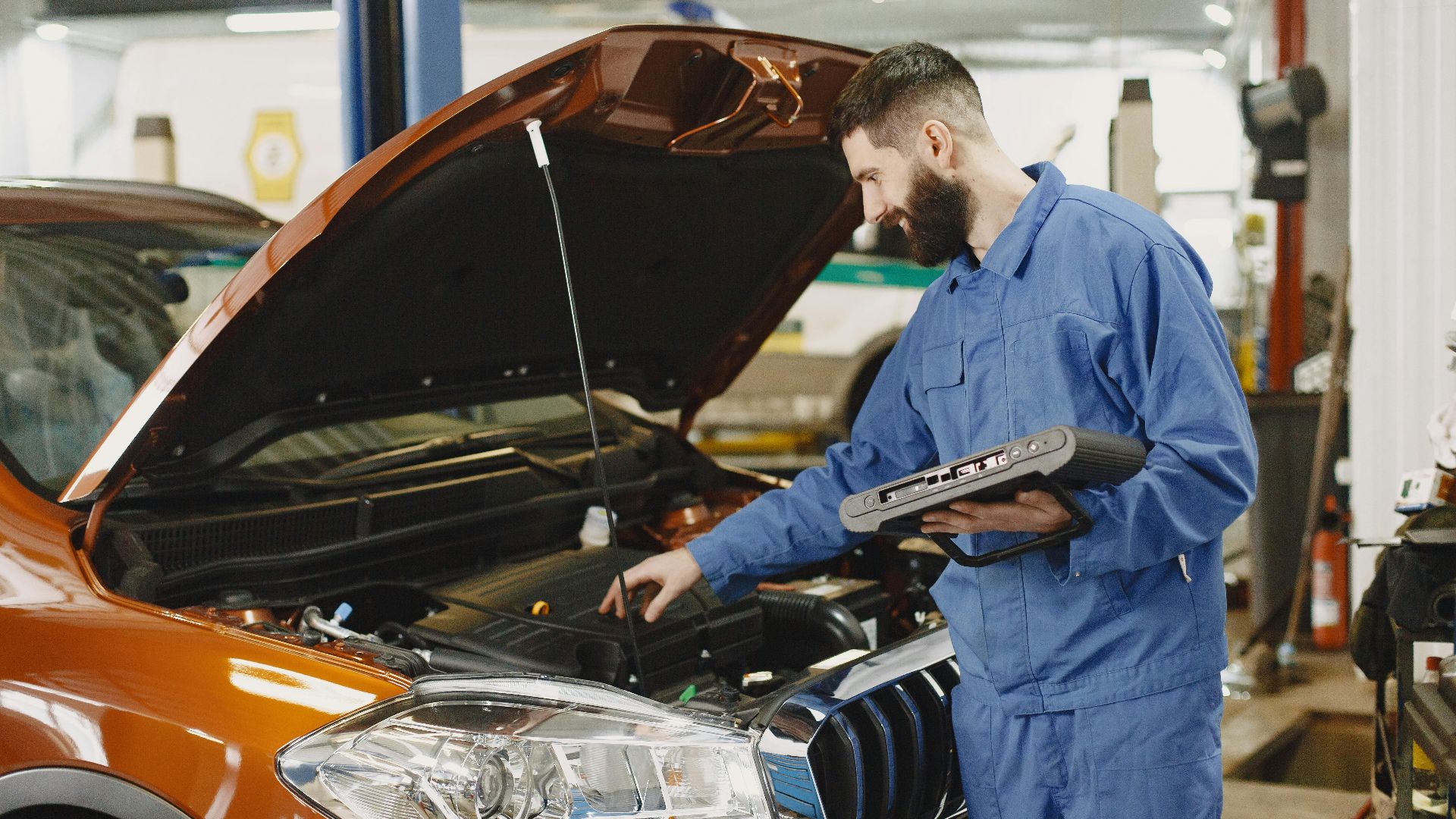
Some modern repair tools are not one-time purchases. Shops may pay for brand-specific diagnostic systems, annual software access, scan-tool updates, training, and calibration equipment. For a small garage, buying everything needed to service every modern brand can feel like opening a dealership without the dealership money.
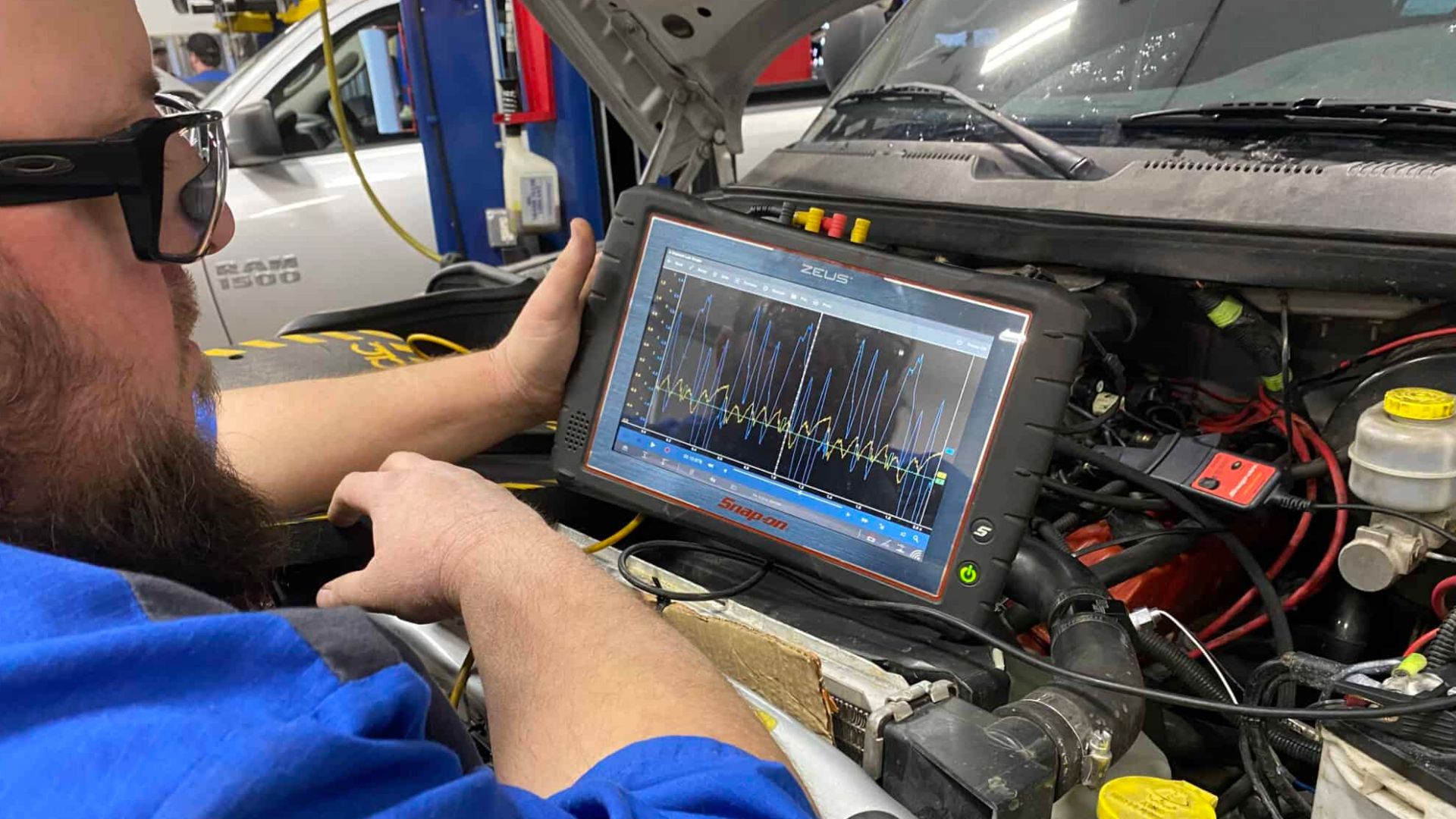 Modern Auto Service: Advanced Vehicle Diagnostics in Fruitland, ID, Wikimedia Commons
ADAS Is The Big Game Changer
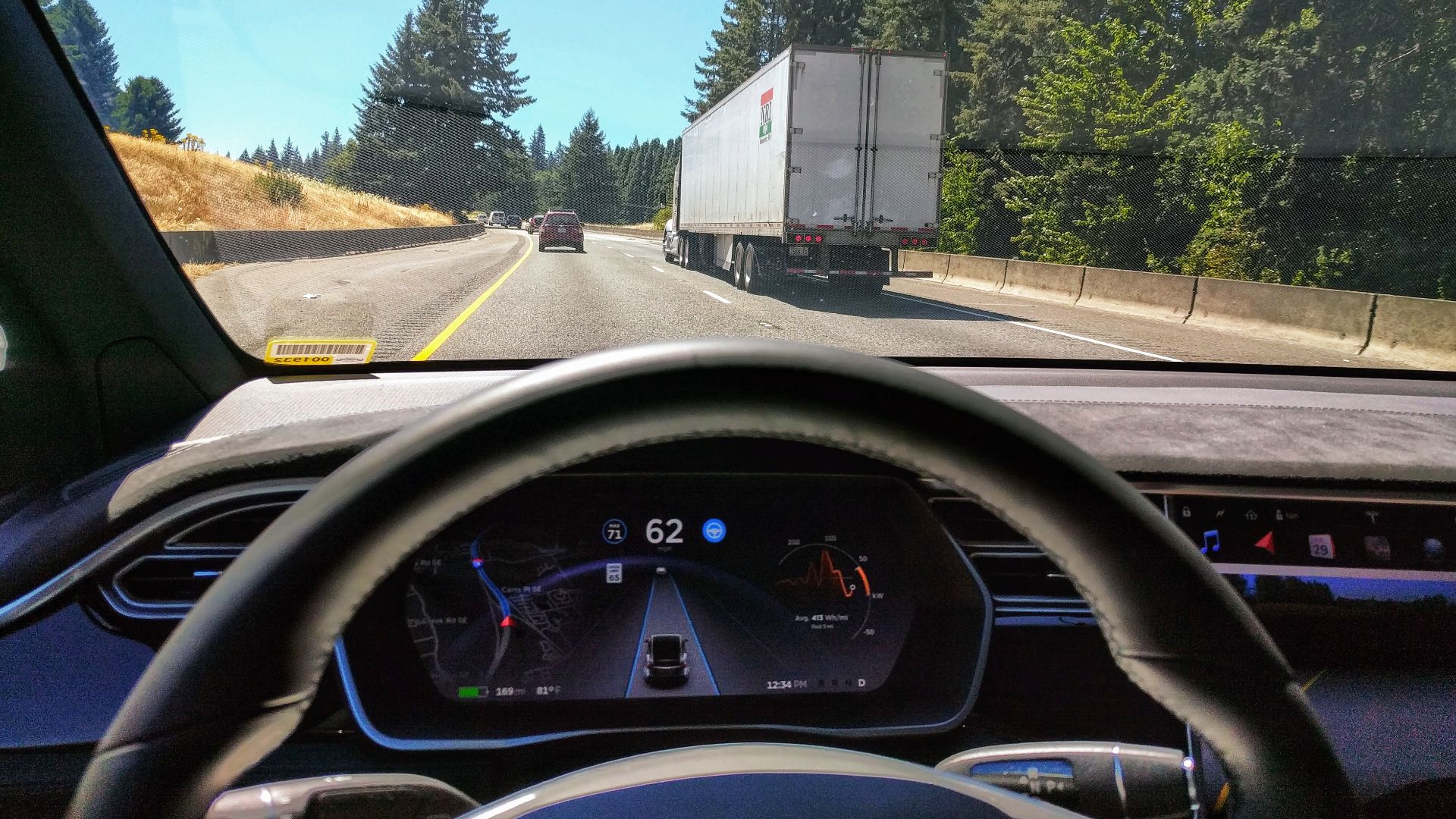
Advanced Driver Assistance Systems, usually called ADAS, include features like automatic emergency braking, lane-keeping assist, adaptive cruise control, blind-spot monitoring, and parking sensors. These systems are useful, but they rely on cameras, radar, ultrasonic sensors, and control modules that must be aimed and calibrated with precision.
 Ian Maddox , Wikimedia Commons
A Tiny Bump Can Become A Tech Project
In the old days, a parking-lot bump might mean paint, a bumper cover, and some grumbling. Now that same bumper may hide radar sensors. Replace the bumper incorrectly, skip calibration, or install the wrong part, and the car may no longer “see” the road properly.
Windshields Got Smarter Too
A windshield used to be glass. Fancy glass, maybe, but still glass. Now many windshields carry cameras for lane assist, automatic braking, rain sensing, and high-beam control. Replace the glass, and the camera may need recalibration before the car’s safety systems work correctly again.

Calibration Is Not Just A Reset Button
Calibration is not the mechanic pressing “OK” and hoping for the best. It can involve measuring distance, leveling equipment, placing targets, driving at specific speeds, or using factory procedures. The car has to know exactly where its electronic eyes are pointing.
Some Repairs Need Perfect Shop Conditions
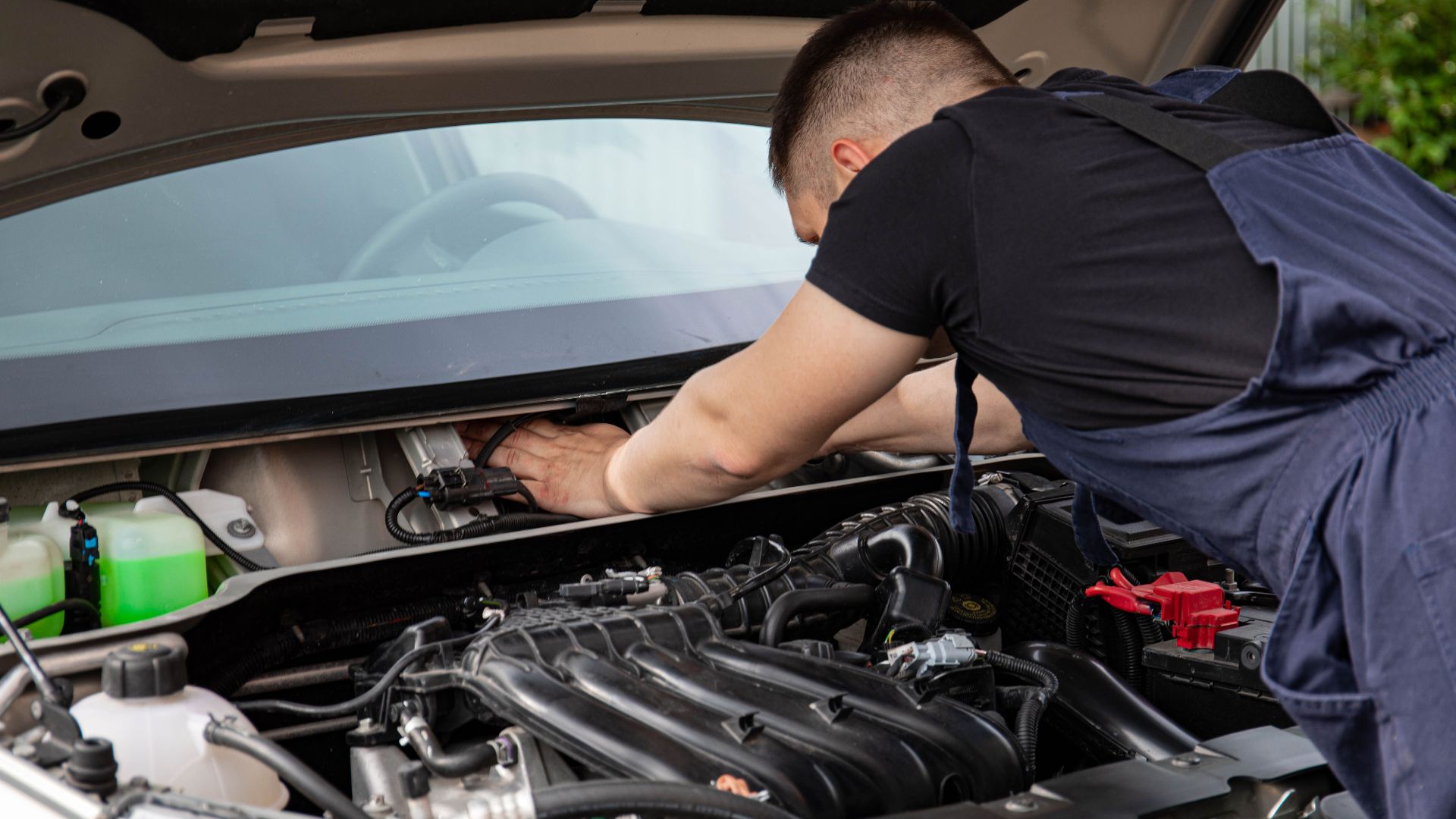
Certain calibrations require flat floors, controlled lighting, lots of space, and very specific measurement setups. That is tough for a crowded neighborhood garage with three bays, a tire machine, and a customer waiting room roughly the size of a glovebox.
Software Access Can Be The Real Roadblock
Even when a shop has the talent, it may not have the software access. Automakers often control diagnostic information, security gateways, programming tools, and vehicle data. That can leave independent shops stuck, even when the actual broken part is sitting right in front of them.
Security Gateways Changed The Rules
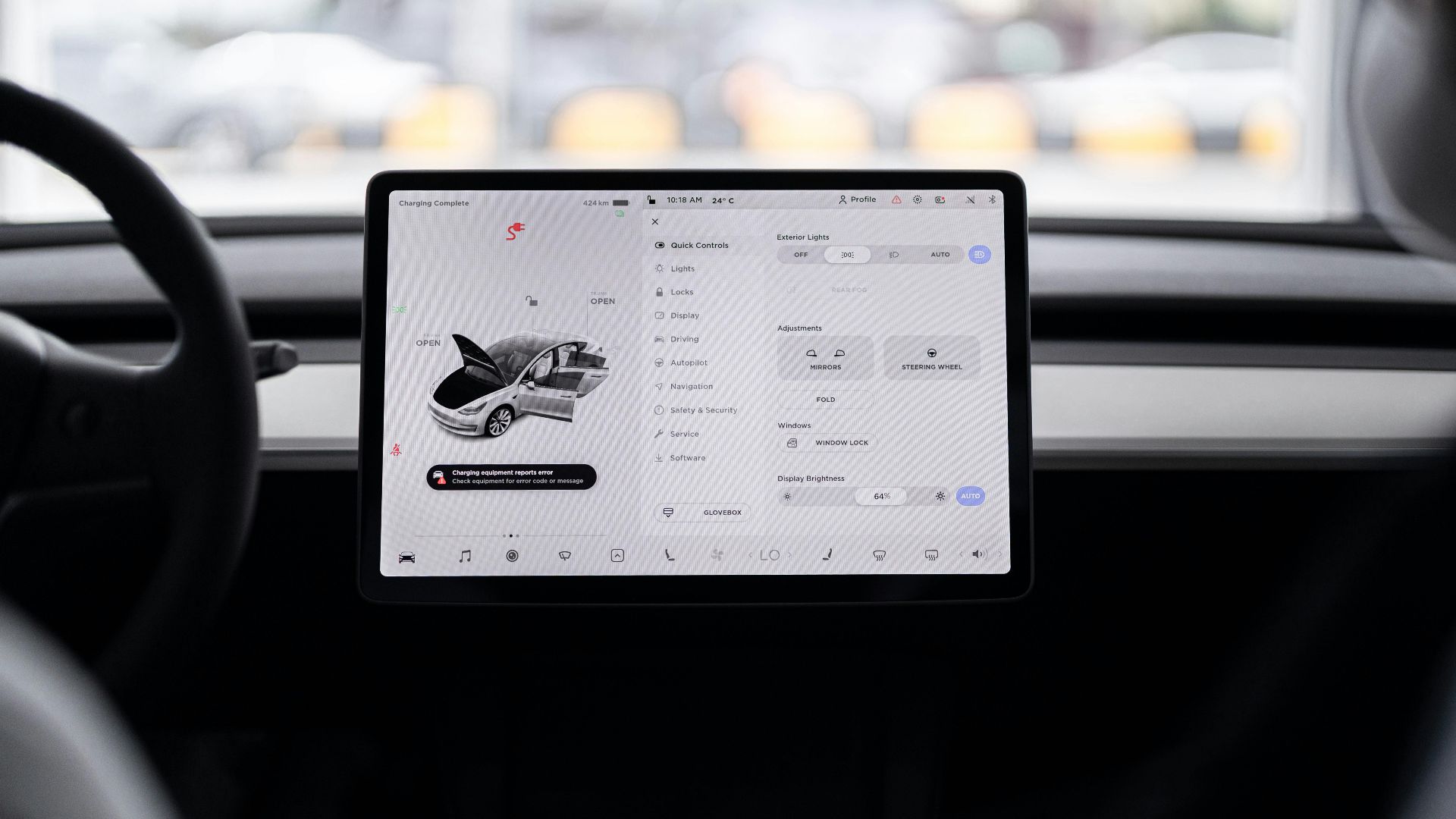
Automakers argue that locked-down systems help protect cars from hacking and unsafe repairs. That concern is real. But it also means some independent mechanics must jump through extra hoops just to clear codes, program modules, or complete repairs that used to be straightforward.
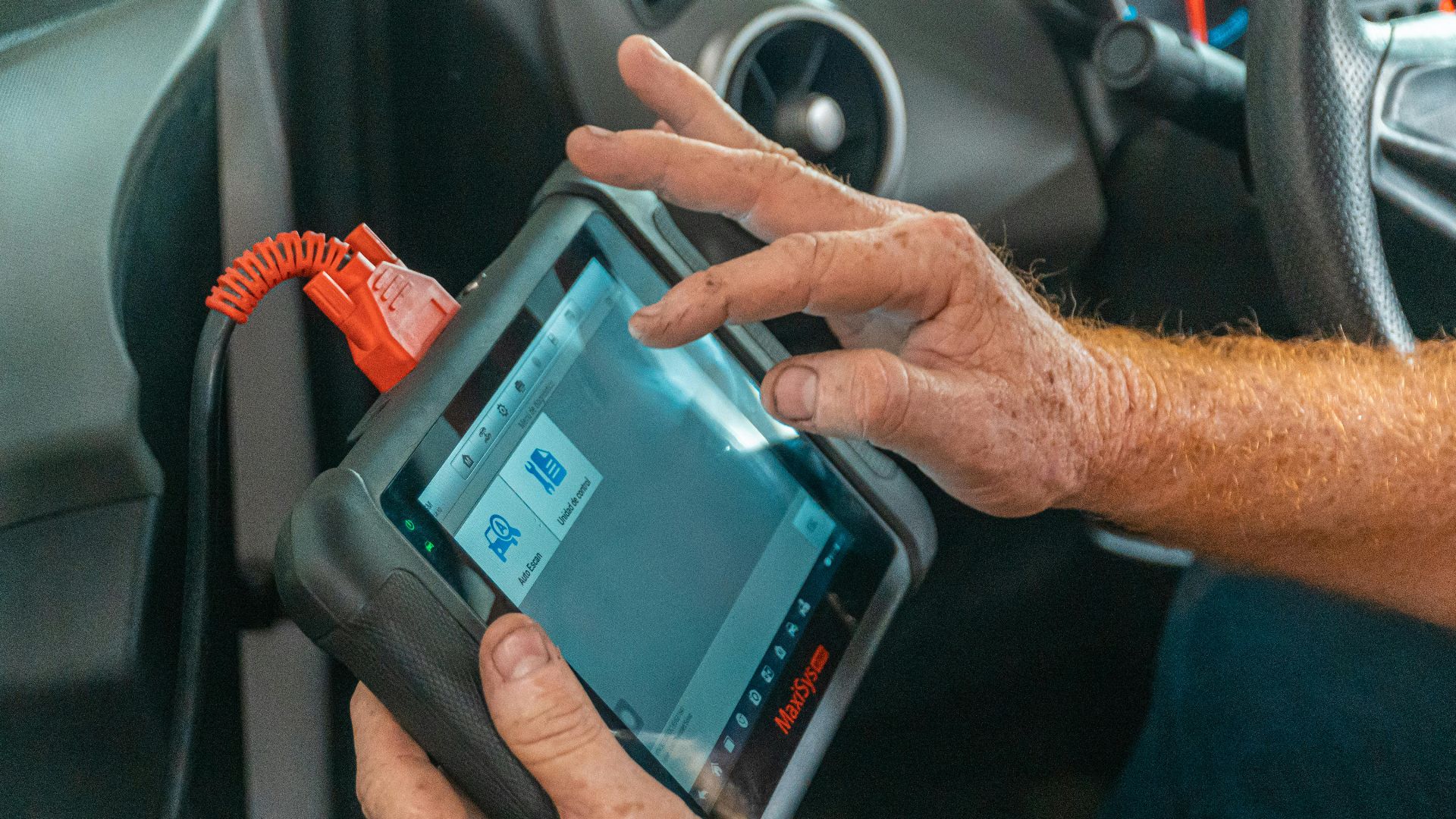 Jose Ricardo Barraza Morachis, Pexels
Dealerships Have The Home-Field Advantage
Dealerships usually have factory tools, official training, software access, and direct manufacturer support. That does not mean they are always better, but it does mean they often have easier access to the digital keys needed for late-model repairs. Independent shops may be just as skilled, but less equipped.
Is This In All Cars Now?
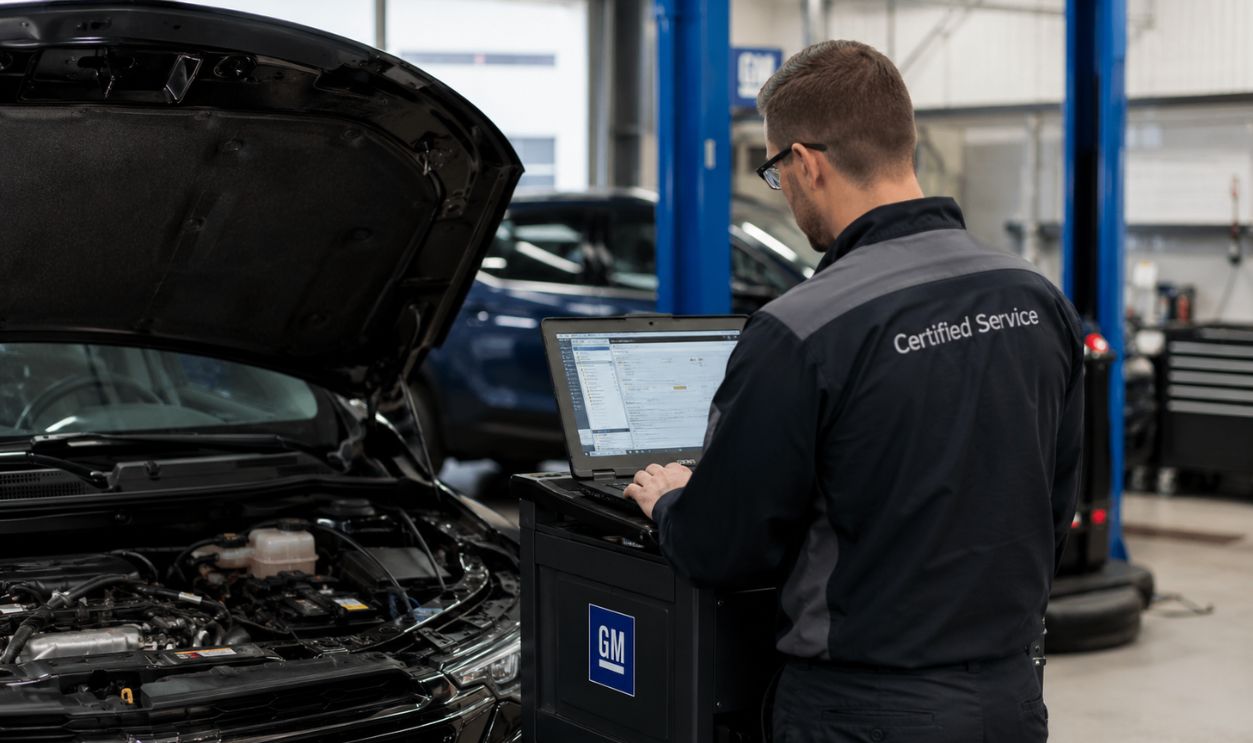
Not every car is equally complicated, but yes, the trend is everywhere. Even affordable new cars often include automatic emergency braking, backup cameras, touchscreens, tire-pressure monitoring, connected modules, and driver-assistance features. Luxury cars simply pile on more sensors, screens, motors, and software layers.
Electric Cars Raise The Stakes
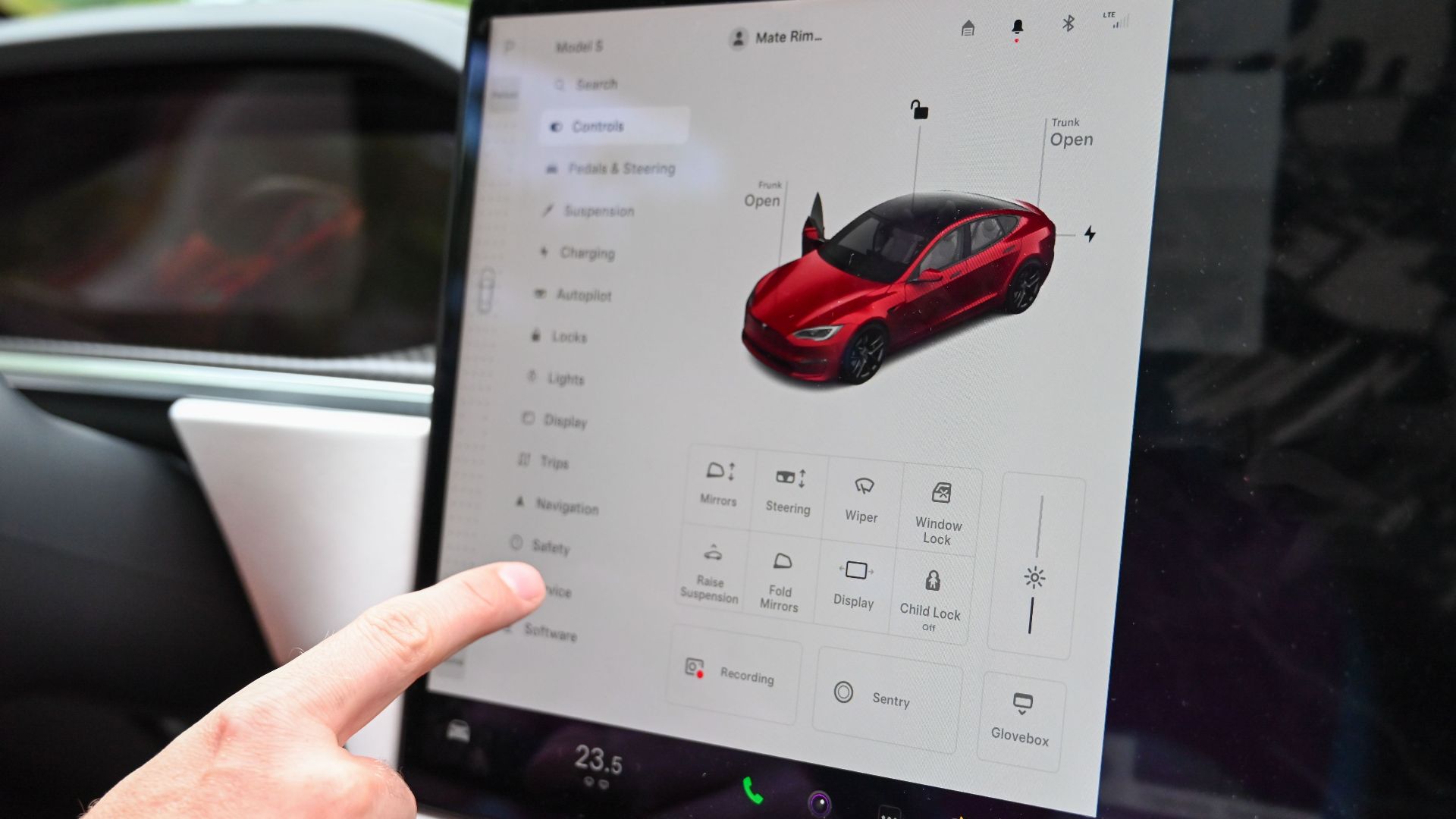
Electric vehicles add another layer of specialized repair needs. High-voltage batteries, thermal management systems, power electronics, and software-controlled drivetrains require extra training and safety procedures. Many EV issues are not “grab a wrench” jobs. They are “grab insulated gloves and factory documentation” jobs.
Hybrids Are Not Simple Either
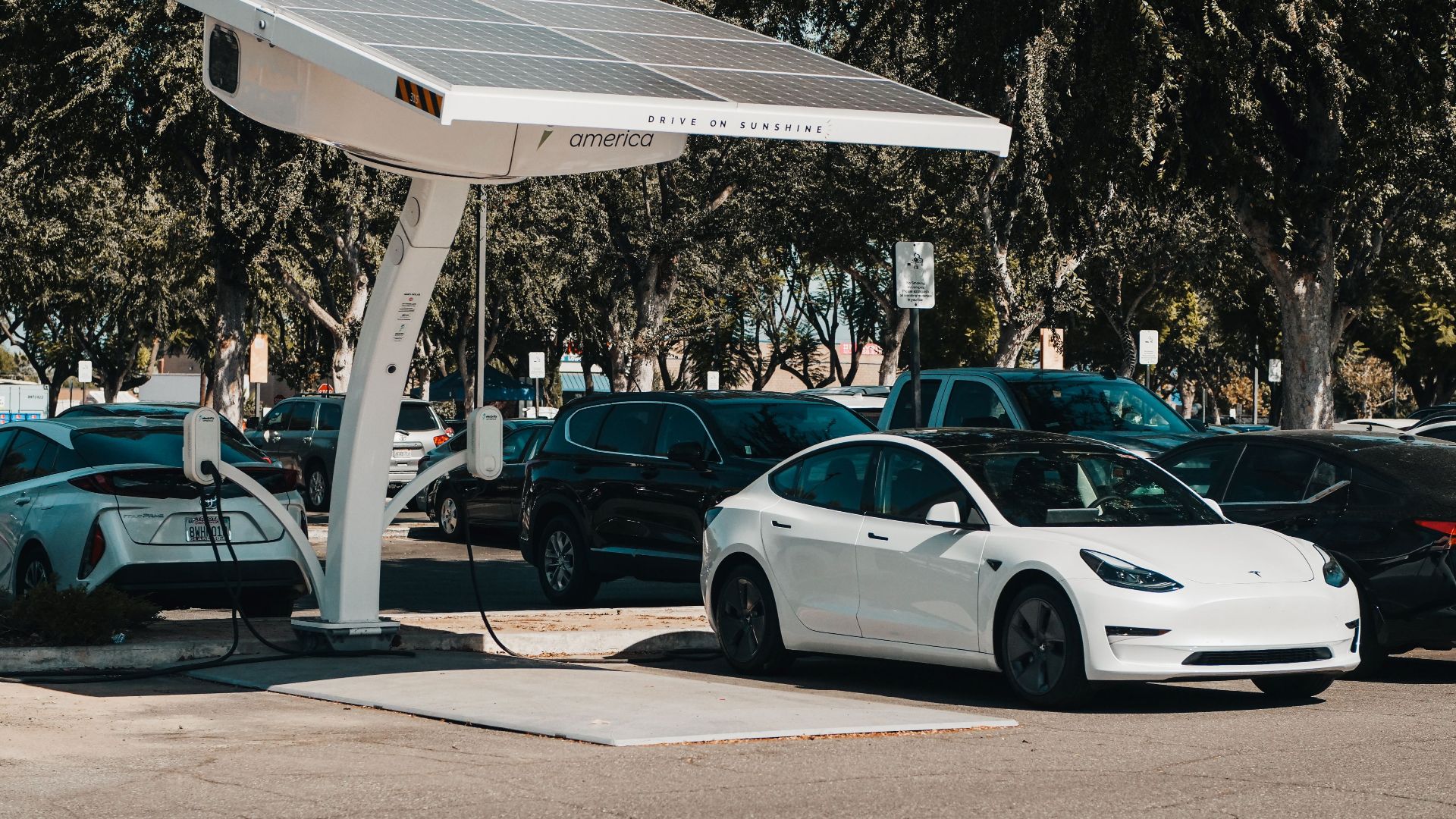
Hybrids can be wonderfully efficient, but they combine combustion-engine parts with electric-drive components. That means more systems, more control modules, and more diagnostic paths. A mechanic may need to understand engines, batteries, inverters, regenerative braking, and software communication all in the same afternoon.
Luxury Cars Are The Deep End
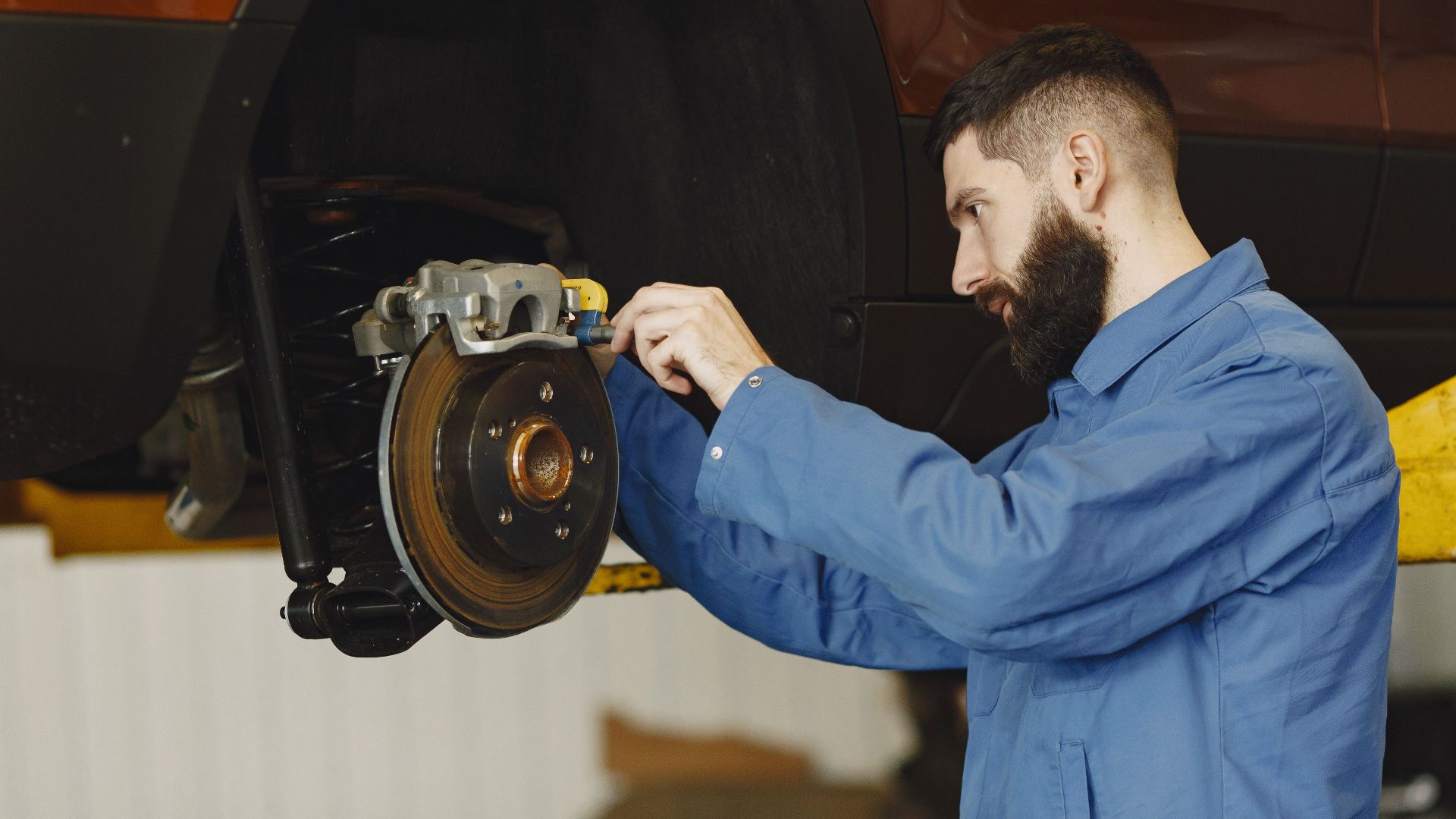
Luxury vehicles often introduce technology first: air suspension, active anti-roll bars, digital headlights, massaging seats, power doors, night vision, rear-wheel steering, and giant screens. These features can feel magical when new. When they fail, the repair estimate can feel like a jump scare.
The Cheap Car Advantage Is Shrinking
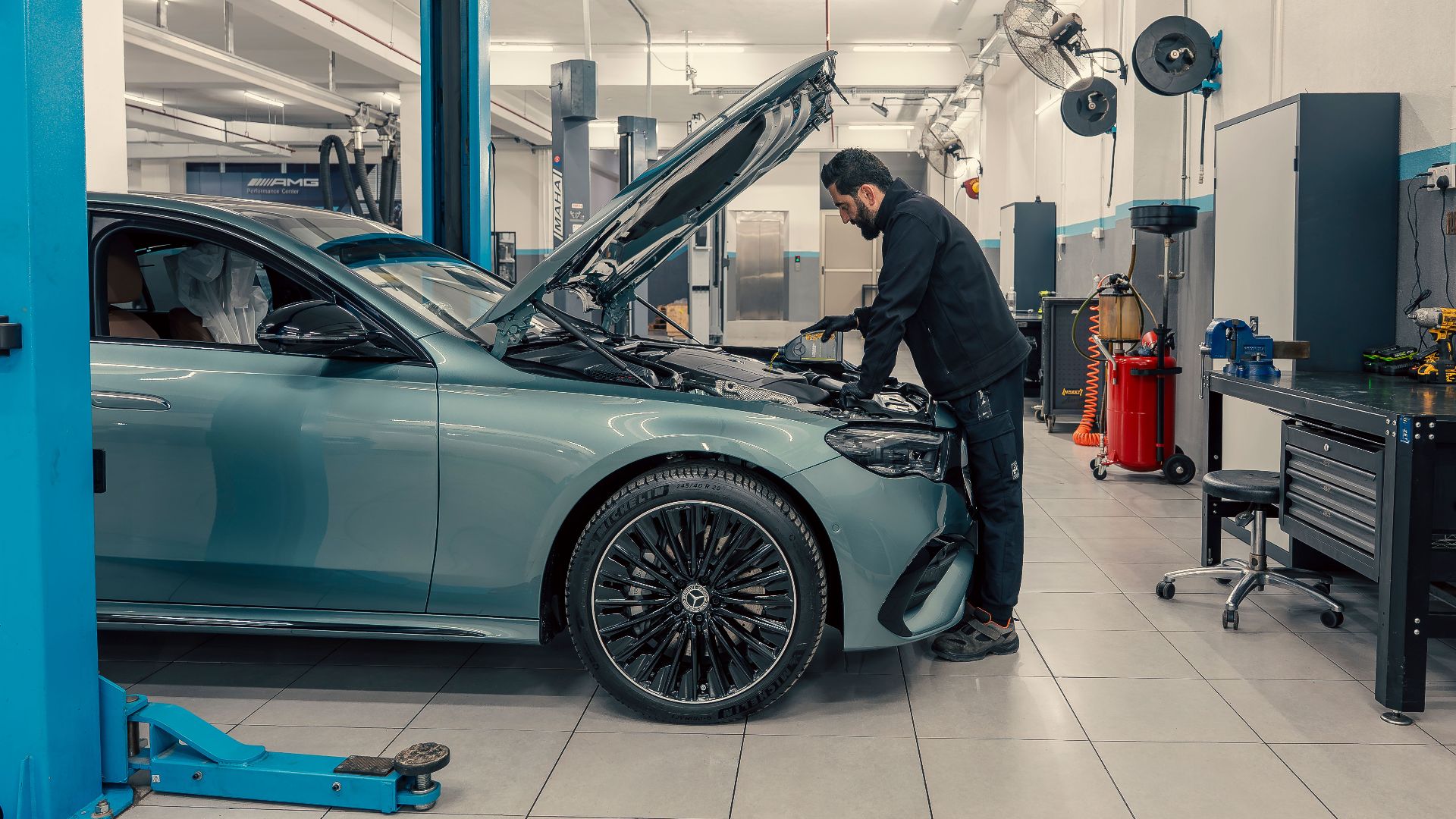
Buying an economy car used to mean simpler repairs. Today, even basic cars are loaded with federally required safety tech and emissions controls. They may still be cheaper to maintain than luxury models, but the gap between “simple car” and “computer car” is getting smaller every year.
Parts Are Not Always Plug-And-Play
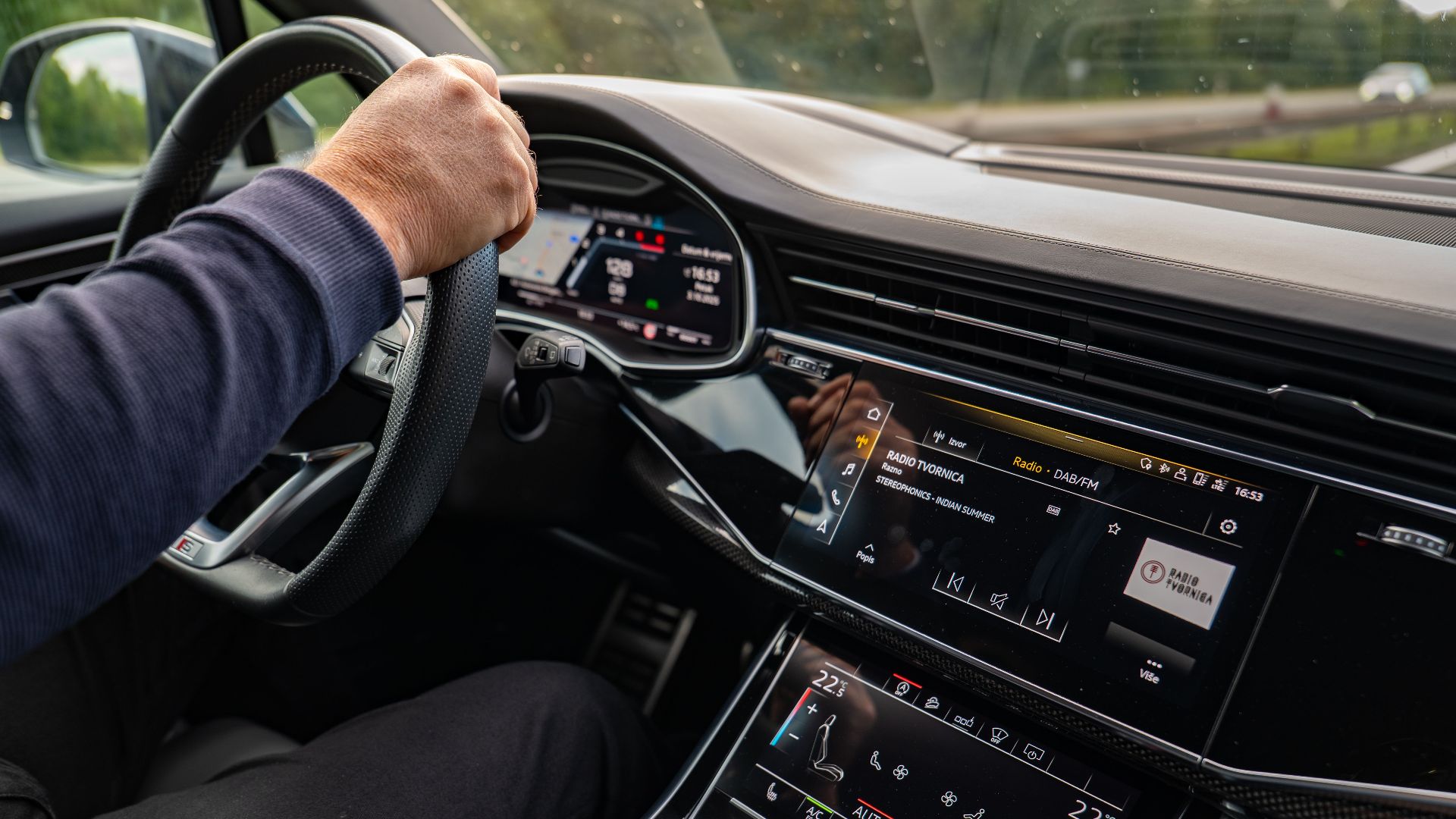
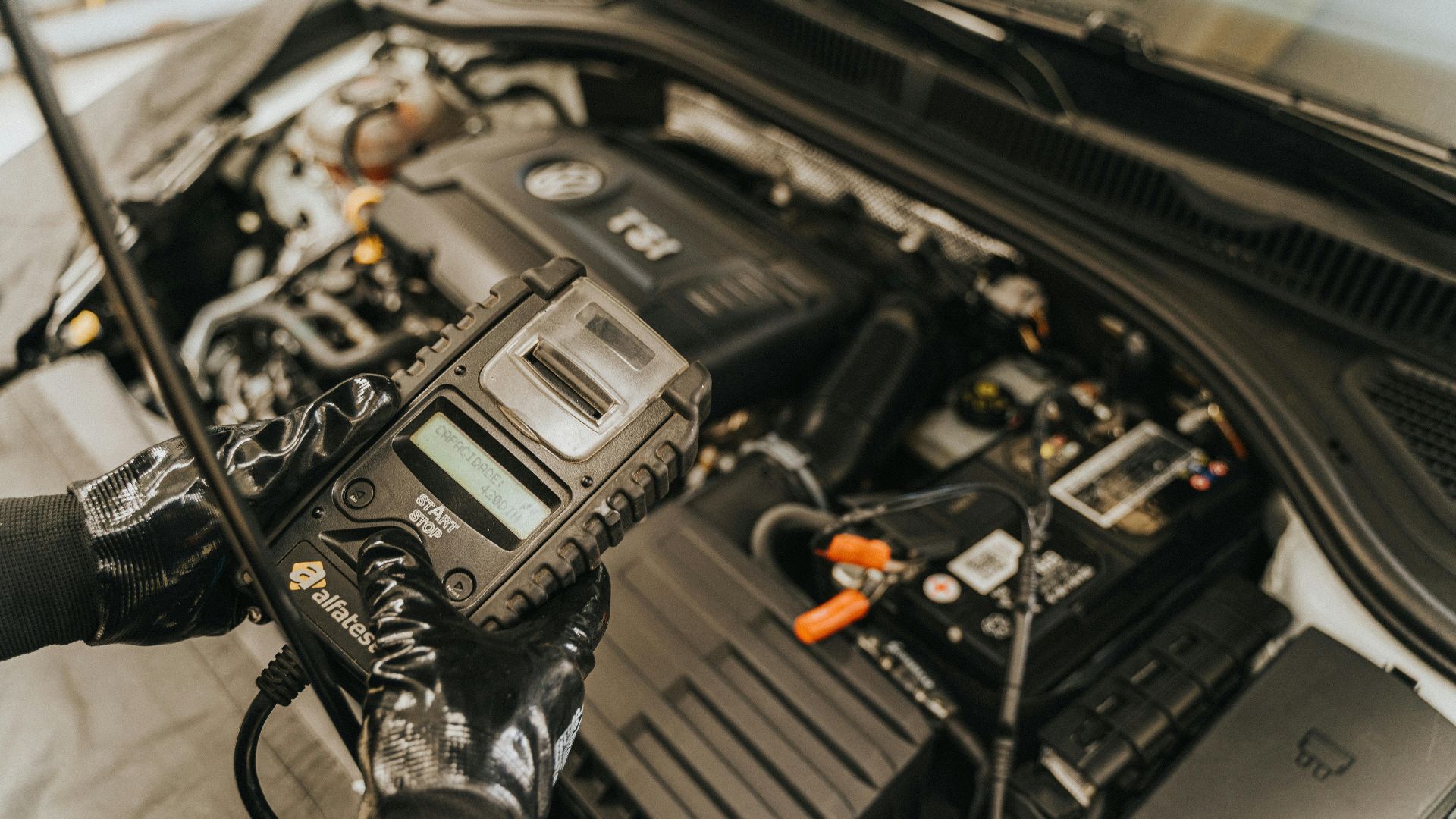
Replacing a module may not end the job. The new part may need coding, pairing, programming, or software updates before it talks to the rest of the car. In some vehicles, even a battery replacement can require registration so the charging system behaves correctly.
Independent Shops Are Adapting
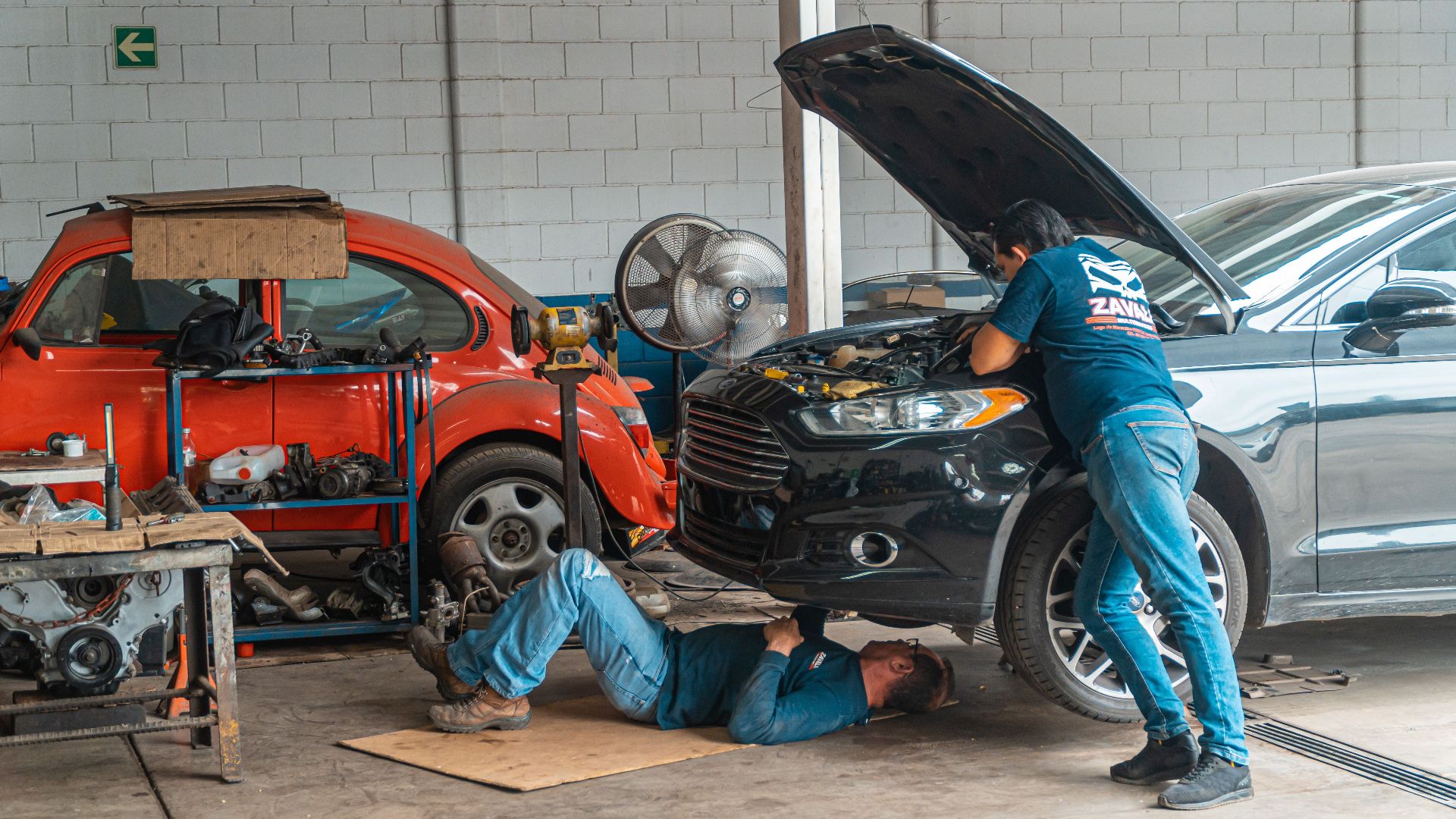
Plenty of independent repair shops are investing in ADAS equipment, scan tools, training, and software access. Some specialize by brand. Others send calibration work to dedicated specialists. The best independents are not disappearing; they are evolving into high-tech repair centers with lifts.
 Jose Ricardo Barraza Morachis, Pexels
But Not Every Shop Can Keep Up
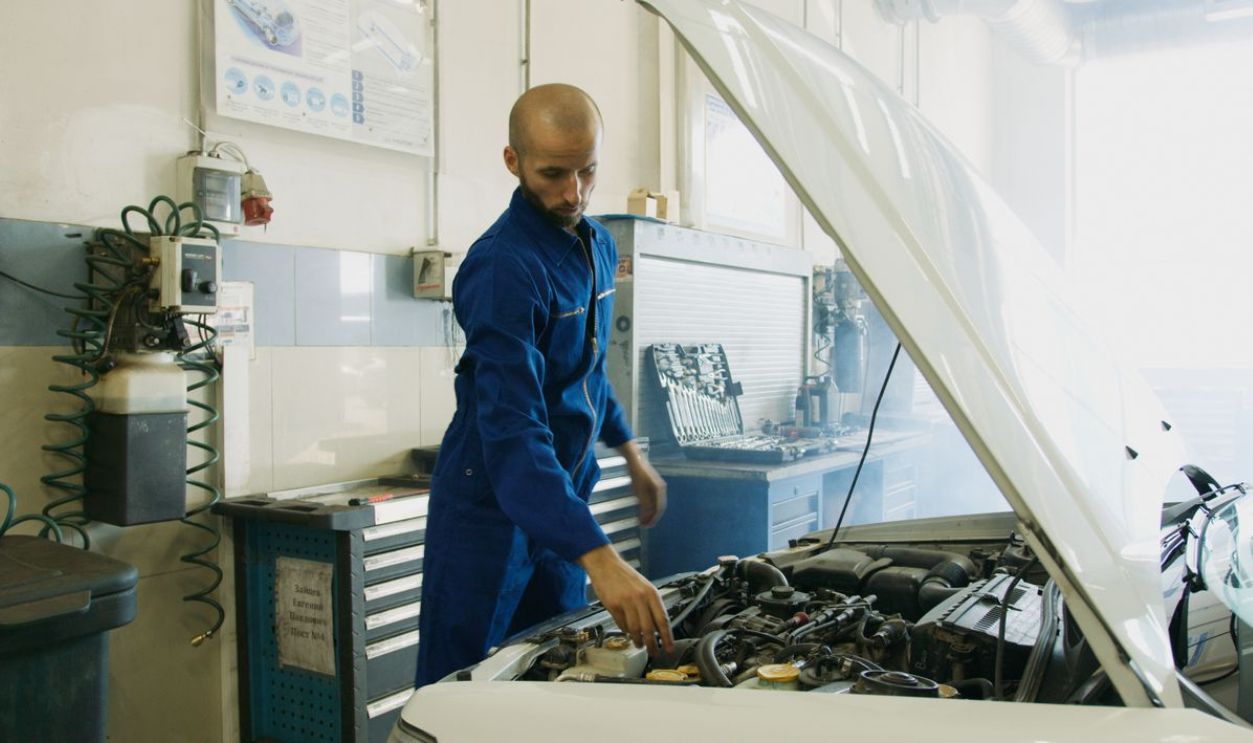
A small mechanic cannot realistically buy every tool for every brand. That is why some shops decline certain jobs or refer customers elsewhere. It is not laziness. It is math. Spending tens of thousands on rarely used equipment can sink a small business.
The Right-To-Repair Fight Matters
This is why right-to-repair laws are such a big deal. The argument is simple: owners should be able to choose where their cars are repaired. Independent shops say they need fair access to repair data and tools. Automakers say safety, cybersecurity, and privacy must be protected.
The Consumer Gets Caught In The Middle
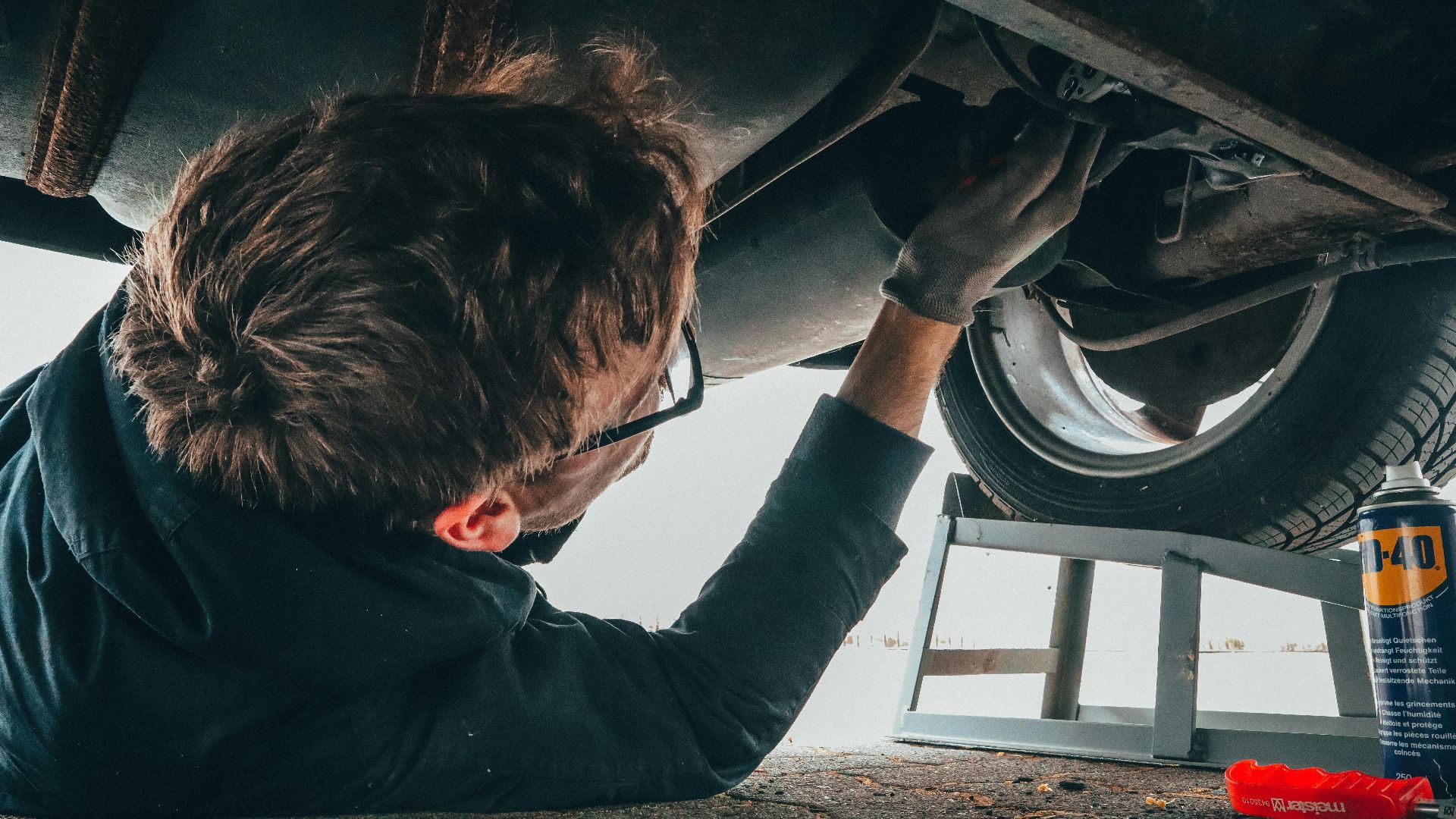
When the system works, drivers get safer cars and more repair choices. When it does not, owners may face dealer-only repairs, longer waits, higher bills, and confused mechanics. The car may be brilliant, but the repair experience can feel like calling tech support from a parking lot.
What Buyers Should Ask Before Purchase
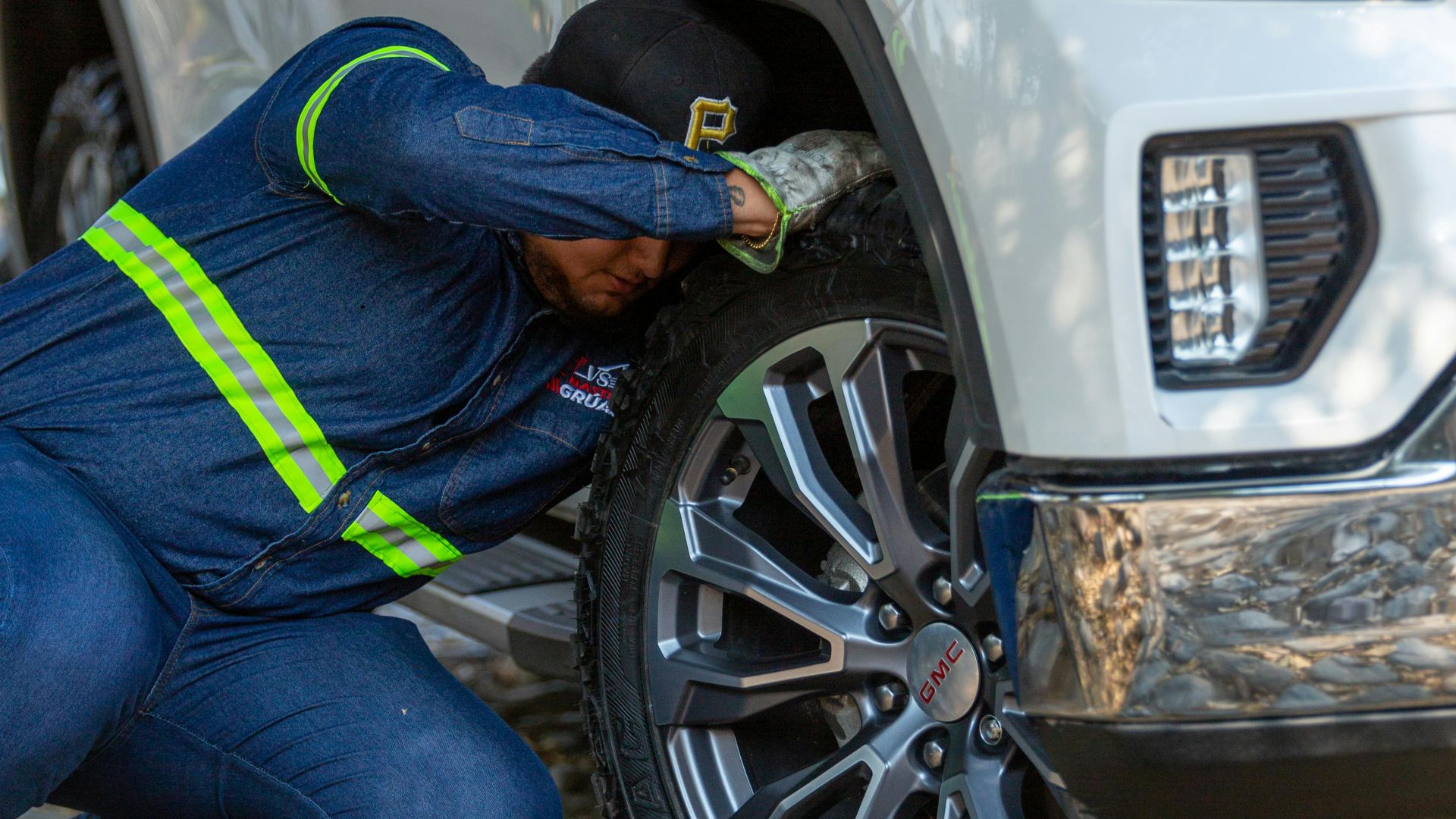
Before buying a newer car, ask about repair complexity, insurance costs, windshield replacement costs, ADAS calibration needs, and local shop support. A car can be affordable to buy but expensive to fix. The smartest shoppers think beyond monthly payments and horsepower numbers.

What Owners Can Do Now
Keep sensors clean, fix warning lights quickly, avoid cheap mystery parts, and ask whether calibrations are required after glass, bumper, suspension, or alignment work. Also, find a shop that is honest about its limits. A mechanic who says “we cannot do this properly” is protecting you.

Older Cars Still Have A Place
If you love simpler repairs, older vehicles can still make sense. They usually have fewer sensors, fewer modules, and less software drama. Of course, they may lack modern safety features and efficiency, so the trade-off is not perfect. Simpler does not always mean better.

The Future May Get Easier
As technology spreads, tools may become cheaper, training may improve, and more shops may add calibration services. Some systems may also become more self-calibrating. Today’s expensive mystery repair often becomes tomorrow’s normal shop routine. Remember when fuel injection scared everyone?
The Final Answer
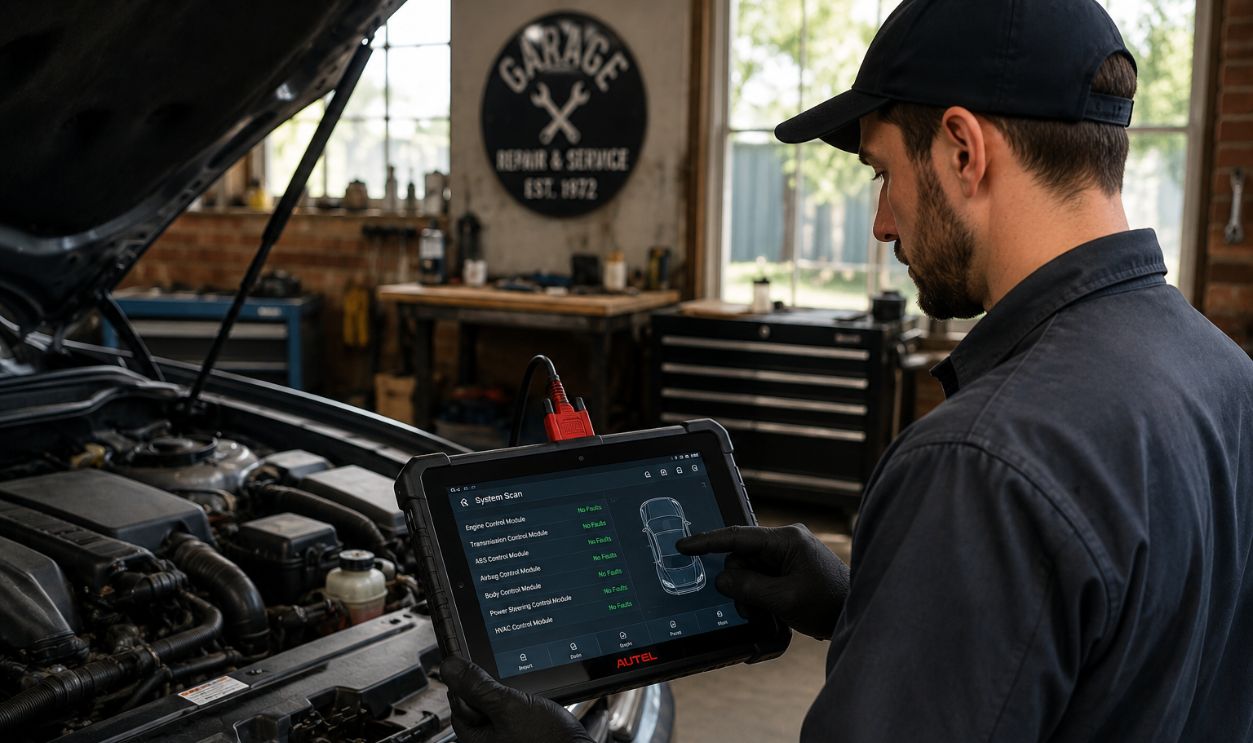
Yes, advanced electronics are becoming part of nearly every modern car. No, that does not mean every repair will bankrupt you. It means car ownership now includes software, sensors, and calibration. The humble mechanic is not gone; they just need a laptop beside the wrench.
You May Also Like:
My dealership wants $250 to "reprogram" my key fob. Can it really cost that much?