Prioritizing The Essentials
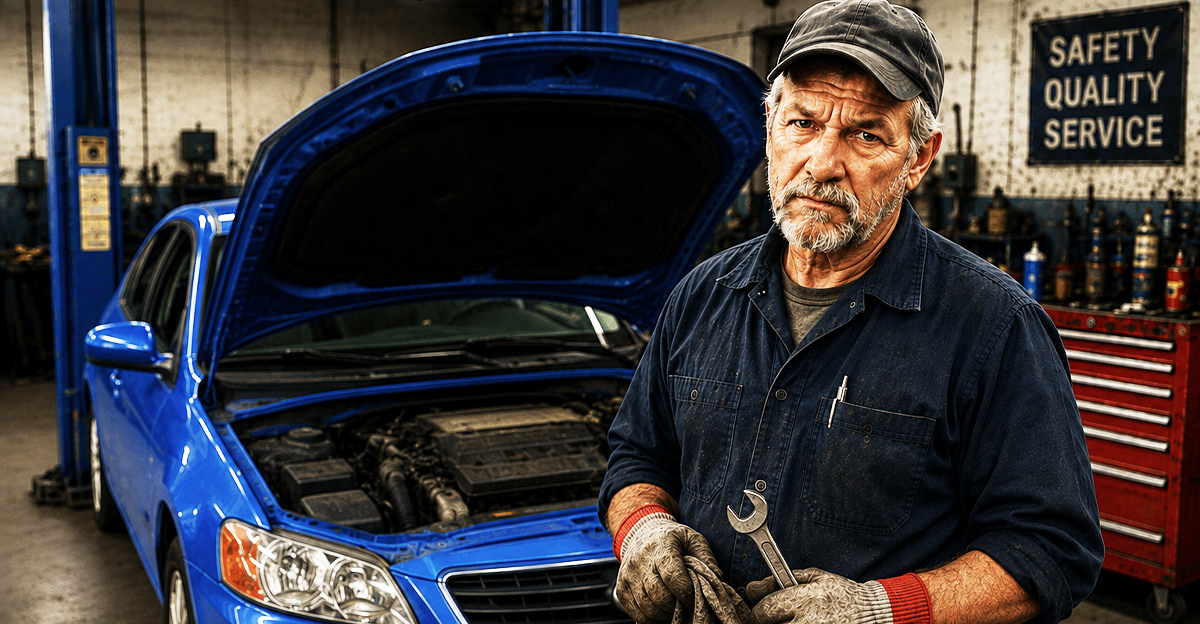
When repair estimates start piling up, it can be difficult to decide what needs immediate attention and what can safely be postponed. The key is understanding which issues affect safety, reliability, and vehicle longevity. These repairs and maintenance items are commonly cited by mechanics as priorities when budgets are tight.
Brake Problems
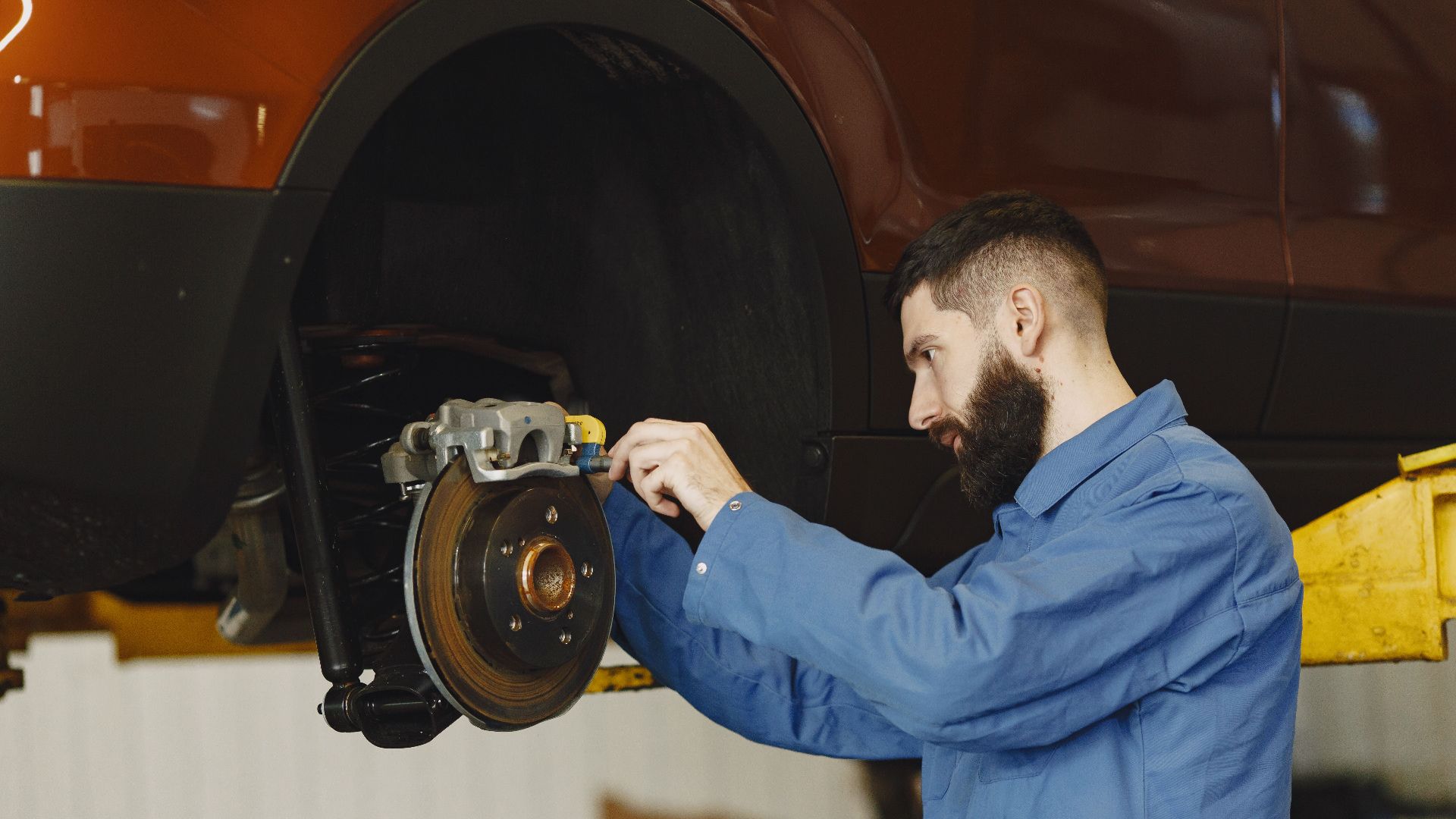
Brake issues should move to the top of any repair list. Worn brake pads, damaged rotors, leaking brake lines, or other braking problems directly affect your ability to stop safely. Delaying brake repairs can increase stopping distances and may lead to much more expensive repairs later.
Tire Damage
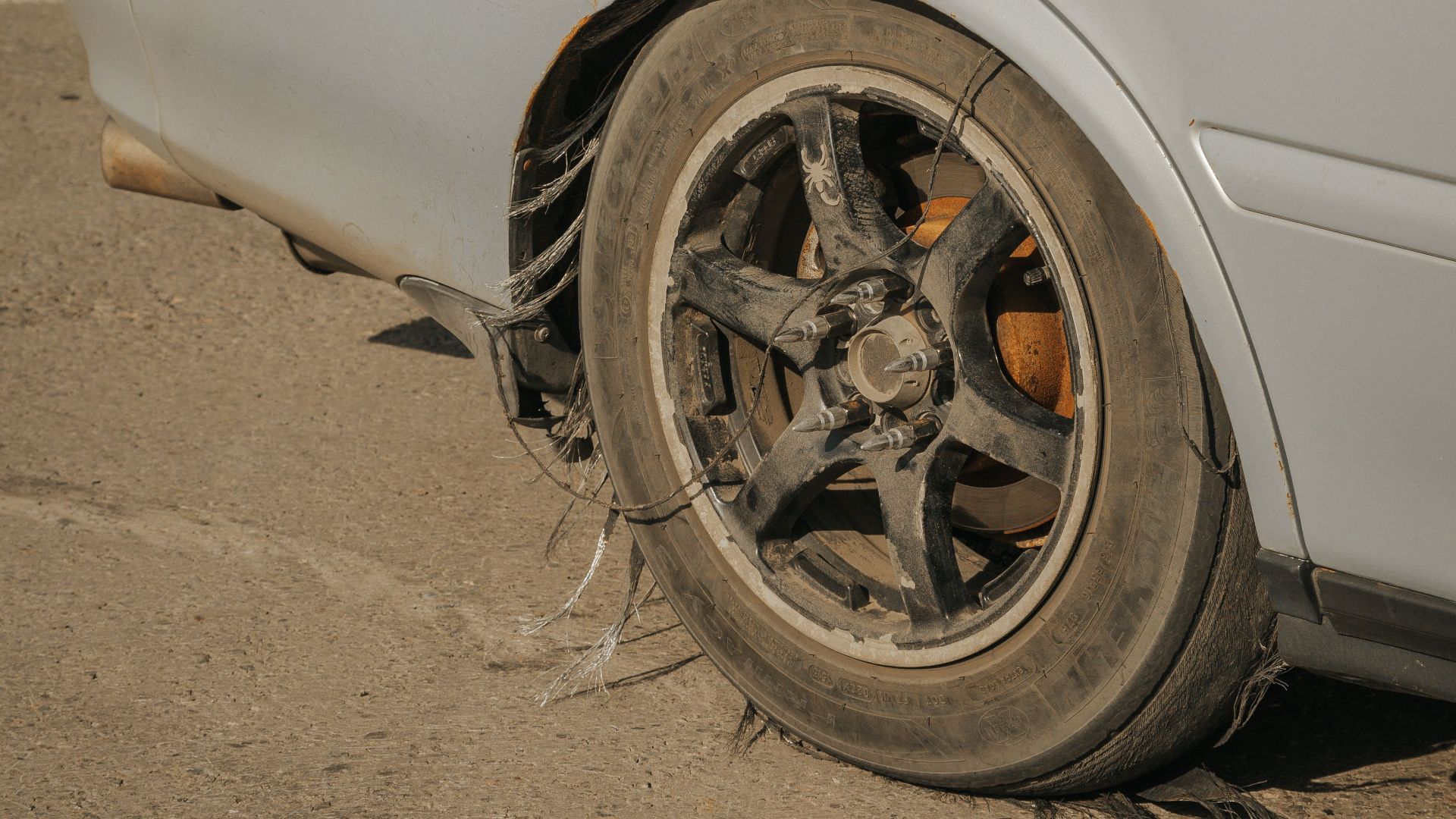
Tires with excessive wear, sidewall damage, bulges, or insufficient tread should be addressed immediately. Poor tires reduce traction, increase stopping distances, and make hydroplaning more likely. Tire-related issues are among the most important safety concerns because they affect every aspect of vehicle control.
Steering Concerns
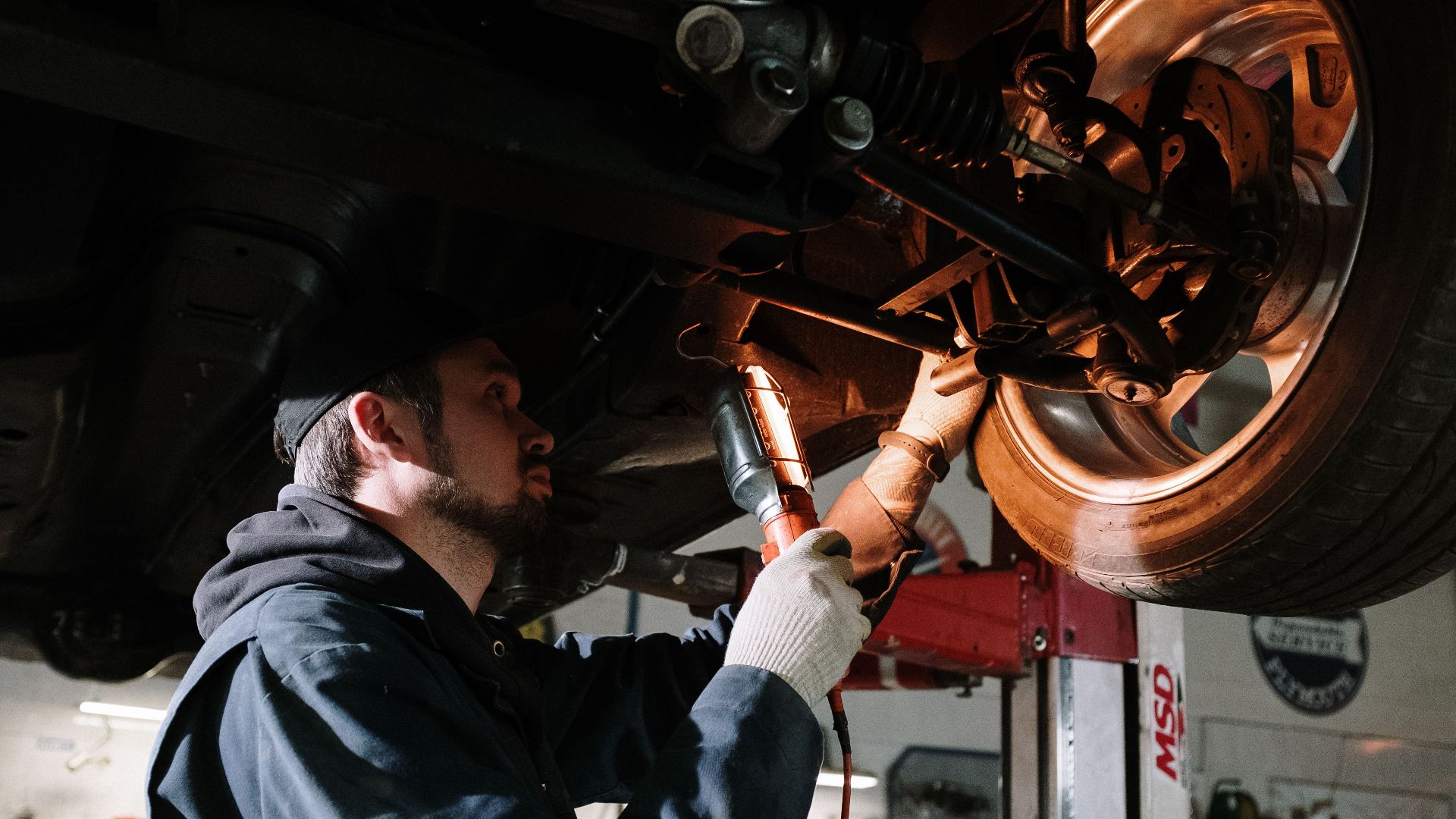
Problems affecting steering should never be ignored. Difficulty steering, unusual looseness, vibrations, or steering components that show excessive wear can make the vehicle unpredictable. Mechanics generally classify steering issues as urgent because they directly affect your ability to maintain control on the road.

Suspension Failures
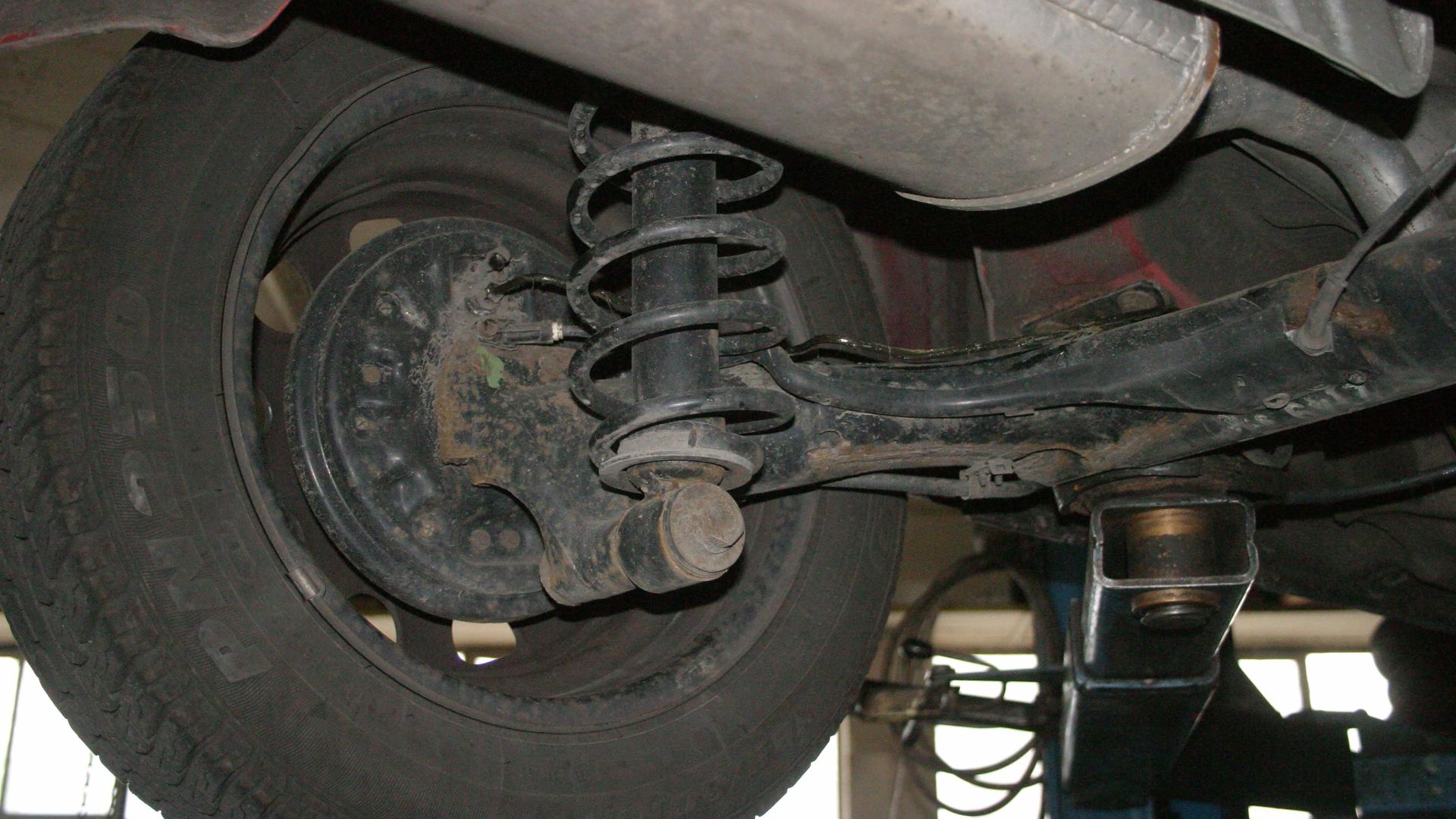
Suspension problems often affect both safety and handling. Worn shocks, struts, or damaged suspension components can reduce stability, increase tire wear, and make emergency maneuvers more difficult. These repairs are generally considered high priority when significant wear or damage is present.
Engine Warning Lights
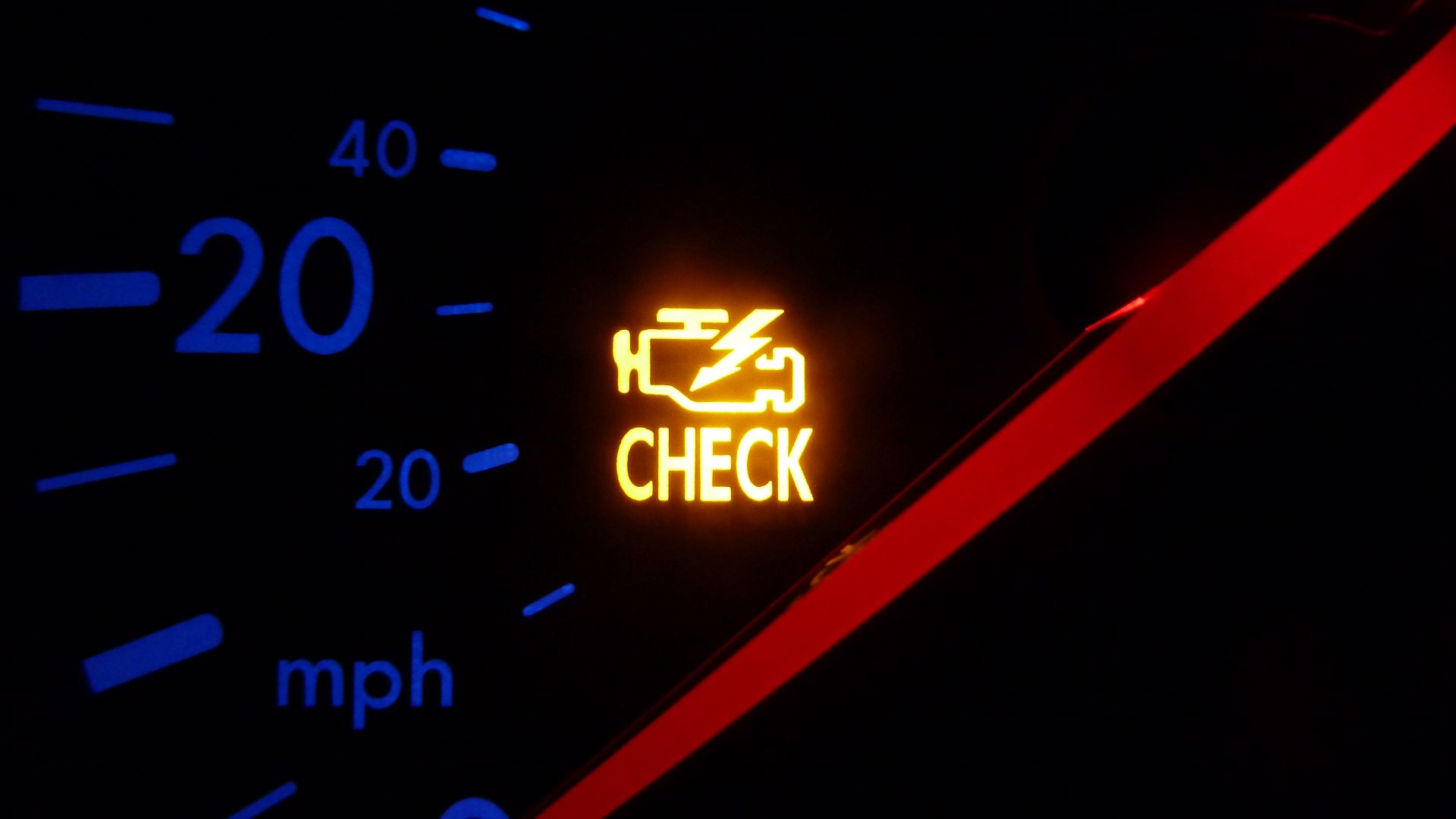
A check engine light may indicate a relatively minor problem, but it can also signal a serious issue requiring immediate attention. Because the underlying cause is often unknown without diagnosis, mechanics recommend having warning lights investigated promptly rather than simply hoping they disappear.
 Wikiuser100000, Wikimedia Commons
Fluid Leaks
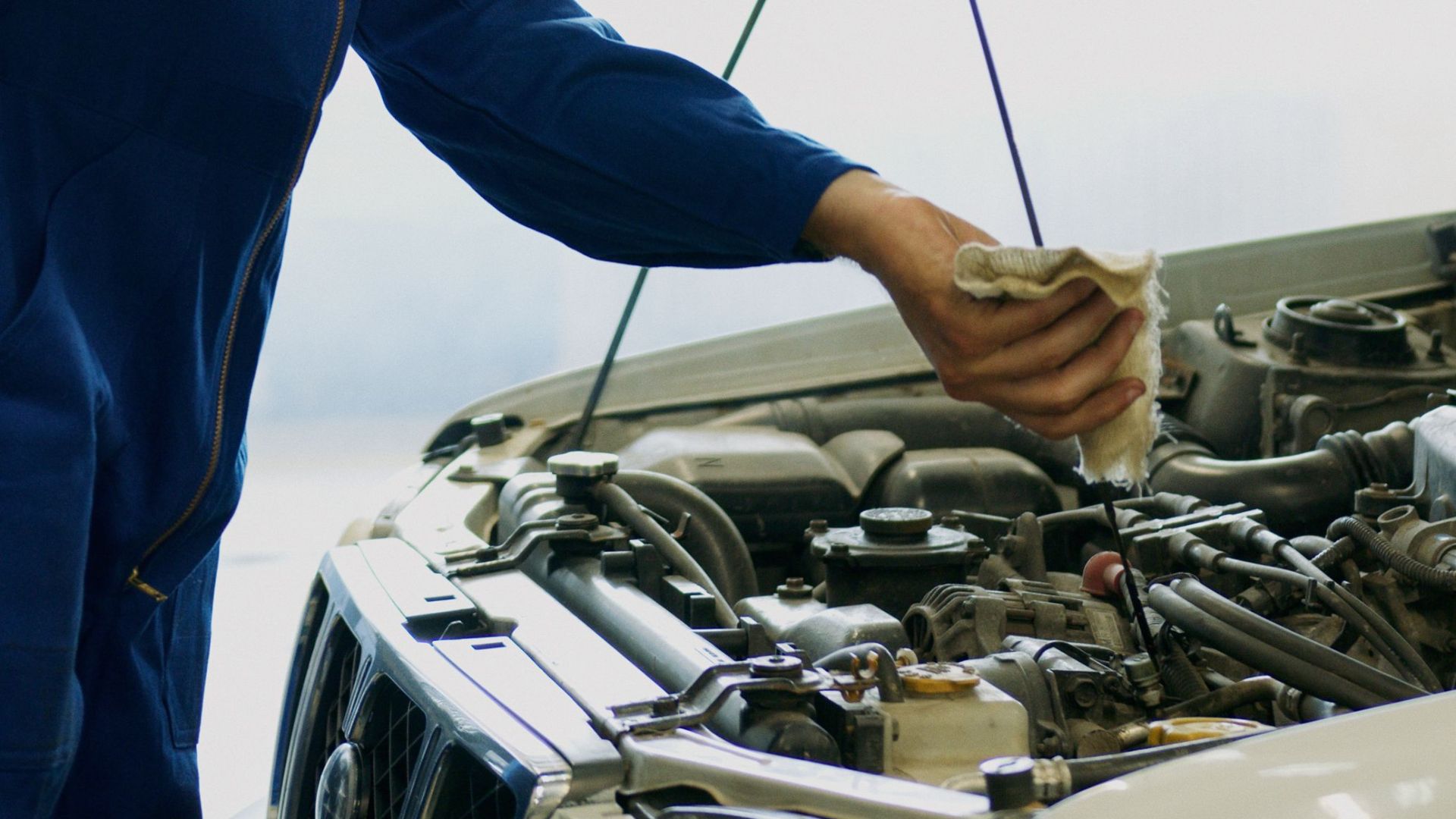
Fluid leaks deserve attention because they often worsen over time. Leaking engine oil, coolant, transmission fluid, brake fluid, or power steering fluid can eventually lead to component failure. Even small leaks should be monitored and diagnosed before they become major repairs.
Cooling System Issues
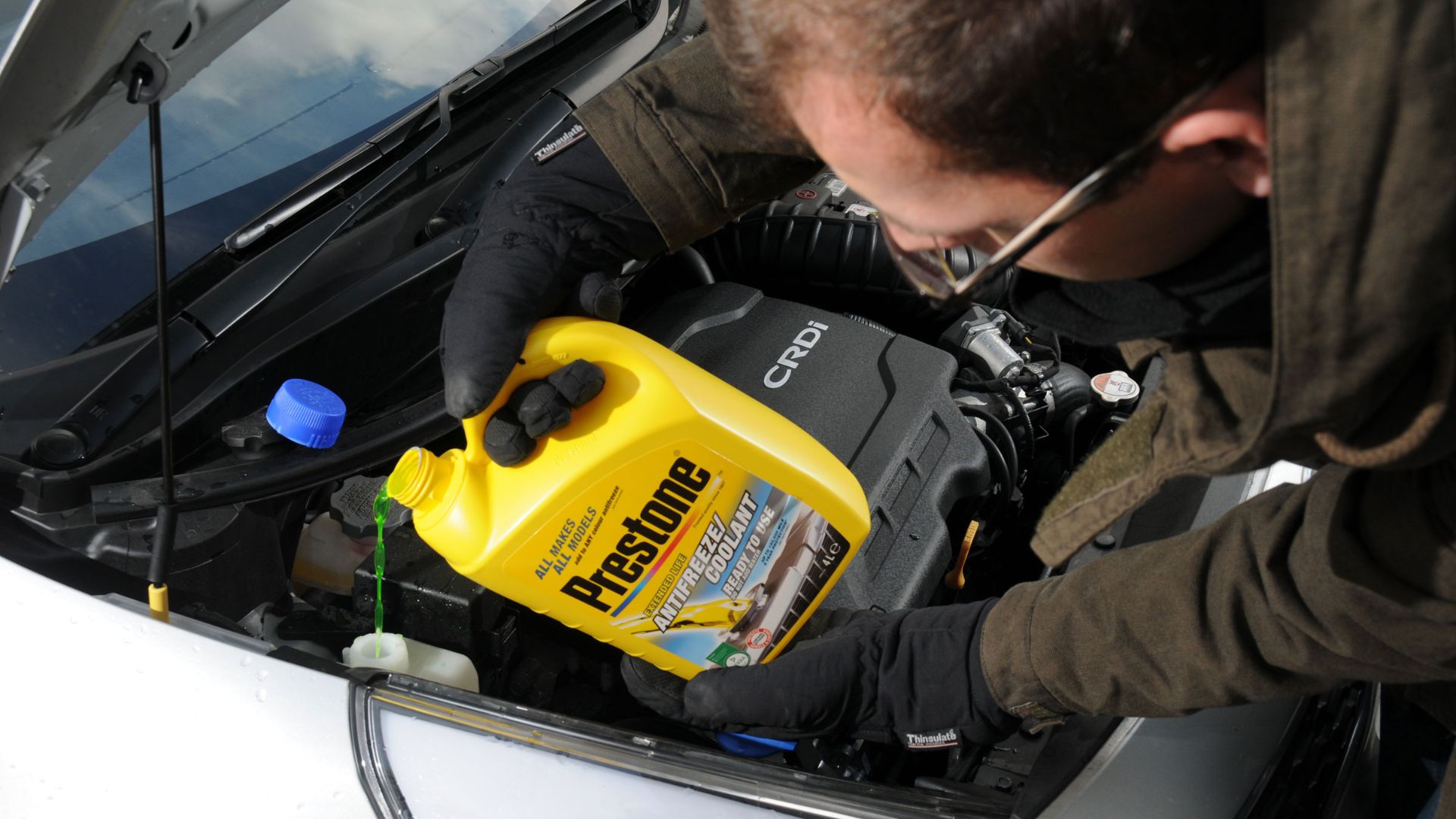
Cooling system problems can quickly lead to engine damage. Low coolant levels, overheating, leaking radiators, or failing water pumps can result in costly repairs if ignored. Mechanics commonly rank cooling system concerns among the most important repairs to address quickly.
 Gasper12345, Wikimedia Commons
Timing Belt Service
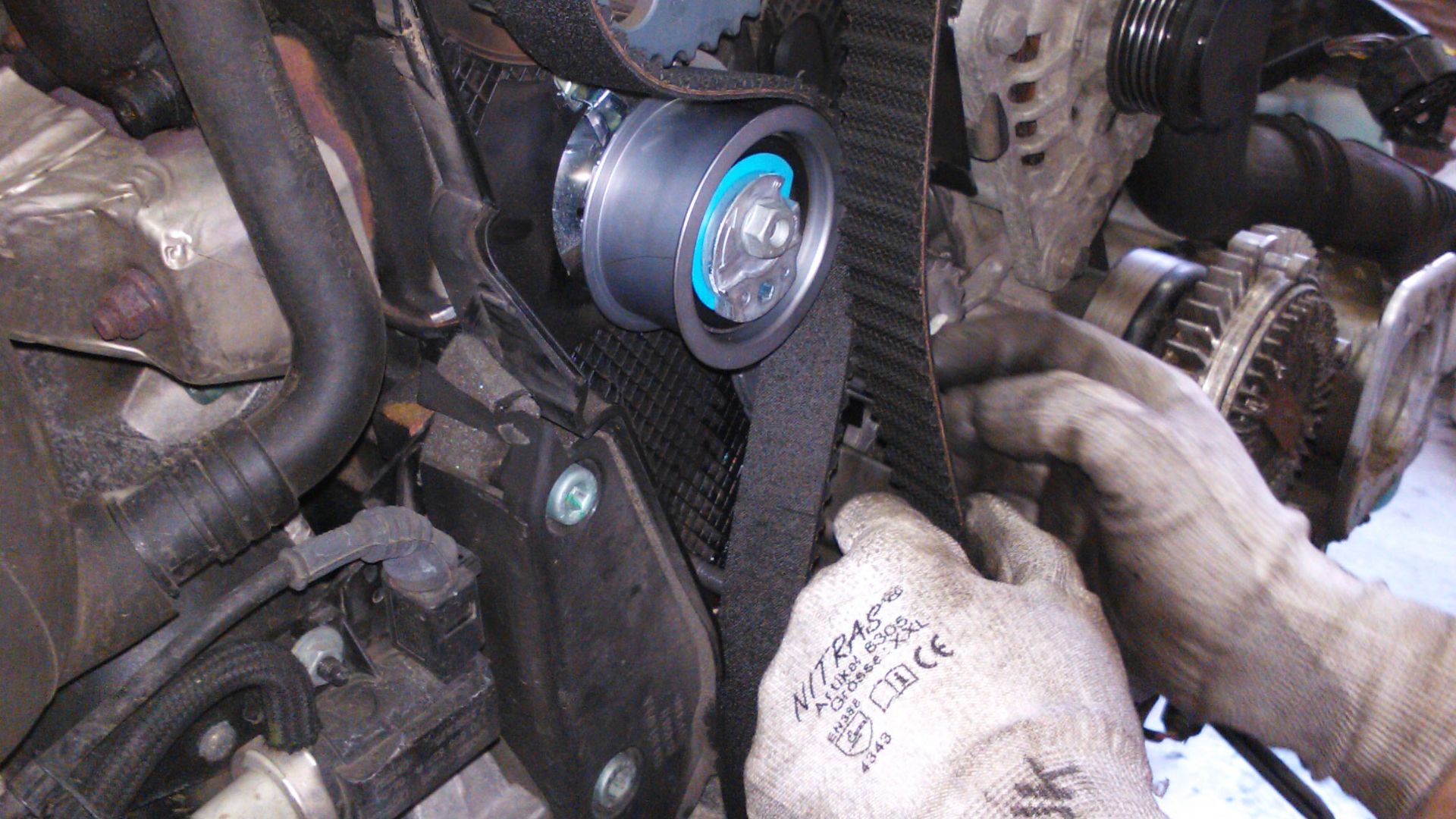
Timing belt replacement is often preventative rather than reactive. However, delaying replacement beyond the manufacturer's recommended interval can result in catastrophic engine damage on some vehicles. This makes timing belt maintenance one of the most important scheduled services to prioritize.
 Petar Milošević, Wikimedia Commons
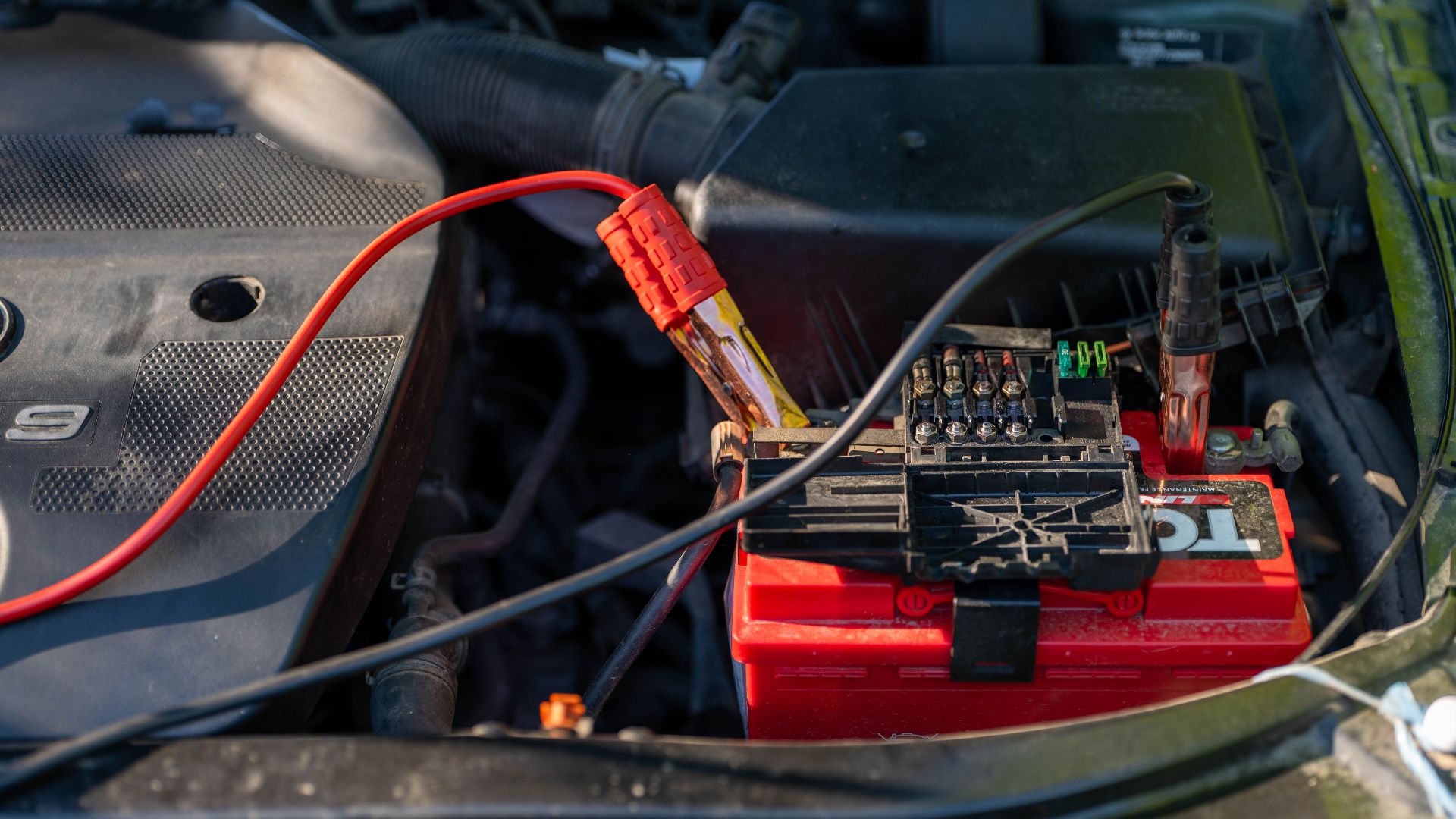
Battery Problems
A weak or failing battery may seem minor until the vehicle refuses to start. Batteries that struggle to hold a charge should be tested and replaced when necessary. While not usually a safety issue, battery failures can leave drivers stranded without warning.
Transmission Concerns
Transmission repairs can be extremely expensive when problems are ignored. Delayed shifting, slipping gears, unusual noises, or transmission warning signs should be evaluated promptly. Addressing smaller issues early may prevent major component failures and significantly higher repair bills.

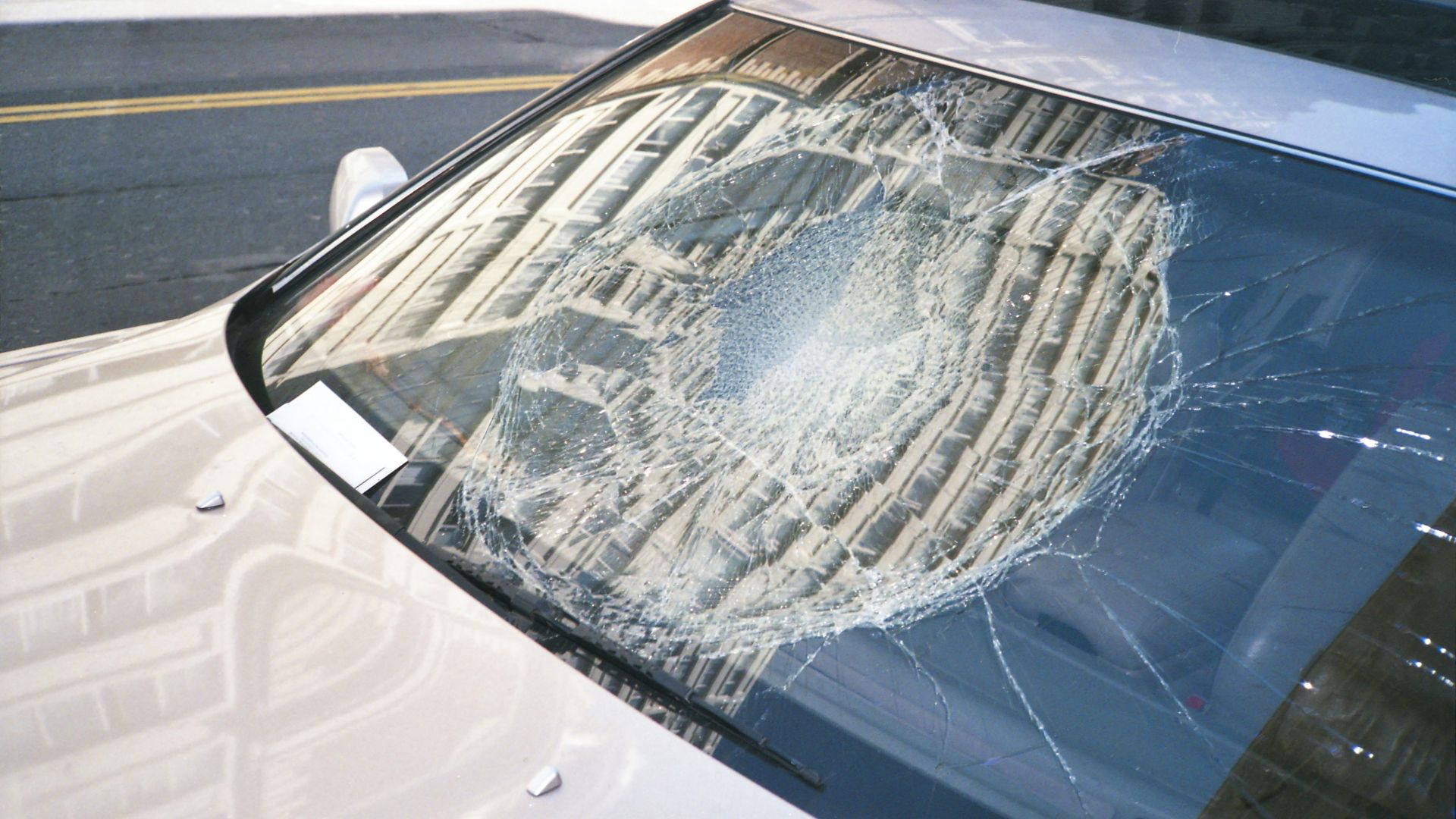
Windshield Damage
Small chips and cracks in a windshield can sometimes wait briefly, but they should not be ignored indefinitely. Damage can spread unexpectedly and impair visibility. Repairing a small chip is usually much less expensive than replacing an entire windshield later.
Cosmetic Scratches
Minor scratches, paint blemishes, and small cosmetic imperfections generally fall into the category of repairs that can wait. While they may affect appearance, they rarely impact safety or reliability and can often be postponed until more critical maintenance needs are addressed.
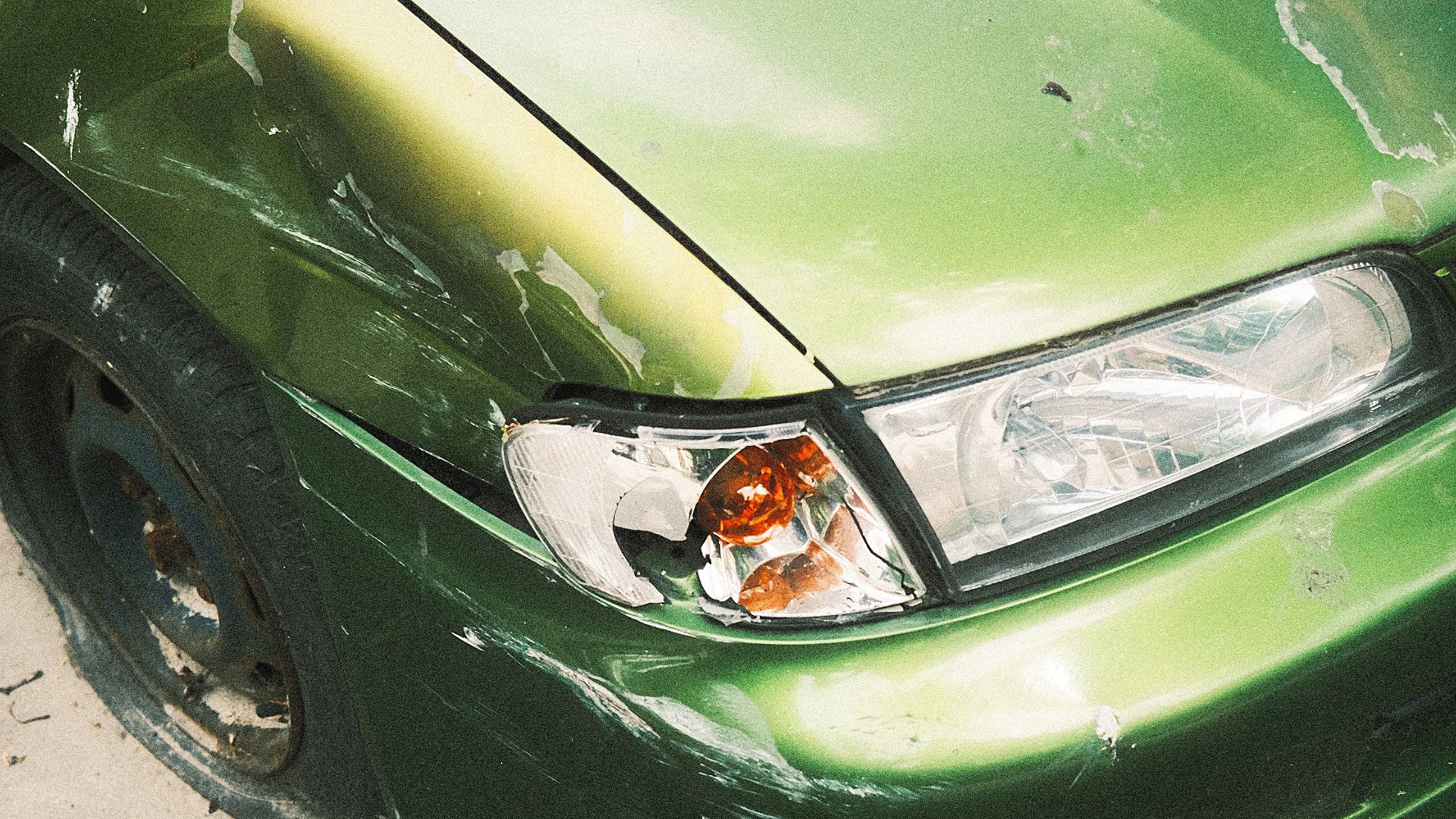
Minor Dents
Small dents that do not affect vehicle operation are usually lower-priority repairs. Unless they expose bare metal that could lead to corrosion, cosmetic dents can often be deferred without creating significant mechanical concerns or additional damage.

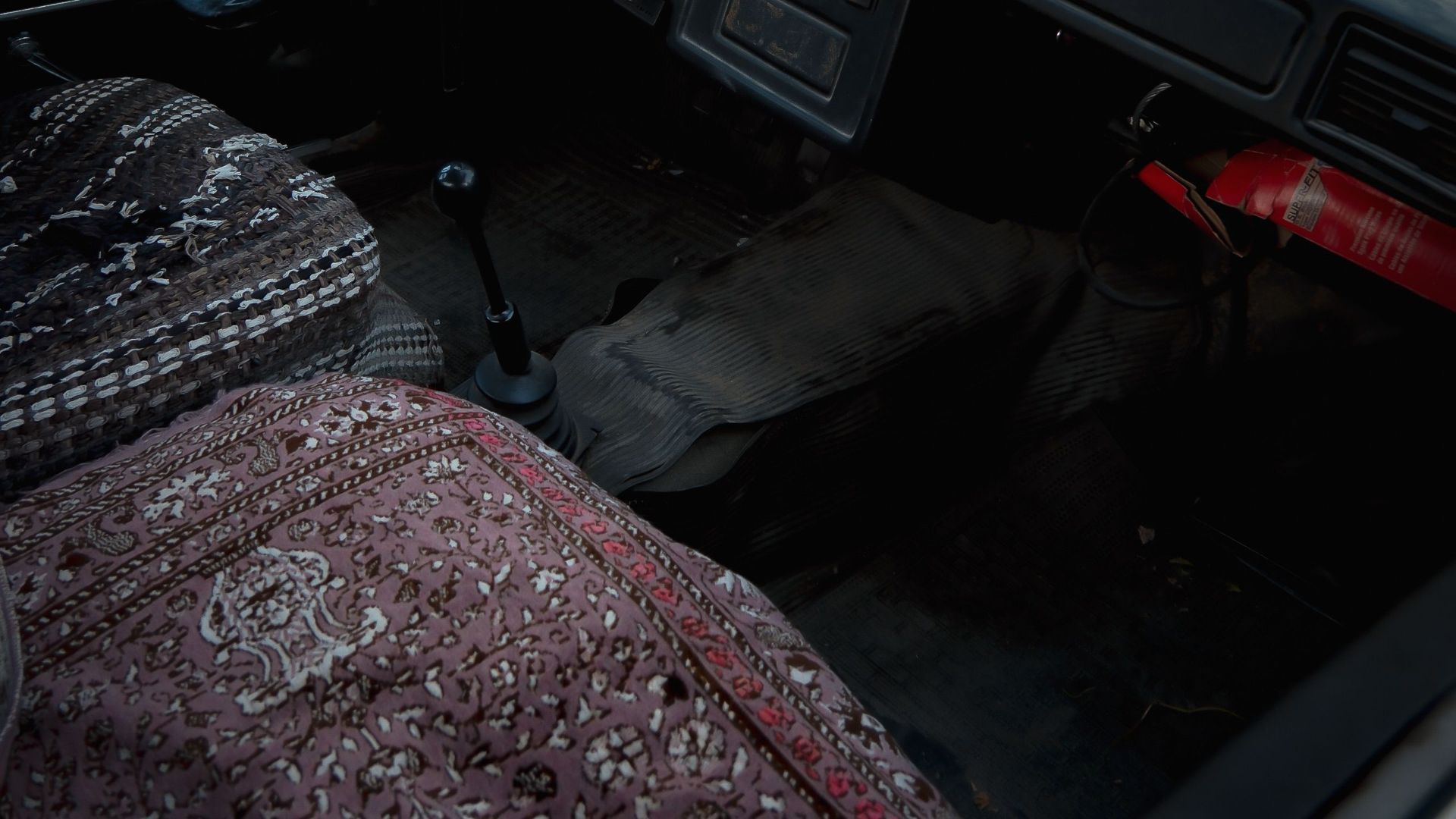
Interior Damage
Torn upholstery, worn carpeting, damaged trim pieces, and similar interior issues may be frustrating, but they seldom affect vehicle safety or performance. When repair budgets are limited, these cosmetic concerns are typically placed behind more important mechanical needs.
Prioritize Safety First
According to repair professionals, safety-related systems should always receive the highest priority. Brakes, tires, steering, suspension, and other components directly involved in controlling the vehicle deserve attention before convenience, appearance, or comfort-related repairs are considered.
Consider Repair Consequences
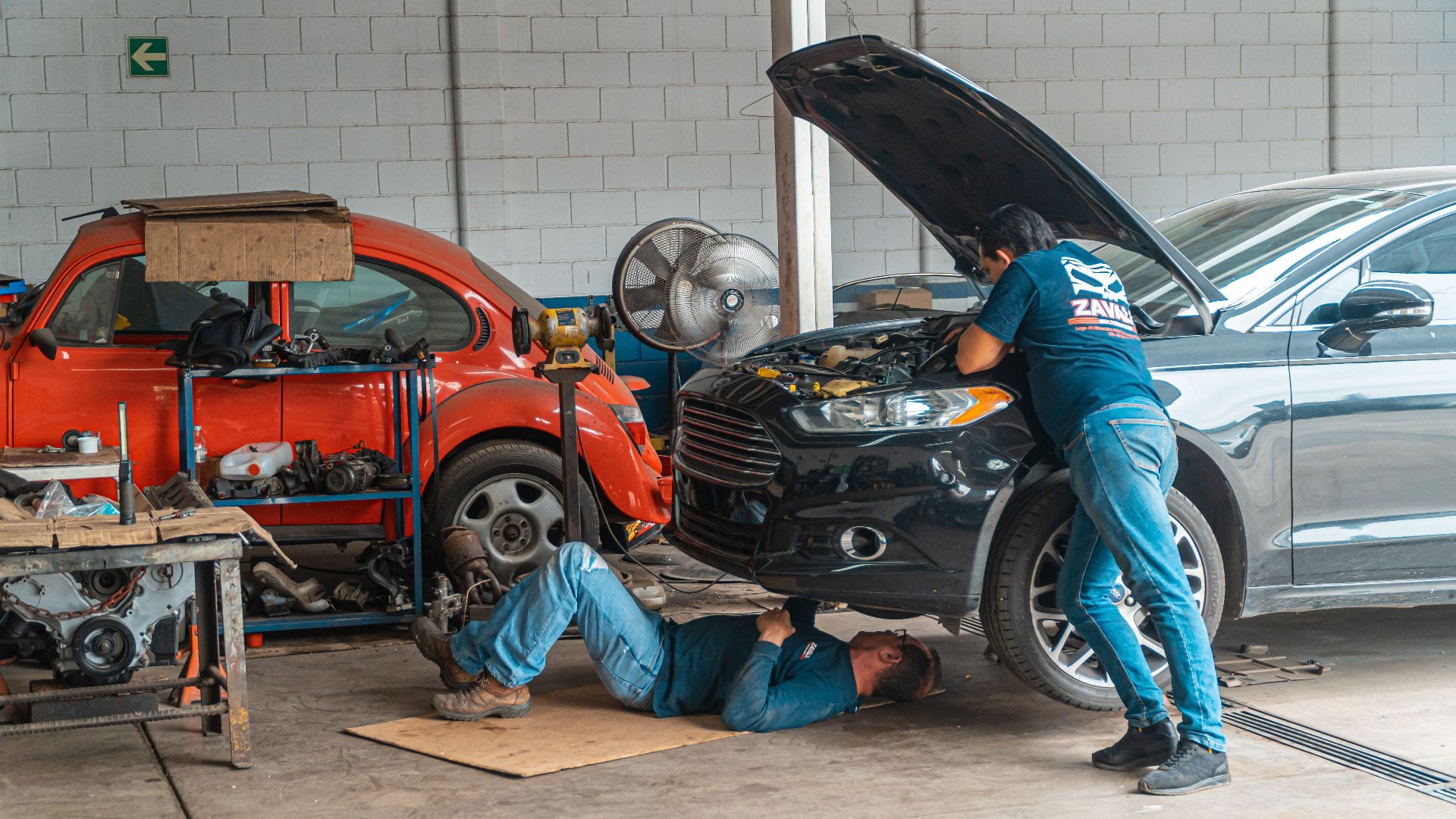
One useful strategy is evaluating the consequences of delay. Some repairs remain stable for months, while others rapidly worsen. Problems involving fluid leaks, cooling systems, or timing belt intervals often become substantially more expensive if postponed too long.
 Jose Ricardo Barraza Morachis, Pexels
Distinguish Wants And Needs
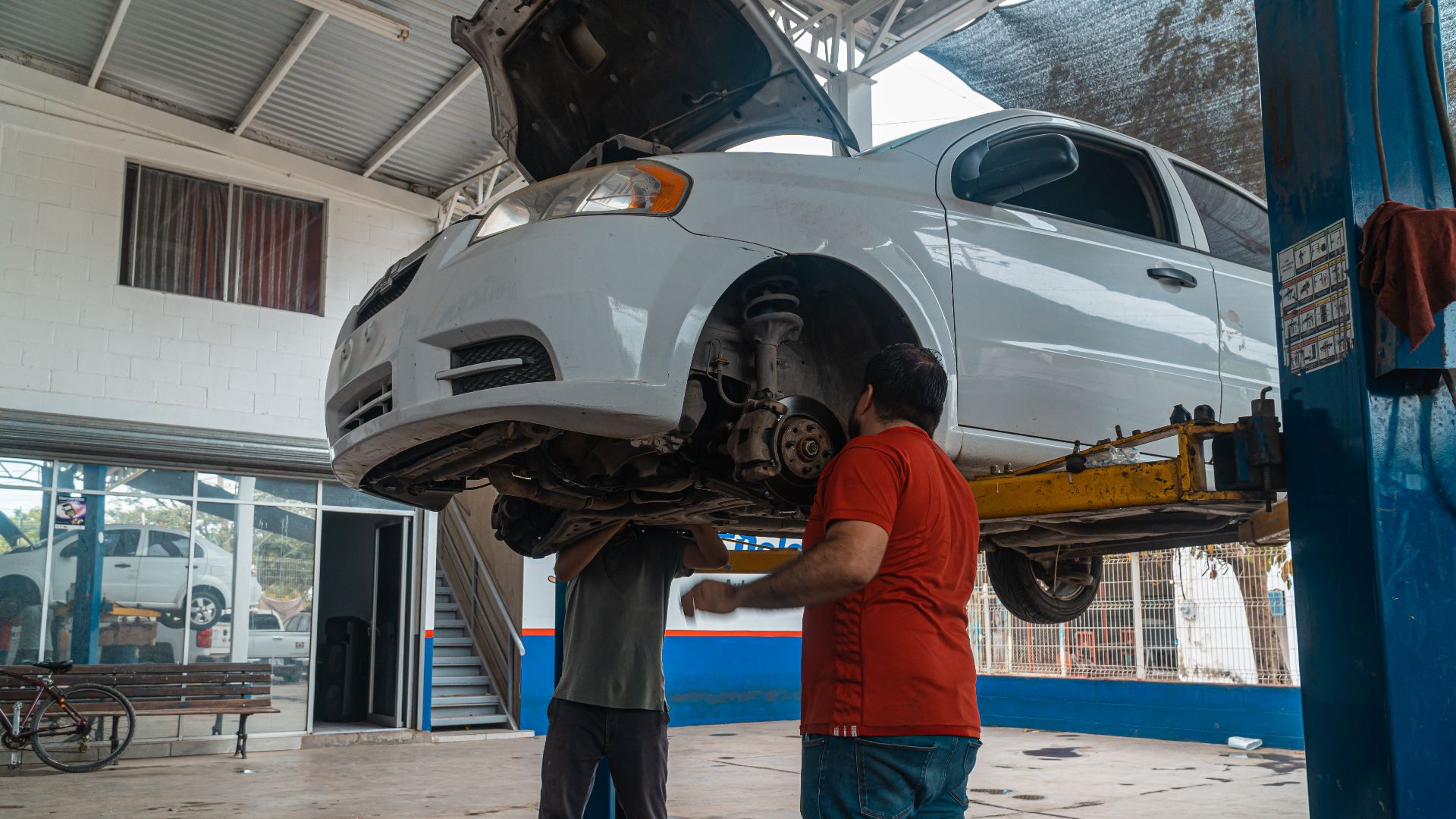
When budgets are limited, separating necessary repairs from desirable repairs becomes important. Cosmetic improvements, appearance upgrades, and comfort-related fixes may be worth completing eventually, but they usually rank below repairs affecting safety, drivability, or long-term reliability.
 Jose Ricardo Barraza Morachis, Pexels
Diagnostic Scanner Value
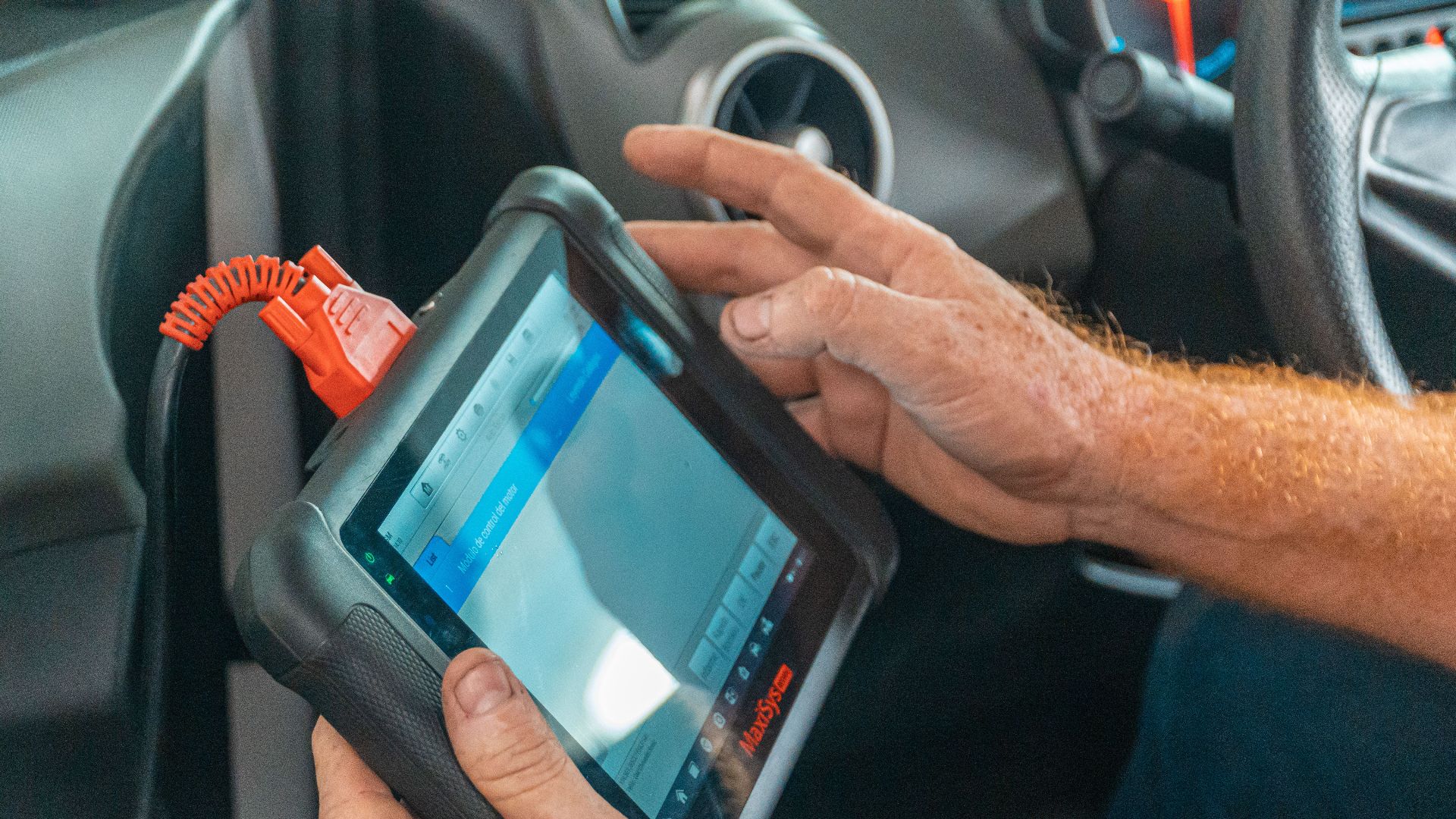
For do-it-yourself owners, a diagnostic scanner can help identify problems associated with warning lights and engine codes. While it does not replace professional diagnosis, it can provide valuable information when deciding which issues require immediate attention and which may be less urgent.
 Jose Ricardo Barraza Morachis, Pexels
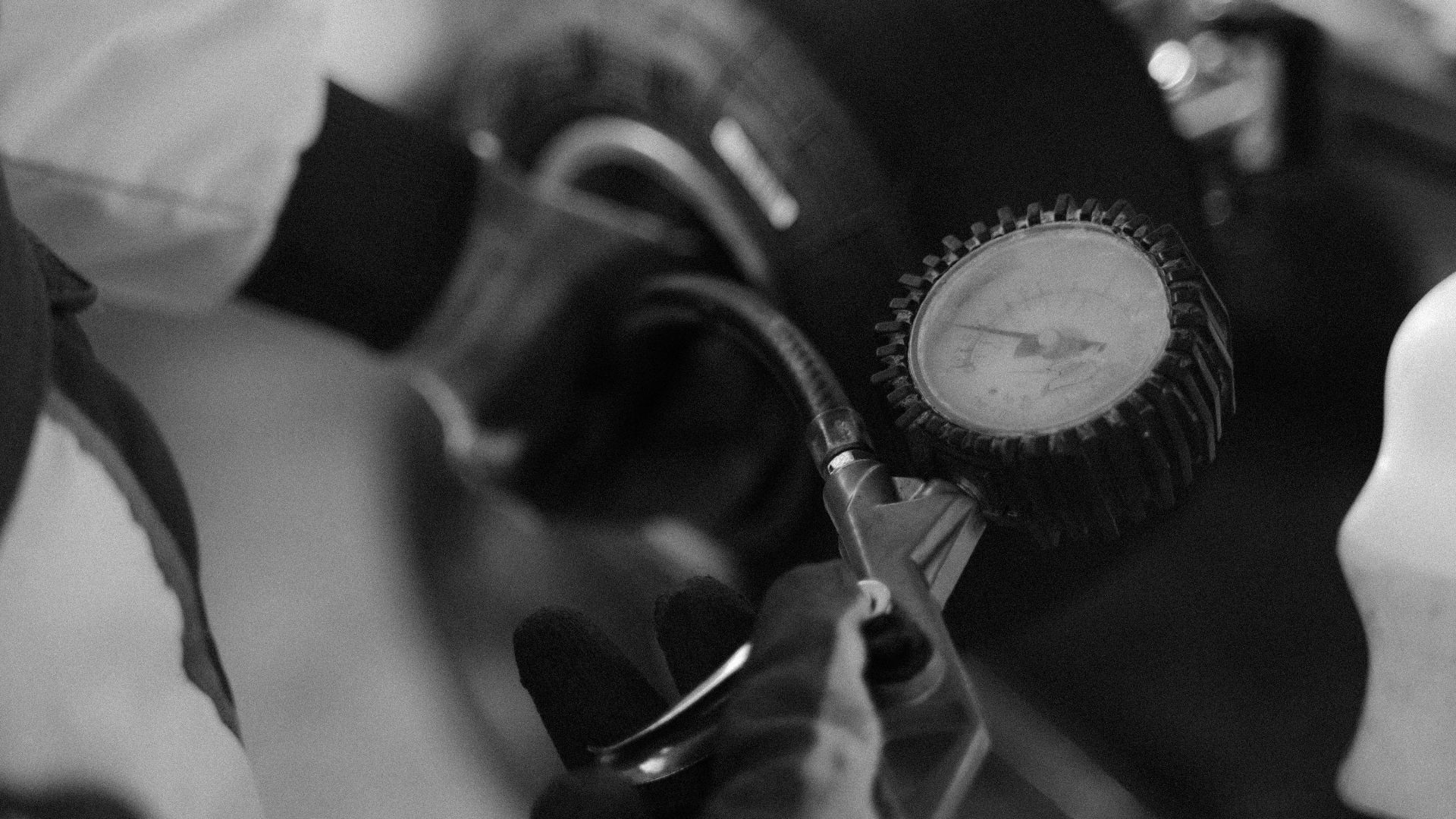
Tire Pressure Gauge
A tire pressure gauge is one of the simplest tools a vehicle owner can keep available. Proper tire inflation affects safety, fuel economy, tire wear, and handling. Regular pressure checks can help identify problems before they develop into larger maintenance concerns.
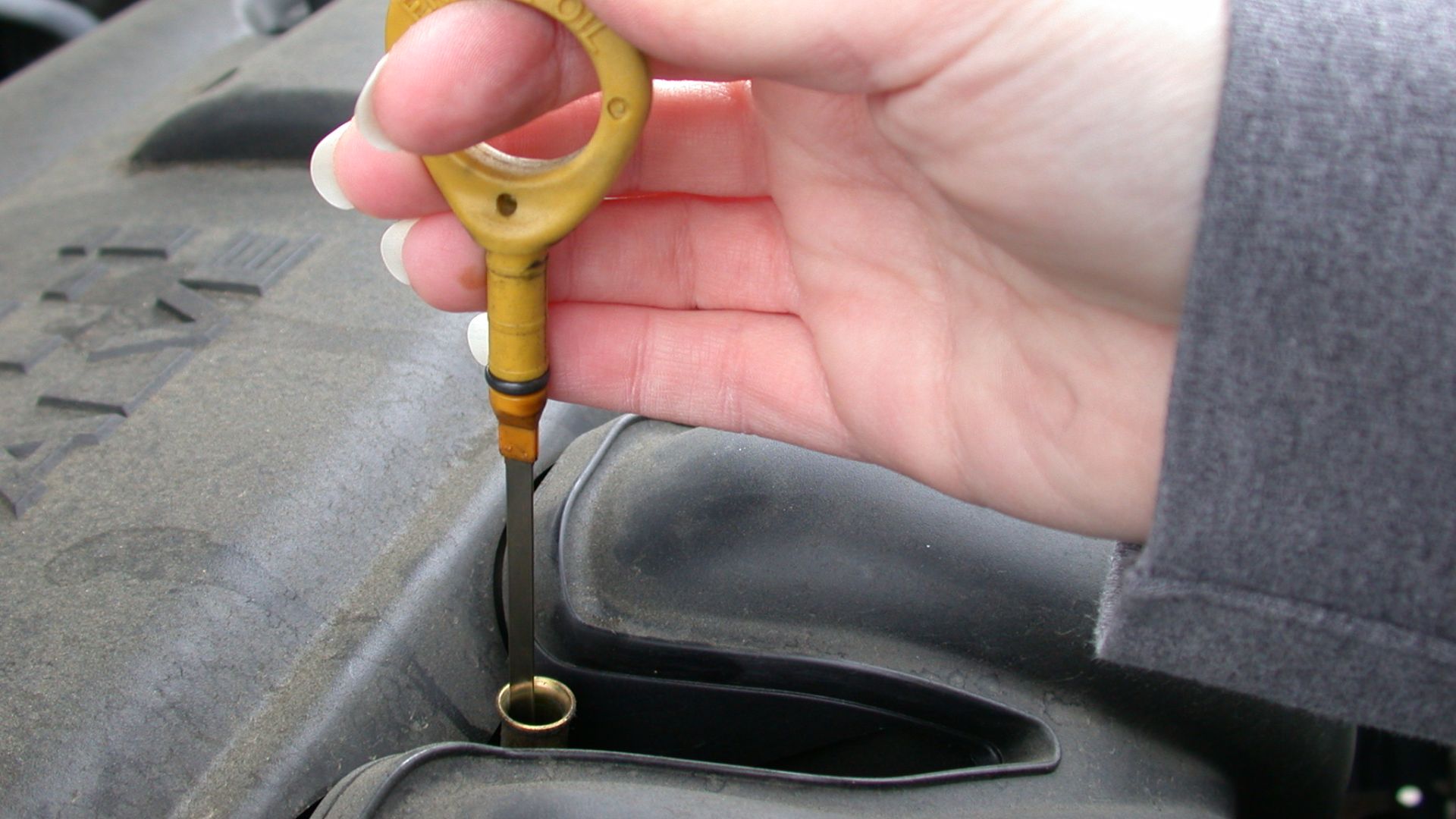
Fluid Inspection Tools
Basic tools for checking fluid levels can help drivers monitor vehicle health. Keeping track of oil, coolant, brake fluid, and other essential fluids may reveal developing problems early enough to prevent expensive repairs or component failures.
Building A Repair Plan
When multiple repairs compete for limited funds, creating a repair plan helps ensure the most important issues receive attention first. Safety concerns, problems that may cause additional damage, and manufacturer-recommended maintenance items generally deserve the highest priority.

You May Also Like:
How To Extend The Life Of Your Vehicle's Engine