When The HOA Says “No Motorcycles”
Your homeowners association just announced motorcycles are banned, and suddenly your weekend ride feels like contraband. Can they really do that? Maybe. But “maybe” is doing a lot of work here. An HOA has power, but it is not a tiny kingdom with speed bumps.

Start With The Big Question
The first question is not, “Do they hate fun?” It is, “Where does this ban come from?” HOA boards usually get their authority from governing documents, especially the CC&Rs. If those documents clearly allow vehicle restrictions, the board may have room to regulate motorcycles.

Your Deed May Have The Answer
When you bought into an HOA community, you probably agreed to follow recorded rules attached to the property. These can cover parking, noise, garages, driveways, and vehicle types. That paperwork may not be exciting bedtime reading, but it can decide whether your bike stays or goes.

A Rule Is Not Always A Law
An HOA rule can feel official because it arrives on letterhead with stern language. Still, it is not automatically valid. A board usually needs authority to create the rule, must follow proper procedures, and cannot enforce something that conflicts with higher law or its own documents.

“Banned” Might Mean Different Things
Before panic-selling your cruiser, clarify what “banned” means. Are motorcycles banned from being ridden through the neighborhood? Parked outside overnight? Stored in driveways? Kept anywhere on the property? A total riding ban is very different from a parking or noise rule.

Public Roads Are A Big Deal
If your street is public, the HOA may have far less control over what you ride on it. Associations often have more authority over private roads, common areas, driveways, garages, and parking lots. The asphalt’s ownership can matter almost as much as the engine size.
Private Roads Change The Game
In gated communities or developments with private roads, the HOA may have stronger arguments. If the association owns or controls the roads, it may regulate traffic, parking, and vehicle access more aggressively. Even then, it still has to follow its governing documents and applicable law.

Parking Rules Are More Common
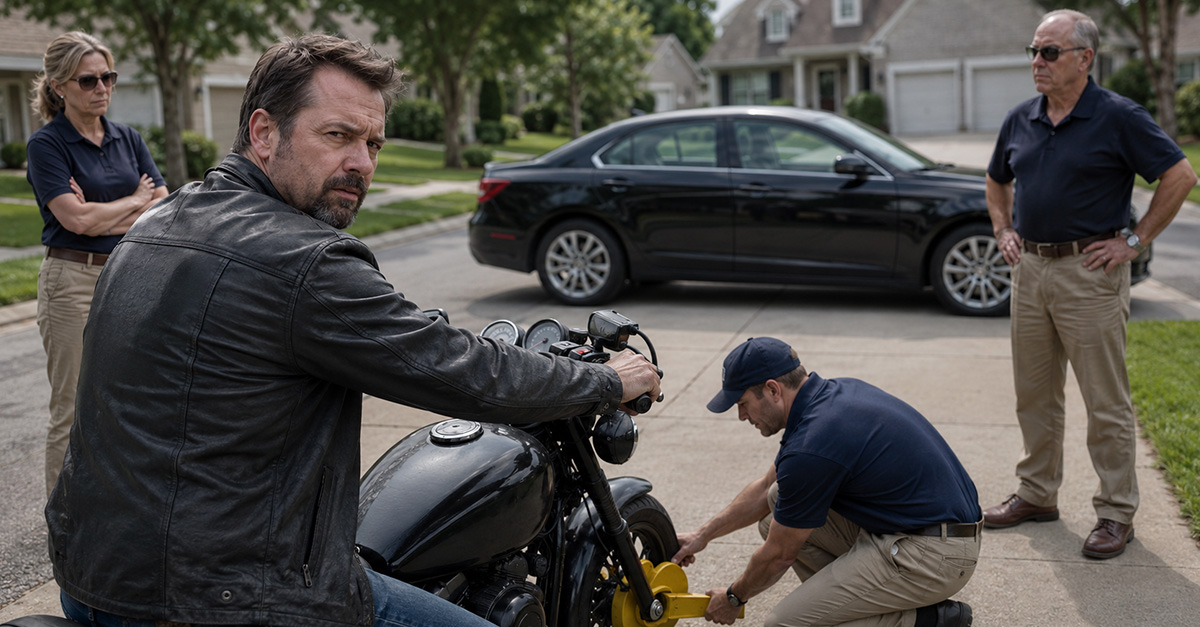
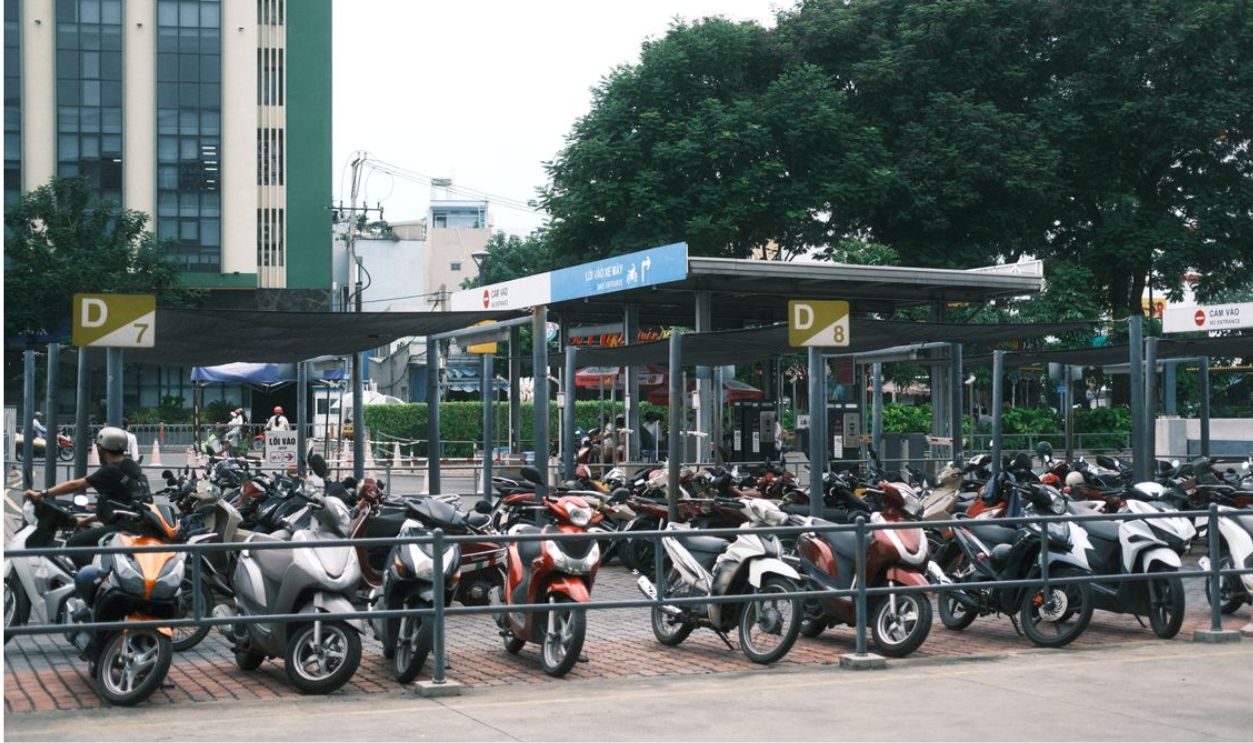
Many motorcycle fights are really parking fights wearing leather jackets. HOAs often restrict visible vehicle storage, street parking, driveway parking, or certain vehicle categories. A rule saying “no motorcycles parked in common areas” may be easier to defend than “no motorcycles, ever.”
Noise Is Usually The Real Villain
Let’s be honest: the board may not be afraid of motorcycles. It may be afraid of one neighbor’s straight-piped 6 a.m. thunder machine. HOAs can often enforce reasonable noise rules. A targeted noise rule is usually cleaner than banning every bike, including quiet scooters.

Existing Owners May Have Arguments
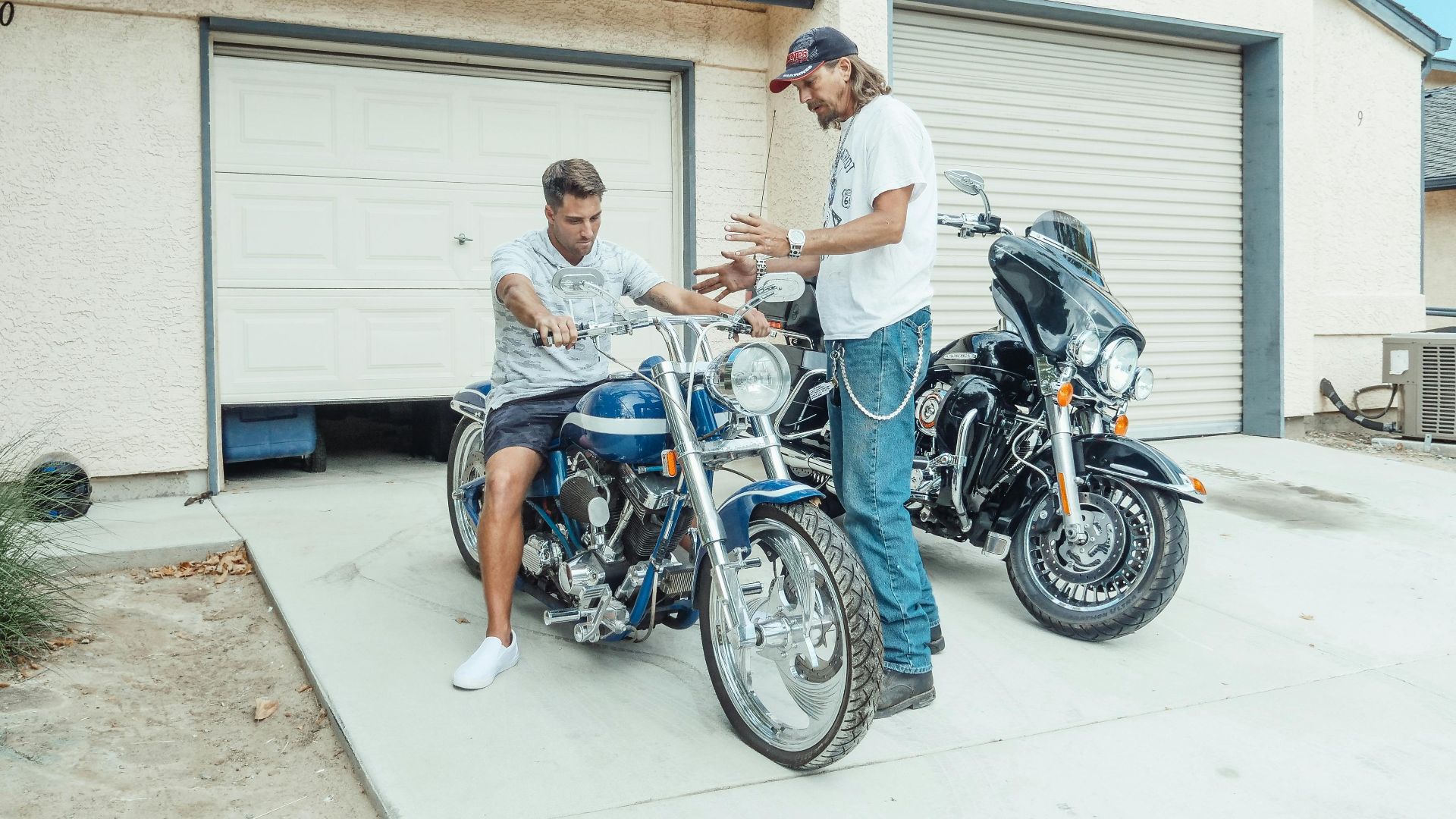
If you already owned a motorcycle before the new rule, ask whether there is a grandfather clause. Some rule changes let current owners keep existing vehicles while restricting future ones. Not every HOA must offer that, but it is absolutely worth checking before accepting defeat.
Procedure Matters More Than Drama
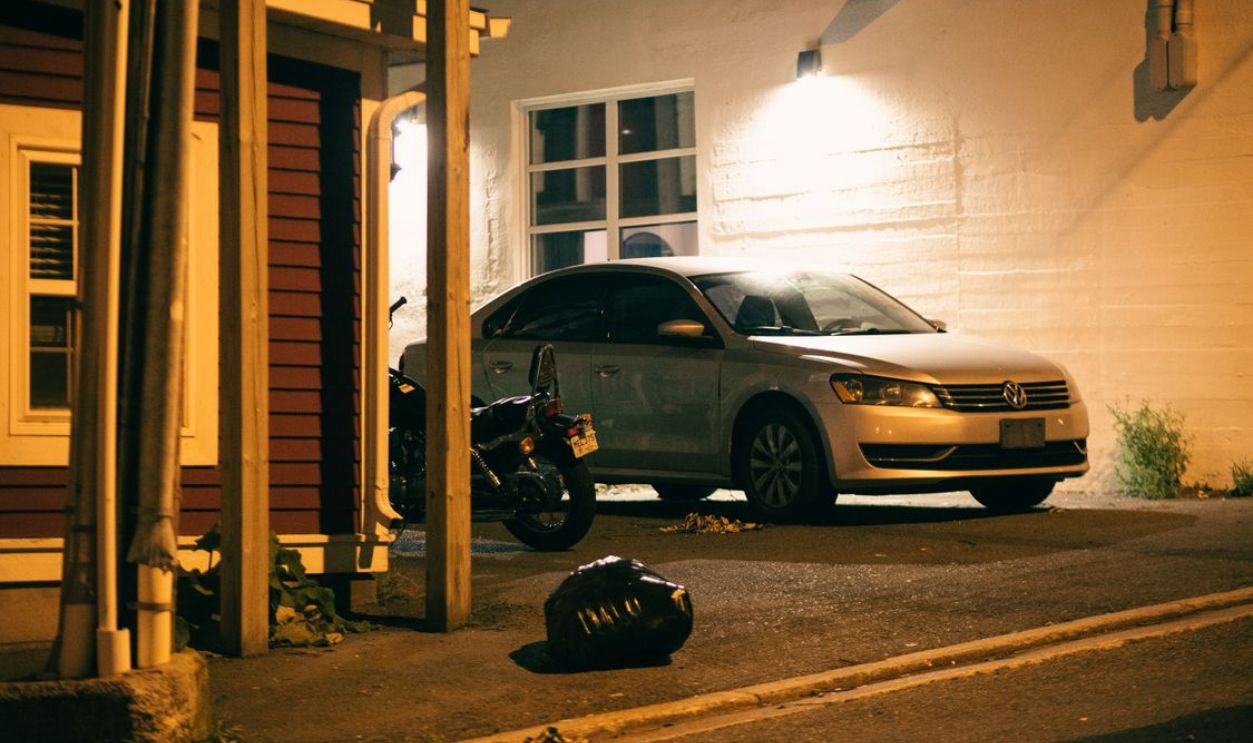
HOA boards normally cannot just invent major rules over coffee and send a blast email. Your bylaws may require notice, a meeting, board approval, owner input, or even a membership vote. If the process was skipped, the ban may be easier to challenge.

Check The Exact Wording
Tiny words can have big horsepower. Does the rule say “motorcycles,” “motorized bikes,” “recreational vehicles,” “commercial vehicles,” or “vehicles not enclosed”? Vague wording can create enforcement problems. If nobody can tell what is actually banned, the HOA may have a clarity problem.

Look For Amendment Requirements
If the motorcycle ban changes a recorded covenant, the HOA may need a formal amendment, not just a board vote. Amendments often require approval from a large percentage of homeowners. That is harder than passing a regular rule, and it may give riders leverage.

Selective Enforcement Can Help You
If motorcycles have been allowed for years, or if certain owners get special treatment, selective enforcement may become an issue. HOAs generally need to enforce rules consistently. If your bike gets fined while the board president’s nephew parks one outside, start taking notes.
 GeorgeLouis, Wikimedia Commons
Reasonableness Still Matters
Even when an HOA has authority, rules often need to be reasonable. A ban aimed at safety, parking congestion, or noise may look stronger than a blanket “we do not like motorcycles” rule. The more extreme the ban, the more questions it invites.
Safety Arguments Go Both Ways
The board may claim motorcycles create safety risks. Riders can respond that licensed, insured motorcycles are legal vehicles, and that unsafe behavior should be punished directly. Speeding, reckless riding, and loud exhausts can be addressed without banning every responsible owner’s bike.

Your Garage May Be Different
A motorcycle stored inside your private garage is usually a stronger position than one parked in a guest space. HOAs may regulate exterior appearance and common areas more easily than what sits privately behind your garage door. Again, your documents control the details.
Do Not Ignore The Notice
Even if the rule seems ridiculous, do not toss the notice into the junk drawer and ride off triumphantly. HOA fines can pile up. You may have appeal rights, deadlines, and hearing procedures. Respond calmly, in writing, and before the clock runs out.

Ask For The Paper Trail
Request the rule, the governing document section that authorizes it, the meeting minutes, and the vote record. This is not being difficult. It is being organized. A valid rule should have a paper trail. If nobody can produce one, that is useful information.

Build A Neighbor Coalition
One rider complaining sounds personal. Ten homeowners asking for a fair parking-and-noise compromise sounds like community governance. Talk to neighbors, including non-riders. Many people dislike surprise bans, even when they do not own motorcycles. Today it is bikes; tomorrow it could be pickup trucks.
 LinkedIn Sales Solutions, Unsplash
Offer A Better Rule
Instead of simply saying “no,” offer a practical alternative. Suggest quiet hours, speed limits, garage storage, designated motorcycle spaces, or restrictions on modified exhausts. Boards often like solutions that reduce complaints without creating a legal wrestling match in the clubhouse.

Stay Polite, But Firm
Do not roll into the board meeting like a courtroom drama with a helmet. Be calm, specific, and prepared. Ask what problem the rule solves, whether less restrictive options were considered, and how existing owners will be treated. Reasonable people are harder to dismiss.

Know When To Call A Lawyer
If the HOA threatens heavy fines, towing, suspension of rights, or legal action, it may be time to speak with a local attorney. HOA law changes by state, and small details matter. A short legal review can save money, stress, and one beloved bike.

Do Not Assume The Internet Knows
Online forums can be helpful, but your neighbor’s cousin’s condo battle in another state is not legal guidance. Your HOA documents, local law, road ownership, and enforcement history matter. The best answer is usually hiding in paperwork, not in an angry comment thread.

The HOA May Win Sometimes
Yes, an HOA can sometimes restrict motorcycles, especially when the rules clearly allow vehicle limits, the roads or parking areas are private, and the association follows proper procedures. That does not make every ban fair, popular, or challenge-proof. It just means the board may have tools.

You May Win Sometimes Too
You may have a strong argument if the ban lacks authority, was passed improperly, is vague, targets public-road riding, ignores existing owners, or is enforced unevenly. You are not powerless. You just need facts, documents, deadlines, and a cooler head than the loudest exhaust.
 Vodafone x Rankin everyone.connected, Pexels
The Bottom Line For Riders
Can your HOA just stop you from riding? Not automatically. They may be able to regulate parking, noise, storage, or private roads, but a blanket motorcycle ban deserves a close look. Read the rules, ask for authority, document everything, and fight for a fair compromise before hanging up your helmet.

You May Also Like:
I tried to sell my car, but couldn’t transfer ownership and it fell through. What do I do?
I Bought A Car Two Days Ago And Already Hate It. The Dealer Won't Let Me Exchange It—Is That Legal?