That Ticket Might Not Be the Final Word
Getting a parking ticket when you know you parked legally feels ridiculous. It gets worse when the city appears to be the one that messed up. Well, the short answer is no, you don't necessarily have to pay, but you usually do have to challenge it through the city’s official process.

City Mistakes Happen More Than You’d Think
Parking enforcement is supposed to be straightforward, but mistakes happen all the time. Broken meters, wrong license plate entries, bad curb paint, missing signs, and database errors can all lead to tickets that should never have been issued. The catch is that a mistaken ticket usually does not vanish on its own just because the city was wrong.
Do Not Ignore It
If you shove the ticket in your glove box and hope common sense will sort it out later, you could end up with late fees or collection trouble. Most cities have strict deadlines for contesting a citation, and missing them can make even a strong case much harder to win. Even an obviously flawed ticket may still require you to act before it gets canceled.

What Counts as a City Mistake
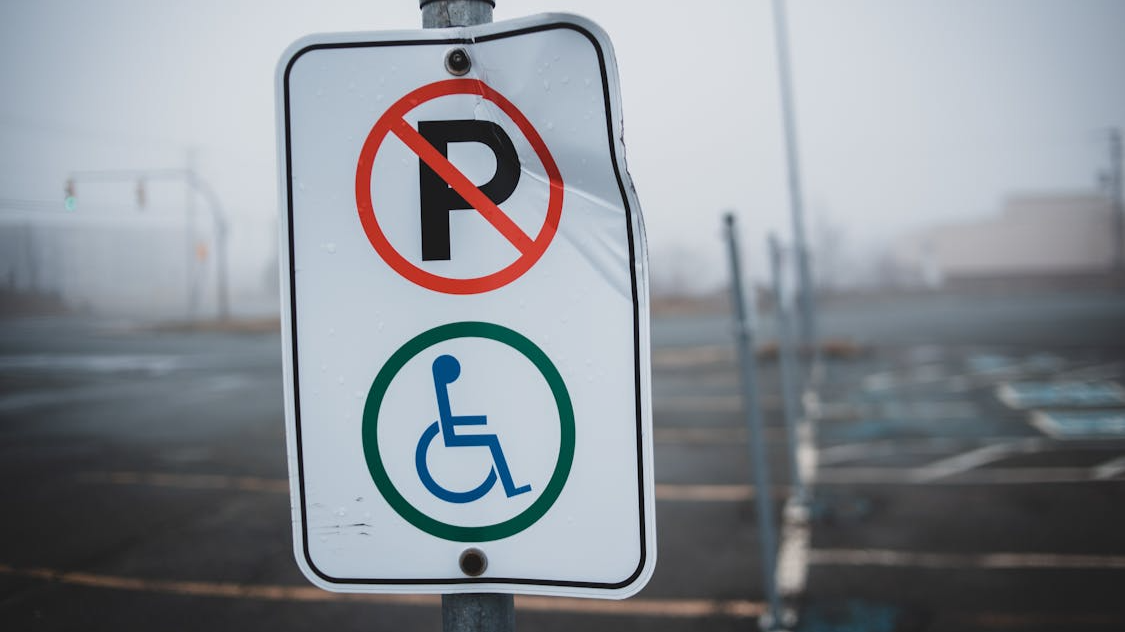
A city mistake can take a few different forms. It might be a sign that was missing, blocked, confusing, or installed the wrong way, or a parking meter that was not working even though enforcement was still active. It can also be an officer entering the wrong vehicle details or citing a rule that did not actually apply where you parked.
Usually, the Fix Is an Appeal
Across major cities, the basic answer is the same. If you think a parking ticket was issued by mistake, you are generally expected to ask for an administrative review or hearing and submit evidence. New York City, Los Angeles, Chicago, San Francisco, and Washington, D.C. all use formal contest procedures instead of automatically wiping out bad tickets.

New York City Lays It Out Clearly
The New York City Department of Finance says a parking ticket can be challenged online, by mail, or in person, and it warns that penalties can grow if you miss the deadline. That matters because even when the city is wrong, the burden is usually on the driver to contest the violation. In other words, being right is not enough if you do not file on time.

Los Angeles Takes a Similar Approach
The City of Los Angeles tells drivers to request an initial review if they believe a citation was issued in error. The process then allows for a hearing if the driver disagrees with the result. That setup shows the practical reality for drivers almost everywhere: challenge first, pay only if the appeal fails.

Chicago Also Requires a Formal Challenge
Chicago’s parking ticket system works much the same way. The city lets drivers contest tickets online, by mail, or in person, and it makes clear that evidence matters. A legal parking spot, a faulty sign, or a city record problem can all help your case, but only if you raise the issue properly.

San Francisco Has a Review Process Too
San Francisco’s Municipal Transportation Agency allows drivers to protest parking citations and submit documents, photos, or other proof. The process exists for exactly this kind of situation, when the city got it wrong. It is not a guarantee you will win, but it is the path the city expects you to use.

Washington, D.C. Offers the Same Kind of Review
The District of Columbia also gives drivers a formal way to challenge parking and photo enforcement tickets. If the ticket came from a mistake, the hearing or adjudication process is where that gets sorted out. Again, the pattern is the same: a city error does not usually erase your obligation to respond.
The Best Move Is Usually to Contest It
If your car was ticketed while parked legally because of a city mistake, paying right away may be the quickest option, but it is not always the smartest one. If you have solid proof, contesting the ticket is often the better move. The key question is not whether the city can make you start the process, but whether you can show the citation should be dismissed.
 Ildar Sagdejev (Specious), Wikimedia Commons
Photos Can Make the Difference
Take clear pictures of your car exactly where it was parked, including the curb, nearby signs, meter, pavement markings, and ideally the whole block. Time-stamped photos help because they show conditions at the moment the ticket was issued. If a sign was hidden by a tree branch or construction barrier, get that in the shot too.

Signs Are Often the Whole Case
Parking disputes often come down to what the signs actually said and whether a reasonable driver could see and understand them. If one sign allowed parking while another nearby sign seemed to say the opposite, that can matter. So can signs that were turned away from traffic, damaged, or placed in a confusing spot.

Meter Problems Matter Too
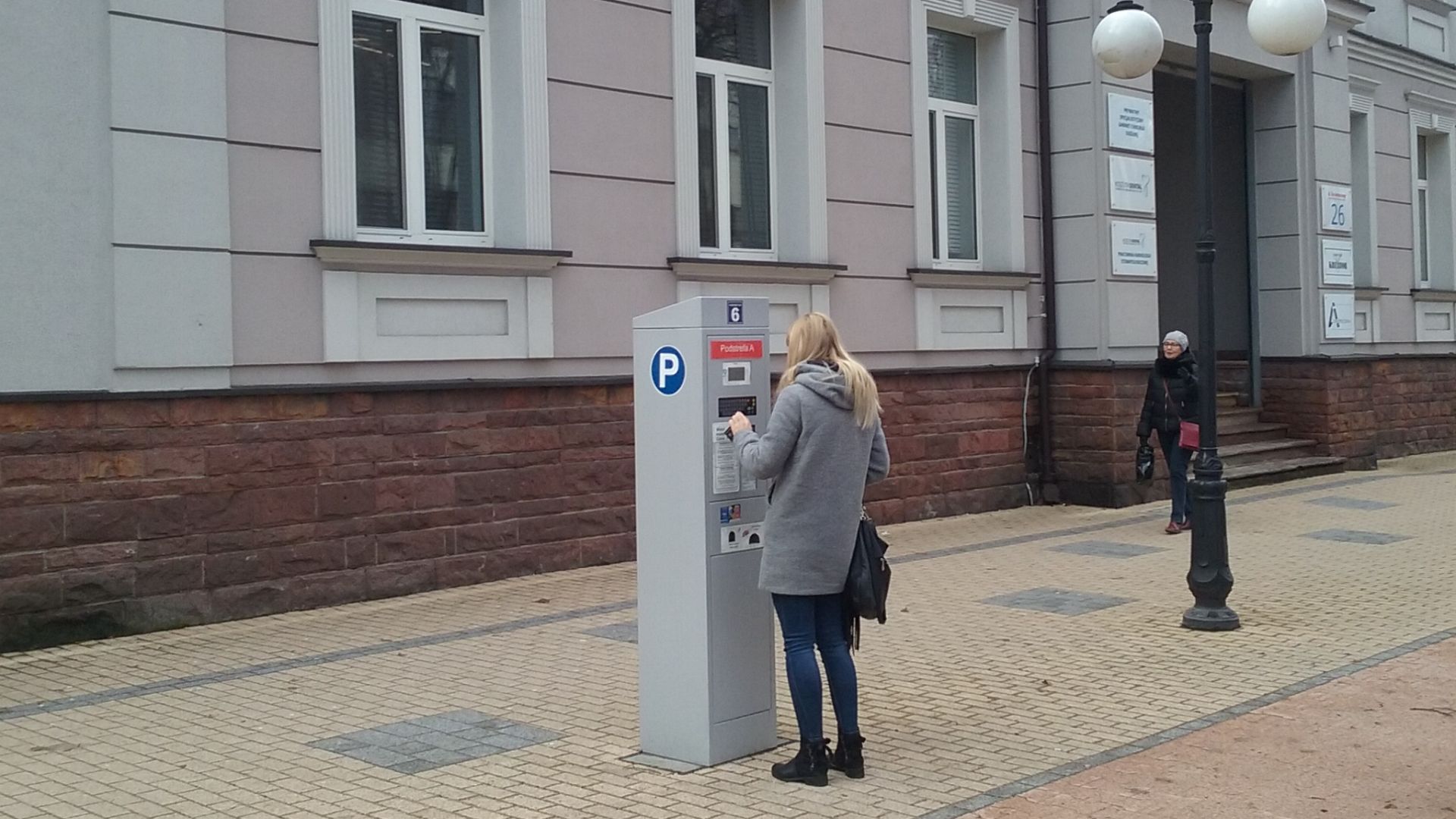
If the ticket came from an allegedly expired meter, document the meter itself and look for error messages or anything showing it was not working properly. Keep payment receipts, app confirmations, or screenshots from a parking app. A city is much more likely to cancel a ticket when you can show you tried to pay and the system failed.
Small Ticket Details Can Be a Big Deal
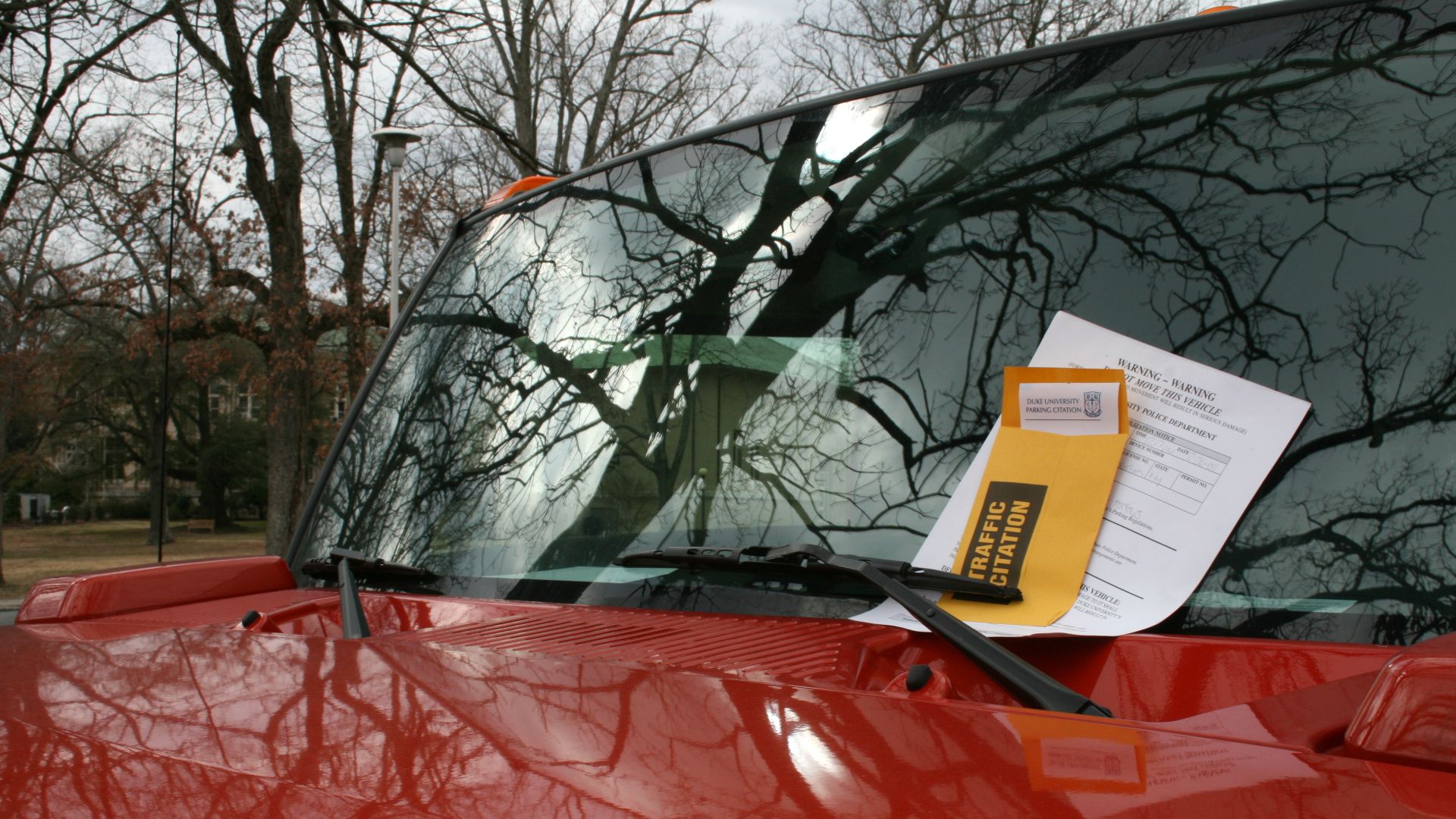
A citation with the wrong license plate, make, model, color, location, or time can sometimes be challenged successfully. Those details are not always harmless typos. In some places, a major factual error can weaken the ticket, especially if it raises doubt about whether your car actually broke any rule.

Check the Deadline Right Away
One of the easiest ways to lose a winnable case is to wait too long. Cities often give only a short window to request review, and late penalties can pile up fast. Read the ticket and check the city website the same day if you can.

Build a Simple Evidence Packet
You do not need to sound like a lawyer. Gather the ticket, your photos, screenshots, receipts, registration, and a short timeline of what happened. A calm explanation backed by documents usually works better than an angry rant.

Spell Out the City’s Mistake
Do not just say the ticket was unfair. Explain exactly what the city got wrong, whether it was a broken meter, conflicting signs, the wrong vehicle description, or parking hours the officer misread. Specific claims are easier for a reviewer or hearing officer to verify.
 Centre for Ageing Better, Unsplash
Look for Agency Records or Public Notices
Sometimes the city already knows there was a problem. There may be maintenance logs for a broken meter, construction notices, or neighborhood parking alerts showing a sign change. If you can connect your ticket to an official city record, your case gets stronger fast.

If You Already Paid, You May Still Have Options
Some cities allow a review or refund request even after payment, though the rules differ from place to place. Others may treat payment as the end of the case unless an appeal was filed first. That is why checking the local rules before paying can make a real difference.

If the First Challenge Fails, It May Not Be Over
A first denial does not always mean the case is done. Many systems have a second step, such as an administrative hearing or another level of review. If your evidence is strong, it may be worth taking the next step instead of giving up.

Documentation Usually Decides It
The frustrating truth is that fairness alone usually does not decide these cases. Cities tend to rule based on whether the driver submitted enough proof through the required process. Drivers who document everything tend to have the best shot at getting a bad ticket dismissed.

Being Right Does Not Mean It Will Be Easy
This is the part that catches a lot of people off guard. You can be completely in the right and still spend time dealing with paperwork because the system does not automatically know a mistake happened. That does not mean you owe the money forever, but it does mean you may need to prove the city got it wrong.

When It Might Be Worth Getting Help
If the ticket has turned into large penalties, threatens registration holds, or is tied to multiple citations caused by the same city mistake, legal advice may be worth considering. Consumer law clinics and local legal aid groups can sometimes help with administrative disputes. For one routine citation, though, most drivers can handle the process on their own with good evidence.

The Bottom Line
If your car was ticketed while parked legally because of a city mistake, you do not automatically have to pay it. But you usually do need to contest it on time and support your claim with photos, records, and a clear explanation. The city’s mistake may be your best argument, but the deadline is still your biggest problem.

Your Smartest Next Step
Before doing anything else, read the ticket, visit your city’s official contest page, and save every piece of evidence you can. That quick burst of effort can be the difference between a canceled citation and a more expensive hassle later. When the city gets it wrong, drivers can win, but only if they act fast.