Yes, Tires Can Age Out Before They Wear Out
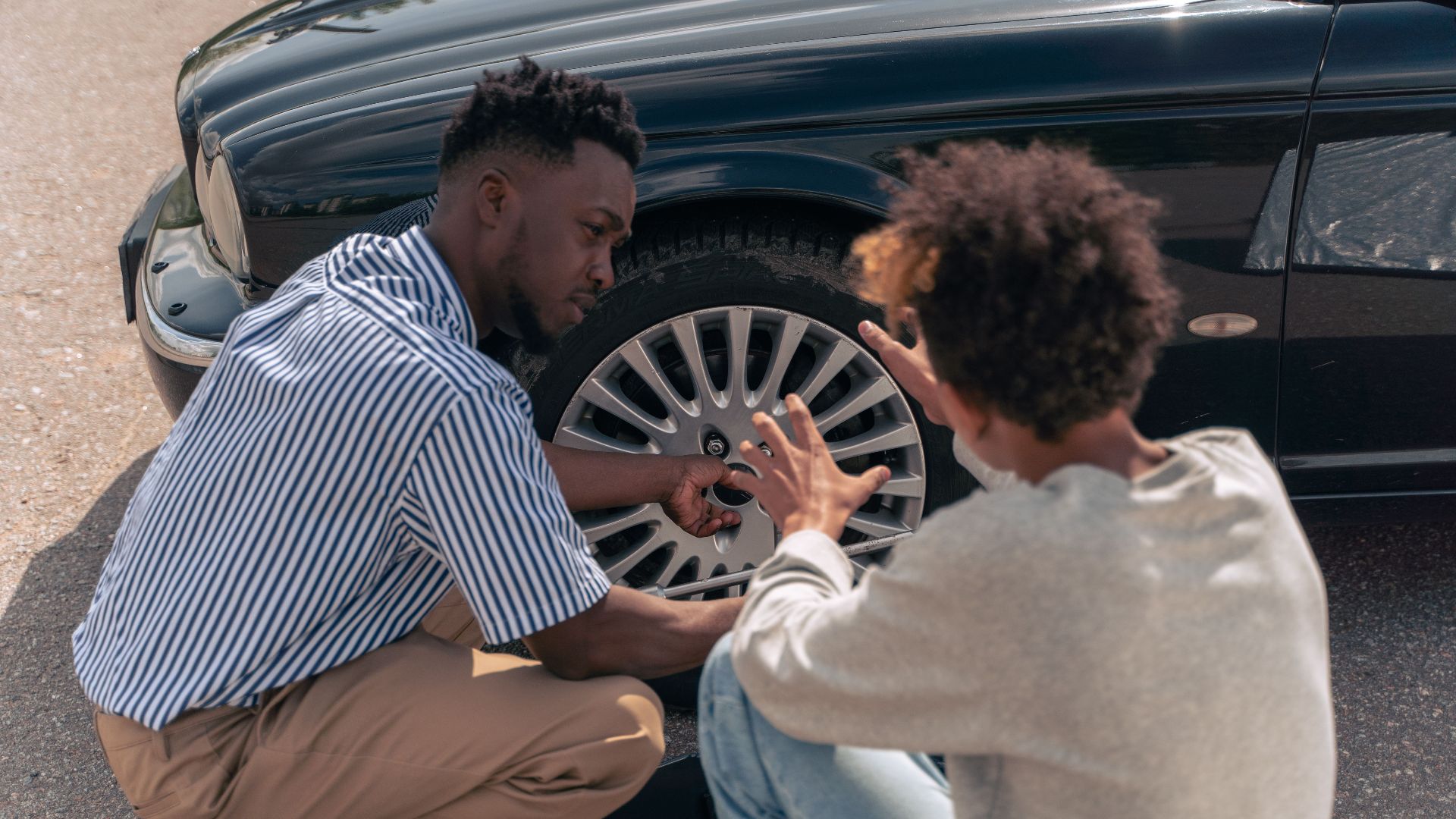
Your tires still have plenty of tread, but the mechanic at a garage you've never been to before says they're too old to trust. It absolutely feels like someone just trying to sell you something, but the truth is: That warning can be completely real.
Tread Depth Is Only Part Of The Story
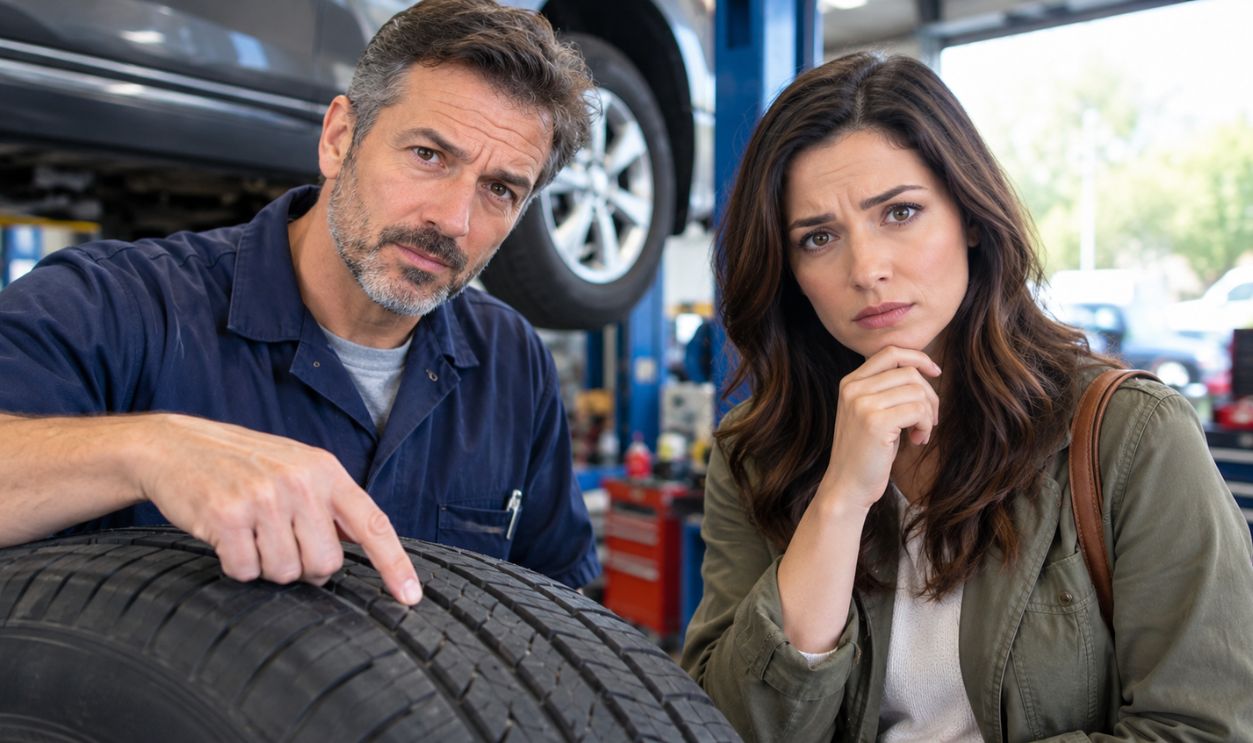
Tread helps a tire grip the road, especially in rain and snow. But tread is only one piece of the puzzle. A tire also depends on its rubber compounds, steel belts, fabric plies, and the bond holding everything together. Over time, heat, oxygen, and sunlight can wear down those materials long before the grooves are gone.
The Industry Has Been Studying Tire Aging For Decades
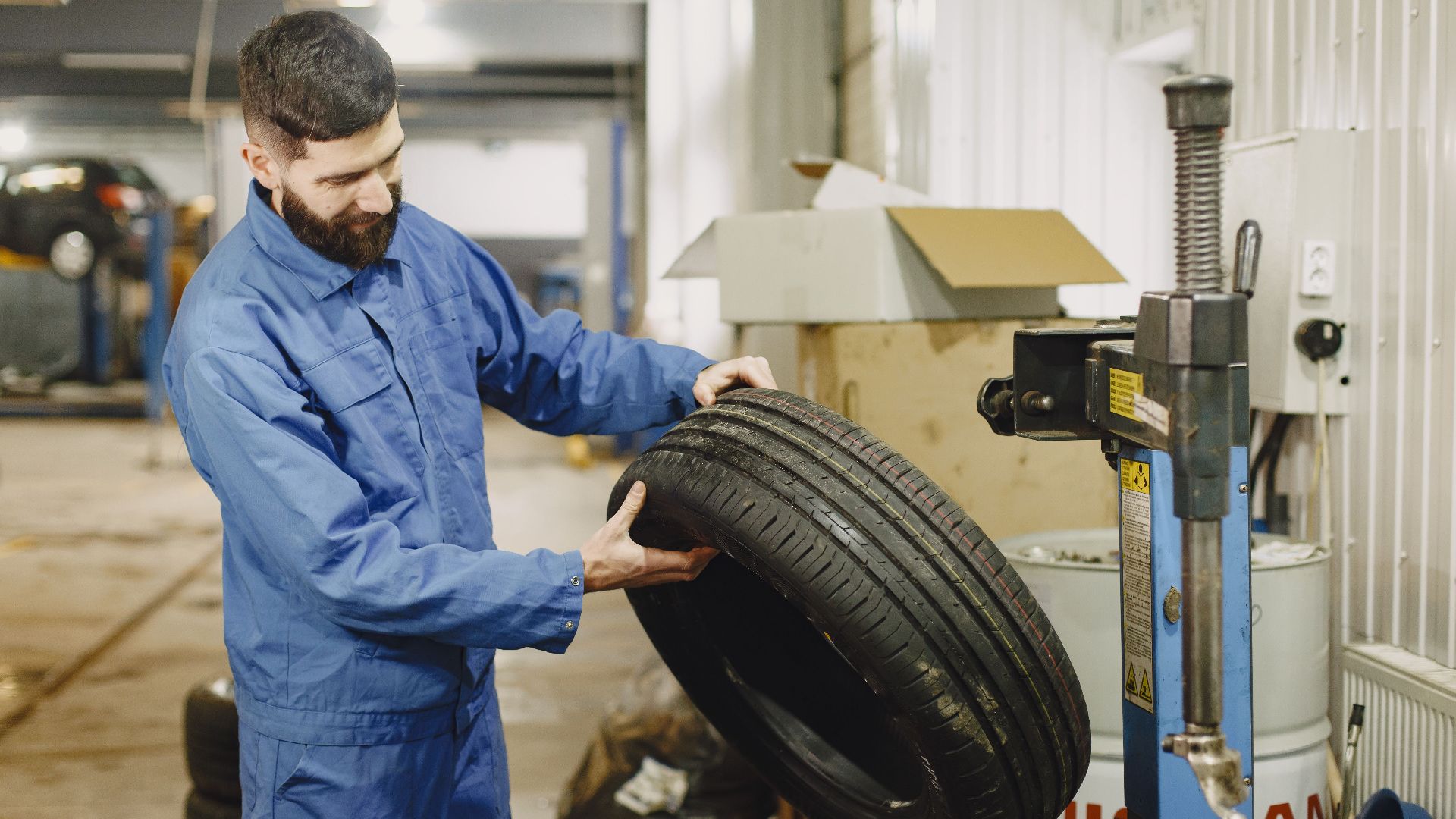
Concern about old tires did not come out of nowhere. In the 2000s, U.S. safety regulators and tire makers openly discussed whether aging tires could fail even if they still looked usable. Later, research from the National Highway Traffic Safety Administration, or NHTSA, backed that up and confirmed tire aging is a real safety issue.
NHTSA Found Higher Failure Rates In Older Tires
One of the clearest federal findings came from NHTSA research on tire aging published in 2007. The agency found that failure rates rise after tires have been in service for several years. It also found that heat is a major factor, which helps explain why tire aging can be riskier in hotter parts of the country.
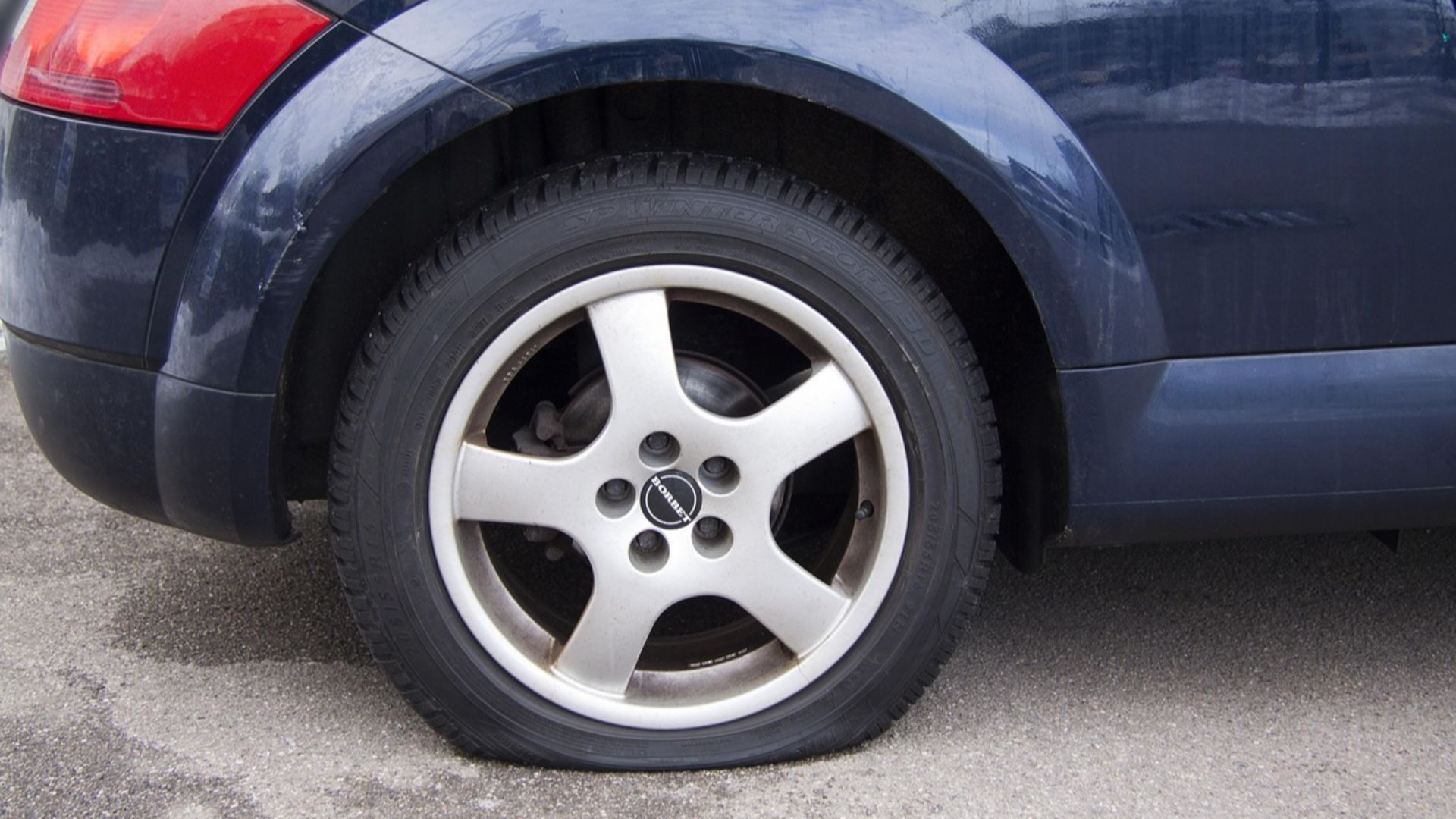
Heat Is The Quiet Tire Killer
Heat speeds up tire aging. NHTSA testing and industry guidance both point to high temperatures as a major cause of rubber breakdown and internal damage. So a six-year-old tire in Arizona may be in much worse shape than a six-year-old tire in a cooler place.

Underuse Can Make The Problem Worse
This part catches people off guard. Tires that sit for long periods can age badly. Michelin says regular driving helps spread protective waxes through the rubber, while long stretches of sitting can lead to cracking and deterioration. That means low-mileage cars, trailers, RVs, and even spare tires can have barely used-looking tires that still need to be replaced.
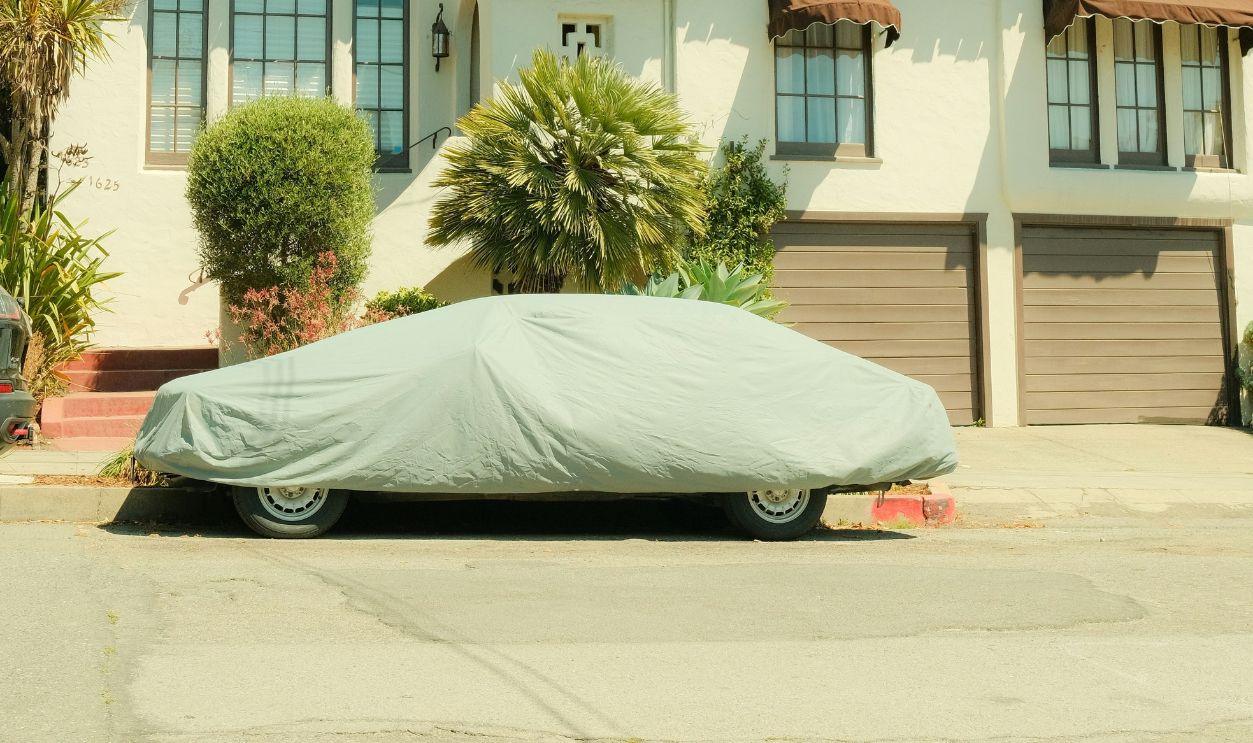
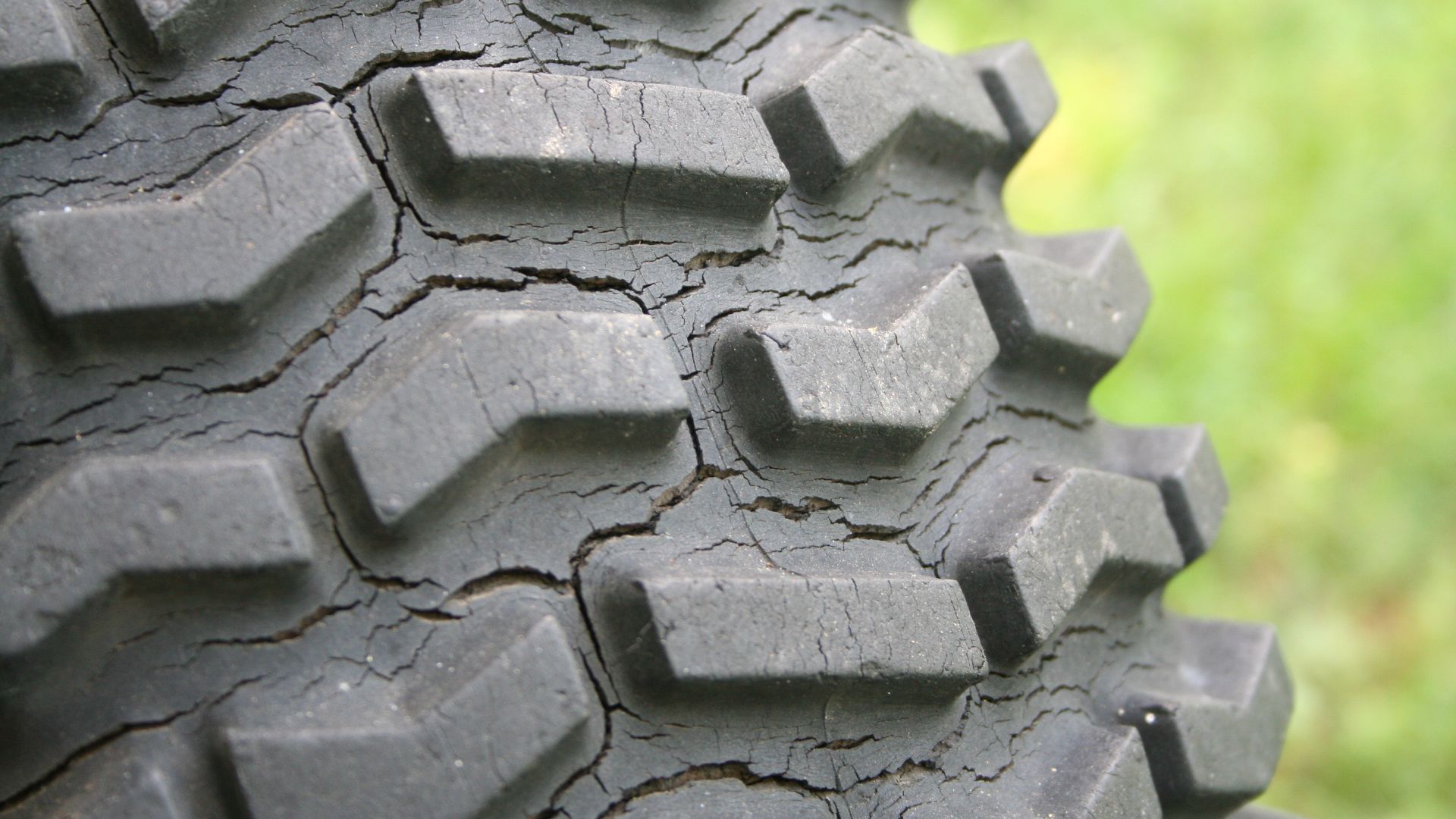
Cracks And Dry Rot Are Warning Signs, But Not The Whole Test
Visible sidewall cracking, often called dry rot, is a warning sign. But no cracks does not mean a tire is automatically safe. Some age-related damage happens inside the tire, where you cannot see it during a quick glance.
 Griffinstorm, Wikimedia Commons
The Rubber Is Changing Even When The Tire Looks Fine
As tires age, oxygen slowly works its way into the rubber and changes how it behaves. The rubber can harden, lose flexibility, and weaken where different layers are bonded together. That makes the tire more likely to suffer tread separation or a sudden failure at highway speed.
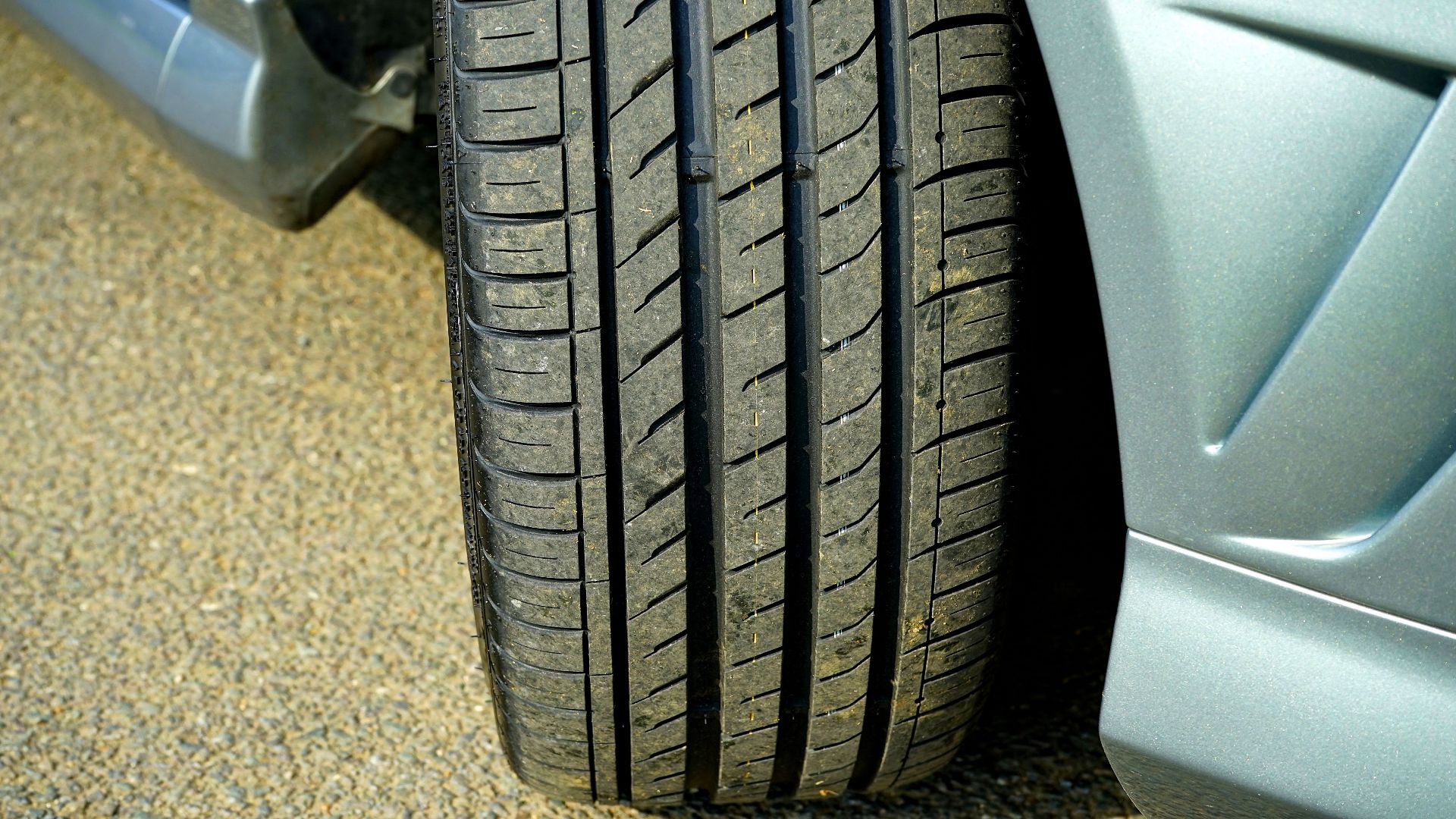
Who Says Tires Expire
There is no single U.S. federal law that puts an official expiration date on every tire. Instead, automakers, tire makers, and safety groups give age-based replacement advice. That is why a mechanic may say a tire is too old even if the tread is still well above the legal minimum.
Most Advice Starts Getting Serious At Six Years
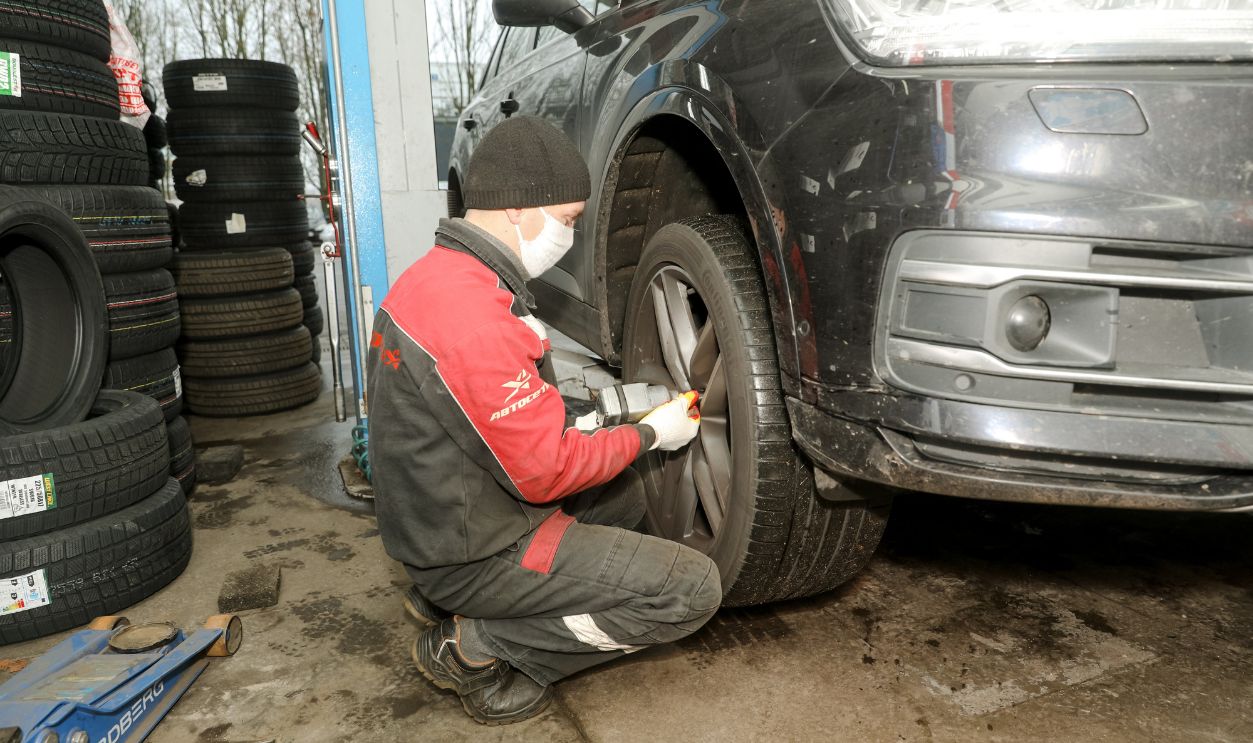
A lot of manufacturer advice starts to get more cautious at about six years. Michelin says tires should be inspected every year after five years in service and replaced 10 years from the date of manufacture even if they have not worn down to the tread limit. Other automakers have issued similar six-year inspection or replacement guidance in owner materials.
Ten Years Is A Common Hard Stop
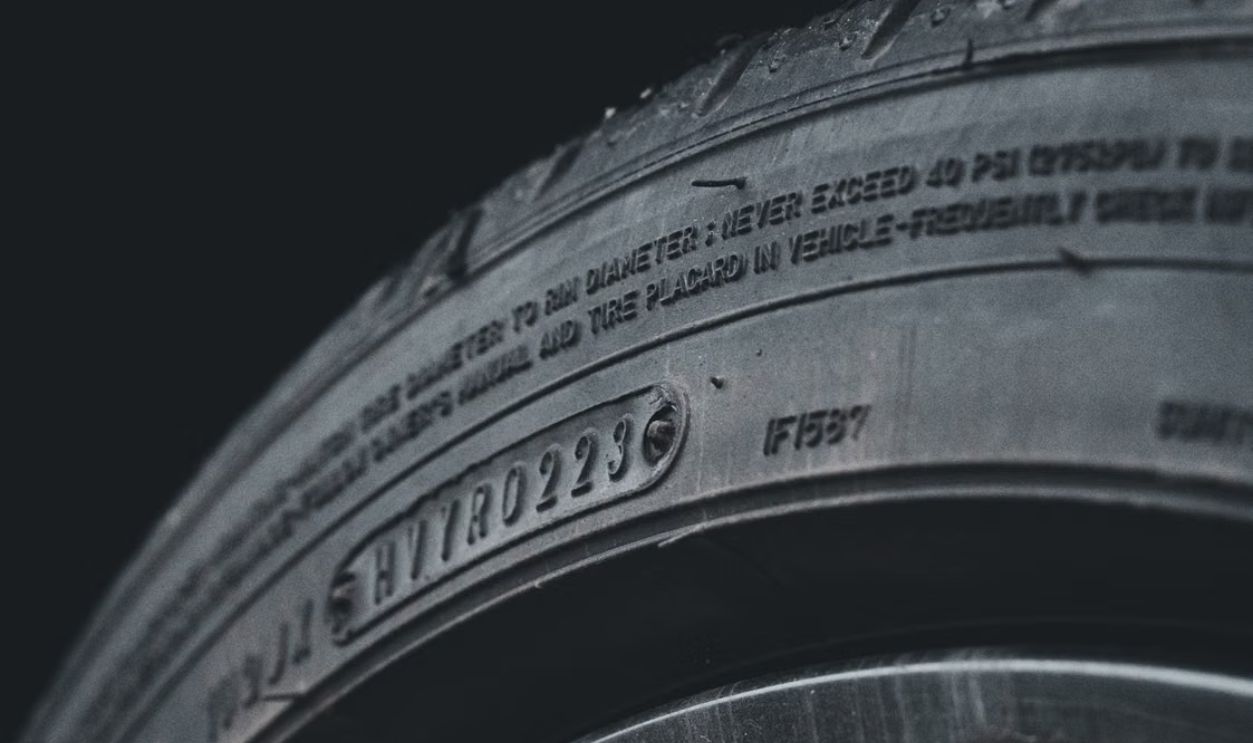
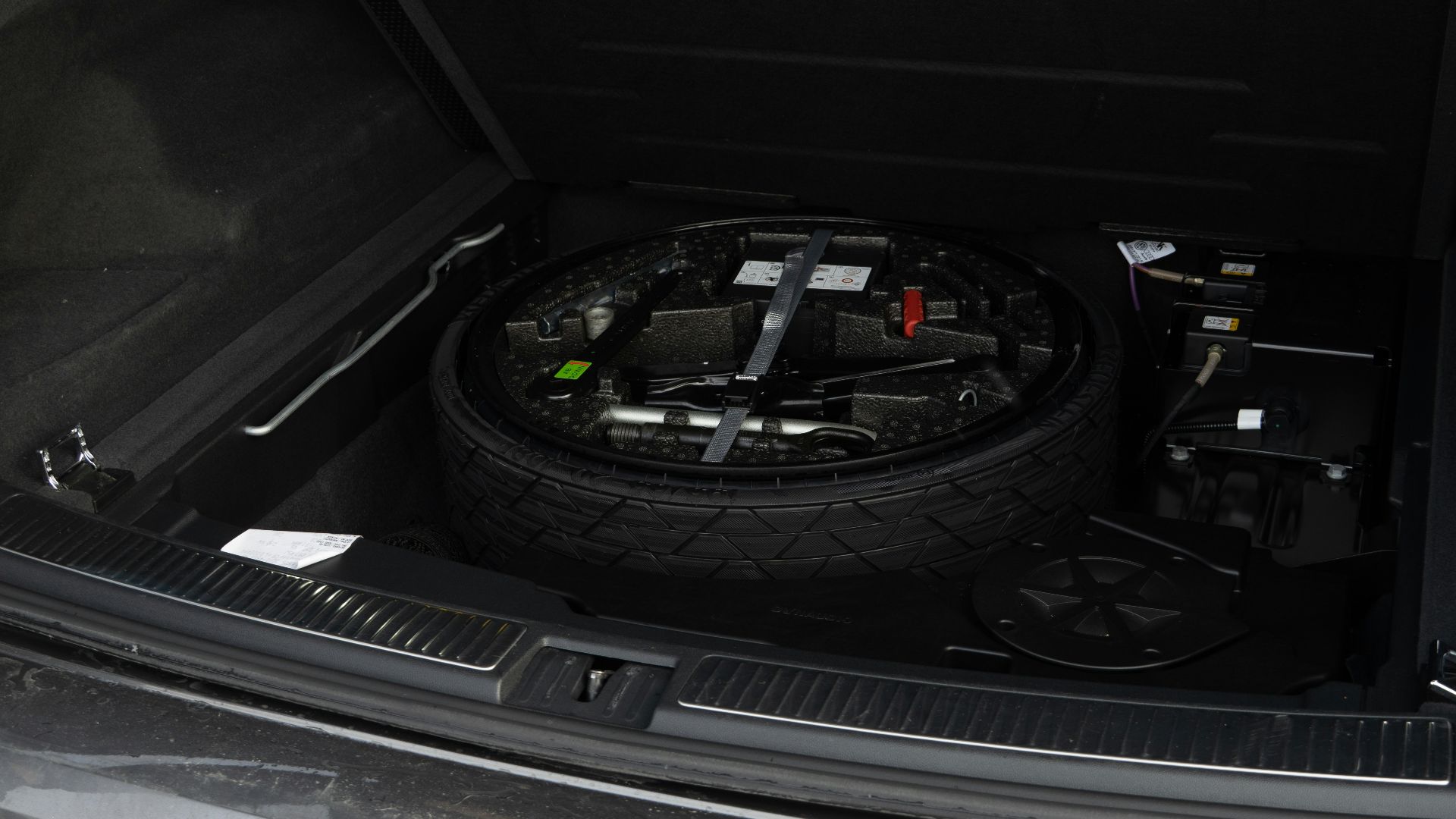
One of the most common guidelines is a maximum service life of 10 years from the date of manufacture. The U.S. Tire Manufacturers Association says that if tires have not been replaced within 10 years of that date, they should be replaced with new ones as a precaution. That includes spare tires, which often age out while still looking almost new.
Your Mechanic Is Probably Reading The Date Code
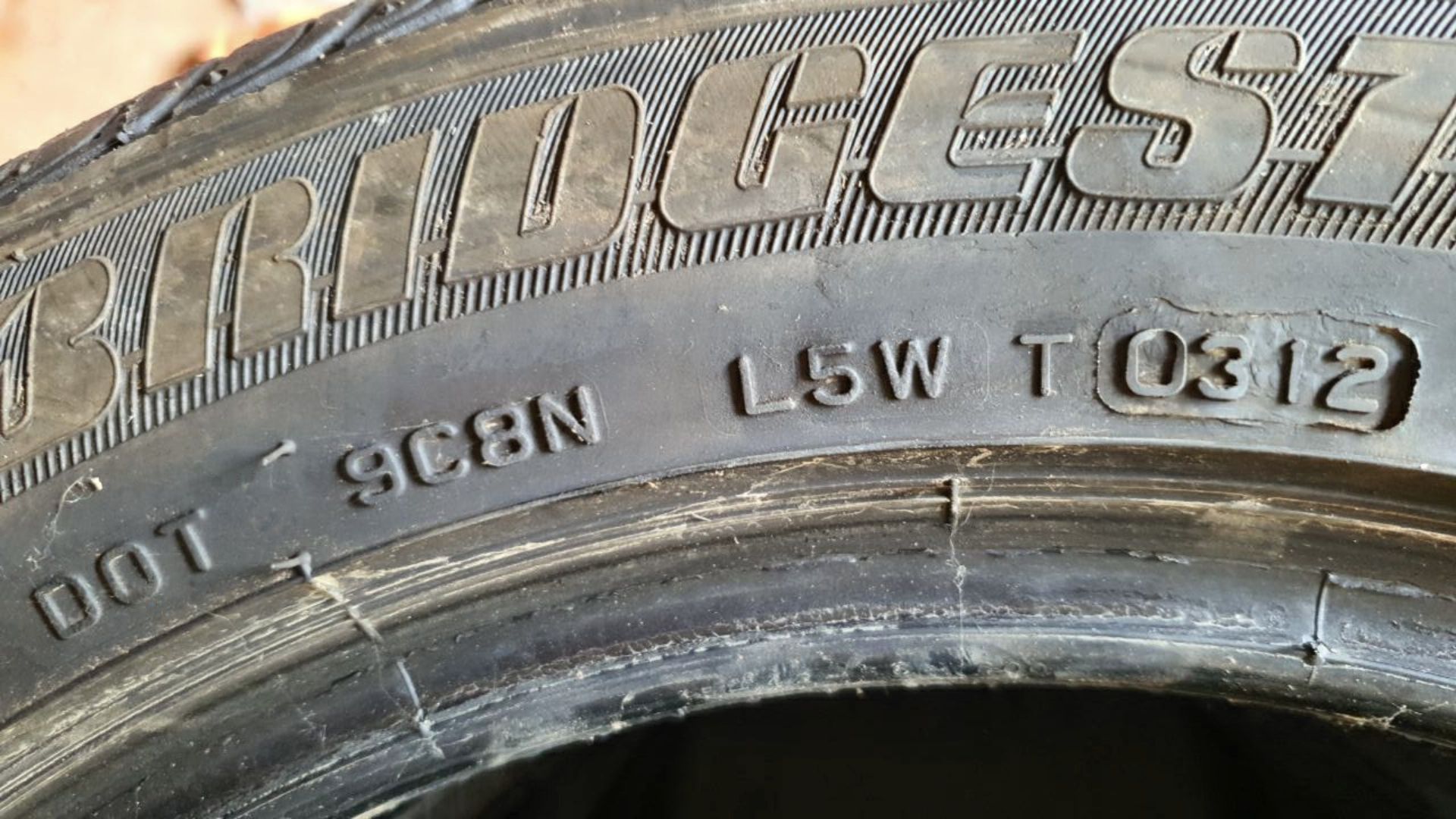
If a shop tells you your tires are too old, the technician probably checked the DOT date code on the sidewall. The code ends with four digits that show the week and year the tire was made. For example, a tire marked 2519 was built in the 25th week of 2019.
How To Find The Tire’s Birthday
Look for the letters DOT on the sidewall, followed by a string of numbers and letters. On modern tires, the last four digits are what matter. If the date code is only printed on the inward-facing side, you may need to look underneath the car a bit or have a shop check it during service.
 Richard Huber, Wikimedia Commons
Older Than 2000 Gets Trickier
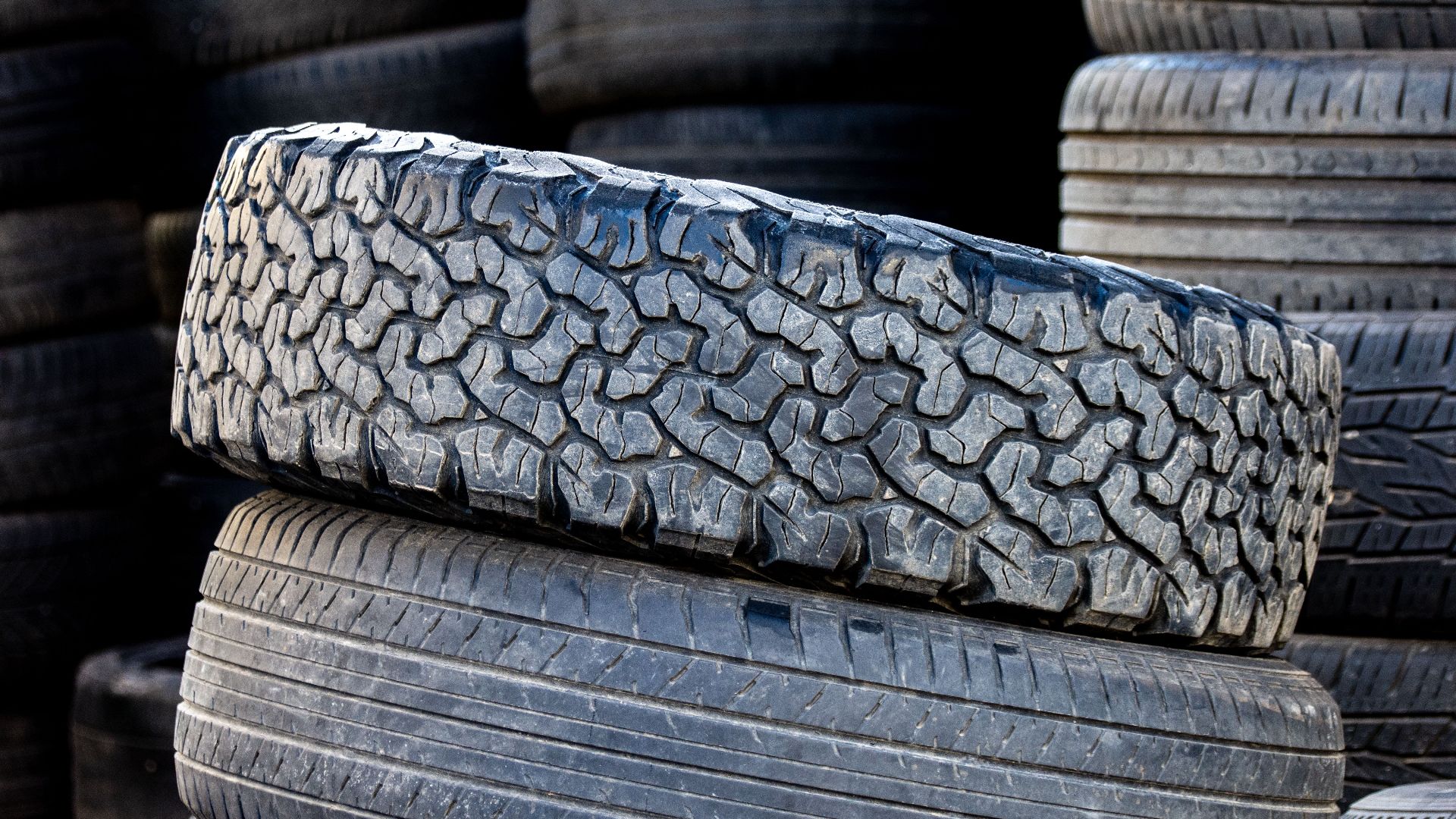
Tires made before 2000 used a three-digit date code, which is one reason very old tires should raise concern right away. NHTSA says that older system showed the week and the last digit of the year, which makes it less clear today. If you find a tire with a three-digit date code still being used on a road car, replacement is the sensible move.
Low Mileage Does Not Protect A Tire From Time
This is what surprises a lot of drivers. A car that only covers a few thousand miles a year can still end up on unsafe tires, because age and mileage are two different things. The tread may still look healthy while the rubber and internal bonds have already entered the danger zone.

Spare Tires Are Famous For Aging Out
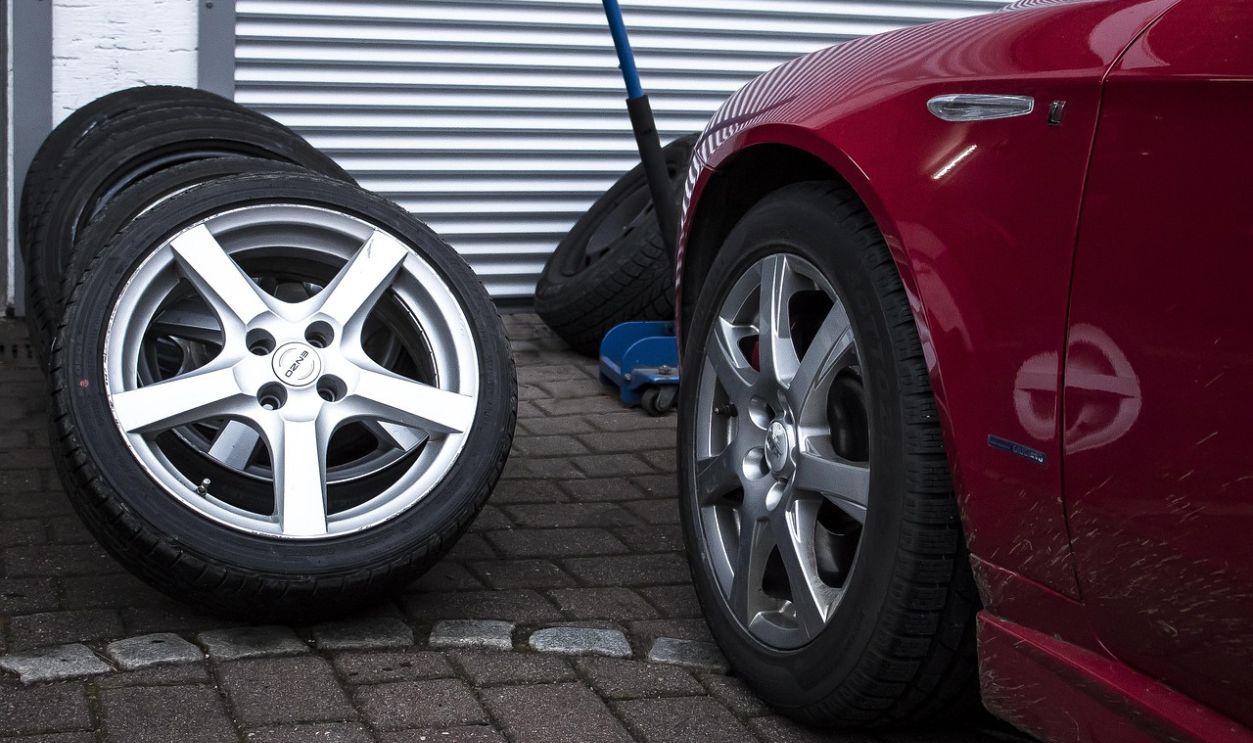
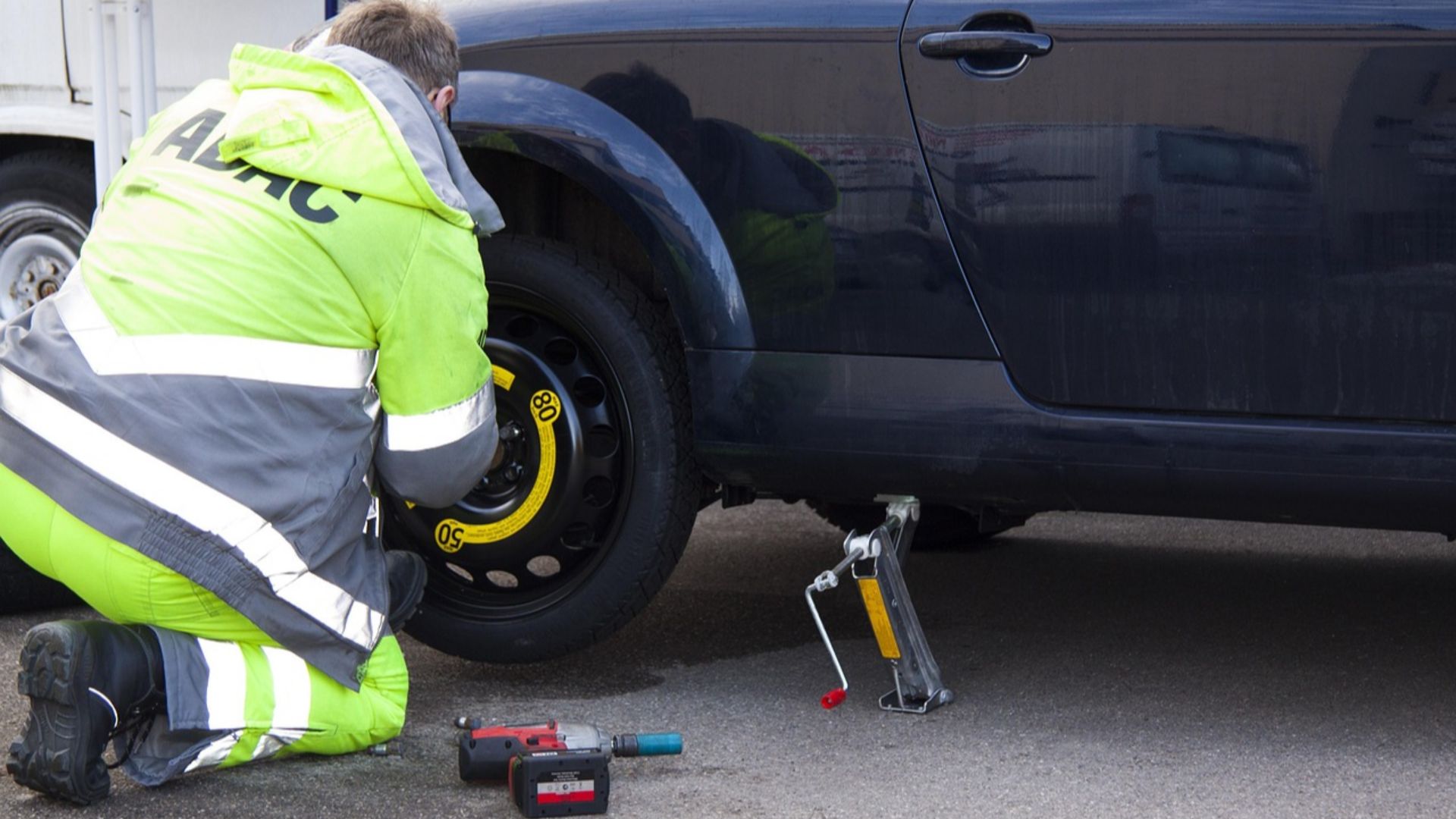
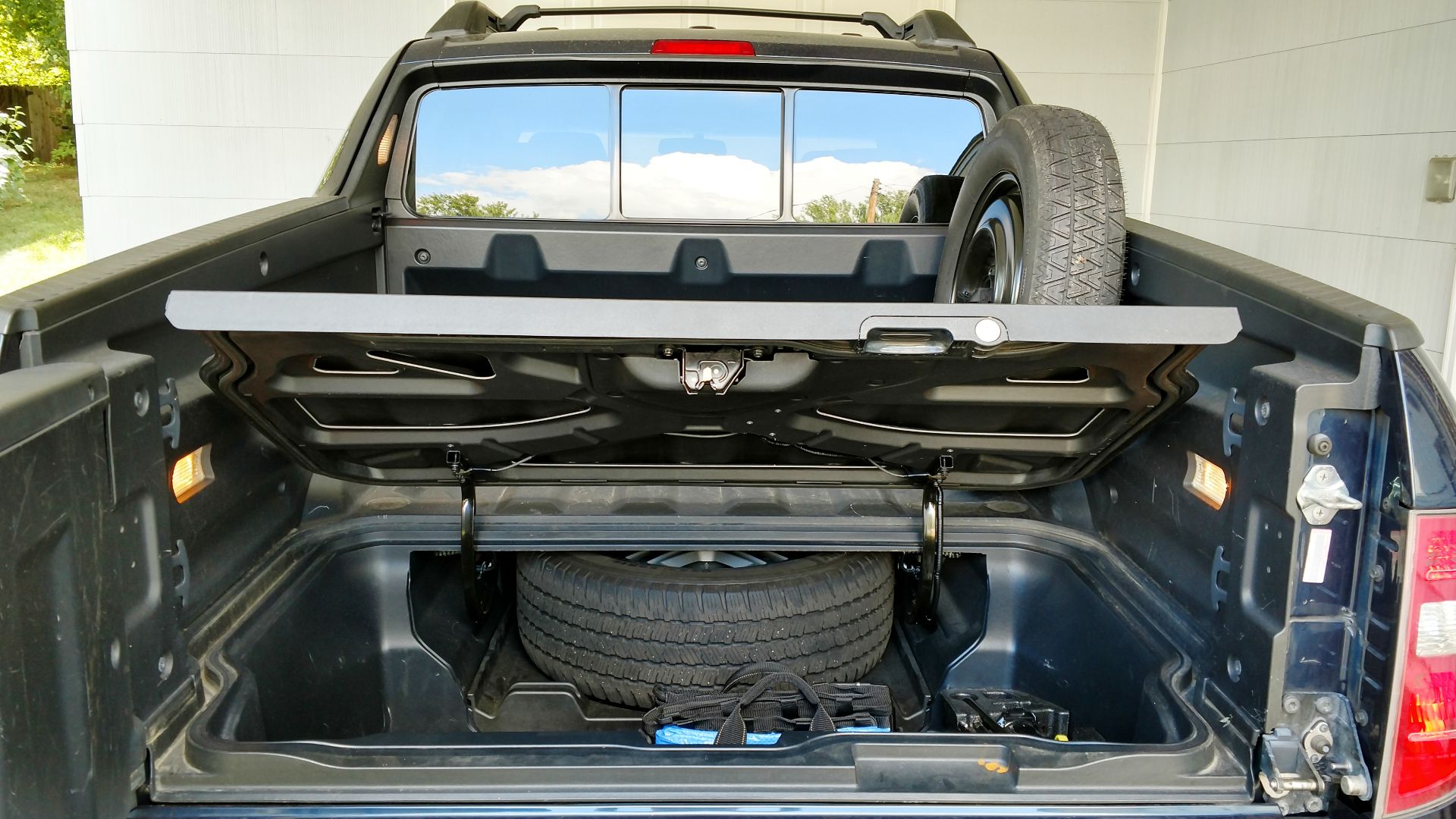
Temporary spares and full-size spares can sit untouched for years in trunks or under vehicles. Because they are rarely used, many people assume they stay new forever. They do not. Age matters here too, and manufacturers often say a spare should follow the same age limits as any other tire.
 User:McChizzle, Wikimedia Commons
Trailers, RVs, And Collector Cars Face Extra Risk
Vehicles that sit for long stretches are common victims of tire aging. RVs and trailers may also carry heavy loads, which puts more stress on already aging rubber. That is one reason tire makers and RV safety advice often stress checking date codes, inflation, and sidewall condition before a trip.

Climate And Storage Conditions Matter
Sunlight, ozone, heat, and long periods of sitting all speed up tire aging. A car parked outside in a hot climate usually puts its tires through much tougher conditions than a garaged car in a mild area. Good storage helps, but it does not stop the clock.

What About The Legal Tread Minimum
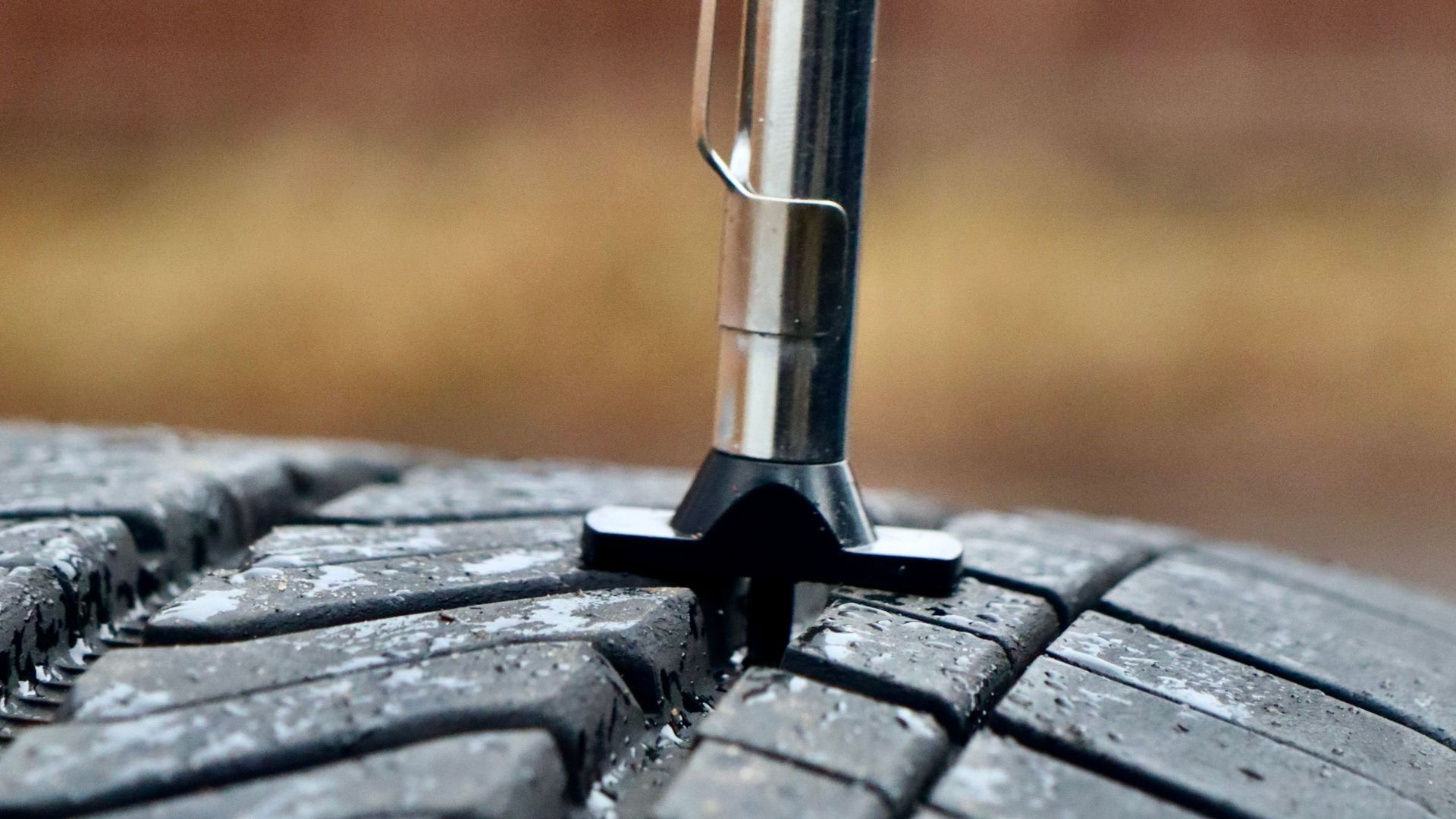
In most of the United States, tires are legally worn out at 2/32 inch of remaining tread depth. But that rule only deals with worn tread, not aging rubber. So a tire can still be legal by tread depth and still be a bad bet because of age.
Why This Matters Most At Highway Speed
Aging problems can stay hidden during short, slow drives around town. On the highway, heat builds up, loads increase, and the tire’s internal structure is under more stress. That is when an old tire with hidden weakness is more likely to fail, sometimes with a blowout or tread separation.

Can A Shop Tell If An Old Tire Is Still Safe
A professional inspection can catch obvious problems like cracking, bulges, puncture history, uneven wear, or impact damage. But even a careful inspection cannot always spot internal age-related breakdown before it turns dangerous. That is exactly why age-based replacement advice exists.
What If The Tires Have Plenty Of Tread At Seven Or Eight Years
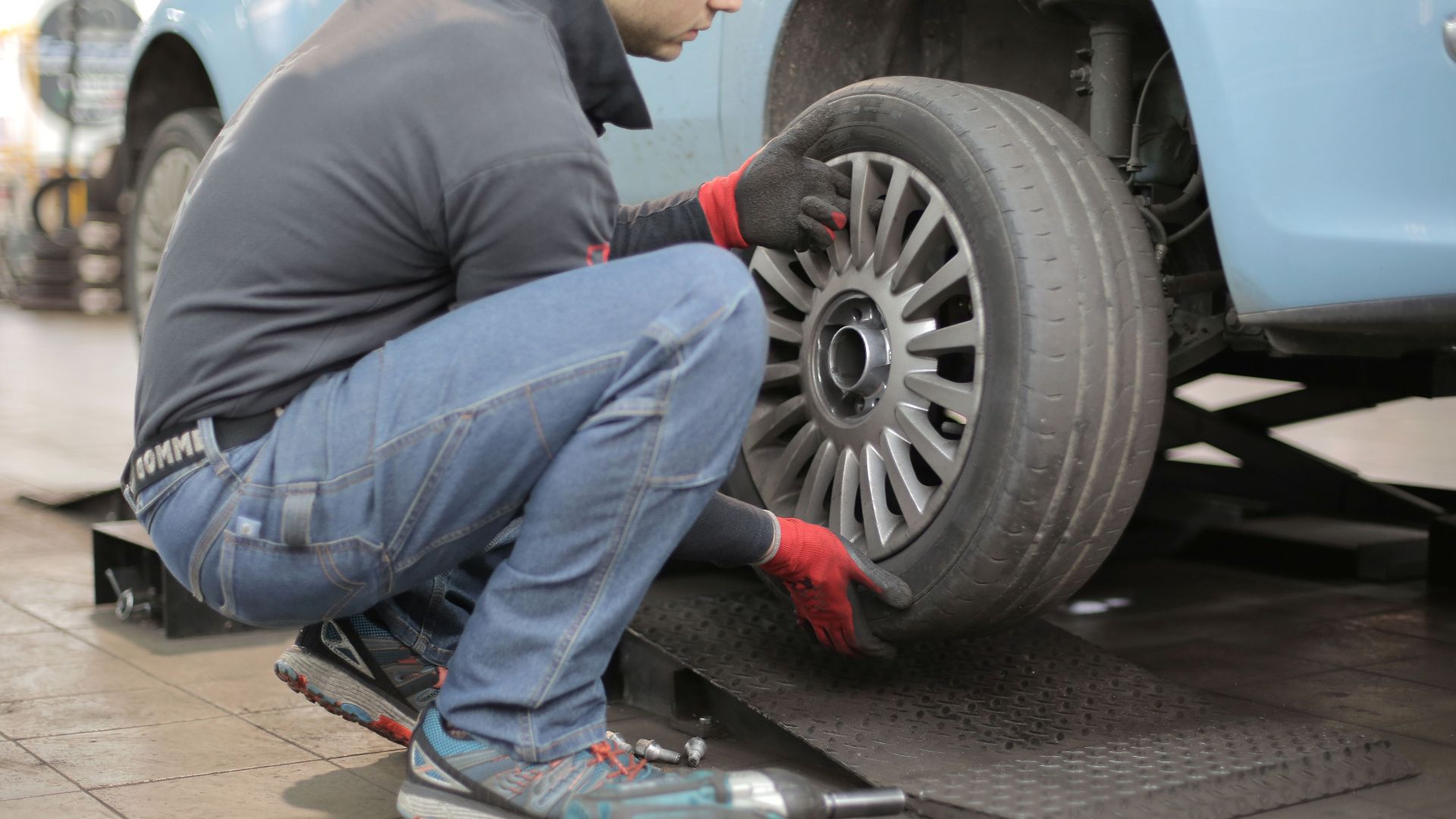
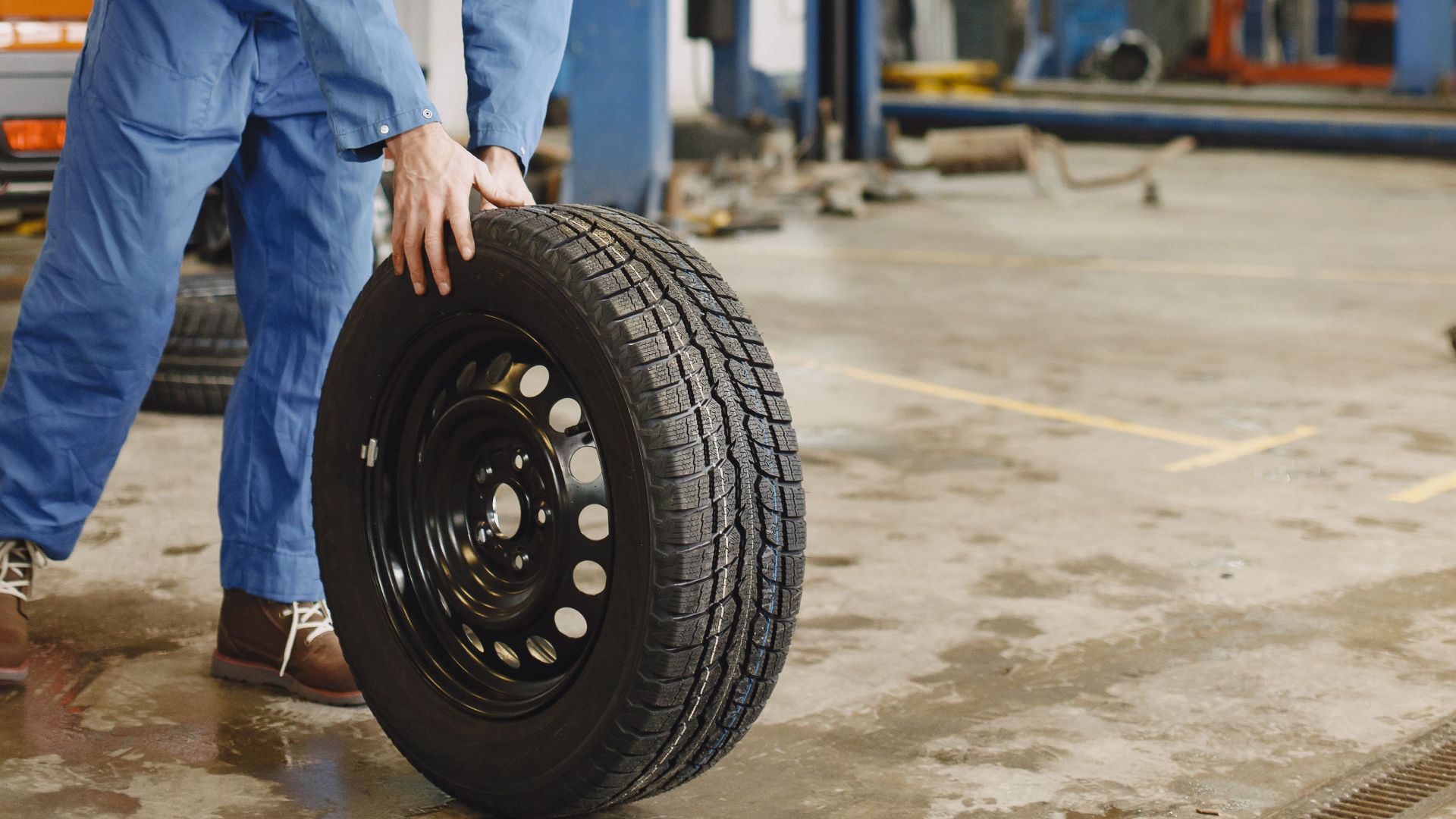
At that age, the decision should get more cautious, not less. Check the guidance for your specific tires and your vehicle, then think about climate, storage, speed, and how the vehicle is used. If the tires are getting close to that six-to-10-year range, replacement is often the smart move even if the tread still looks thick.
Can Tire Dressing Or Sealants Fix Old Age
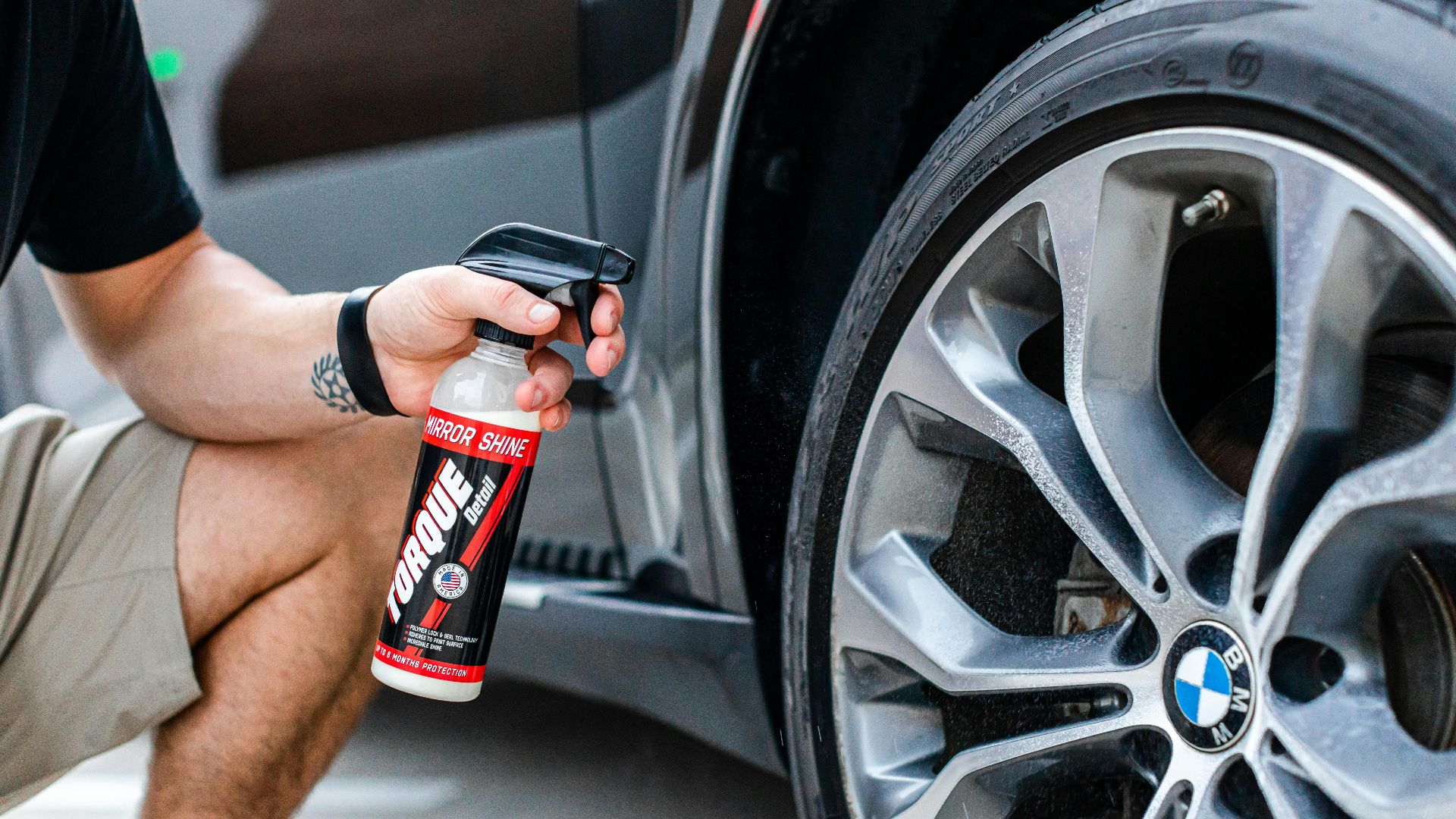
No cosmetic product can reverse what aging does to rubber. Shine products may make a tire look better, but they do not bring back its structural strength. Sealants can help with some air leaks, but they do not make an old tire young again.
How To Talk To Your Mechanic Without Getting Sold Something You Do Not Need
Ask the shop to show you the DOT date code and explain why they are recommending replacement. Ask for a tread-depth reading and a quick look at any cracks, bulges, or uneven wear. If you are still unsure, getting a second opinion from another reputable tire shop is a smart and fairly cheap reality check.

A Good Rule Of Thumb For Drivers
Check the age of your tires at least once a year, especially before a long trip. Have them inspected every year after the five-year mark, and treat 10 years from the manufacture date as a practical maximum unless the tire maker says otherwise for a specific product. If you live in a hot climate or your vehicle sits a lot, it makes sense to be even more cautious.
The Bottom Line On “Expired” Tires
Your mechanic may not be trying to scare you. Tires really can become unsafe from age before they wear out, and the evidence from regulators and manufacturers supports that. If the date code shows your tires are old, plenty of tread may look reassuring, but it does not tell the whole story.