Why This Feels So Harsh
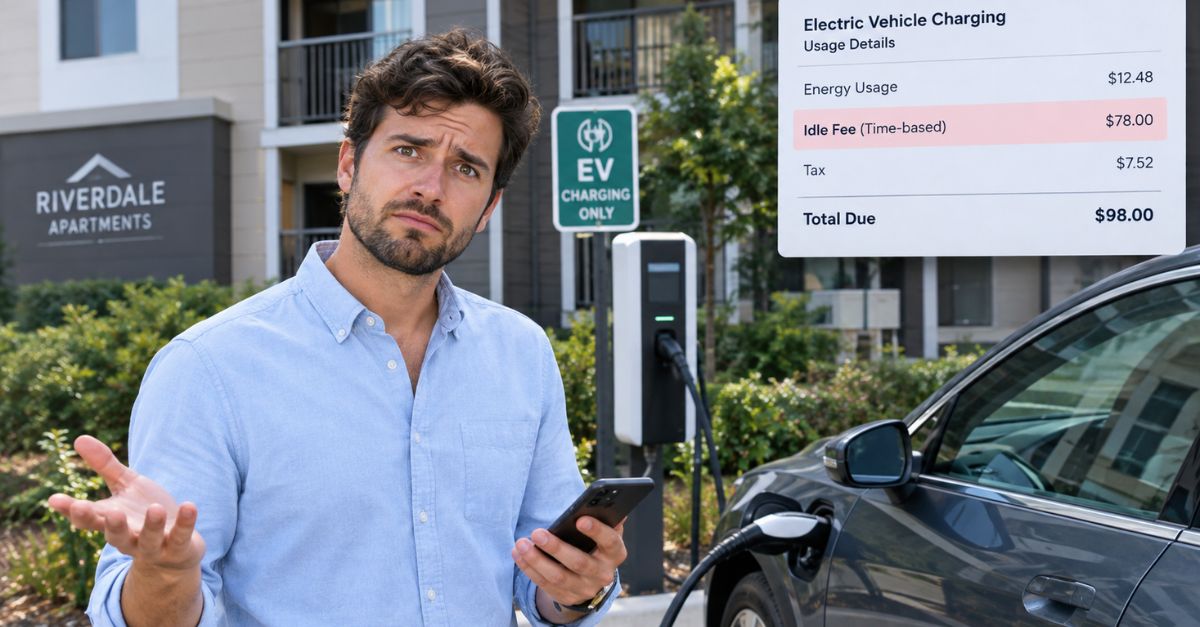
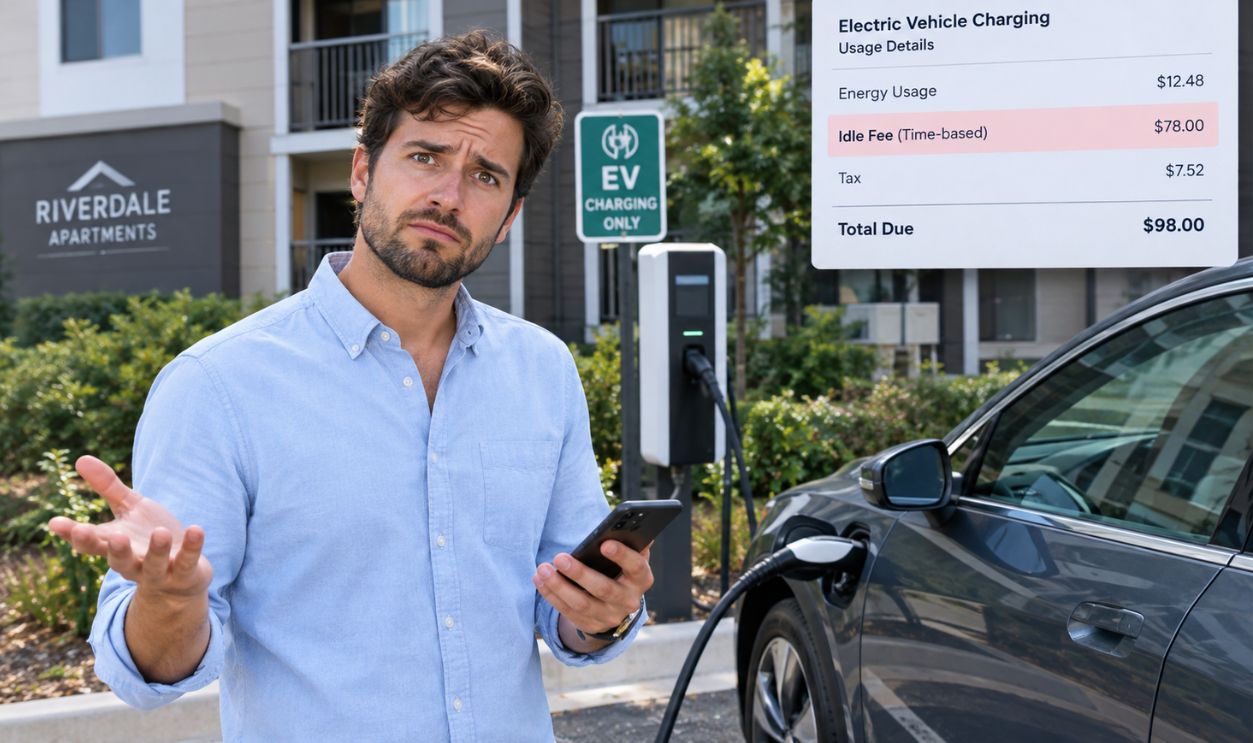
Plugging in your EV at home and going to bed is supposed to be the whole point of going electric. So when your building starts charging a steep hourly fee the minute your car finishes, suddenly this "convenience" means you're paying even more than you would for gas. The fees obviously seem unreasonable, but the question is: Can you get them to do anything about it?
What An Idle Fee Actually Is
An idle fee is a charge that starts after your car is done charging but is still plugged in. The basic idea is simple: Idles fees keep one fully charged car from blocking the charger for everyone else.
Why Charging Networks Use Them
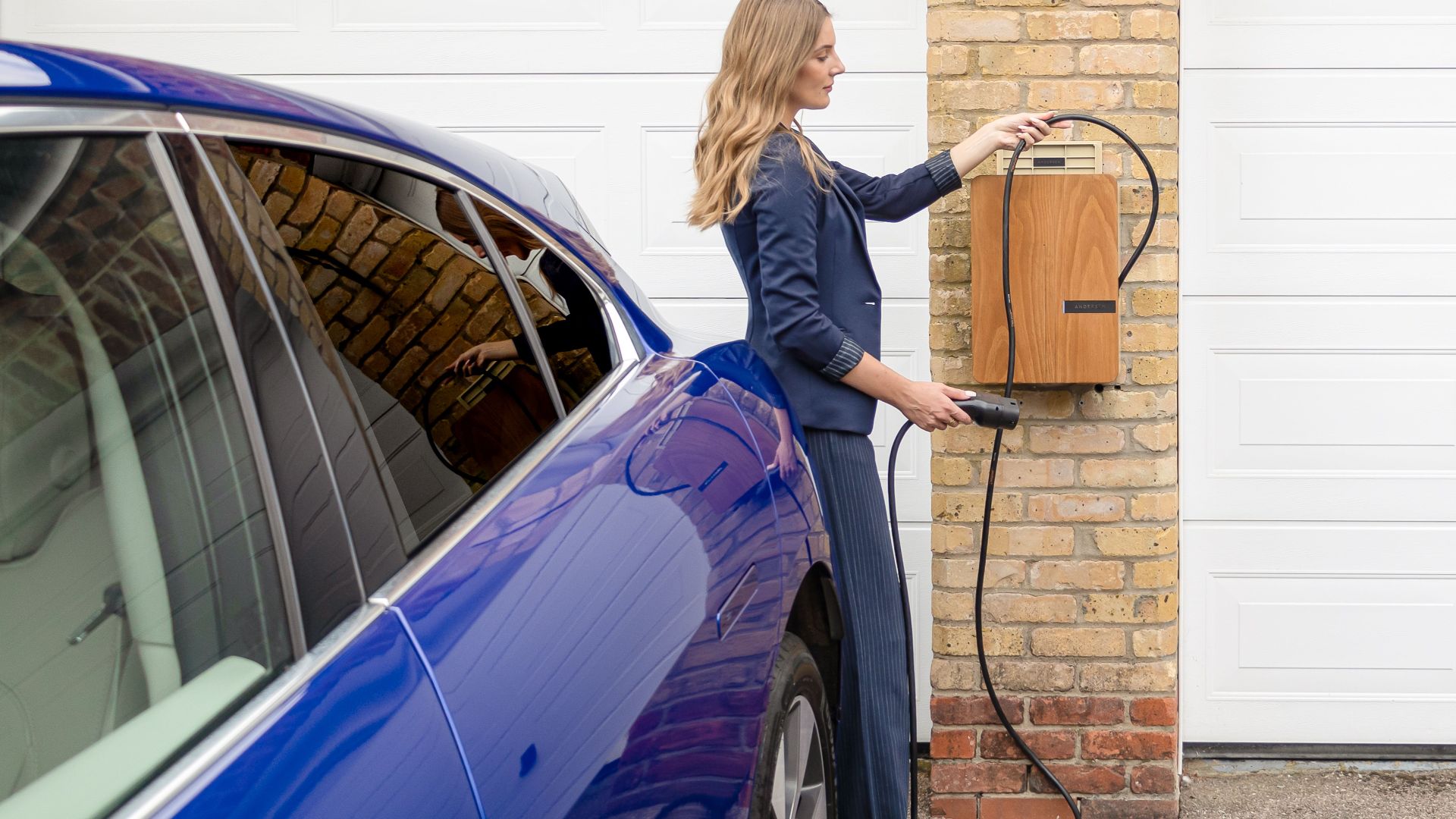
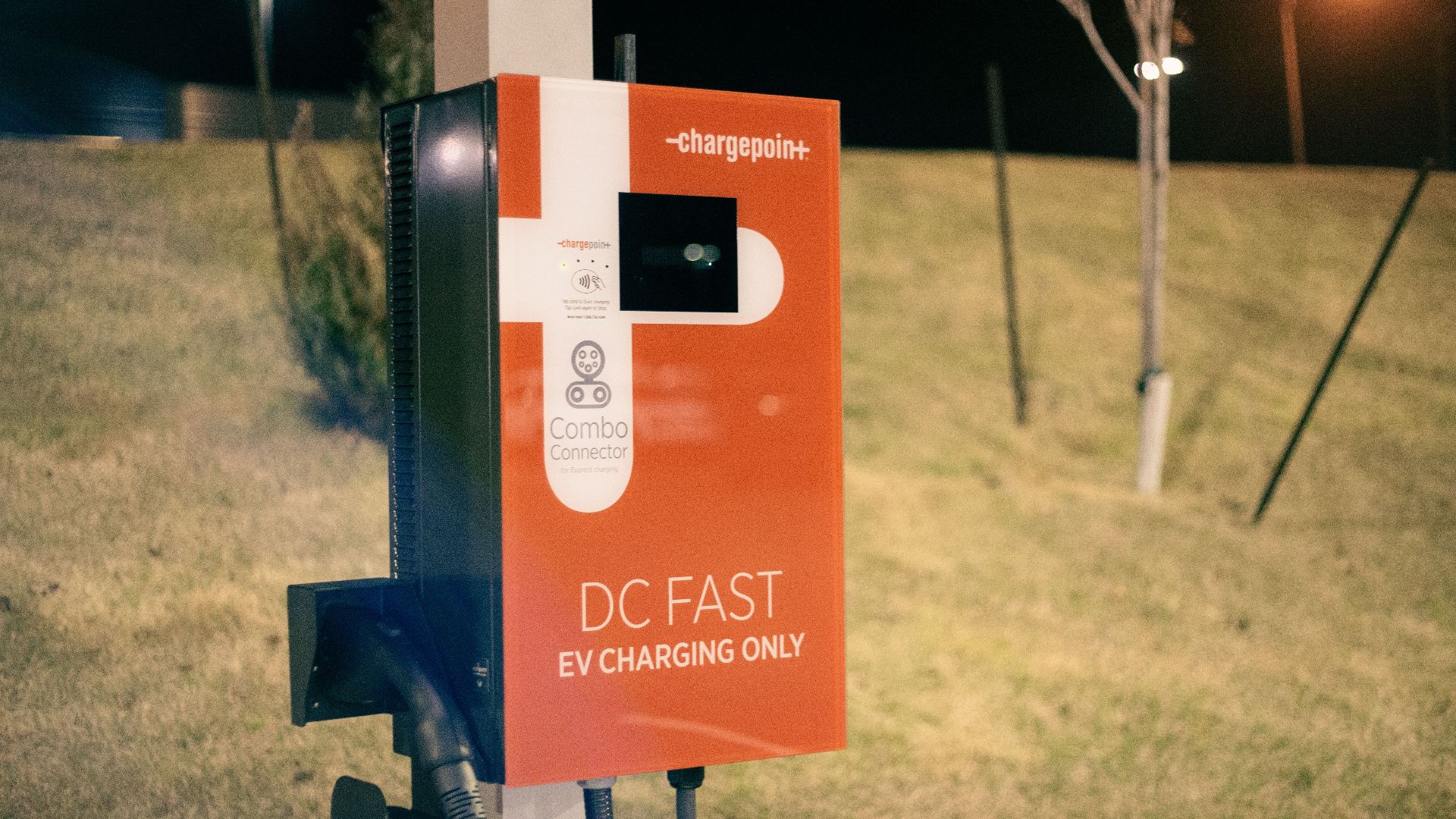
Public charging companies have been pretty clear about why these fees exist. Tesla says idle fees are meant to free up Superchargers and push drivers to move their cars when charging is done. ChargePoint also says station owners can set pricing rules, including time-based charges, to manage access and turnover.
The Real Problem In Apartment Living
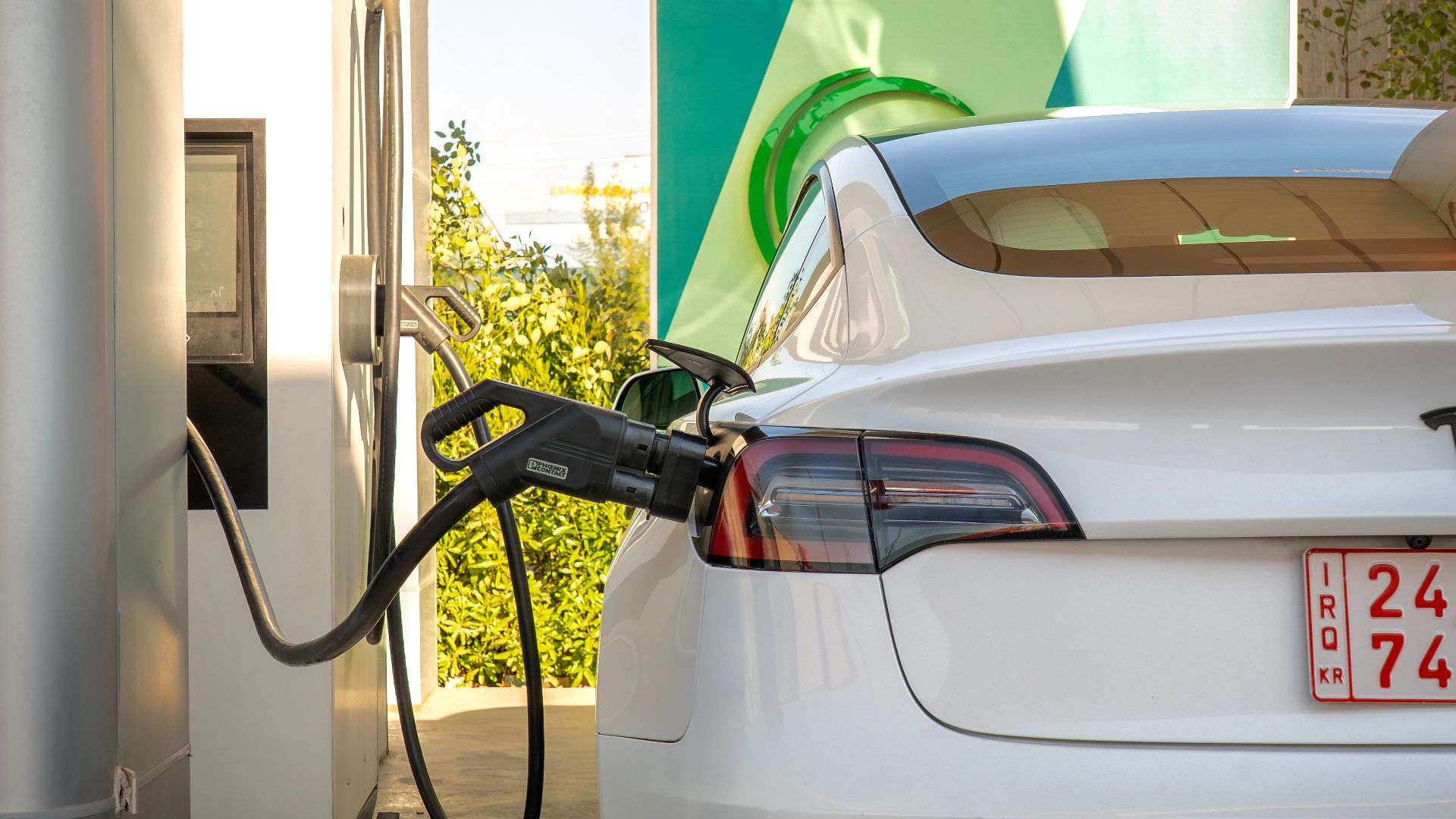
This is where things get tricky. Apartment charging is not the same as stopping at a fast charger on a road trip. Residents usually charge overnight because they are home, asleep, and expecting something closer to normal home charging. A policy built around people rushing out as soon as charging ends may work in a shopping center lot, but it fits apartment life badly.

Tesla Shows How Aggressive Idle Fees Can Get
Tesla’s policy shows how expensive idle fees can become. According to Tesla’s Supercharger support page, idle fees apply when a station is at least 50 percent occupied, and the fee can double when the station is 100 percent occupied. That setup makes sense at busy public fast-charging sites where turnover matters. It is a much rougher fit for residents parked overnight where they live.
ChargePoint Puts The Power In The Property Owner’s Hands
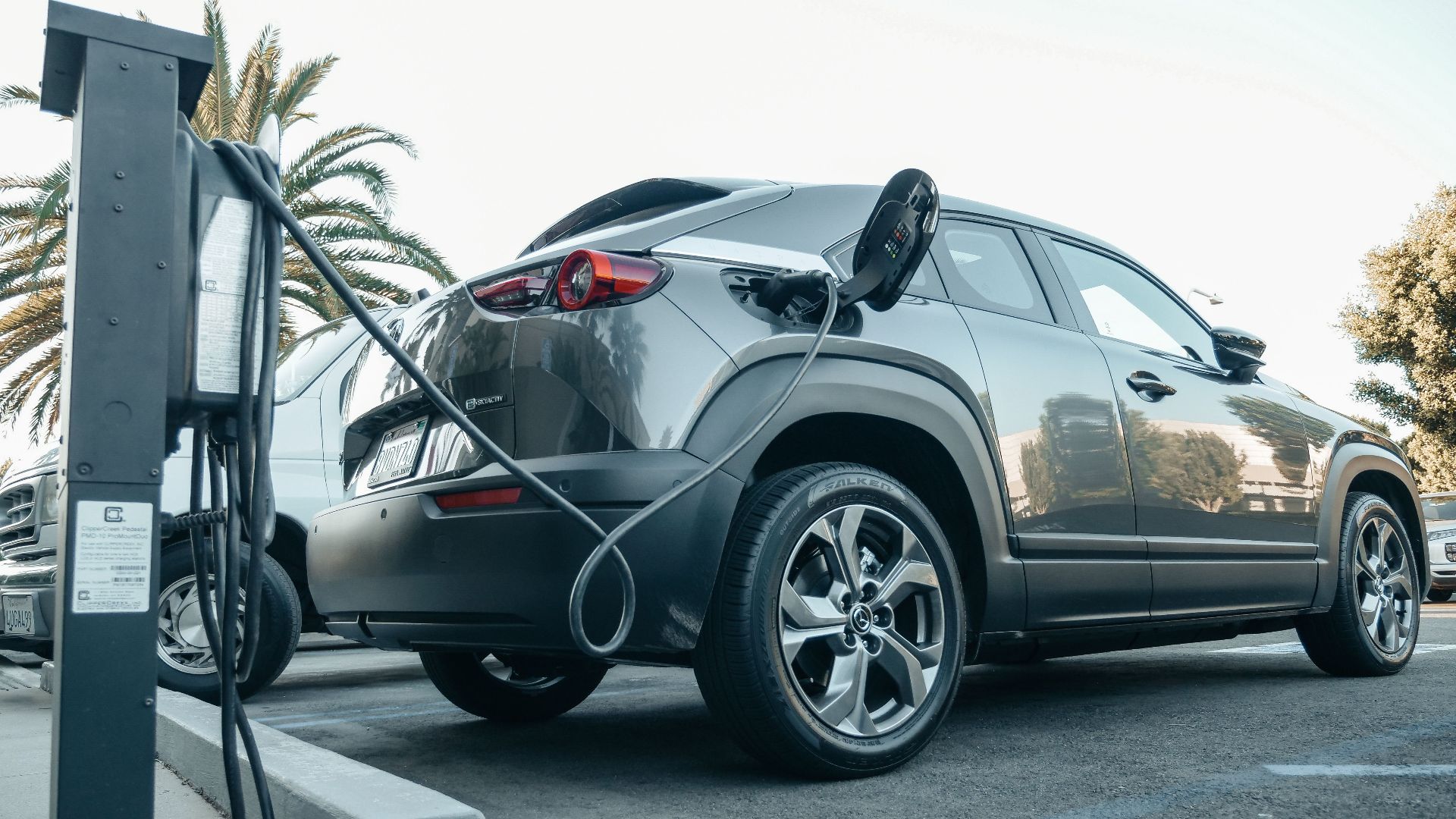
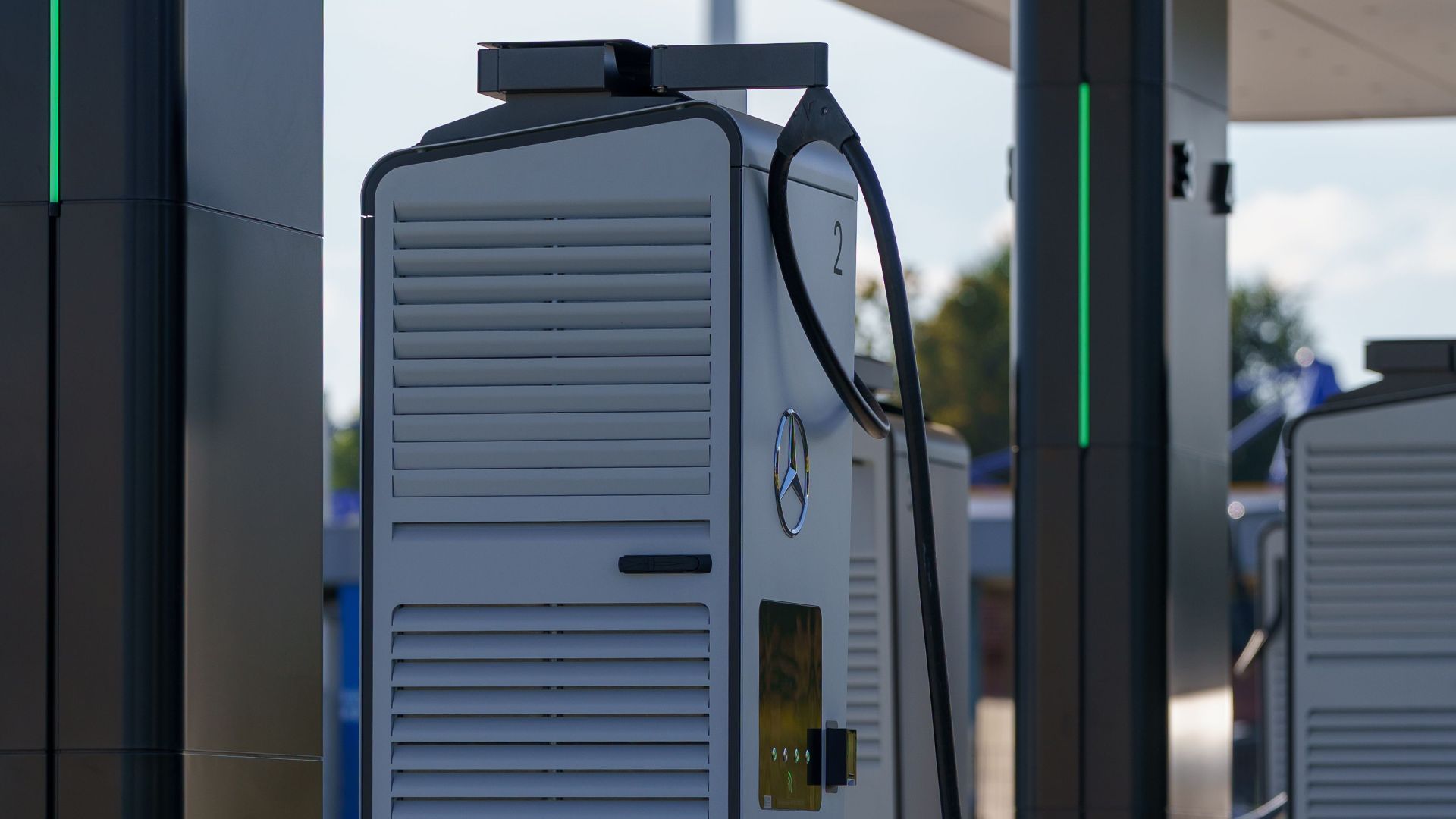
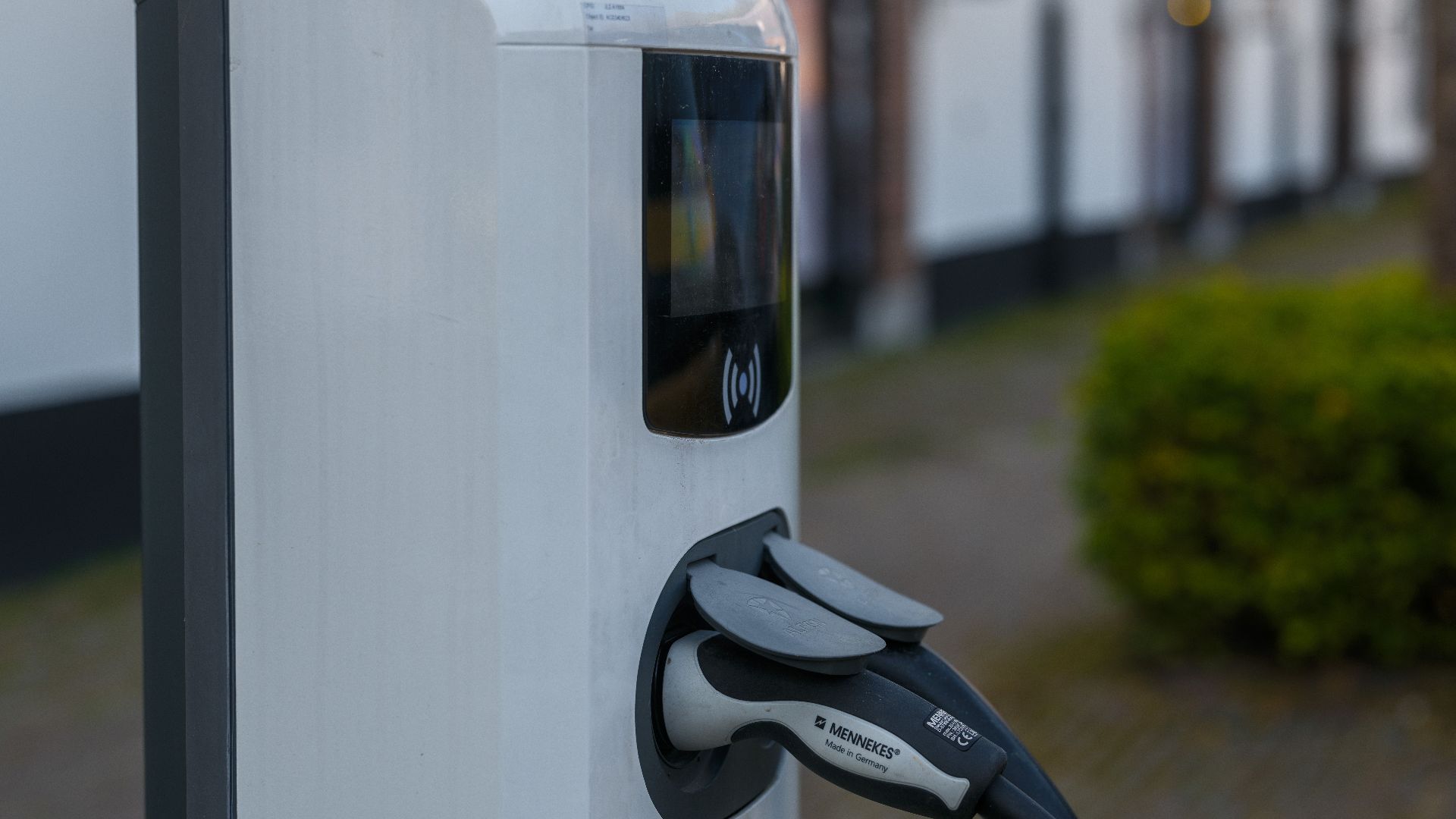
ChargePoint’s own materials matter here because they make clear that ChargePoint often is not the one setting the price. The company says the station owner decides whether to bill by time, by energy, or through rules like idle fees and session limits. So if your building installed ChargePoint chargers, the overnight policy you hate may be your landlord’s call, not ChargePoint’s.
PlugShare Makes One Thing Clear
PlugShare’s charging etiquette guide reflects a rule most EV drivers already know: do not stay plugged in longer than needed when someone else might need the charger. That makes sense in shared charging. But it still leaves a big practical problem for apartment residents who are asleep when their session ends.
The Law Has Started Catching Up
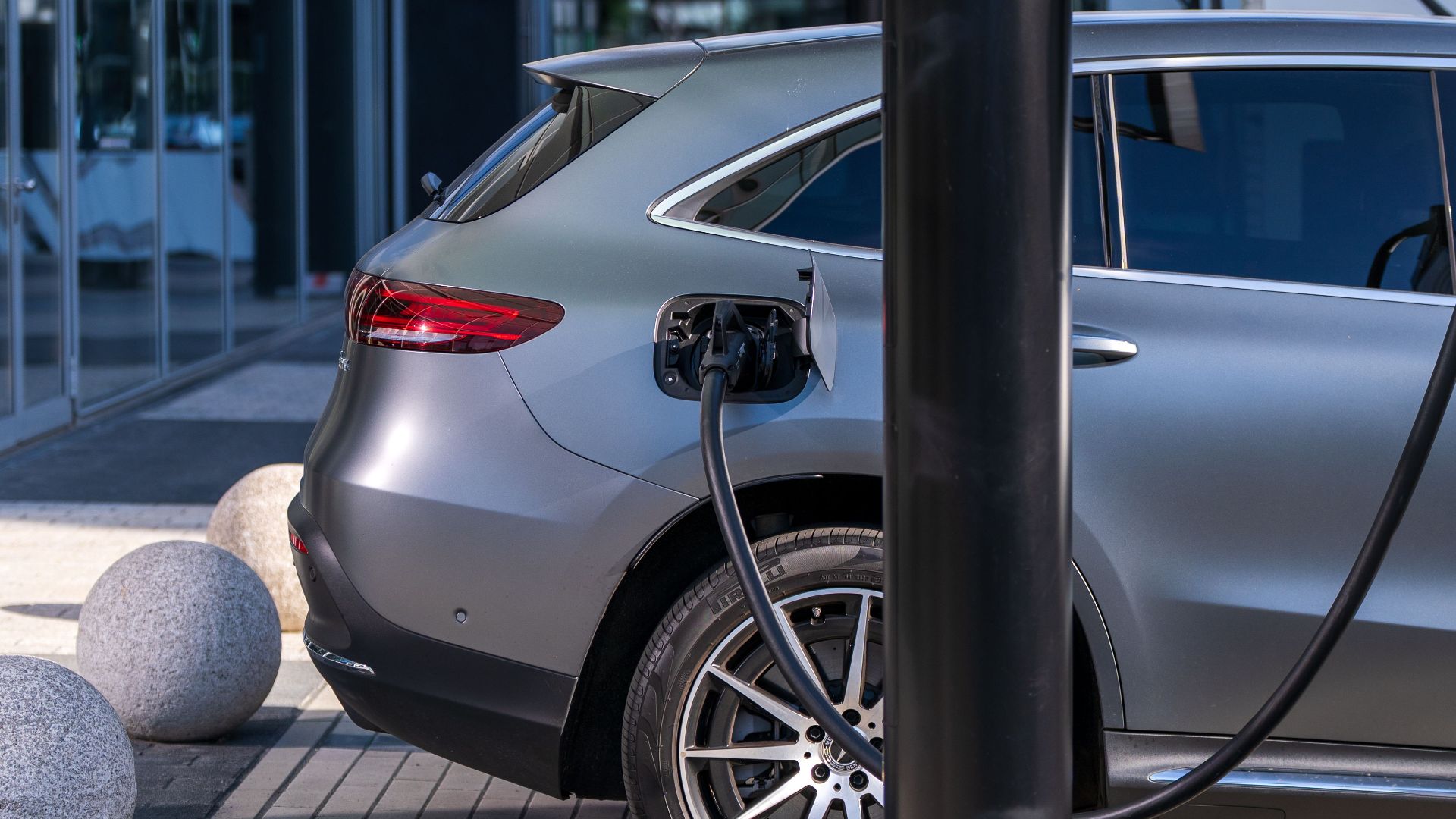
California has gone farther than most states in dealing with EV charging in apartments and condos. In 2024, the state enacted Assembly Bill 2565, which addresses EV charging rules in common interest developments and rental housing. The bigger point is clear: shared residential charging is no longer a niche issue, and it needs rules that work in real life.
California Also Targets Price Transparency
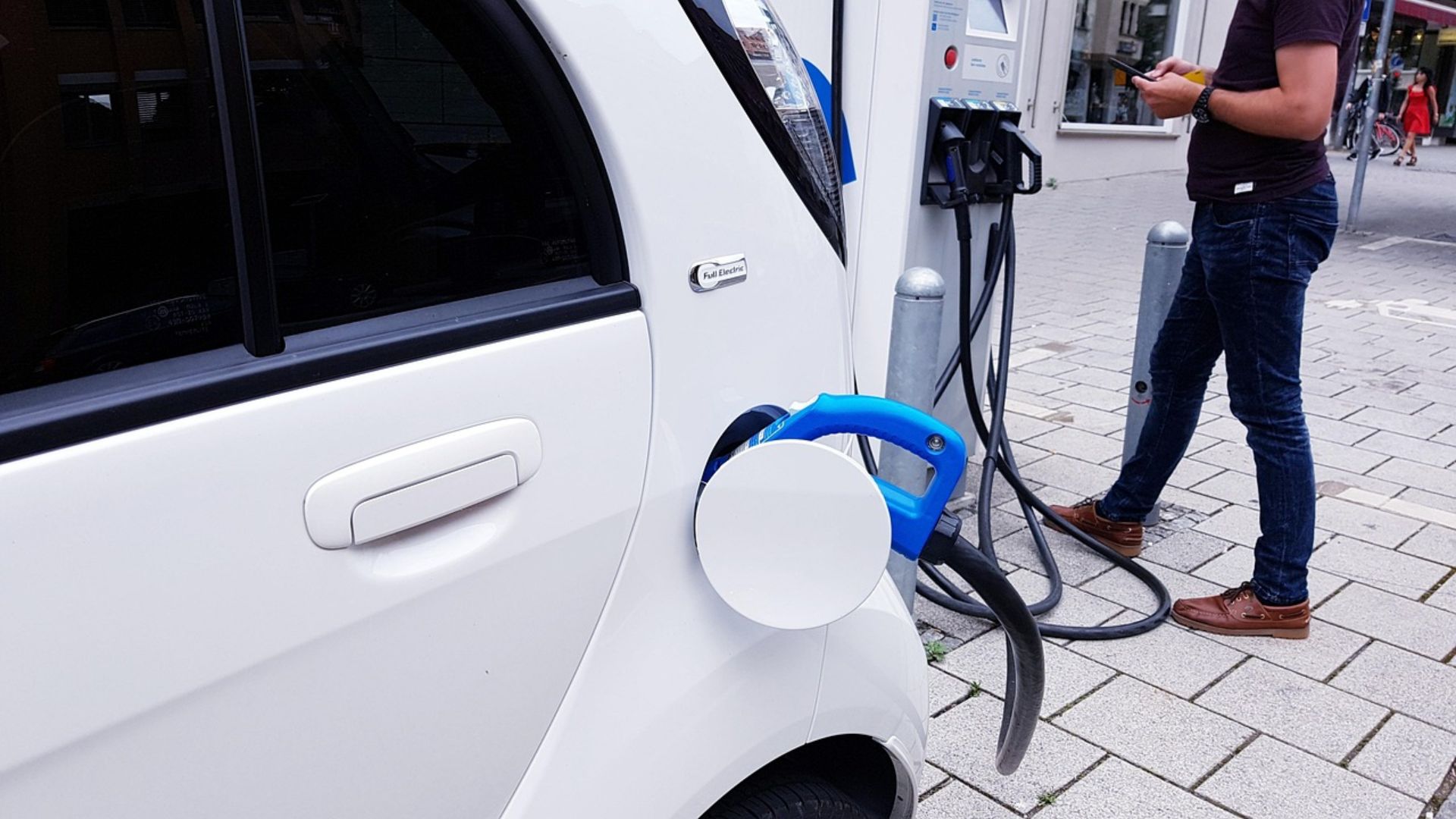
California regulators have also pushed for charging prices to be easier to understand. The California Energy Commission has published guidance and rules tied to EV charging transparency and consumer information. That matters because surprise fees are much harder to defend when drivers did not get clear notice before they plugged in.

Federal Guidance Does Not Ban Idle Fees
At the federal level, the National Electric Vehicle Infrastructure program and Federal Highway Administration standards focus on reliability, uptime, interoperability, and clear pricing for public charging. They do not ban idle fees. But they do reinforce the idea that pricing should be visible and easy to understand, which matters a lot when fees can rack up while someone is asleep.
Reasonable In Public, Tougher At Home
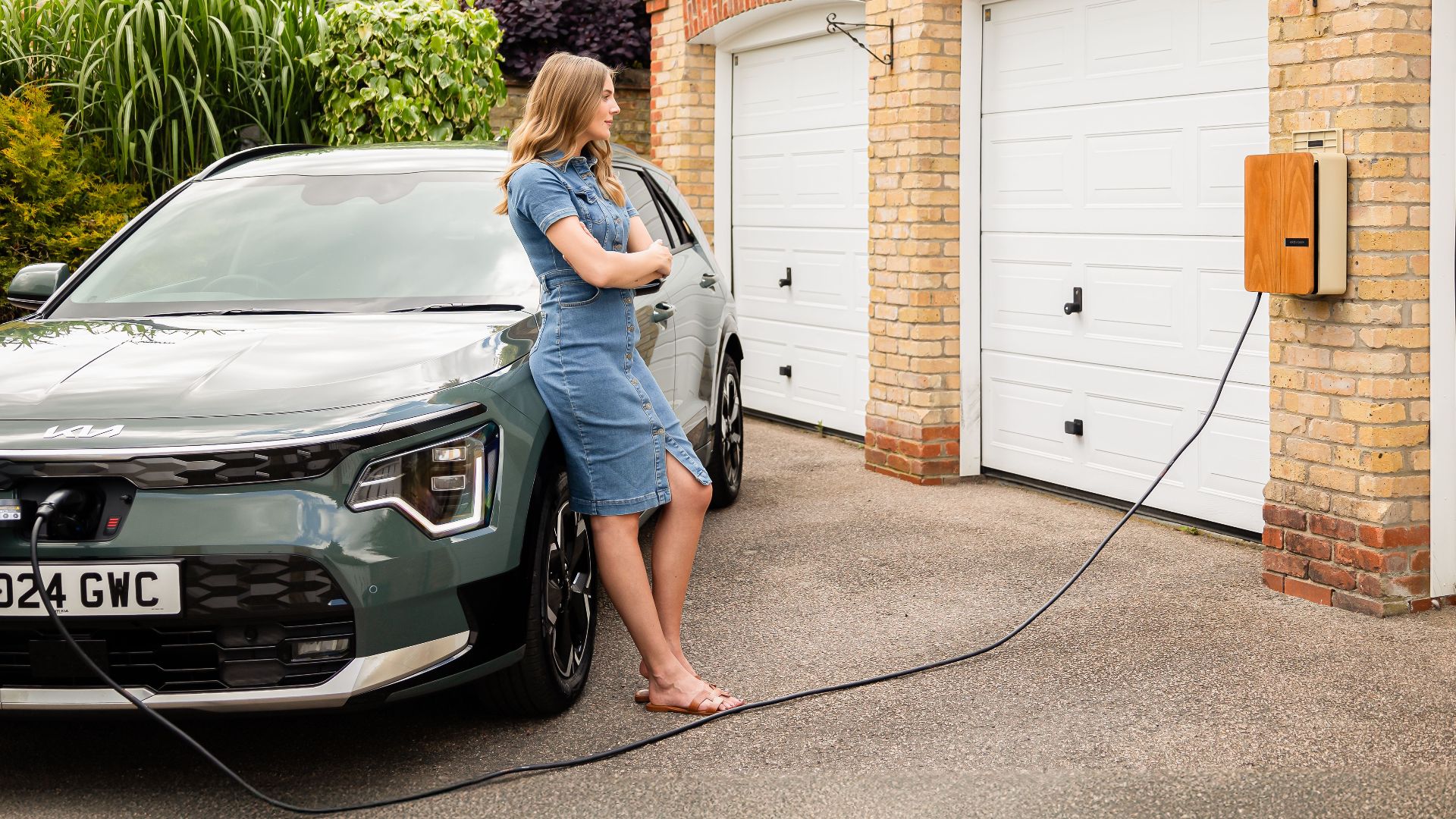
Idle fees are easiest to justify at busy public fast chargers. Those sites cost a lot to build, turnover matters, and drivers are usually nearby. In an apartment building, though, the charger is standing in for home fueling. That changes the fairness question.
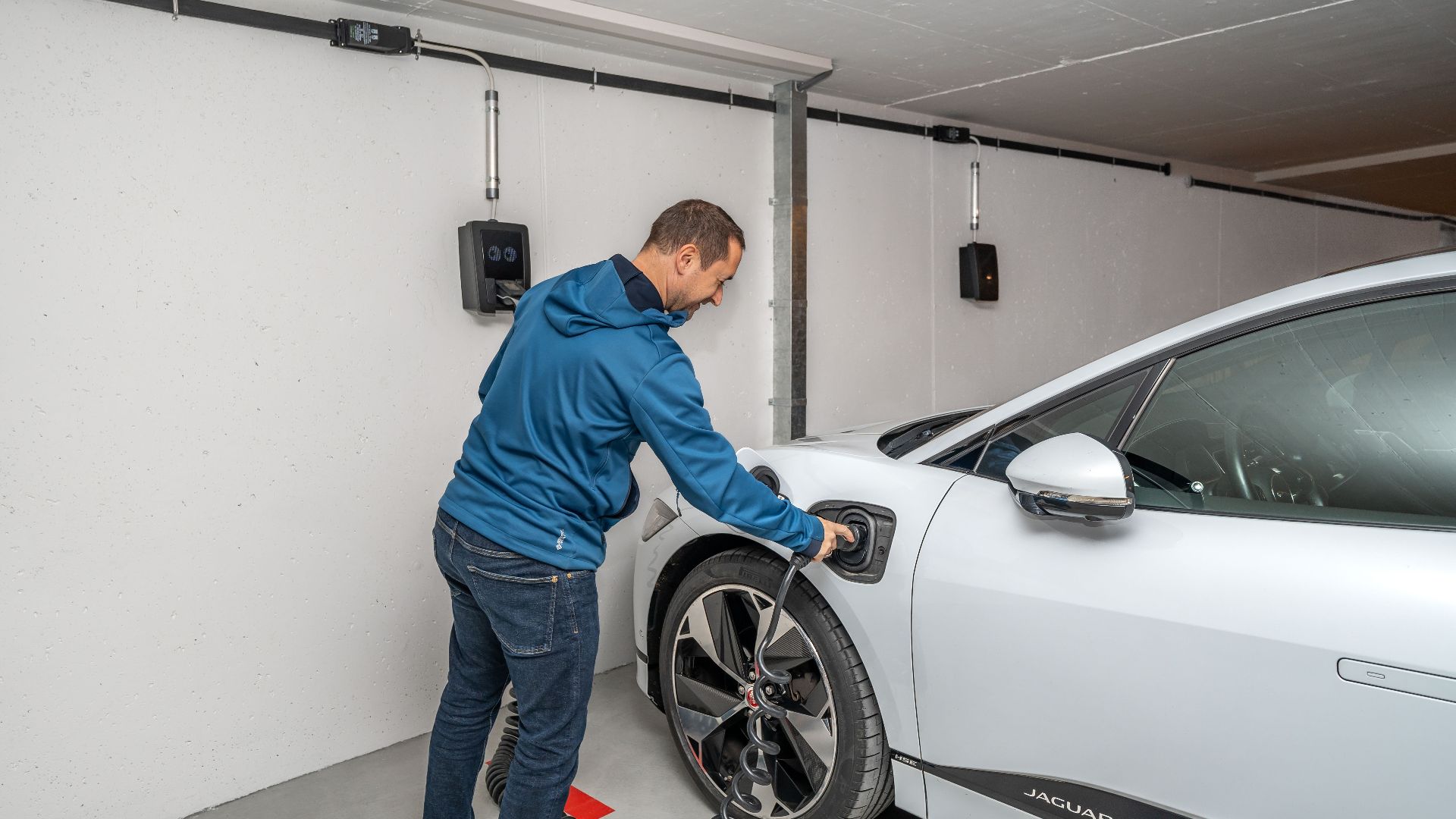
Overnight Charging Is Not A Fringe Use Case
For many renters, overnight charging is the only realistic option. They are at work during the day and rely on evening parking the same way gas drivers rely on a nearby station. A fee structure that punishes normal overnight use can make a charger look available on paper while being almost unusable in practice.
Why Buildings Still Reach For Fees
Property managers are not making this problem up. If a building has only a few chargers and a growing number of EVs, one resident can tie up a charger all night. Idle fees are the blunt tool some buildings use to increase turnover without hiring garage staff or building a reservation system.
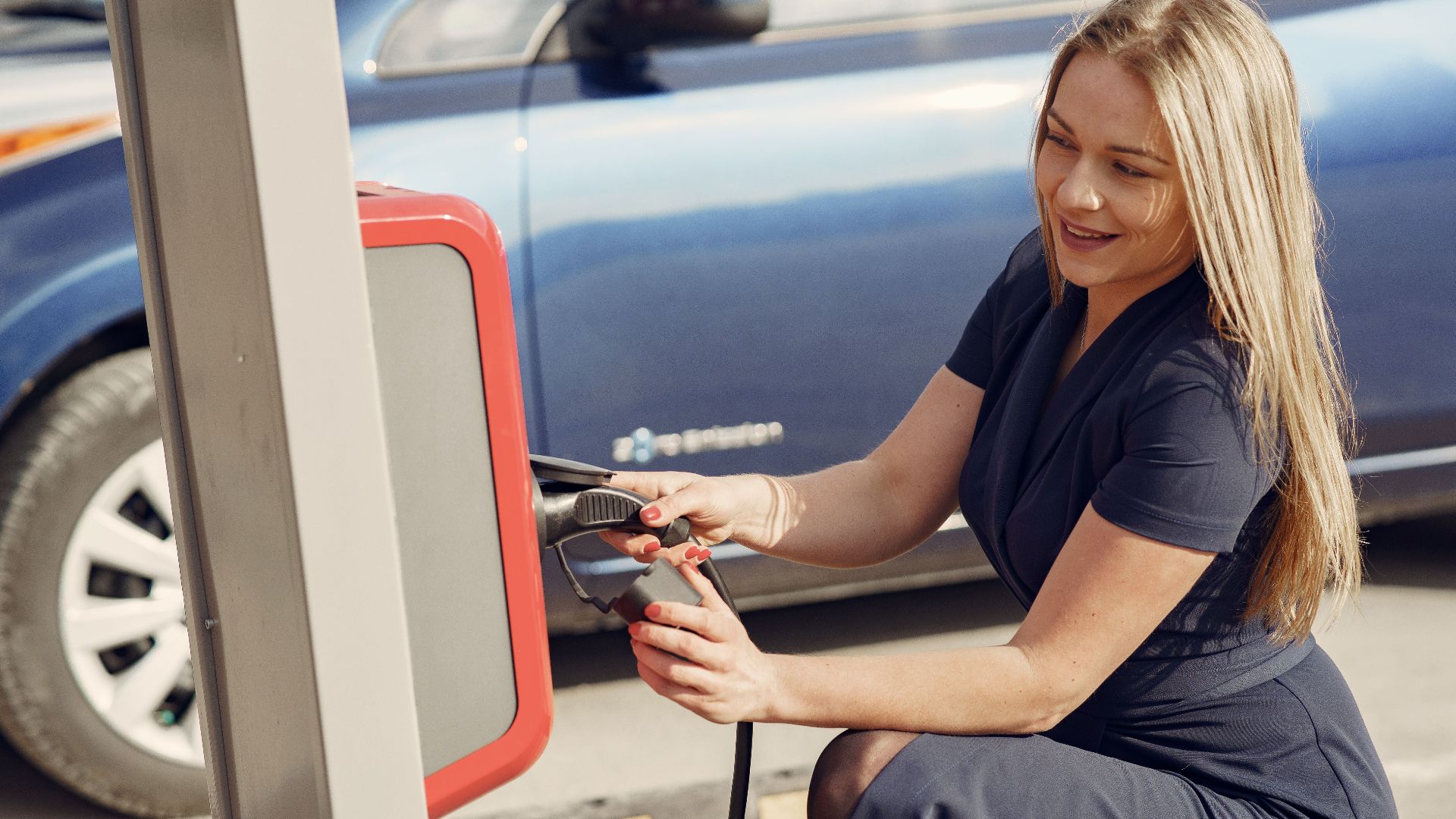
The Catch Is Charging Speeds Vary Wildly
Not every car charges at the same speed. Battery size, onboard charger limits, state of charge, and charger power all affect how long a session takes. That makes a one-size-fits-all fee clock especially rough, because one driver may finish before midnight while another may need most of the night just to get enough charge for the next day.
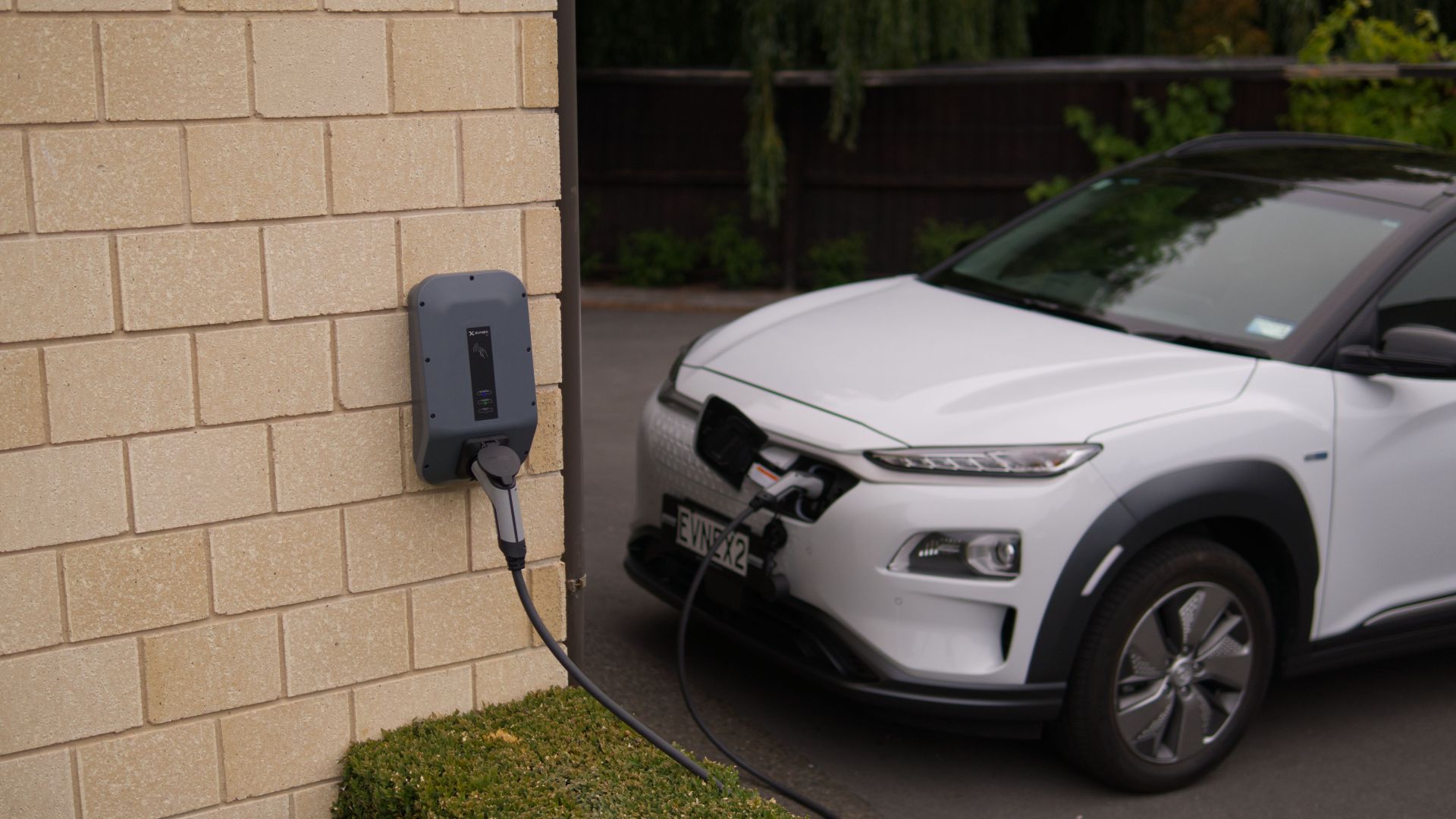
A Huge Hourly Fee Changes The Math
A modest idle fee might push people to move their cars when they reasonably can. A huge hourly fee can turn into punishment fast, especially across six to eight hours of sleep. Once the fee is far higher than the cost of the electricity itself, it is fair to ask whether the policy is really about access or just about revenue.
Notice And Disclosure Matter A Lot
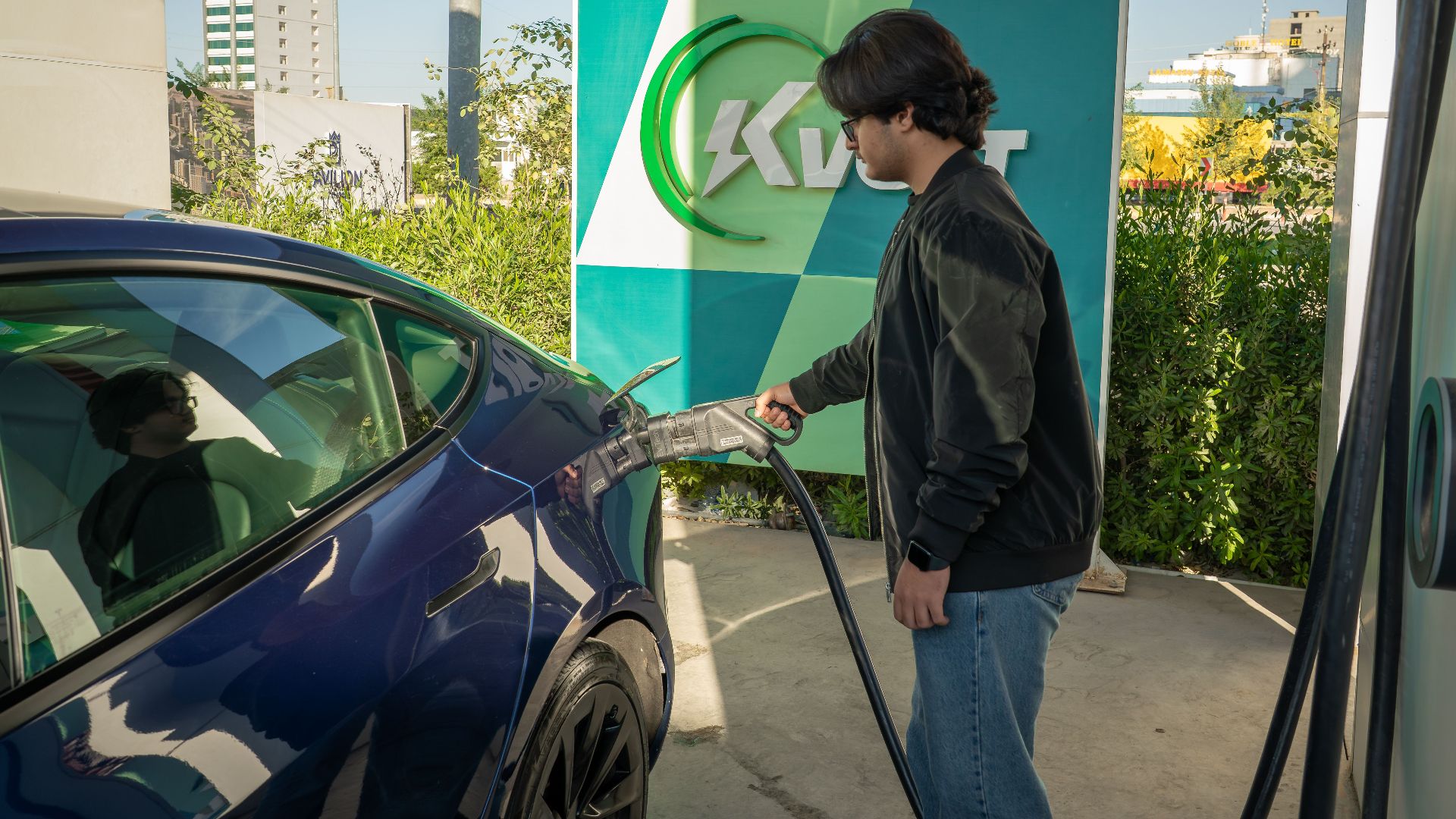
If the building clearly disclosed the fee before residents signed up to use the chargers, that helps its case. If the fee shows up only in small print in an app or after the first charging session, that is a much weaker position. When charges can snowball overnight, clear rules are the minimum.

Timing Matters Too
A policy that starts idle fees the second charging ends is more aggressive than one with a grace period. Some networks and property owners give drivers time to return before charging them extra. In an apartment building, a grace period that runs into normal waking hours is often much more reasonable than starting the clock at 2 a.m.

The Best Apartment Policies Usually Look Different
The best residential charging setups usually do not rely on punishment alone. Better options include reservable charging windows, rotating assigned nights, lower overnight rates, or idle fees that start in the morning instead of the middle of the night. Those approaches treat the charger as both a utility and a shared amenity.
 Haberdoedas Photography, Pexels
There Is Also A Fairness Issue Between Residents
Not every resident can easily go move a car in the middle of the night. Older residents, people with disabilities, parents with small children, and people working overnight shifts may be hit harder than others. A rule can sound neutral and still be unfair in practice.

What To Ask Your Landlord First
Start with the basics: who set the pricing? If the chargers run on a network like ChargePoint, the building owner or property manager may control the idle fee structure. Then ask how many complaints they have received, whether the fee can be lowered, and whether they have considered an overnight exemption for residents.

Ask For Data, Not Just Explanations
This is where the discussion gets more useful. Ask how often chargers are actually blocked overnight, how many EVs share the stations, and when demand is highest. If management cannot show a real overnight congestion problem, a steep sleep-hours penalty becomes much harder to justify.

Suggest A Better Alternative
Residents usually get farther by bringing solutions, not just complaints. A morning-start idle fee, a reservation app, assigned charging nights, or a four-to-six-hour overnight grace period could ease the access problem without punishing people for being asleep. If a building wants turnover, it should use tools that fit residential life.

Check Your Lease And House Rules
It is also worth reading the lease, garage addendum, and EV charging agreement closely. Whether a fee can be enforced may depend on what was disclosed and what residents agreed to. If the policy was added later or changed in a major way, residents may have a stronger case to challenge it.

State And Local Rules Could Help
Depending on where you live, landlord-tenant law, consumer protection law, or local EV charging rules may matter. California is one of the clearest examples that lawmakers are taking apartment and condo charging seriously. Even outside California, local utility commissions or housing agencies may have useful guidance.

What Counts As Reasonable
A reasonable idle fee in an apartment building should reflect how people actually use chargers where they live. That usually means clear disclosure, a real grace period, and pricing that encourages turnover without turning sleep into a penalty. A huge hourly fee that starts in the middle of the night usually fails that basic common-sense test.
When An Idle Fee Crosses The Line
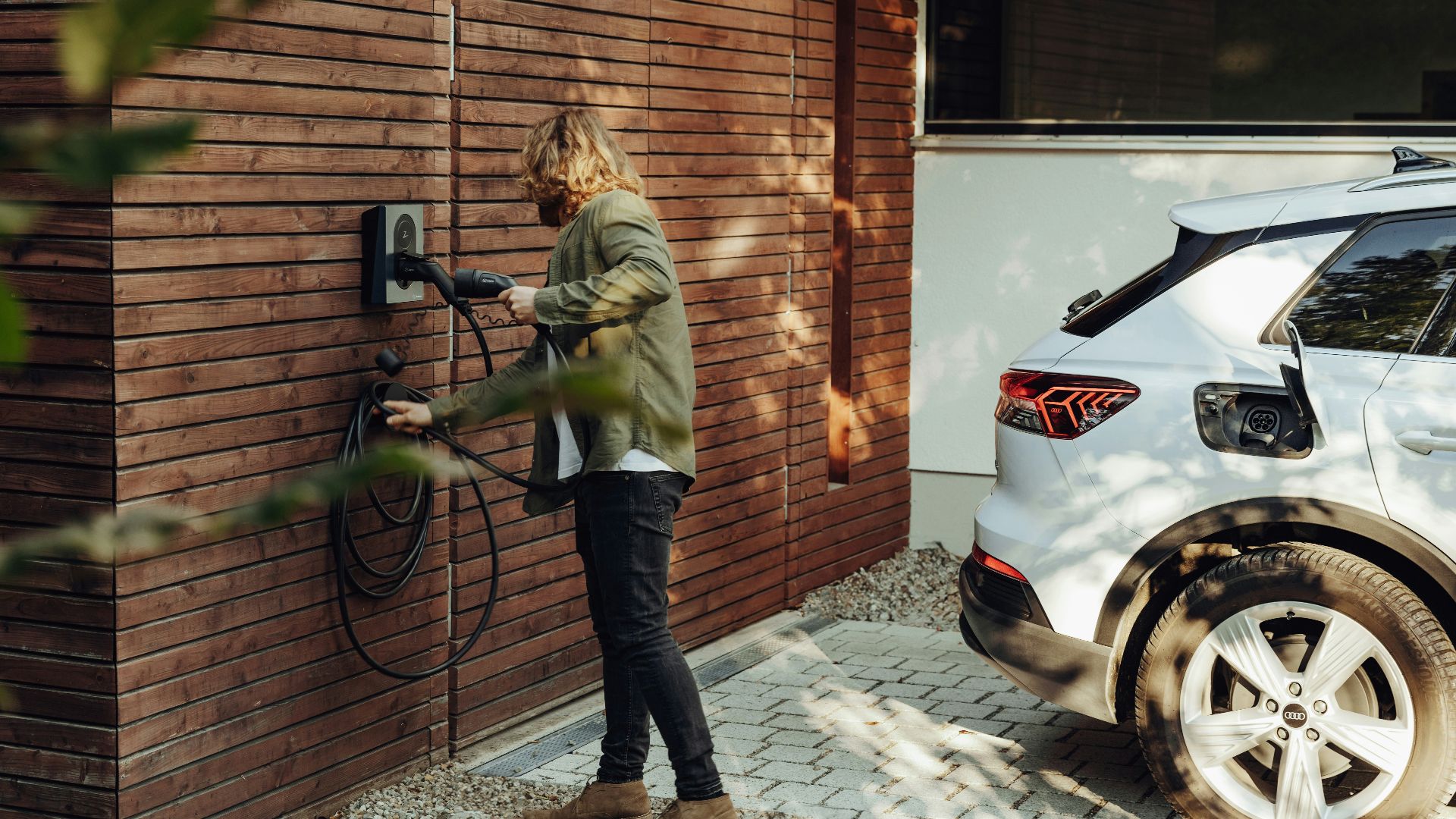
The line is crossed when the fee is so high that residents stop using the charger altogether or wake up to a bill that feels wildly out of proportion to any real problem they caused. At that point, the policy is not just managing access. It is undercutting the value of the amenity the building offered in the first place.
The Bottom Line For EV Renters
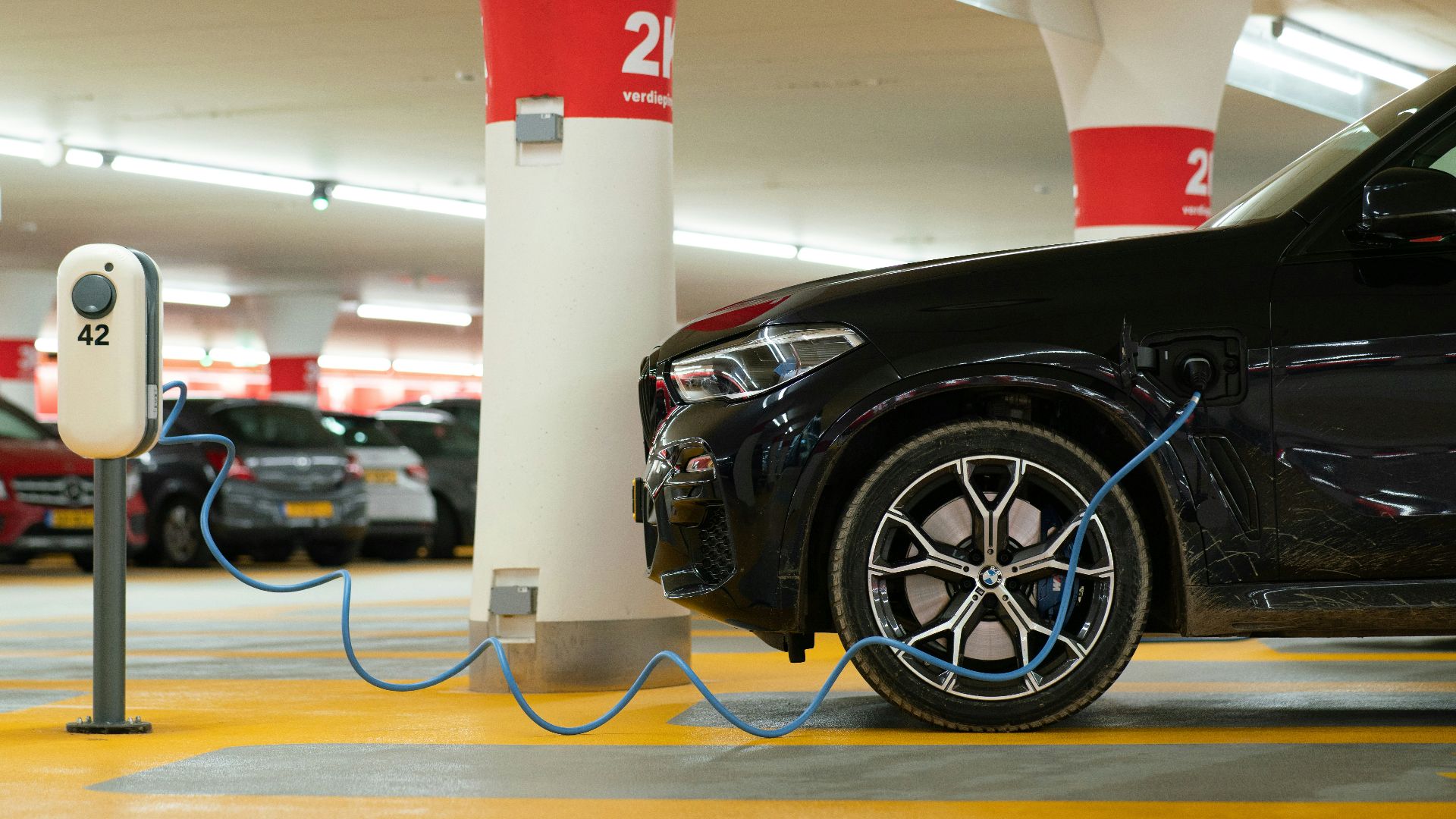
Yes, idle fees can be reasonable in the right setting. But in apartment buildings, where overnight charging is normal and residents are asleep, a steep hourly idle fee is often a bad fit unless there is clear notice, real demand pressure, and a sensible grace period. If a building wants to support EV adoption instead of making it harder, the policy should work more like home charging and less like a crowded public fast charger.