
It Feels Fine, So Why Did It Fail?
The engine starts just fine, fuel economy seems normal, and there isn’t a puff of suspicious smoke anywhere. Then the emissions station plugs into the car and fails it because of a computer code.
That can feel ridiculous, especially when nothing seems mechanically wrong from behind the wheel. But modern emissions inspections don’t only look for obvious symptoms, and the code itself may be telling you about a problem long before the car starts driving badly.
“Runs Fine” And “Emissions System Is Fine” Aren’t The Same Thing
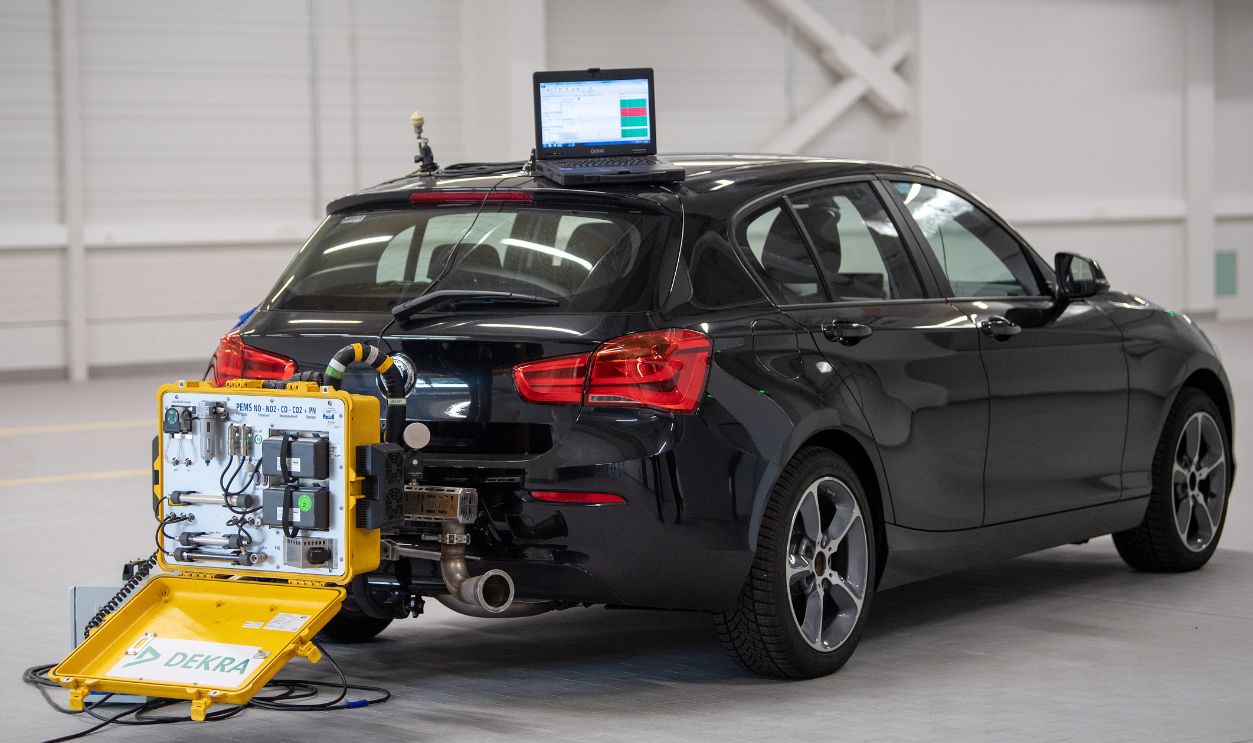
Modern engines can compensate remarkably well when something starts going wrong. The computer continually adjusts fuel mixture, ignition timing, and other functions, so an emissions-related component may deteriorate without creating an obvious drivability problem. EPA guidance specifically notes that OBD systems can identify faults before drivers notice any symptoms. In other words, a smooth idle and normal acceleration don’t necessarily mean every emissions component is working correctly.
 picture alliance, Getty Images
The Car Is Testing Itself While You Drive
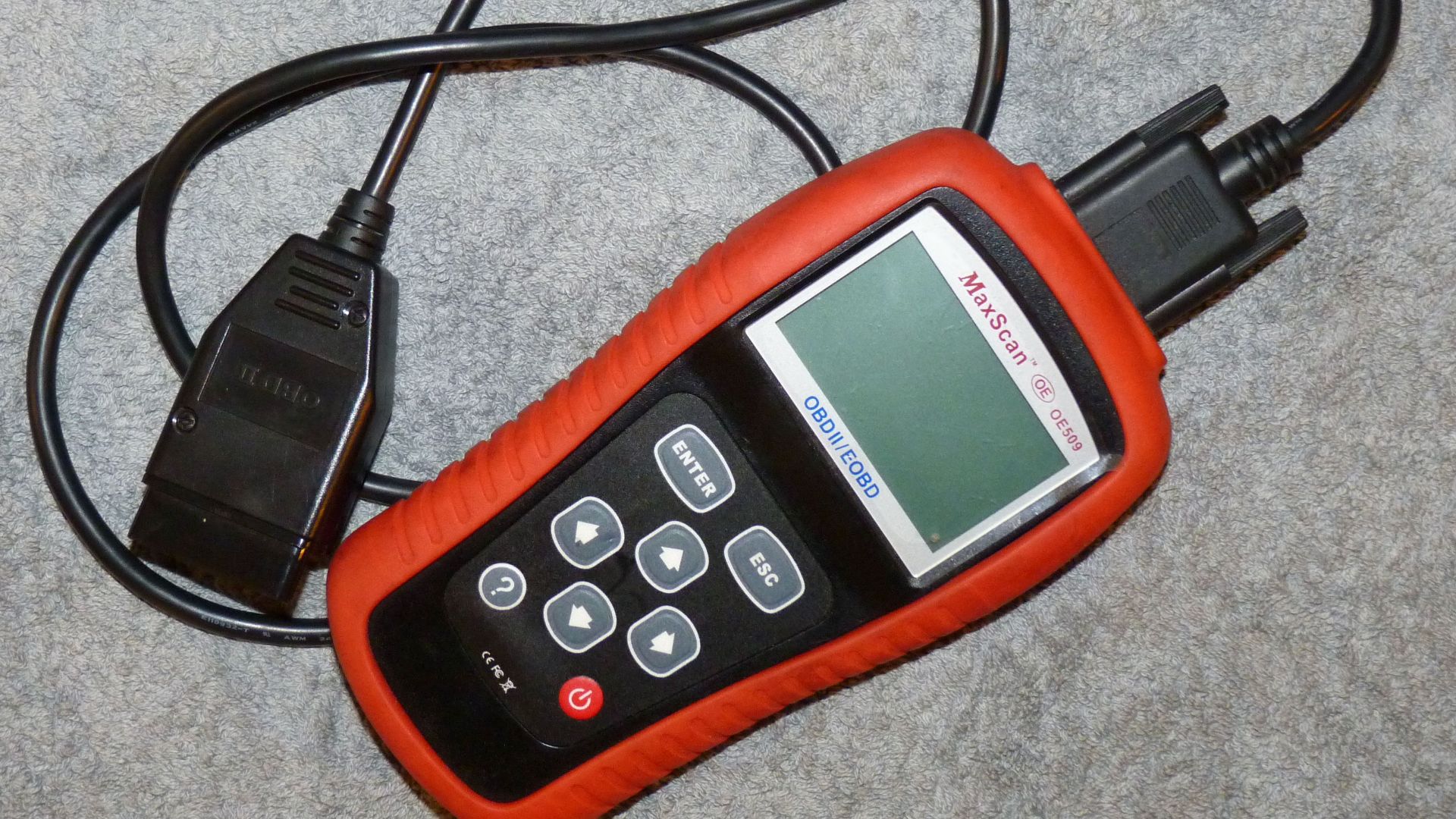
On-board diagnostics, usually called OBD II on 1996-and-newer gasoline vehicles, constantly monitors systems that can affect emissions. Depending on the vehicle, that can include oxygen sensors, fuel controls, catalytic converters, evaporative-emissions equipment, misfires, and other components. When the computer decides something isn’t operating within expected limits, it stores diagnostic information and may turn on the check-engine light.
Start With The Actual Inspection Report
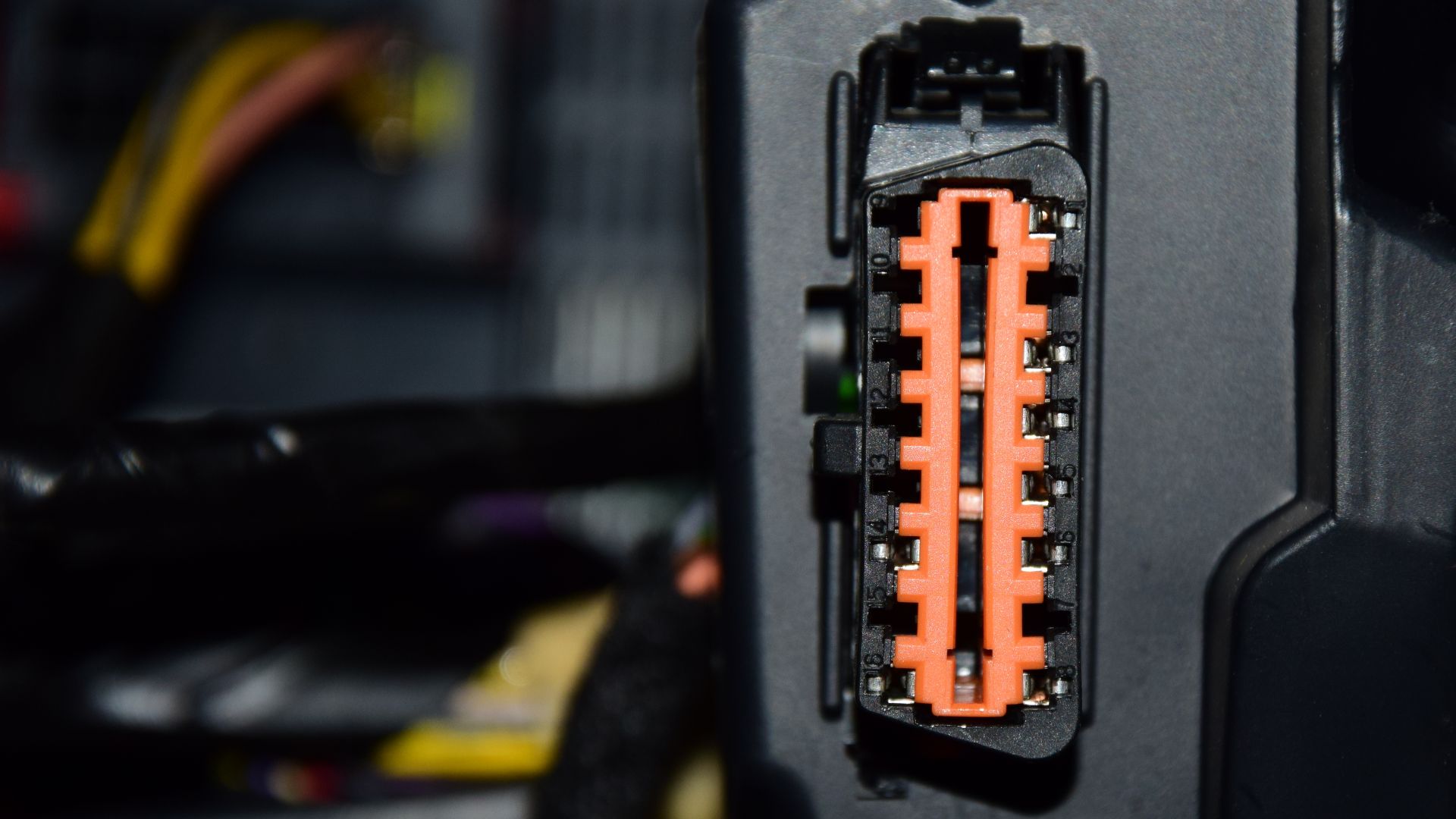
Don’t leave the emissions station knowing only that your car “has a code". Get the Vehicle Inspection Report or whatever equivalent your state provides and identify exactly why the vehicle failed. Was the check-engine light commanded on? Was there a diagnostic trouble code? Were too many readiness monitors incomplete? Did the inspection equipment fail to communicate with the car? Those problems require very different fixes.

Write Down Every Trouble Code
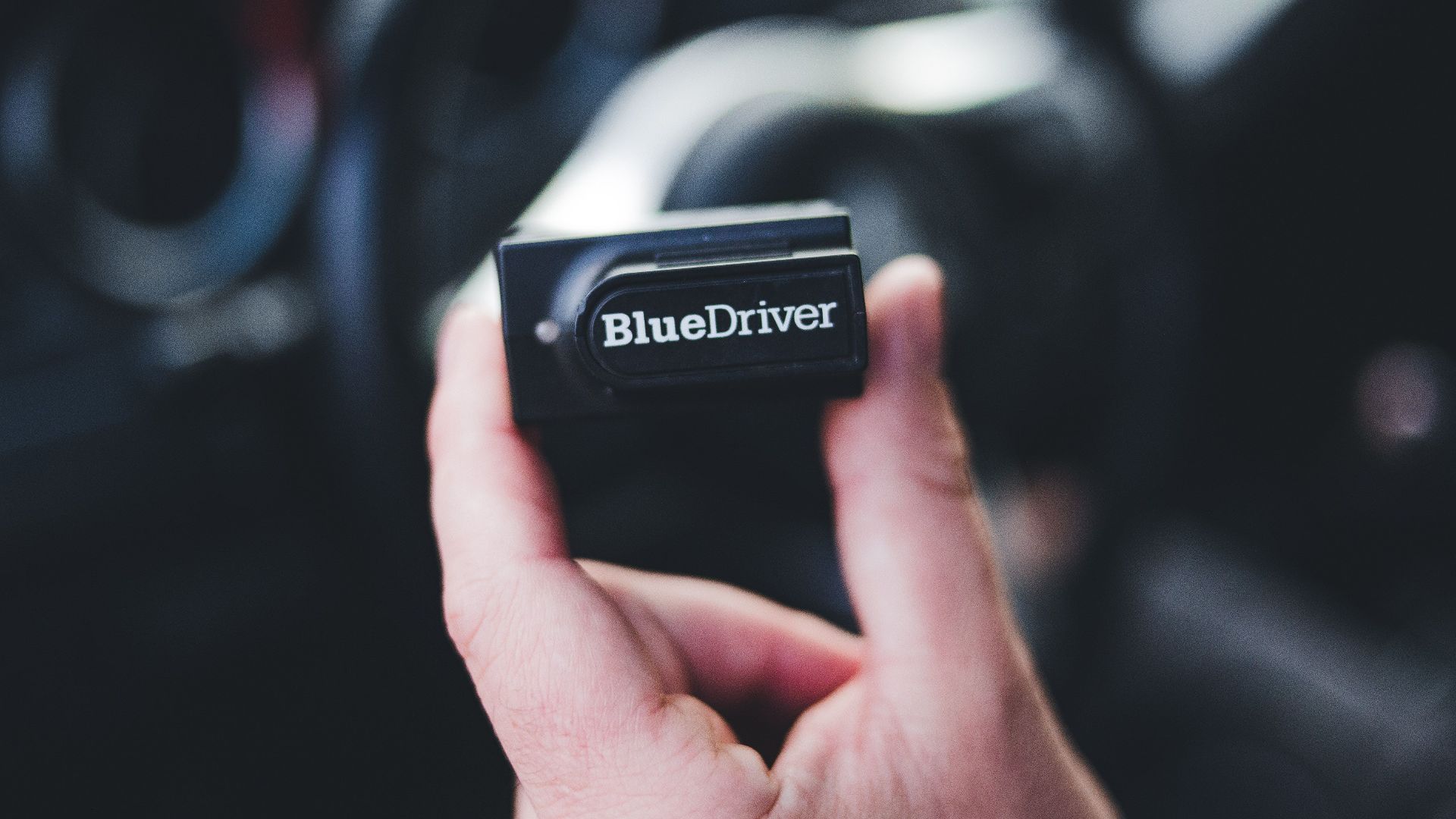
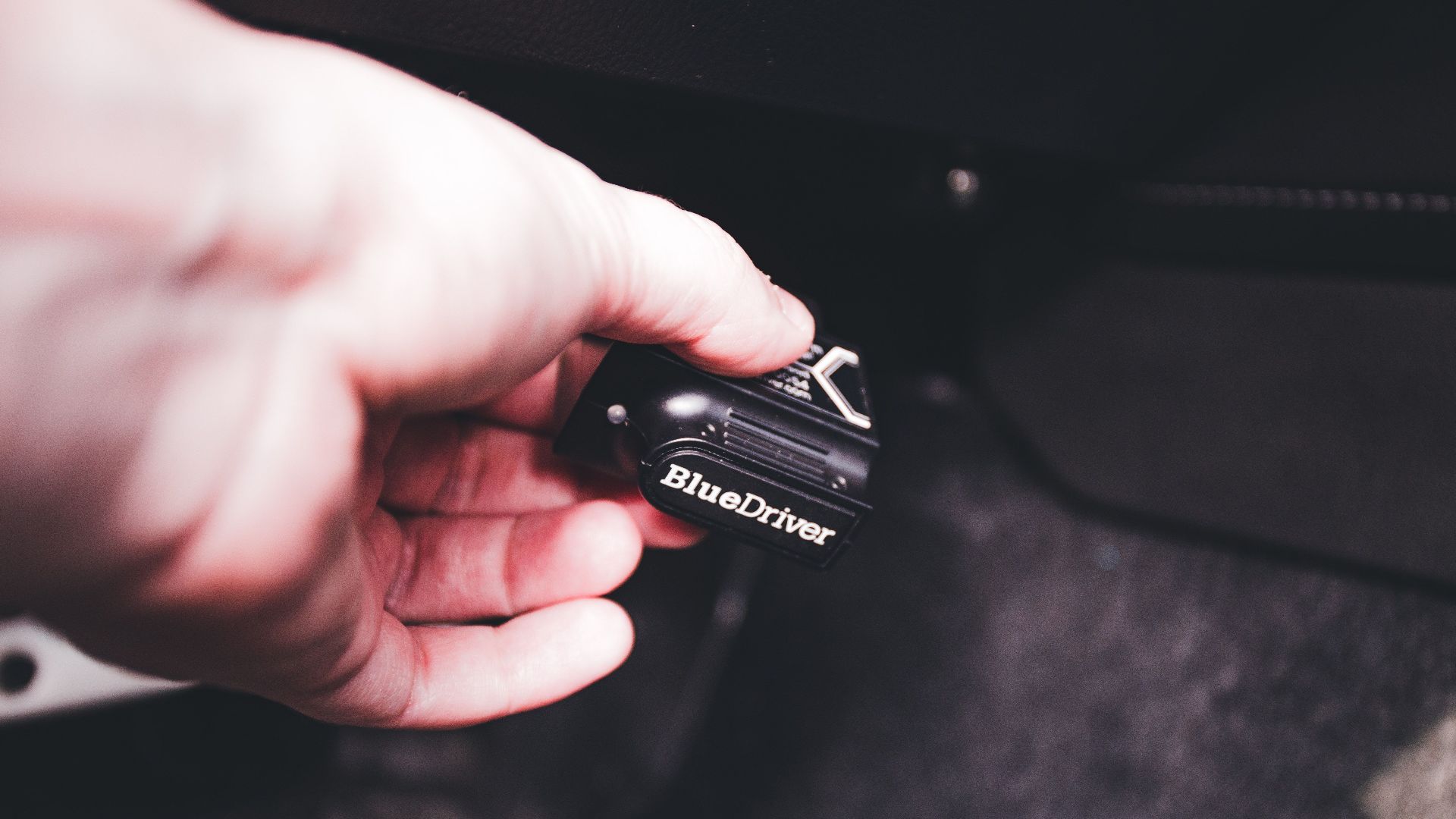
Diagnostic trouble codes usually look something like P0300, P0420, or P0455. Save the exact numbers rather than relying on a description such as “oxygen sensor problem". Many inspection programs print the codes on the failure report, and an independent scan tool can retrieve them as well. The number gives a technician a starting point for diagnosis and makes it much easier to research whether the vehicle has a known issue.
A Trouble Code Isn’t A Parts Order
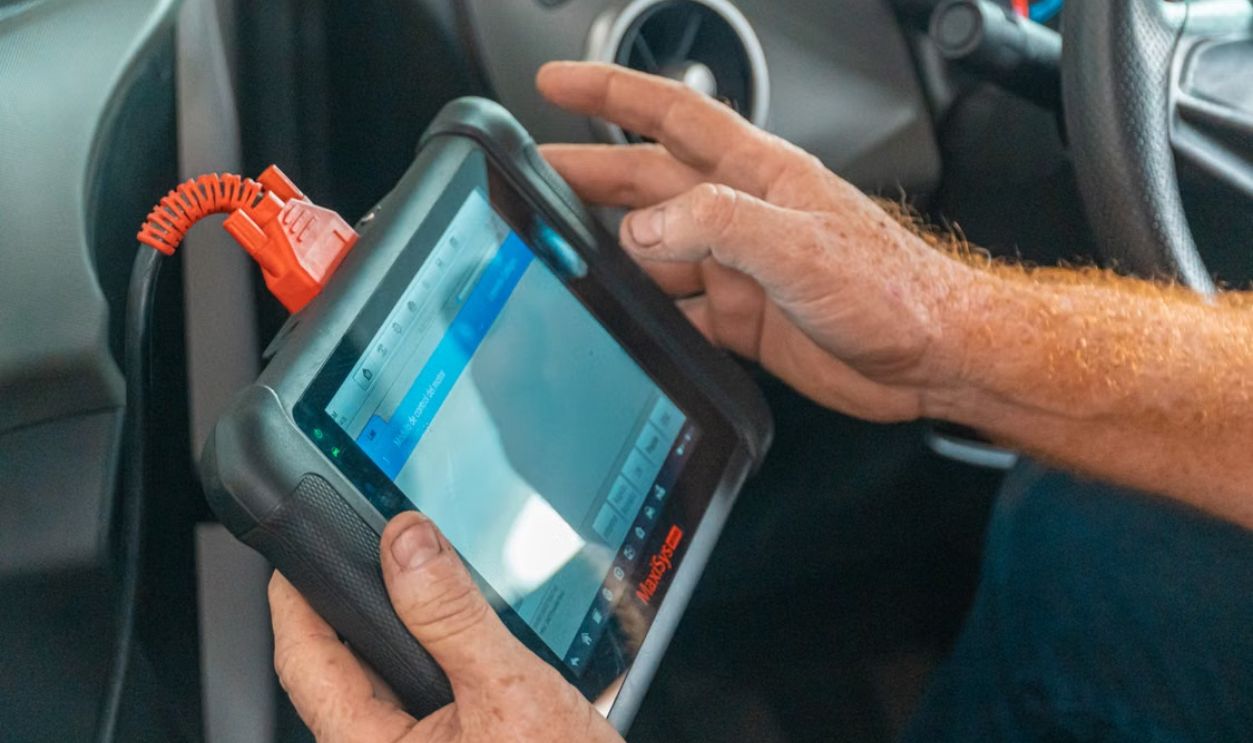
This is one of the most important things to understand. If a scanner displays a code referring to an oxygen-sensor circuit, that doesn’t necessarily mean replacing the oxygen sensor will fix the car. Wiring, connectors, exhaust leaks, fuel-mixture problems, or another component could be responsible. Likewise, a catalytic-efficiency code doesn’t automatically mean the catalytic converter itself has failed. Diagnose the system before authorizing expensive parts.
 Jose Ricardo Barraza Morachis, Pexels
Ask What Actually Triggered The Failure
Sometimes the trouble code is only part of the story. Many OBD inspection programs look at whether the malfunction indicator lamp, better known as the check-engine light, is commanded on by the computer. California, New York, Texas, Virginia, and other emissions programs use OBD information as part of their inspections. If the computer says an emissions fault is active, a car can fail even if the engine feels completely normal.
Readiness Monitors Can Fail You Too
The computer also runs a series of self-tests known as readiness monitors. These check whether emissions systems have had an opportunity to test themselves successfully. If too many monitors show “not ready,” an inspection program may refuse to pass the vehicle even when the check-engine light is currently off. Exactly how many incomplete monitors are allowed depends on the state, vehicle year, and fuel type.
Don’t Clear The Codes Right Before The Test
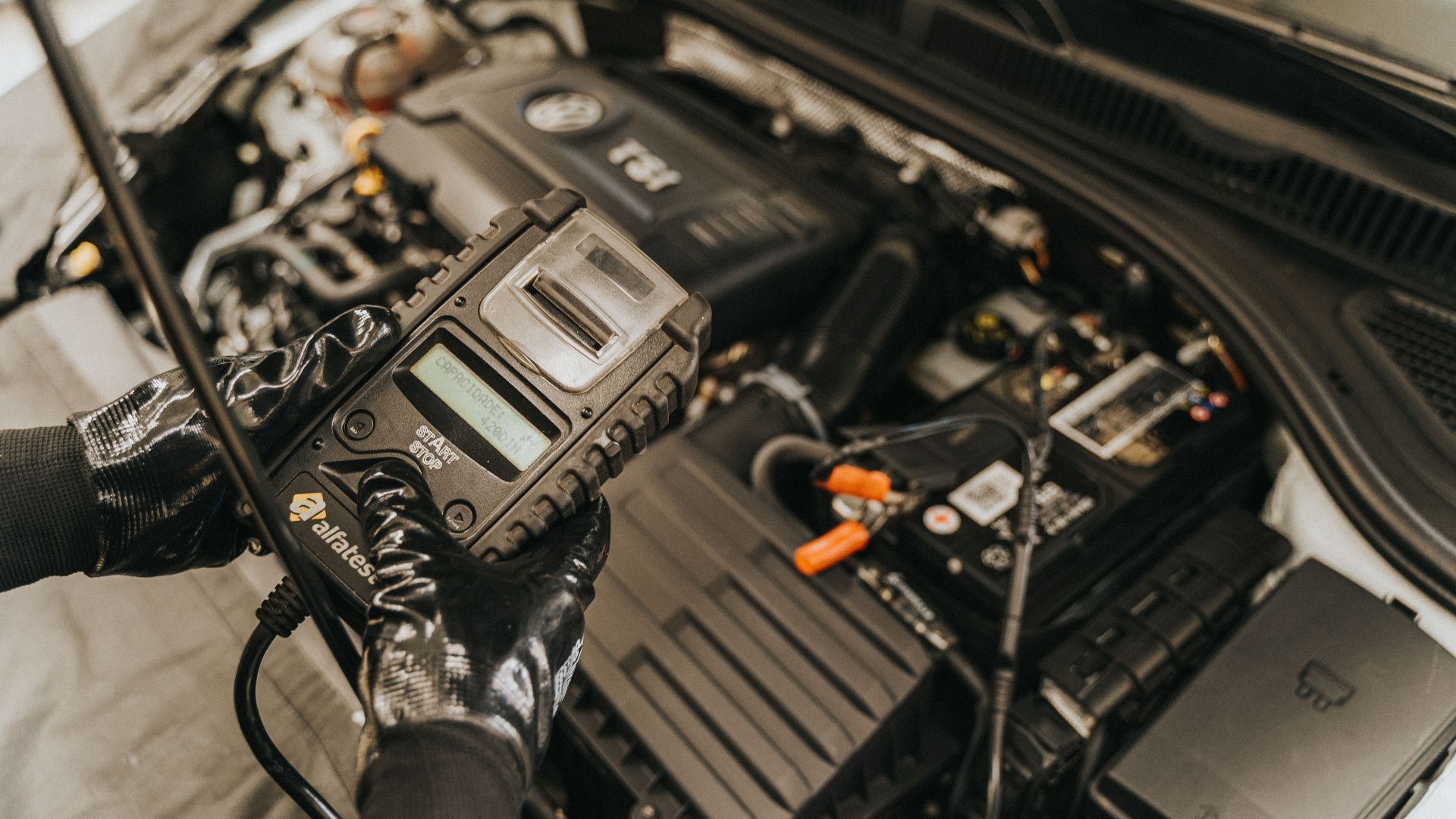
It’s tempting to erase the trouble code with a cheap scanner and drive straight back to the emissions station. That usually doesn’t solve anything. Clearing codes also resets readiness monitors, which tells the inspection system that the car hasn’t finished testing itself yet. Disconnecting the battery can have the same effect. You may trade a check-engine-light failure for a “not ready” failure.

The Car May Need A Drive Cycle After Repairs
Once the actual problem has been repaired and the codes have been cleared, the vehicle needs time to rerun its self-tests. That might happen during ordinary driving, or the manufacturer may specify particular operating conditions involving speed, coolant temperature, acceleration, cruising, and deceleration. Some monitors complete quickly, while others can be stubborn. California warns that certain vehicles may require fairly specific driving conditions before their monitors reset.
 Srdjan Randjelovic, Shutterstock
Sometimes The Fix Really Is Simple
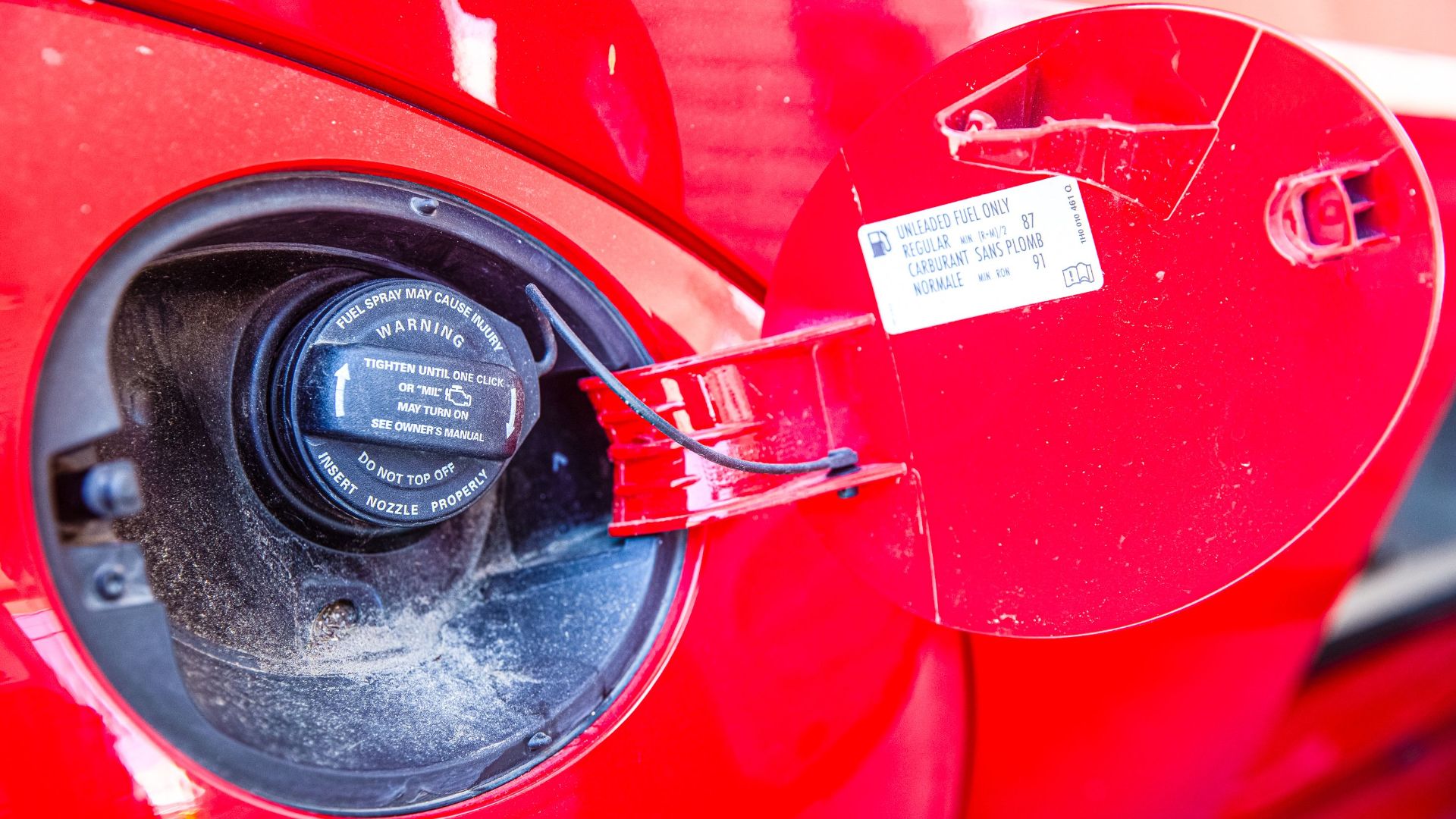
Not every emissions failure is the beginning of a four-figure repair bill. An evaporative-emissions code, for example, may ultimately trace back to a loose or defective fuel cap, a cracked hose, or another comparatively inexpensive problem. That’s another reason not to panic when the scanner produces a frightening-looking code. You need to know what caused it, not merely what subsystem noticed something was wrong.
EVAP Problems Can Be Nearly Invisible
The evaporative-emissions system is designed to prevent gasoline vapors from escaping into the atmosphere. A small leak generally won’t make the engine run badly because it may have little effect on everyday performance. The computer can still detect that the system isn’t sealing or operating correctly, however. This is a perfect example of why “I can’t feel anything wrong” doesn’t necessarily contradict the inspection result.
Oxygen-Sensor Problems May Hide For A While
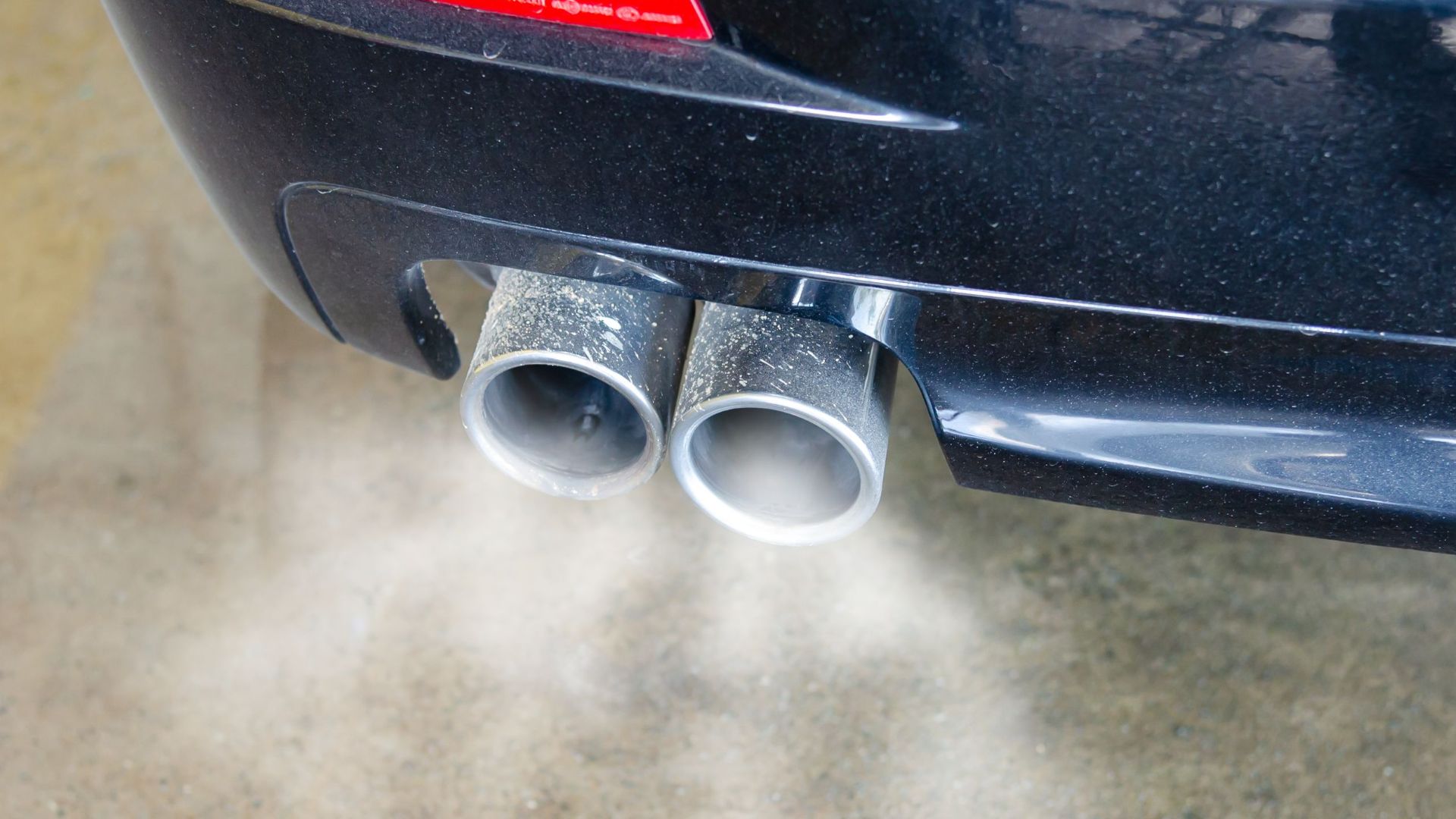
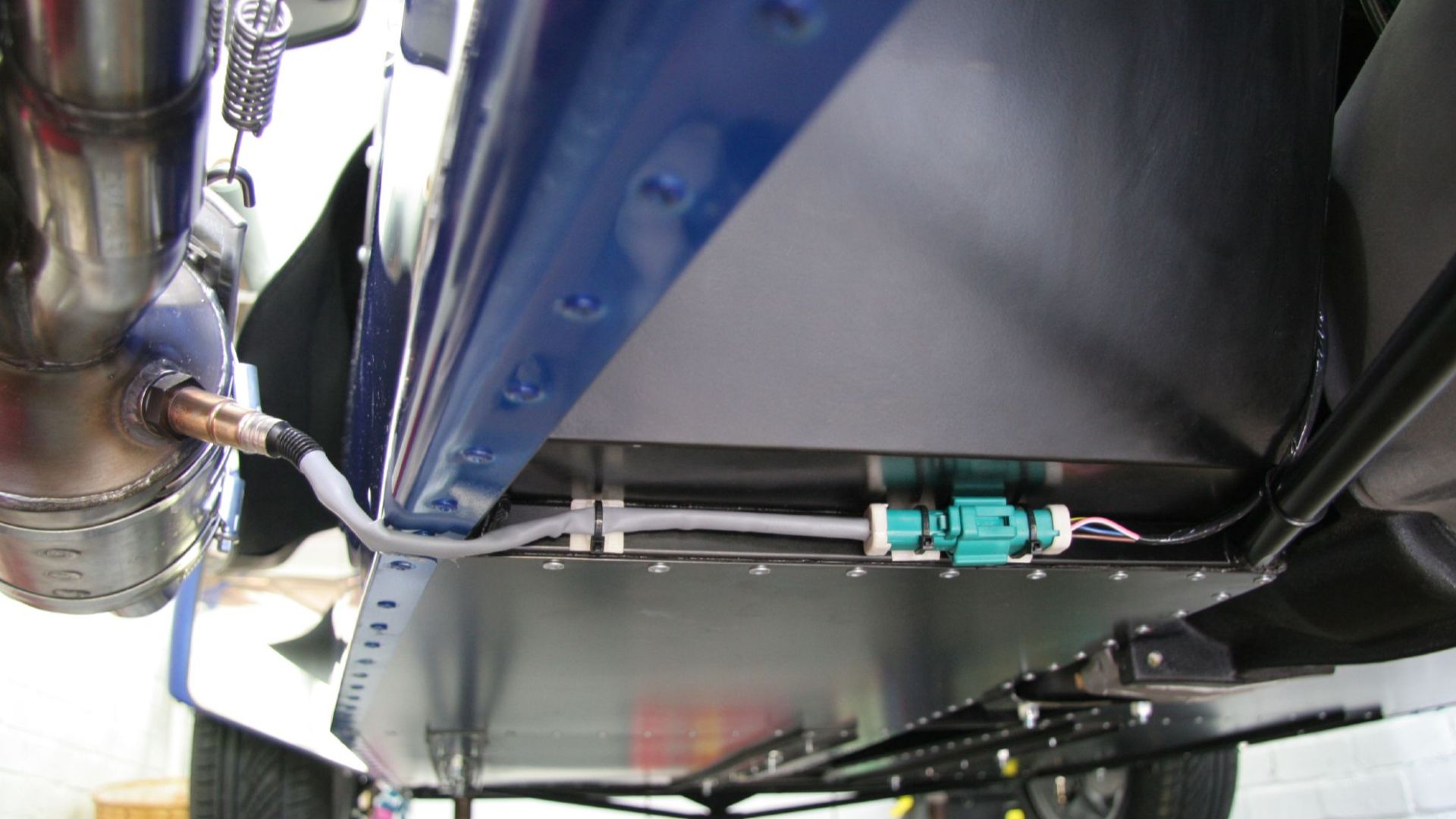
Oxygen sensors help the engine computer monitor combustion and fuel mixture, and their information can also help evaluate catalytic-converter performance. A sensor that becomes slow or inaccurate may trigger diagnostic trouble before the driver notices obvious symptoms. But once again, don’t replace one simply because the code mentions it. A technician should confirm that the sensor itself is actually responsible.
 Brian Snelson from Hockley, Essex, England, Wikimedia Commons
Catalytic-Converter Codes Deserve Proper Diagnosis
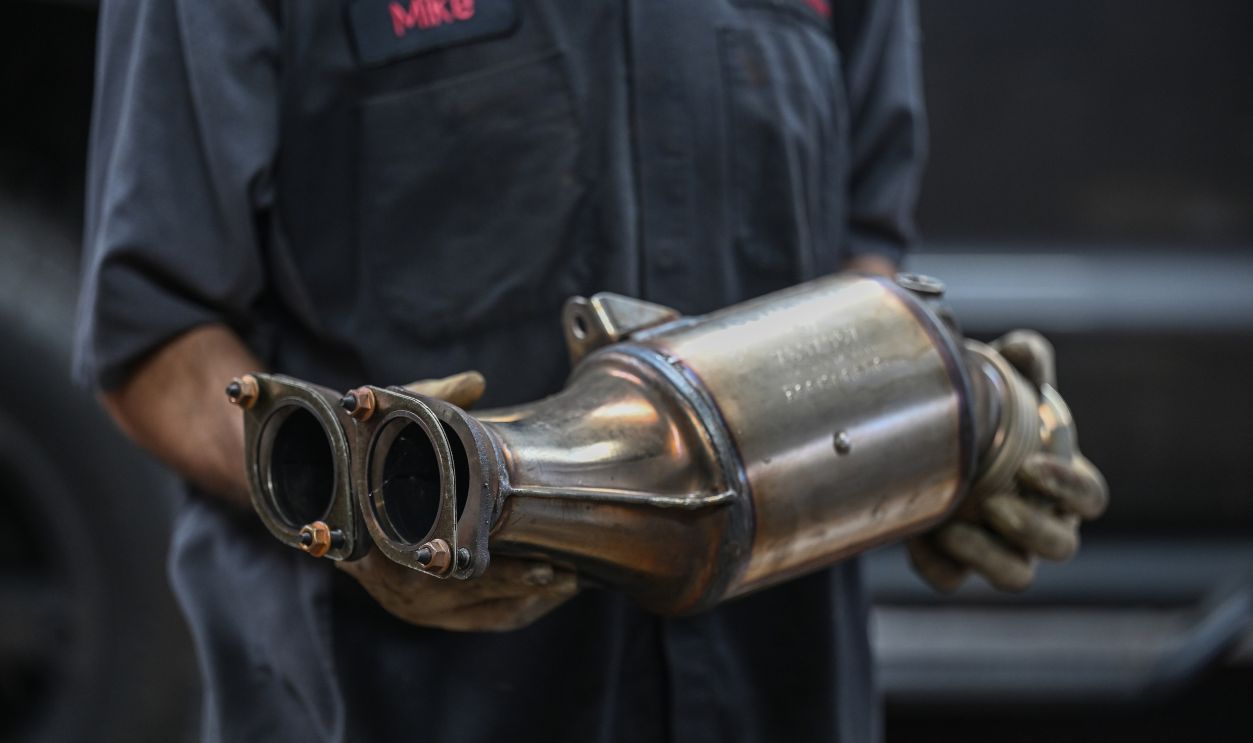
A P0420-style catalyst-efficiency code can make owners immediately picture an expensive catalytic converter. Sometimes the converter really is deteriorated, but other problems can contribute to catalyst-related codes, including exhaust leaks, sensor problems, or engine conditions that damaged the converter in the first place. Replacing an expensive catalyst without correcting the underlying cause can leave you with the same code and a much lighter wallet.
A Misfire Can Be More Urgent
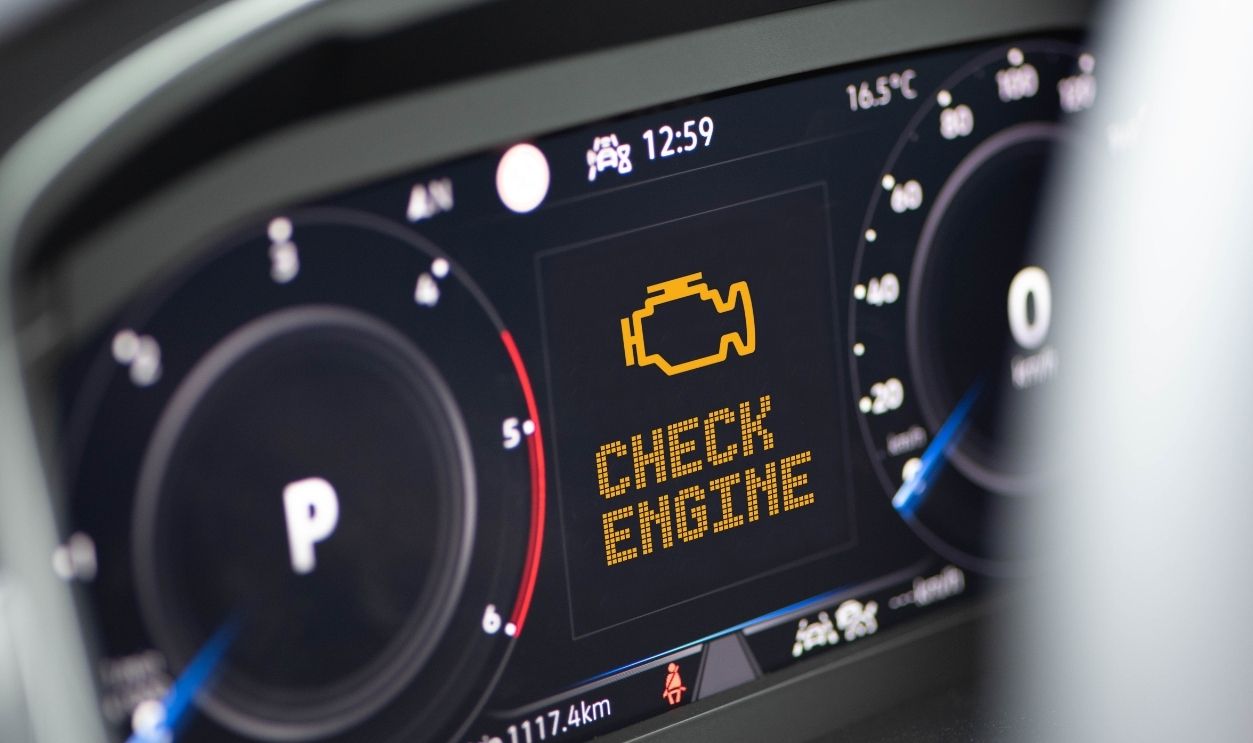
Not every code is something to casually ignore until registration time. A flashing check-engine light often indicates a severe misfire capable of damaging the catalytic converter, and manufacturers generally warn drivers to reduce driving and have the vehicle checked promptly. Misfires can result from ignition, fuel, mechanical, or other problems. If the light is flashing rather than steadily illuminated, this has moved beyond simply preparing for an emissions retest.
 Bartolomiej Pietrzyk, Shutterstock
Pay For Diagnosis Before Playing Parts Roulette
A competent shop should do more than read the same code your $30 scanner found. Depending on the fault, diagnosis may involve checking live data, fuel trims, sensor signals, wiring, vacuum leaks, exhaust leaks, smoke-testing the EVAP system, or performing other tests. Paying diagnostic labor can feel annoying when the car seems fine, but it can be much cheaper than replacing three perfectly good parts because the internet said each one “might fix P0420".
Ask For The Diagnosis In Writing
Before approving a costly repair, ask the shop to explain what testing it performed and why it believes the recommended part will solve the emissions failure. Get the estimate in writing and keep the original failure report. This documentation can become particularly important if you need an emissions waiver, repair assistance, warranty coverage, or proof that qualifying repairs were attempted.

Check The Federal Emissions Warranty
If the vehicle is relatively new, don’t automatically pay out of pocket. Federal emissions warranties apply to qualifying vehicles, including used ones while they remain within the applicable time and mileage limits. EPA guidance says specified major emissions components, including catalytic converters, the electronic emissions control unit, and the onboard diagnostic device or computer, receive federal coverage for 8 years or 80,000 miles, whichever comes first.

Your Warranty Booklet May Offer More
The federal minimum isn’t always the entire story. Manufacturers can provide longer coverage, and states such as California have additional emissions-warranty requirements for qualifying vehicles. Pull out the warranty booklet or look up the VIN before authorizing a major emissions repair. A shop that isn’t affiliated with the manufacturer may not automatically tell you that the part could still be covered by a factory emissions warranty.

Whether You “Have To” Fix It Depends On Where You Live
Emissions inspection rules are state and sometimes county specific. In areas that require a passing emissions inspection for registration or renewal, simply deciding the code doesn’t bother you usually won’t make the problem disappear. New York, for example, warns that vehicles failing required emissions inspections can run into registration problems. California likewise requires qualifying vehicles to pass Smog Check requirements before many registration transactions can be completed.

You Don’t Necessarily Have To Use The Test Station For Repairs
An emissions failure doesn’t generally mean the inspection shop gets a blank check to repair the vehicle. Rules differ, but programs such as New York’s allow owners to take the car elsewhere for repair and then return for inspection. Get another estimate if the recommendation seems questionable, especially for an expensive catalytic converter or complicated electrical diagnosis. Just pay attention to any state-specific rules governing qualifying repairs and retests.
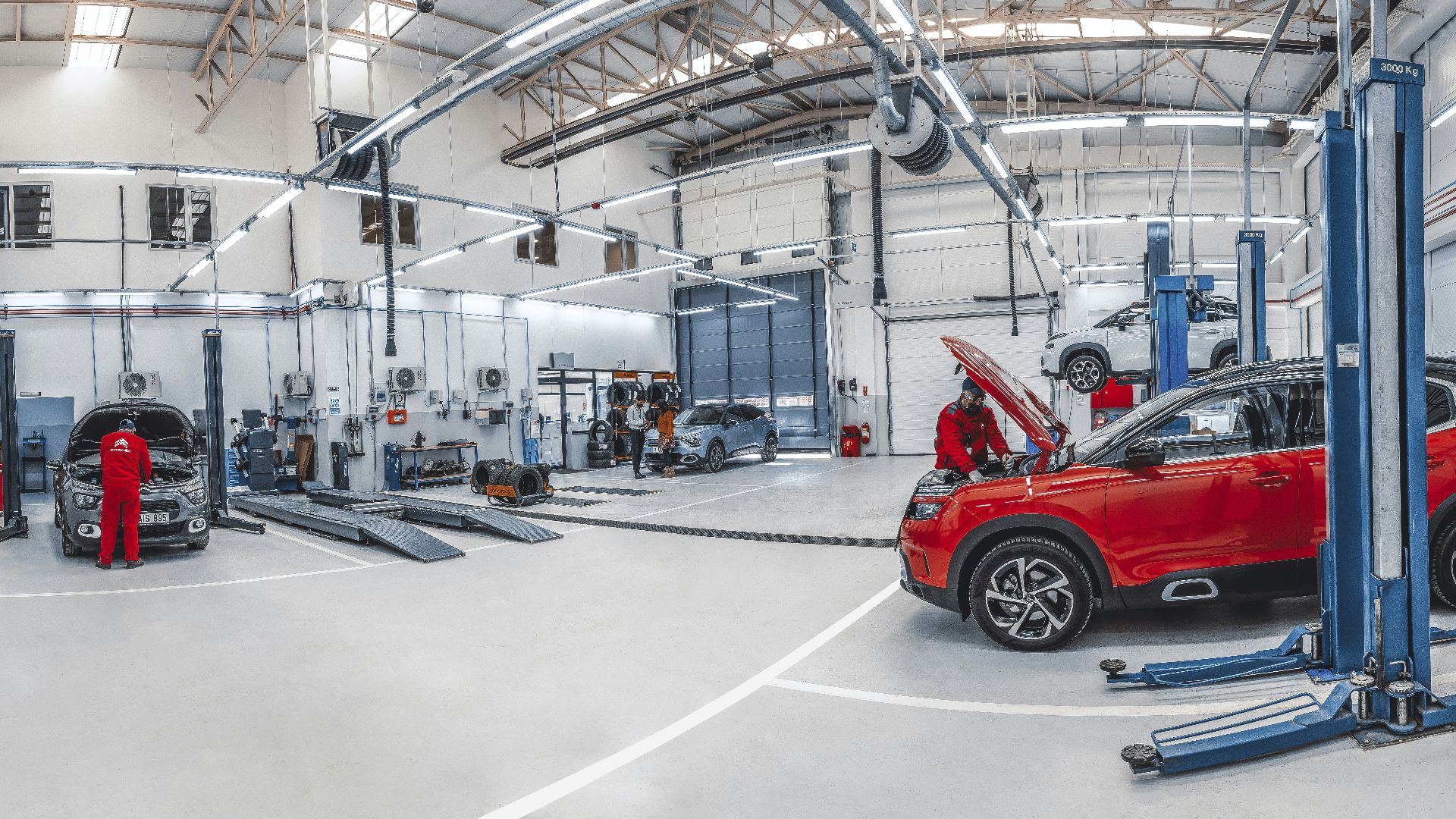
Some States Offer Repair Waivers
If properly attempted repairs don’t make the vehicle pass, certain programs provide limited waiver options. The details can be surprisingly strict. New York currently allows certain OBD II emissions waivers after qualifying repairs totaling at least $450, while Virginia’s repair-cost threshold is much higher and has specific requirements concerning eligible repairs. A waiver isn’t permission to ignore the original failure from day one, so research the rules before spending money if you think you may need one.
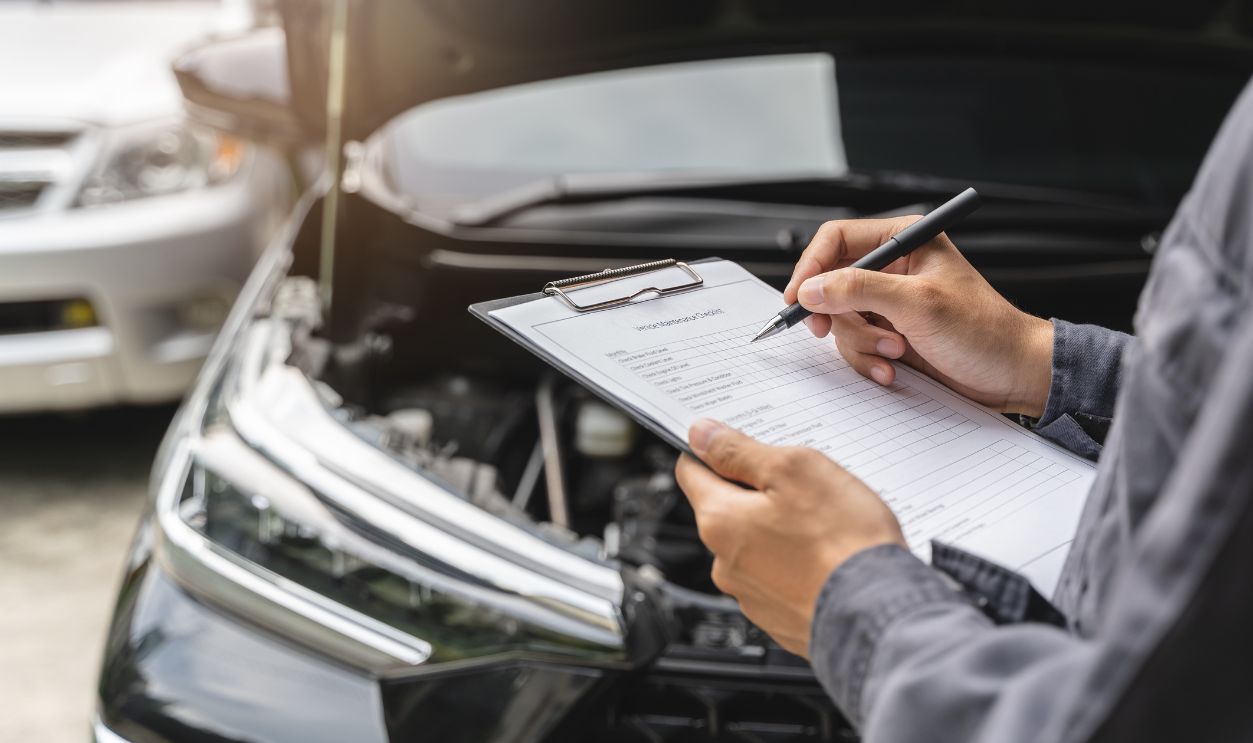
There May Be Help With The Repair Bill
Some areas also operate financial-assistance programs. California’s Consumer Assistance Program, for example, currently offers qualifying owners of 1996-and-newer vehicles up to $1,450 toward emissions-related repairs, subject to income and vehicle requirements. Assistance programs change, so check your state emissions agency before assuming an older car with an expensive emissions fault simply has to be scrapped.

Make Sure The Code Stays Gone Before Calling It Fixed
After the repair, the goal isn’t simply to turn off the light. Drive the vehicle long enough for the necessary readiness monitors to complete and verify that the fault doesn’t return. If the same code reappears, go back to the diagnosis rather than clearing it repeatedly. A successful emissions repair should address the cause of the fault, allow the computer to complete its self-tests, and leave the emissions system reporting normal operation.
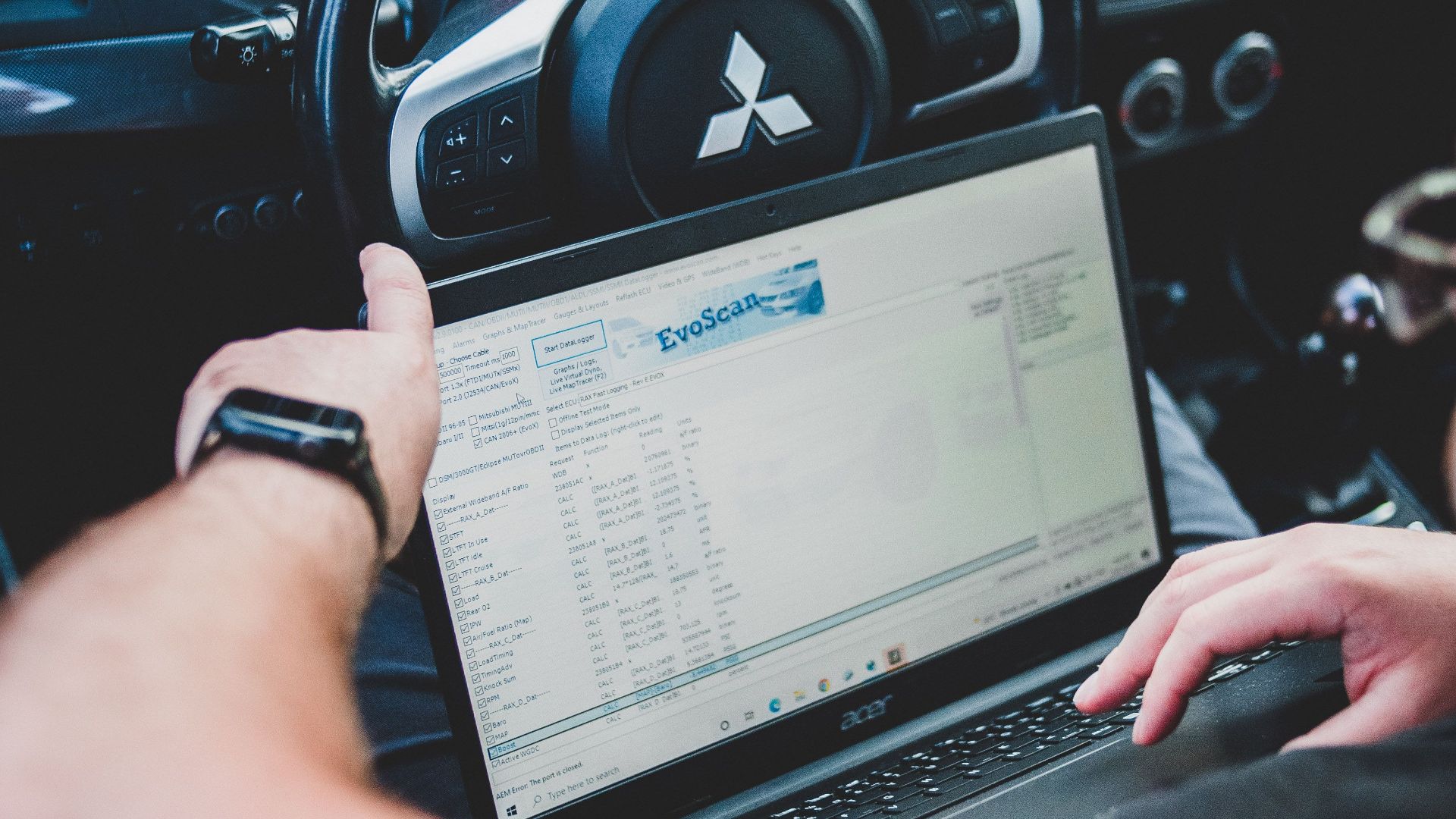
Yes, You May Need A Repair, But Make It The Right One
If your state requires an emissions pass for your vehicle, an active OBD fault usually can’t simply be ignored because the car drives well. But that doesn’t mean you should blindly replace whatever component appears in the code description. Get the exact failure information, diagnose the underlying cause, check warranty and assistance options, complete the required drive cycle, and retest. The computer may have found something you can’t feel yet, but it still has to be interpreted correctly.
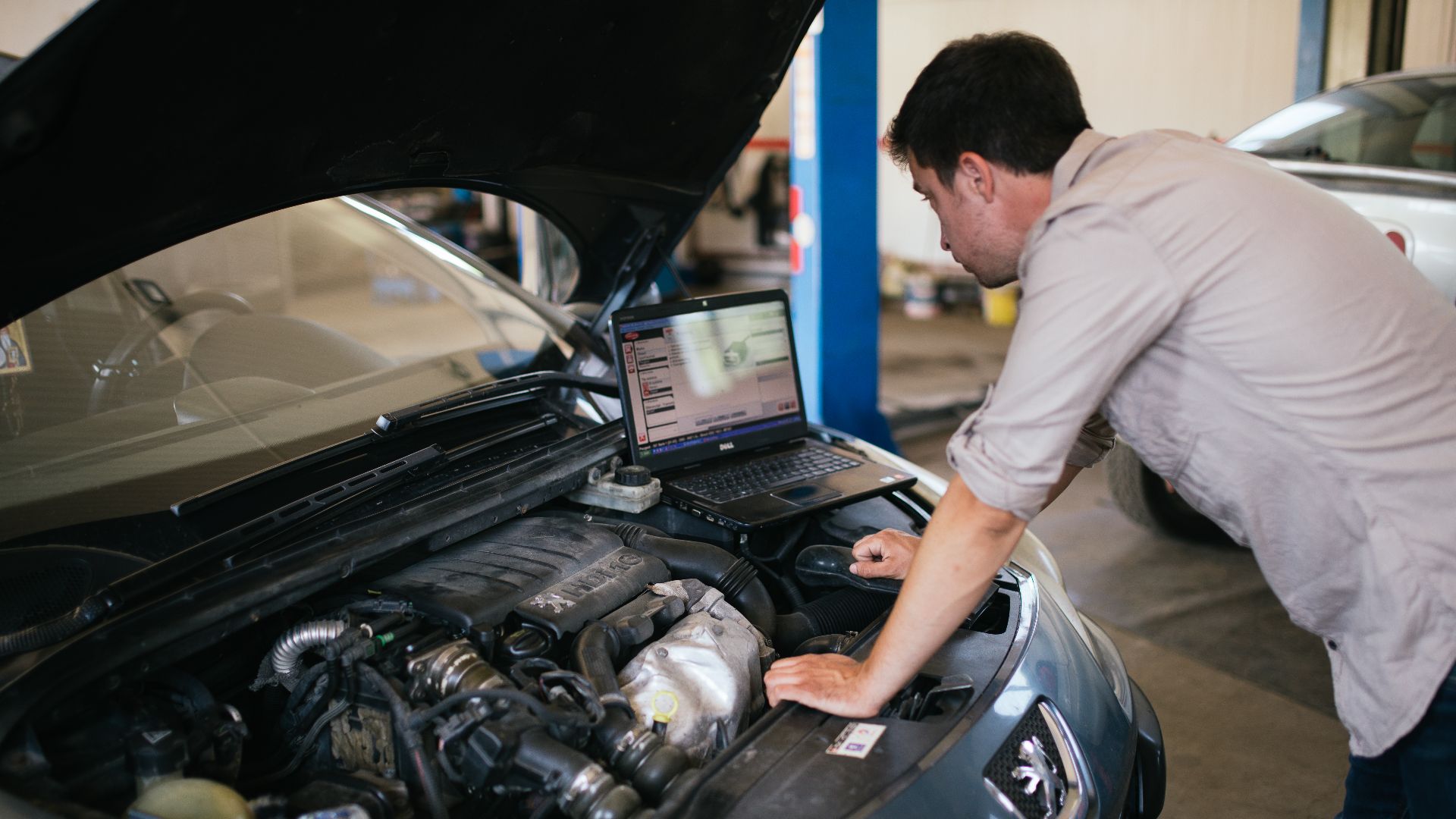 Shixart1985, Wikimedia Commons
You May Also Like:
My car failed inspection because of a tiny rust hole. What happens if I ignore it?