Your Mechanic May Have A Point
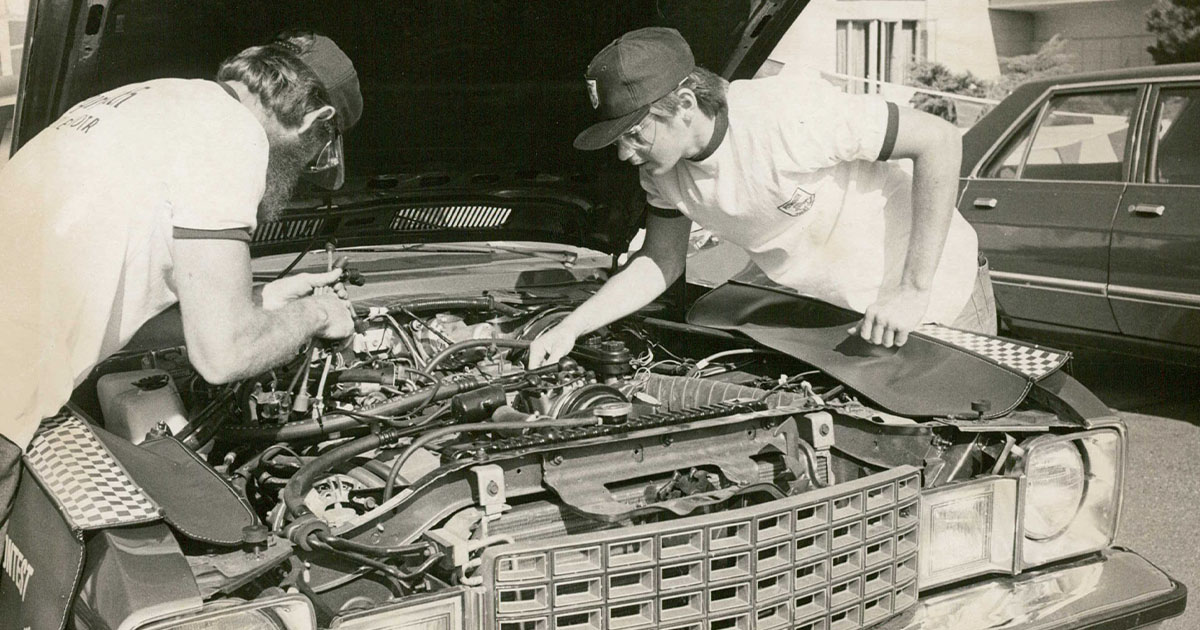
Buying motor oil used to feel pretty simple. Today, grabbing a bottle because the viscosity number looks familiar can be an expensive mistake. Modern engines can run remarkably well for a long time, but many depend on oil engineered for their specific design in ways older engines often did not.
New Engines Aren't Necessarily Fragile
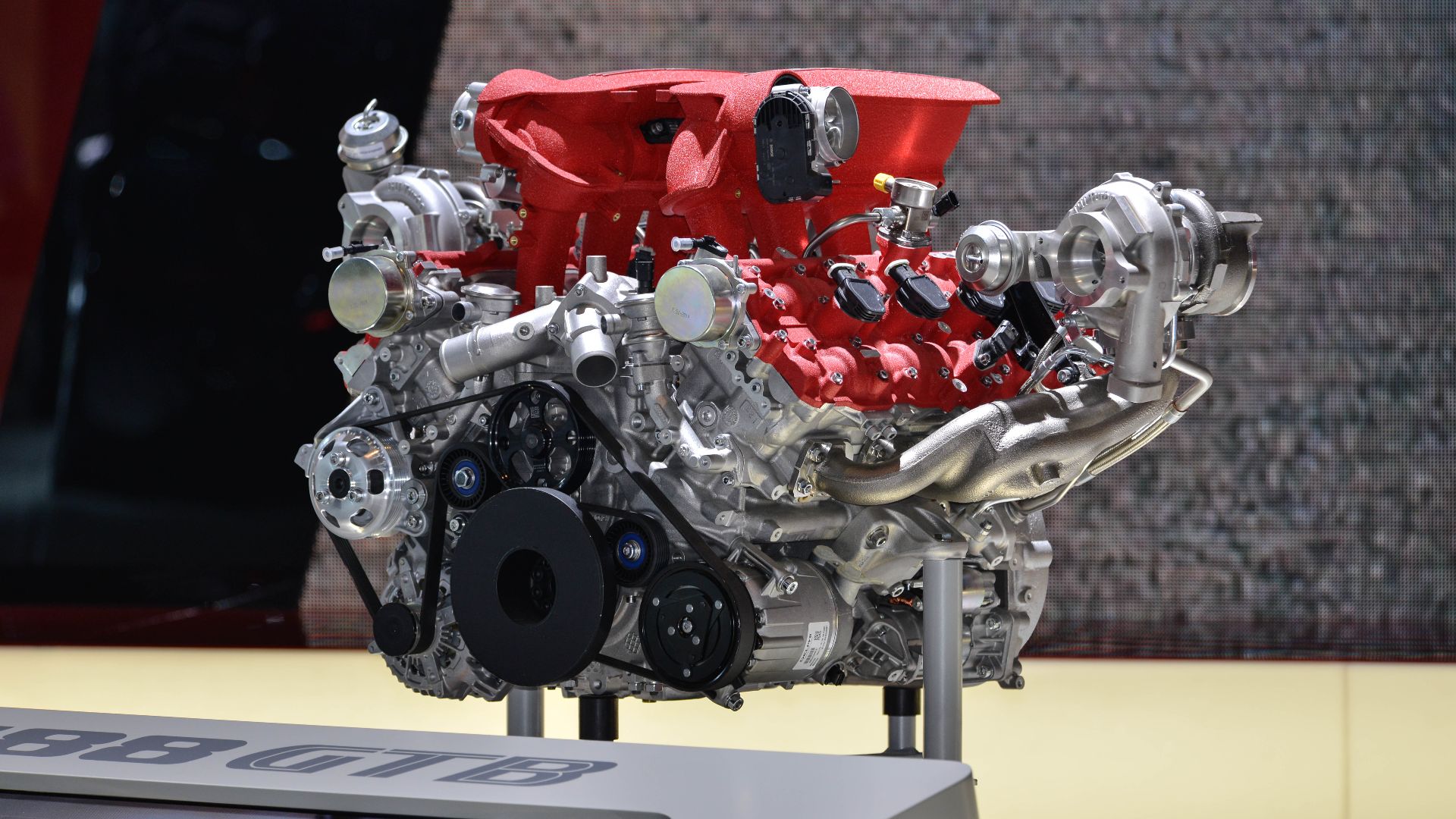
The problem is not that automakers suddenly forgot how to build durable engines. Modern engines produce impressive power while using less fuel, and manufacturers have accomplished that with turbochargers, direct injection, tighter control systems, and lower-friction designs. Those advances simply leave less room for treating motor oil as a one-size-fits-all product.
Oil Is Now Part Of The Engineering
Motor oil does far more than stop metal parts from grinding together. It also helps carry away heat, control deposits, suspend contaminants, protect against corrosion, and keep moving components operating properly. In some modern engines, its characteristics are closely tied to how the engine itself was designed to function.
That Number On The Bottle Matters
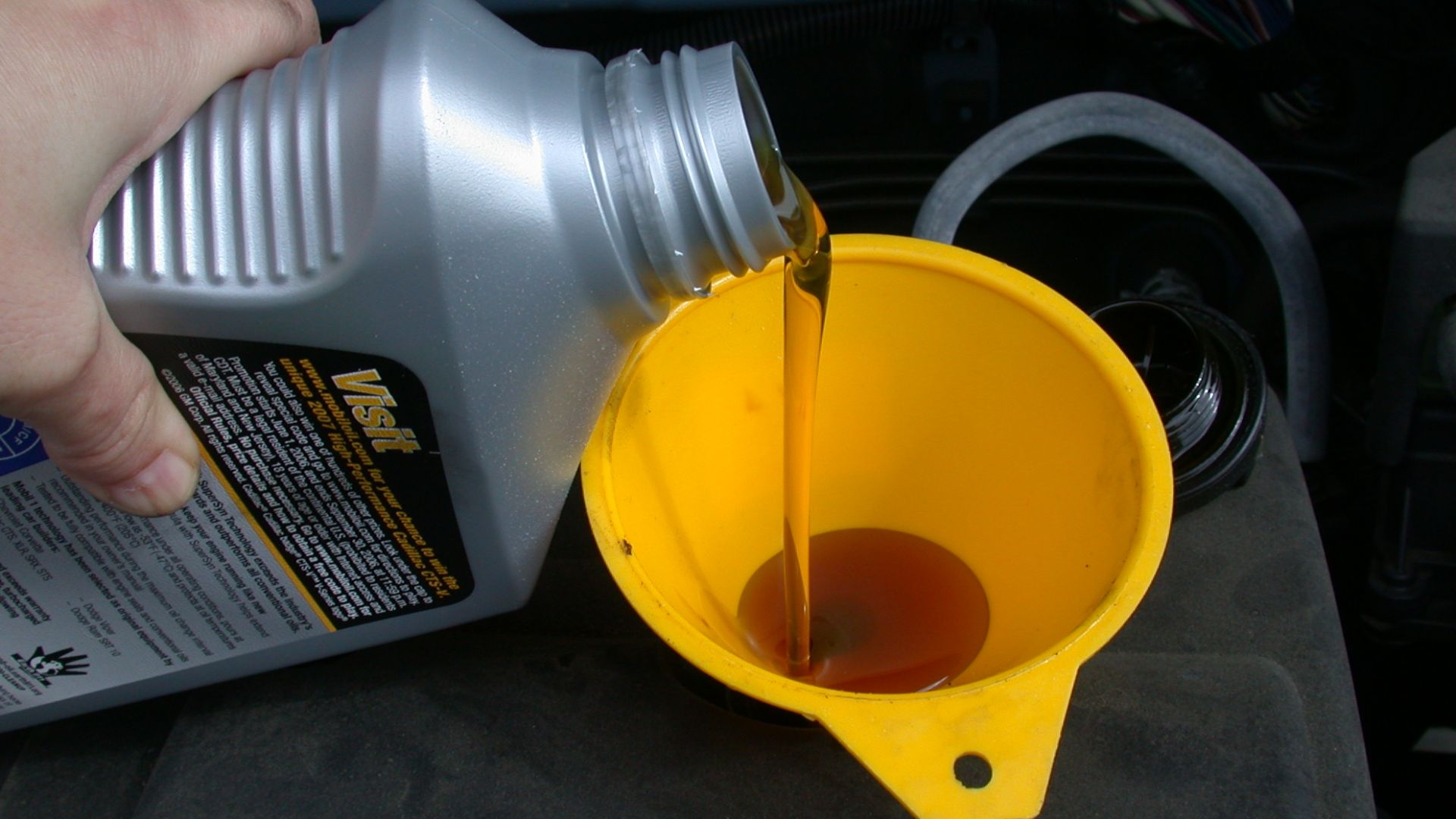
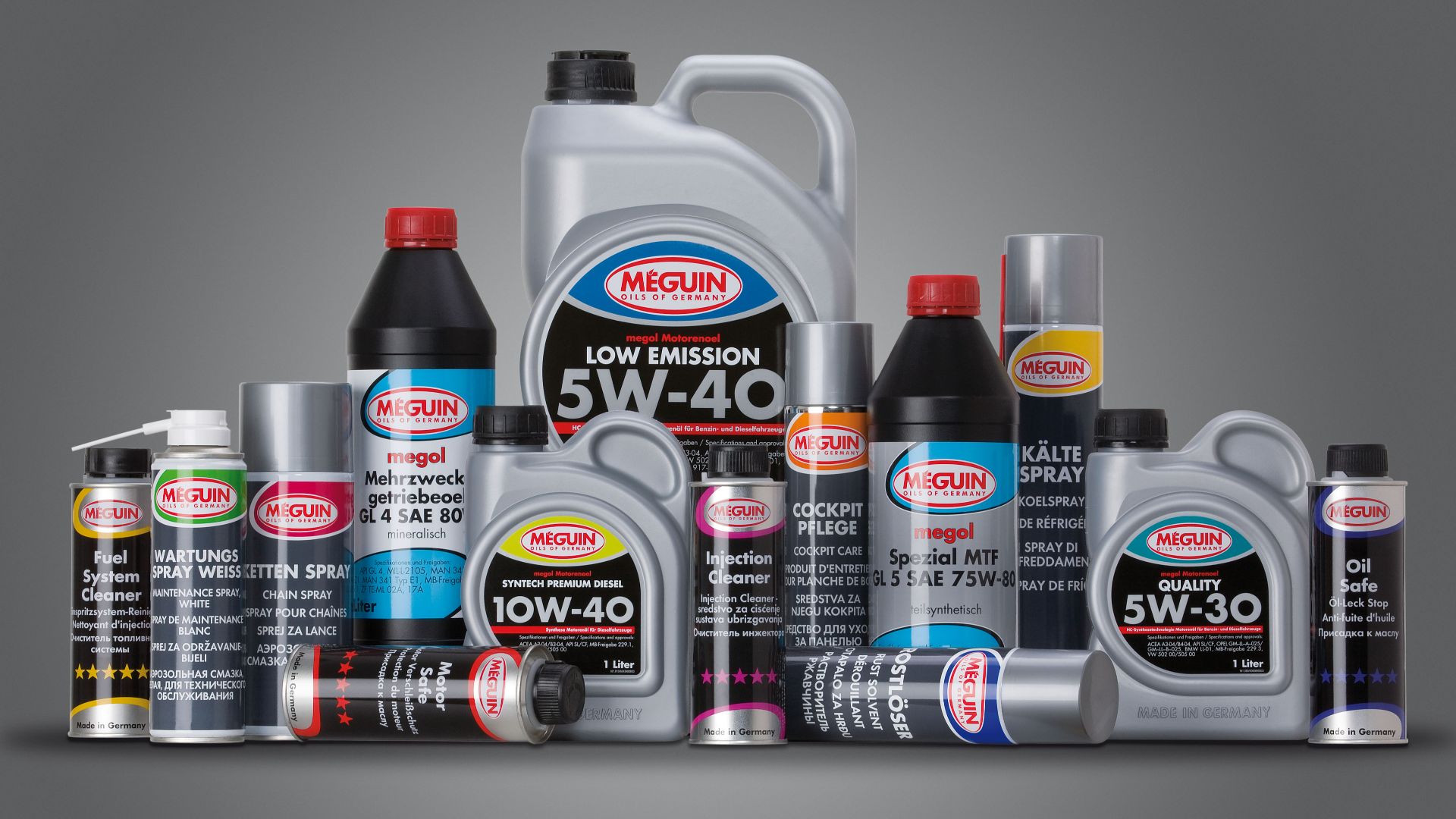
Labels such as 0W-20 and 5W-30 describe an oil's viscosity characteristics at different temperatures. Manufacturers select a particular grade based on how an engine is designed to start, warm up, lubricate itself, and operate under load. Switching to a thicker or thinner oil simply because it "sounds better" can ignore those engineering choices.
Thicker Does Not Automatically Mean Safer
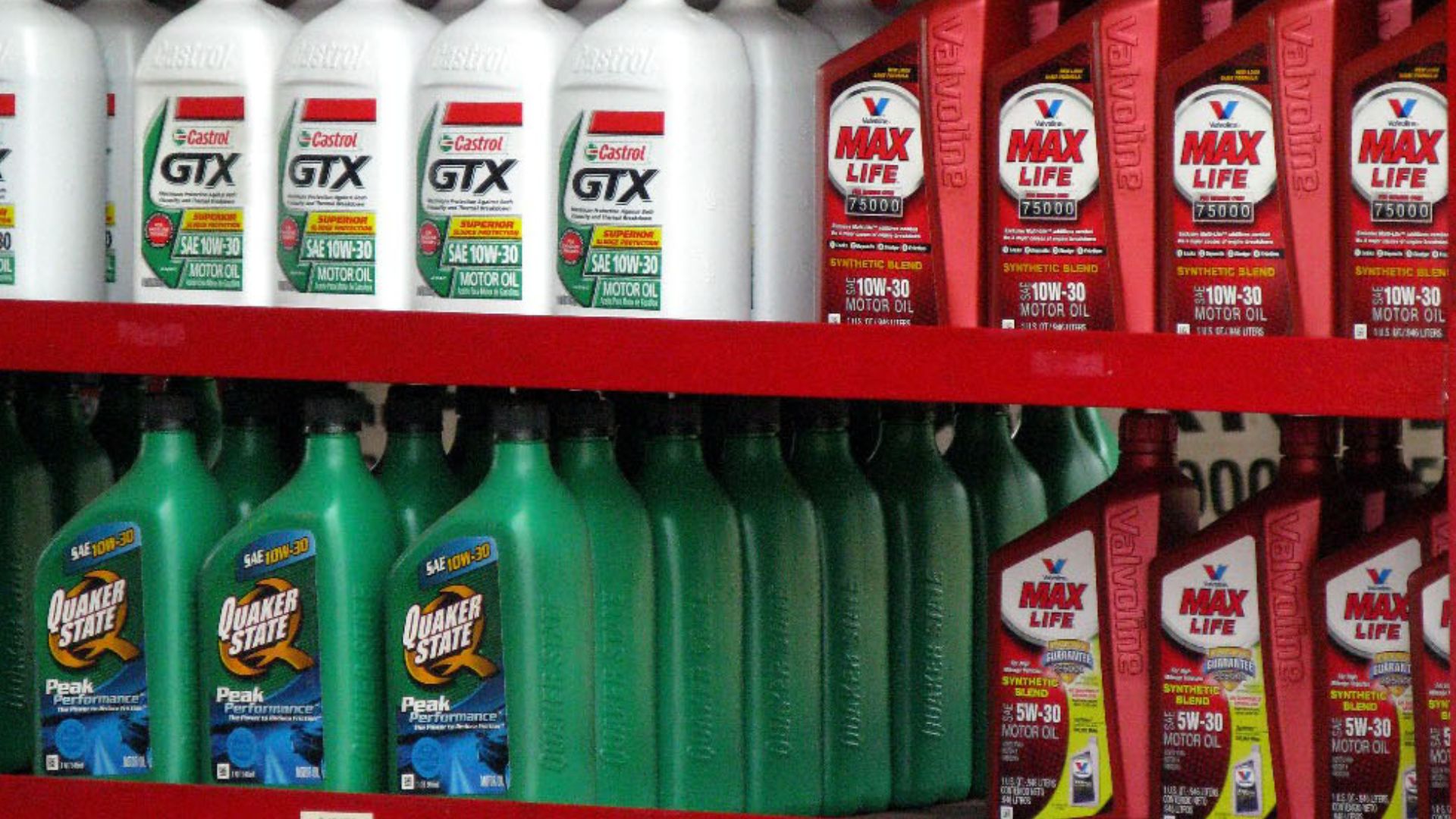
Older car advice sometimes suggested moving to thicker oil for extra protection. That is not a universal rule for a modern engine. Toyota, Mazda, GM, and other manufacturers specify particular viscosities, sometimes allowing alternatives only under limited circumstances.
 Frankieleon, Wikimedia Commons
Modern Cars Can Use Very Thin Oil
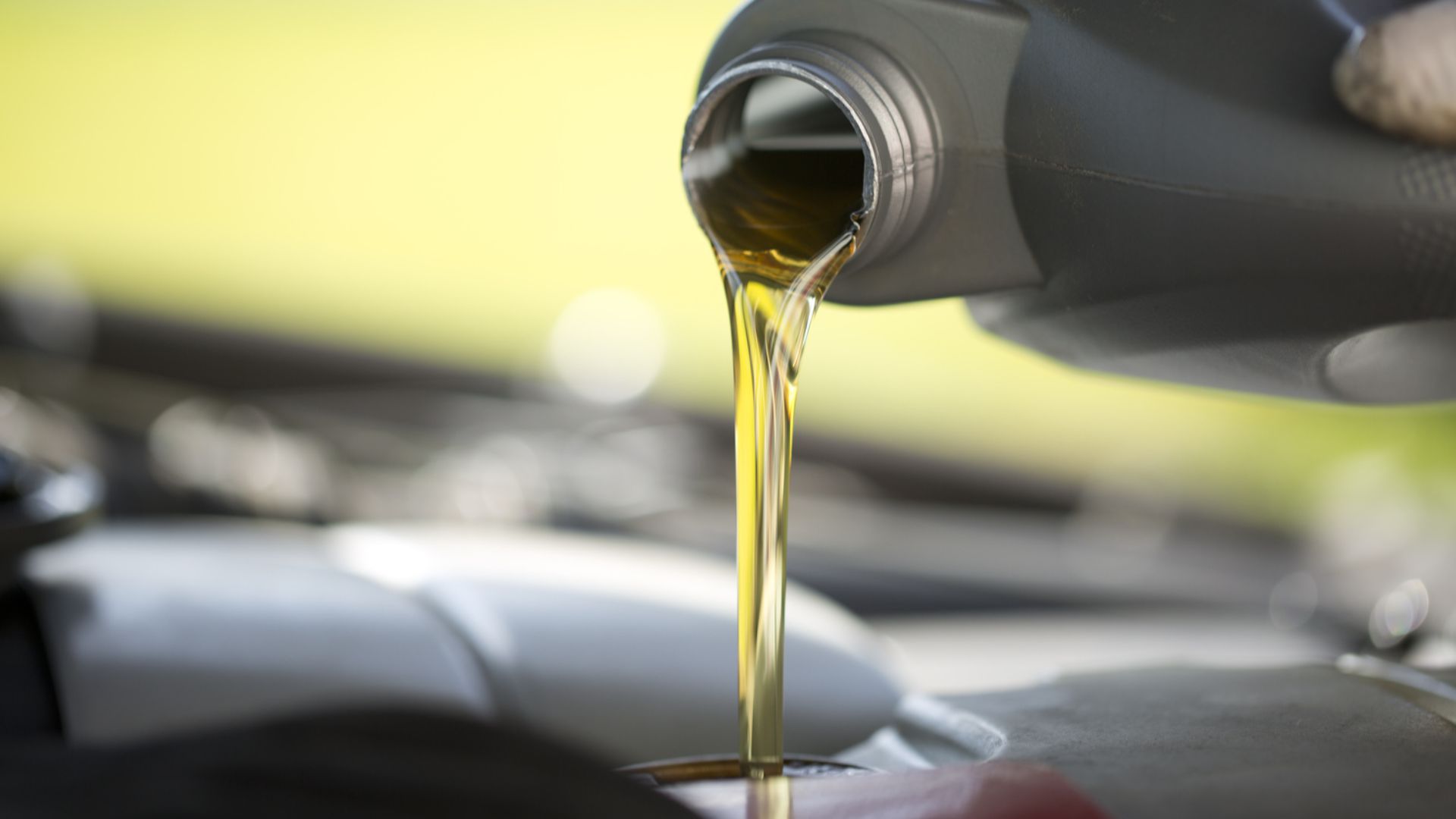
Seeing 0W-20 or even 0W-16 on an oil cap can surprise drivers accustomed to older cars. These low-viscosity oils help reduce internal friction while still meeting demanding engine-protection tests. Toyota, for example, specifies 0W-16 for certain vehicles and says 0W-20 should only be a temporary substitute when the recommended oil is unavailable.
Viscosity Isn't The Whole Story
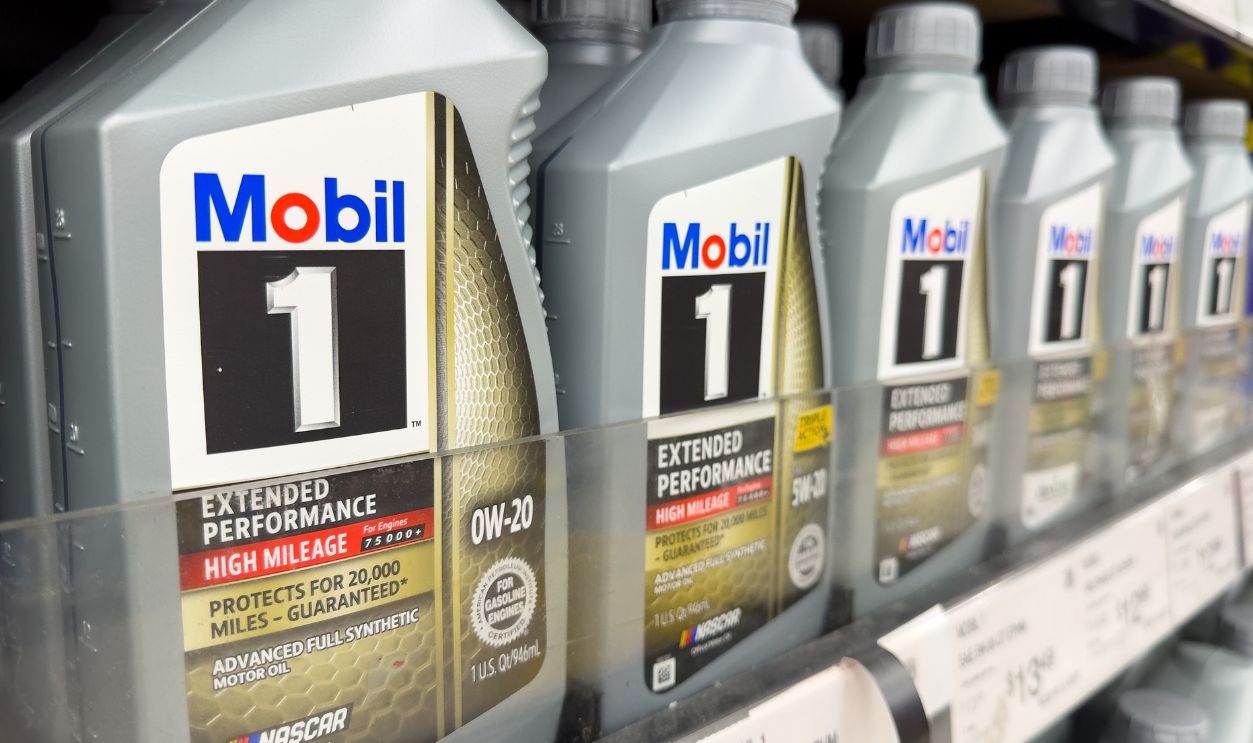
Two bottles can both say 0W-20 yet meet different performance requirements. Today's oil labels can also carry API, ILSAC, or automaker-specific approvals that indicate how the oil performed in standardized tests. That means matching the number on the cap is only part of choosing the correct product.
Oil Standards Keep Getting Tougher
The American Petroleum Institute introduced API SQ and ILSAC GF-7 oils in 2025. These standards added or improved tests covering problems including low-speed pre-ignition, timing-chain wear, deposits, cold-temperature performance, and turbocharger protection. That list gives a pretty good picture of how many jobs modern oil is expected to handle.

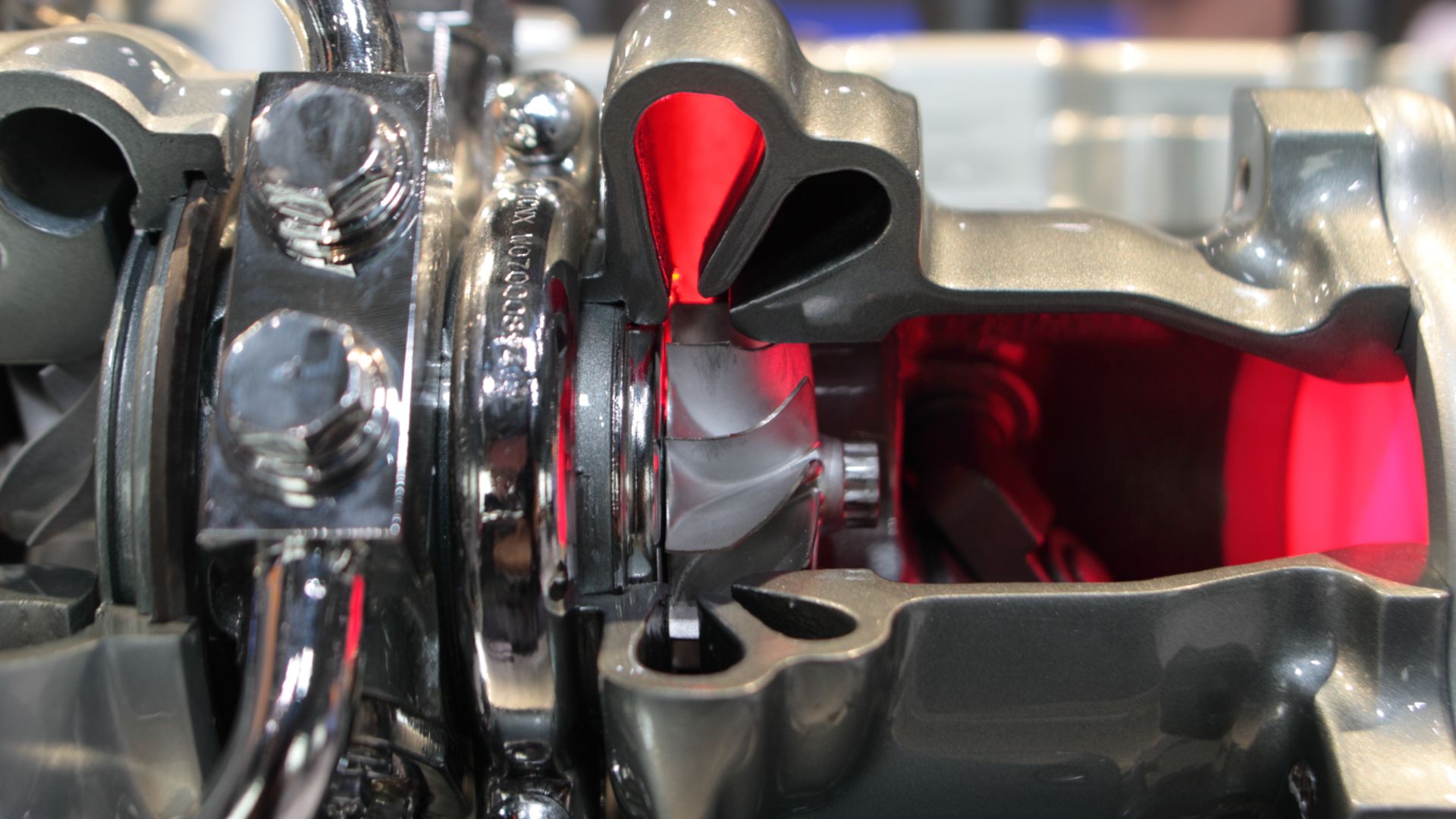
Turbochargers Raise The Stakes
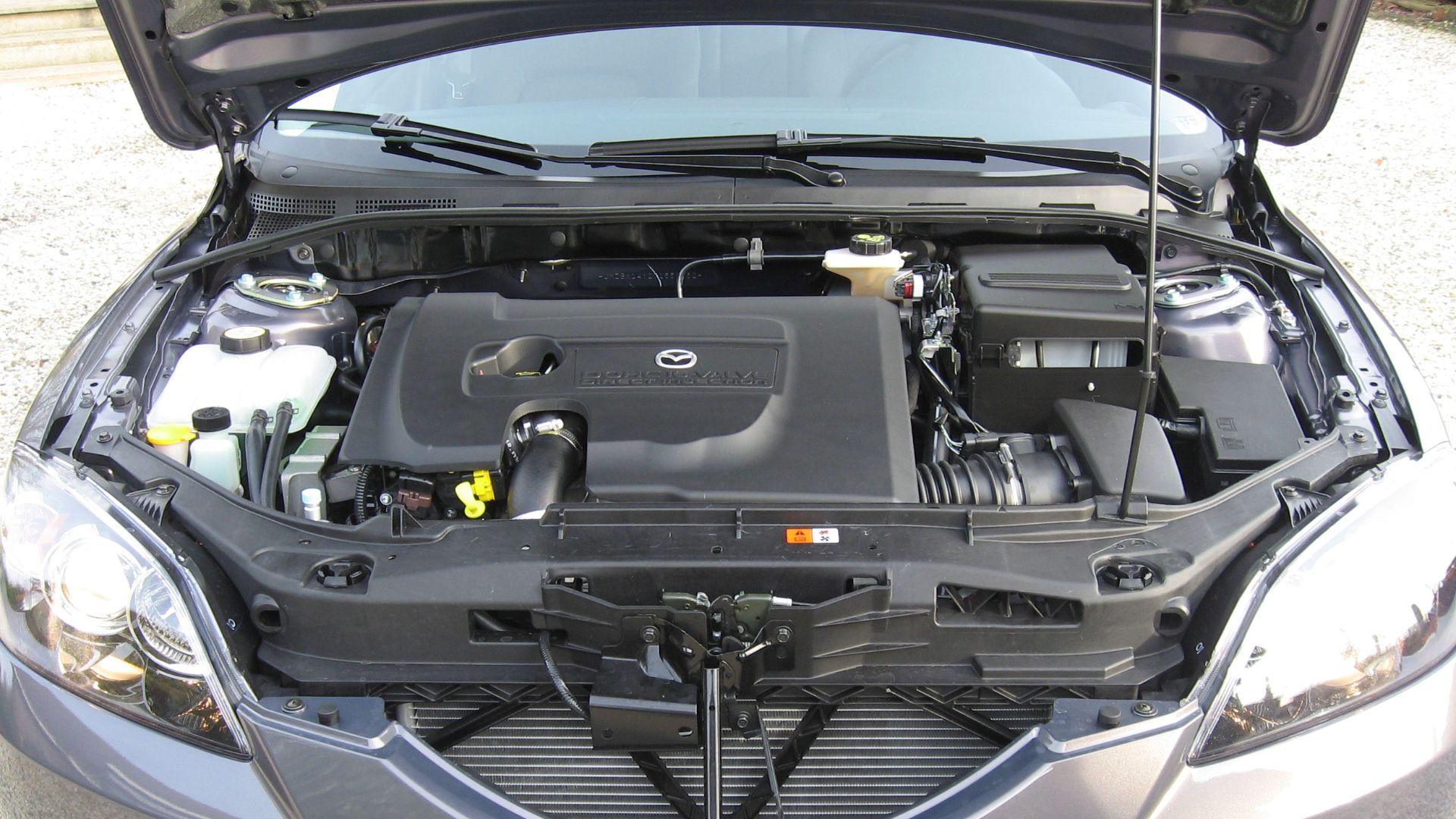
A turbocharger operates under significant heat and relies heavily on proper lubrication. Mazda specifically tells owners of its turbocharged vehicles to change the oil and filter on schedule and use only the recommended engine oil. Turbocharger supplier MAHLE also identifies inadequate lubrication and incorrect oil among causes of serious turbo damage.
 G.M. Kowalewska, Wikimedia Commons
The Turbo Shares Your Engine Oil
Most automotive turbochargers are lubricated by the same oil circulating through the engine. That oil has to protect bearings while dealing with intense heat around the turbocharger. Poor lubrication or deposits in that environment can become much more serious than merely making an engine sound a little rough.
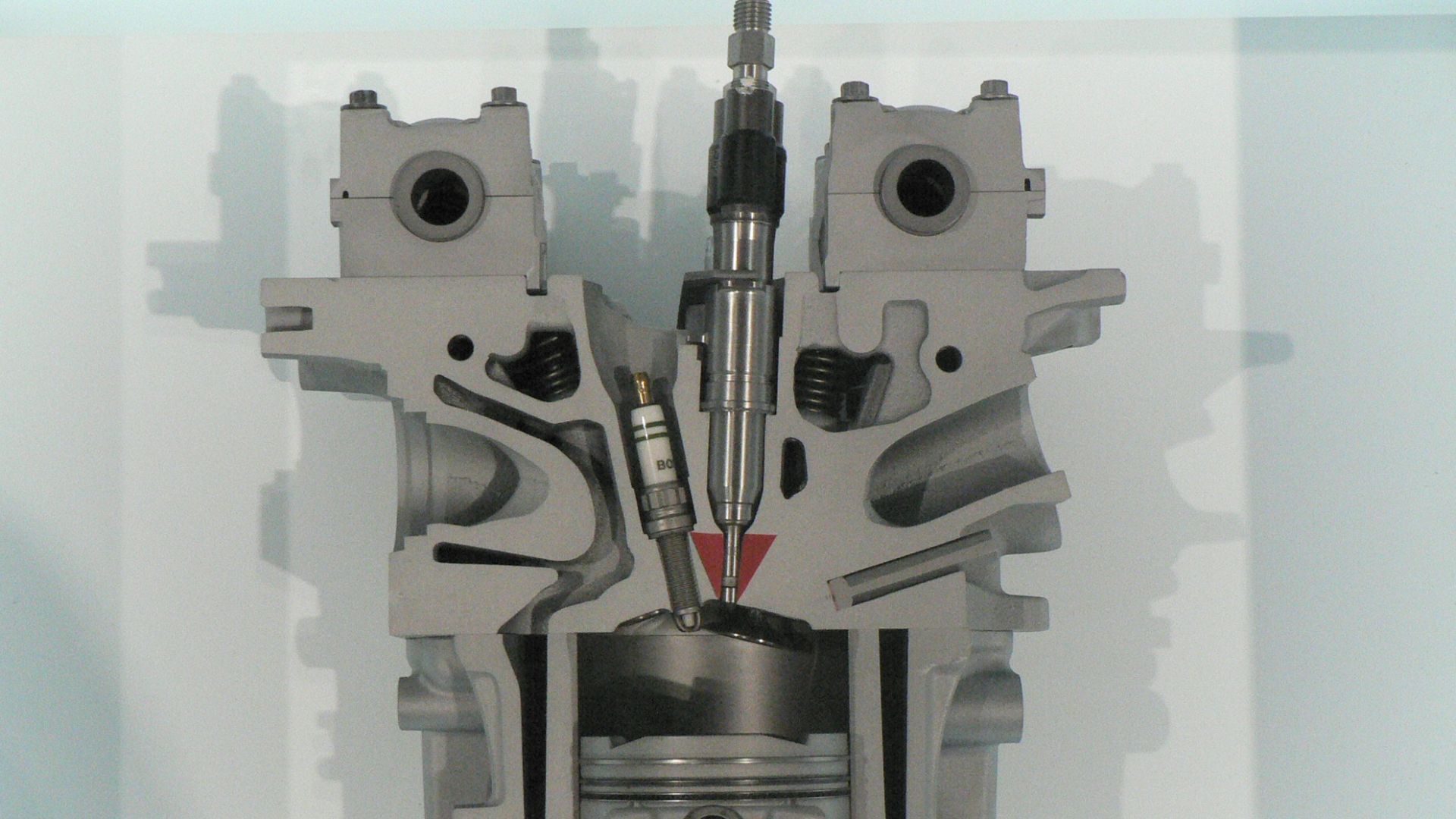
Direct Injection Changed The Oil Game Too
Gasoline direct injection became popular because it can help engines deliver strong performance and efficiency. Combined with turbocharging, however, it created additional lubricant challenges that older oil standards were not designed to address. That was one major reason the industry developed newer specifications such as GF-6 and eventually GF-7.
 Ton1~commonswiki, Wikimedia Commons
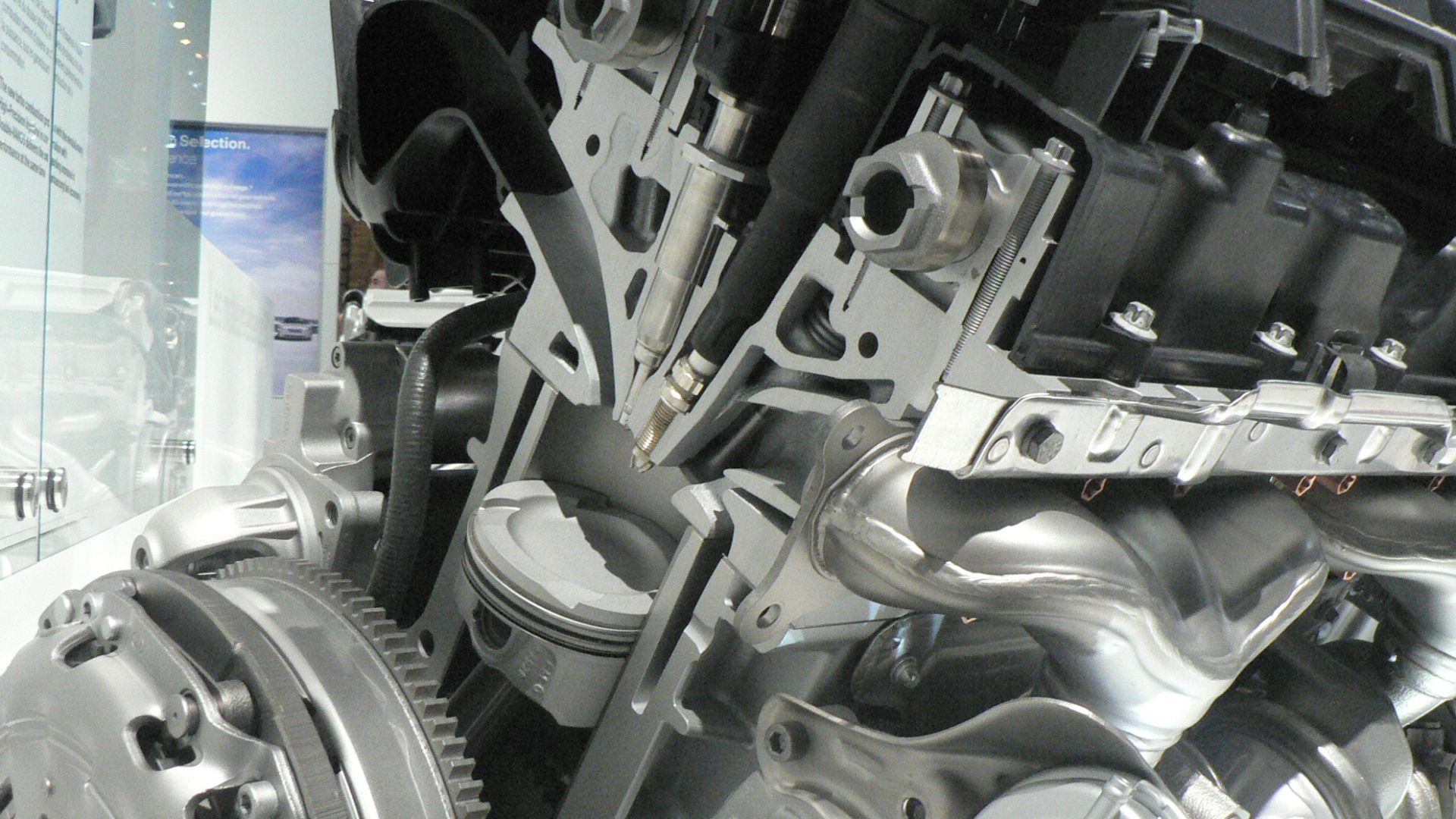
Meet A Problem Called LSPI
Low-speed pre-ignition sounds obscure, but its potential consequences are not. It is an abnormal combustion event associated particularly with some turbocharged direct-injection engines and can create extreme cylinder pressure. Severe cases can damage pistons, rings, connecting rods, and other internal components.
 Ton1~commonswiki, Wikimedia Commons
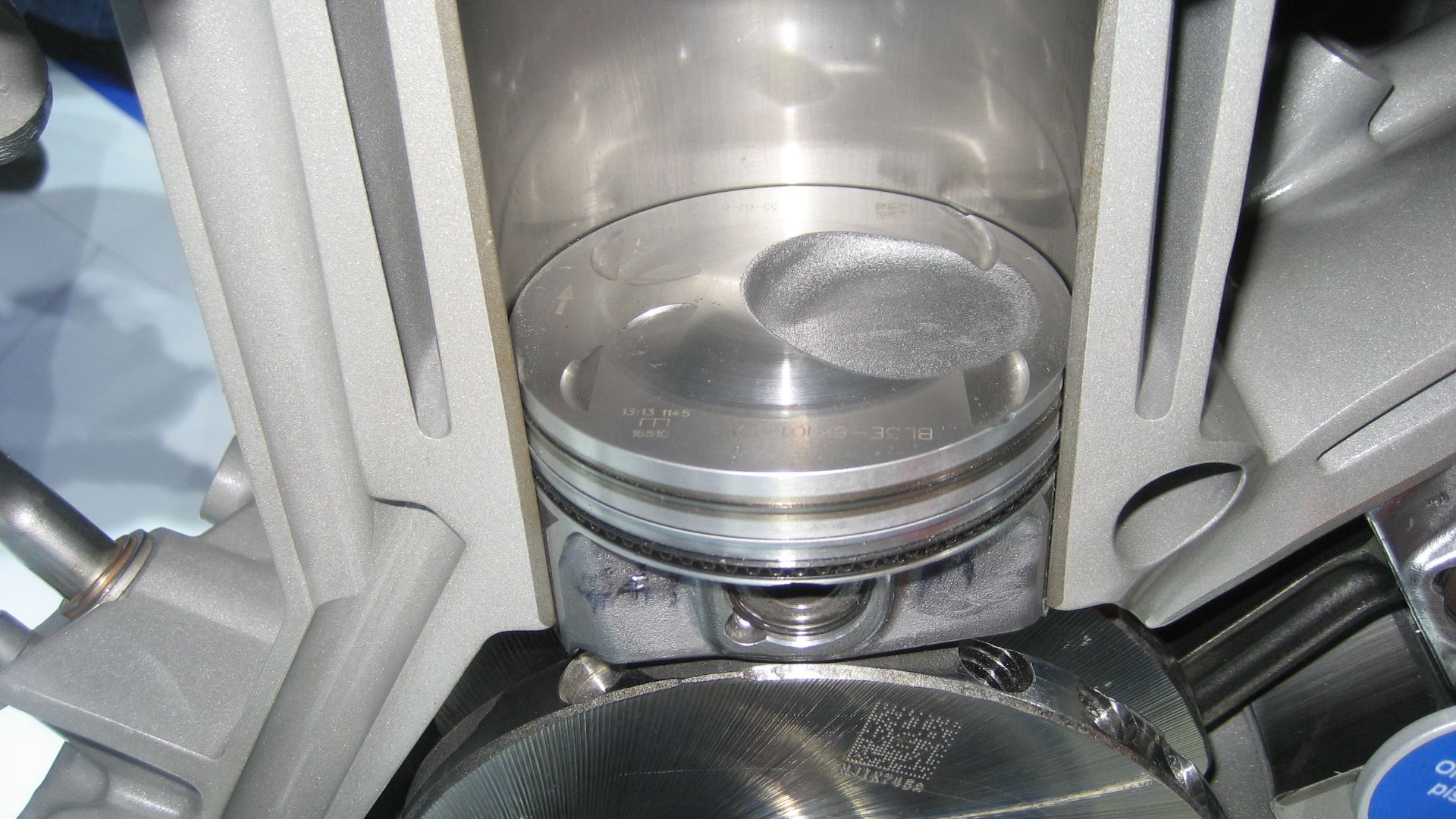
Yes, The Oil Can Help Prevent It
Researchers found that lubricant formulation influences an engine's susceptibility to low-speed pre-ignition. Newer API and ILSAC specifications consequently include tests specifically intended to protect against it. In other words, the chemistry inside the bottle can play a direct role in preventing a potentially destructive engine event.
 Dana60Cummins, Wikimedia Commons
Timing Chains Care About Oil Too
Timing chains may sound like purely mechanical hardware, but modern oil specifications include dedicated chain-wear testing. API's current standards specifically call out improved timing-chain wear protection. GM's dexos testing likewise includes tests aimed at controlling chain wear in direct-injected engines.

Sludge Is Still An Engine Killer
Modern technology has not eliminated the old-fashioned problem of dirty oil and deposits. Oil gradually becomes contaminated and its protective properties deteriorate, which is why manufacturers still require regular changes. New oil standards also include demanding sludge, varnish, oxidation, and deposit-control requirements.
Long Oil-Change Intervals Need The Right Oil
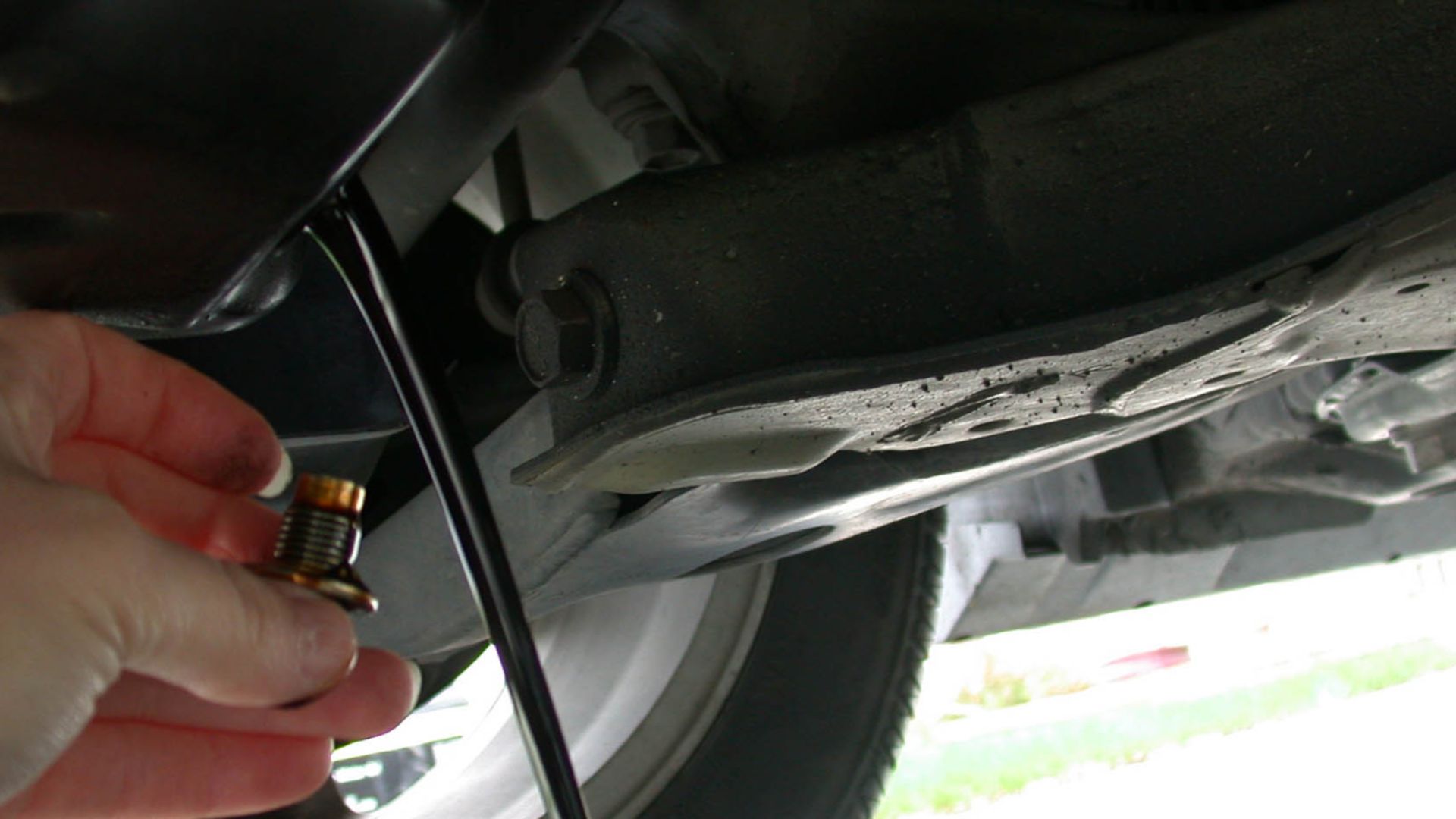
Some modern vehicles can travel considerably farther between oil changes than cars of decades past. That does not mean any oil can safely stay in the engine that long. Longer factory intervals assume that the correct oil meeting the required specification is being used under the applicable driving conditions.

Synthetic Oil Became Common For A Reason
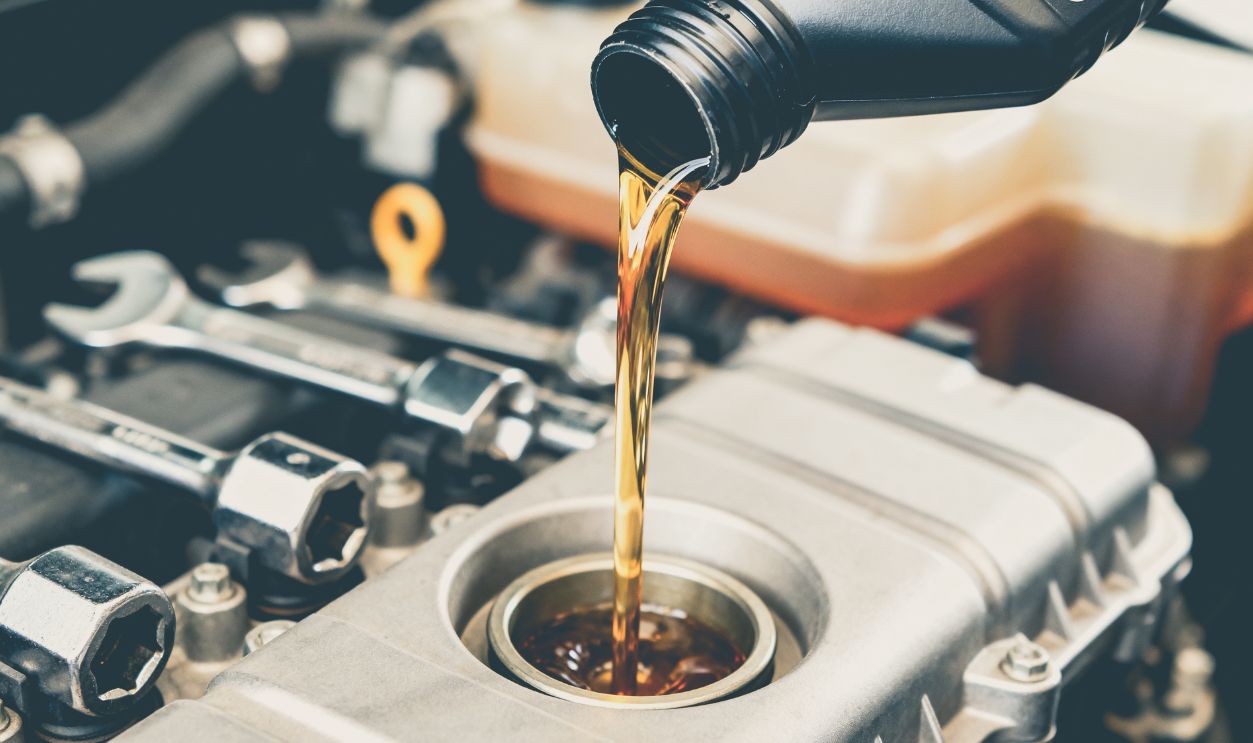
Full-synthetic and synthetic-blend oils have become increasingly common in newer vehicles. Synthetics generally resist heat, oxidation, and deposit formation better than conventional oil, characteristics that can be especially useful in turbocharged engines and severe driving conditions. AAA testing has also found synthetic oils outperforming conventional oils across several industry-standard tests.

But "Synthetic" Isn't A Magic Word
Buying full synthetic does not automatically mean you bought the right oil. A premium synthetic with the wrong viscosity or without a required manufacturer approval can still be the wrong choice for your particular engine. The owner's manual remains more important than the biggest marketing claim on the bottle.
Automakers Sometimes Have Their Own Rules
Some manufacturers go beyond broad API or ILSAC standards and publish proprietary oil specifications. General Motors' dexos system is one prominent example, with licensed products meeting GM's own testing requirements. GM maintains lists of oils licensed for specific dexos standards and viscosity grades.

Even Similar Engines May Want Different Oil
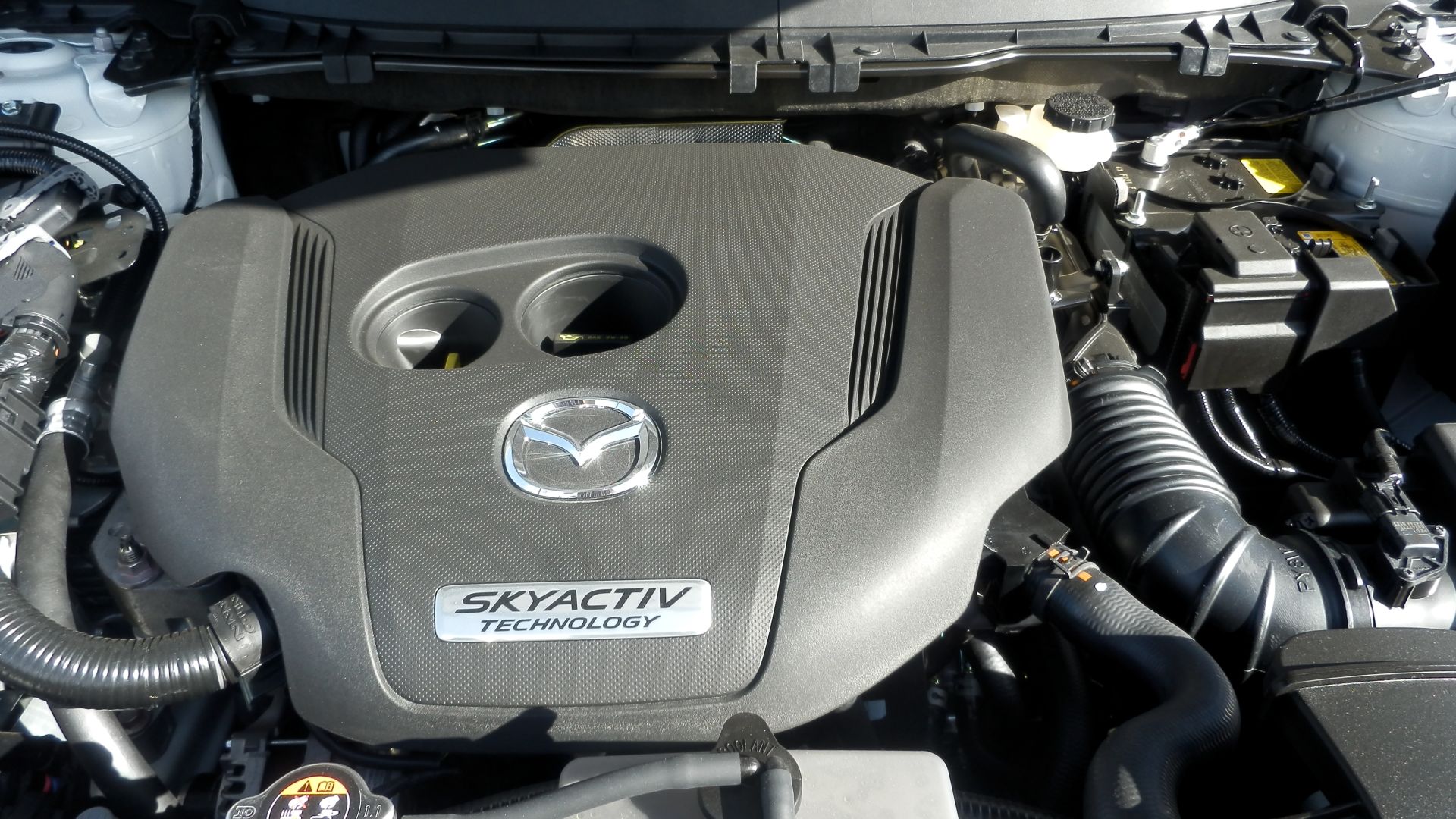
One glance at Mazda's lineup shows why guessing can get you into trouble. The naturally aspirated engine in the 2026 CX-30 calls for 0W-20 in the United States and Canada, while the turbocharged version calls for 5W-30. The vehicles share a model name, yet their engine-oil requirements differ.

The Internet Can Make This More Confusing
Drivers often encounter arguments that an engine "really wants" a different viscosity than the manufacturer recommends. Those debates may cite racing, hot climates, overseas specifications, or experiences with entirely different engines. Unless you have a specific technical reason to deviate, the safest starting point is the specification written for your exact vehicle and engine.

Overseas Oil Recommendations Can Differ
Oil recommendations for the same vehicle can vary between markets. Mazda, for example, specifies different viscosities for some U.S. and Canadian vehicles than it does in other countries. That is another reason copying an oil recommendation from a random foreign-market forum or video can lead you astray.
 Alexander Migl, Wikimedia Commons
Don't Forget The Oil Level
Using exactly the right oil will not save an engine that is running dangerously low. Engines can consume or leak oil between services, so drivers should follow their owner's manual instructions for checking the level. Mazda also explicitly warns that overfilling can cause engine damage, meaning both too little and too much deserve attention.

The Dashboard Reminder Isn't Permission To Ignore It
Oil-life monitoring systems can make maintenance convenient, but drivers still need to respond when service is due. Driving conditions can also affect maintenance requirements, particularly frequent short trips, heavy loads, stop-and-go traffic, and extreme temperatures. AAA recommends following the vehicle manufacturer's schedule rather than relying on old universal rules about oil-change mileage.

Old Engines Could Be Picky Too
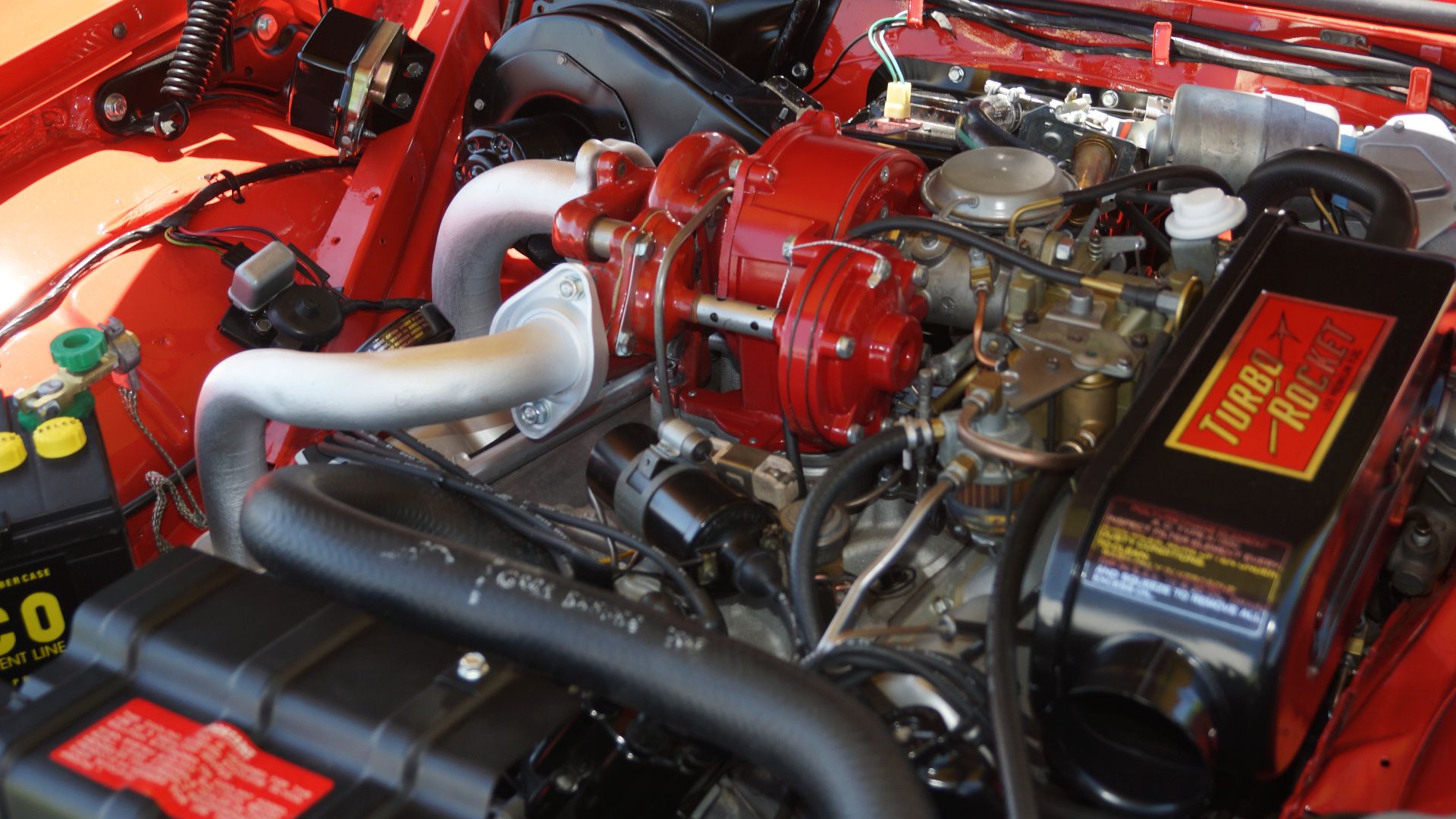
It would be misleading to pretend every engine built decades ago survived whatever oil happened to be lying around the garage. Older engines also had viscosity requirements, suffered from sludge, and could fail from poor maintenance. The difference is that modern oils are increasingly engineered to handle specific challenges created by newer engine technology.
 Greg Gjerdingen from Willmar, USA, Wikimedia Commons
Modern Oil Is Better Than Ever
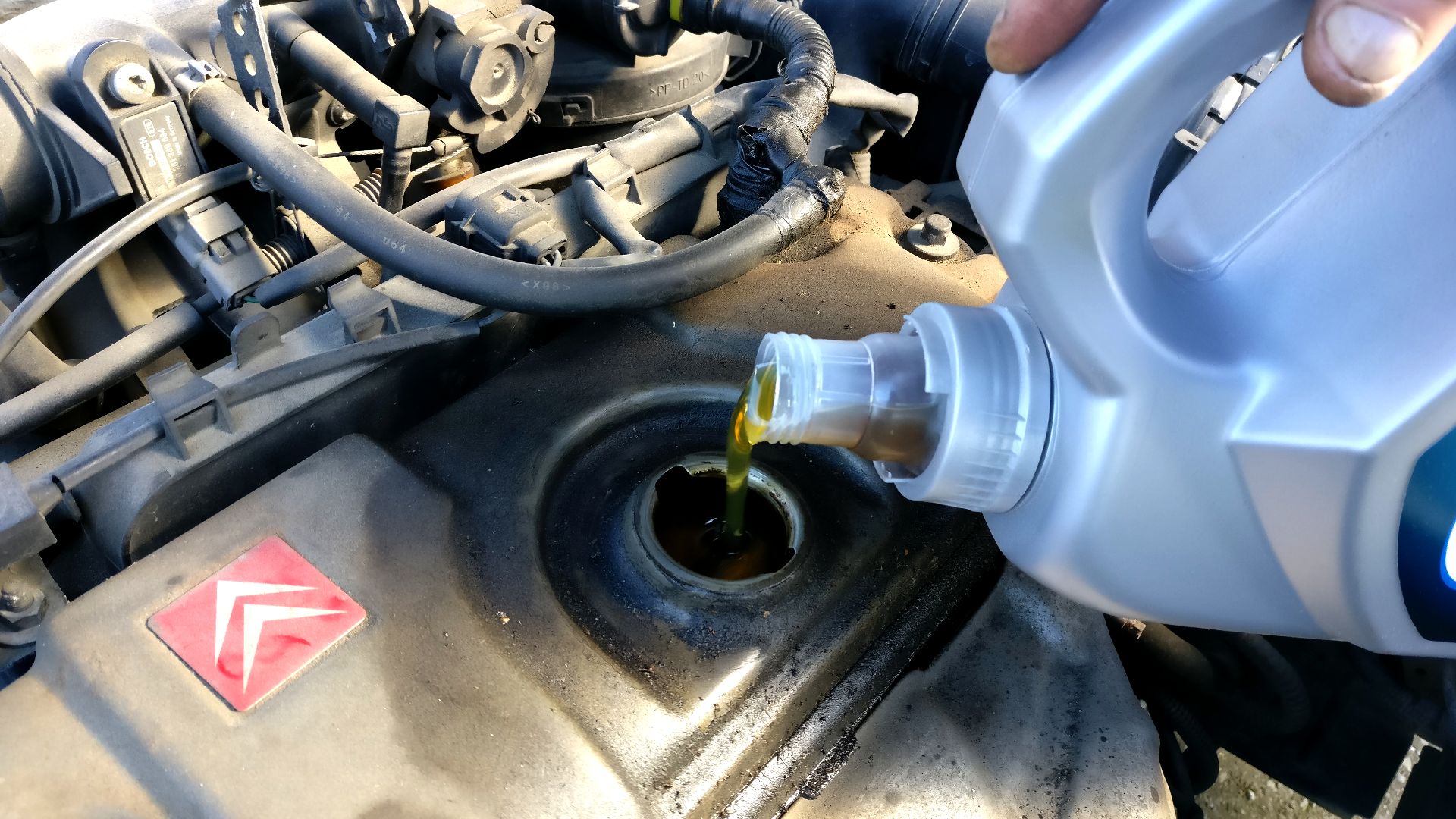
There is some reassuring news here. Lubricant technology has advanced alongside engine technology, and today's oils face much tougher performance tests than products from earlier eras. Using the correct modern oil therefore gives an engine protection specifically designed around problems engineers now understand much better.
 Santeri Viinamaki, Wikimedia Commons
Finding The Right Bottle Is Easier Than It Sounds
Start with your owner's manual or the manufacturer's official maintenance information. Match the recommended viscosity, then look for the specified API, ILSAC, or automaker approval on the bottle rather than shopping on viscosity alone. If a shop changes your oil, asking what exact product and specification it uses is completely reasonable.

So, Are New Cars Less Forgiving?
In one sense, yes. Modern engines increasingly rely on carefully specified oil to protect turbochargers, timing components, highly loaded internal parts, and sophisticated combustion systems. Treat the oil specification as an engineering requirement rather than a suggestion, and today's engines can deliver the durability their designers intended.

You May Also Like:
Sources: 1, 2, 3, 4, 5, 6, 7, 8, 9, 10, 11, 12, 13, 14, 15, 16, 17, 18, 19