The Cost Nobody Mentioned
The monthly payment was only part of the story. A car can look perfectly affordable in the showroom, then become considerably more expensive once another major ownership cost enters the picture.
The Insurance Shock Comes Later
You can negotiate the purchase price down to the dollar and still get blindsided by insurance. Insurers consider the type of vehicle you drive when calculating premiums, along with many personal and geographic factors. The cost to repair or replace that vehicle can directly affect what an insurer expects future claims to cost.

Your Car Matters More Than You Think
Insurance pricing is not based solely on whether you are a careful driver. The National Association of Insurance Commissioners lists vehicle type among the major factors insurers can use when rating auto policies. Two drivers with similar records can therefore face different costs depending on what they drive.

Repair Costs Are Part Of The Equation
Insurers ultimately need premiums sufficient to cover expected claims and other costs. The NAIC specifically identifies the cost to repair or replace a vehicle as one factor that can influence a driver's premium. That makes an expensive bumper, headlight, windshield, or body panel relevant even if you have never damaged one yourself.

A Safe Car Can Still Be Expensive To Insure
Safety ratings and repair costs measure different things. A vehicle may protect its occupants effectively while containing expensive components that are vulnerable in relatively minor collisions. Insurance loss data reflect both how frequently claims occur and how costly those claims become.

Modern Bumpers Hide Expensive Hardware
A bumper is no longer necessarily a simple piece of molded material. Radar units, ultrasonic sensors, cameras, wiring, and other equipment may sit inside or behind modern exterior components. Damage that looks cosmetic can therefore involve technology that must be replaced or recalibrated.

ADAS Has Changed Collision Repair
AAA studied repairs involving advanced driver assistance systems on three 2023 vehicles. It found that repairing those systems could account for as much as 37.6 percent of the total repair cost after a crash in its scenarios. Sensors supporting features such as automatic emergency braking and blind-spot monitoring were major contributors.
A Small Front Hit Can Become Expensive
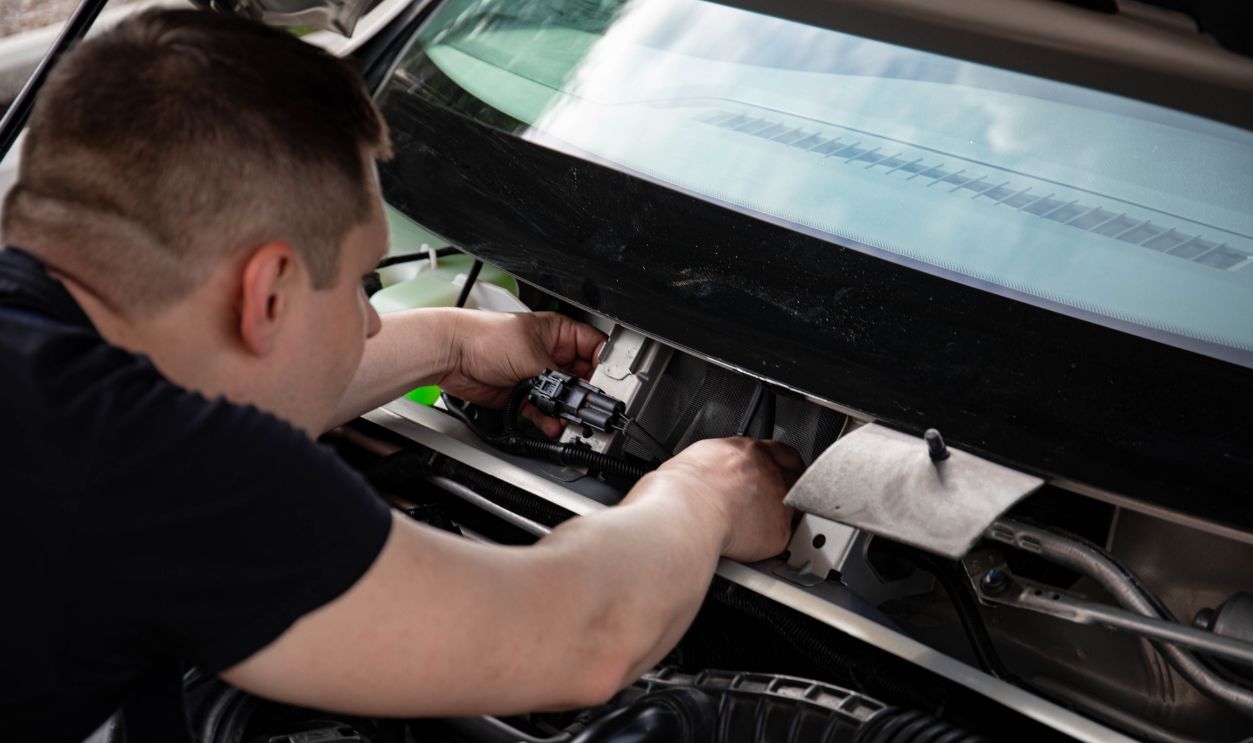
AAA estimated that replacing ADAS components after a minor front collision averaged $1,540 across the vehicles it studied. That expense was additional to the conventional body repairs needed after the impact. The exact amount varies substantially by vehicle, equipment, damage, and repair facility.

Mirrors Are Not Simple Anymore Either
A damaged side mirror once seemed like a straightforward replacement. AAA's study found that an ADAS-equipped mirror assembly could include a costly camera, with the camera-related portion averaging $1,067 in its tested scenario. Technology that makes everyday driving easier can therefore make an otherwise ordinary repair more complicated.

Windshields Can Bring Another Surprise
Forward-facing cameras are frequently positioned behind the windshield and may need calibration when glass is replaced. AAA's 2023 research found that the ADAS-related portion of windshield replacement averaged $360 for the vehicles tested. That was specifically the added technology-related cost, rather than the entire glass replacement bill.

Calibration Is Real Repair Work
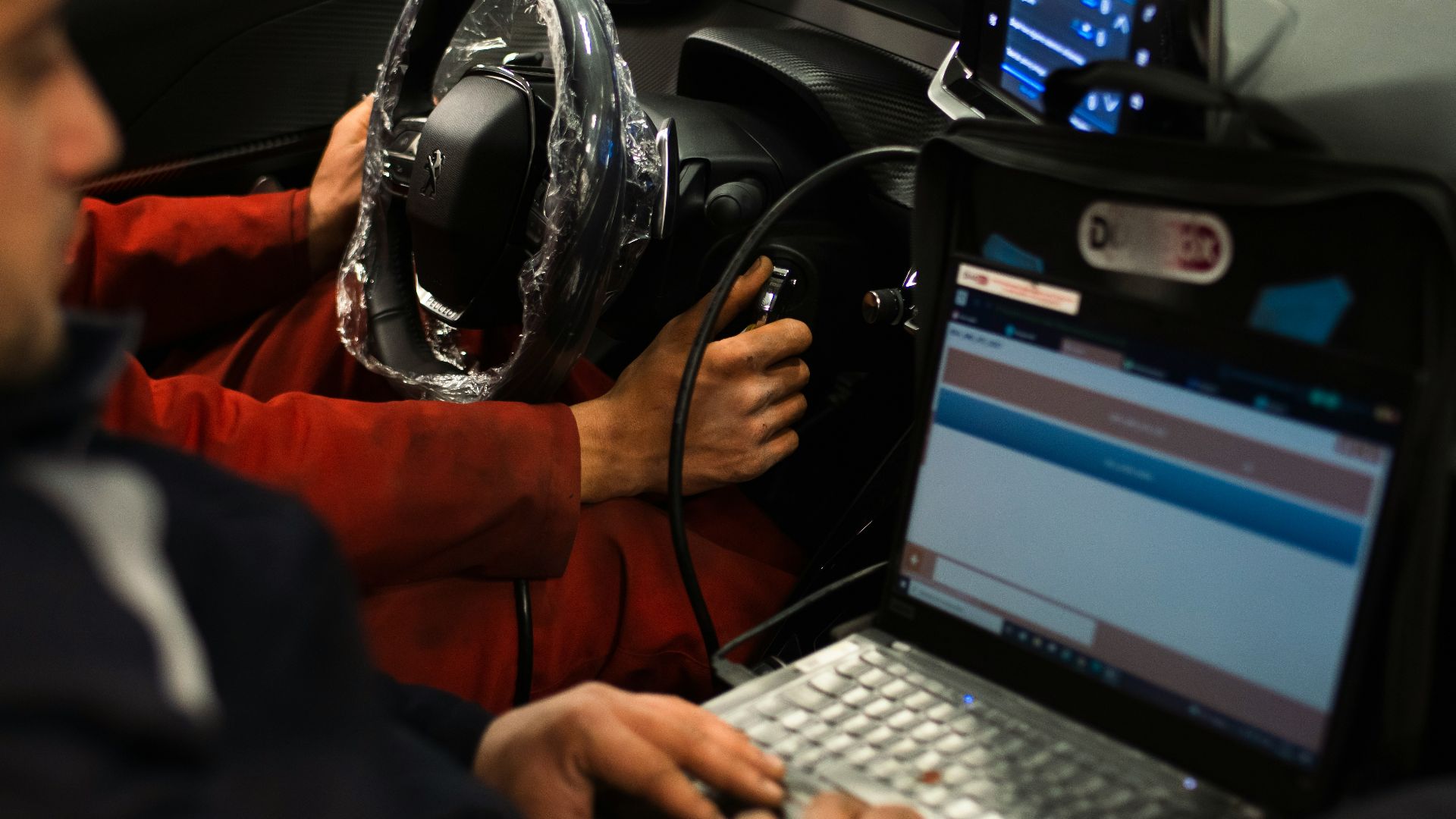
ADAS sensors need to know precisely where they are pointing. AAA notes that calibration can require manufacturer information, specialized equipment, trained technicians, and specific workshop conditions. Those requirements add labor and complexity after repairs that once involved little more than replacing the damaged component.
Parts Prices Matter Too
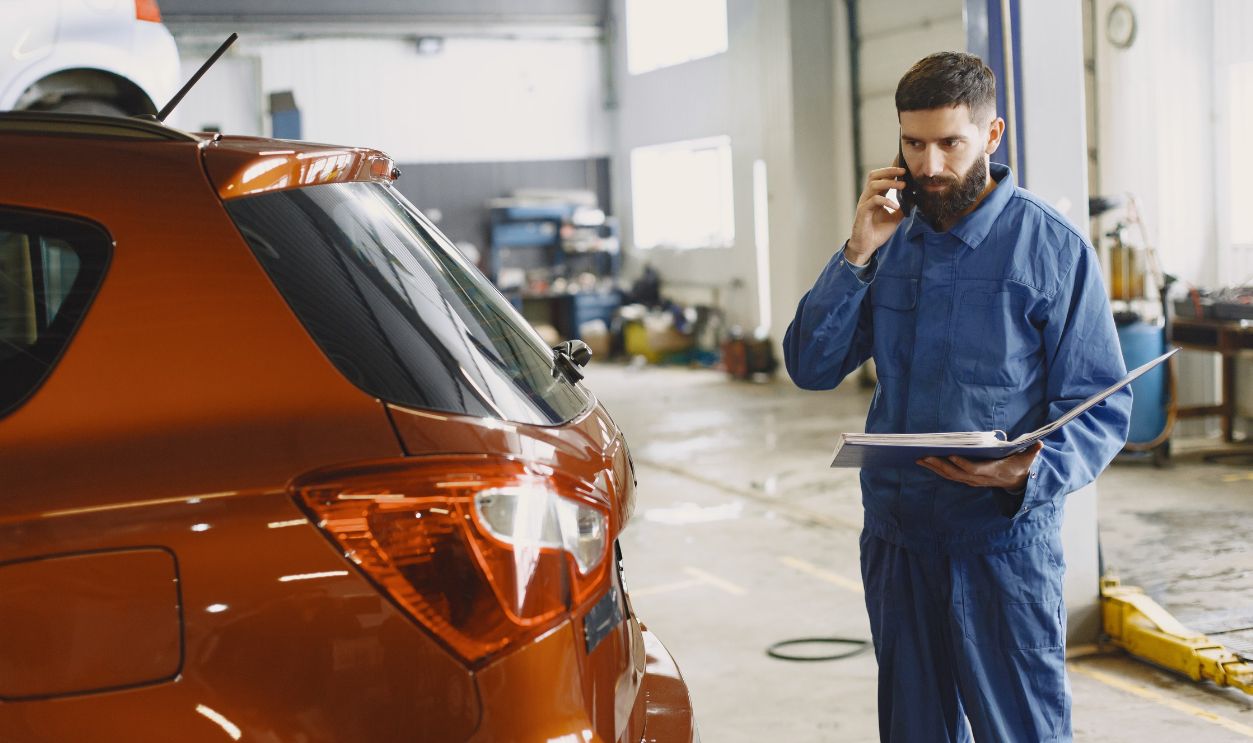
Repair costs are not driven by technology alone. Vehicle design, parts availability, manufacturer pricing, labor requirements, and the repair facility can all affect the final invoice. AAA specifically found that repair costs varied according to factors including the make and model and the location and type of sensor.
Larger Vehicles Can Produce Larger Losses
Insurance data also reveal differences among vehicle classes. The Insurance Institute for Highway Safety says insured-vehicle damage losses generally rise with vehicle size because larger models tend to cost more to buy, repair, or replace. Heavier vehicles can also cause greater damage to whatever they strike.

Insurers Study Models As Groups
Your spotless driving record does not erase the experience insurers have accumulated with similar vehicles. Insurers examine claim frequency and expected claim costs across groups of comparable risks when setting prices. A model associated with costly claims can therefore influence your premium before you personally make a claim.

The Same Car Will Not Cost Everyone The Same
Vehicle choice is only one ingredient. Location, driving history, claims history, mileage, selected coverage, deductibles, age, and other legally permitted factors can influence the price. That is why somebody online quoting a much lower premium for the same model does not necessarily mean your insurer made a mistake.

State Rules Change The Formula
Insurance regulation varies across the United States. Certain rating factors may be permitted, restricted, or prohibited depending on state law. The NAIC notes that states generally require rates not to be excessive, inadequate, or unfairly discriminatory, but the specific regulatory system differs by jurisdiction.

So Was The Dealer Required To Warn You?
There is no general federal car-sales rule requiring a dealer to calculate or disclose what your future auto insurance premium will be. Federal used-car disclosure rules focus on matters such as warranty status and major mechanical and electrical systems, rather than the buyer's future insurance quote. State laws can add requirements, so a particular dispute still depends on where the sale occurred.

The Federal Buyers Guide Has A Different Job
For most dealer-sold used cars, the FTC requires a Buyers Guide. It tells buyers whether the vehicle is being sold with a warranty or “as is,” identifies major systems, and provides other warranty and purchasing information. An individualized estimate of the buyer's future insurance premium is not among the listed federal Buyers Guide disclosures.

Insurance Is Ultimately A Separate Contract
Your dealership sells or leases the vehicle, while your insurer prices the risk of covering it. The insurer considers your own information, selected coverage, location, vehicle, and other permitted factors when underwriting and rating the policy. A salesperson generally cannot know exactly what another company will quote you.

But A Good Dealer Could Still Mention Ownership Costs
Something not being a standard federal disclosure requirement does not mean it is irrelevant to a buyer. Insurance can represent a substantial portion of the cost of owning a vehicle. A salesperson discussing affordability could helpfully remind customers to obtain a quote before signing, particularly on models known for costly components or repairs.

The FTC Tells Buyers To Budget For Insurance
The Federal Trade Commission explicitly advises used-car shoppers not to forget costs such as registration, insurance, fuel, and maintenance when establishing a budget. That advice matters because the purchase price tells you only what it costs to acquire the vehicle. Ownership continues generating expenses long after the paperwork is signed.
 https://kaboompics.com/, Pexels
The Quote Should Come Before The Contract
The safest approach is to obtain insurance quotes for the exact vehicle before buying it. Insurers can generally price a prospective vehicle when supplied with the necessary information, and the VIN can eliminate uncertainty about the exact model and equipment. Comparing quotes before purchase turns insurance from a surprise into part of the buying decision.

Do Not Rely On An Average Premium
Online averages can be useful for rough comparisons, but they cannot reproduce your individual quote. Your address, coverage limits, deductible, driving record, annual mileage, insurer, and other rating factors can materially change the result. The exact VIN and your own details provide a much better estimate.

Get Several Quotes
Insurers do not all price the same risks identically. The NAIC encourages consumers to comparison shop because companies use their own rating systems within the rules applicable in each state. A painful quote from one insurer does not necessarily establish what every insurer will charge.

Changing The Deductible Can Change The Premium
A higher deductible means accepting more of the financial burden if the vehicle is damaged. The NAIC notes that increasing a deductible can reduce premiums. The tradeoff is straightforward: your regular insurance expense may fall, but the amount you must produce after a covered loss increases.

Be Careful About Dropping Coverage
Removing optional physical-damage coverage can also lower premiums in appropriate circumstances. However, lenders commonly require certain coverage when they have a financial interest in the vehicle, and dropping coverage can expose the owner to a large loss. This option therefore makes more sense to evaluate carefully, especially with an expensive or financed car.

Repair Technology Is Worth Researching Before Buying
Shoppers commonly compare horsepower, fuel economy, cargo space, and infotainment features. Repairability deserves a place on that list too. Cameras, radar sensors, sophisticated lighting, specialty glass, and complicated body construction can change what happens financially after a relatively ordinary accident.

EVs Add Their Own Variables
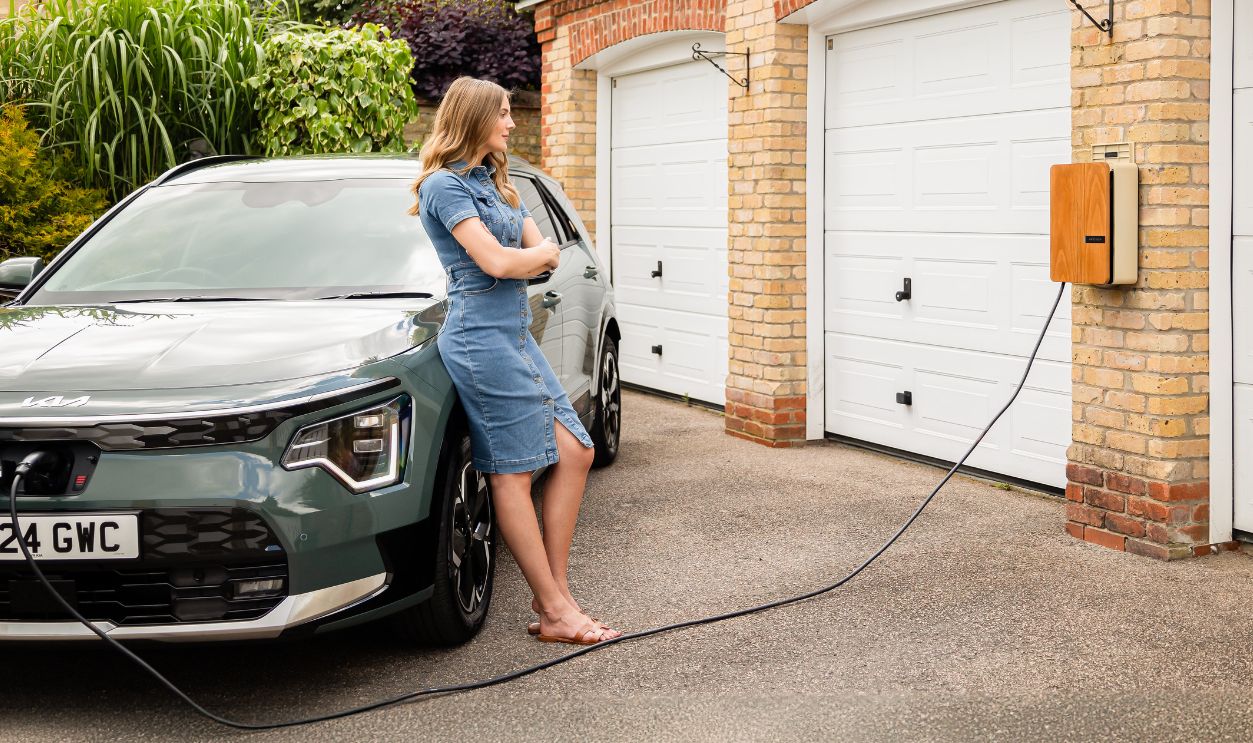
Electric vehicles introduce additional insurance considerations. The NAIC identifies repair complexity, battery costs, parts availability, qualified repair facilities, and automated-driving technology among factors that can affect EV underwriting or claim costs. Those issues do not make every EV expensive to insure, but they help explain why seemingly similar vehicles can produce very different quotes.
Ask About Insurance Before Falling In Love
The best time to discover an expensive premium is while you still have several cars on your shopping list. Get quotes for each finalist using equivalent coverage and deductibles. A slightly more expensive car at the dealership could potentially be cheaper to own if its insurance and other running costs are lower.

The Dealer And Insurer Answer Different Questions
Ask the dealership about warranty coverage, repair procedures, replacement parts, technology, and ownership requirements. Ask insurers what the exact car will cost to cover and why their quotes differ. Separating those conversations gives you better information than expecting either business to explain the other's pricing.

If The Increase Seems Wrong, Check It
Start by confirming that the insurer has the correct VIN, mileage, garaging address, drivers, coverage, and deductibles. Then ask which factors contributed to the premium and compare equivalent quotes from other companies. If you believe an insurer has treated you unfairly, the NAIC directs consumers to their state insurance department for assistance.

Make Insurance Part Of The Test Drive
The bigger lesson comes before the next purchase. Research the car's repair complexity, obtain insurance quotes for the exact model, and combine those figures with financing, maintenance, fuel or electricity, registration, and expected depreciation. The dealer may not be responsible for predicting your insurance bill, but you do not have to wait until the car is in your driveway to discover it.

You May Also Like:
Classic Cars That Were Found In Barns, Then Set Auction Records
Electric Cars With The Fastest 0–60 Times