The Short Answer Is No
Compact SUVs definitely give you a better view of the road, but the real reason that they've taken over the road is a lot more complicated. Seating height might be what people will often point to, but the shift happened for a pile of practical, economic, and regulatory reasons. It was not a sudden mood swing—it was a serious market change that buyers and automakers kept reinforcing for years.

Sales Charts Tell The Story Fast
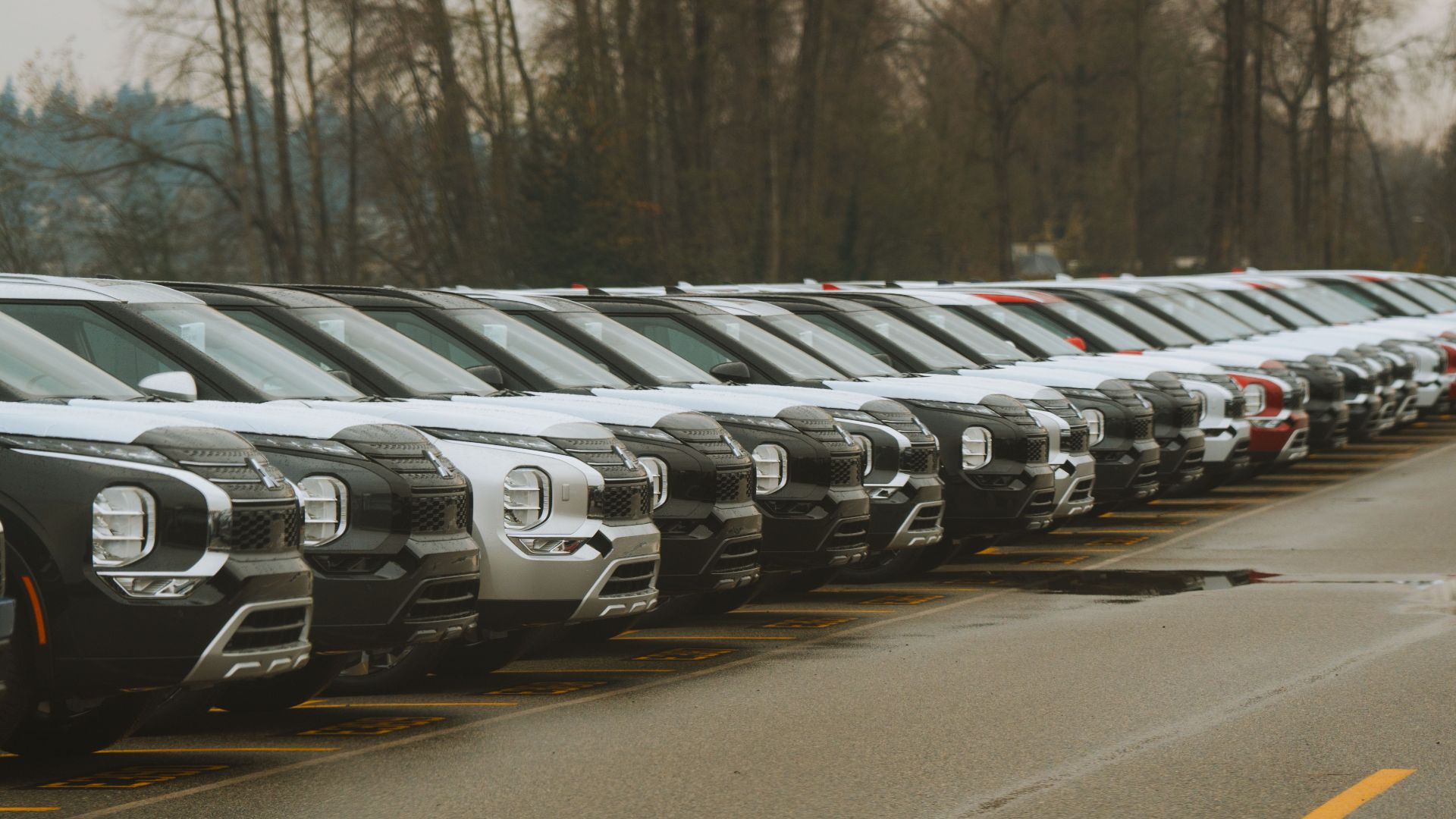
In the United States, sedans and other traditional passenger cars have been losing ground for a long time while SUVs and crossovers kept gaining. The U.S. Environmental Protection Agency and major market trackers show the average vehicle footprint getting larger as more buyers moved into utility vehicles. By the late 2010s and early 2020s, compact crossovers had become the default family vehicle in the way midsize sedans once were. You can see it in registrations, dealer lots, and all the car models that disappeared.

Crossovers Changed The Game
One big point gets missed a lot. Most of the vehicles replacing sedans are not old-school truck SUVs. They are crossovers, which usually use car-like unibody platforms. That means easier driving, a smoother ride, and better fuel economy than the body-on-frame SUVs that came before them. For many shoppers, they felt less like a compromise and more like an upgrade.

Yes, Sitting Higher Really Does Matter
Your friend is not totally wrong. Buyers often say they like the more upright seating position, easier step-in height, and better outward view many SUVs and crossovers offer. Consumer Reports has noted that visibility and easier access come up again and again when shoppers explain why they choose SUVs. For older drivers, parents loading kids, and people with mobility issues, that benefit is real.

Easy Entry Is A Bigger Deal Than People Admit
One overlooked reason compact SUVs caught on is simple: getting in and out is easier. A low sedan can feel great once you are driving, but it can be less convenient in everyday life, especially in tight parking lots or when dealing with child seats. Crossovers often put the seat at a more natural height. You do not have to drop down into them or climb up into them.
 Centre for Ageing Better, Unsplash
Cargo Flexibility Helped Seal The Deal
Sedans still have useful trunks, but a hatchback-style cargo area is often more flexible. Compact SUVs can carry strollers, dogs, sports gear, boxed furniture, and tall luggage with less hassle. Fold-flat rear seats made them even more useful. For a lot of households, that mattered more than crisp handling or a sleek shape.

One Vehicle Had To Do Everything
As vehicle prices climbed, more households leaned toward one do-it-all purchase instead of owning a sedan plus something bigger. Compact SUVs fit that role really well. They can commute, road-trip, deal with bad weather, and carry bulky cargo without the fuel bills of a full-size SUV. They became the all-purpose tool of the modern new-car market.

Fuel Economy Used To Be A Huge Obstacle
If this were 1998, the compact SUV boom would have been much harder to imagine. Older SUVs took a big fuel-economy hit compared with sedans. What changed was engineering. Smaller turbo engines, better transmissions, lighter unibody designs, and improved aerodynamics narrowed the gap enough that many buyers stopped seeing a crossover as an expensive indulgence.
The Numbers Got Close Enough
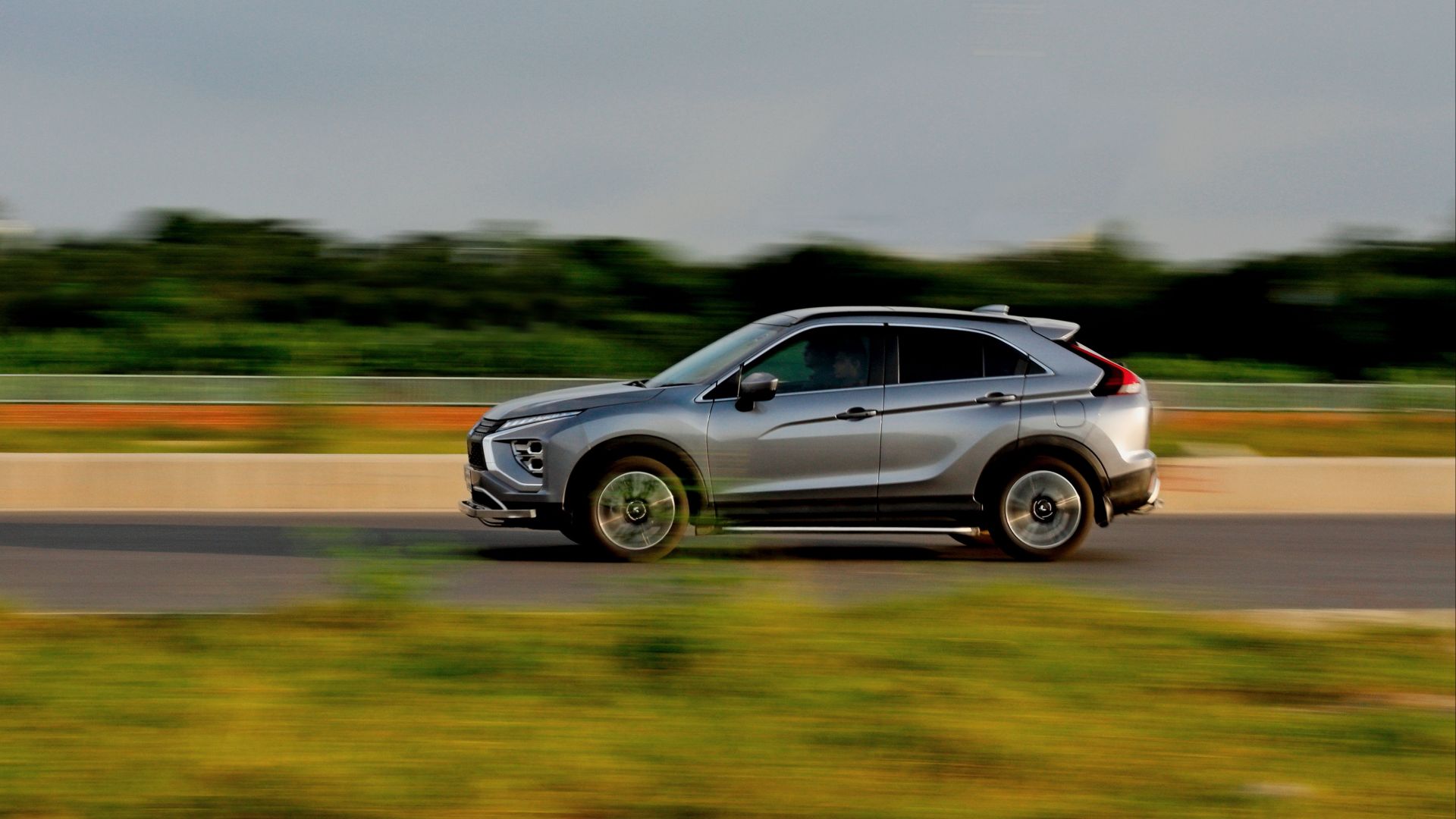
Look at EPA fuel-economy labels from the past decade and the pattern is clear. Many compact crossovers got close enough to compact and midsize sedans that the difference no longer felt decisive for mainstream shoppers. Once the penalty shrank, buyers often picked the vehicle with more utility. In many cases, that meant the crossover.
All-Wheel Drive Became Easy To Get
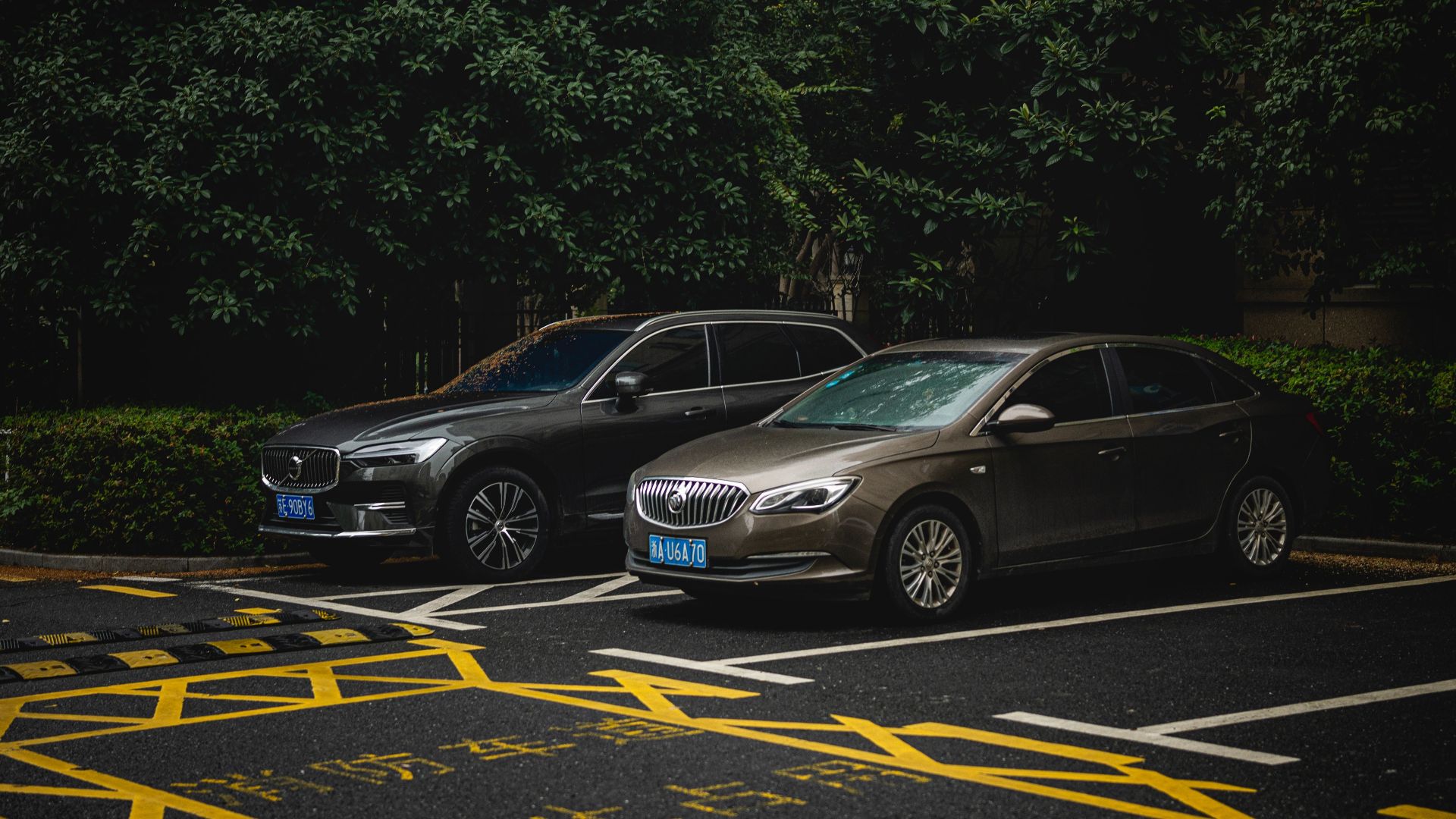
Another reason people drifted away from sedans is that compact SUVs often offered all-wheel drive widely and at reasonable prices. Sedans sometimes had it too, but not as consistently across trims and brands. For buyers in snowy or rainy places, the crossover looked like a more confident all-season choice, whether or not they truly needed the extra capability. Perception matters, and AWD sells peace of mind.
Automakers Pushed The Trend Hard
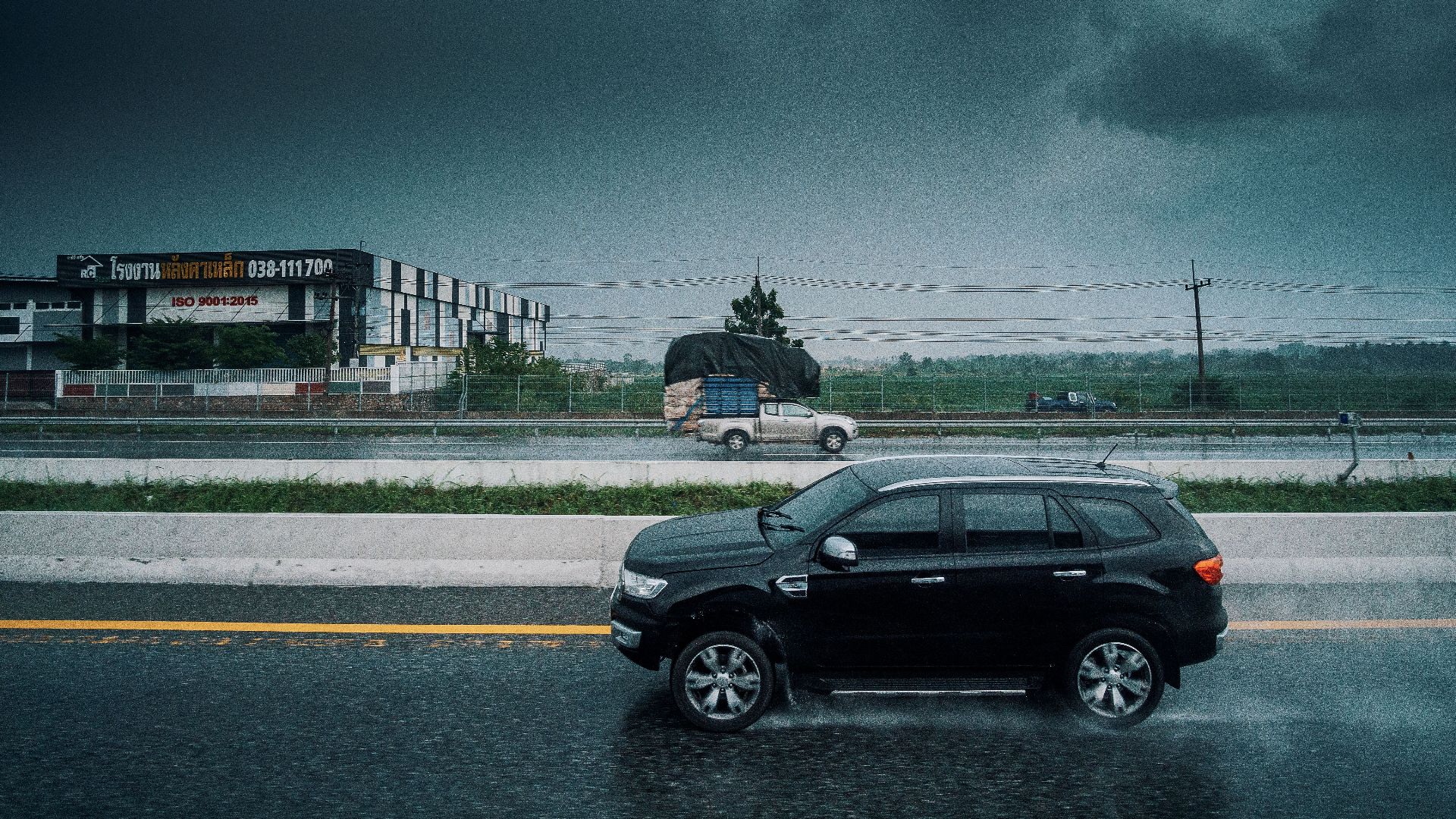
This was not just a consumer revolt. Automakers saw stronger profits in crossovers and shifted their product plans around them. Ford announced in 2018 that it would stop selling most traditional passenger cars in North America, keeping the Mustang and later some specialty models, while focusing more on trucks and utilities. Other brands also cut back their sedan lineups as SUVs delivered better margins and steadier demand.
Profitability Changed Showrooms
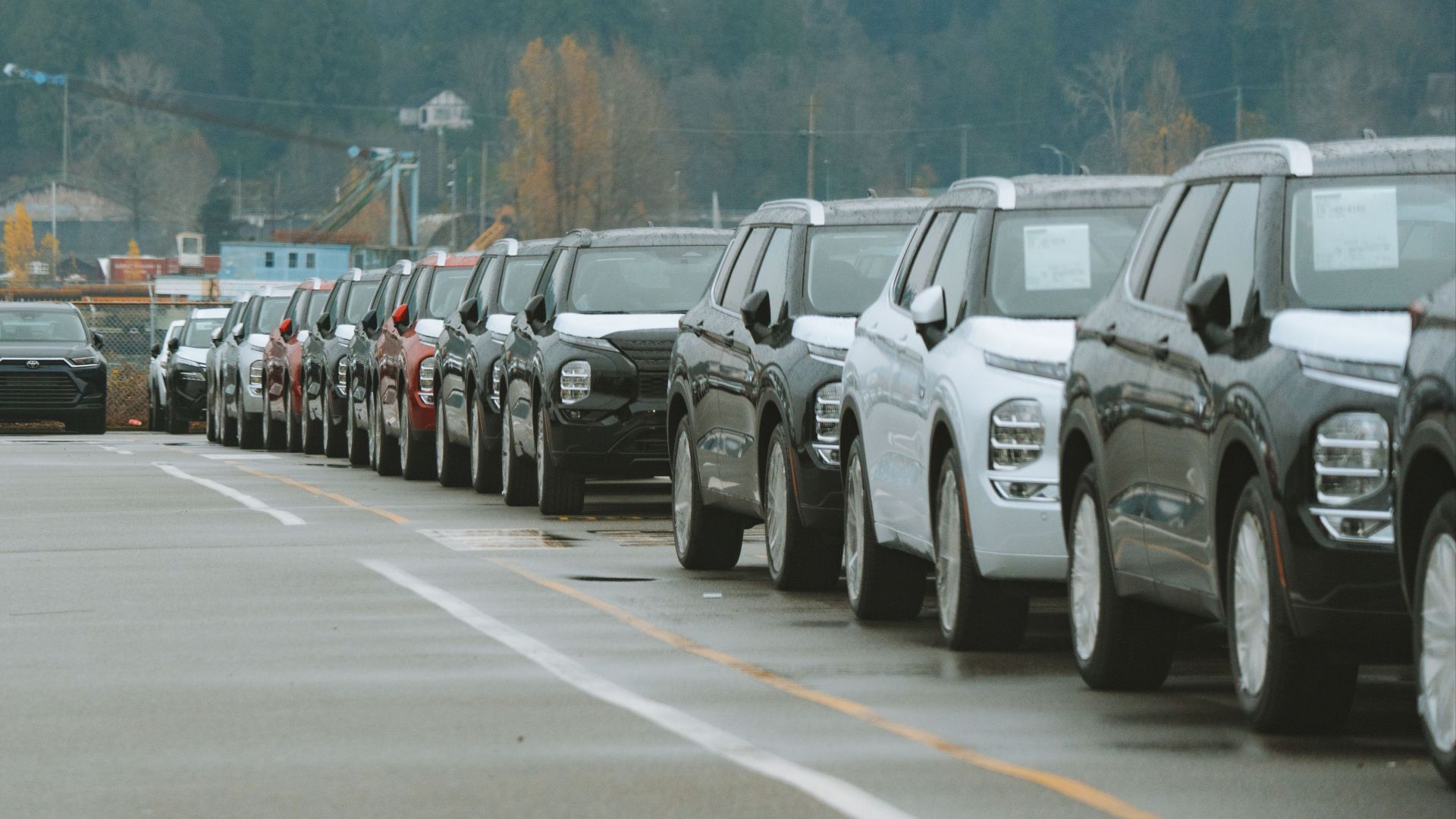
Once companies realized they could charge more for a compact SUV than for a roughly comparable sedan, the incentives were obvious. Higher transaction prices and stronger profits meant more crossover investment, more ads, and more versions of the same basic formula. That created a loop. Buyers saw more choices, dealers stocked more of them, and sedans became easier to overlook.
Regulations Also Played A Quiet Role
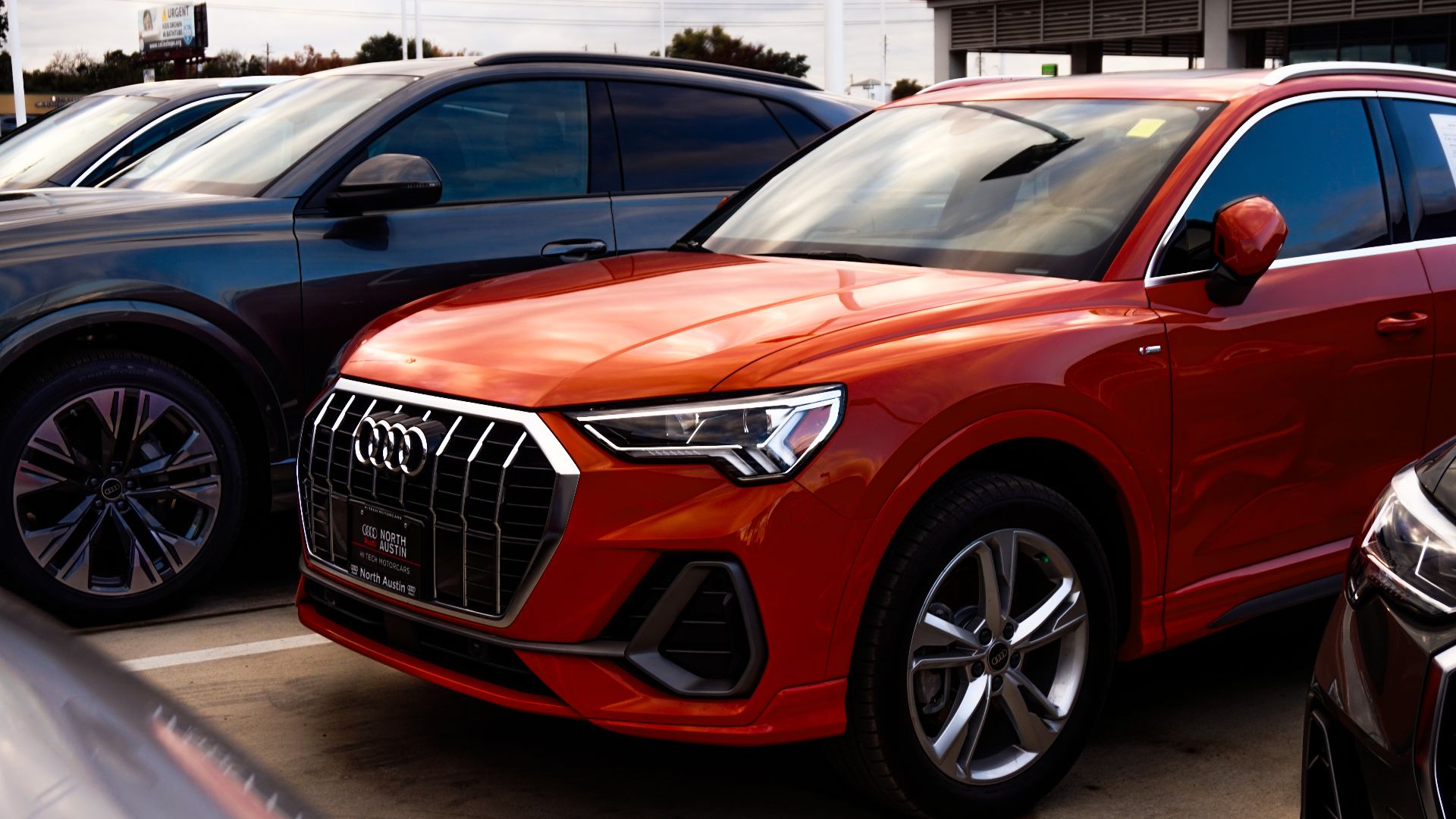
There is a less glamorous but important layer here. Federal fuel-economy and emissions rules have historically treated passenger cars and light trucks differently, and crossovers often landed on the light-truck side of the system. Analysts have long argued that this helped make utility vehicles easier to sell profitably than comparable cars. It did not cause the whole shift on its own, but it helped shape the market.

Footprint Rules Reward Size In Complicated Ways
Modern CAFE standards are footprint-based, which means fuel-economy targets vary by vehicle size. The National Highway Traffic Safety Administration and EPA explain that targets are tied to a vehicle’s footprint instead of one fixed number for every model. That system was meant to balance safety and real-world feasibility, but critics say it can also reduce pressure to make vehicles smaller. The result is a market where growing dimensions did not always bring the penalties people assume.

Compact SUVs Feel Safer To Many Buyers
Many buyers connect a taller, heavier vehicle with safety, even though the real picture is more complicated. The Insurance Institute for Highway Safety and the National Highway Traffic Safety Administration both show that crash performance depends on design, crash compatibility, driver behavior, and specific test results, not just ride height. Still, the feeling of safety has been powerful. That pushed many families toward compact SUVs even when sedans tested very well.

Safety Tech Spread Across The Market
As automatic emergency braking, blind-spot monitoring, lane keeping, and adaptive cruise control became more common, compact SUVs benefited from the same safety-tech wave as sedans. That erased another old sedan advantage. Buyers no longer had to choose a lower car to get top safety features. In many cases, the crossover and the sedan even shared the same platform and electronics.
Design Got Better At Exactly The Right Time
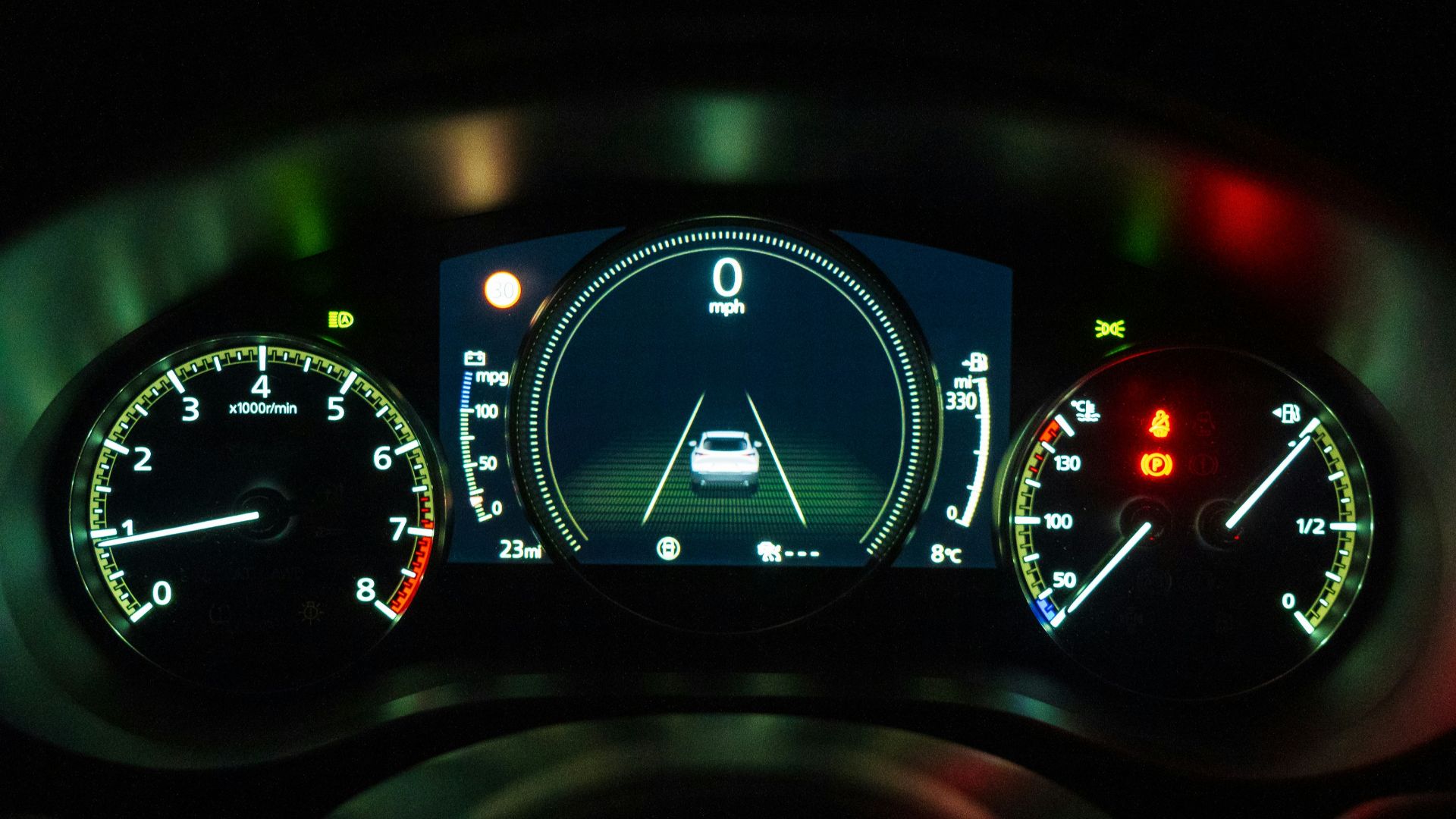
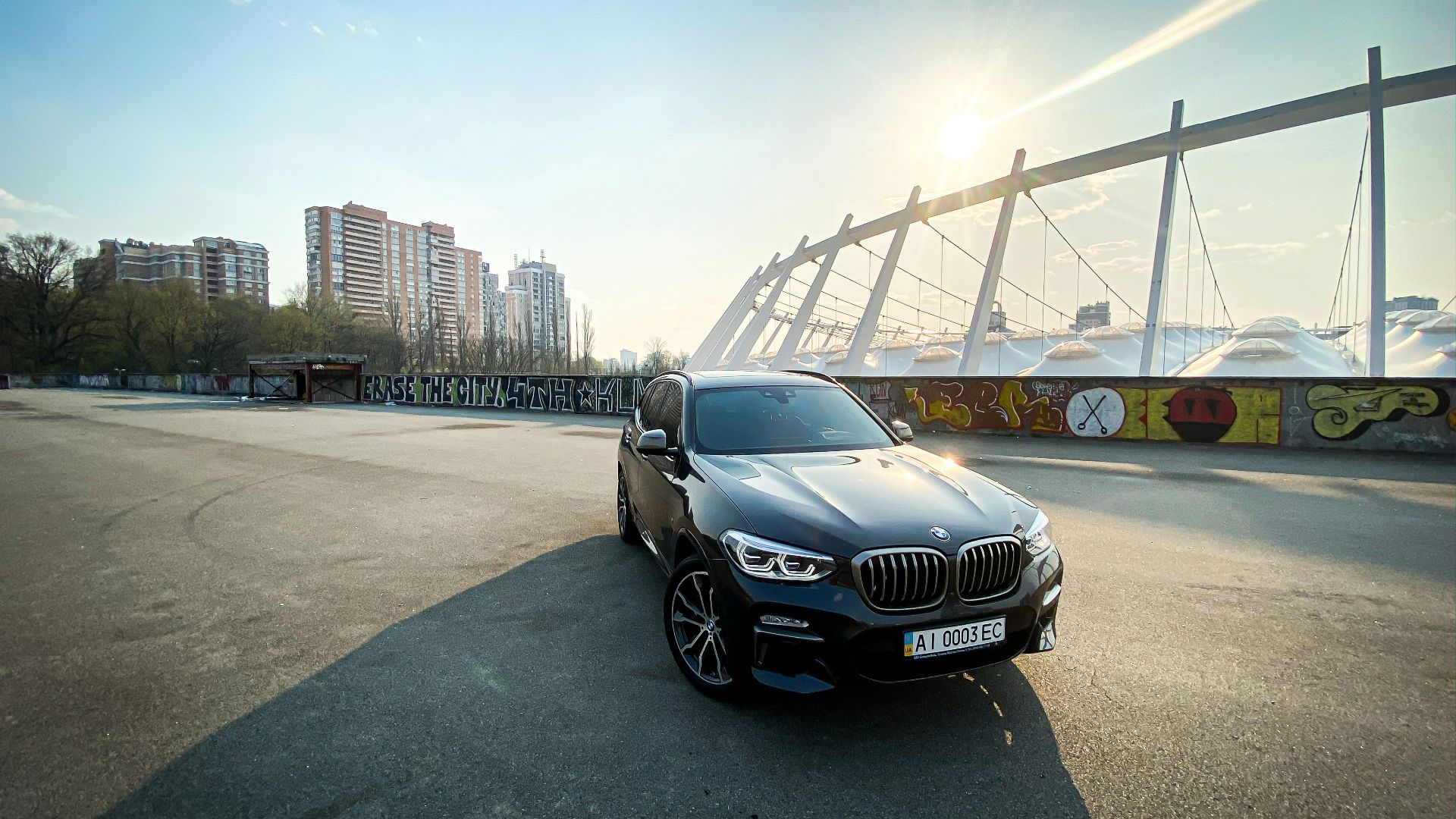
The first wave of mainstream crossovers often looked awkward and drove like a compromise. Then the styling got sharper, the interiors got nicer, and the ride and handling improved a lot. By the mid-2010s, a Honda CR-V, Toyota RAV4, Mazda CX-5, or Subaru Forester no longer felt like a fallback choice for someone who really wanted a wagon. They felt polished, normal, and desirable.
 Vladyslav Cherkasenko, Unsplash
Wagons Never Got A Real Chance Back
Some sedan fans ask why buyers did not just switch to wagons instead. In the United States, wagons had mostly faded long before the crossover boom fully took over. Automakers sold relatively few of them, marketed them poorly, and often priced them strangely. Crossovers ended up doing the same practical job with a more fashionable image.
Minivans Lost Status, Too
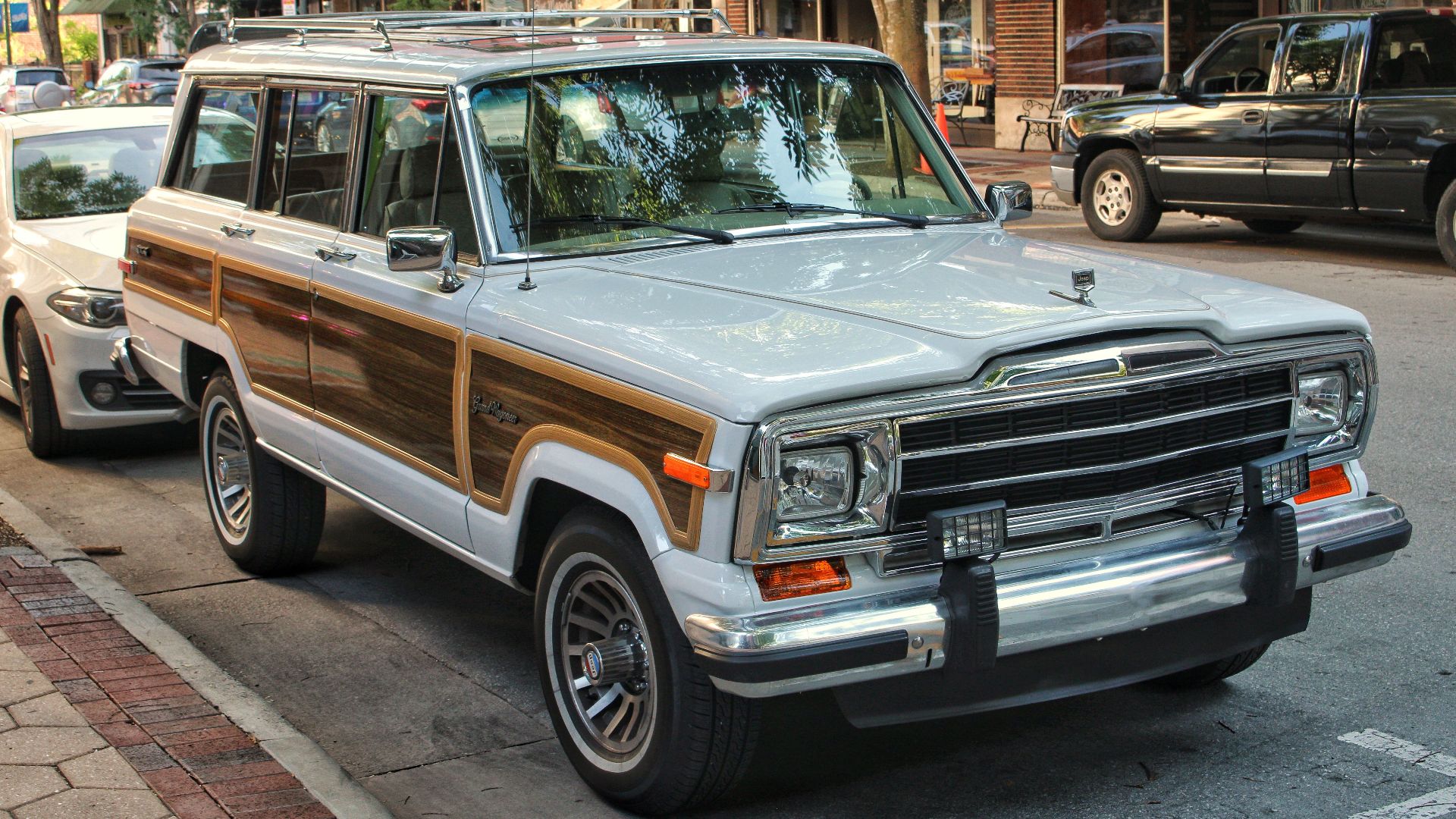
Minivans are still excellent at moving people and cargo, but they developed an image problem that compact SUVs took full advantage of. Crossovers offered much of the same daily usefulness with a more adventurous identity. Buyers who did not want a van but still needed family space found an easy middle ground. That helped compact SUVs steal customers from more than just sedans.

Weather And Roads Matter More Than Pride
Even buyers who almost never leave pavement often like knowing a compact SUV can handle a snowstorm, a muddy field, or a rough cabin road without much drama. The extra ground clearance is usually modest, but it is enough to matter sometimes. People do not always shop for what they do every day. They often shop for the handful of days each year when conditions turn annoying.

There Is Also A Simple Fashion Component
Cars are tools, but they are also social signals. Once compact SUVs became the mainstream default, buying one started to feel normal and sensible rather than trendy. Sedans began to look like the niche choice in many suburban neighborhoods. Fashion did not create the shift by itself, but it definitely sped it up.

Used-Car Reality Reinforced The Trend
Strong demand for used SUVs and crossovers also helped. Shoppers paying attention to resale value noticed that utility vehicles often stayed attractive to a wide range of second owners. That made the higher new-car price easier to justify. A practical vehicle that stays desirable tends to keep winning the argument.
Sedans Did Not Suddenly Become Bad
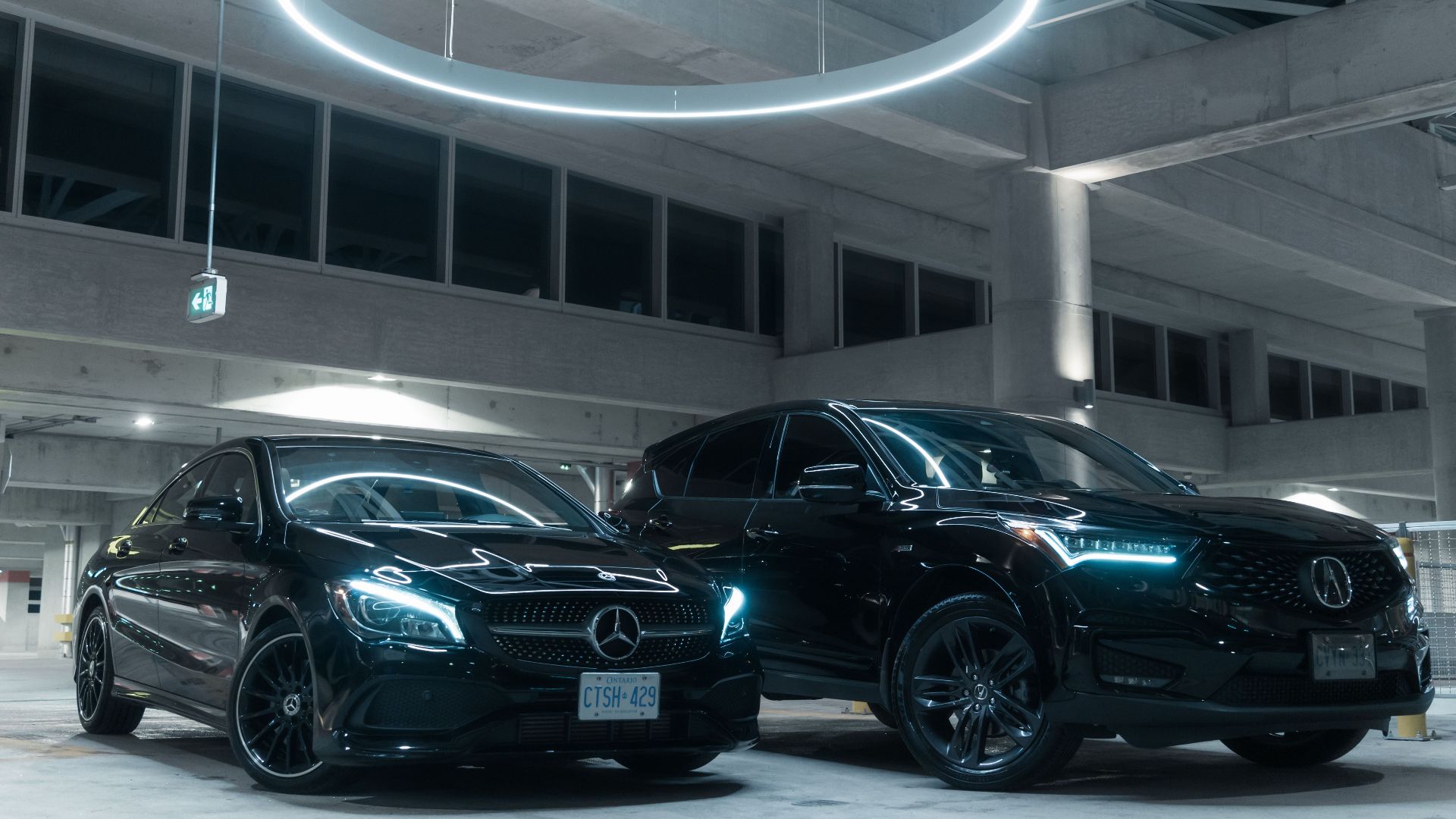
This part matters. Sedans still make a lot of sense for many drivers. They often ride better, handle more cleanly, deliver better fuel economy, cost less at the same trim level, and can be easier to park. The market moved away from them not because they failed, but because compact SUVs became good enough in the areas where sedans used to lead while also offering more flexibility.
There Are Downsides To The SUV Shift
The crossover boom is not all upside. Taller vehicles can be less efficient than comparable cars, and the extra weight and height can hurt braking distances and raise tire and ownership costs. Bigger blind zones and higher front ends have also become part of the wider safety debate. So even if the shift makes sense for many households, it still comes with tradeoffs.
The Sedan Still Wins For Some Drivers
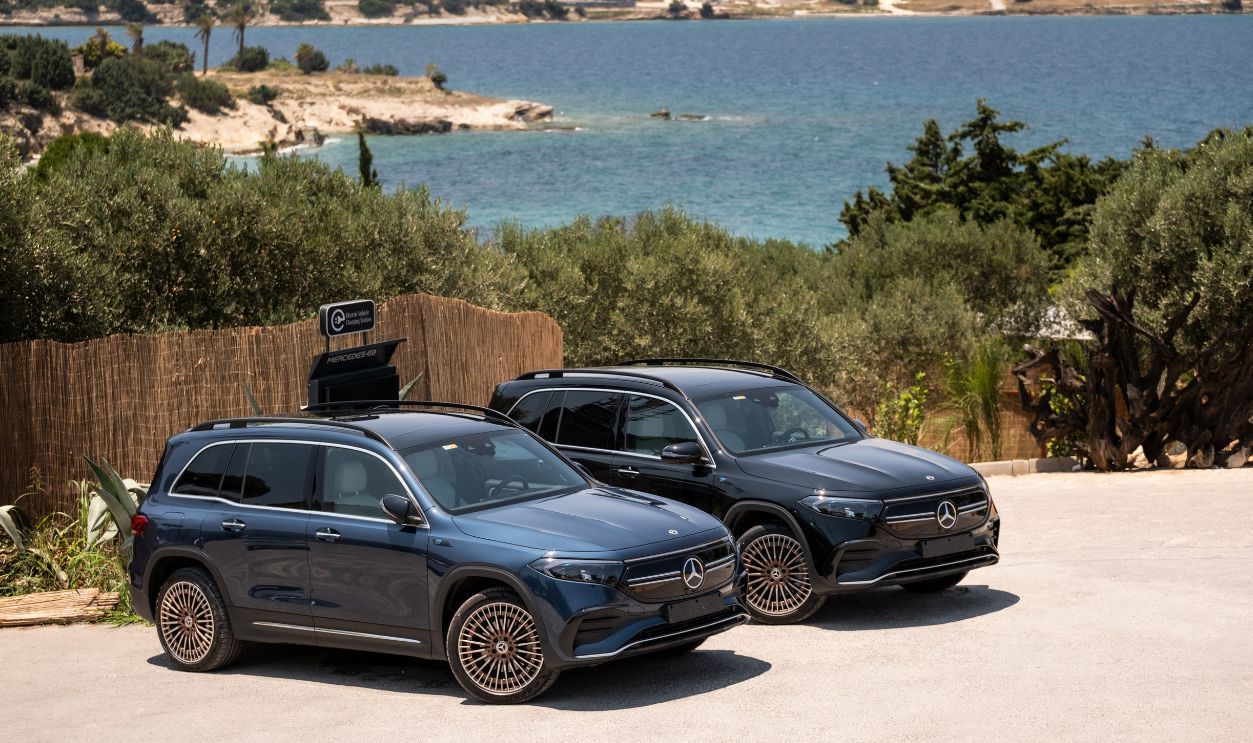
If you do long highway commutes, care about sharp handling, want the most mpg for your money, or simply prefer a lower driving position, a sedan is still a strong choice. Many people never use the extra cargo height or light off-pavement ability of a compact SUV. For them, paying more for a crossover can be wasted money. The smartest move is still to buy for your actual life.

So Why Did Compact SUVs Replace Sedans
Because they solved more problems for more people at about the right price, while the fuel-economy downside got smaller. Higher seating was part of the draw, but so were cargo flexibility, easier entry, available all-wheel drive, family usefulness, heavy marketing, and better profits for automakers. Regulations and product planning helped push things that way too. The real answer is more interesting than your friend’s version because it was never just one reason.

The Best Takeaway For Shoppers
Do not buy the body style that wins the culture war. Buy the one that fits your habits. If you regularly haul bulky cargo, need child-seat convenience, or want a more upright driving position, a compact SUV is easy to justify. If you mostly commute, care about efficiency and handling, and do not need hatchback versatility, a sedan still deserves a serious look.