Does This Old Gas-Saving Trick Still Work?
If you've been switching off your car's air conditioning to save gas since the 1970s, you might be surprised by what modern research has found. The old trick really can save fuel, but sometimes driving with the windows down actually costs you more.
So when does turning off the A/C still make sense, and when are you better off leaving it running?

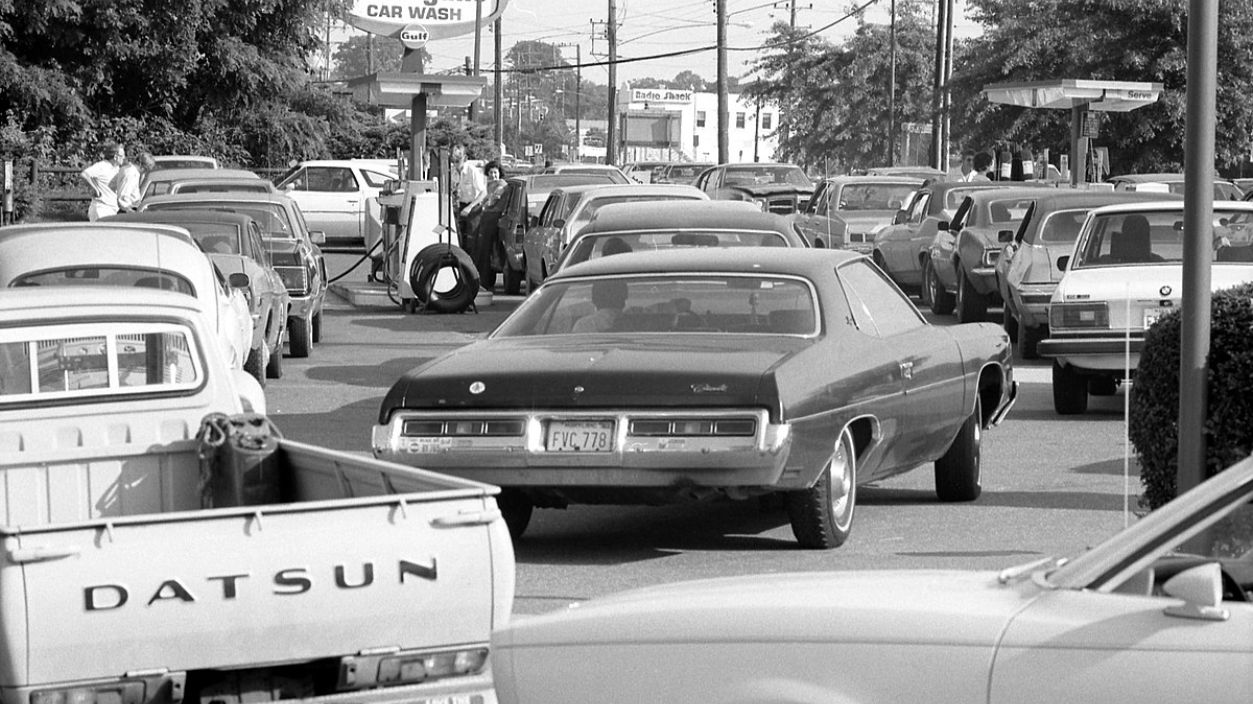
It Started With The Gas Crisis
During the 1970s, rising gasoline prices made fuel economy a serious concern for American drivers. Turning off the air conditioning became one way to stretch a tank of gas. Unlike some old driving tricks, this one had a legitimate scientific explanation.
 Warren K. Leffler, Wikimedia Commons
Even The Government Was Studying It
A 1975 Environmental Protection Agency report examined how vehicle accessories affected fuel economy. Researchers identified air conditioning as a major source of additional engine load. Drivers who switched it off weren't simply imagining the savings.
 USEPA Environmental-Protection-Agency, Wikimedia Commons
Why Air Conditioning Burns Extra Gas
In a conventional gasoline-powered car, the air-conditioning compressor requires energy to circulate refrigerant through the cooling system. That places an additional load on the engine, which must burn fuel to provide the necessary power. Switching off the compressor generally reduces that demand.
But How Much Gas Can You Save?
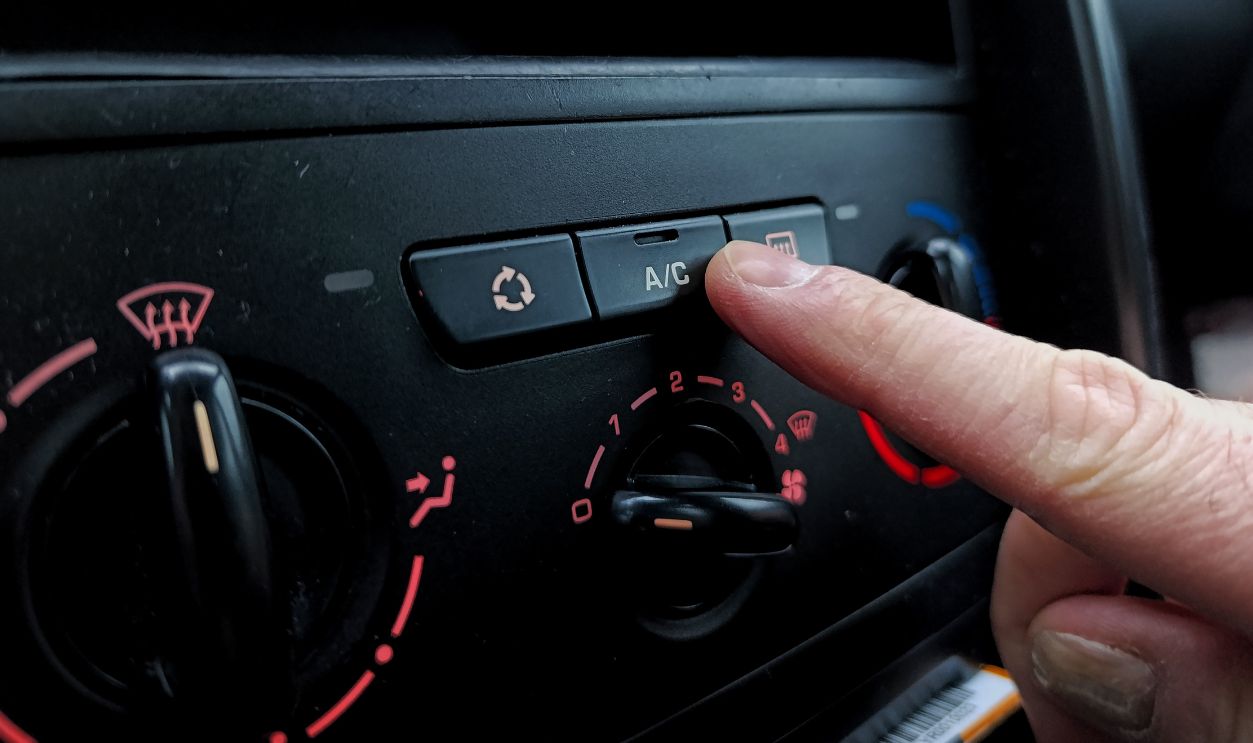
Natural Resources Canada reports that air conditioning can increase fuel consumption by up to 20%. The actual increase depends on the vehicle, outside temperature, and operating conditions. So turning off your A/C can make a noticeable difference, although the savings aren't the same for every driver.
The Penalty Can Be Even Bigger
In fact, the U.S. Department of Energy says air conditioning can reduce a conventional car's fuel economy by more than 25% in extremely hot conditions. The effect is particularly noticeable during short trips, when the system must work hard to cool an overheated cabin. That's a substantial penalty for something many drivers use without a second thought.

Short Trips Can Be Surprisingly Expensive
Imagine getting into your car after it's been parked in the sun all afternoon. Your air conditioner must work hard to cool the overheated interior, creating a significant initial demand for energy. If you're only driving a few miles, that cooling effort can have a disproportionate effect on fuel economy.

Modern Cars Have Changed The Equation
Automotive air conditioners have evolved considerably since the 1970s. Manufacturers have developed improved compressor technologies and more sophisticated controls to reduce unnecessary energy consumption. However, even an efficient modern system still requires energy, so switching it off can save fuel.
Automatic Climate Control Can Help
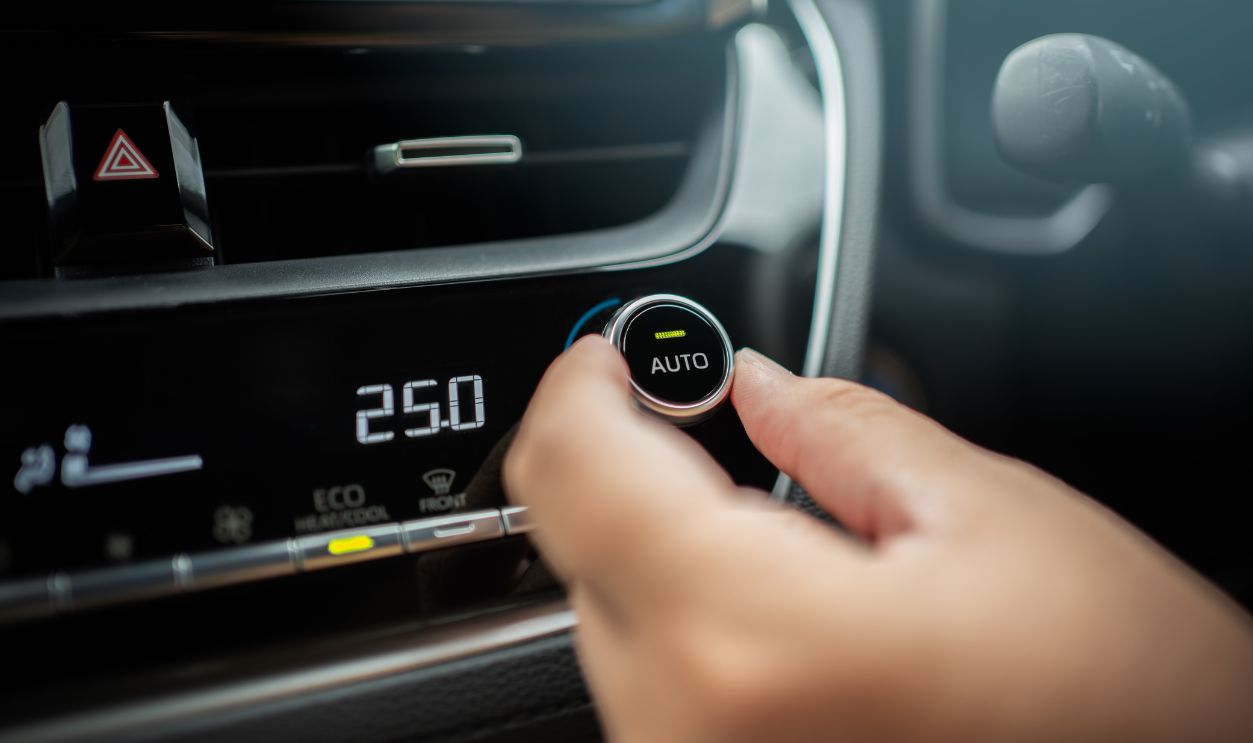
Many modern vehicles automatically adjust their cooling operation to maintain a selected cabin temperature. Depending on the system, this can reduce unnecessary compressor operation once the interior is comfortable. However, automatic climate control isn't guaranteed to use less fuel than a properly adjusted manual system.

But There's A Catch With Open Windows
Most drivers who turn off their A/C simply roll down the windows. Unfortunately, open windows disrupt airflow around the vehicle and increase aerodynamic drag. At higher speeds, overcoming that additional resistance requires more energy.

Around Town, The Old Trick Still Works
At lower speeds, the aerodynamic penalty from open windows is relatively small. That means switching off the A/C and enjoying some fresh air can be an economical choice during city driving. If the weather is comfortable, it's still a sensible way to reduce fuel consumption.

Highway Driving Is More Complicated
As your speed increases, aerodynamic drag becomes much more significant. The Department of Energy generally recommends closing your windows and using air conditioning at highway speeds. However, research suggests the answer isn't always that straightforward.

Researchers Put Two Cars To The Test
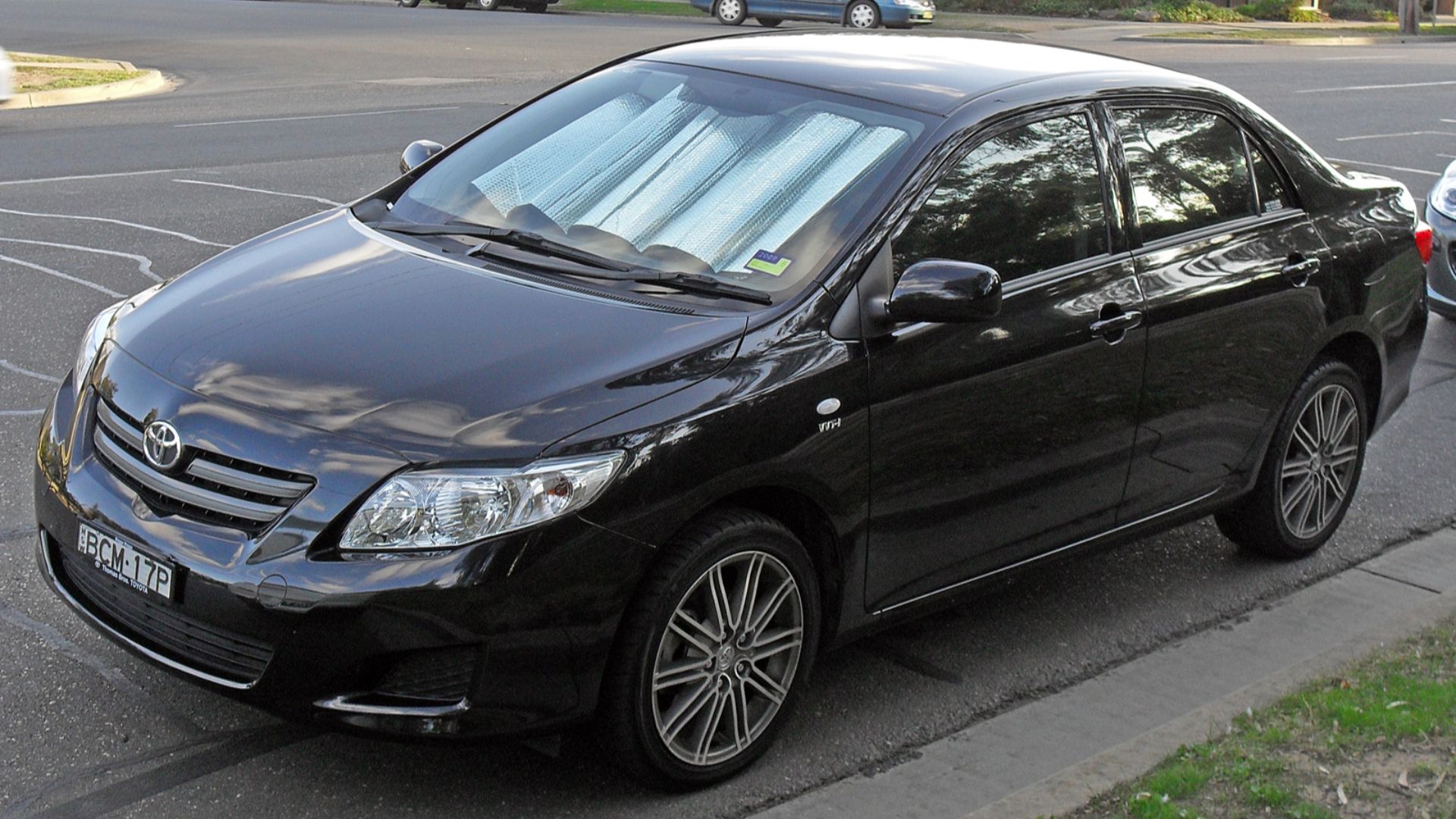
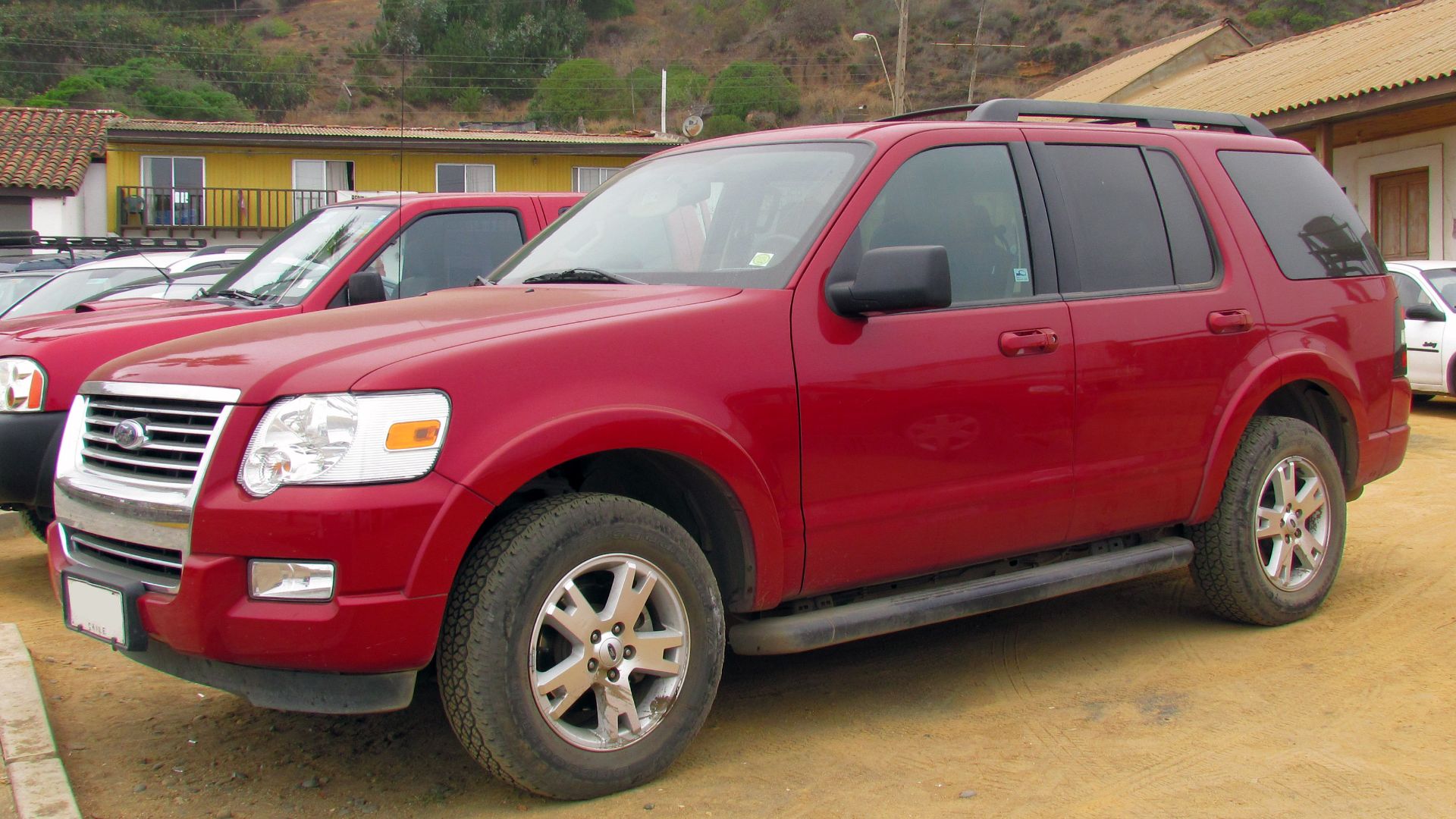
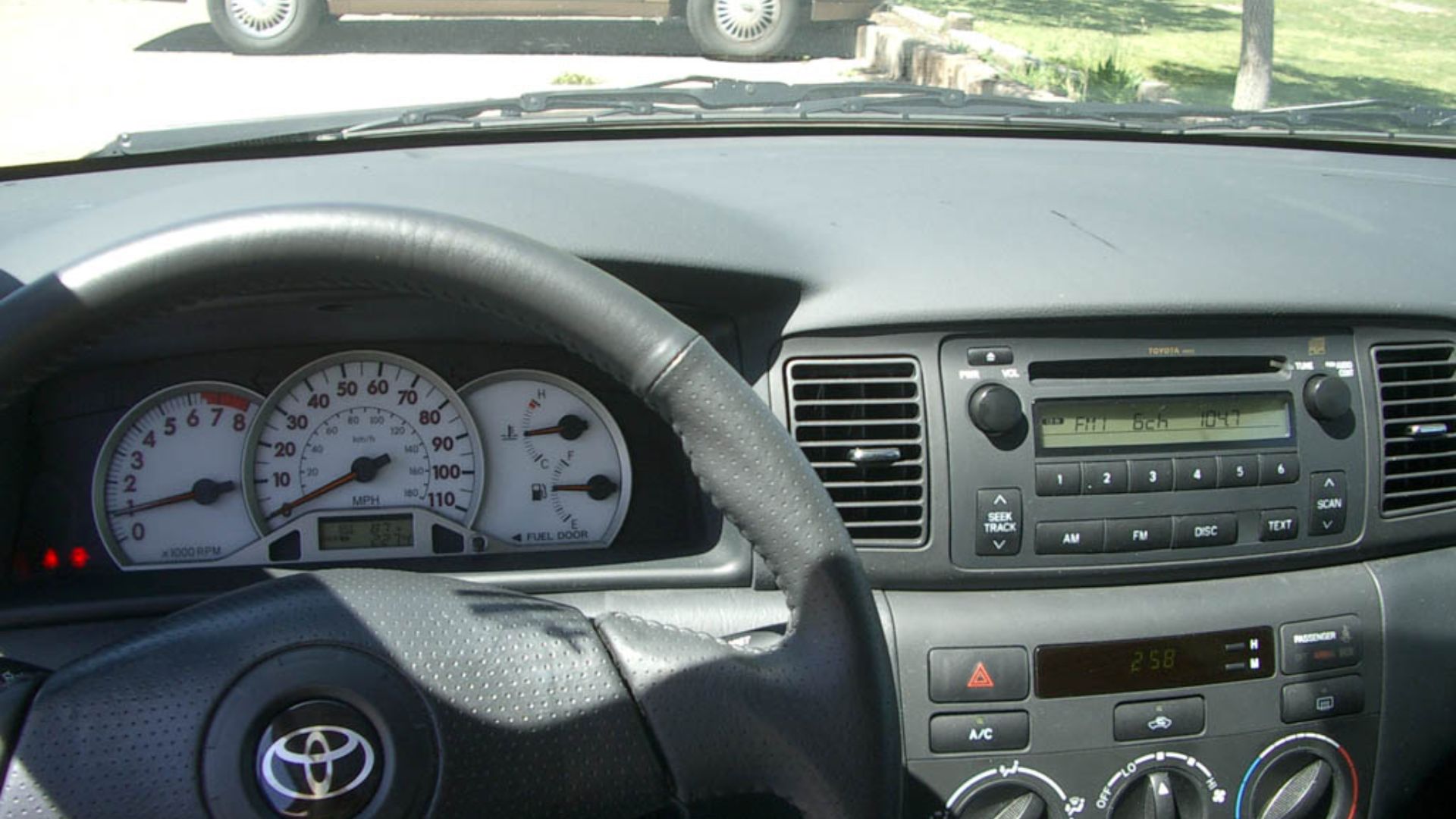
In 2013, researchers from Oak Ridge National Laboratory studied a 2009 Toyota Corolla and a 2009 Ford Explorer. They compared fuel consumption with the windows open against several air-conditioning settings. Their findings challenged the familiar assumption that open windows are always less economical on the highway.
The Results Were Surprising
Between 40 and 70 mph, both vehicles consumed more fuel with their A/C running at maximum cooling than with their windows down. The Ford Explorer continued showing this pattern above 70 mph. In other words, maximum air conditioning was actually the more expensive choice in those tests.
 order_242 from Chile, Wikimedia Commons
But The Corolla Had A Breaking Point
For the Toyota Corolla, fuel consumption with the windows open matched maximum A/C consumption at approximately 75 mph. At 80 mph, the open windows caused greater fuel consumption. The results demonstrated how vehicle design and speed can change the most economical choice.
There's No Universal Speed Limit
You might have heard that you should switch from open windows to air conditioning at exactly 45 or 50 mph. Unfortunately, the research doesn't establish one crossover speed that applies to every vehicle. Aerodynamics, temperature, and cooling demand all influence the outcome.

Maximum A/C Makes A Big Difference
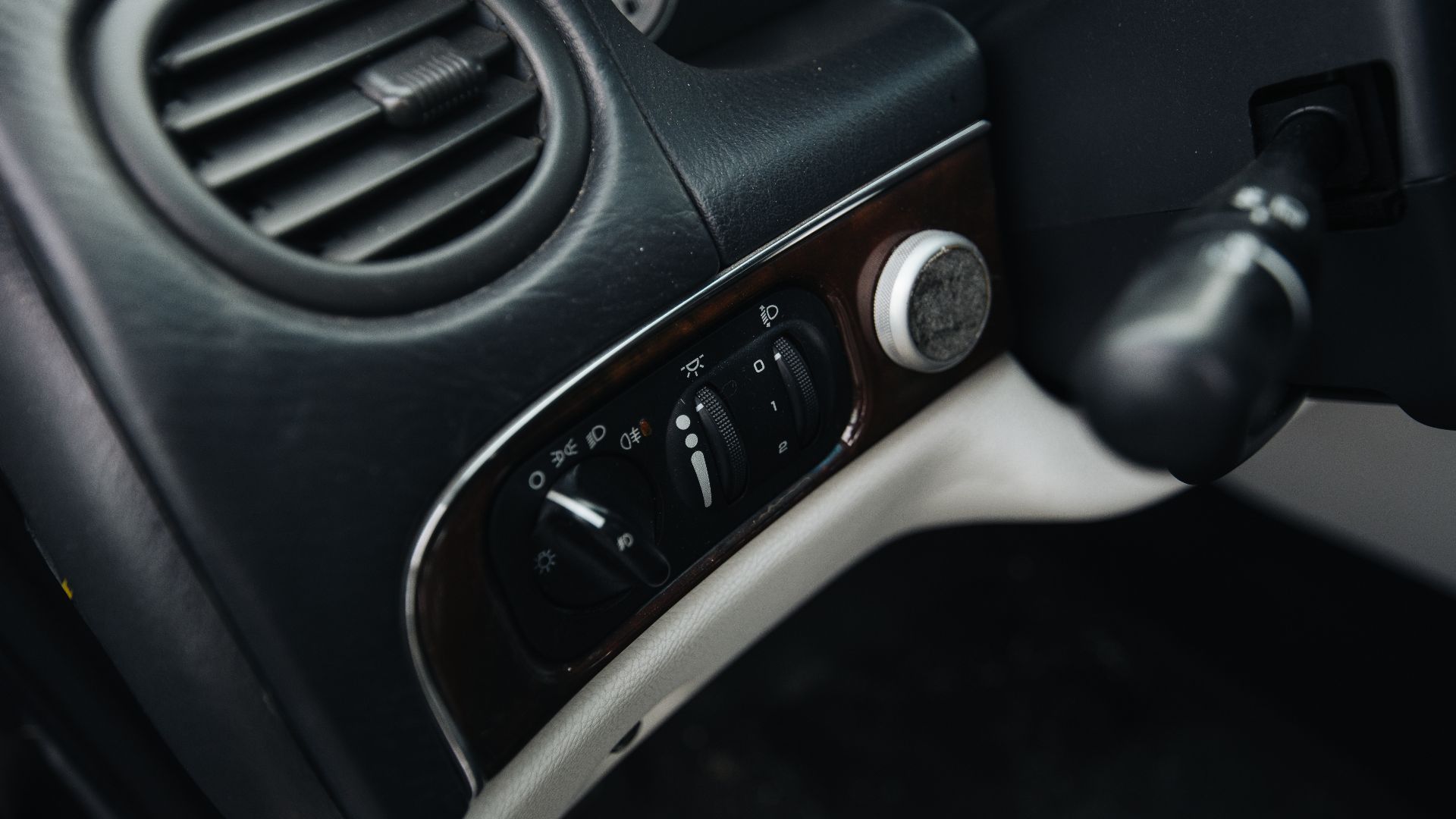
There's an important detail about those Oak Ridge experiments. The researchers specifically tested maximum cooling, with the compressor operating continuously at full demand. Your air conditioner may consume considerably less energy once the cabin has cooled and the system reduces its output.
 Shixart1985, Wikimedia Commons
Don't Set The Temperature Too Low
Turning your air conditioning to its coldest setting isn't always necessary to stay comfortable. Lower temperature settings can increase cooling demand and fuel consumption. The Department of Energy recommends using only as much air conditioning as you actually need.

The Recirculation Button Can Save Energy
That little recirculation button on your dashboard can make a difference. Instead of continuously drawing in hot outside air, the system reuses air that has already been cooled inside the cabin. This reduces cooling demand when the outside air is warmer than the interior.

Let The Hot Air Escape First
Before turning on the air conditioning, open your windows briefly to release trapped heat. This helps your vehicle cool faster by reducing the amount of extremely hot air the system must handle. It's a simple trick recommended by the Department of Energy.

Parking In The Shade Helps Too
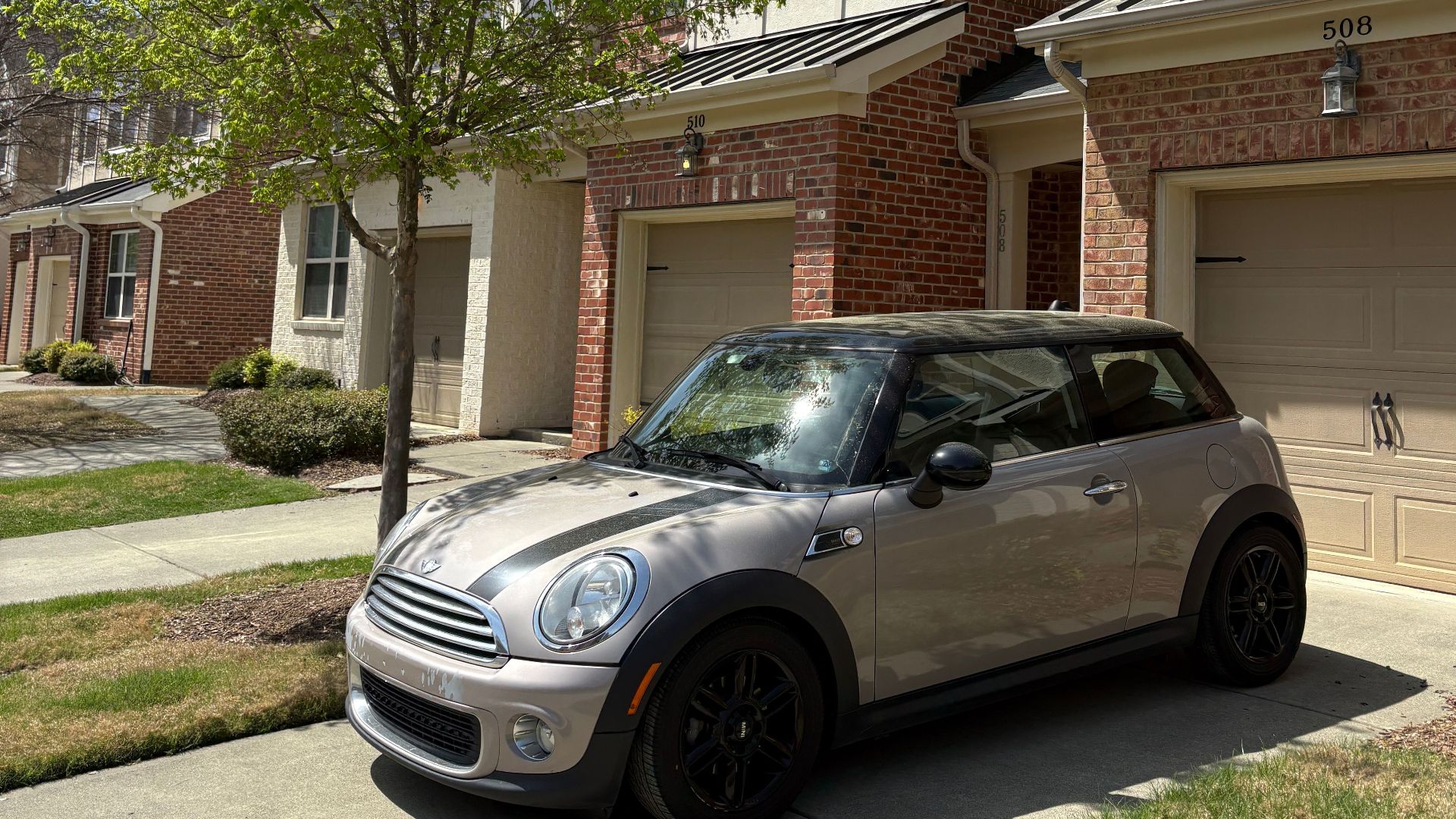
A car parked in direct sunlight can require considerably more cooling when you start driving. Parking in the shade or using a windshield sunshade helps limit heat buildup. That means your air conditioner has less work to do when you finally get behind the wheel.
Don't Idle Just To Cool Your Car
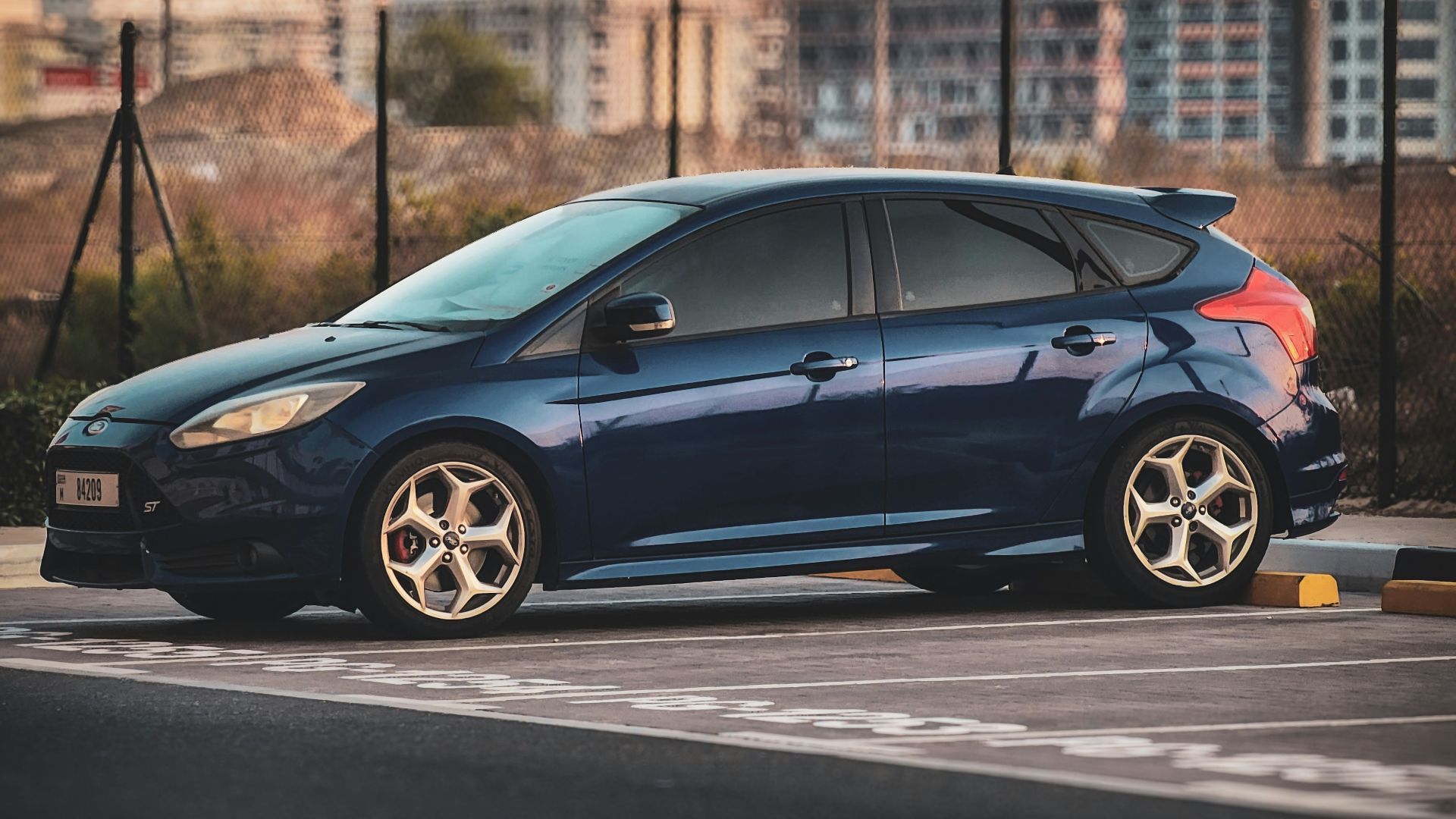
Starting your engine and leaving the air conditioning running before driving wastes gasoline. The Department of Energy advises beginning your journey rather than idling unnecessarily to cool the interior. Most automotive A/C systems actually cool the cabin faster while the vehicle is moving.
Your Defroster Might Be Running The A/C
Here's something many drivers don't realize. In numerous modern vehicles, selecting the windshield defrost setting automatically activates the air-conditioning compressor to remove moisture from the air. That means your A/C might be operating even when you haven't switched it on, so check your owner's manual to see how your system works.

Older Cars Followed Different Rules
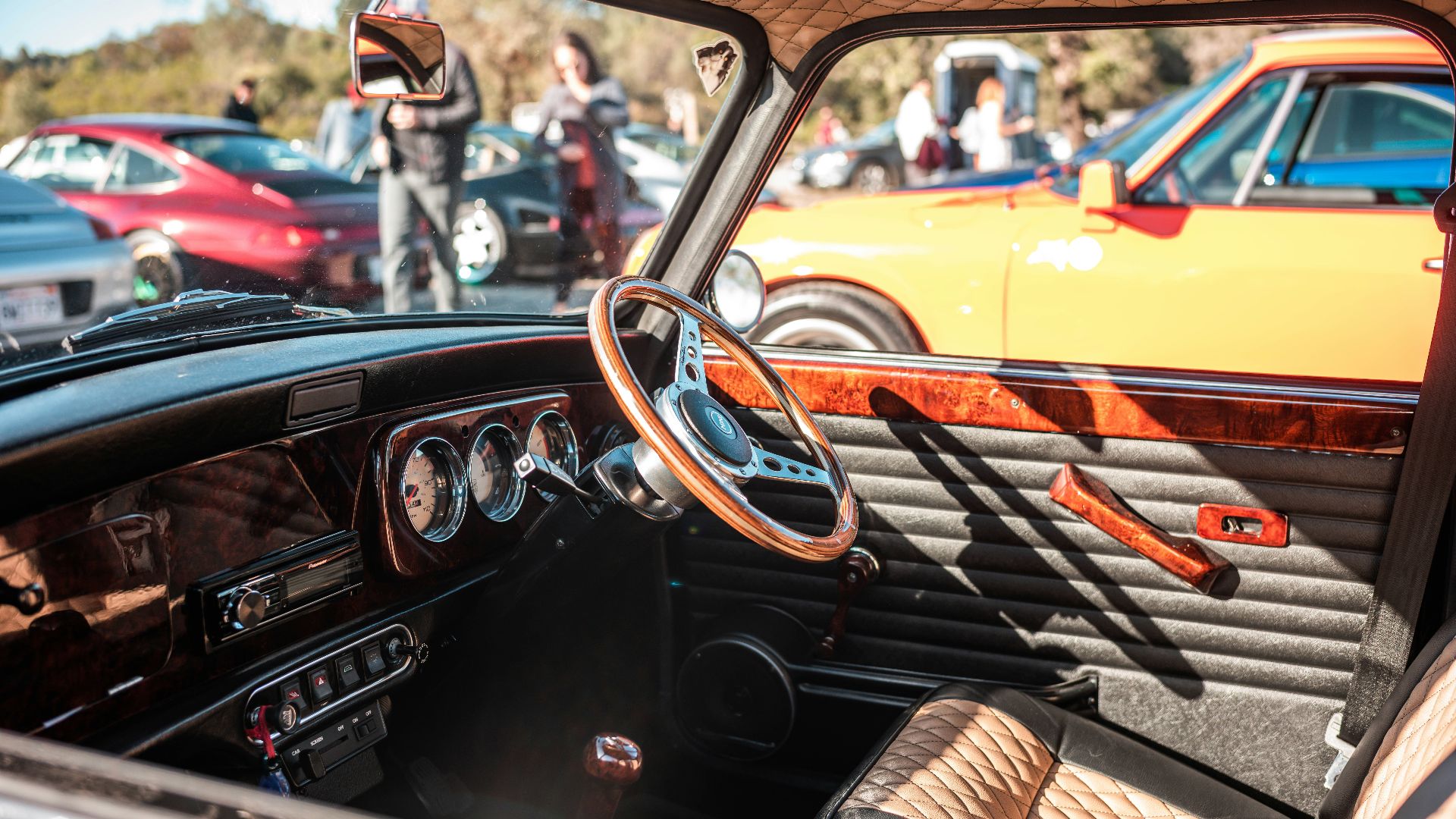
If you're still driving a classic car from the 1970s, the original advice remains particularly relevant. Older systems generally lacked the sophisticated electronic controls found in many modern vehicles. Their operation was more dependent on simpler compressor and climate-control arrangements, although fuel consumption still varied by vehicle and conditions.
Even Fuel Economy Testing Has Changed
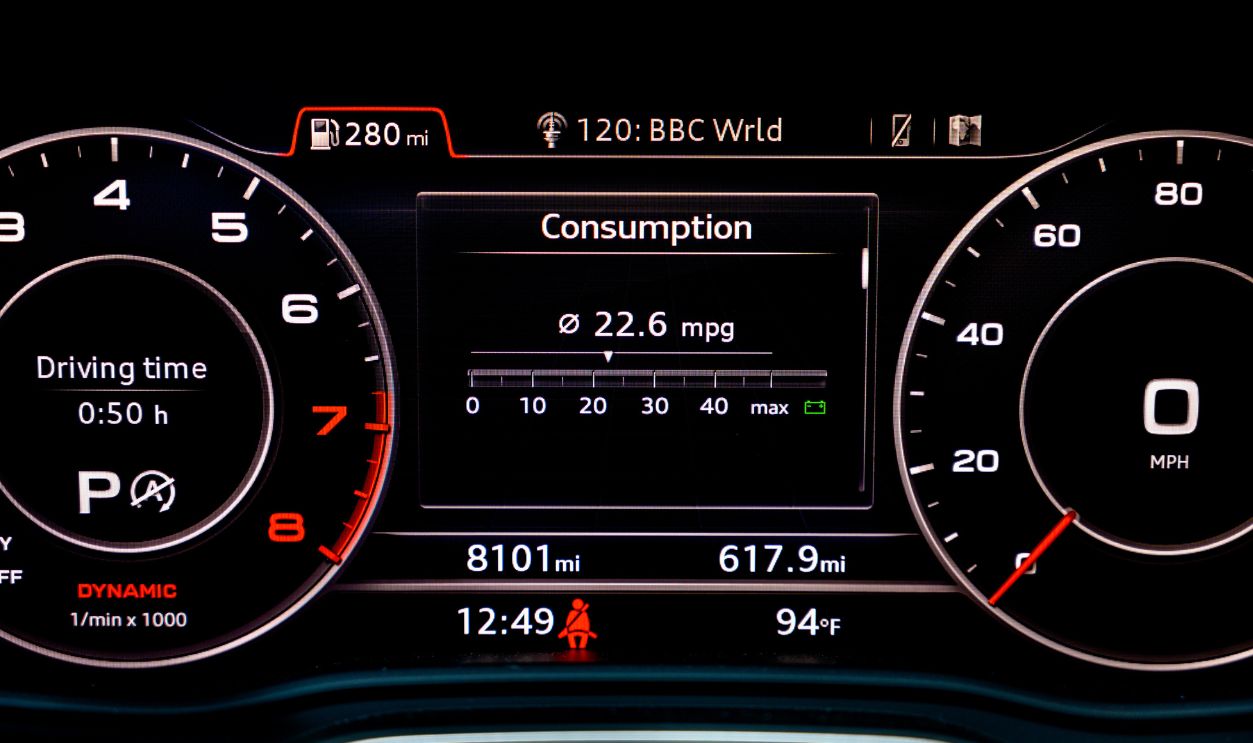
Before the 2008 model year, EPA fuel-economy estimates relied on city and highway test procedures that didn't directly reflect air-conditioning use. Updated calculations introduced additional testing to account for A/C operation, higher speeds, and cold weather. Modern window-sticker estimates therefore reflect a wider range of real-world driving conditions than the original ratings.
What About Hybrid Vehicles?
Air conditioning can have a particularly noticeable percentage effect on fuel economy in hybrid vehicles. Many hybrids use electrically driven compressors, allowing cooling to operate without a traditional engine-driven compressor. However, the cooling system still requires energy, which ultimately affects the vehicle's overall efficiency.

Electric Cars Have A Different Problem
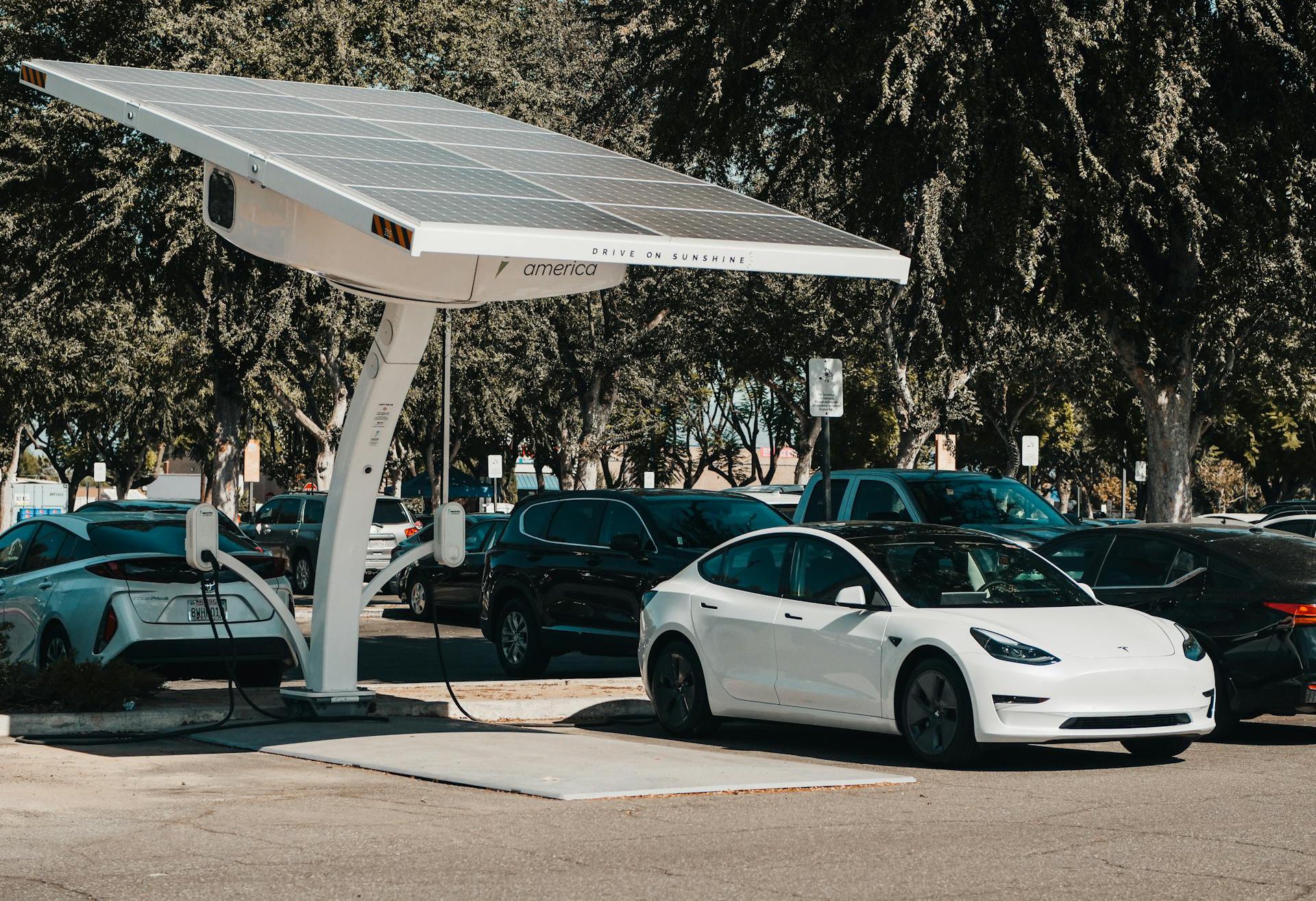
Electric vehicles don't burn gasoline to operate their air conditioning, but the system still uses battery energy. Heavy A/C use can reduce driving range, especially in very hot weather. The Department of Energy recommends cooling the cabin while plugged into a charger when possible to help preserve driving range.
There's An Easier Way To Save Gas
If saving money is your priority, your driving habits may offer greater opportunities than switching off the A/C. The Department of Energy estimates that aggressive driving can reduce fuel economy by 15% to 30% at highway speeds and 10% to 40% in stop-and-go traffic. Smooth acceleration, sensible speeds, and avoiding unnecessary braking can make a substantial difference.

So Does The Old Trick Still Work?
Yes, turning off your air conditioning can still save gasoline, just as it did in the 1970s. But open windows, vehicle speed, and modern cooling systems make the decision more complicated than it once seemed. For slower drives in comfortable weather, the old trick remains useful, while on hotter or faster journeys, using your A/C sensibly may be the better choice.

You May Also Like: