A Former Lease Car Seemed Like The Perfect Deal
I thought buying a former lease car was one of the smartest ways to save money on a nearly new vehicle. It was only a few years old, had reasonable mileage, and looked like someone had taken good care of it. The dealership made its previous lease history sound like another reason to feel confident. But after bringing it home, I started wondering whether being leased actually meant it had been properly maintained.

Why Former Lease Cars Look So Appealing
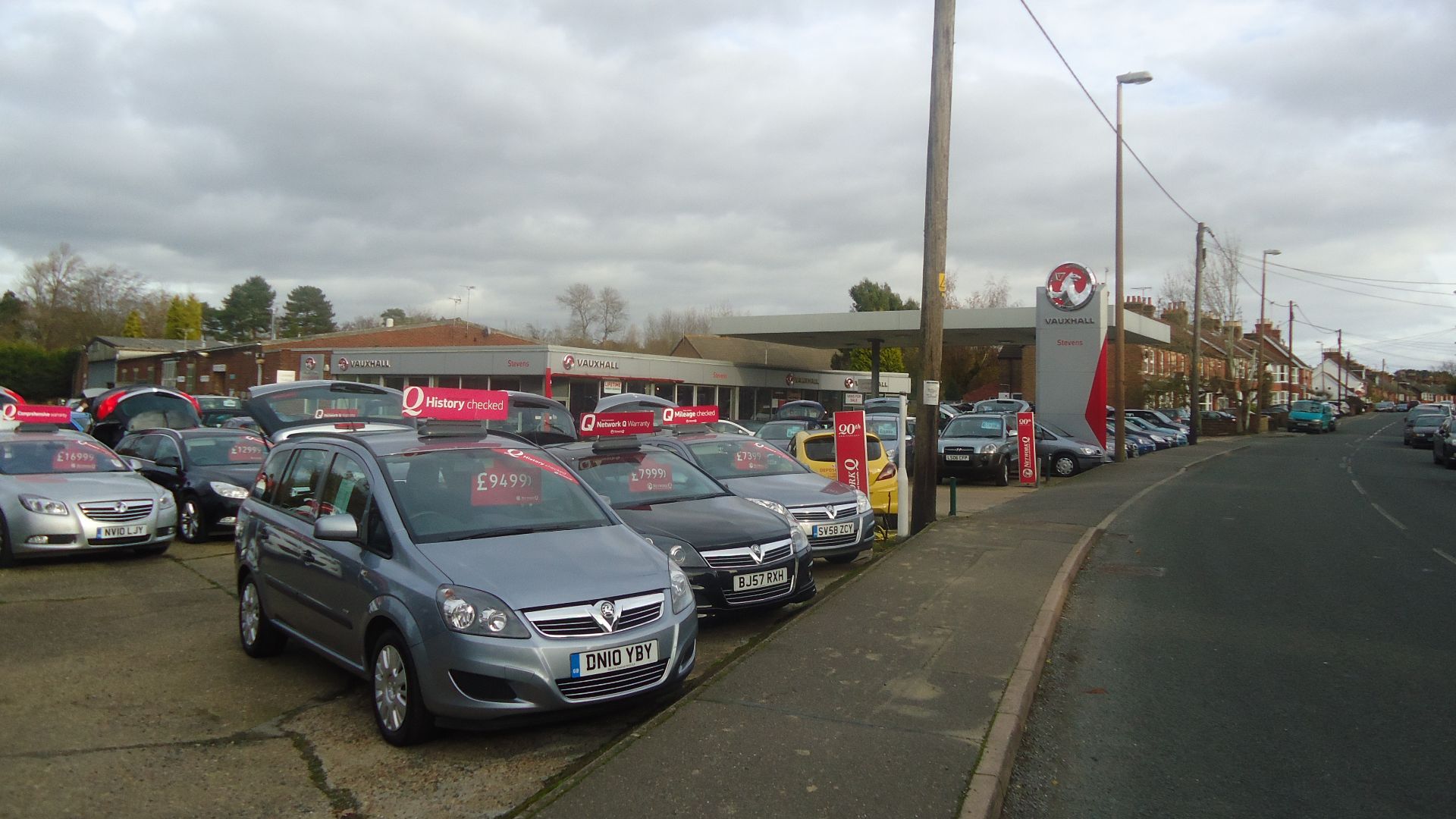
Former lease vehicles often enter the used-car market after relatively short ownership periods, making them attractive alternatives to brand-new models. Many are returned after three or four years, sometimes with substantial factory warranty coverage remaining. They may also have modern safety technology and relatively low mileage compared with older used vehicles. However, their appealing age and appearance don't automatically reveal how carefully they were maintained.
 Stacey Harris , Wikimedia Commons
Lease Agreements Usually Come With Rules
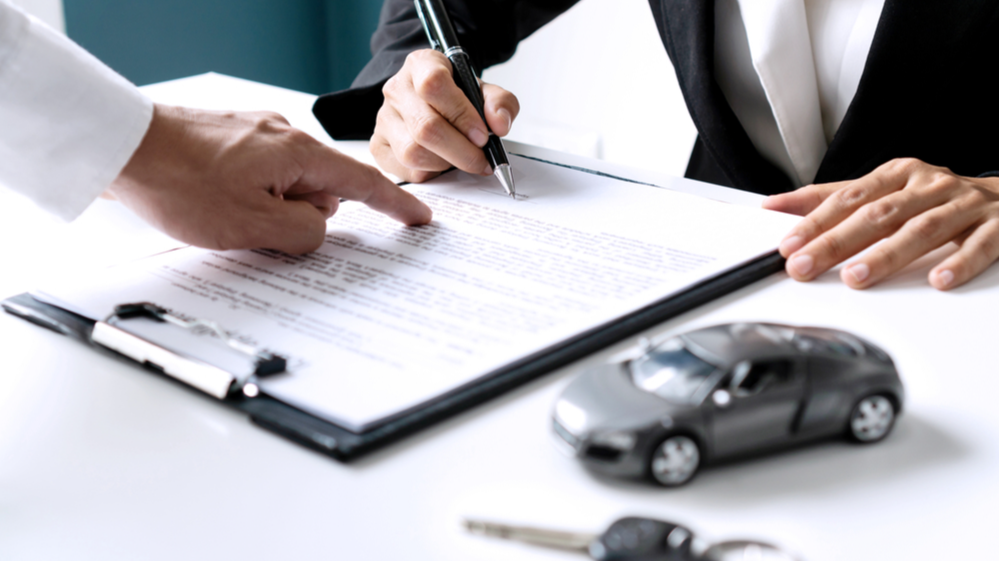
Leasing isn't quite the same as owning a car outright because the driver must follow the conditions established by the leasing company. These agreements commonly include mileage limits, maintenance responsibilities, and standards for acceptable wear and tear. Drivers can face additional charges when returning vehicles with excessive damage or neglected maintenance. Those requirements provide an incentive to care for the car, but they don't guarantee that every driver follows them.
The Maintenance Requirement Sounds Reassuring
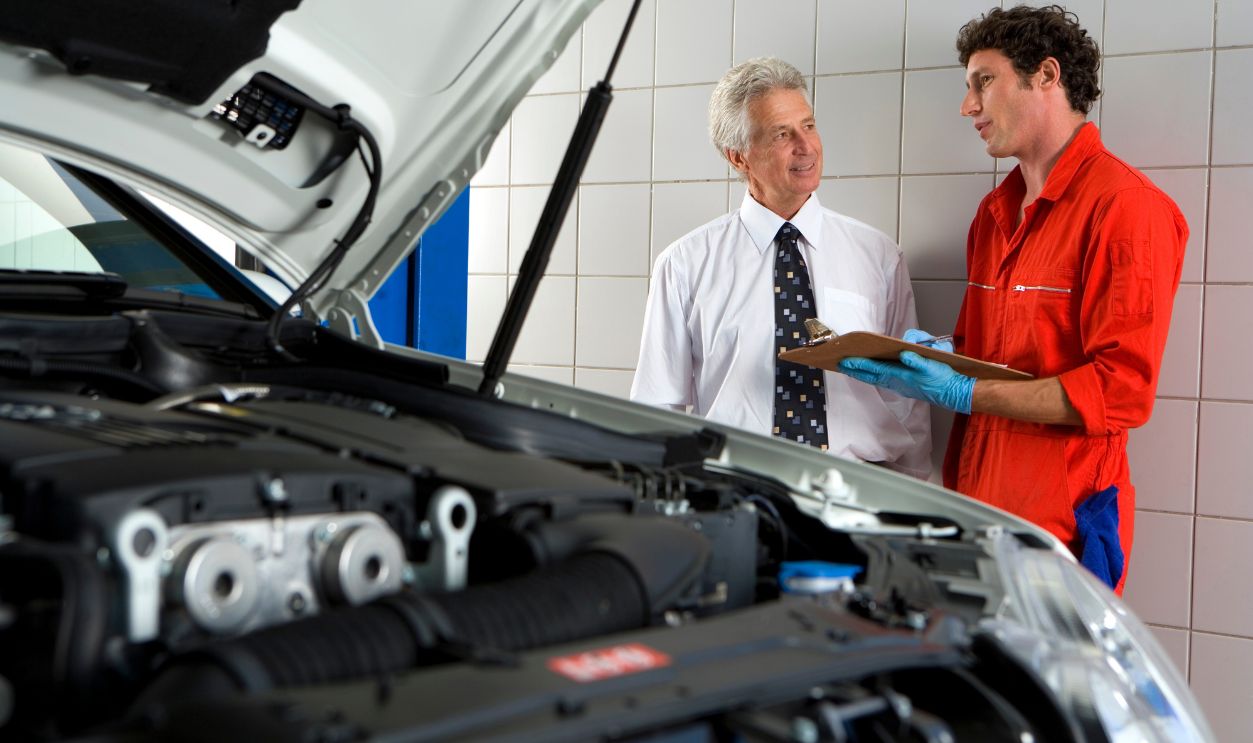
Most lease agreements require drivers to maintain their vehicles according to the manufacturer's recommendations. That generally means keeping up with scheduled services and addressing problems that could affect the vehicle's condition. Neglecting maintenance can create financial consequences when the lease ends. Unfortunately, a contractual obligation isn't the same thing as documented proof that the work actually happened.
Not Every Driver Treats A Lease The Same Way
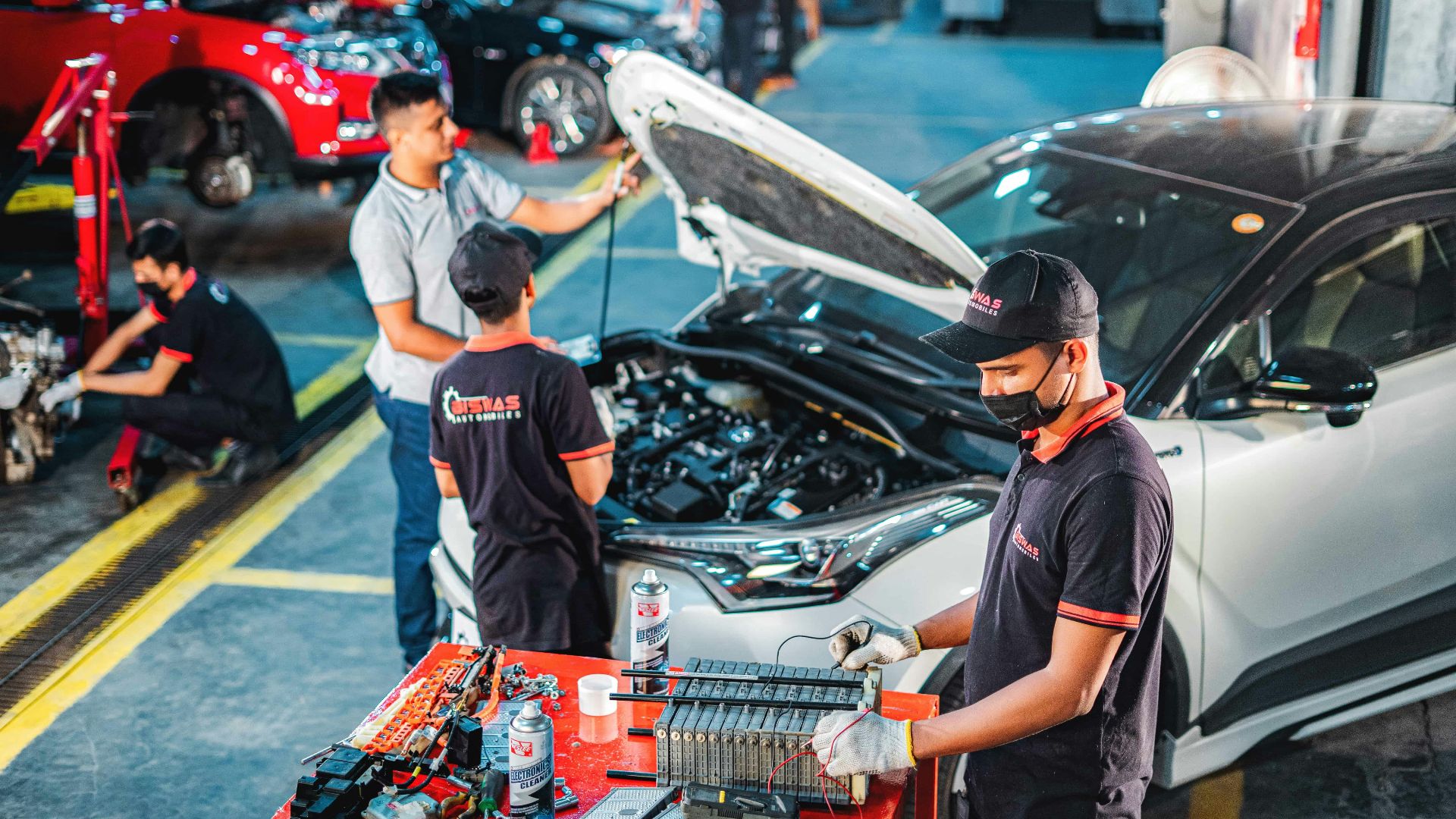
Some drivers maintain leased vehicles carefully because they want to avoid repair bills and end-of-lease penalties. Others may be less attentive, especially when they know they'll return the car rather than keep it for many years. A vehicle can also accumulate considerable wear without showing obvious exterior damage. That's why the previous driver's habits matter more than the fact that the car was leased.
 Biswas Automobiles BD, Unsplash
A Lease Return Inspection Has Limitations
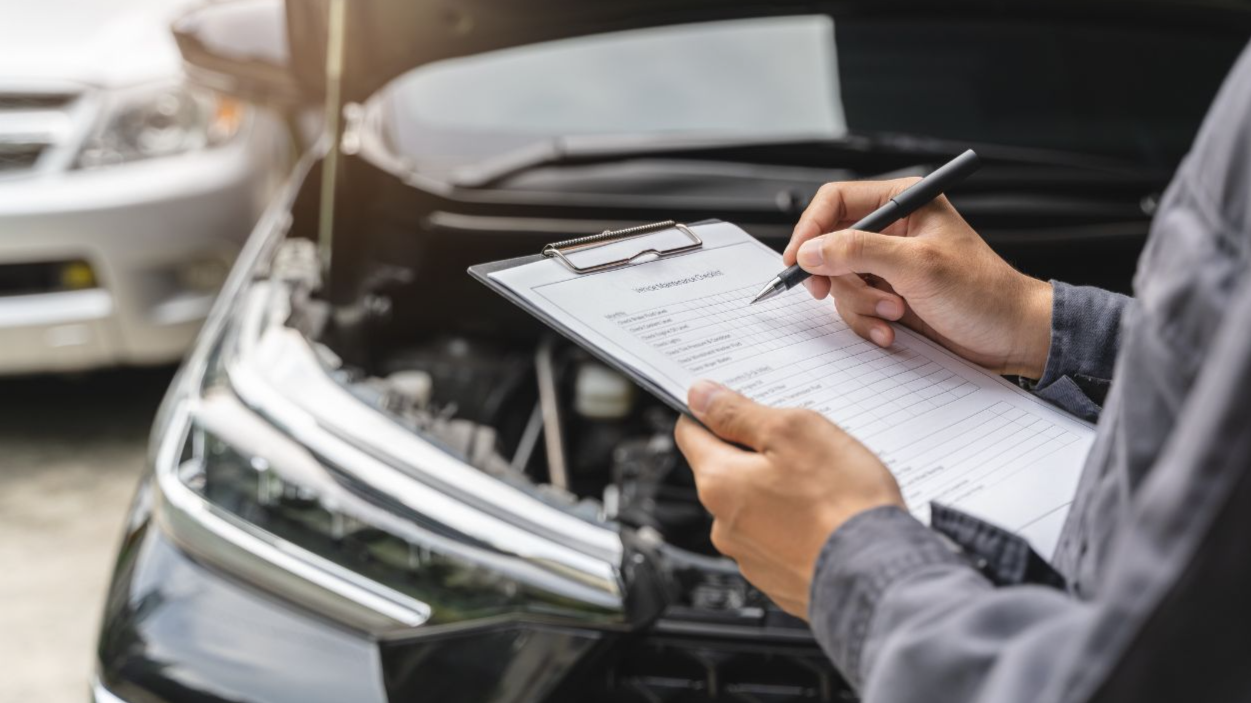
Leasing companies commonly inspect returned vehicles to identify excessive wear, damage, and other potential charges. These inspections can reveal problems with tires, wheels, body panels, glass, and interior components. However, an inspection focused on lease-return standards isn't necessarily a comprehensive mechanical examination. A car can satisfy the leasing company's return requirements while still needing maintenance or repairs.
Normal Wear Doesn't Mean Perfect Condition
Lease agreements generally distinguish ordinary wear from damage considered excessive. Minor scratches, expected tire wear, and some interior deterioration may fall within acceptable limits, depending on the contract. A car doesn't have to look showroom-new to pass its lease-return inspection. Buyers should therefore avoid interpreting an acceptable return condition as proof that the vehicle is mechanically flawless.

Low Mileage Can Create False Confidence
A former lease vehicle with relatively low mileage may appear especially appealing to used-car shoppers. However, mileage alone doesn't reveal whether the vehicle received scheduled maintenance or experienced demanding driving conditions. Consumer Reports recommends examining service history and overall condition rather than relying solely on the odometer. A higher-mileage vehicle with thorough maintenance records can sometimes be a more reassuring purchase than a lower-mileage car with an uncertain history.

The Service Records Tell A Better Story
One of the most useful things a buyer can request is the vehicle's maintenance history. Service invoices can reveal when oil changes, inspections, and other scheduled work were completed. Comparing those records with the manufacturer's maintenance schedule helps identify missing or overdue services. If the dealership cannot provide documentation, that doesn't prove neglect, but it does leave important questions unanswered.

A Clean History Report Isn't A Guarantee
Vehicle history reports can provide valuable information about previous ownership, reported accidents, mileage, and some maintenance events. However, these reports depend on the information submitted by participating sources and may not contain every repair or service. The Federal Trade Commission specifically warns that vehicle history reports cannot replace independent mechanical inspections. A clean report is reassuring, but it shouldn't be treated as a complete record of the car's condition.
Missing Oil Changes Deserve Attention
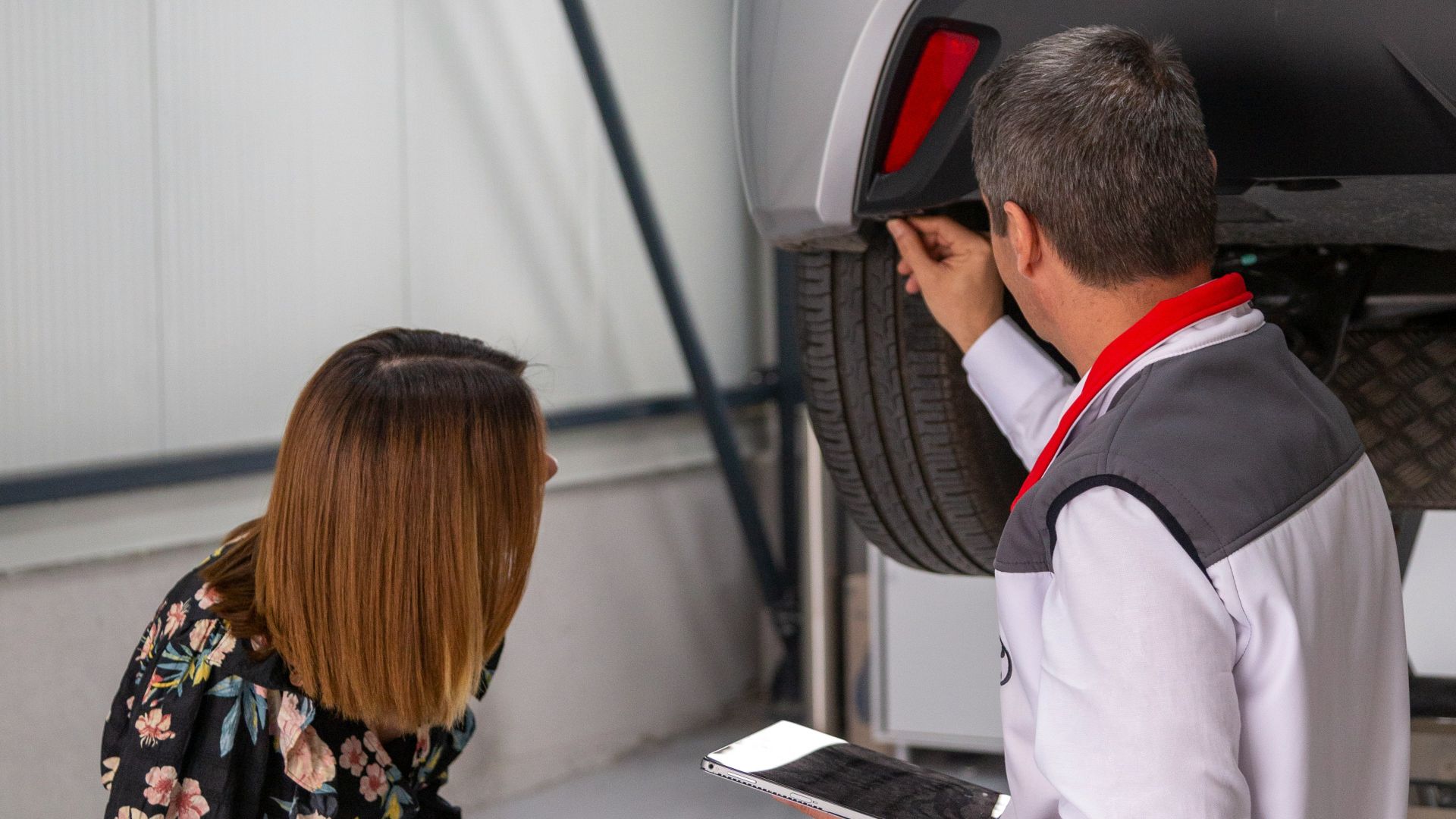
Engine oil maintenance is one of the most important items to verify when reviewing a used vehicle's history. Manufacturers establish oil-change intervals based on factors such as mileage, time, and operating conditions. Repeatedly exceeding those intervals can contribute to engine wear and potentially expensive problems. If the service history contains large unexplained gaps, ask whether additional records are available before assuming the engine was properly maintained.
The Tires May Reveal How The Car Was Treated
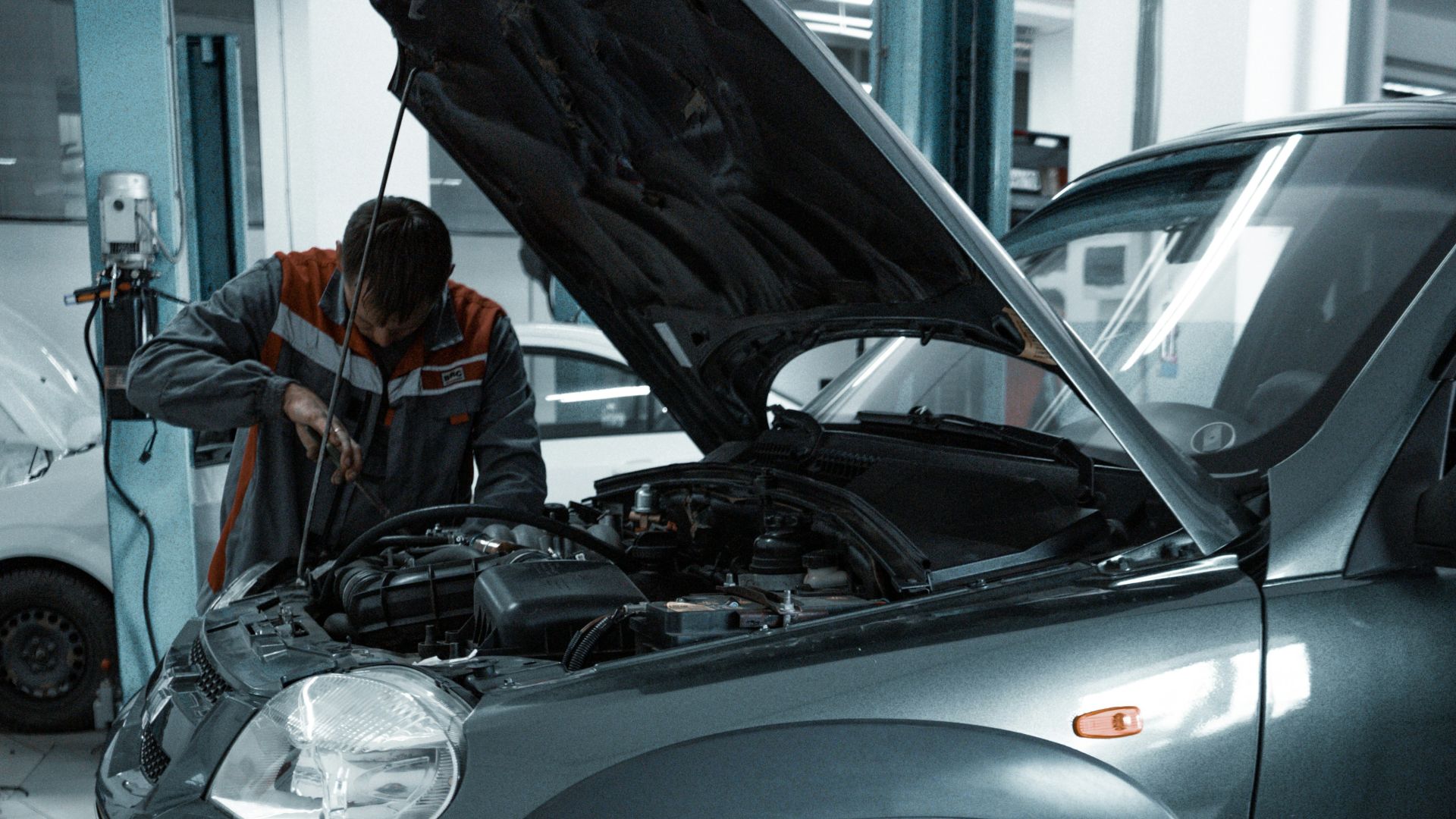
Tires can provide useful clues about a vehicle's condition and maintenance. Uneven tread wear may indicate alignment problems, improper inflation, or worn suspension components. A former lease car might also have replacement tires that differ in age, brand, or condition. Inspecting the tires can reveal concerns that aren't obvious from the vehicle's mileage or exterior appearance.
Brake Wear Can Be An Expensive Surprise
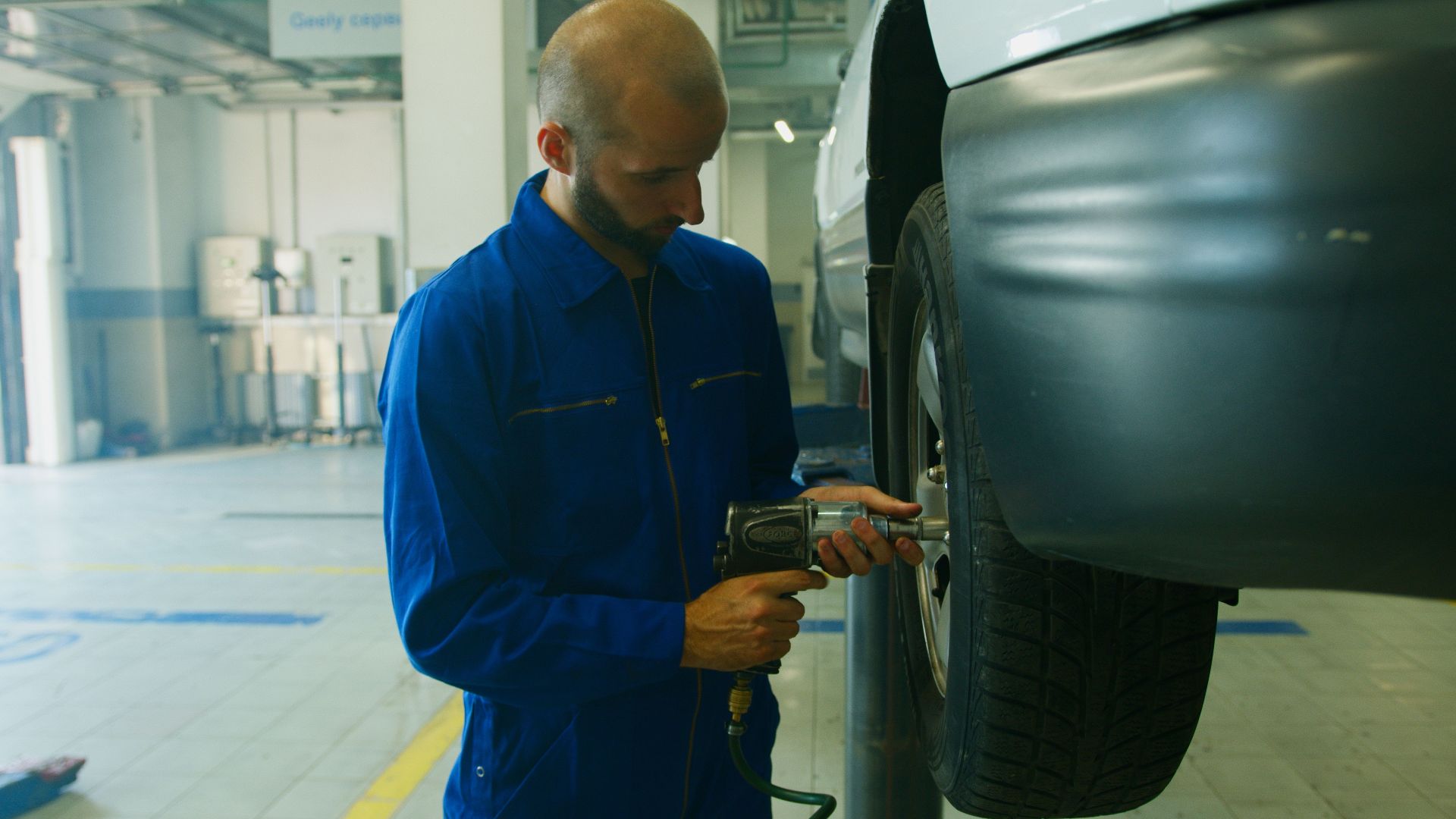
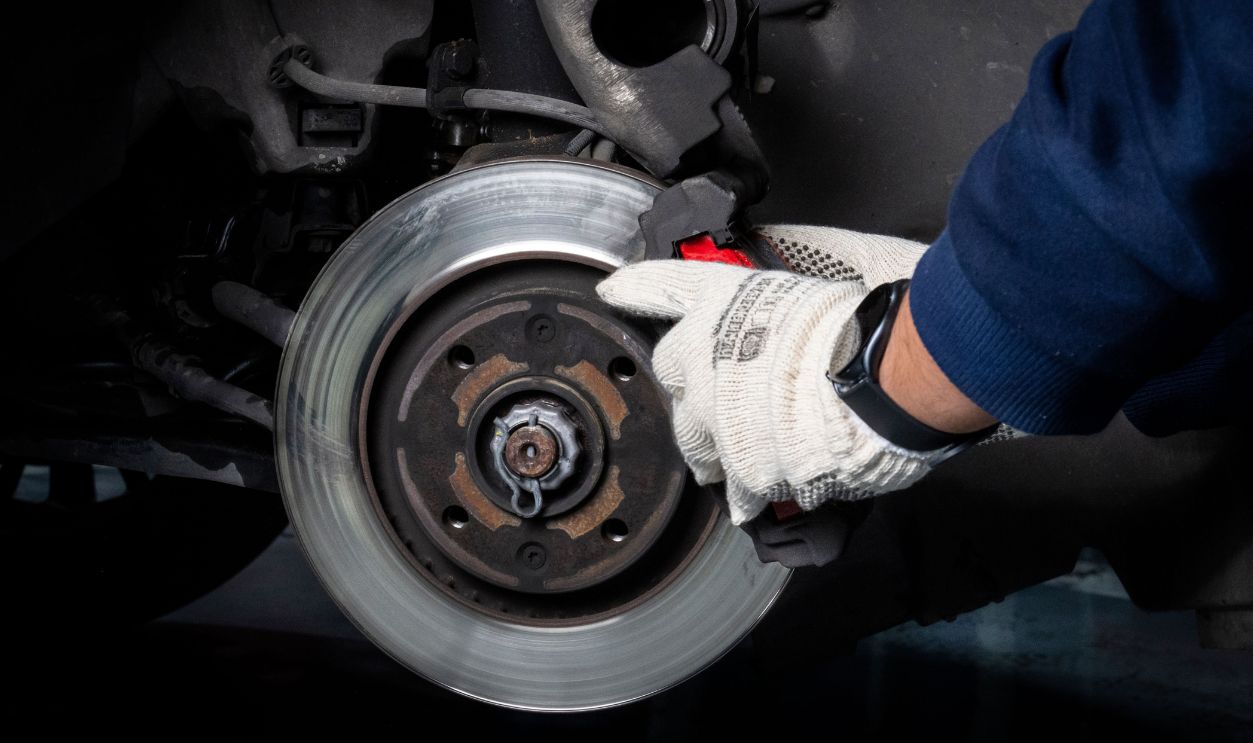
Brake pads and rotors are normal wear items, but their remaining life can vary considerably between vehicles. Frequent stop-and-go driving and individual driving habits can affect how quickly brake components wear out. A former lease vehicle may be approaching a brake service even if it otherwise looks nearly new. Having a mechanic measure brake wear before purchase can help prevent an unexpected repair bill.
Cosmetic Repairs Can Hide Previous Damage
A vehicle that looks spotless on the dealership lot may have undergone cosmetic repairs before being offered for sale. Minor scratches and dents are common issues addressed during used-car reconditioning. However, buyers should also look for inconsistent paint finishes, uneven panel gaps, and evidence of previous collision repairs. A qualified inspection can help distinguish ordinary cosmetic work from damage that deserves further investigation.

The Interior Can Reveal More Than You Expect
A clean interior makes a strong first impression, but professional detailing can remove many obvious signs of previous use. Look more closely at seat bolsters, steering-wheel surfaces, pedals, switches, and frequently touched controls. Excessive wear compared with the vehicle's recorded mileage may justify additional questions about its history. Test every major interior feature rather than assuming everything works because the cabin looks presentable.

Don't Overlook The Suspension
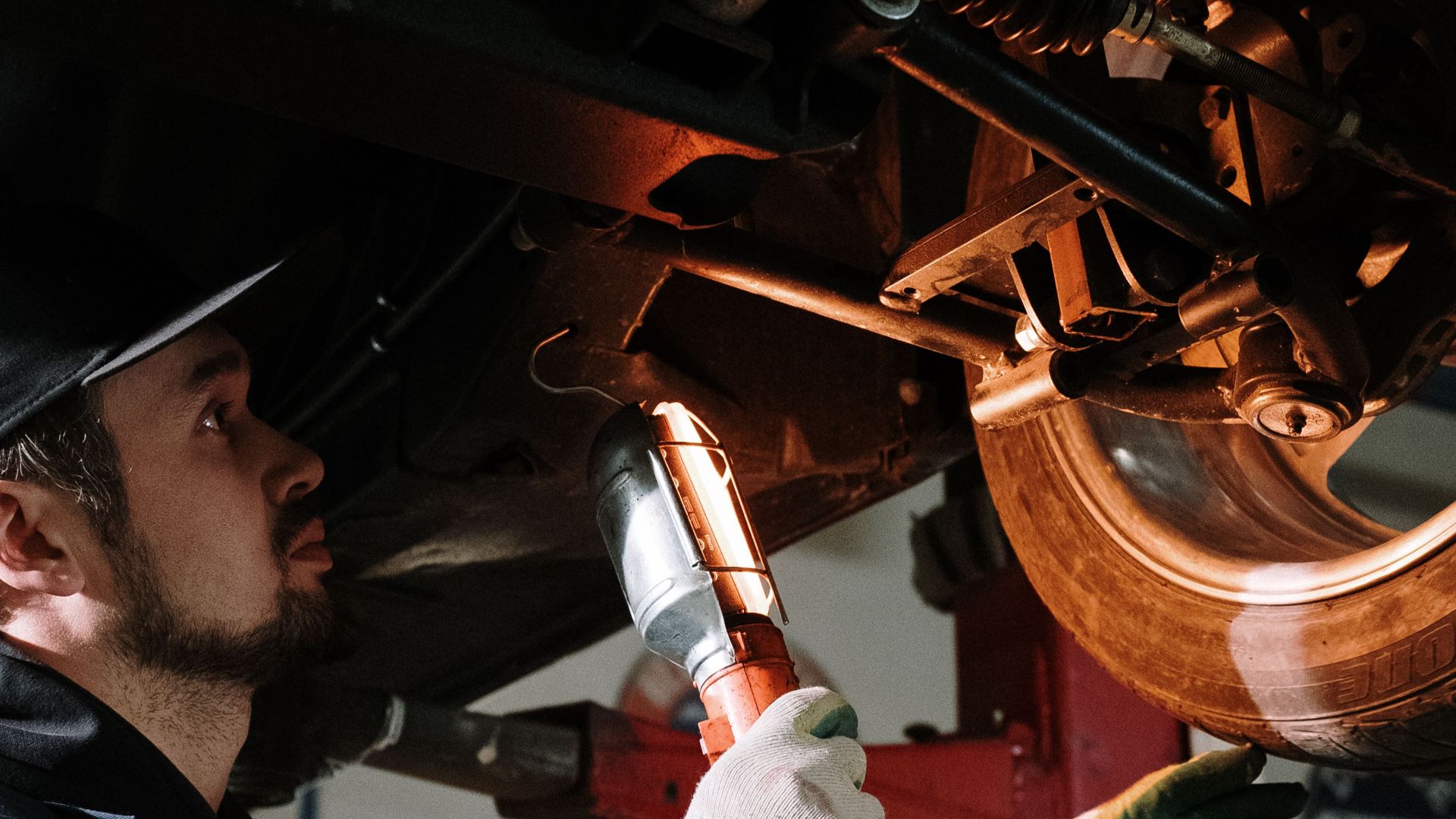
Suspension components can experience wear from potholes, rough roads, and everyday driving. Worn shocks, damaged bushings, or alignment problems may cause unusual noises, uneven tire wear, or poor handling. These issues aren't always obvious during a brief walk around the dealership lot. A proper road test and independent mechanical inspection can help identify problems before they become expensive surprises.
Certified Pre-Owned Doesn't Mean Problem-Free
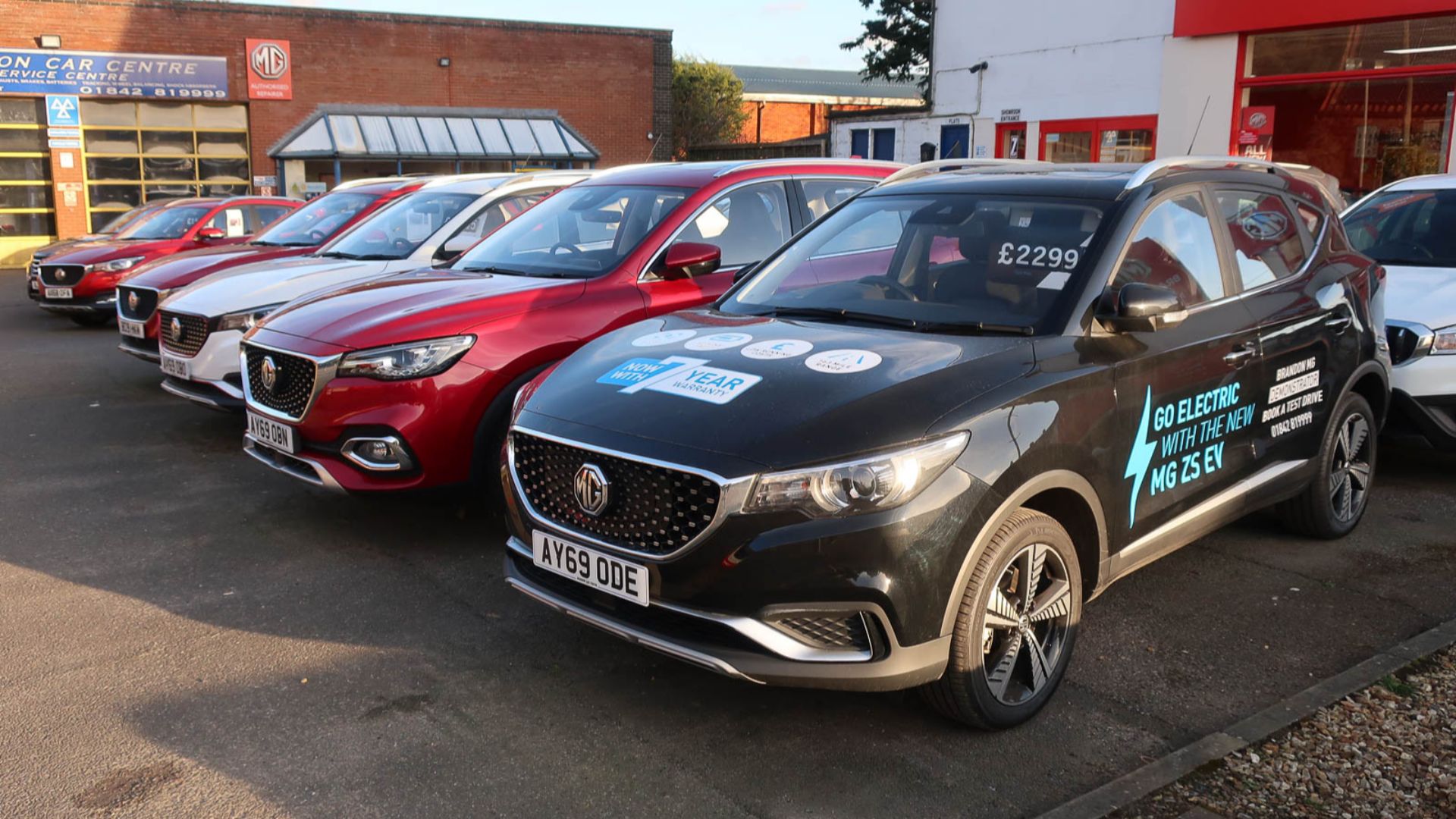
Some former lease vehicles are sold through manufacturer-backed certified pre-owned programs. These programs generally include vehicle inspections, eligibility requirements, and additional warranty coverage. However, certification standards and warranty terms vary between manufacturers, and certification doesn't guarantee that future repairs won't be necessary. Buyers should review the inspection report and warranty details instead of relying on the certified label alone.
 Hugh Venables , Wikimedia Commons
The Remaining Factory Warranty Matters
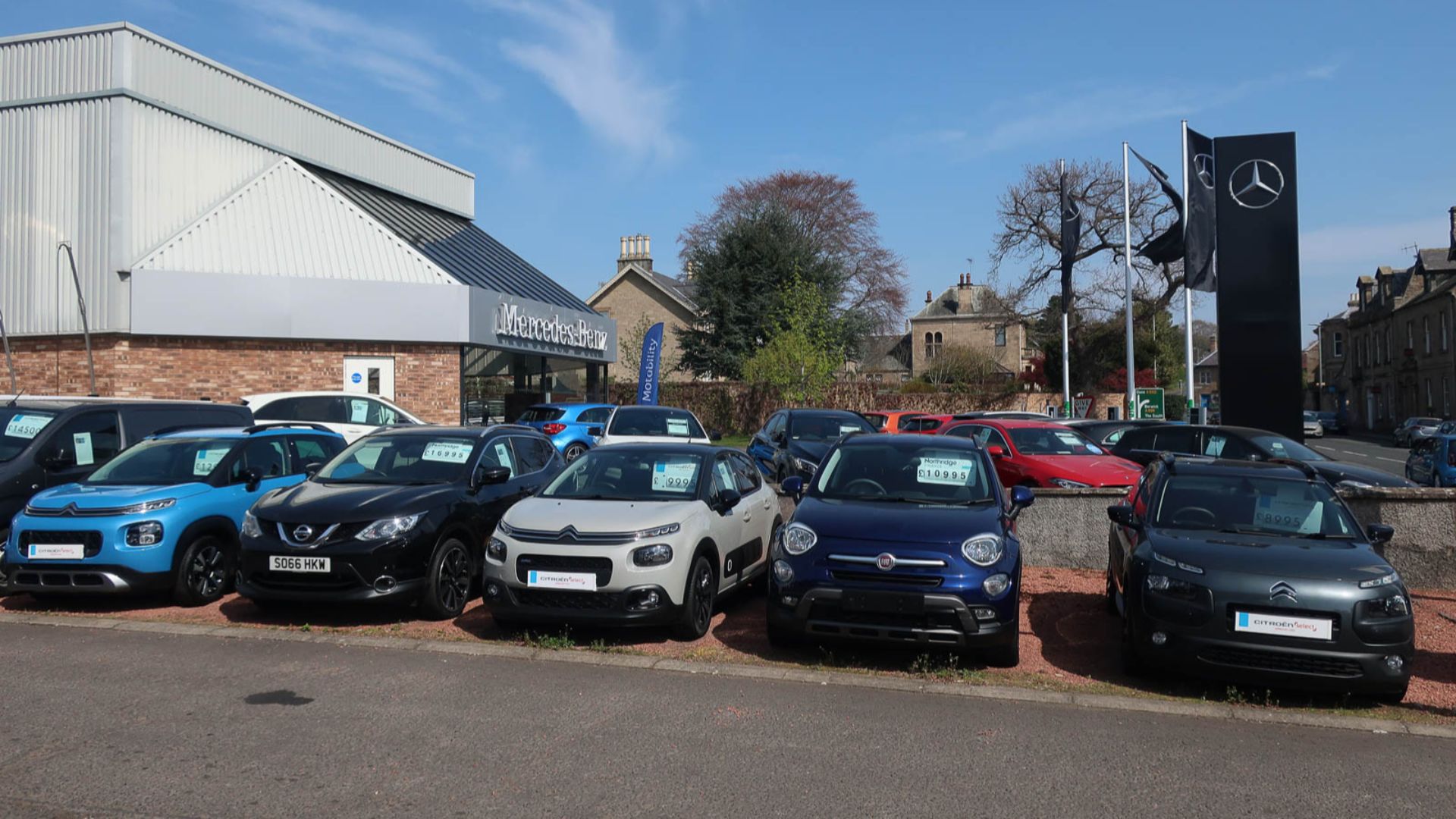
One advantage of purchasing a relatively young former lease vehicle is that some original manufacturer warranty coverage may still apply. However, warranty periods generally begin when the vehicle was first placed into service, not when its second owner purchases it. Coverage also depends on the manufacturer's terms, mileage limits, and applicable exclusions. Checking the original in-service date and remaining coverage can help prevent unpleasant surprises.
 Hugh Venables , Wikimedia Commons
Some Repairs May Not Be Covered
Even when a former lease vehicle has warranty coverage, that doesn't mean every future repair will be free. Manufacturer warranties typically distinguish covered defects from normal wear, routine maintenance, and damage caused by misuse. Tires, brake pads, and other consumable components may have limited coverage or none under the main vehicle warranty. Understanding these exclusions is particularly important when buying a car that has already accumulated several years of use.
A Dealership Inspection Isn't The Final Word
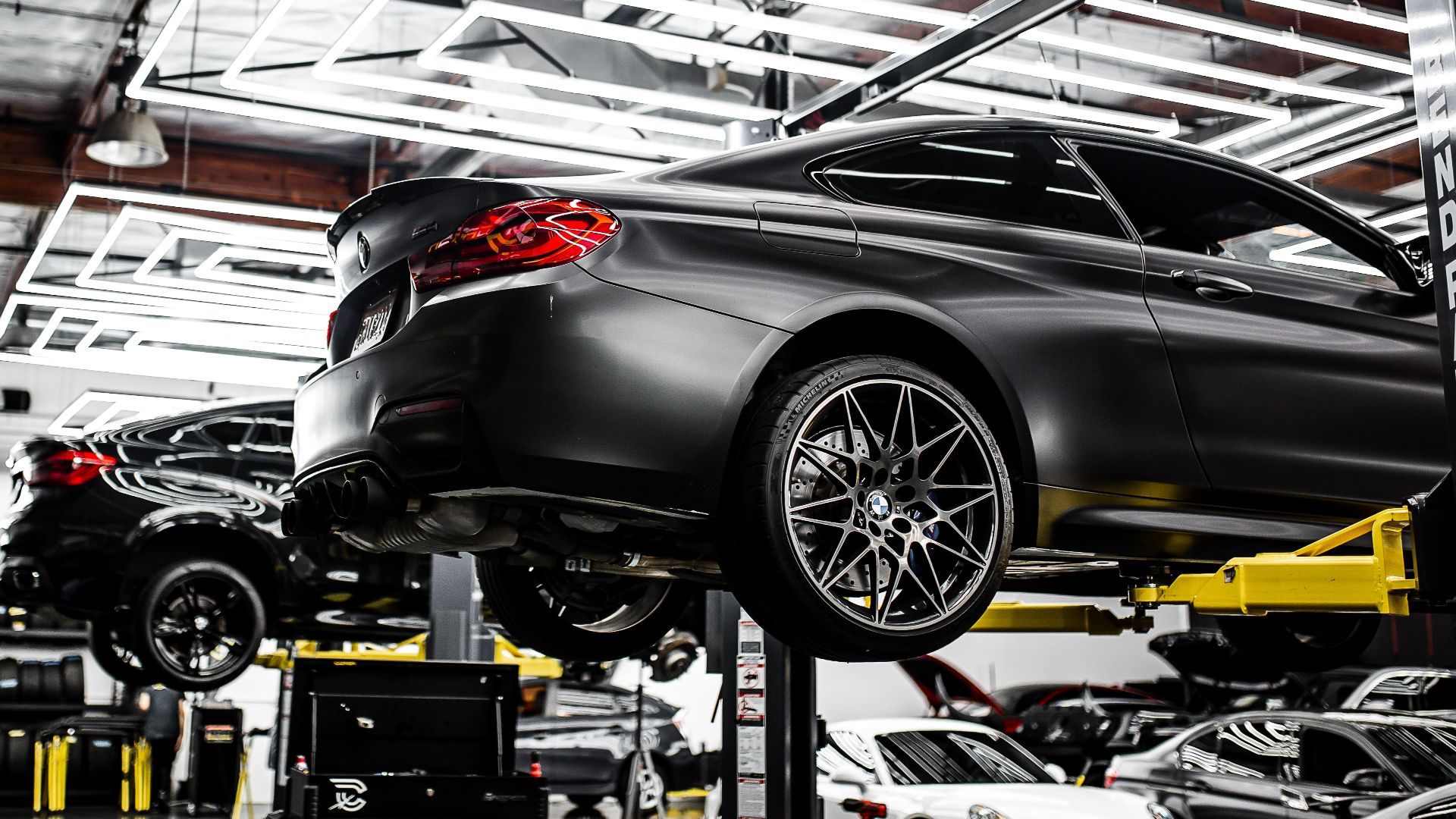
Dealerships often inspect and recondition used vehicles before offering them for sale. However, the scope of those inspections can differ, and the selling dealership has a financial interest in completing the transaction. The Federal Trade Commission recommends an independent mechanical inspection even when a used vehicle has already been inspected or certified by a dealer. An outside mechanic can provide another assessment of the vehicle's actual condition.
The Test Drive Should Be More Than A Quick Spin
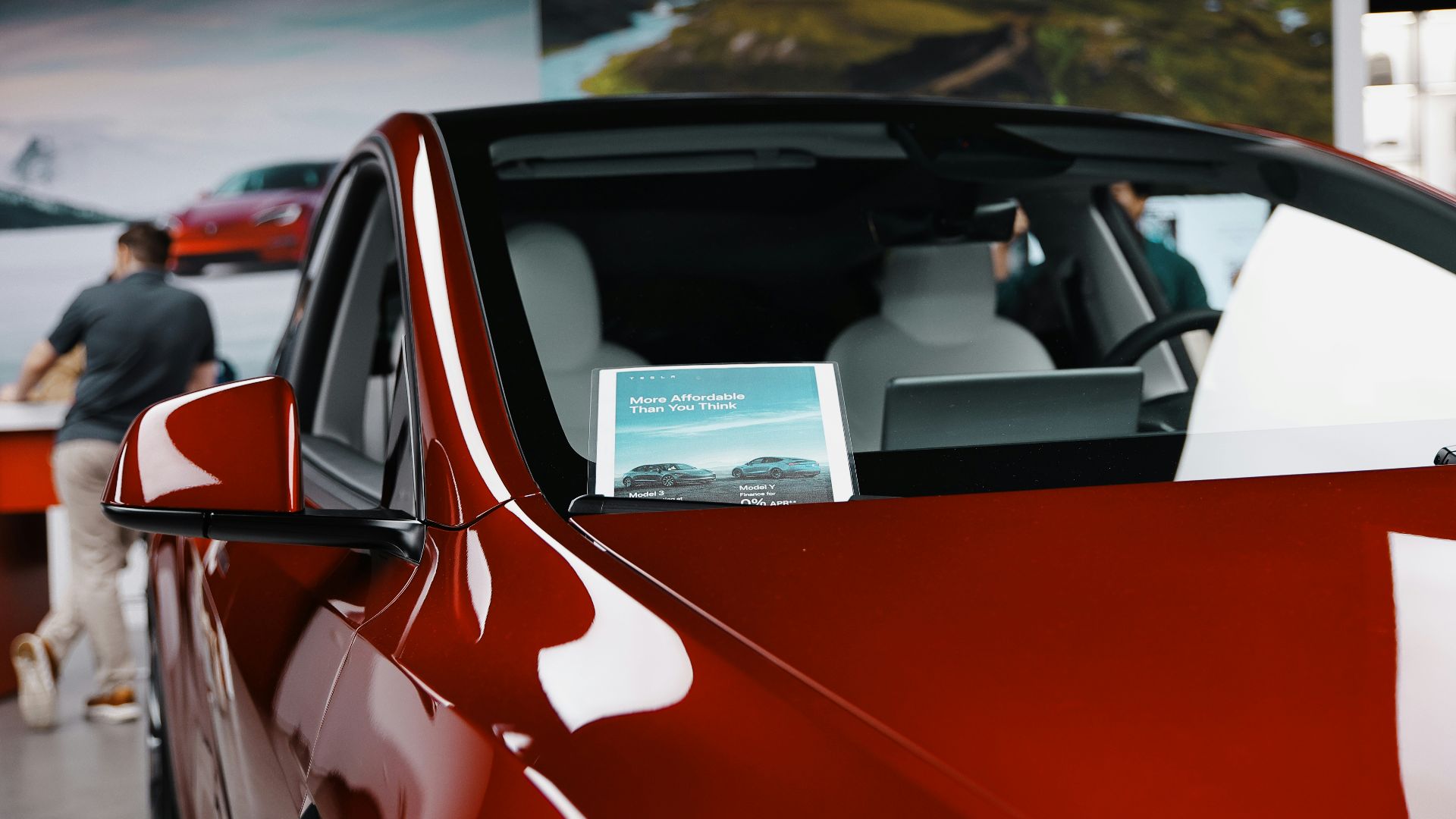
A short drive around the dealership may not reveal problems that appear under different operating conditions. Consumer Reports recommends evaluating a used vehicle carefully and paying attention to unusual noises, vibrations, braking behavior, and handling. When practical, test the car on different types of roads and at different speeds. Any concerning behavior should be investigated before completing the purchase.

Ask About The Lease Return Report
When shopping for a former lease vehicle, ask whether the dealership has documentation from the lease-return inspection. Such reports may identify damage, tire condition, excessive wear, or other issues discovered when the previous driver returned the car. They can provide useful context alongside service records and a vehicle history report. However, the availability and detail of these reports vary, so don't assume every dealership can produce one.

Compare The Price With Other Used Cars
A former lease vehicle isn't automatically a bargain simply because it originally came from a leasing program. Its value still depends on mileage, condition, equipment, maintenance history, and local market prices. Compare similar vehicles rather than accepting a dealership's description of the car as a special opportunity. If an inspection identifies upcoming repairs, those costs should factor into the amount you're willing to pay.

The Cheapest Former Lease Car May Cost More Later
A lower purchase price can be tempting, particularly when comparing two similar vehicles at different dealerships. However, a car needing tires, brakes, overdue maintenance, or other repairs may quickly erase the initial savings. Requesting written repair estimates can make those potential costs easier to evaluate. The better purchase is often the vehicle offering the strongest combination of price, documented condition, and expected ownership expenses.

What If You've Already Bought The Car?
If you've already purchased a former lease vehicle without thoroughly reviewing its history, there are still useful steps to take. Start by gathering the sales paperwork, warranty documents, vehicle history report, and any available service records. Arrange an independent mechanical inspection to identify current problems and upcoming maintenance needs. This provides a clearer picture of the vehicle's condition and helps prioritize any necessary work.

Check Whether Important Maintenance Is Overdue
Once you know the car's maintenance history, compare it with the schedule in the owner's manual. Pay attention to oil changes, brake fluid, filters, transmission service, and other items applicable to your specific model. Maintenance requirements vary by manufacturer, engine, drivetrain, and operating conditions, so avoid assuming every vehicle follows the same schedule. If previous work cannot be verified, discuss the appropriate next steps with a qualified mechanic.
 Zoriana Zaitseva, Shutterstock
Know What To Do If Something Goes Wrong
Discovering a problem shortly after buying a former lease vehicle doesn't automatically mean the dealership misrepresented its condition. However, buyers should review their warranty coverage, purchase agreement, and any written statements about the vehicle's history or condition. Consumer protection rules vary by jurisdiction, and the available remedies depend on the circumstances of the sale. Document the problem, obtain a professional diagnosis, and contact the seller promptly if you believe important information was misrepresented.

So, Was Buying A Former Lease Car A Mistake?
Not necessarily, because former lease vehicles can offer relatively recent technology, reasonable mileage, and potentially valuable remaining warranty coverage. The mistake would be assuming that a lease history alone proves the previous driver maintained the vehicle properly. Service records, an independent inspection, and a careful review of the warranty provide much stronger evidence than the dealership's sales pitch. A former lease car can be an excellent used-car purchase, but its condition needs to earn your confidence.
 Centre for Ageing Better, Unsplash
You May Also Like:
Classic Truck Features That Drivers Miss Now That Pickups Have Gone Luxury