Six Months Of Sitting Can Change More Than You Think
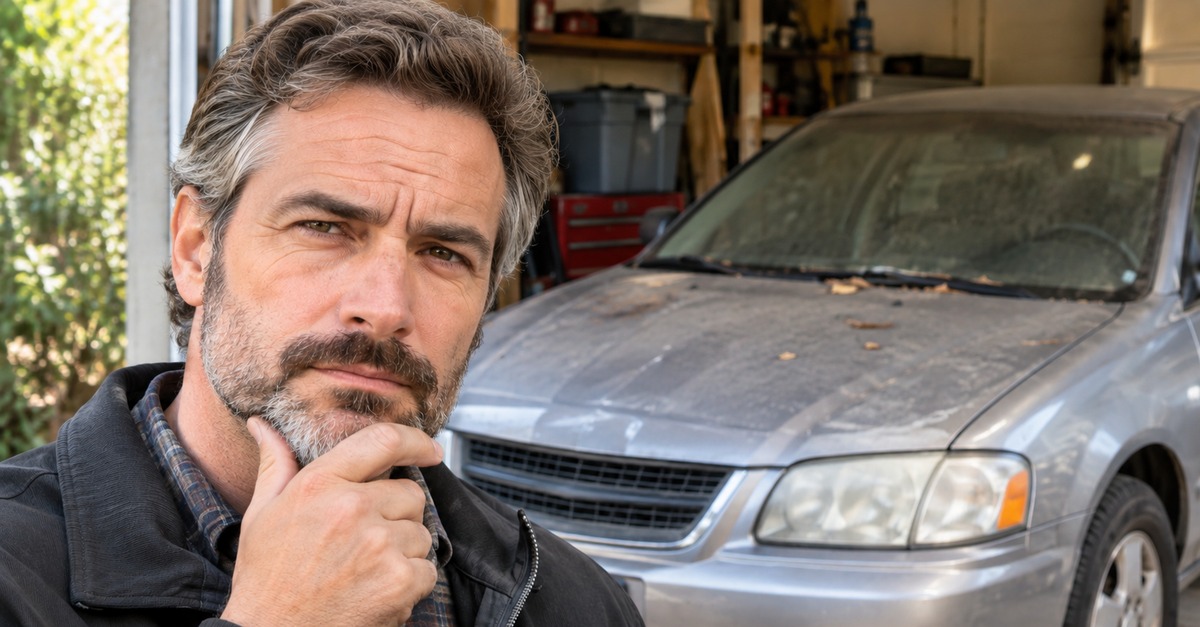
My car has been parked for six months, and now I'm ready to start driving it again. It looks exactly the way I left it, but that doesn't necessarily mean everything is ready for the road. Batteries can discharge, tires can lose pressure, and brakes can develop corrosion while a vehicle sits unused. Before turning the key and heading out, there are several important things worth checking.
Don't Start The Engine Just Yet
After six months of inactivity, the temptation is to jump inside and see whether the engine starts. However, checking the vehicle before starting it can help identify problems that might otherwise go unnoticed. Look underneath the car, inspect the tires, and open the hood for a closer examination. A few minutes of preparation could prevent a much more expensive problem.

Look Underneath For Suspicious Puddles
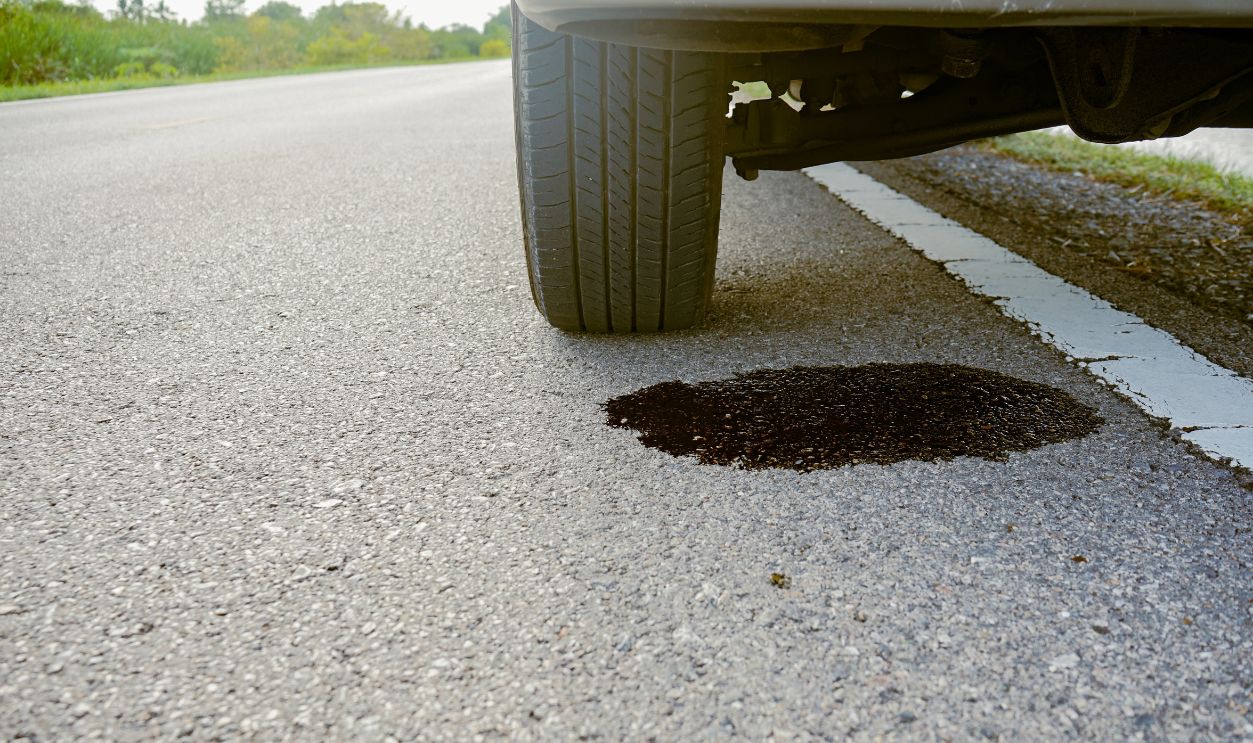
Start by examining the ground beneath the vehicle for signs of leaking fluids. Engine oil, coolant, transmission fluid, and other automotive liquids can escape through deteriorated seals, damaged hoses, or faulty connections. A small stain might be old, but a fresh puddle deserves investigation before the engine runs. If you discover a significant leak, have the problem identified and repaired before driving.
 Mr.Anuwat Rumrod, Shutterstock
Your Battery Might Be Completely Discharged
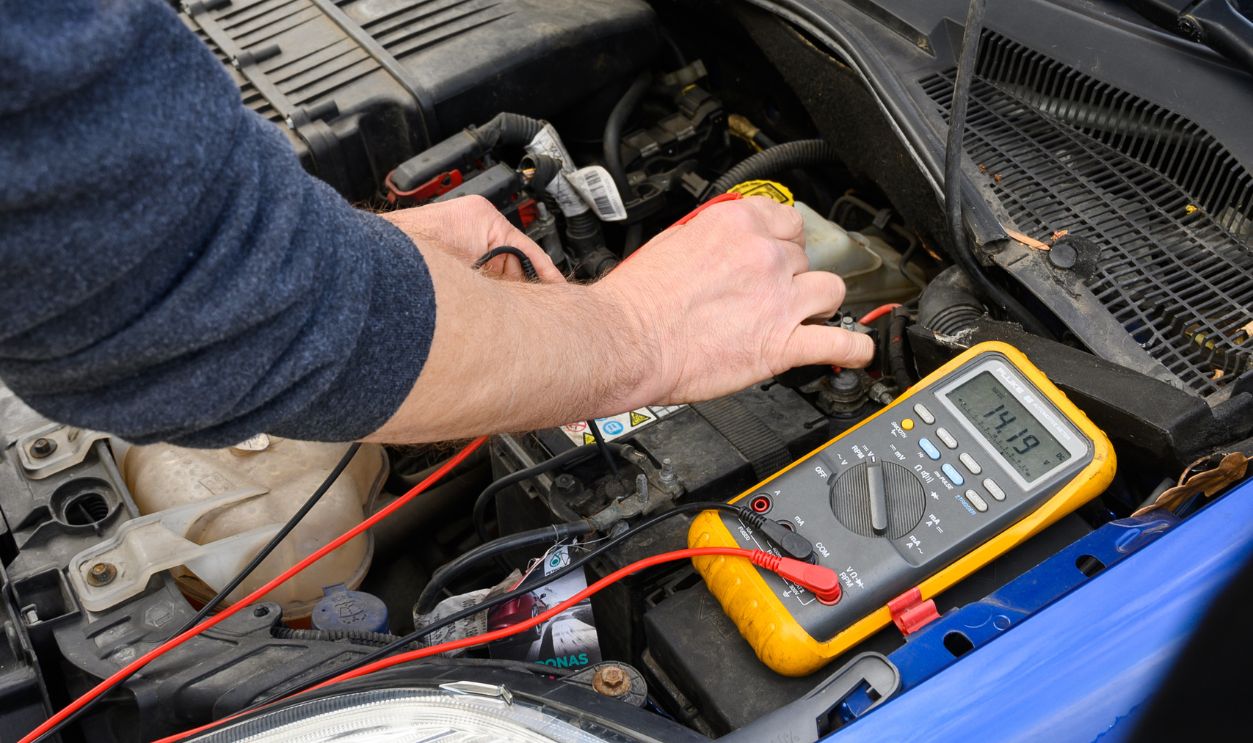
Car batteries gradually lose charge even when the vehicle isn't being driven. Modern vehicles can also draw electricity while parked because certain electronic systems remain active. After six months without charging, a conventional 12-volt battery may be too weak to start the engine. Before attempting repeated starts, consider having its condition and charge level checked.
 picture alliance, Getty Images
A Jump-Start Might Not Solve Everything
A discharged battery can sometimes be revived with an appropriate battery charger or jump-start. However, a battery that has remained deeply discharged may have suffered damage that reduces its ability to hold a charge. If the engine starts but the battery repeatedly goes flat afterward, further testing is necessary. Replacing a failing battery is better than discovering it cannot restart the car after your first stop.
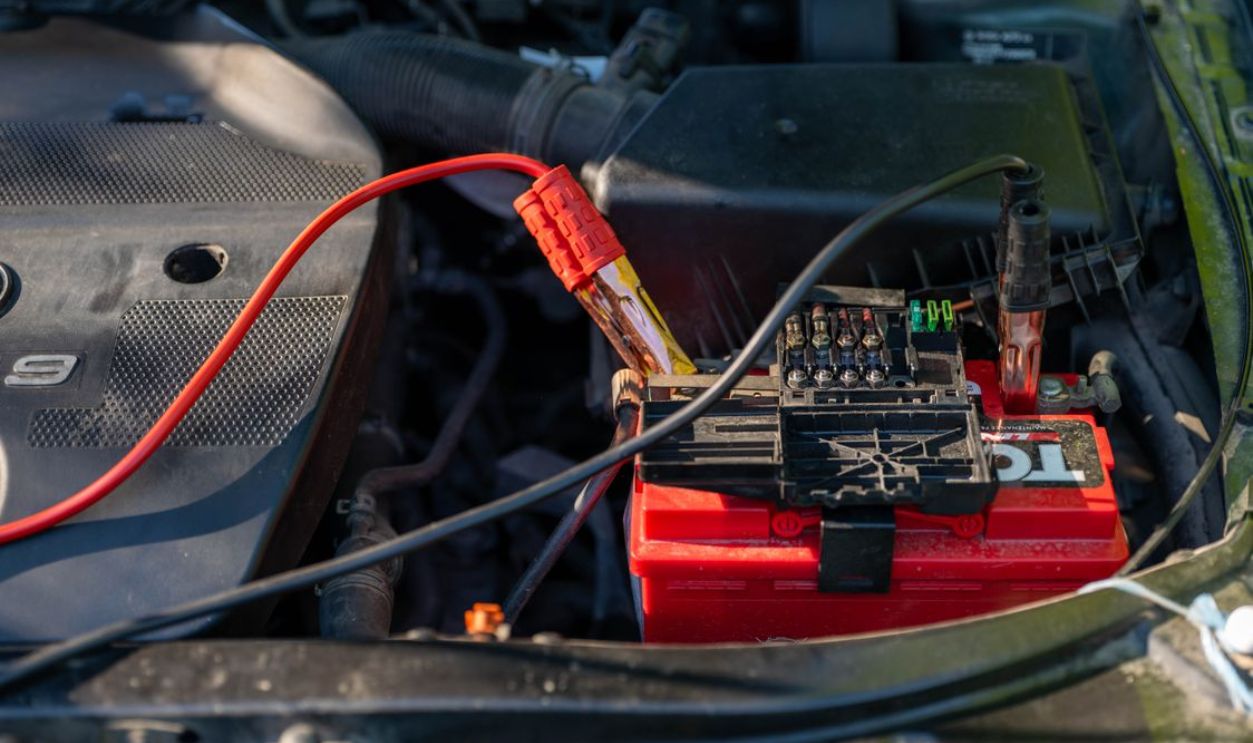
Check The Battery Terminals For Corrosion
While examining the battery, look for corrosion around its terminals and cable connections. White, blue, or greenish deposits can indicate corrosion that interferes with electrical contact. Loose or damaged connections can also create starting and charging problems. If the battery is swollen, cracked, leaking, or otherwise damaged, avoid attempting to charge or jump-start it and seek professional assistance.
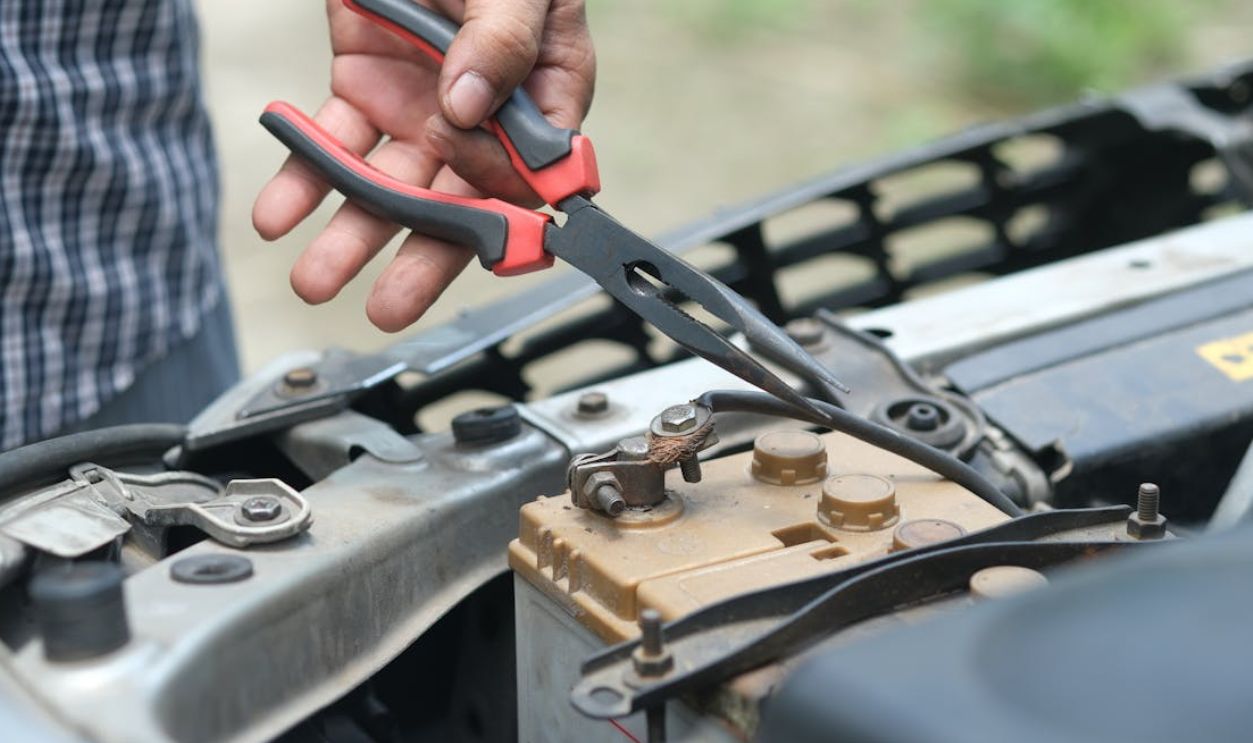
Your Tires Have Been Losing Air
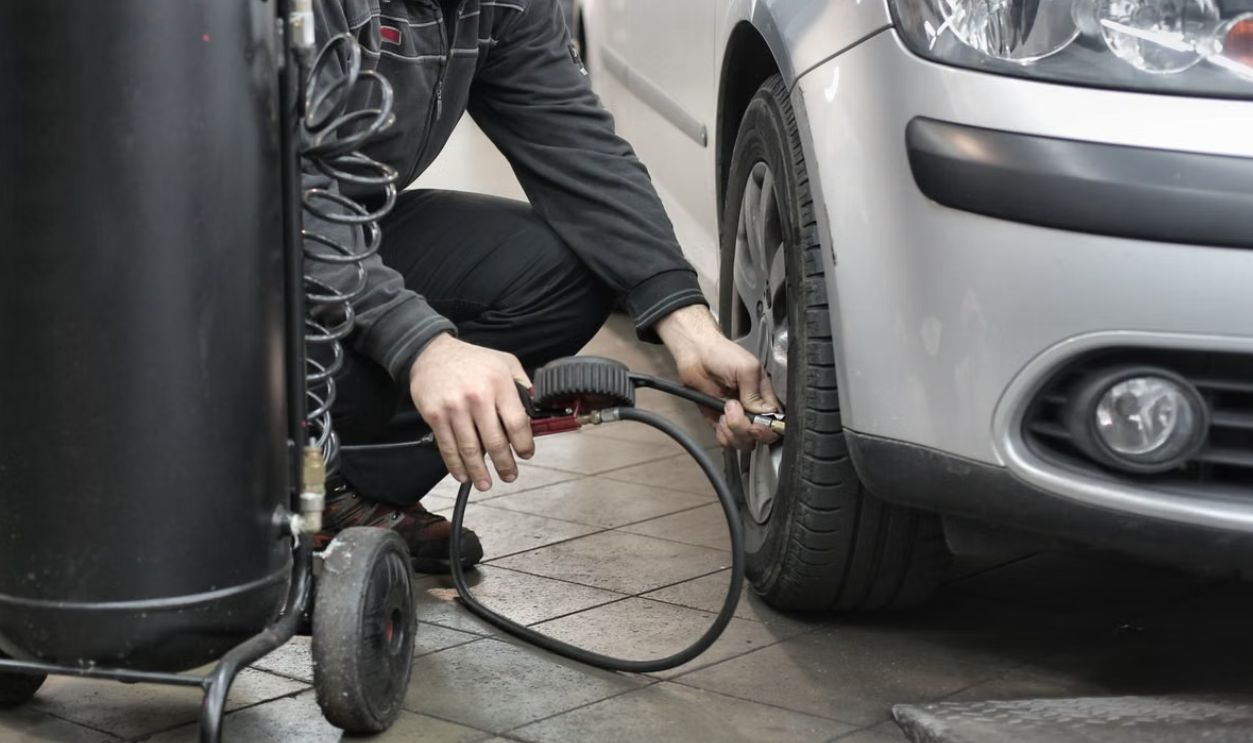
Tires naturally lose inflation pressure over time, even when they don't have punctures. Six months of sitting can leave them substantially below the vehicle manufacturer's recommended pressure. Driving on severely underinflated tires increases heat buildup and raises the risk of tire damage. Check all four tires with a reliable pressure gauge before moving the vehicle.
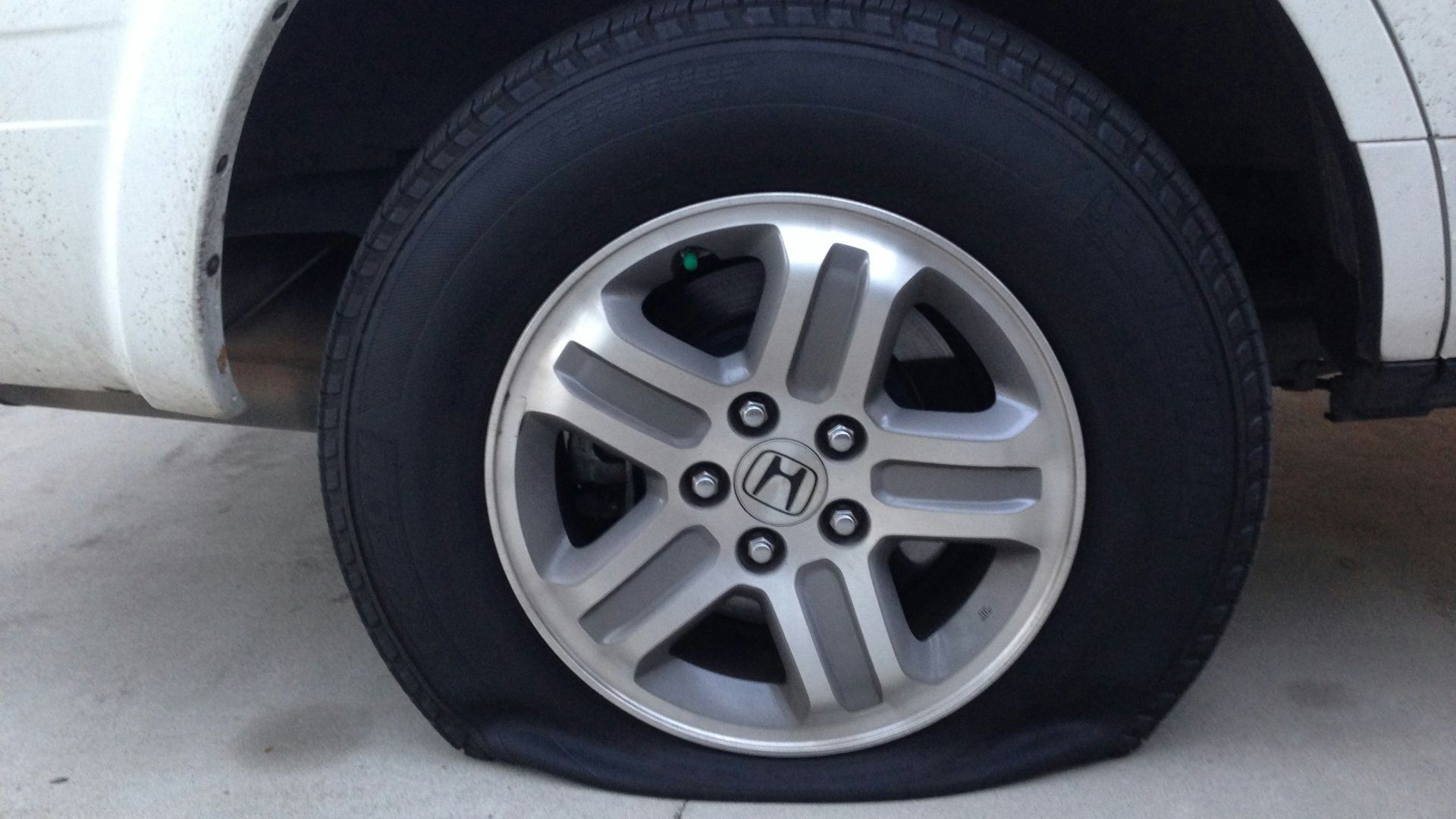
Don't Trust The Numbers On The Tire Sidewall
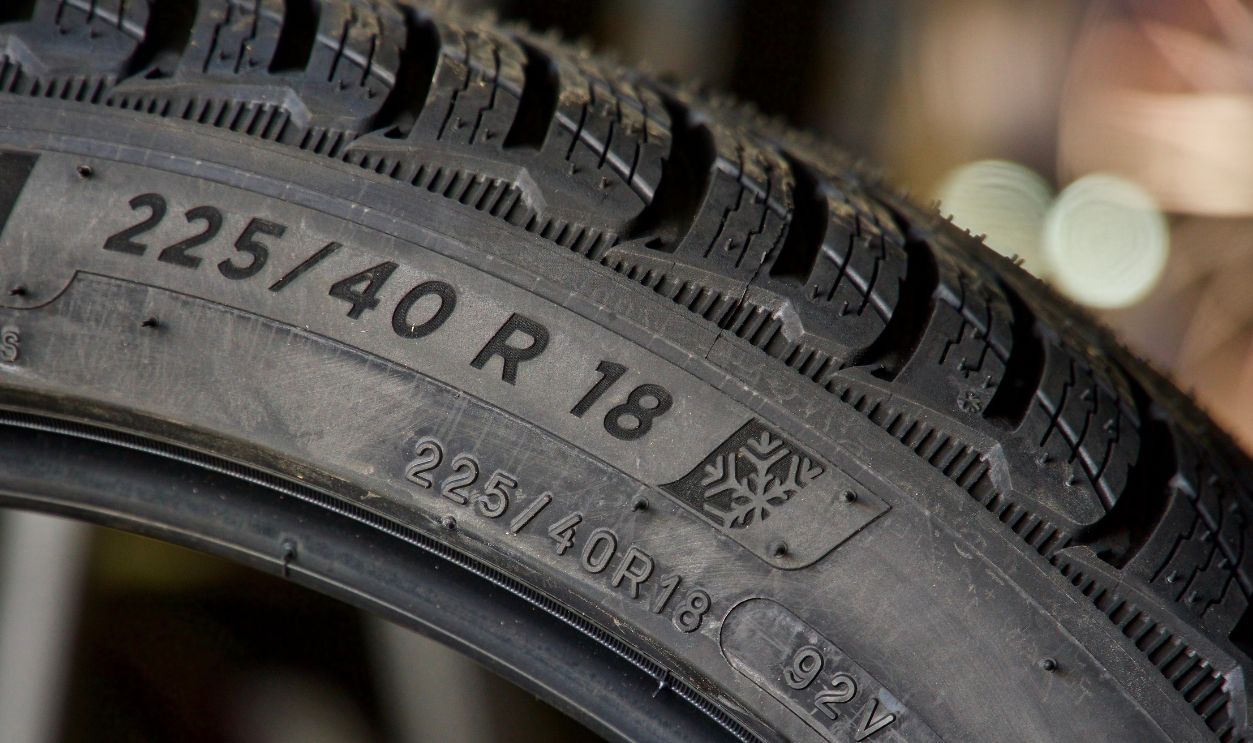
The maximum pressure printed on a tire's sidewall isn't necessarily the correct inflation pressure for your car. Instead, consult the tire information label inside the driver's door or the owner's manual. Check pressure while the tires are cold, and inflate them according to the manufacturer's recommendations. Don't forget to inspect the spare tire if your vehicle carries one.
 Bekir Vahit Telli, Shutterstock
Flat Spots Can Make The First Drive Uncomfortable
When a vehicle remains stationary for months, its tires support the car's weight in the same position. This can create flat spots that cause vibrations once the wheels begin rotating again. Some temporary flat spotting disappears as the tires warm during normal driving. However, persistent vibration or visible tire deformation calls for professional inspection rather than continued driving.

Look For Cracks Before Trusting The Rubber
Correct tire pressure doesn't guarantee that a tire is safe. Inspect the sidewalls and tread for cracking, bulges, cuts, and other visible damage. Long periods of exposure to sunlight and weather can contribute to rubber deterioration, particularly on older tires. Any tire showing serious damage should be evaluated before the car returns to regular service.
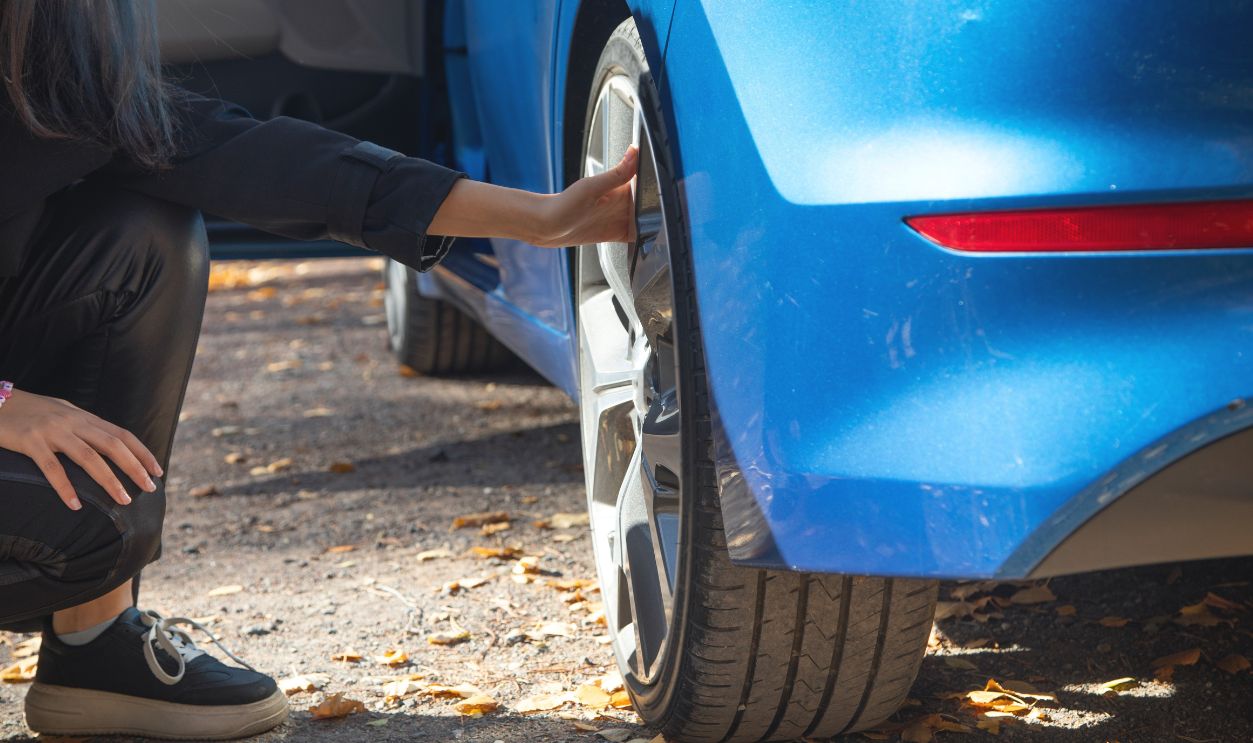 ANDRANIK HAKOBYAN, Shutterstock
Your Brakes May Have Developed Rust
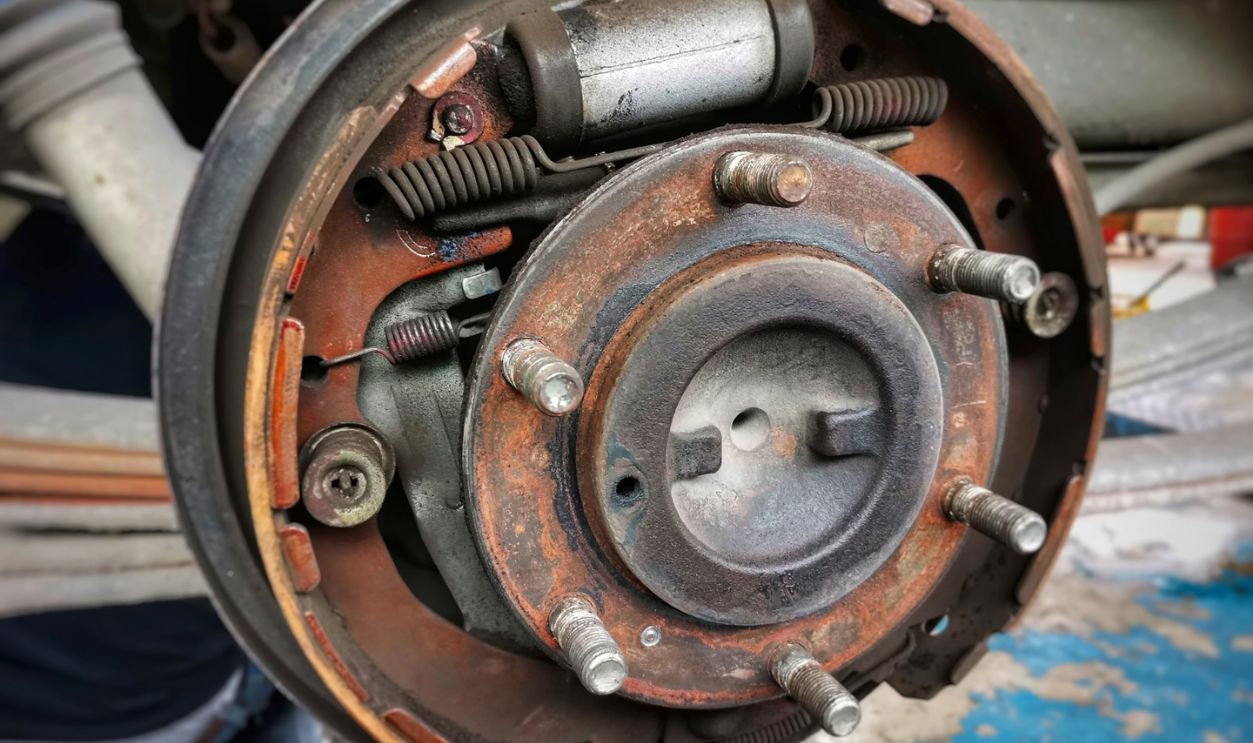
Brake rotors can develop surface rust surprisingly quickly when a vehicle isn't driven. After six months, visible corrosion on the exposed braking surfaces isn't unusual, especially in humid conditions. Light surface rust may disappear during normal braking, but more severe corrosion can affect braking performance. Inspect the brakes and avoid driving if you notice heavy corrosion, damaged components, or anything that suggests the wheels may not turn freely.
Make Sure The Parking Brake Isn't Stuck
Leaving a parking brake engaged for an extended period can sometimes cause its components to seize or stick. Corrosion and moisture can make the problem more likely, especially when the vehicle has been stored outdoors. Before driving away, release the parking brake and confirm that the vehicle can move freely. If a wheel remains locked or the brake refuses to release, don't force the car forward.

Six-Month-Old Gasoline Deserves Attention
Gasoline doesn't remain fresh indefinitely, and its condition changes during storage. AAA notes that gasoline can begin deteriorating within approximately three to six months, depending on storage conditions and fuel composition. Older fuel may contribute to difficult starting, rough running, or reduced engine performance. If the gasoline was already old when the car was parked, have its condition assessed before attempting to use it.
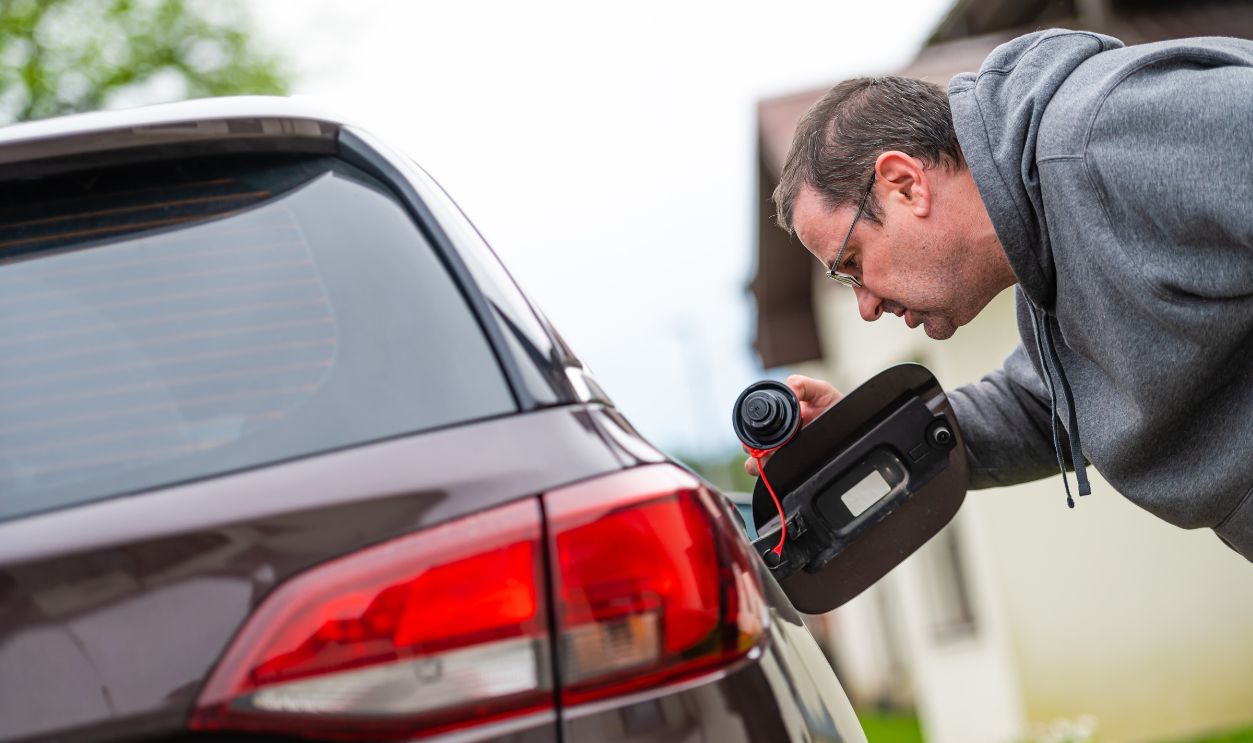
Fresh Gas Might Help, But It Isn't A Cure-All
Adding fresh gasoline can sometimes help when the fuel already in the tank has aged but remains usable. However, severely degraded or contaminated gasoline may require professional removal rather than simple dilution. Watch for difficult starting, misfires, rough idling, or stalling after the engine begins running. These symptoms deserve attention rather than repeated attempts to drive through the problem.
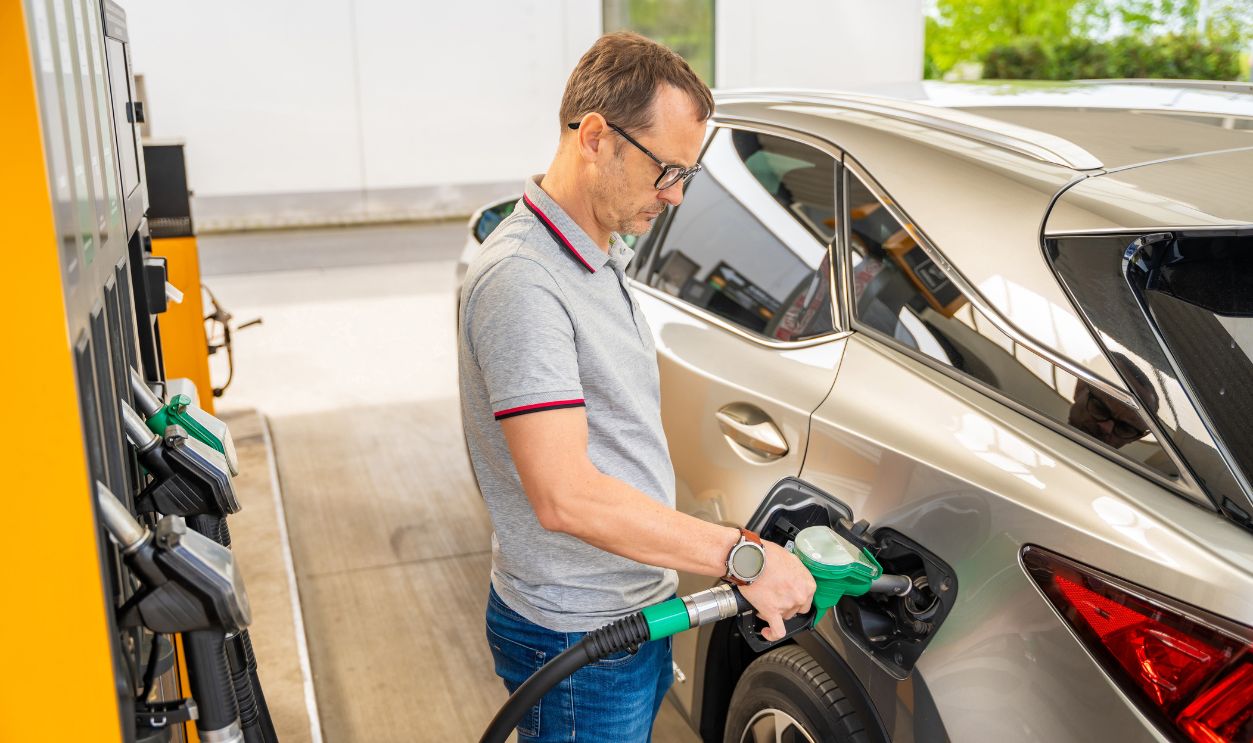 Tatiana Diuvbanova, Shutterstock
Check The Engine Oil Before Starting
Engine oil protects moving components from friction and wear, making its condition especially important after prolonged storage. With the engine off and the car parked on level ground, check the oil level using the dipstick if your vehicle has one. Look for an unusually low reading or obvious contamination, and consult the owner's manual for the correct checking procedure. Six months of sitting doesn't automatically require an oil change, but an overdue service should be addressed.

Coolant Levels Matter More Than You Might Expect
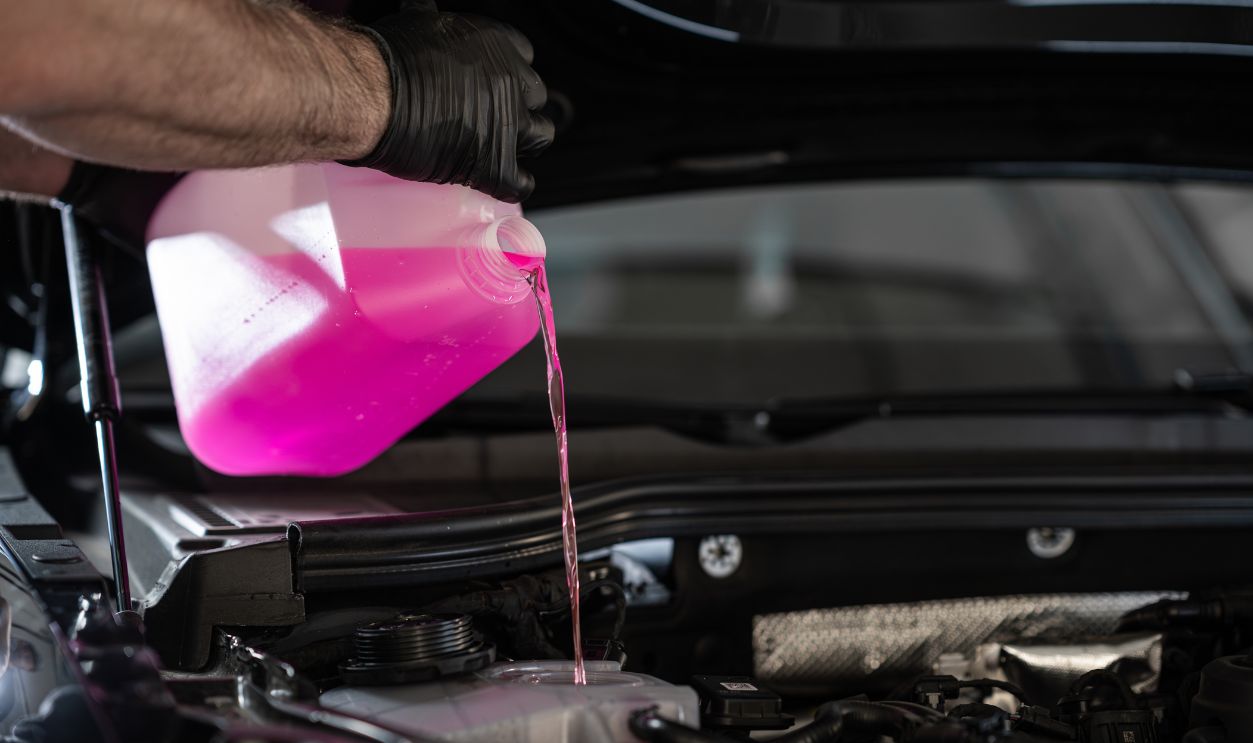
Engine coolant helps regulate operating temperature and protects cooling-system components against corrosion. Before starting the engine, inspect the coolant reservoir and check whether the level falls within the indicated range. A low level could indicate a leak that needs investigation. Never remove a pressurized cooling-system cap while the engine is hot, and use only coolant approved for your vehicle.
 WATCH_MEDIA_HOUSE, Shutterstock
Inspect The Hoses For Cracks And Leaks
Rubber hoses can deteriorate with age, heat exposure, and environmental conditions, even when the vehicle isn't moving. Examine accessible coolant hoses for visible cracks, swelling, leaks, or damaged connections. Pay particular attention to any hose that appears brittle or has signs of fluid escaping around its fittings. Replacing a visibly damaged hose before driving can prevent a roadside breakdown.
Don't Forget The Engine Belts
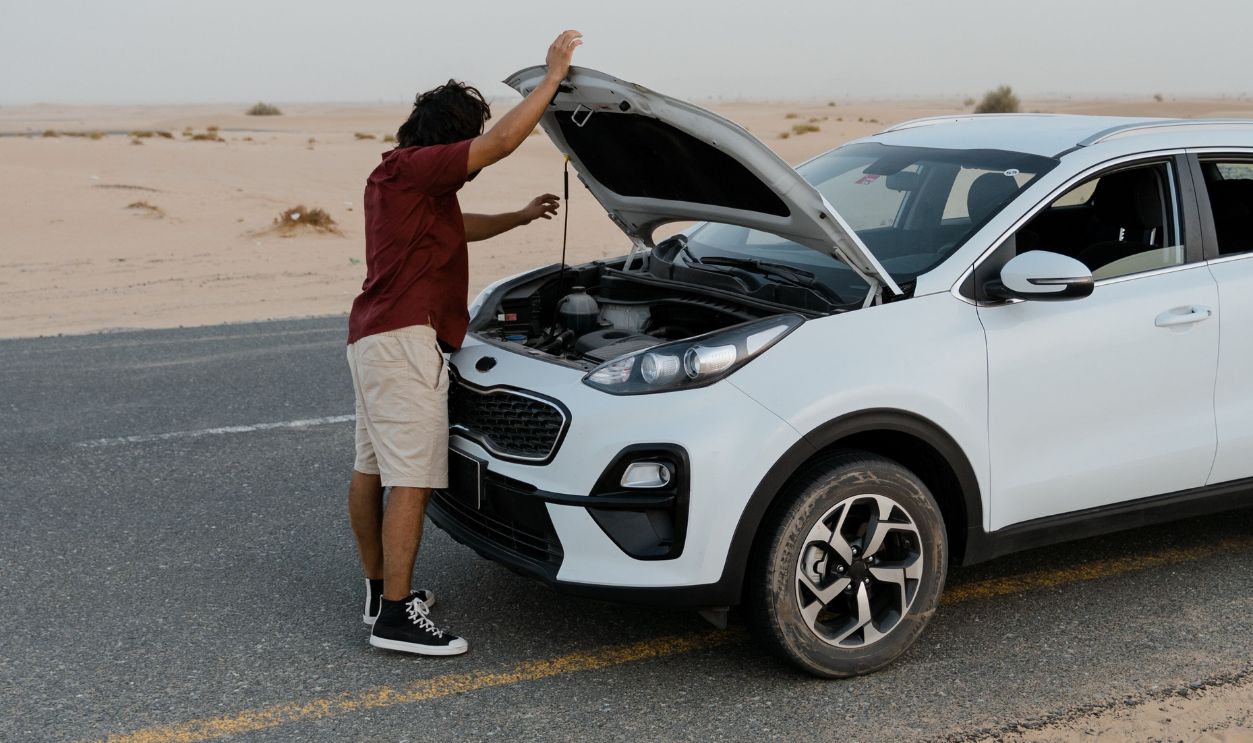
The engine's accessory drive belt may operate components such as the alternator, water pump, or air-conditioning compressor, depending on the vehicle. Inspect accessible belts for fraying, missing ribs, cracking, or other obvious deterioration. A damaged belt can fail after the engine starts, potentially disabling important systems. If anything looks questionable, have a mechanic examine it before returning the vehicle to service.
Check Whether Animals Have Moved In
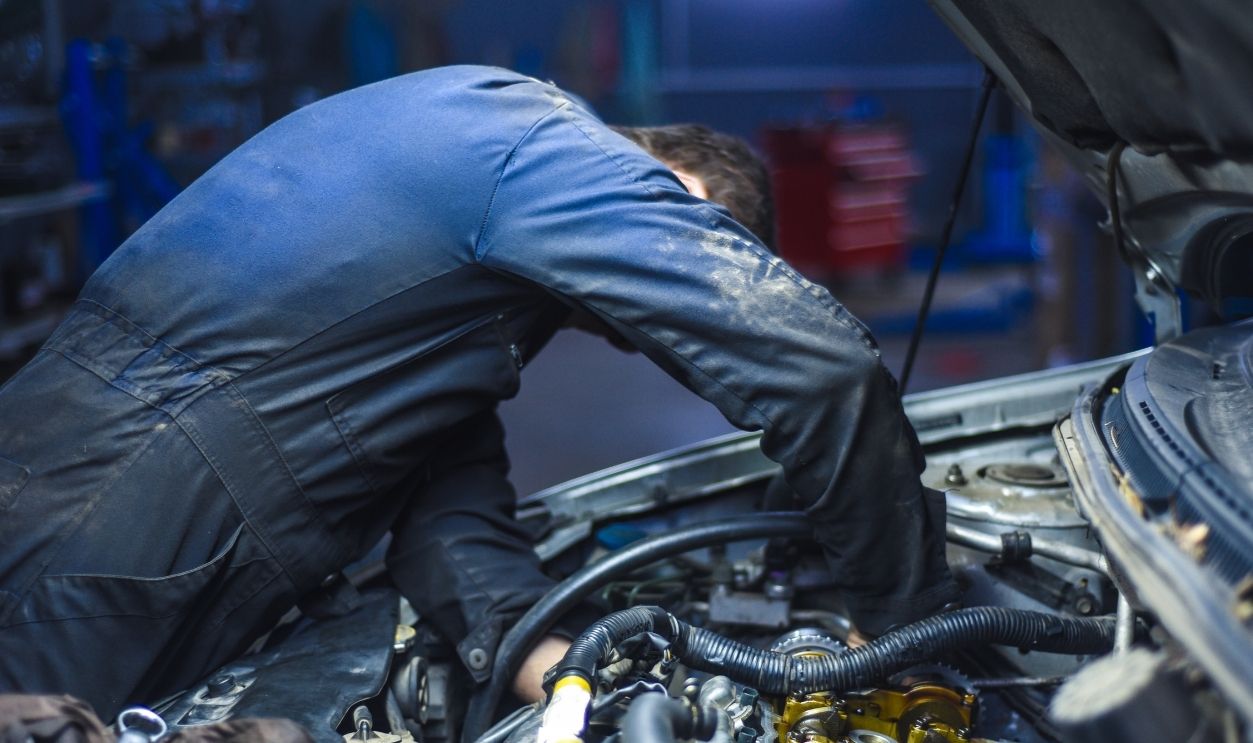
A parked car can become an attractive shelter for mice, squirrels, and other small animals. Rodents sometimes build nests inside engine compartments, air filter housings, and ventilation systems. They can also chew wiring, insulation, and hoses, potentially creating expensive mechanical or electrical problems. Look carefully for nesting materials, droppings, and damaged components before starting the engine.
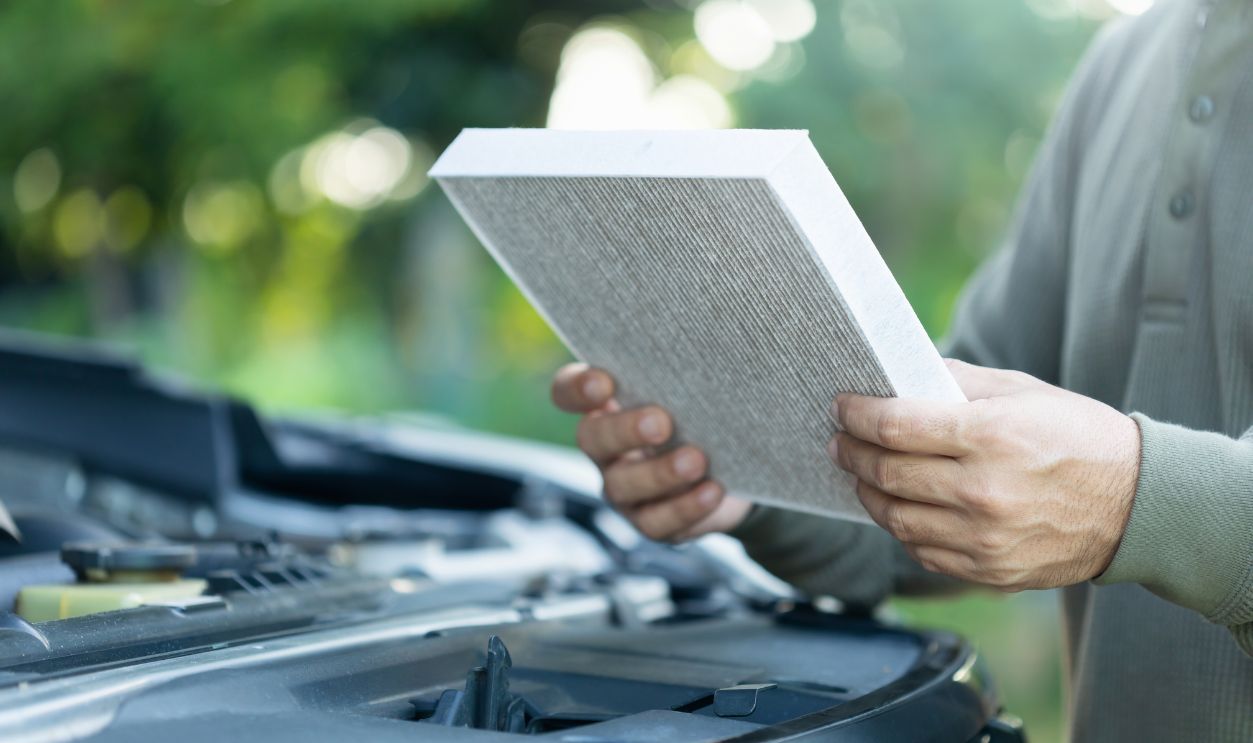
The Air Filter Could Be Hiding A Surprise
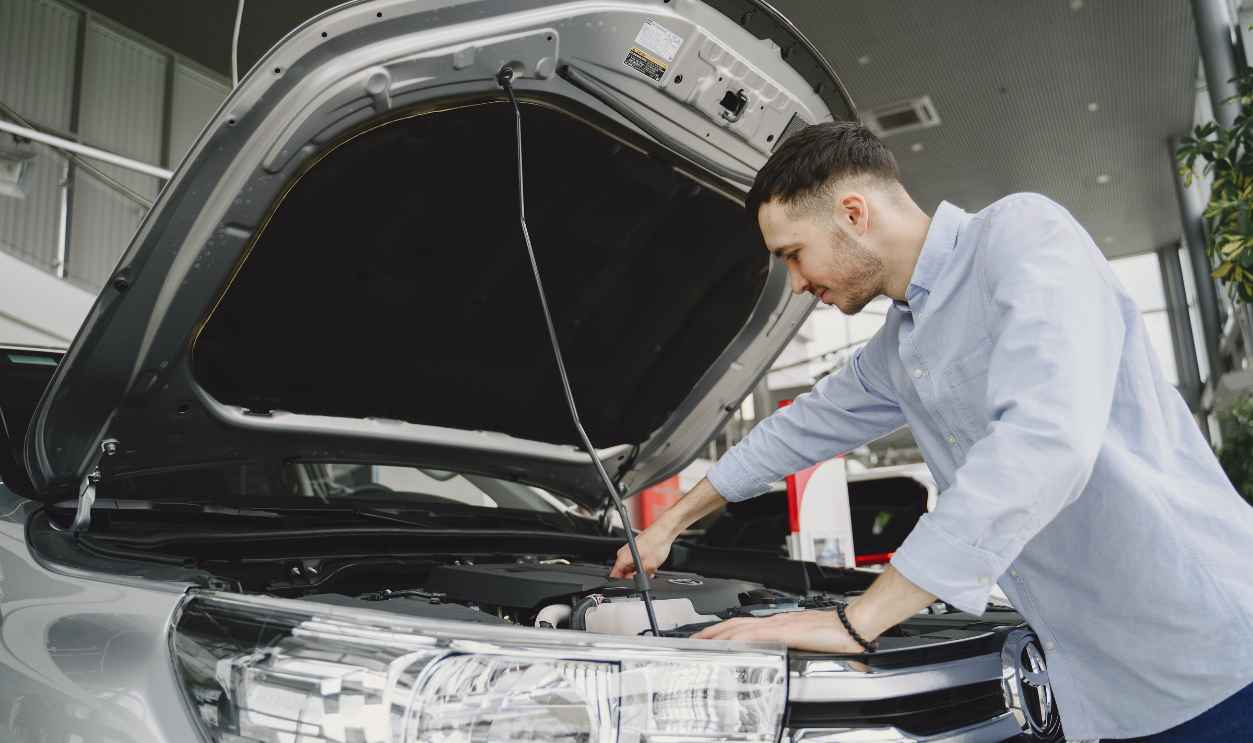
The engine air filter housing is another place worth checking after extended storage. Rodents can use these enclosed spaces for nesting or storing food, potentially obstructing the engine's air supply. Inspect the accessible filter housing for debris, contamination, or signs of animal activity. If you discover nesting materials or damage, have the affected components cleaned, inspected, and repaired before running the engine.
 Piyawat Nandeenopparit, Shutterstock
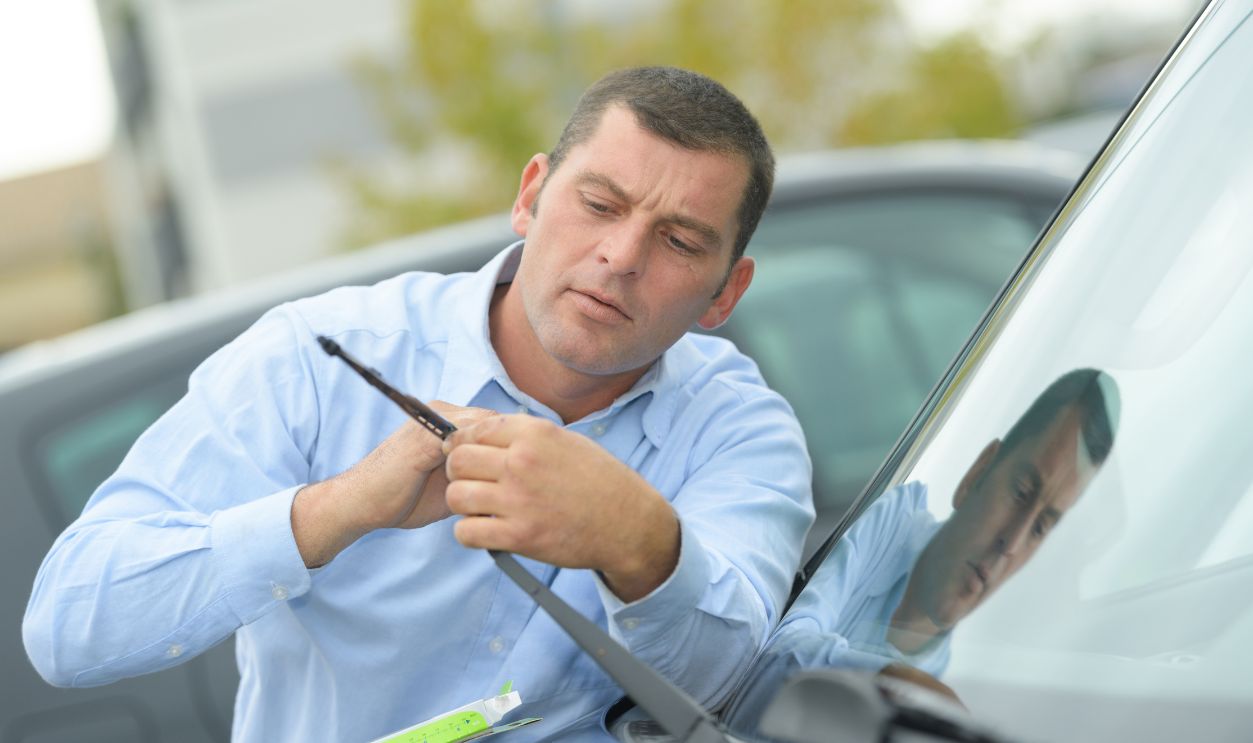
Windshield Wipers May Need Replacing
Windshield wiper blades can deteriorate while sitting exposed to sunlight, temperature changes, and weather. Their rubber edges may become cracked, hardened, or distorted, reducing their ability to clear the glass. Inspect the blades and check the windshield for debris before operating them. Replacing worn wipers and checking the washer-fluid level will help restore visibility when the weather turns bad.
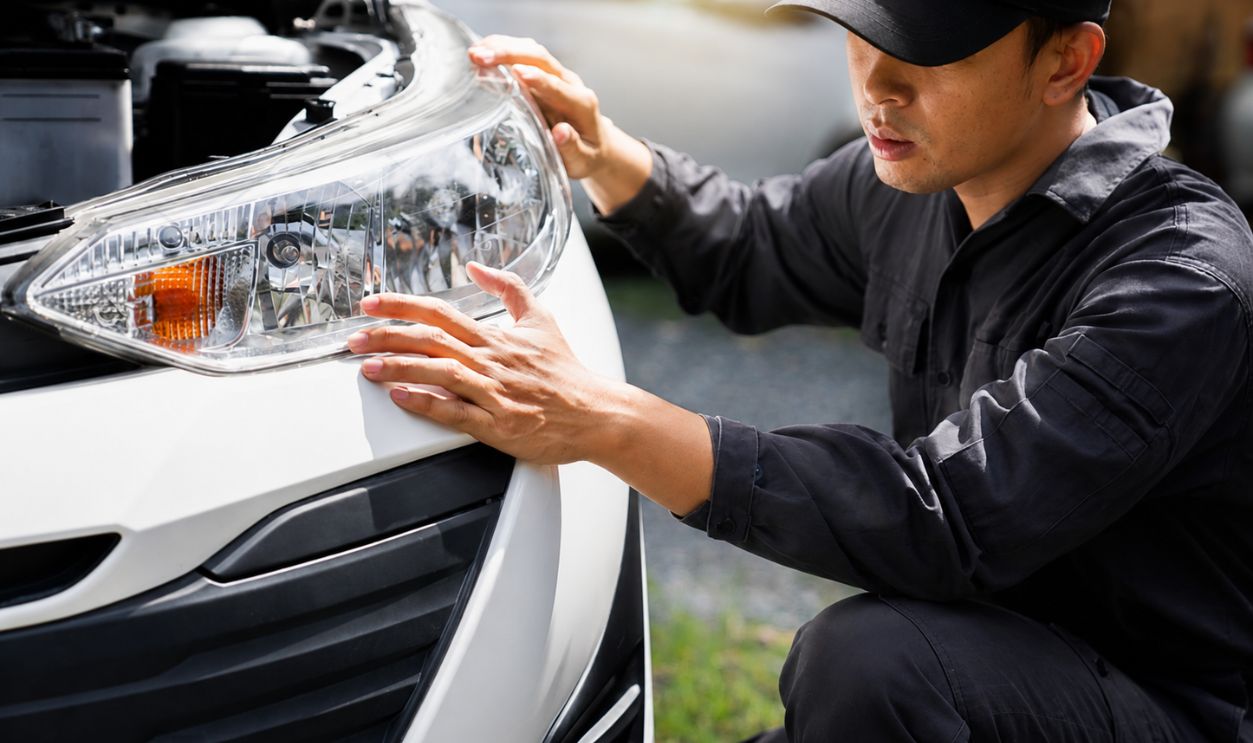
Check Every Exterior Light
A car that hasn't moved in six months still needs functioning headlights, brake lights, and turn signals. Once the electrical system has been checked and the battery is working, test all exterior lights before driving. Include the reverse lights, hazard flashers, and license plate illumination in your inspection. A burned-out bulb or electrical fault is easier to address in the driveway than after you've already returned to traffic.
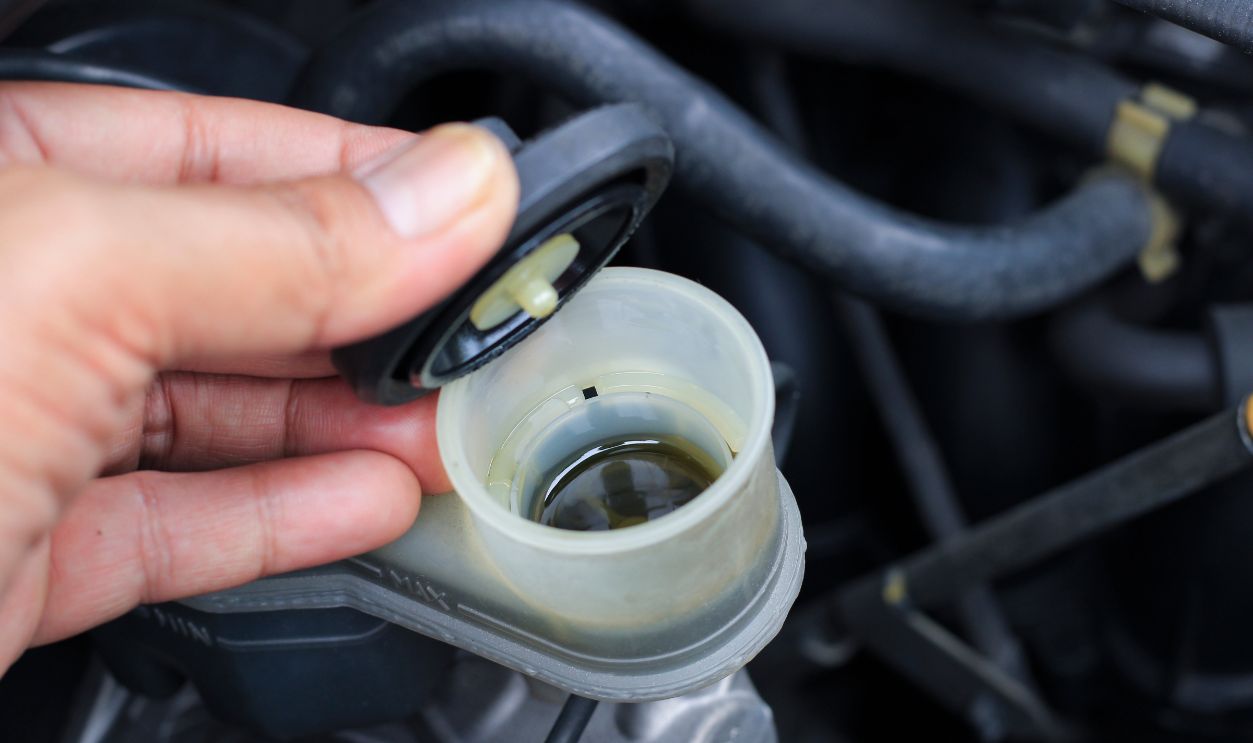
Don't Ignore The Brake Fluid Reservoir
Brake fluid is an essential part of a vehicle's hydraulic braking system. Check the reservoir level according to the owner's manual, and look for signs of leakage around accessible brake components. Brake fluid can absorb moisture over time, which is why manufacturers specify inspection or replacement intervals. If the level is unusually low or the brake pedal feels abnormal, have the braking system inspected before driving.
 ANECEPTIUS BAMBANG SUTOPO, Shutterstock
Look Inside Before Settling Behind The Wheel
The cabin deserves attention after six months of storage, particularly if the vehicle was parked outdoors. Look for moisture, mold, damaged upholstery, rodent droppings, or evidence that animals entered the ventilation system. Check that the pedals are unobstructed and that the seats and seat belts operate properly. Any signs of contamination or damaged safety equipment should be addressed before carrying passengers.

The First Engine Start Requires Patience
Once the battery, fluids, tires, brakes, and visible components have been checked, it's time to attempt a controlled engine start. Make sure the vehicle is outdoors or in a properly ventilated area, never inside a closed garage. If the engine starts, observe the dashboard and listen for unusual mechanical noises while it settles into idle. Stop the engine if you notice severe knocking, significant leaks, smoke, or other signs of trouble.

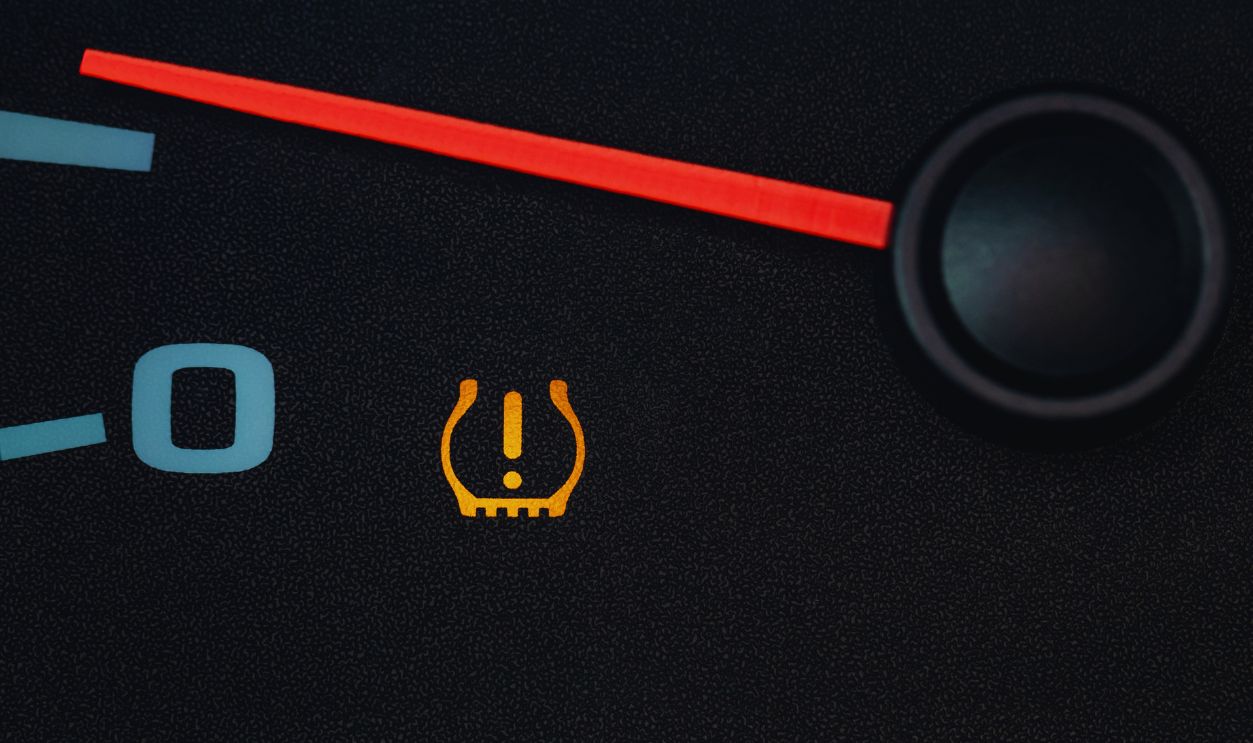
Dashboard Warning Lights Tell An Important Story
Most vehicles illuminate several dashboard warning lights briefly when the ignition is switched on. These lights should generally go out after the engine starts, although some indicators remain active under specific conditions. Pay particular attention to oil-pressure, engine-temperature, charging-system, and brake-system warnings. If a serious warning remains illuminated, follow the owner's manual rather than assuming the car simply needs to be driven.
Test The Brakes Before Leaving The Driveway
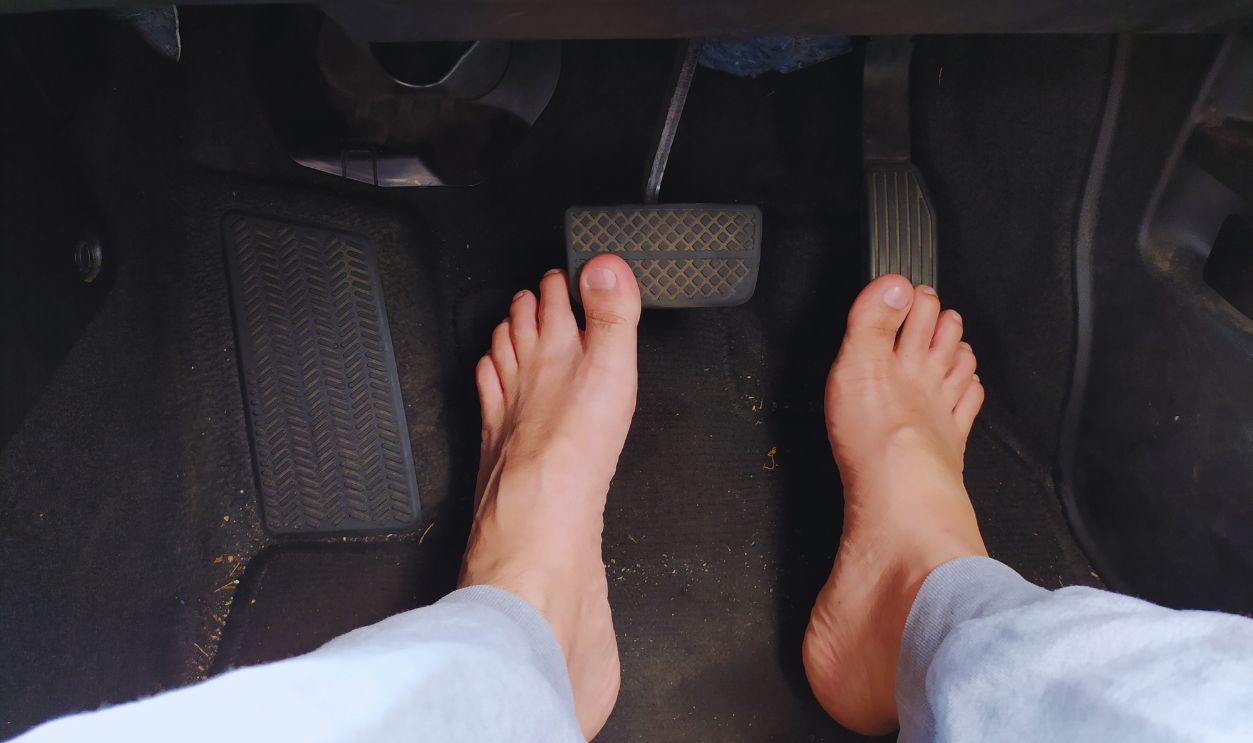
Before entering traffic, press the brake pedal and check whether it feels firm and operates normally. If the vehicle can be moved safely, test the brakes at very low speed in a clear, private area. Listen for grinding, scraping, or other unusual sounds, and check whether the vehicle stops predictably. A soft pedal, severe noise, pulling, or poor braking performance means the car should be inspected instead of driven on public roads.
Your First Drive Should Be Short And Gentle
Even if the car starts easily, a long highway journey shouldn't be its first outing after six months. Begin with a short, low-speed drive on familiar roads where you can stop safely if something feels wrong. Pay attention to steering response, braking performance, unusual vibrations, and dashboard warnings. If everything operates normally, you can gradually return to regular driving while continuing to monitor the vehicle.

Listen For Problems You Didn't Notice Before
Unusual sounds can provide early warning of mechanical problems that weren't obvious during the initial inspection. Grinding brakes, squealing belts, persistent tire thumping, or knocking from the engine all deserve attention. Some minor brake noise or temporary tire vibration can occur after storage, but persistent or worsening symptoms shouldn't be dismissed. Stop driving when a sound suggests a safety problem, and arrange an inspection.

Check The Car Again After The First Drive
Once you've completed a successful short drive, park the vehicle somewhere safe and inspect it again. Look underneath for fresh fluid leaks and check for unusual smells, visible damage, or warning lights that appeared during the trip. Recheck tire pressure when the tires are cold, particularly if they were substantially underinflated before the drive. This follow-up can reveal problems that weren't apparent while the car was stationary.
Sometimes A Professional Inspection Is Worth It
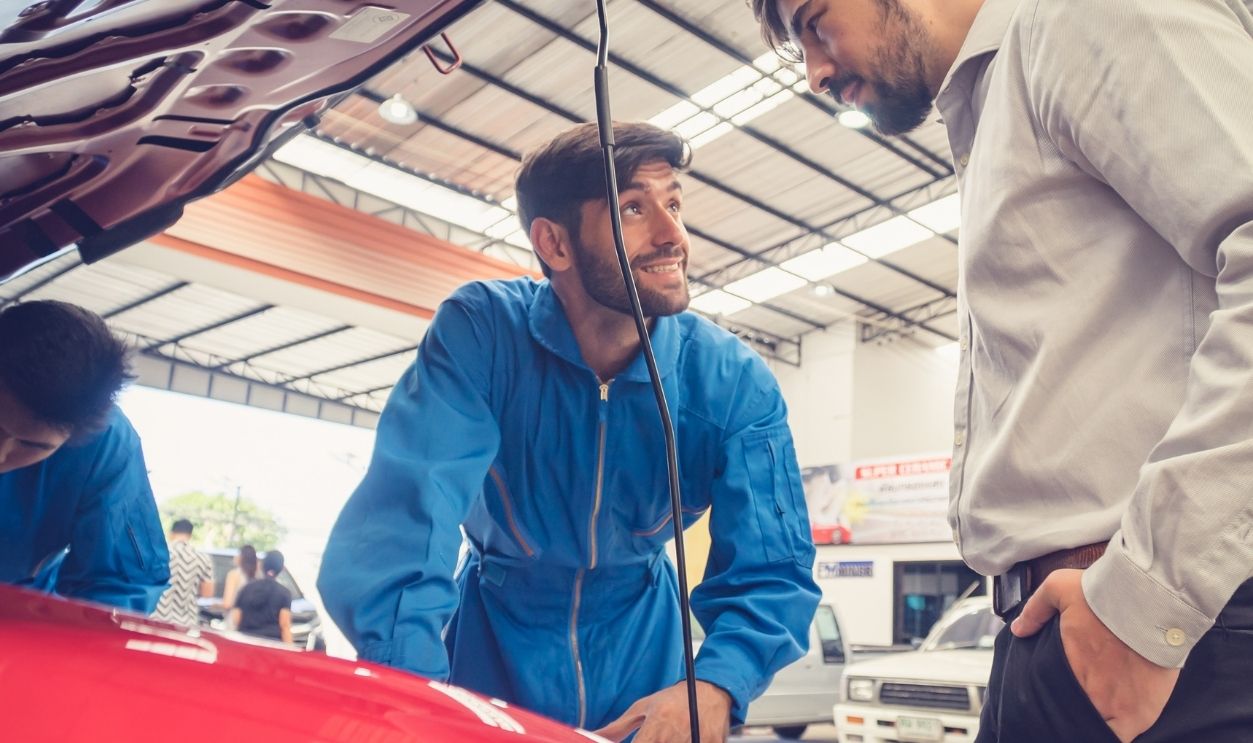
Six months of storage doesn't automatically mean your vehicle needs major repairs. However, a professional inspection makes sense when maintenance history is uncertain, the car was stored outdoors, or you discover corrosion, leaks, damaged tires, or electrical problems. A mechanic can assess components that are difficult to examine safely at home, including brake hardware and the underside of the vehicle. Spending money on a targeted inspection can be worthwhile when the alternative is driving with an undetected safety problem.
Don't Forget Insurance And Registration
Mechanical condition isn't the only thing to check before returning a stored vehicle to the road. If you reduced or suspended insurance coverage while the car was parked, confirm that the necessary driving coverage has been restored. Make sure the registration is valid and any required inspection or reinstatement process has been completed. Requirements vary by jurisdiction, so check the rules that apply where the vehicle is registered.

A Little Preparation Can Save A Big Repair Bill
Getting a car back on the road after six months doesn't have to be complicated, but it shouldn't be rushed. The most important priorities are making sure the tires, brakes, battery, fluids, and other safety-related systems are ready for use. If anything appears damaged or behaves unusually, address the problem before committing to a longer trip. A careful inspection and a gentle first drive are much better than discovering a preventable problem miles from home.

You May Also Like:
Classic Truck Features That Drivers Miss Now That Pickups Have Gone Luxury