The Two-Hour Drive Changes How It Feels
You entered your vehicle information online, received an attractive trade-in number, and drove two hours expecting the dealership to stand behind it. Then an employee inspected your car and suddenly offered thousands less. Whether that is legitimate depends heavily on what the original number actually promised and what conditions were disclosed before you made the trip.

An Estimate And An Offer Are Not The Same Thing
Some online trade-in tools provide estimated market values rather than promises to purchase your specific vehicle for a fixed price. Kelley Blue Book, for example, distinguishes its estimated Trade-In Value from its Instant Cash Offer, which it describes as an actual offer subject to inspection. That distinction can become extremely important when you are deciding whether it is worth driving a long distance.

Read The Words Around The Dollar Amount
Look carefully for terms such as "estimated value," "up to," "subject to inspection," or "pending verification." Those qualifications can indicate that the displayed number is not guaranteed. If the advertisement instead presents a specific amount as firm without clearly explaining important limitations, the situation deserves closer scrutiny under truth-in-advertising principles.

Inspections Are A Normal Part Of The Process
A dealer has legitimate reasons to inspect a vehicle before paying for it. Kelley Blue Book says participating dealers may visually inspect a vehicle, test drive it, and compare its actual condition with the information entered online. An offer can change when that inspection reveals facts that differ from the owner's description.
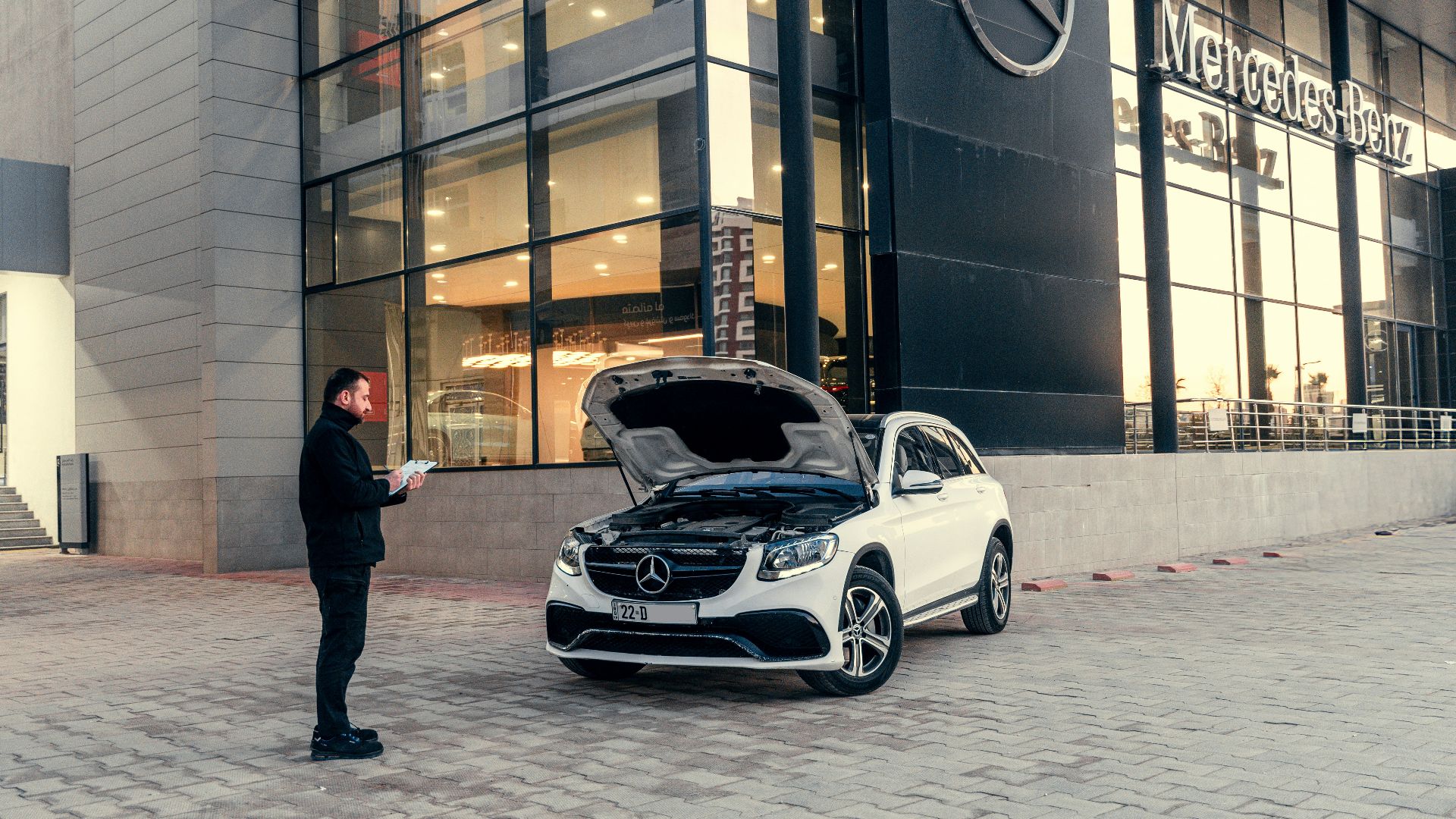
Condition Can Move The Number Quickly
Dents, mechanical problems, modifications, title issues, and other condition differences can affect what a dealer is willing to pay. Kelley Blue Book specifically says its offers consider details such as installed equipment, dents, mechanical issues, and local demand. A legitimate downward revision should therefore have some identifiable connection to the vehicle or to the terms of the original offer.

Mileage Matters Too
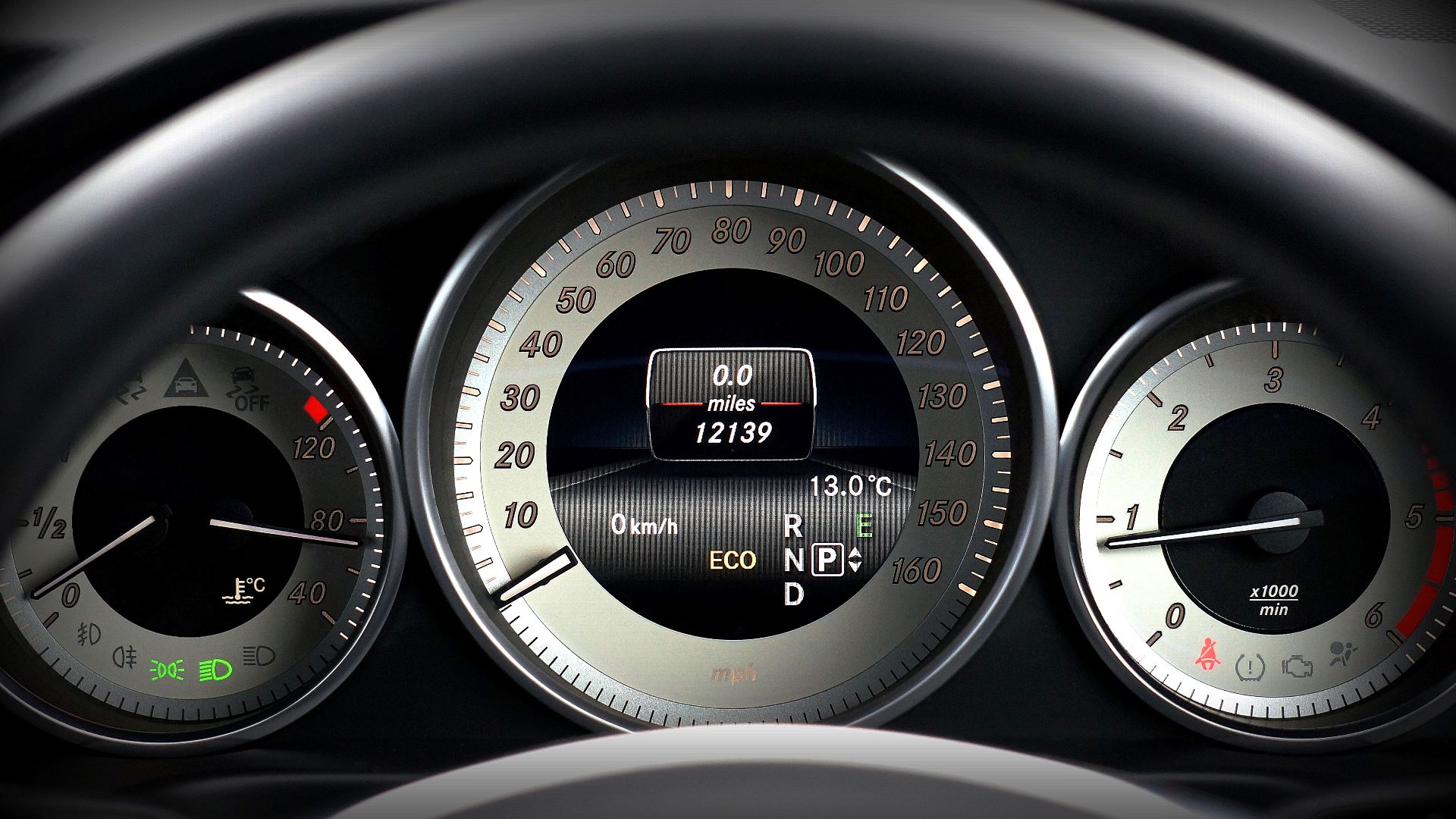
Mileage is another detail commonly used when generating trade-in offers. Online valuation systems ask for mileage because otherwise two identical models could have substantially different histories and conditions. If the mileage entered online was inaccurate, correcting it during the dealership inspection can legitimately affect the offer.
Vehicle History Can Create Surprises
An inspection is not always limited to scratches that you can see in the parking lot. Kelley Blue Book says verification may include reviewing vehicle-history information concerning matters such as salvage history or odometer discrepancies. CarMax similarly says its online offers can be adjusted when the vehicle's actual condition, use, or history differs from the information originally supplied.
A Real Offer Can Still Be Conditional
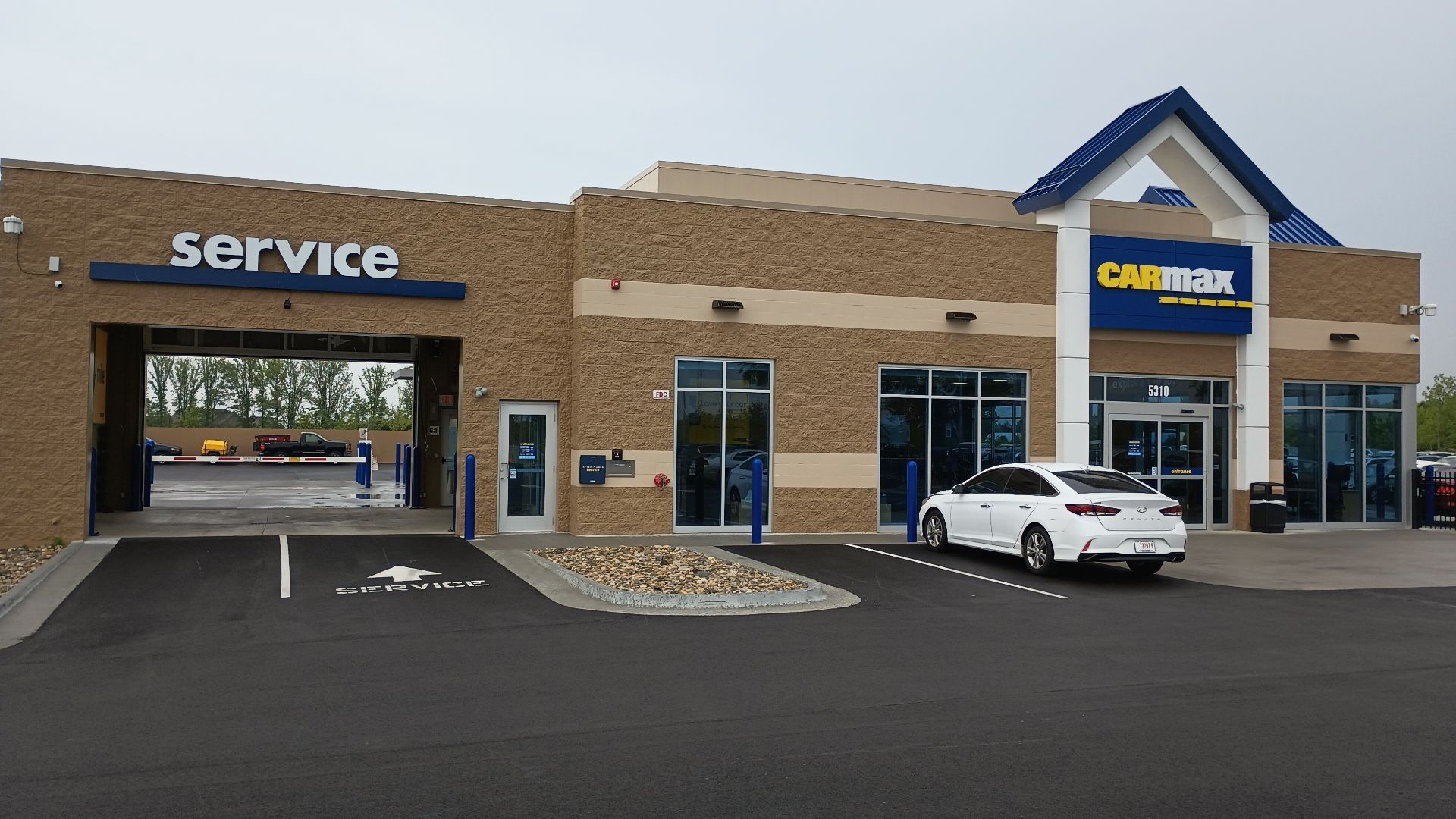
The phrase "real offer" does not necessarily mean that absolutely nothing can change. CarMax says its online offers are real and generally valid for seven days, but it verifies the vehicle before finalizing the transaction. According to the company, an online offer may be adjusted if the condition, use, or history is different from the information it received.
 deathpallie325, Wikimedia Commons
Some Programs Spell Out The Rules Clearly
Kelley Blue Book says its Instant Cash Offer is valid for seven days and is redeemable at participating dealers pending inspection. If the information supplied about the vehicle is accurate and the condition is confirmed, participating dealers are required under that program to honor the offer. If information is inaccurate, the dealer can update it and the resulting amount may change.

That Makes The Dealer's Explanation Important
Suppose the dealership reduces your offer because it discovers body damage you failed to disclose. That is much easier to reconcile with a conditional appraisal than a vague statement that the manager simply decided the vehicle was worth less. Ask the salesperson to identify exactly what changed between the information used for the original valuation and the information used for the revised one.

Get The Revised Appraisal In Writing
Do not rely solely on a salesperson pointing at your car and announcing a new number. Ask for the revised valuation and the reason for the adjustment in writing whenever possible. Keeping both versions makes it much easier to determine later whether the change followed disclosed appraisal conditions or whether the original offer appears to have been used primarily to attract you to the dealership.

Advertising Rules Still Apply To Dealers
Federal law does not give automobile advertising a free pass simply because negotiations happen at a dealership. Section 5 of the Federal Trade Commission Act prohibits unfair or deceptive acts or practices in commerce. The FTC describes deception as a material representation, omission, or practice likely to mislead a consumer acting reasonably under the circumstances.

The FTC Has Warned About Trade-In Promises
The FTC specifically tells consumers that dealership ads may promote high trade-in allowances along with discounts, low prices, or attractive financing. The agency warns that important restrictions may be buried in fine print or revealed only after the shopper reaches the showroom. It advises consumers to confirm important offer details before visiting the dealership.
Bait And Switch Is The Bigger Concern
A price changing after an inspection is not automatically proof of bait-and-switch advertising. The concern becomes stronger when an attractive claim is used to bring consumers to the dealership even though the advertised terms were never genuinely available as they appeared. The FTC has a long history of treating bait-and-switch practices as potentially unfair or deceptive.

Enforcement Cases Show The Difference
Federal regulators have repeatedly challenged dealerships over advertising that allegedly promised terms consumers could not actually obtain. In one 2015 action, the FTC alleged that Las Vegas dealerships advertised heavily discounted prices that generally were not available. One promotion advertised "$0 DOWN AVAILABLE," while fine print required a trade-in worth at least $2,500.

Trade-In Advertising Has Triggered Cases Too
Trade-in claims themselves have been the subject of enforcement. In 2012, the FTC challenged dealerships that advertised that they would pay off consumers' existing trade-ins regardless of what the consumers owed. The agency alleged that consumers were actually still responsible for negative equity through their new financing or out-of-pocket payments.

States May Add Their Own Rules
Federal law is only one part of the picture because states have their own consumer-protection and motor-vehicle advertising laws. The FTC itself notes that every state has consumer-protection laws governing advertising within that state. That means your exact rights can depend on where the dealership operates and where the transaction occurred.

New Jersey Provides A Useful Example
New Jersey regulators once sued a dealership group over several alleged practices involving vehicle advertising. Among the allegations was that the company failed to honor a "guaranteed" $8,000 trade-in advertisement. State officials characterized the broader alleged conduct as a bait-and-switch operation, illustrating why the exact wording of a trade-in promotion matters.
 ajay_suresh, Wikimedia Commons
Illinois Has Regulated Trade-In Advertising Too
Rules can be surprisingly specific in some states. An Illinois Attorney General lawsuit cited a state motor-vehicle advertising regulation prohibiting dealerships from advertising or offering a specific trade-in allowance or range of amounts for a traded vehicle. This is another reason a national answer cannot replace checking the law in the dealership's state.
The Federal CARS Rule Is Not The Answer
You may encounter older articles describing the FTC's Combating Auto Retail Scams Rule, commonly called the CARS Rule. The Fifth Circuit vacated that rule on January 27, 2025, and the FTC subsequently withdrew it to conform its regulations to the court decision. The rule therefore should not be cited as a currently enforceable source of your rights in 2026.
 Christian Velitchkov, Unsplash
Existing Consumer Protections Did Not Disappear
The CARS Rule's demise did not erase the FTC Act or state consumer-protection laws. In March 2026, the FTC warned 97 auto dealership groups that advertised vehicle prices must match the prices consumers can actually obtain, including required fees. That announcement shows that deceptive auto advertising remains an active enforcement issue even without the CARS Rule.

Your Screenshot Could Become Important
Before arguing over what a salesperson remembers saying, save the evidence you already have. Keep screenshots of the original valuation, emails, text messages, advertisements, appointment confirmations, and any terms attached to the offer. The FTC recommends getting offer details in writing because written terms make it easier to compare what was promised with what happens at the dealership.

Save The Fine Print Along With The Price
A screenshot containing only "$24,500" tells only part of the story if another page says the amount is conditional on inspection. Capture the disclosures, expiration date, mileage entered, condition answers, VIN information, and any other qualification accompanying the valuation. Those details help establish whether the dealer followed its disclosed process or introduced a new condition only after you arrived.

Separate The Trade-In From The New Car Price
The FTC recommends obtaining the out-the-door price for the vehicle you want even when the dealership cannot yet confirm the value of your trade-in. Doing so prevents the trade-in allowance from disguising changes elsewhere in the transaction. A generous trade-in number is less impressive if the dealership quietly increases the price of the replacement vehicle or adds unwanted costs.

Do Not Let The Long Drive Trap You
After spending several hours traveling, it is easy to feel that leaving empty-handed would make the entire day a waste. That feeling can weaken your negotiating position because the dealership already has you physically on the lot. The FTC explicitly advises consumers to be prepared to walk away when a dealership will not honor promised terms or when the deal no longer feels right.

Ask One Simple Question Before Leaving
If the dealer claims the inspection caused the reduction, ask what specific inspection finding accounts for the difference. You can then compare that explanation with the conditions disclosed in the original offer. If the vehicle matched your original description and the dealership cannot identify a meaningful discrepancy, the change deserves more scrutiny.

Report Advertising That Seems Misleading
The FTC encourages consumers to report dealerships they believe have used misleading advertisements or dishonest selling practices through ReportFraud.ftc.gov. Depending on the state, consumers can also investigate complaint options through their state attorney general, consumer-protection office, or motor-vehicle regulator. Filing a complaint does not automatically guarantee compensation, but it provides regulators with information they can use to identify patterns of conduct.

The Bottom Line Comes Down To What Was Promised
A dealer generally has a legitimate basis for changing a conditional trade-in valuation when an inspection uncovers inaccurate mileage, undisclosed damage, vehicle-history problems, or another condition covered by the offer's terms. A dealer has a much harder explanation to make when a specific attractive value was presented without meaningful qualifications and then disappears for reasons unrelated to the vehicle once the customer arrives. Save the advertisement, read every condition, demand an explanation for the change, and be willing to leave rather than accepting a worse deal simply because you already drove two hours.
 f.t.Photographer, Shutterstock
You May Also Like:
The Most Overrated Cars Today, According To Car Enthusiasts
People With The Largest Car Collections In The World