Your Discount Has Strings
You arrived with a bank preapproval, but the dealership says its advertised discount disappears unless you finance through them. Their price looks better, while your bank's loan looks cheaper. But before you sign anything, you need to compare the entire transaction before assuming either financing source automatically wins.
You Have Three Choices
Broadly, you can pay cash, borrow directly from a bank or credit union, or let the dealership arrange financing. Each changes the economics of your purchase differently. The cheapest vehicle price, lowest monthly payment and lowest overall cost are not necessarily found in the same option.
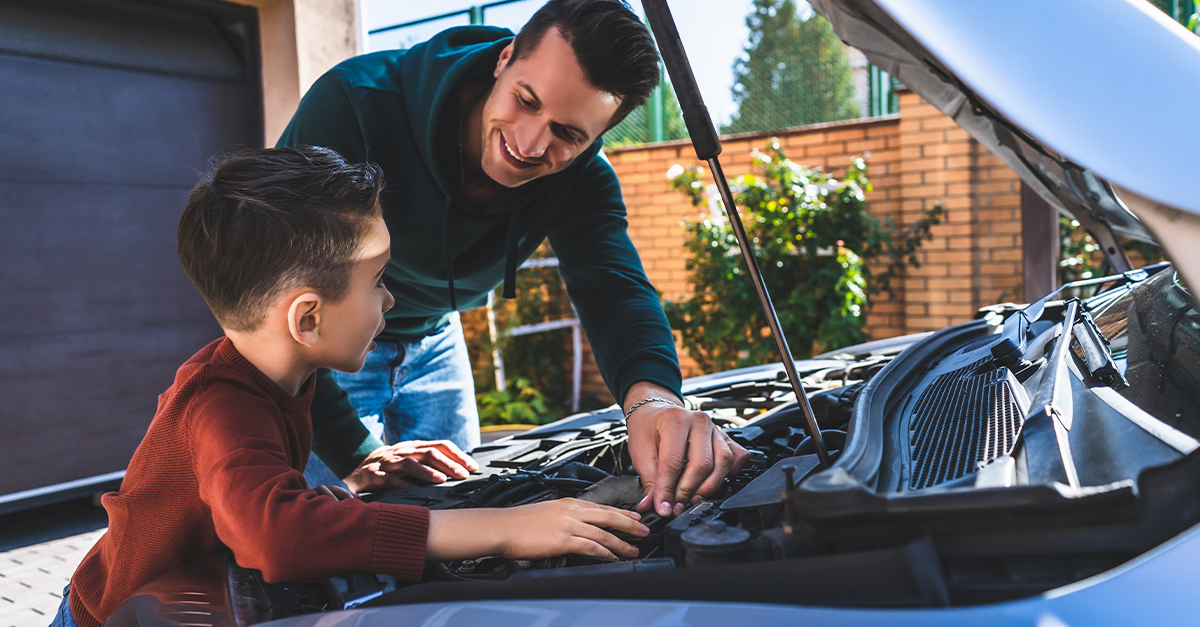
 f.t.Photographer, Shutterstock
Preapproval Gives You Leverage
Your bank preapproval establishes a real alternative before you enter the finance office. It tells you approximately how much you can borrow and under what terms. More importantly, it gives you a benchmark against which you can measure whatever financing package the dealership puts in front of you.

You're Not Dealer-Bound
Federal consumer guidance is clear that you generally do not have to obtain your auto loan through the dealership. You can arrange financing directly with a bank, credit union or another lender. Having that outside offer lets you accept dealer financing only when the dealer genuinely beats it.

Dealer Financing Works Differently
With dealer-arranged financing, the dealership typically sends your application to lenders with which it does business. Those lenders quote financing terms to the dealer, which then presents a loan to you. That convenience can be valuable, especially when the dealership has access to several competing lenders.

Dealers Can Mark Rates
The lender may quote the dealership a wholesale interest rate commonly called the buy rate. The contract rate offered to you can be higher, with the difference helping compensate the dealer. Consequently, the dealer's first financing offer is not necessarily the lowest rate for which you qualify.

The Rate Is Negotiable
You do not have to treat the dealership's quoted interest rate as fixed. The Consumer Financial Protection Bureau says dealer-arranged auto loan rates can be negotiated. Showing the finance manager your bank preapproval may encourage the dealership to match or beat the competing APR (annual percentage rate) to win your financing business.

Discounts Can Be Legitimate
Sometimes the discount really is connected to financing. Automakers and their captive finance companies may offer promotional loans or manufacturer incentives on selected vehicles. If a particular rebate genuinely requires financing through the manufacturer's program and the restriction is clearly disclosed, you need to calculate whether accepting it benefits you.

Advertising Still Has Rules
A different issue arises if a dealership advertises a low price without adequately disclosing that buyers must use dealer financing. The FTC has specifically identified conditioning an advertised price on dealer financing among potentially illegal pricing practices and has pursued dealerships accused of misleading consumers about such requirements.

You Want It Written
Before changing your financing plans, you should ask the dealer to identify exactly what discount you lose by using your bank. Is it a manufacturer rebate, dealer discount or financing incentive? You want the eligibility requirements, vehicle price and out-the-door price documented rather than relying on a salesperson's verbal explanation.

Compare Out-The-Door Prices
The vehicle's out-the-door price gives you a much better comparison than its advertised price. You want the selling price plus applicable taxes, mandatory fees and other charges spelled out. The FTC recommends requesting this figure in writing before visiting a dealership whenever possible.

Then Compare The Loans
Once you know the vehicle price under each scenario, you can compare financing properly. The CFPB recommends looking at the amount financed, APR, interest rate, loan length and monthly payment. Focusing only on one of those numbers can conceal a considerably more expensive deal elsewhere in the contract.

APR Matters More
The interest rate tells you what you pay for borrowing, while APR incorporates interest plus certain loan fees into a standardized annual measure. Because lenders must disclose APR, it provides a useful basis for comparing financing offers. You should make sure you compare APR with APR rather than unlike numbers.

Run The Actual Numbers
Suppose dealer financing saves you $2,000 on the car but costs $3,000 more in interest over the loan's life than your bank financing. You have not saved $2,000. Conversely, a substantial financing rebate combined with a competitive dealer APR could genuinely make the dealership's package cheaper.

Loan Length Can Fool You
A dealer could make an expensive loan appear affordable simply by stretching payments over more years. Longer terms usually reduce your monthly payment but increase total interest and can leave you owing more than the car is worth for longer. You should compare loans using equivalent terms whenever possible.

Cash Changes The Equation
If you can afford the entire purchase without jeopardizing your emergency savings or other financial priorities, paying cash eliminates auto-loan interest entirely. You own the vehicle outright immediately, avoid monthly payments and do not need to worry about lender requirements or becoming upside down on a loan.

Cash Isn't Automatically Cheapest
Cash does not guarantee the lowest purchase price. A dealership may benefit financially when customers finance, while some manufacturer incentives are specifically tied to promotional financing. If paying cash means forfeiting a large legitimate rebate, you should compare that lost discount with the interest and fees financing would cost you.

Cash Has Opportunity Cost
Writing a $40,000 check also removes $40,000 from your available savings or investments. Whether that makes sense depends on your finances, borrowing rate, emergency fund and alternatives for the money. Avoiding interest is valuable, but leaving yourself cash-poor simply to avoid having a car payment may not be.

Your Bank Offers Simplicity
Direct bank or credit-union financing separates the loan decision from much of the dealership negotiation. You already know your borrowing limit and proposed terms. That makes it easier to concentrate on negotiating the car's price instead of simultaneously evaluating unfamiliar financing offers while sitting in the dealership's finance office.

Dealer Financing Has Advantages
You should not reject dealership financing merely because the dealer may profit from it. Dealers can offer convenient one-stop financing, solicit multiple lenders and sometimes access manufacturer-backed promotional rates unavailable directly from your bank. For a well-qualified buyer, a subsidized low-APR offer can be extremely competitive.

Watch The Finance Office
Financing is not the only decision waiting in the dealership's finance and insurance office. You may also be offered service contracts, GAP (guaranteed asset protection) products and other add-ons. Adding optional products to your loan increases the amount financed, so you should evaluate each separately instead of treating everything as one package.

Check Early-Payoff Terms
If you consider taking dealer financing solely to capture a discount and then refinancing or paying the loan off quickly, you need to read the contract first. The CFPB advises checking for any prepayment penalty. State law and individual contracts can affect what happens when you repay early.

Make Sure It's Final
You also want confirmation that your financing is fully approved before you drive away. With conditional or spot delivery, a dealer may later say the original financing failed and ask you to accept a higher rate, longer term or larger down payment. Your existing bank preapproval gives you another option.

Make Them Compete
Your strongest position may be simple: keep the bank preapproval and invite the dealership to beat it. If dealer financing unlocks a worthwhile discount, you can calculate that benefit. If the dealer also matches your bank's APR and term, financing through the dealership could become the clear winner.
 Hryshchyshen Serhii, Shutterstock
Choose Total Cost
There is no universal winner between cash, your bank and dealership financing. You should compare the out-the-door price, incentives, amount financed, APR, loan term, fees and total borrowing cost for each realistic option. The best deal is the combination that leaves you paying the least for the car and financing you actually want.

You May Also Like: