The Answer Depends On The System
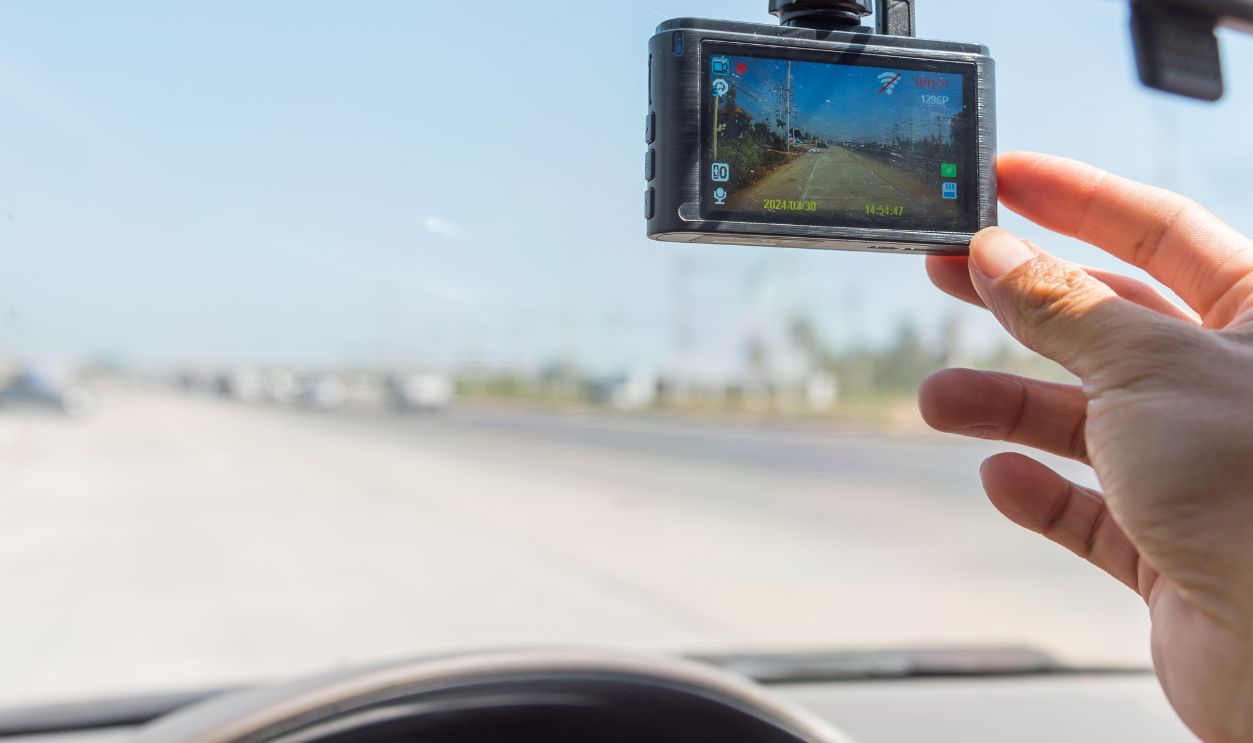
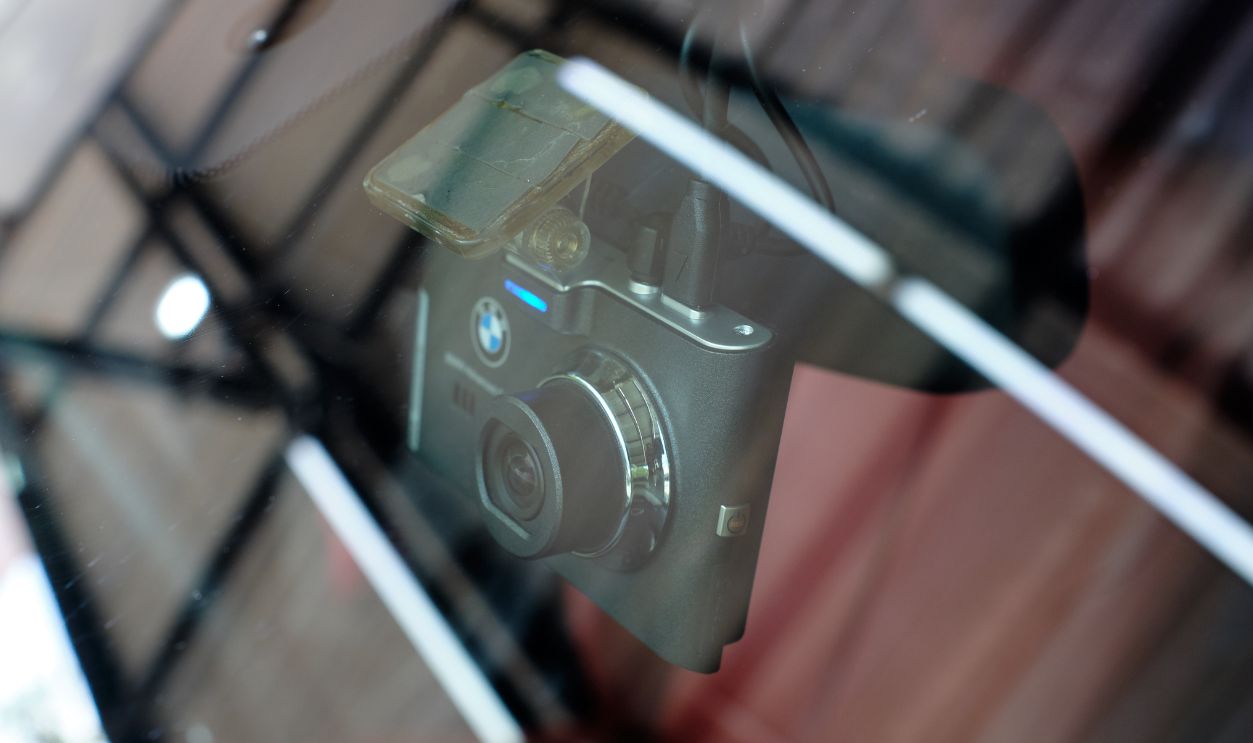
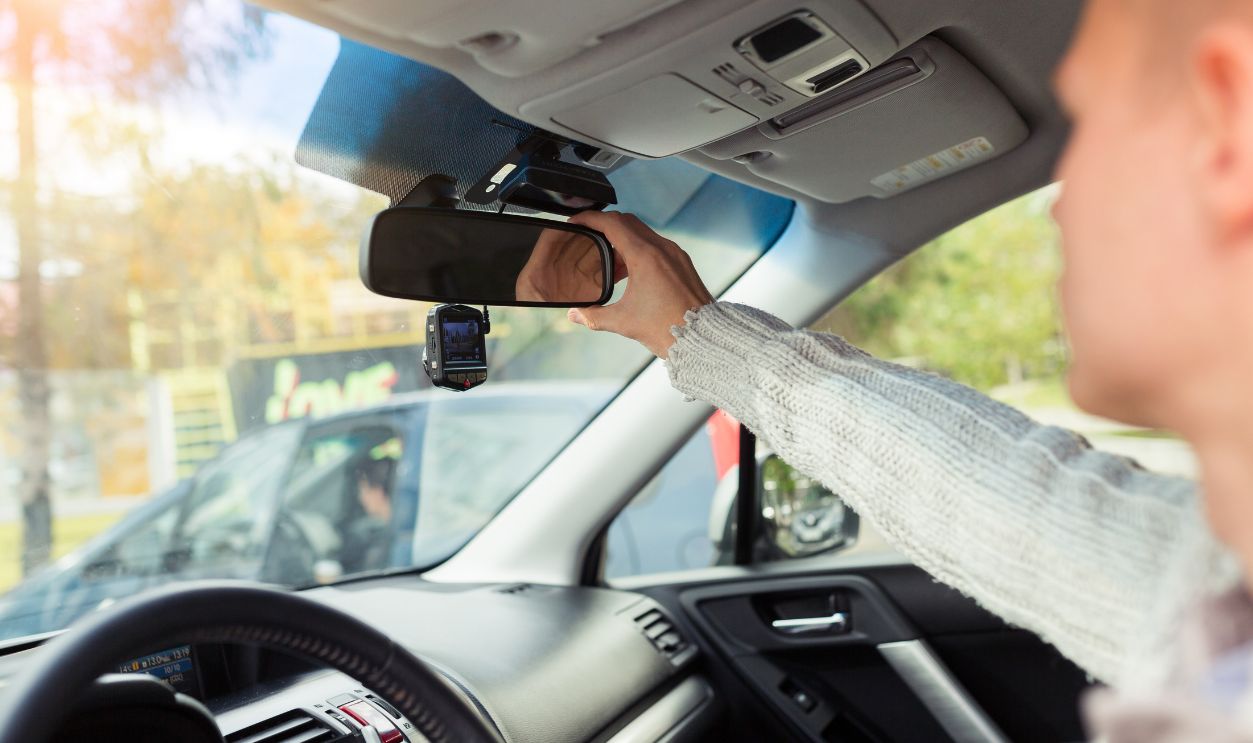
A built-in dashcam can resemble an ordinary accessory while operating as part of a much larger connected-car network. Some systems save clips only to removable media, while others use internal storage, smartphone apps, or cellular connections. You cannot determine who may access the footage simply by looking at the camera.
Ownership Is Not The Only Question
People often ask who “owns” a recording, but control and access may be more useful questions. You need to know who can view the clip, where it is stored, whether it is uploaded, and who can demand a copy. The answers may be divided among the driver, registered owner, account holder, manufacturer, insurer, police, and courts.
Start With The Owner’s Manual
The vehicle manual should explain when recording begins, what triggers saved clips, and where those files are stored. It may also identify separate settings for crash recording, parking surveillance, remote viewing, and data sharing. Because features change through software updates, use the manual that matches your model, market, equipment, and current software.
Local Storage Is The Most Private Setup
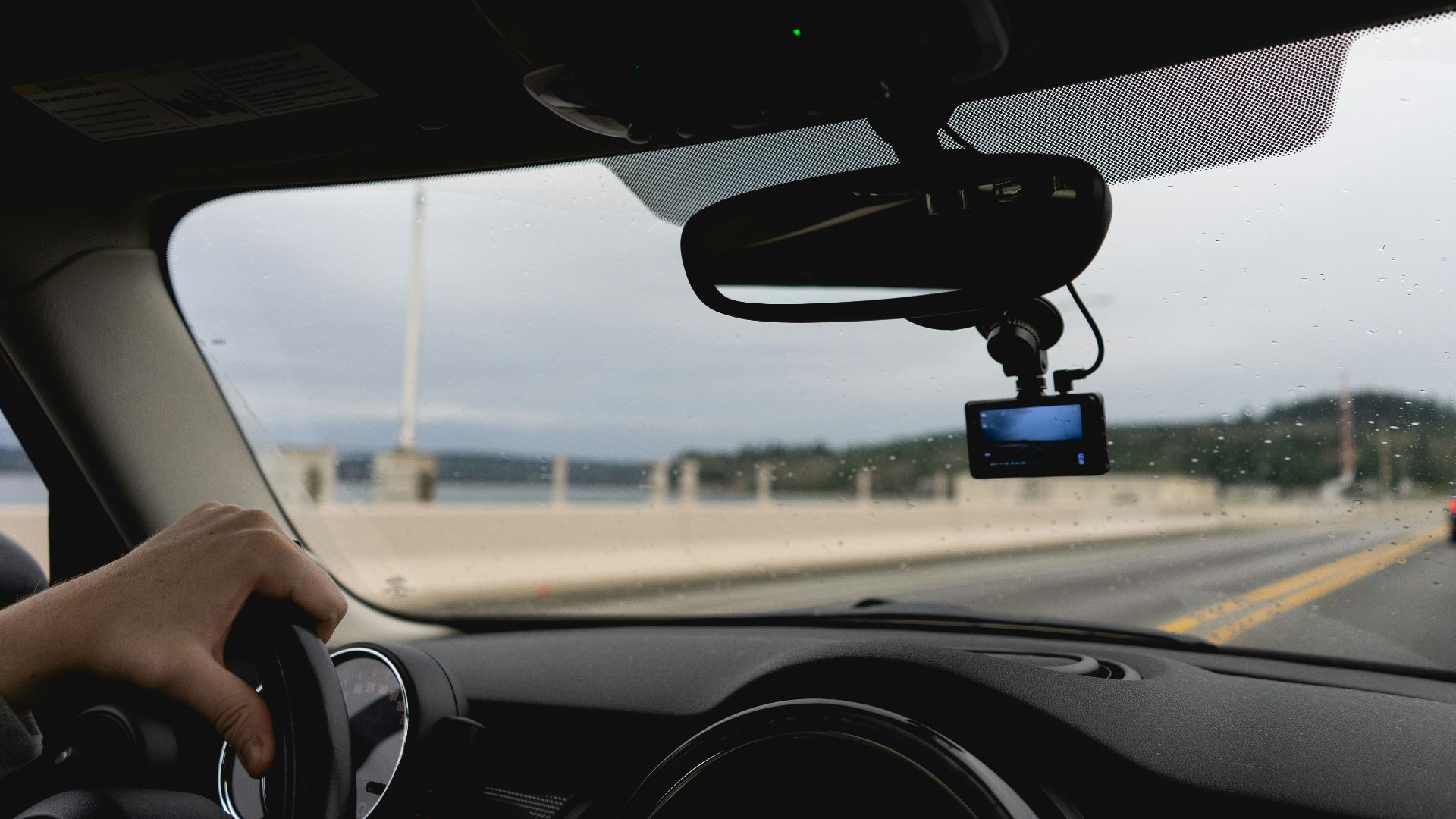
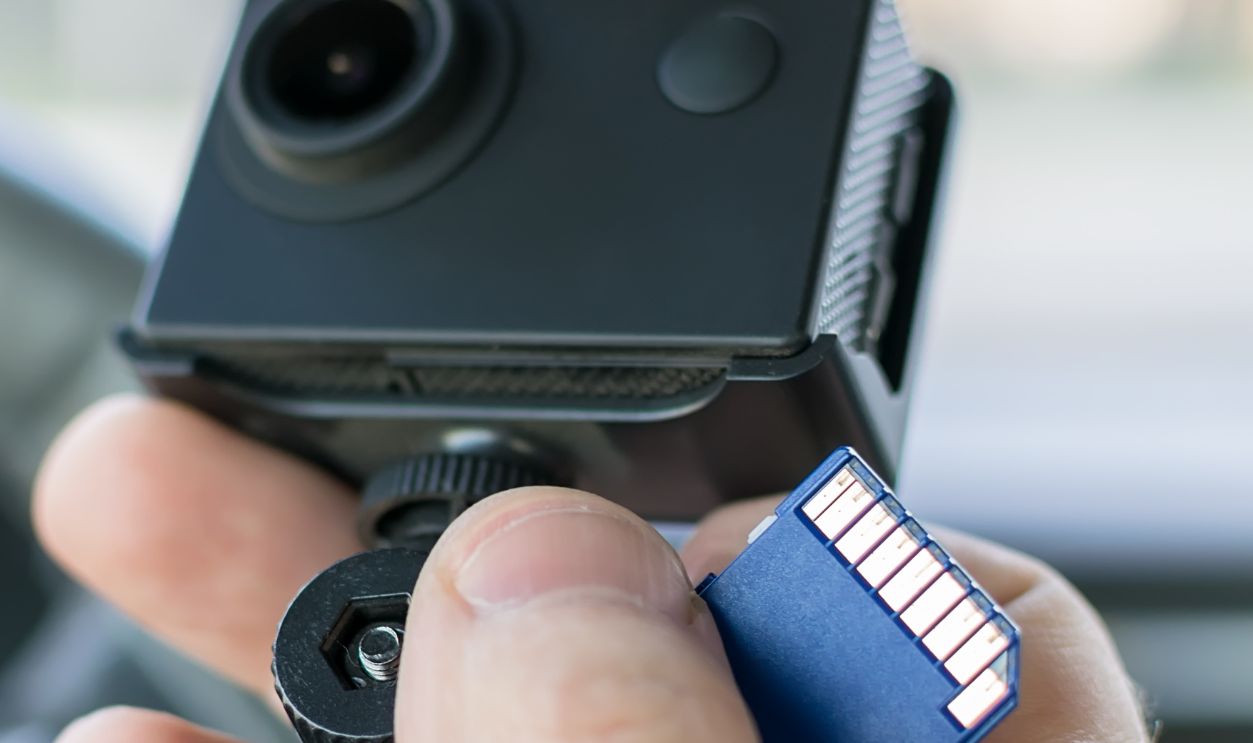
A dashcam that records only to a removable memory card or USB drive generally gives the person holding that device direct physical control over the files. Toyota’s integrated dashcam manual, for example, describes recordings being stored on a microSD card. Tesla likewise says regular Dashcam recordings are saved locally to a formatted USB drive and are not sent to Tesla.
Tesla Makes A Clear Distinction
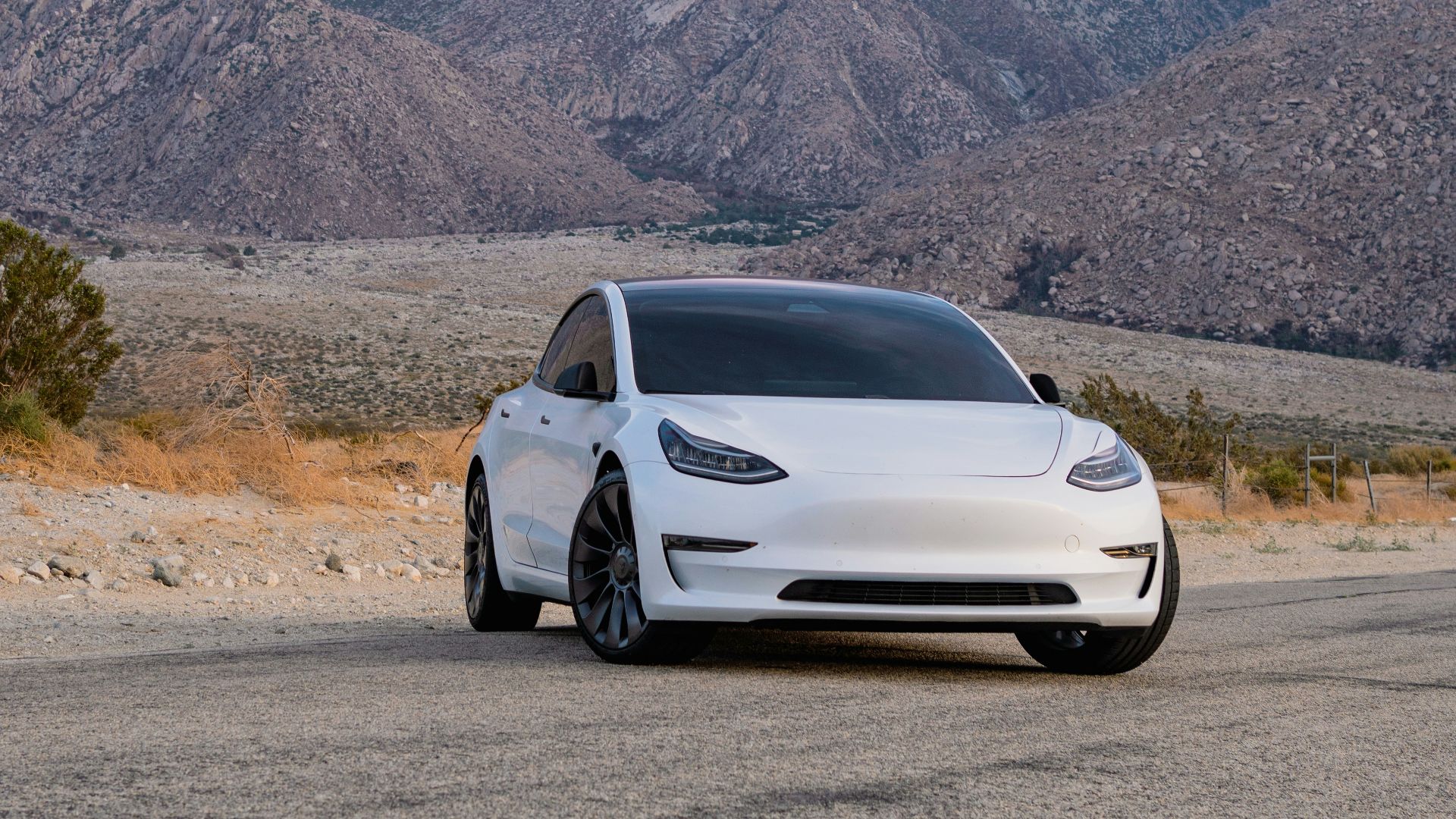
Tesla’s current Model 3 manual states that ordinary Dashcam recordings are stored locally and are not transmitted to the company. The same vehicle can still generate other camera data under separate features and permissions. That distinction shows why “the car has cameras” is not enough information to answer the privacy question.
Data Sharing Is A Separate Setting
Tesla says camera recordings used for fleet learning require the owner to consent to data sharing. Its privacy notice says those recordings generally remain anonymous unless the company receives them in connection with a safety event such as a collision or airbag deployment. Owners should therefore examine both the dashcam controls and the broader vehicle-data settings.
Crash Events May Work Differently
A routine clip of your commute may receive different treatment from data created during a collision. Manufacturers may collect vehicle information for safety, diagnostics, emergency response, or legal obligations when specific events occur. The privacy notice, connected-service agreement, and crash-data disclosures deserve separate attention.
Remote Viewing Requires A Connection
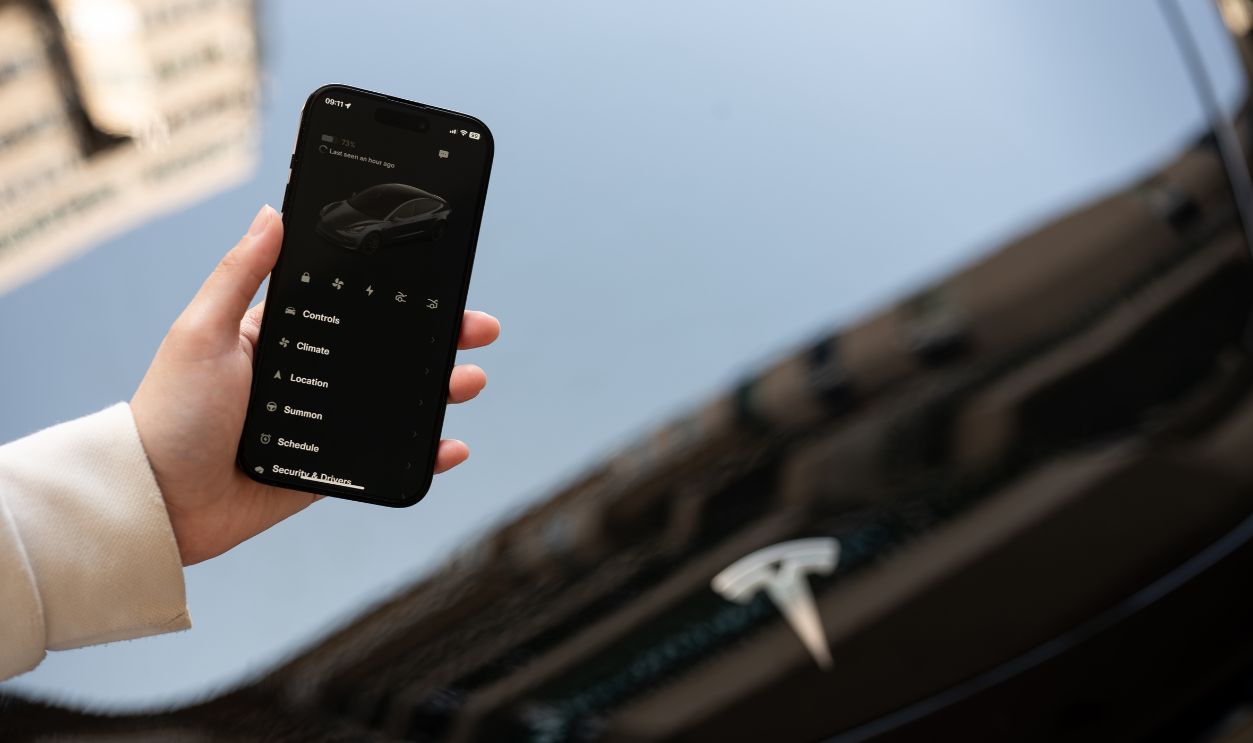
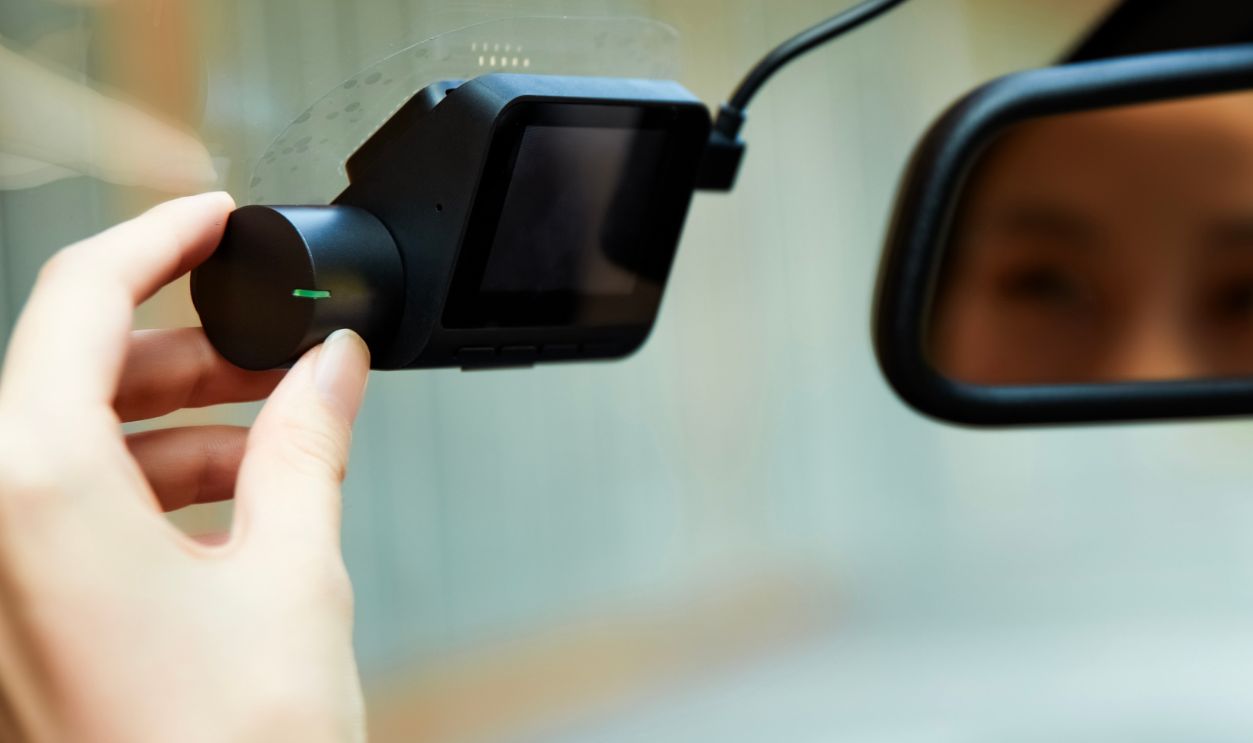
Some vehicles let an authorized account holder view exterior cameras through a mobile app. Tesla’s Live Camera feature, for example, uses the car’s connectivity to send a real-time view to a paired phone. This means a feature can involve remote transmission even when stored Dashcam clips remain local.
Encryption Can Limit Manufacturer Access
Tesla says its Live Camera feed is end-to-end encrypted and cannot be accessed by the company. That is a meaningful protection, but it applies to a specific feature rather than every piece of camera or vehicle data. Owners should look for similarly precise language from their own manufacturer instead of assuming all remote services work alike.
BMW Stores Short Clips In The Car
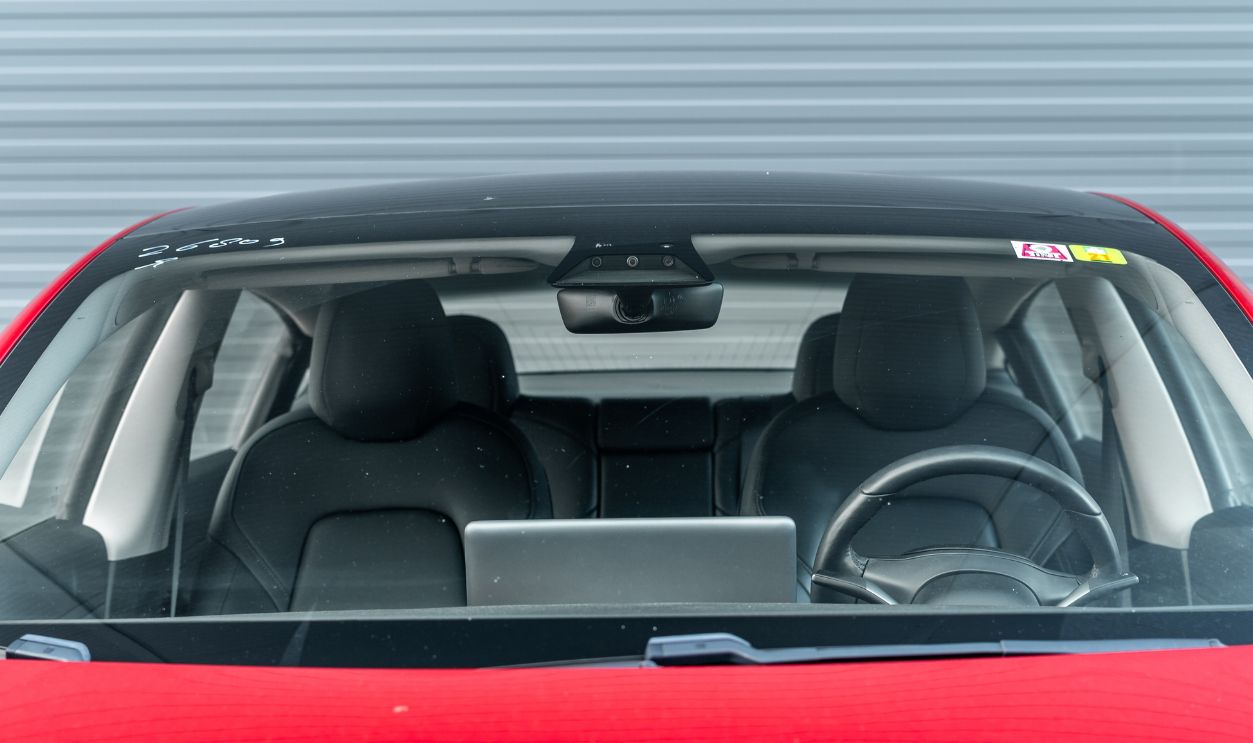
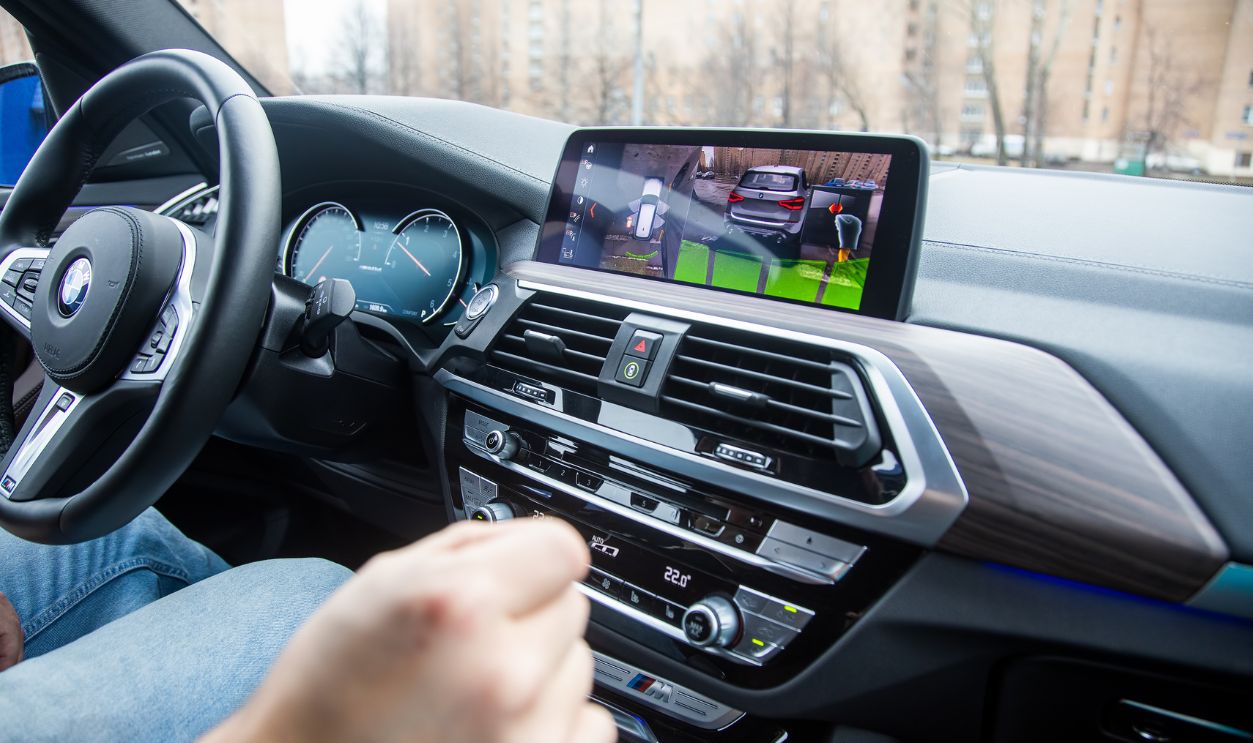
BMW says its Drive Recorder uses the vehicle’s driver-assistance cameras to capture the surroundings. Its current guide explains that recordings can be stored in the vehicle, while BMW’s support pages describe exporting saved clips through the media USB port. The system can also save footage automatically when vehicle sensors detect an accident.
The Clip May Include More Than Video
BMW says Drive Recorder clips can include the date, time, vehicle speed, and GPS location. That information can make a recording more useful after a collision, but it also makes the file more sensitive. A seemingly simple road video may reveal exactly where the vehicle was and how it was moving.
 KULLAPONG PARCHERAT, Shutterstock
Toyota Uses Removable Media
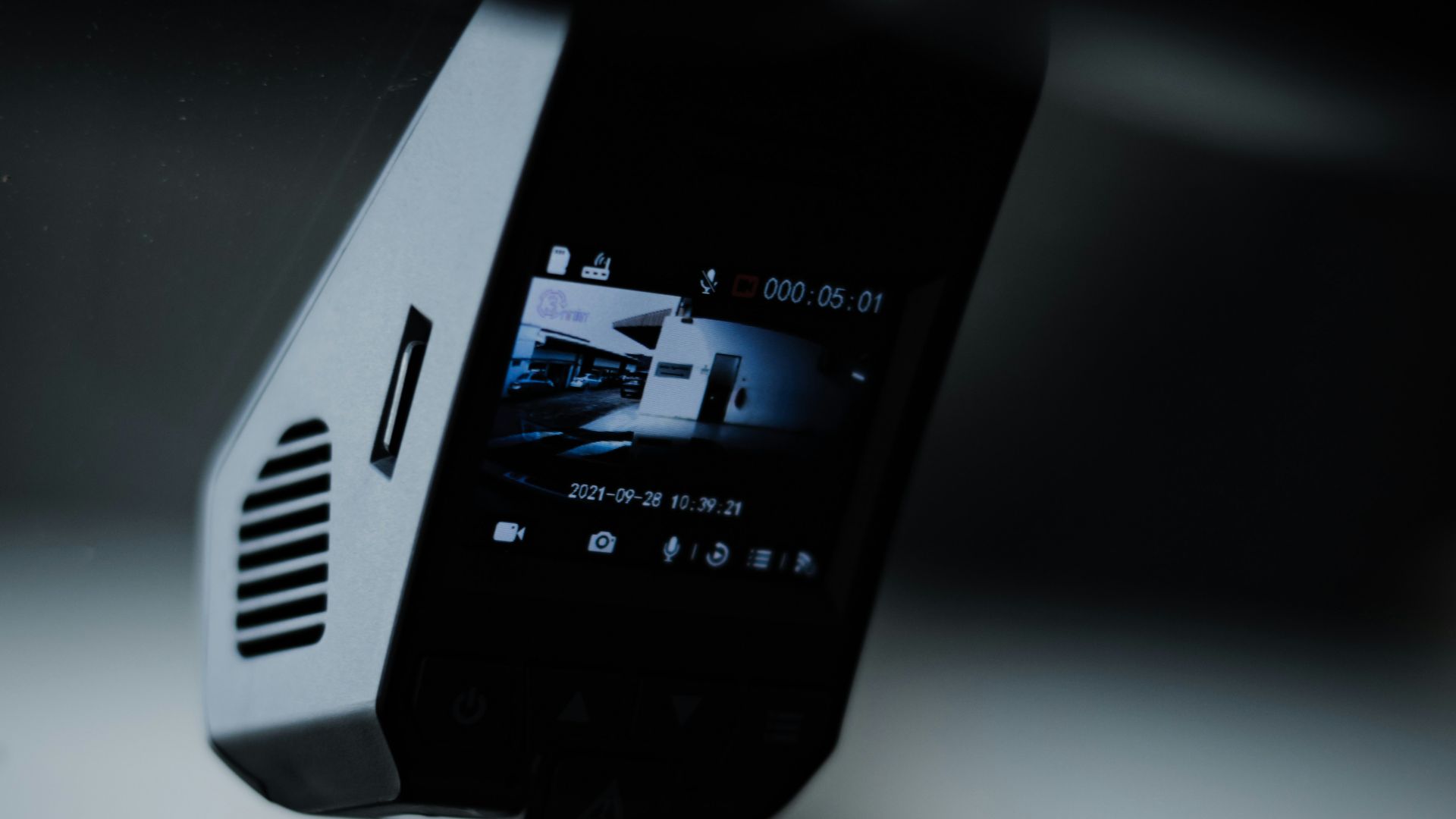
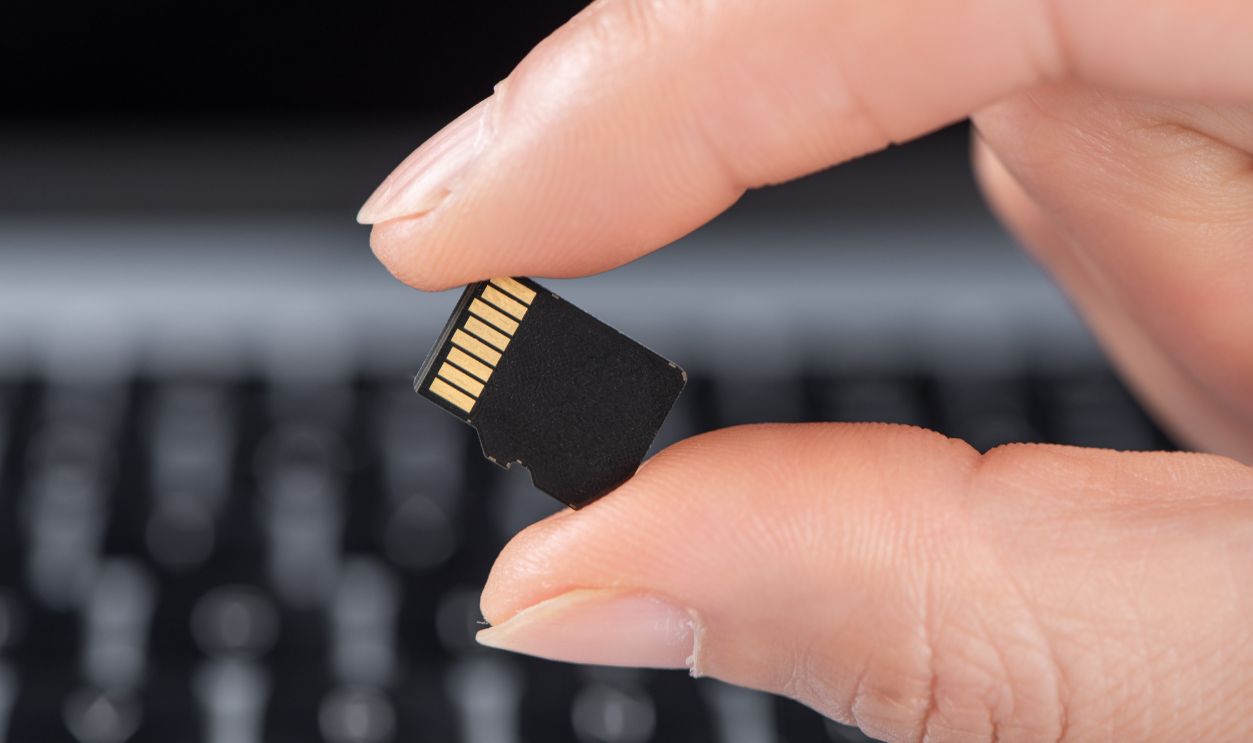
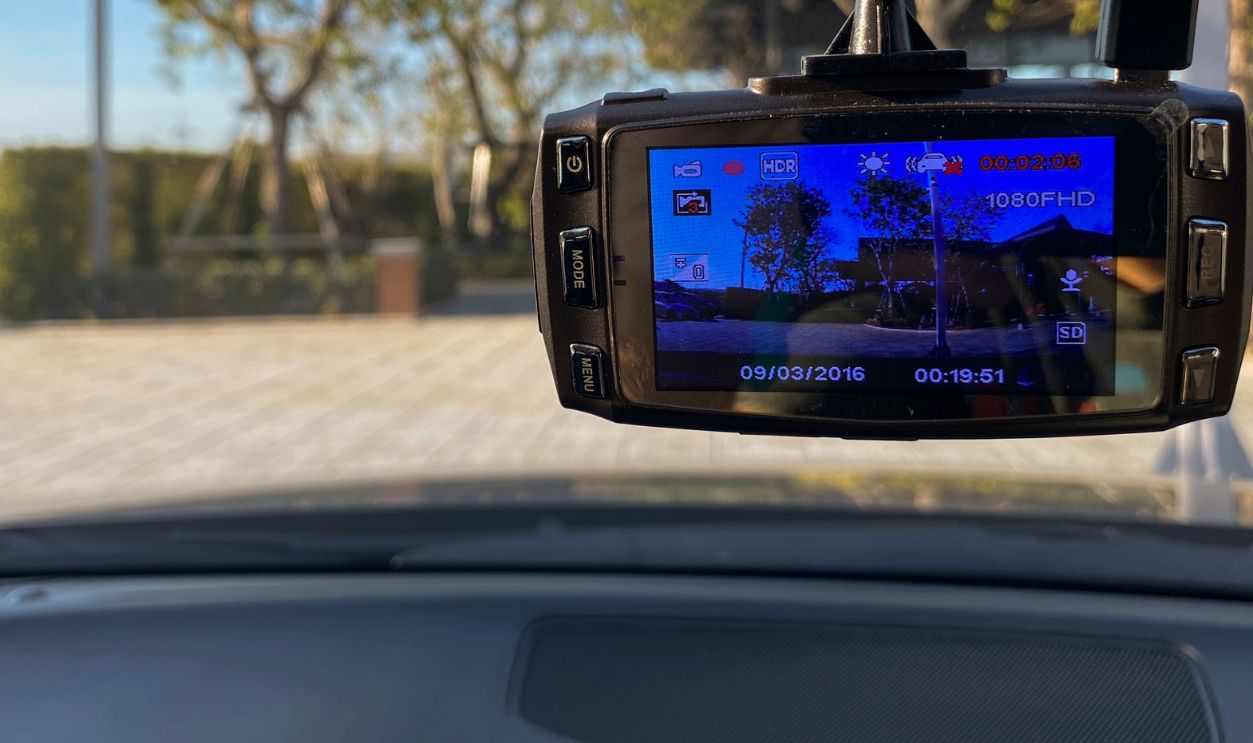
Toyota’s integrated dashcam manual describes continuous, event, manual, and parking recordings saved on a microSD card. It also warns that files can be overwritten as storage fills and that a damaged camera or card may make footage unavailable. In that arrangement, safeguarding the card is a major part of safeguarding the evidence.
Loop Recording Can Erase Evidence
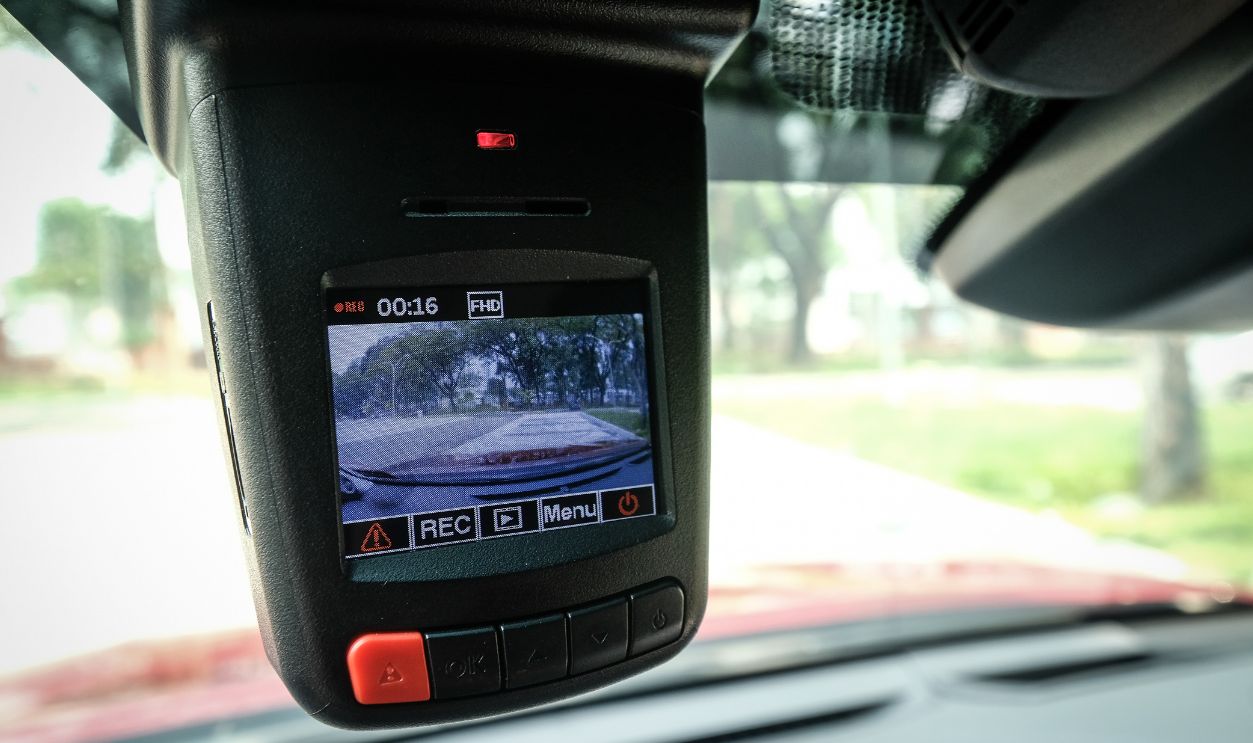
Many dashcams continuously overwrite older footage so the storage device does not simply fill up and stop. A driver who needs a clip should save or export it before the system reaches it in the recording cycle. Toyota specifically warns that newly recorded video can overwrite existing files.
 Muhamad Iqbal Rosli, Shutterstock
The App Account Matters
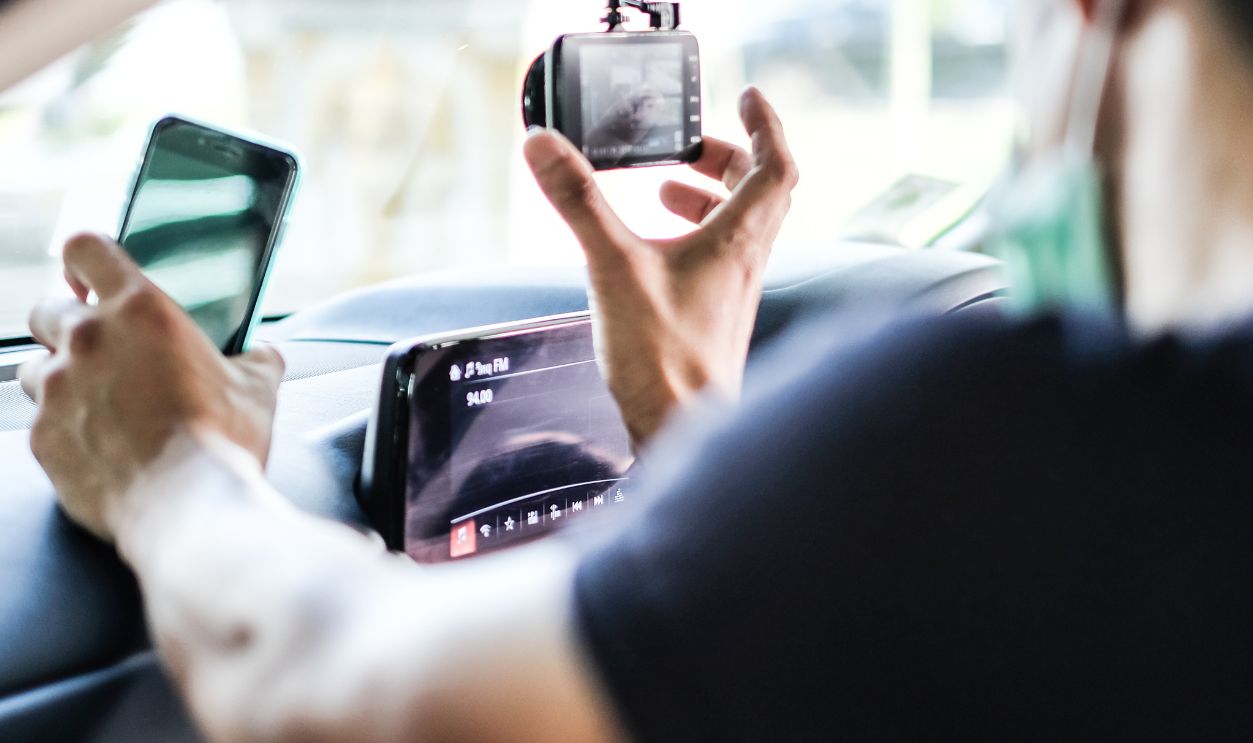
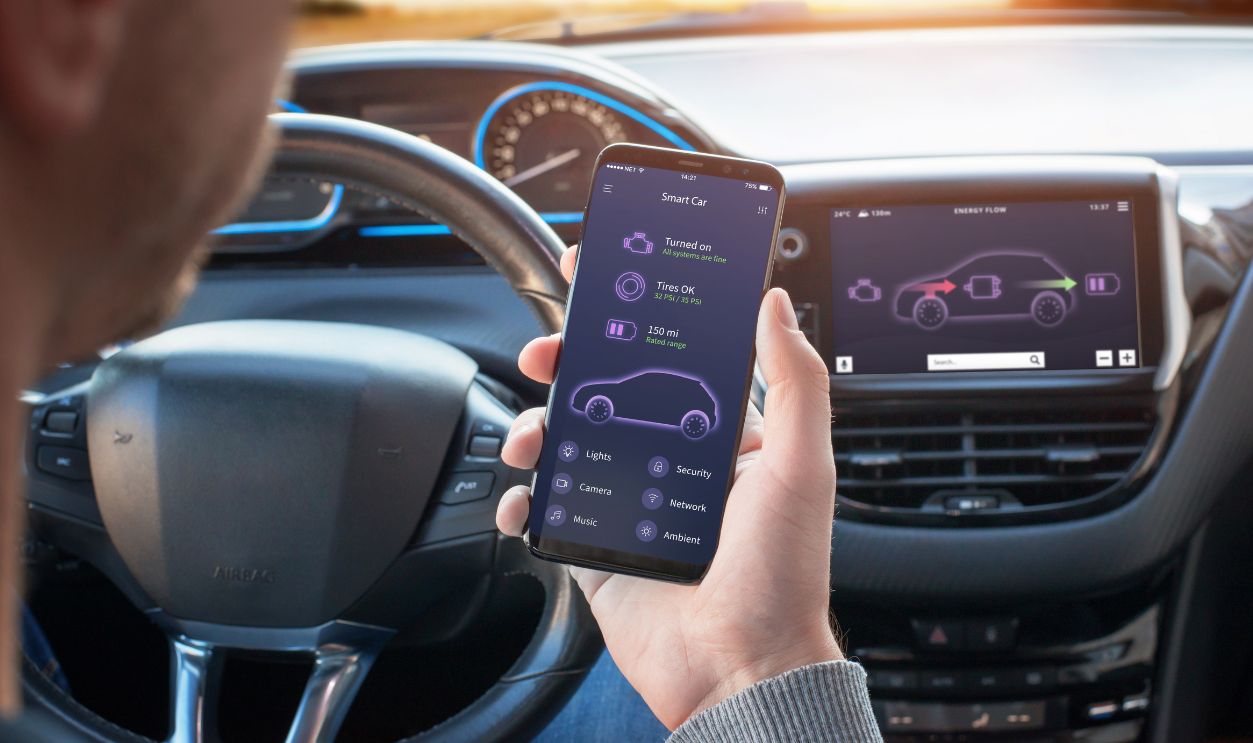
A connected camera feature may be controlled through an account rather than solely through the vehicle. Anyone who retains authorized access to that account could potentially use available remote functions or see information exposed through the app. Strong passwords, multifactor authentication, and prompt removal of former users therefore matter.
Shared Cars Create Shared Privacy
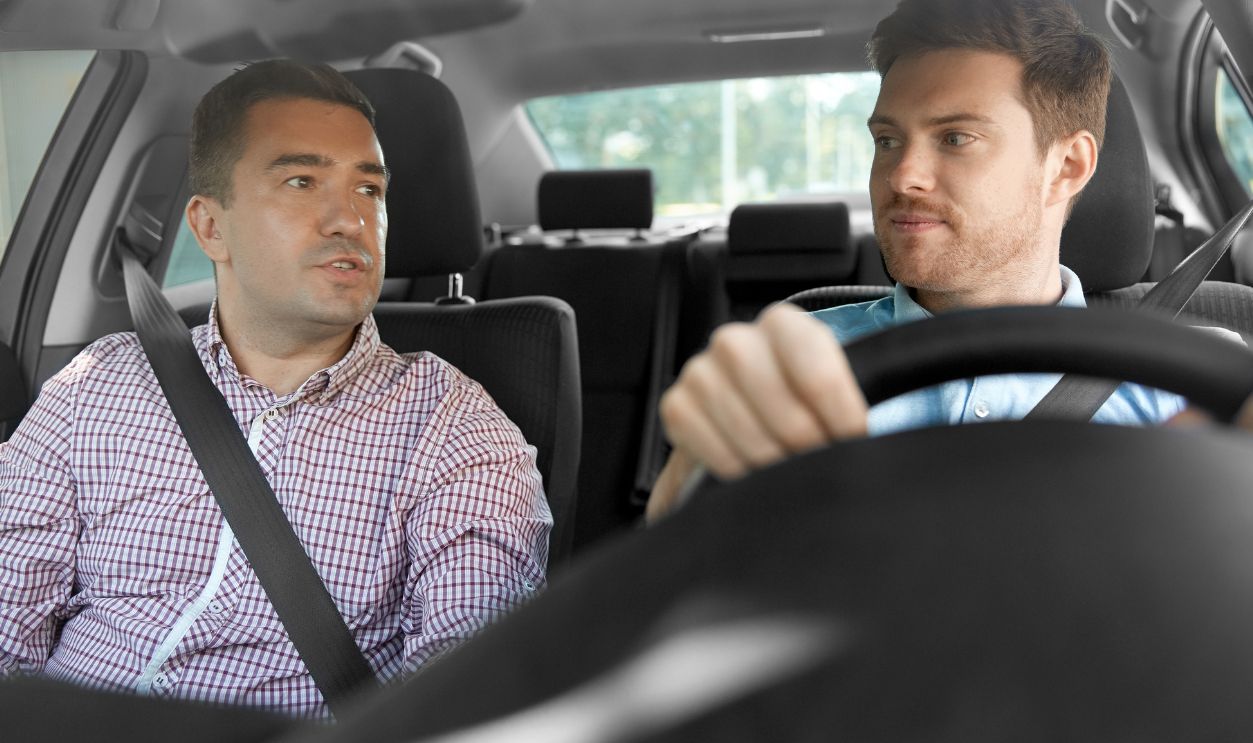
A spouse, family member, employee, or friend may drive a vehicle without understanding that cameras are operating. They may also lack access to the account or storage device even though the recording documents their trip. Drivers should explain active recording features when several people regularly share the same car.
Passengers May Be Recorded Too
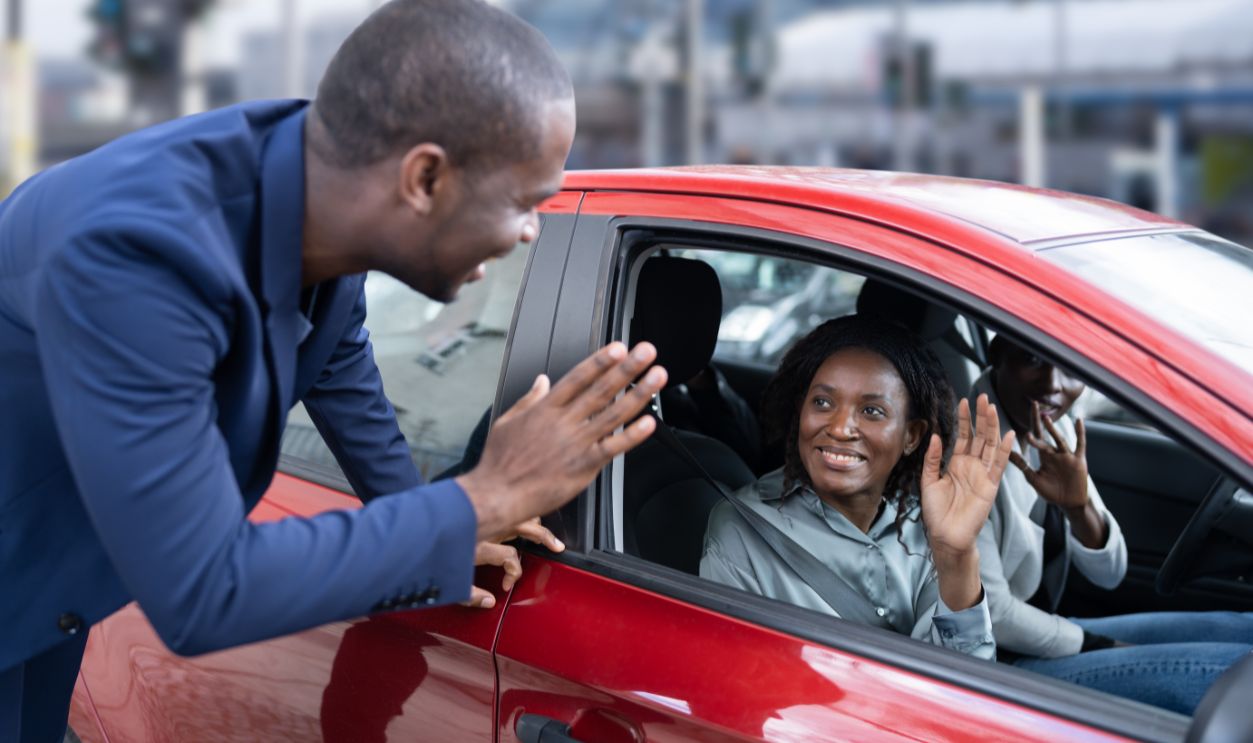
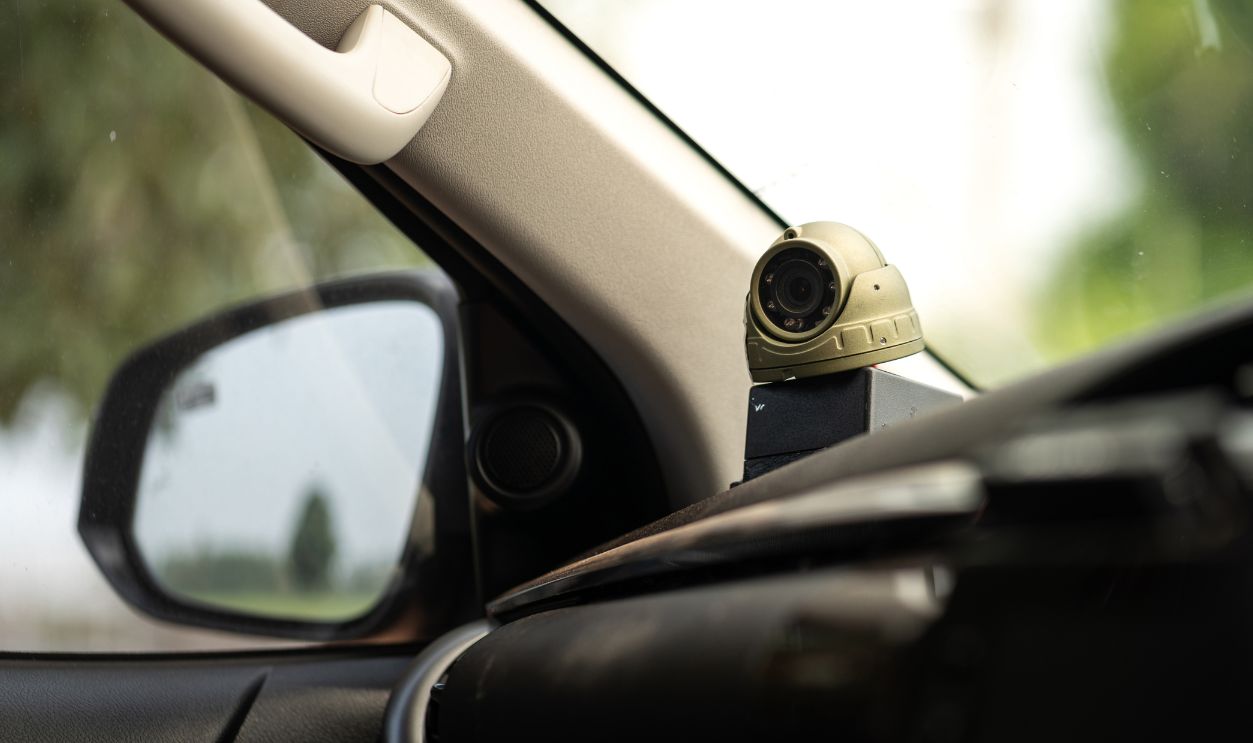
Exterior cameras can capture passengers as they enter or leave the vehicle, while some cars also contain inward-facing cameras for driver monitoring or other functions. Tesla says its cabin-camera images and video remain inside the vehicle unless data sharing is enabled. The purpose and transmission rules for interior cameras may differ from those governing the road-facing dashcam.
 Nattawit Khomsanit, Shutterstock
Audio Creates Another Privacy Issue
Some dashcams record sound as well as video, which may capture private conversations inside the cabin. Recording laws differ by jurisdiction, and property owners may impose their own camera restrictions. Tesla’s manual places responsibility on the owner to comply with applicable local regulations and property rules.
Connected Cars Collect Much More
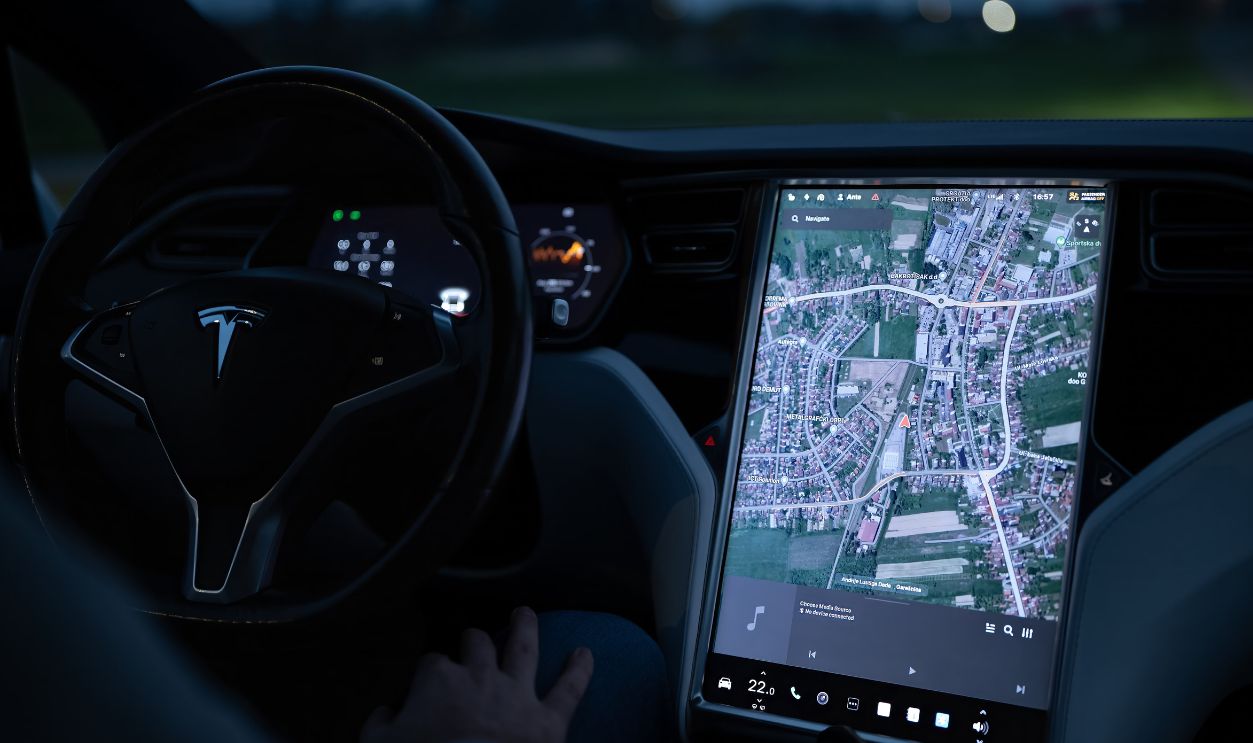
Dashcam footage is only one category in a modern vehicle’s data ecosystem. The Federal Trade Commission notes that connected cars can collect sensitive information including location and driving behavior. Navigation history, mobile-app activity, diagnostics, contacts, vehicle status, and account data may follow different collection and retention rules.
Regulators Are Watching The Industry
The California Privacy Protection Agency has specifically examined connected vehicles because built-in apps, sensors, and cameras can monitor people inside and around cars. The Federal Trade Commission has also warned manufacturers that unlawful collection, use, or disclosure of connected-car data can harm consumers. These concerns extend well beyond conventional dashcam recordings.
The GM Case Shows The Stakes
In January 2026, the FTC finalized an order settling allegations that General Motors and OnStar collected and sold precise geolocation and driving-behavior data without adequately informing consumers or obtaining affirmative consent. The case did not establish that every manufacturer accesses ordinary dashcam clips. It did show why drivers should scrutinize connected-service disclosures instead of assuming vehicle data stays private.

Privacy Rights Depend On Location
California residents have rights that can include requesting access to or deletion of personal information, subject to exceptions. BMW says it voluntarily accepts certain privacy requests from customers throughout the United States, even when their states do not provide identical rights. Available options still depend on the company, the data, the customer’s location, and applicable law.

Footage Can Become Legal Evidence
A dashcam clip may be relevant after a collision, road-rage incident, theft, or insurance dispute. Federal civil procedure allows parties to request electronically stored information that is within another party’s possession, custody, or control. Deleting a relevant clip after a dispute begins can create legal complications, so obtain legal advice before altering potential evidence.
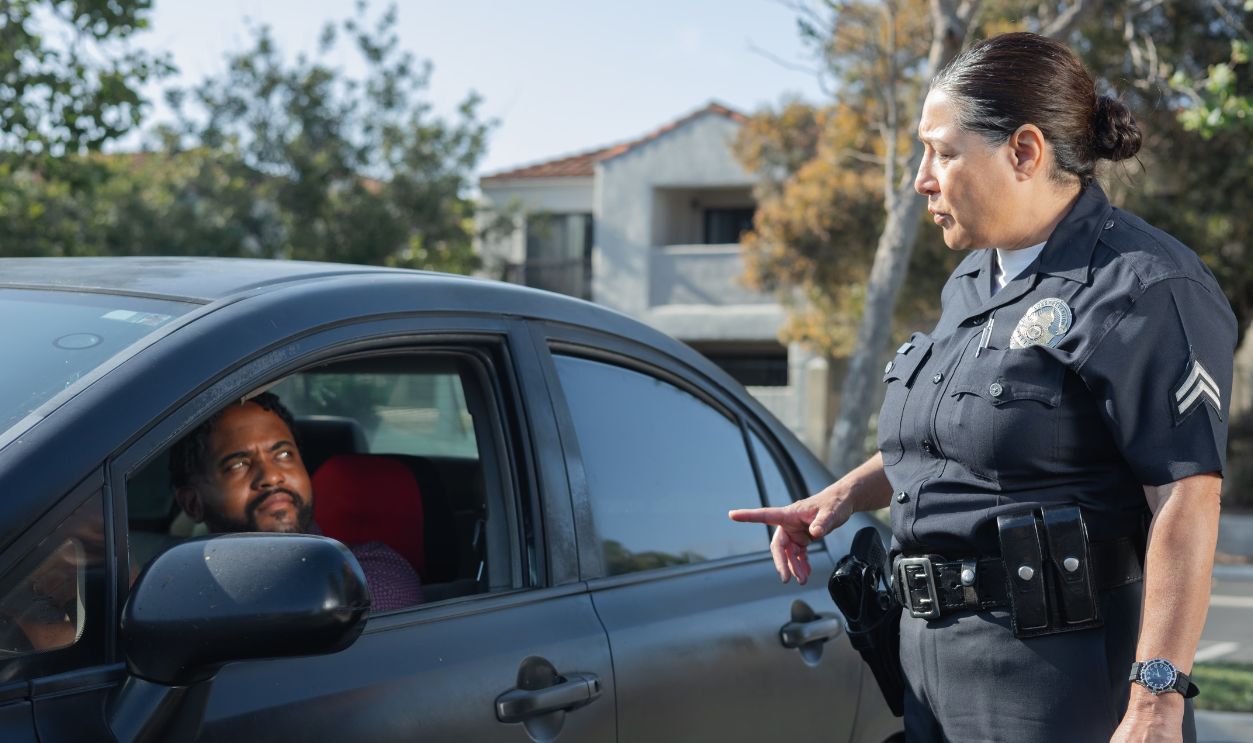
Police Access Is Not Automatic
The fact that footage exists does not mean any officer can casually browse it whenever desired. Access may depend on consent, possession of the storage device, legal process, emergency circumstances, and the jurisdiction involved. Anyone facing a formal request for sensitive footage should obtain qualified legal advice rather than relying on assumptions about ownership.
Service Visits Deserve Caution
A technician may need physical access to the cabin, infotainment system, glovebox, or USB port during service. Before handing over the car, check whether the recording system should remain active and whether sensitive saved clips can be removed without harming evidence you need. Keep a secure copy elsewhere before disconnecting or surrendering any storage device.

Wipe The Vehicle Before Selling
Connected vehicles can retain driver profiles, navigation destinations, paired phones, garage information, and account associations. BMW instructs owners to use the vehicle’s factory-reset function to permanently delete certain personal data stored in the car. Remove memory cards and USB drives, sign out of apps, revoke account access, and follow the manufacturer’s resale procedure.
 Evgeniy Medvedev, Shutterstock
Ask Five Direct Questions
Find out whether recordings are stored locally, uploaded automatically, transmitted only after specific events, visible through an app, or shared when you enable broader data collection. Then check how long each category is retained and how you can download or delete it. A vague assurance that the company “values privacy” is less useful than a feature-specific explanation.
Your Manufacturer May Have Access
The most accurate answer is sometimes yes, but not necessarily to the ordinary clips sitting on your memory card. Access depends on the vehicle, feature, settings, event, connected-service agreement, and privacy policy. Confirm the details in writing, disable sharing you do not want, secure the associated account, and preserve any footage that may become evidence.
 LightField Studios, Shutterstock
You May Also Like:
Four Of The Best New Family-Friendly Cars
Sources: 1, 2, 3, 4, 5, 6, 7, 8, 9, 10, 11, 12, 13, 14, 15, 16, 17, 18, 19, 20, 21, 22