The Winter Warm-Up Myth Refuses To Die
If you grew up hearing that every car needs 15 minutes of idling on a freezing morning, you are not alone. That advice made sense for many older cars. But for most modern vehicles, it is no longer necessary, and experts say it can actually work against you.

Why People Started Believing It
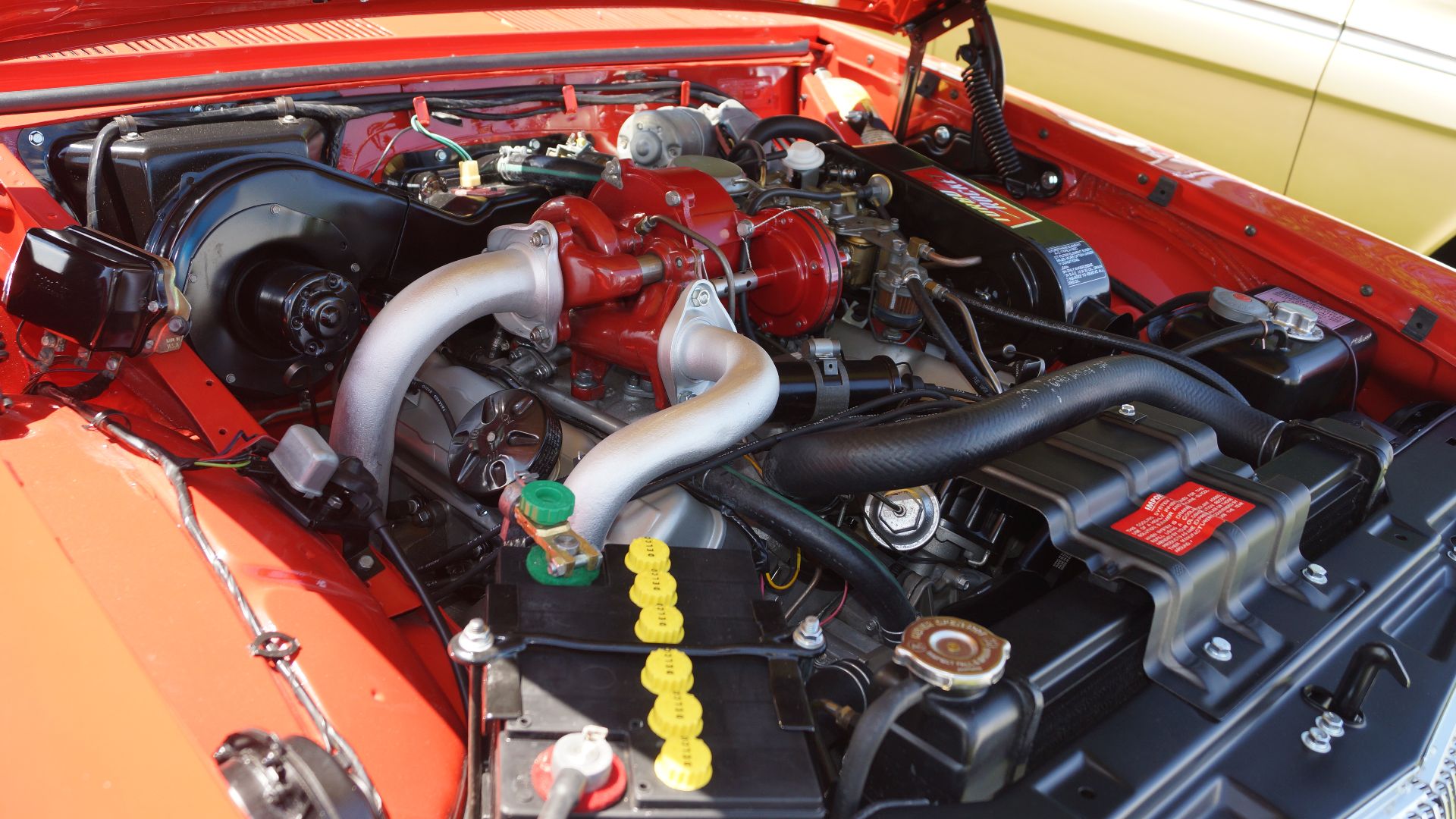
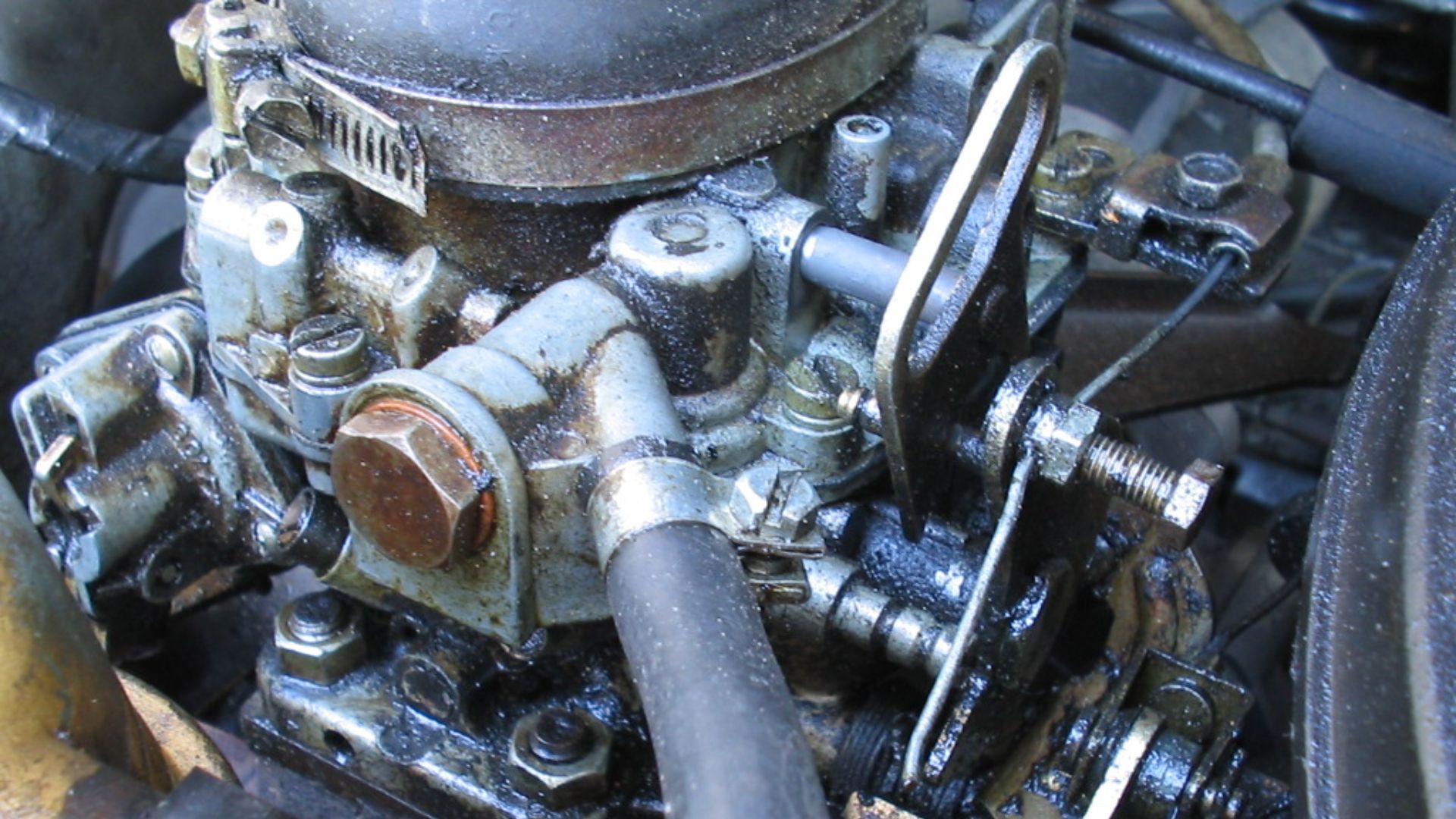
For years, many cars used carburetors to mix air and fuel before combustion. In cold weather, carburetors often had trouble delivering the right mixture until the engine warmed up. That made a long idle practical, and sometimes necessary, on winter mornings.
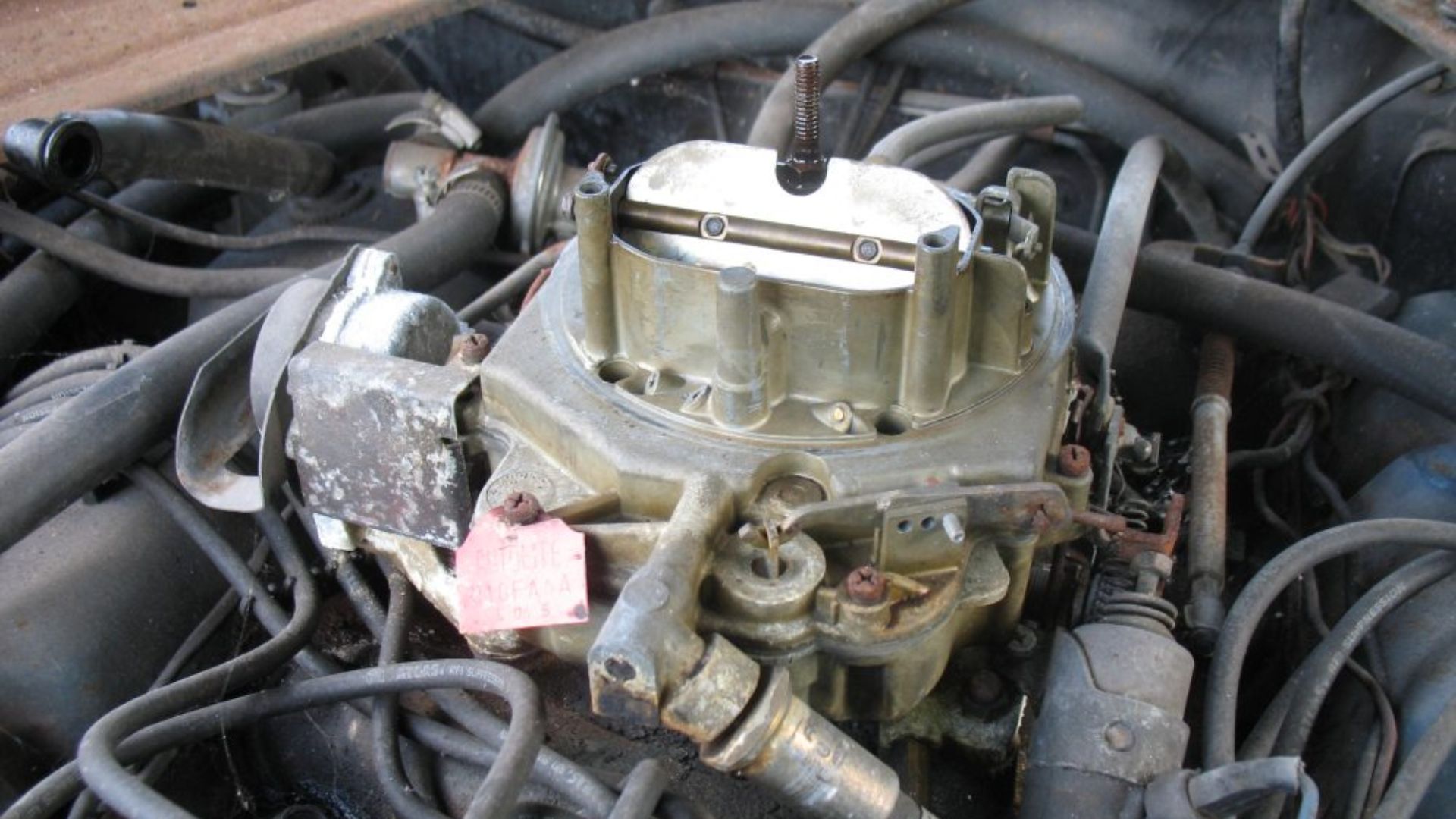
Fuel Injection Changed Everything
The big shift came with electronic fuel injection, which became common in passenger cars during the 1980s and 1990s. These systems use sensors and computers to control fuel far more accurately than carburetors ever could. Because of that, modern engines handle cold starts much better, even when temperatures drop hard.
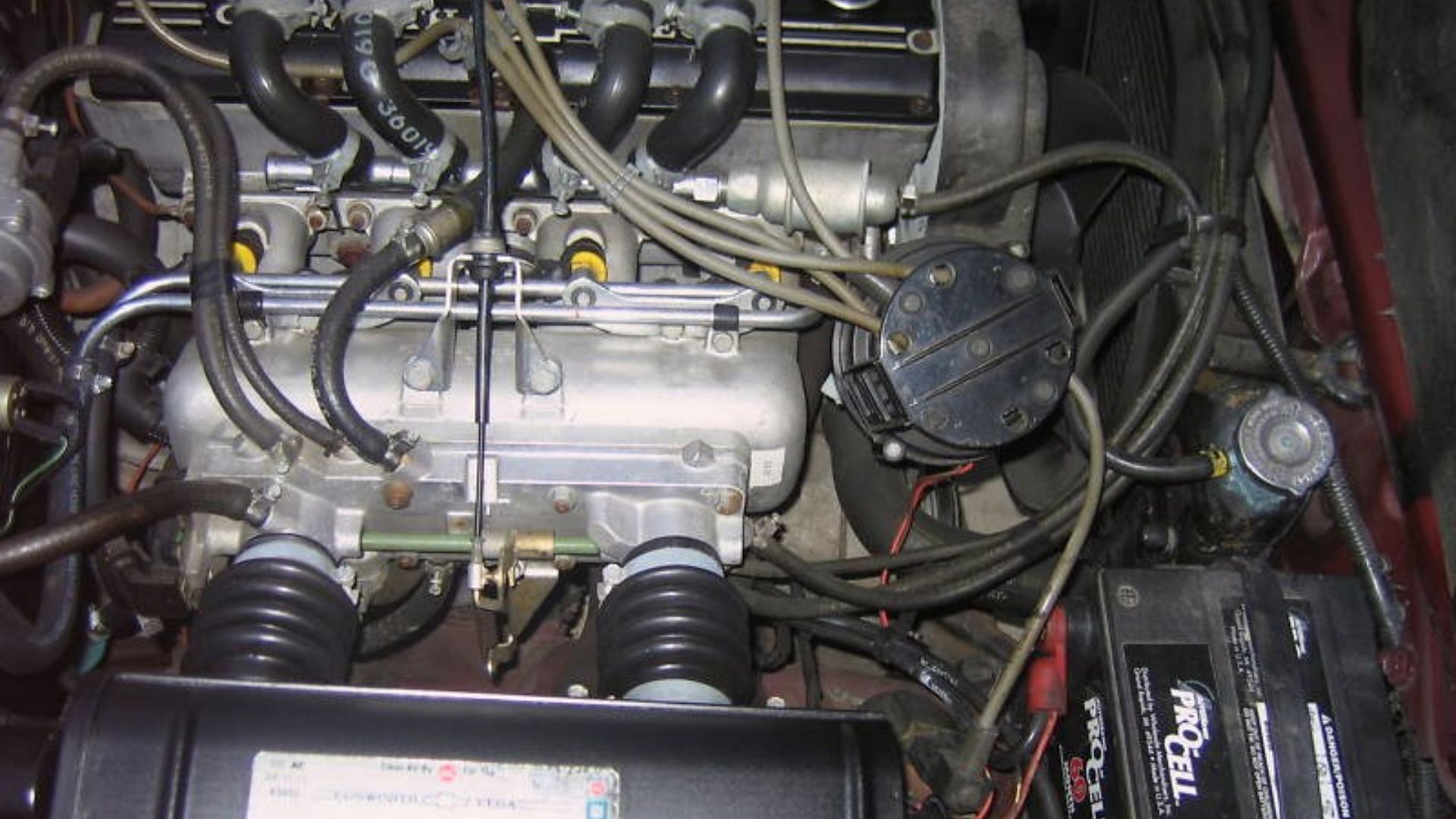 Vegavairbob (talk) 06:57, 16 October 2010 (UTC), Wikimedia Commons
What Happens When A Modern Car Starts
When you start a fuel-injected car, the engine control system immediately adjusts fuel delivery and idle speed based on temperature and other conditions. It is built to deal with cold starts without needing a long warm-up in the driveway. In most cases, the engine just needs a short moment for oil to start circulating before you head out.
How Much Time Is Actually Enough
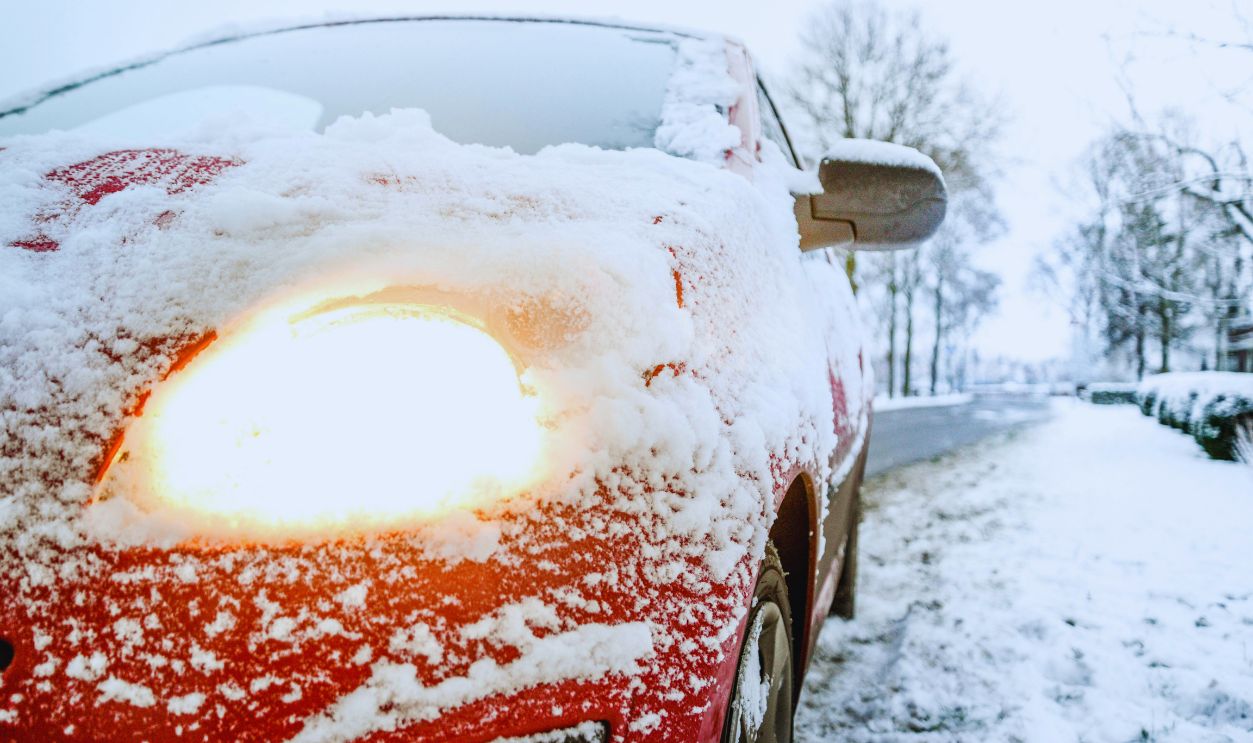
AAA says a modern car usually needs only enough time for you to start it, buckle up, and get settled before driving. That is closer to 30 seconds than 10 or 15 minutes. The important part is to drive gently at first and avoid hard acceleration until the engine reaches normal operating temperature.

What The EPA Says About Idling
The U.S. Environmental Protection Agency has been clear on this too. The agency says idling for more than 30 seconds is generally unnecessary, even in cold weather. It also points out that driving is the fastest way to warm up the engine and other parts of the vehicle.

Why Sitting Still Does Not Warm The Whole Car Well
Idling may warm the engine some, but it does not do much to quickly warm the transmission, wheel bearings, steering system, or tires. Those parts heat up better when the car is moving. In winter, that matters because good drivability depends on more than just engine temperature.
Cabin Heat Adds To The Confusion
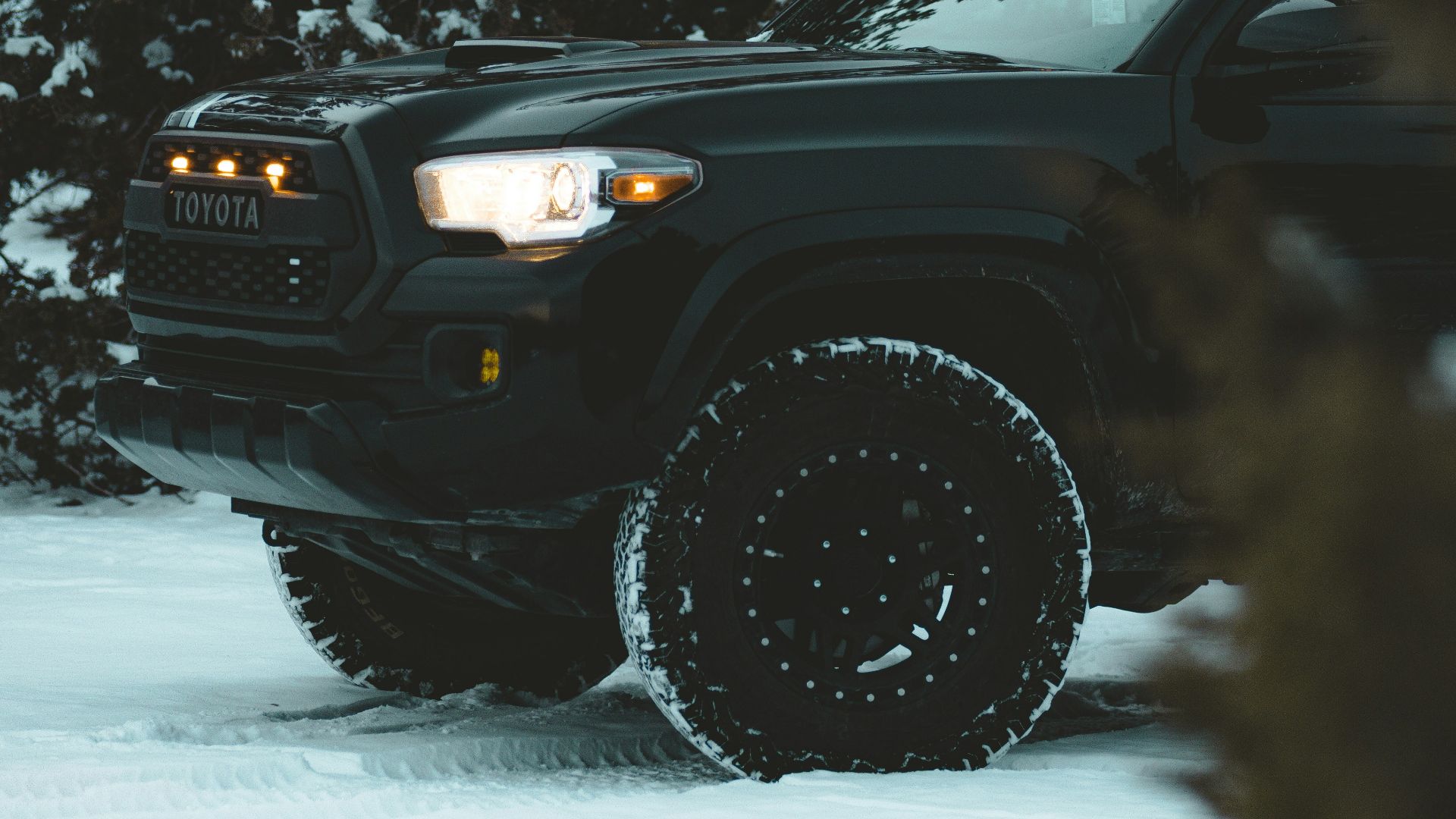
A lot of drivers treat a warm cabin like proof the car is fully warmed up, but those are not the same thing. Idling can raise coolant temperature and help the heater blow warm air. That can make the car more comfortable, but comfort is different from saying the engine needs 15 minutes of idling to stay healthy.

Cold Oil Is Part Of The Story
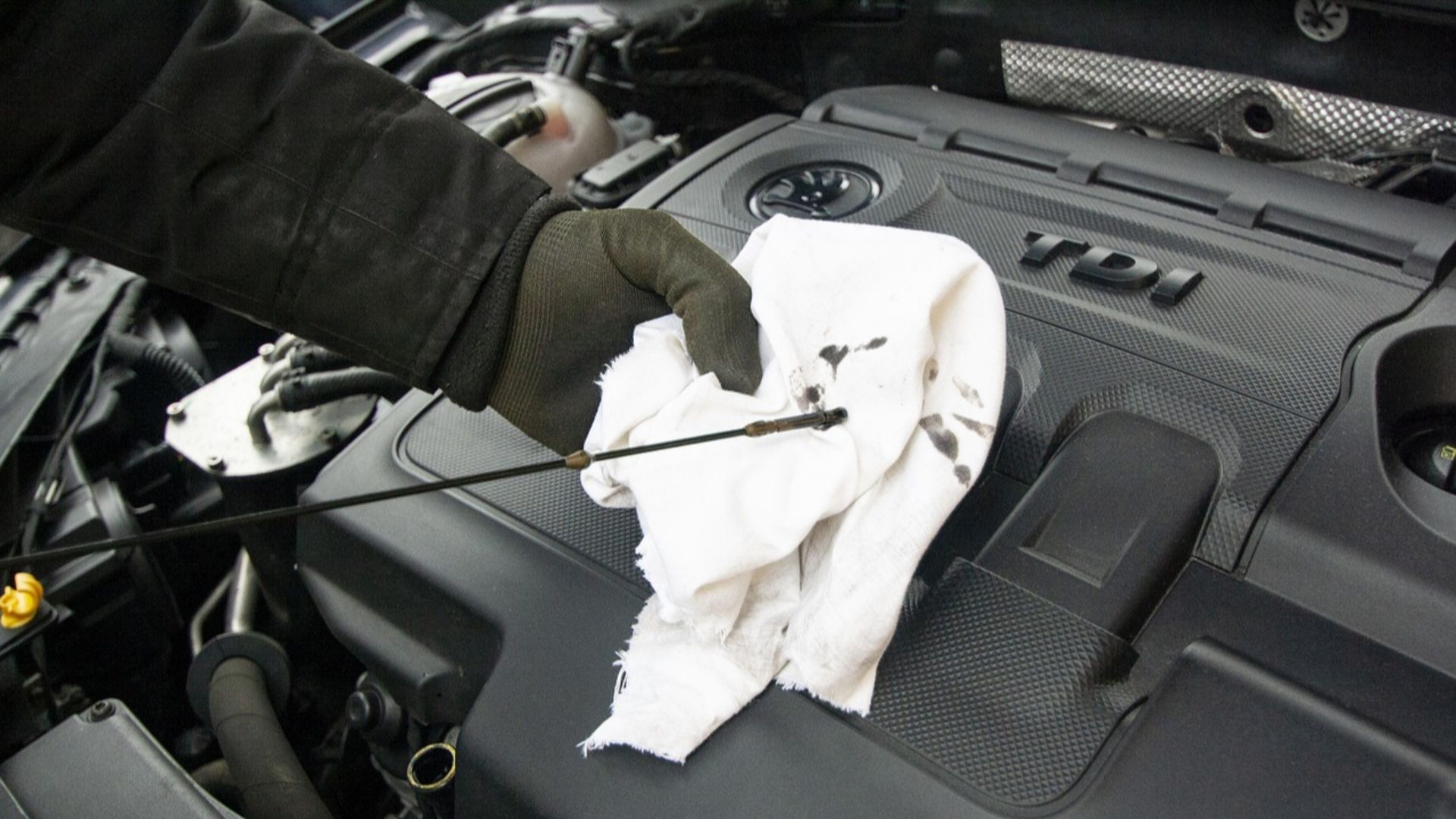
There is one small piece of truth in the old advice. Engine oil is thicker when it is cold, and it does need a short moment to circulate after startup. That is why many experts say to start the car, wait briefly, and then drive smoothly instead of taking off aggressively.
Gentle Driving Works Better Than Long Idling
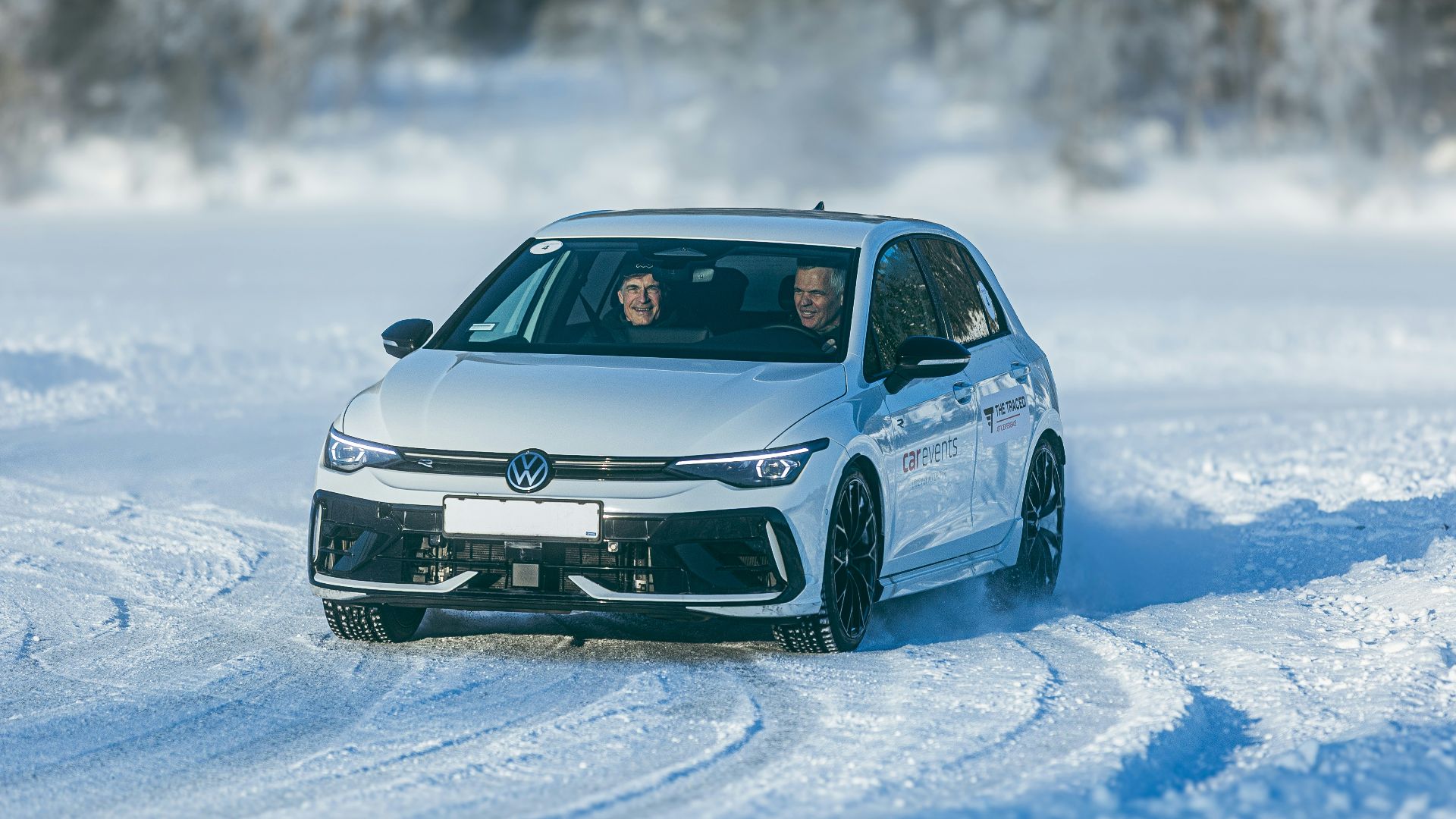
Consumer Reports says modern cars should be driven gently after a short startup period rather than left idling for a long stretch. Light acceleration helps the engine, transmission, and drivetrain warm up under a mild load. That gets the whole car ready faster than letting it sit in place.
Long Idling Burns Fuel For Nothing
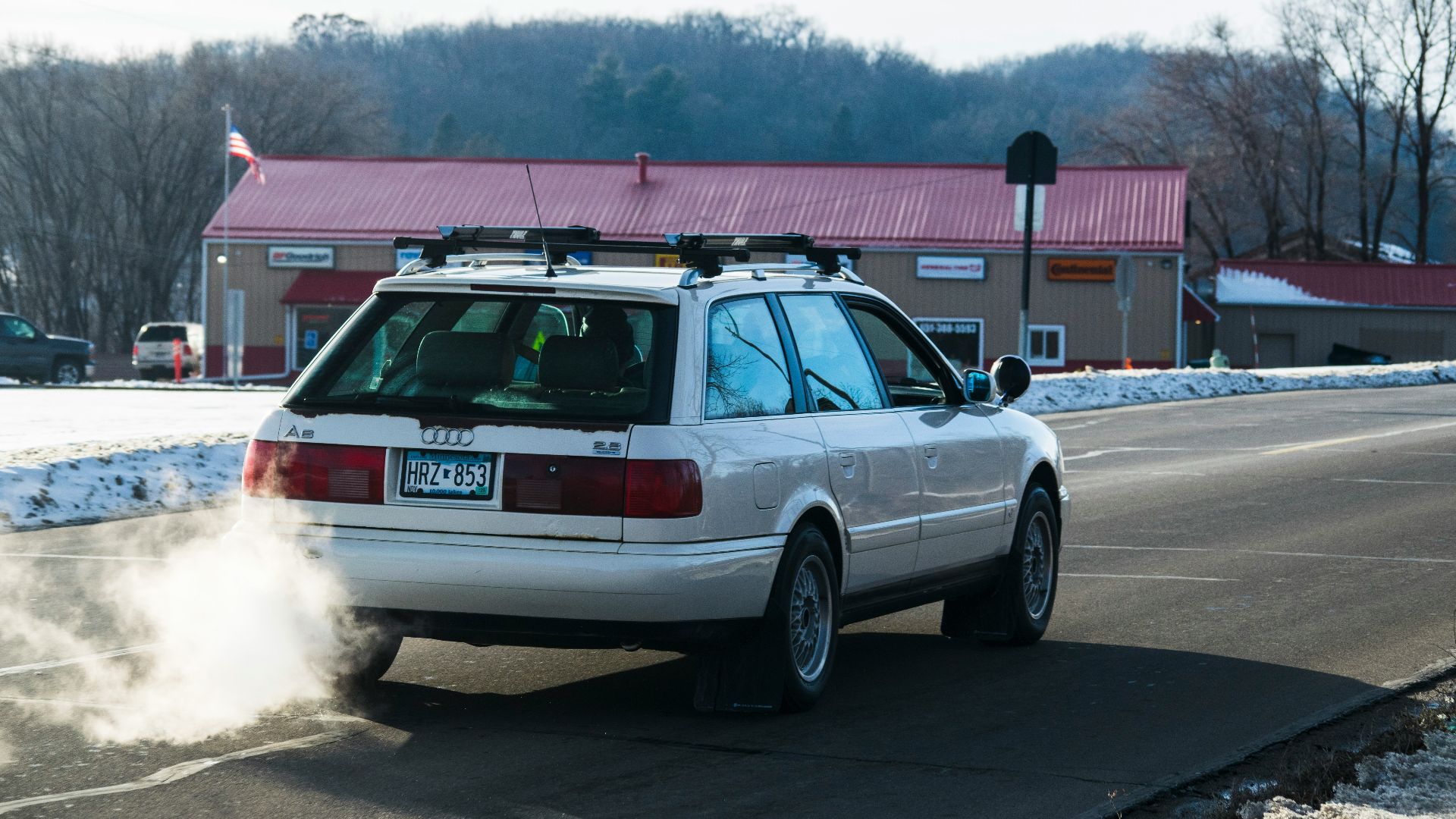
One of the clearest downsides of a 15-minute warm-up is wasted fuel. A car at idle gets zero miles per gallon, and repeated winter idling can add up fast over the course of a season. AAA and the EPA both note that unnecessary idling burns gas without offering much benefit in modern vehicles.
It Also Raises Emissions
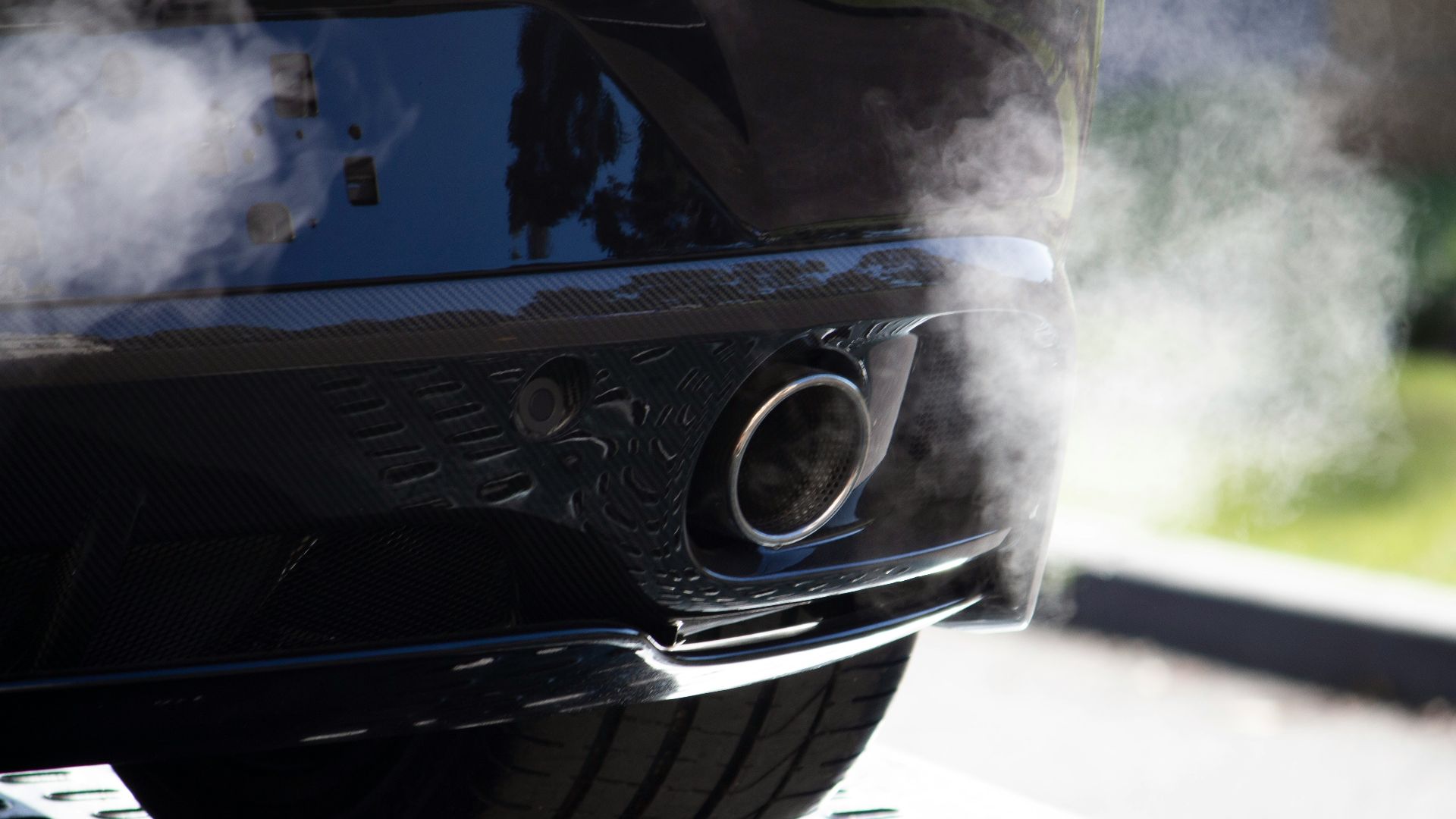
Long idling does not just waste fuel. It also creates extra exhaust emissions while the car goes nowhere. The EPA has long said that cutting unnecessary idling is a simple way to reduce both pollution and fuel use.
There Can Be More Wear Too
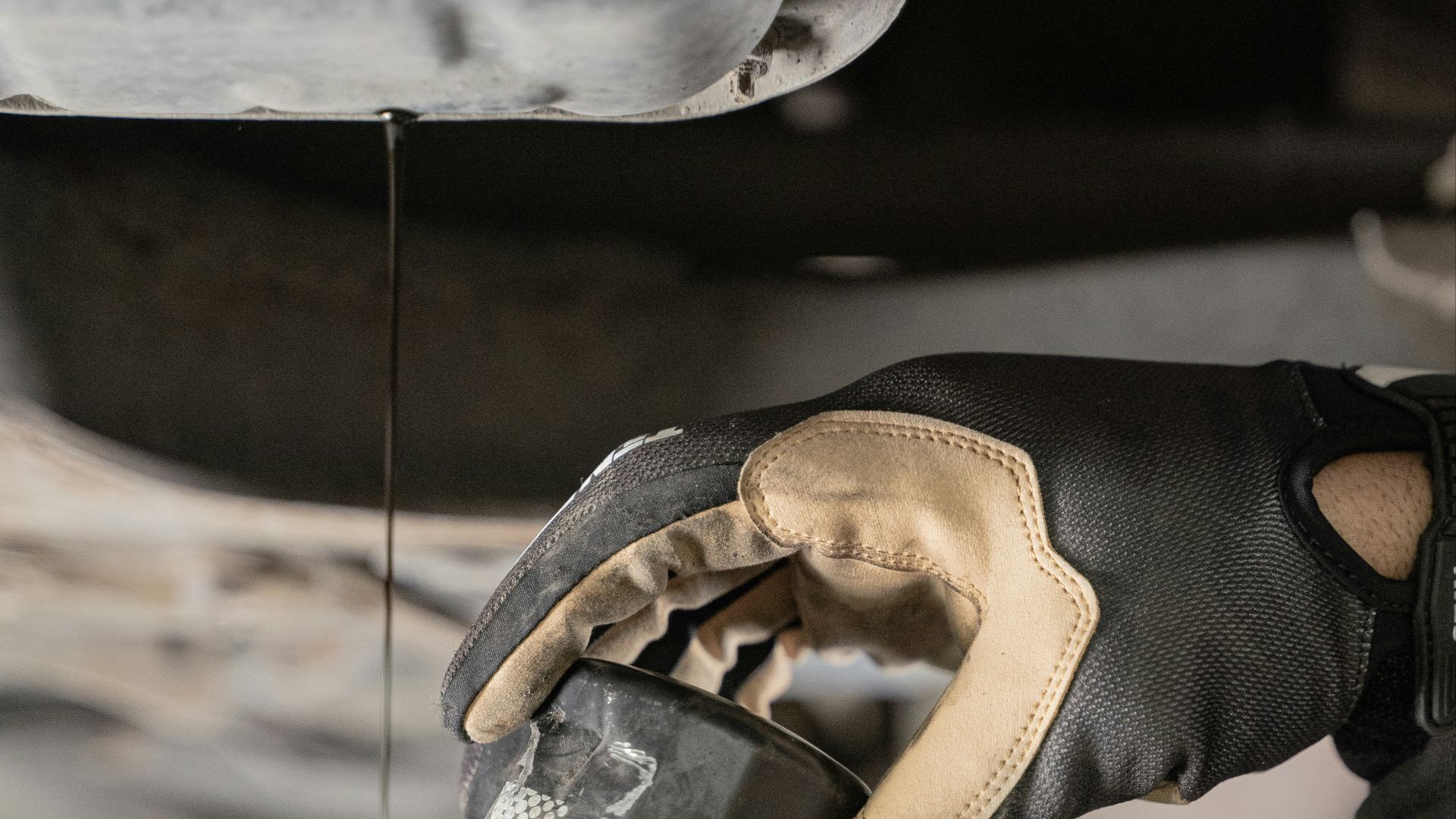
Some experts say extended idling during a cold start can let fuel wash oil from engine parts or contaminate the oil more than normal driving would. Car and Driver has explained that modern engines warm up better while being driven, which shortens the time spent in that richer cold-start mode. In simple terms, a long idle can keep the engine in a less ideal state longer than needed.
Modern Cars Are Designed For This
Automakers know their vehicles will be started on cold mornings, and they tune engine management systems for that reality. Sensors track coolant temperature, intake air temperature, and other data to manage combustion during startup. That is a big reason carburetor-era habits do not carry over neatly to a modern car.
Block Heaters Are A Different Thing
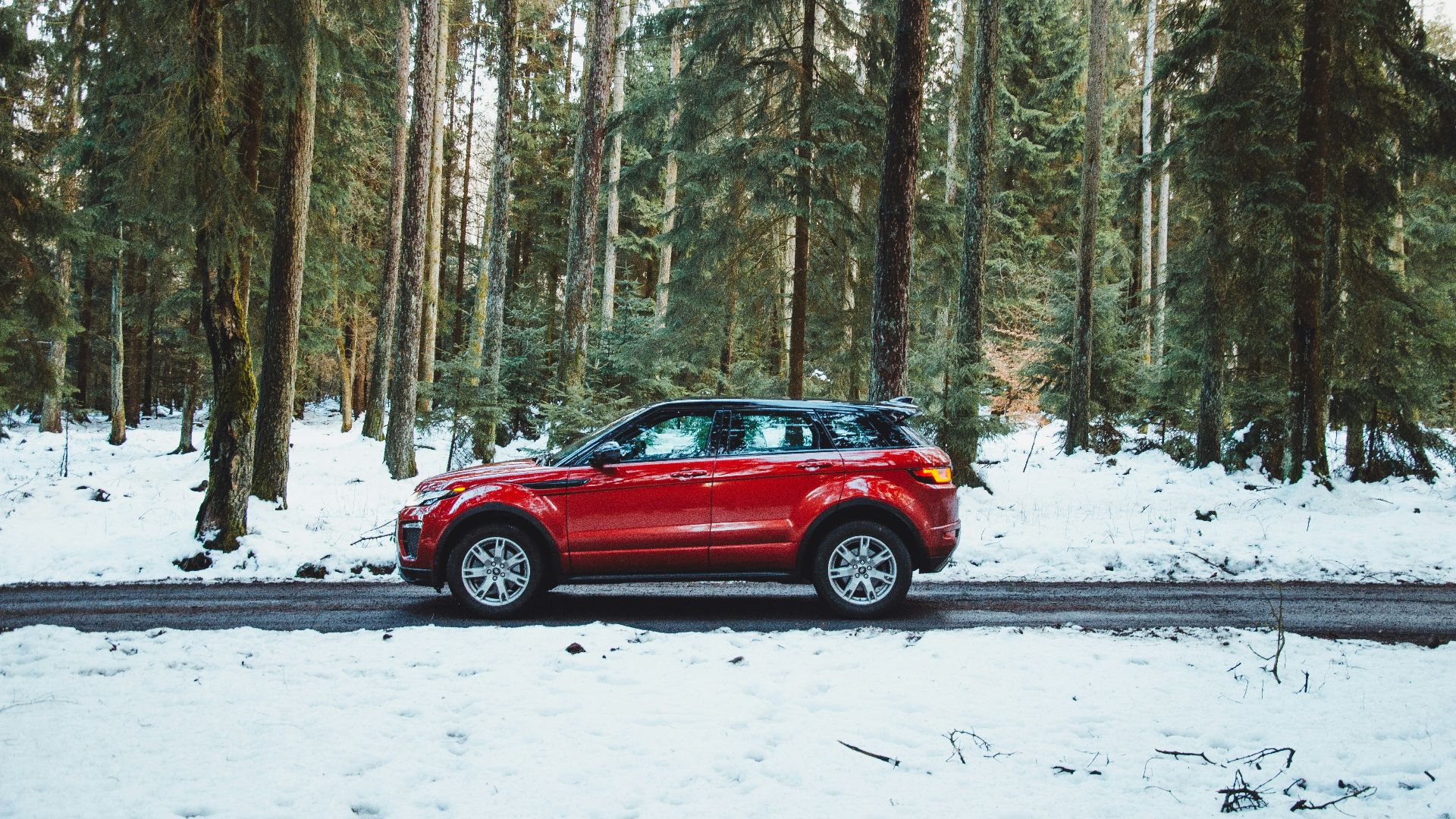
In very cold climates, you may hear a different recommendation from a local mechanic or the owner’s manual. A block heater warms the engine before startup and can reduce wear, make starting easier, and help the cabin heat come on sooner. That is not the same as letting the car idle for 15 minutes after it has already started.
Diesels Are Their Own Case
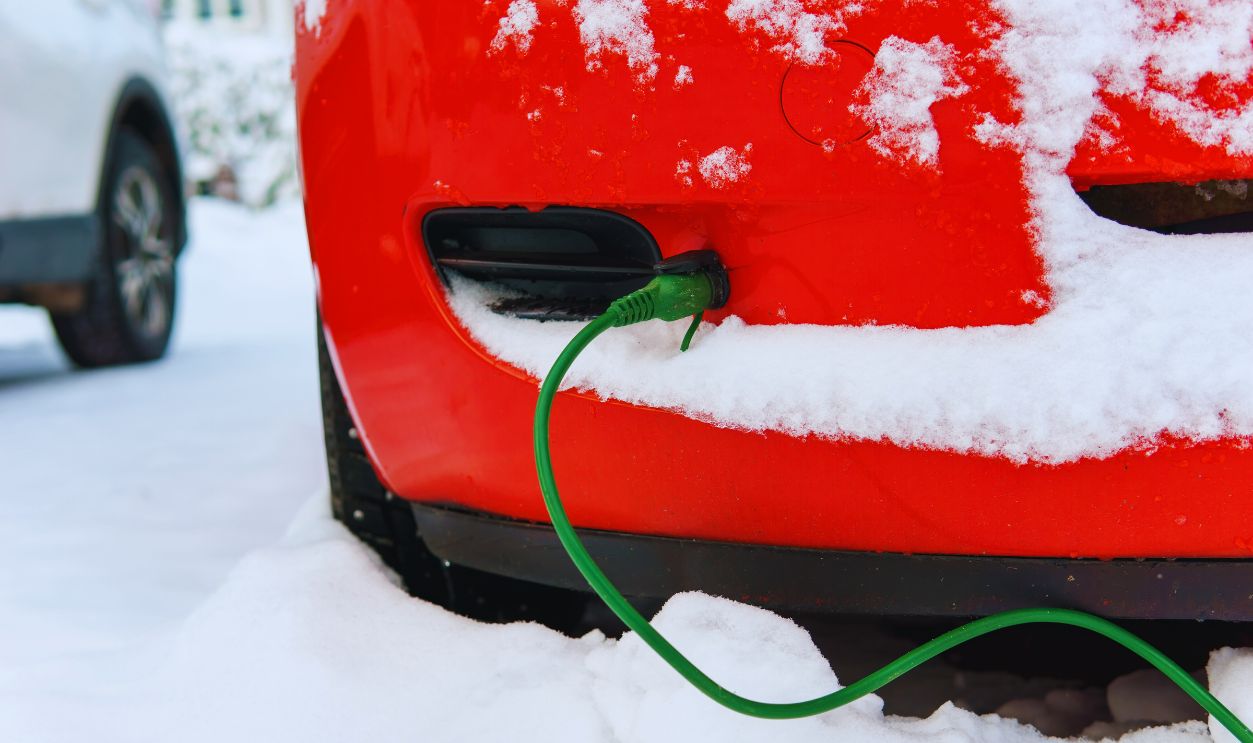
Diesel vehicles can behave differently in winter, especially older ones. Cold weather can affect fuel flow, glow plugs, and combustion. Even so, many modern diesels still do not need a long idle, and the best advice is to follow the manufacturer’s cold-weather instructions.
Turbo Engines Do Not Need A Long Morning Idle Either
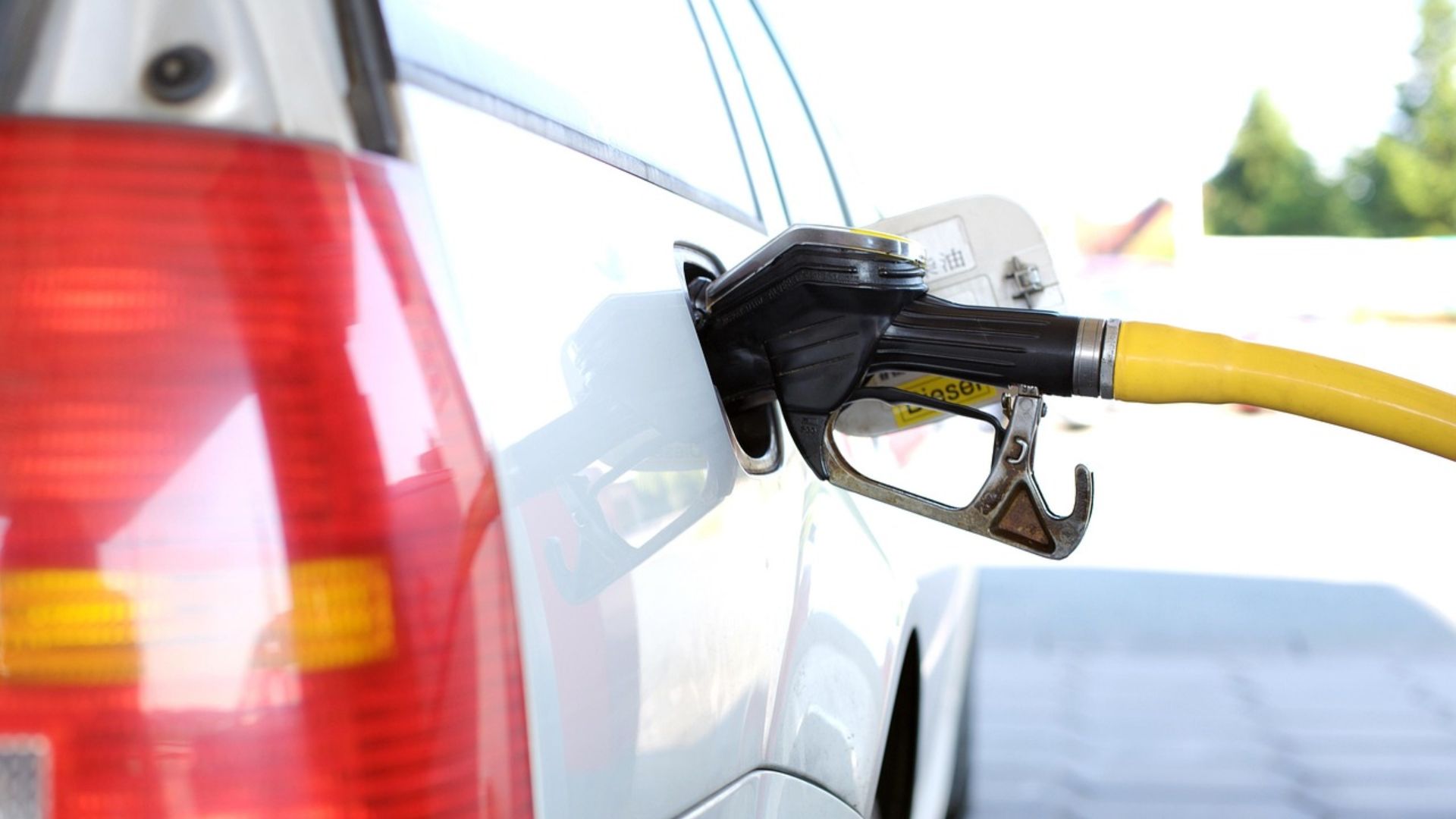
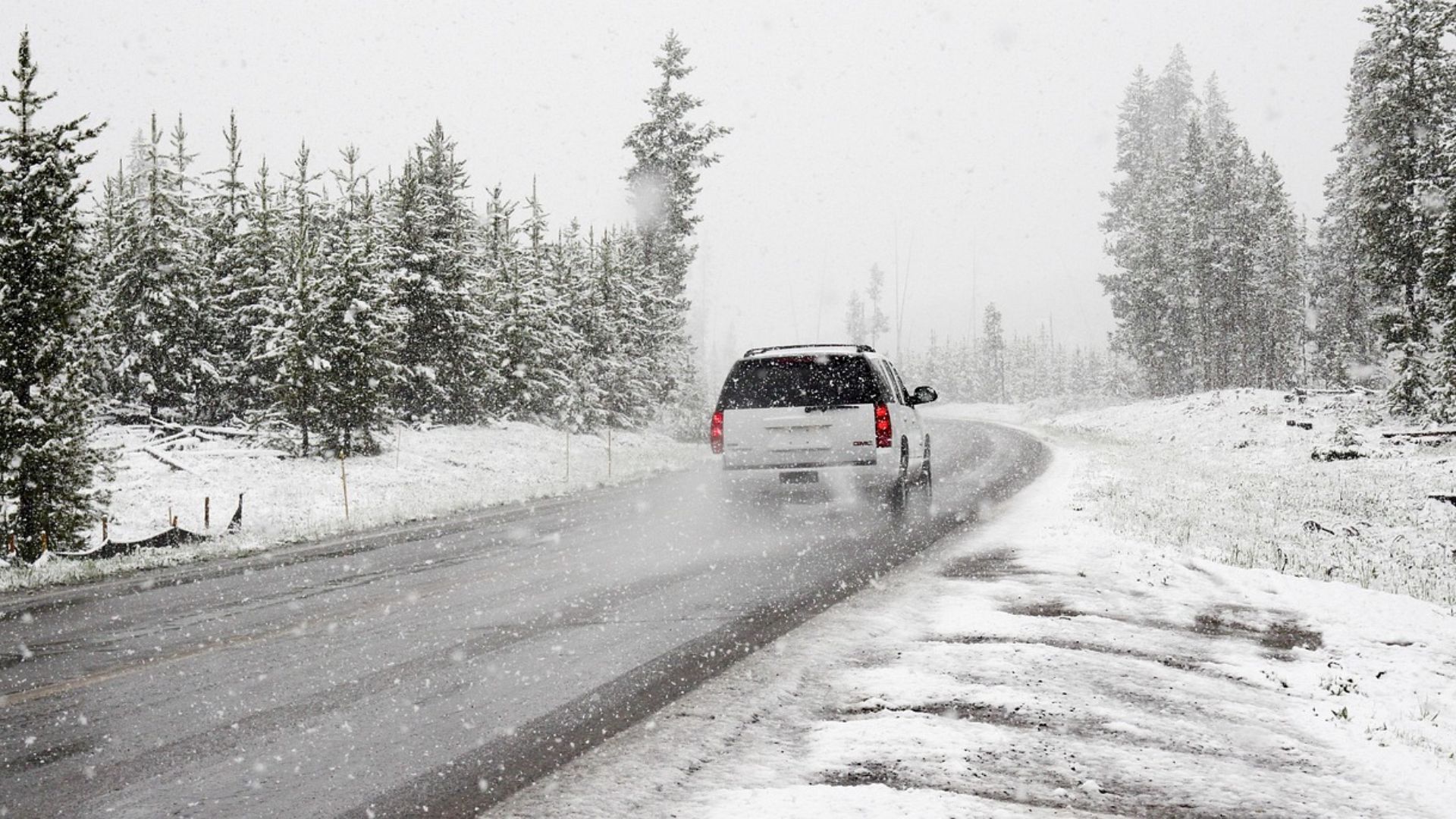
Some drivers assume a turbocharged engine is more fragile and needs to sit and idle before driving. In most modern turbo cars, that is not necessary. What matters more is using the right oil, keeping up with maintenance, and driving moderately until temperatures come up.
 Greg Gjerdingen from Willmar, USA, Wikimedia Commons
Hybrids Make The Old Rule Feel Ancient
Hybrid vehicles make the 15-minute warm-up idea look even more outdated. Their engines may start and stop on their own, and the control systems are built to manage temperature and efficiency automatically. Letting a hybrid idle in the driveway often works against the efficiency it was designed to deliver.
Remote Start Keeps The Habit Alive
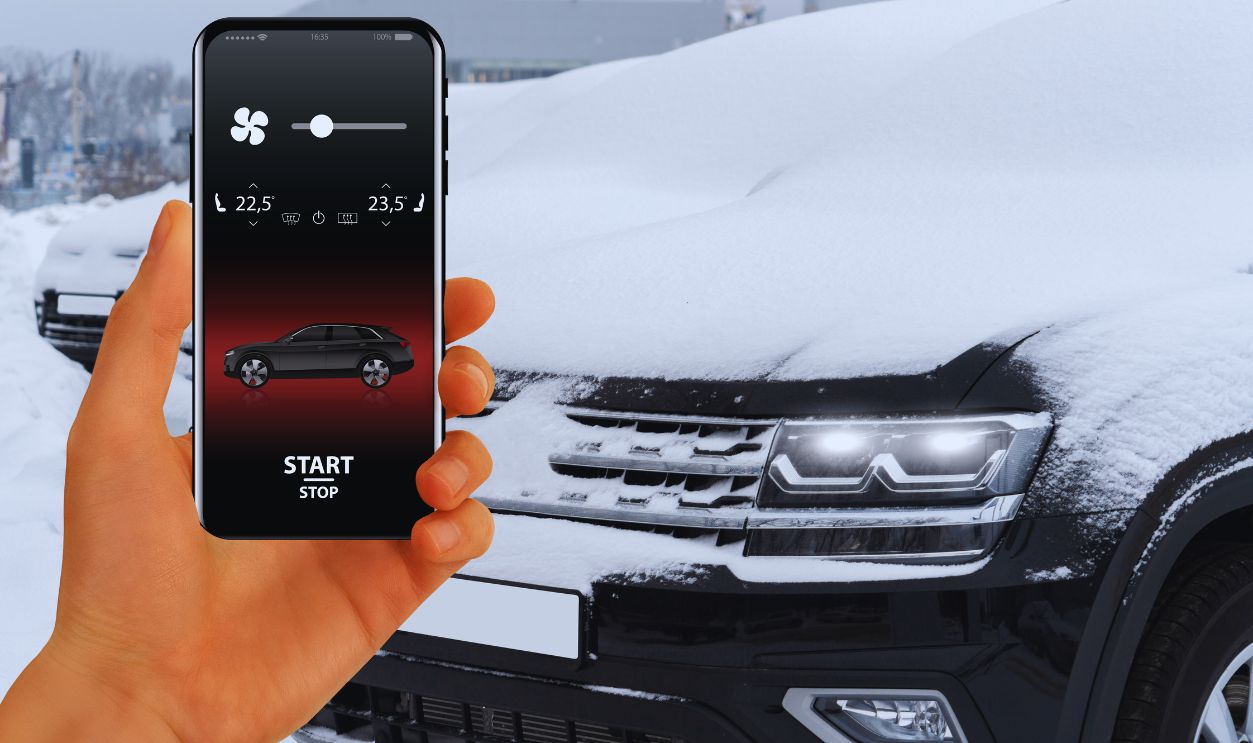
Remote start has helped keep winter idling around because it is convenient and makes the cabin more comfortable. If you use it briefly to help defrost the windows or take the edge off the cold, that is a comfort choice, not a mechanical requirement. The main point is that modern cars generally do not need 15 minutes of idling to protect the engine.
Defrosting Is A Real Reason To Wait
There are times when you do need to let the car run for safety and visibility. Frosted or fogged windows have to be cleared before you drive, and that can take more than 30 seconds. That does not mean the engine needs a long warm-up, but it does explain why winter idling still happens.

What Experts Mostly Agree On
The guidance from AAA, the EPA, and Consumer Reports is pretty consistent. Start the car, wait briefly, and drive gently. Save the hard acceleration for after the engine is up to normal temperature and the windows are clear.
There Are Some Exceptions
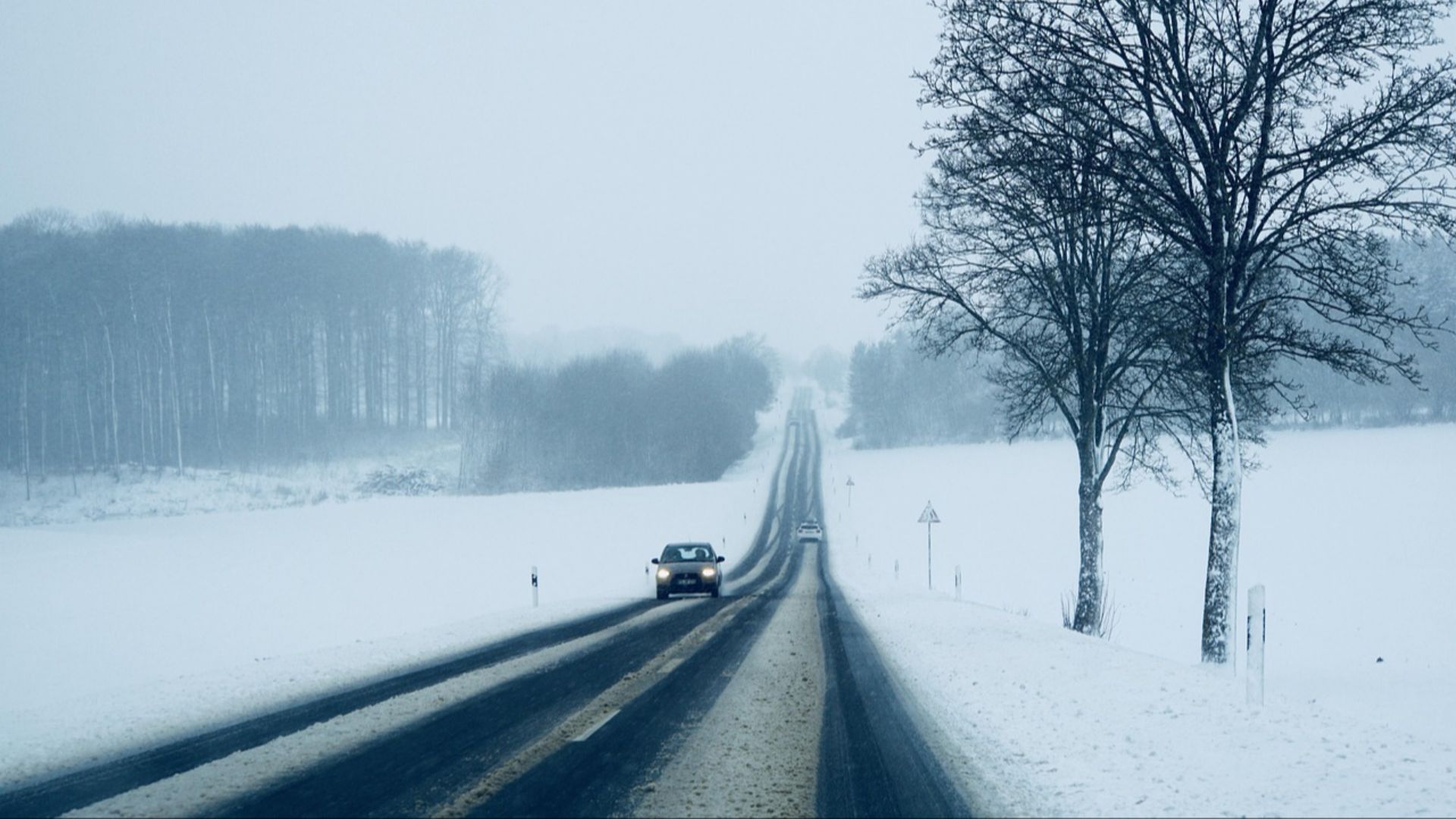
Very old carbureted cars are the most obvious exception because they were built for a different era. Some high-performance cars, diesels, or extreme-cold situations may also come with specific instructions in the owner’s manual. That manual should carry more weight than old garage wisdom, no matter how often it gets repeated.
 M.Minderhoud, Wikimedia Commons
Why The Myth Still Sticks Around
Car advice tends to outlive the technology that created it. A lot of people remember what worked in the 1960s, 1970s, or 1980s and assume it still applies today. Winter routines feel familiar, but engine technology has changed the rules.

The Cost Of Following It All Winter
Fifteen minutes of idling every morning can quietly turn into hours of extra engine runtime and a lot of wasted fuel by the end of winter. It also means more emissions and more time spent waiting around. For most drivers, the payoff is much smaller than they think.
A Better Cold-Weather Routine
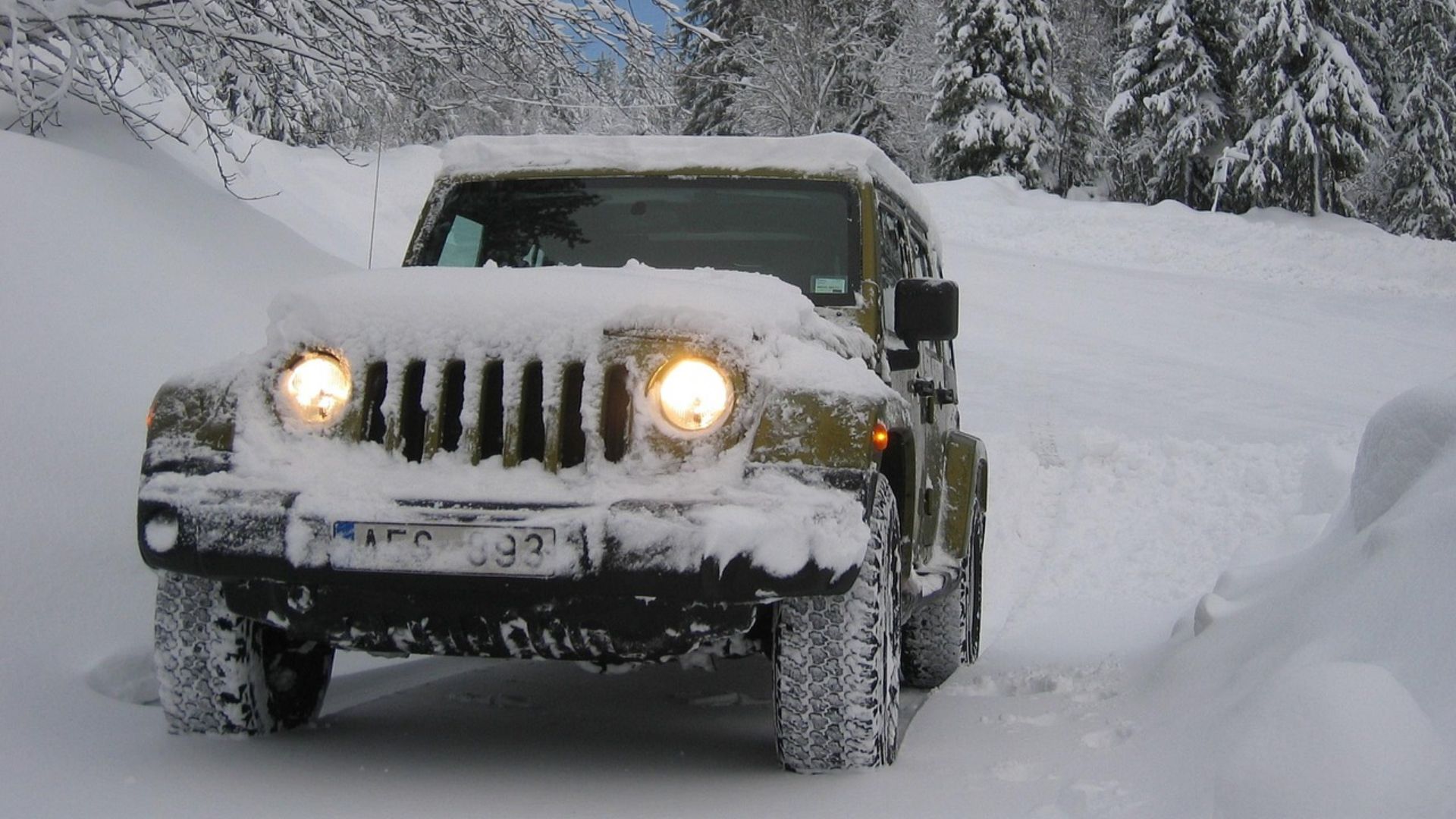
A smarter routine is simple. Brush off the snow, clear the windows, start the car, give it a brief moment, and drive away smoothly. Keep revs modest, avoid full throttle, and let the vehicle warm up under light load as you begin the trip.

So Is The 15-Minute Warm-Up Necessary
For most modern fuel-injected cars, no. That advice belongs to the carburetor era, not the age of computer-controlled engines. A short startup period and gentle driving are usually the better move, with the owner’s manual and extreme-weather exceptions always worth checking.