Your Car Slammed On The Brakes—But There Was Nothing There
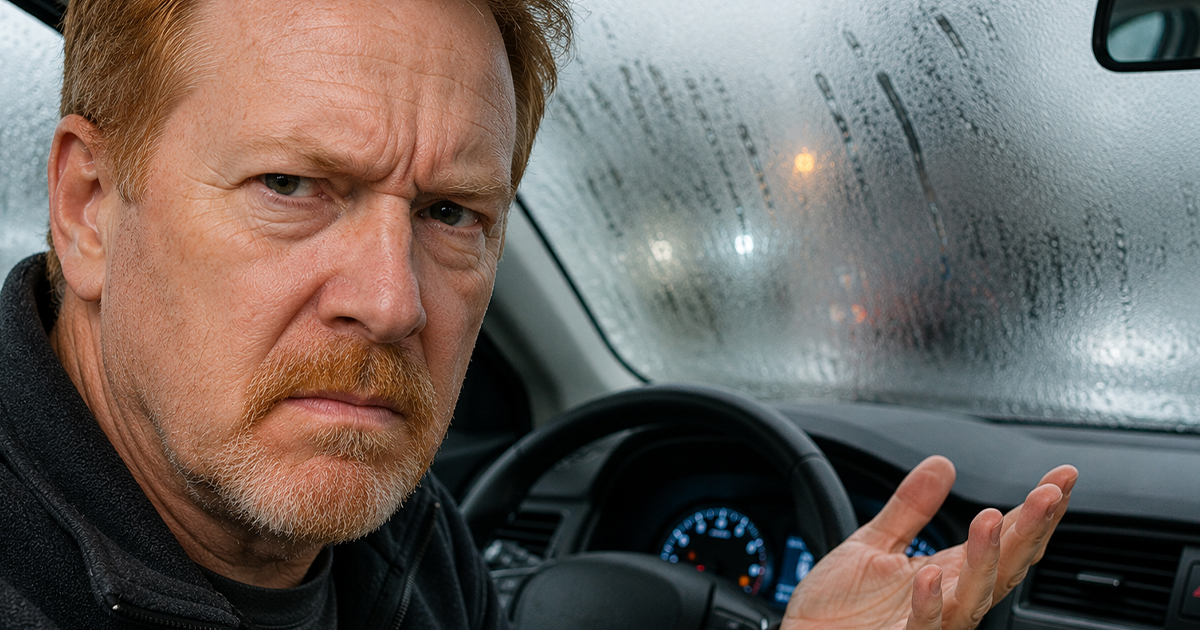
You're driving along like any other day when your vehicle suddenly hits the brakes. Your heart skips a beat, you look around... and there's absolutely nothing in front of you. It feels like your car just panicked over a ghost. So how common are false emergency-braking alerts?

You're Definitely Not The First
False automatic emergency braking (AEB) activations have been reported by drivers of many different vehicle brands. While they're not considered common, they do happen often enough that manufacturers and safety agencies are aware of them.

So, Should You Be Concerned?
Usually, yes—but not necessarily because the system is defective. A false activation should never be ignored, especially if it happens more than once.
What Is Automatic Emergency Braking?
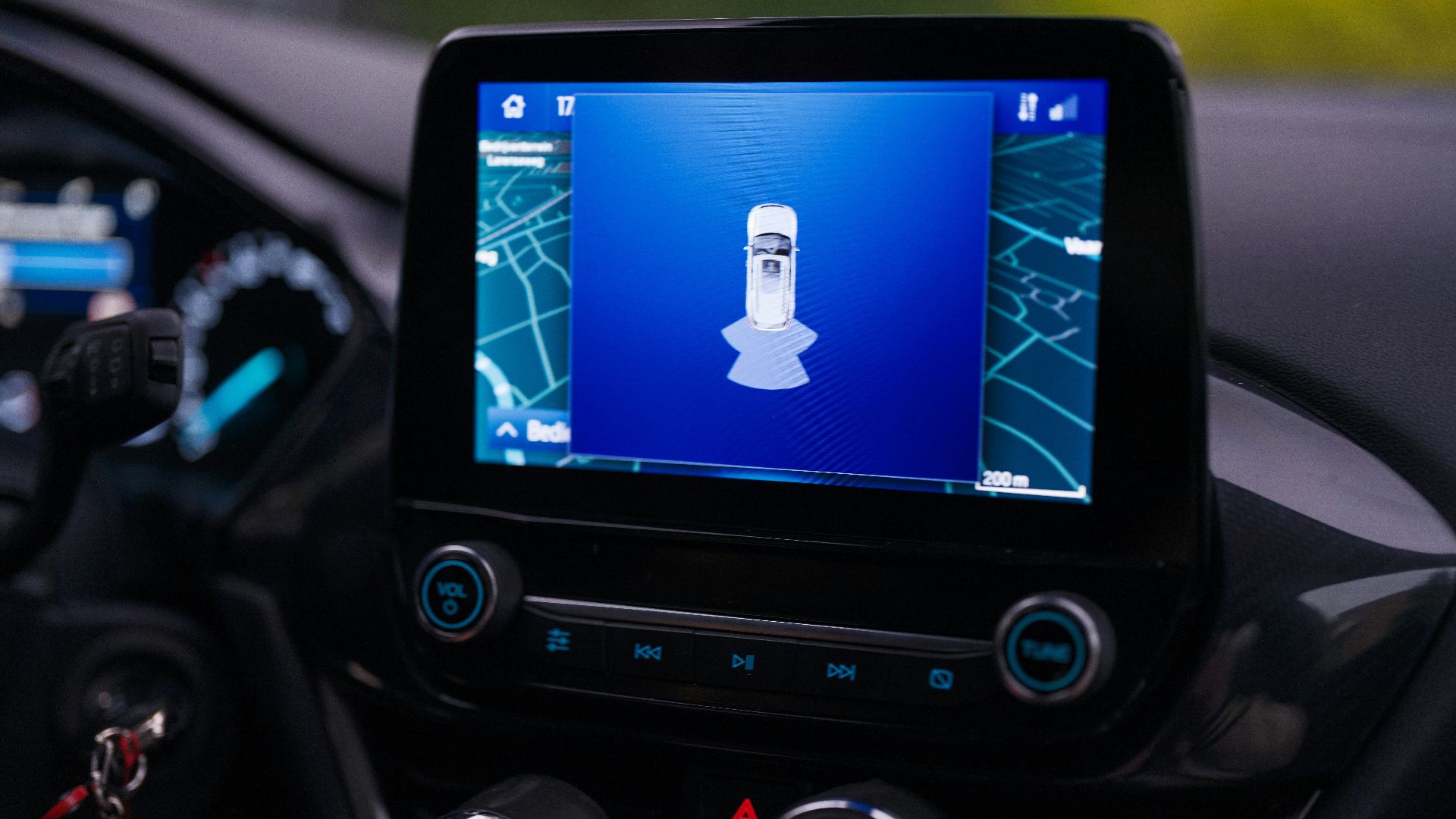
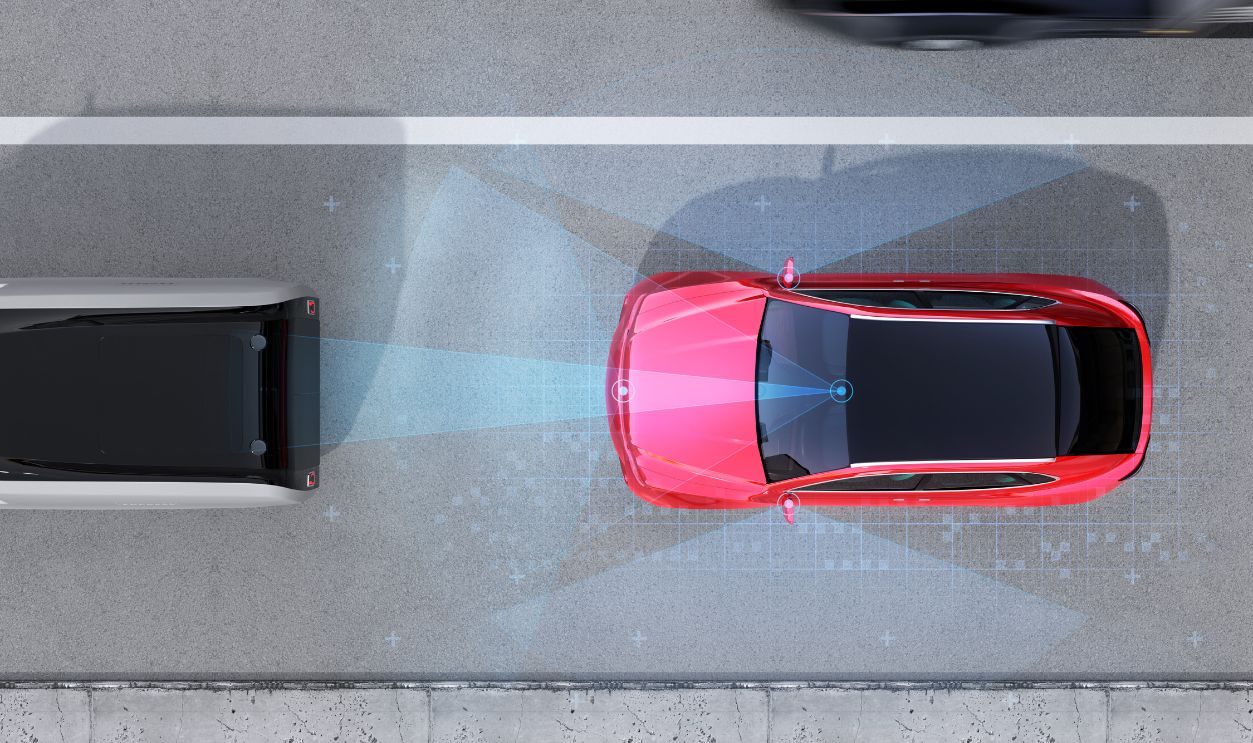
Automatic emergency braking uses cameras, radar, lasers, or a combination of sensors to detect potential collisions. If the system believes a crash is imminent, it can automatically apply the brakes.
These Systems Save Lives
Studies from the Insurance Institute for Highway Safety (IIHS) and the National Highway Traffic Safety Administration (NHTSA) have found that AEB significantly reduces many types of rear-end crashes.
No Technology Is Perfect
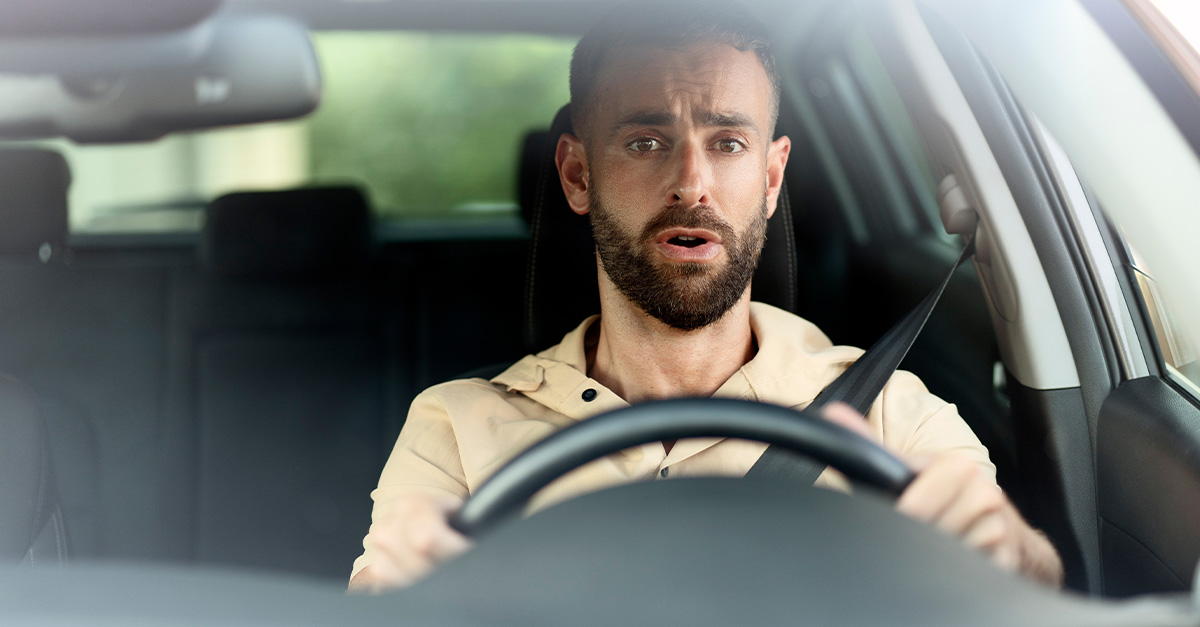
Even though these systems are remarkably good, they still rely on sensors interpreting the world around them. Occasionally, those sensors make mistakes.
What Can Trigger A False Alert?
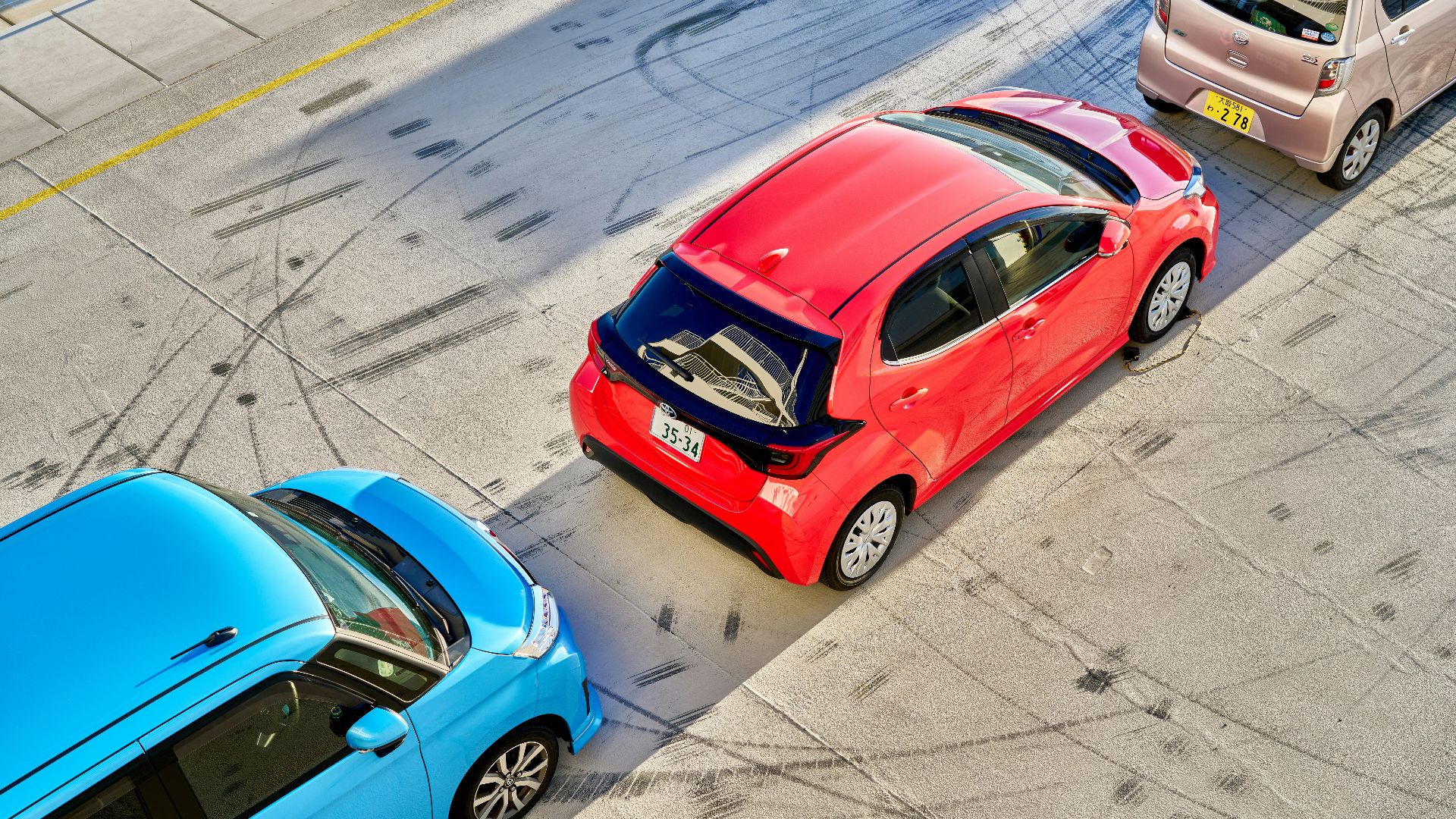
Shadows, roadside guardrails, parked vehicles on curves, overhead signs, steel plates, construction zones, or unusual road markings can sometimes confuse certain systems.

Bad Weather Doesn't Help
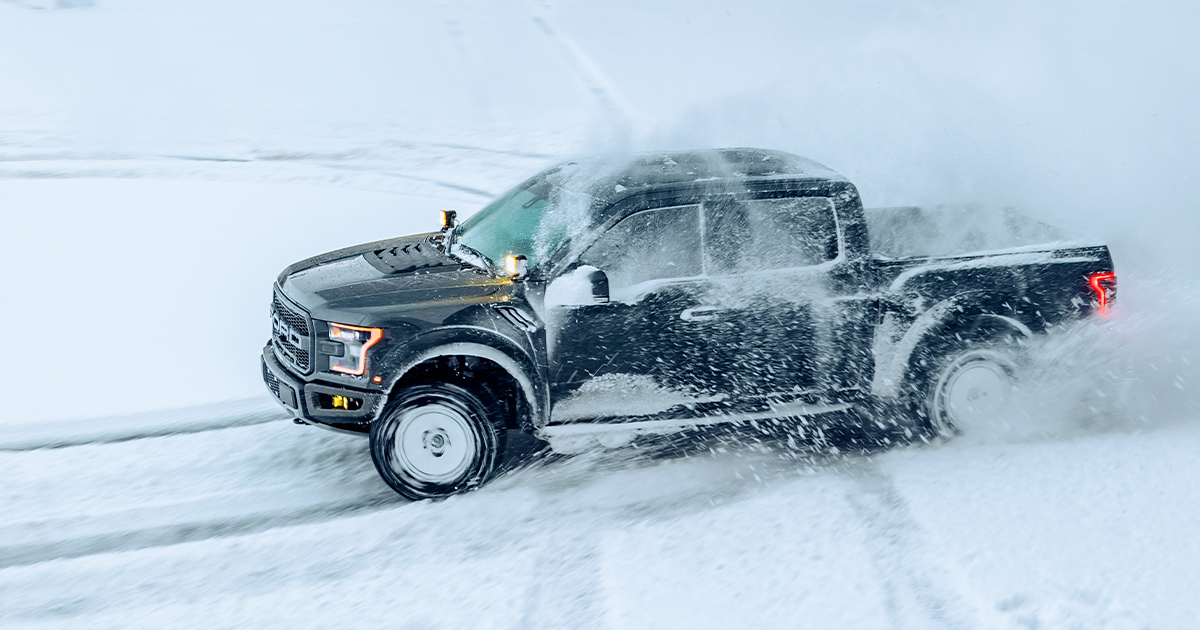
Heavy rain, snow, fog, blowing dust, and thick ice can interfere with cameras and radar sensors, making false alerts more likely.

A Dirty Sensor Can Cause Problems
Mud, bugs, road salt, or snow covering a camera or radar sensor may prevent it from accurately detecting objects.
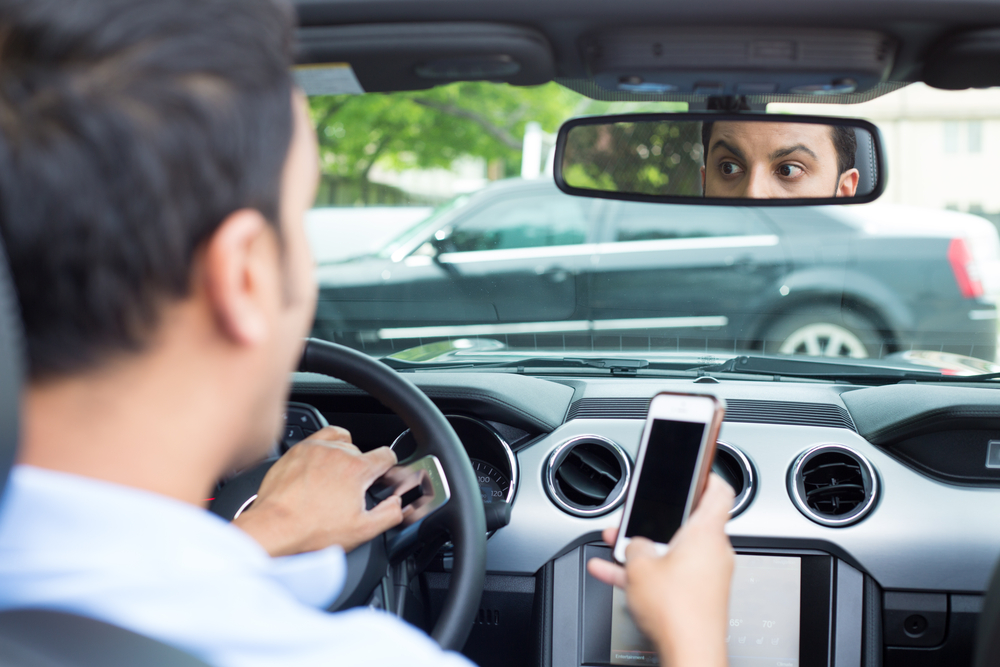
 Brandon Woyshnis, Shutterstock
Windshield Damage Can Matter
Many forward-facing cameras sit behind the windshield. A cracked windshield or even poor-quality replacement glass can sometimes affect how the system performs.
Radar Needs A Clear View
Radar sensors are often hidden behind the front grille or bumper. Even a thick layer of slush can interfere with their operation.

Software Plays A Huge Role
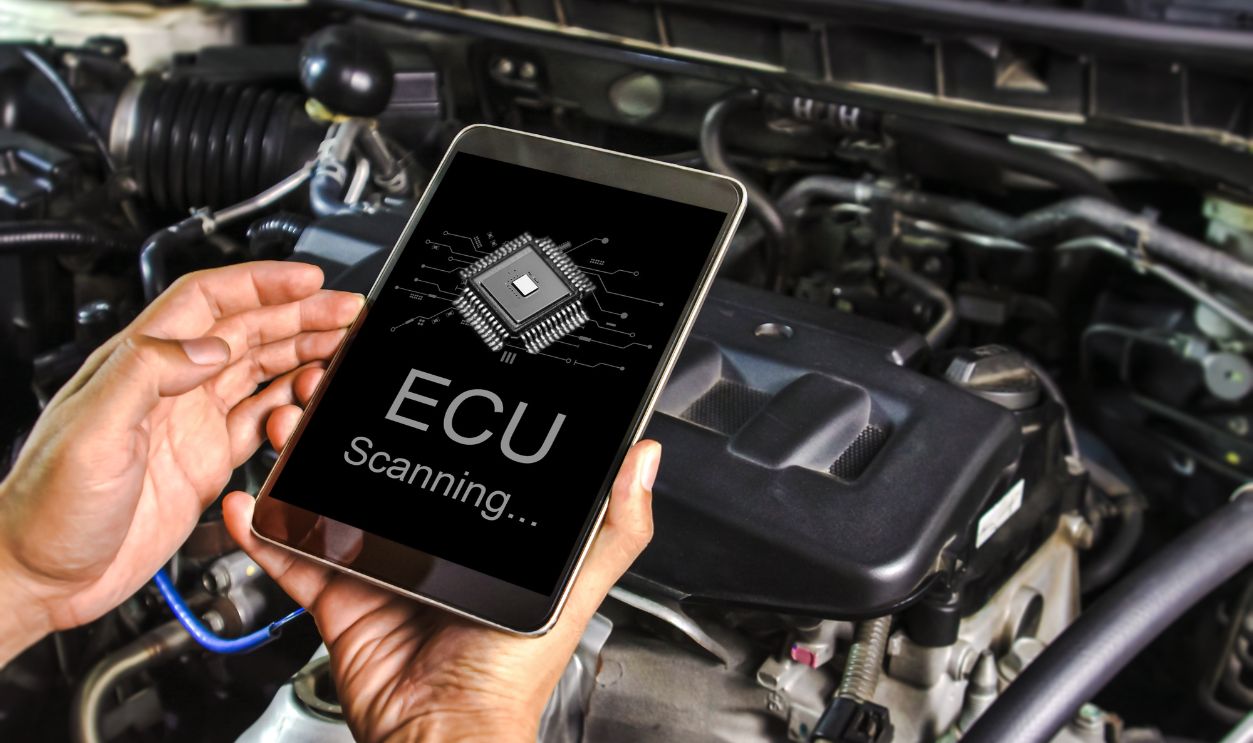
Modern AEB systems constantly interpret thousands of pieces of information every second. Software updates sometimes improve performance or reduce false alerts.
Every Manufacturer Tunes It Differently
Some vehicles are programmed to intervene earlier than others. One driver's car may brake sooner, while another model waits longer before reacting.

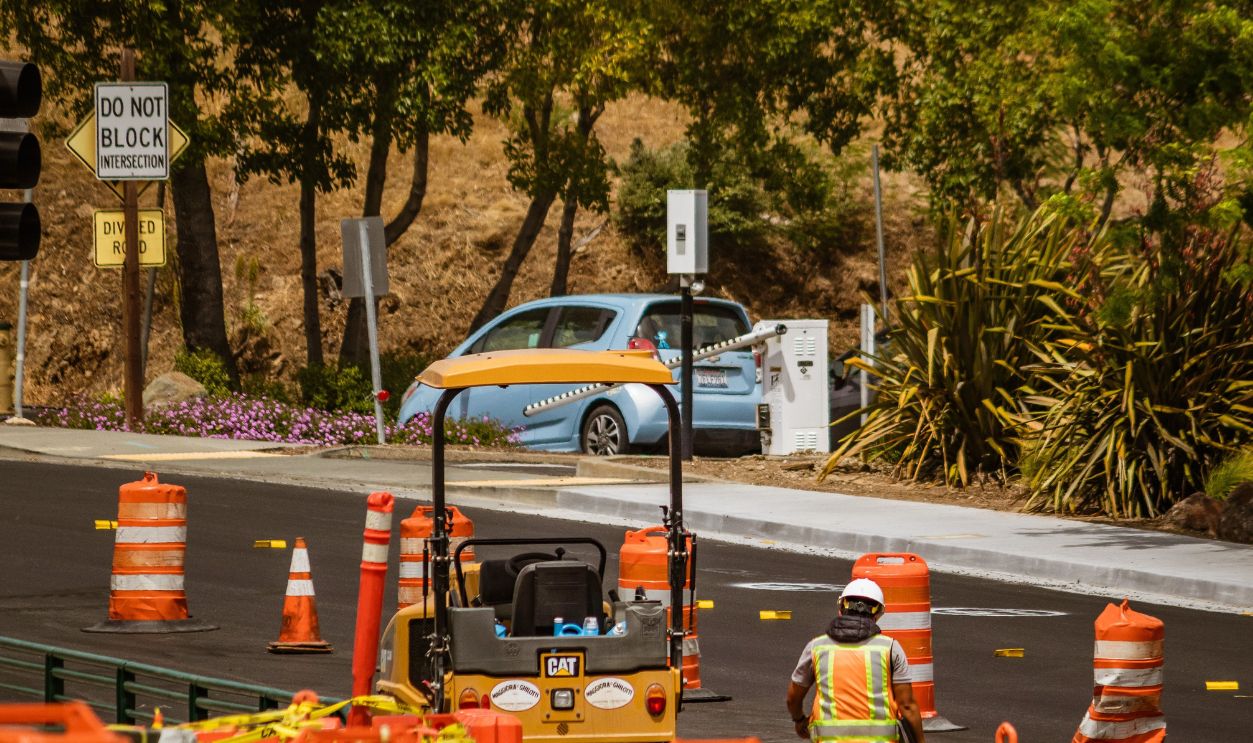
Construction Zones Can Be Confusing
Temporary barriers, cones, lane shifts, and unusual traffic patterns sometimes create situations that the system wasn't expecting.
Hills And Sharp Curves Can Fool Sensors
A parked vehicle around a bend or at the crest of a hill may briefly appear to be directly in your path before the system realizes it isn't.
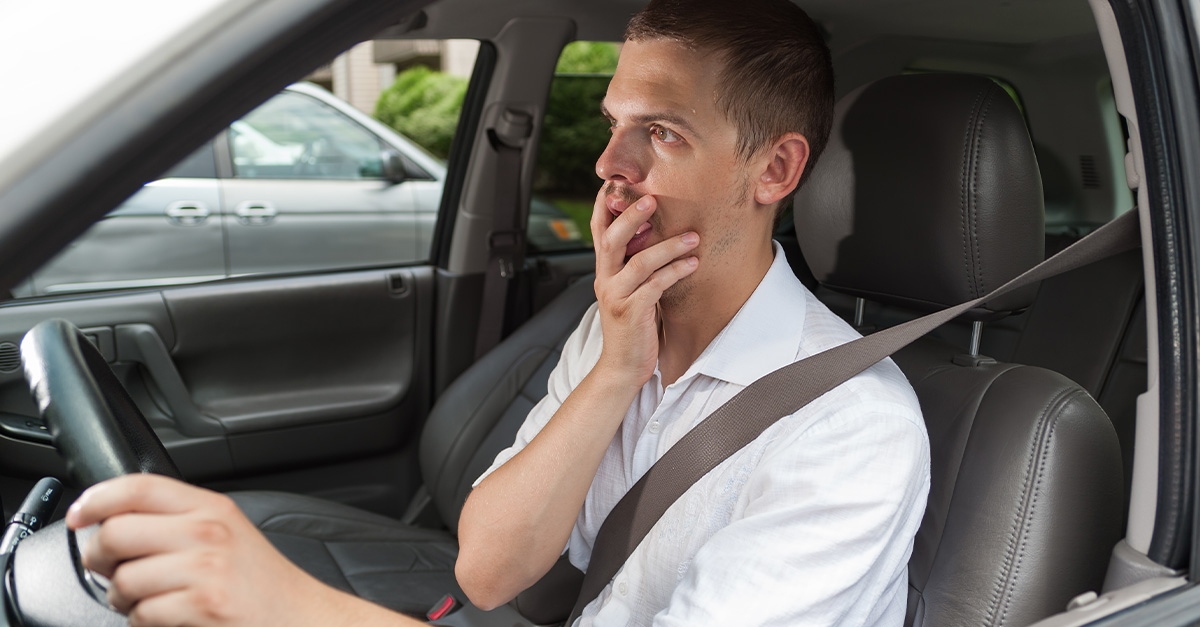 Alexandra Rotanova, Shutterstock
Trailer Hitches And Accessories
Improperly mounted accessories or front-end modifications can occasionally interfere with sensor performance.
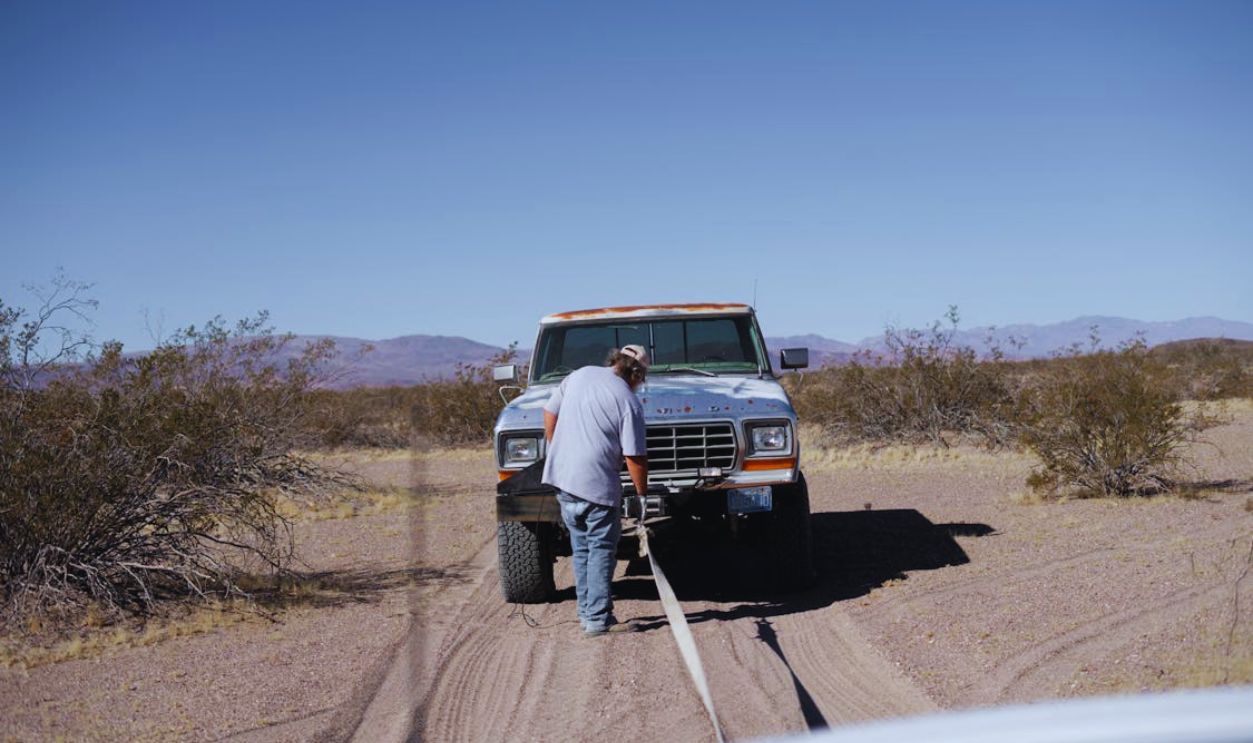
Calibration Is Critical
If your windshield has been replaced or your front bumper repaired after an accident, the sensors may need professional recalibration.
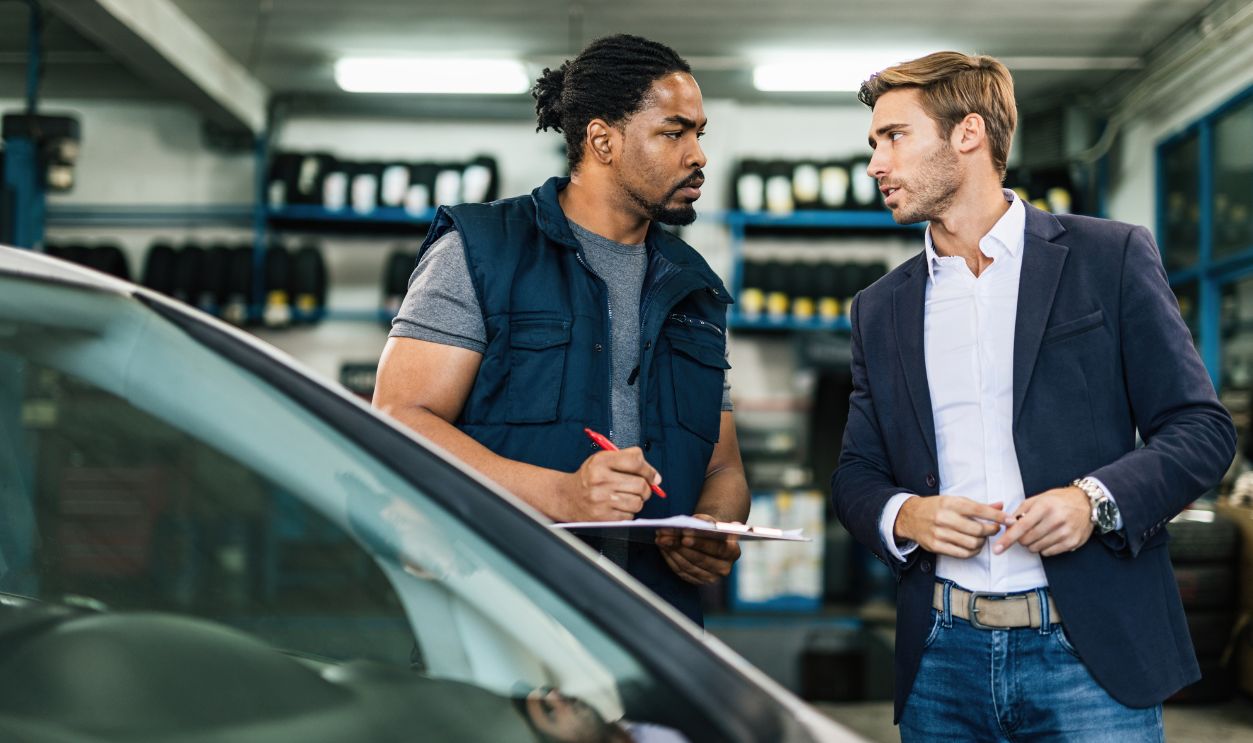
Don't Ignore Warning Messages
If your dashboard displays AEB or forward-collision warnings repeatedly, have the system inspected instead of hoping the problem disappears.

Can You Turn It Off?
Many vehicles allow drivers to temporarily disable automatic emergency braking or adjust warning sensitivity. However, the system usually turns itself back on the next time the vehicle starts.
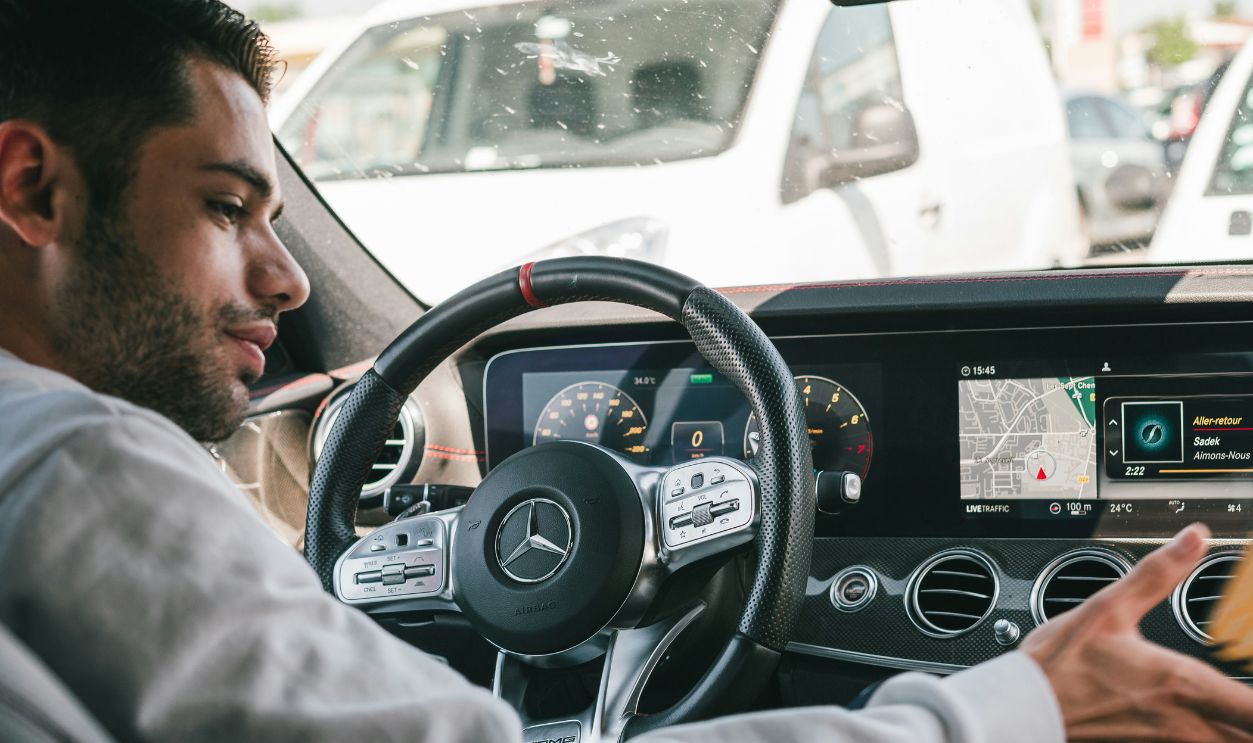
Should You Leave It Disabled?
Generally, no. Because AEB has been shown to reduce crashes, disabling it permanently is usually not recommended unless a manufacturer or technician instructs you otherwise.

Report Repeat Problems
If your vehicle repeatedly brakes without cause, report the issue to both your dealership and the manufacturer. Keeping records of when and where it happens can also be helpful.

Check For Recalls
Sometimes a known software issue results in a recall or technical service bulletin. Your dealership can check whether updates are available.
 Anatoliy Cherkas, Shutterstock
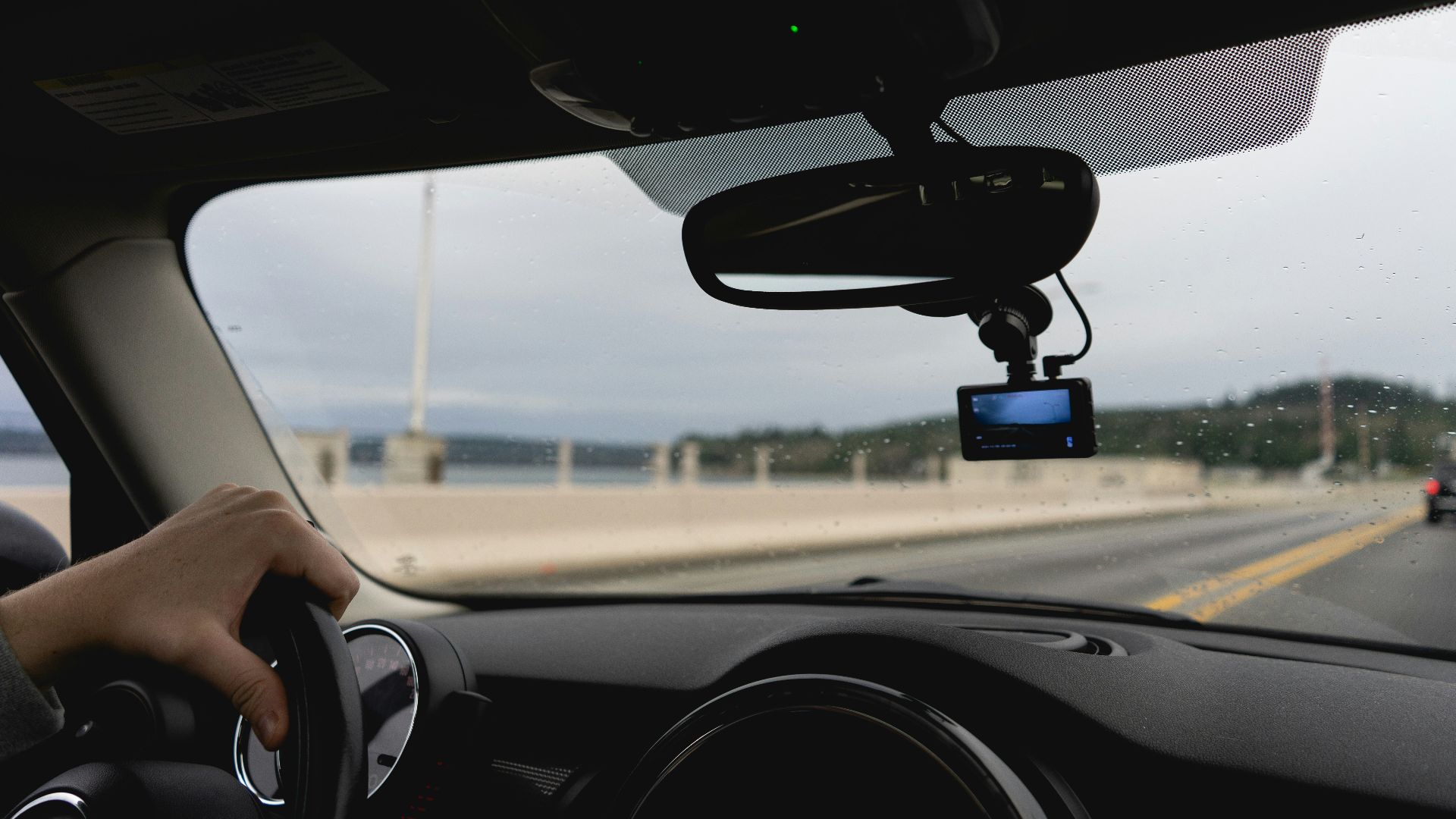
Dash Cameras Can Help
A dash camera may capture exactly what happened before a false braking event. That footage can be valuable when diagnosing the problem.
Don't Slam On The Gas
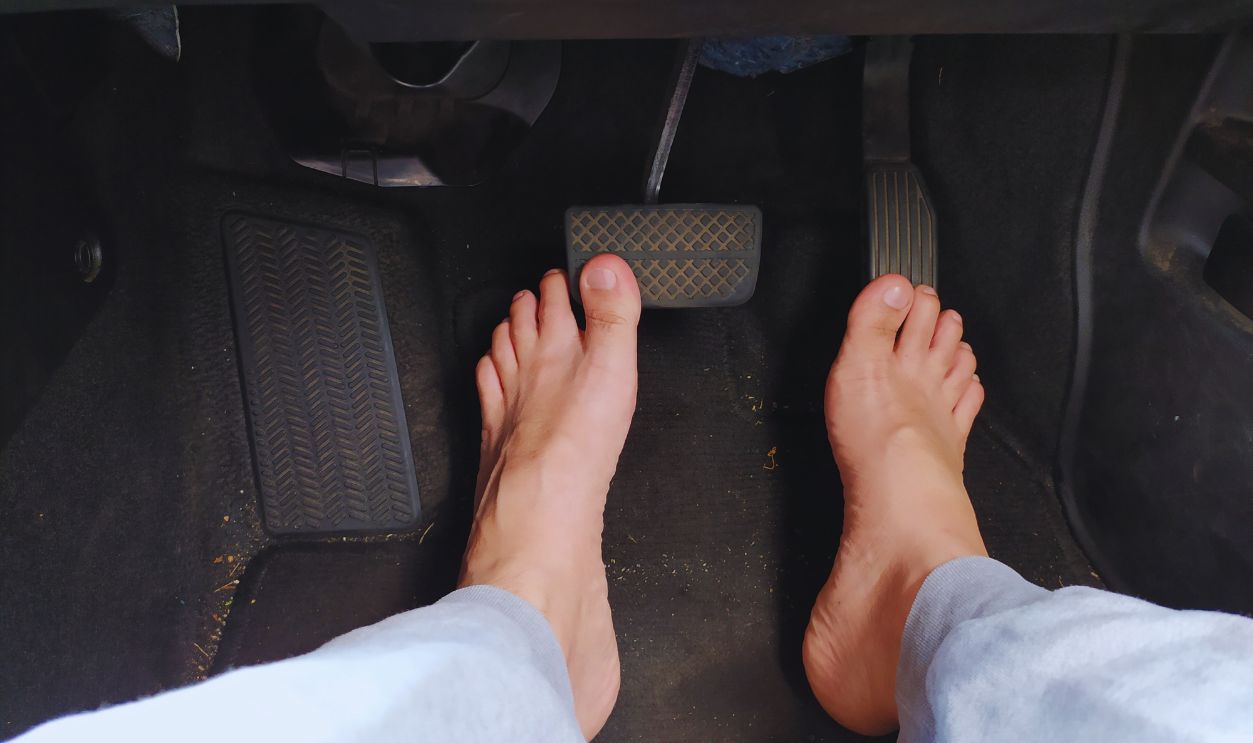
If the vehicle brakes unexpectedly, stay calm and maintain control. Abruptly accelerating or making sudden steering movements could create a more dangerous situation.
How Common Is It Really?
False emergency-braking events are still much less common than successful interventions that prevent crashes. Millions of drivers use these systems every day without experiencing a false activation.

The Biggest Mistake Drivers Make
Some drivers lose confidence after one false alert and disable the system forever. In many cases, a simple cleaning, software update, or recalibration solves the problem.
So, Are False Emergency-Braking Alerts Normal?
They can happen, but they shouldn't happen regularly. An occasional false alert is possible under certain conditions, but repeated unexplained braking deserves professional inspection.

Smart Technology Still Needs Human Drivers
Automatic emergency braking is one of the biggest safety advances in modern vehicles, but it's still an assistant—not a replacement for an attentive driver. Understanding how the system works can help you stay safer when technology occasionally gets it wrong.

You May Also Like: