The Tire Warranty That Sounded Amazing—Until You Actually Needed It
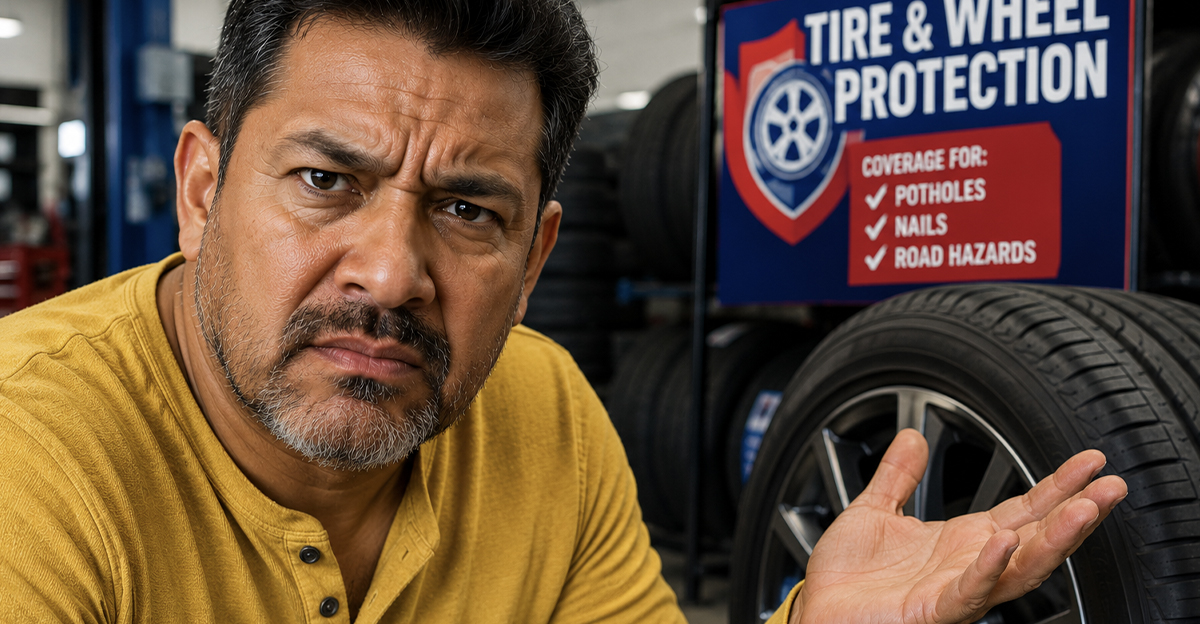
When you bought your vehicle, the finance manager made the tire-and-wheel protection package sound like a no-brainer. 'One damaged rim and it'll pay for itself,' they said. Then you hit a pothole, filed a claim, and suddenly discovered a long list of exclusions.
So... are these plans actually worth the money?
You're Not Alone
Many drivers buy extended tire-and-wheel protection without reading every page of the contract. Unfortunately, that's usually when the surprises begin.

So, What Is A Tire-And-Wheel Package?
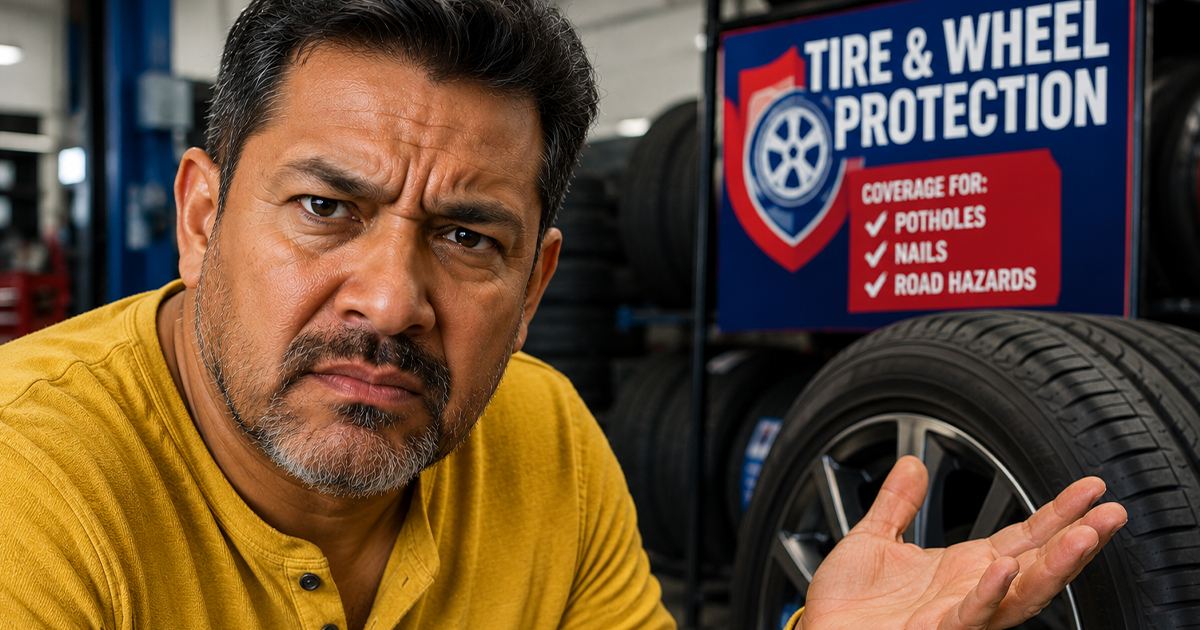
These plans typically promise to cover repairs or replacements for tires and wheels damaged by road hazards like potholes, nails, broken pavement, or debris.
They Aren't Manufacturer Warranties
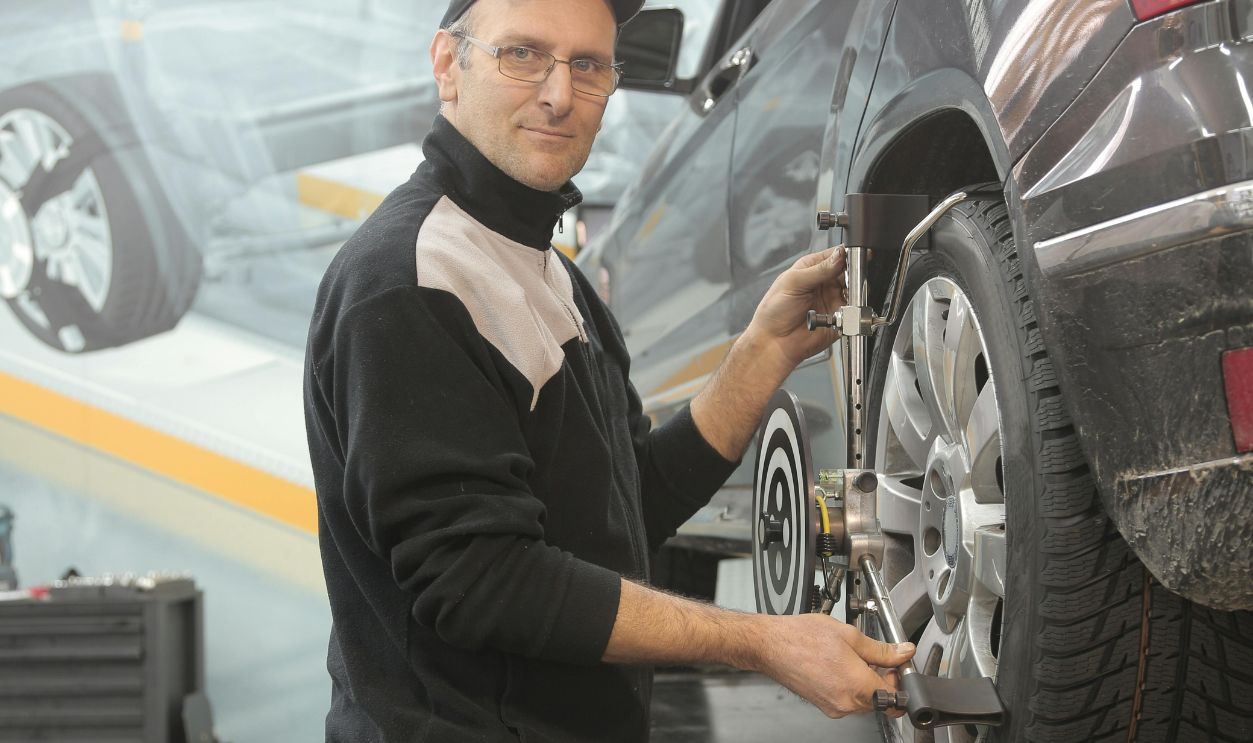
Most tire-and-wheel packages are optional protection plans sold by dealerships or third-party companies. They are separate from your vehicle's factory warranty.

Road Hazard Is The Magic Phrase
Many plans only cover 'road hazard' damage. That definition sounds simple, but the exact wording can vary significantly from one contract to another.

Exclusions Are Everywhere
Like most extended warranties, these plans often contain exclusions. Knowing what's not covered can be just as important as knowing what is.

Wear And Tear Usually Isn't Covered
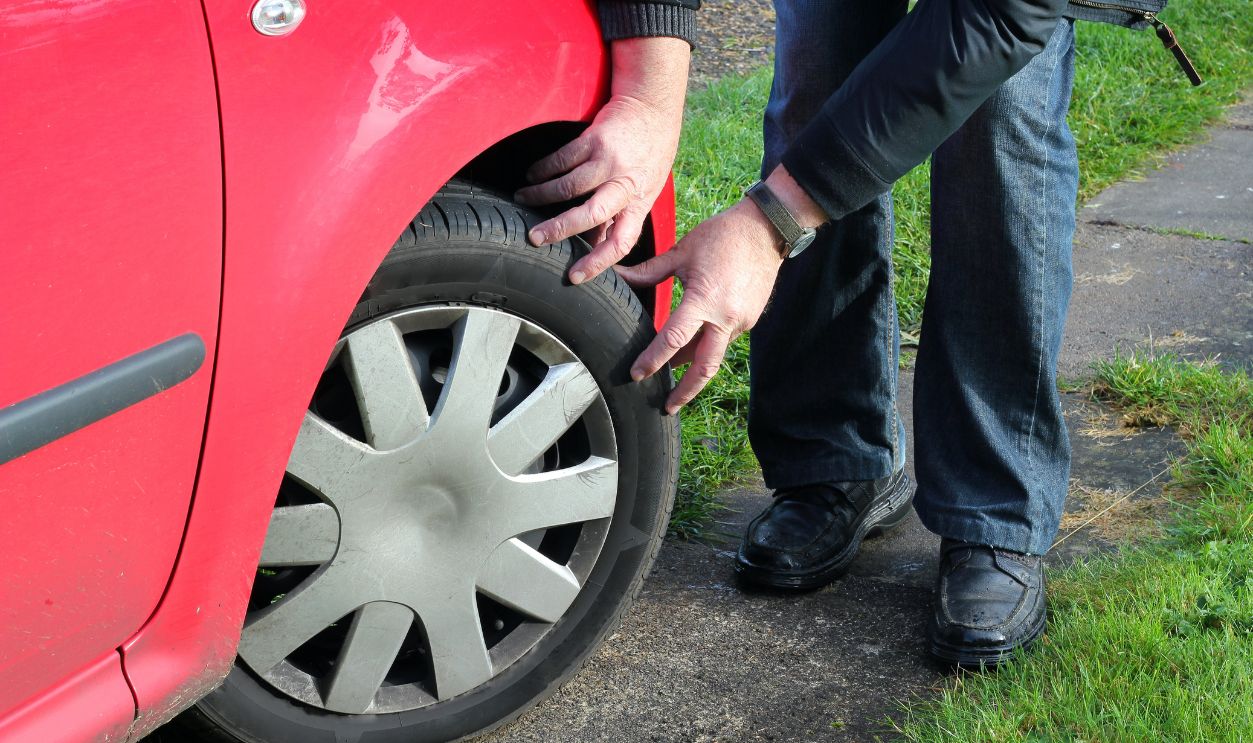
If your tires wear out naturally over time, the protection plan almost certainly won't pay to replace them.
Cosmetic Damage Often Doesn't Count
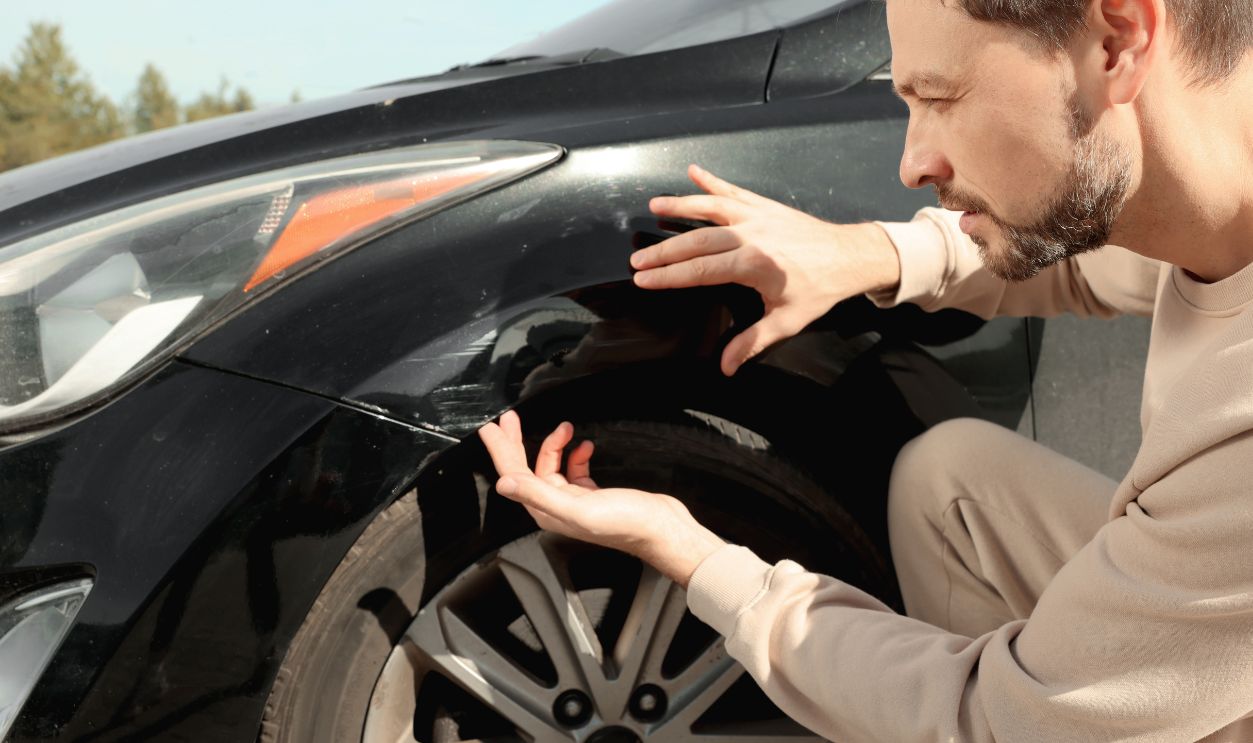
Many plans cover structural wheel damage but exclude scratches, curb rash, scuffs, or minor cosmetic imperfections.
Driver Error Can Be A Problem
If the damage occurred because you drove on a flat tire for too long or ignored a warning light, your claim may be denied.

Modified Vehicles May Lose Coverage
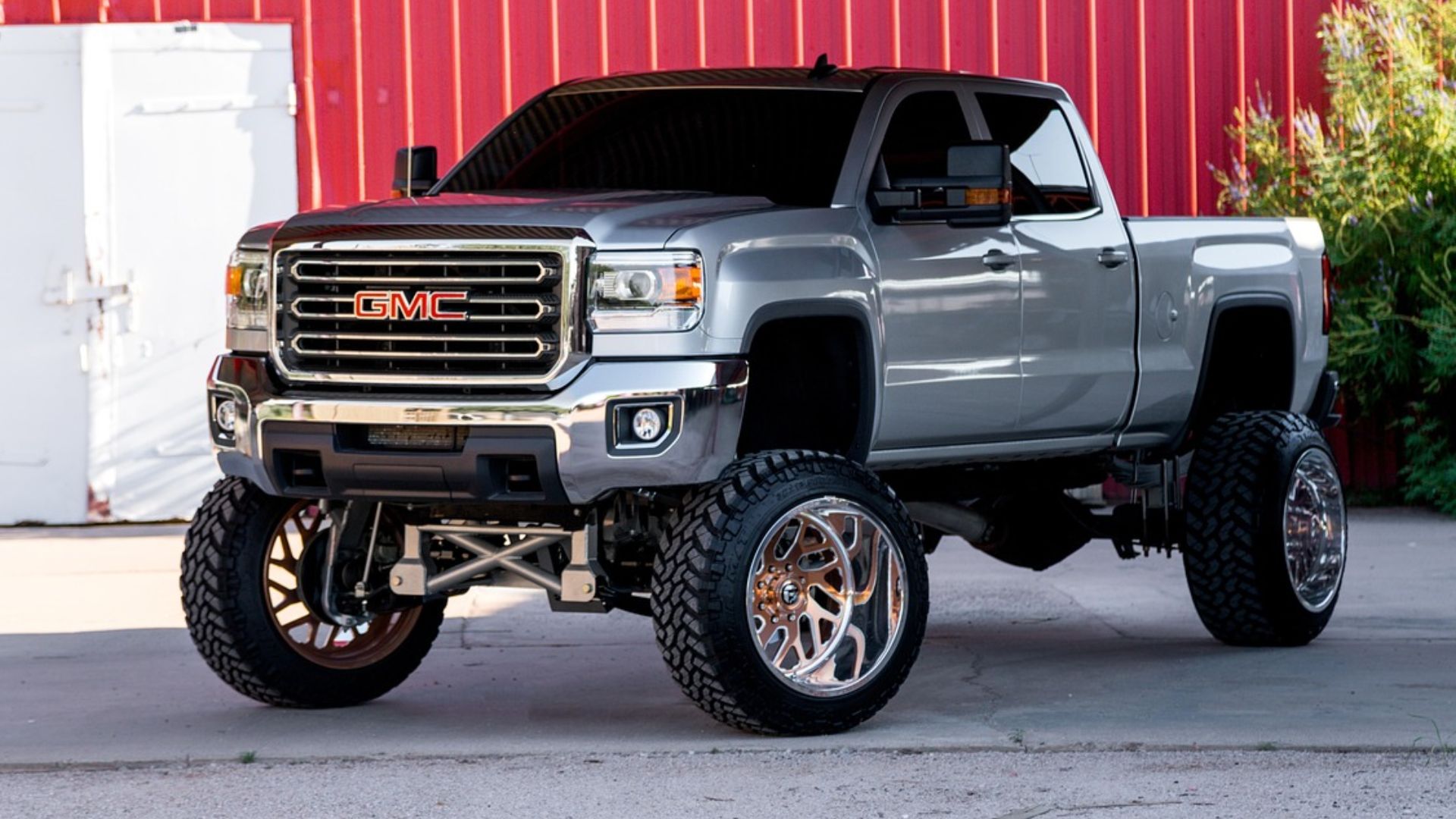
Larger aftermarket wheels, oversized tires, suspension lifts, or other modifications sometimes void portions of the protection plan.
Maintenance Still Matters
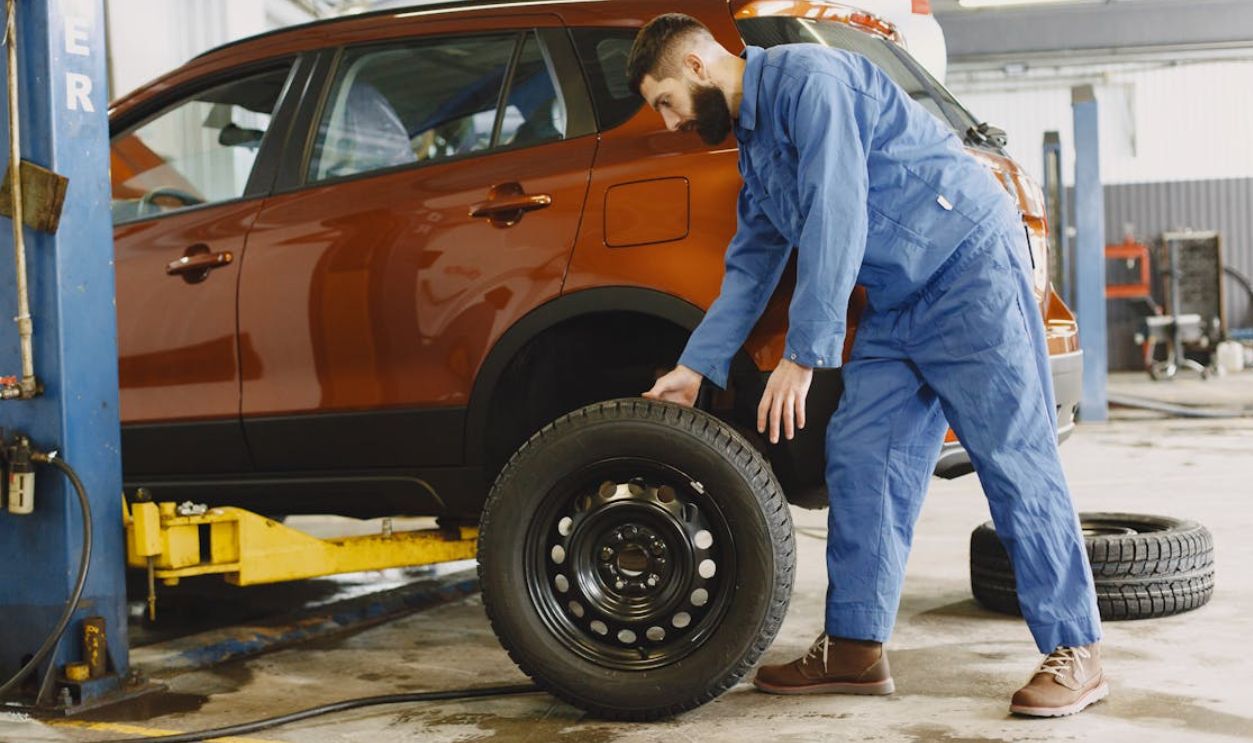
Some contracts require that your tires be properly maintained. Incorrect tire pressure or neglected maintenance can become reasons to deny coverage.
There May Be Dollar Limits
Some plans cap how much they'll pay per repair or over the life of the contract. Others limit the number of claims you can make.

Deductibles Can Apply
Not every repair is completely free. Some protection plans require a deductible each time you file a claim.

Rental Cars Aren't Always Included
If your vehicle needs to stay at the repair shop, don't assume a rental car is automatically covered.

Claim Approval Can Take Time
Some plans require inspection or authorization before repairs begin. Having work done first and asking questions later can create problems.
Read The Fine Print Before Buying
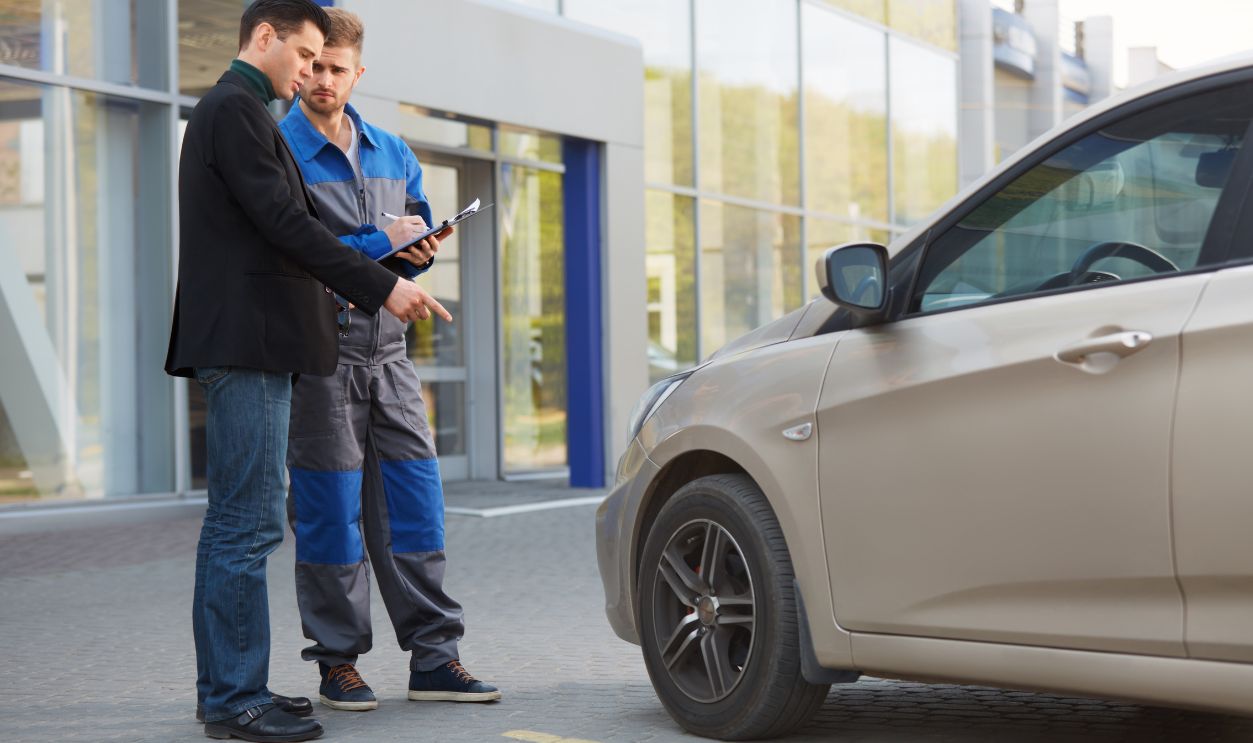
It's the least exciting part of buying a car, but spending ten minutes reading the contract can save a lot of frustration later.

Ask Real Questions
Instead of asking, 'Does it cover potholes?' ask, 'What are the five most common reasons claims are denied?' The answer may tell you much more.

Some Plans Really Are Valuable
Drivers who regularly travel on rough roads or live in areas with severe winters may receive enough covered repairs to justify the cost.

Others Rarely Use Them
Someone who drives very little or mostly sticks to smooth city streets may never file a claim.

Wheel Size Makes A Difference
Low-profile performance tires and large alloy wheels are usually much more expensive to replace than smaller wheels with taller tire sidewalls.

Insurance May Already Help
Some auto insurance policies or optional endorsements provide limited protection for tire or wheel damage. It's worth checking before buying extra coverage.

Credit Cards Sometimes Offer Benefits
Certain premium credit cards include limited purchase protections or roadside benefits that overlap with other products, although coverage is usually more limited.

Keep Your Receipts
If you ever need to file a claim, maintenance records, repair invoices, and photographs of the damage can make the process much smoother.

Don't Wait Too Long
Many protection plans require claims to be reported within a specific time after the damage occurs.

The Sales Pitch Isn't The Contract
The salesperson's explanation is helpful, but the written agreement is what determines whether your claim is approved.

The Biggest Mistake Buyers Make
Many people compare the price of the plan without comparing the exclusions. Two similarly priced protection packages can offer very different coverage.

So, Are Tire-And-Wheel Warranties Worth It?
Sometimes. If you drive frequently on rough roads, have expensive wheels, or regularly encounter potholes, they can provide real value. But if the contract contains numerous exclusions or your driving conditions are relatively gentle, you may pay for coverage you never actually use.
 Bits and Splits, Adobe Stock Images
Buy The Contract—Not The Promise
The best protection plan isn't the one with the most impressive sales pitch. It's the one whose written terms actually match how and where you drive.

You May Also Like: