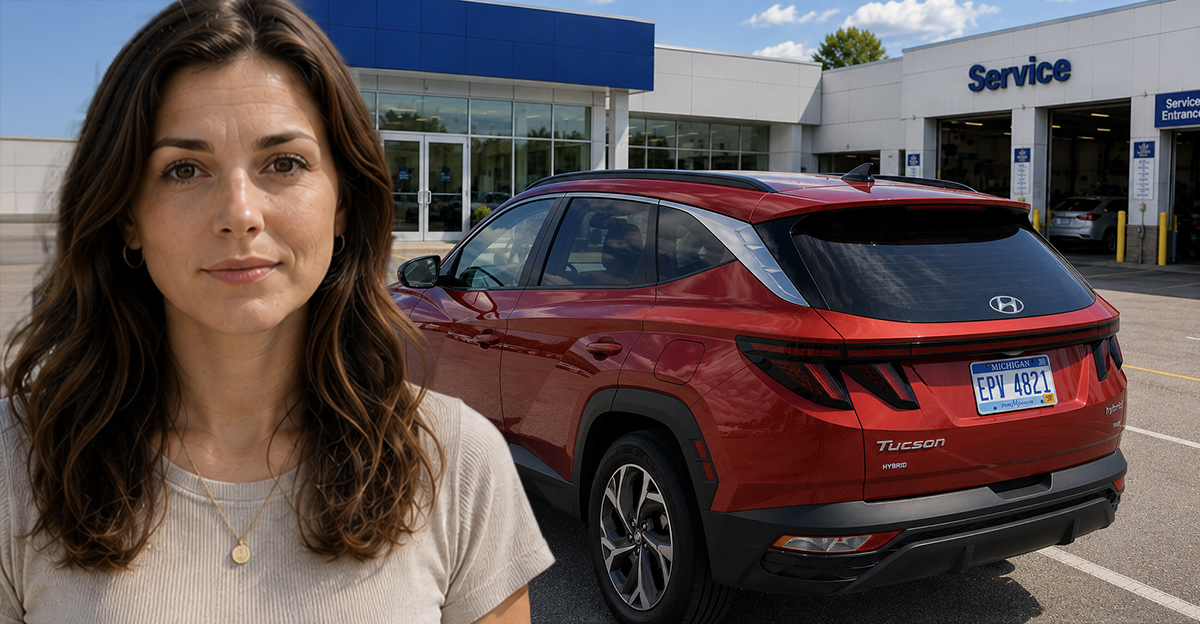
The Expensive Black Screen
Your car’s digital dashboard looked futuristic when you bought it. Now one failed display has produced a repair estimate worth thousands of dollars. Before approving a complete replacement, find out exactly what failed, check every possible warranty and recall, and investigate repair or remanufacturing options.
Screens Have Real Advantages
Digital dashboards are popular for good reasons. They can display navigation directions, driver-assistance information, vehicle warnings, media, phone functions, and customizable gauges in one place. Central touchscreens also reduce the number of physical controls manufacturers must fit throughout increasingly complicated vehicle interiors.

Integration Creates Problems
The trouble begins when one screen controls several unrelated functions. A failed display may affect entertainment, navigation, climate settings, cameras, and vehicle information simultaneously. Some screen problems have even triggered safety recalls because drivers could lose important information or rearview camera images.

Diagnose Before Replacing
A blank screen doesn't automatically mean the display panel itself is dead. The underlying problem could involve software, wiring, connectors, power delivery, a control module, or another electronic component. Paying for proper diagnosis can be worthwhile before authorizing replacement of an expensive integrated assembly.

Try The Simple Fixes
Check the owner’s manual for the manufacturer’s approved restart procedure and inspect whether other electrical systems are behaving strangely. Software updates have been used to remedy some serious display failures, demonstrating that an apparently alarming screen problem does not always require replacement hardware.

Check For Recalls First
Before paying anything, enter your vehicle identification number into the federal recall lookup system. Display-related recalls are not unusual, and a safety recall repair is performed without charge. The National Highway Traffic Safety Administration maintains a searchable database of recalls and safety investigations.

Screens Can Be Safety Equipment
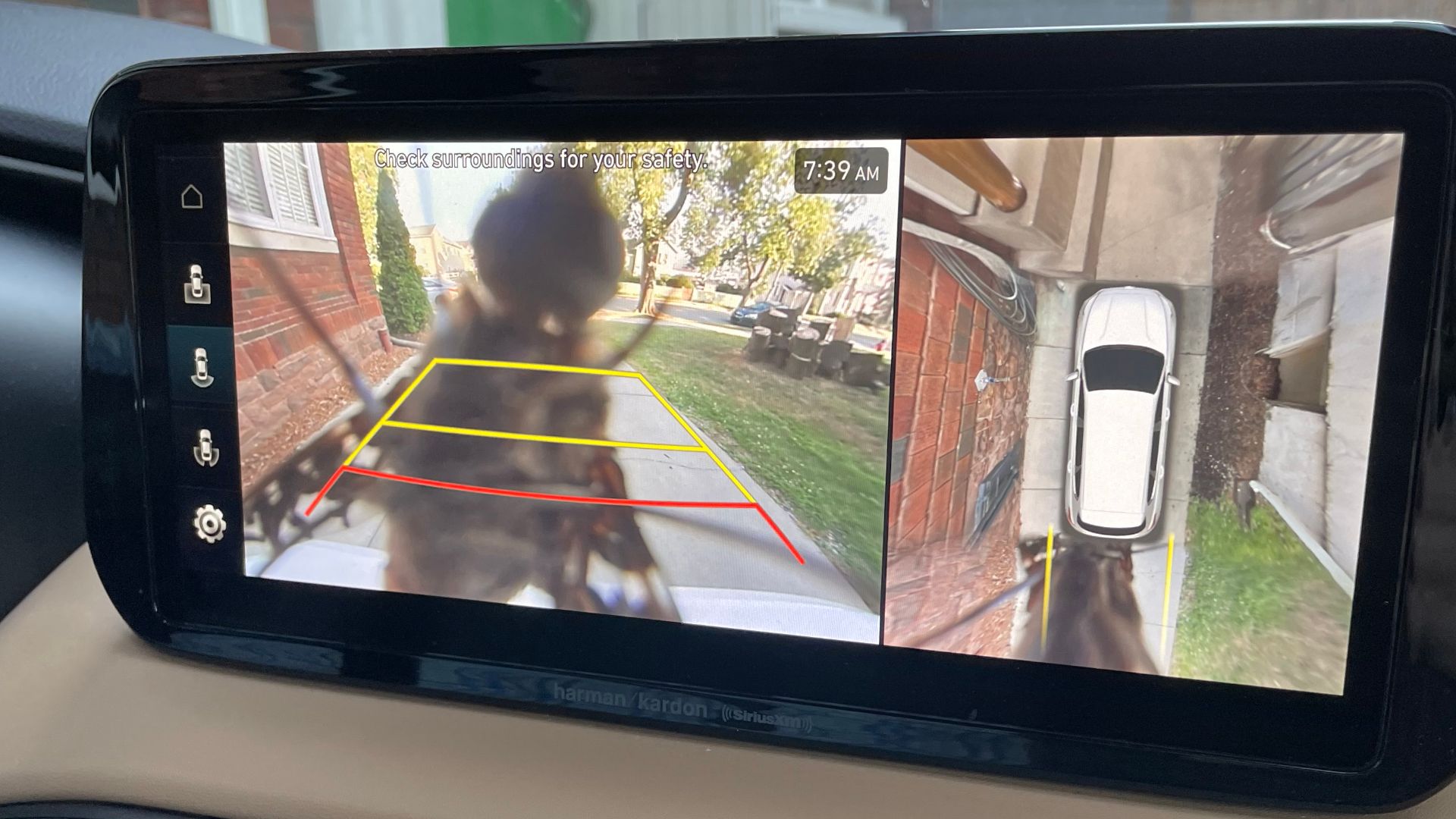
A digital display is not necessarily just a fancy stereo. Federal rules require rear visibility technology on new light vehicles, and display failures can prevent drivers from seeing required rearview images. That connection between screens and safety explains why certain failures become federal recall matters.
 Aerra Carnicom, Wikimedia Commons
Software May Save Thousands
One advantage of software-driven cars is that some defects can be repaired without replacing physical components. Recent display recalls have included remedies involving dealer-installed or over-the-air software updates. That possibility makes accurate diagnosis particularly important before you approve a costly replacement assembly.

Read Your Factory Warranty
If your vehicle is still relatively new, pull out the warranty booklet before reaching for your credit card. Coverage varies by manufacturer and component, so determine whether the display, instrument cluster, infotainment unit, or related electronics remain within the applicable time and mileage limits.

Get The Denial Written
If a dealer says the repair is not covered, ask for the decision and reason in writing. You need to know whether the manufacturer considers the problem normal wear, accidental damage, an excluded component, or an out-of-warranty failure before deciding whether to challenge the decision.

Federal Warranty Law Matters
The Magnuson-Moss Warranty Act governs written consumer product warranties and requires warrantors to provide information about coverage. Consumers are generally not required to use branded parts or dealership service for every repair simply to preserve warranty protection.

Independent Shops Are Options
Do not assume the dealership is your only possible repair destination once warranty coverage ends. Some independent automotive electronics specialists repair instrument clusters, infotainment modules, circuit boards, and displays. Ask whether the shop repairs your original unit rather than simply replacing the entire assembly.
Repair Beats Replacement Sometimes
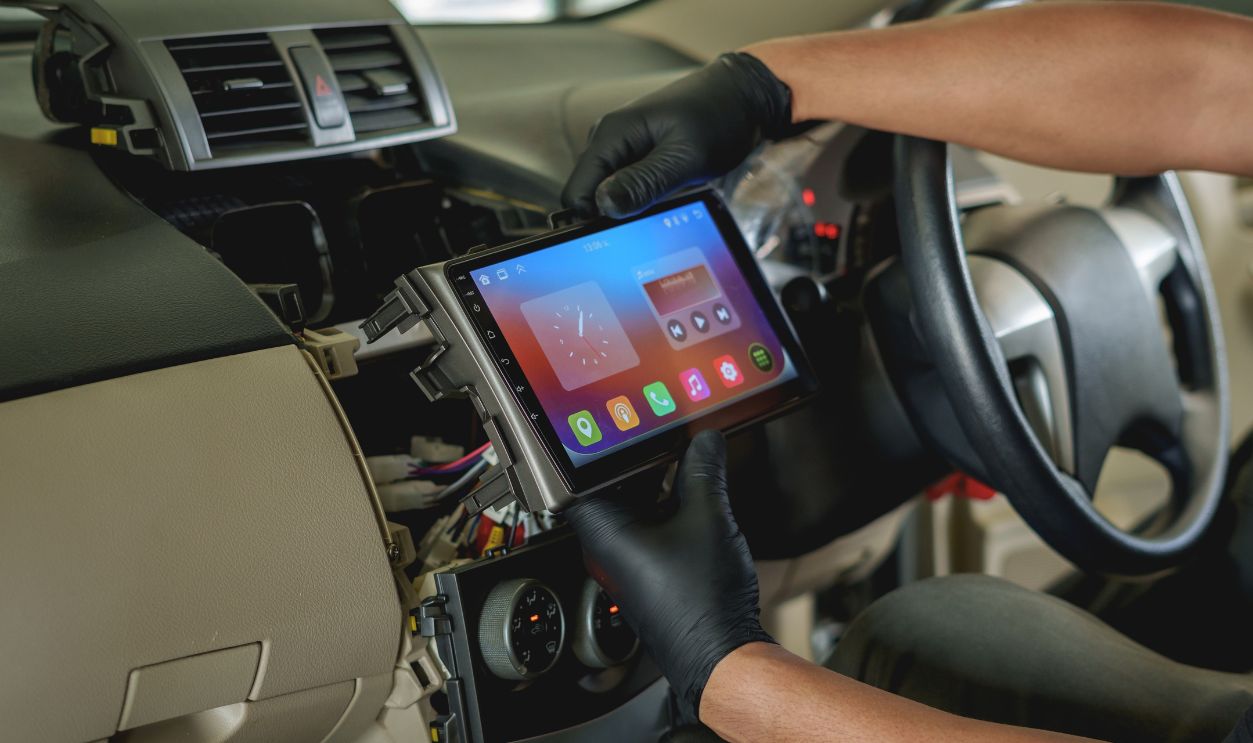
A dealership may follow a replacement-based repair procedure because the manufacturer supplies a complete module rather than individual internal parts. An electronics specialist may approach the same failure differently. If one board, connector, or display component is repairable, preserving the original unit could reduce the bill.
Consider A Remanufactured Unit
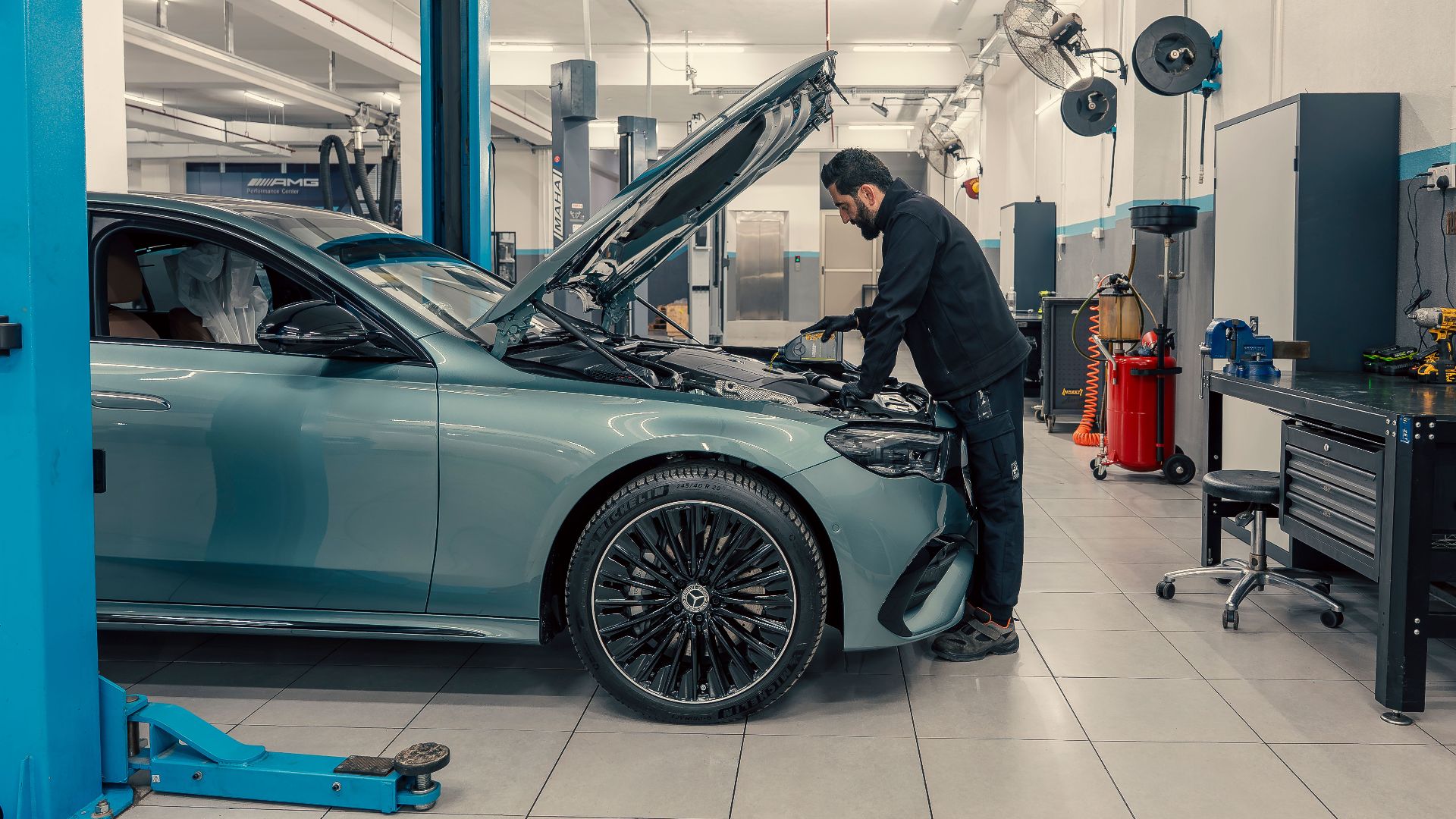
Ask whether a professionally remanufactured component is available for your exact year, model, trim, and equipment configuration. A remanufactured unit may cost less than new original equipment, but compatibility matters. Modern modules can require programming, configuration, or other vehicle-specific procedures before they work properly.
Used Parts Need Homework
A used display or instrument cluster from a salvage vehicle can appear tempting, but investigate compatibility before buying it. Ask a qualified technician whether the part can be programmed to your vehicle and whether mileage, security, configuration, or communication issues could complicate installation.
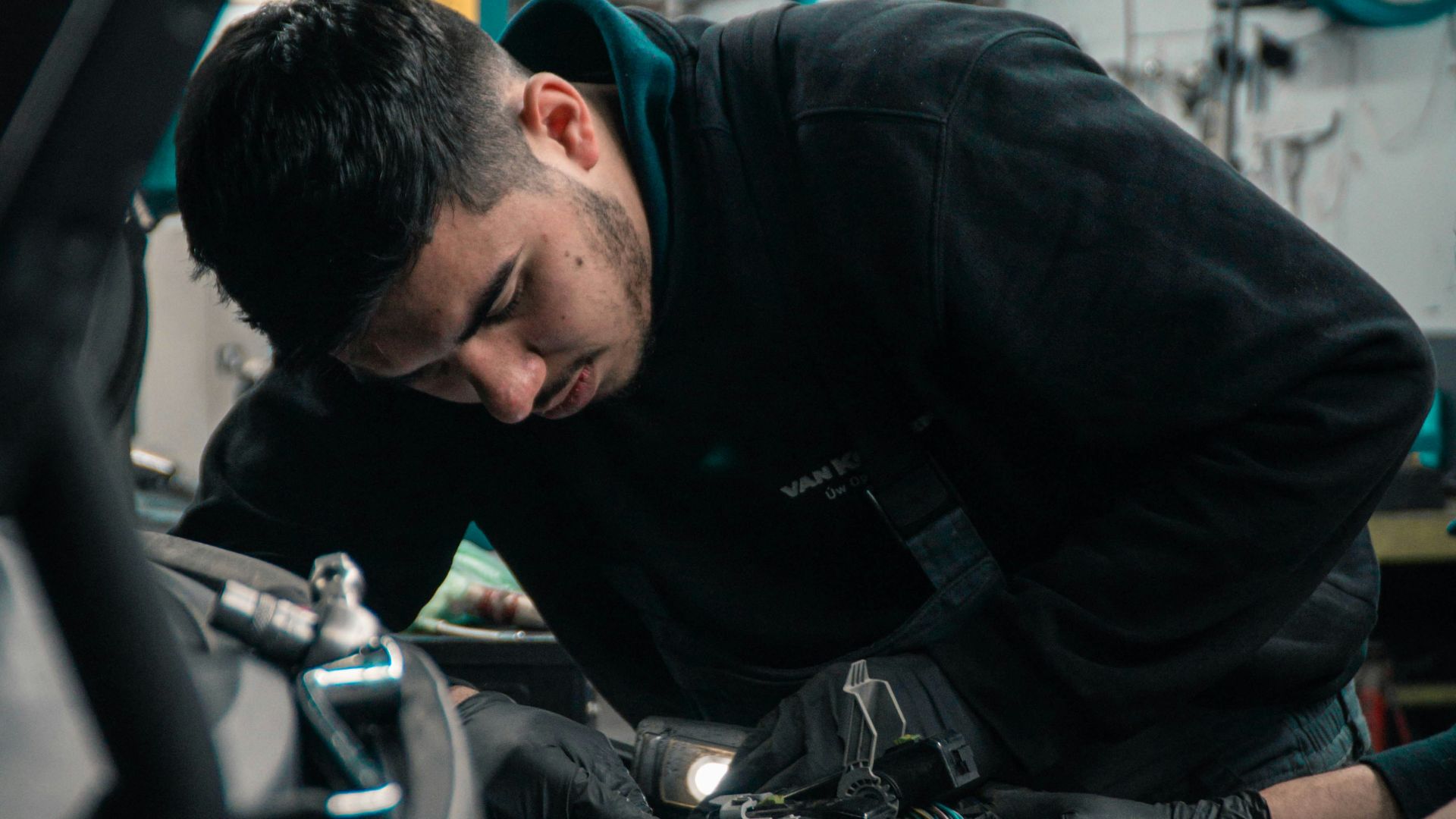
 Jose Ricardo Barraza Morachis, Pexels
Compare The Whole Quote
Do not compare screen prices alone. Ask each shop for an itemized estimate covering diagnosis, the part, programming, calibration, installation, taxes, and shop charges. A cheap used component that requires extensive additional work may not be cheaper than a properly prepared remanufactured replacement.

Service Contracts Vary
If you purchased an extended warranty or vehicle service contract, read the actual agreement rather than assuming electronics are included. These products can contain specific exclusions and limitations, so determine whether displays, navigation equipment, infotainment systems, instrument clusters, and electronic modules are covered.

Ask About Goodwill Assistance
When a major electronic component fails shortly after the factory warranty expires, ask the manufacturer whether goodwill assistance is available. It is not guaranteed coverage, but maintaining service records and documenting the failure clearly can support your request for partial help with an unusually expensive repair.

Document Every Conversation
Keep the diagnostic report, estimate, warranty booklet, service records, recall information, and written communications together. If the problem is intermittent, safely record when it occurs and what functions disappear. Good documentation makes it easier to seek warranty reconsideration or compare competing diagnoses.

Report Safety Problems
If the failure affects the speedometer, warning indicators, backup camera, defroster controls, or other safety-related functions, consider filing a complaint with NHTSA. Consumer reports can help regulators identify patterns that may eventually lead to investigations or recalls affecting larger groups of vehicles.

Shop For Repairability Too
When buying your next vehicle, test the digital features but also research what happens when they fail. Ask about warranty duration, software support, replacement costs, physical controls, and independent repair options. A beautiful dashboard is less appealing if one aging display can economically total the ownership experience.

There May Be Alternatives
Yes, there can be a better way, but finding it requires homework. Check recalls and warranties first, demand a precise diagnosis, compare dealer and specialist quotes, and investigate repair or remanufacturing. The worst option is approving a huge replacement bill before confirming that replacement is truly necessary.

You May Also Like: