The Pitch Sounds Simple
How many of us have experienced this? You're at the service counter and the advisor drops a line that makes your stomach sink. “If you do not service here, you could lose your warranty.” It sounds official, and it sounds expensive. But don't take them at their word just yet.

Here Is The Core Truth
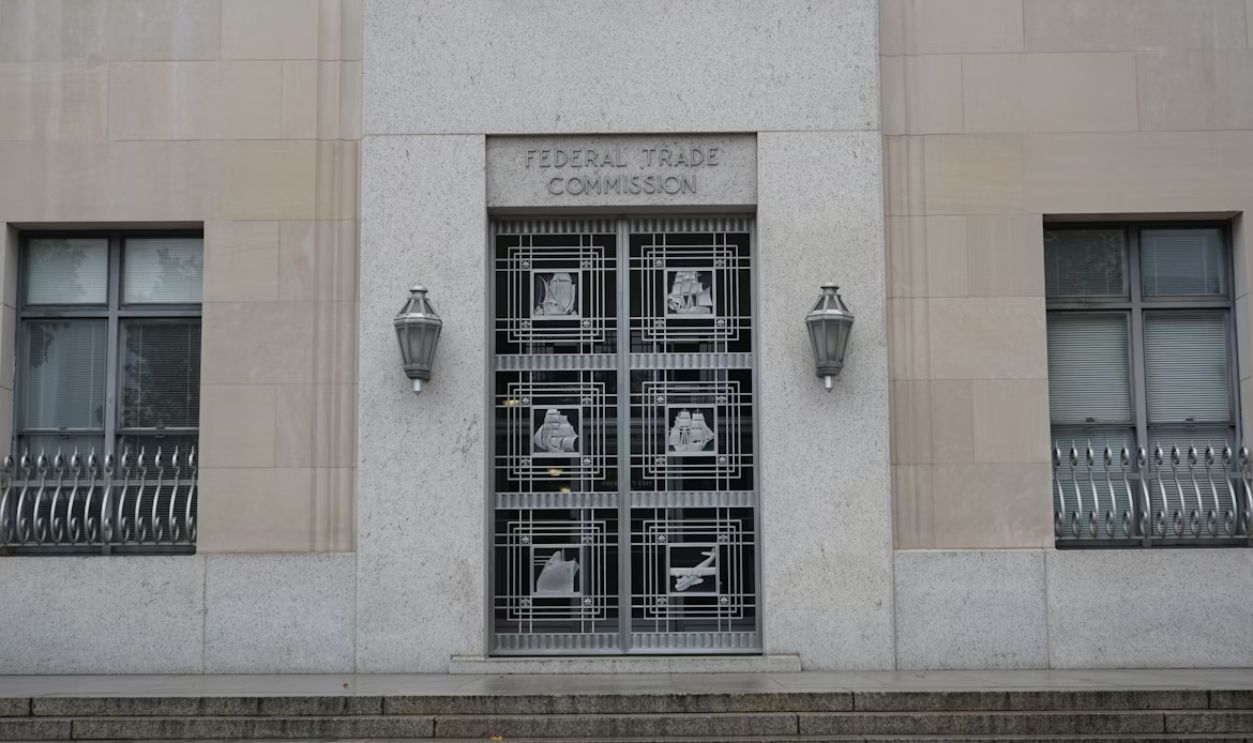
In the U.S., a dealer generally cannot require you to do routine maintenance at their dealership to keep your factory warranty. That basic protection comes from a federal law called the Magnuson-Moss Warranty Act. The Federal Trade Commission (FTC) enforces it.
 Carol M. Highsmith, Wikimedia Commons
The Law That Changed The Game
Magnuson-Moss became federal law in 1975. Among other things, it limits “tie-in sales” provisions in warranties, which is the legal term for forcing you to buy a specific product or service to keep coverage. The FTC explains that a company cannot make your warranty conditional on using a particular brand of part or service, unless the company provides it for free.
What The FTC Says In Plain English
The FTC’s consumer guidance is blunt about this topic. A business cannot void your warranty just because you used an independent shop or did the work yourself. What matters is whether you maintained the vehicle properly and whether a problem was caused by bad parts or bad workmanship.
So Why Do People Still Hear This Line?
Because it works, and because it gets repeated in the foggy space between sales talk and legal reality. Sometimes it is a misunderstanding from a well-meaning employee. Sometimes it is pressure, because dealers make real money in the service lane.

The Important Catch Most People Miss
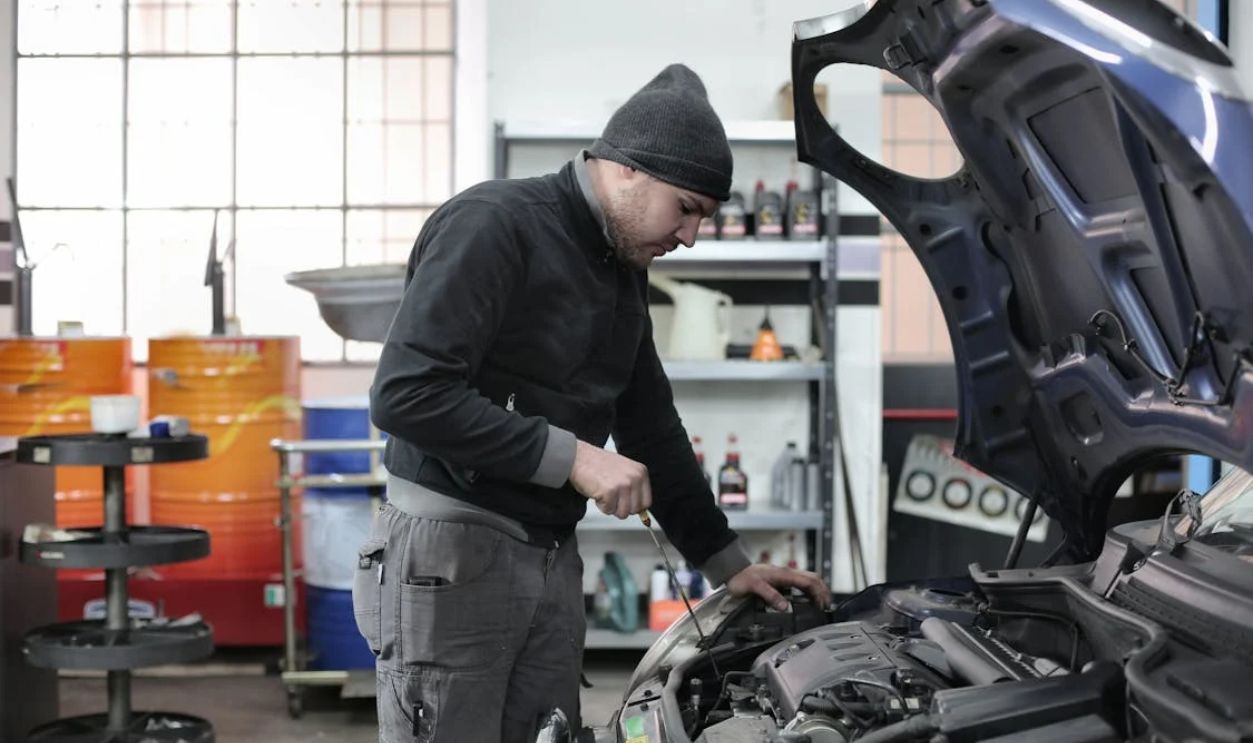
You still have to follow the manufacturer’s maintenance schedule. If you skip oil changes and blow an engine, the warranty claim can be denied. The key is that you can usually choose where the maintenance happens.
Warranty Denial Has To Be About Cause
If a dealer or manufacturer wants to deny a warranty repair, they typically need a reason tied to the failure. The FTC highlights that it is not enough to say you went somewhere else. They need to show the outside work or parts caused the problem you are claiming.
A Real World Example That Makes Sense
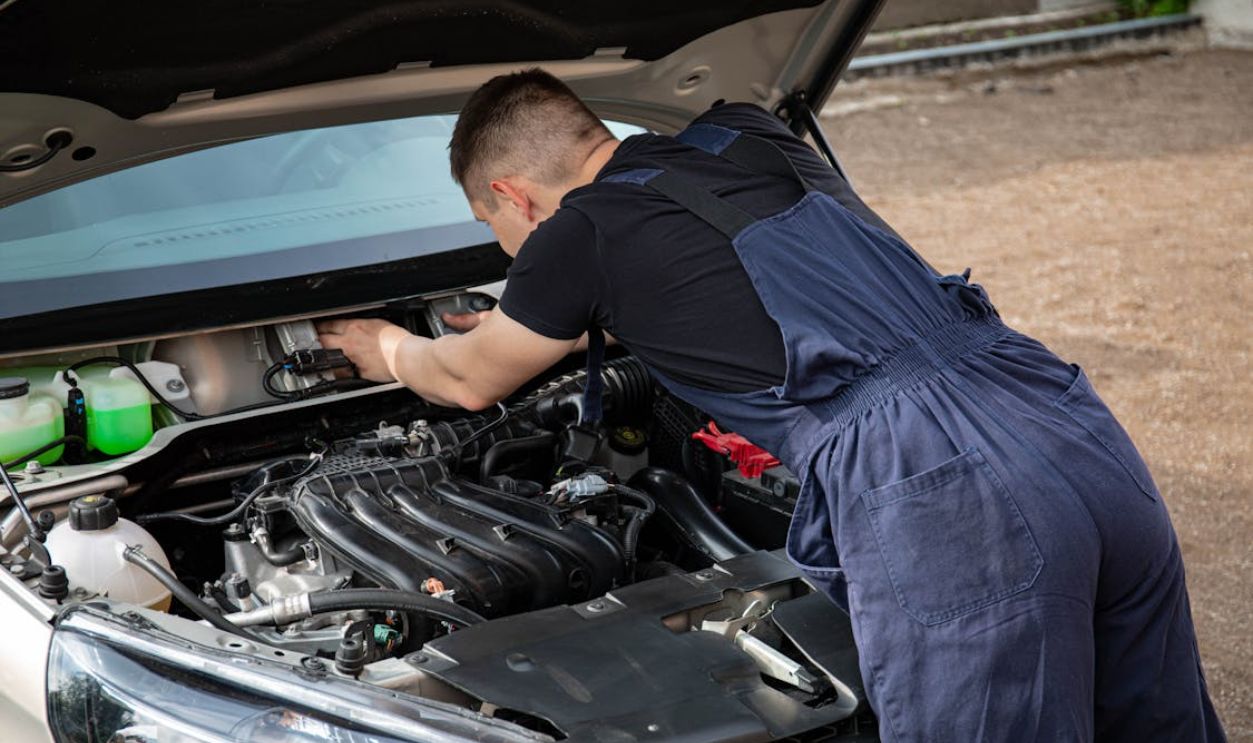
If an independent shop installs the wrong oil filter and the engine loses oil pressure, the manufacturer may deny an engine claim. That denial is about causation, not about where you got service. If the outside work did not cause the failure, the warranty usually still applies.
Dealer Service Is Not Useless
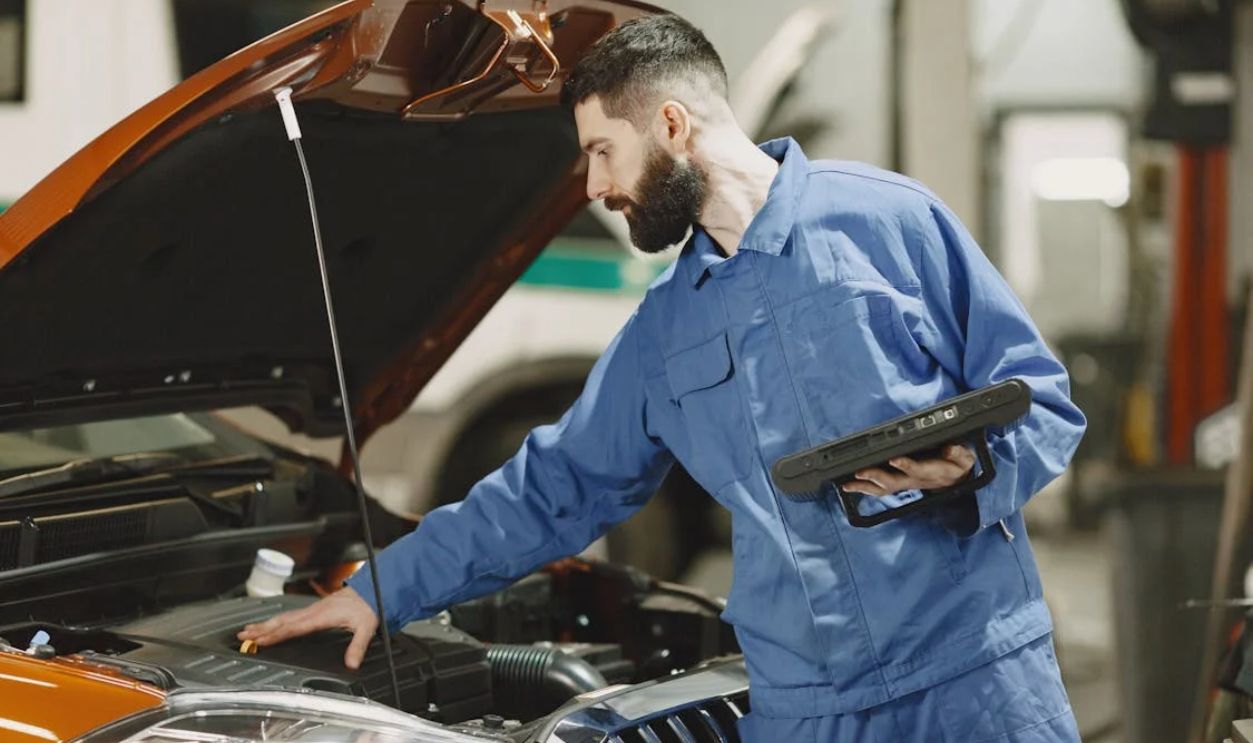
Dealer techs can be a good choice for complicated diagnostics, software updates, and warranty repairs. Dealers also have direct access to factory service information and technical bulletins. The point is that you should be choosing the dealer because it is the best option, not because you were cornered.
There Is Another FTC Rule That Matters
In July 2024, the FTC’s “Motor Vehicle Dealers Trade Regulation Rule” took effect. It targets junk fees and misleading claims in the car buying process. While it is more about sales than maintenance, it reflects a larger crackdown on dealer misinformation.

The FTC Has Also Been Watching Warranty Talk
The FTC has publicly warned companies about illegal warranty tie-ins for years. In April 2018, the FTC sent warning letters to several major companies across industries about warranty language that appeared to violate Magnuson-Moss. The message was clear: do not tell consumers their warranty is void just because they used third-party parts or service.
But My Warranty Booklet Says “Genuine Parts”
Manufacturers can recommend genuine parts and dealer service. They can also require that replacement parts meet certain specifications. What they generally cannot do is require only the dealer or only brand-name parts as a condition of keeping warranty coverage, unless they provide those items for free.
 Hugh Venables , Wikimedia Commons
What About “Complimentary Maintenance” Periods?
Some brands include free scheduled maintenance for a set time. That is different from forcing you to pay the dealer for maintenance. If maintenance is free, you can still choose to go elsewhere, but you might give up the free service because you did not use it.
Is This Different For Extended Warranties?
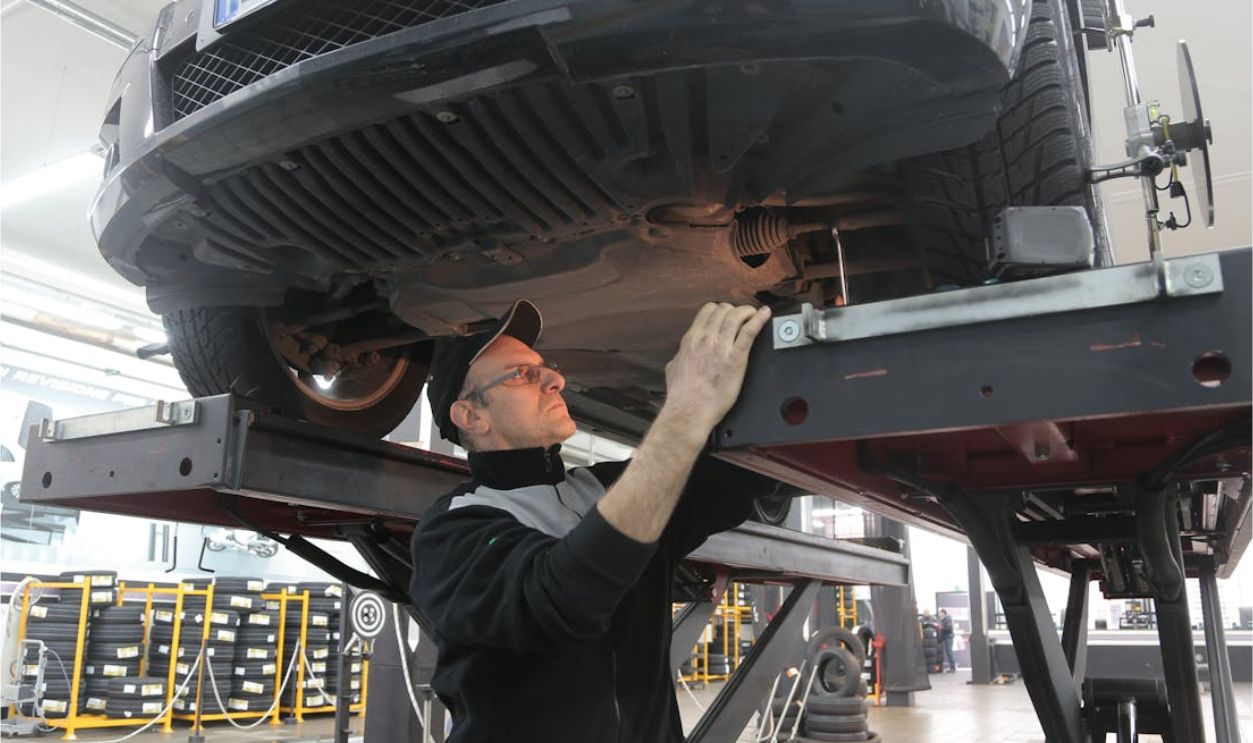
Extended warranties and vehicle service contracts can have their own terms. Some require prior authorization for repairs or require specific documentation. Even then, blanket “you must service at this dealership” claims should make you read the contract carefully and ask questions.

Also Watch Out For “Free Repairs Only If We Service It”
Some dealers blur the line between the factory warranty and their own dealer add-ons. A dealer can set rules for a dealer-paid perk, like free oil changes for life, because that is their program. That has nothing to do with whether your factory warranty stays valid.

How To Protect Yourself In Two Minutes
Keep records. Save itemized receipts that list the date, mileage, and what was done. If you DIY, keep parts receipts and write down the mileage and date in a notebook or phone note.

Use The Right Fluids And Parts
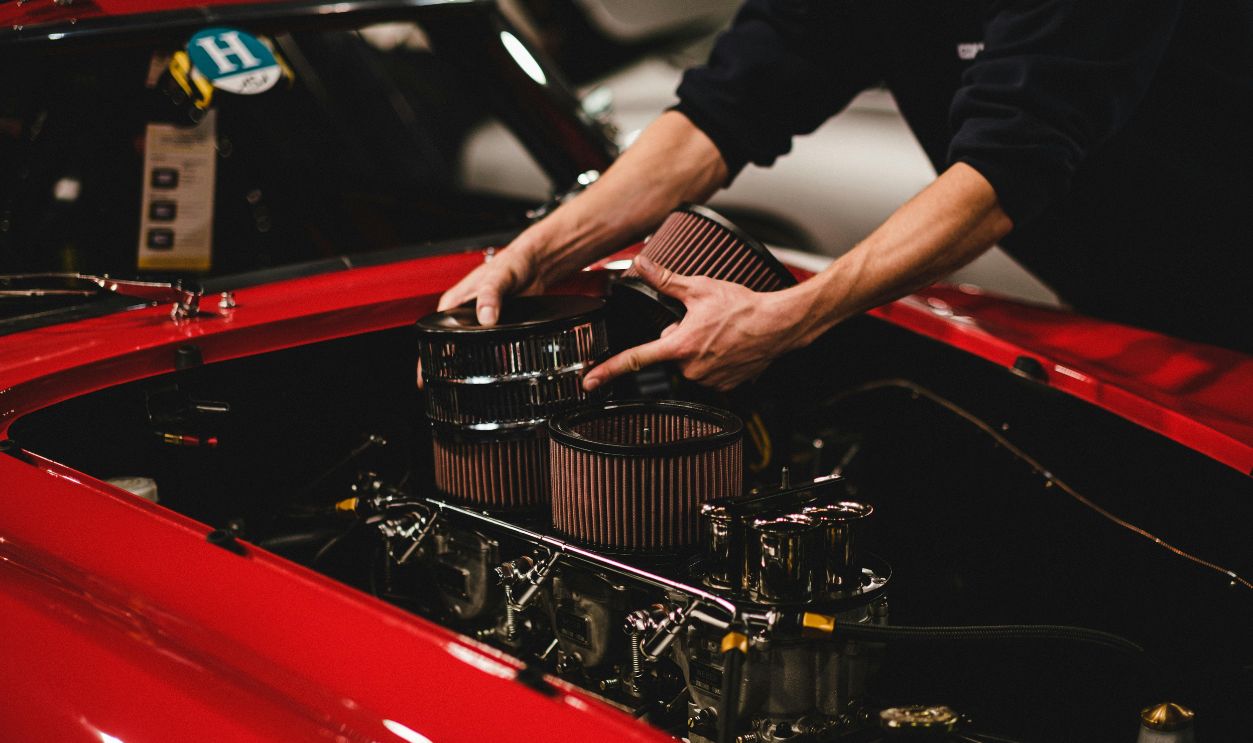
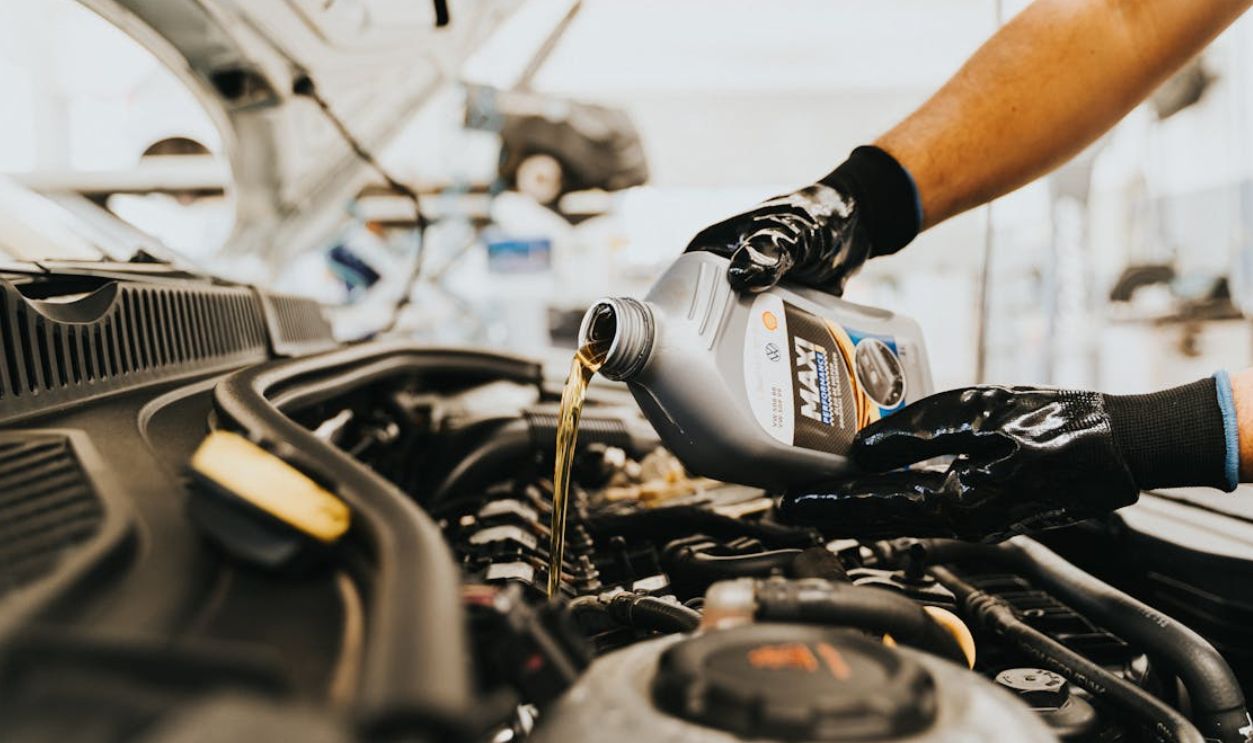
When the owner’s manual specifies a viscosity, an API/ILSAC rating, or a particular standard, follow it. Using the correct spec is more important than the logo on the bottle. If a shop supplies parts, ask them to note the part numbers and specs on the invoice.
Do Not Miss Recalls And Software Updates
Recalls are free, and they are safety-related. Software updates and technical service bulletins are not always free, but dealers often handle them best. Staying current also reduces the odds of a fight later if a related part fails.
Ask One Question That Changes The Conversation
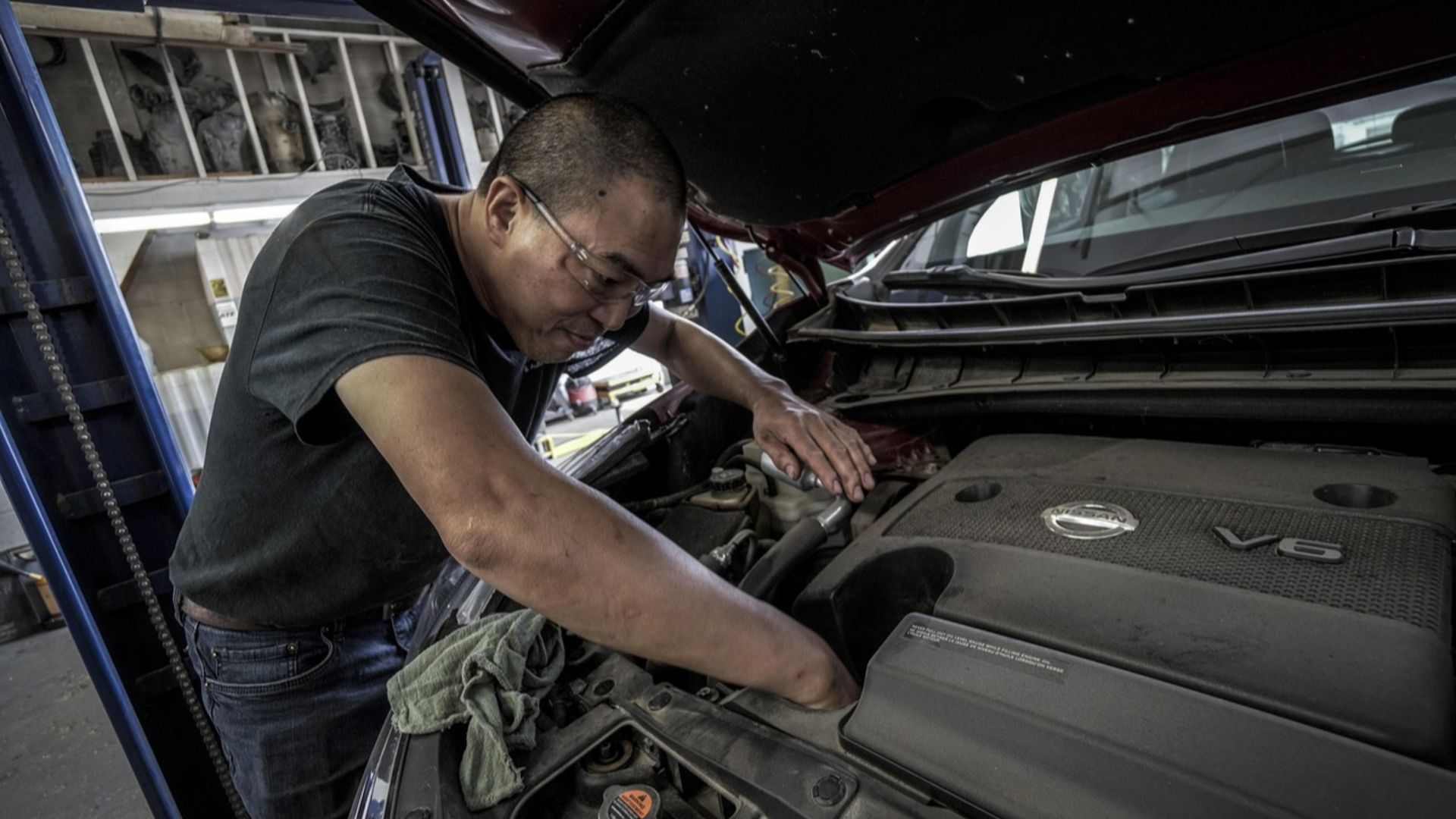
If someone says you must service there to keep the warranty, ask them to put it in writing. Many times the claim softens immediately. If they insist, ask them to point to the exact page in the warranty document that says it.

Know What The Warranty Actually Covers
Factory warranties cover defects in materials or workmanship, not wear items. Brake pads, tires, wiper blades, and clutches are often considered wear depending on the situation. Maintenance is on you, but the choice of shop is usually yours.
If A Dealer Denies A Claim, Get The Details
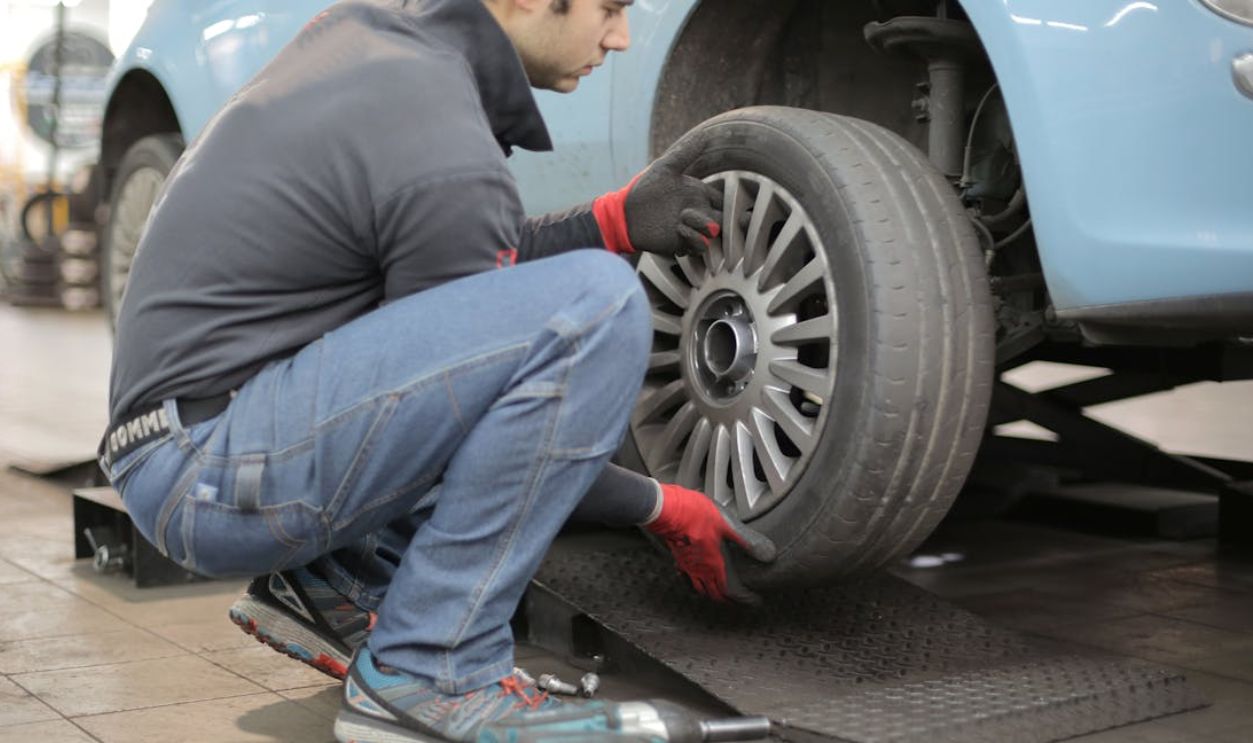
Ask for the denial in writing and ask what evidence supports it. Ask which part failed, and exactly how your maintenance caused it. Paper trails matter when you escalate.

Your Next Call Might Be The Automaker
If the dealer is playing hardball, call the manufacturer’s customer assistance line. Automakers can override or review dealer decisions in some cases. They can also direct you to dispute resolution programs if one is available.

You Can Also Use The FTC’s Tools
The FTC publishes plain-language guidance on warranty rights and how tie-in sales provisions work. If you believe a business is misleading you about warranty coverage, you can also report it through the FTC’s reporting portal. That report does not instantly fix your claim, but it helps regulators spot patterns.

What To Say When You Want To Stay Polite
Try this: “I will follow the maintenance schedule and keep receipts, but I am not required to service here to keep my warranty.” Then stop talking. If they push back, ask for the policy in writing.

When It Might Make Sense To Use The Dealer Anyway
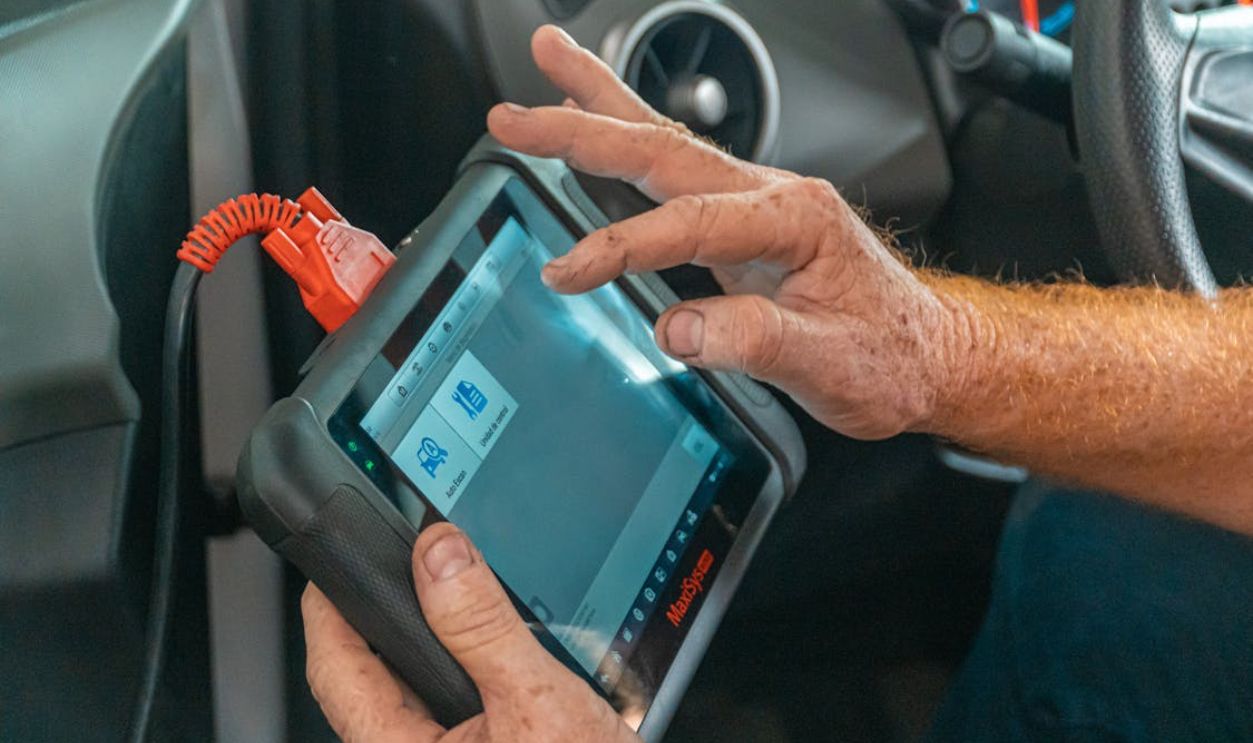
If your vehicle is new, complicated, or software-heavy, dealer service can be a strong choice. If you are chasing an intermittent electrical issue, the factory scan tools and training can save time. Use the dealer because it is smart, not because you were scared into it.
 Jose Ricardo Barraza Morachis, Pexels
The Bottom Line
If a dealer says you must service at their dealership to keep your warranty, be skeptical. In the U.S., federal warranty law and FTC guidance generally forbid that kind of tie-in requirement unless the service is provided for free. Keep records, follow the schedule, and do not be afraid to ask for the claim in writing.