A Simple Scratch That Got Complicated
You scratched a parked car, saw minimal damage, and figured you could handle it quickly by paying $500 out of pocket. It seemed like an easy way to avoid insurance headaches. But now, weeks later, the other driver is asking for more money. What started out as a quick fix suddenly feels like an open-ended problem.

Private Settlements Feel Like The Easy Way OUt
Many drivers try to settle minor accidents privately to avoid premium increases, deductibles, and claim records. In small cases, this approach can work out alright if both parties cooperate. But without clear documentation, what sounds like a clean resolution can quickly unravel, especially if the other driver later starts claiming additional damage.

The Risk Of Skipping Insurance
When you bypass insurance, you lose a key layer of protection. Insurance companies don’t just pay claims; they also investigate, negotiate, and limit your liability. By handling it yourself, you yourself now basically take on those responsibilities. That means you may be exposed if the other party later disputes the original agreement you made or expands their claim.

No Written Agreement Means No Closure
One of the biggest issues in private settlements is failing to obtain a written release. Without a signed document stating that your payment settles all damages, the other driver can legally argue that the issue is still unresolved. In a lot of cases, verbal agreements or payment receipts on their own don’t prevent future claims.

Why New Damage Claims Keep Appearing
After an initial repair estimate, additional damage may be discovered once work begins. While claims like this are sometimes legitimate, they also open the door to exaggerated or unrelated claims. With no formal inspection process, it gets difficult to verify whether these new costs are connected to the original incident.
You May Have Paid Without Limiting Liability
By sending money, especially through informal methods like cash or peer-to-peer apps, you may have inadvertently acknowledged responsibility without defining clear limits. This creates a situation where the other driver feels justified in continuing to seek compensation, since no formal settlement terms were agreed upon.

Can They Keep Asking For More Money?
In many jurisdictions, yes—if there was no signed release or formal agreement, the other party can keep pursuing additional compensation. However, they still have to prove that the damages are directly related to the incident. Just asking you for more money doesn’t automatically mean you’re legally obligated to pay it.

When A Claim Becomes Questionable
If the other driver’s demands escalate sharply or seem inconsistent with the original damage, that should raise red flags. Sudden increases, unrelated repairs, or vague documentation can be a major indication of inflated claims. At this point, it’s reasonable for you to pause payment and demand clear, itemized evidence before you proceed any further.
Should You Stop Paying Immediately?
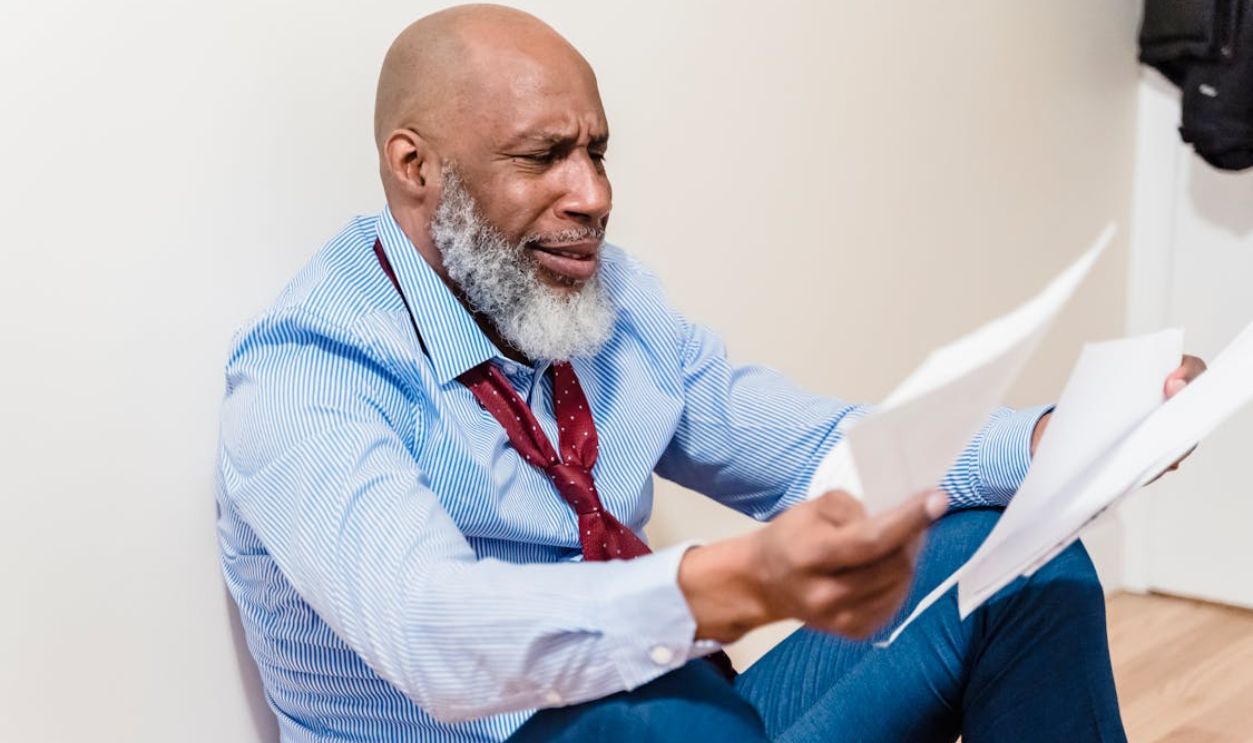
Continuing to pay without boundaries can make the situation worse. It may reinforce the idea that you’re ready to keep on covering costs indefinitely. Instead, you’re better off stopping further payments until proper documentation is provided and you understand your legal position more clearly.

When To Involve Your Insurance Company
Even if you initially chose not to file a claim, you can still talk to your insurance provider for guidance at any time. Many policies require timely reporting, but insurers may still help you to handle disputes. Getting them involved can help you to shift responsibility away from yourself and prevent the situation from escalating further.

What Your Insurance Would Have Done
Had you filed a claim in the first place, your insurer would have investigated the damage, negotiated repair costs, and issued a final settlement. They would also ensure that a release was signed, preventing any future claims. This structured process is specifically set up to avoid the kind of uncertainty you’re now dealing with.

Could The Other Driver Still File A Claim?
Yes, the other driver can still file a claim through their own insurance or even pursue legal action, especially if the two of you had no existing written settlement. If that happens, your insurer may decide to get involved anyway. This is why documenting everything now is absolutely critical to protecting yourself moving forward.

Importance Of Documentation
At this stage, gather together all your available records, including messages, payment confirmations, photos of the damage, and any repair estimates. These details can help you establish what the two of you originally agreed to and whether any new claims are reasonable. Good documentation can greatly strengthen your position in a dispute.

Do You Need A Lawyer?
For minor disputes, legal representation shouldn’t be necessary. On the other hand, if the other driver threatens legal action or demands a large sum of money, consulting a lawyer can provide clarity. A legal professional can size up the claims to decide if they’re valid and advise you on the best course of action.

How To Push Back The Right Way
If you think the additional claims are excessive or unsupported, respond calmly and ask for detailed proof. Avoid emotional exchanges, heated arguments, or informal agreements. Clear, written communication that asks for receipts and explanations helps set boundaries and signals to the other party that you’re taking this matter seriously.

Set A Firm Boundary
At some point, you may need to make it clear that you consider this matter settled, over and done with based on the initial payment. While this may not legally end the dispute, it communicates your position. From then on, any further claims may need to be resolved through insurance or formal legal channels.

Avoid This Situation In The Future
If you ever handle a minor accident privately again, always draft a written agreement that clearly states that the payment covers all damages. Ideally, both parties should sign a release of liability. Taking this extra step can head off any misunderstandings and protect you from ongoing claims.

When Private Settlements Do Work
Private settlements can be effective when both parties are transparent, sincere, cooperative, and willing to document the agreement properly. In truly minor cases with clear damage and immediate resolution, they can save time and money. The key difference is to ensure that the matter is formally closed.

The Emotional Side Of The Situation
Situations like this can often cause a lot of stress and second-guessing. You were trying to handle things responsibly, but now it feels like the situation is spiraling. Recognizing that this is a commonplace issue can help you step back, focus on the facts of the business at hand, and make more deliberate decisions moving forward.

A Small Mistake That Doesn’t Have To Get Bigger
Paying privately for a minor scratch isn’t always a mistake, but doing so without proper safeguards can leave you saddled with ongoing risk. By setting boundaries, gathering documentation, and involving your insurer if necessary, you can regain control of the situation and stop it from escalating further.

You May Also Like: