The Package Came With An Unwanted Surprise
You didn’t ask for the tint separately. It came with the car as part of a required appearance package. But if it doesn’t meet local law, figuring out who should pay to fix it gets complicated fast.
First, Find Out Whether The Tint Is Actually Unlawful
Don’t rely on a friend saying, “That looks way too dark”. Window-tint laws vary substantially by state, vehicle type, and which piece of glass is involved. Front-side windows often face stricter limits than rear glass, while windshield tint is particularly restricted. Check your current state law and, preferably, have the windows measured with a calibrated tint meter. You want an actual number before confronting the dealership.
The Film Percentage Isn’t Necessarily The Legal Number
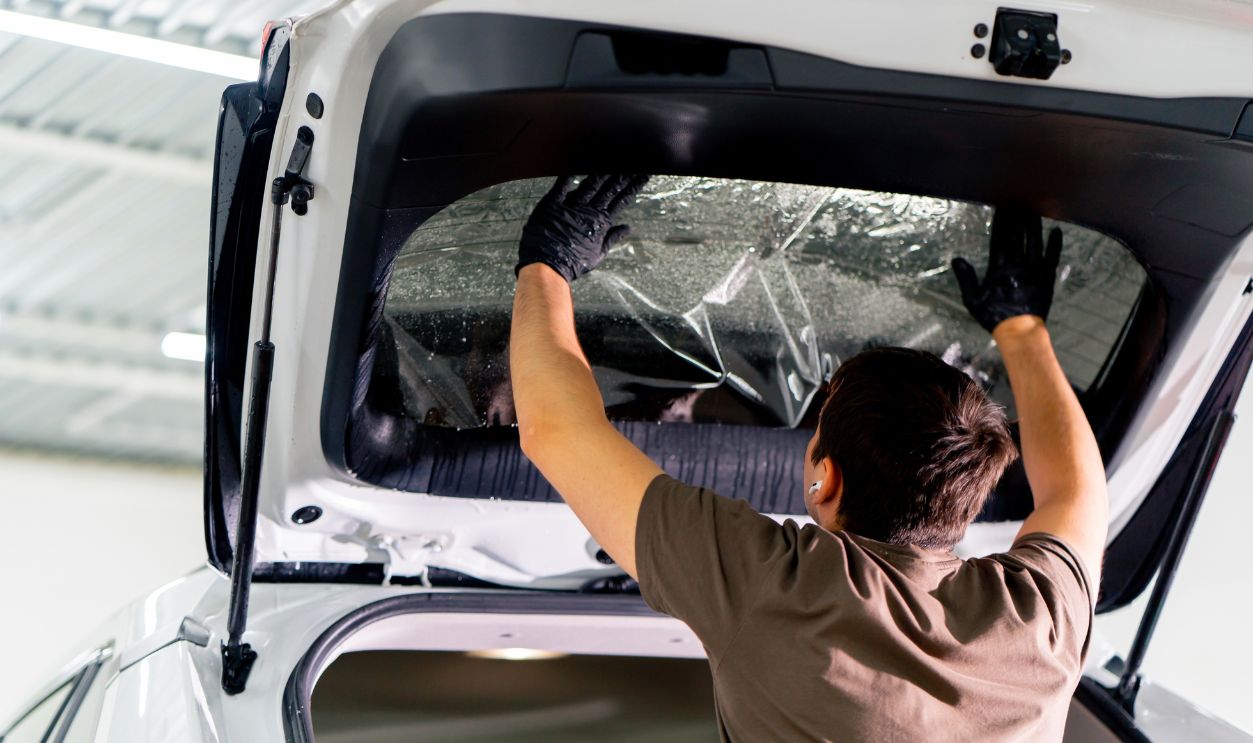
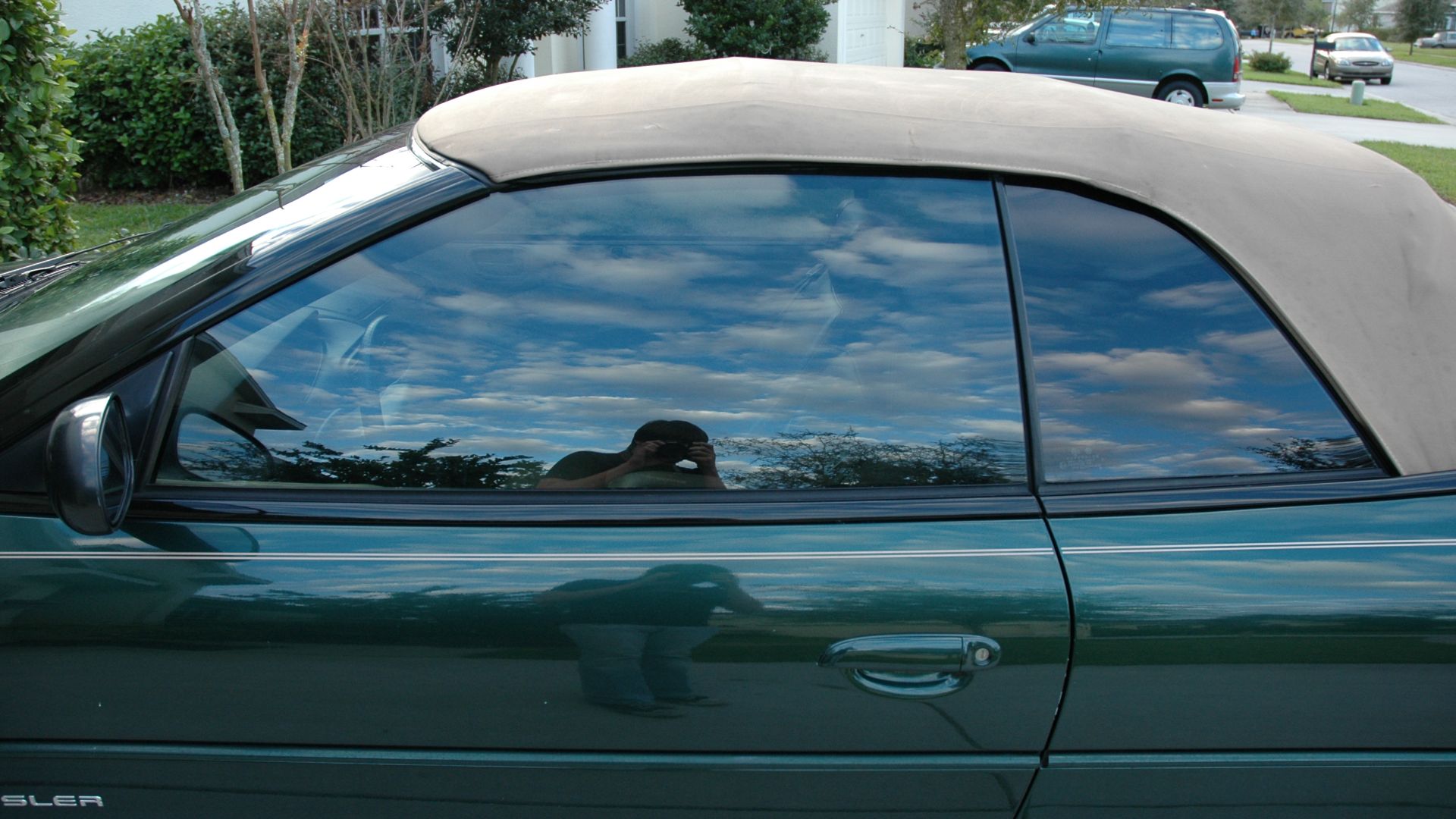
If your paperwork says the dealer installed “35% tint,” that doesn’t automatically mean the finished window transmits 35 percent of visible light. Tint meters measure the glass and aftermarket film together, and the original glass already reduces some light. A film that appears okay based on the number printed on the box can produce a finished window that falls below the applicable limit once installed.
Which Windows Are Tinted Matters Enormously
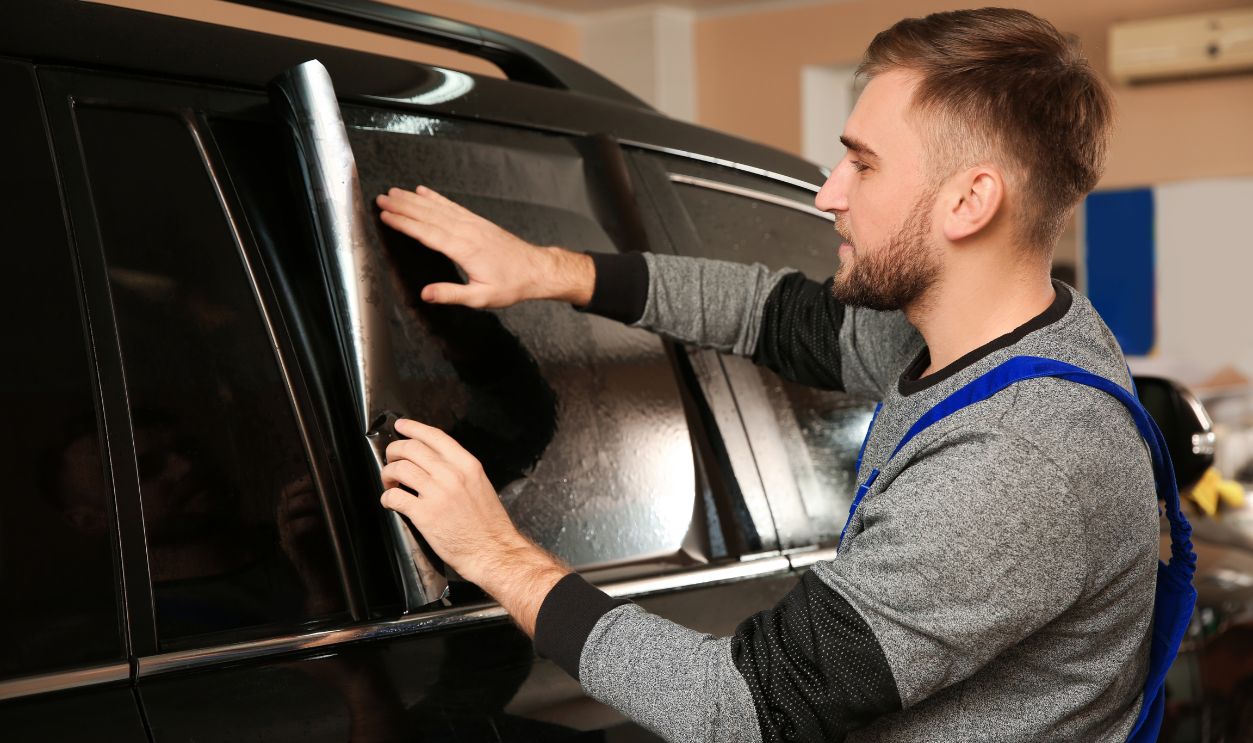
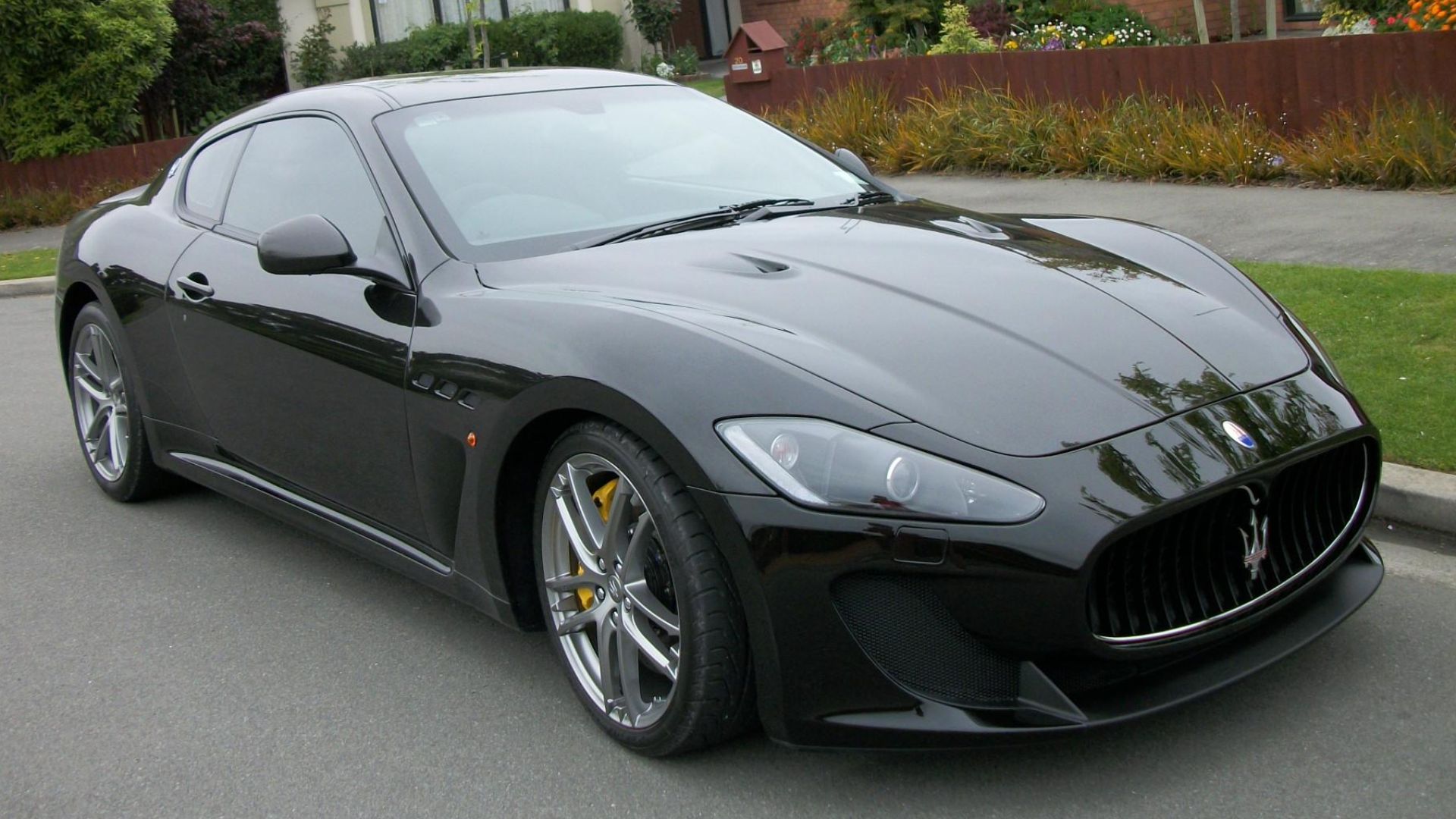
A dark rear cargo window on an SUV might be perfectly lawful where the same darkness on the driver’s window isn’t. Windshields generally face still tighter rules, apart from specified upper strips or particular exemptions. Don’t demand removal from the whole vehicle simply because one window fails. Identify exactly which pieces of glass create the problem and which requirement each one allegedly violates.
 Riley from Christchurch, New Zealand, Wikimedia Commons
State Laws Aren’t The Only Rules In The Picture
There’s an unusual wrinkle when a dealer or other commercial business installs aftermarket tint. Federal motor-vehicle safety law regulates glazing used for driving visibility, and NHTSA has long interpreted federal law to restrict dealers, manufacturers, distributors, and repair businesses from applying film that would improperly degrade compliant glazing. Separately, states regulate whether you can legally operate the finished vehicle on their roads. Dealer-installed tint can therefore raise more than one compliance question.

Dealer Installation Makes This Different From A DIY Tint Job
If you personally bought film and darkened the windows after purchasing the vehicle, responsibility would look considerably different. Here, the dealer sold you the vehicle with the tint already installed or included it in the transaction. That gives you a much stronger reason to ask why a licensed automotive business sold an add-on that allegedly leaves the vehicle unusable in ordinary street operation.
Timing Matters If The Car Was New
If a dealer altered a brand-new vehicle before its first retail sale, federal certification rules become especially important. NHTSA says a dealer adding window film to a new vehicle must ensure the glazing continues to comply with applicable federal safety requirements. The idea that an accessory was part of a dealer package doesn’t provide some automatic exemption simply because it was installed before you arrived.
 Helena Jankovičová Kováčová, Pexels
Used Cars Don’t Give Dealers Unlimited Freedom Either
The situation isn’t necessarily irrelevant just because the vehicle was used. Federal law prohibits manufacturers, distributors, dealers, rental companies, and motor-vehicle repair businesses from knowingly making certain federally required safety features inoperative. NHTSA has applied that provision to commercial window-tint installations that improperly reduce required glazing performance. State vehicle-use laws can add another layer on top.
Pull Out The Appearance-Package Paperwork
Find the buyer’s order, retail installment contract, dealer addendum, window sticker, accessory invoice, and anything describing the appearance package. Determine exactly what you paid and whether window tint is separately listed. Take screenshots of the online advertisement if it still exists. If the dealer later insists the tint was something you specifically requested, paperwork showing that it was preinstalled as part of a required package becomes extremely useful.

“Mandatory” Is An Important Word Here
Dealers can sell accessories and appearance products, but how they present those charges matters. Current FTC guidance says dealers can’t misrepresent optional products as required when they really aren’t. If a package genuinely was mandatory to buy that particular vehicle, its cost also becomes relevant to price-transparency requirements. Save anything showing that the dealer told you the vehicle could not be purchased without the package.

Figure Out Who Actually Installed The Film
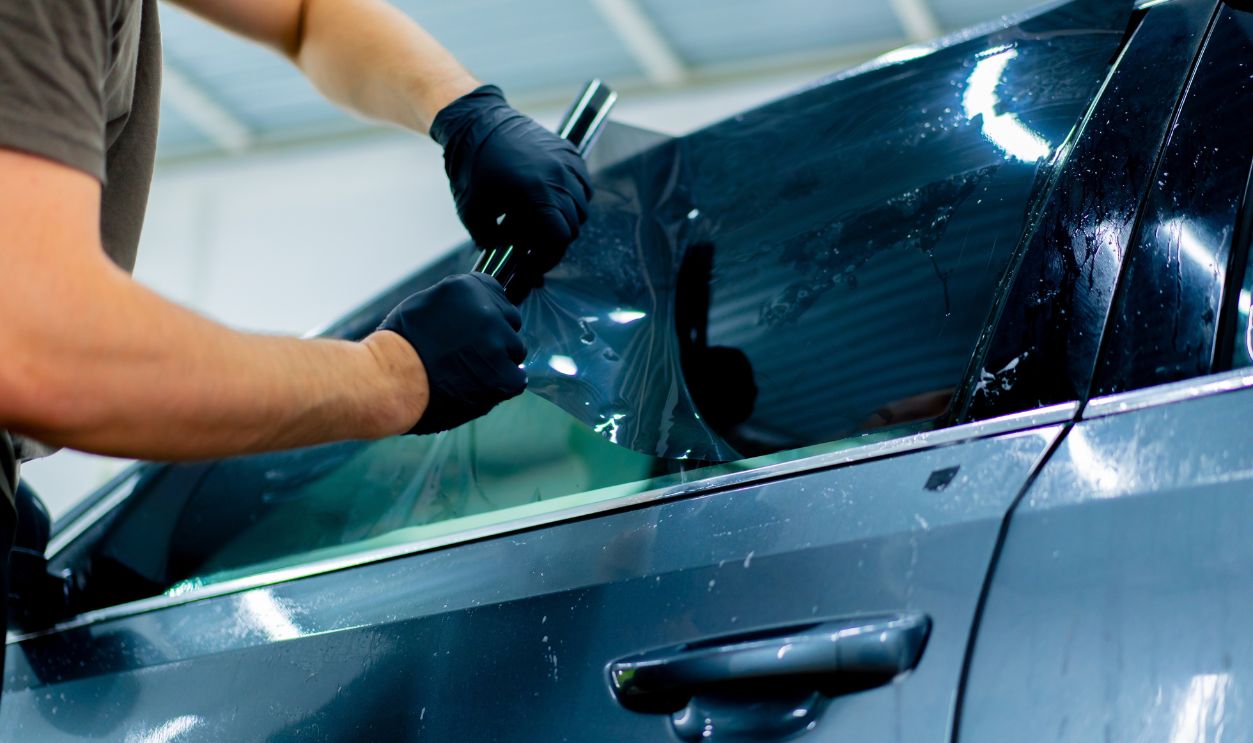
Ask whether the dealership’s own employees installed the tint or whether the work was subcontracted to a local tint shop. Look for a warranty card, installation sticker, film manufacturer, or separate invoice. This information can become important for warranty purposes, but don’t automatically let the dealer turn the problem into “go argue with our tint guy”. If the dealer sold you the package, start your complaint with the dealer.

Get The Windows Professionally Metered
A tint meter can transform the conversation. Ask an independent tint shop, inspection facility, or other appropriate business to measure the affected windows and write down the results. Ideally, record which window produced each reading. If your state requires at least 35 percent visible-light transmission and your front windows meter at 18 percent, the dispute suddenly becomes much less subjective.
Get The Legal Requirement In Writing Too
Print the relevant DMV, state police, motor-vehicle agency, or statutory guidance showing the limit that applies to your vehicle. Be careful with generic online tint charts because laws change and exemptions can complicate them. The International Window Film Association maintains state information, but an official state source is even better when available. Bring the actual rule to the dealership rather than simply saying somebody online told you the tint is against the law.

An Inspection Failure Or Citation Is Powerful Evidence
If the vehicle has already failed a required safety inspection or you’ve received a citation specifically because of the tint, keep every document. Those records make the harm concrete. You’re no longer arguing that the tint “might technically be too dark”. You have evidence that the dealer-sold accessory is interfering with lawful operation or registration and may already have cost you money.

Don’t Strip It Off Before Giving The Dealer A Chance
Unless there’s an immediate safety or lawful reason to remove it, document the tint before changing anything. Take photographs, save the meter readings, and give the dealer an opportunity to inspect the car. If you remove the film first and show up later with a bill, the dealership may dispute what was installed or claim somebody else altered it after the sale.
 The original uploader was Steevven1 at English Wikipedia., Wikimedia Commons
Ask The Dealer To Correct It At No Charge
Start with a straightforward request: the dealer sold the car with this tint as part of a paid package, the installed product doesn’t appear to comply with the applicable requirement, and you want the dealer to correct it without charging you again. Attach the meter results and lawful requirement. Keep the conversation about restoring the vehicle to compliant condition rather than immediately turning it into a fight over damages.

Removal Alone May Not Fully Resolve What You Paid For
Suppose the appearance package cost $1,500 and included tint as one of its selling points. Simply peeling off the film may make the vehicle street-safe, but it also removes something you paid for. A more reasonable solution may be replacing the offending film with compliant tint at the dealer’s expense. If that can’t be done or you no longer want the tint, asking for a refund representing that part of the package may make more sense.
Ask For Proper Film, Not Just “Something Lighter”
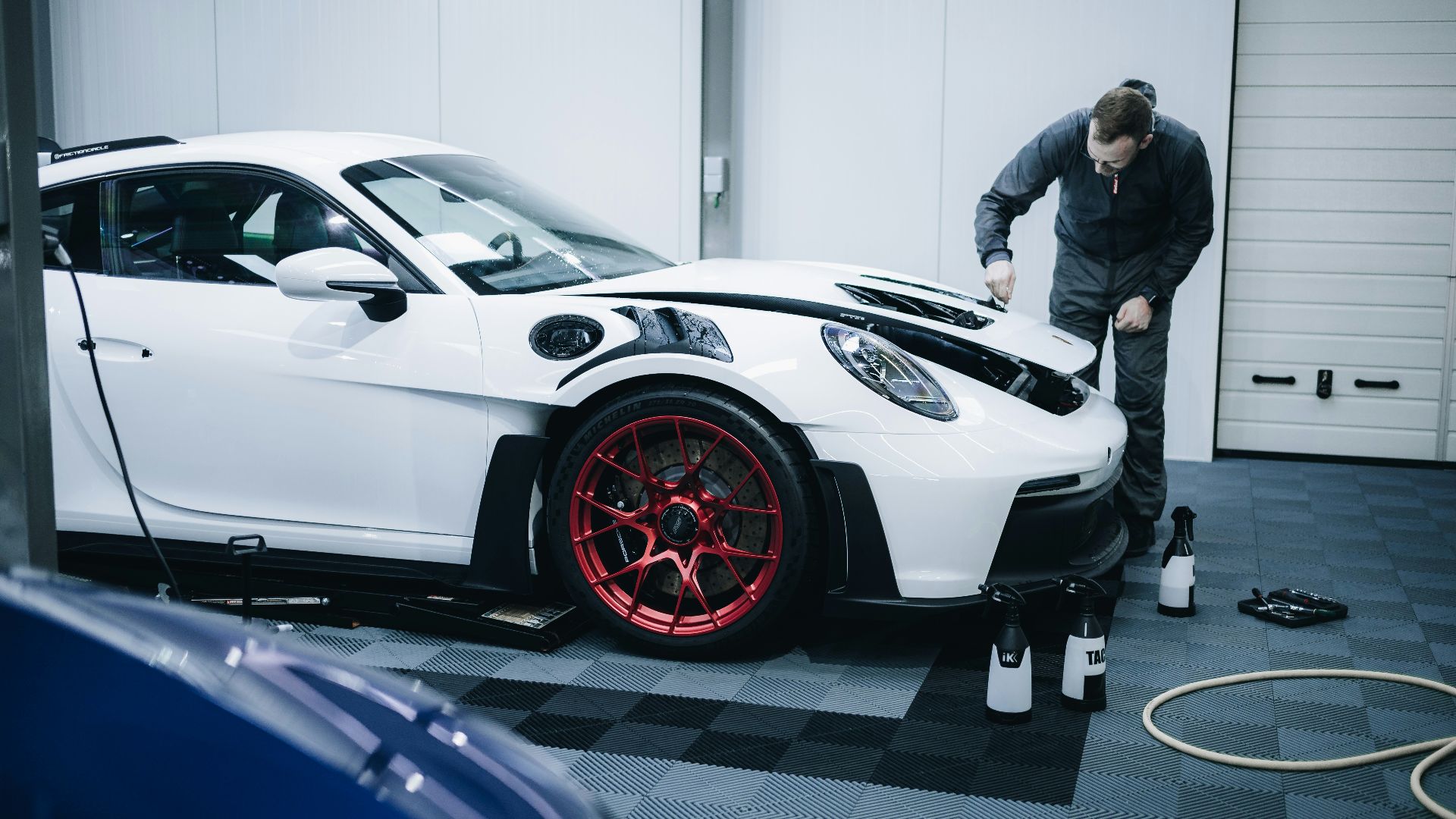
If the dealer agrees to redo the job, make sure everyone agrees on the target before another roll of film goes on. Ask for the exact film brand and VLT, and make clear that the final glass-and-film combination needs to comply with the applicable law. Ideally, have the replacement metered before leaving. You don’t want to solve the dispute only to discover the second installation is still too dark.
Don’t Forget That You May Be Financing The Tint
If the appearance package was rolled into your auto loan, you aren’t merely out the sticker price. You may be paying interest on that accessory for years. If the dealer removes the tint and agrees to a refund, ask how the reimbursement will be handled. Depending on the transaction and lender, a refund may go toward the loan balance rather than appearing as cash in your pocket.

The Dealer’s Subcontractor Is Mostly Their Problem
A dealership may respond by explaining that an independent company performs all of its window tinting. That can be useful information, but it doesn’t necessarily mean you should have to chase a company you never chose or paid directly. Tell the dealer you purchased the appearance package from them and expect them to coordinate the remedy. They can sort out reimbursement with their installer afterward.
Escalate Beyond The Salesperson If Necessary
If the salesperson says there’s nothing they can do, ask for the sales manager or general manager. Send a concise written complaint with the sales documents, tint measurements, applicable law, and requested resolution. The goal is to make the issue easy for someone with actual authority to understand. “Your dealership sold me a mandatory $X package containing tint that meters at Y when the applicable limit is Z” is much harder to brush aside than “my windows seem too dark”.
Manufacturer Help Depends On Who Sold The Package
If the tint was a dealer-created package rather than a manufacturer accessory, the automaker may have little responsibility for it. Still, a franchised dealer’s manufacturer customer-care department may be willing to contact the store or document the complaint. If the tint was actually sold as a manufacturer-approved accessory, check the accessory warranty as well. Don’t assume a dealer-installed item automatically came from the automaker.
Consumer Agencies Are An Option If The Dealer Refuses
If a dealer charged you for a supposedly mandatory add-on and now refuses to address a compliance problem, state consumer-protection and motor-vehicle dealer licensing agencies may be worth contacting. The FTC also accepts reports involving deceptive dealership practices and has pursued dealerships accused of charging for unwanted add-ons or falsely telling consumers that optional products were required. Which agency can directly help with reimbursement will depend on your state.
Keep Every Expense If You Have To Fix It Yourself
If you eventually have to pay another shop to remove or replace the tint, save the invoice. Keep inspection fees, failed-inspection paperwork, tint measurements, and any citation connected directly to the issue as well. Those documented losses are much more useful in a consumer complaint or small-claims case than a general demand that the dealer compensate you for inconvenience.
Small Claims Can Be The Practical Last Step
If the dealership refuses a relatively modest reimbursement demand, small-claims court may be more realistic than a full lawsuit. Procedures and dollar limits vary by state, but your case will be much easier to explain if you can show the purchase contract, mandatory-package charge, independent VLT measurement, applicable tint rule, written requests to the dealer, and the amount you ultimately paid to correct the problem.

If The Dealer Sold The Problem, Start With The Dealer
Who ultimately has to pay depends on the contract, who installed the tint, your state’s laws, and whether the film really is noncompliant. But if the dealership required you to buy an appearance package and delivered the car with unlawful dealer-installed tint, there’s a strong practical reason to demand that the dealership make the vehicle compliant without shifting the expense to you. Verify the violation first, preserve the evidence, ask for a free correction or appropriate refund, and escalate only if the store refuses to deal with what it sold.

You May Also Like: