The Tiny Tire That Seemed Like A Smart Compromise
You get a flat, open the trunk, and there it is: that skinny little tire everyone calls a donut. It looks almost comically small next to the wheel you just removed, but at least it gets you moving again. That was the whole idea behind the compact spare. The funny thing is, even that modest safety net is now disappearing.

Full-Size Spares Used To Feel Completely Normal
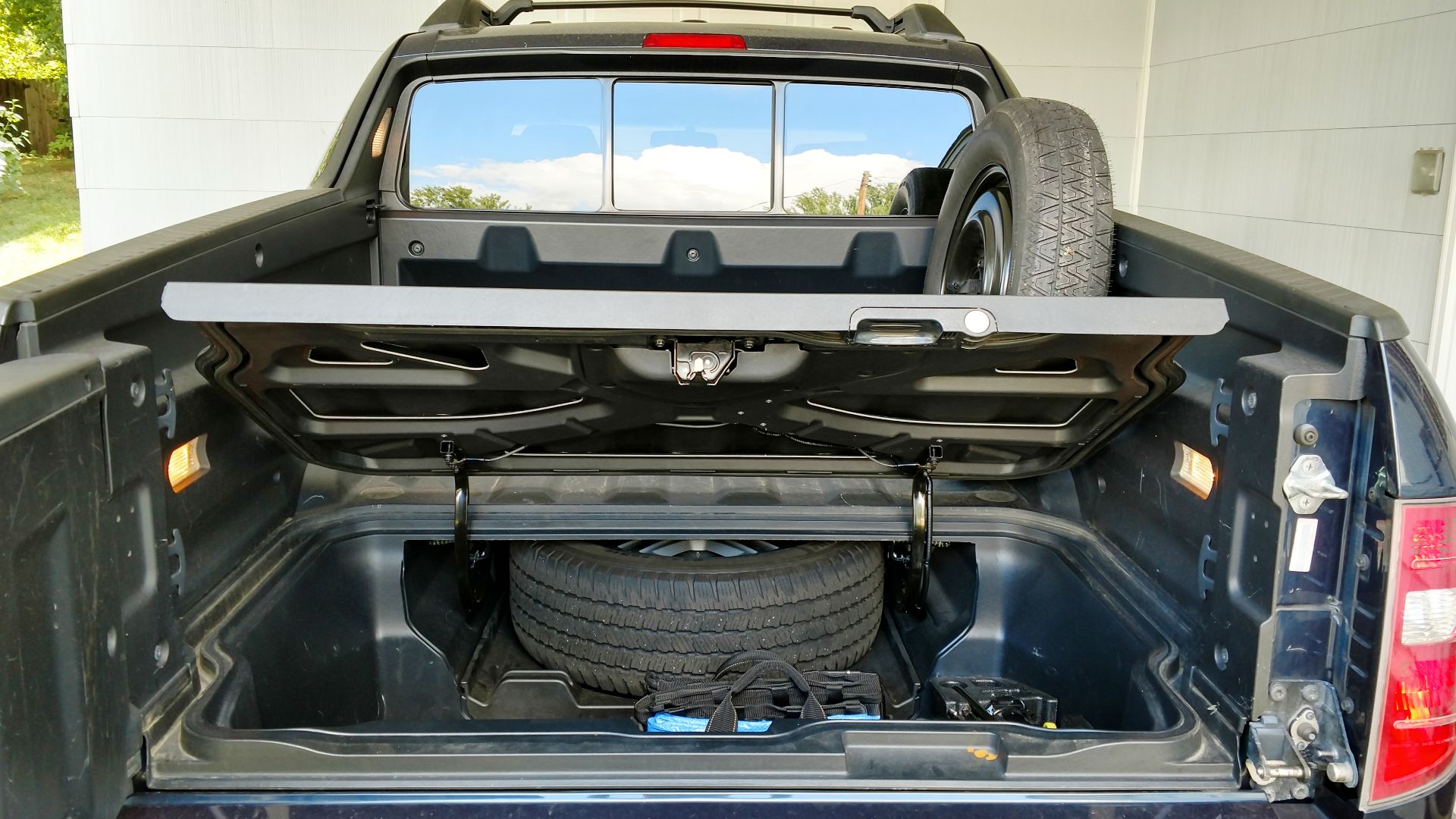
For years, carrying a fifth full-size wheel hardly seemed unusual. Sure, it took up room and added weight, but if a tire failed, you could swap it out and keep going. There was something reassuring about knowing a pothole or nail did not automatically turn the rest of your day into a roadside-assistance appointment.
 User:McChizzle, Wikimedia Commons
Engineers Wanted That Trunk Space Back
The traditional spare had one obvious flaw: it was big. As automakers worked to build smaller, lighter, more fuel-efficient cars, engineers started looking at that bulky wheel sitting unused in the trunk. A smaller spare offered an easy way to free up cargo space while shaving weight from the vehicle.
 Michael Sheehan, Wikimedia Commons
The Space-Saver Idea Is Older Than You Might Think
Temporary spares were already appearing on cars such as the Pontiac Firebird and Chevrolet Camaro by 1967. So this was not some 1980s cost-cutting invention. The idea grew out of a genuine engineering problem: how do you give drivers an emergency tire without sacrificing so much precious space?
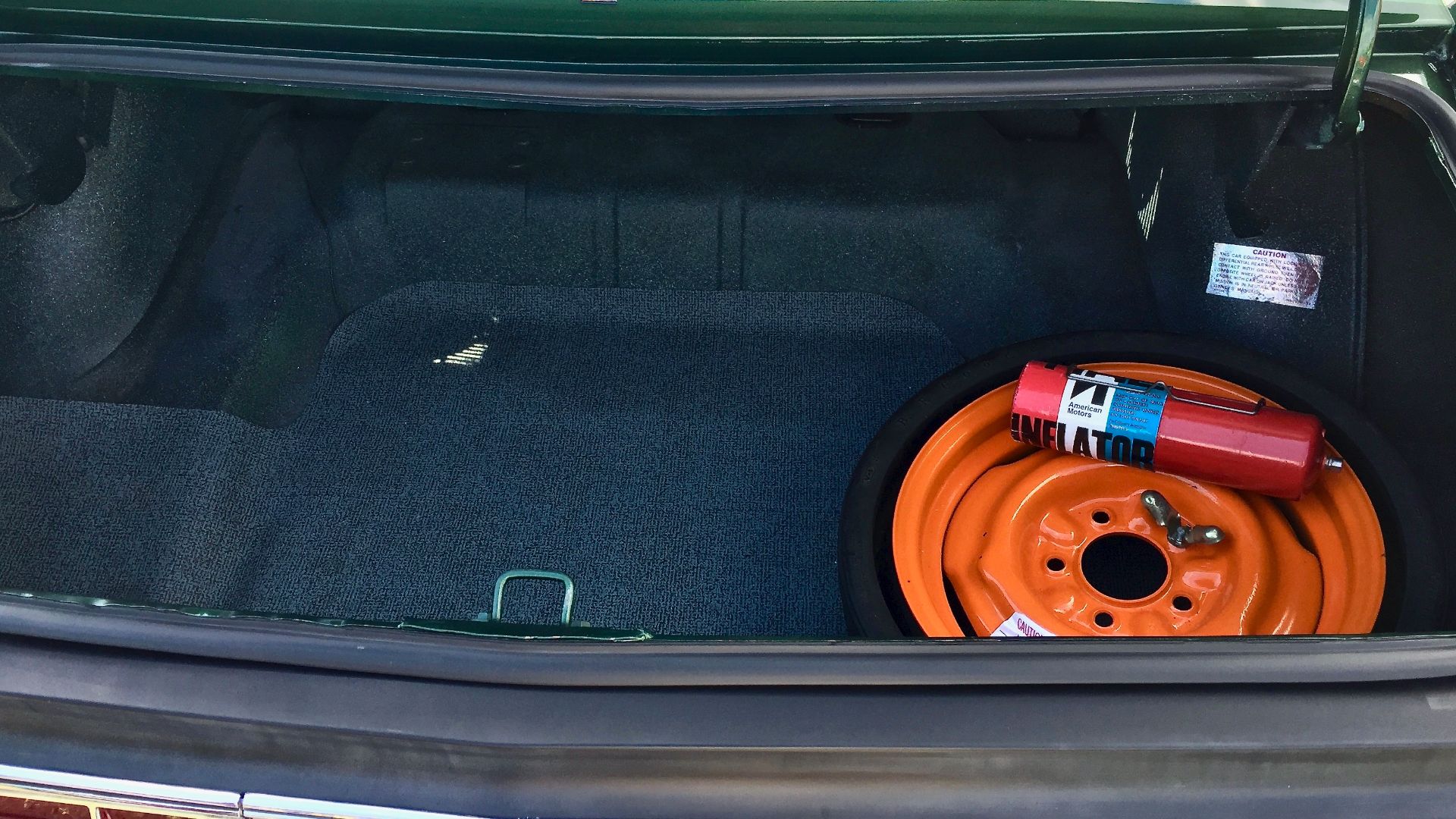
Some Early Spares Actually Folded Up
One early solution was wonderfully strange. BF Goodrich developed a collapsible space-saving spare based on technology that had roots in aircraft applications. The tire could be stored in a compact form and inflated when needed. Clever? Absolutely. Convenient compared with today's donut? Maybe not quite.
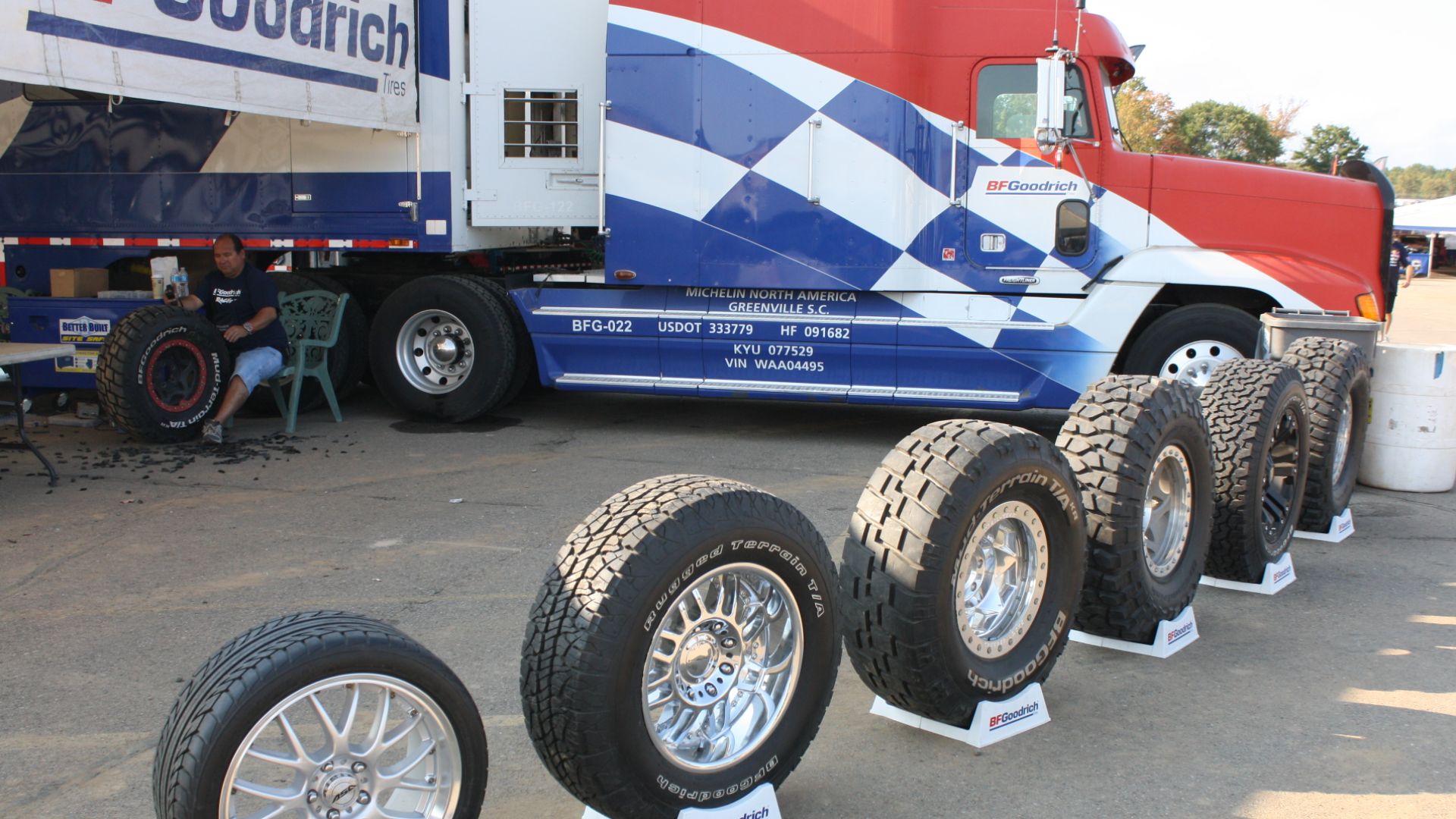
Then The Mini-Spare Made Things Simpler
By the 1970s, engineers were developing the familiar skinny spare that stayed inflated and ready to use. It was smaller and thinner than a normal tire, so you did not need a special inflator before installing it. The donut was not glamorous, but it was a pretty practical middle ground.
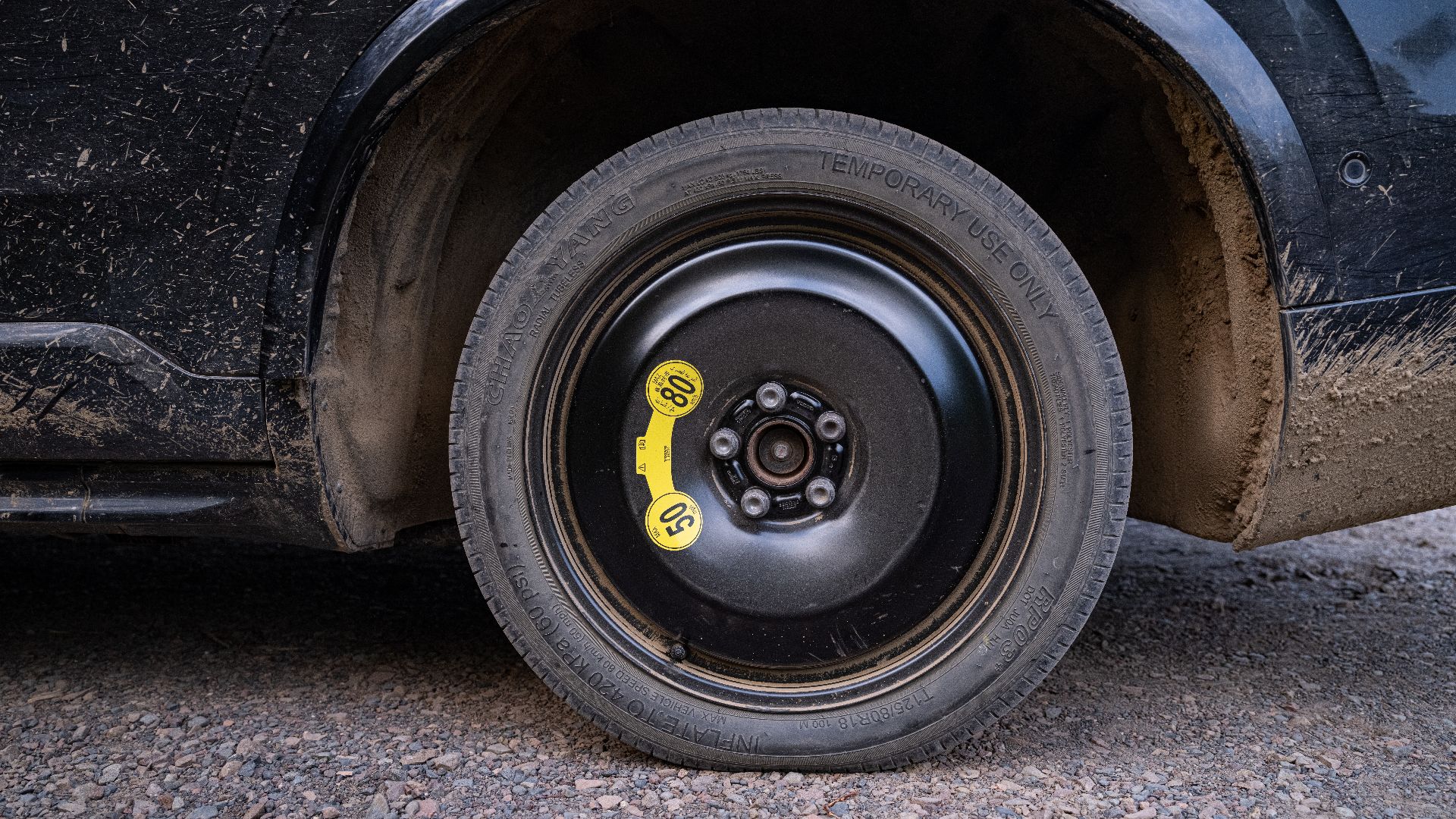 Tony Webster from Minneapolis, Minnesota, United States, Wikimedia Commons
It Was Designed To Be Much Lighter
Weight savings were not imaginary. One 1976 engineering paper described a mini-spare tire-and-wheel combination that weighed about 40% less than the conventional setup it replaced. That mattered to automakers chasing lighter cars, and it made the spare a little easier for drivers to wrestle out of the trunk too.
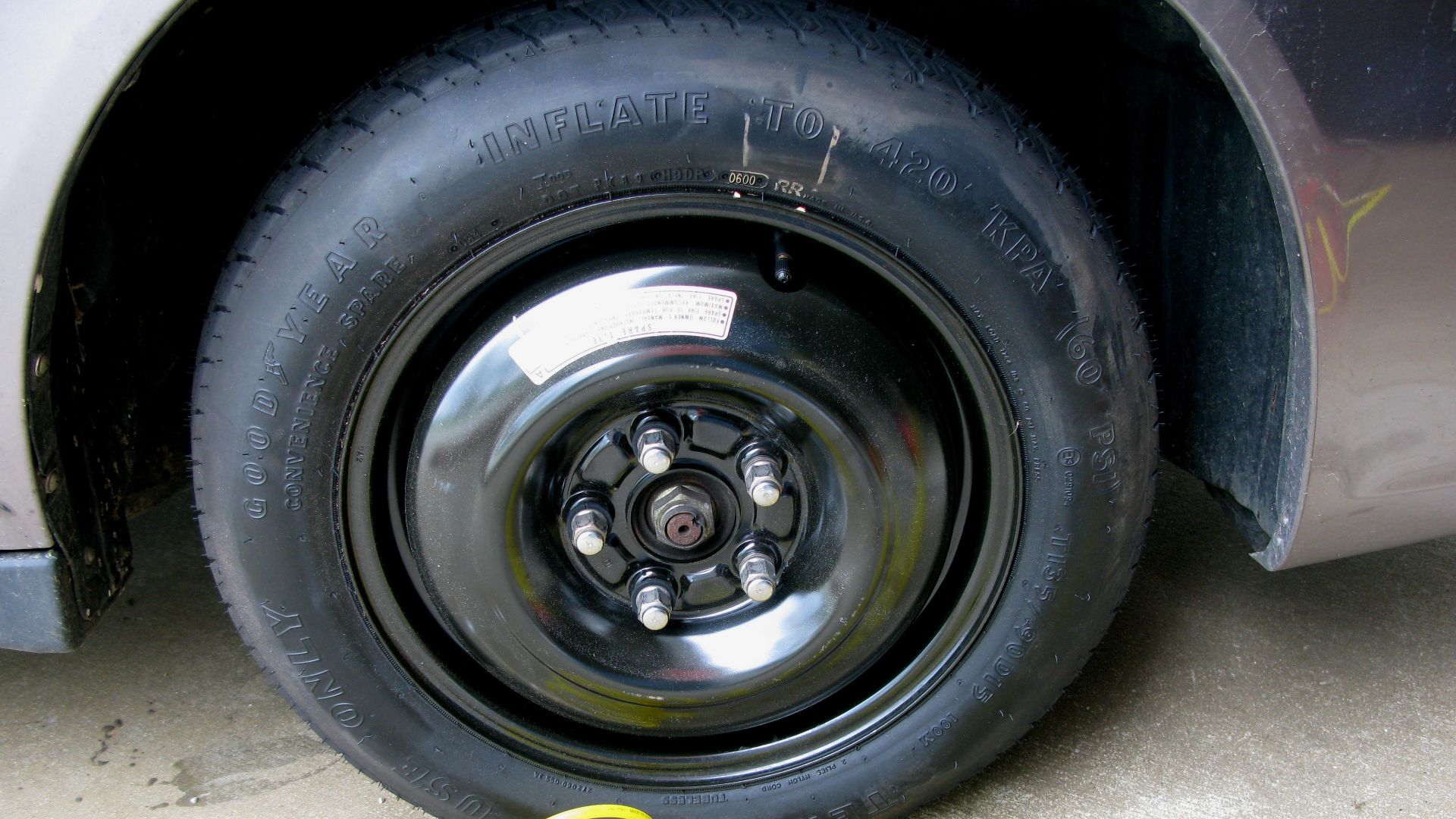 frankieleon from Belgium, Wikimedia Commons
That Extra Cargo Space Really Did Matter
If you have ever owned a small sedan, you know how quickly a full-size wheel can swallow usable trunk space. The compact spare tucked underneath the floor much more neatly. You gained luggage room without completely giving up your ability to handle a flat tire yourself. On paper, that is a pretty good deal.
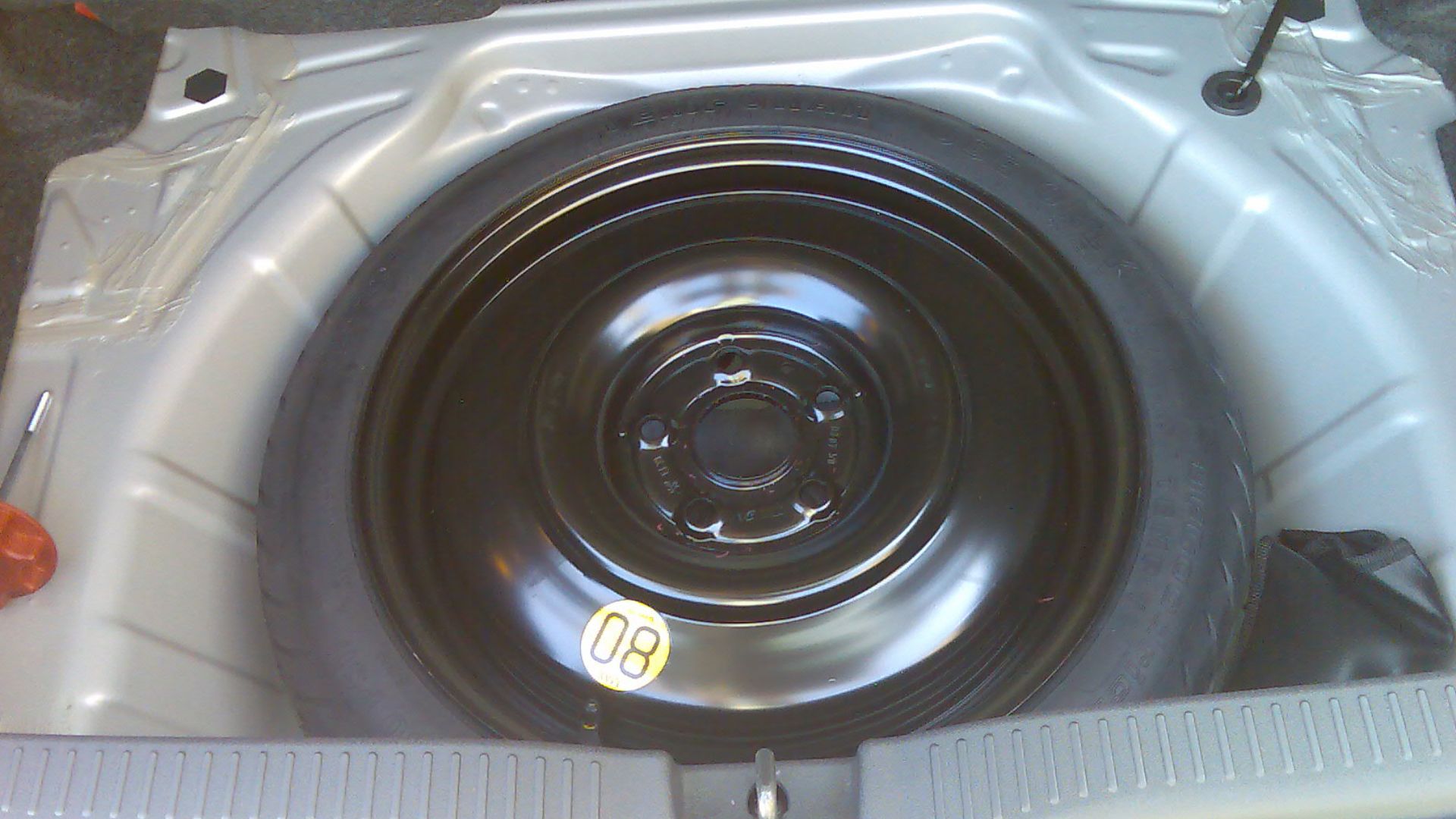 Schumi4ever, Wikimedia Commons
But It Was Never A Real Fifth Tire
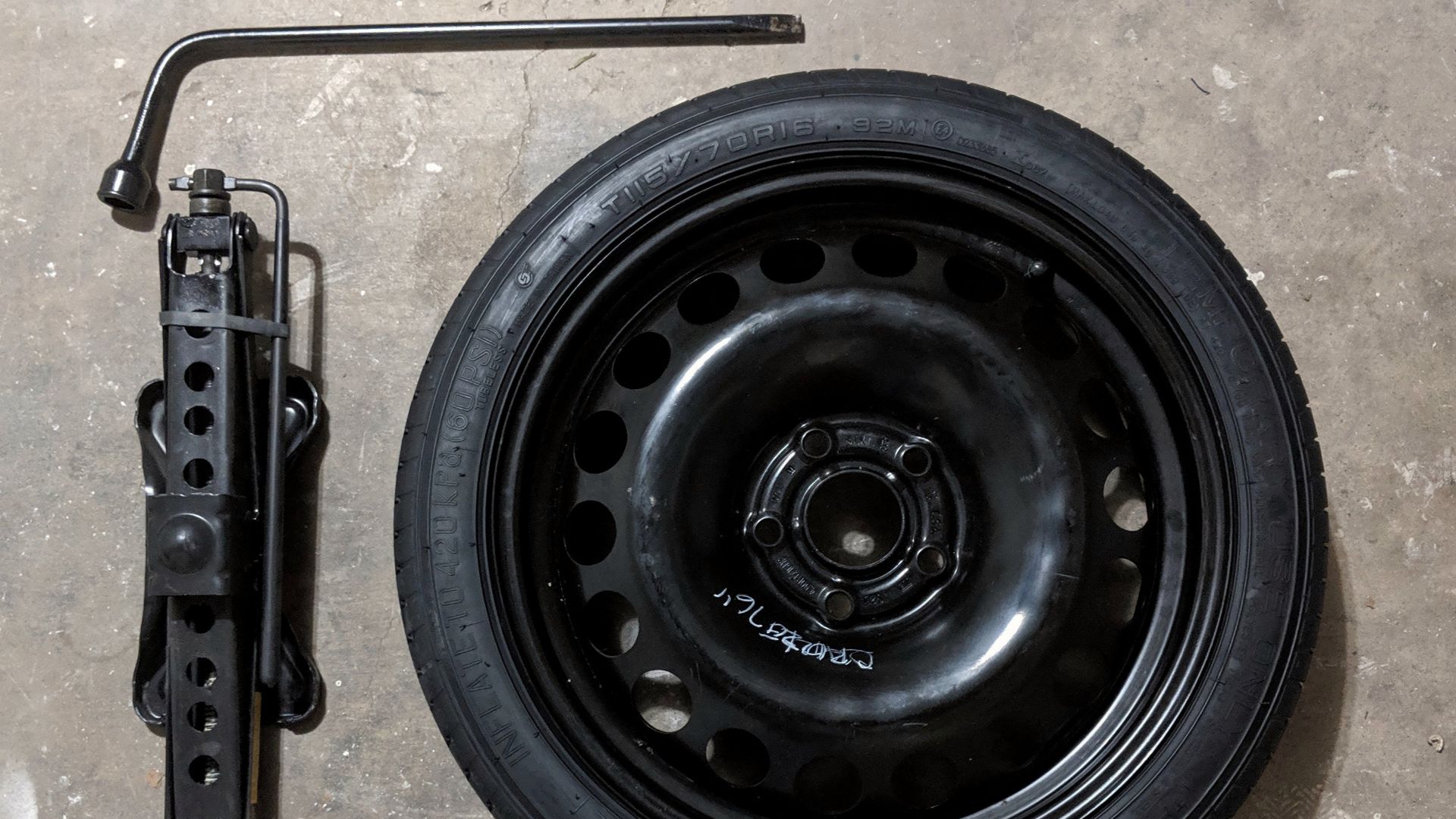
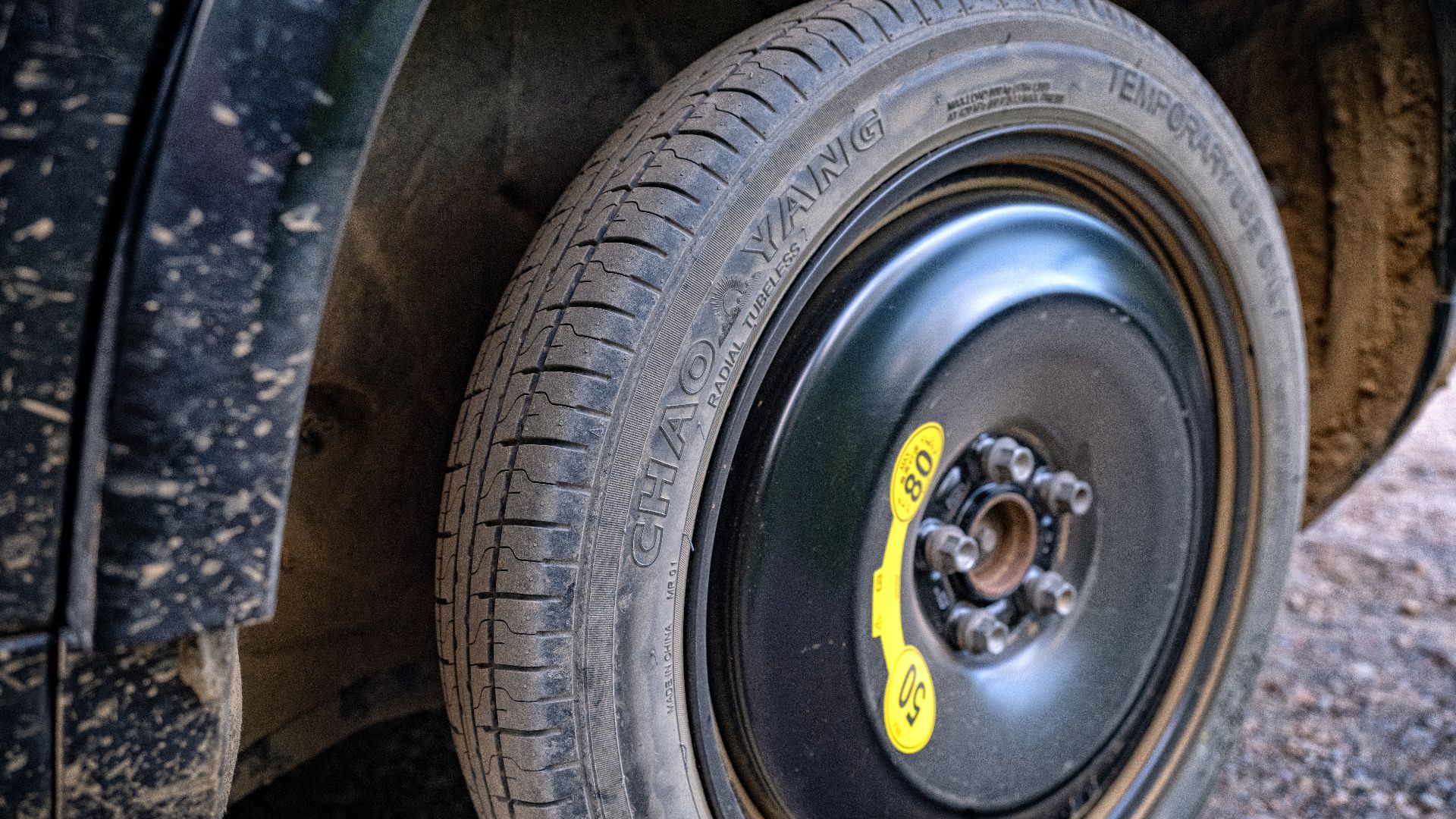
Here is the catch your dad probably warned you about: the donut was not meant to stay on the car. Its construction, tread, and dimensions differ from the regular tires. It was an emergency tool designed to get you to a tire shop, not permission to forget about the damaged tire for the next two weeks.
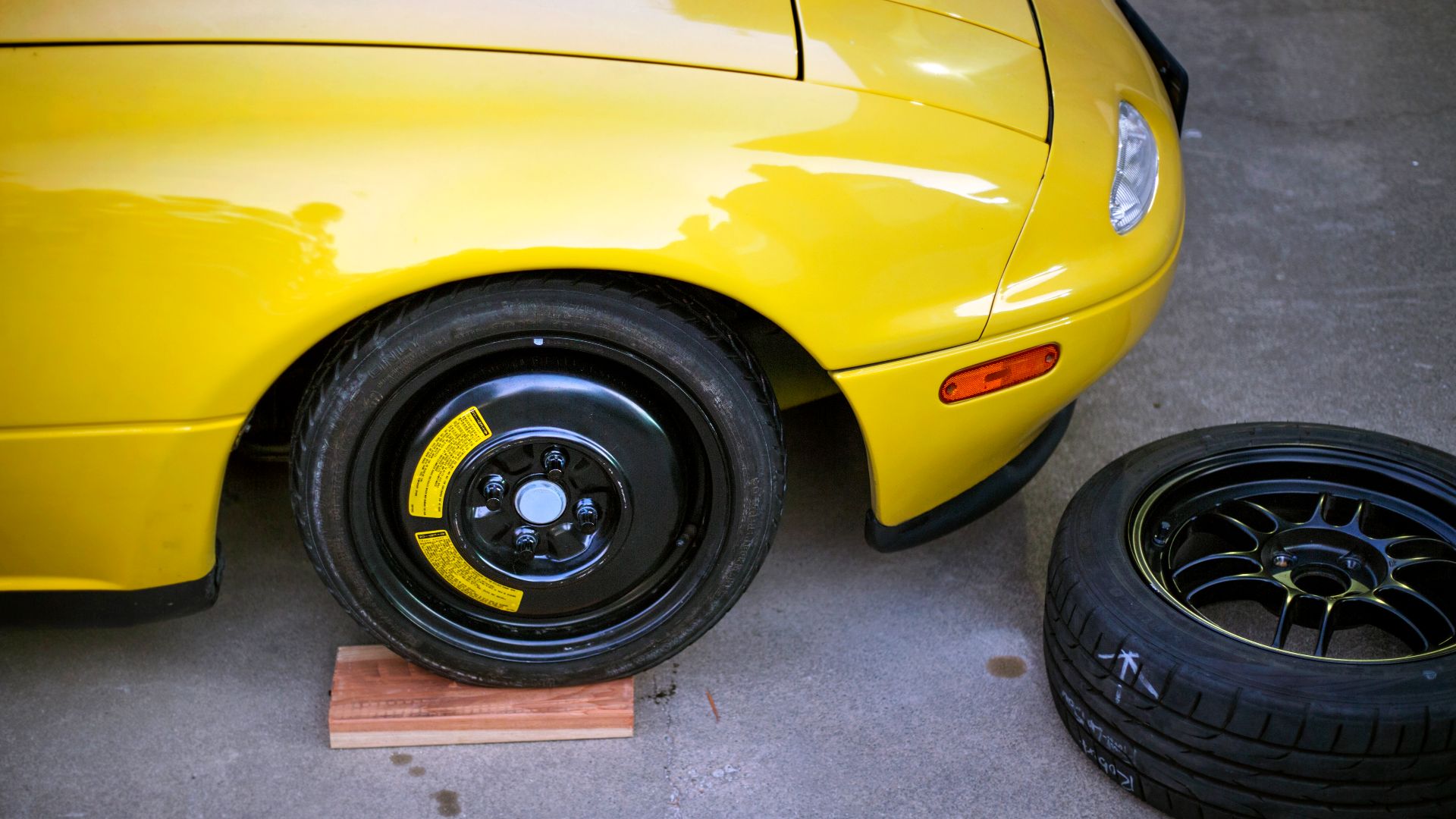 Robert Couse-Baker from Sacramento, California, Wikimedia Commons
That 50-MPH Warning Is There For A Reason
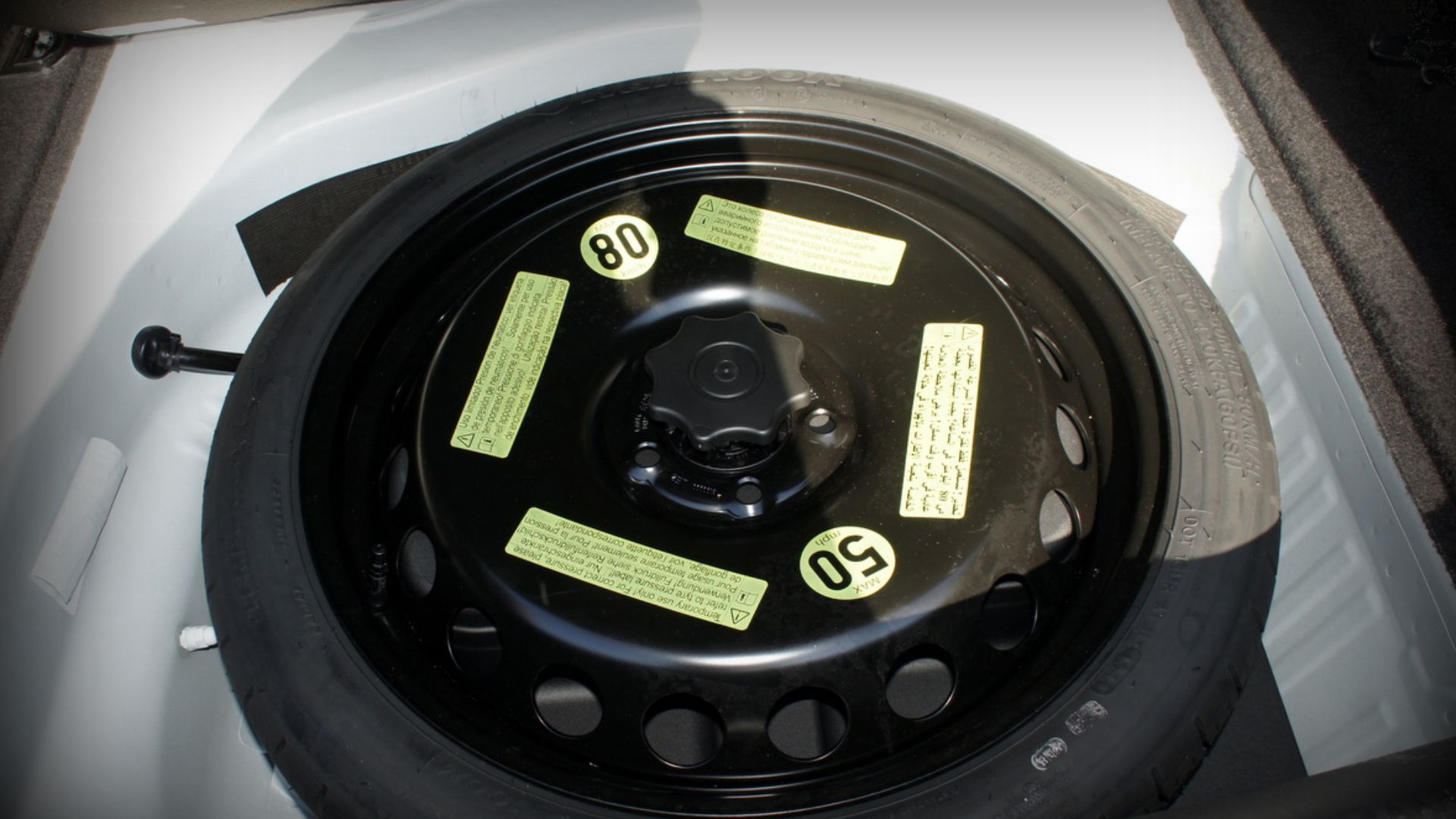
Many compact spares carry a 50-mph maximum, although you should always follow the instructions for your particular tire. It can feel painfully slow on a highway, but the spare has less capability than your normal tire. This is one of those times when keeping up with traffic is less important than respecting the equipment.
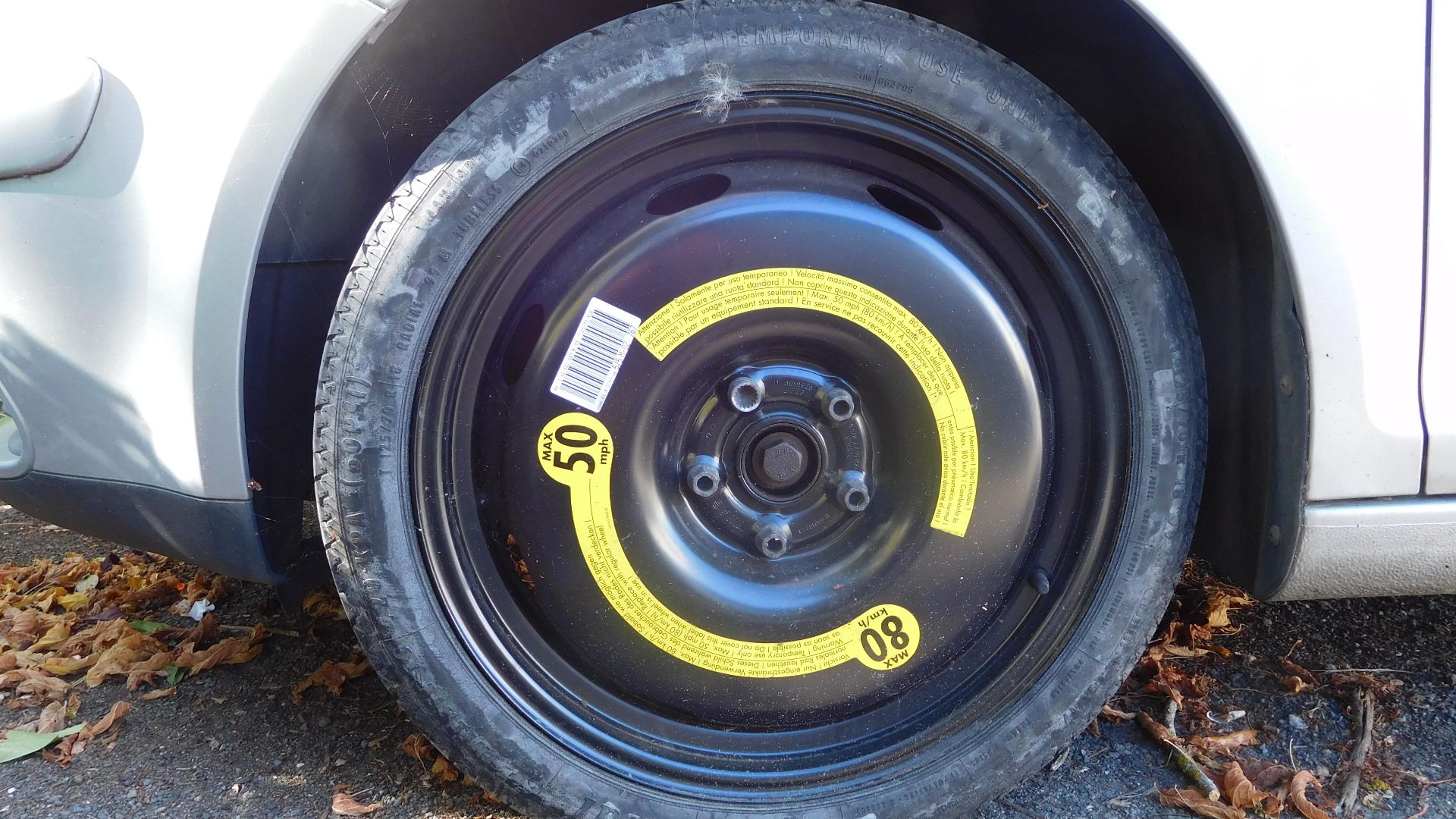
The Distance Limit Means Find A Tire Shop
Compact spares are also intended for short-term use, but the exact distance allowance varies. Instead of memorizing one universal number, check the tire and owner's manual. The basic message is always the same: install the spare, get somewhere safe, and have the original tire repaired or replaced as soon as you reasonably can.
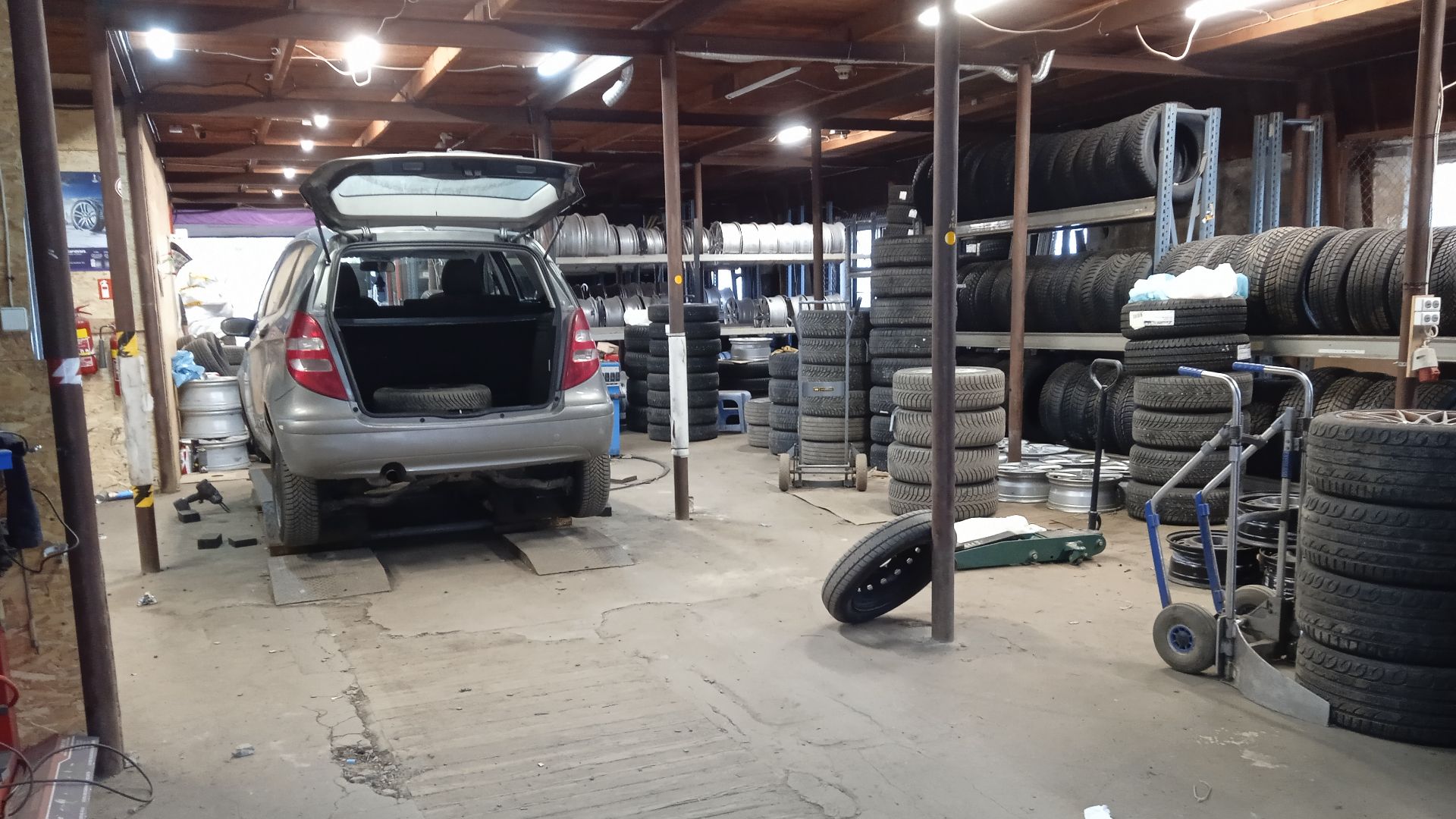 Андрей Романенко, Wikimedia Commons
The Car May Feel Different With It Installed
Do not be surprised if your car suddenly feels a little odd. A temporary spare can change braking, stability, cornering, wet-weather grip, and overall handling. That does not mean something else broke during the flat. You simply have one tire doing a very different job from the other three.
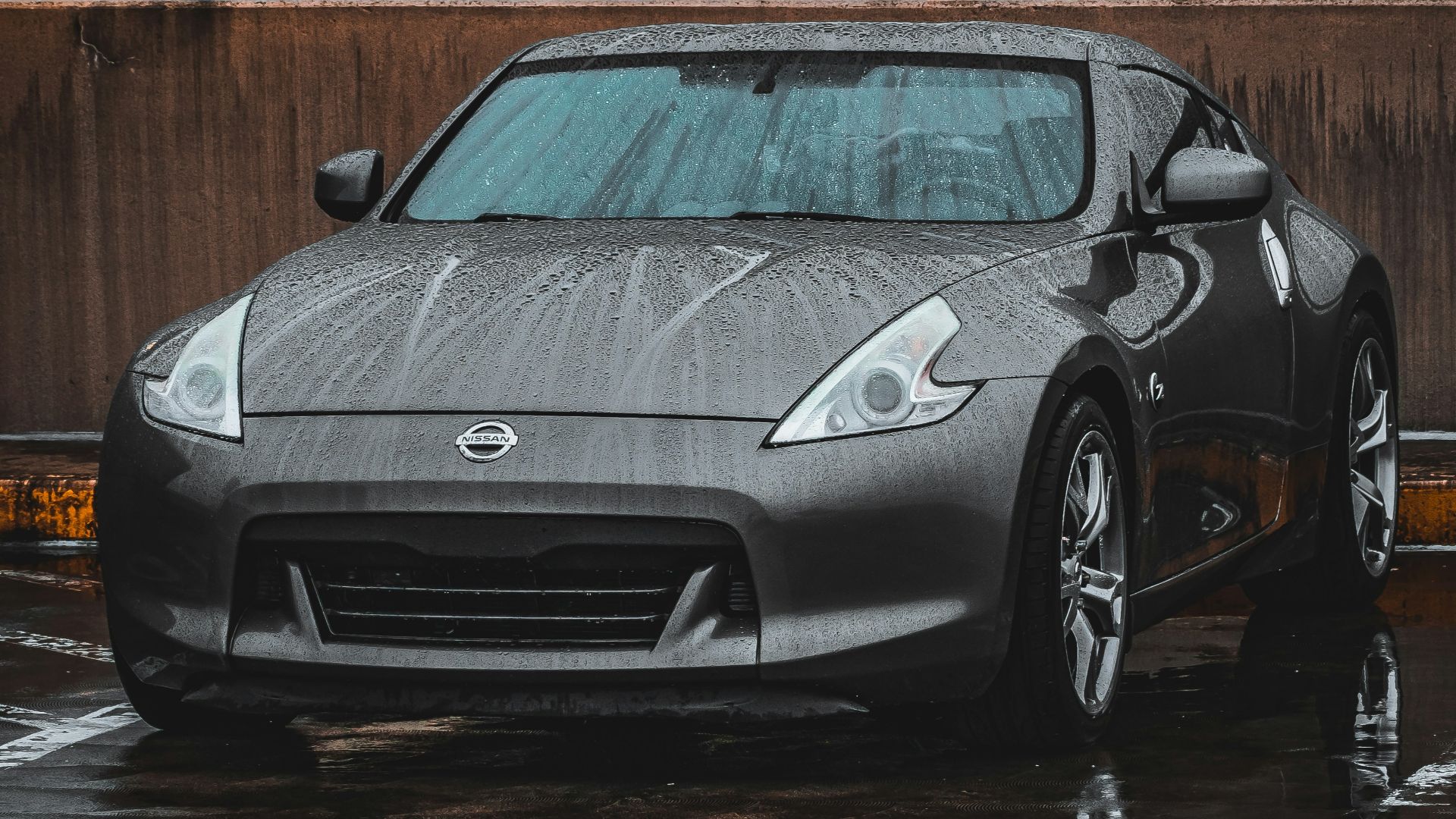
All-Wheel Drive Adds Another Wrinkle
If you drive an all-wheel-drive vehicle, do not assume the donut can go anywhere you like. A mismatched tire can affect how some systems operate, and manufacturers may have special instructions about where a temporary spare should be installed. This is one of those rare moments when the owner's manual is genuinely worth opening.
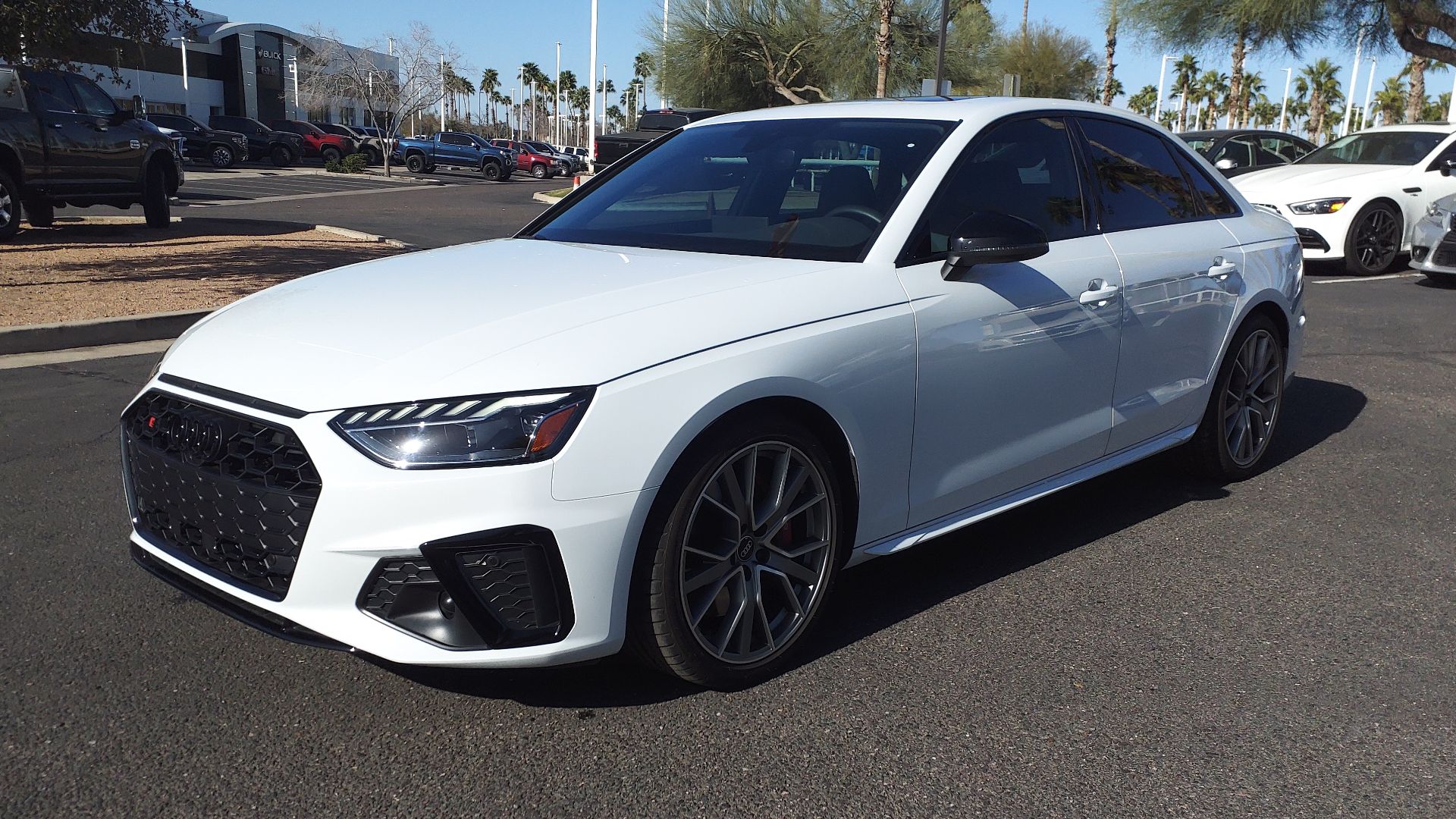
The Spare Can Go Flat While Sitting There
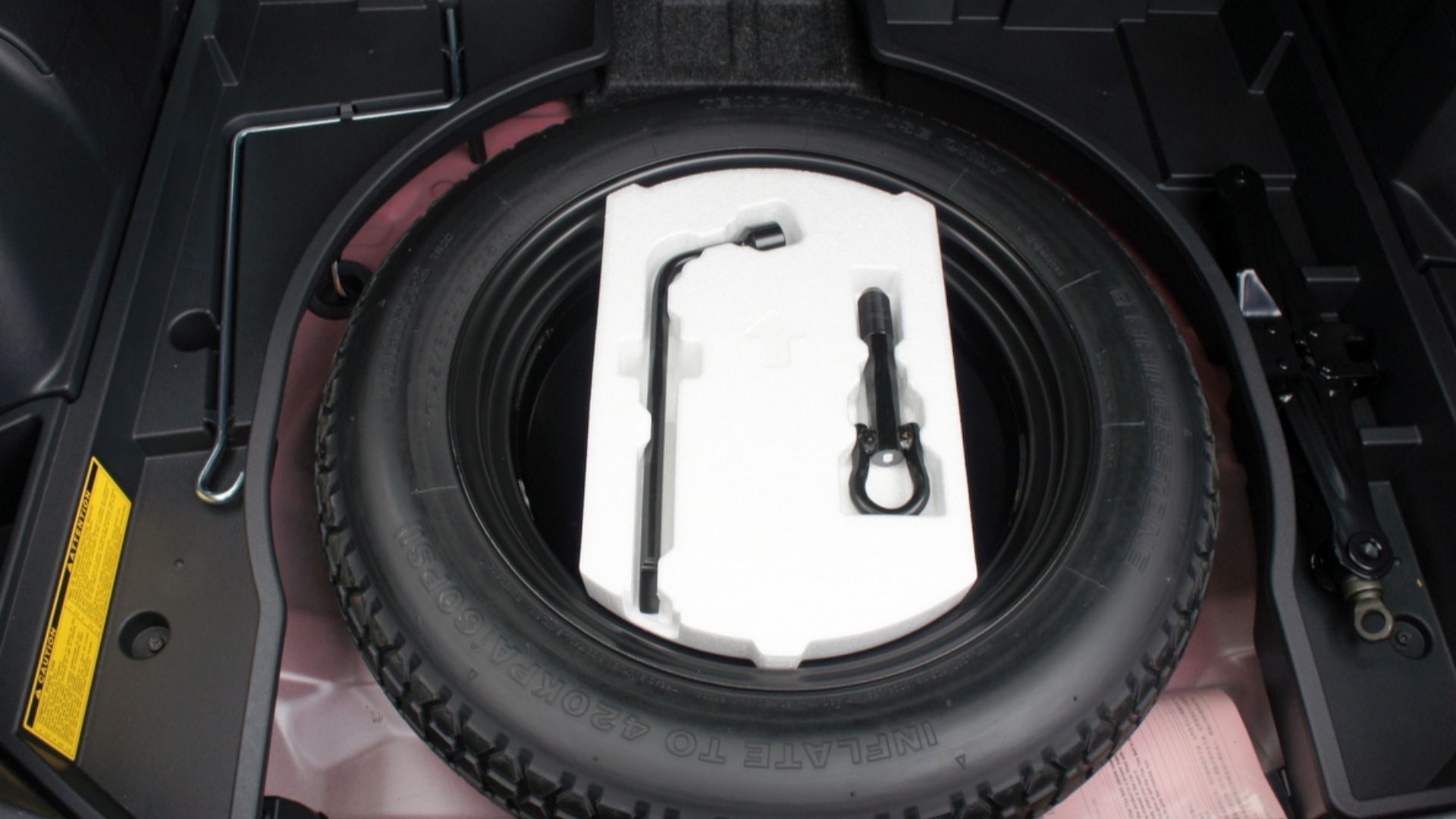
A spare tire can spend years forgotten beneath the cargo floor, quietly losing pressure the entire time. Then you finally need it and discover it is half flat. Compact spares often use much higher pressure than normal tires, sometimes around 60 psi, so checking yours periodically is a surprisingly worthwhile habit.
 Michael Sheehan, Wikimedia Commons
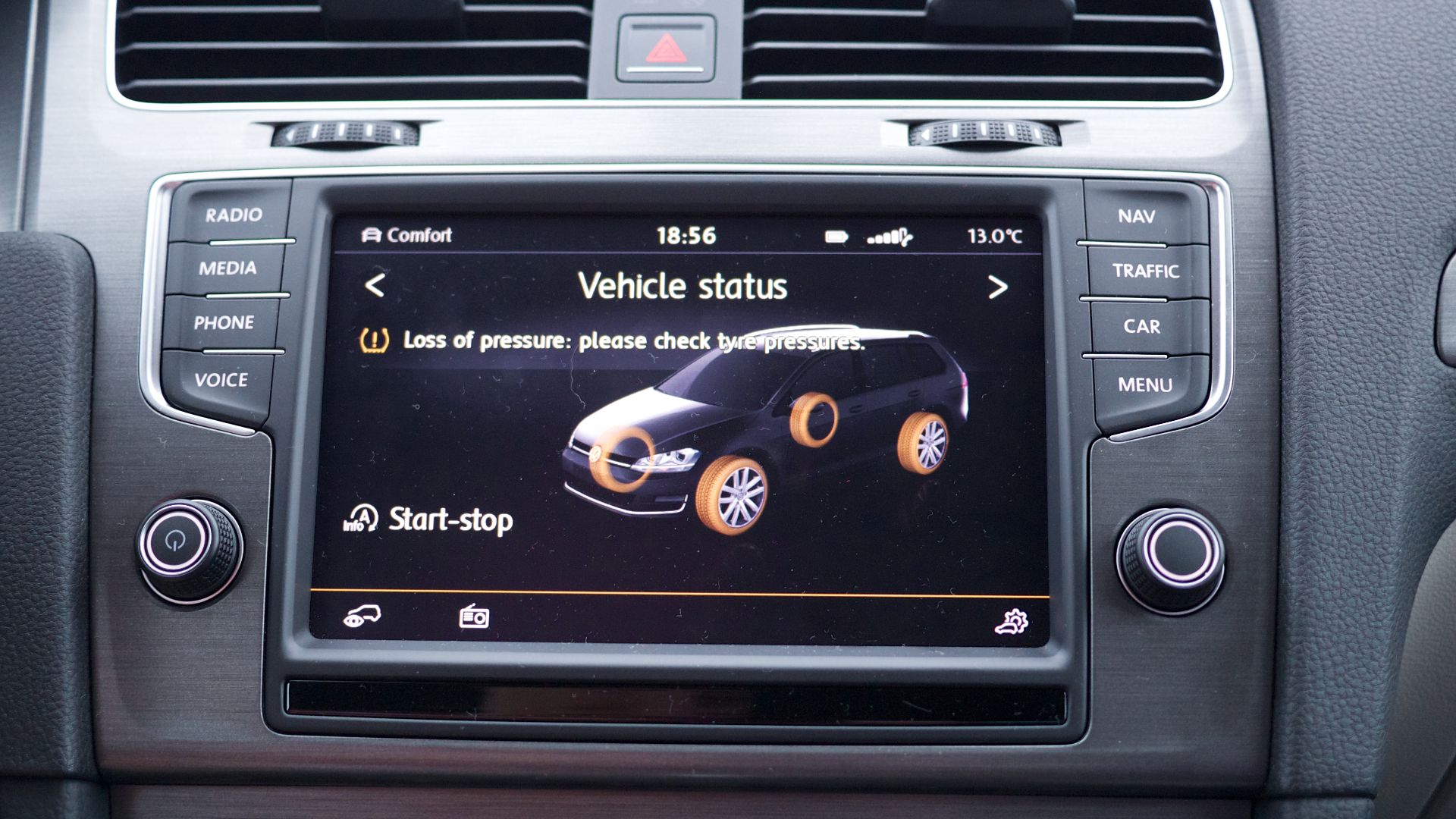
A Warning Light Cannot Change Your Tire
Modern tire-pressure monitoring systems are useful because they can alert you before a tire becomes dangerously low. What they cannot do is give you mobility after a sidewall tears or a wheel gets damaged. Technology can warn you that you have a problem, but it still cannot magically put another tire on the car.
 Kārlis Dambrāns from Latvia, Wikimedia Commons
Then Automakers Started Removing The Spare Entirely
The compact spare was supposed to be the compromise. Eventually, some manufacturers went one step further and deleted even that. Plenty of newer vehicles now rely on sealant kits, run-flat tires, or roadside assistance instead. The trunk might look beautifully uncluttered, but a bad flat can make that empty space feel a lot less impressive.
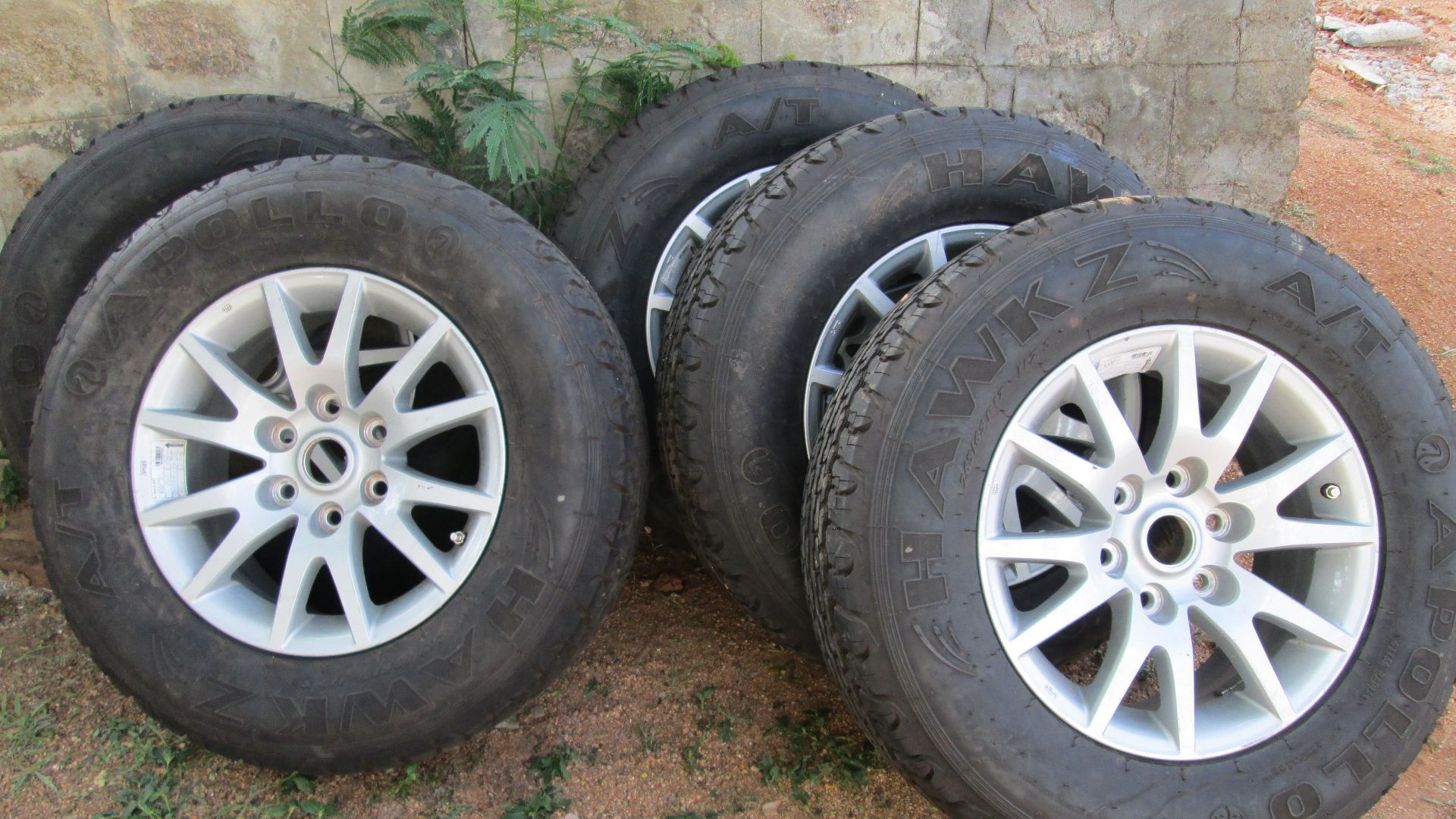 Venkateshwar Rao Japala, Wikimedia Commons
The Reasons Are Pretty Easy To Understand
A spare tire, wheel, jack, and tools take up space, add weight, and cost money to build into every vehicle. Remove them and the automaker gets a little more cargo room and a little less mass. Those benefits are real. They just become much harder to appreciate when you are staring at a shredded tire after dark.
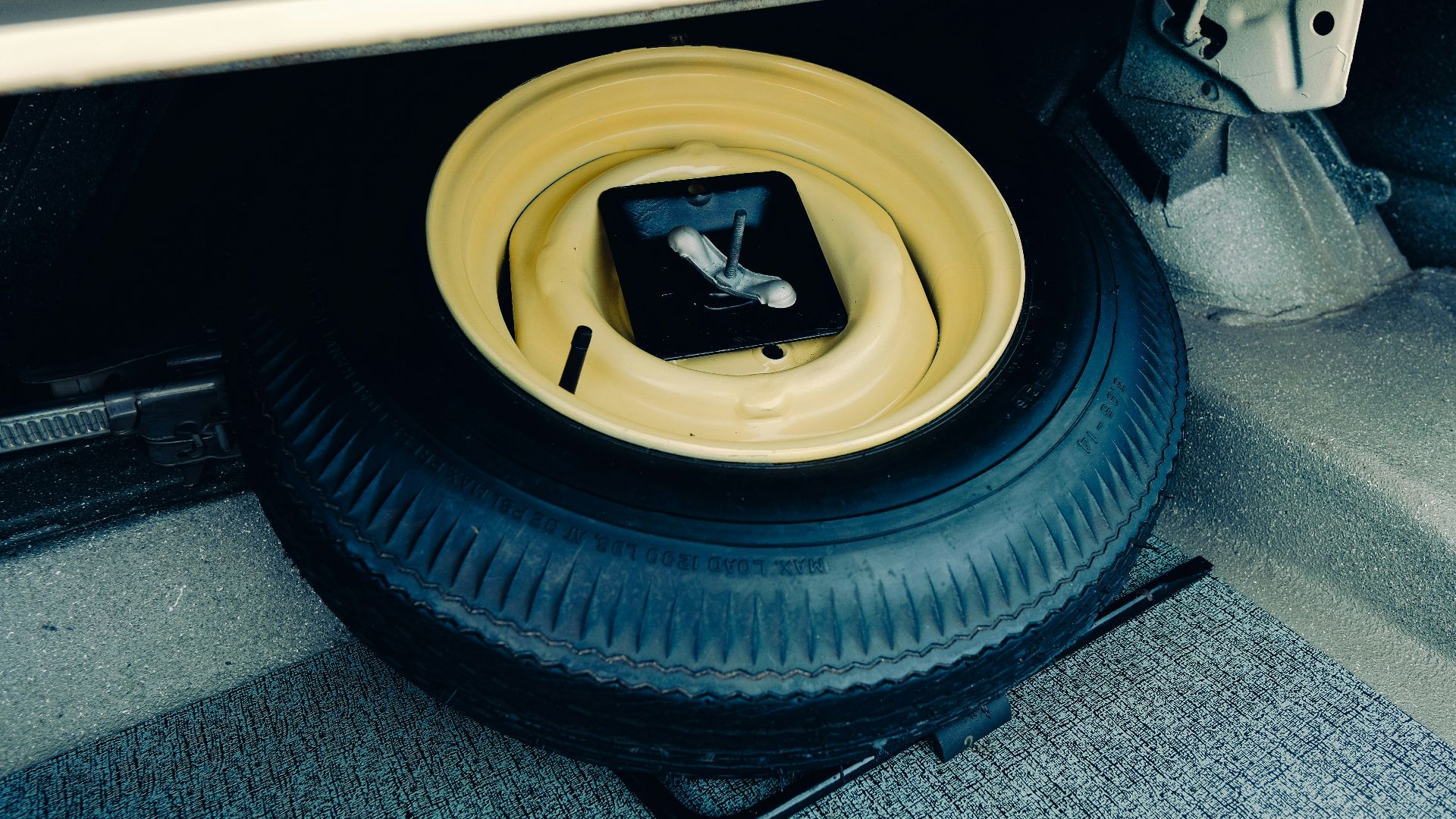
Sealant Kits Work Great—For The Right Flat
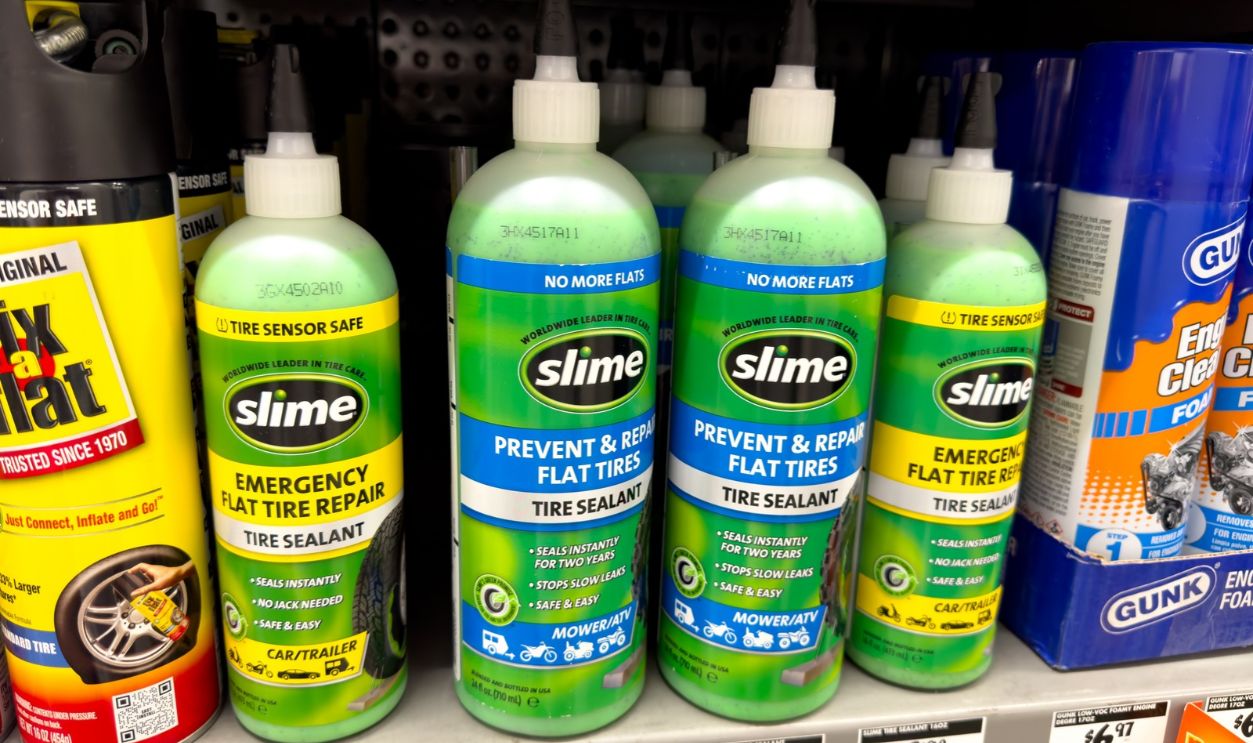
A compressor and bottle of sealant can be genuinely useful if a nail leaves a small puncture in the tread. The problem is that not every flat is that polite. Large holes, blowouts, and damaged sidewalls can leave the kit completely useless. Sometimes the only thing it can inflate is your sense of frustration.
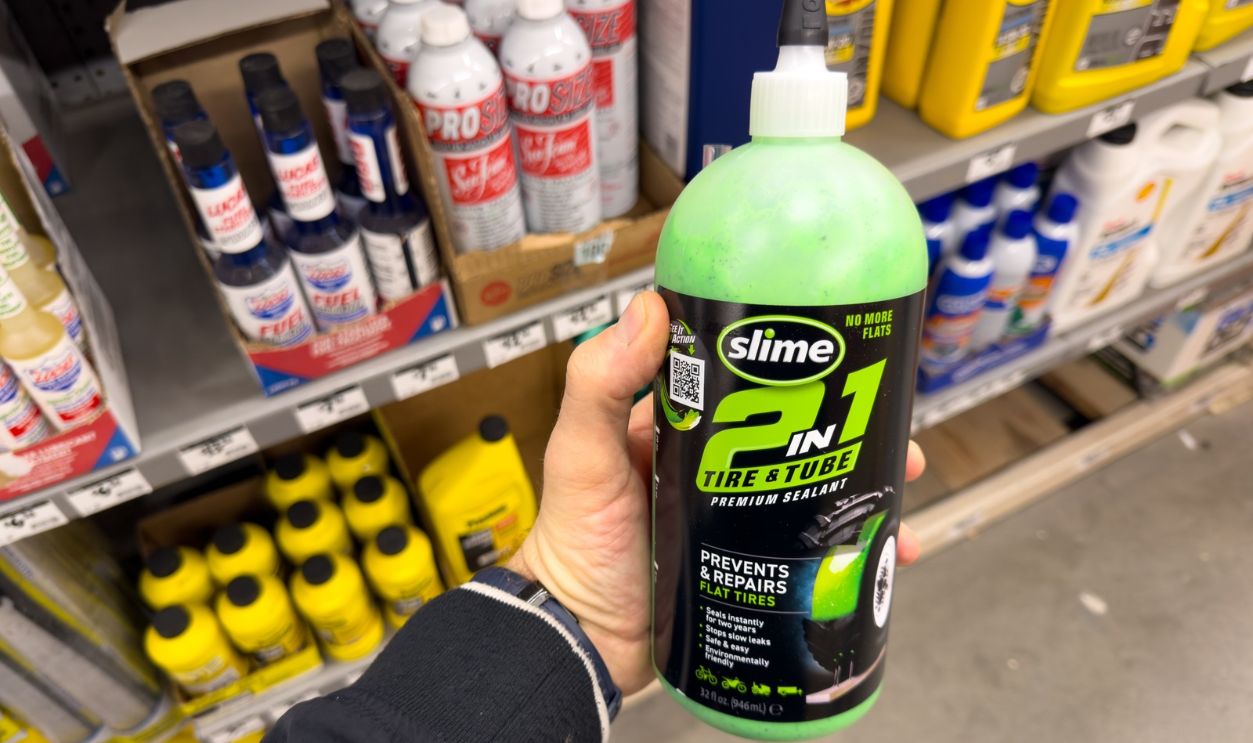
Potholes Expose The Weakness Quickly
Hit a deep pothole hard enough and you may damage the sidewall or even bend the wheel. A bottle of sealant cannot straighten metal or patch a ripped sidewall. With a compact spare, you might still be able to drive away. Without one, that ugly pothole can turn into a tow truck call.

Even The Sealant Has An Expiration Date
Here is another detail nobody tells you at the dealership: tire sealant does not necessarily last as long as the car. Some inflator kits need their sealant replaced after several years. So even if your vehicle has an emergency kit, check the expiration date before a road trip rather than discovering its age on the shoulder.
Run-Flat Tires Are Helpful, Not Magical
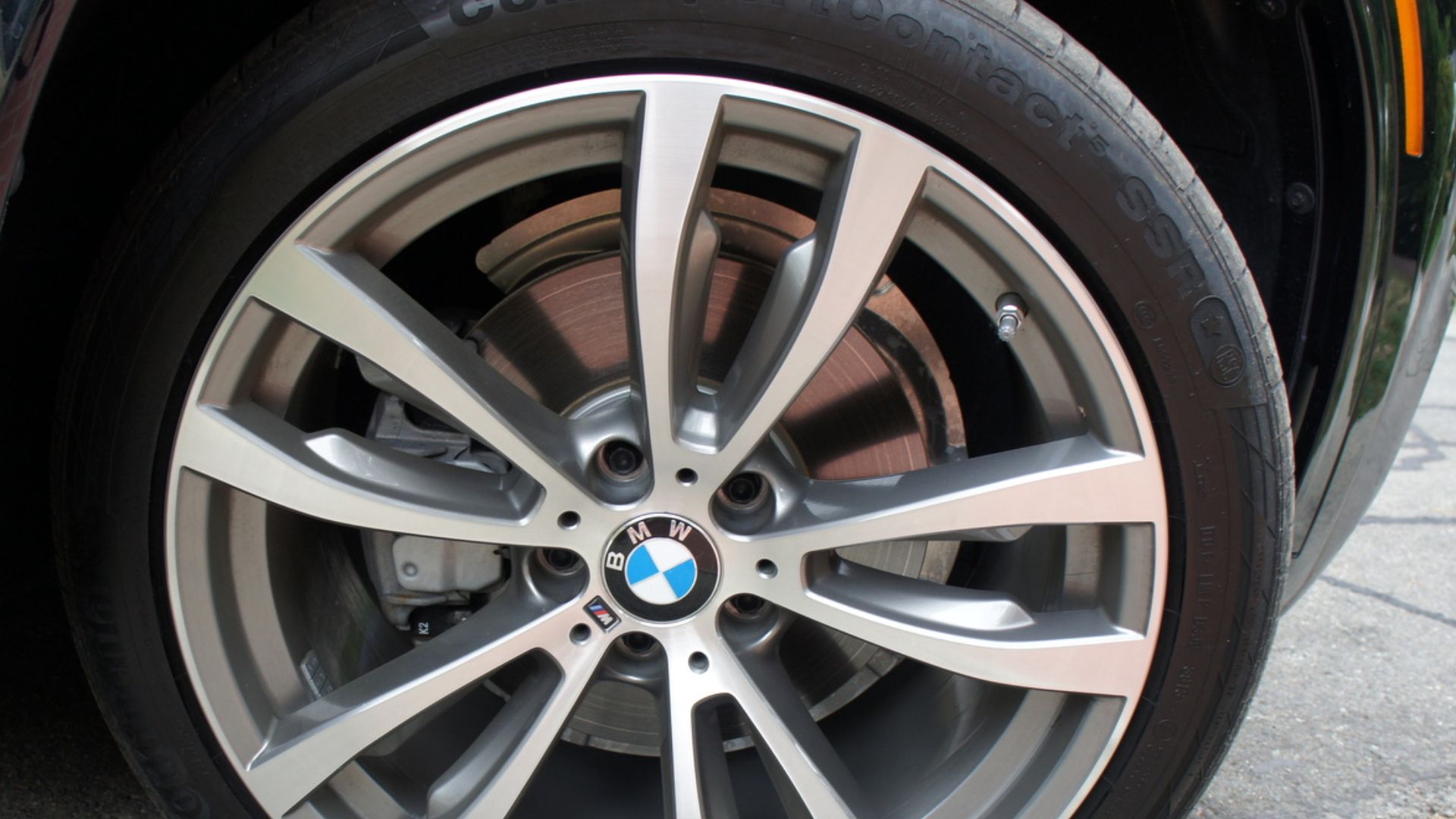
Run-flats solve the problem differently by allowing limited driving after pressure is lost. That can be extremely convenient, but they still have speed and distance restrictions. Severe damage can also defeat them. They buy you time and mobility, but they do not turn a badly damaged tire into a normal one.
 Michael Sheehan, Wikimedia Commons
Sometimes The Jack Disappears Too
If a car does not have a spare, do not automatically expect to find a jack and lug wrench hiding underneath the floor. You may have an inflator kit and little else. That is worth knowing before you buy, especially if you plan to add your own spare later. A wheel without the tools to install it is not much of a rescue plan.
 Steve Rainwater from Irving, US, Wikimedia Commons
Roadside Assistance Became The New Backup Plan
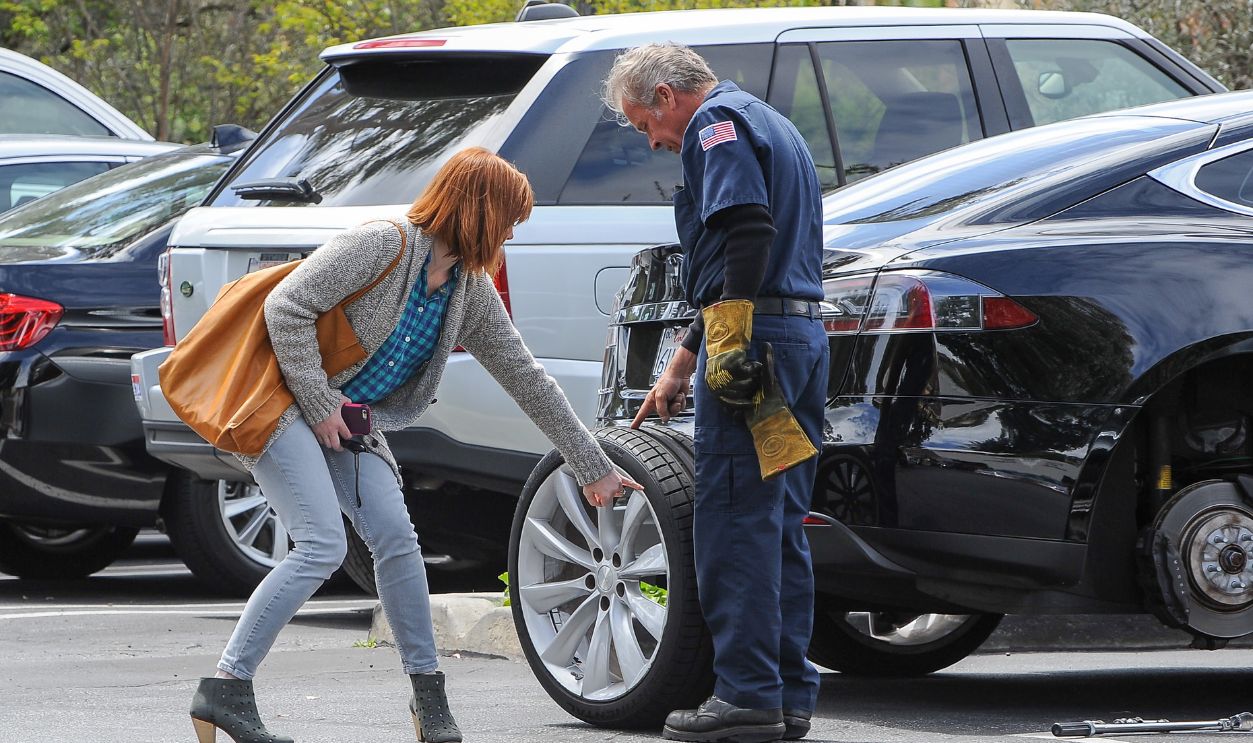
For a lot of drivers, the modern solution to a flat is no longer changing the tire. It is making a phone call. Roadside assistance is convenient when everything goes smoothly, but it also means waiting for someone else to arrive. The compact spare gave you an option that did not depend on another person being available.
Remote Trips Make The Tradeoff Feel Bigger
No spare seems perfectly reasonable when you are five minutes from a tire shop. It feels different on a rural highway at night, during a snowstorm, or somewhere with weak cell service. That is where the old donut starts looking less like wasted cargo space and more like a surprisingly useful piece of emergency equipment.

Look Under The Cargo Floor Before You Buy
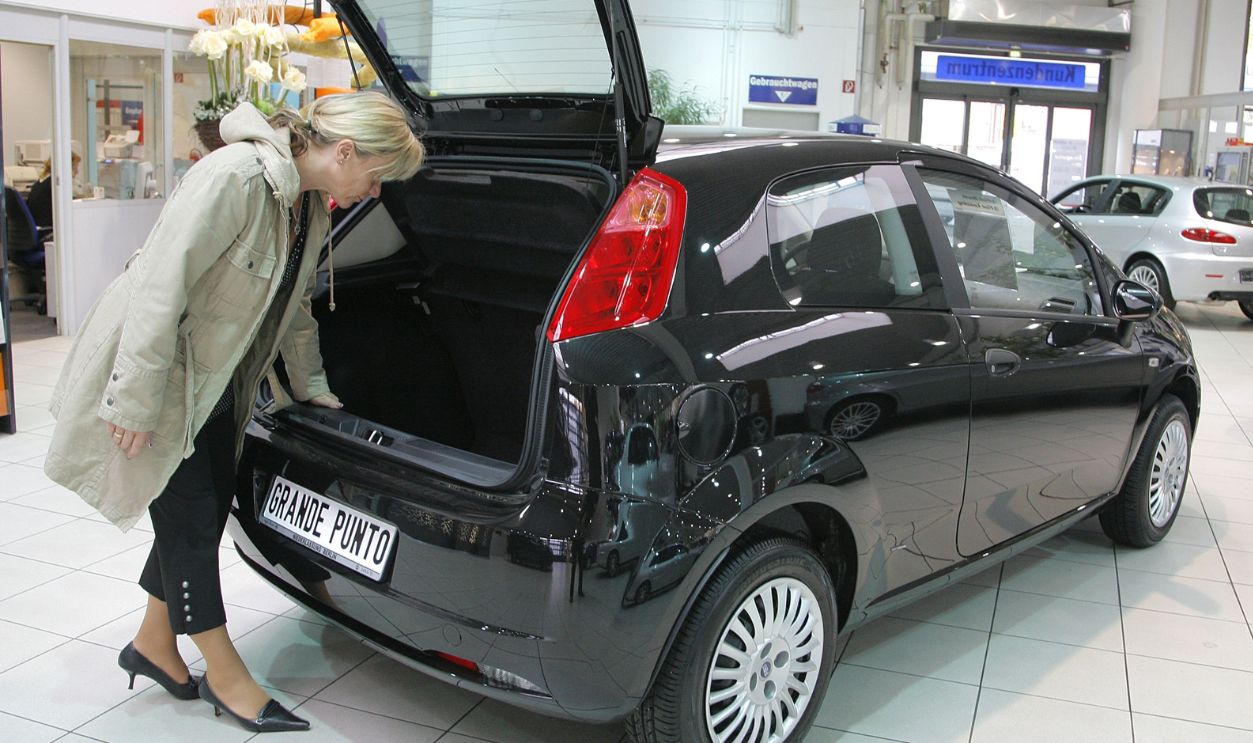
This is an easy lesson to learn the hard way. When shopping for a car, lift the cargo floor and actually look. Is there a spare? A jack? A wrench? A compressor? Sealant? Do not assume anything. Finding out in the showroom takes 30 seconds. Finding out after a blowout can consume the rest of your afternoon.
You May Be Able To Add A Spare Yourself
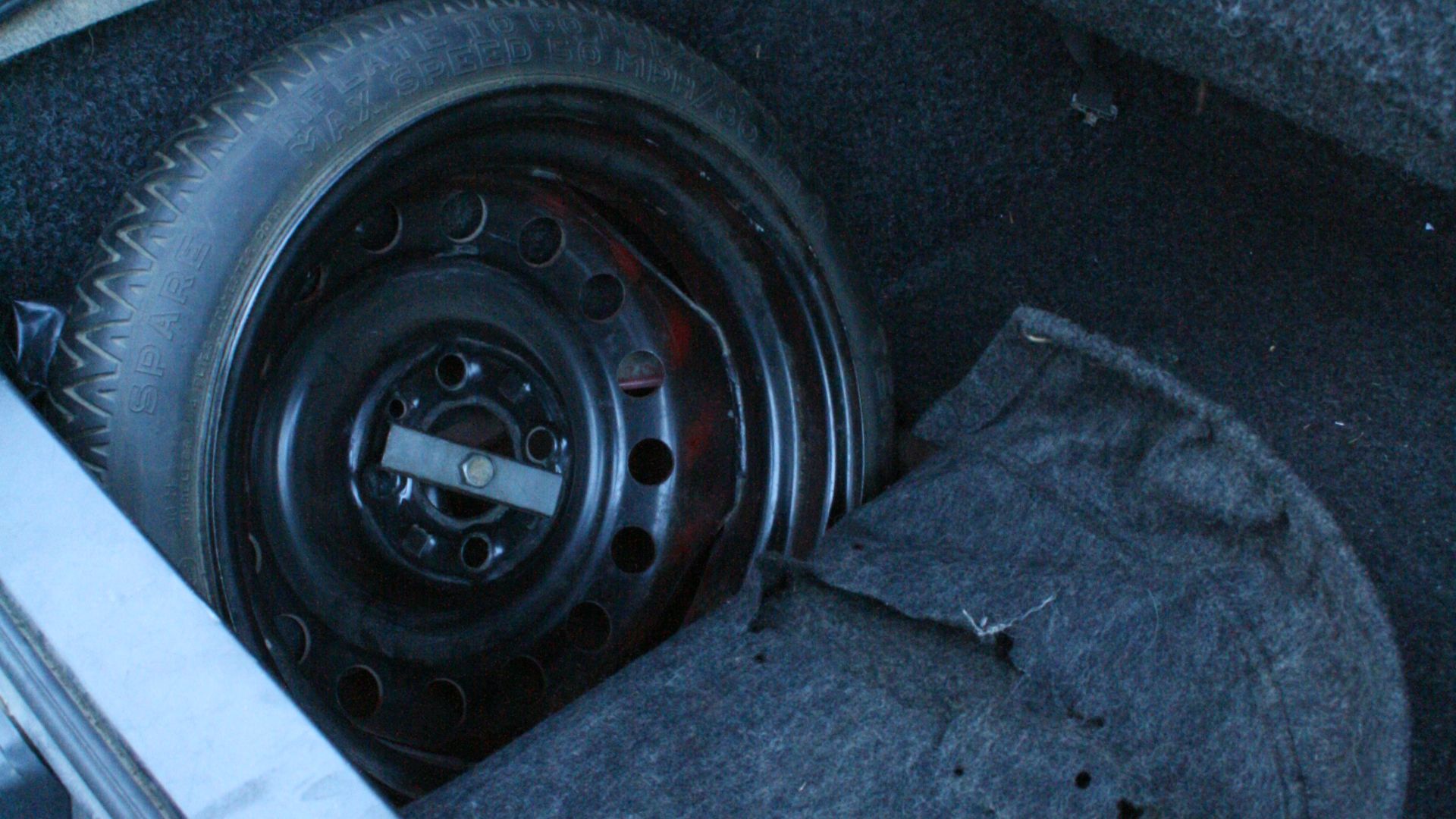
If your car came without one, all may not be lost. Some vehicles still have room for a manufacturer or aftermarket spare-tire kit containing a temporary wheel, tire, jack, and wrench. It costs extra and gives up some storage space, but frequent road-trippers may decide that is a very fair trade.
 Ildar Sagdejev (Specious), Wikimedia Commons
Maybe The Donut Was The Sweet Spot
The compact spare had obvious compromises, but that was exactly the point. It saved much of the space and weight of a full-size wheel while still giving the driver a physical backup plan. Looking at cars with nothing but sealant and a phone number, the humble donut suddenly seems like a surprisingly sensible piece of engineering.
 Tony Webster, Wikimedia Commons
You May Also Like:
My Classic Car Sits All Winter. Should I Start It Every Week Or Leave It Alone?
Classic American Tractors That Were So Good Farmers Kept Them Running For Decades