The Lower Payment Pitch Sounds Good
A dealer can make a car payment look a lot more manageable by setting up the loan with a balloon payment at the end. That is a real loan product, not something made up in the finance office. But the lower payment now usually means a big bill later, and that is the part buyers need to study before they sign.

What a Balloon Payment Actually Is
A balloon payment is a large lump sum due at the end of a loan after a series of smaller monthly payments. The Consumer Financial Protection Bureau says these loans can require one big payment at the end, which creates real risk if the borrower cannot pay it or refinance when it comes due. Put simply, you are not getting rid of part of the cost. You are pushing it off until later.
 Korawat photo shoot, Shutterstock
Why Dealers Use This Pitch
Lower monthly payments help sell cars because many shoppers walk in with a payment number already set in their heads. The Federal Trade Commission has long warned that focusing only on the monthly payment can distract buyers from the total financed and the full cost of the car. A balloon loan is one more way to hit the payment target while saving some of the pain for later.

It Is Not Always a Trap
A balloon loan is not automatically bad, and that matters. The CFPB notes that these loans may work for some people if they are truly sure how they will handle the final payment. The problem starts when a buyer hears “lower payment” and never gets a clear picture of the large amount waiting at the end.

The Catch Is the Final Payment
The key questions are simple. How much is due at the end, when is it due, and how will you pay it. If the answer is fuzzy, stop there. The final payment is the whole game.

Smaller Monthly Bills Can Mean Bigger Risk
Lowering the monthly payment by delaying principal can leave you owing a lot near the end of the loan. If the car is worth less than that final amount, selling it or trading it in may not get you out cleanly. The Federal Reserve notes that balloon loans can leave borrowers exposed because a large balance stays unpaid until the end.

You Still Pay Interest Along the Way
A lower payment does not mean the car got cheaper. You are still financing the purchase, and interest is still part of the deal. Depending on the terms, you could spend years making payments and still face a large lump sum at the finish line.

The Payment Can Hide the Real Price
Consumer advocates have been saying this for years because it keeps happening. The FTC tells buyers to negotiate the vehicle price first, then talk about financing. If you start with only the monthly payment, the dealer has more room to adjust the loan term, rate, and structure until almost any car looks affordable.

Ask for the Truth in Lending Numbers
Federal law requires key loan disclosures. The CFPB says lenders generally must disclose the annual percentage rate, the finance charge, the amount financed, the total of payments, and the payment schedule. With a balloon loan, that payment schedule is where the huge final amount should show up in black and white.

Read the Contract for the Word Balloon
Do not rely on a verbal explanation in the finance office. Look for the payment schedule and any language that points to a balloon payment or final lump sum. If the contract is not clear, stop and ask for a simpler explanation before you go any further.

There Is a Difference Between a Balloon Loan and a Lease
Some shoppers mix these up because both can lead to lower monthly payments. A lease usually means paying for the use of the vehicle for a set term and then returning it, buying it, or dealing with lease-end terms. A balloon loan is still a purchase loan, but a large part of the balance stays due at the end.
 Hryshchyshen Serhii, Shutterstock
You May Hear It Compared to a Mortgage Balloon
That comparison makes sense. Balloon structures have existed in other kinds of lending for years, and federal regulators have warned consumers about the risk of payment shock. The auto version is smaller than a home loan, but the problem is the same if the final payment shows up and the money does not.

The Refinance Promise Is Not a Promise
Sometimes the sales pitch includes a reassuring line that you can always refinance the balloon later. Maybe you can. But nobody can guarantee your future credit score, interest rate, income, or the car’s value. If the plan works only if a future lender saves it, that is not much of a safety net.

Used Car Values Can Change Everything
Vehicle values do not move in a straight line. A trade-in that looks like an easy exit today might be worth much less by the time the balloon payment comes due. If the market weakens or the car picks up heavy miles and wear, the numbers can turn ugly fast.

Negative Equity Can Sneak Up on You
Because a balloon loan leaves part of the principal unpaid until the end, you may owe more than the car is worth for a big part of the loan term. That is negative equity. It can make trading in expensive and can trap buyers into rolling debt into the next car.

Rolling Debt Forward Is Where the Trouble Grows
The CFPB and FTC have spent years warning consumers to understand the full cost of financing and avoid getting stuck with debt they cannot comfortably handle. When a balloon payment cannot be covered, some buyers refinance, trade in the car, or roll the shortfall into another loan. That is how one ambitious purchase can turn into years of expensive car debt.
Who Is Most at Risk
Buyers shopping mostly by monthly payment are especially vulnerable to this kind of loan. So are people with shaky credit, uneven income, or very little savings. If a surprise job loss or repair bill would wreck your budget, a future lump sum is a risky bet.

Who Might Use One Safely
A balloon loan can be manageable for a buyer who has a clear and realistic plan for the end. That could mean an expected bonus, a strong savings cushion, or a business use case with solid cash planning. Even then, the buyer should compare the full cost against a standard auto loan before agreeing to it.

The Best Questions to Ask in the Finance Office
Ask for the exact balloon payment amount, the due date, the APR, the total of payments, and whether there is any prepayment penalty. Ask what the payment would be on a standard loan with no balloon using the same vehicle price and term. Then ask for all of it in writing before you agree to anything.

Compare It With a Plain Vanilla Loan
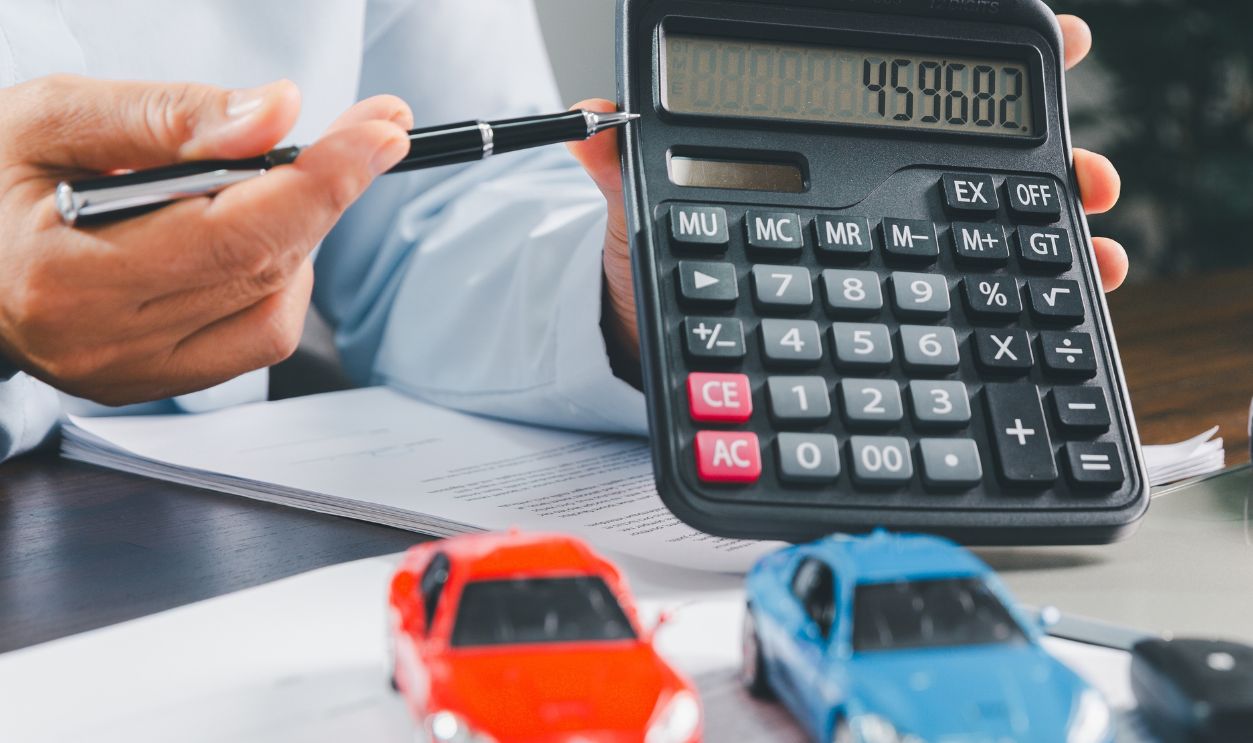
The cleanest test is a side-by-side comparison. Put the balloon loan next to a standard fixed-payment auto loan with the same vehicle price, down payment, and APR if possible. Once you see the final lump sum and the total amount paid, the “great deal” often looks a lot less great.

Check the Car Price Before the Financing
The FTC advises buyers to separate the negotiation over the car price from the negotiation over financing. That matters because a lower monthly payment can distract you from overpaying for the vehicle itself. A balloon loan on an overpriced car is an especially bad mix because you are already starting behind.
 Korawat photo shoot, Shutterstock
Watch for Add-Ons That Make It Worse
Gap coverage, service contracts, and aftermarket products may or may not be worth buying, but they can definitely raise the amount financed. If those extras are rolled into a balloon loan, the smaller monthly payment can hide just how much more debt you are taking on. Ask to see every optional product listed item by item.
 Viktoriia Hnatiuk, Shutterstock
The Contract Date Matters More Than the Sales Pitch
Dates and numbers decide whether this loan is manageable or dangerous. The payment schedule in the signed contract matters more than any line like “you can always trade out before then.” If the salesperson cannot clearly point to the terms, that is a reason to slow down.

Federal Regulators Have Warned About Payment Shock for Years
This is not some new fear cooked up online. Federal consumer regulators have repeatedly warned that loans with a large final payment can create real hardship when that bill comes due. The basic issue has never changed because the math has never changed.

So Is It a Trap
Sometimes it is a calculated tool. Sometimes it turns into a trap built on wishful thinking. The structure itself is legal and real, but it becomes dangerous when the buyer does not fully understand the final payment or has no solid plan to cover it. If the only upside is “I can squeeze into the payment,” that usually is not reason enough.

The Safer Rule of Thumb
If you would not feel okay writing a check for the balloon amount on the due date, think hard before signing. That simple test cuts through a lot of showroom fog. Lower monthly payments can feel good now, but a huge bill at the end is how an affordable car turns into an expensive mistake.

The Bottom Line for Drivers
A balloon payment is not free money, and it is not a discount. It is debt pushed into the future with a deadline attached. If a dealer offers one, treat it like a serious fork in the road and demand the full terms in writing before you decide whether the lower payment is smart or a setup for trouble.