The Letter That Makes Your Stomach Drop
You bolt on a set of aftermarket wheels, your car is looking good, then after a crash your insurer says those wheel constitute a modification, which makes the claim invalid. Is it really that simple? The real answer is usually less absolute than the denial letter suggests. In most cases, upgrades do not automatically void all coverage, and the key question is whether the modification was disclosed, relevant to the loss, and handled under the terms of the policy.

What Insurers Usually Mean By “Invalid”
Insurance companies often use broad language that makes it seem like a single upgrade wipes out your whole policy. In practice, disputes usually turn on misrepresentation, nondisclosure, excluded equipment, or whether the modification increased risk in a way the insurer says it was never asked to cover. That distinction matters because “we will not pay for the upgraded wheels” is very different from “we are rescinding the policy.”

Start With Your Policy, Not The Rumor Mill
The Insurance Information Institute says standard personal auto policies generally cover vehicle damage and liability based on the terms you bought, but custom parts and equipment may have limited coverage unless added by endorsement. That is the boring but crucial fine print many drivers never read until after a crash. If your policy has a custom equipment limit, your fancy wheels may be covered only up to that stated amount.

Custom Parts Are Often Treated Separately
Progressive says custom parts and equipment are not always fully covered under a standard auto policy and may require additional coverage. The company specifically lists items like custom wheels and rims as examples that can fall into this category. That means your insurer might still owe for the underlying vehicle damage while refusing to pay the full replacement cost of the upgraded wheels unless you bought the extra protection.

Wheels Are Not A Tiny Detail
Insurers care about wheels because they can be expensive, attractive to thieves, and can alter how a vehicle performs. A cheap factory wheel and a high-dollar forged aftermarket setup do not present the same cost exposure. That is why many carriers ask about modifications during quoting or renewal, and why leaving them off an application can create problems later.
When Nondisclosure Becomes The Real Problem
If your insurer says the claim is invalid, the bigger issue may be that you never disclosed the modification when the company asked about changes from stock condition. State insurance departments generally warn that material misrepresentation can affect coverage, especially if the insurer can show it would have charged a different premium or declined the risk altogether. In plain English, the wheels themselves may not be the killer, but failing to mention them can be.

Not Every Modification Is “Material”
That said, insurers do not get a free pass to deny every claim over every undeclared change. Whether a fact is material usually depends on state law and whether it would have influenced the insurer’s underwriting decision. If the modification had nothing to do with the loss and was not something the insurer relied on when issuing the policy, a blanket denial can be challenged.

There Is A Big Difference Between Denial And Rescission
A denied claim means the insurer refuses to pay a specific loss under a policy that still exists. Rescission is much more serious because it treats the policy as if it should never have been issued in the first place, usually based on alleged material misrepresentation. Consumer guidance from state regulators makes clear that rescission is not something insurers can simply toss around without legal and factual support.

If The Crash Was Unrelated, Ask Hard Questions
Imagine you are rear-ended at a stoplight and your insurer points to modified wheels. A reasonable question is how those wheels caused or changed that crash. If the insurer cannot connect the modification to a policy exclusion, a coverage limit, or a material underwriting issue, you may have strong grounds to challenge the decision.

Liability Coverage And Property Coverage Are Not The Same Fight
Even when an insurer disputes damage to modified parts, that does not always mean liability coverage disappears too. Different parts of the policy respond to different risks, and the company’s arguments may apply only to first-party damage to your own car. Drivers should be careful not to assume that a disagreement over custom equipment automatically erases every part of the contract.

Your Declaration Page Can Reveal A Lot
Before you panic, pull out your declarations page and look for endorsements, custom parts limits, stated value language, or references to aftermarket equipment. Some policies include a small amount of automatic coverage for custom equipment, while others require a separate add-on. If the wheels were listed or the endorsement was purchased, that documentation can be your best weapon.

Receipts Matter More Than You Think
If you cannot prove what the wheels are, what they cost, and when they were installed, the claim gets harder fast. Insurers routinely ask for receipts, photos, and installation records when custom parts are involved. Keeping a paper trail can be the difference between a routine payout and a long, frustrating dispute.

Photos Can Save You Months Of Hassle
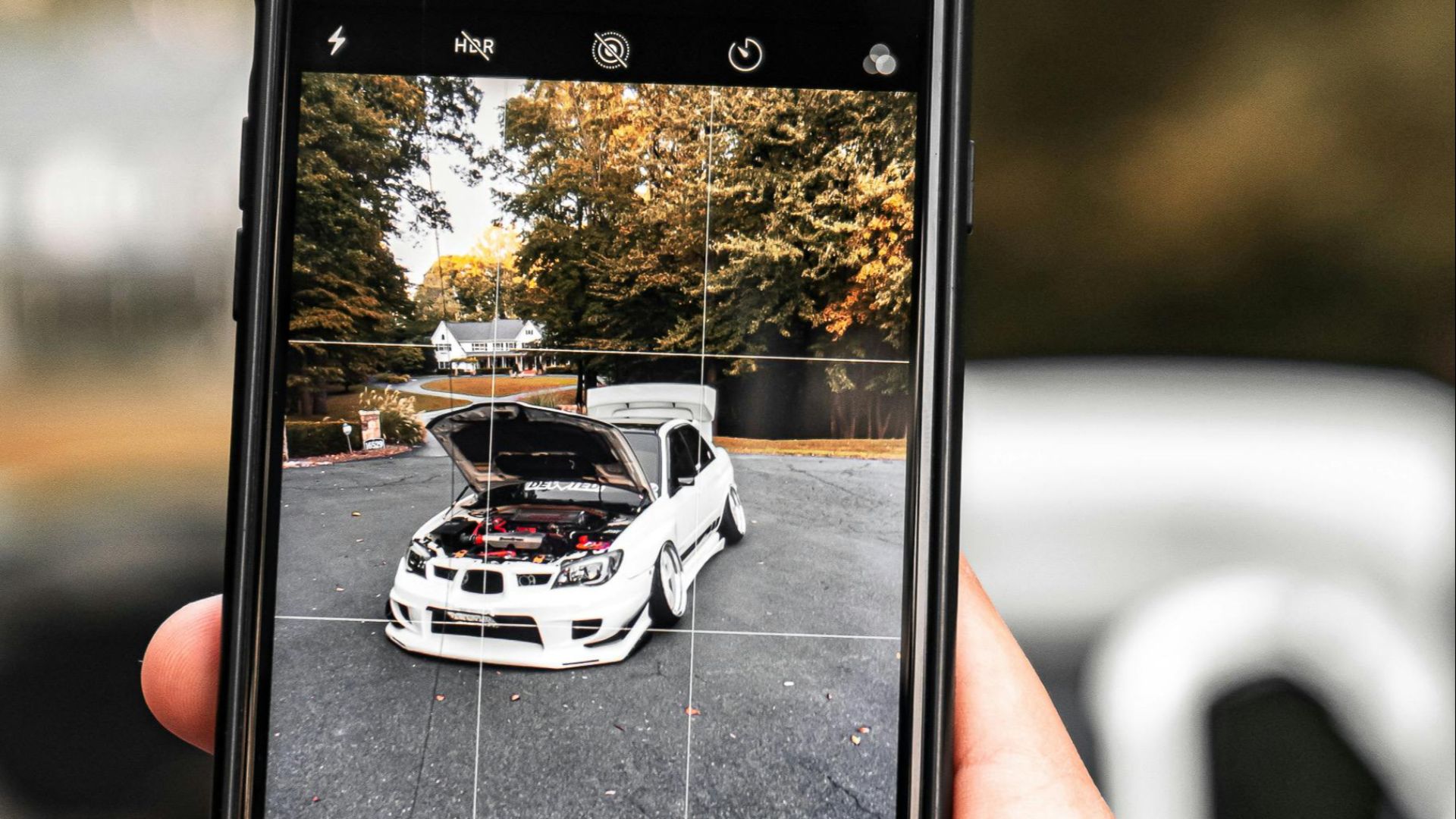
Take clear photos of your vehicle after every major upgrade, and save them somewhere other than your phone. Date-stamped images can help prove the condition of the car, the existence of the wheels, and whether the insurer saw the modified setup during prior inspections or renewals. That kind of evidence becomes especially useful if the company later acts surprised by equipment that was visible all along.
Some Policies Include Small Automatic Limits
Carriers often build in a modest amount of coverage for custom parts and equipment, but the amount may be far less than the price of premium aftermarket wheels. Progressive notes that added coverage may be needed when custom equipment exceeds what the base policy includes. Drivers who spent thousands on upgrades are often shocked to learn their automatic limit is only a fraction of the replacement cost.

Performance Mods Raise The Stakes
Wheels are one thing, but if they came with suspension changes, brake upgrades, stretched tires, or aggressive fitment, the insurer may argue the vehicle’s risk profile changed more significantly. Companies care about anything that affects handling, value, theft risk, or repair cost. The more extensive the modifications, the more important disclosure becomes.
State Regulators Say You Can Push Back
Consumer guidance from state insurance departments generally tells policyholders to ask for the denial in writing, request the exact policy language being relied on, and file a complaint if they think the insurer got it wrong. That is not legal magic, but it forces the company to explain itself with specifics. Vague statements about “mods voiding coverage” often look weaker when the insurer has to point to actual contract language.

Ask For The Exact Reason In Writing
If the insurer says your modified wheels invalidated the claim, ask whether the company is alleging nondisclosure, misrepresentation, excluded equipment, valuation limits, or policy rescission. Those are very different positions with very different consequences. You want the denial pinned to a precise reason, not a scary phrase.

The Key Date Is When The Insurer Learned About The Upgrade
Timing can matter a lot in these disputes. If you installed the wheels before applying for coverage and failed to disclose them when asked, the insurer may argue the application was inaccurate from day one. If you installed them later and your policy required you to notify the insurer of changes, the issue becomes whether and when you gave notice.

If They Took Premiums With Knowledge, That Can Matter
An insurer that knew about the modification, renewed the policy, and kept collecting premiums may have a tougher time arguing complete surprise. Evidence could include inspection reports, prior claim photos, emails with an agent, or underwriting notes. That does not guarantee victory, but it can undercut the claim that the wheels alone made the policy uninsurable.

Agents Are Helpful, But Paper Beats Memory
Many drivers think telling their local agent about wheels or rims is enough. Sometimes it is, but what matters later is whether the policy was actually updated and whether the communication was documented. If you disclosed the modification verbally, follow up by email and keep copies.

Financing And Leasing Can Complicate Things
If your vehicle is financed or leased, the lender or lessor may care about repairs, replacement parts, and policy compliance too. Some lease agreements restrict modifications outright, and some claims can trigger separate disputes over restoring the car to stock condition. That issue is different from insurance coverage, but it can still hit your wallet hard.

Total Losses Create Another Flash Point
After a total loss, insurers generally value the car based on policy terms and actual cash value unless a specialty policy says otherwise. Custom wheels may add little or nothing to the payout unless they were specifically insured. That is one of the most painful realities for enthusiasts, because the market value of mods and the insurance value of mods are often miles apart.

Specialty Coverage Exists For A Reason
If your vehicle has extensive upgrades, a standard personal auto policy may simply be the wrong tool. Many insurers and specialty markets offer endorsements or agreed-value style products better suited to heavily modified cars, though exact options vary by company and state. The more money you have tied up in non-stock parts, the more sensible that route becomes.
What To Do Right After A Denial
First, stay calm and ask for the denial letter, the cited policy provisions, and a full explanation of the factual basis. Second, gather receipts, photos, emails, inspection records, and any proof the insurer or agent knew about the wheels. Third, if the explanation still does not make sense, escalate internally, then contact your state insurance department or a qualified attorney for advice.

How To Avoid This Mess In The Future
Tell your insurer before or immediately after installing aftermarket wheels, ask whether they count as custom parts and equipment, and request the answer in writing. Review your declarations page after any change to make sure the endorsement or limit actually appears. It is a five-minute task that can save you from a five-month headache.

The Bottom Line On Modified Wheels And Coverage
Upgrades do not magically void coverage just because an adjuster says they do. What really matters is the policy language, your disclosures, whether the wheels were separately covered, and whether the insurer can show a material reason for denial or rescission. If your company is making bold claims about your bold wheels, make them prove it with the contract and the facts.