The Dashcam Surprise That Can Derail A Claim
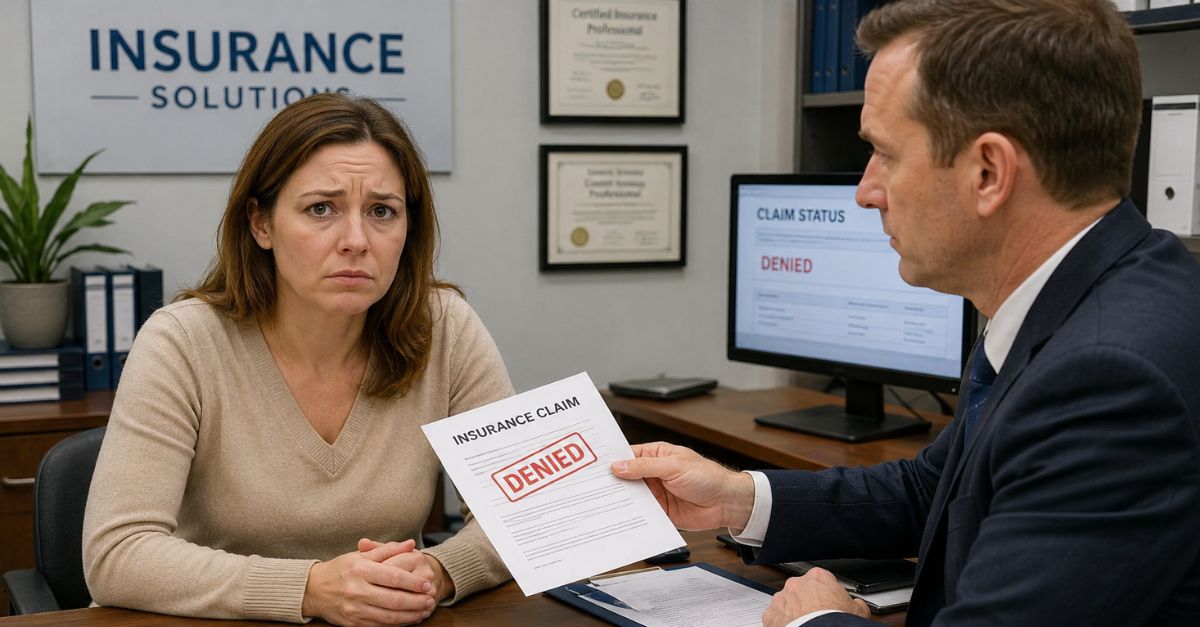
A denied insurance claim over a dashcam sounds totally backwards. Most drivers assume a camera helps prove what happened, not create a new problem. But sometimes insurers care less about the footage and more about whether the device counted as an undisclosed modification or caused a separate issue tied to installation, use, or policy terms. If you're using a dashcam, make sure you don't skip any steps or it could come back to bite you.
The Short Answer
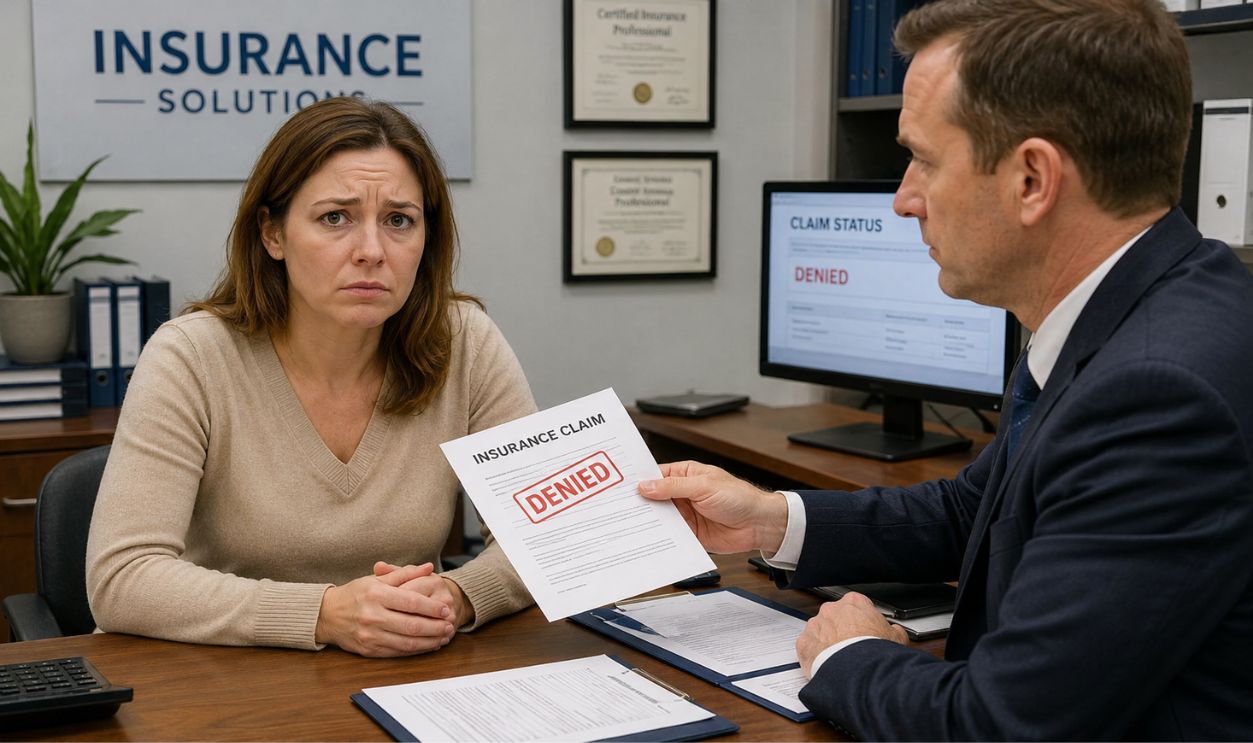
Yes, a dashcam can affect a claim, but usually not in the simple way a denial letter might suggest. In most cases, an insurer still has to connect the denial to the policy wording and to facts that matter to the loss. The big questions are what your policy says, how the dashcam was installed, whether it changed the vehicle, and whether the insurer can show that leaving it off the application really mattered.

Why This Feels So Confusing
Dashcams are sold as safety tools, and some insurers even reward drivers for using telematics and other monitoring tech. That makes it easy to think all in-car electronics are treated the same way. They are not. A removable dashcam can look like an everyday gadget, while a hardwired unit can look more like a vehicle modification.
What Insurers Usually Want Disclosed
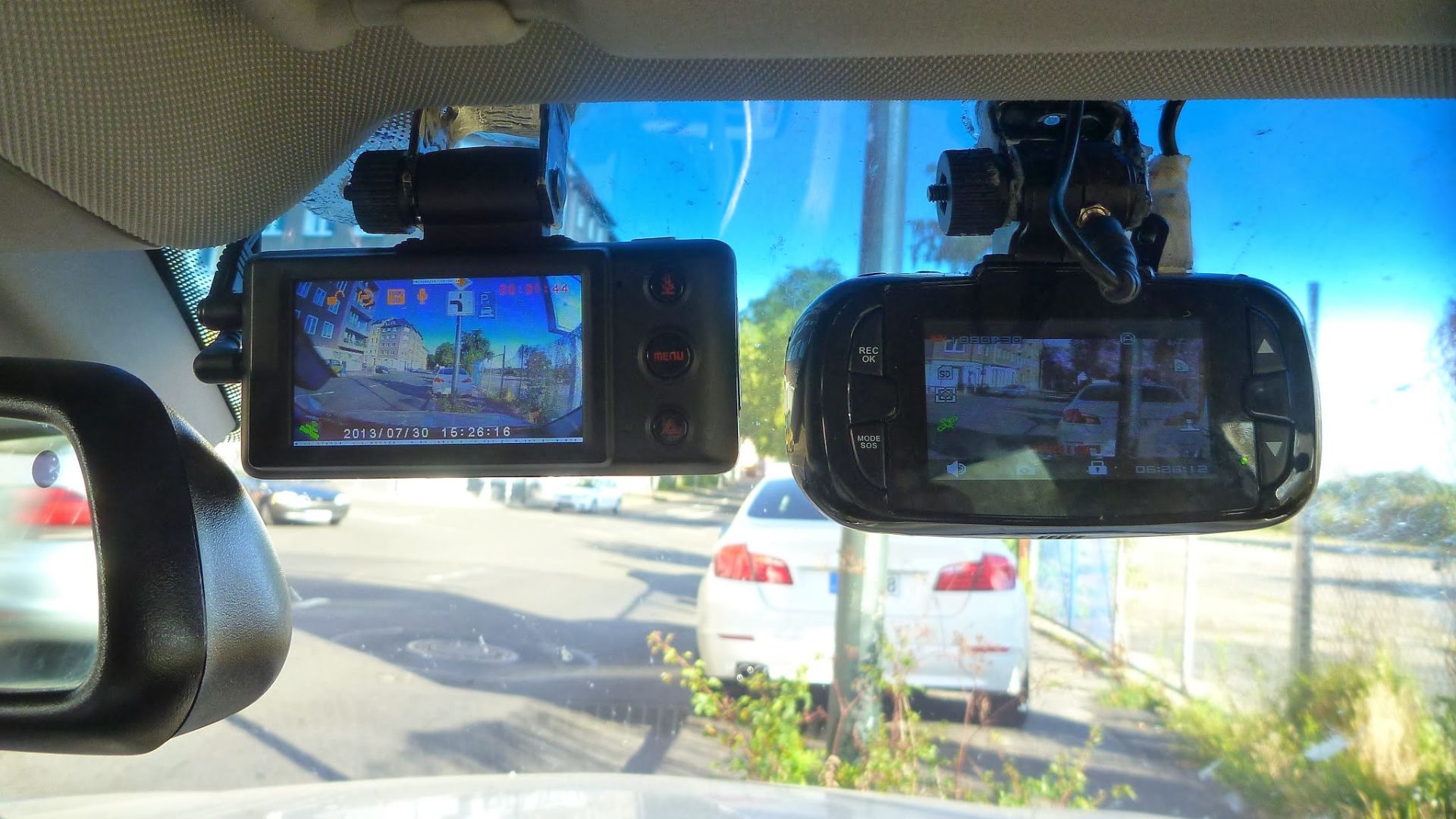
When you apply for auto insurance, insurers usually ask about facts that help them measure risk and price the policy. State insurance guides and policy applications tend to focus on drivers, where the car is kept, how it is used, accident history, and the vehicle itself. A basic suction-cup dashcam may never come up, but hardwired gear or custom electronics can matter more depending on the insurer and the policy.

The Key Word Is Material
Insurance law often turns on whether a misrepresentation or omission was material. In plain terms, that means whether the missing fact would have changed the insurer's decision to cover the car, set the premium, or use different terms. Consumer guidance from state regulators consistently warns that insurers cannot deny claims over just any small omission without showing why it mattered.

What State Regulators Say About Misrepresentation
The National Association of Insurance Commissioners explains that false statements or omissions on an application can lead to cancellation or rescission, especially if the information was important to the insurer's decision. State departments of insurance make the same point in consumer bulletins about underwriting and claim disputes. The key detail is that the omitted fact usually has to be significant, not minor.

A Plug-In Dashcam Is Usually The Easier Case
A dashcam that plugs into a 12-volt outlet and can be removed in minutes is less likely to become the center of a coverage fight. It usually does not change the vehicle in a meaningful way. Even then, if the camera blocked the driver's view or distracted the driver, the insurer may try to use those facts when looking at fault or coverage under specific policy language.

A Hardwired Dashcam Changes The Conversation
Once a dashcam is wired into the fuse box or connected to a parking-mode battery setup, the insurer may see it differently. That can look like an aftermarket electrical modification, and some policies or applications ask about custom equipment or modifications. If a fire, battery drain, or electrical issue is part of the claim, the insurer may argue the undisclosed installation is directly tied to the loss.
Custom Equipment Coverage Matters Here
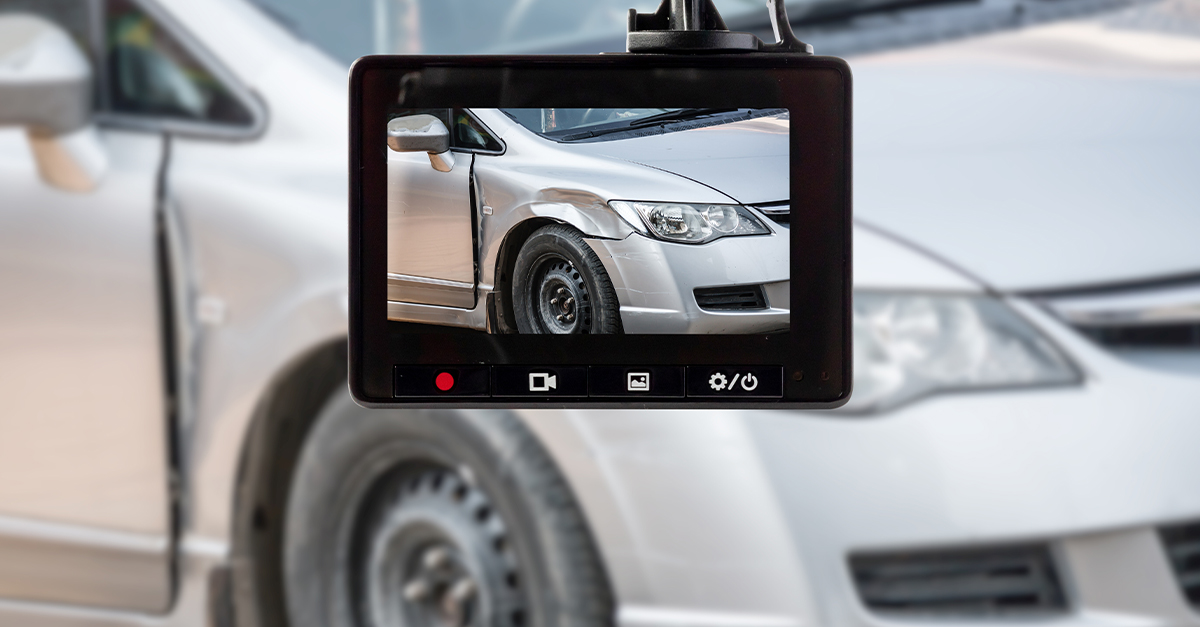
Many standard auto policies limit coverage for aftermarket parts and custom equipment unless they are specifically listed. The Insurance Information Institute notes that custom parts and equipment often need added coverage beyond a standard policy. If the dashcam itself was damaged or stolen, or if the installation counts as custom equipment, failing to disclose it may affect payment for the device even if the rest of the claim still goes through.

There Is A Big Difference Between Denying The Whole Claim And Denying Part Of It
This is where many drivers get caught off guard. An insurer may not be able to deny collision coverage for the crash itself, but it may refuse to pay for the dashcam, wiring kit, or windshield damage tied to the installation. In other cases, if the insurer believes the undisclosed equipment helped cause the loss, it may push for a broader denial.

If The Dashcam Caused The Damage, Expect Scrutiny
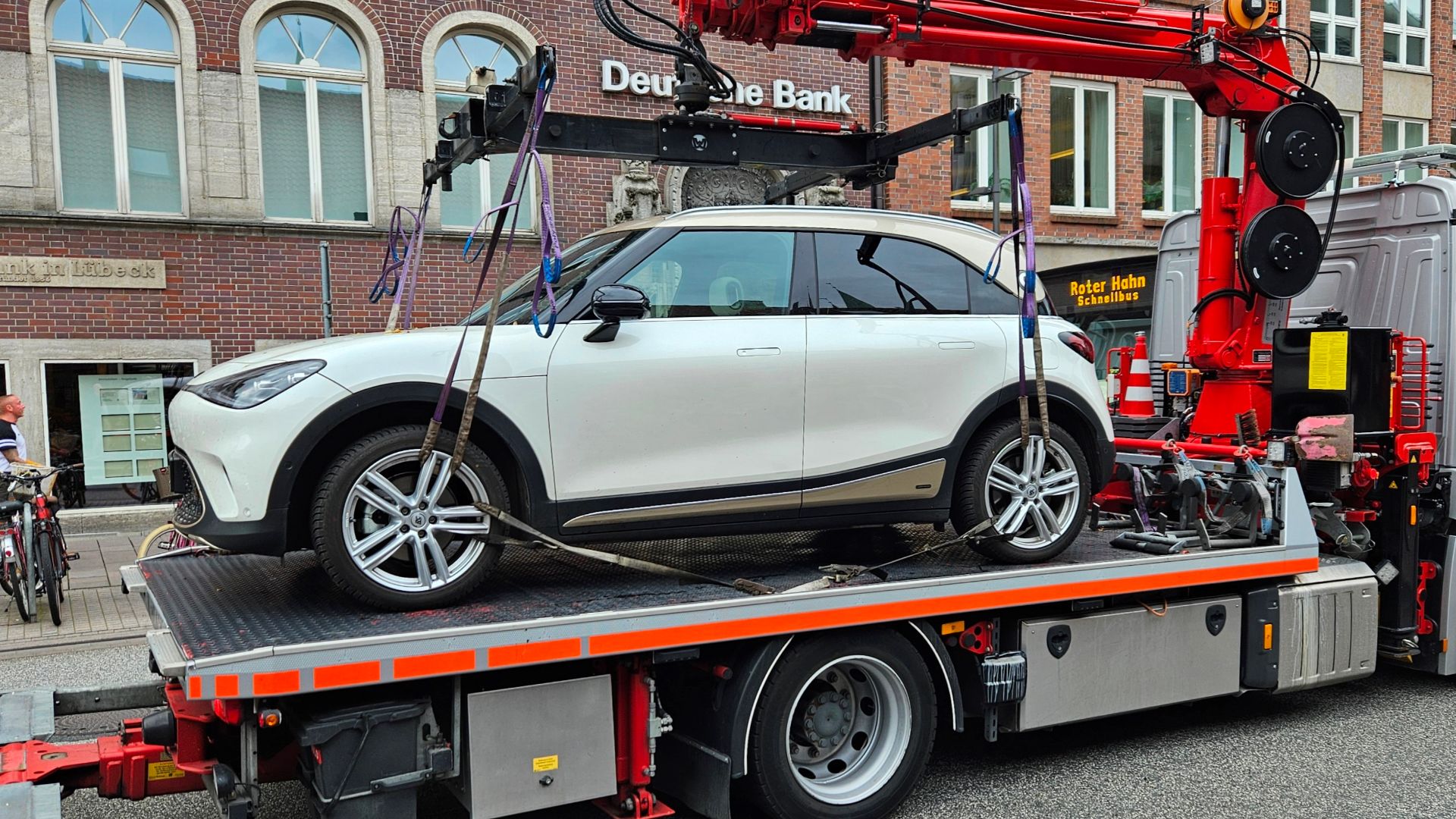
Picture a hardwired camera that allegedly triggered an electrical problem or drained the battery and led to a tow, breakdown, or fire-related claim. That gives the insurer a clear reason to investigate the installation and whether it should have been disclosed. The closer the device is to the damage, the stronger the insurer's argument becomes.
If The Dashcam Did Not Cause The Damage, The Insurer's Position Gets Harder
If another driver rear-ended you at a stoplight, the fact that you had an undisclosed dashcam may have little to do with the actual loss. In that kind of case, the insurer would usually need stronger policy language or a stronger materiality argument to justify a full denial. A broad denial over a camera that played no role in the crash is easier to challenge.

Windshield Laws Can Add Another Twist
Many states regulate what can be attached to the windshield because of visibility concerns. The International Association of Chiefs of Police has published a summary of state windshield obstruction laws, and the rules vary quite a bit. If your camera placement violated local law, that could become part of an insurer's argument about negligence, distraction, or illegal equipment.
 LIGHTFIELD STUDIOS, Adobe Stock
That Does Not Automatically Mean No Coverage
Even if the camera was mounted in a questionable spot, that alone does not automatically wipe out your entire policy. Insurers still have to follow the contract and state law. A visibility violation may affect fault or become one fact in the file, but it does not erase every promise in the policy.

Why Policy Wording Is Everything
Two policies from two insurers can treat aftermarket equipment very differently. One may say little about a removable dashcam, while another may have clear language about custom parts, electronic equipment, or misrepresentation on the application. Before accepting a denial, you need the exact policy provisions the insurer is relying on, not just a broad statement from an adjuster.

Look Closely At The Application You Signed
This is often where the dispute begins. If the application asked about modifications, custom equipment, or non-factory electronics, the insurer may argue you had a duty to disclose the dashcam setup. If the application never asked anything close to that, the insurer may have a weaker basis for saying the omission was material.

Rescission Is The Nuclear Option
In some states, insurers can rescind a policy if there was a material misrepresentation in the application. That means the insurer treats the policy as if it never existed. State insurance departments warn that rescission is a serious step and usually depends on whether the insurer can show the omitted fact mattered to the underwriting decision.

Claims Handling Rules Still Apply
Insurers cannot just send a denial with no support behind it. State unfair claims settlement laws generally require prompt investigation, reasonable explanations, and policy-based reasons for adverse decisions. If your denial letter is vague about why the dashcam mattered, that is a reason to push for clearer answers.

Start By Asking For The Exact Reason In Writing
Ask the insurer to identify the policy section, the application question, and the facts it says were left out. Also ask whether the company is denying the entire claim, rescinding the policy, or only denying payment for the dashcam and related equipment. That one step can reveal whether the insurer has a solid position or a shaky one.

Then Ask A Simple Follow-Up
Would the company have refused to issue the policy, charged a different premium, or added different terms if the dashcam had been disclosed? That question goes straight to materiality. If the insurer cannot clearly explain how the answer would have changed underwriting, its denial may be harder to defend.

Gather Your Best Evidence Fast
Keep the purchase receipt, installation invoice, product manual, and photos showing how the camera was mounted. If it was professionally installed, that can help push back against claims that the setup was unsafe or poorly wired. Also save the footage, because the insurer's concern about nondisclosure does not erase the camera's value as evidence.

Do Not Overlook The Installation Details
Was the camera plugged in, hardwired, or connected to a parking-mode battery pack? Was any factory wiring cut, or was a fuse tap used? These details may sound small, but they can help decide whether the device looks like ordinary personal property or a true vehicle modification.

If The Footage Helps You, Use It
Even in a dispute over disclosure, the video may still be powerful evidence on liability. If the other driver caused the crash, the footage can support your side of the story in a third-party claim against that driver or their insurer. That matters because a weak first-party coverage decision does not necessarily shut down every path to recovery.

File A Complaint If The Explanation Does Not Add Up
Every state has a department of insurance that accepts consumer complaints about claim handling and denials. Regulators do not act as your personal lawyer, but they can require the insurer to respond and explain its position. Sometimes that extra pressure is enough to get a more careful review.

Know When To Call A Lawyer
If the insurer is rescinding the policy, accusing you of material misrepresentation, or denying a large claim, it may be worth getting legal advice. Coverage disputes often turn on state-specific rules about materiality and rescission. A local attorney can tell you whether the company is stretching the law or standing on solid ground.

How To Avoid This Mess In The Future
Tell your insurer about any permanently installed electronics, especially if they are hardwired or involve custom wiring. Ask whether the device should be listed as custom equipment and whether extra coverage is available. It is a short phone call that can prevent a much longer fight later.

The Bottom Line For Drivers
A dashcam does not automatically wreck your insurance claim, and a denial based only on nondisclosure is not always the last word. The real issues are whether the policy required disclosure, whether the setup counted as a material modification, and whether the device actually mattered to the loss. If your insurer cannot clearly connect those dots, the denial may be worth challenging.