When It Comes Time To Sell
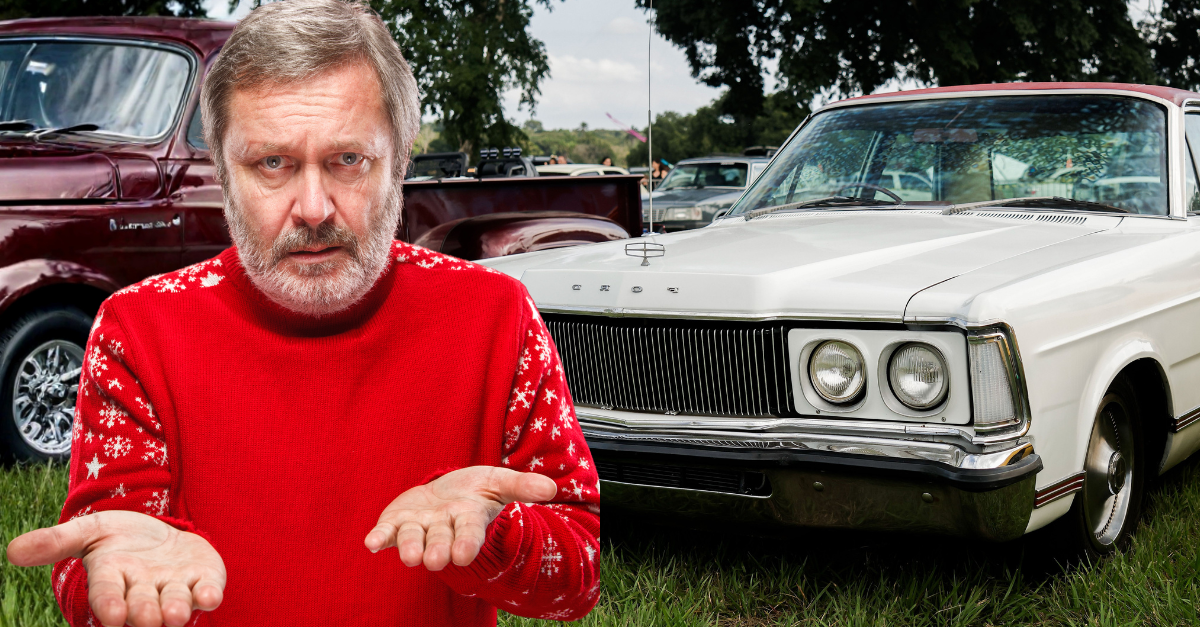
Car people love to tweak and personalize their rides, but not all modifications are created equal, especially when it comes time to sell the car. Some changes can turn off potential buyers and make your car a lot harder to sell, even if they look cool. We break down 20 specific mods that can be relied upon to reduce resale value. Even more importantly, we examine why they harm appeal.
 rebinworkshop, Shutterstock (modified); Factinate
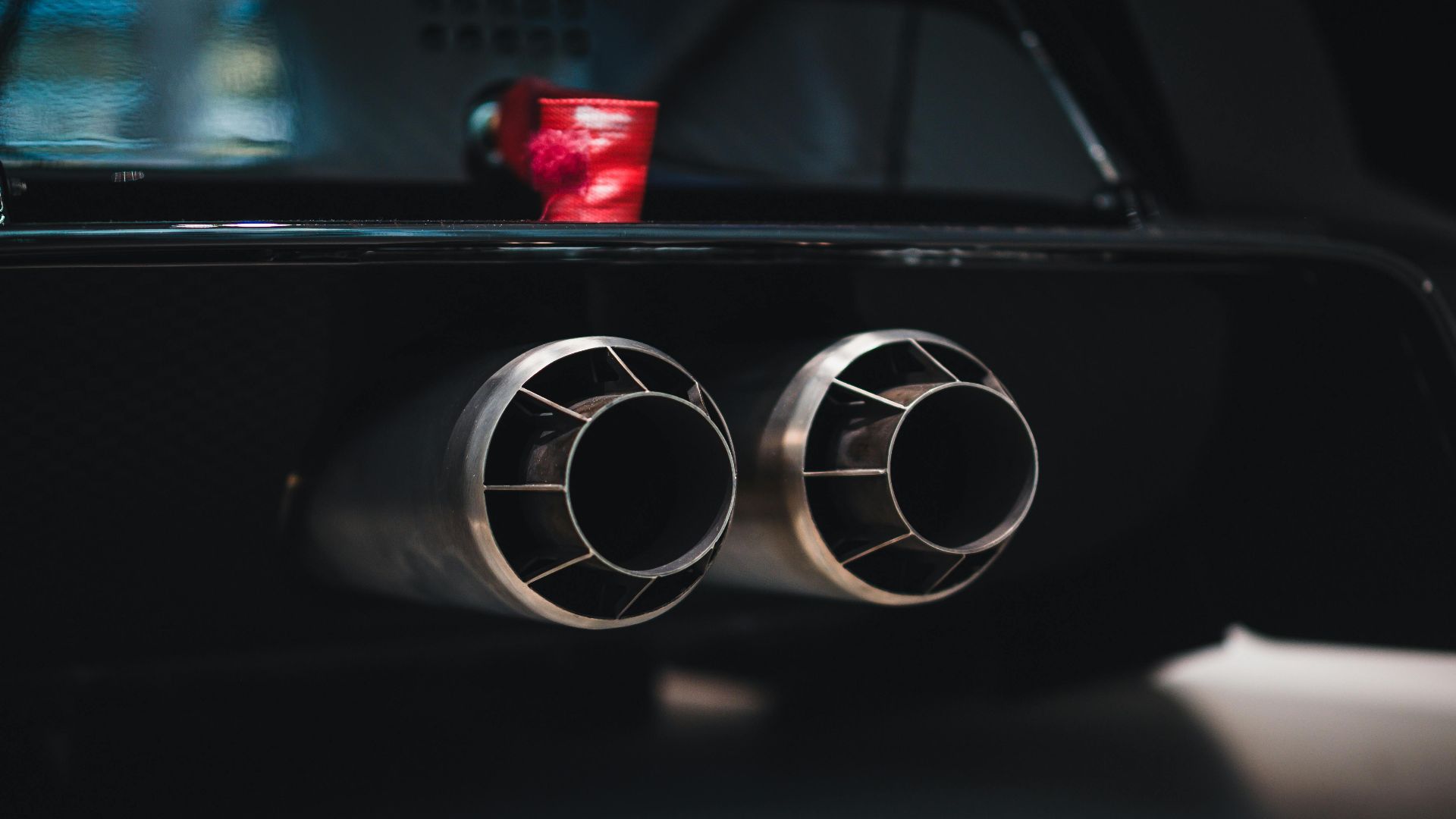
Aftermarket Exhausts
One of the most common mods that kills resale value is an aftermarket exhaust. Loud or aggressive systems can improve sound or performance, but most buyers see them as signs of hard driving and a source for potential future problems. They also limit your buyer pool to enthusiasts, which can cut down on the number of offers you get.
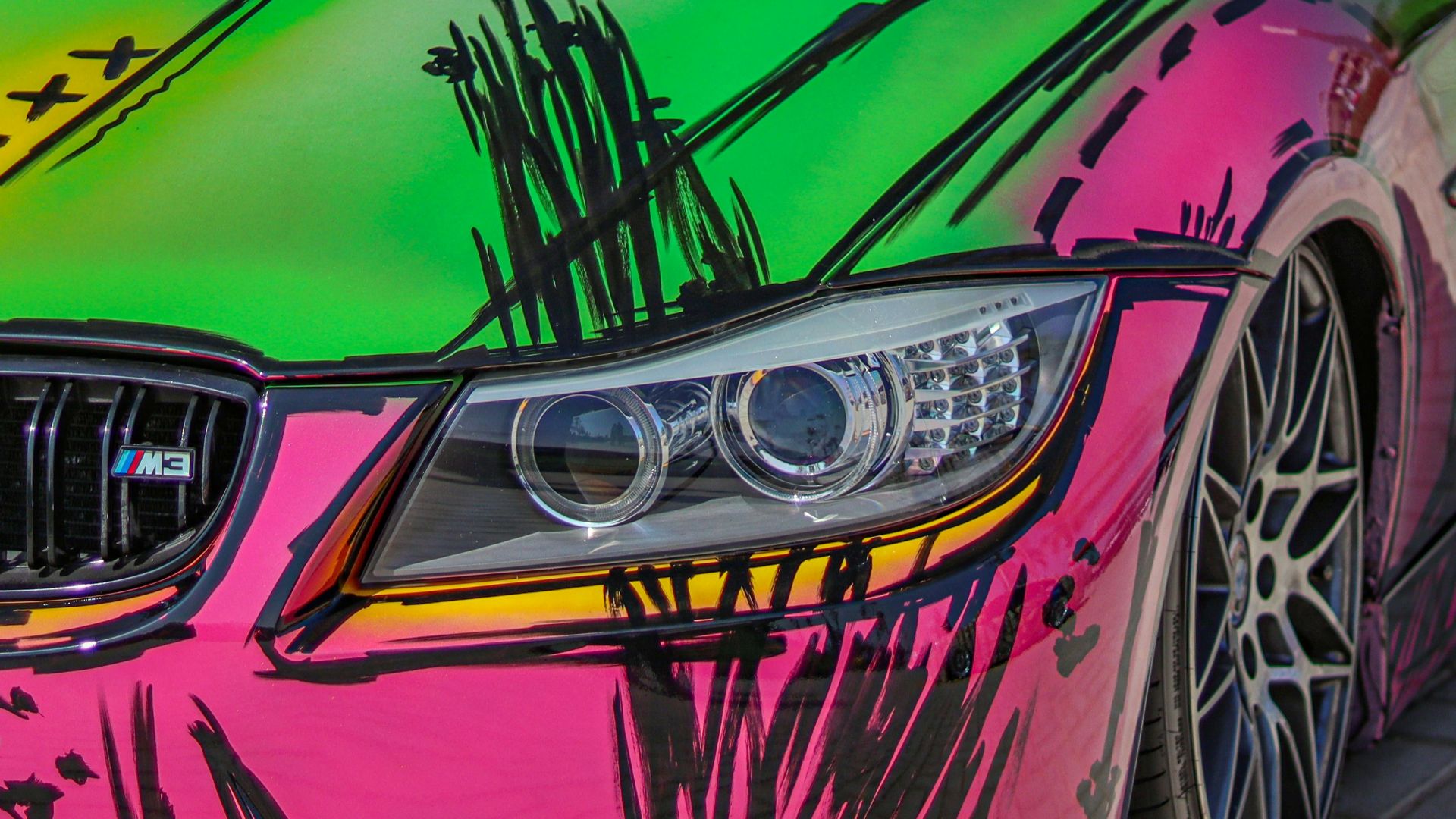
Loud Custom Paint Or Wrap
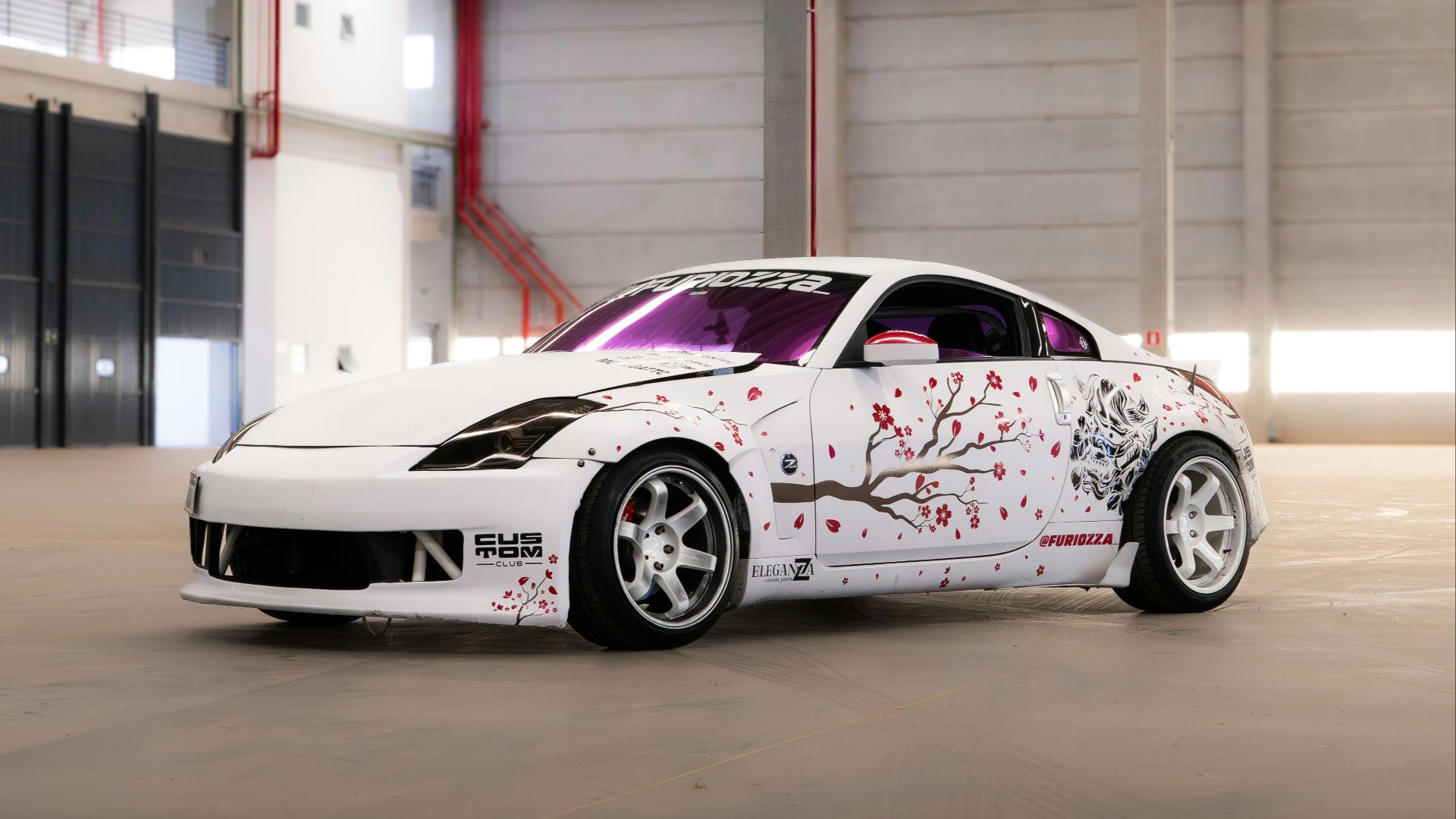
While a bold new paint job might reflect your personality, bright or unusual colors and wraps often hurt resale value. Buyers prefer neutral factory colors, and custom finishes suggest cost, attract unnecessary attention on the road, and the potential for other hidden issues. Wrapping can also leave adhesive residue or damage the original paint.
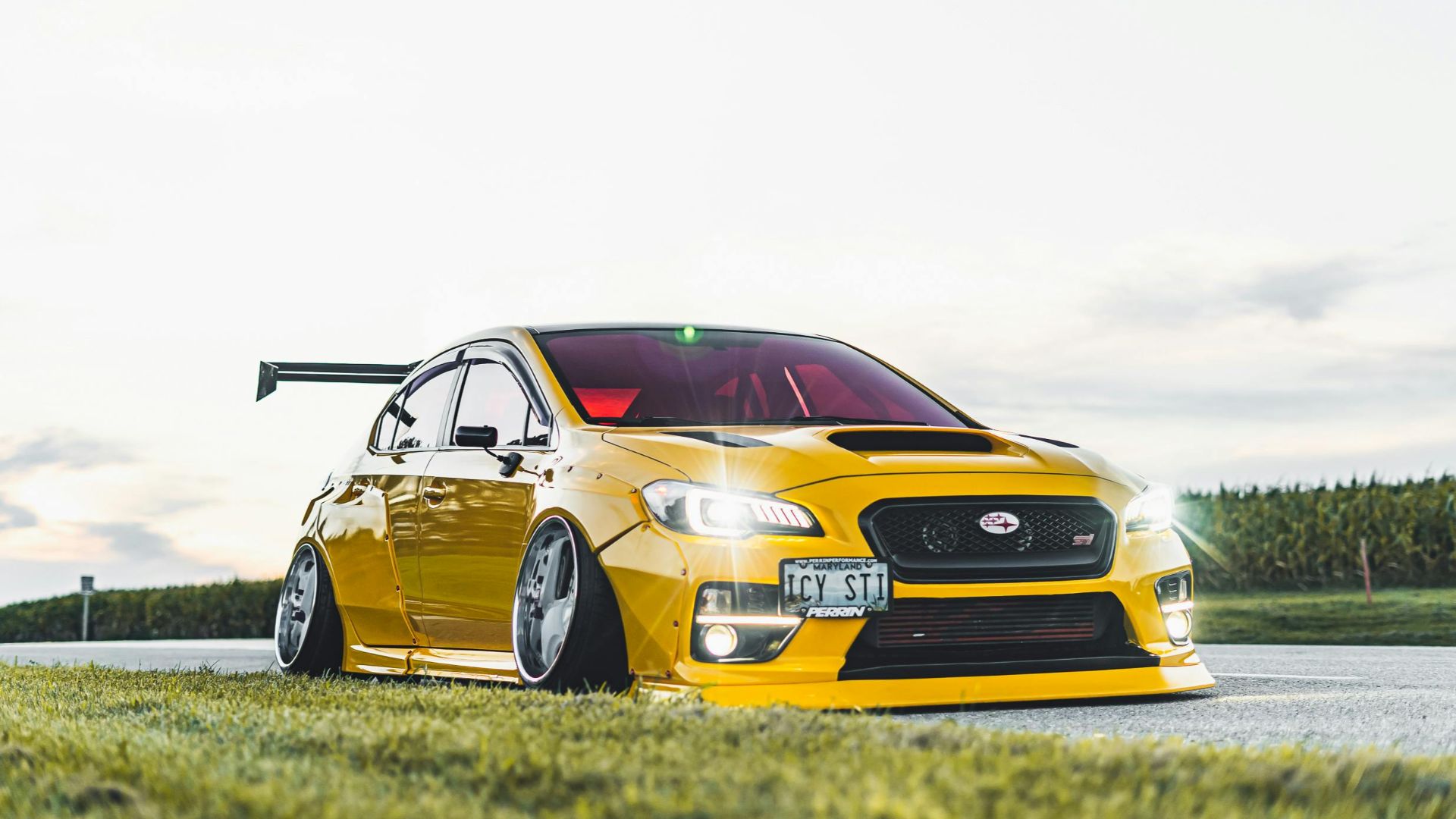
Non Functional Aero And Body Kits
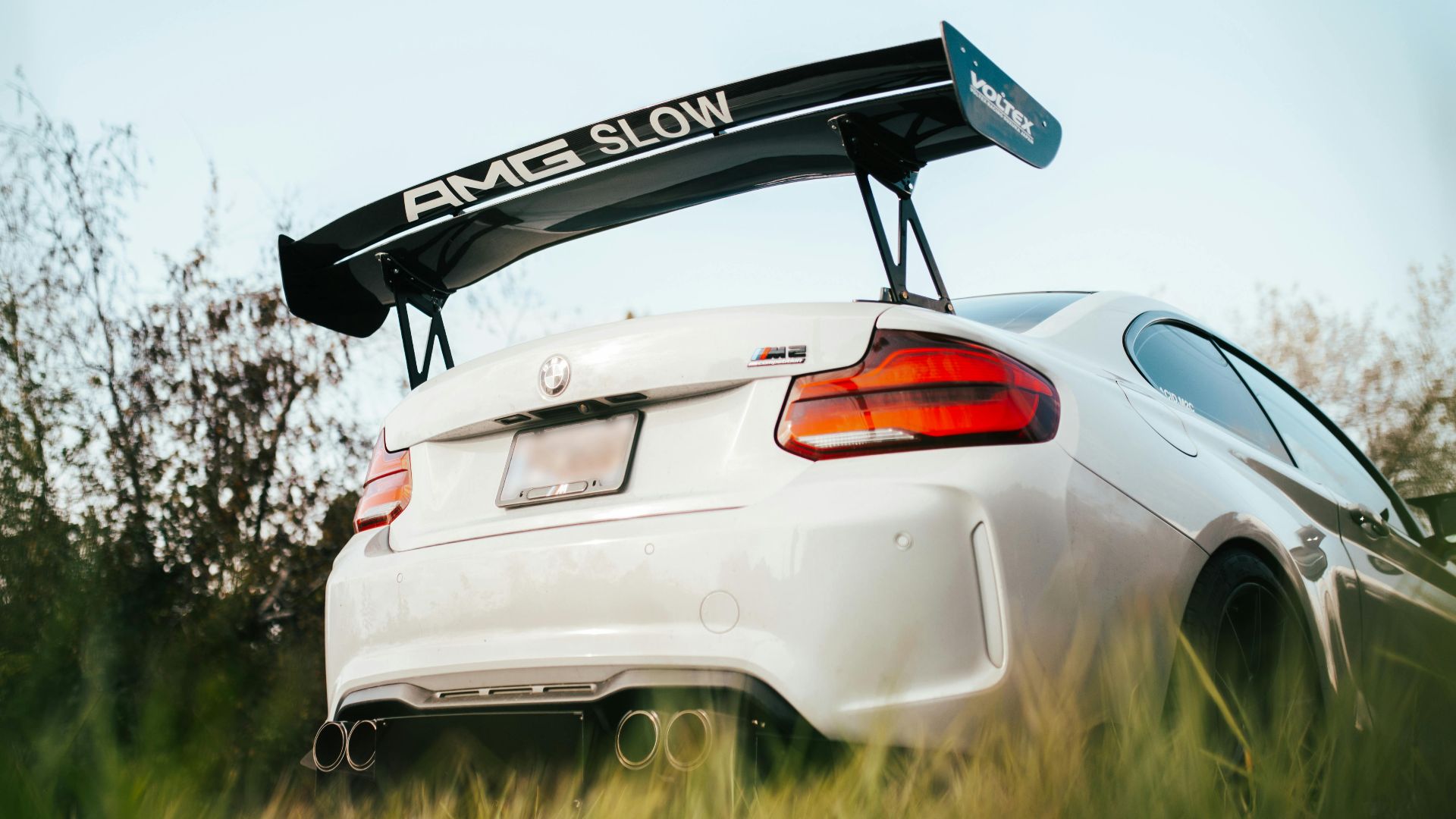
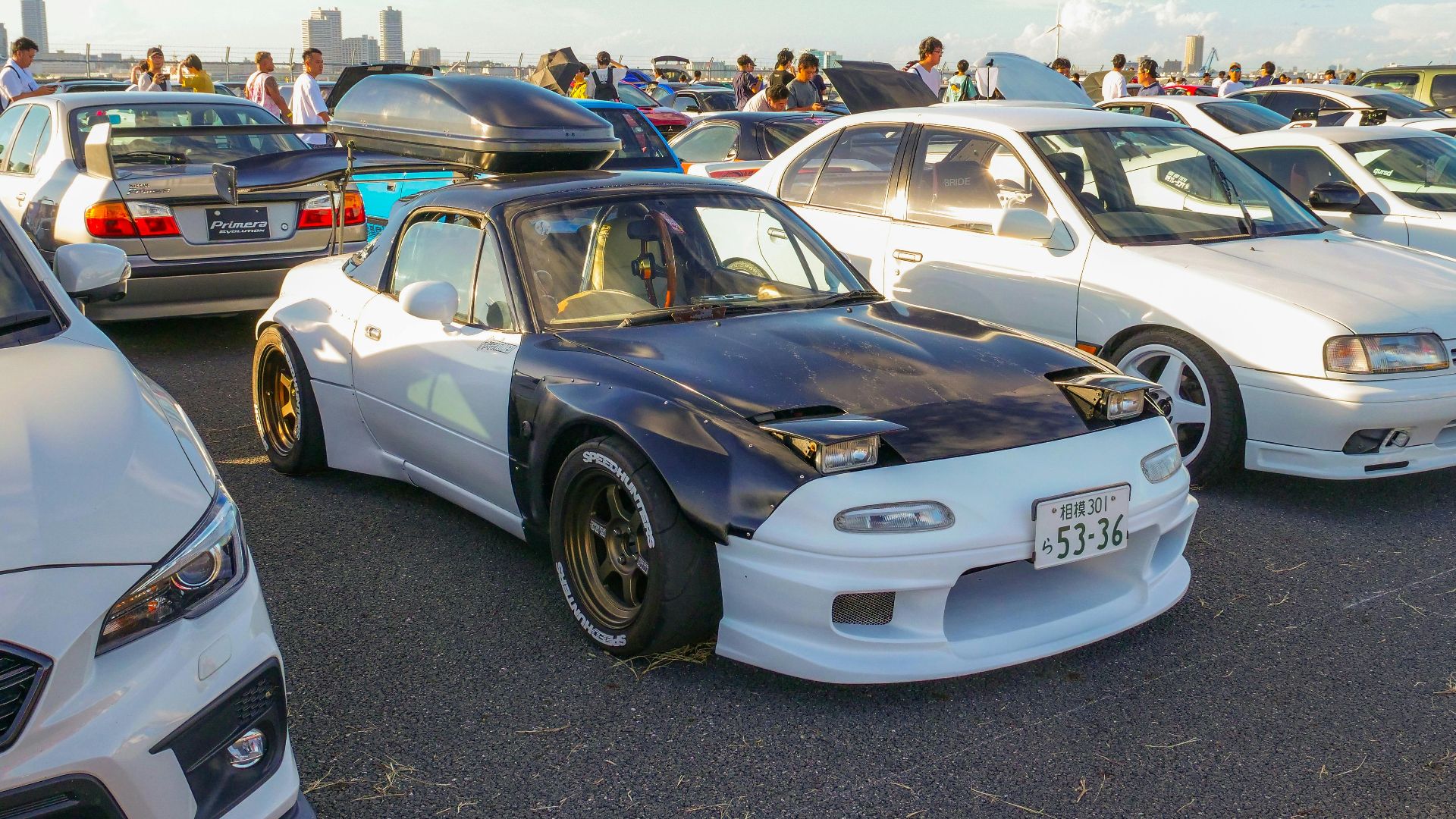
Adding oversized wings, splitters, or nonfunctional body kits may look aggressive, but they significantly thin out your buyer audience. Many buyers wonder if the car was raced or driven hard, and replacement parts can be difficult to track down and/or expensive, making resale offers lower.
Custom Engine Modifications
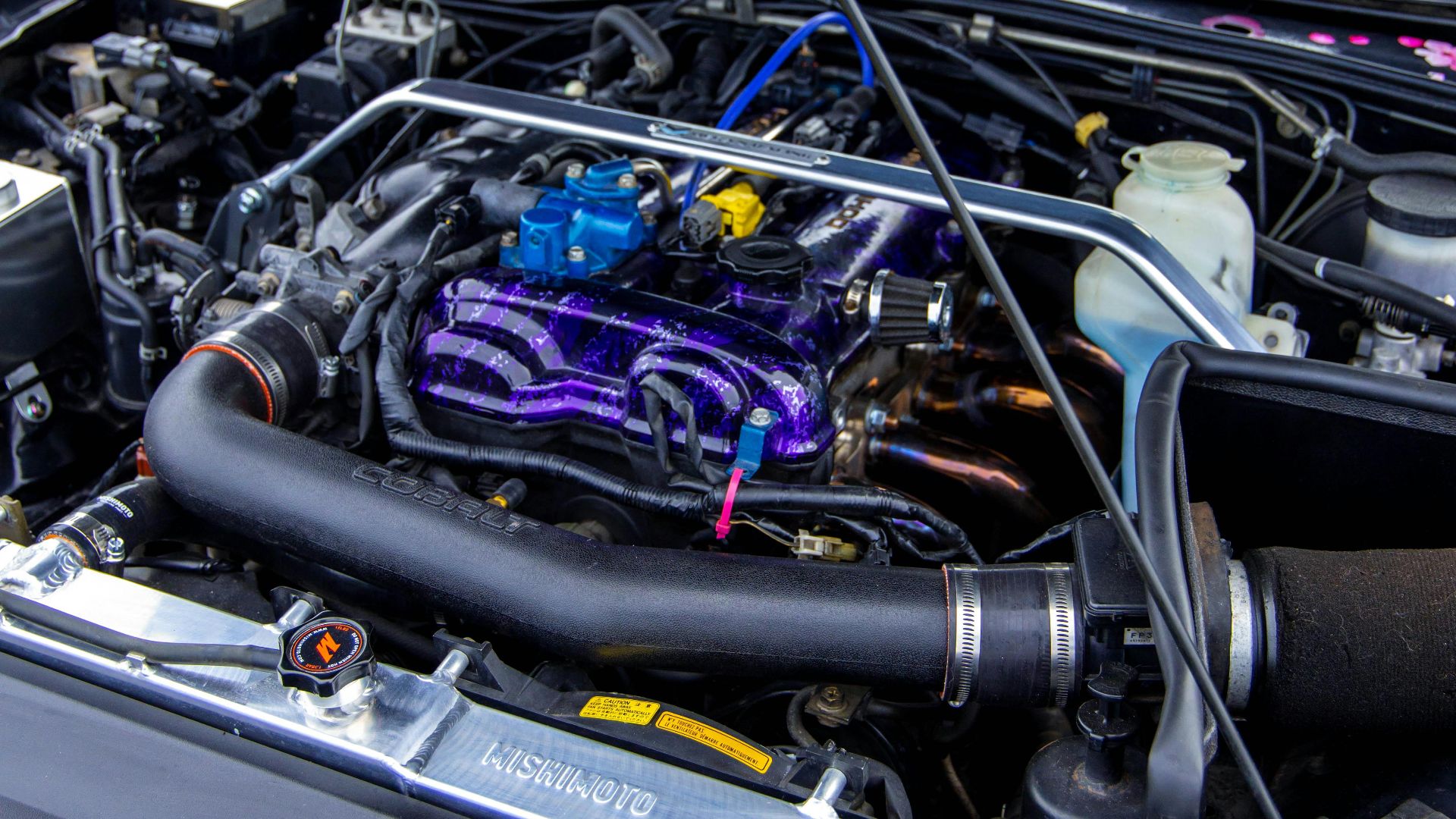
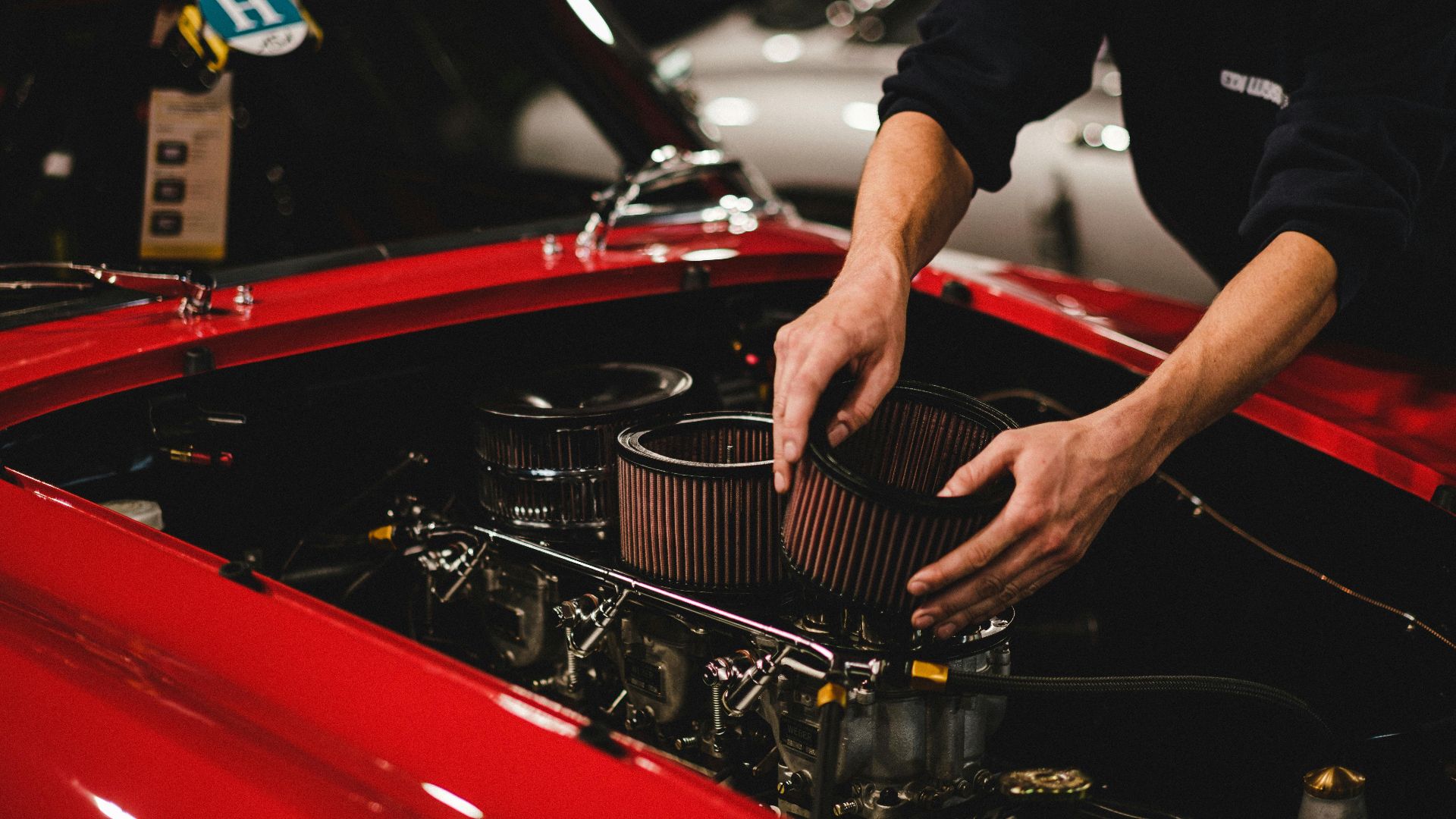
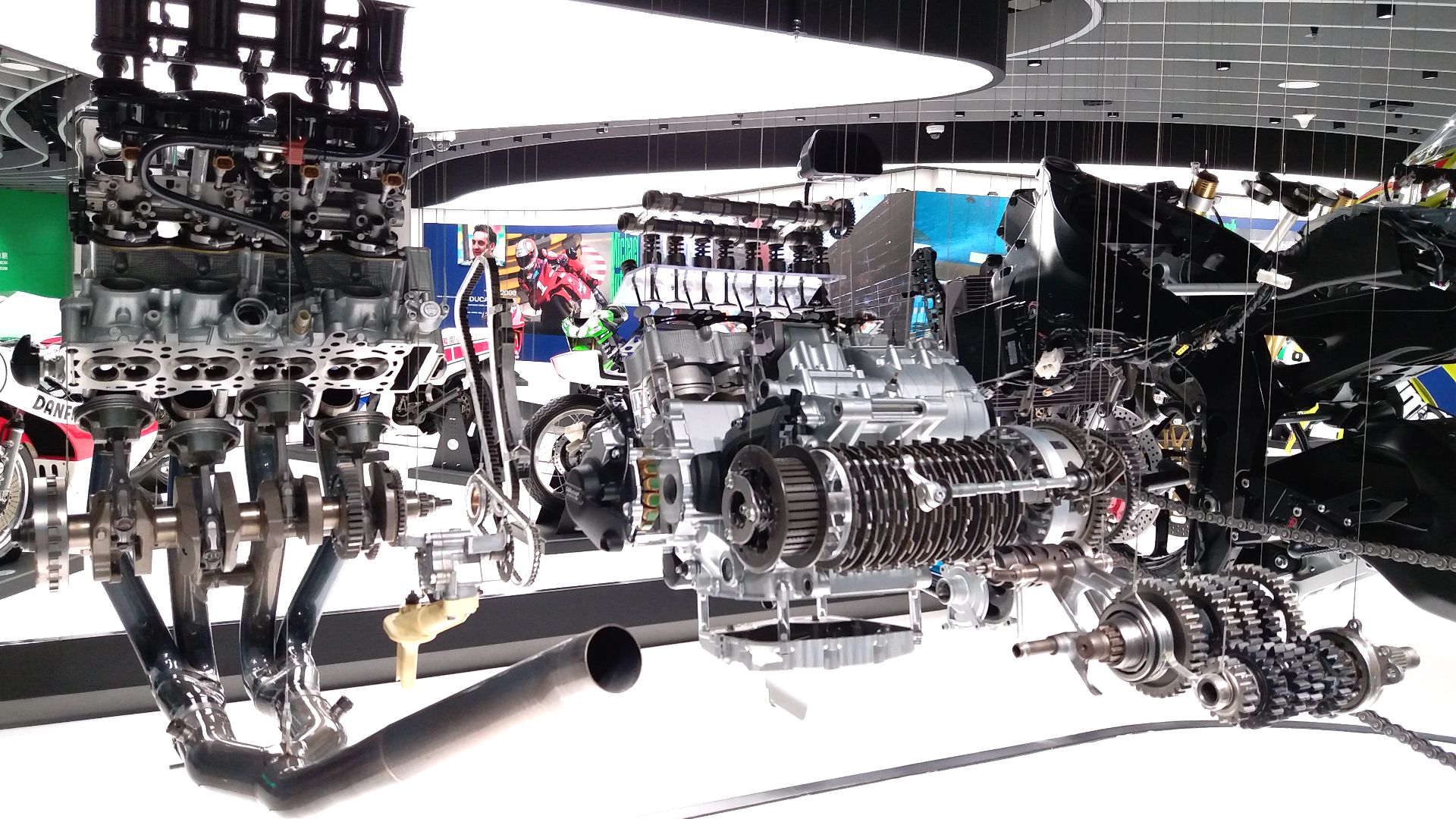
Heavy engine mods like turbo kits, engine swaps, or internal upgrades tend to hurt resale value. Buyers often are wary of aftermarket power additions, as they think it means increased wear or unreliable performance. Warranties can be voided, and many buyers won’t pay extra for modified powerplants.
ECU Tuning And Flashing
ECU modifications can boost performance, but few buyers see it as a plus. Tuning often voids factory warranties, and potential owners are concerned about engine stress and longevity. For mainstream used car buyers, a stock engine tune is an essential ingredient for their peace of mind.
Lowered Suspension
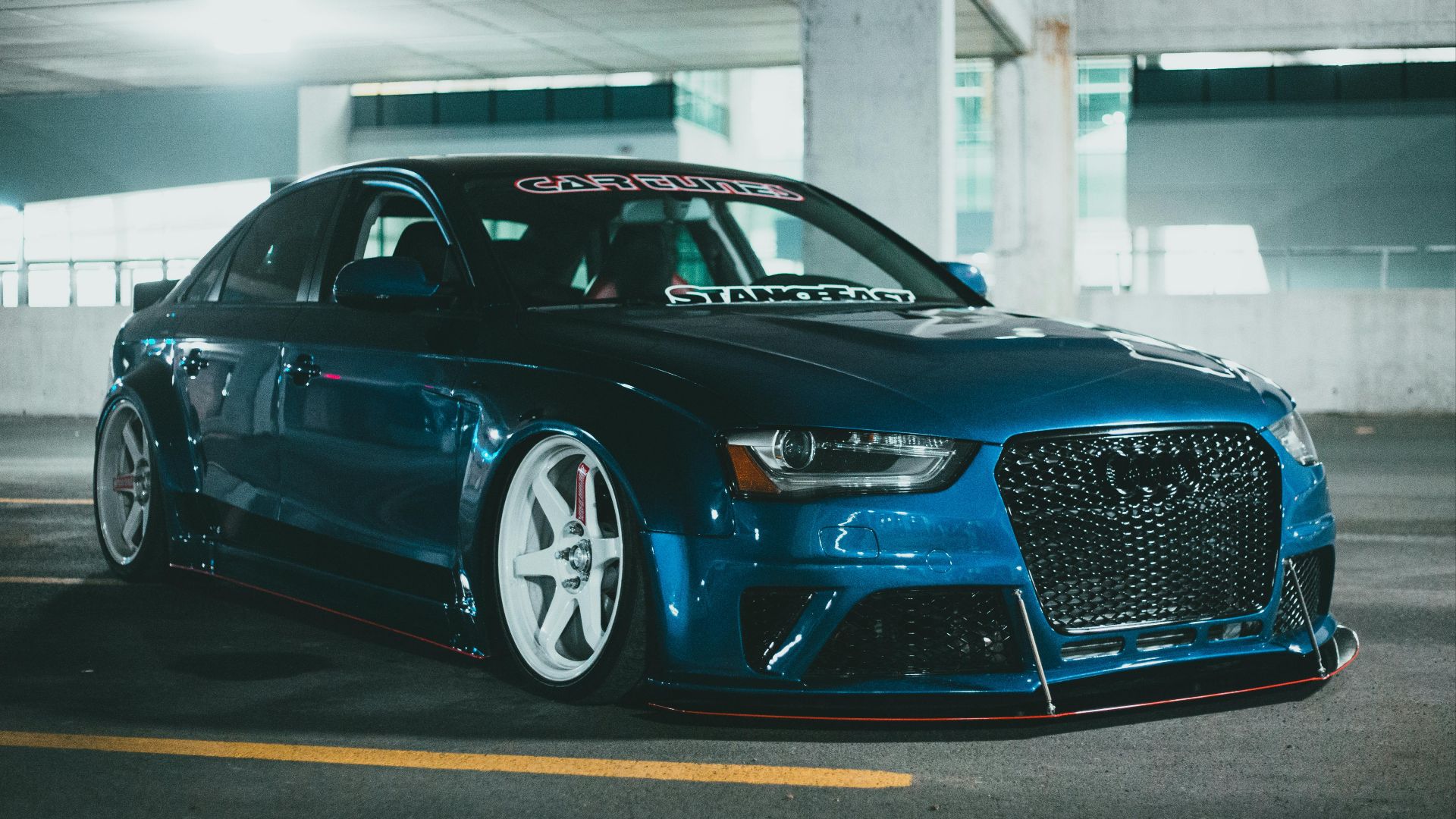
Lowering your car may give it a sportier stance, but it usually detracts from the resale value. Buyers worry about curb scrapes, alignment issues, and uncomfortable daily driving. Most everyday buyers are more than happy to go with a stock suspension that’s already optimized for comfort and usability.
Oversized Rims
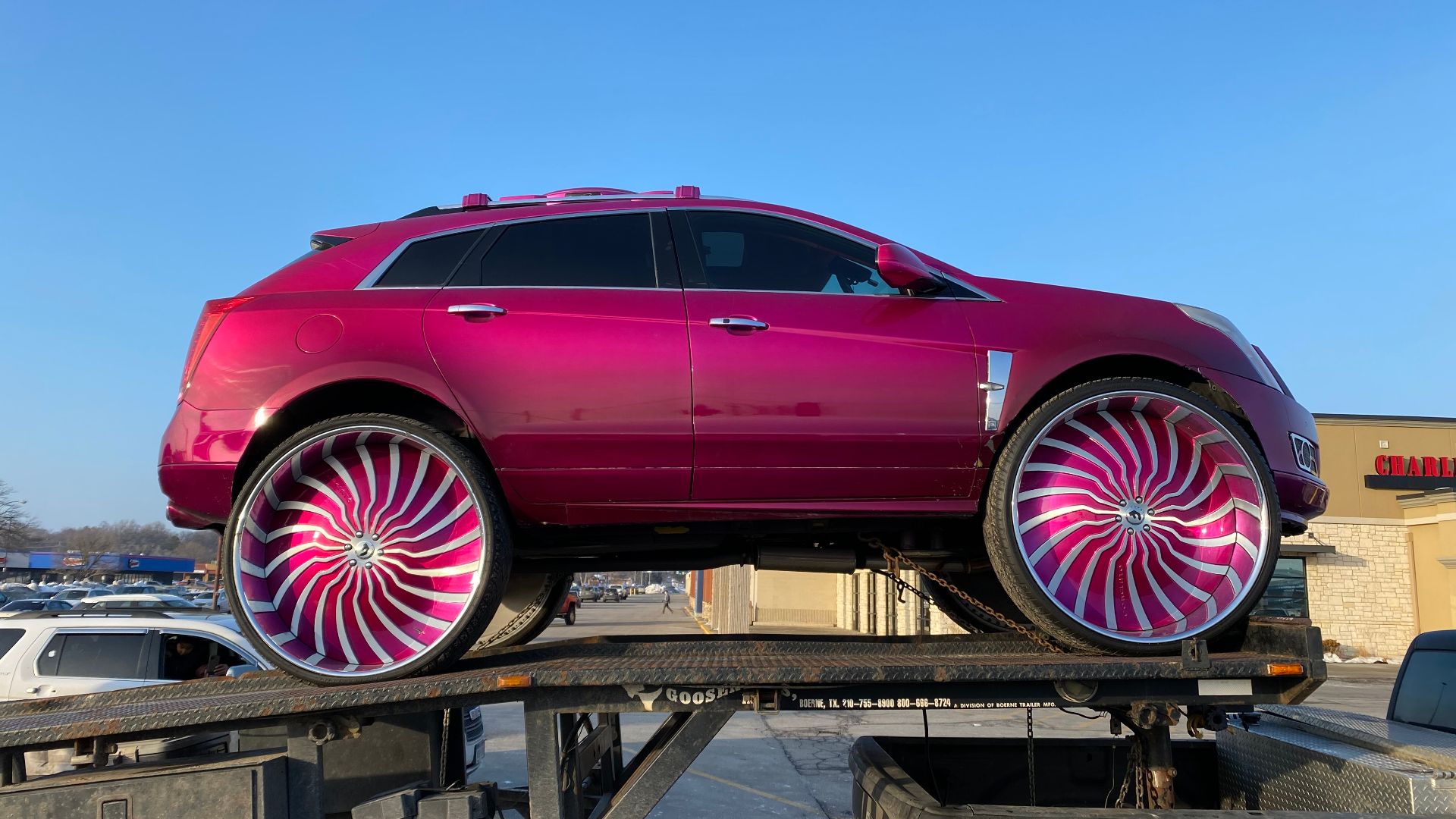
Big custom rims are visually striking, but they can lower value. They suggest a harsher ride, uneven tire wear, and greater potential damage. Buyers generally prefer standard wheel sizes that reduce running costs and are easier to replace.
 Shelby L. Bell, Wikimedia Commons
Aftermarket Electronics
Complex aftermarket electronics such as custom gauge clusters or infotainment systems can reduce value because buyers just don’t want to deal with potential wiring issues or future failures. Many prefer factory electronics backed by manufacturer support and proven reliability.
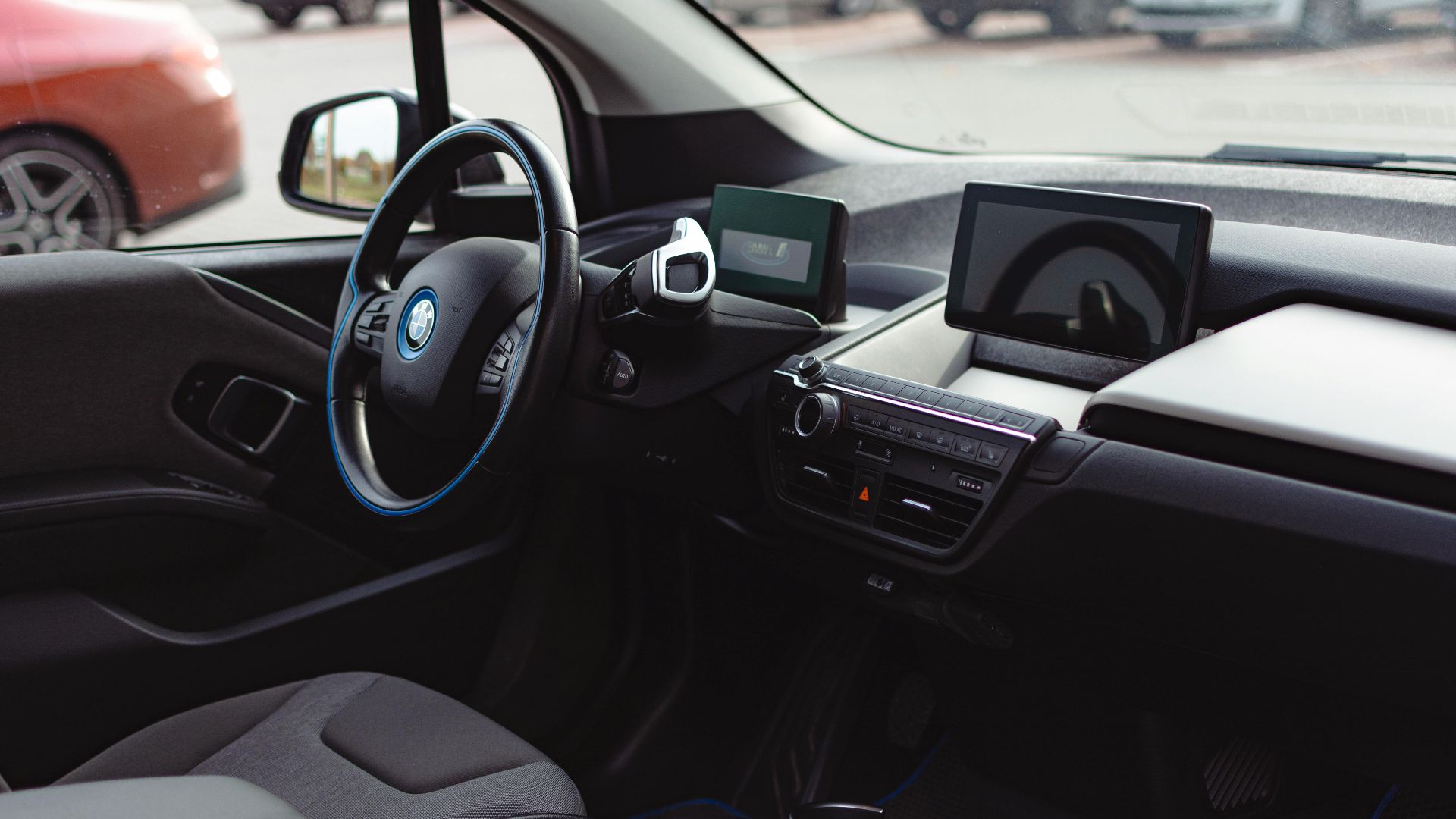
Excessive Bodywork Changes
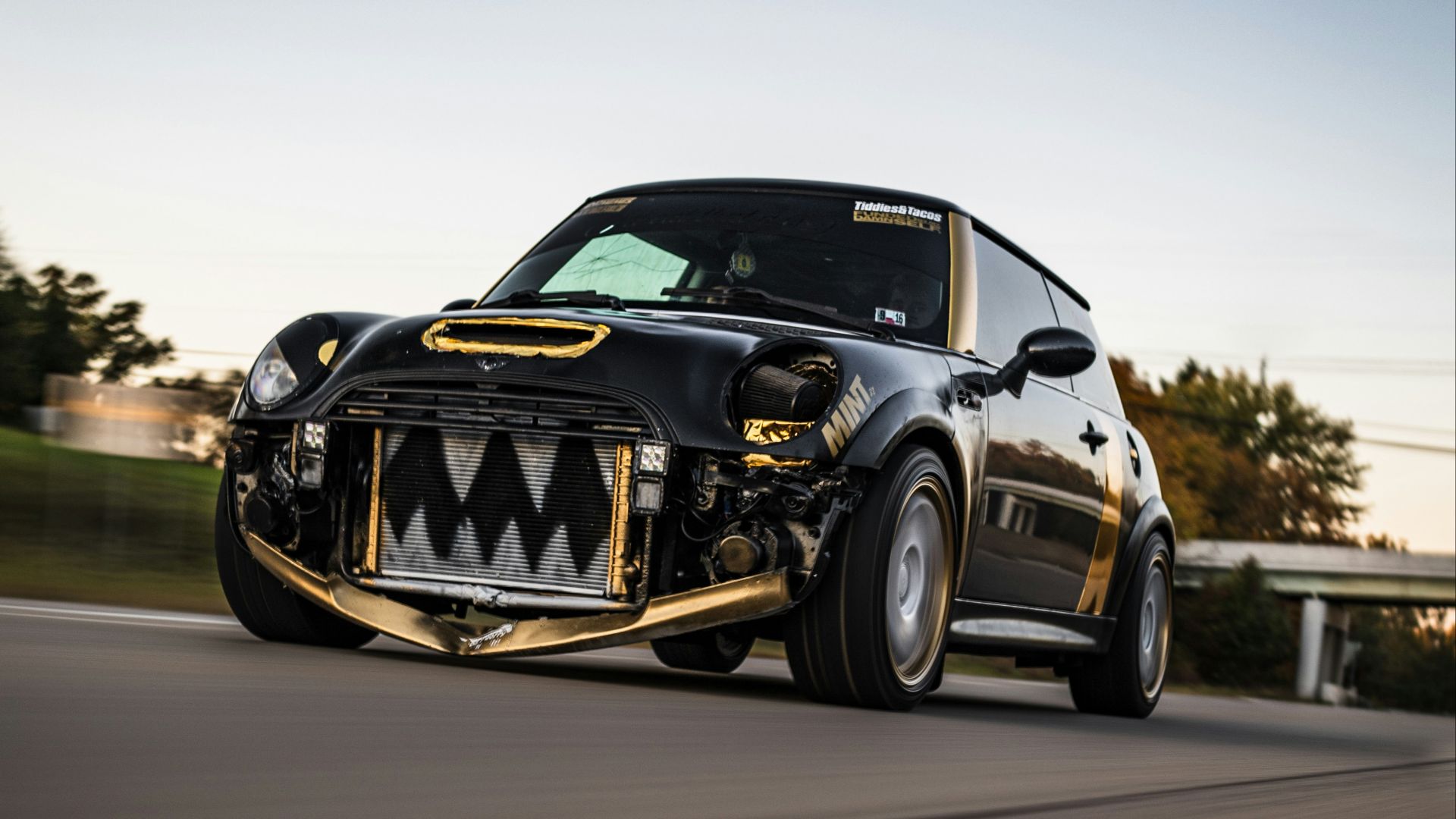
Heavy bodywork changes like custom bumpers or reshaped panels may appeal to a niche audience but they don’t usually generate mass buyer appeal. Nonstandard bodywork can also increase insurance costs and scare off buyers who are just looking for something that looks normal.

Flared Wheel Arches
Although flared arches can improve looks or clearance, they often signal racing use to buyers. This brings unwelcome concerns and questions about aggressive driving or unseen suspension modifications, typically resulting in lower offers.

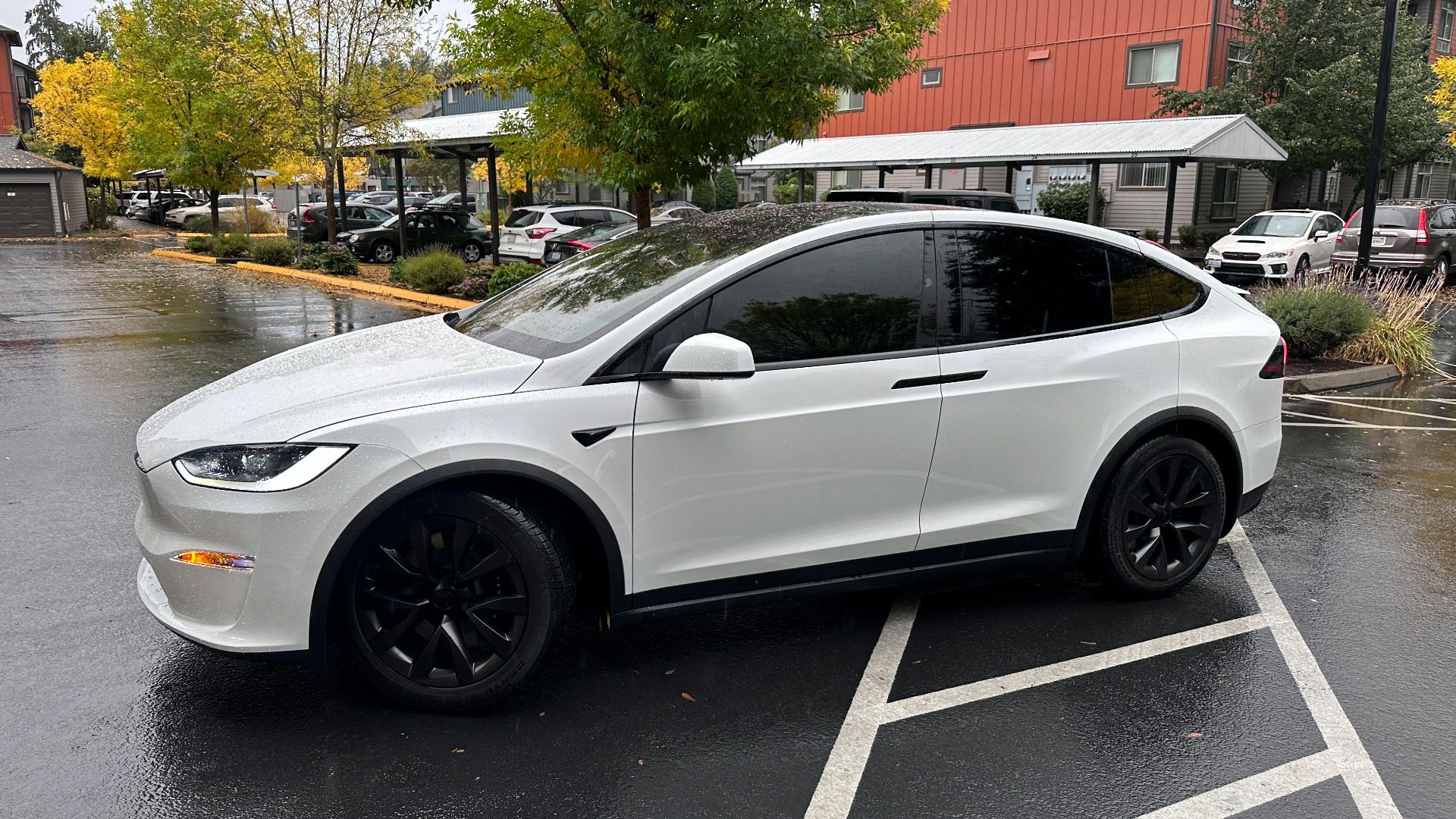
Excessive Window Tinting
Extremely dark window tint carries an unsavory look; it can appear illegal and may need removal before sale. Buyers often see it as a hassle or regulatory problem, so these extreme tint levels reduce value even if they provide a semblance of privacy or heat reduction.
Bold Graphics And Decals
Large decals and splashy loud graphic kits may express personal style, but they significantly limit appeal. Buyers often calculate removal costs or paint damage risk into their offers, reducing resale value overall.

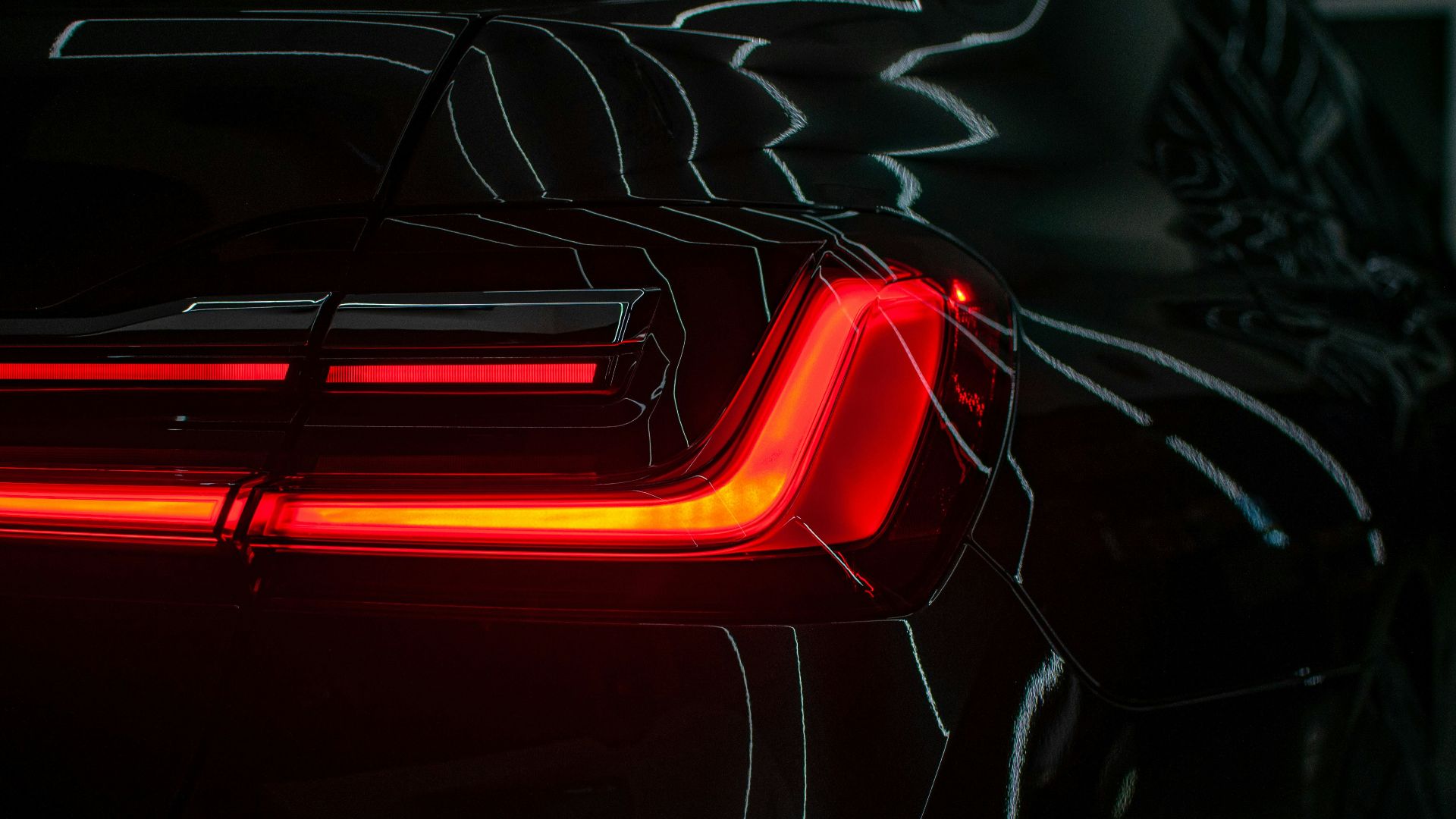
Custom Headlight And Taillight Kits
Extensive lighting modifications can date a car quickly and also raise concerns about whether such lights have been installed properly. Many buyers trust factory lighting systems more, viewing aftermarket lights as potential electrical issues and a general all-around headache.
Narrow Buyer Pool Modifications
Any modification that appeals only to a small subset of buyers has an immediate effect of reducing resale potential. A smaller interested audience almost always leads to lower sale prices or a longer period of time on the market.
Non-OEM Replacement Parts
Replacing major components with non-OEM parts can also hurt value. Dealerships and private buyers often favor the original manufacturer parts for reliability and warranty reasons, viewing aftermarket replacements as a risk.
 Pauloleong2002, Wikimedia Commons
Heavily Modified Interiors
Custom interior swaps involving fancy leather, leopard skin, etc., can seem luxurious but rarely add value. Buyers worry about hidden damage, wiring issues, mismatched components, and a mismatched personal aesthetic. Stock interiors are easier to evaluate, raise fewer questions and objections, and are easier to sell.

Performance Brake Kits
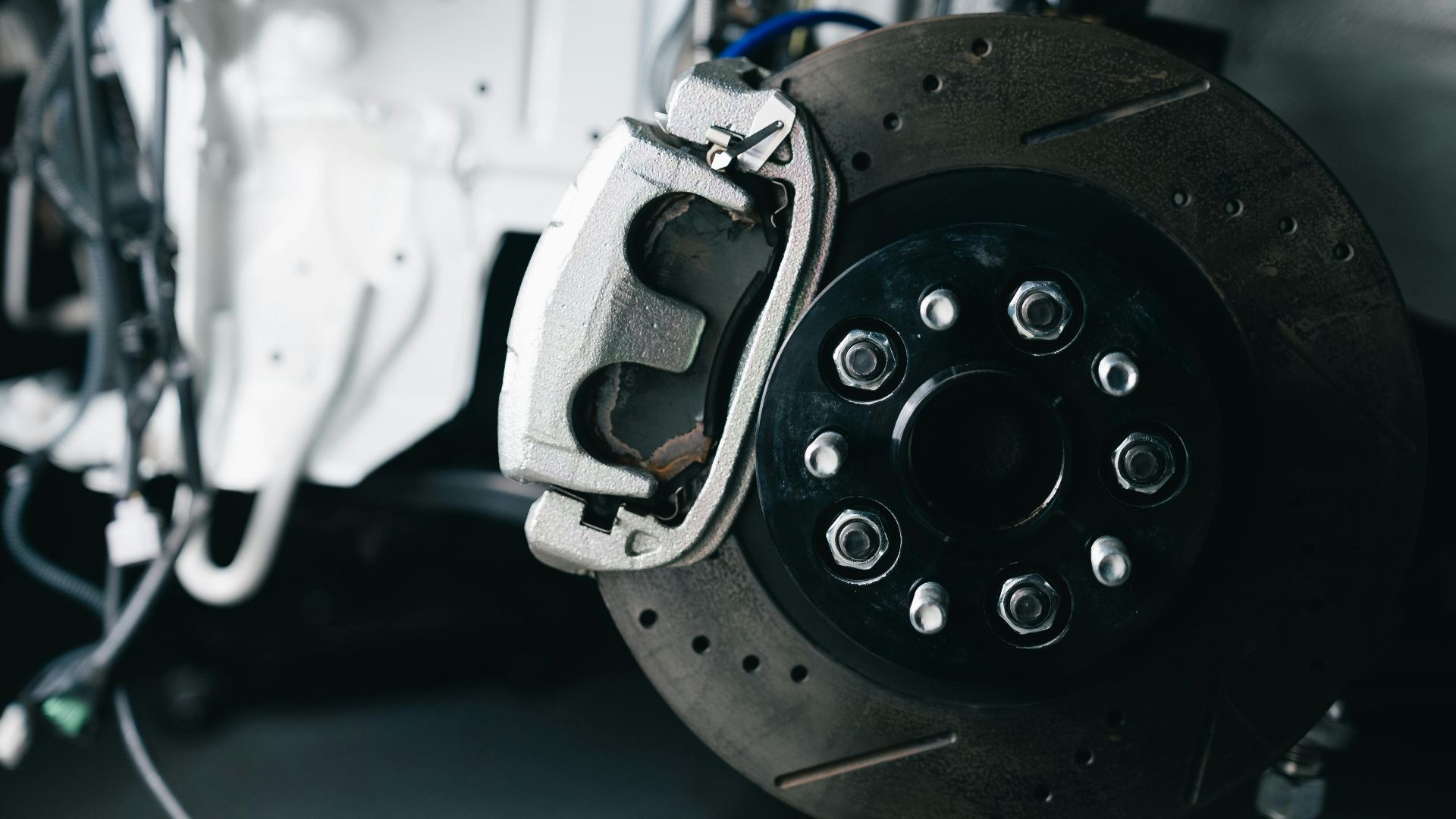
Large performance brake kits can reduce appeal for everyday buyers. Unless the buyer plans on racetrack use or other performance driving, oversized brakes suggest higher maintenance costs without any clear benefits for normal daily use.
Large Rear Spoilers
Massive spoilers can look aggressive and make a huge impression, but let’s face it, their broad appeal is limited. Many buyers view them as unnecessary or impractical unless part of a factory performance package.
Roll Cages And Track Safety Mods
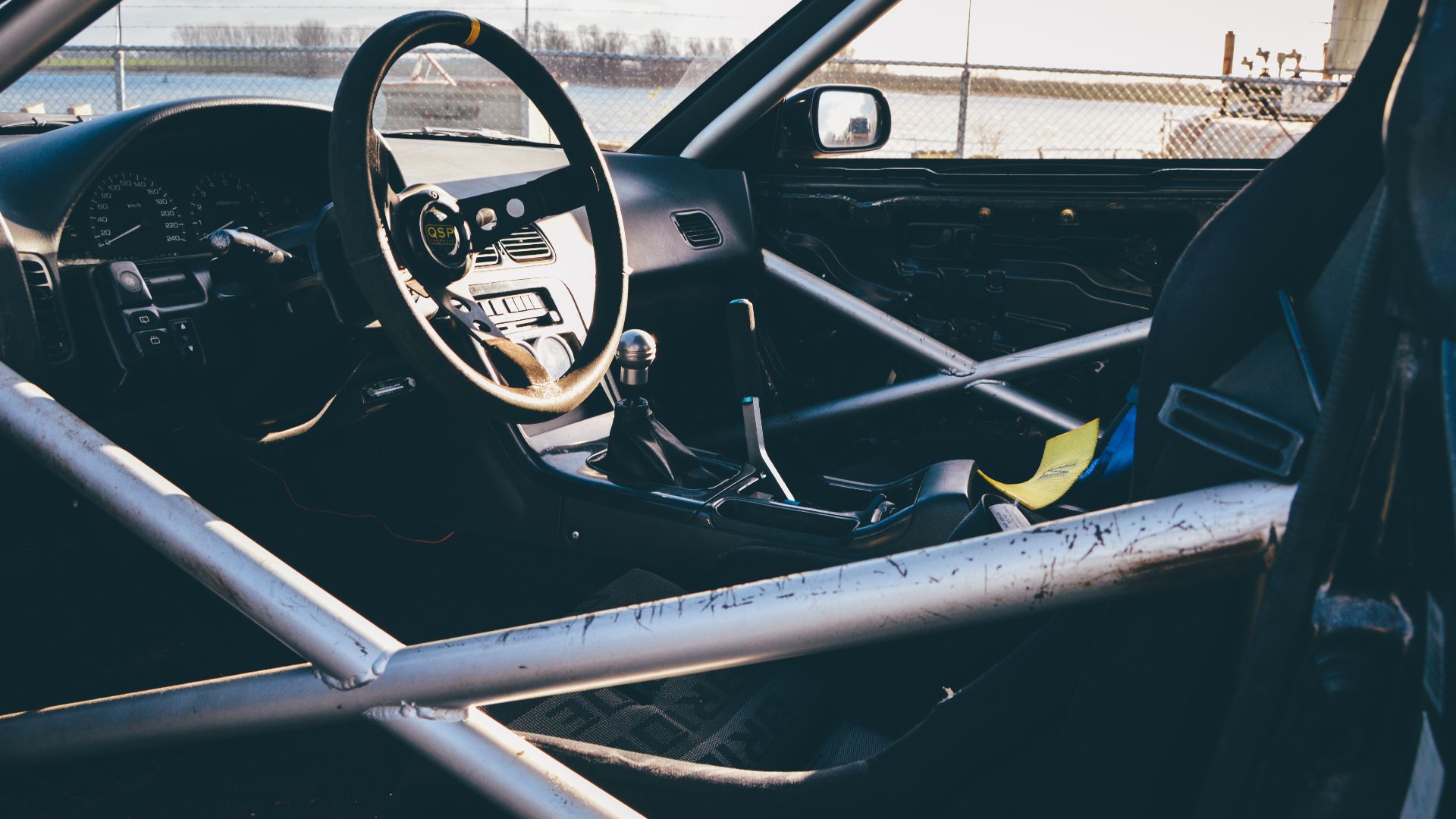
Roll cages and track focused safety equipment make a car highly specialized. Again, these kinds of features may be useful on track, but they reduce comfort and everyday usability, shrinking the buyer pool dramatically.
 Lloyd Dirks lloydaleveque, Wikimedia Commons
Removing Safety Features
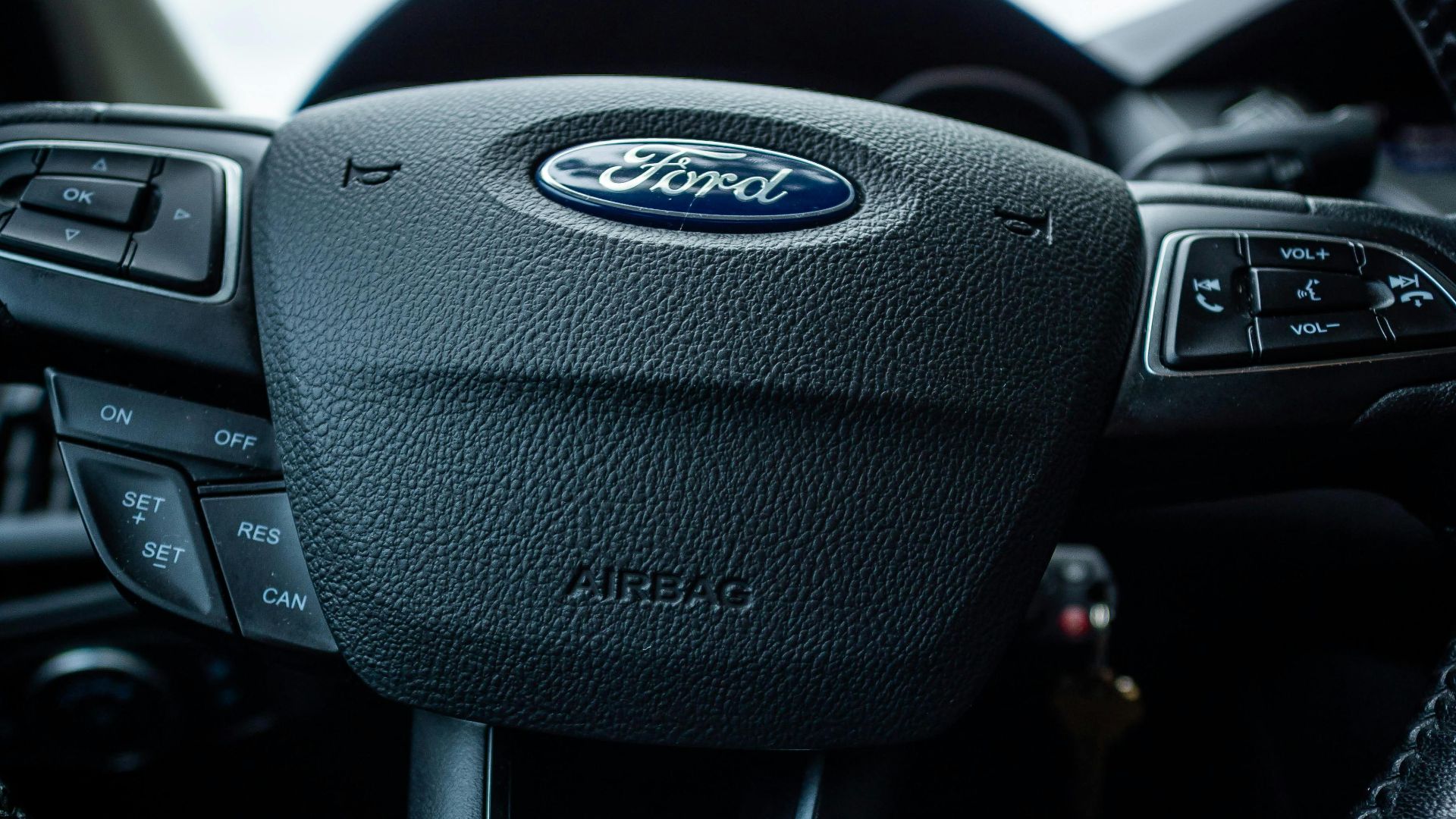
Removing airbags or electronic safety systems for performance reasons is a big no-no for a lot of people, and will severely hurt resale value. Most buyers won’t even give a moment’s consideration to a vehicle that compromises safety, regardless of whatever performance gains it gets from it.
Radical Customization
The general theme here is that any radically customized vehicles almost always lose resale value. Unless a buyer shares the exact same taste as you do, highly personalized builds are always going to be a lot harder to sell and will bring lower offers.
Conclusion
Car modifications can be a lot of fun, but they often come at a resale cost. Subtle, reversible upgrades maintain the car’s value a lot better than extreme personalization. If resale value is something that matters to you, keeping a car as close to its factory condition as possible remains the safest financial decision.
You May Also Like:
Affordable Cars That Feel More Expensive Than They Are
Exactly What You Need To Know To Avoid Getting Scammed By A Private Seller