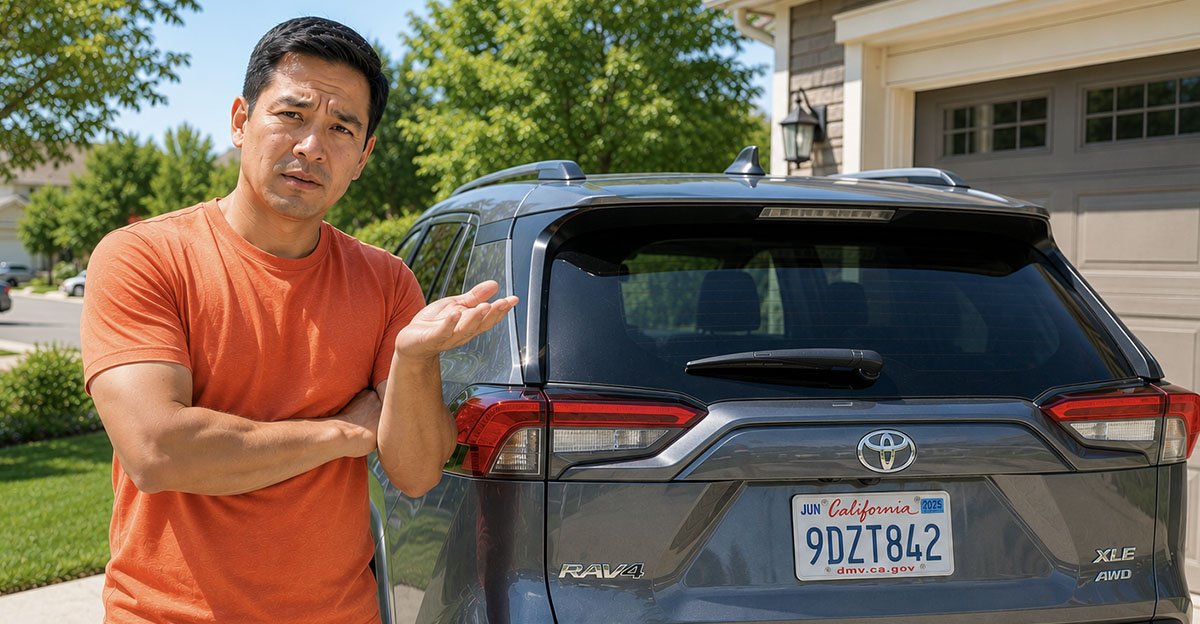
That Fancy Tailgate Is Convenient, But What Happens When It Breaks?
Powered tailgates have become one of the most popular convenience features on modern SUVs, crossovers, and pickup trucks, but many owners start wondering what happens once the warranty expires. Are these systems built to last, or are they expensive repairs waiting to happen? Fortunately, while power tailgates do add complexity, they also tend to be more reliable than many people fear.
They're More Than Just An Electric Motor
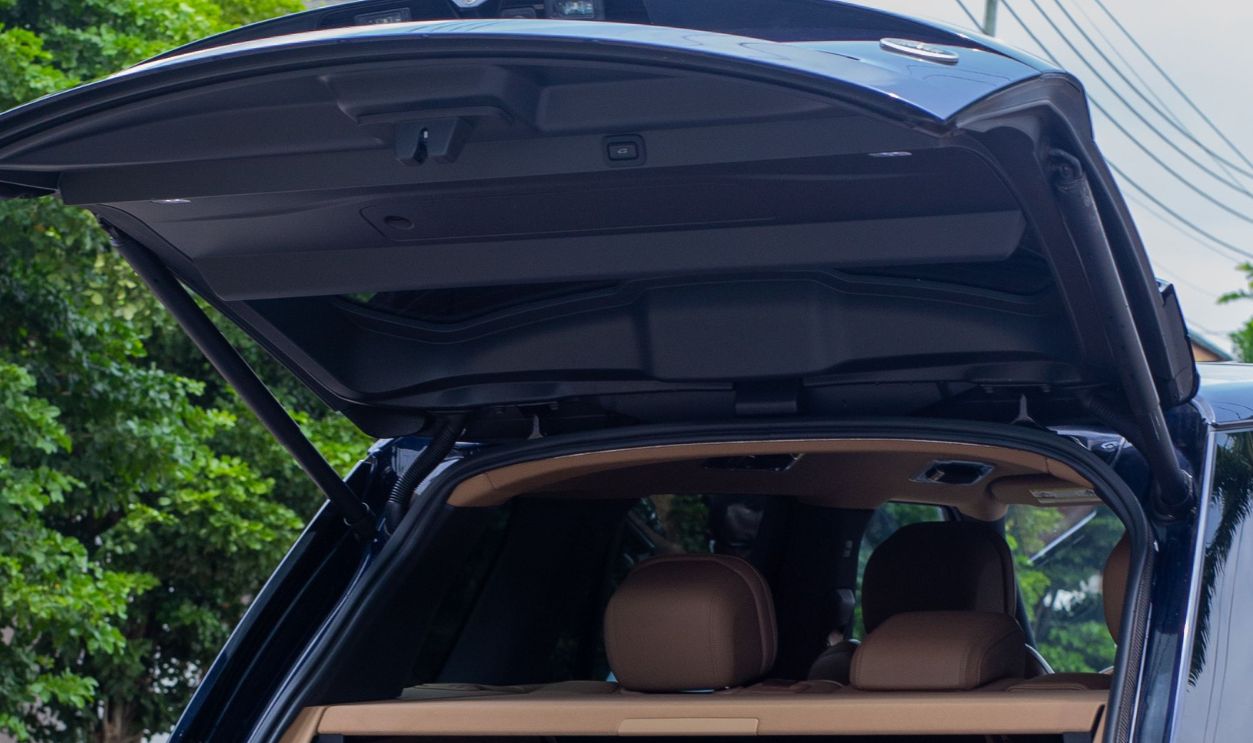
A powered tailgate isn't simply a motor that opens the hatch. Most systems combine electric actuators, gas struts, latch mechanisms, electronic control modules, wiring harnesses, pinch sensors, switches, and sometimes foot-activated sensors beneath the rear bumper. All of those components work together every time you press the button.
Different Manufacturers Use Different Designs
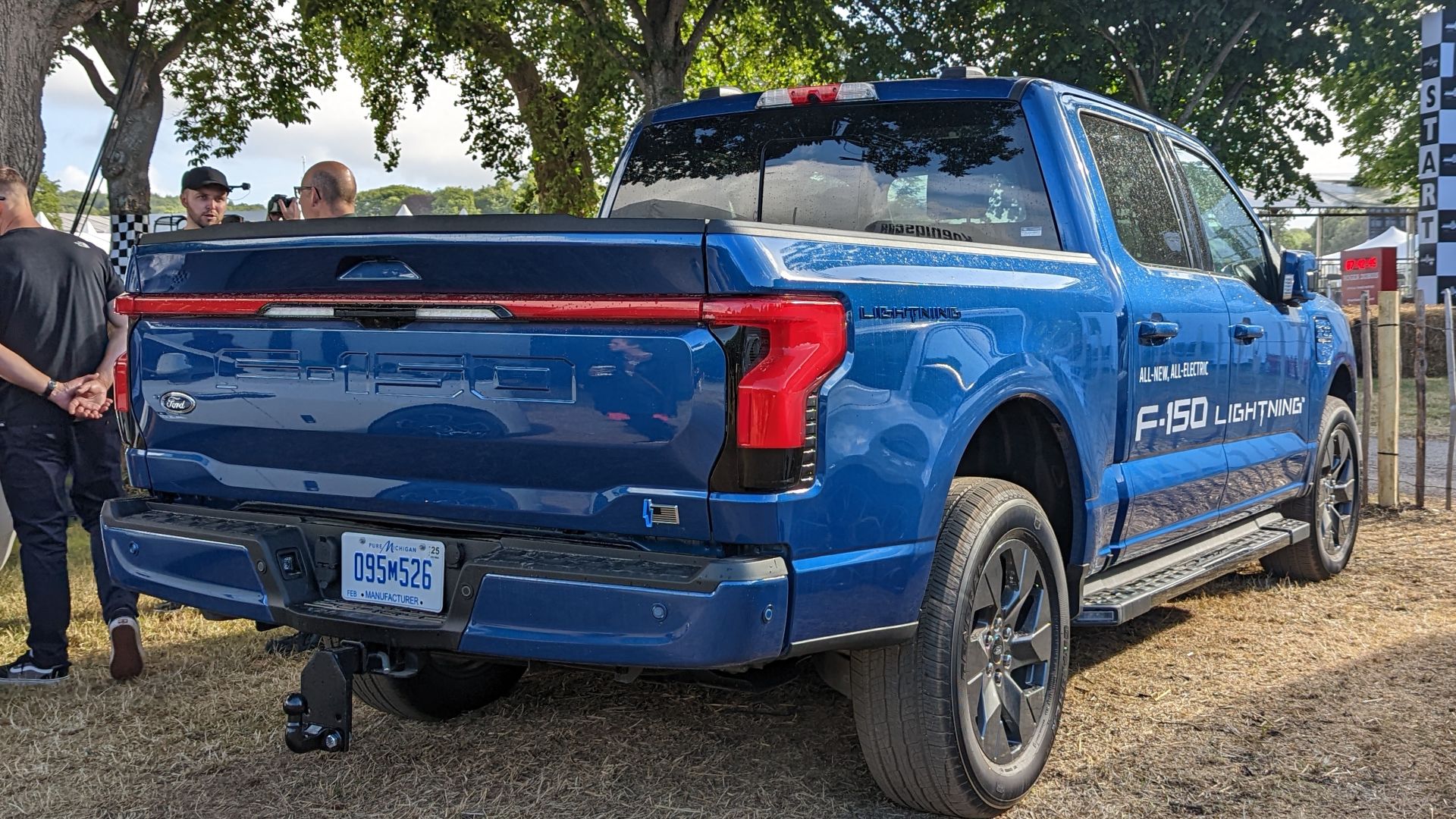
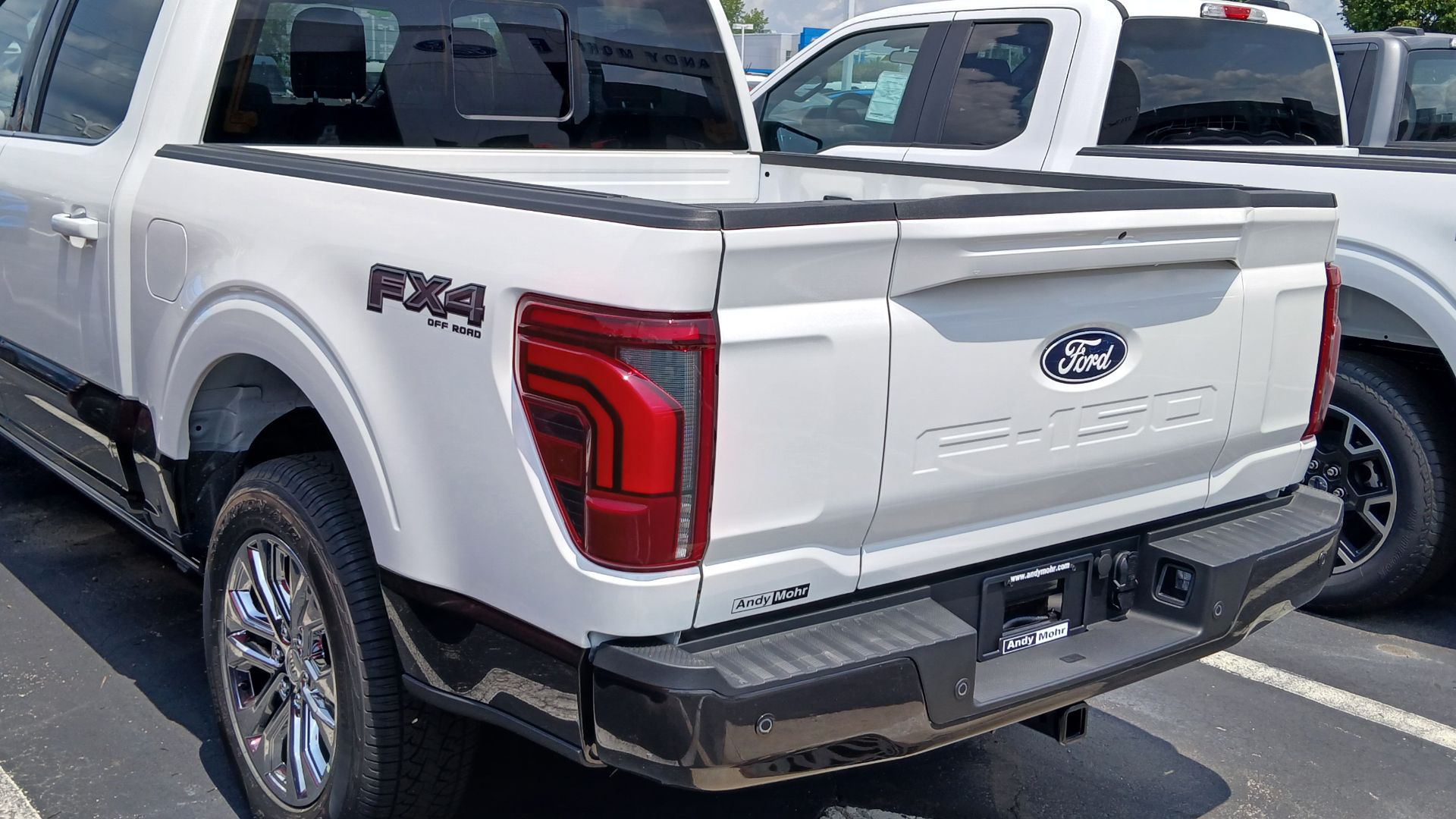
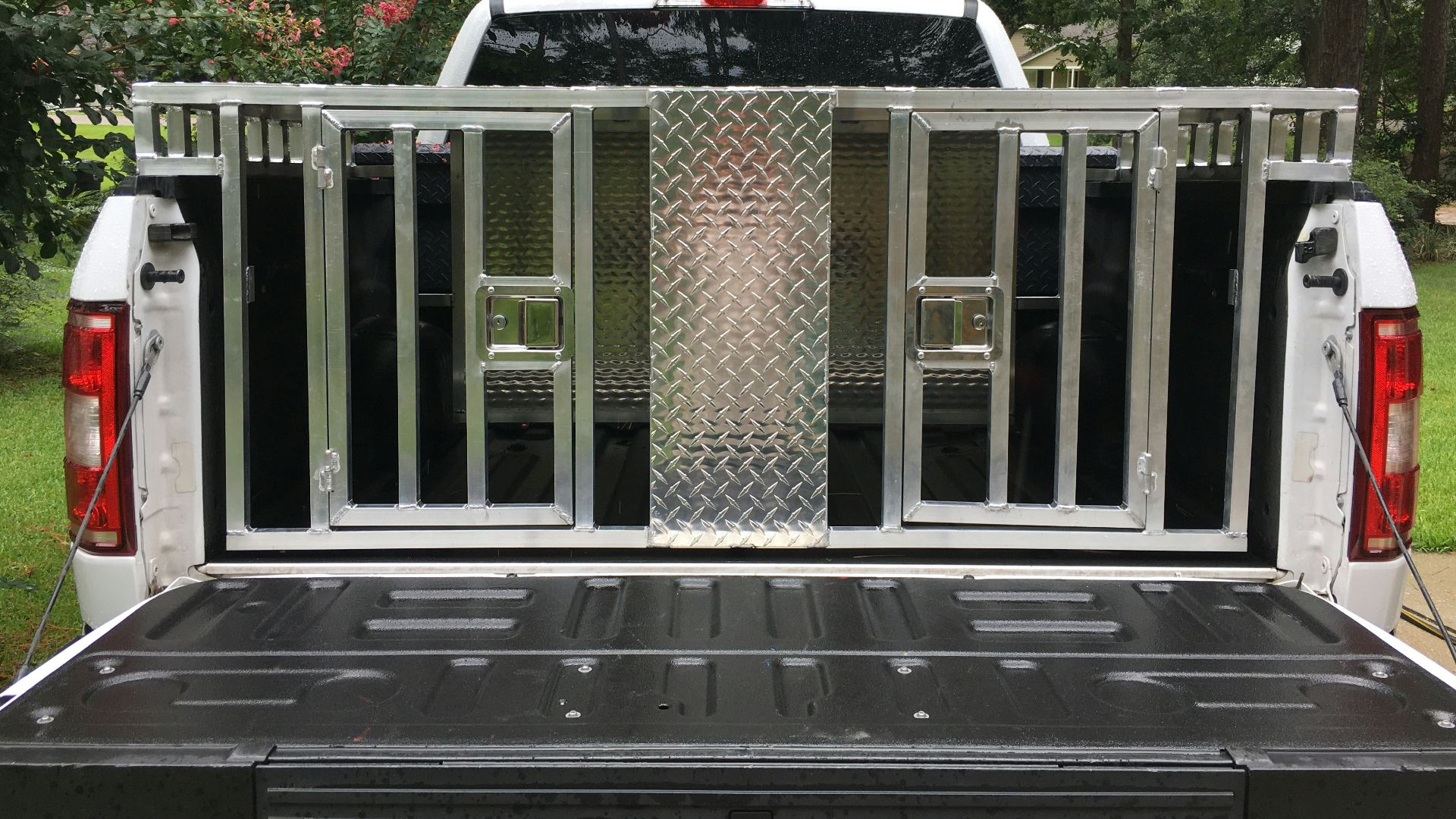
Not every power tailgate works the same way. Some systems use powered struts that physically lift and lower the hatch. Others rely on electric spindle drives, powered latches, or different combinations of motors and dampers. Pickup trucks with powered tailgates may also use entirely different mechanisms than SUVs with rear liftgates.
 Deathpallie325, Wikimedia Commons
Most Systems Hold Up Quite Well
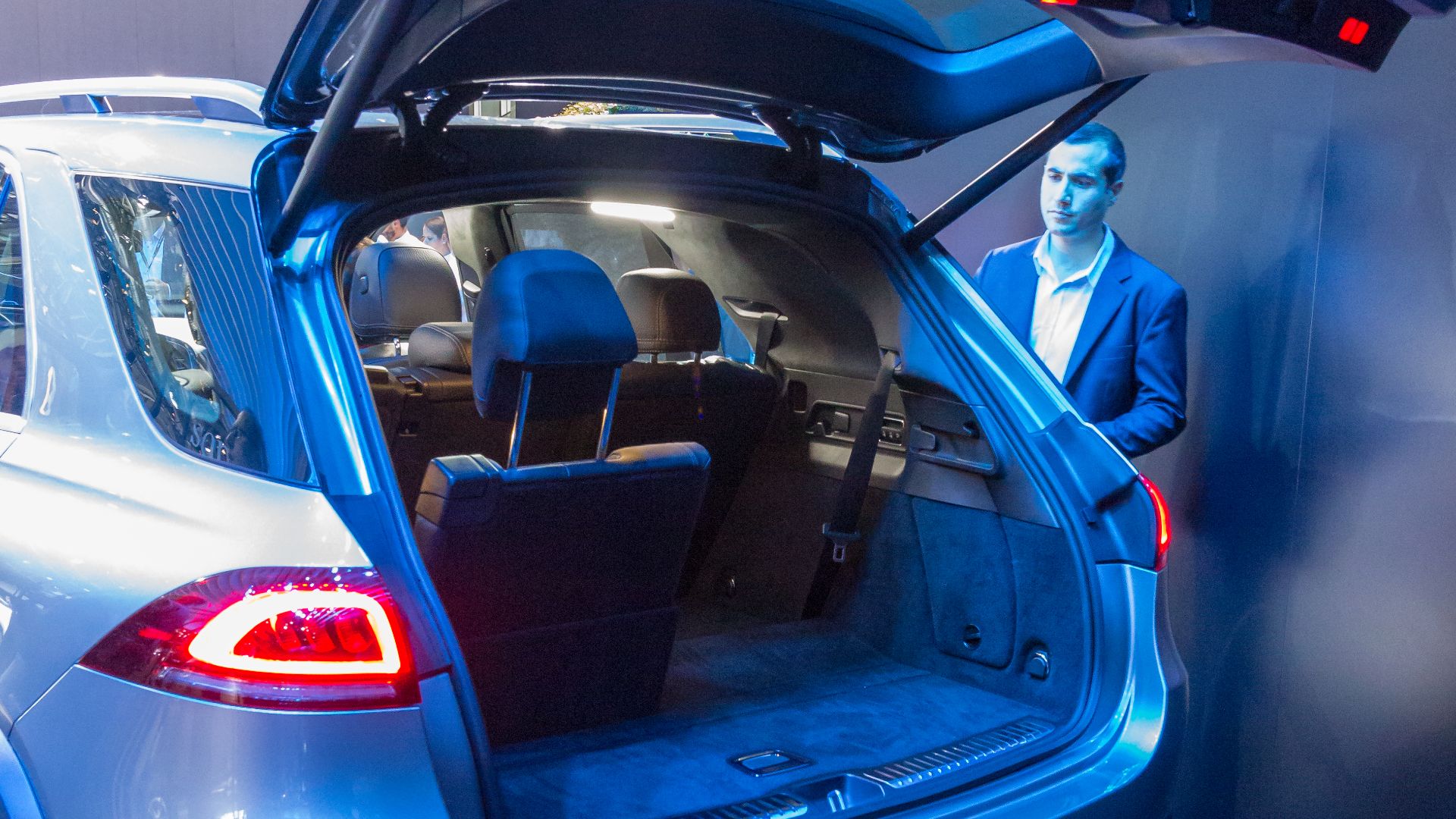
The good news is that power tailgates generally aren't considered one of the least reliable features on modern vehicles. Most owners use them thousands of times without experiencing major problems. While failures certainly happen, they aren't nearly as common as some people worry after reading online forums.
 Matti Blume, Wikimedia Commons
Electronics Add More Potential Failure Points
That said, a powered tailgate is undeniably more complicated than a manual one. Every additional sensor, motor, and electronic module creates another possible point of failure. The trade-off for greater convenience is greater mechanical and electrical complexity.
Actuators Usually Do The Heavy Lifting
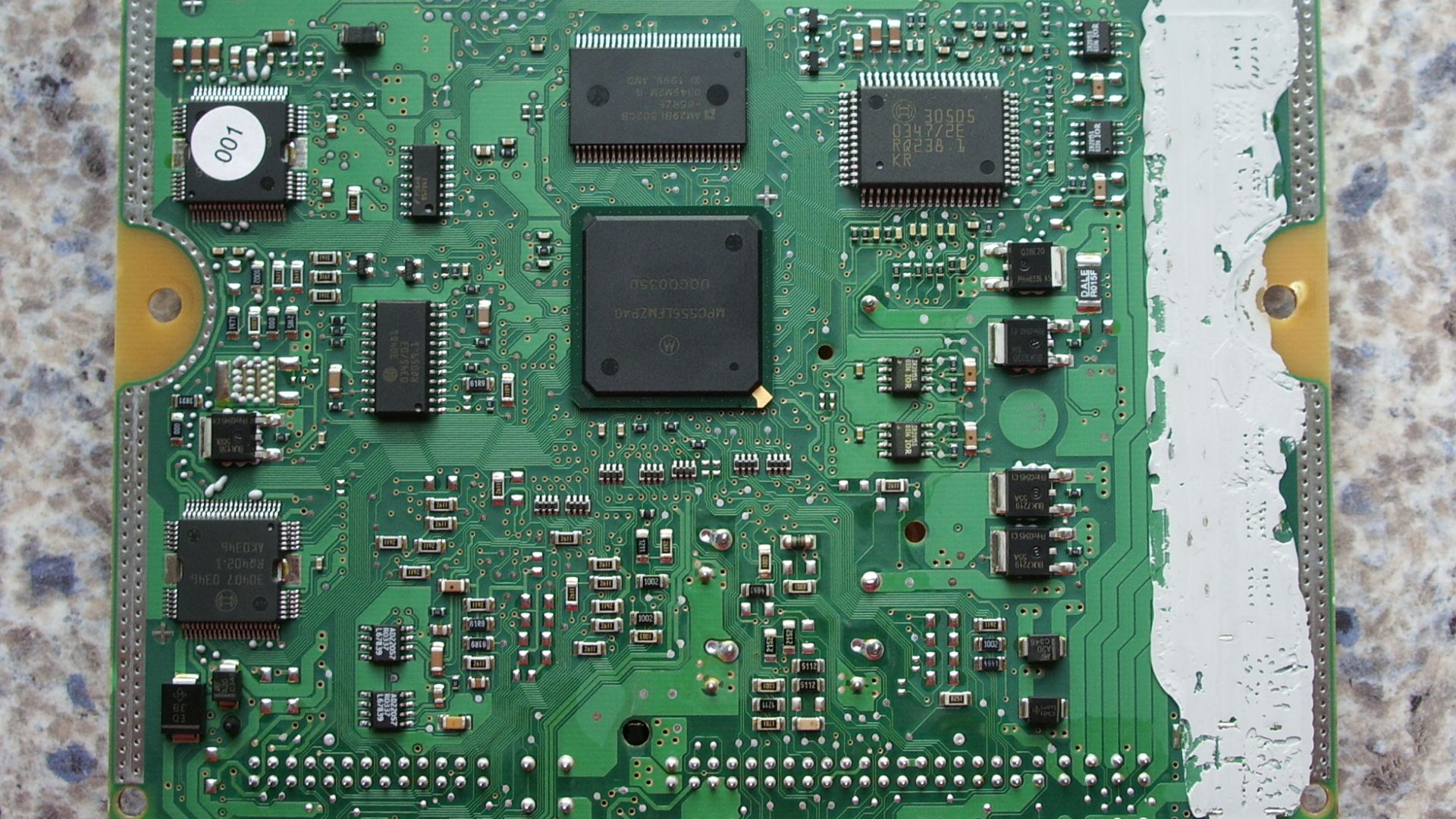
One of the most common repair items involves the powered liftgate actuators or struts. These components raise and lower the hatch while supporting its weight. Over many years of use, motors can wear, internal gears can fail, or gas pressure inside supporting struts can weaken.
Latches Can Wear Out Too
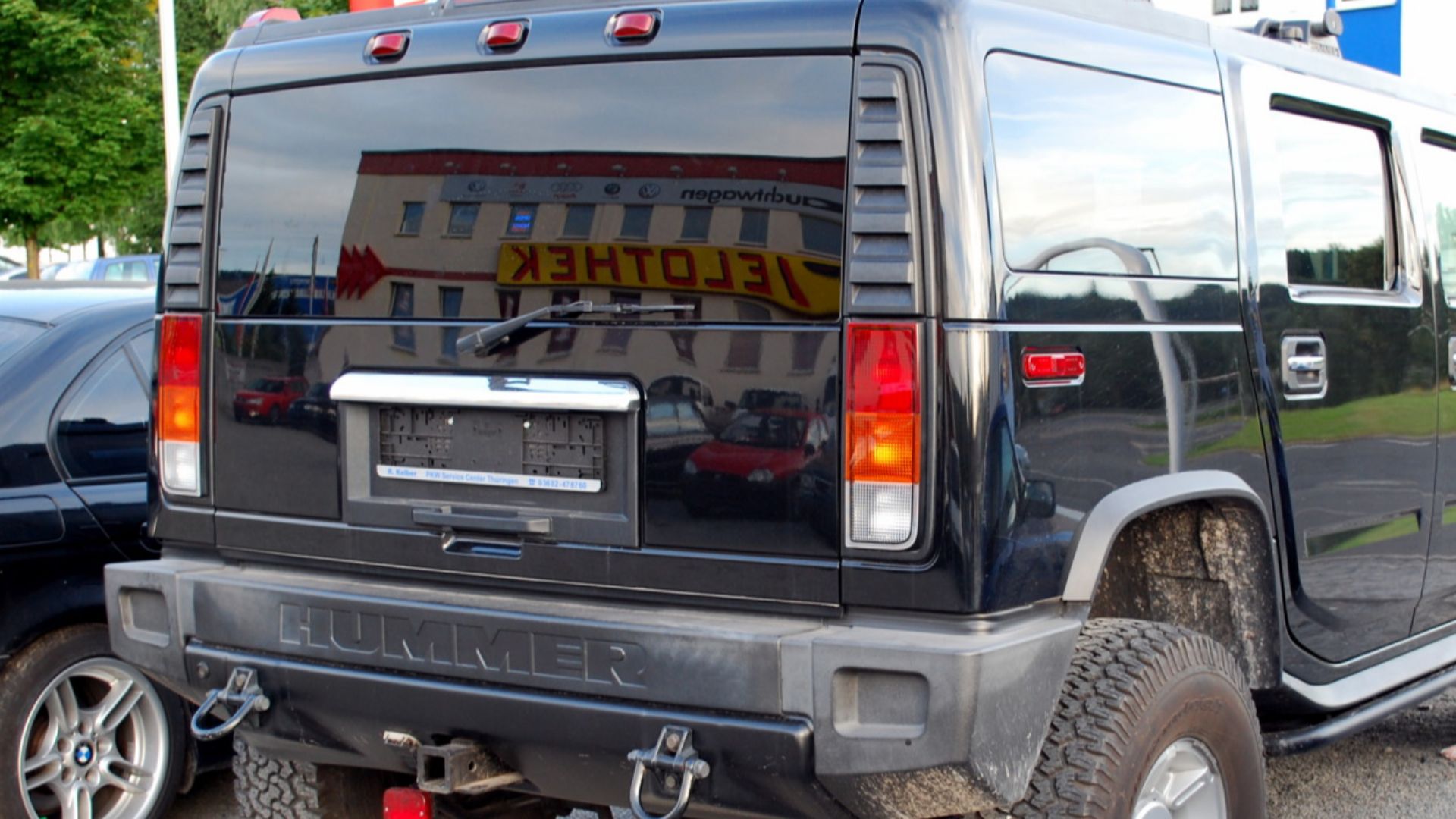
The tailgate latch opens and closes every time the system operates. Like any mechanical component, it experiences wear over time. Dirt, corrosion, lack of lubrication, or simple age can eventually cause sticking or incomplete latching.
 Thomas doerfer, Wikimedia Commons
Wiring Problems Aren't Unusual
The wiring harness running between the body and the liftgate flexes every time the tailgate opens and closes. After thousands of cycles, wires can fatigue or break internally. Electrical problems like these can cause intermittent operation that may initially seem difficult to diagnose.
Sensors Help Prevent Injuries
Modern power tailgates include obstacle detection systems designed to stop or reverse if they detect resistance while closing. These pinch sensors reduce the risk of injury and help prevent damage if something blocks the tailgate. If these sensors malfunction, the liftgate may refuse to close properly or reverse unexpectedly.

Dirt Can Cause Strange Behavior
Sometimes a power tailgate appears to have failed when the real problem is much simpler. Dirt around the latch, ice buildup, leaves, or debris can interfere with sensors or prevent the latch from closing completely. Cleaning the affected area occasionally resolves surprisingly stubborn problems.

Weather Can Affect Performance
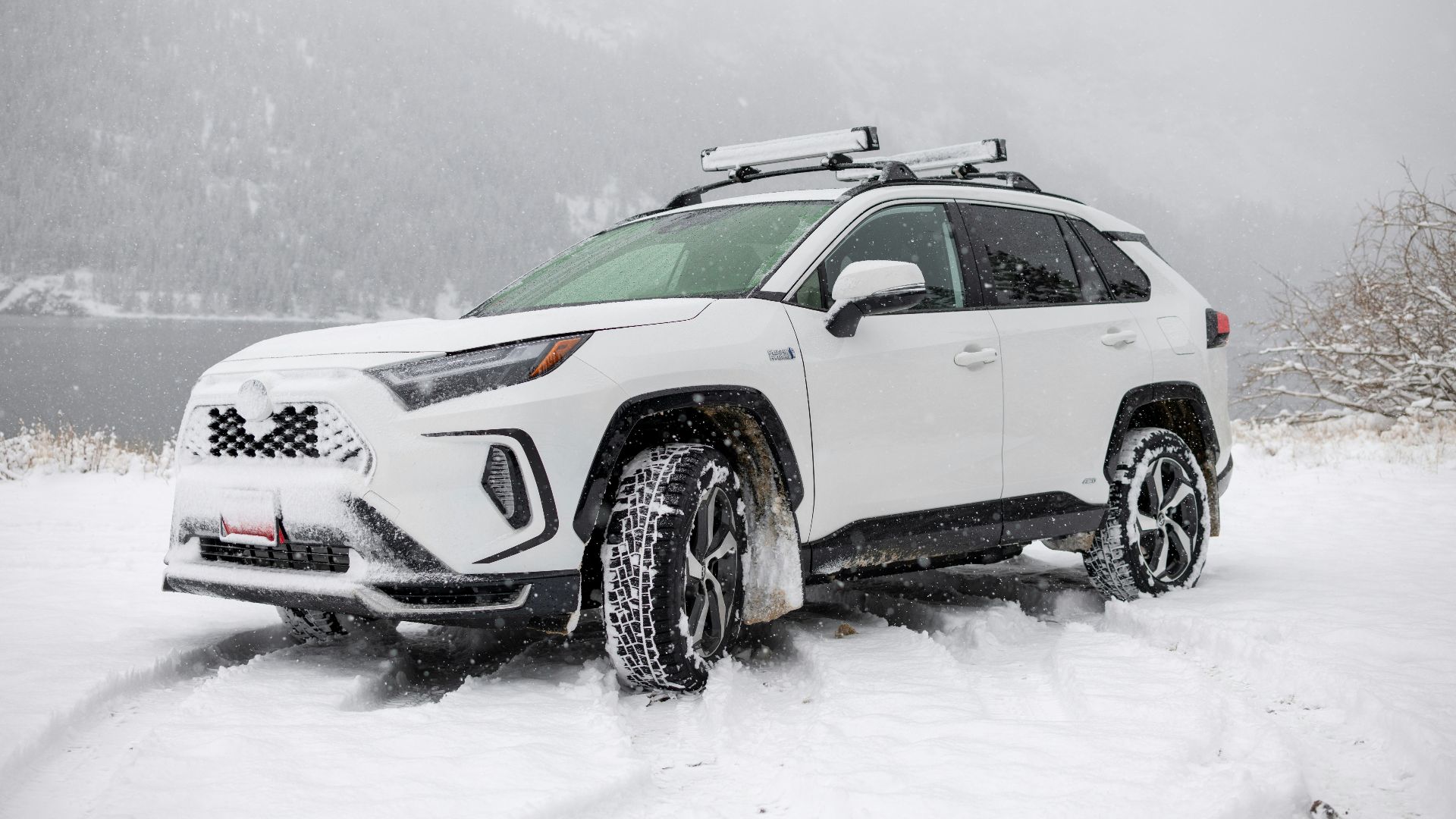
Cold temperatures place additional strain on power liftgate systems. Ice can freeze seals, snow can increase resistance, and thick grease may slow moving parts. In winter, forcing a frozen liftgate to open can place unnecessary stress on motors and hinges.
Battery Health Matters
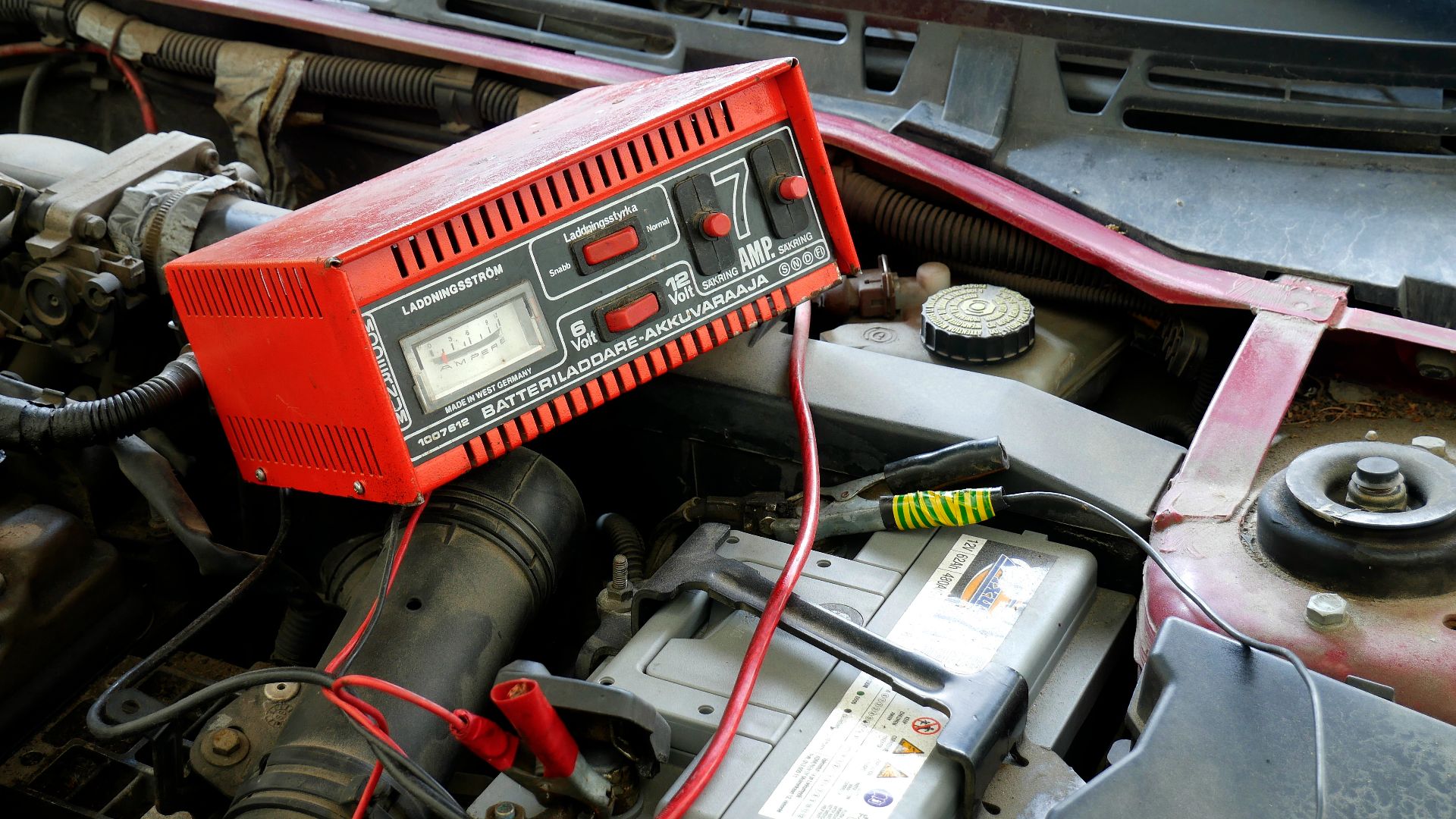
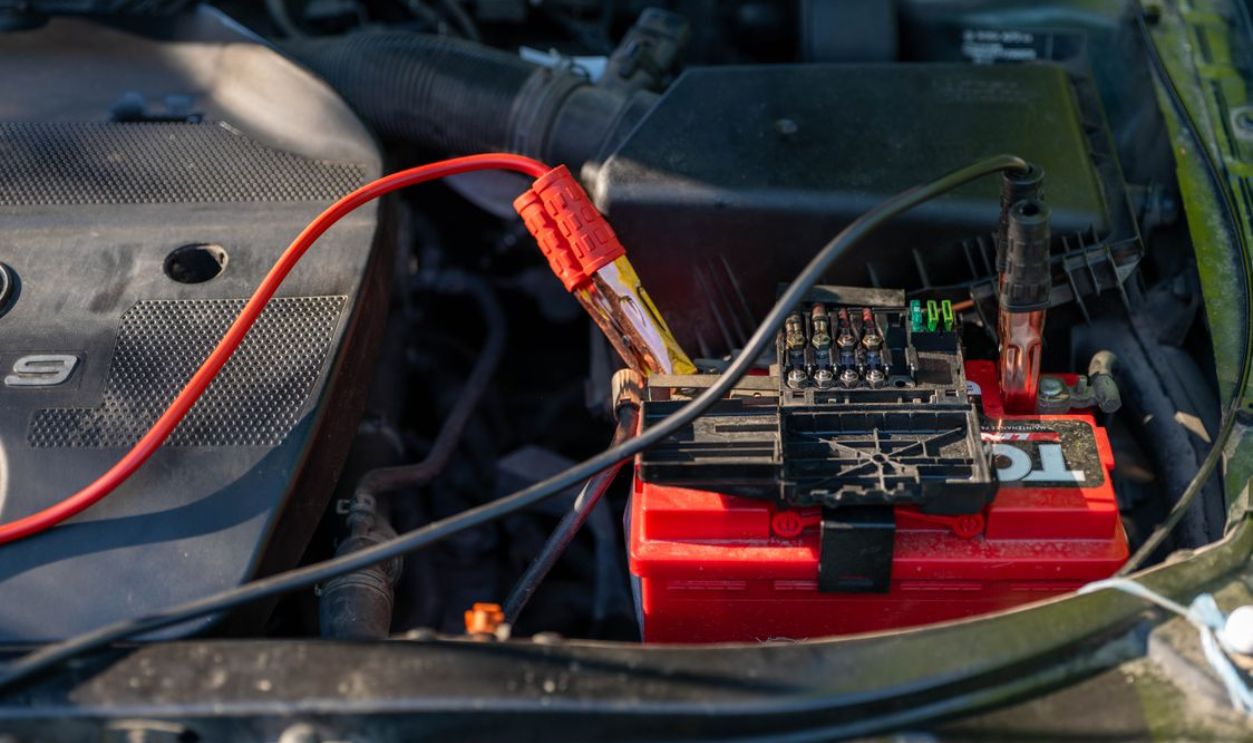
Power tailgates rely on the vehicle's electrical system. A weak battery or charging problem may cause slow operation, incomplete opening, warning messages, or complete failure. Before assuming the liftgate itself has failed, it's worth verifying that the battery is in good condition.
 Santeri Viinamäki, Wikimedia Commons
Software Is Part Of The System
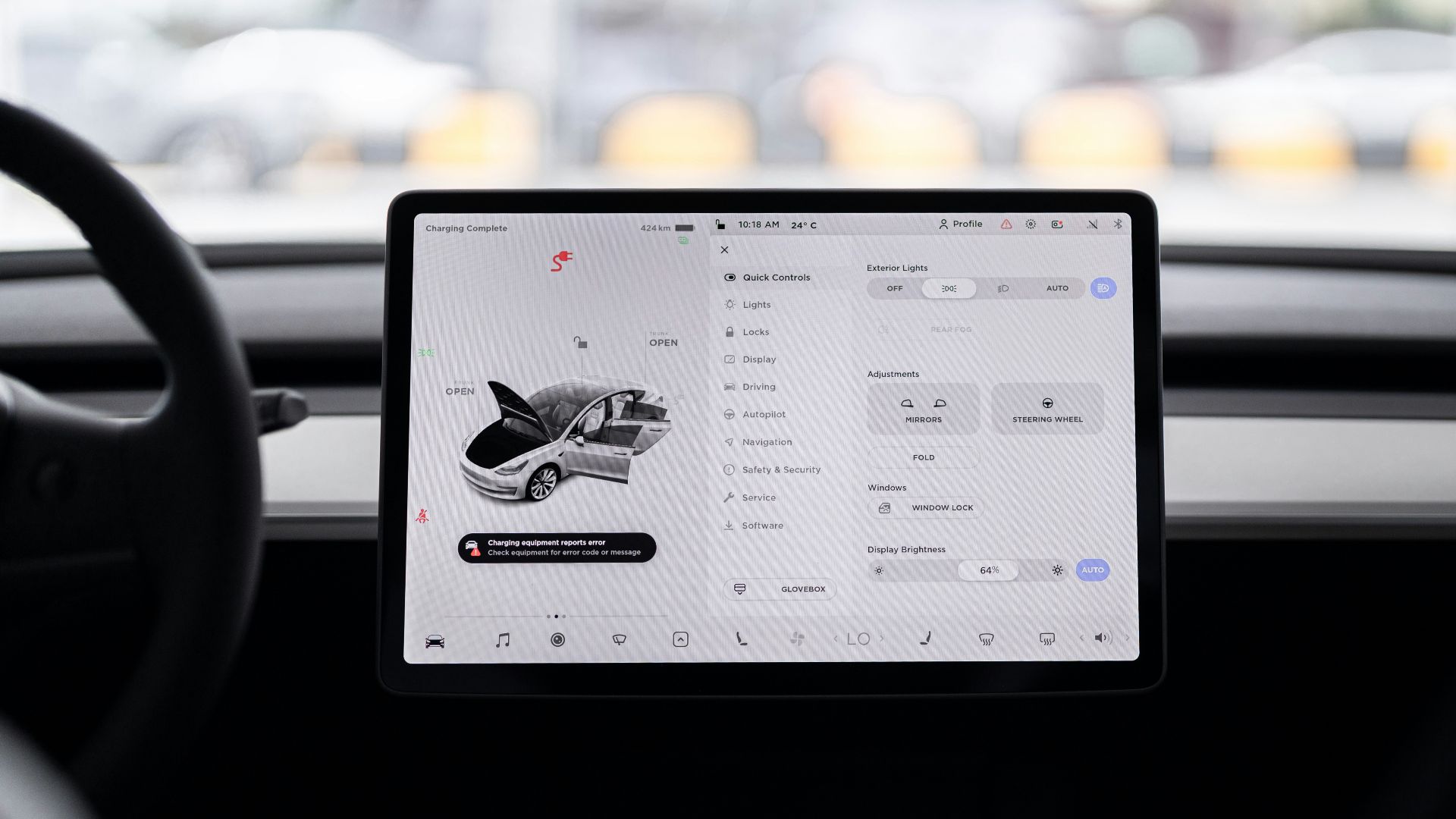
Like many modern vehicle features, powered tailgates are increasingly controlled by software. Manufacturers occasionally release updates to improve operation or correct known issues. If your vehicle is still under warranty or receives over-the-air updates, software improvements may already be available.
Repairs Can Become Expensive
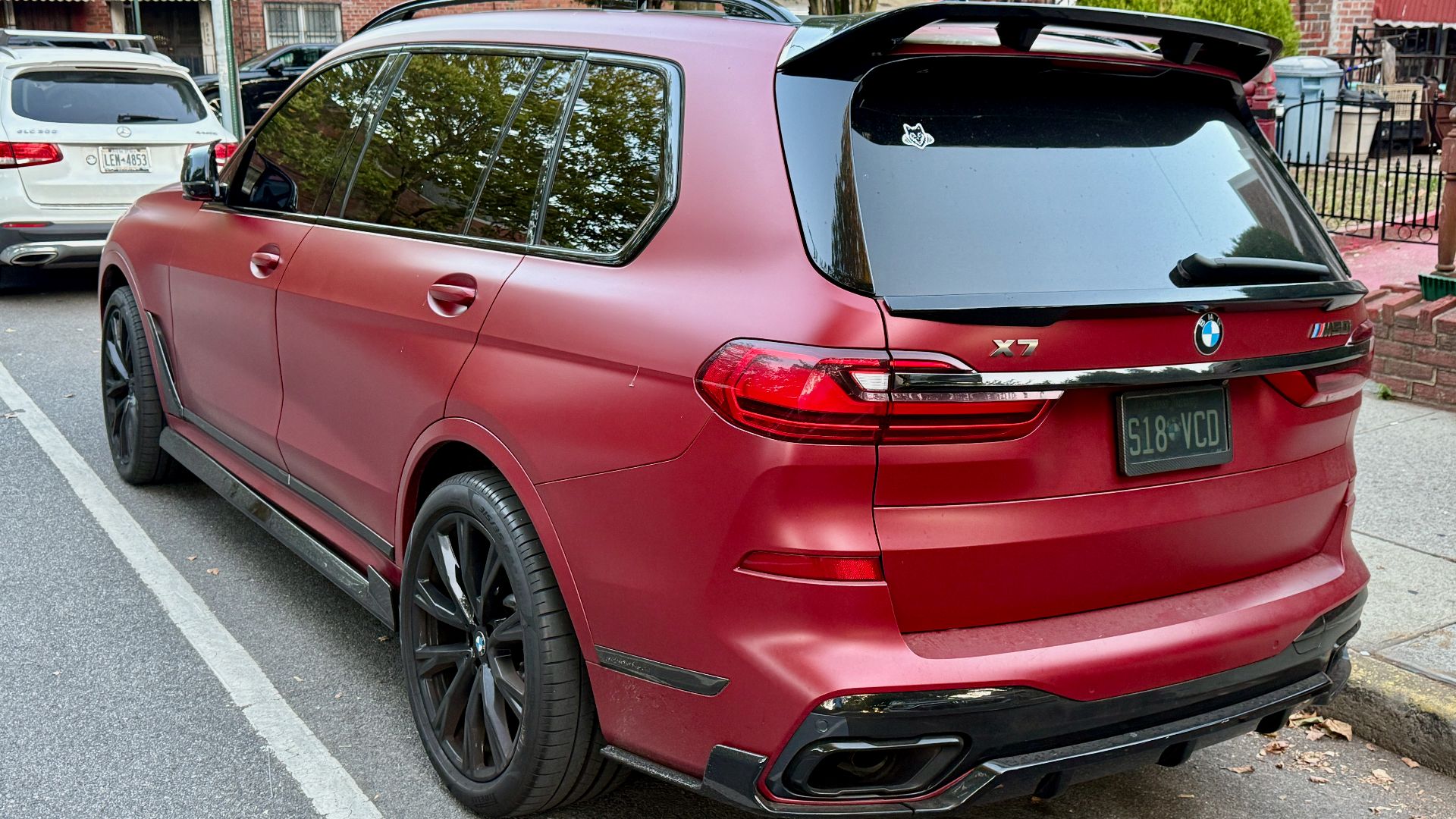
Once the warranty expires, repair costs vary widely depending on which component fails. Replacing a latch or switch may be relatively affordable, while replacing powered struts, control modules, or multiple electronic components can become much more expensive. Luxury vehicles often have higher repair costs because of more sophisticated systems.
 Oleg Yunakov, Wikimedia Commons
Most Problems Don't Require Replacing Everything
Fortunately, a malfunctioning power tailgate doesn't usually mean the entire system needs replacement. Experienced technicians can often identify the specific failed component and repair only that part. Accurate diagnosis is important because replacing unnecessary parts quickly increases repair costs.

Regular Maintenance Still Helps
Power tailgates don't require extensive maintenance, but a little attention goes a long way. Keeping hinges clean, lubricating moving parts when recommended by the manufacturer, removing debris from the latch area, and avoiding unnecessary force all help extend component life.
Avoid Forcing The Liftgate
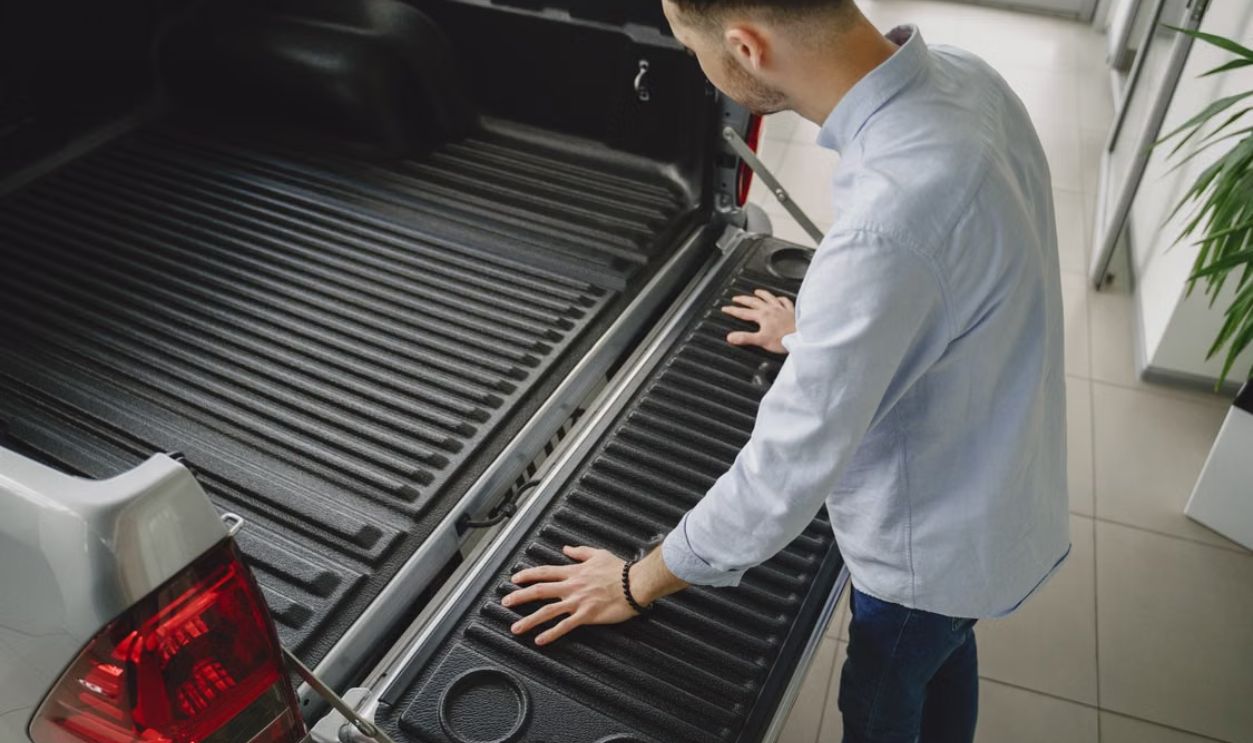
If the power liftgate stops moving unexpectedly, don't immediately try to force it open or closed. Doing so may damage gears, motors, or hinges. Check the owner's manual first, since many systems include a manual override procedure for emergencies.
Listen For Changes
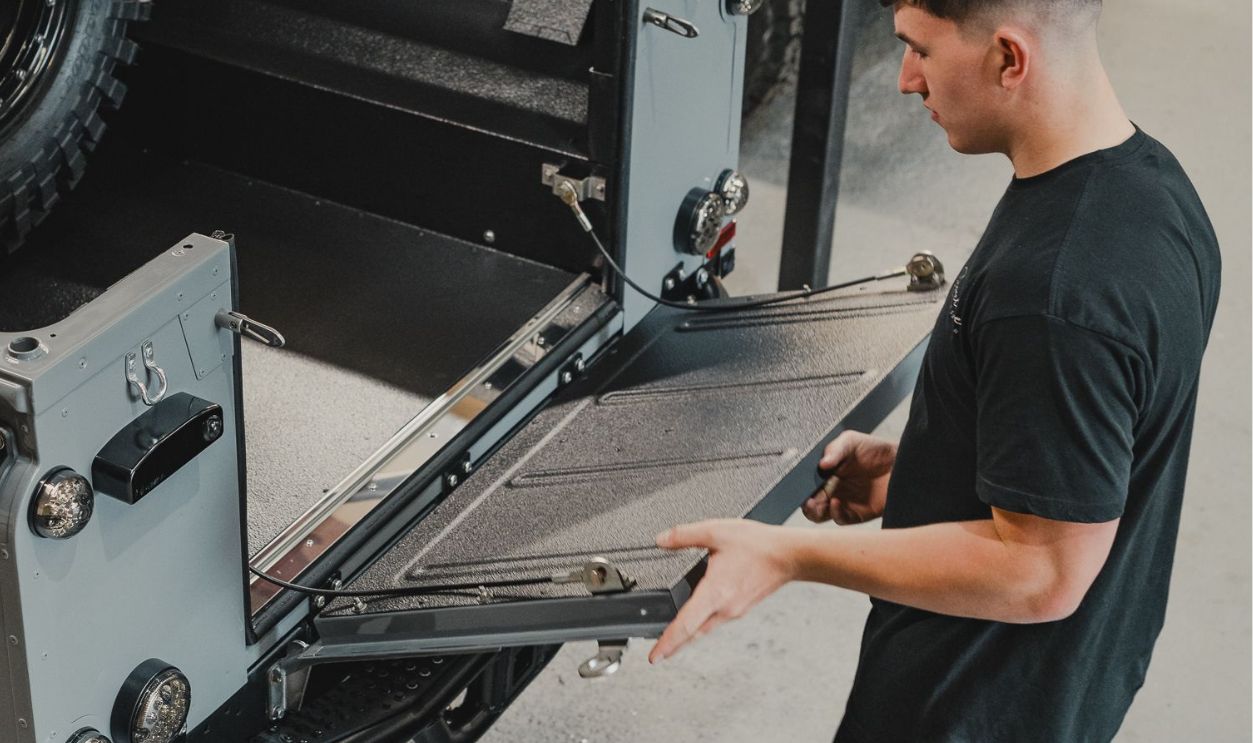
A healthy power tailgate usually operates smoothly and quietly. Grinding noises, repeated clicking, slower movement, or uneven operation can all signal developing problems. Addressing these symptoms early may prevent more expensive repairs later.

Extended Warranties May Be Worth Considering
If you're purchasing a vehicle with numerous electronic convenience features, an extended warranty or vehicle service contract may provide peace of mind. Whether it's worthwhile depends on the vehicle's reliability, the warranty terms, and how long you plan to keep the vehicle.

Check For Technical Service Bulletins
If your power tailgate begins acting strangely, ask whether the manufacturer has issued any Technical Service Bulletins (TSBs) addressing similar problems. A TSB isn't a recall, but it may provide technicians with updated repair procedures for known issues.

Read Owner Experiences Carefully
Online owner forums can be helpful for identifying recurring problems, but remember that people are much more likely to post when something goes wrong than when everything works perfectly. A handful of complaints doesn't necessarily mean every vehicle will experience the same issue.

Repairs Aren't Always Dealer-Only
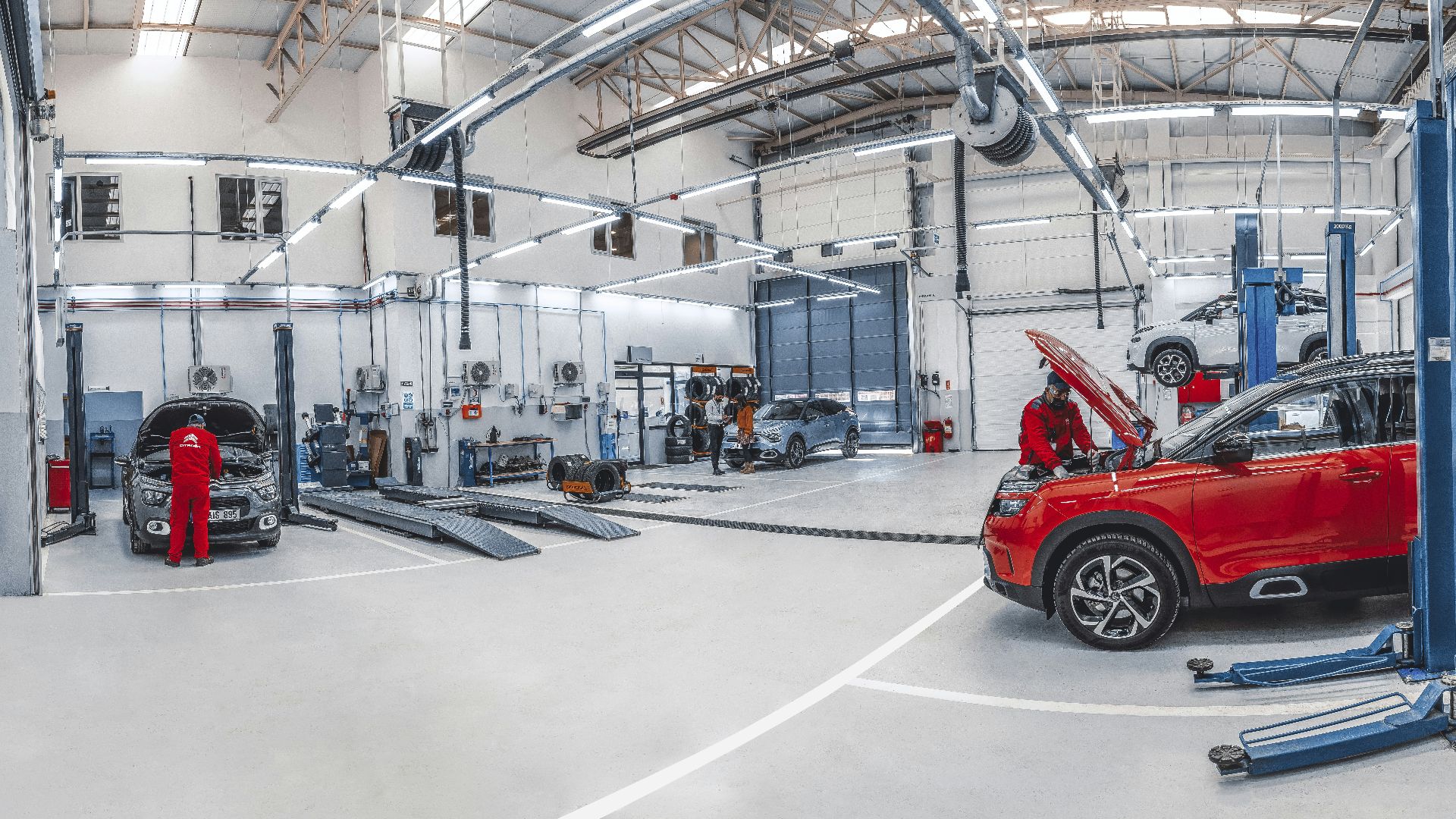
While dealerships have factory diagnostic equipment, many independent repair shops are fully capable of diagnosing and repairing powered tailgate systems. Shops experienced with modern automotive electronics can often perform these repairs at competitive prices.
Convenience Still Has Real Value
It's easy to focus only on potential repair bills, but power tailgates genuinely improve everyday usability for many owners. Parents carrying children, shoppers unloading groceries, travelers with luggage, and anyone with limited mobility often appreciate the feature every single day. For many people, that convenience outweighs the possibility of future repairs.

Most Owners Never Experience A Major Failure
Despite their complexity, powered tailgates have become mature, well-developed technology. While motors, latches, wiring, or sensors can eventually fail, catastrophic problems remain relatively uncommon. Many systems continue working reliably for years with little more than normal use and occasional maintenance.
A Little Complexity Doesn't Mean You Should Be Worried
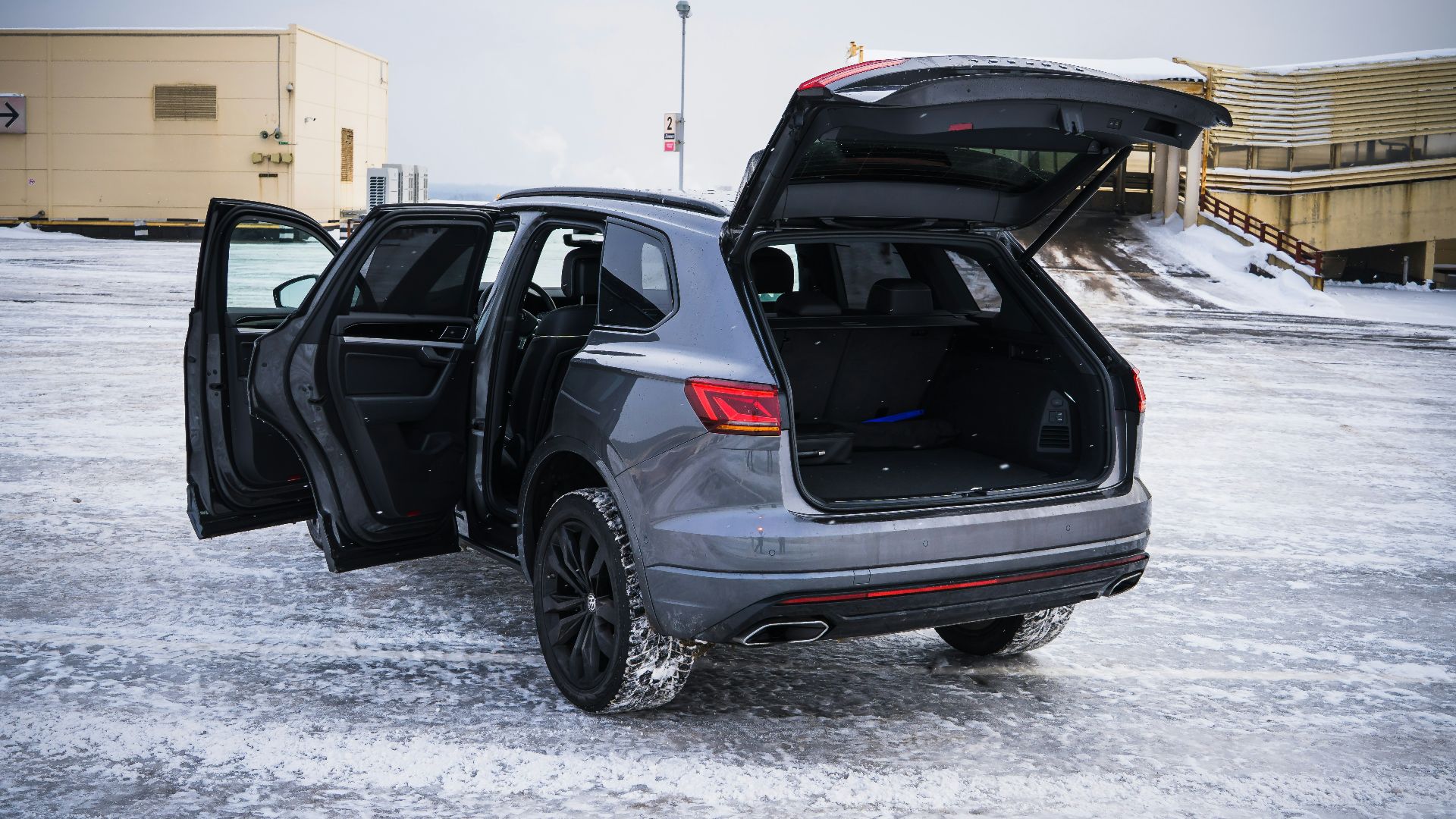
If you're worried about repairing your powered tailgate after the warranty expires, the concern is understandable, but it shouldn't overshadow the benefits of owning the vehicle. These systems do contain more components than a traditional manual tailgate, which means repairs can sometimes be more expensive. However, they're also generally reliable, and most owners never experience significant problems. By keeping the system clean, addressing small issues early, maintaining a healthy battery, and seeking proper diagnosis if something does go wrong, you can often enjoy years of convenient operation long after the factory warranty has ended.
You May Also Like: