The Family Truck Argument Is More Complicated Than It Sounds
If your wife says a pickup is too dangerous for the family, she isn't just being a worrier. While pickups can protect the people inside them very well in many crashes, they also bring serious safety tradeoffs that matter in daily family life. The honest answer is that trucks are not automatically less safe than SUVs, but they can be riskier in some important ways that many families don't consider.
What Crash Data Says About The Big Picture
The Insurance Institute for Highway Safety, or IIHS, has found that newer pickups and newer SUVs often have low driver death rates compared with the overall vehicle fleet. In plain English, many modern trucks do a solid job protecting the people inside them. That is the first thing to keep in mind before writing off pickups as unsafe.
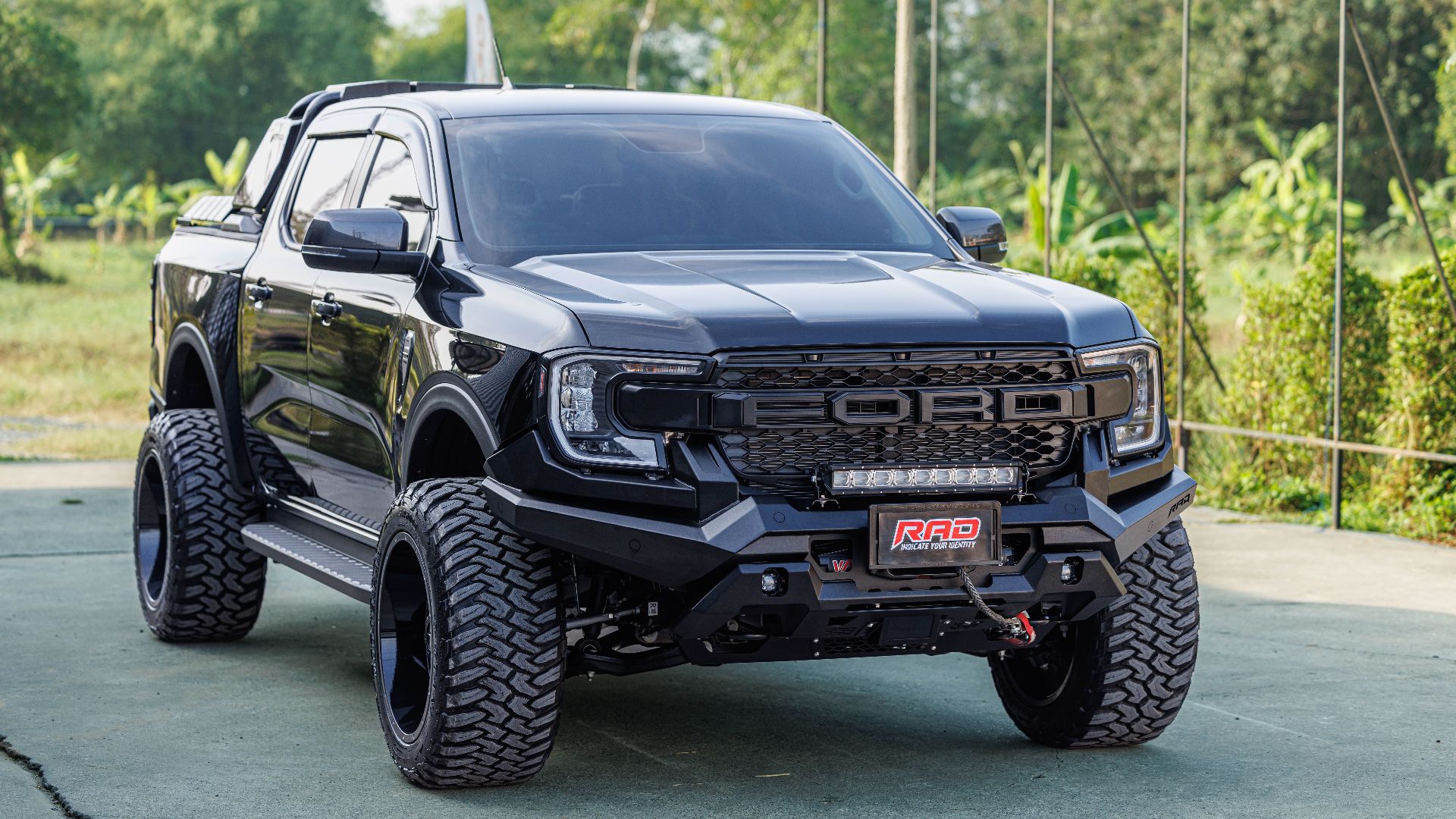
Pickups Have Gotten Much Better Over Time
That did not happen by accident. Automakers added stronger structures, more airbags, better seat belt systems, and more advanced safety tech over the years. IIHS crash testing and federal safety rules helped push those changes, especially through the 2010s and into the 2020s.

But Occupant Safety Is Only Part Of The Story
Here is where the debate gets more interesting. A vehicle can do a good job protecting the people inside it while creating bigger risks for people outside it. That difference matters a lot when you are thinking like a parent, not just like a driver.

Trucks Sit High And Hit Hard
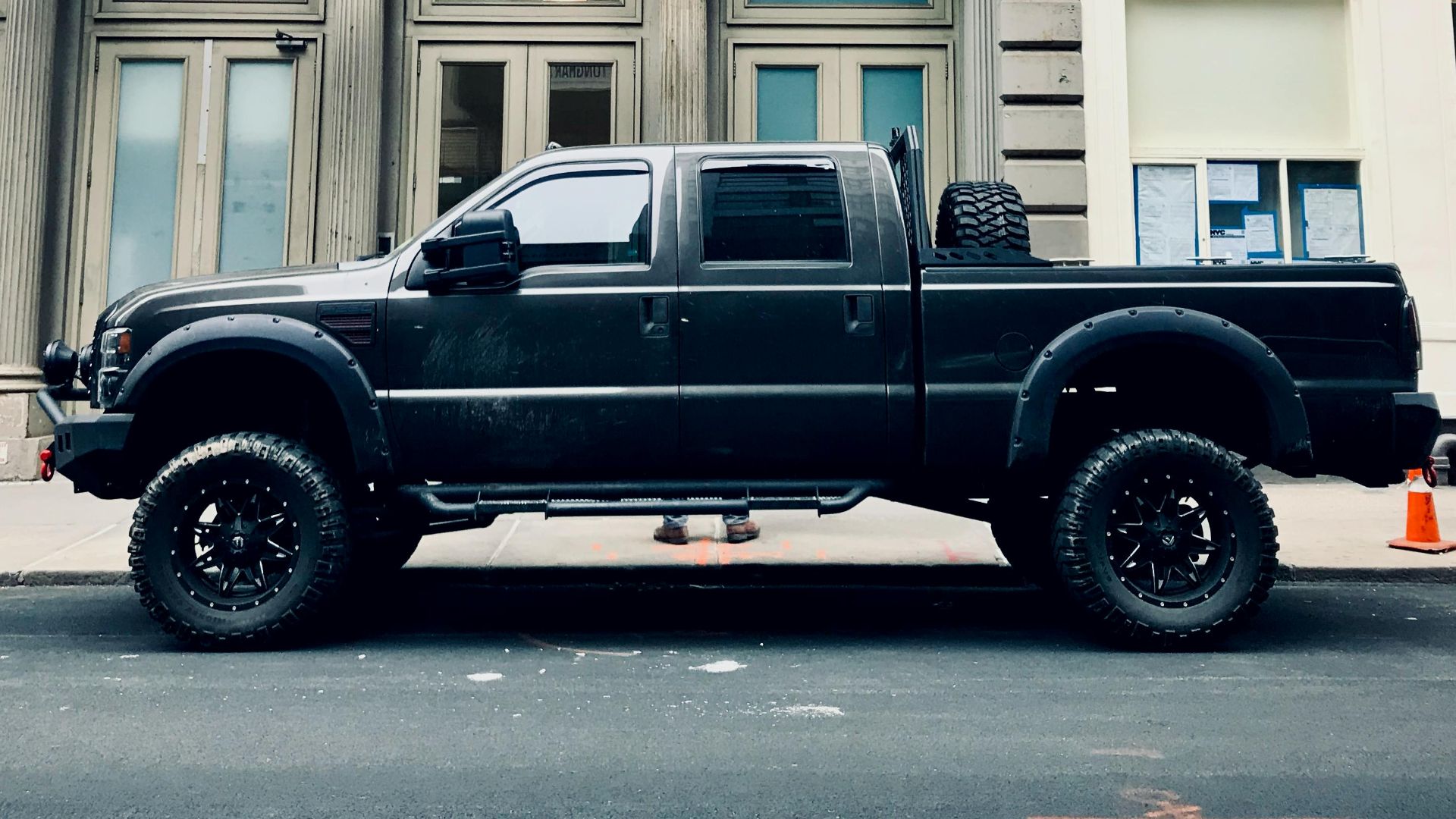
Pickups are taller and often heavier than many passenger vehicles. That higher front end can create a mismatch in crashes, especially when a truck hits a smaller car. IIHS has documented that crash compatibility is still a concern because taller, stiffer vehicles can ride over lower ones and send crash forces into weaker areas.
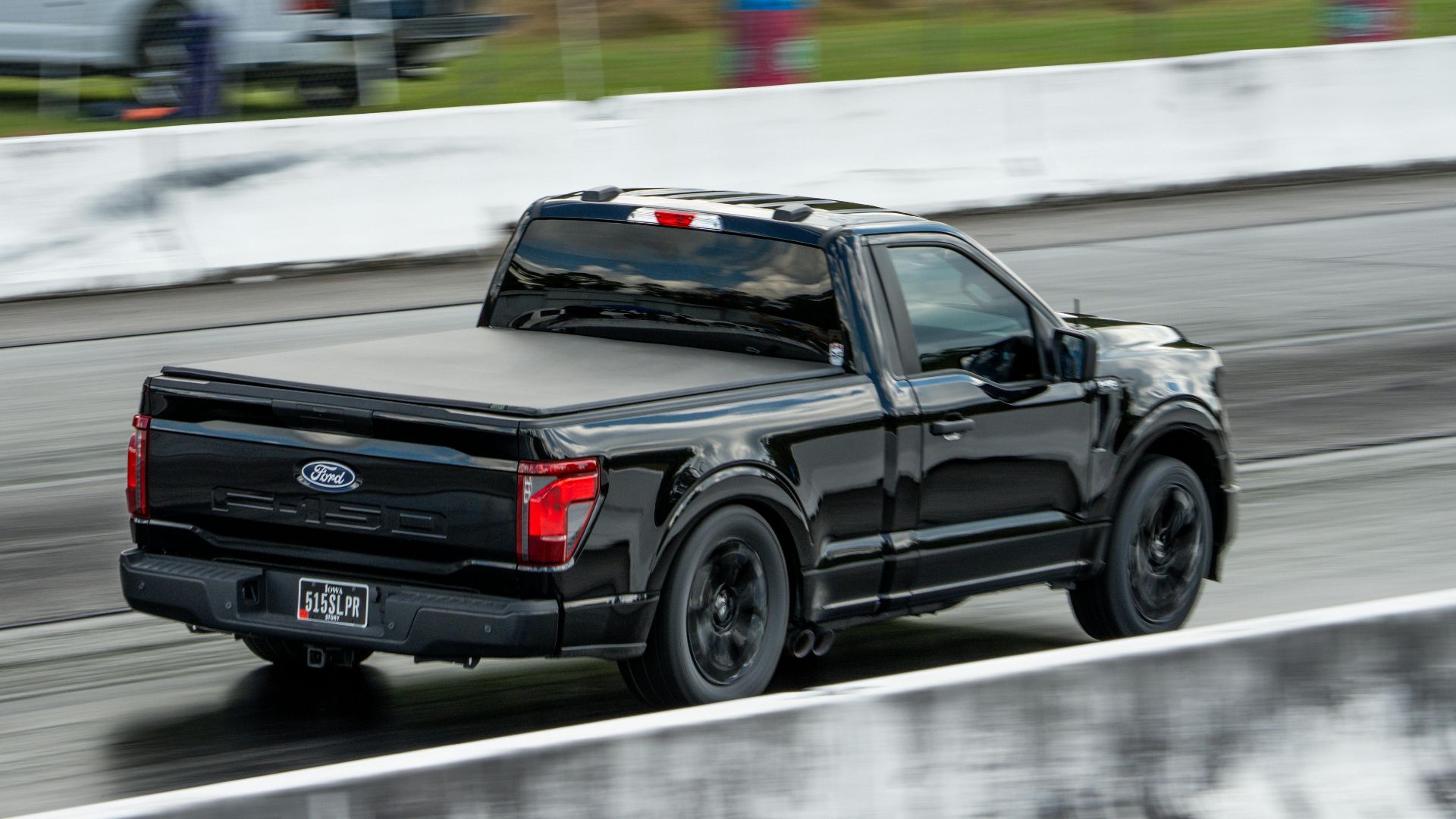
SUVs Have Similar Issues, But Pickups Can Take Them Further
Many SUVs also ride high, so this is not only a truck problem. But pickups often have especially tall, blunt front ends and body-on-frame construction that can make compatibility issues worse. That means the safety comparison between a pickup and an SUV depends a lot on which SUV and which truck you are talking about.
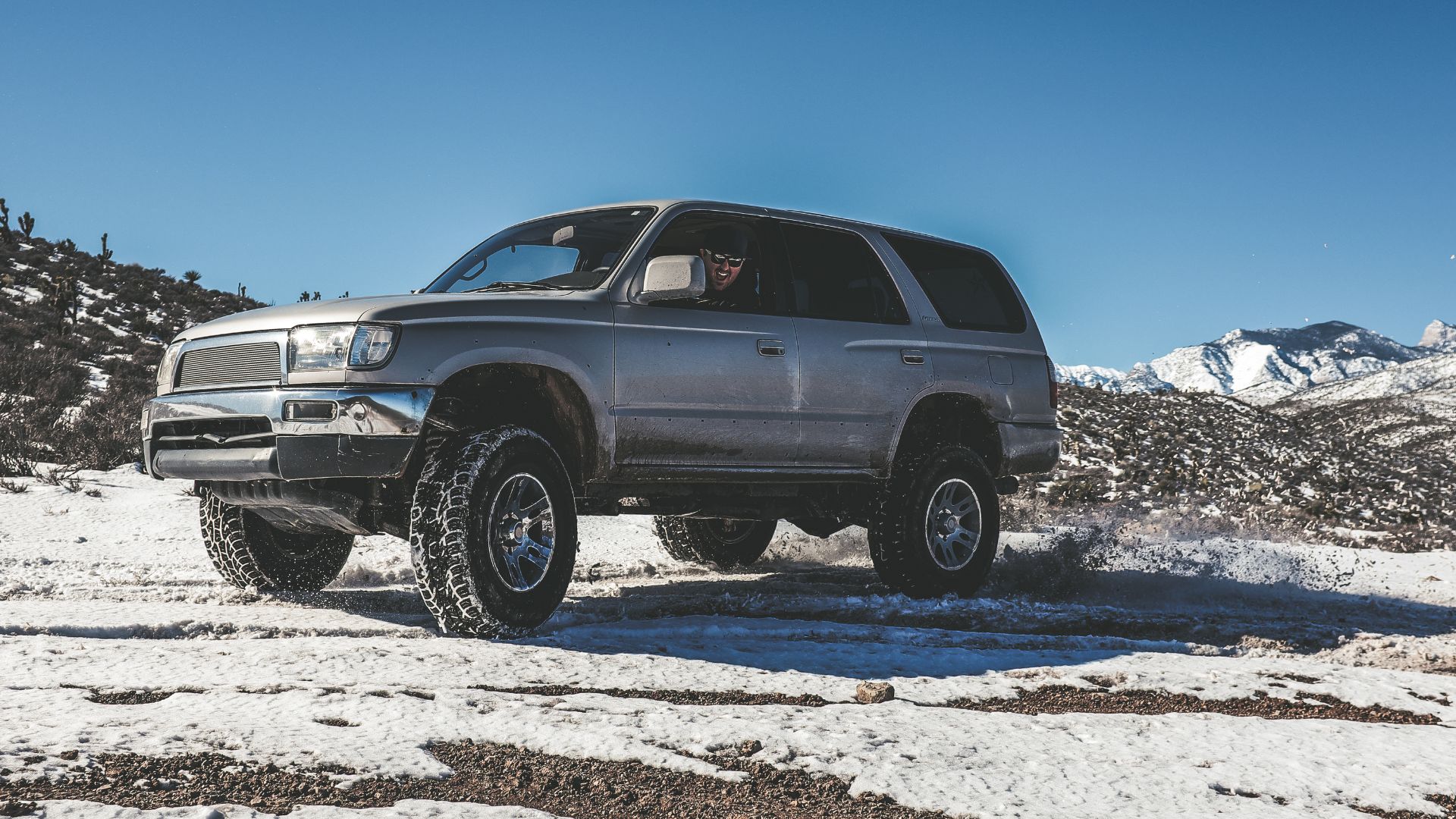 NeONBRAND neonbrand, Wikimedia Commons
The Hood Height Problem Is Real
One of the clearest recent warnings came from IIHS in 2023. The group reported that vehicles with hood heights greater than 40 inches were about 45 percent more likely to cause pedestrian deaths in crashes than shorter vehicles, after accounting for other factors. Pickups are heavily represented in that tall-front group.
Why Tall Front Ends Matter To Pedestrians
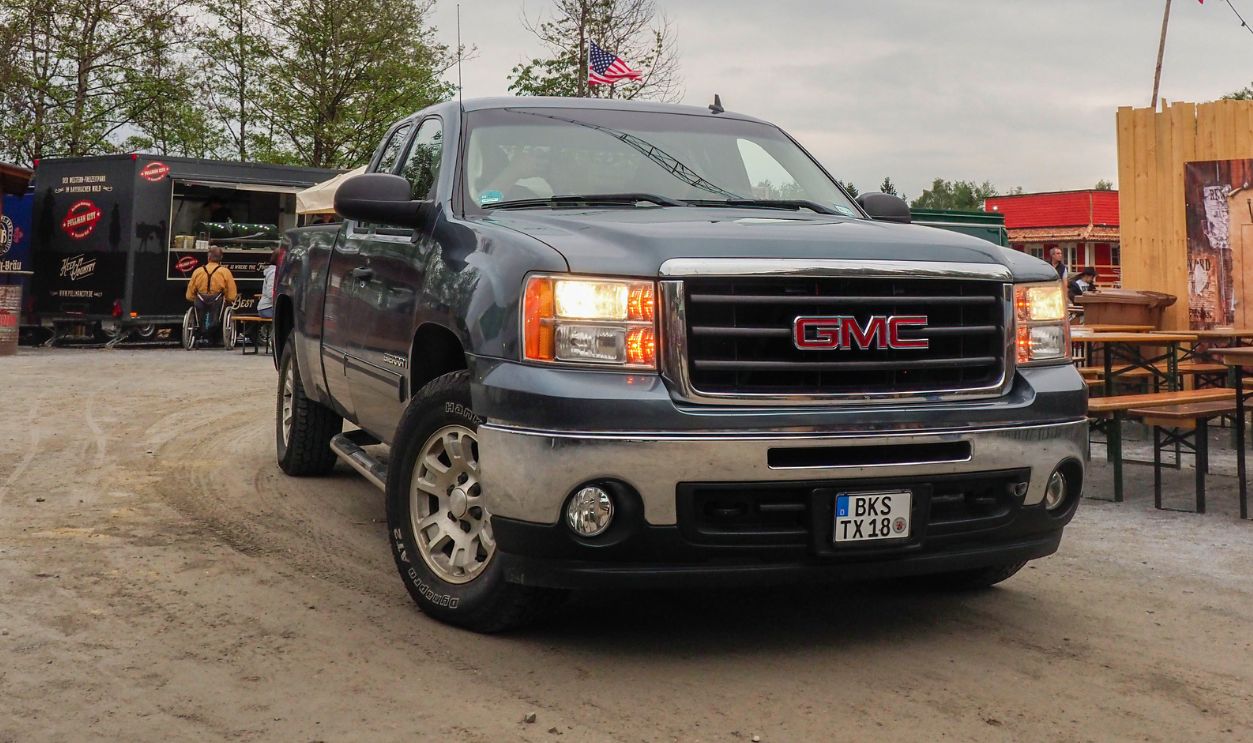
Lower-front vehicles tend to hit an adult pedestrian in the legs first, which can throw the person onto the hood. Taller, more vertical fronts are more likely to strike the middle of the body and throw a person forward, raising the risk of severe injury. That is one reason safety experts have become more vocal about truck and large SUV front-end design.
Blind Zones Can Be The Sneaky Family Hazard
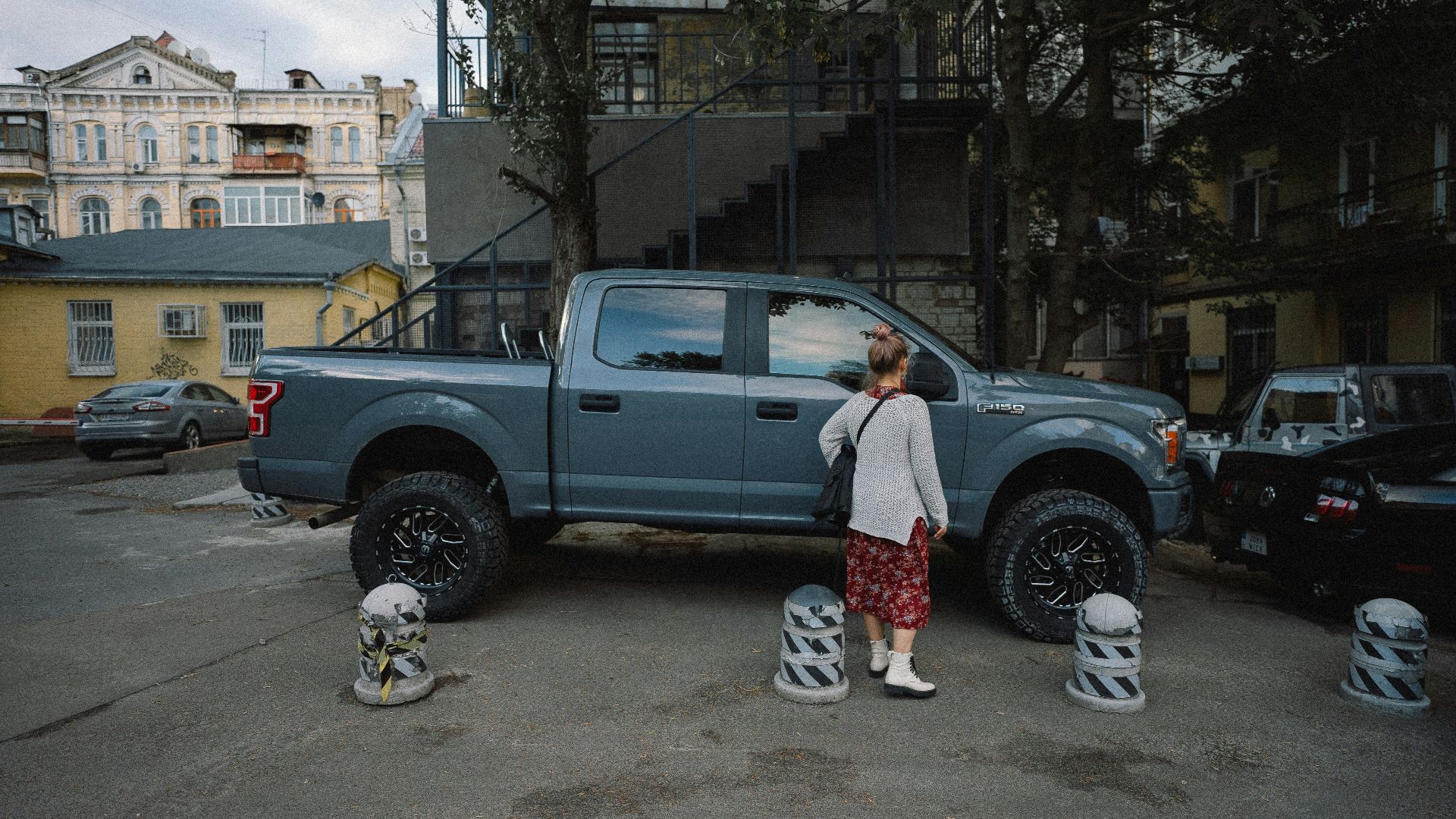
When most people think about crash safety, they picture high-speed wrecks. Daily family life brings a different kind of danger, and it shows up in driveways, parking lots, and school pickup lines. Large pickups can have major front blind zones that make it harder to see children, shorter adults, or objects close to the truck.
Researchers Have Put The Visibility Problem In Plain English
Consumer Reports and other safety researchers have pointed out how some large pickups hide a surprisingly big area directly in front of the vehicle from the driver’s seat. That is not a small annoyance. For parents with young kids, it is one of the most practical safety issues in the truck-versus-SUV debate.

The Federal Government Has Flagged Frontovers For Years
The National Highway Traffic Safety Administration, or NHTSA, has long tracked non-traffic incidents involving children being backed over or struck during low-speed maneuvers. Frontover risks have gotten less attention than backover crashes, but the visibility problem in taller vehicles is real. Cameras and sensors help, but they do not erase the blind zone.
Rollover Is Another Part Of The Puzzle
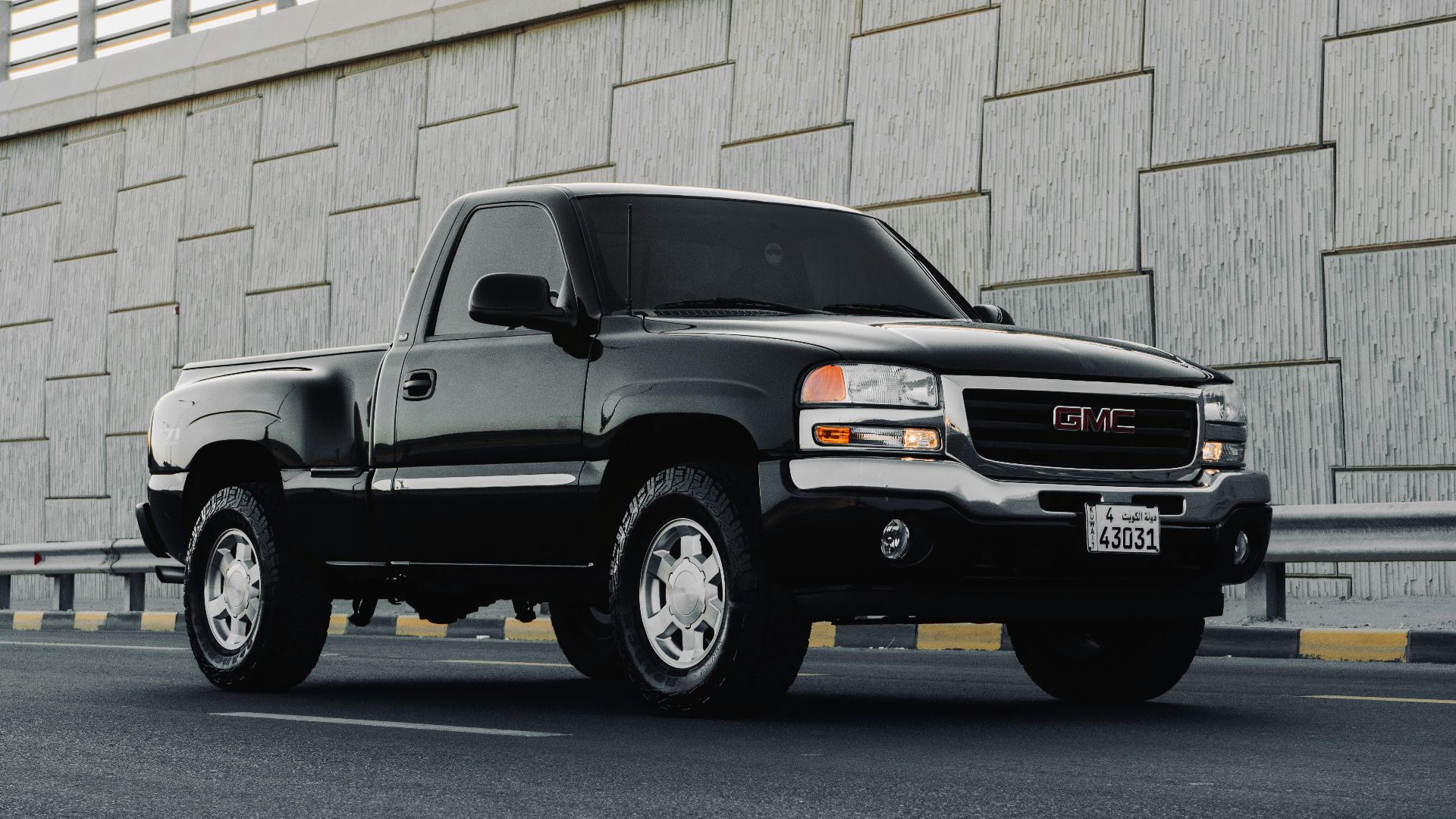
High-riding vehicles generally face a higher rollover risk than lower passenger cars. NHTSA has been warning about rollover dynamics for decades because center of gravity matters. Pickups and truck-based SUVs can be more vulnerable in emergency maneuvers than many car-based crossovers.
Not All SUVs Are The Same
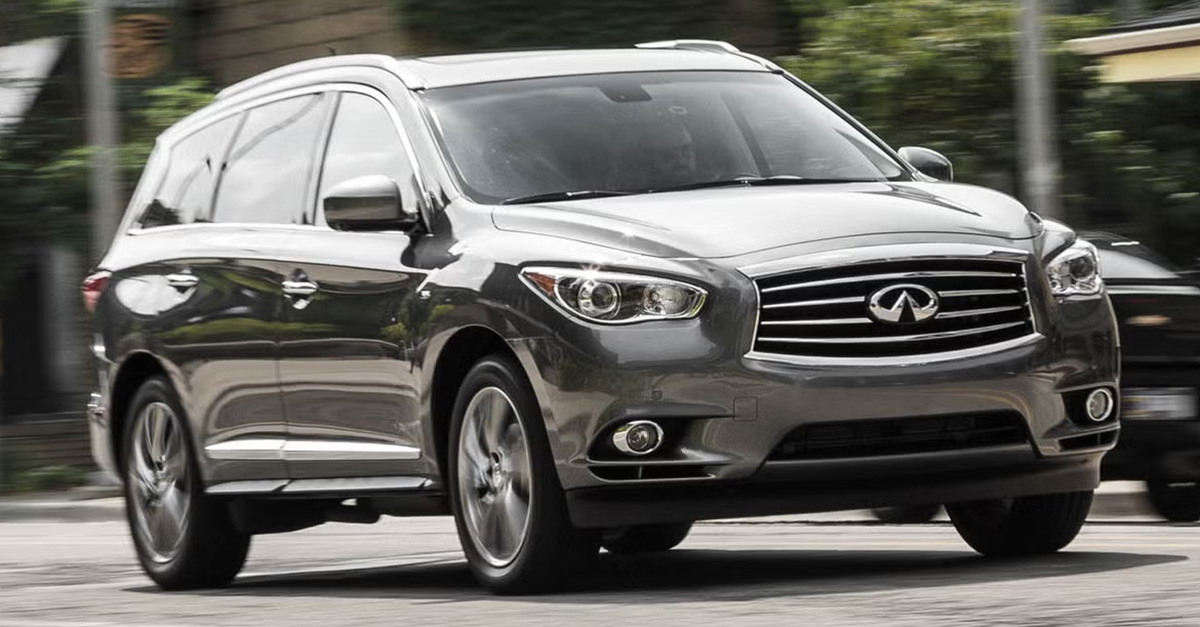
This is where a lot of family arguments go off track. A body-on-frame full-size SUV can share many of the same strengths and weaknesses as a pickup. A lower unibody crossover, on the other hand, may behave very differently in crash compatibility, rollover resistance, and everyday visibility.
Many Family Buyers Are Really Comparing Trucks To Crossovers
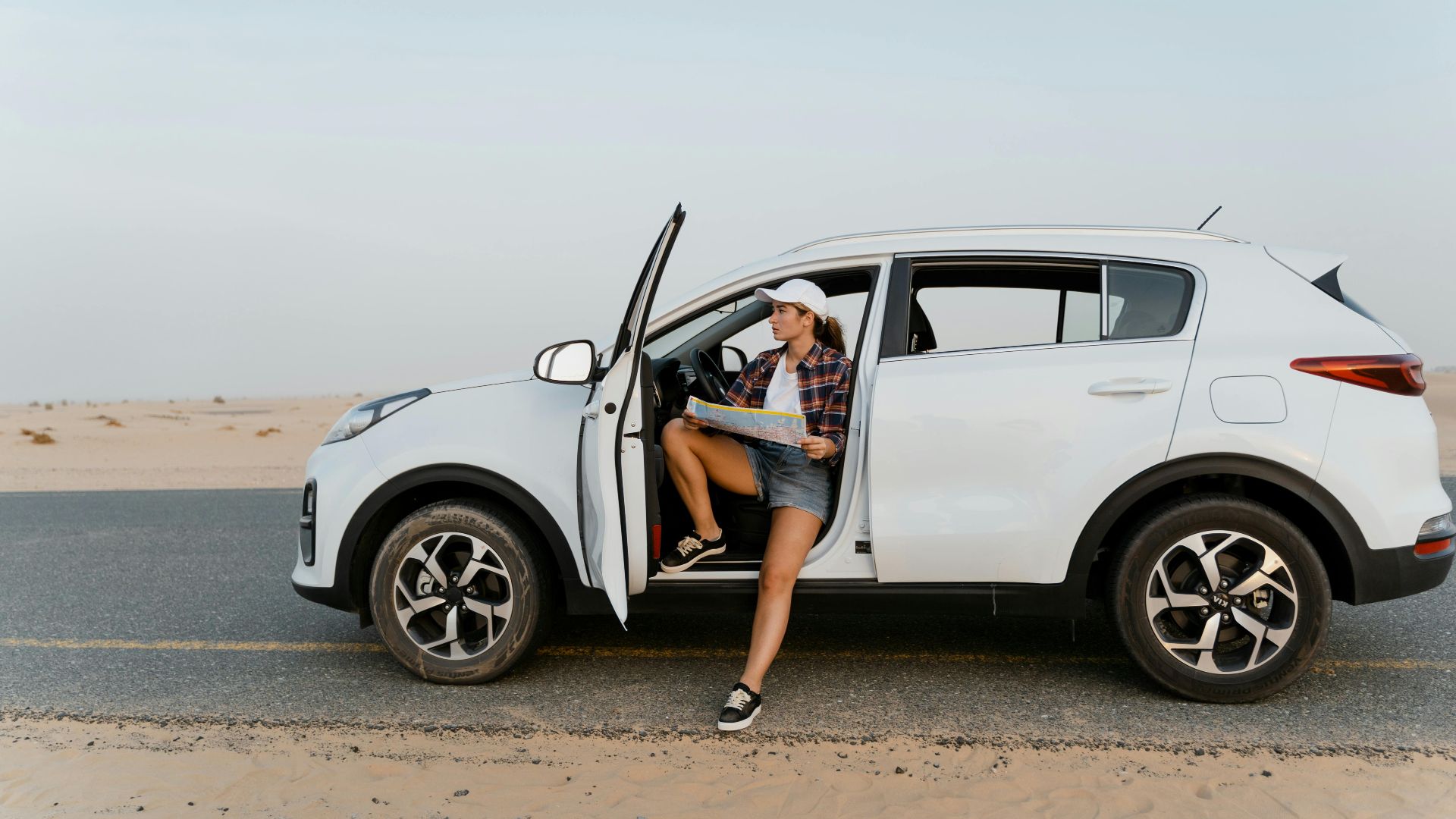
In the real world, the choice is often not pickup versus truck-based SUV. It is pickup versus a Honda Pilot, Toyota Highlander, Subaru Ascent, or another crossover. In that matchup, the crossover usually offers easier child loading, better outward visibility, and fewer compromises for everyday family duty.

Rear Seats Matter More Than Truck Fans Sometimes Admit
Modern crew cab pickups are much better family vehicles than older extended-cab trucks. Even so, rear-seat space and access can still be less convenient than in many midsize and large SUVs, especially for child seats. Families with rear-facing seats should test-fit before making any decision.

Safety Ratings Depend On The Exact Model
There is no one-size-fits-all answer because crash test results vary a lot by vehicle and model year. Some pickups earn strong IIHS Top Safety Pick awards or good federal ratings, while others have weak spots in overlap crash performance, headlight performance, or crash-avoidance tech. The same is true for SUVs, so a broad category fight only gets you so far.
Advanced Safety Tech Can Narrow The Gap
Automatic emergency braking, blind-spot monitoring, rear cross-traffic alert, and surround-view cameras can make a big difference in a large vehicle. IIHS and NHTSA have both shown that crash-avoidance technology can reduce certain common crashes. If you are considering a pickup for family use, these features should be high on your list.

Weight Can Help You In A Crash
There is a reason large vehicles often post low occupant death rates. In multi-vehicle crashes, people in heavier vehicles generally do better than people in lighter ones, all else equal. That advantage is real, and it is one reason many drivers feel safer in a truck.
Weight Can Hurt Everyone Else
The flip side is just as real. Heavier vehicles transfer more energy in crashes and can do more damage to smaller vehicles, pedestrians, cyclists, and other road users. So if your wife says a truck feels more dangerous, she may be thinking beyond the people inside your vehicle, and the data gives that concern some support.
Stopping Distance And Handling Still Matter
A pickup is not just a tall SUV with a bed. Many trucks have longer stopping distances, more body motion, and less nimble emergency handling than family-focused crossovers, especially when equipped with all-terrain tires or suspension packages aimed at towing or off-road use. Those differences can matter in the split second when a driver has to avoid a crash.

Empty Beds Change How Some Trucks Behave
This is one of those practical details longtime truck owners know well. An unloaded pickup can have less weight over the rear axle, which may affect traction and stability in wet or slippery conditions compared with an SUV carrying its mass inside the body. Electronic stability control helps a lot, but physics still matters.
Towing Use Adds Another Layer Of Risk
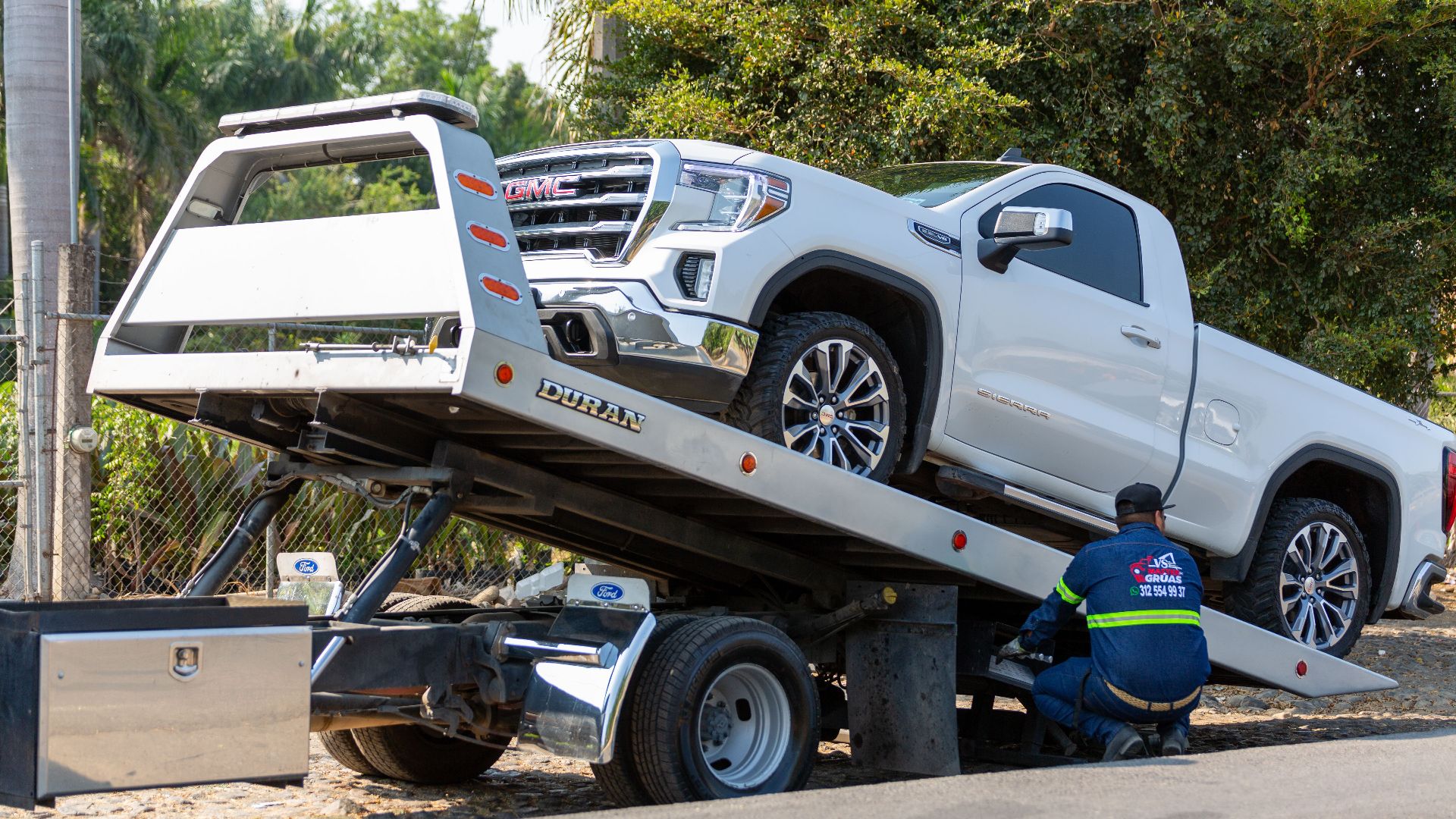
If you need to tow, a pickup may be the safer tool because using an undersized SUV for a heavy trailer creates its own hazards. But towing changes stopping distance, acceleration, and stability no matter what vehicle you use. For families who rarely tow, buying a truck mainly for possible future utility can mean taking on daily safety tradeoffs for an occasional benefit.
Child Safety Is About More Than Crash Scores
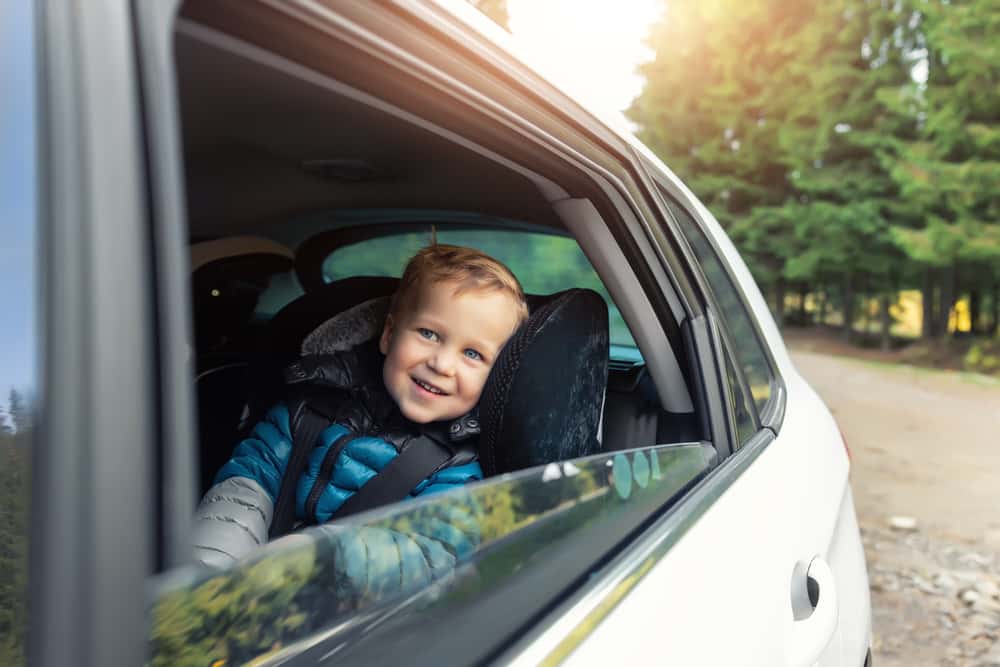
Parents tend to focus on crash stars, but day-to-day safety includes loading kids without climbing up, seeing around the vehicle in a crowded lot, and keeping cargo secure. An SUV’s enclosed cargo area can also be easier for carrying strollers, groceries, and sports gear without exposing items to weather or requiring a bed cover. Convenience often turns into safety when it cuts down on hassle and distraction.

Pickup Popularity Does Not Mean Pickup Superiority
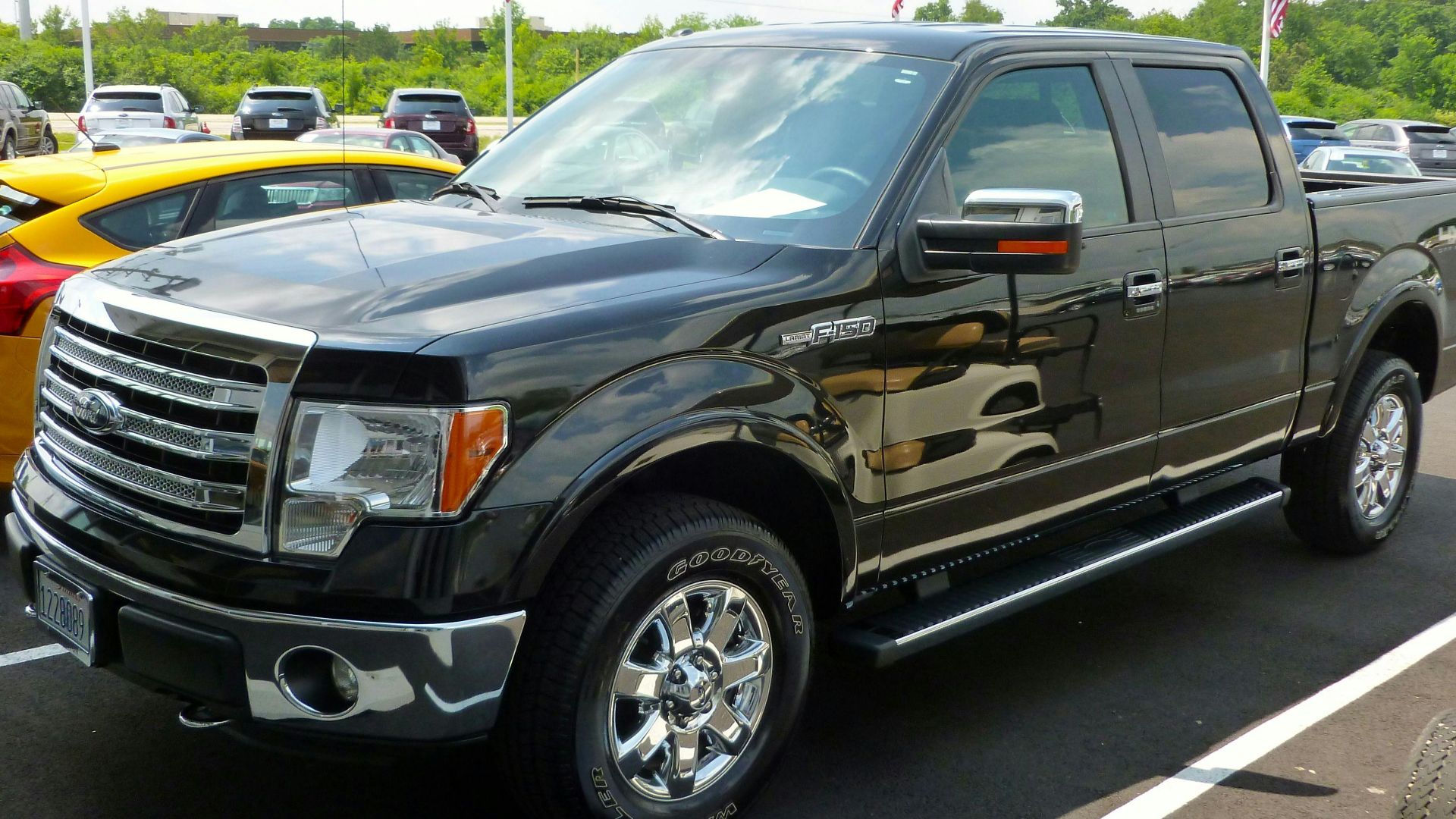
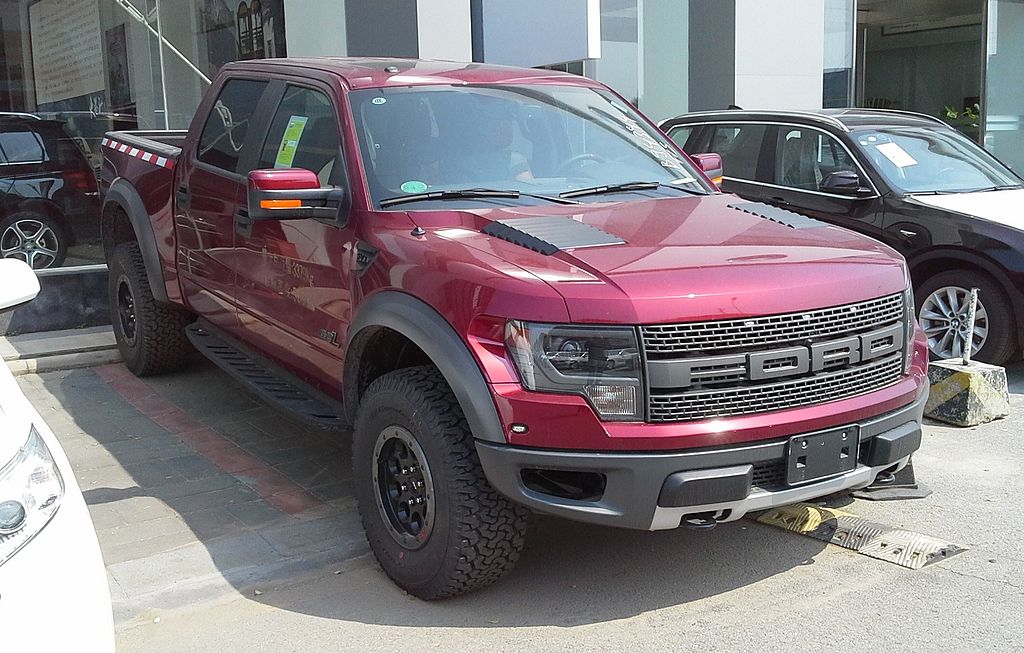
American buyers have flocked to pickups for years, and the Ford F-Series has spent decades at the top of sales charts. But popularity does not settle the safety question. It mostly shows that trucks are useful, comfortable, and appealing, not that they are always the smartest family choice.
 Navigator84, CC BY-SA 4.0, Wikimedia Commons
So Are Trucks Really Less Safe Than SUVs
If you mean safety for the occupants in a modern, well-rated truck, often not. If you mean the full safety picture, including rollover tendencies, braking and handling tradeoffs, pedestrian risk, and close-range visibility, trucks can absolutely be the riskier choice, especially compared with lower family crossovers. The answer depends on which truck, which SUV, and how your family actually uses the vehicle.
 LightField Studios, Shutterstock
When A Pickup Makes Sense For A Family
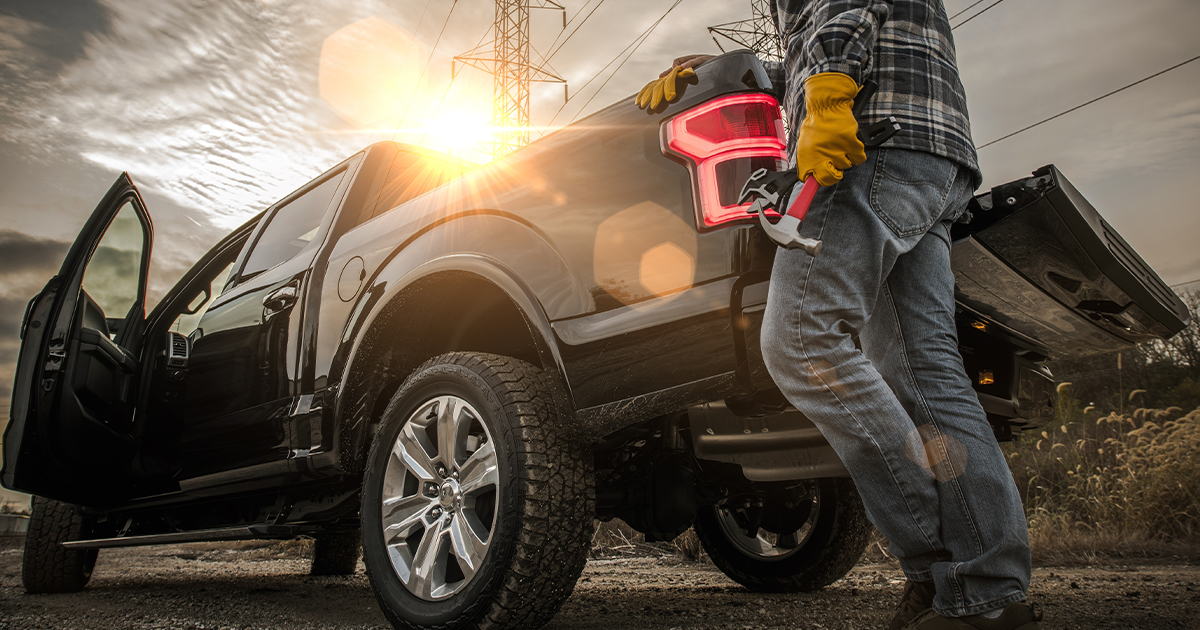
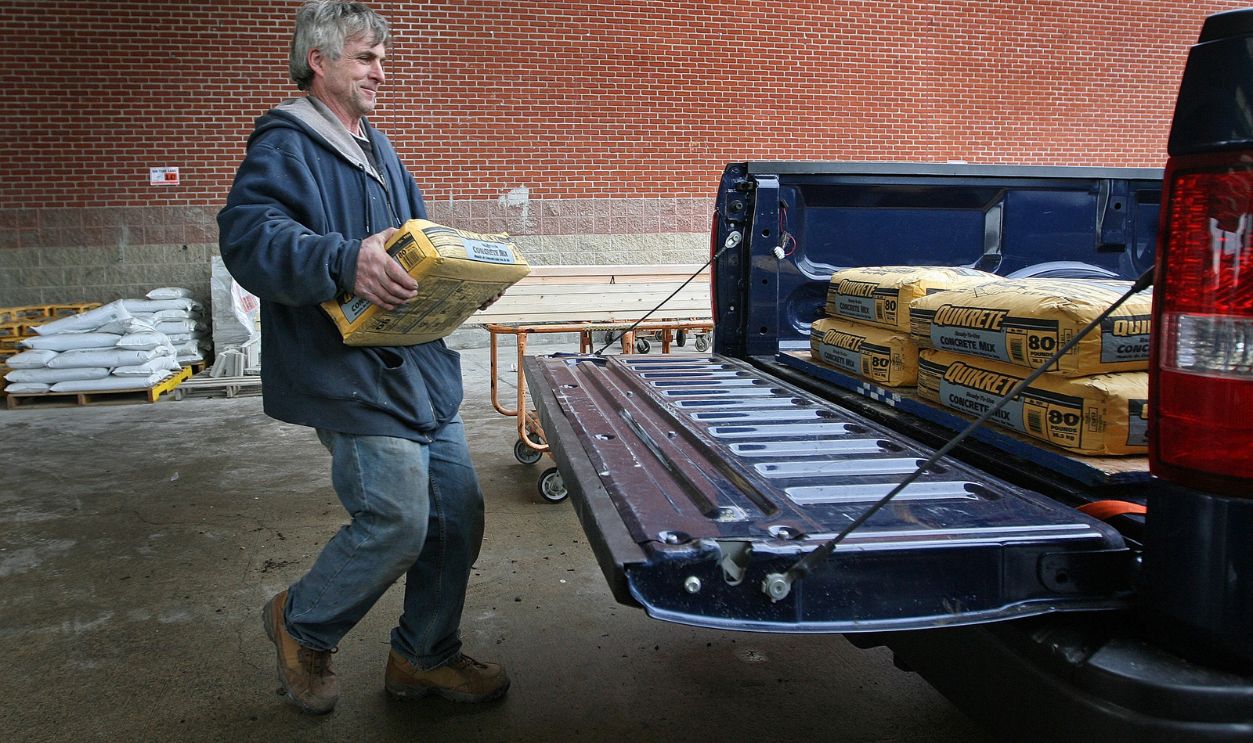
A pickup can be a sensible family vehicle if you truly need bed utility, regular towing capacity, or job-site durability. In that case, choose a crew cab with strong IIHS and NHTSA results, good headlights, standard automatic emergency braking, and a full camera and sensor package. Then make sure everyone who drives it is comfortable with its size and blind spots.
When An SUV Is Probably The Better Choice
If your daily life is mostly commuting, school runs, grocery trips, road trips, and hauling kids, an SUV or crossover usually fits the job better. You often get easier access, better packaging, strong crash performance, and fewer visibility headaches. For many families, that adds up to a calmer and more forgiving vehicle.
The Best Way To Settle The Debate At Home
Skip the abstract category fight and compare specific models. Pull up the IIHS and NHTSA ratings, measure child-seat fit, check hood height and sight lines, and drive both vehicles through the places your family actually goes. That turns a household standoff into a fact-based decision, which is usually the safest move.