
The Dream Car Was Affordable But Keeping It Is Another Story
A fun retirement car should create excitement, not financial anxiety. But when insurance and storage cost more than expected, the dream can lose its shine quickly. You might think the answer is selling, but before you let that dream car drive away, there are a few ownership changes could make a big difference.
Start With The Full Annual Cost
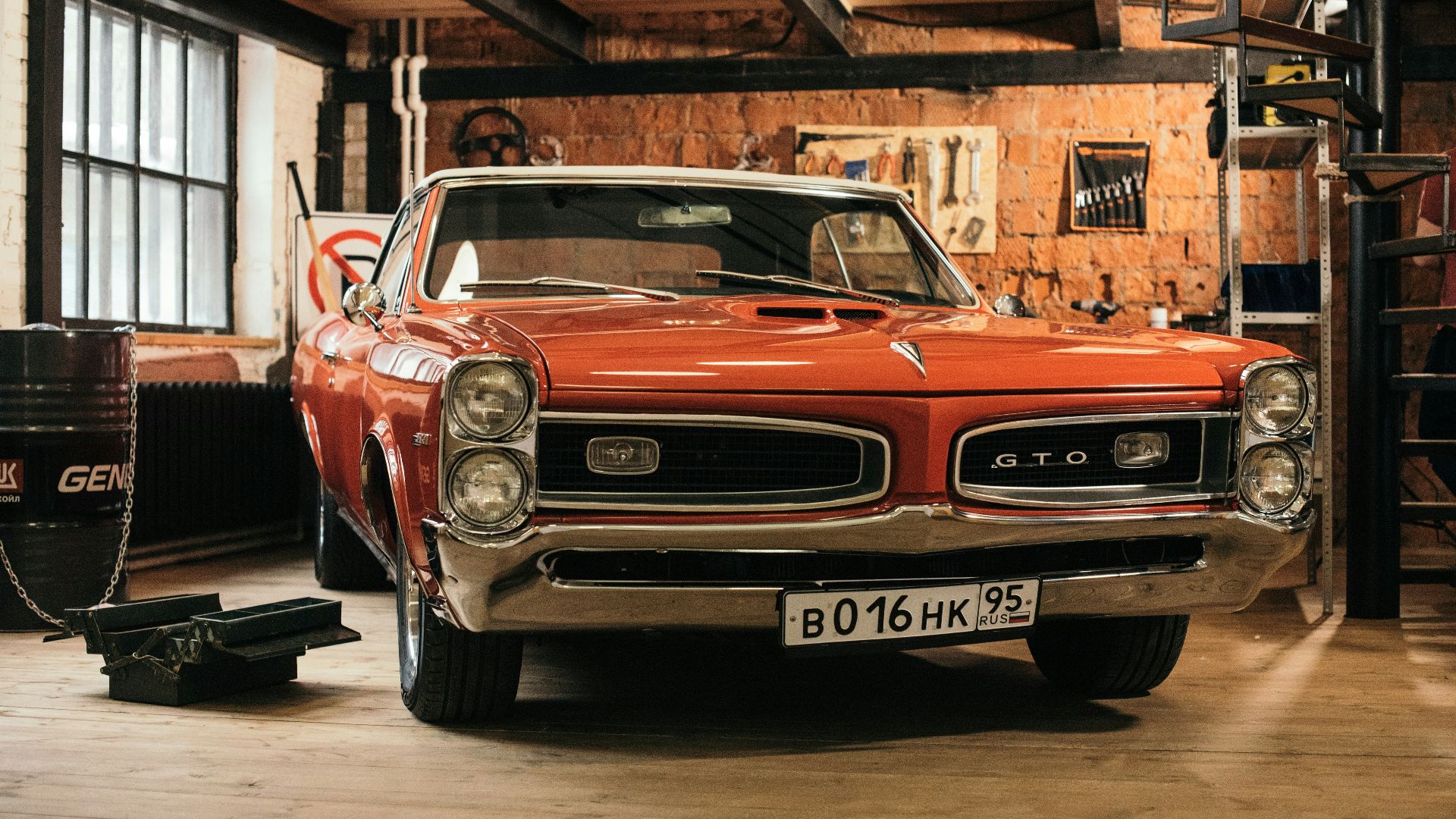
The insurance premium and storage bill may be the most obvious expenses, but they’re only part of the picture. Add registration, maintenance, detailing, tires, battery care, fuel, depreciation, loan interest, and repairs. Dividing that total by the number of days or miles the car is actually enjoyed can reveal whether the experience still feels worthwhile.
Don’t Judge It By One Expensive Month
Some ownership costs arrive in clusters. A yearly insurance payment, storage renewal, registration fee, and major service can make one month look disastrous even if the annual cost remains manageable. Review at least a full year before deciding the car has become unaffordable, unless the expense is already affecting essential retirement spending.

Protect The Retirement Plan First
A fun car should come from discretionary money, not funds needed for housing, healthcare, food, or emergencies. If keeping it requires regular retirement-account withdrawals, credit-card debt, or postponing necessary expenses, the financial answer may already be clear. Enjoyment matters, but it shouldn’t create anxiety about long-term security.

Today’s Market Isn’t Strong For Every Fun Car
The broader used-car market remained relatively tight in mid-2026, with average dealer listing prices around $27,000. Collector vehicles have been more uneven, however. Hagerty describes a market with strength at the top but softness across many ordinary classics, which means a rare, exceptional example may attract aggressive buyers while a more common model could take longer to sell.

Your Car’s Category Matters
A nearly new performance car competes in the regular used-car market, while a vintage convertible, limited-edition model, or well-preserved modern classic may appeal to enthusiasts. Each group shops differently and uses different pricing information. Comparing your vehicle only with ordinary dealer listings may either understate or exaggerate its real value.

Originality Can Raise Enthusiast Interest
Collectors often care about factory paint colors, original drivetrains, matching documentation, low mileage, and unmodified condition. Tasteful upgrades may improve the driving experience without increasing the sale price. In some cases, extensive modifications can actually narrow the buyer pool, even when they cost thousands of dollars.
Condition Matters More Than Wishful Pricing
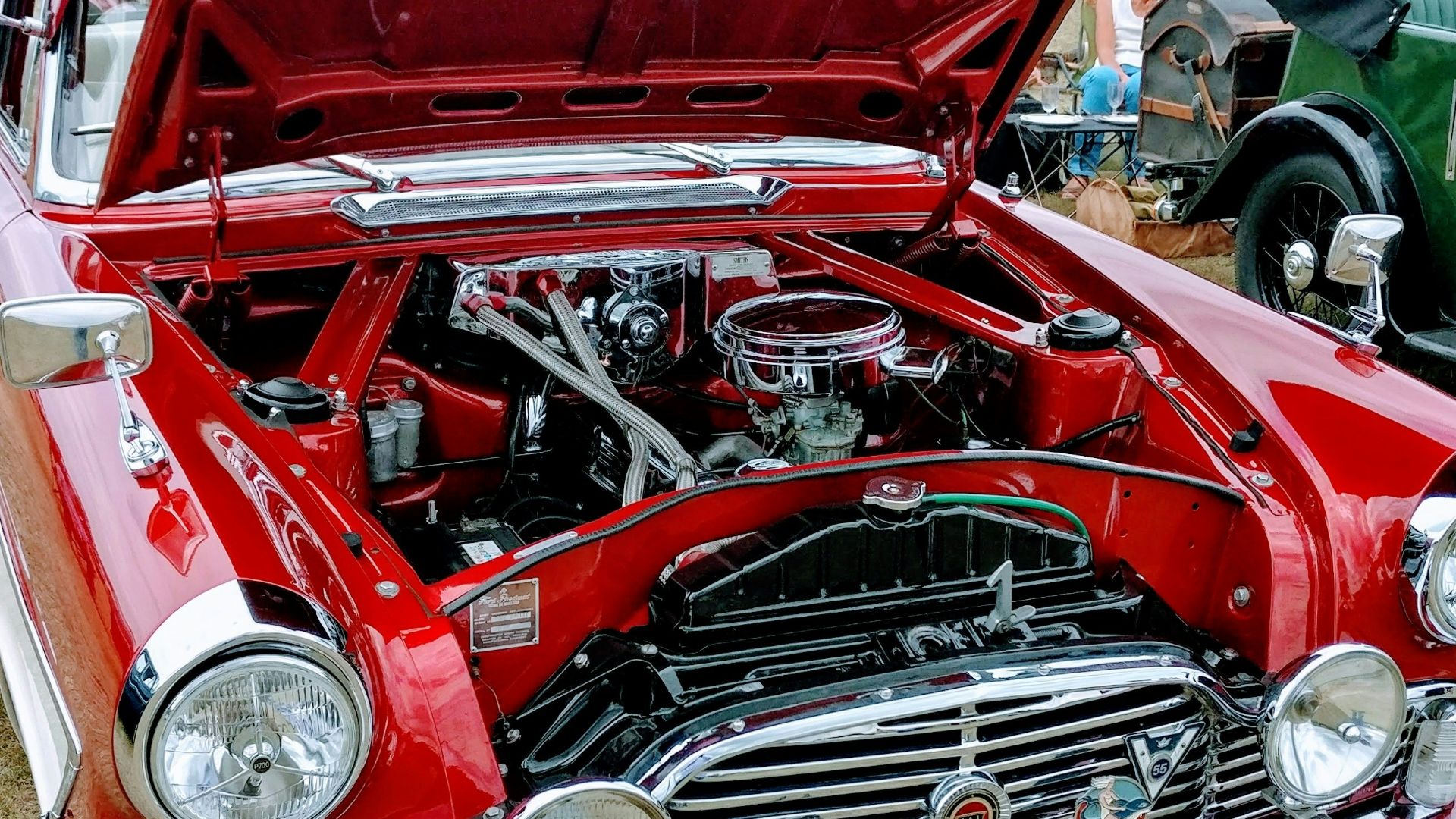
A seller may see a cherished retirement reward, but buyers see paint flaws, tire age, missing records, leaks, worn upholstery, and upcoming maintenance. Compare the car with examples in genuinely similar condition. A concours-quality auction result doesn’t establish the value of an average driver-quality vehicle.

Look At Sold Prices, Not Just Asking Prices
Online listings show what sellers hope to receive, not what buyers ultimately pay. Search completed auctions, sold listings, valuation tools, enthusiast forums, and recent dealer transactions. If an apparently identical car has been listed for eight months, its asking price probably isn’t a reliable market benchmark.

Get Several Different Valuations
Request offers from a local dealer, a national online buyer, and at least one marque specialist or enthusiast dealer. For a collectible car, consult a recognized price guide or professional appraiser as well. The spread between offers can reveal whether the vehicle belongs on the mainstream market or needs a more specialized audience.

Specialist Insurance Could Change The Math
A weekend car may not need the same policy structure as a daily commuter. Collector-car insurers often offer agreed-value coverage and rates designed for limited use, although eligibility may depend on storage, driving history, annual mileage, vehicle type, and access to another regular-use car. Hagerty notes that specialized storage or collector coverage can cost less than insuring an eligible vehicle under a standard daily-driver policy.

Ask About Agreed-Value Coverage
Standard policies may settle a total loss using actual cash value, which can become contentious when a rare or unusually well-kept vehicle is involved. An agreed-value policy establishes the insured amount in advance, subject to the policy’s terms. This can offer more certainty, but the agreed amount and premium should be reviewed as the market changes.

Revisit The Annual Mileage Estimate
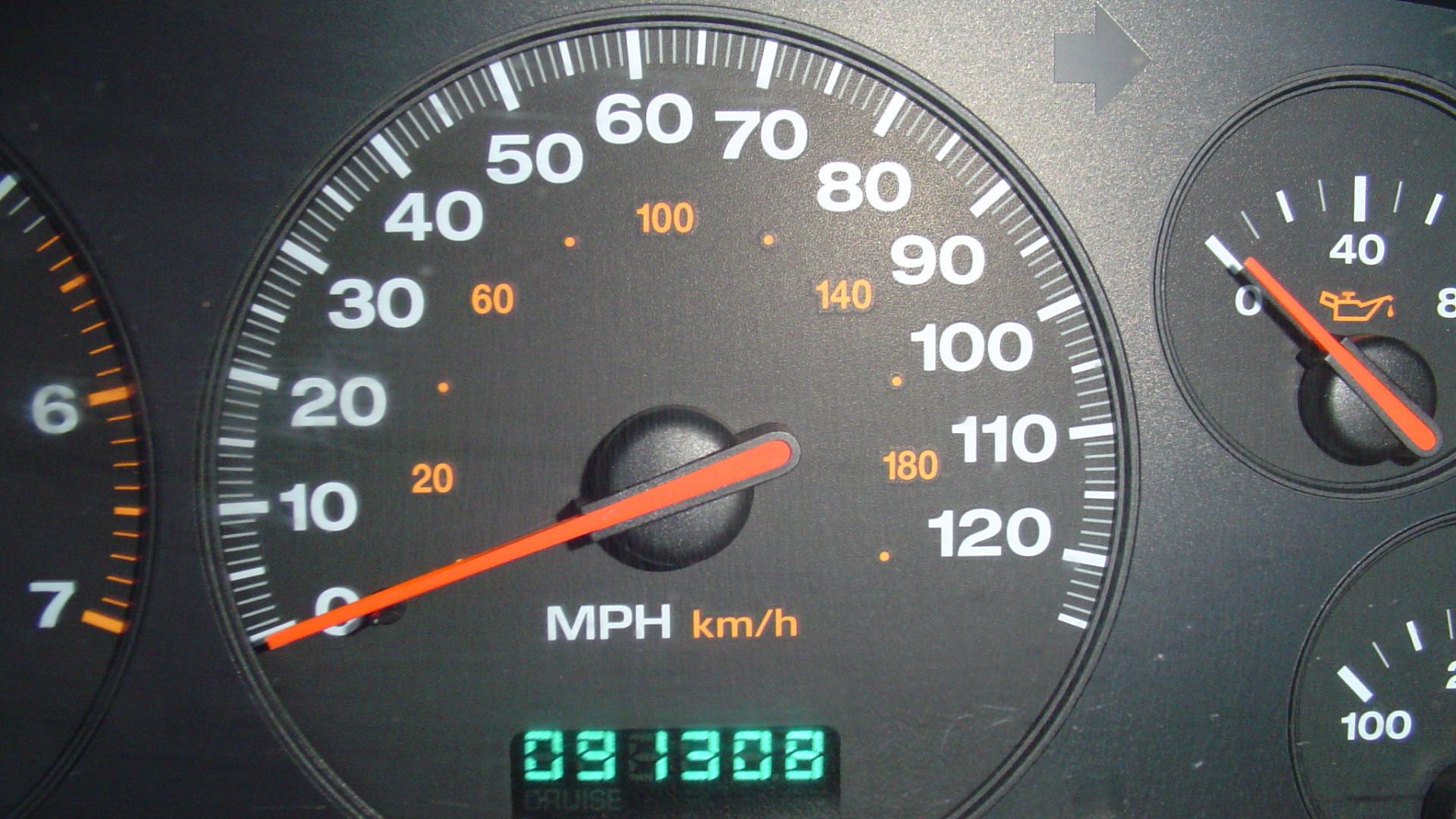
Insurance pricing may assume the car is driven more often than it really is. If retirement use has settled into a few weekend drives and club events, ask whether a lower verified mileage tier is available. Be accurate, since understating usage could cause problems if a claim later reveals a very different driving pattern.
 Sav127 at English Wikipedia, Wikimedia Commons
Increasing The Deductible May Help
A higher collision or comprehensive deductible can reduce the premium, although it shifts more risk back to the owner. This works best when the household has enough accessible savings to cover that deductible without stress. Dropping important coverage entirely may save more upfront but could turn theft, hail, fire, or a storage accident into a major loss.

Bundle Carefully Instead Of Automatically
Combining home, daily-driver, and specialty-car coverage may create a discount, but bundling isn’t always cheapest. Compare the bundled total with separate quotes from specialty insurers. The collector policy may have storage and usage restrictions, so price alone shouldn’t determine the decision.
 StockPhotoDirectors, Shutterstock
Seasonal Storage Can Cut The Bill
Owners in colder climates may only need professional storage during winter. Keeping the car at home during the driving season and renting secure space for several months can cost far less than a year-round contract. Ask about seasonal rates rather than assuming the monthly advertised price is the only option.

A Lift Can Create Space At Home
A residential parking lift may allow the fun car and daily vehicle to share one garage bay. Installation can be expensive, and the garage needs adequate ceiling height, floor strength, electrical service, and local approval. Still, it may pay for itself over several years if commercial storage is particularly costly.

Drive It More Before Giving Up
A car that leaves the garage three times a year is difficult to justify emotionally or financially. Schedule scenic drives, club events, weekend lunches, or short road trips so the vehicle becomes part of retirement rather than an object that merely collects bills. More frequent use won’t lower every expense, but it can improve the value received from them.

Try A Six-Month Ownership Reset
Before listing the car, reduce the insurance cost, change the storage arrangement, and create a realistic driving schedule for six months. Track every dollar and note how often the car delivers genuine enjoyment. This trial separates a temporary frustration from an ownership model that truly no longer works.

Decide Whether The Car Still Fits Your Life
The wrong seating position, difficult entry, heavy steering, harsh ride, or lack of luggage space may gradually discourage use. Selling doesn’t necessarily mean giving up on fun cars altogether. A more comfortable convertible, grand tourer, smaller sports car, or affordable performance sedan might deliver more enjoyment with lower costs.

Timing The Sale Can Affect Interest
Convertibles and sports cars often attract more attention as warm weather approaches, while four-wheel-drive enthusiast vehicles may benefit from fall or winter demand. Seasonal timing won’t overcome an unrealistic price, but presenting the car when buyers are imagining themselves using it can improve response.

Prepare The Car Before Advertising
Complete inexpensive repairs, remove warning lights, correct obvious fluid leaks, and make sure all major features work. Clean the interior carefully and give the exterior a proper wash and polish. Spending a sensible amount on presentation can build confidence, but an expensive restoration immediately before selling rarely returns every dollar.

Organize The Paperwork
Gather the title, service records, manuals, spare keys, window sticker, receipts, ownership history, and documentation for modifications. Buyers of enthusiast vehicles often pay more confidently when they can see exactly how the car was maintained. Good records can also distinguish it from similar cars with uncertain histories.

Take Honest, Detailed Photos
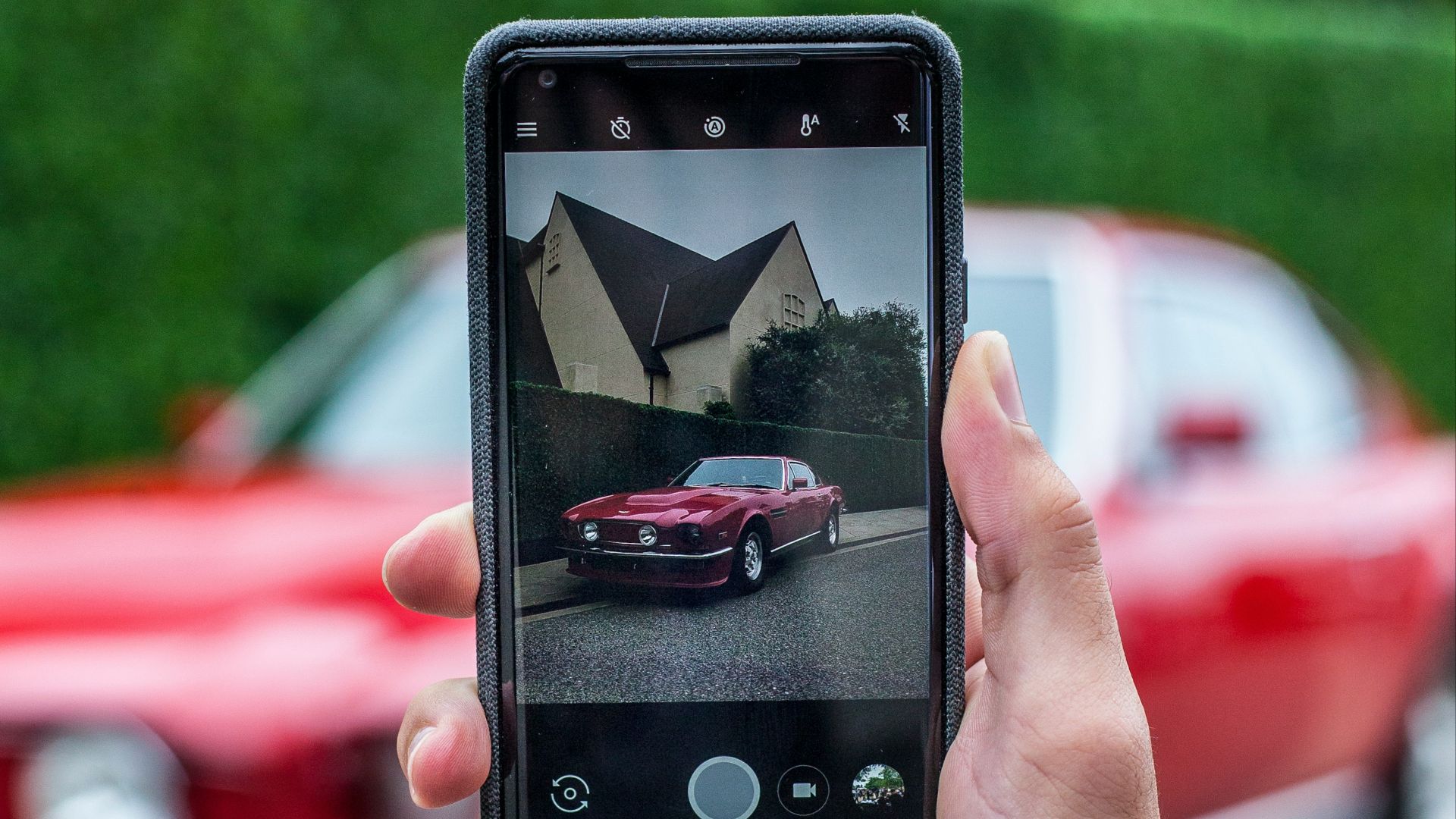
Photograph the car in clean natural light from every angle. Include the interior, engine bay, wheels, tires, trunk, odometer, option labels, and known flaws. Hiding damage may attract more initial messages, but it wastes time and makes serious buyers suspicious when they inspect the vehicle.
Choose The Right Selling Venue
A mainstream late-model sports car may perform well on a large used-car marketplace or through an online buying service. A rare classic, unusual specification, or enthusiast model may bring more attention through a specialist dealer, marque club, or curated auction platform. Private sales may produce the highest price, but they also require more communication, security precautions, and paperwork.

Compare Net Proceeds, Not Headline Prices
An auction may achieve an impressive sale price while charging listing, photography, transport, or seller fees. A consignment dealer also takes a commission but handles advertising, inquiries, inspections, and payment. Compare what actually reaches your bank account, along with how much time and risk each method requires.
 Centre for Ageing Better, Unsplash
Set A Defensible Asking Price
Price the car from evidence rather than the amount needed to recover every past expense. Purchase taxes, storage bills, maintenance, and modifications don’t automatically increase market value. Leave a reasonable negotiating margin, but avoid starting so high that the listing becomes stale and buyers assume something is wrong.
Protect Yourself During A Private Sale
Meet prospective buyers in a secure public location or at a trusted financial institution. Verify a driver’s licence and insurance before any test drive, accompany the buyer, and avoid handing over the title until payment is confirmed. Bank drafts and electronic transfers can still be fraudulent, so confirm funds directly with the issuing institution.

Selling Can Still Be The Right Ending
A fun retirement car doesn’t have to remain forever to have been worthwhile. It may have delivered memorable drives, fulfilled a long-held goal, and taught its owner what kind of vehicle actually fits retirement. Selling while it remains attractive, maintained, and marketable can preserve those good memories instead of allowing monthly costs to turn them into resentment.

Don’t Sell Solely Because The Market Feels Urgent
The mid-2026 used market remains relatively firm overall, but the collector market is selective rather than universally booming. Clean, desirable vehicles may still find strong buyers, while ordinary or overvalued examples can sit. The right decision depends less on predicting the market’s peak and more on whether the car still fits the owner’s finances and retirement lifestyle.
Make The Car Earn Its Place Or Let It Go
Keeping the vehicle makes sense when its costs can be reduced without threatening retirement security and when it’s driven often enough to provide real happiness. Selling makes more sense when storage and insurance create constant stress, the car rarely leaves the garage, or its value could support more important goals. Before deciding, gather real offers, test cheaper ownership options, and give the car one intentional season of use. The answer should come from what improves retirement now, not from guilt over a dream that has already been fulfilled.
You May Also Like: