
The Frustration Is Telling You Something
A truck that feels perfect during a hardware-store run can feel excessive during the other 95 percent of the week. Fuel stops, tight garages, narrow spaces, and crowded city streets repeatedly expose the cost of unused capability. That does not automatically mean buying the truck was a mistake, but it does mean your actual driving needs deserve another look.

Start With Your Real Routine
Write down how the truck was used during the last two or three months. Separate ordinary commuting from towing, hauling, off-road travel, home projects, and trips carrying several passengers. If nearly every journey could have been completed in a smaller vehicle, the truck may be providing capability you rarely need.
Capability Was Part Of The Appeal
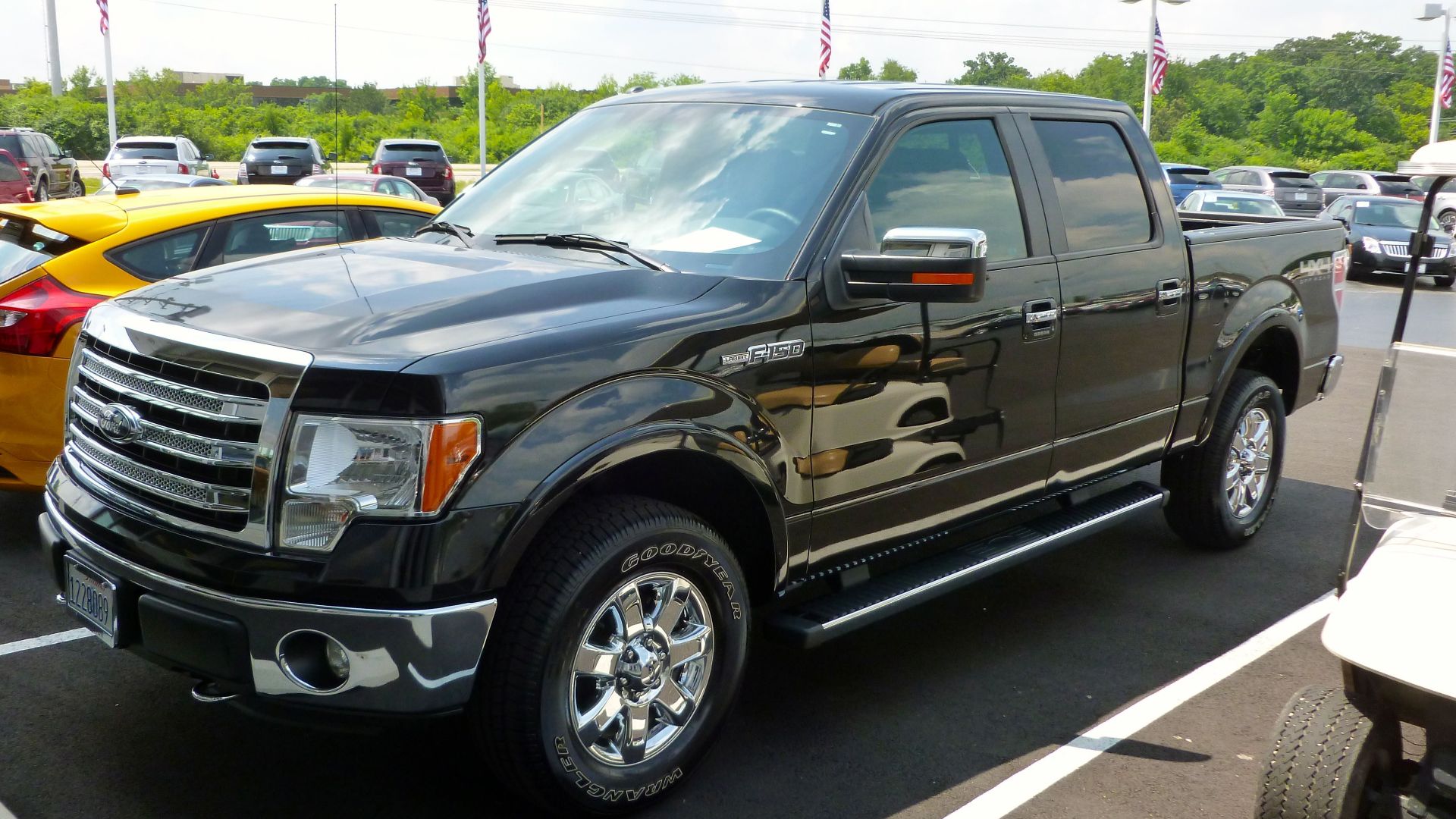
Full-size pickups are designed to handle jobs that ordinary passenger vehicles cannot perform as easily. Depending on their configuration, they may offer high towing limits, large payload ratings, four-wheel drive, long beds, and spacious crew cabs. Those attributes can justify the compromises when they are used regularly.
Maximum Ratings Can Be Misleading
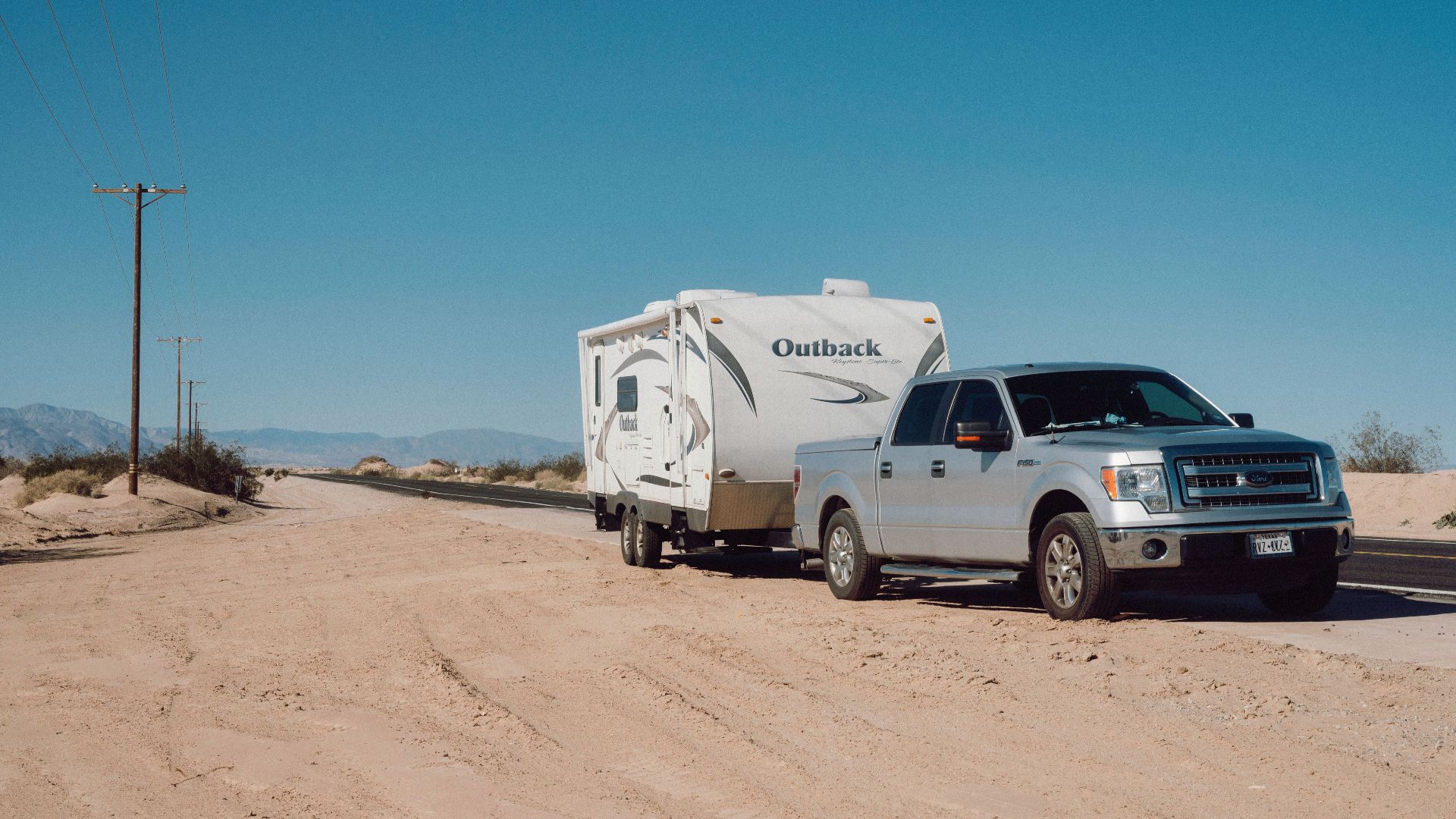
The biggest towing number in an advertisement usually applies only to a specific combination of engine, axle ratio, cab, bed, drivetrain, and equipment. Adding passengers, cargo, accessories, and trailer tongue weight can reduce the capacity available for the job. Your truck’s doorjamb labels and owner’s manual matter more than the highest number printed in a brochure.
Payload May Matter More Than Towing
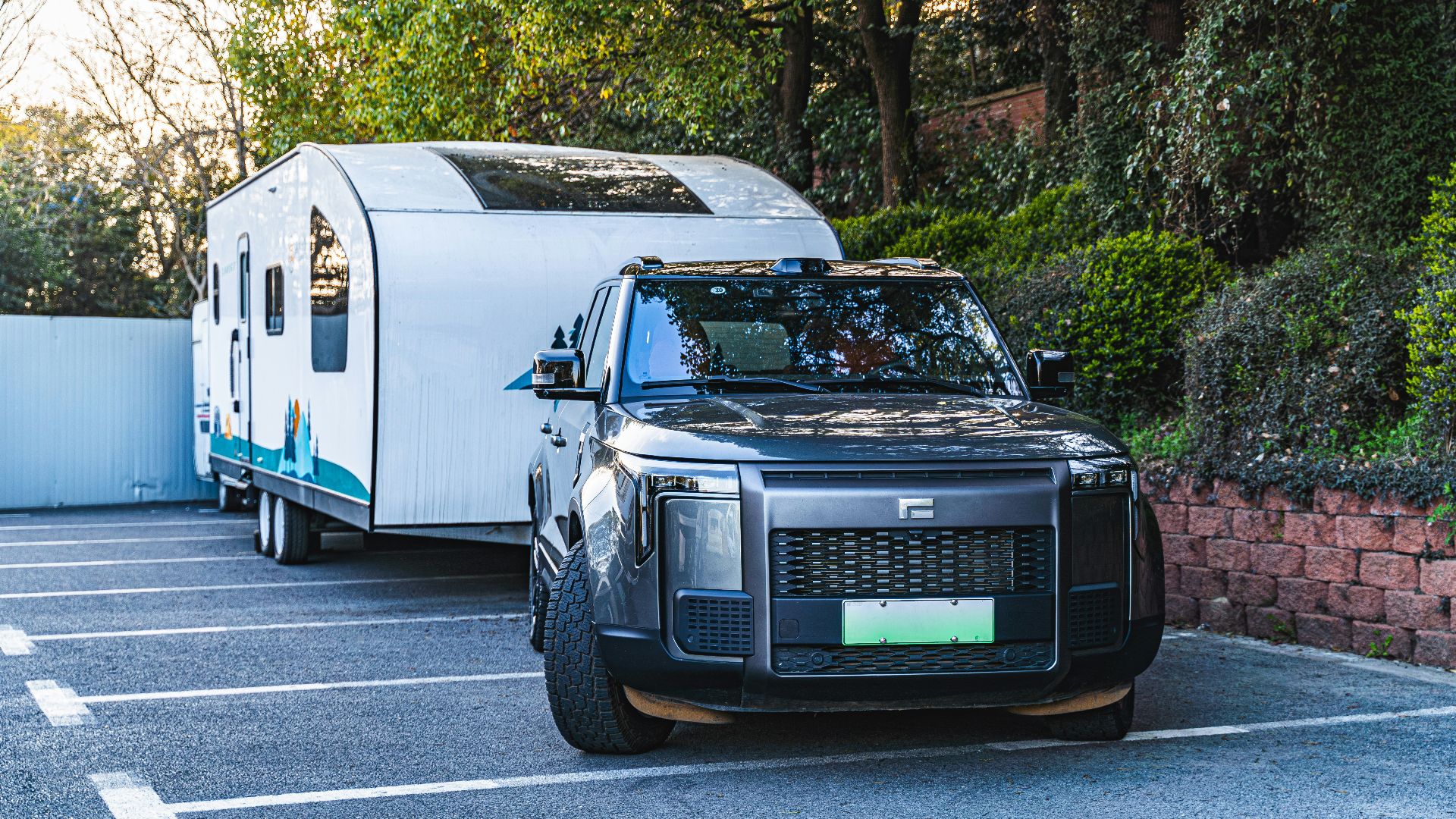
Truck owners often focus on trailer weight while overlooking payload. Payload includes occupants, cargo in the cab and bed, accessories, and the portion of a trailer’s weight pressing down on the hitch. NHTSA advises drivers not to exceed the vehicle load limit shown on the tire information placard or in the owner’s manual.
Your Parking Problem Is Physical
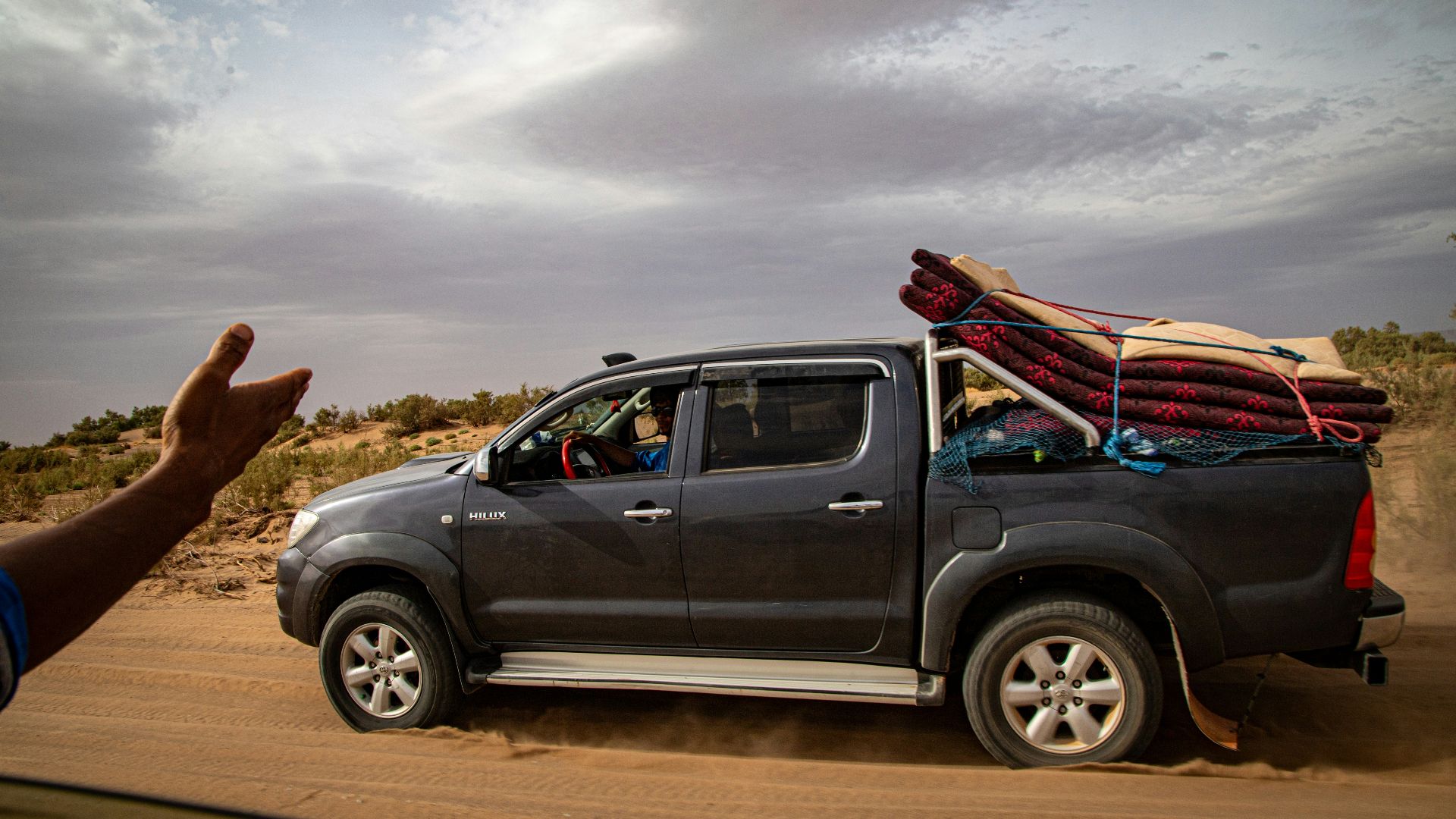
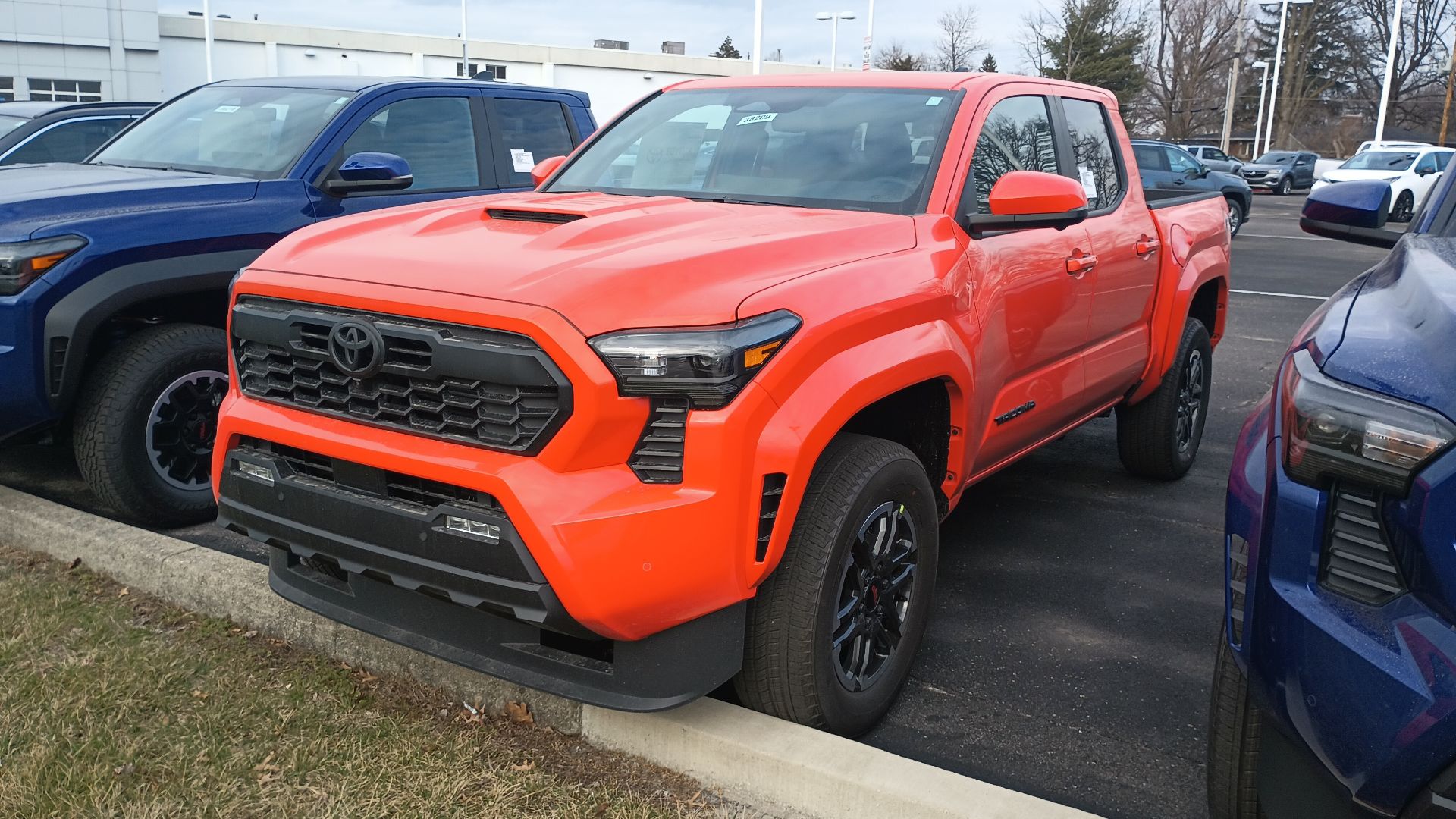
A modern full-size pickup can be several feet longer than a compact car and much wider through the body and mirrors. That footprint affects parallel parking, turning inside garages, navigating parking structures, and opening doors beside other vehicles. Cameras and sensors can help the driver place the truck, but they cannot make the parking space larger.
 Deathpallie325, Wikimedia Commons
Length Is Only Half The Challenge
Drivers tend to notice a truck’s long hood and bed first, but width creates its own daily stress. Wide bodies leave less room between painted lines, while extended mirrors can become vulnerable in garages and narrow lanes. A long wheelbase also increases the space needed to turn and reposition the vehicle.
City Driving Magnifies Every Inch
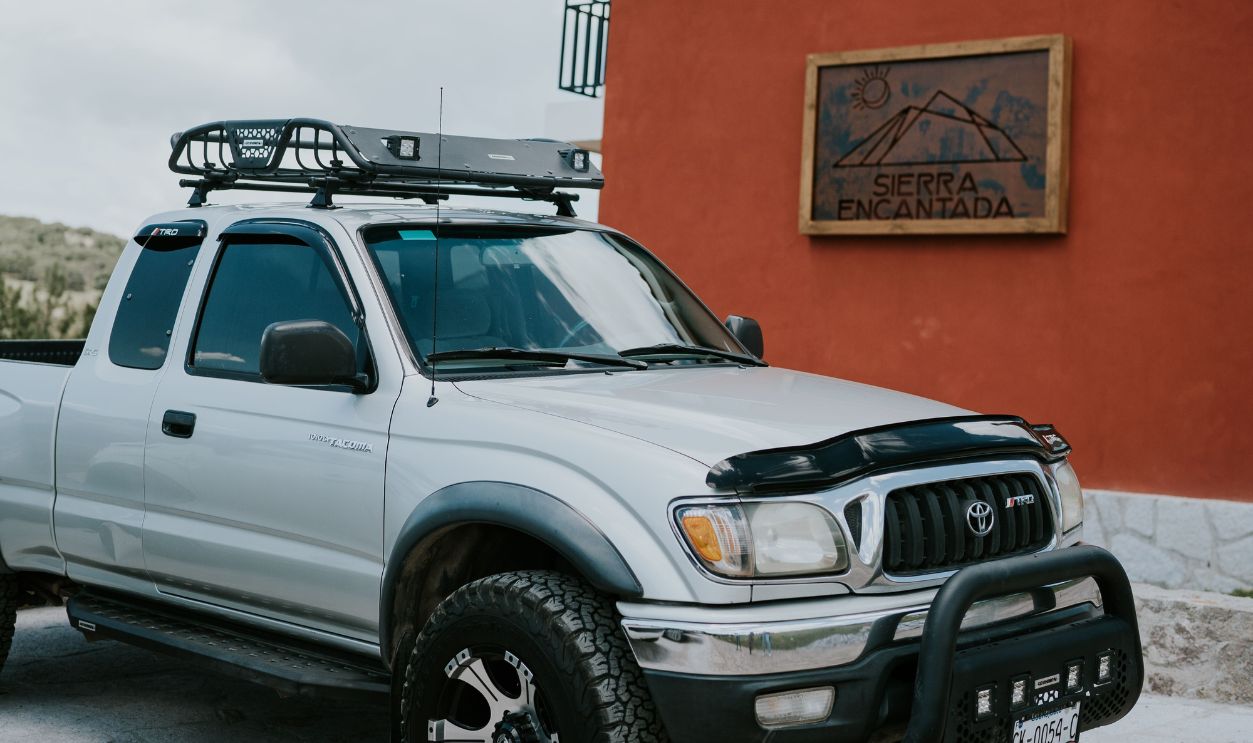
A pickup that feels normal on a highway or rural road can feel enormous downtown. Tight corners, delivery vehicles, curbside bike lanes, small underground garages, and short parking spaces all demand additional attention. Drivers who spend most of their time in dense areas may benefit more from maneuverability than maximum capability.
Fuel Economy Creates A Constant Bill
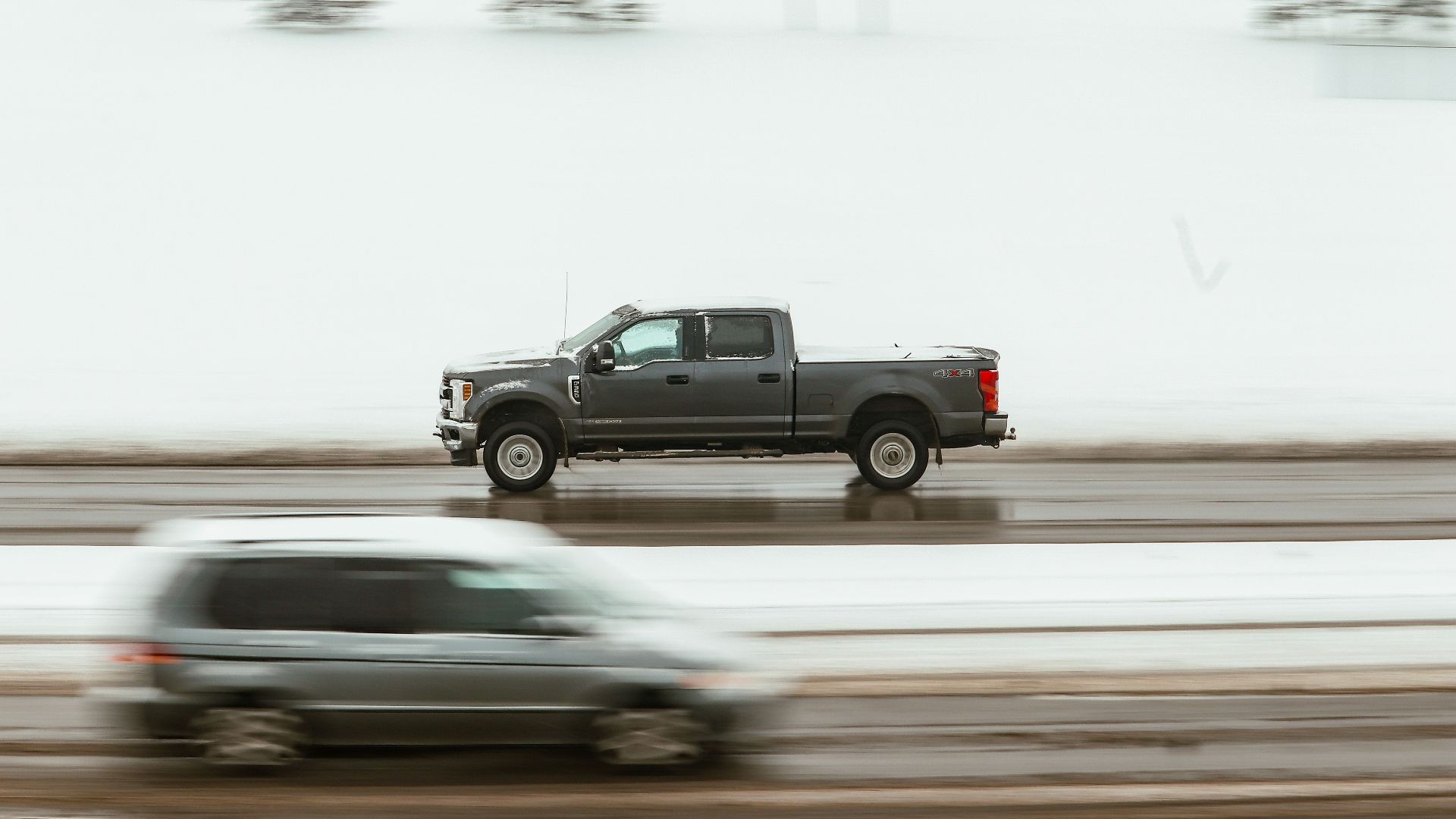
EPA fuel-economy listings show substantial variation among pickups, depending on size, drivetrain, engine, and powertrain technology. Many four-wheel-drive full-size trucks consume considerably more fuel than smaller crossovers, sedans, hybrids, and compact pickups. Even a modest difference in miles per gallon becomes expensive when multiplied across years of commuting.
Calculate Your Personal Fuel Penalty
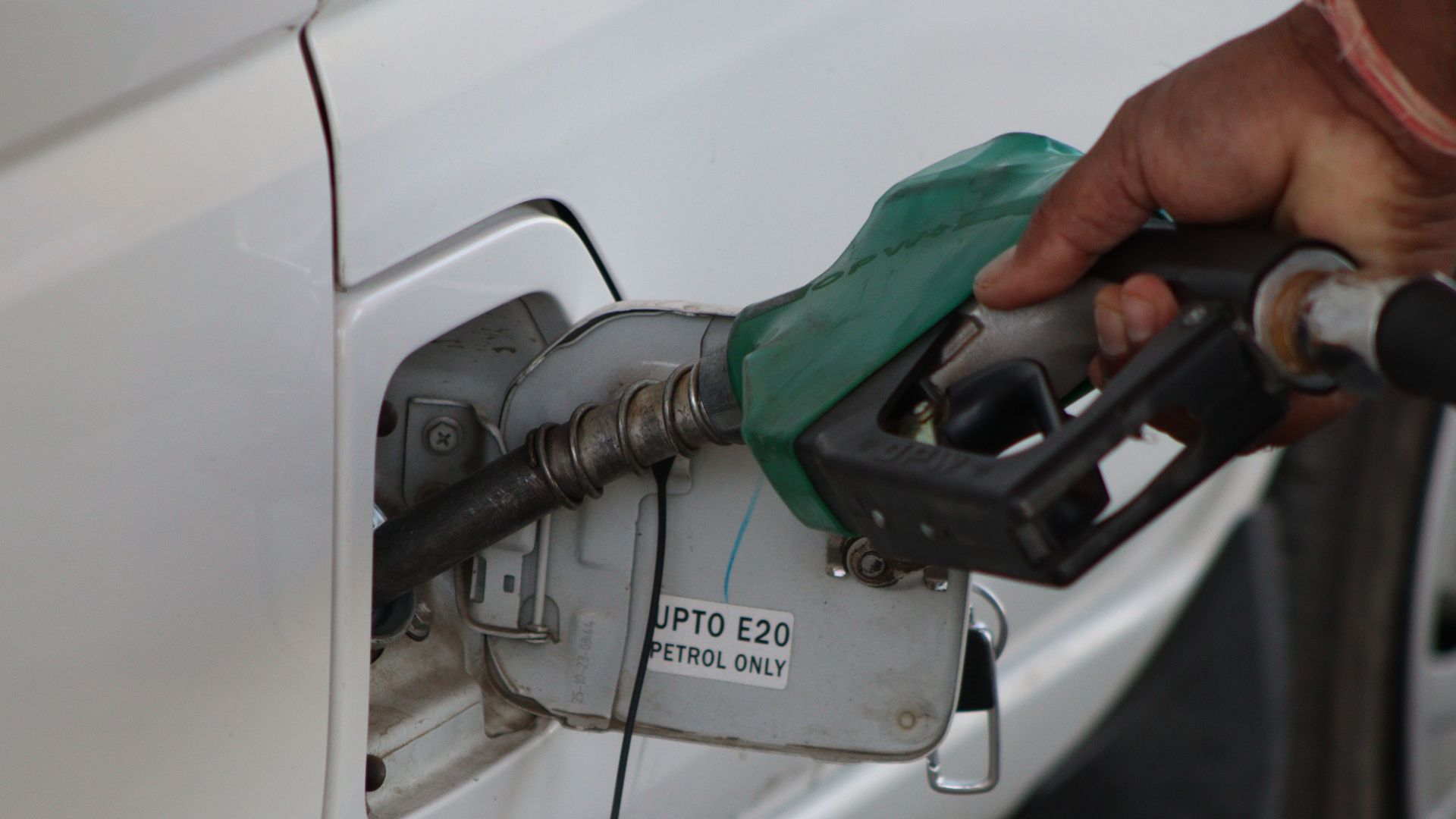
Compare the truck’s actual fuel economy with the mileage of a realistic replacement. Divide your yearly mileage by each vehicle’s miles per gallon, then multiply the difference in gallons by the fuel price you normally pay. That calculation turns a vague complaint into a yearly dollar amount you can compare with the cost of changing vehicles.

Real Mileage May Trail The Sticker
EPA figures are standardized estimates rather than promises for every driver and route. FuelEconomy.gov notes that speed, aggressive acceleration, idling, temperature, terrain, cargo, and mechanical condition all affect real-world mileage. Stop-and-go commuting can be particularly punishing when a heavy vehicle repeatedly accelerates from rest.

Four-Wheel Drive Has A Cost
Four-wheel drive can be extremely useful on poor roads, worksites, trails, and in severe winter conditions. It also adds components and weight compared with a similar two-wheel-drive configuration. A driver who remains on cleared pavement may be paying for traction capability that is rarely engaged.
Tires Can Produce Sticker Shock
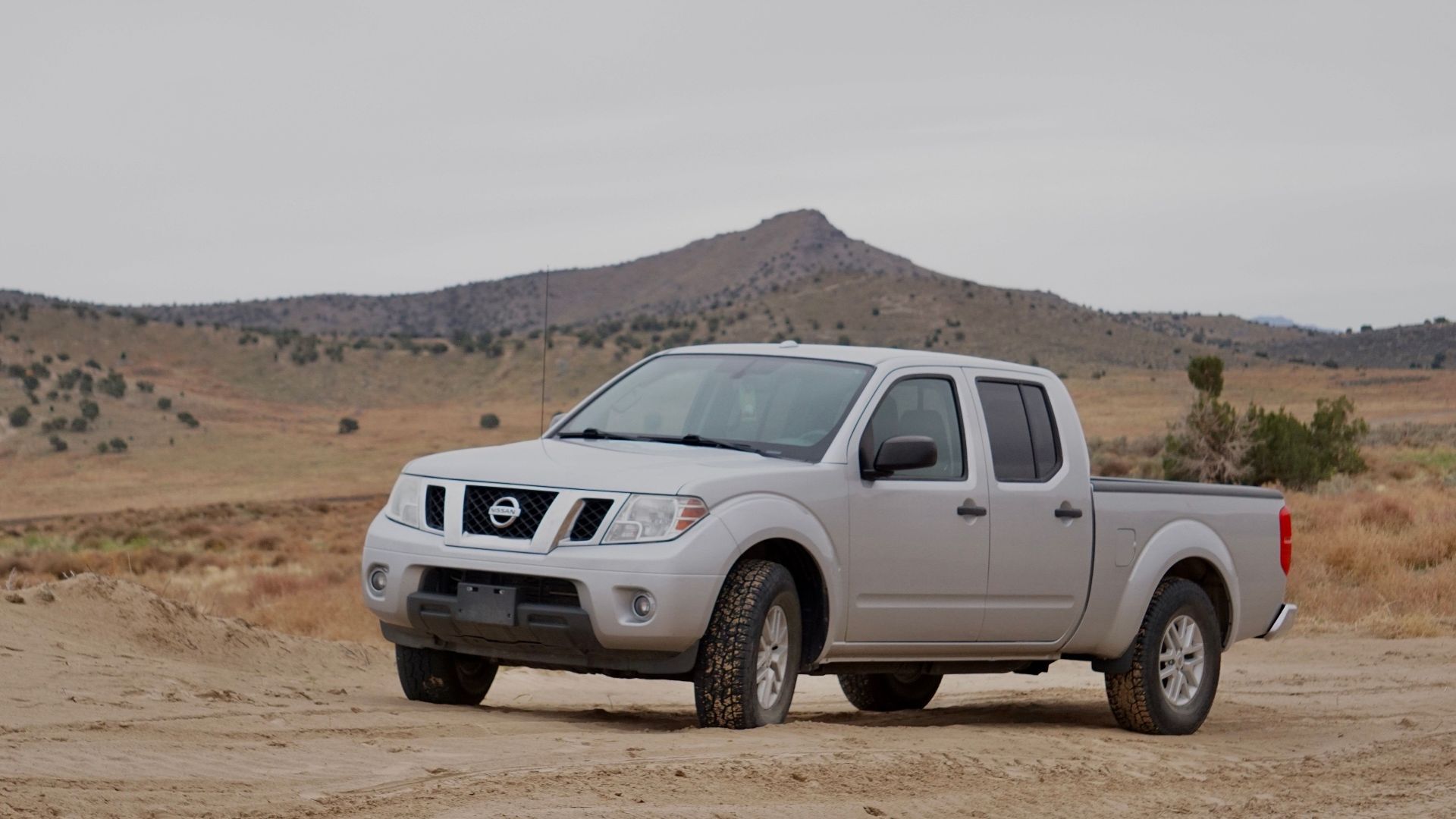
Truck tires are often larger and may carry higher load ratings than passenger-car tires. Aggressive all-terrain patterns can also increase road noise and rolling resistance compared with highway-focused tires. Replacement cost varies widely, but changing four large tires can become a significant ownership expense.
Tire Pressure Still Matters
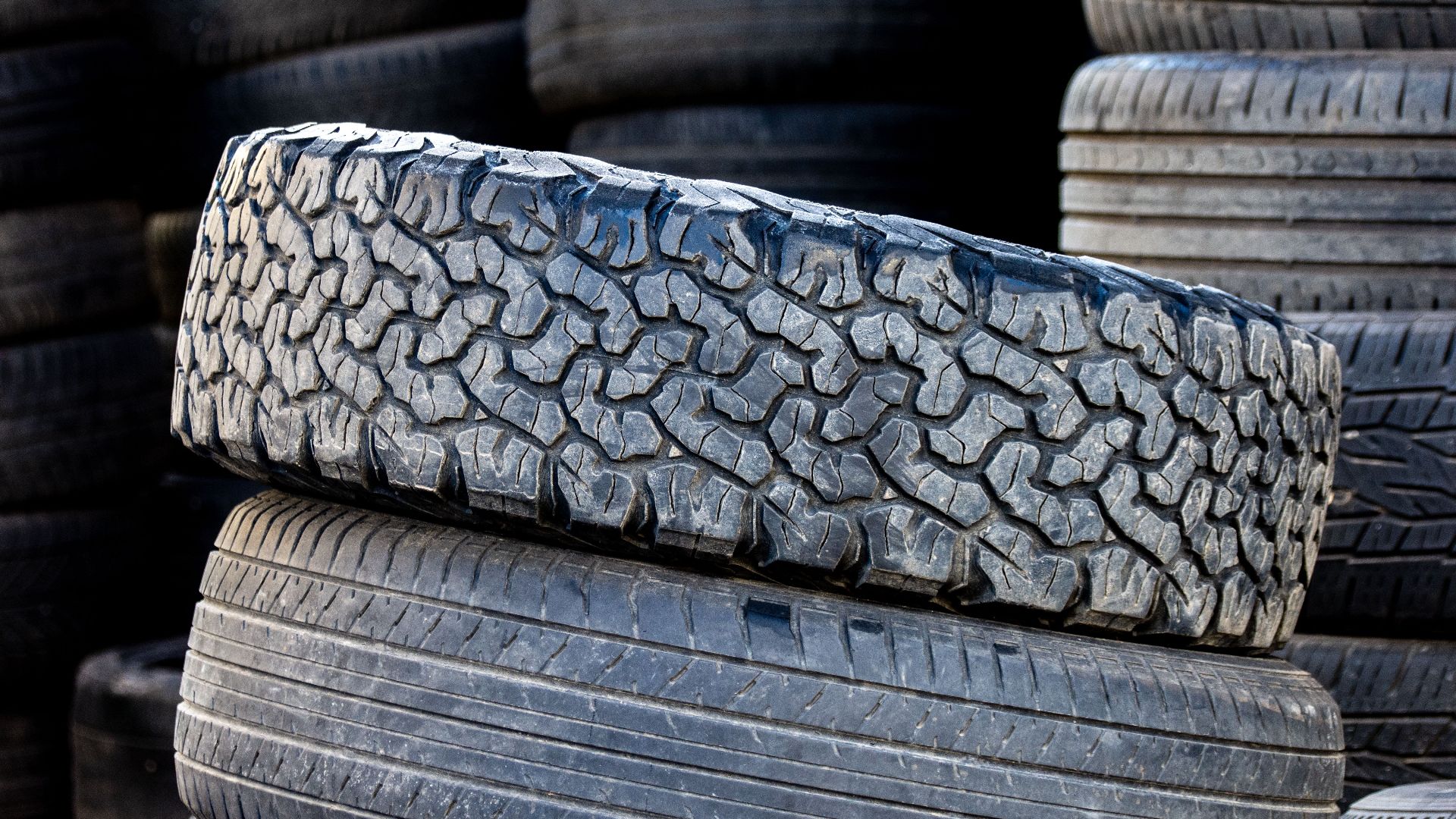
NHTSA recommends checking tire pressure monthly and using the cold pressure listed on the vehicle placard. Underinflation can increase wear and energy consumption, while overloading can create additional heat and stress. FuelEconomy.gov estimates that mileage can decline when all four tires are below their recommended pressure.
Insurance Depends On More Than Size
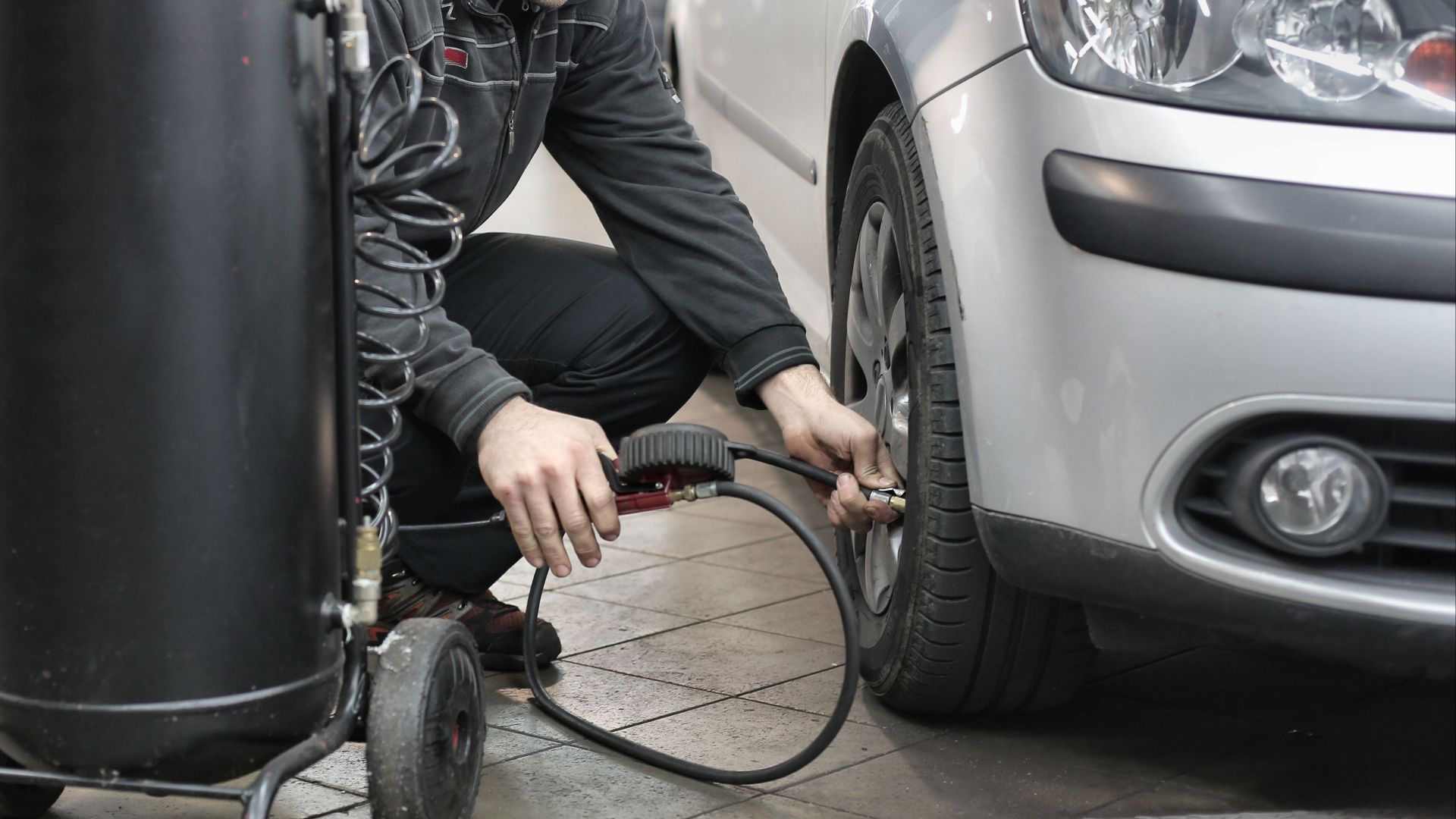
Insurance premiums are based on factors including the driver, location, coverage, claims history, repair costs, theft risk, and vehicle model. A large truck is not guaranteed to cost more than every smaller vehicle, but expensive trims and complex equipment can raise repair bills. Obtain replacement-vehicle quotes before assuming a downsized model will create a particular saving.

Depreciation May Be The Biggest Expense
Fuel receives the most attention because owners see the price at every fill-up. AAA’s ownership-cost methodology also includes depreciation, financing, insurance, registration, taxes, maintenance, repairs, and tires. Selling a relatively new truck too quickly can lock in a large depreciation loss that outweighs several years of fuel savings.

Trading Immediately Could Backfire
A lower monthly fuel bill does not guarantee that replacing the truck will save money overall. Sales tax, registration, dealer fees, loan interest, negative equity, and another round of depreciation can overwhelm the operating-cost difference. The financial question is not simply whether a smaller vehicle is cheaper to run, but whether changing vehicles now improves your total position.

Check Your Loan Before Deciding
Request the current payoff amount from the lender and compare it with credible purchase offers for the truck. If the payoff exceeds the truck’s sale or trade value, the difference is negative equity. Rolling that balance into another loan can leave you financing part of a truck you no longer own.

Bigger Is Not Automatically Safer
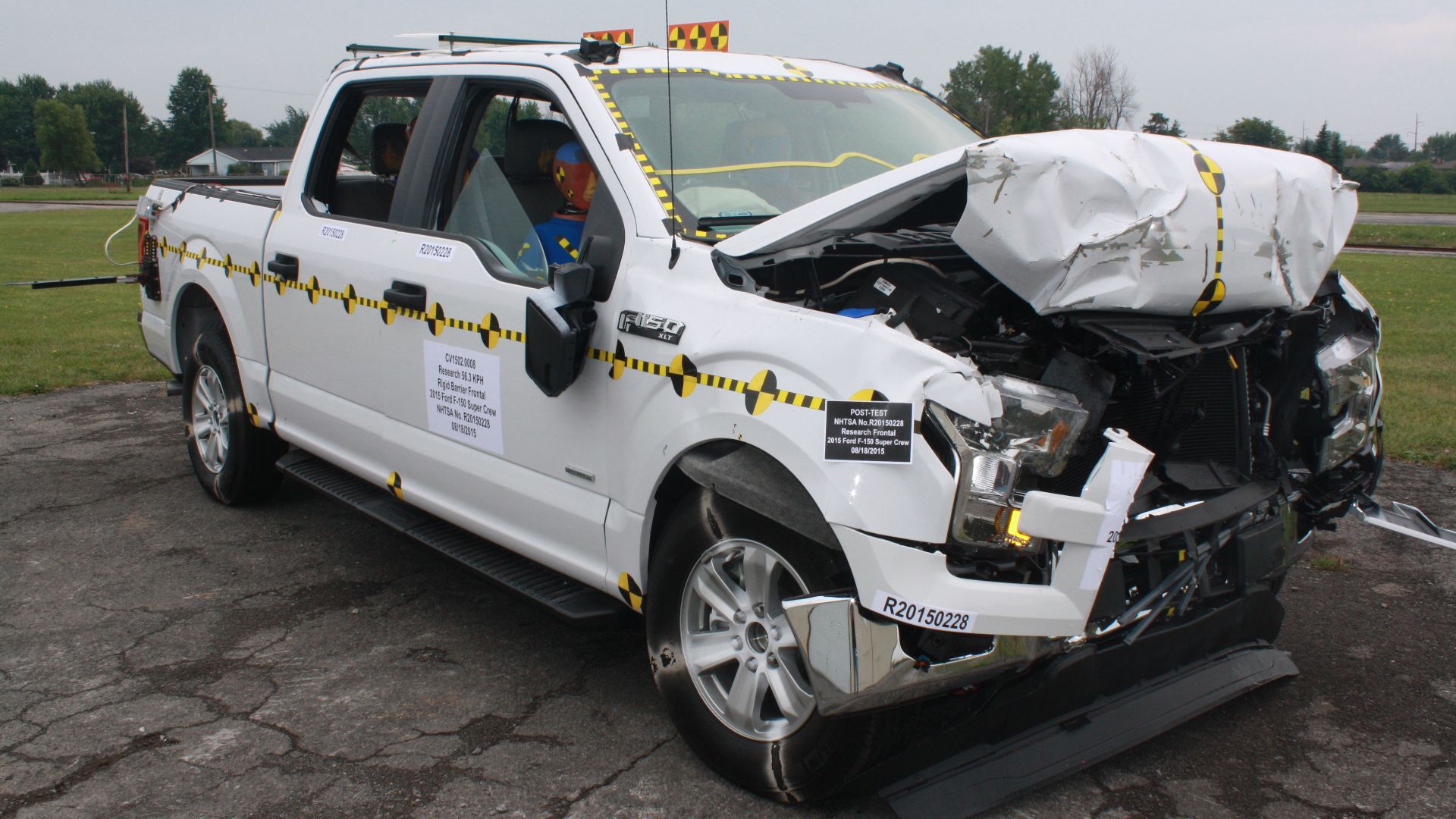
IIHS explains that larger, heavier vehicles generally provide more protection to their own occupants in some crashes. However, the institute has also found that the additional safety benefit diminishes at the heaviest end of the market while the danger imposed on occupants of smaller vehicles increases. Crashworthiness also varies by model, so size should not replace examination of actual safety ratings.
 Calspan Corporation, National Highway Traffic Safety Administration, Wikimedia Commons
Tall Front Ends Affect Other Road Users
IIHS research found that vehicles with especially tall and blunt front ends pose greater risks to pedestrians. Pickups can also create larger forward blind areas than lower passenger cars, particularly near the bumper. Careful low-speed driving and effective pedestrian-detection systems are therefore especially important in neighborhoods and parking lots.
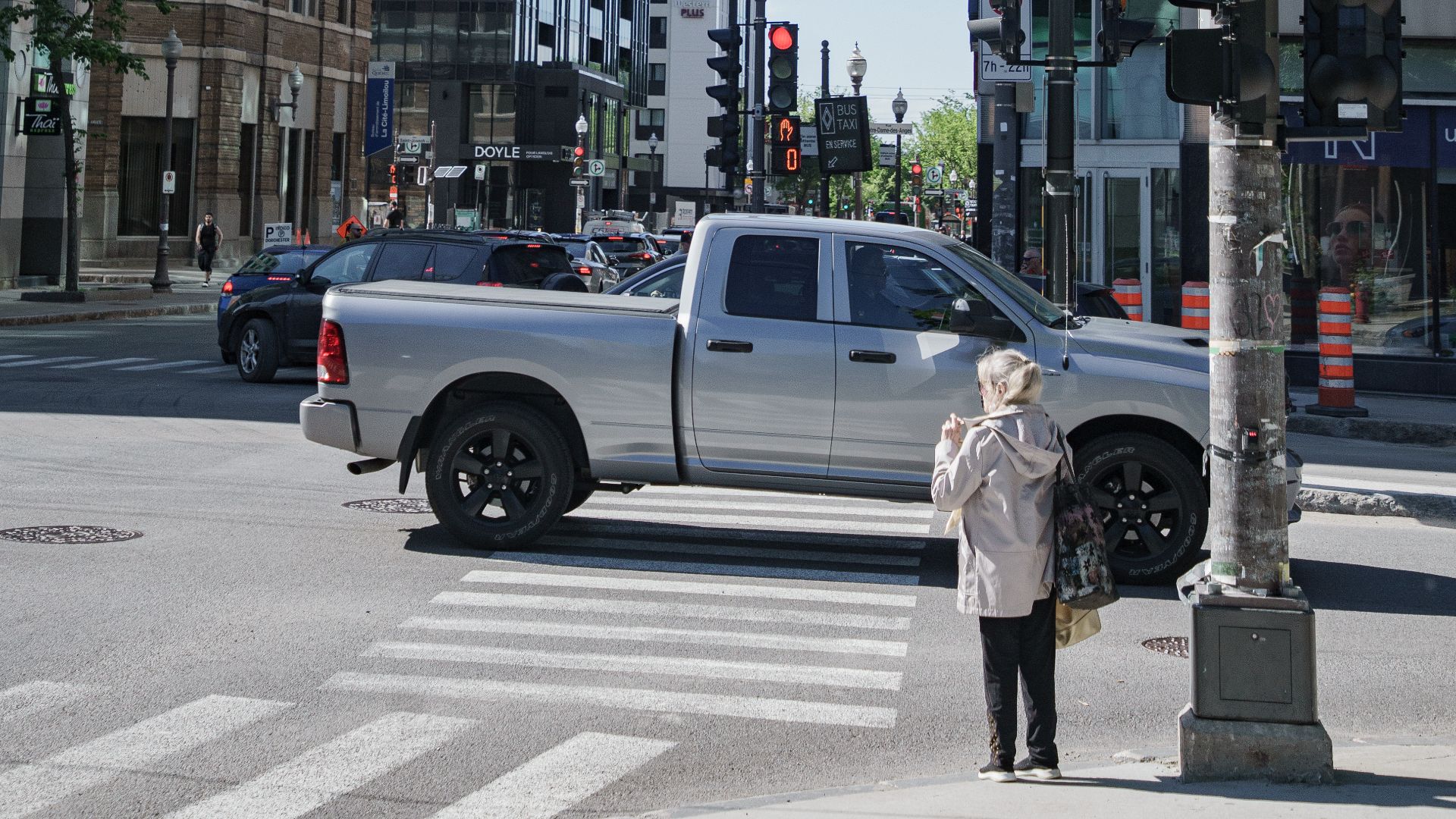
A Smaller Truck May Be Enough
Compact and midsize pickups preserve an open bed while reducing the exterior footprint. Their towing, payload, rear-seat space, and bed dimensions are generally lower than those of full-size models, so direct comparisons are essential. For occasional home projects, recreational equipment, and light trailers, the reduced capability may still cover every real need.
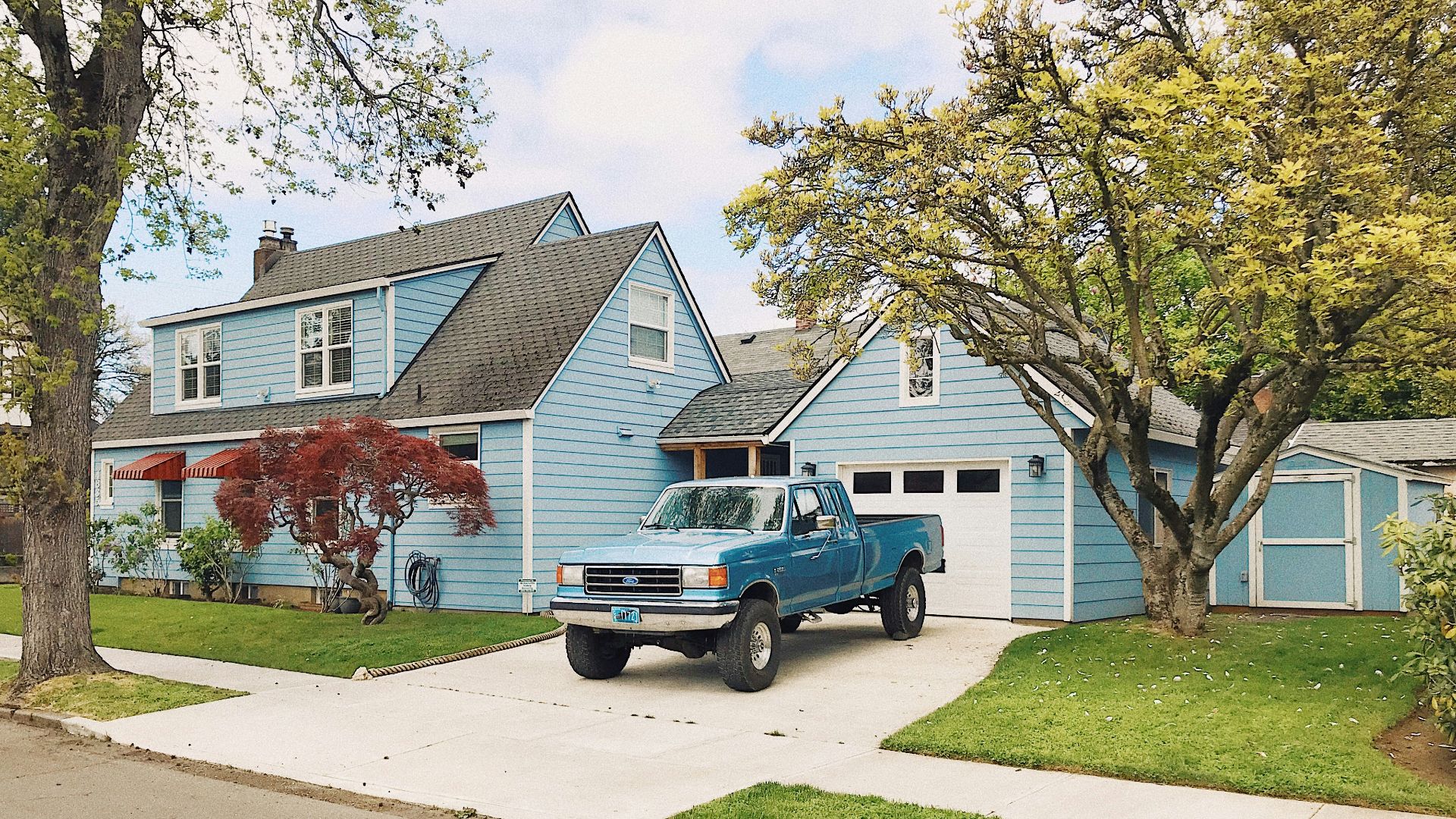
Unibody Pickups Offer Another Compromise
Some smaller pickups use unibody construction related more closely to crossovers than traditional body-on-frame trucks. These vehicles often emphasize ride comfort, cabin space, maneuverability, and fuel efficiency rather than maximum towing or heavy-duty use. They can be practical for drivers who need a bed but do not regularly perform demanding truck work.
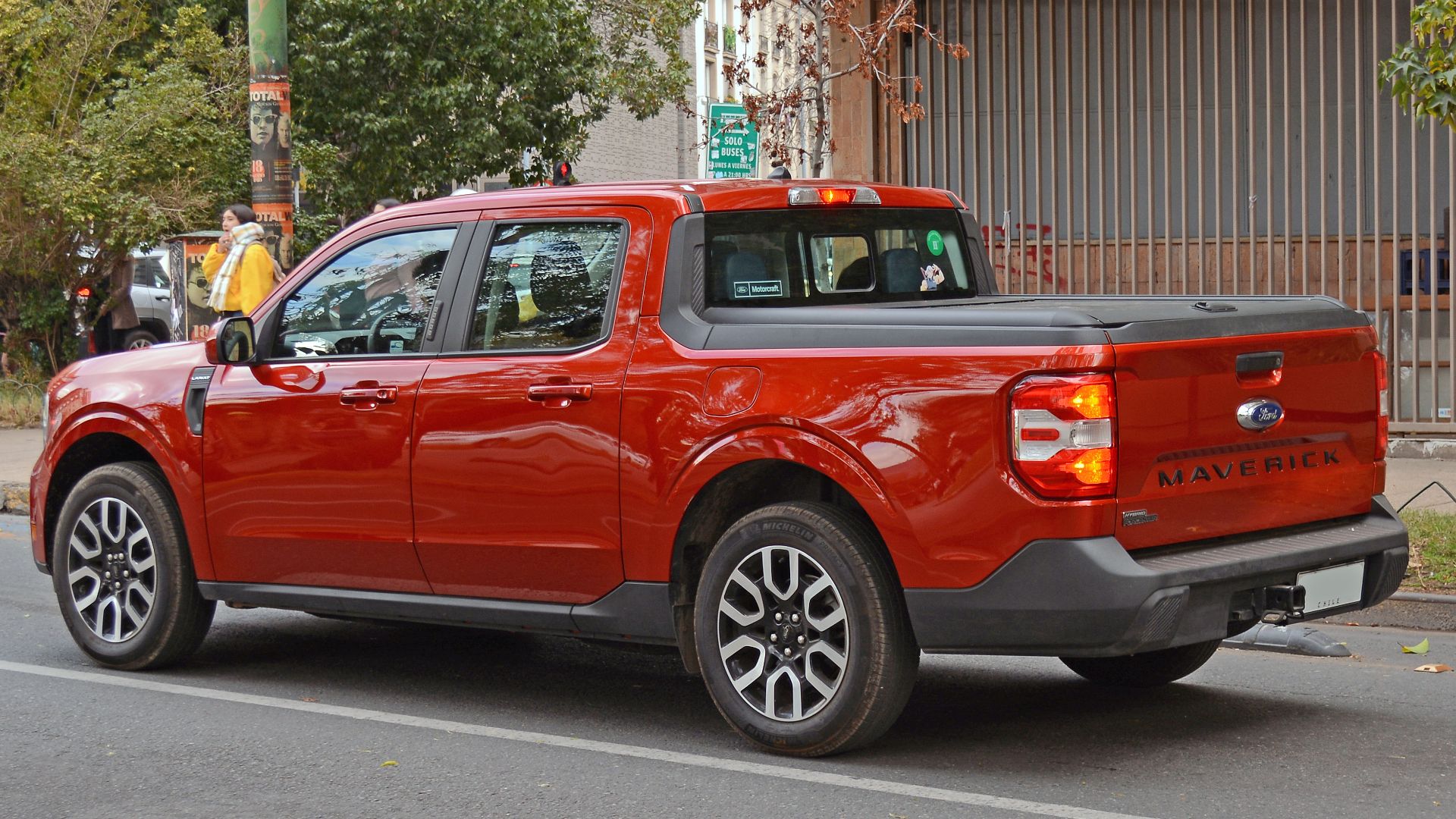
A Hybrid Can Reduce The Pain
Hybrid powertrains recover energy during deceleration and can reduce fuel use in stop-and-go driving. Hybrid pickups now exist in compact and full-size categories, although their efficiency, towing limits, pricing, and battery packaging vary. EPA ratings and total ownership costs should be compared rather than assuming every hybrid will produce the same savings.
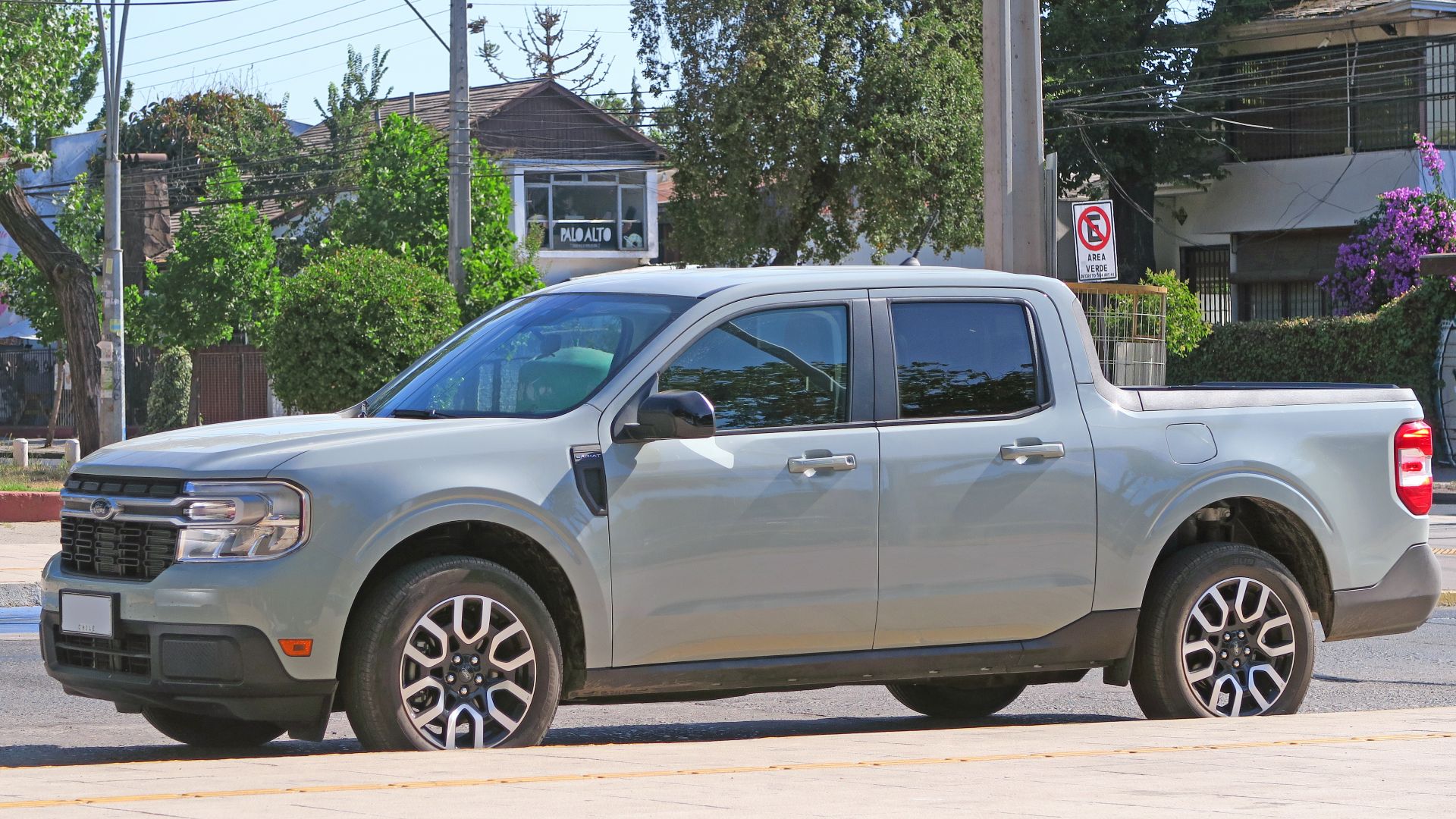
Renting Could Replace Ownership
A driver who needs serious truck capability only a few times each year may be better served by a smaller daily vehicle and occasional rentals. The calculation should include rental fees, mileage limits, insurance arrangements, towing restrictions, and availability during busy periods. Renting becomes less attractive when truck use is frequent, unpredictable, or tied to specialized equipment.

Delivery Can Replace Some Truck Trips
Building-supply stores, furniture retailers, landscapers, and equipment companies often offer delivery. Paying for occasional delivery may cost less than fueling, insuring, financing, and parking a large truck throughout the year. This option works best when most hauling jobs are planned rather than urgent.

Change How You Use The Truck First
Before selling, try a month of fuel-conscious driving and tighter trip planning. FuelEconomy.gov recommends gentle acceleration, reduced idling, sensible highway speeds, correct tire pressure, and removal of unnecessary weight. These habits will not turn a large pickup into a compact hybrid, but they can reveal whether driving style is worsening the expense.

Measure The Capability You Actually Used
Record the heaviest trailer, largest payload, most difficult winter trip, and biggest passenger load the truck handled during the past year. Then compare those needs with the ratings of smaller trucks, crossovers, and other potential replacements. Avoid replacing one emotional purchase with another by using your own data instead of imagining rare worst-case scenarios.

Keeping It Can Still Make Sense
The truck may remain the right choice if you tow frequently, transport heavy materials, travel on rough surfaces, or depend on its bed and cabin for work. It may also be cheaper to keep a reliable, paid-off truck than to finance a newer and more efficient vehicle. Daily inconvenience is important, but it must be considered alongside the cost of leaving the truck.
The Answer Is In The Usage
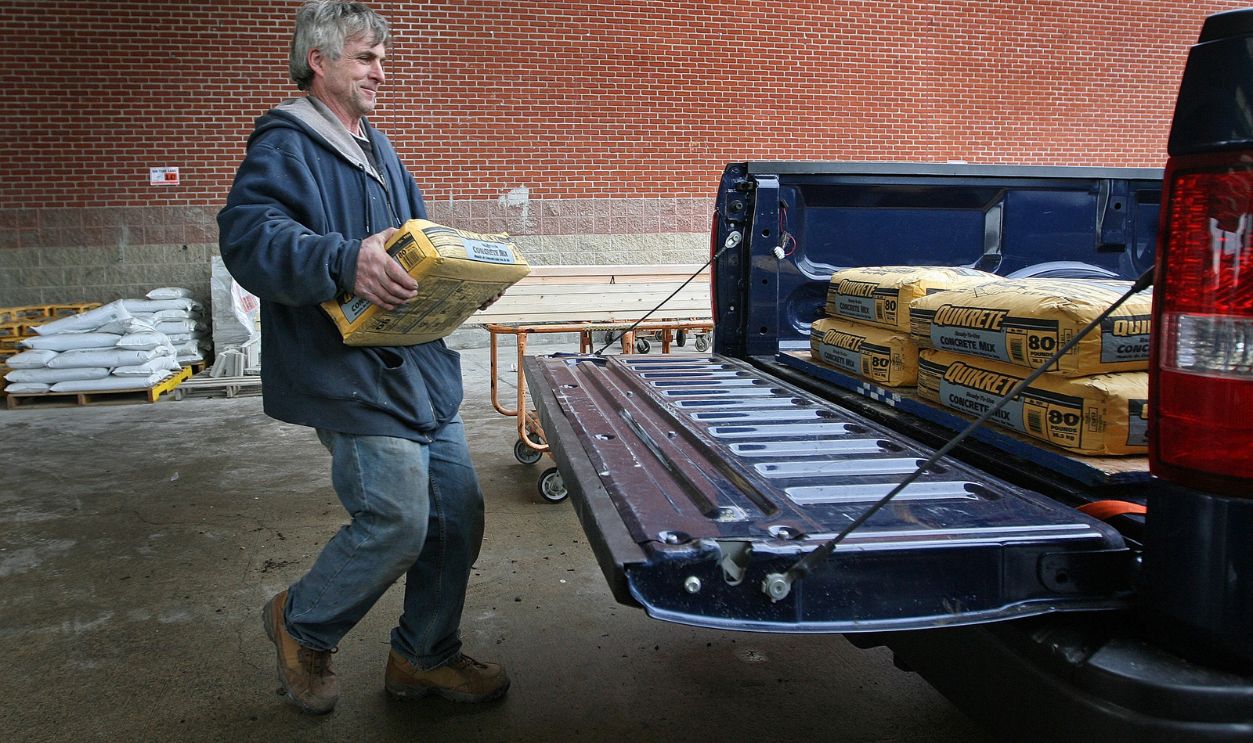
You probably bought too much vehicle when the capability remains unused while the costs interfere with your budget and daily life. You probably did not buy too much when downsizing would force frequent rentals, unsafe loading, or major changes to work and recreation. The best vehicle is not the biggest one you can afford, but the smallest one that comfortably handles your real requirements.
You May Also Like:
Legendary Cars Known For Their Unmatched Longevity
Each Generation's Favorite Classic Cars
Sources: 1, 2, 3, 4, 5, 6, 7, 8, 9, 10, 11, 12, 13, 14, 15, 16, 17, 18, 19, 20, 21, 22, 23, 24, 25