
The Annual Engine Flush Pitch Sounds Convincing
You bring your car in for routine service, and then comes the upsell. The mechanic says your engine needs a flush every year or sludge will build up and shorten its life. It sounds serious, but if your owner's manual says nothing about it, that should tell you a lot.

Your Owner's Manual Usually Wins
For routine maintenance, the owner's manual is the first place to look. Automakers spend years testing engines, oils, service intervals, and warranty outcomes before they publish those schedules. If an annual engine flush were truly needed for normal driving, it would almost certainly be listed there.

What An Engine Flush Actually Is
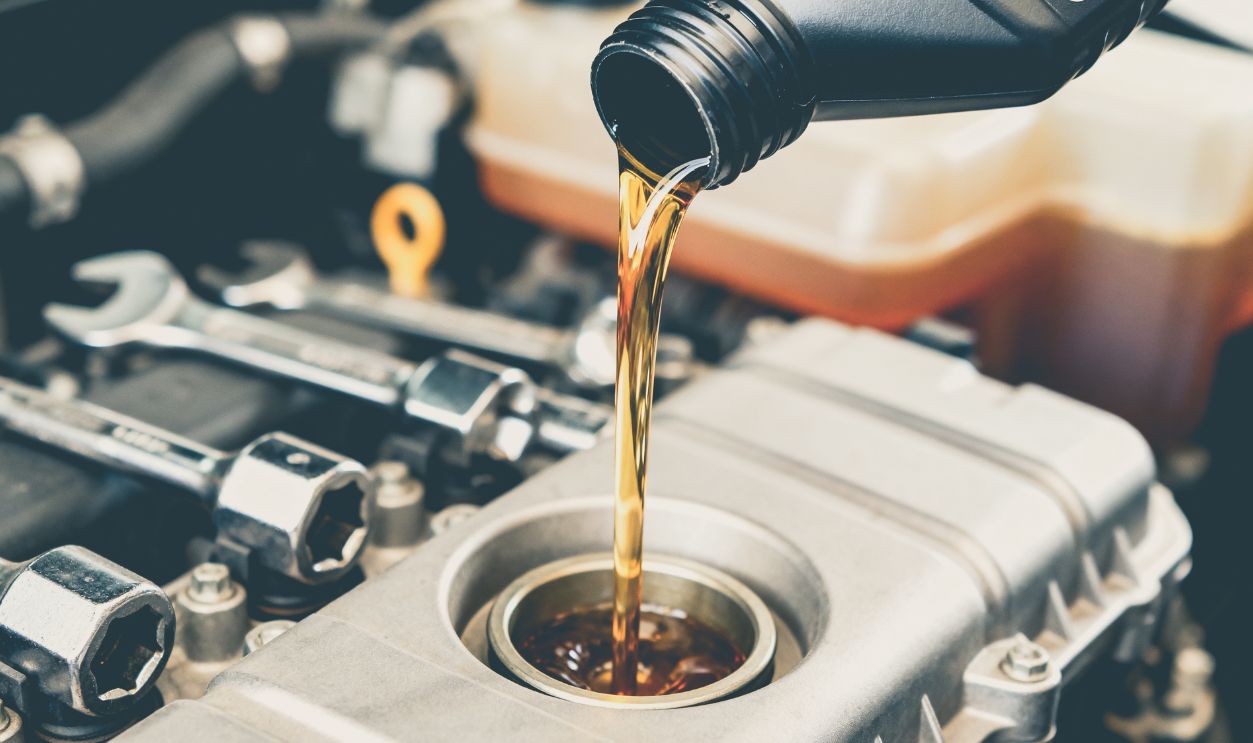
An engine flush usually means adding a chemical cleaner to the old oil, running the engine briefly, and then draining it before refilling with fresh oil. Some shops also use the term for stronger cleaning services meant to remove sludge and varnish. It is not the same thing as a normal oil and filter change.

Why Shops Recommend It So Often
Flush services are easy to sell because they tap into a driver's fear of hidden damage. Sludge is real, and badly neglected engines can end up with serious buildup, but that does not mean every healthy engine needs a yearly chemical cleaning. In many cases, regular oil changes with the correct oil already do the job.
 Sergei Gontsarov, Shutterstock
What The Automakers Actually Say
Major manufacturers usually focus on using the right oil grade and following the oil change interval in the manual. They do not commonly list yearly engine flushes as standard scheduled maintenance. That matters, because automakers have every reason to prevent engine failures during warranty and after.

Honda Gives A Clear Example
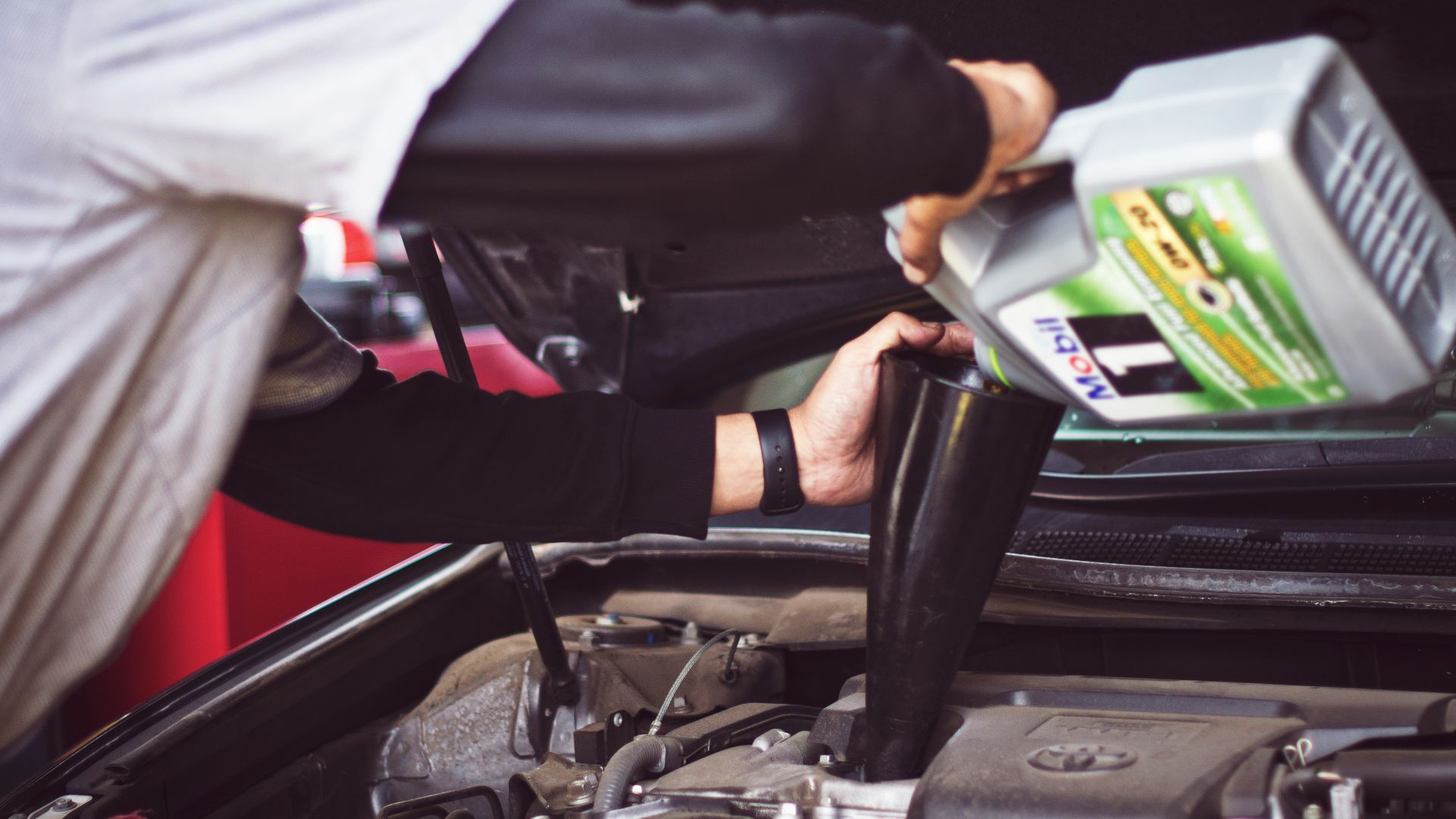
Honda's maintenance guidance focuses on changing engine oil according to the Maintenance Minder or the schedule in the manual, depending on the vehicle. Honda also tells owners to use the proper oil viscosity and specifications. You can find plenty of oil change guidance in Honda owner resources, but not a blanket rule calling for annual engine flushes.
Ford's Advice Follows The Same Pattern
Ford owner manuals and service guidance center on oil and filter changes at set intervals, not yearly flushes. Ford's recommendations for modern engines are built around tested oil performance and maintenance schedules. If a flush is needed after a specific problem, that is a repair choice, not a universal yearly requirement.

Toyota Also Sticks To Scheduled Oil Service
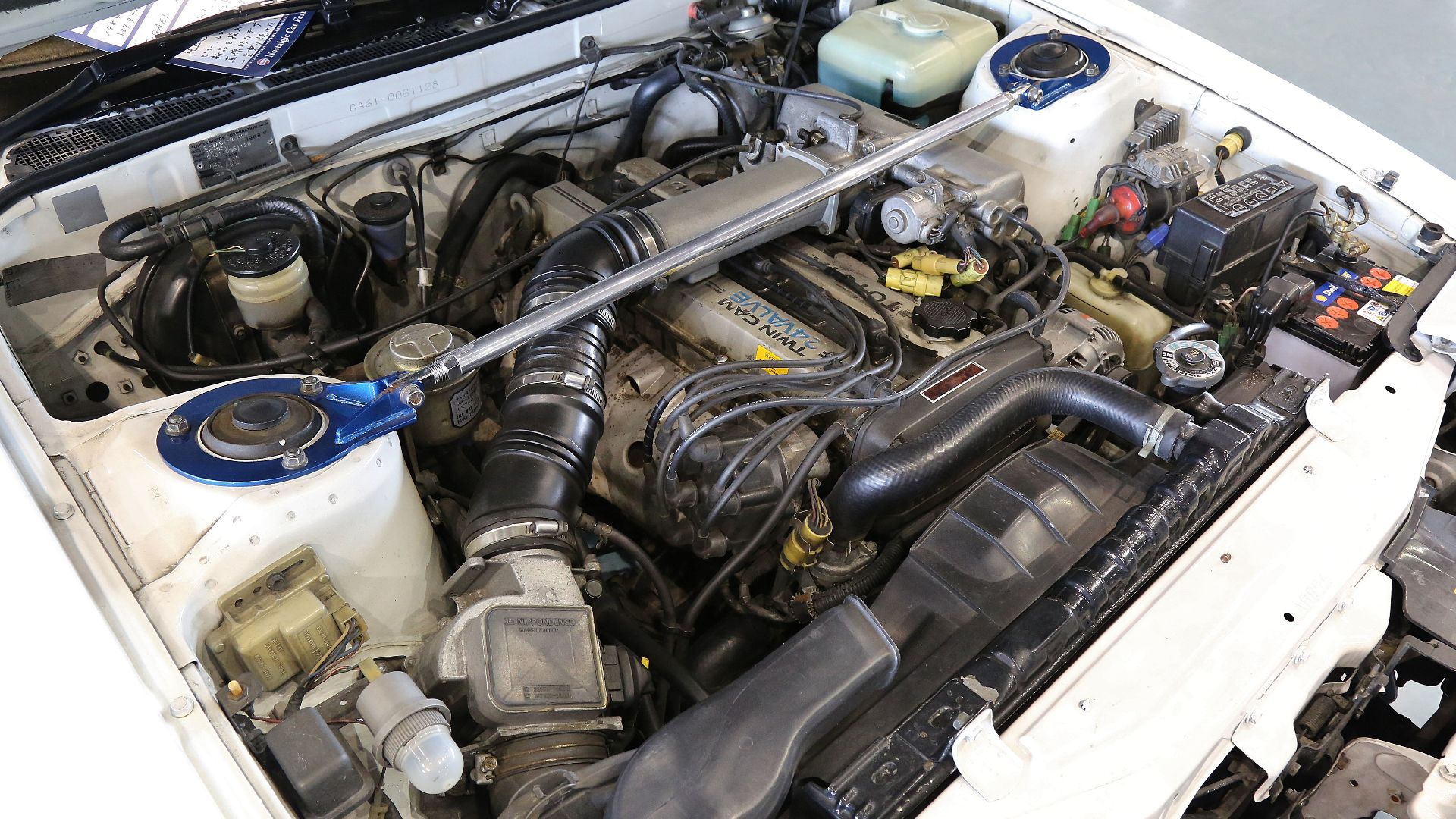
Toyota's published maintenance plans highlight regular oil and filter changes using the correct oil type. Like other mainstream automakers, Toyota does not treat an annual engine flush as standard preventive care for every vehicle. That is another clue that the service is situational, not routine.
Why Modern Motor Oil Matters So Much
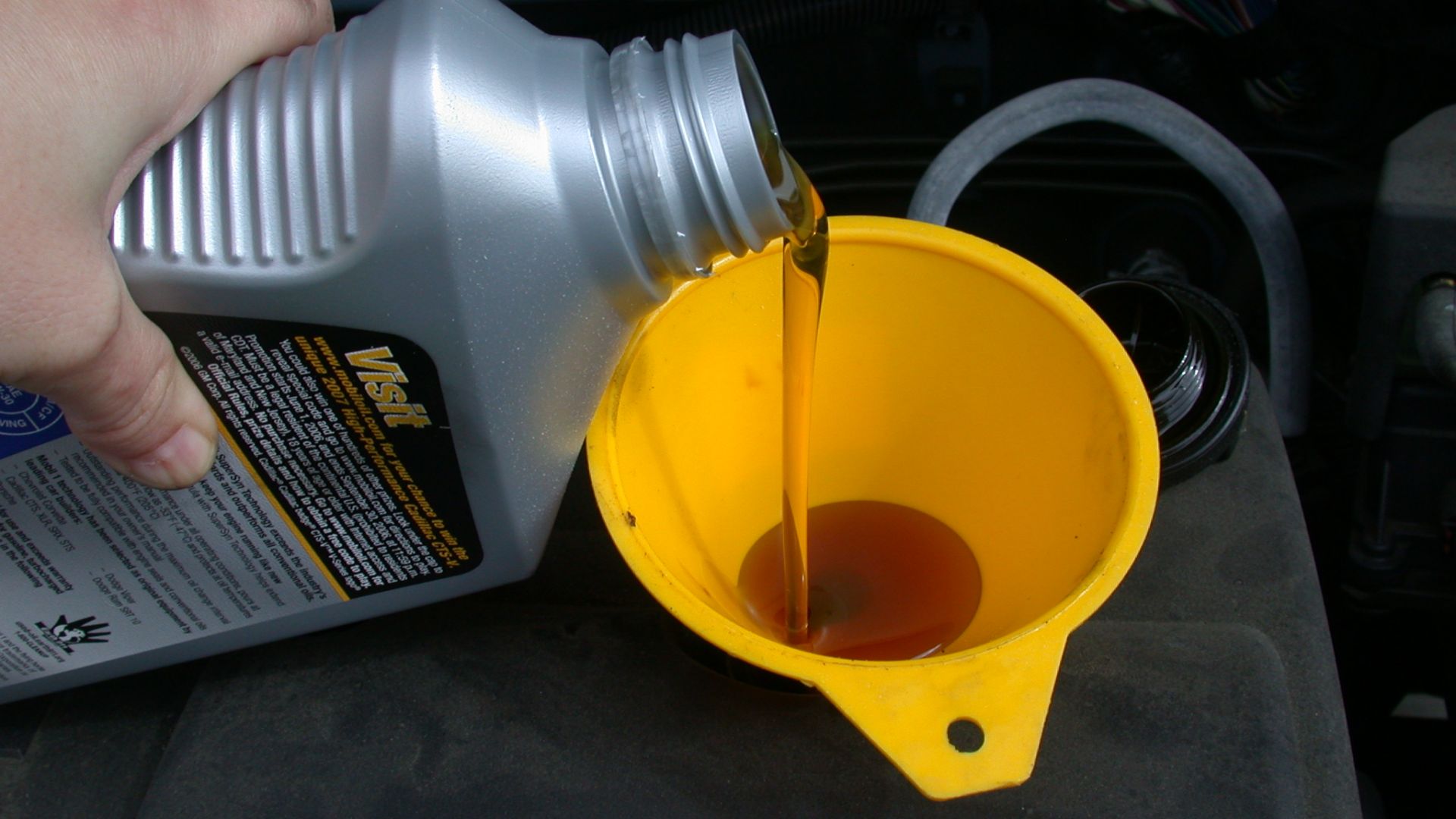
Modern engine oils already contain detergent and dispersant additives designed to keep contaminants suspended and reduce deposits. The American Petroleum Institute explains that licensed oils meet performance standards meant to protect engines in real-world use. In plain English, the oil itself is already part of the cleaning plan.
The Industry Standards Are Not Guesswork
Oil standards are developed and updated through formal testing by groups like API and SAE, with automakers heavily involved. Those tests look at wear, oxidation, deposit control, sludge protection, and more. That is why using the right oil on time matters a lot more than buying extra chemical services by default.

Consumer Reports Has Been Blunt About Flushes
Consumer Reports has advised drivers to be skeptical of engine flushes sold as routine maintenance. Its guidance has long lined up with what many automakers say: flushes are generally unnecessary if you stay on top of oil changes. That puts the burden back on the shop to explain a specific reason, not a generic scare story.

AAA Has Warned Drivers About Upsells Too
AAA's car care guidance often reminds owners to follow the maintenance schedule in the manual and to be careful with add-on services. The organization has repeatedly stressed that many recommended extras are not required for every vehicle. An annual engine flush fits that category unless there is real evidence your engine needs it.

When An Engine Flush Might Be Legit
There are times when a flush or internal cleaning may make sense. If an engine has severe sludge from neglect, an unknown service history, or contamination, a technician may suggest extra cleaning as part of a repair plan. Even then, it should be based on what they found, not just the calendar.

Severe Sludge Is A Real Problem
Sludge became a major public issue in the late 1990s and early 2000s, when some owners and automakers clashed over engine failures linked to oil gelling and neglected maintenance. That history is real, but it does not prove every engine benefits from a yearly flush. It proves that oil quality and service intervals matter, especially under harsh conditions.

Short Trips And Harsh Use Can Change The Picture
If you mostly drive short distances, tow heavy loads, idle for long periods, or operate in very hot or very cold weather, your car may fall under severe service. In those cases, your manual may call for more frequent oil changes. Notice the pattern, though. The fix is usually shorter oil intervals, not an automatic annual flush.

There Can Be Risks To Flushing
Engine flushes are not always harmless. In older engines with heavy deposits, strong chemicals can loosen material that may clog narrow oil passages or expose leaks that grime was hiding. That is one reason many careful technicians avoid flushes unless there is a clear diagnosis and a plan behind it.

Warranty Language Should Get Your Attention
If your car is under warranty, undocumented extra services can create confusion without adding protection. What matters for warranty compliance is following the manufacturer's maintenance schedule and keeping records. A shop saying a flush is required does not override what the automaker says in writing.

Ask The Mechanic For Proof, Not Pressure
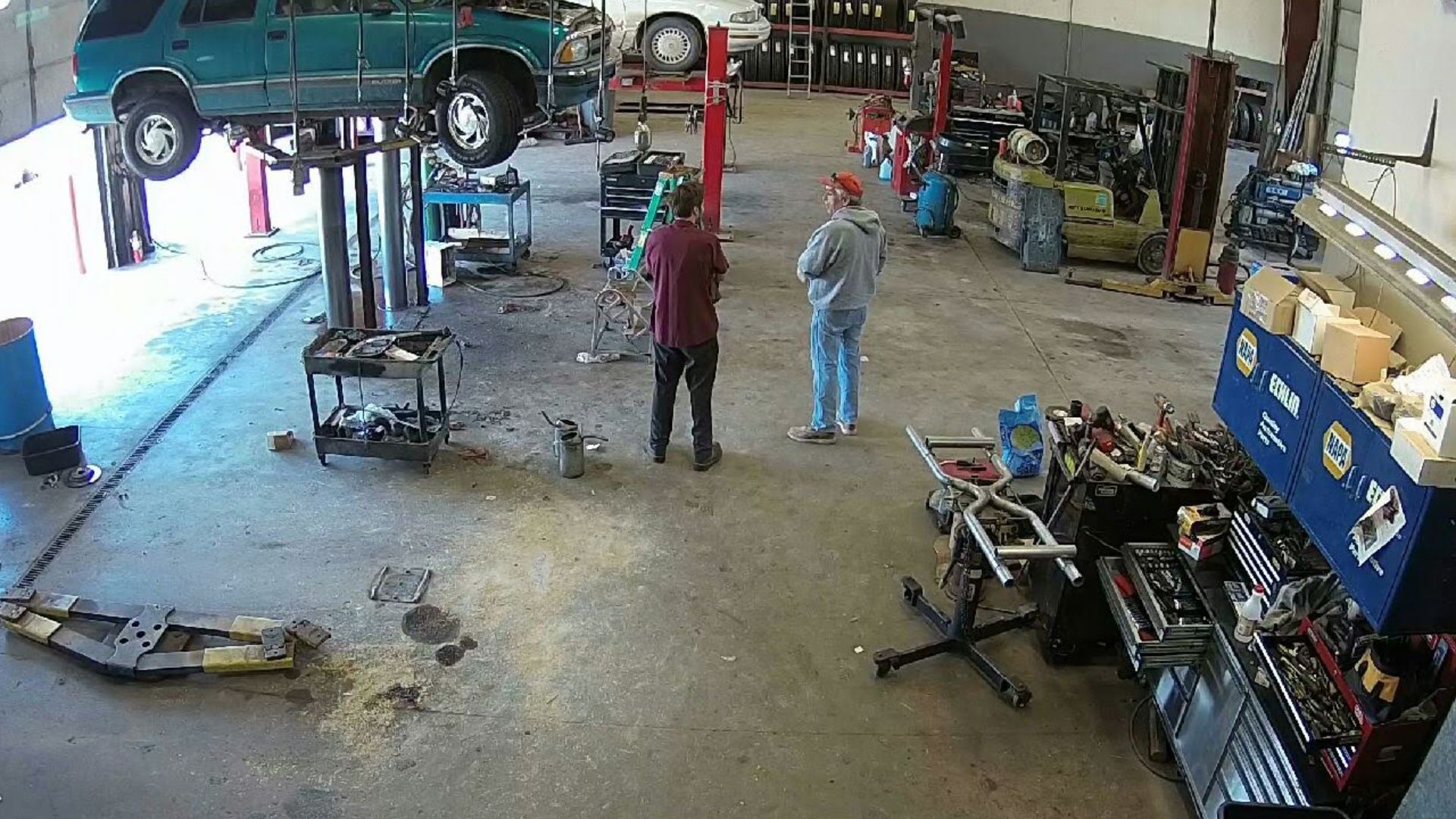
If a mechanic recommends an engine flush, ask what they found that makes your car different from the normal schedule. Was there visible sludge under the oil cap, a known contamination event, or a repair bulletin tied to your engine. A good shop should be able to explain the evidence in plain language.

Photos And Inspection Notes Matter
Ask for pictures, inspection notes, and the exact product being used. If the shop cannot show signs of sludge or contamination, that weakens the case for the service. Vague claims about keeping the engine clean are not as convincing as actual evidence.
 Butterflystring, Wikimedia Commons
A Second Opinion Is Money Well Spent
When a service is not listed in the manual and the sales pitch sounds urgent, getting a second opinion is smart. Another independent shop may tell you the engine looks fine and simply needs a standard oil and filter change. That small extra step can save you money and help you avoid an unnecessary chemical treatment.

Used Cars Are A Special Case
If you just bought a used car with little or no maintenance history, the answer can be less clear. Some technicians prefer a cautious approach with several shorter oil change intervals instead of a flush, especially if they suspect neglect. That method can gradually clean the engine with less risk.

What To Do Instead Of A Flush
The practical alternative is simple. Use the oil grade and specification listed in the owner's manual, change it on schedule, replace the filter, and keep an eye on the engine for oil consumption or contamination. If you want extra caution after buying a neglected car, shorten the next one or two oil intervals and check for signs of sludge.
The Best Question To Ask At The Counter
Try this: "Can you show me where my manufacturer requires this service, or what specific problem on my car makes it necessary?" That question quickly shifts the conversation from sales talk to facts.

Who Should You Believe
In most cases, believe the owner's manual over the blanket annual flush recommendation. The manual reflects the automaker's tested maintenance needs, while a one-size-fits-all flush pitch often reflects shop revenue more than engineering necessity. A mechanic may still be right in a special case, but they should be able to show you why.
 Zamrznuti tonovi, Shutterstock
The Bottom Line For Drivers
If your manual does not mention an annual engine flush, you probably do not need one as routine maintenance. Stay current on oil changes, use the correct oil, and ask for evidence before agreeing to extra services. That approach is more likely to protect both your engine and your wallet.