One Last Shot At Greatness
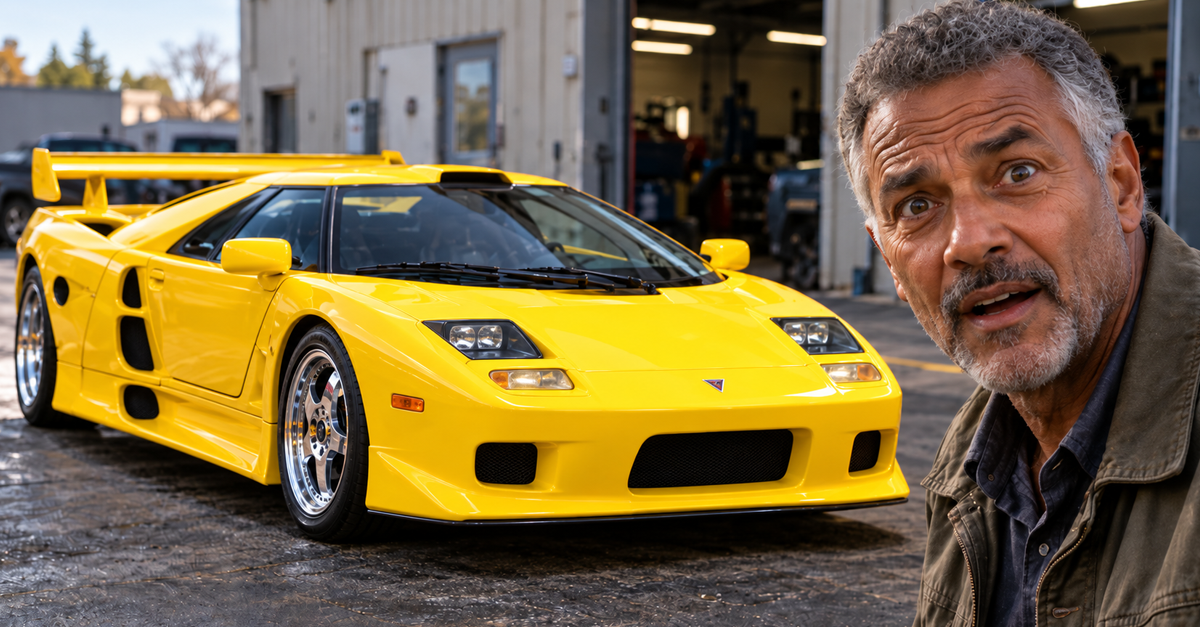
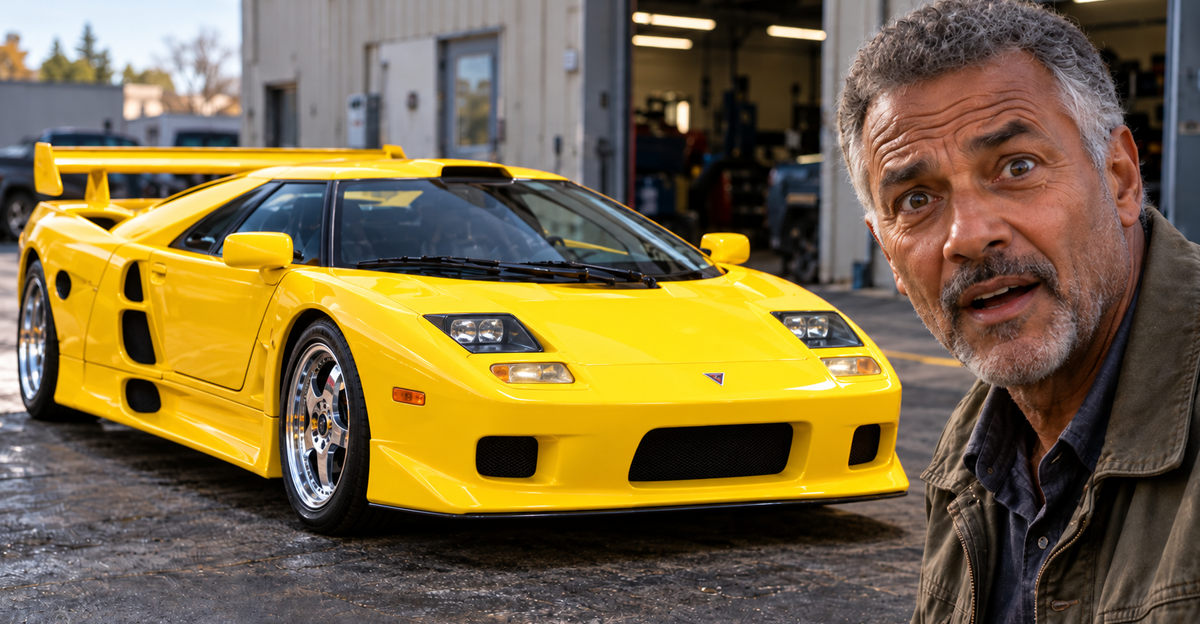
By 1999, America's forgotten supercar company was on the verge of collapse. After years of financial disasters, bitter power struggles, and failed models, Vector made one final desperate gamble. It built the SRV8, a wild-looking supercar powered by a Chevrolet V8 and equipped with a Porsche gearbox.
But could this extraordinary machine save the company, or was it already too late?
It Began With An Impossible Dream
In 1971, ambitious California designer Gerald "Jerry" Wiegert set out to challenge Ferrari and Lamborghini. His company, Vector, would build futuristic American supercars using aerospace-inspired technology. Wiegert had no interest in creating ordinary sports cars. He wanted to prove that America could build the world's most advanced exotic automobiles.
 Jeremy of Area Seven Productions, Wikimedia Commons
The First Vector Looked Like A Spaceship
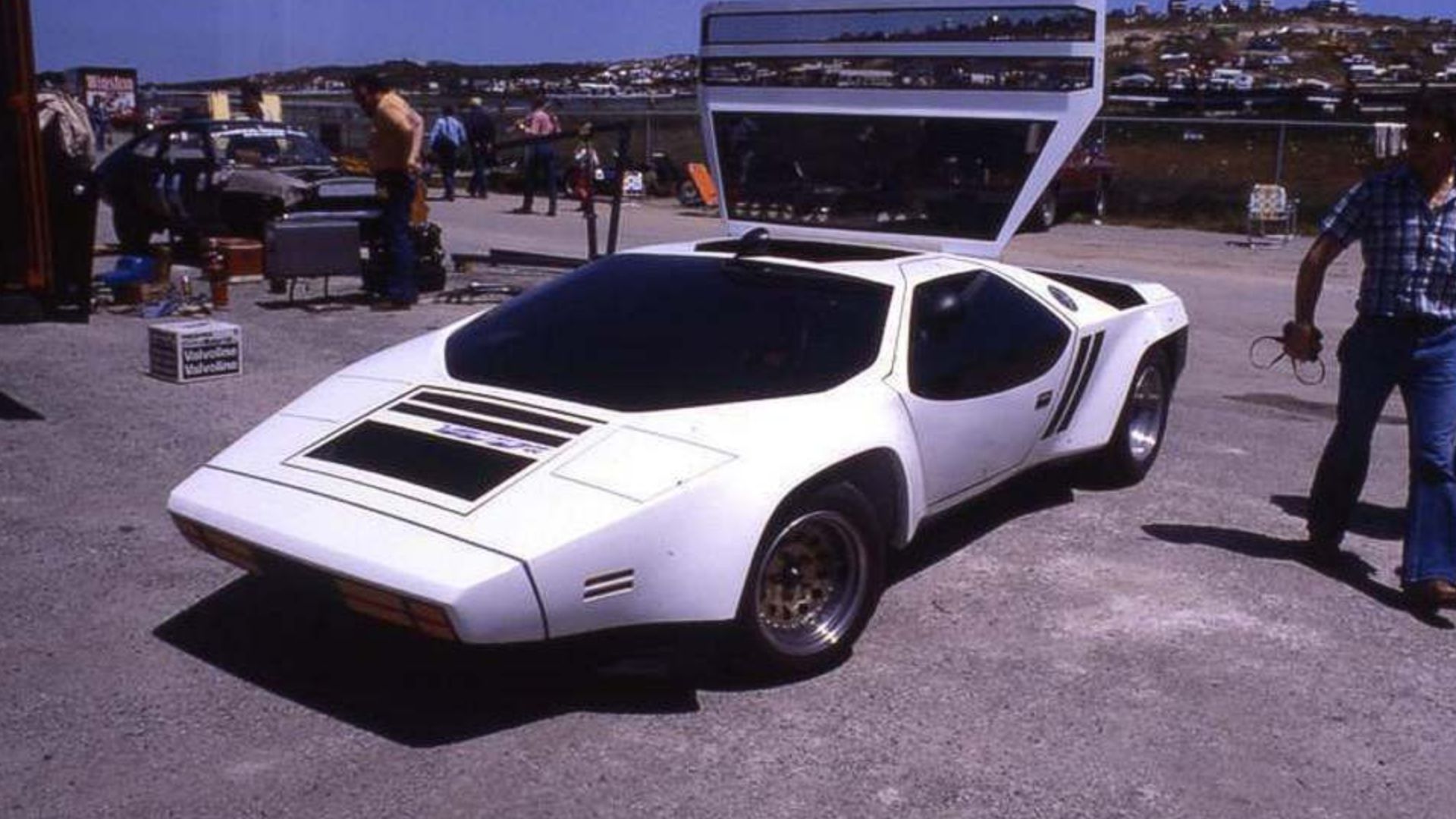
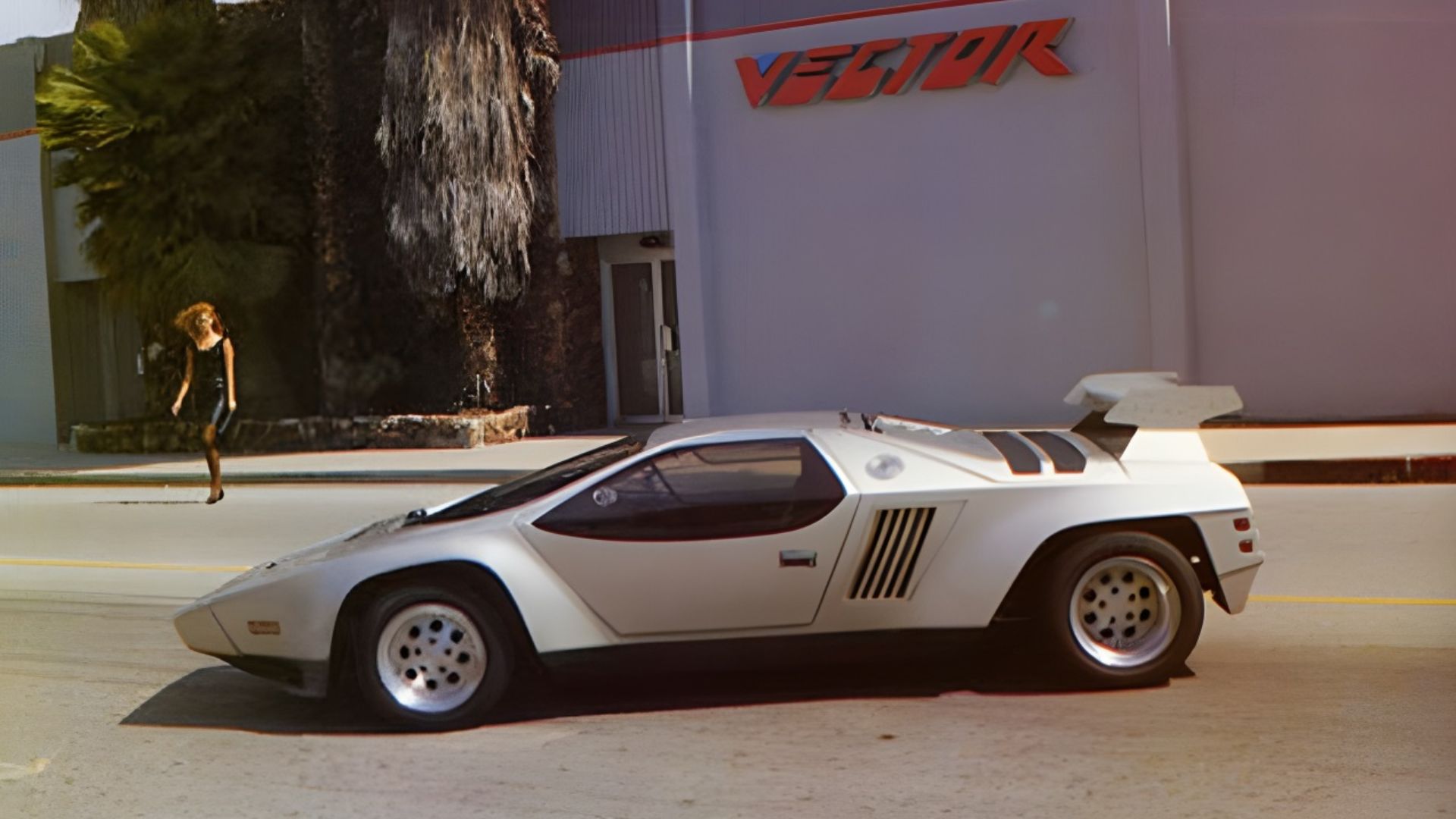
In 1978, Vector unveiled the W2, an outrageous wedge-shaped concept unlike anything else on American roads. Its angular bodywork and dramatic proportions attracted enormous attention. But turning that futuristic machine into a production car proved far more difficult than expected. Wiegert spent the next decade chasing his dream.
The W8 Finally Became A Reality
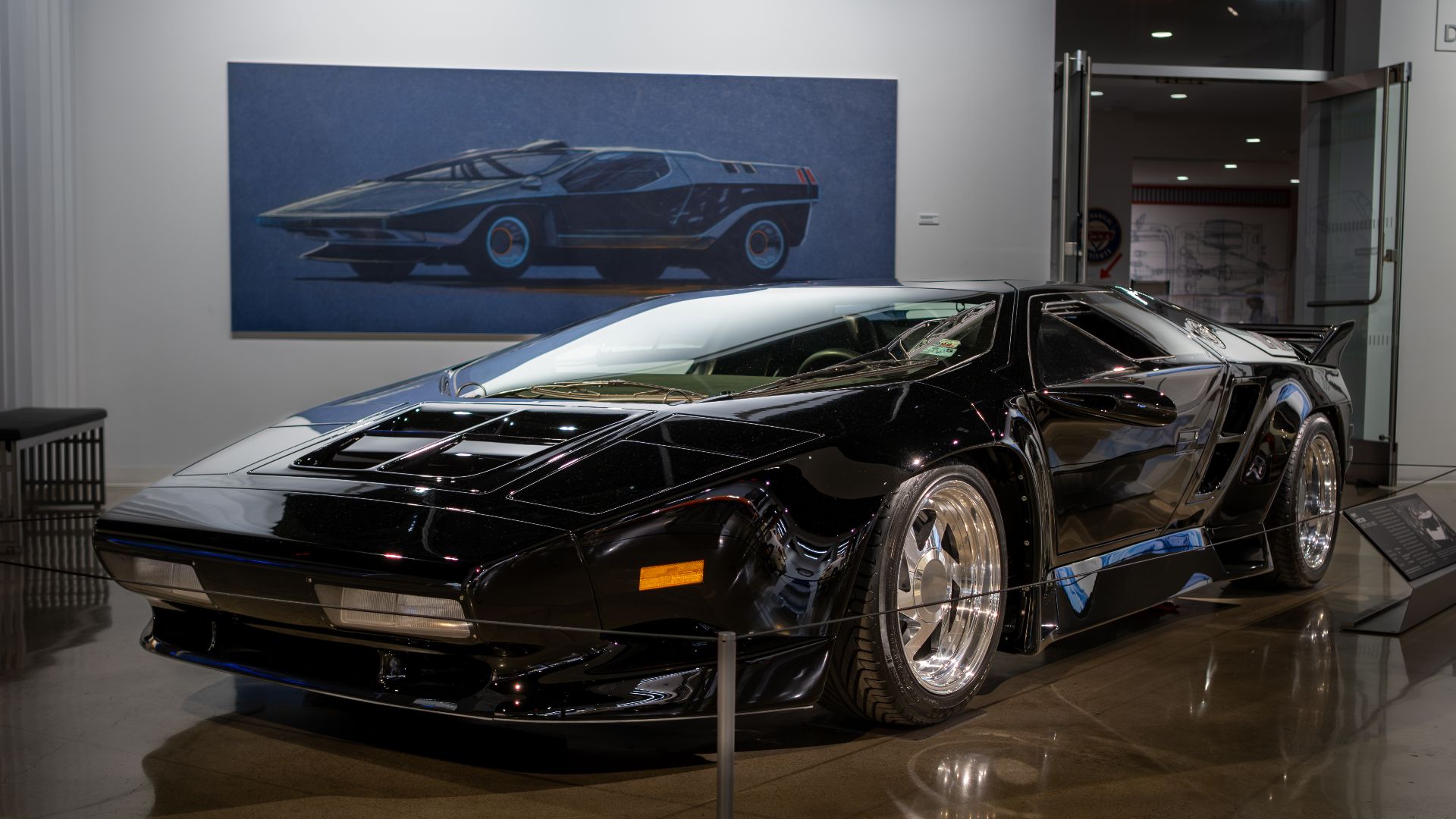
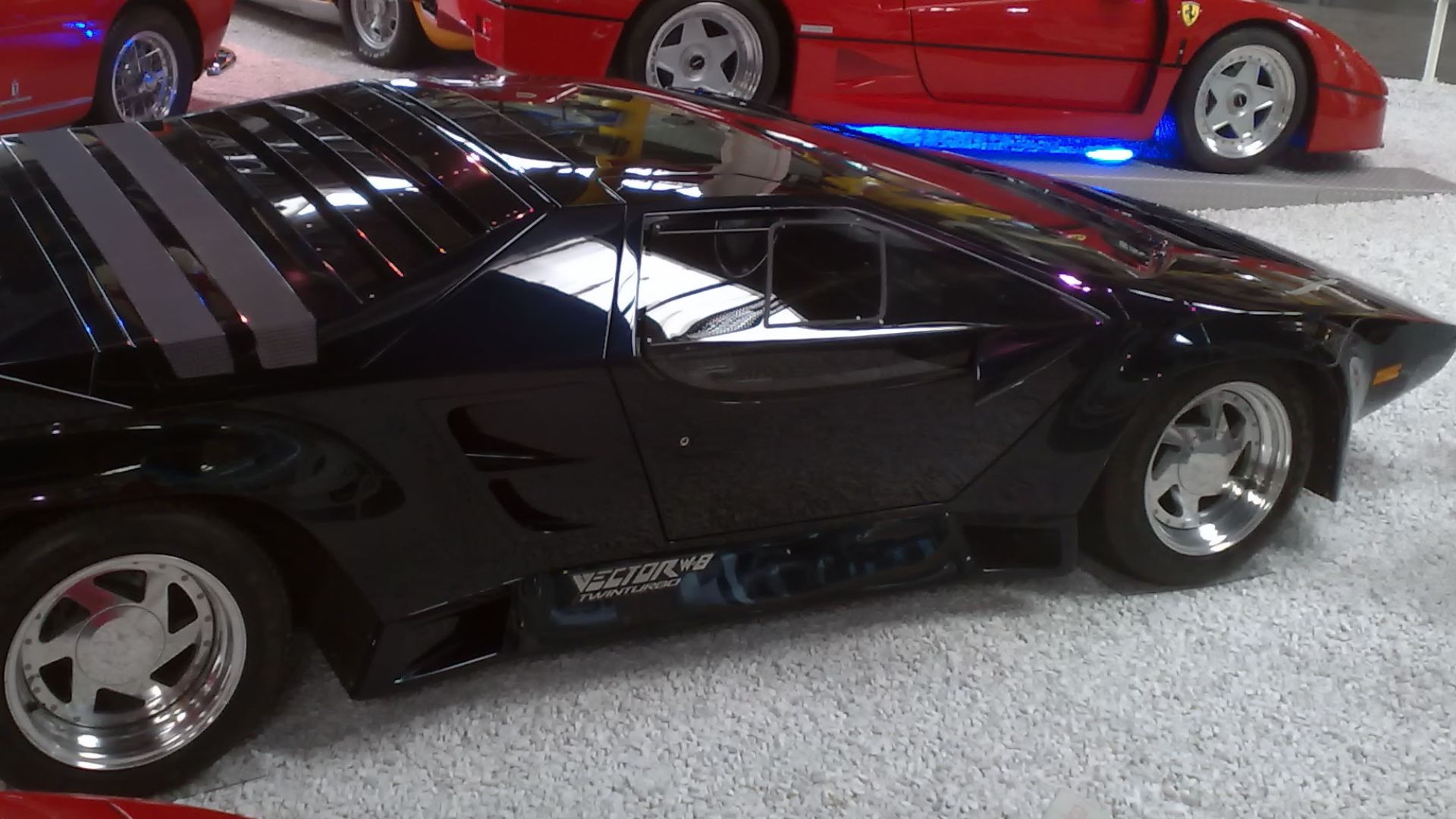
By the late 1980s, Vector had finally developed a production supercar called the W8. Its twin-turbocharged American V8 and aircraft-inspired construction promised extraordinary performance. The car looked like something from a science-fiction blockbuster. Unfortunately, its spectacular appearance concealed an increasingly troubled business.
 Guywelch2000, Wikimedia Commons
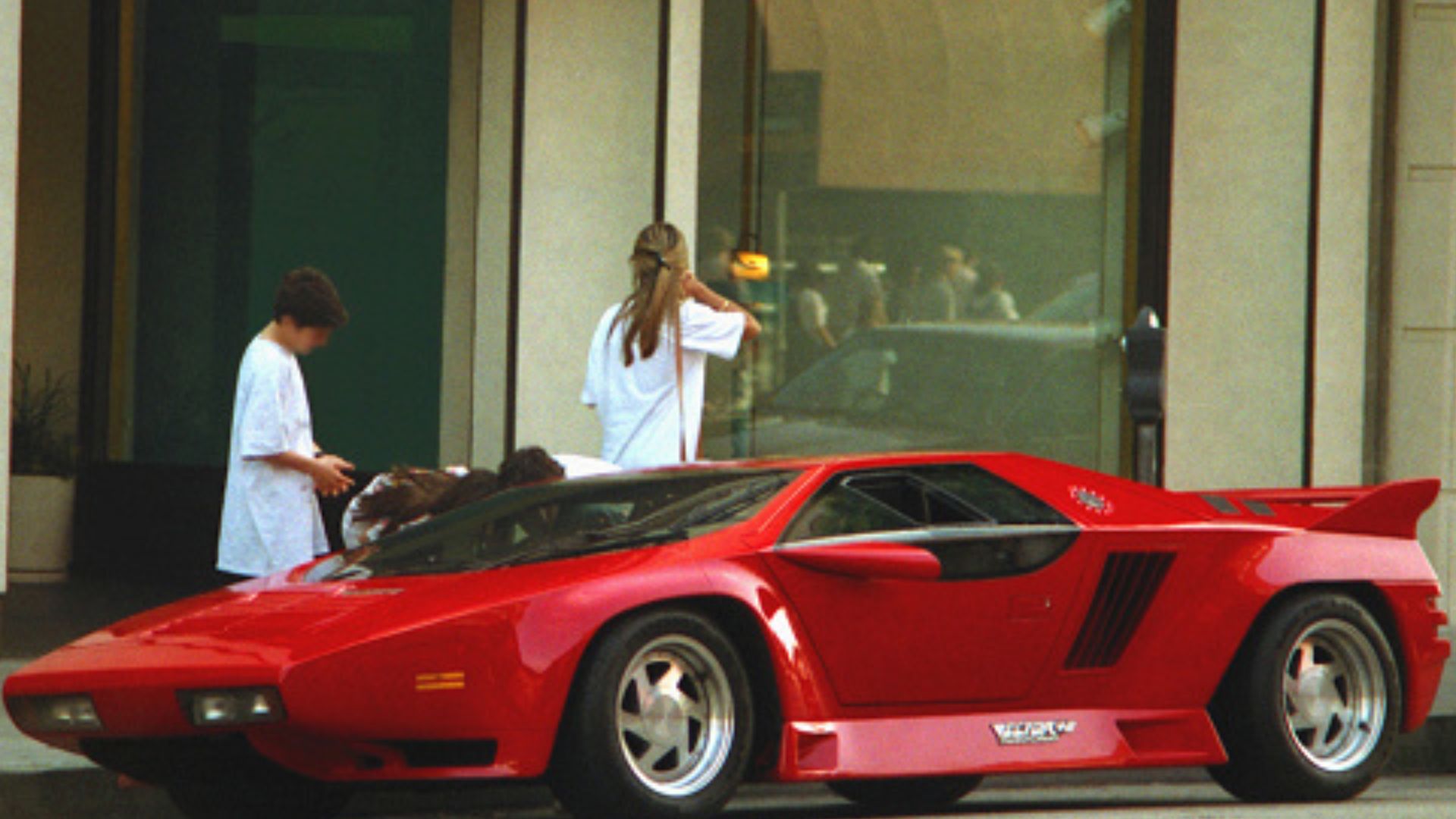
Just 22 Cars Were Sold
Vector produced and sold only 22 W8s between 1988 and 1993, according to its own financial filings. The tiny production run left the company struggling to cover its enormous development costs. Despite years of publicity, Vector had failed to establish a sustainable business. Then an overseas investor offered what appeared to be a lifeline.
 Brian W. Schaller, Wikimedia Commons
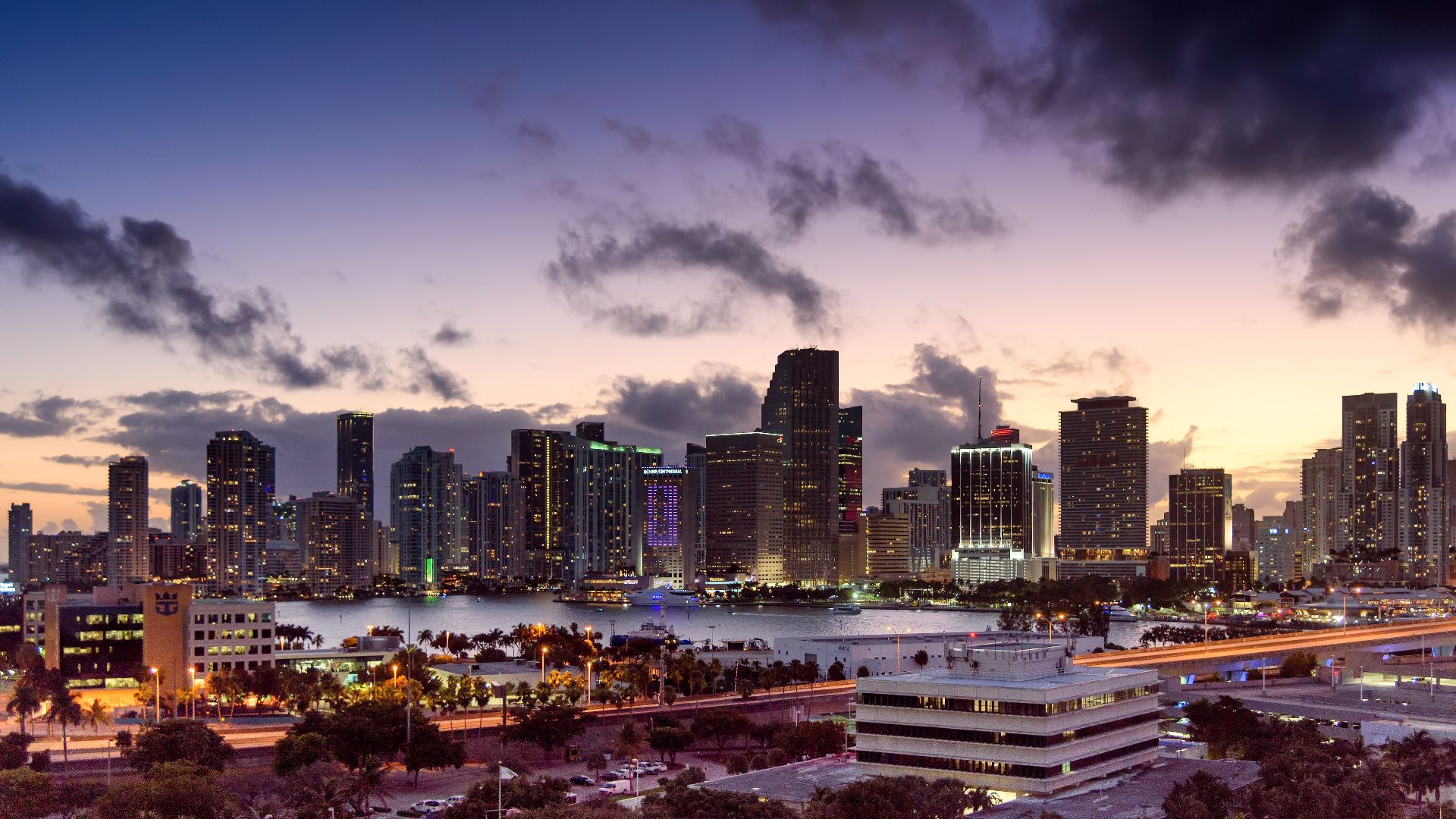
An Indonesian Investor Took Control
In the early 1990s, Indonesian investment company MegaTech acquired a controlling interest in Vector. The same group would also purchase Lamborghini, creating an unlikely connection between the American startup and Italy's famous supercar manufacturer. The investment promised access to valuable resources. Instead, it triggered a bitter struggle for control.

The Founder Was Forced Out
MegaTech eventually removed Gerald Wiegert from the company he had spent decades building. Vector's operations were moved from California to Florida, leaving its original founder behind. The leadership change effectively ended Wiegert's first attempt to build an American supercar empire. But the company itself was not finished.
 Joe deSousa, Wikimedia Commons
Vector Turned To Lamborghini
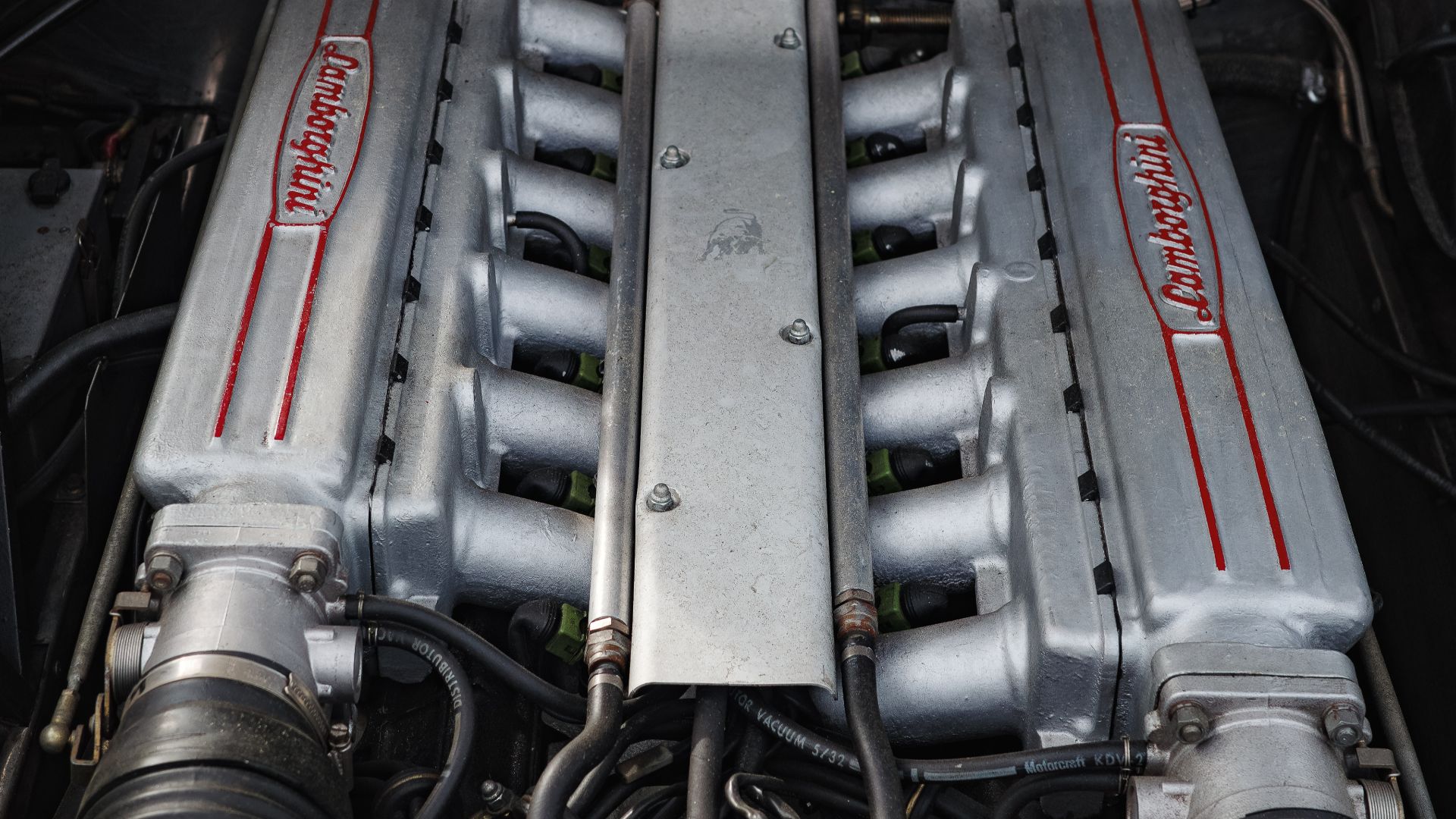
Under its new ownership, Vector developed the M12, a dramatic supercar powered by Lamborghini's 5.7-liter V12. Introduced in the mid-1990s, it shared important mechanical components with the Lamborghini Diablo. The M12 offered genuine European exotic-car engineering beneath its American bodywork. Unfortunately, customers weren't exactly lining up.
The M12 Was Another Sales Disaster
Vector built eight production M12s in 1996 but sold only four that year. By November, the company had insufficient money to continue normal production. The factory's workforce was dismissed, although limited assembly activity later resumed. Once again, an impressive machine had failed to rescue Vector.
 Jon Lewis, President American Spirit Racing, Wikimedia Commons
A New Owner Had Bigger Ambitions
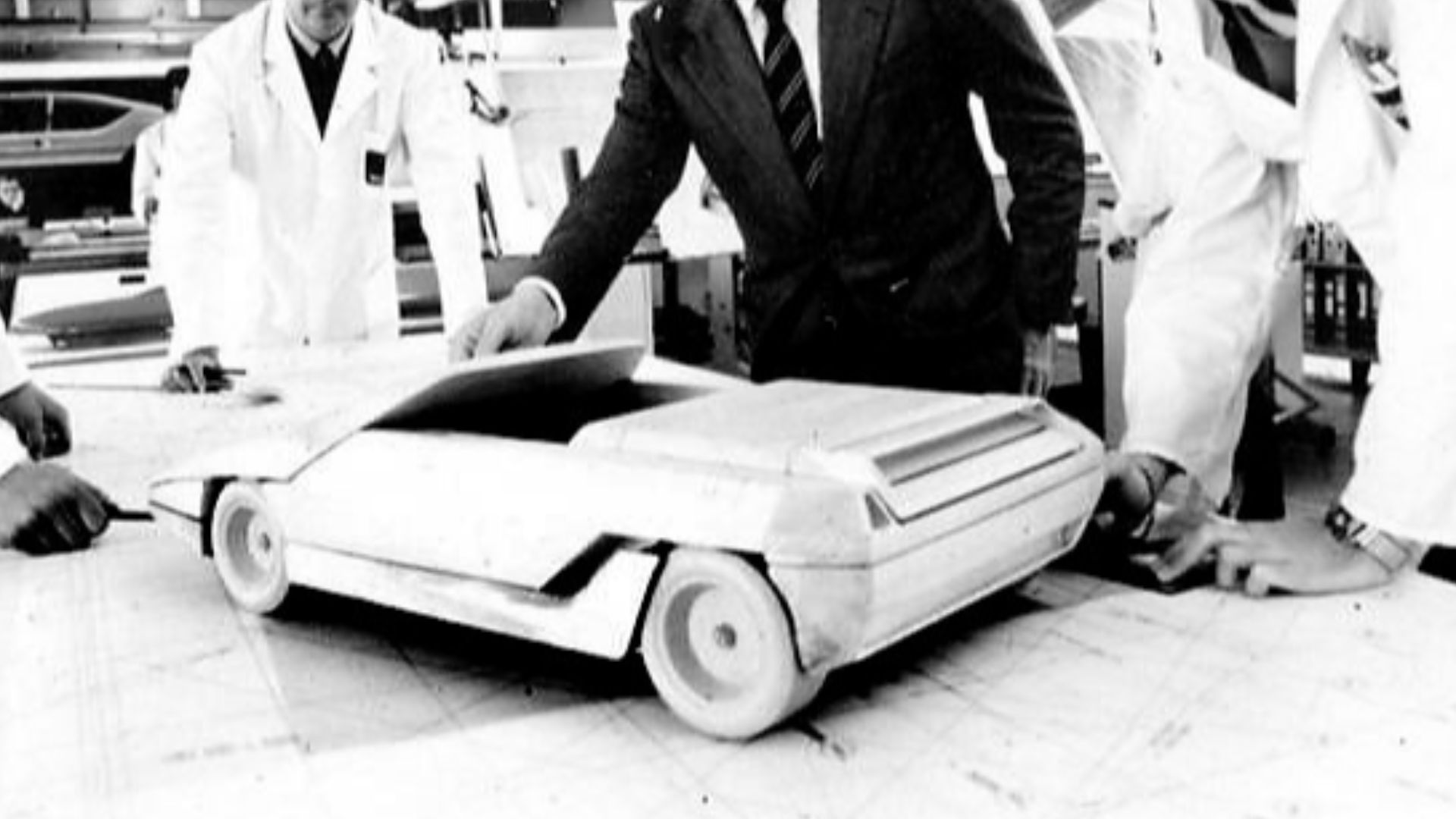
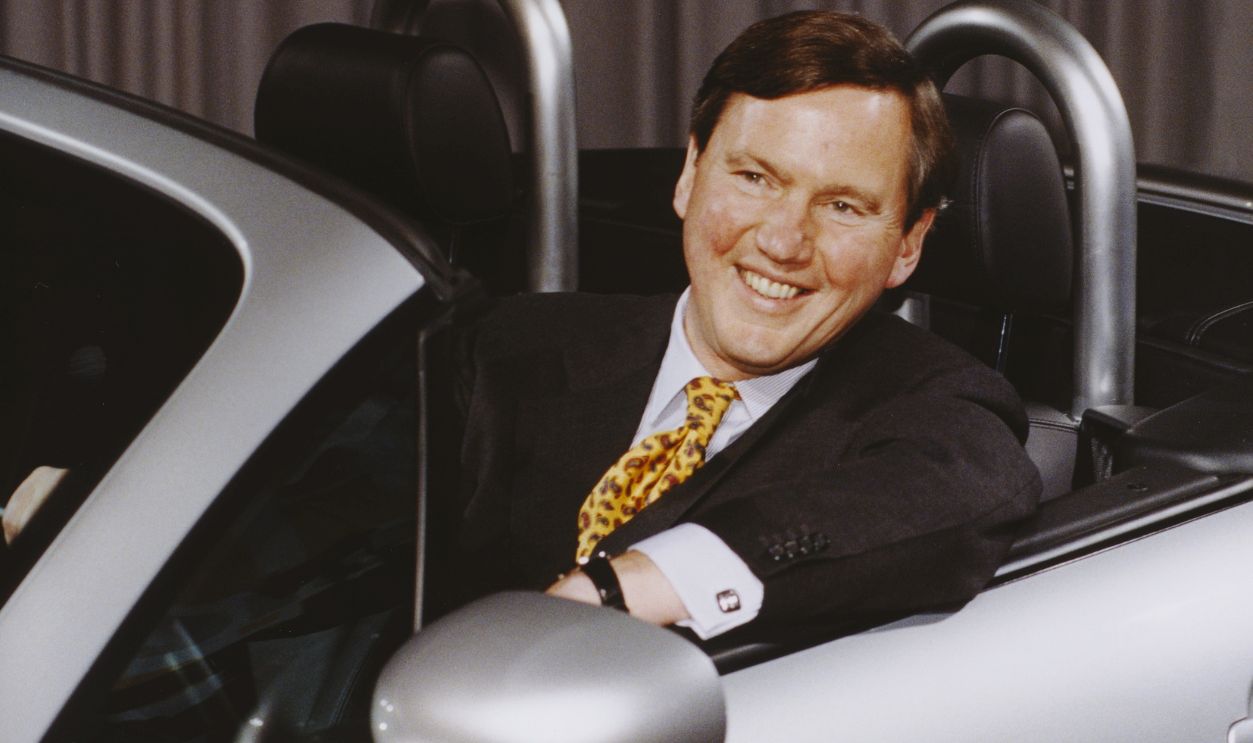
Entrepreneur Randy Welty became a leading figure in Vector's next attempted revival, alongside former Lotus board member Tim Enright. Welty wanted to prove that an American company could still compete in the exotic-car market. In 1997, he became Vector's chairman as the company attempted to restart production in Florida. His enthusiasm was extraordinary, even by supercar-industry standards.
 Unknown photographer, Wikimedia Commons
He Tested Cars At Terrifying Speeds
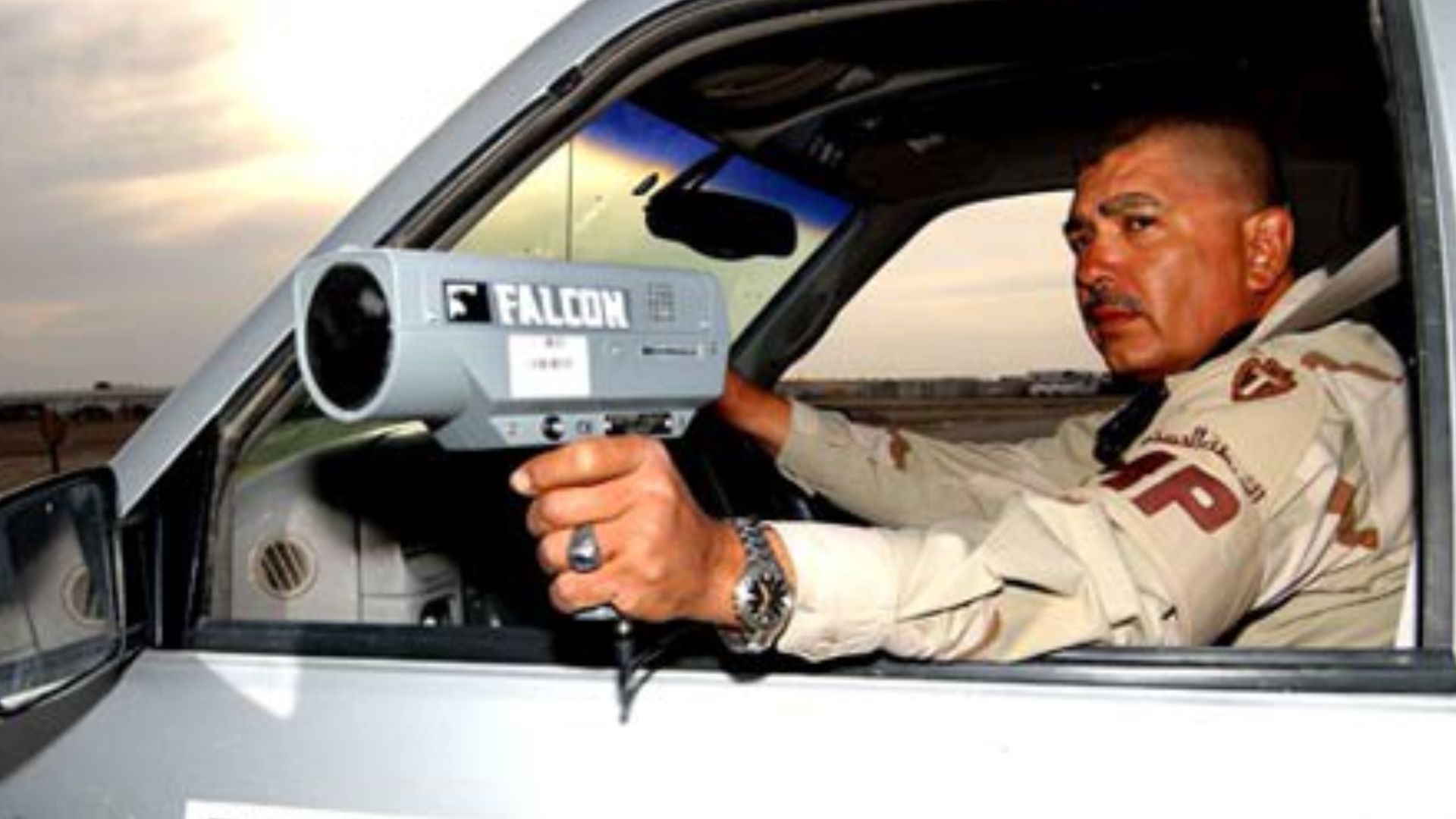
According to Welty's son Jake, his father sometimes arranged for local authorities to close roads so he could test newly completed Vectors. Sheriff's officers would measure the cars' speeds with radar guns. Jake recalled one run reaching approximately 140 to 150 mph. It was an unforgettable childhood introduction to the supercar business.
 U.S. Army photo by Master Sgt. Lek Mateo, Wikimedia Commons
Then Lamborghini Disappeared
Vector suffered another devastating blow when MegaTech sold Lamborghini to Audi in 1998. The deal cut off access to the Italian V12 engines powering the M12. Without a replacement, the struggling company had no realistic way to continue building its existing supercar. Welty and his team needed another solution, and quickly.
A Chevrolet Engine Offered New Hope
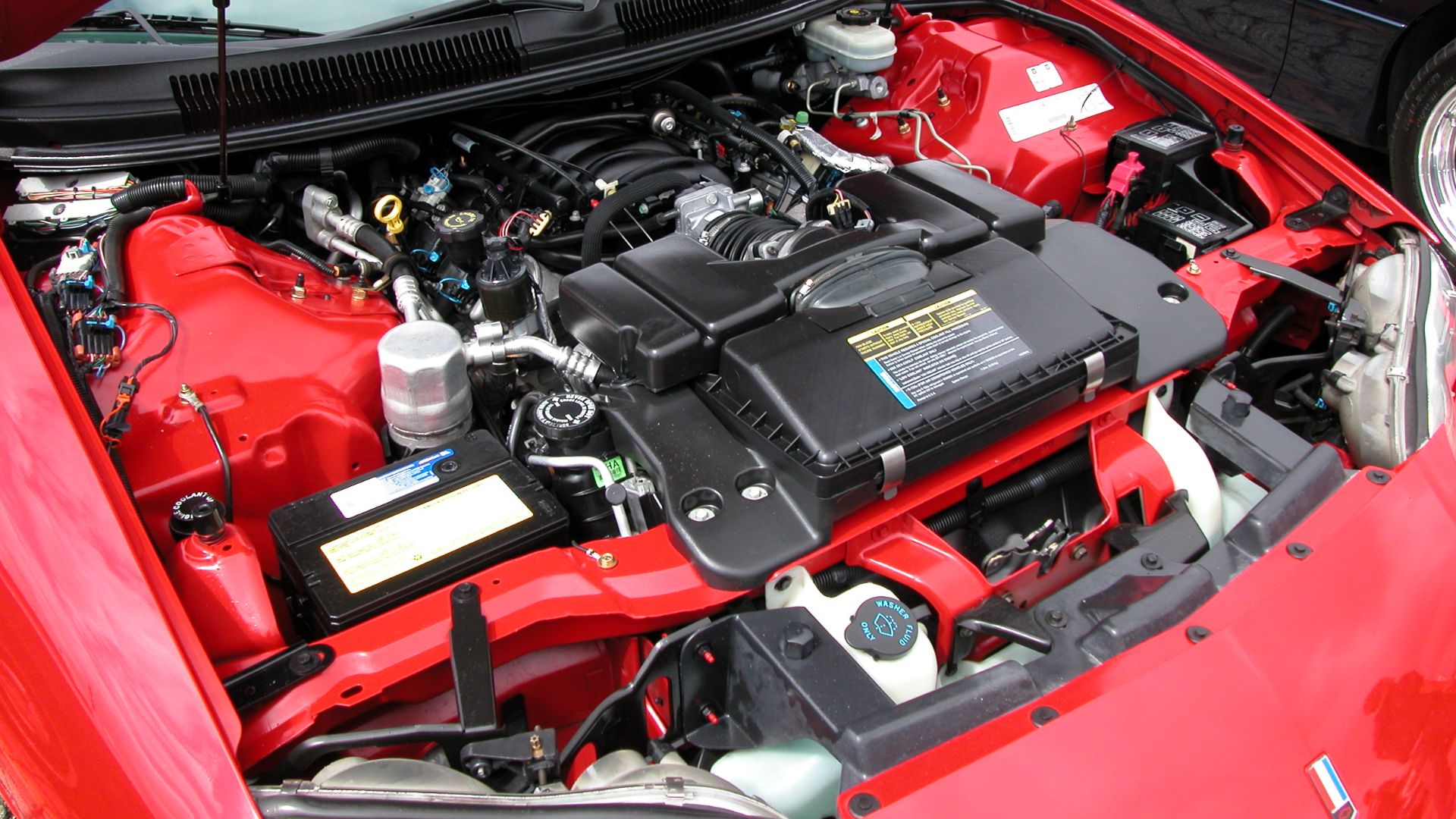
Rather than search for another exotic Italian engine, Vector turned to General Motors. The new model would use a 5.7-liter Chevrolet LS1 V8, an engine family already associated with the Corvette. American power offered an alternative to relying on Lamborghini components. It also brought Vector closer to Wiegert's original all-American supercar vision.
 Rich Niewiroski Jr., Wikimedia Commons
The SRV8 Was Born In 1999
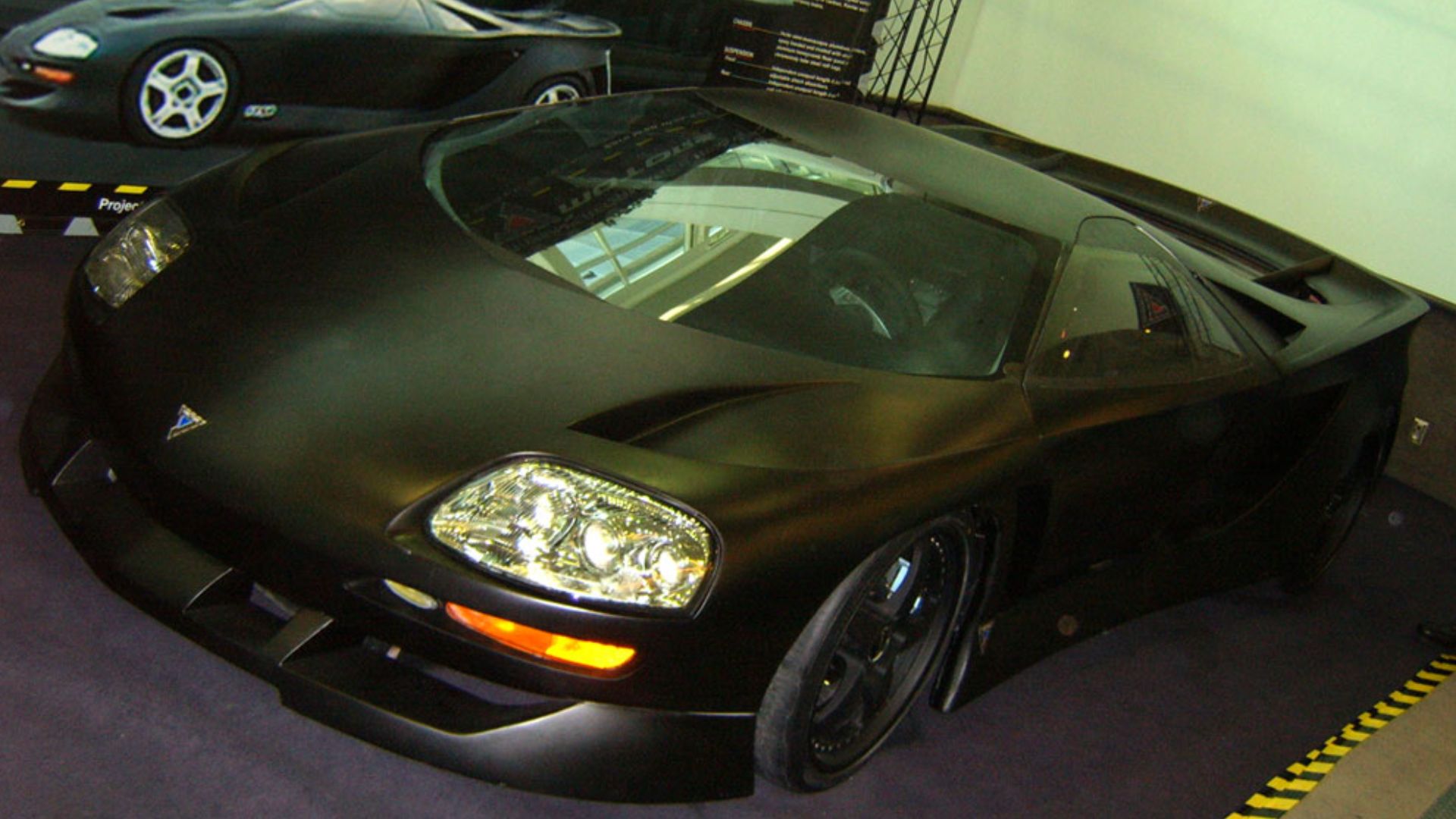
The resulting machine was called the Vector SRV8, and it represented the company's final attempt at survival. It retained Vector's dramatic proportions while introducing revised styling and a new drivetrain. The goal was to give the struggling manufacturer another product to sell. But its creators were working against a rapidly approaching deadline.
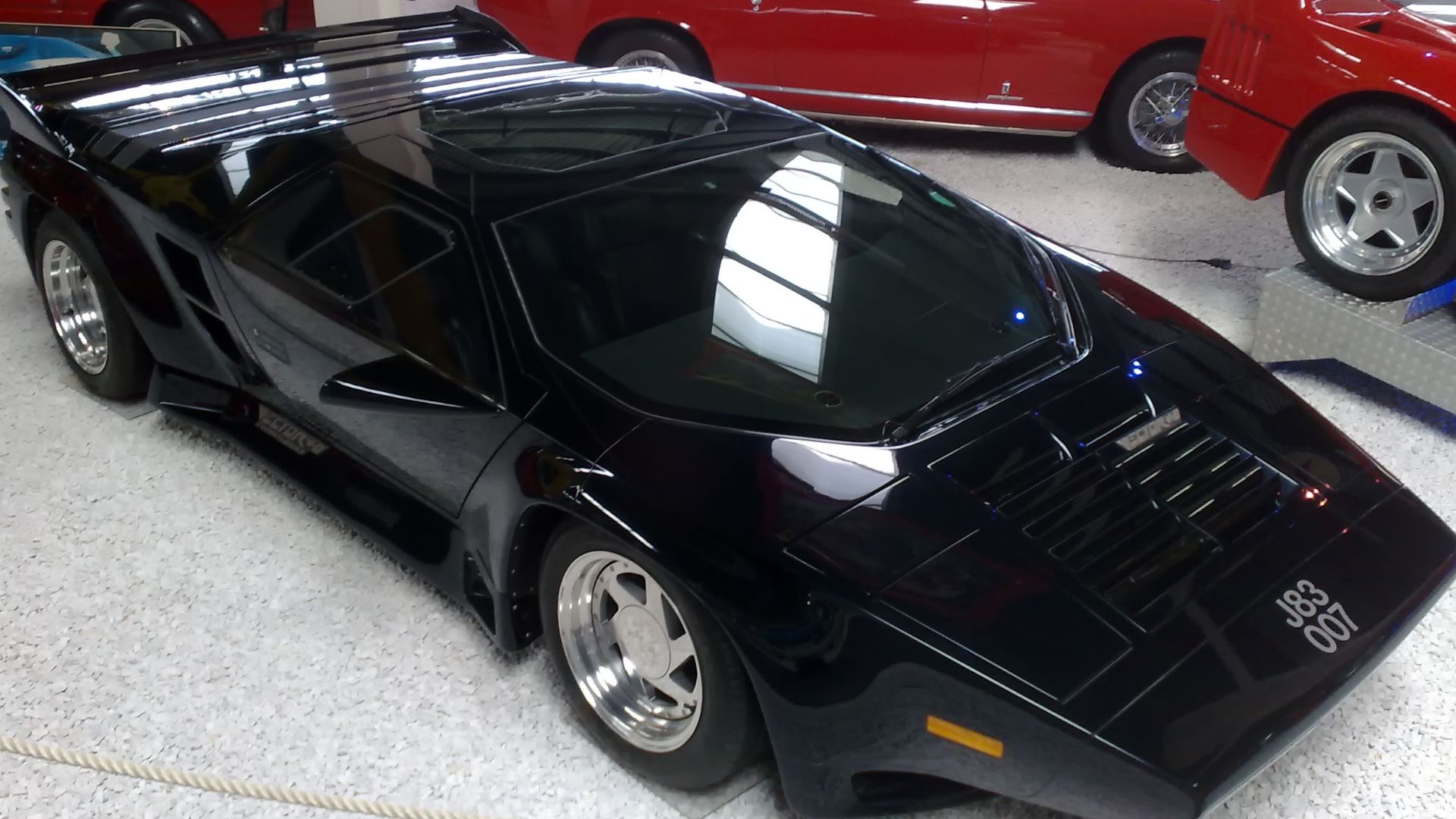
It Was Built From An Existing M12
Vector couldn't afford to develop an entirely new car from scratch. Instead, the SRV8 used the chassis of a preproduction M12, modified for its new mechanical components. This approach allowed the team to create a functioning prototype without starting over. The result was a remarkable combination of familiar Vector engineering and new American power.
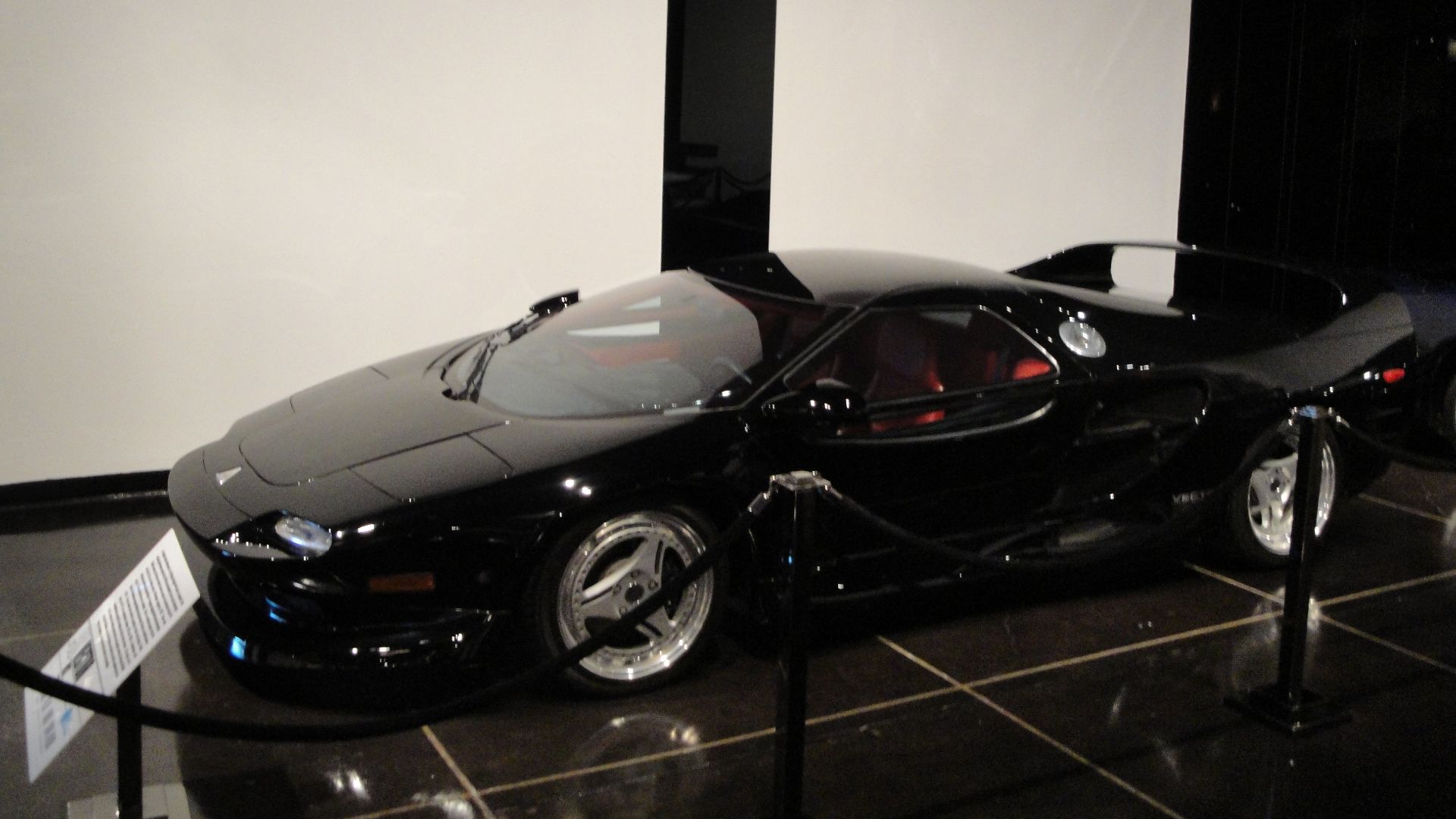 Greg Gjerdingen, Wikimedia Commons
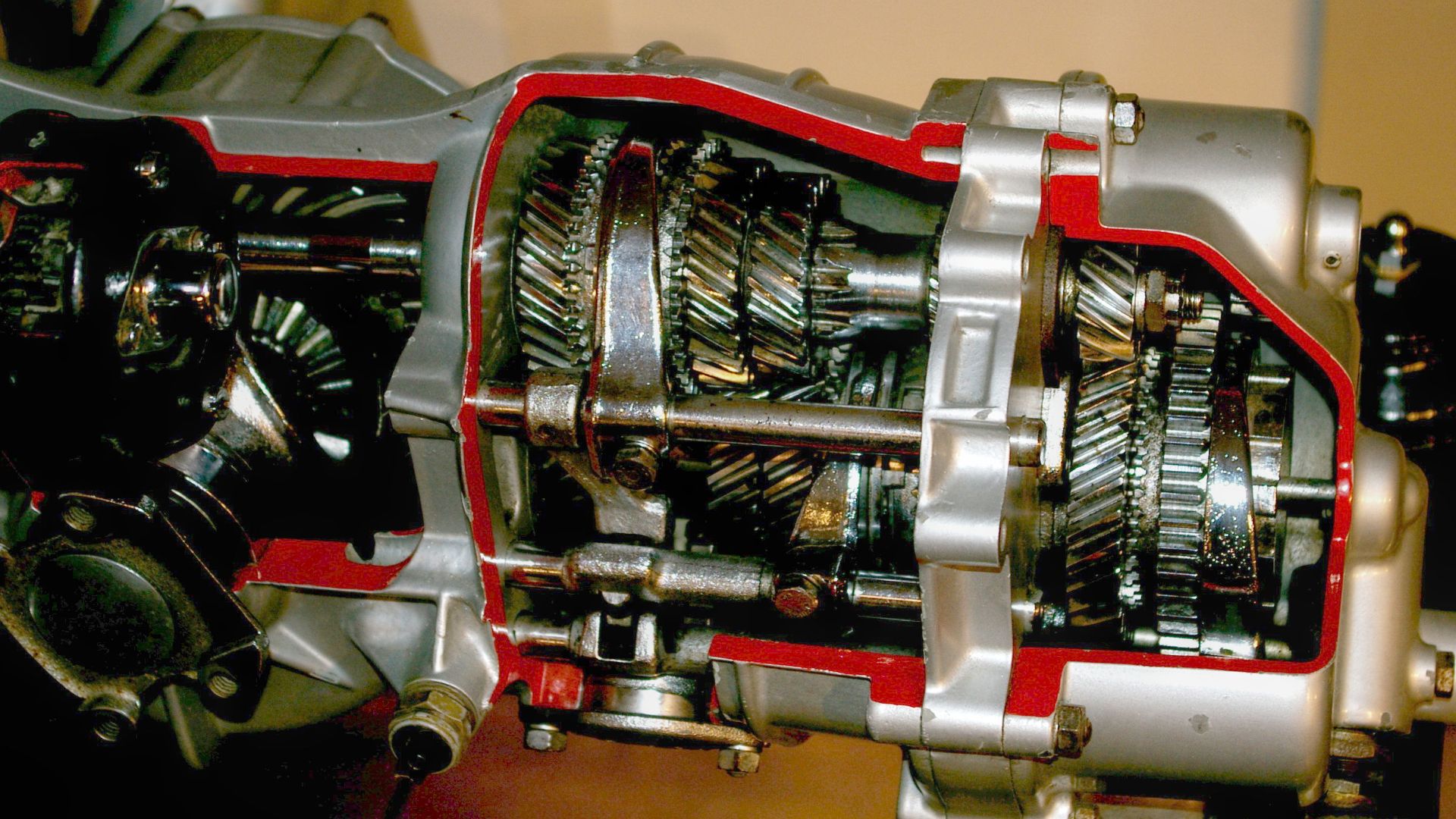
It Had A Porsche Transmission
The SRV8's Chevrolet V8 was connected to a five-speed manual gearbox sourced from a Porsche 911. Power went to the rear wheels, preserving the mid-engine supercar configuration. The unusual pairing gave Vector a completely different mechanical package from its Lamborghini-powered predecessor. It was an American supercar with a distinctly international drivetrain.
It Still Looked Like A Vector
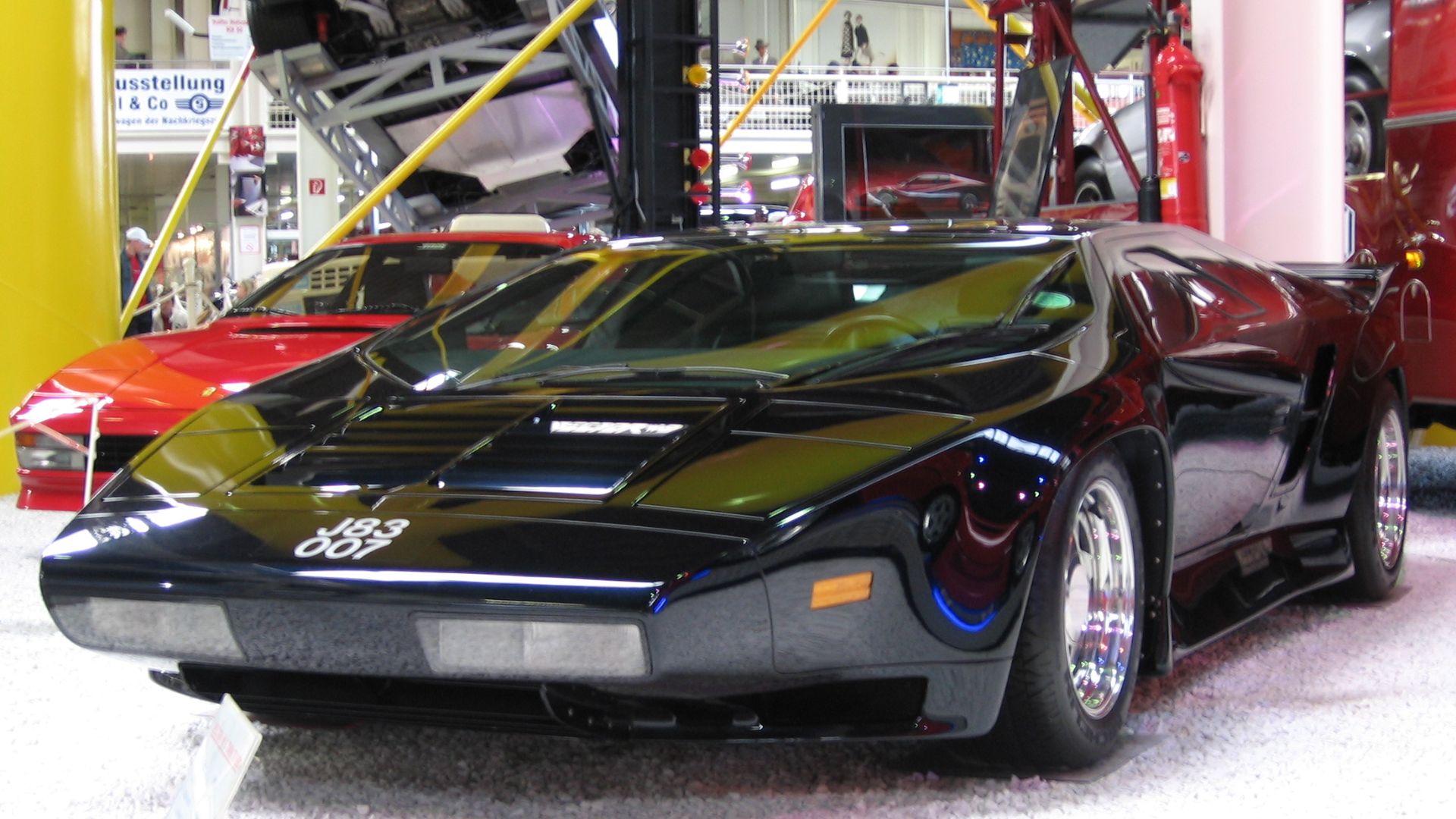
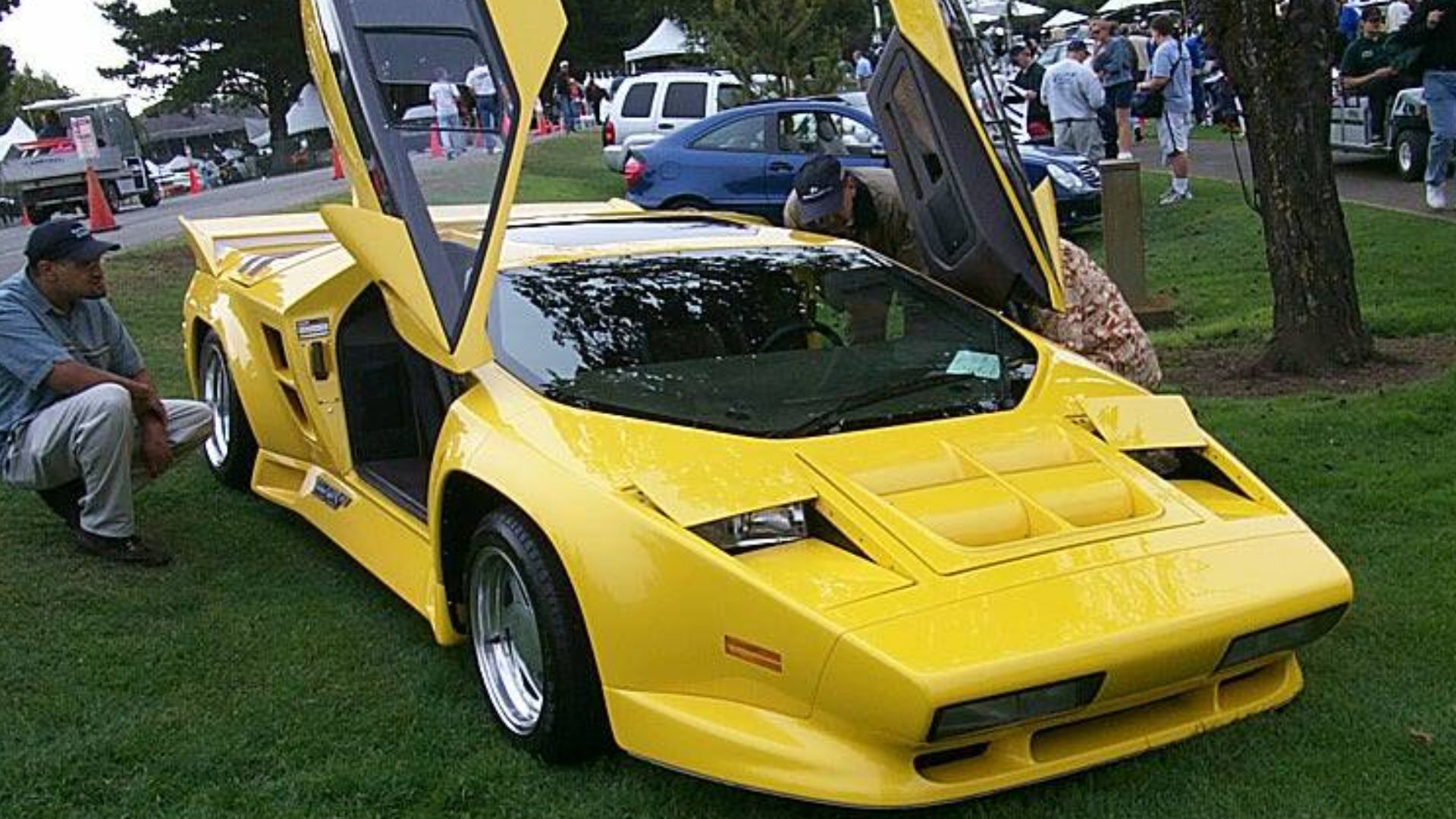
Despite its mechanical changes, the SRV8 retained the company's trademark wedge-shaped silhouette. Its sharp edges were softened, and fixed headlights replaced the earlier retractable units. The redesign gave the car a more contemporary late-1990s appearance. Even so, nobody was likely to mistake it for an ordinary Chevrolet.
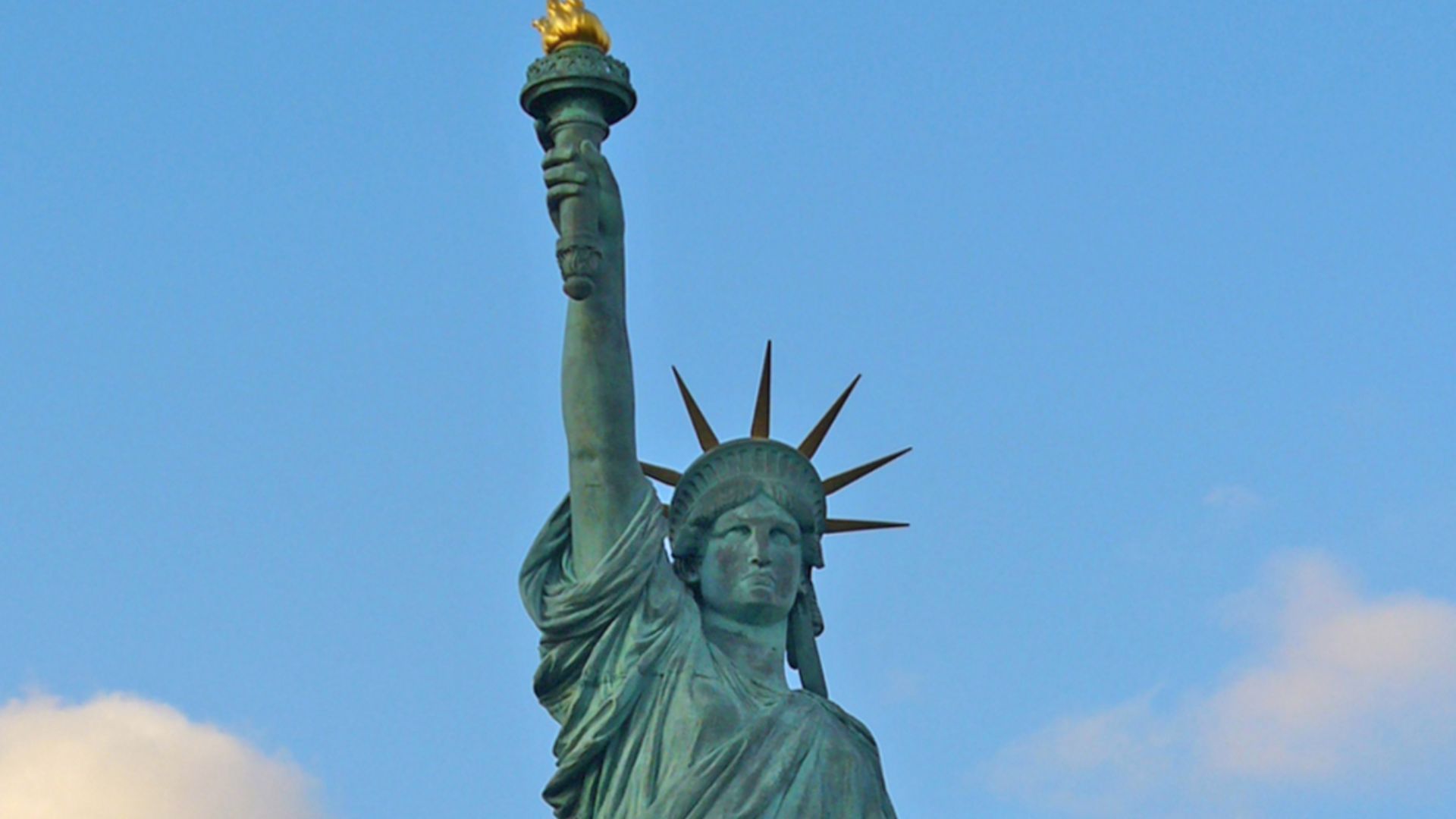
The Badges Featured The Statue Of Liberty
One of the SRV8's strangest details was its patriotic new badging. The car featured red, white, and blue emblems depicting the Statue of Liberty, including on its nose and wheel centers. These distinctive badges reinforced Vector's American identity. They also made the final prototype visually different from every earlier production Vector.
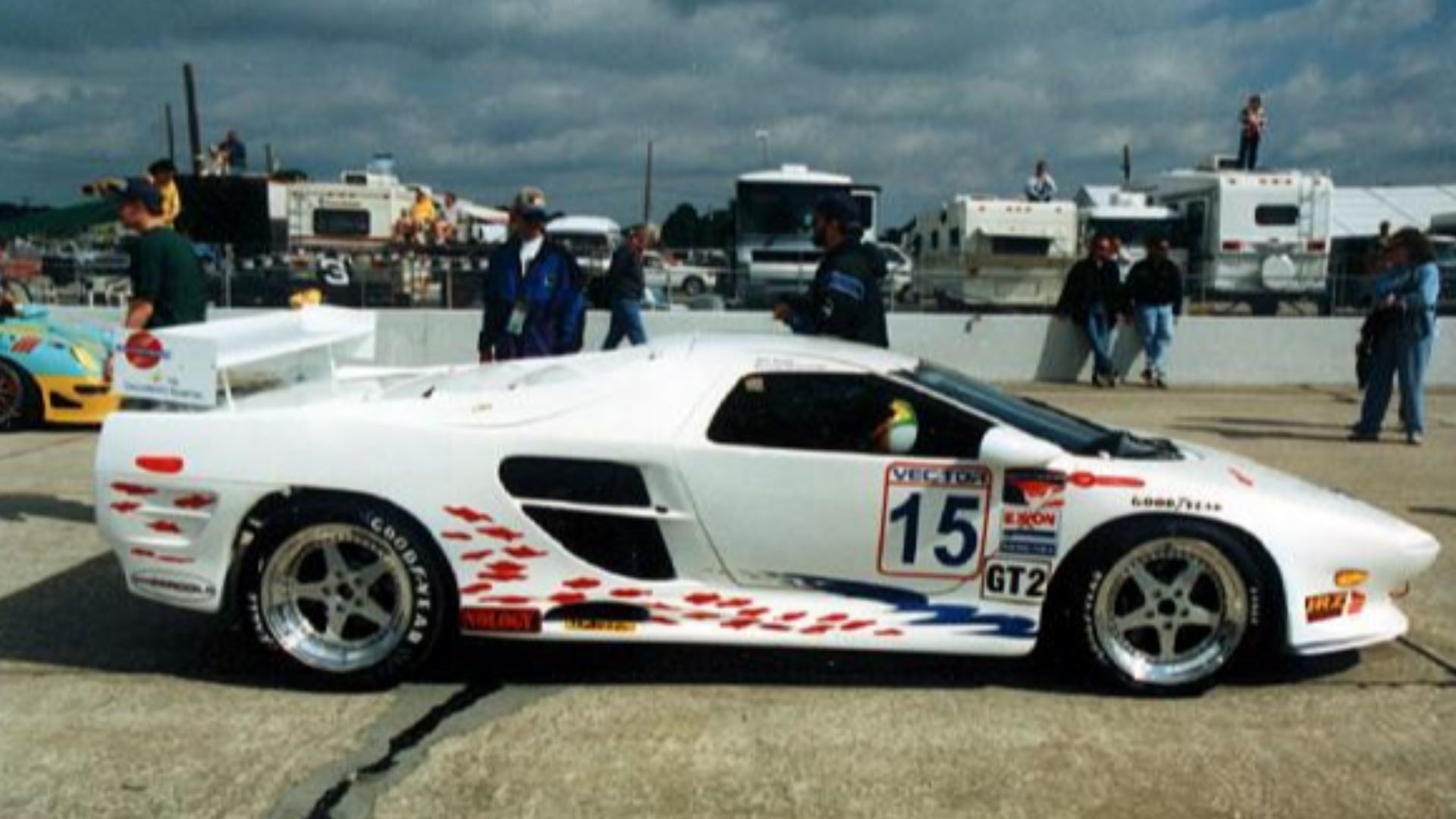
Vector Even Tried Going Racing
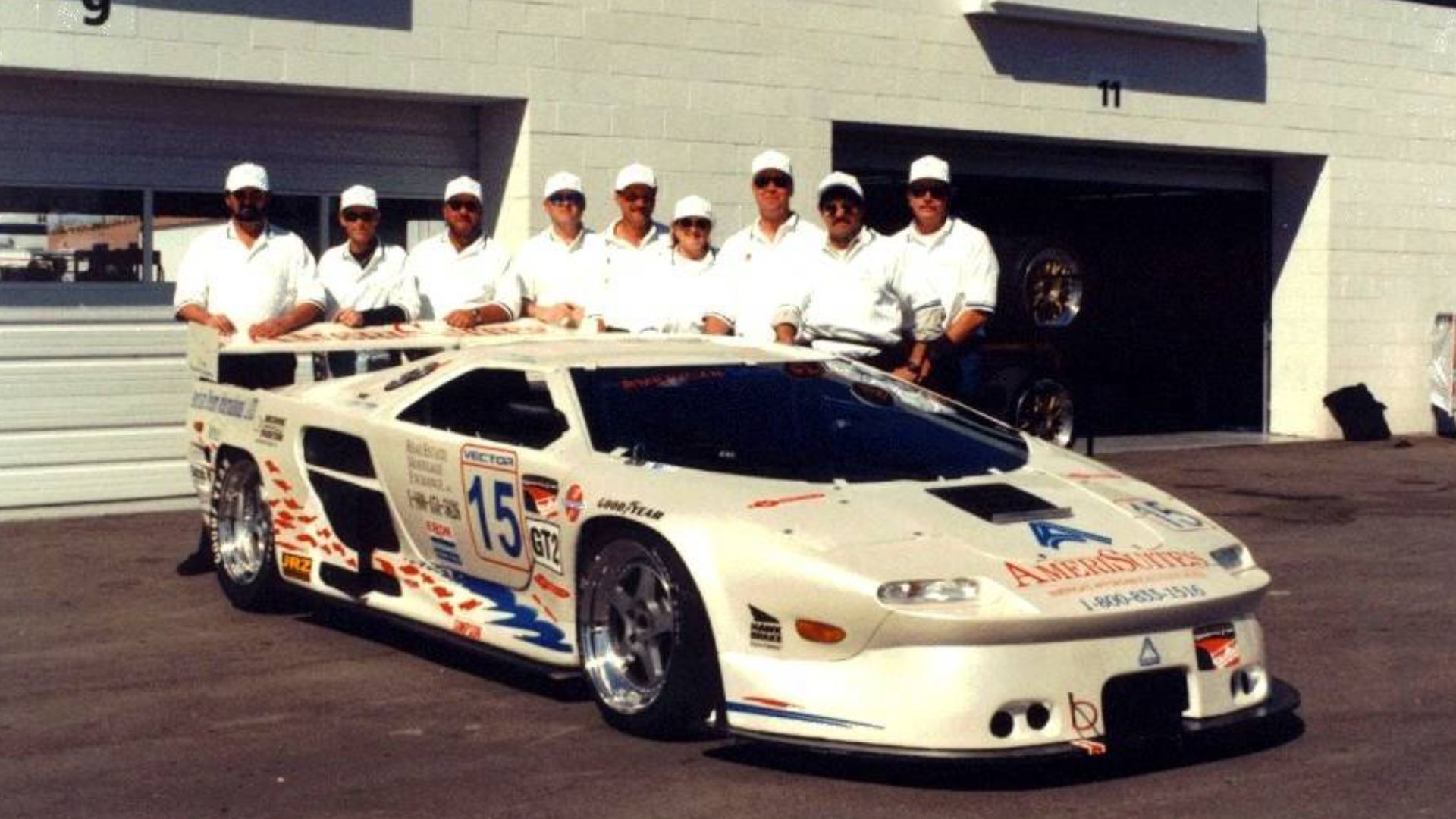
Before the SRV8's completion, the company had attempted to improve its reputation through motorsport. A specially prepared M12 race car competed during the 1998 sports-car racing season. Unfortunately, it suffered repeated mechanical problems and failed to finish several events. The company's racing ambitions became another expensive struggle.
A Pair Of Pantyhose Became A Racing Fix
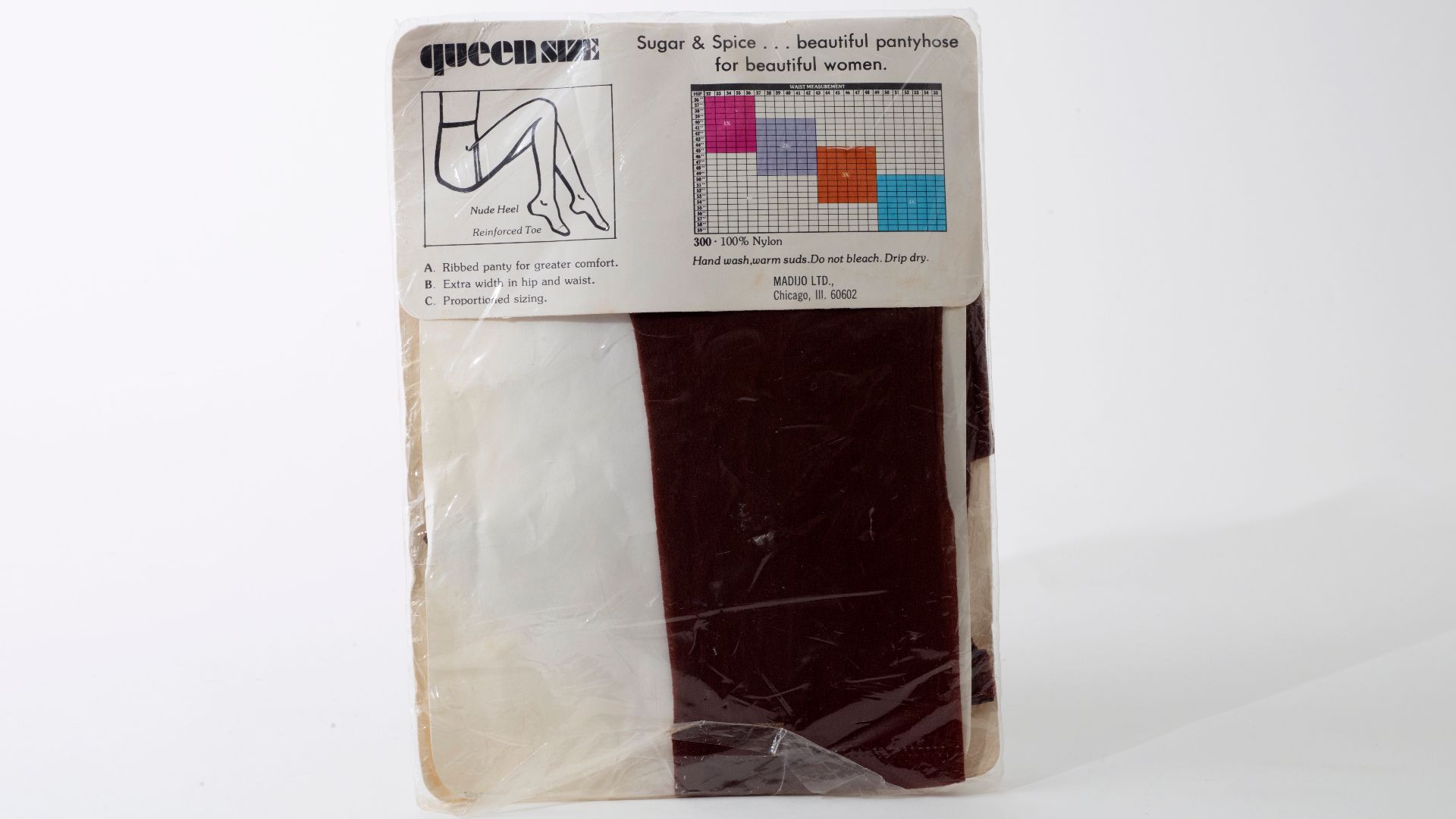
At one race, the Vector M12's exposed air intakes began swallowing rubber debris from the track. According to Jake Welty, his father grabbed a pair of pantyhose and stapled the material over the openings. The improvised filter was intended to stop debris from choking the engine. It was a bizarre example of how desperately the small team was trying to compete.
 Sugar & Spice, Wikimedia Commons
The Company Was Drowning In Losses
By the end of 1999, Vector's financial position was disastrous. Its SEC filings reported an accumulated deficit of approximately $39.4 million from the failed automotive business. The company also recorded no operating revenue that year. The SRV8 had arrived at a time when Vector could barely keep its doors open.
The Factory Closed In July 1999
Vector's Florida manufacturing facility closed in July 1999, ending its automobile production operations. The company had already dismissed most production workers and struggled through years of limited activity. Its remaining executives departed as the business became dormant. Whatever hopes remained for the SRV8 effectively disappeared with the factory.
Only One SRV8 Was Ever Completed
The SRV8 never reached series production, leaving just one functioning prototype. Its serial number was 001, and no additional examples followed. Unlike the earlier W8 and M12, the SRV8 never had an opportunity to establish itself with paying customers. The last completed functional Vector from the original company's manufacturing era was also its rarest.
The Original Founder Never Gave Up
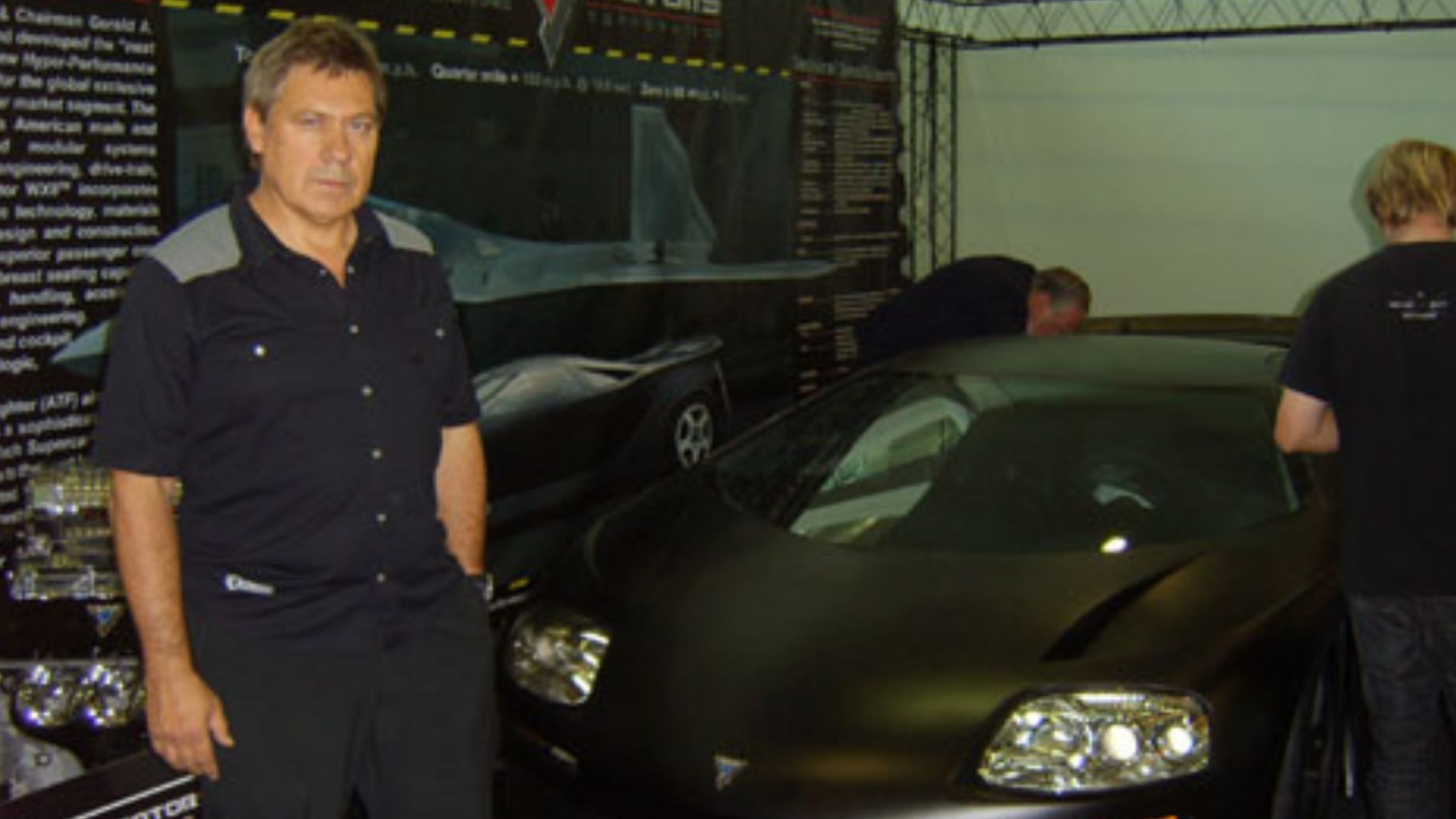
Jerry Wiegert continued pursuing his supercar ambitions after losing control of Vector. In 2007, he unveiled the futuristic WX8 concept at the Los Angeles Auto Show, hoping to revive the brand. However, the project never entered series production. Wiegert died in 2021 without achieving the comeback he had spent years pursuing.
 Areaseven at English Wikipedia, Wikimedia Commons
The Last Vector Became A Birthday Present
After Vector's collapse, Randy Welty retained the sole SRV8 along with several other cars from the company. He eventually gave the extraordinary prototype to his son Jake as a 16th birthday present. Most teenagers dream of receiving a used sports car, but Jake got something genuinely irreplaceable. His birthday present was the only Vector SRV8 in existence.

It Spent Decades Away From The Spotlight
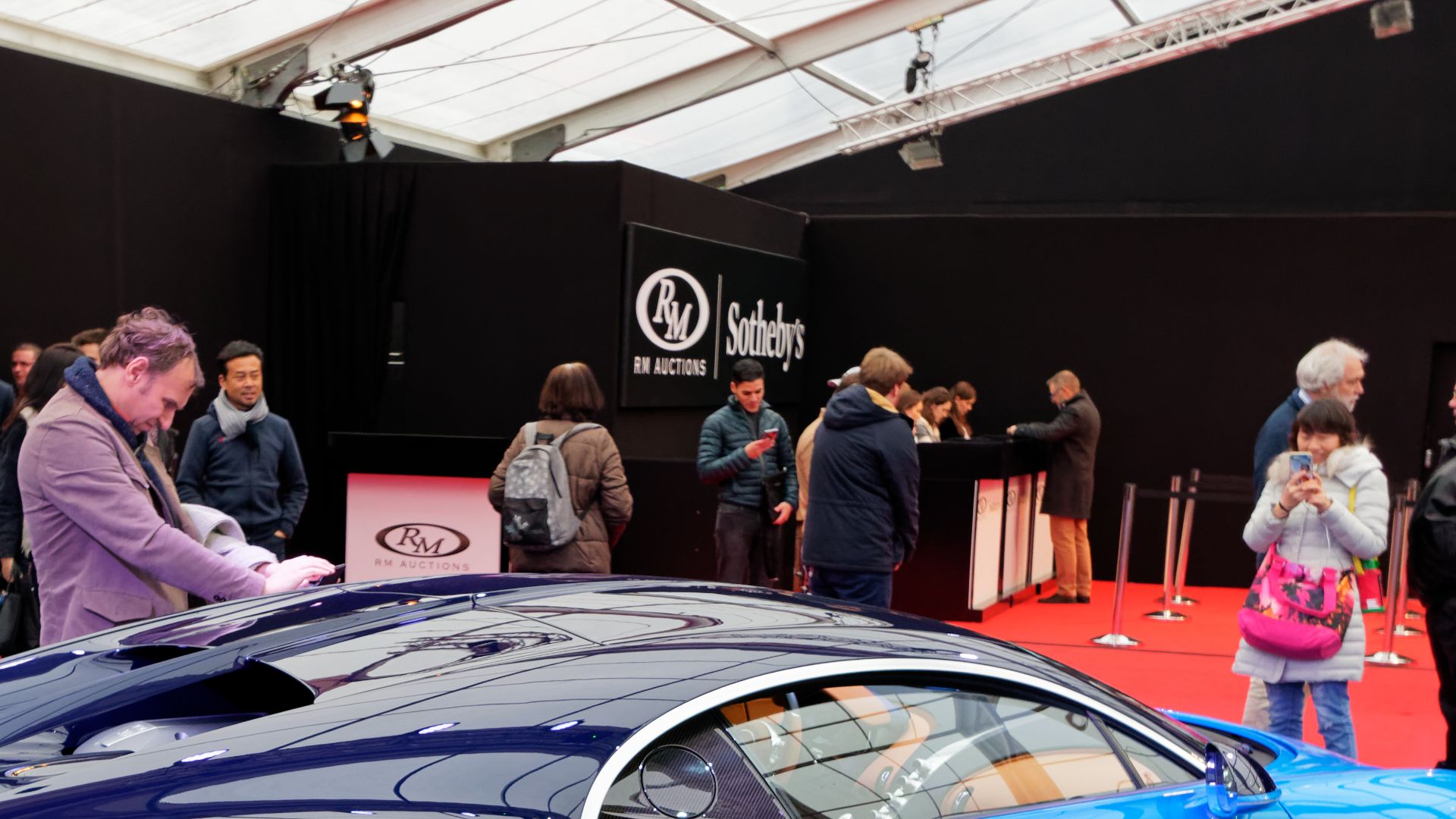
Jake Welty kept the SRV8 for years as a reminder of his father's extraordinary automotive adventure. Unlike several other surviving Vectors, the prototype remained capable of moving under its own power. When RM Sotheby's catalogued it, the auction house recorded just 864 miles on its odometer. Remarkably, the car also retained much of its original 1999 condition.
 Thesupermat, Wikimedia Commons
Its Owner Finally Decided To Let Go
By 2025, Jake had begun reconsidering the future of his father's surviving cars. He wanted the forgotten Vectors to be restored, appreciated, and seen by enthusiasts rather than remaining hidden away. Selling the SRV8 was especially difficult because he had owned it for much of his life. Ultimately, he decided that preserving the company's legacy mattered more than keeping the car.

The Forgotten Supercar Returned In 2026
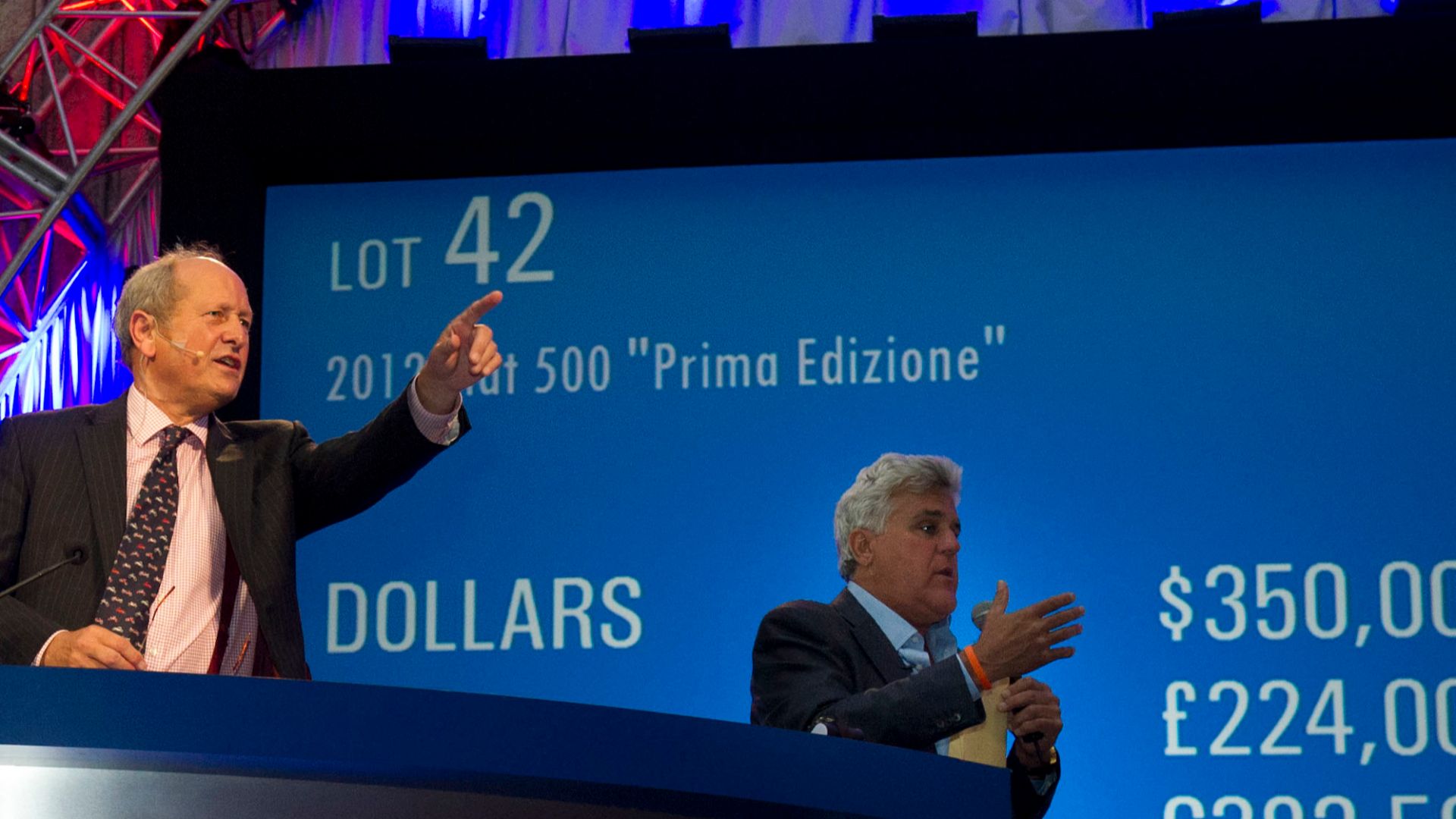
In August 2026, the sole Vector SRV8 appeared at RM Sotheby's prestigious Monterey auction in California. The auction house identified it as the last completed functional Vector and highlighted its unusual Chevrolet-Porsche drivetrain. The car sold on August 15, having carried a pre-auction estimate of $350,000 to $450,000 More than 25 years after Vector's collapse, its final creation was attracting attention again.
 Erin A. Kirk-Cuomo, Wikimedia Commons
One Car Survived An Extraordinary Failure
Vector spent decades trying to challenge Ferrari and Lamborghini, only to collapse after building a handful of remarkable cars. Its final supercar combined American power, German engineering, and Italian roots. The SRV8 couldn't save the company, but it survived to become a rare piece of automotive history. Ironically, the car meant to secure Vector's future became the only one ever built.
 Craig Howell from San Carlos, CA, USA, Wikimedia Commons
You May Also Like:
Forgotten Supercars Of The 1980s—How Many Of These Rare Exotics Do You Remember?
Plymouth Beat Ford To Market With The Barracuda—So Why Did The Mustang Become The Icon?
Saab Built Cars Like Nobody Else—Which One Would You Bring Back?