A Jaguar With One Very Large Catch
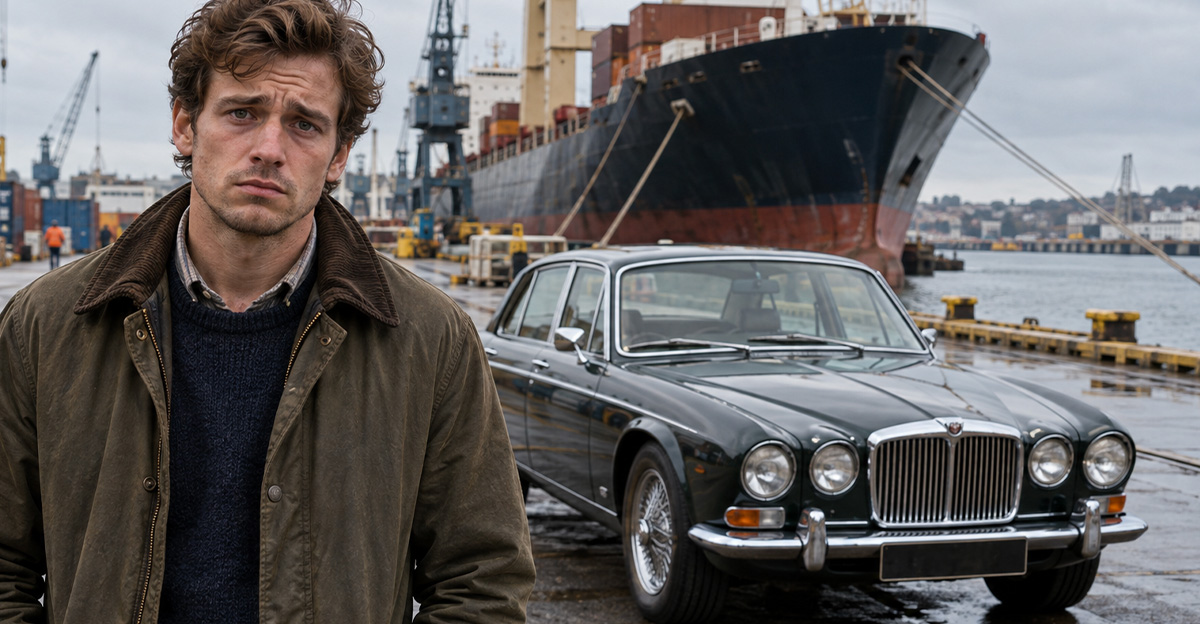
Your estranged British father leaves you a Jaguar XJ. Whatever feelings come with the inheritance, at least there is a beautiful British luxury sedan waiting on the other side of the Atlantic. Then U.S. Customs gets involved, and suddenly your inheritance appears to have acquired an invisible “Do Not Enter” sign.
Owning It And Importing It Are Different Things
Being named in the will can establish your right to the Jaguar, but it does not automatically make the car legal to bring permanently into the United States. Federal vehicle-import rules still apply. In other words, Customs is not necessarily questioning whether the XJ belongs to you. It may be questioning whether the XJ belongs on American roads.

Start With The Exact Jaguar
Before arranging shipping, identify the XJ’s exact model year, VIN, manufacture date, engine, and original market specification. A 1998 XJ and a 2008 XJ may look like members of the same distinguished British family, but American import law can treat them very differently. Age may be the single most important number.
The Magic Number Is 25
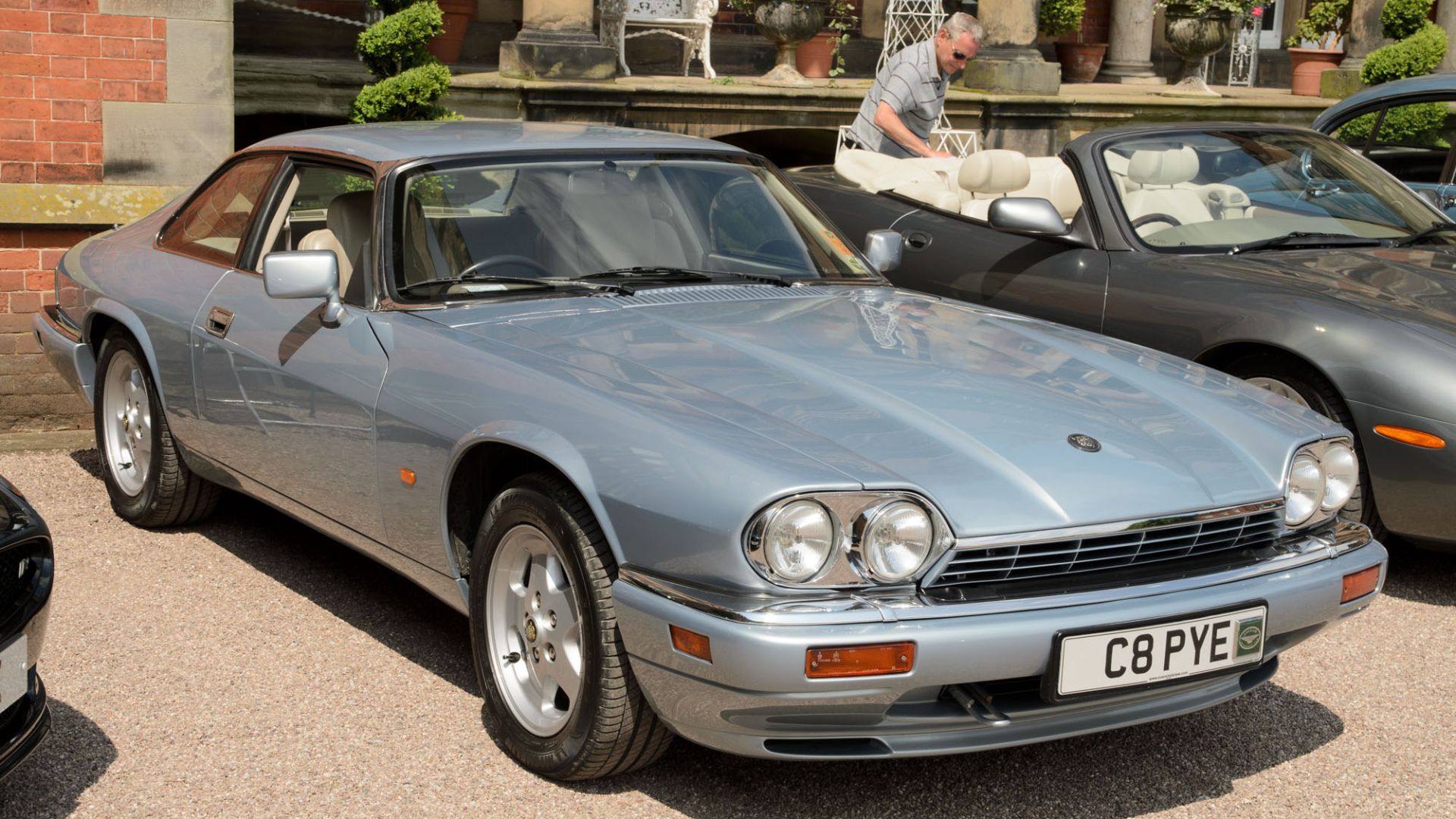
NHTSA allows a motor vehicle that is at least 25 years old to be permanently imported without having to comply with the Federal Motor Vehicle Safety Standards that would otherwise apply. That makes older Jaguars dramatically easier to bring home.
It Goes By Manufacture Date
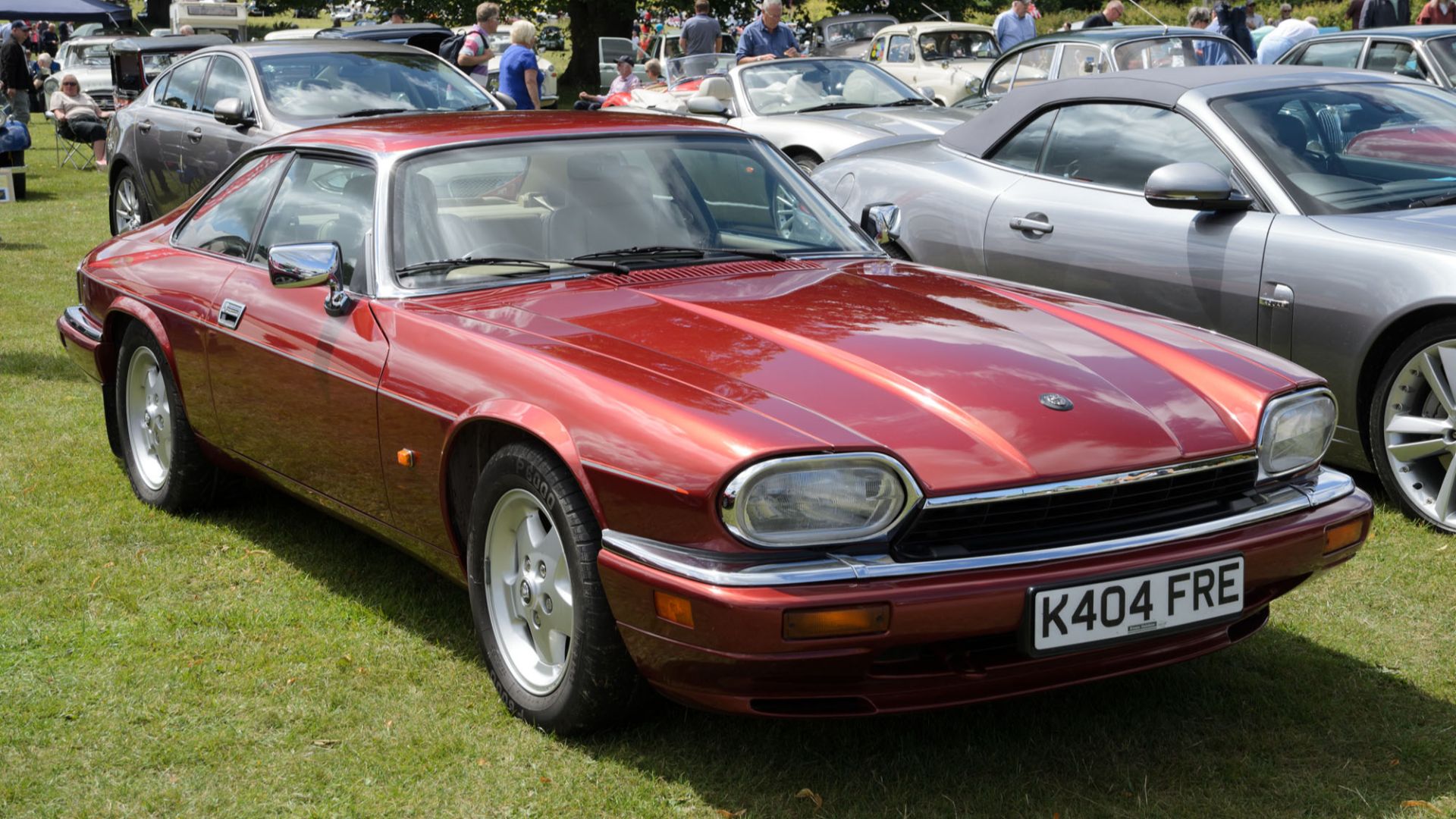
Do not simply subtract the model year from the current year and start booking a ship. NHTSA says the 25-year period runs from the vehicle’s actual date of manufacture. A Jaguar sold as a 2002 model could therefore become importable months earlier or later than you expect.
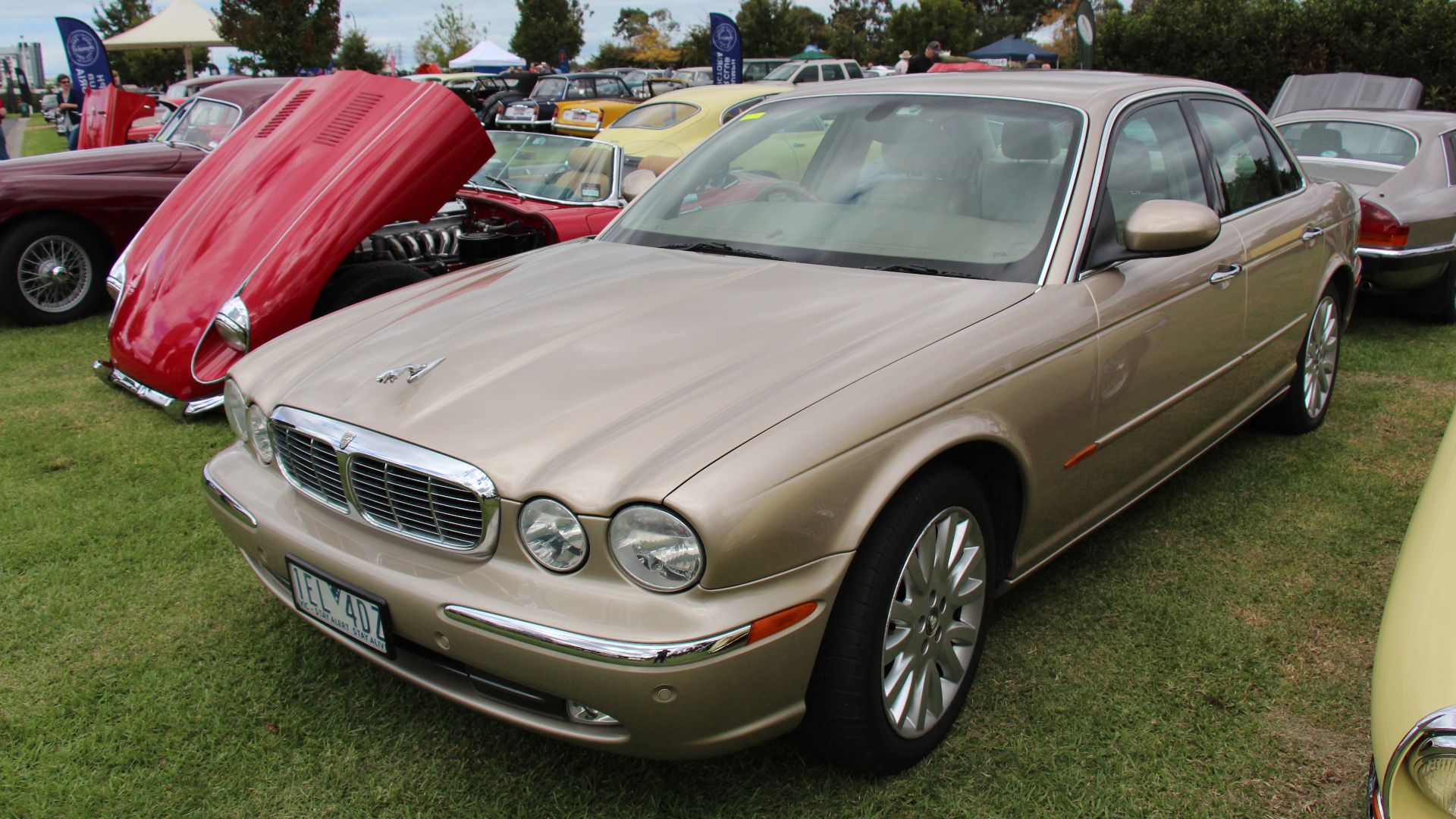
Proving Its Age Matters
If the Jaguar does not have a clear manufacturer label showing its production date, NHTSA accepts other evidence. An old registration, original sales documentation, manufacturer information, or even evidence from a recognized vehicle historical organization may help establish when the car was built.
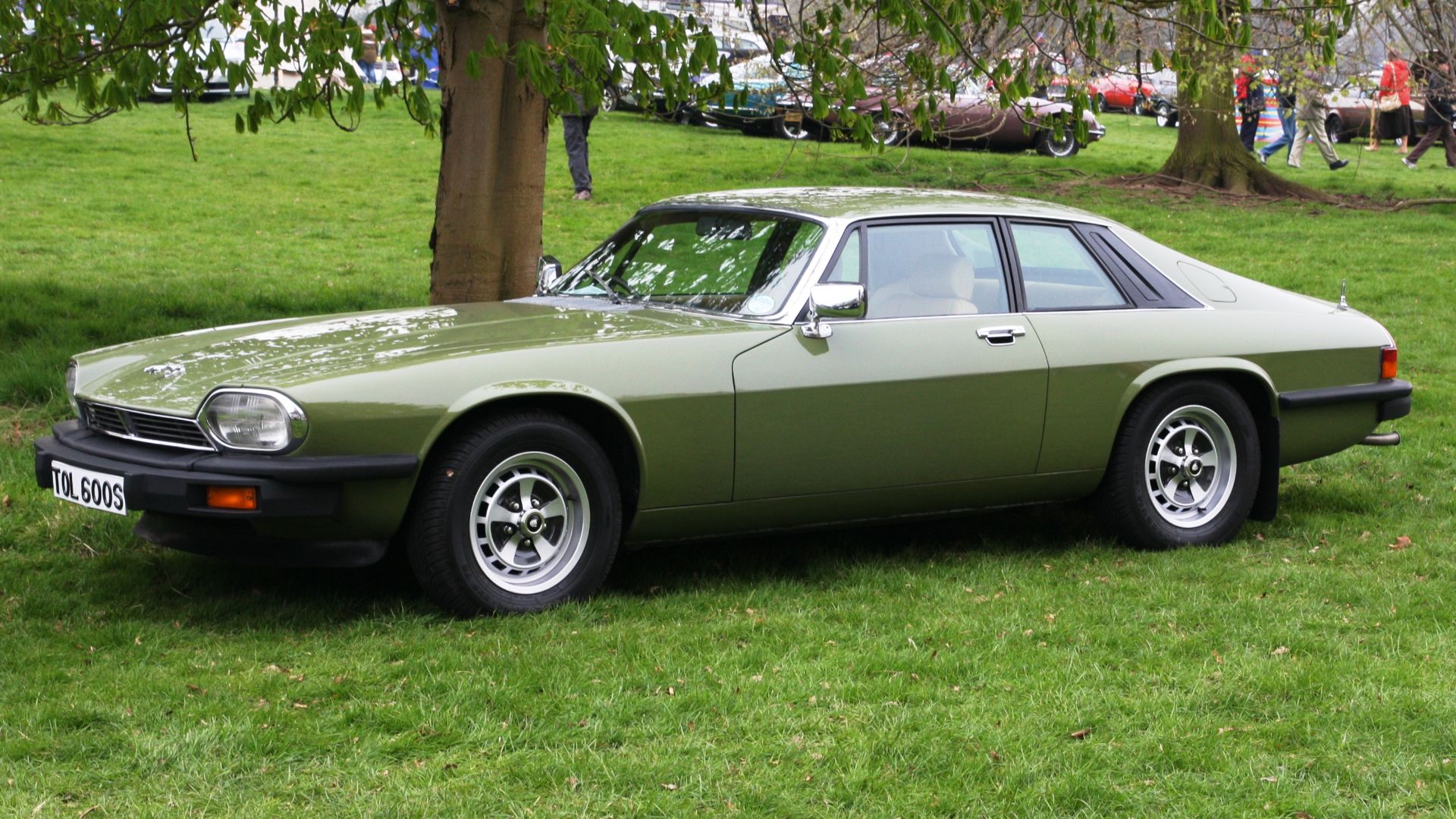
Older XJs Have A Big Advantage
This is excellent news if Dad's Jaguar is one of the older XJs enthusiasts remember from the 1980s or 1990s. Once it clears that 25-year threshold, the biggest federal safety-standard obstacle largely disappears. You still have paperwork to complete, but the problem becomes far more manageable.

Then There Is The EPA
Because apparently one federal age rule would have been too easy, emissions requirements operate separately. EPA rules generally provide an exemption for a vehicle at least 21 years old when it remains in its original unmodified configuration, including appropriate treatment of the original engine.

Keep An Eye Under The Hood
That EPA exemption becomes more complicated if somebody swapped the Jaguar's engine. EPA's current Form 3520-1 says vehicles using the 21-year provision need their original configuration, with specific rules covering replacement engines. A mystery engine conversion performed years ago could therefore become an expensive surprise.
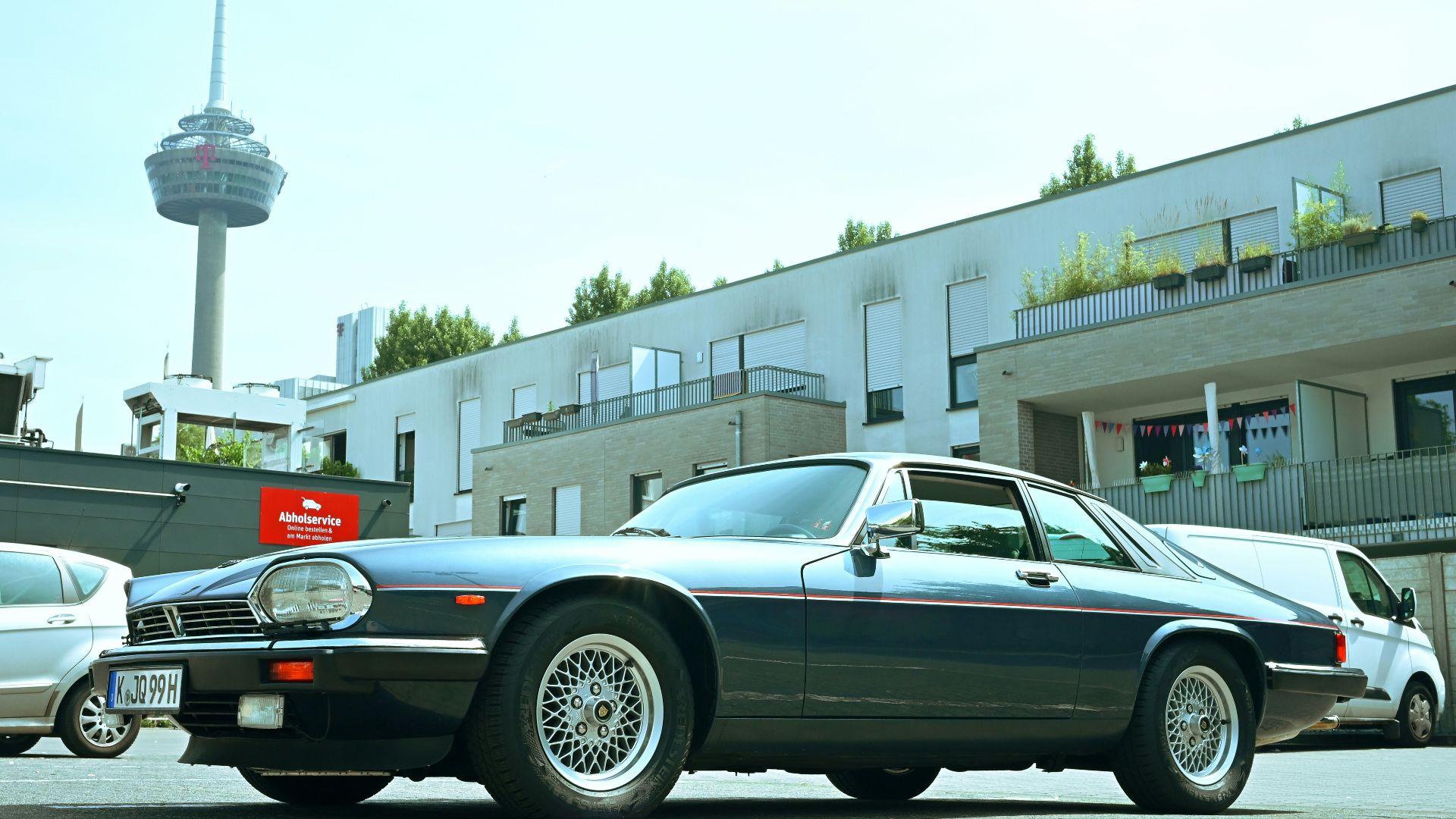
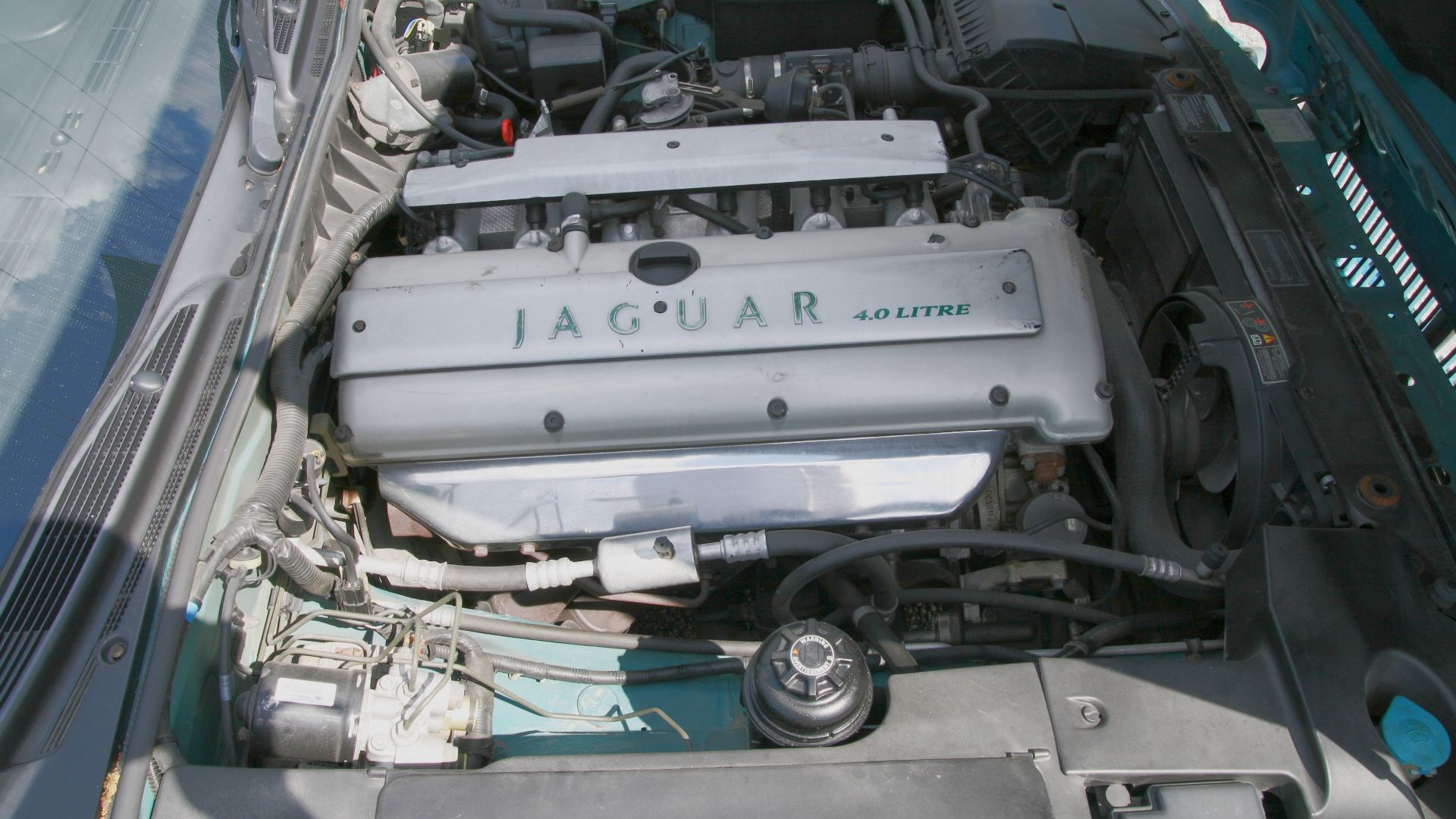 Magnus Bäck, Wikimedia Commons
A Younger Jaguar Is The Difficult One
Suppose the inherited XJ is less than 25 years old. If it was built for Britain and was not originally manufactured and certified to U.S. Federal Motor Vehicle Safety Standards, you generally cannot simply import it permanently because you inherited it. That's when this story gets considerably more complicated.
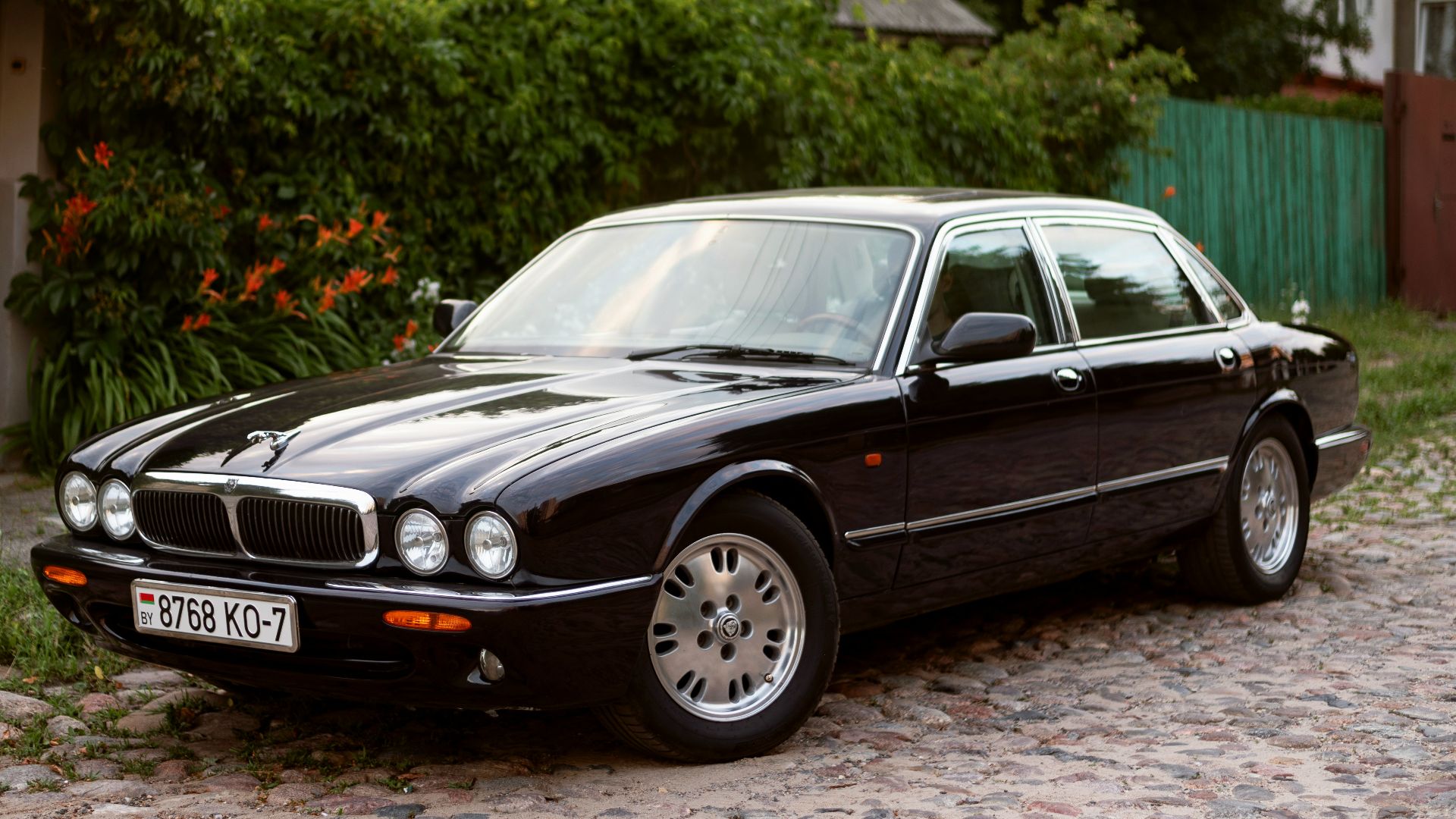
Look For A U.S. Certification Label
Before assuming disaster, check the car carefully. A vehicle originally manufactured to comply with U.S. safety standards should carry a manufacturer certification label. If your Jaguar somehow has the proper U.S. certification despite spending its life overseas, that can completely change the import situation.

Right-Hand Drive Isn't The Real Problem
The steering wheel being on the “wrong” side may attract attention at the grocery store, but right-hand drive itself does not automatically make a vehicle illegal. NHTSA notes that right-hand-drive vehicles can comply with U.S. safety standards. The bigger issue is whether this particular Jaguar was actually certified to those standards.

Meet The Registered Importer
For a younger nonconforming vehicle, your next phone call should probably be to a NHTSA Registered Importer, commonly called an RI. These businesses are approved to handle certain nonconforming vehicles and perform the modifications needed to satisfy federal safety requirements.

Not Every Jaguar Can Be Converted
An RI cannot simply promise to change the headlights, collect a check, and wave the Jaguar through Customs. NHTSA must have determined that the particular make, model, and model year is eligible for importation, or an RI may need to petition for such a determination.
The Bond Can Be An Eye-Opener
When an eligible nonconforming vehicle enters through the RI process, federal rules require a bond equal to 150% of the vehicle's declared value. The required compliance work generally must then be completed within 120 days. Suddenly that “free” inherited Jaguar may have quite a financial entourage.

Don't Ship First And Investigate Later
This may be the most financially useful advice in the entire story. Do not put the XJ on a ship and hope somebody figures everything out when it reaches Newark, Baltimore, or another U.S. port. EPA specifically warns importers to arrange compliance or exemptions before shipping a nonconforming vehicle.

Inheritance Isn't A Universal Get-Out-Of-Customs Card
You may encounter references to an EPA inheritance exemption, but there is an important catch. EPA's current Form 3520-1 specifically describes that provision for a Canadian vehicle received by a U.S. resident through inheritance. A British-market Jaguar inherited from Britain does not get that particular shortcut merely because it came through a will.

Twenty-One Years Doesn't Beat Twenty-Five
Imagine your Jaguar is 23 years old and completely original. It may satisfy EPA's age-based emissions provision, but that does not automatically solve NHTSA's separate 25-year safety requirement. You have to satisfy both regulatory systems. Passing one federal test does not hand you the keys to the other.
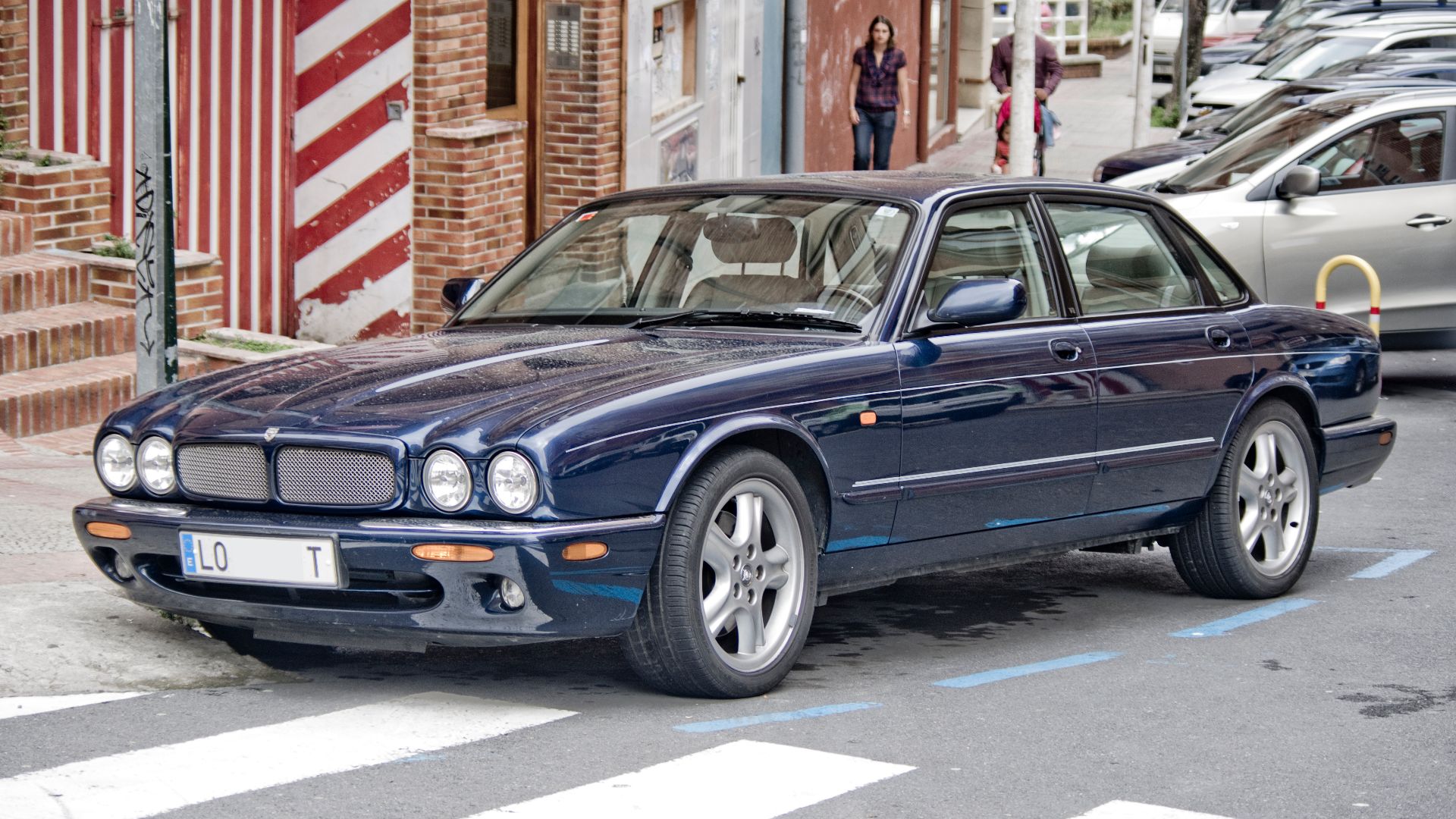 Spanish Coches, Wikimedia Commons
Waiting Might Actually Be Cheapest
If the Jaguar is 24 years old and otherwise difficult to import, paying for secure storage in Britain until its 25th birthday could be far cheaper than attempting federal compliance modifications. The correct comparison is not “storage versus free car.” It is storage versus shipping, modification, brokerage, bonding, and possible failure.
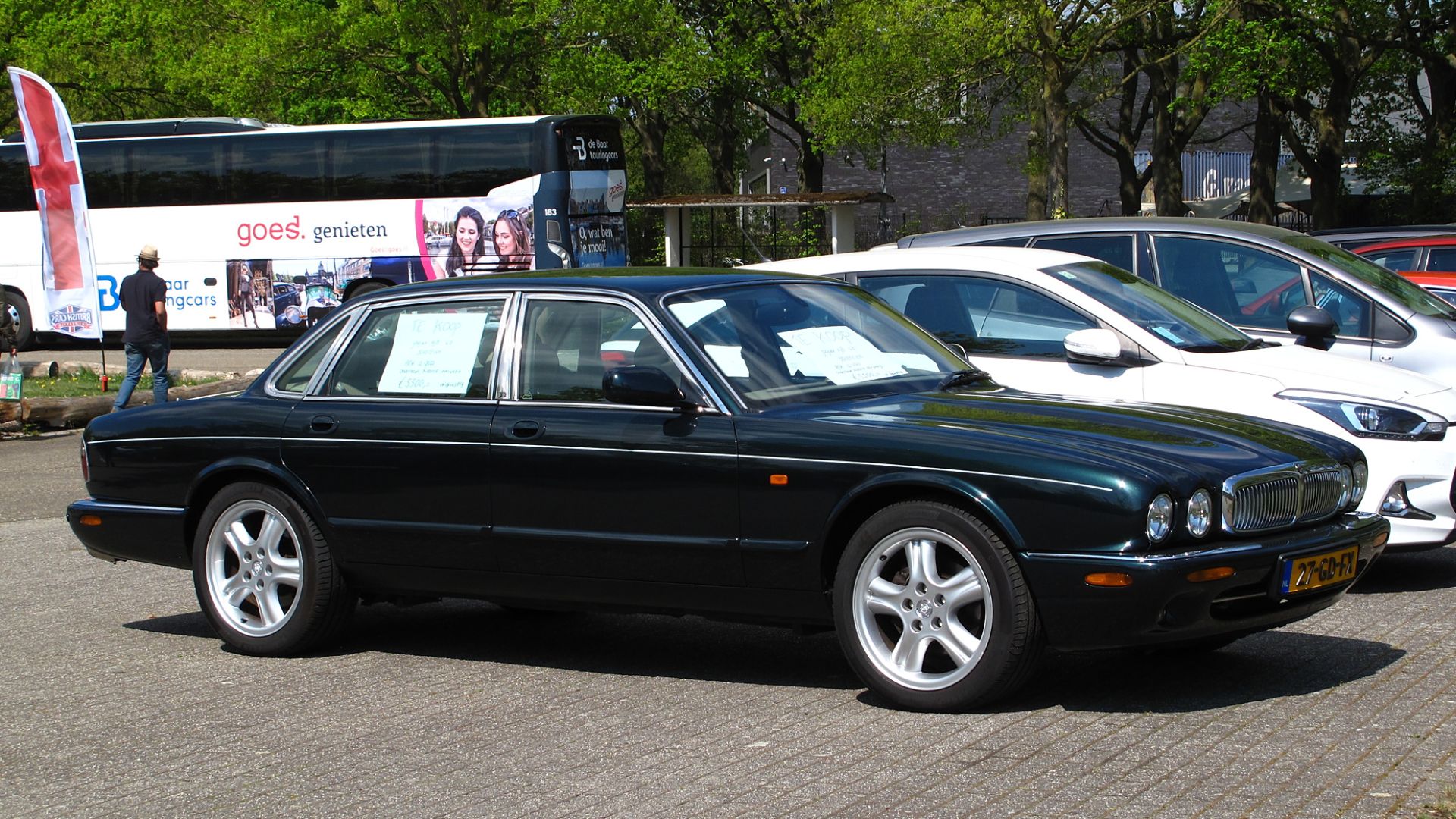 Rutger van der Maar, Wikimedia Commons
Don't Count On A Temporary Import
The tempting idea is to bring the Jaguar over “temporarily” and somehow keep it. Unfortunately, NHTSA's personal-use temporary provision generally applies to non-U.S. residents bringing foreign-registered vehicles for up to one year, after which the vehicle must leave. It is not designed as a shortcut for permanent U.S. ownership.
Turning It Into A Parts Car Isn't Simple Either
Removing a license plate and calling the Jaguar “parts” will not fool federal regulators. NHTSA says a vehicle shipped with its engine and drivetrain is still treated as a motor vehicle. There are circumstances involving partially dismantled vehicles, but they come with their own rules and certainly aren't a convenient loophole.
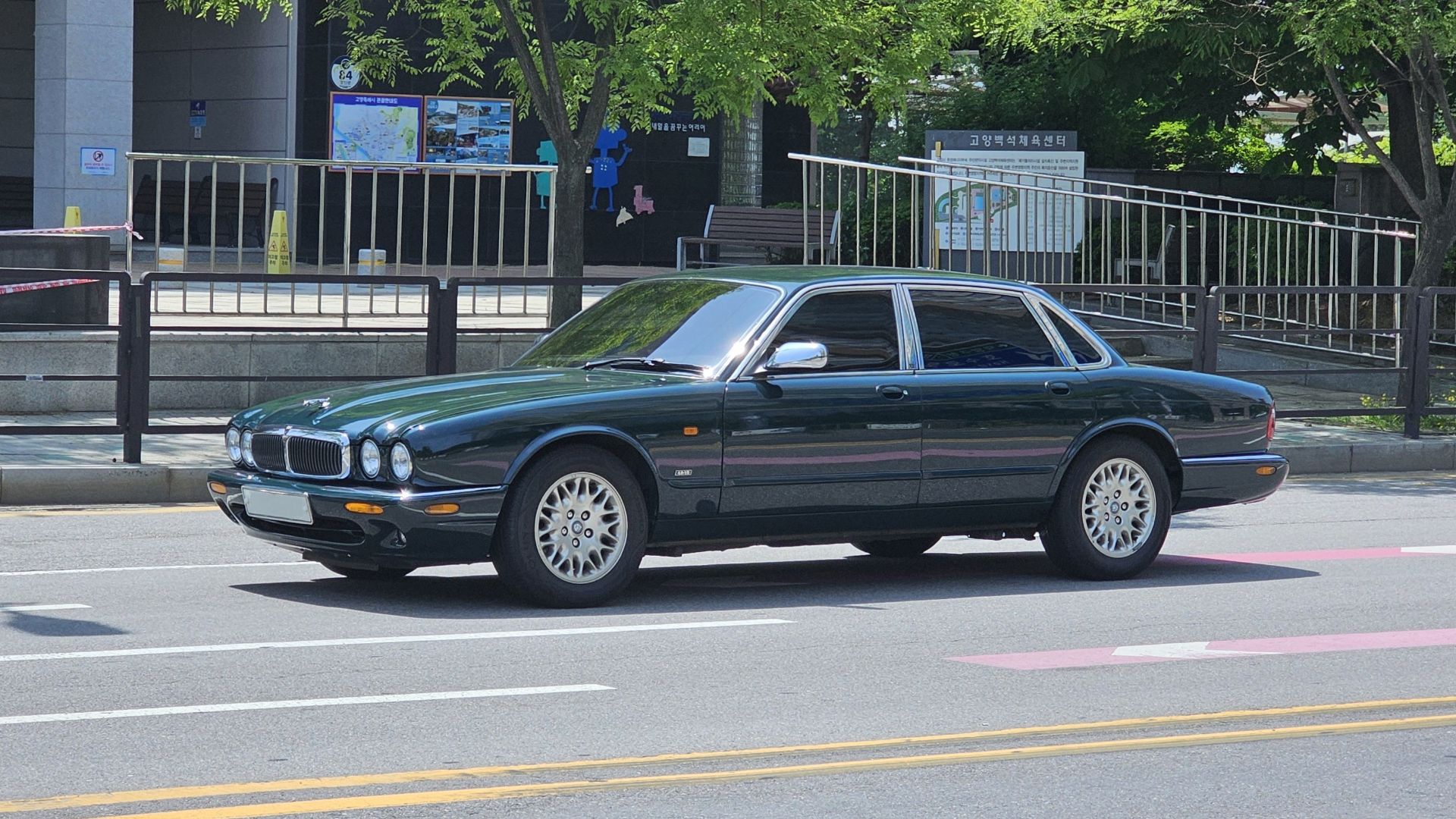 Damian B Oh, Wikimedia Commons
Gather Dad's Paperwork Before Anything Moves
Collect the will, probate or executor documents showing your inheritance, the Jaguar's registration records, VIN information, manufacture-date evidence, service history, and engine information. Good paperwork makes conversations with importers, Customs brokers, insurers, and your state's motor vehicle department dramatically easier. Missing documents can turn a sentimental inheritance into an expensive detective story.

A Customs Broker Can Earn Their Fee
For an unusual import like an inherited British Jaguar, an experienced Customs broker can be worth considering. The broker can help coordinate entry documentation and identify what CBP requires, while a Registered Importer handles NHTSA compliance issues when necessary. Those are different jobs, and you may need both.

Don't Forget The Import Bill
Even when the Jaguar is legally importable, getting it home is not necessarily cheap. Expect shipping, marine insurance, port charges, Customs brokerage, possible storage fees, federal duty or other applicable tariffs, and perhaps state taxes or registration expenses. Current tariff treatment can vary with the car's origin, classification, value, and entry date.

Your State Gets The Final Word On Plates
Federal permission to import the car does not automatically provide a state title or registration. Vehicle registration is handled by individual states, and documentation requirements vary. Before shipping, check what your DMV will want to see afterward so you don't end up owning a perfectly legal Jaguar that you cannot easily register.
 MIKI Yoshihito, Wikimedia Commons
Work Through The Options In Order
The sensible sequence is straightforward: determine the build date, check for U.S. certification, evaluate EPA eligibility, and then contact a Registered Importer if the car is younger than 25 and nonconforming. If conversion is impossible or absurdly expensive, waiting overseas until the Jaguar turns 25 may be the financially saner option.

Sometimes The Best Inheritance Requires Patience
Your father's will can make the Jaguar yours, but it cannot order American regulators to admit it. Fortunately, “Customs won't import it” doesn't always mean “you'll never get it.” For an older XJ, age may already provide the solution. For a younger one, careful research, professional help, or simply waiting may eventually put that British cat in your American garage.
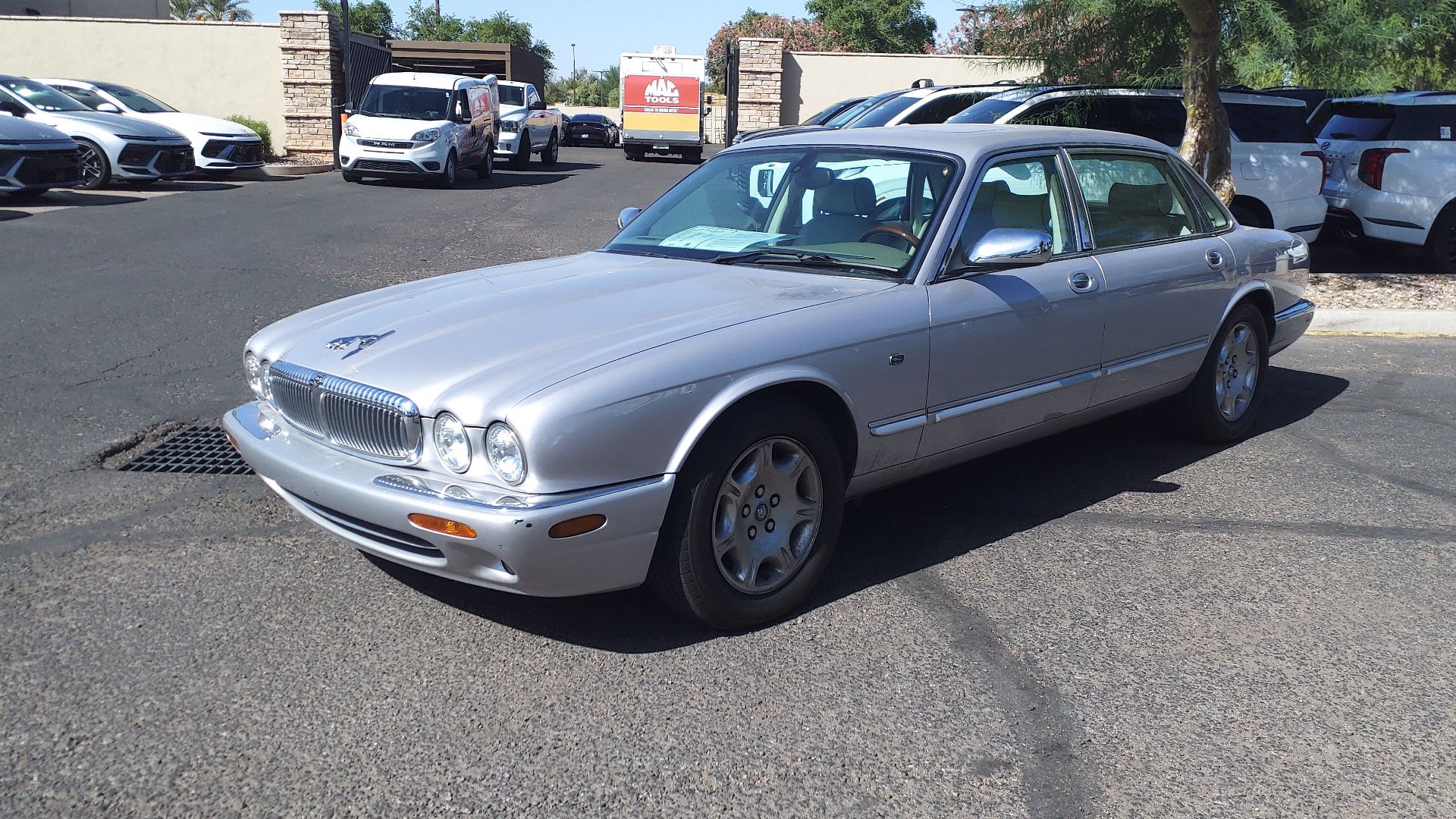
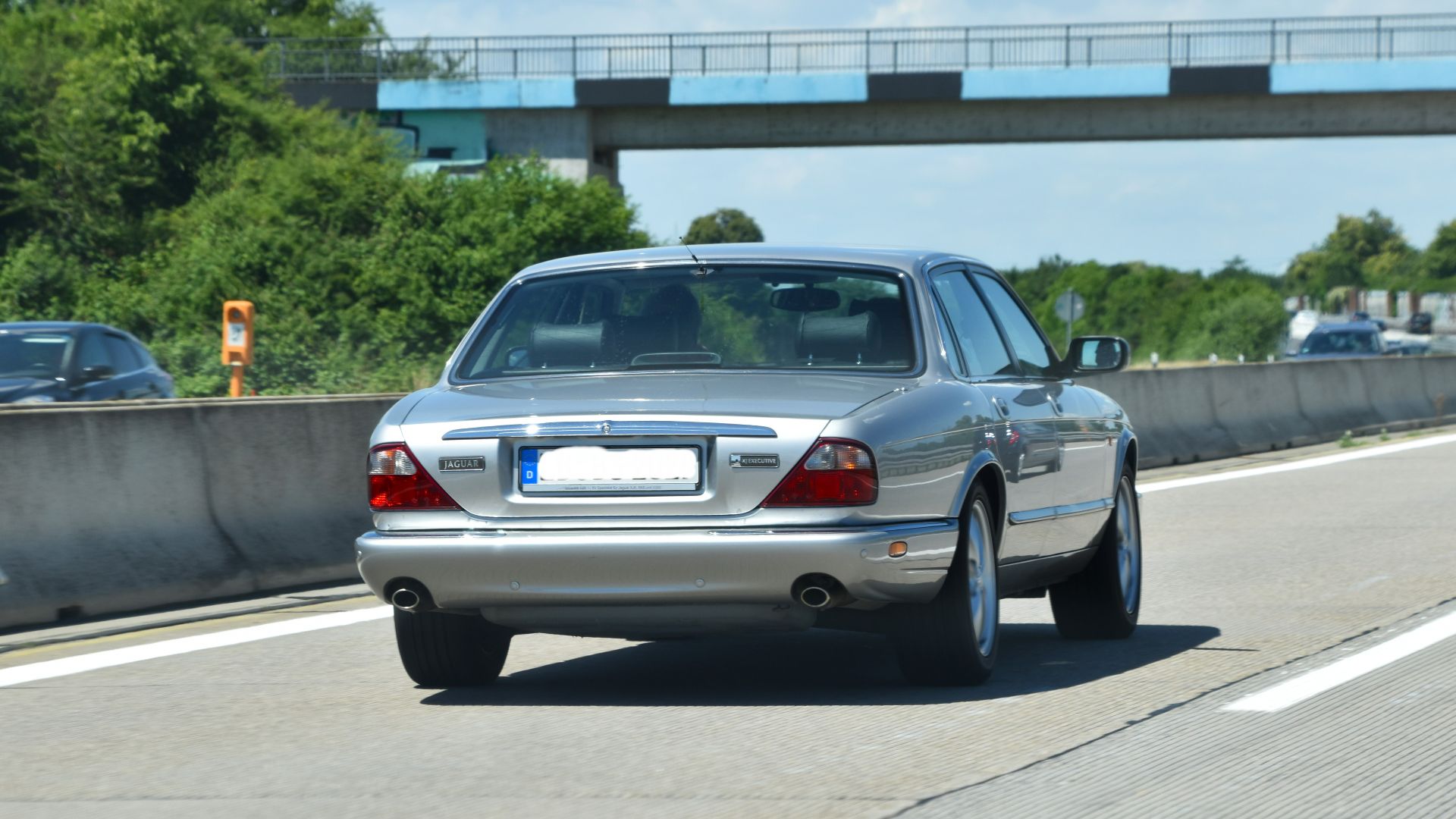 Charles from Port Chester, New York, Wikimedia Commons
You May Also Like:
The $3.24 Million Oldsmobile Is One Of Just Five Ever Made—And The Only One That Survived