
It Should Not Have Still Existed
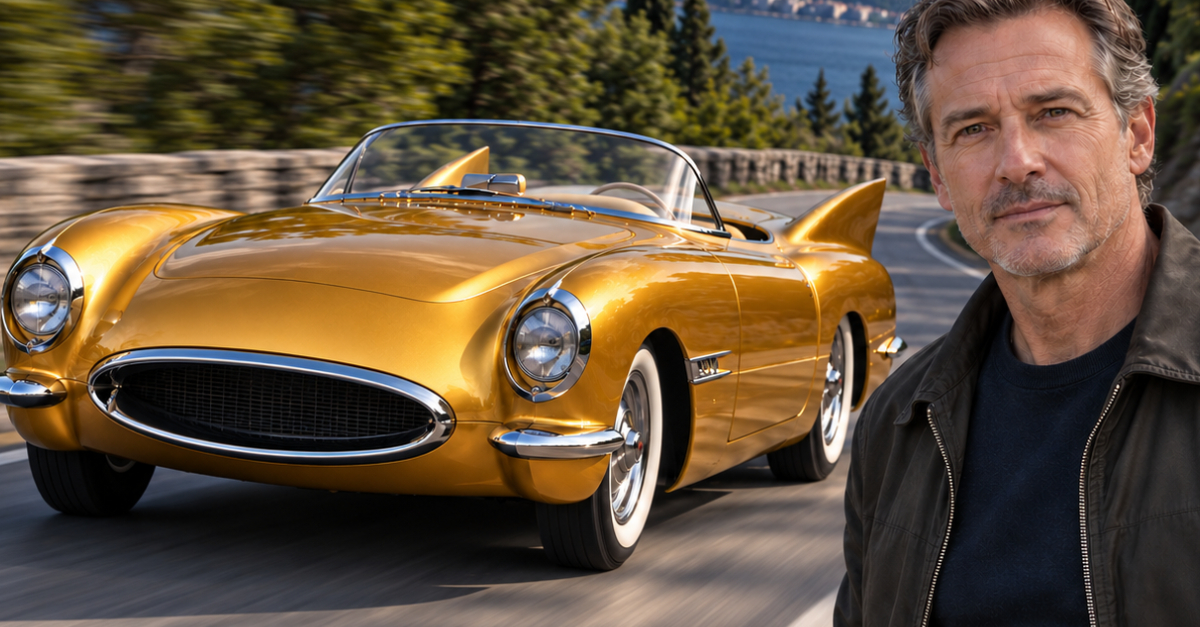
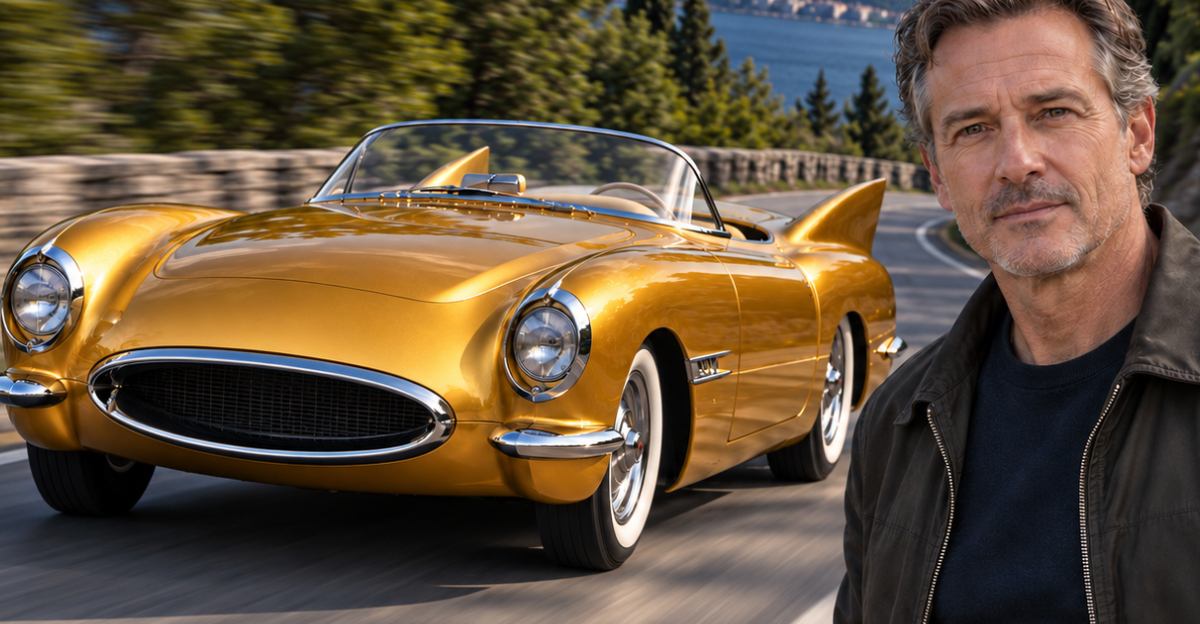
When the gold Oldsmobile rolled onto an Arizona auction stage, almost nobody knew what was about to happen. Even the owner expected a much smaller number. But this was not simply an old car. In fact, by every normal rule at General Motors, it should have disappeared decades earlier. But it didn’t...
Built To Dazzle America
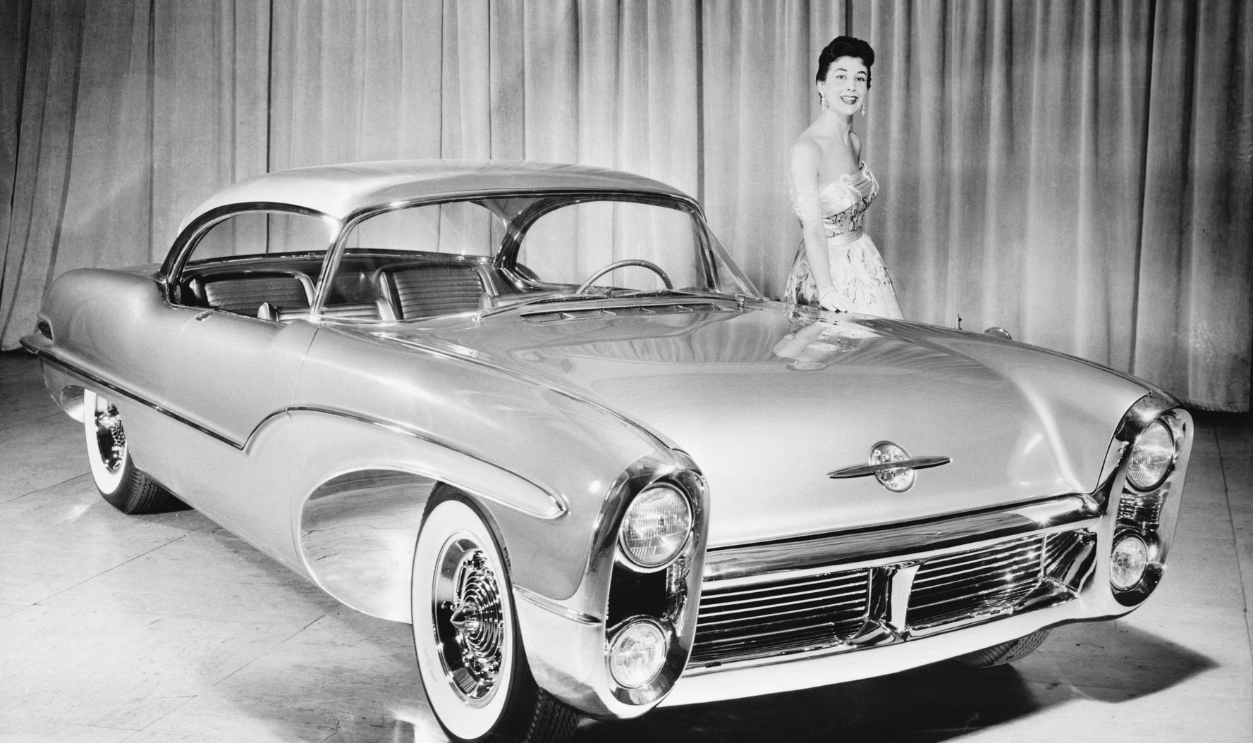
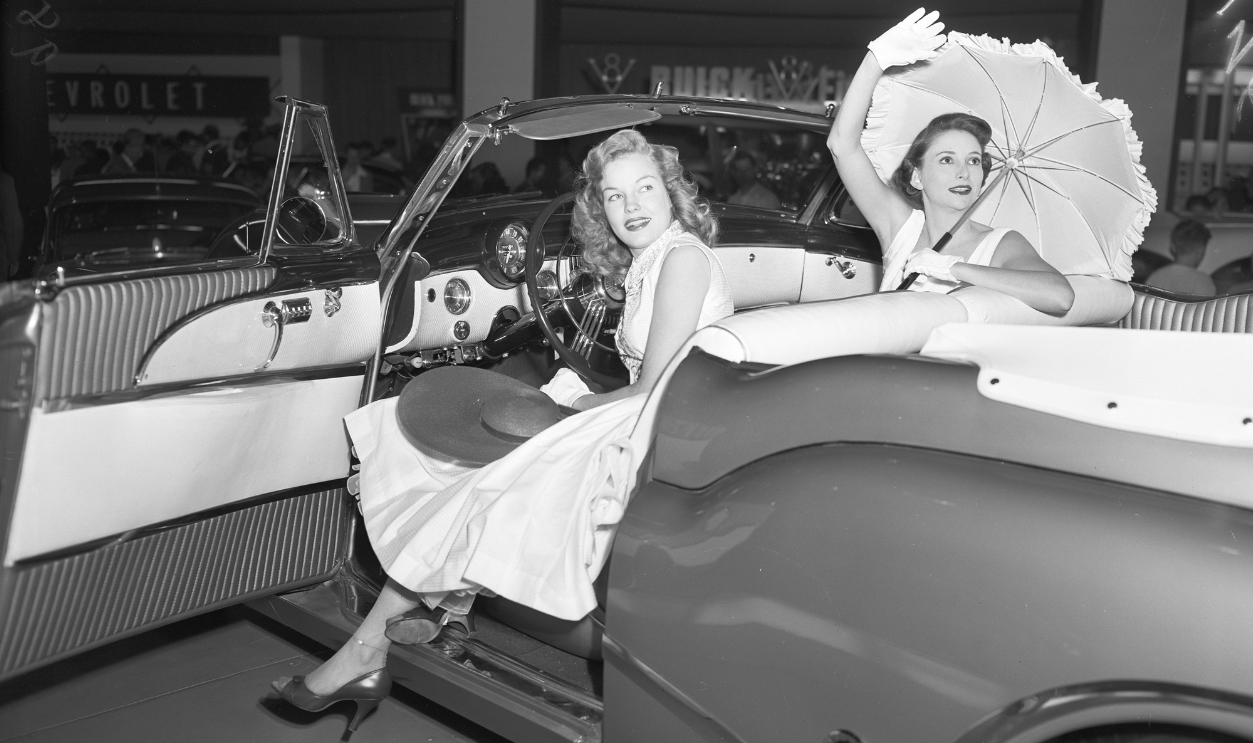
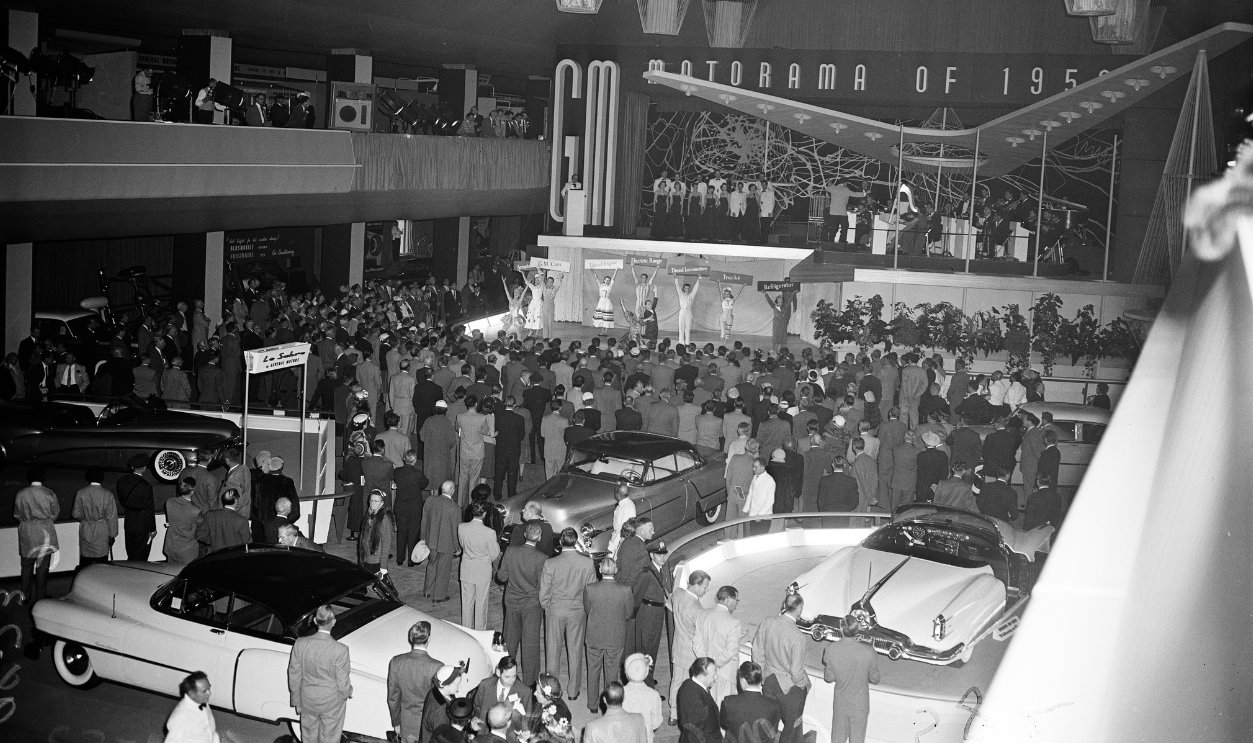
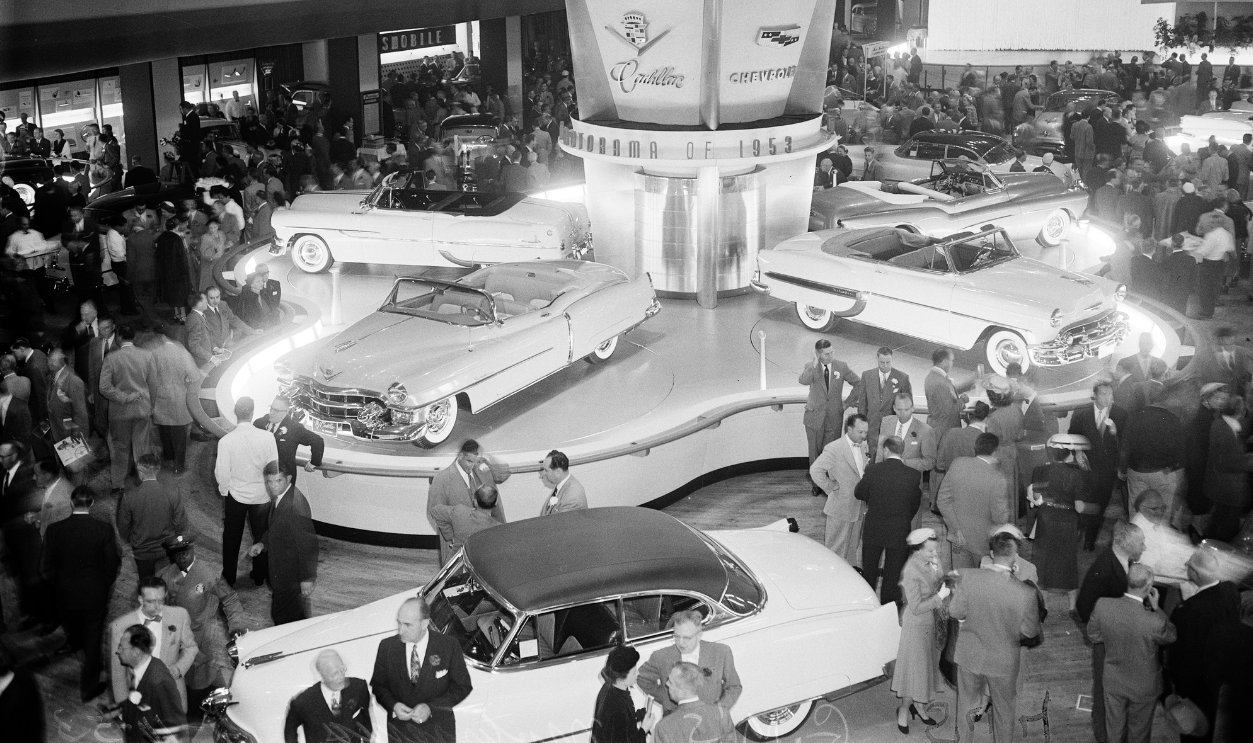
During the 1950s, GM toured the country with elaborate Motorama exhibitions filled with futuristic “dream cars.” These were rolling previews of what designers imagined Americans might drive next. Some influenced future production models. Others disappeared almost as quickly as they arrived.
Meet The Oldsmobile F-88
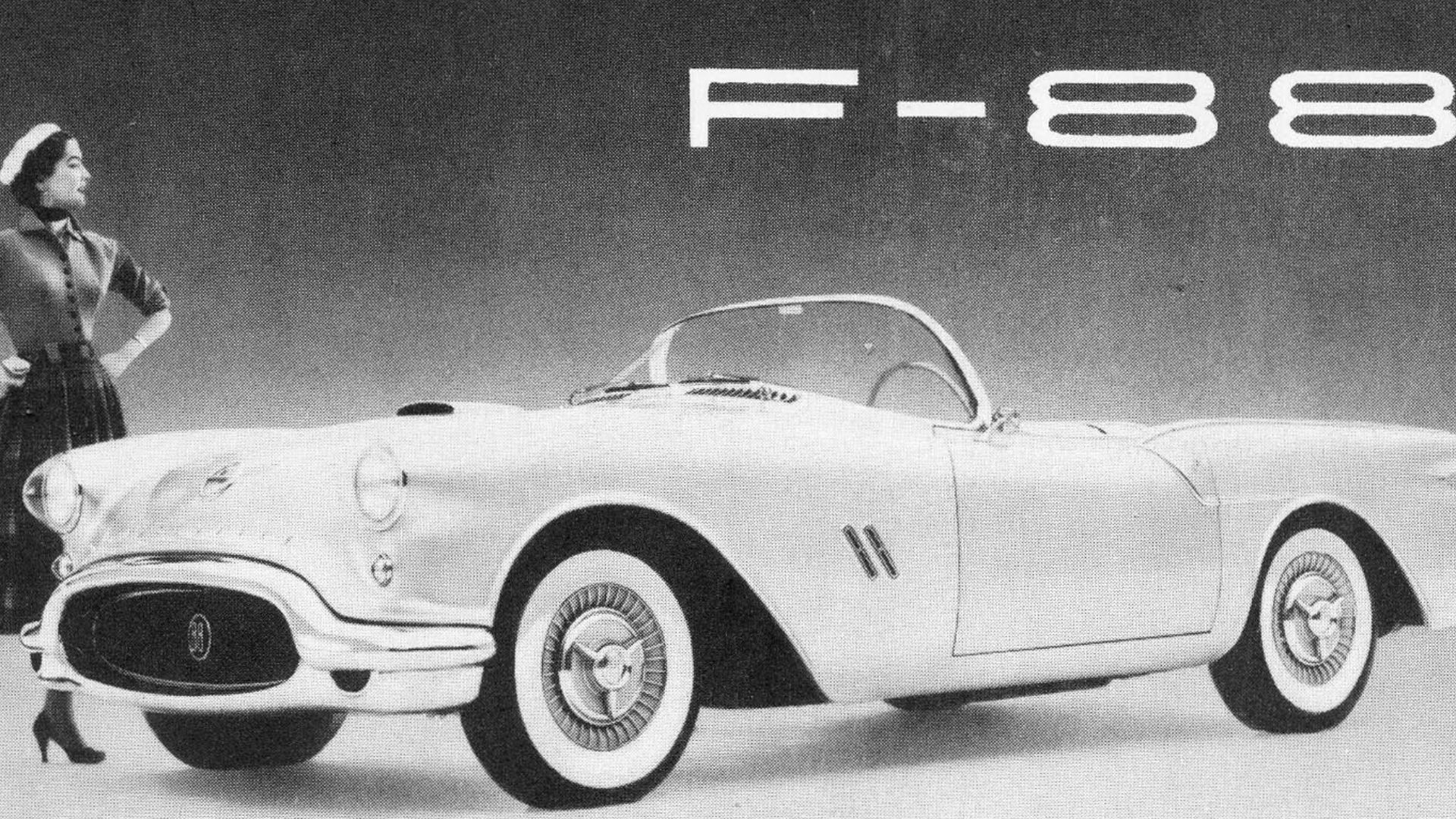
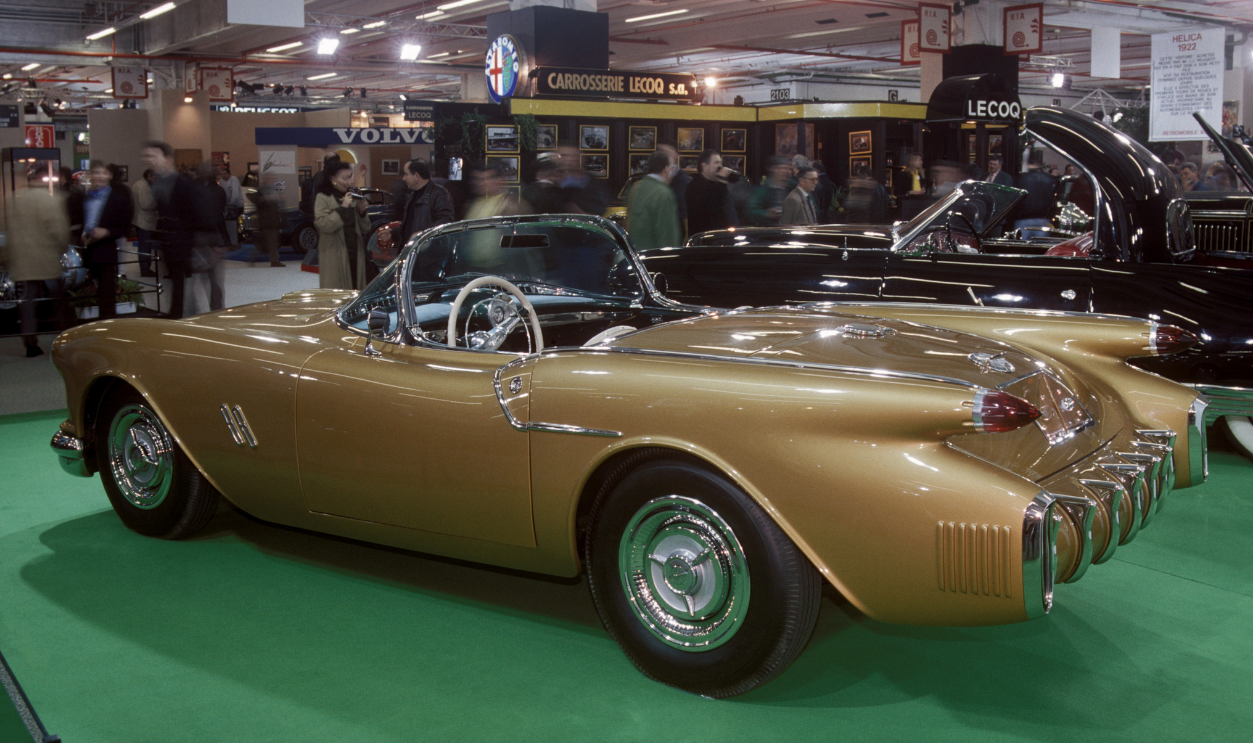
The car was the 1954 Oldsmobile F-88, a spectacular two-seat roadster created during the golden age of General Motors concept cars. It was never offered in dealerships, never placed into regular production and never intended to live anything resembling a normal life.
 JOHN LLOYD, CC BY 2.0, Wikimedia Commons
Its First Appearance Was Spectacular
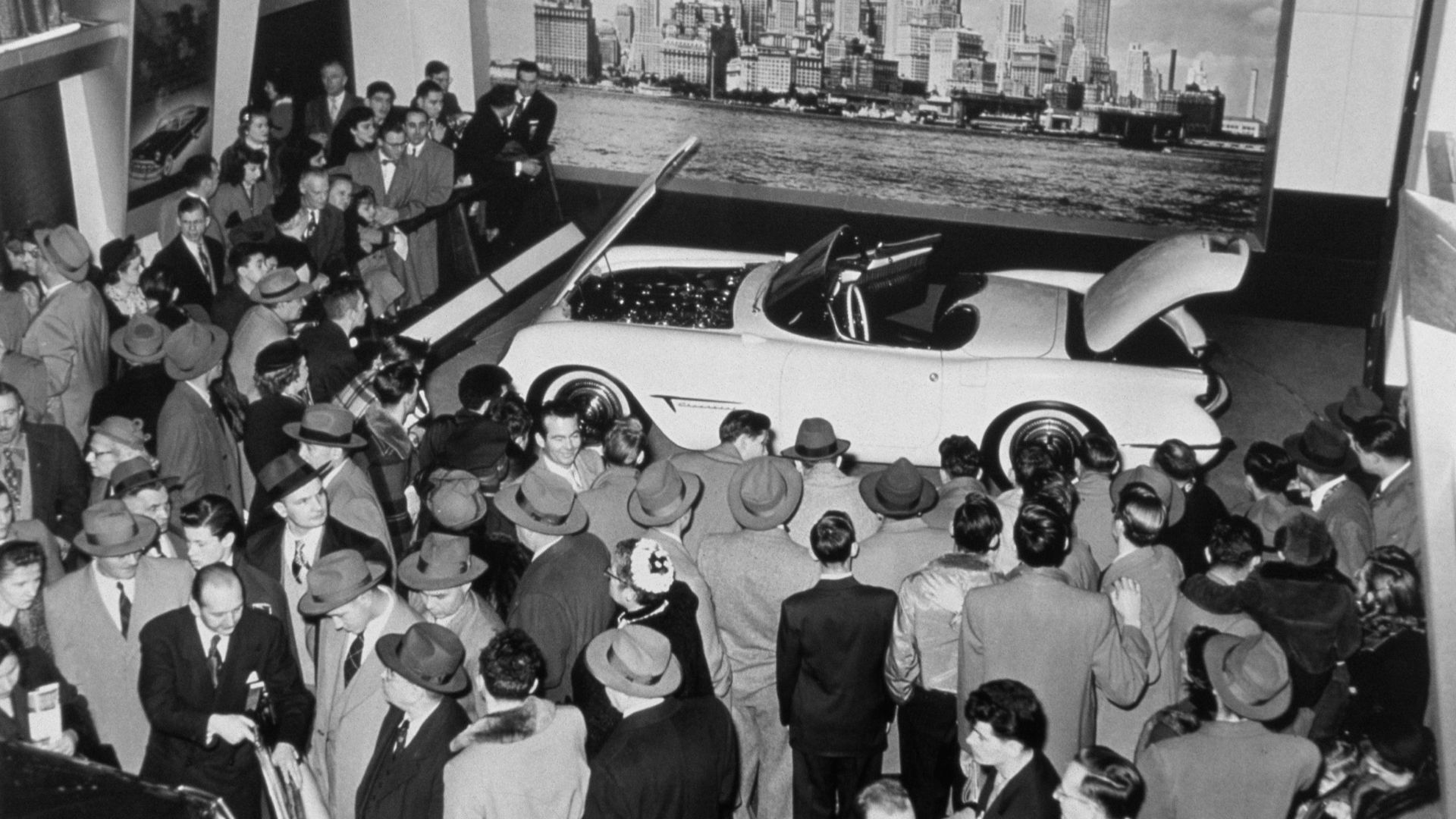
The F-88 debuted on January 21, 1954, inside New York’s Waldorf-Astoria Hotel. It later appeared at Motorama events in Los Angeles, Miami, Chicago and San Francisco, giving enormous crowds a glimpse of an Oldsmobile unlike anything sitting in showrooms.
 Unknown author, Wikimedia Commons
A Corvette Wearing An Oldsmobile Suit
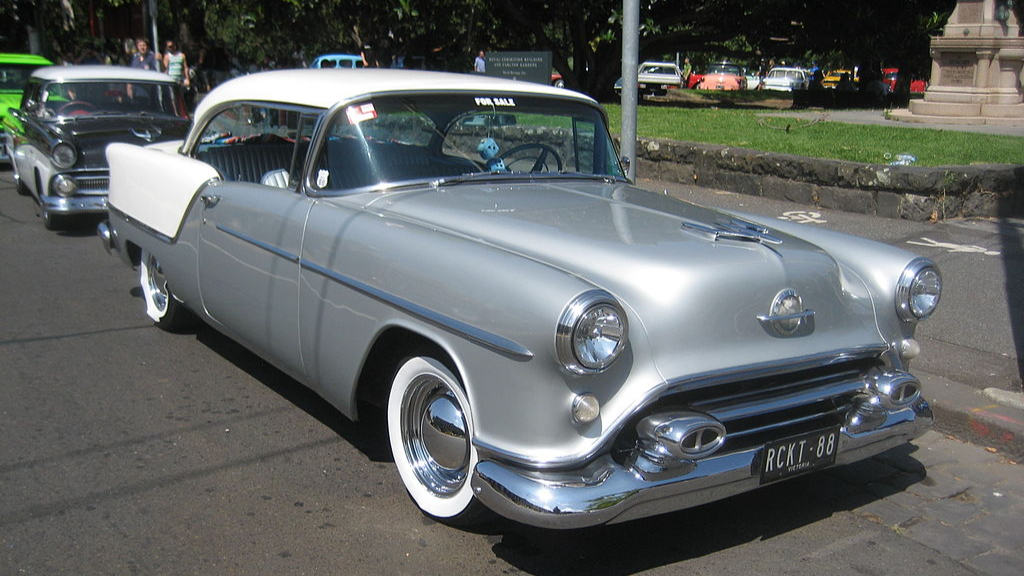
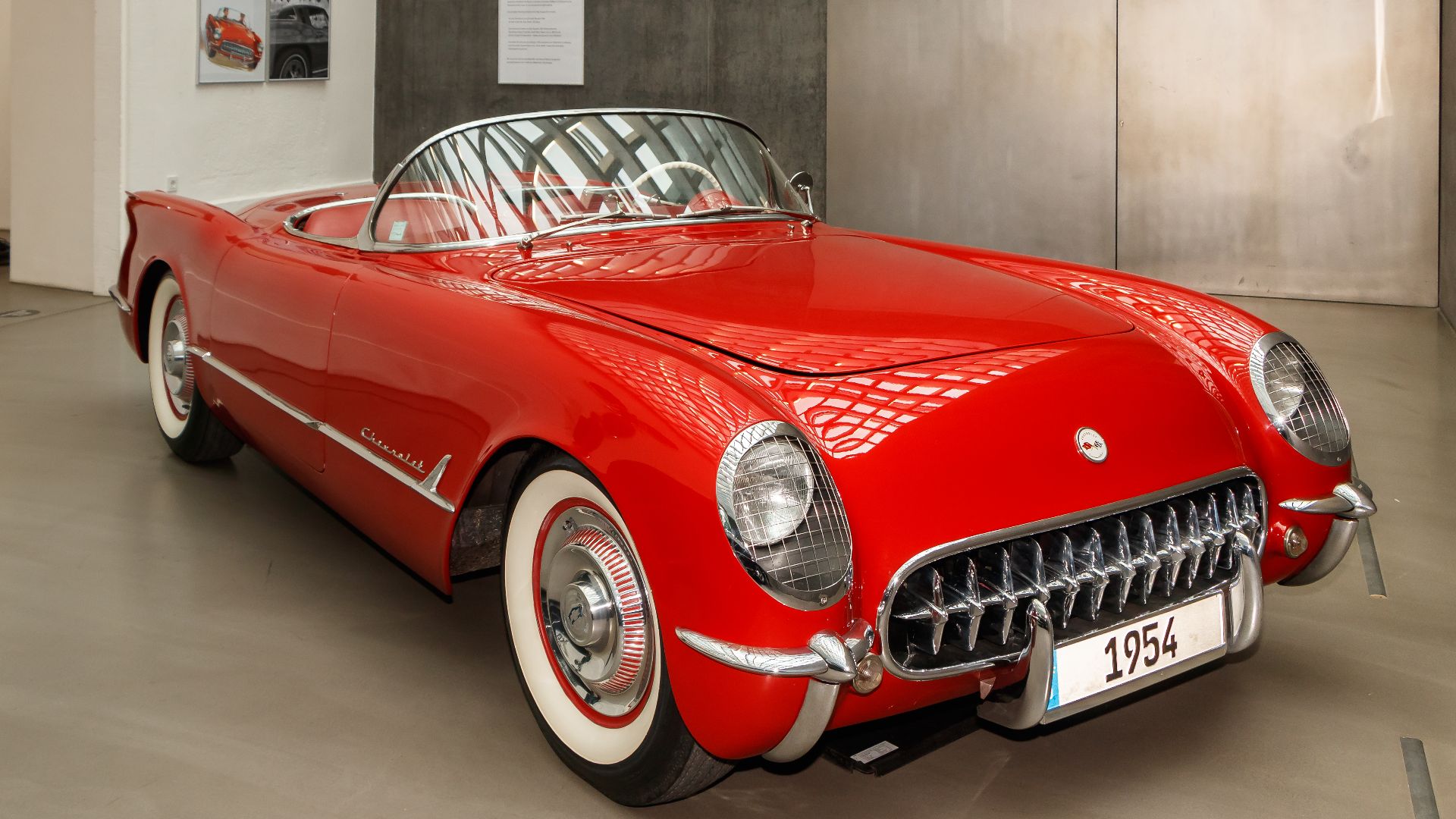
Underneath its striking fiberglass body, the F-88 used a modified Chevrolet Corvette chassis and shared the Corvette’s 102-inch wheelbase. But Oldsmobile designers gave it a distinctive elliptical grille, dramatic rear fins and enough bright trim to make the young Corvette look almost restrained.
 Sicnag, CC BY 2.0, Wikimedia Commons
It Had The Engine Corvette Buyers Wanted
While the 1954 Corvette was still using Chevrolet’s inline-six, the F-88 carried an Oldsmobile 324-cubic-inch Rocket V8 producing approximately 250 horsepower. Power traveled through a four-speed Hydra-Matic transmission and a Corvette-sourced rear axle with 3.55:1 gearing.
Did Chevrolet Stop It?
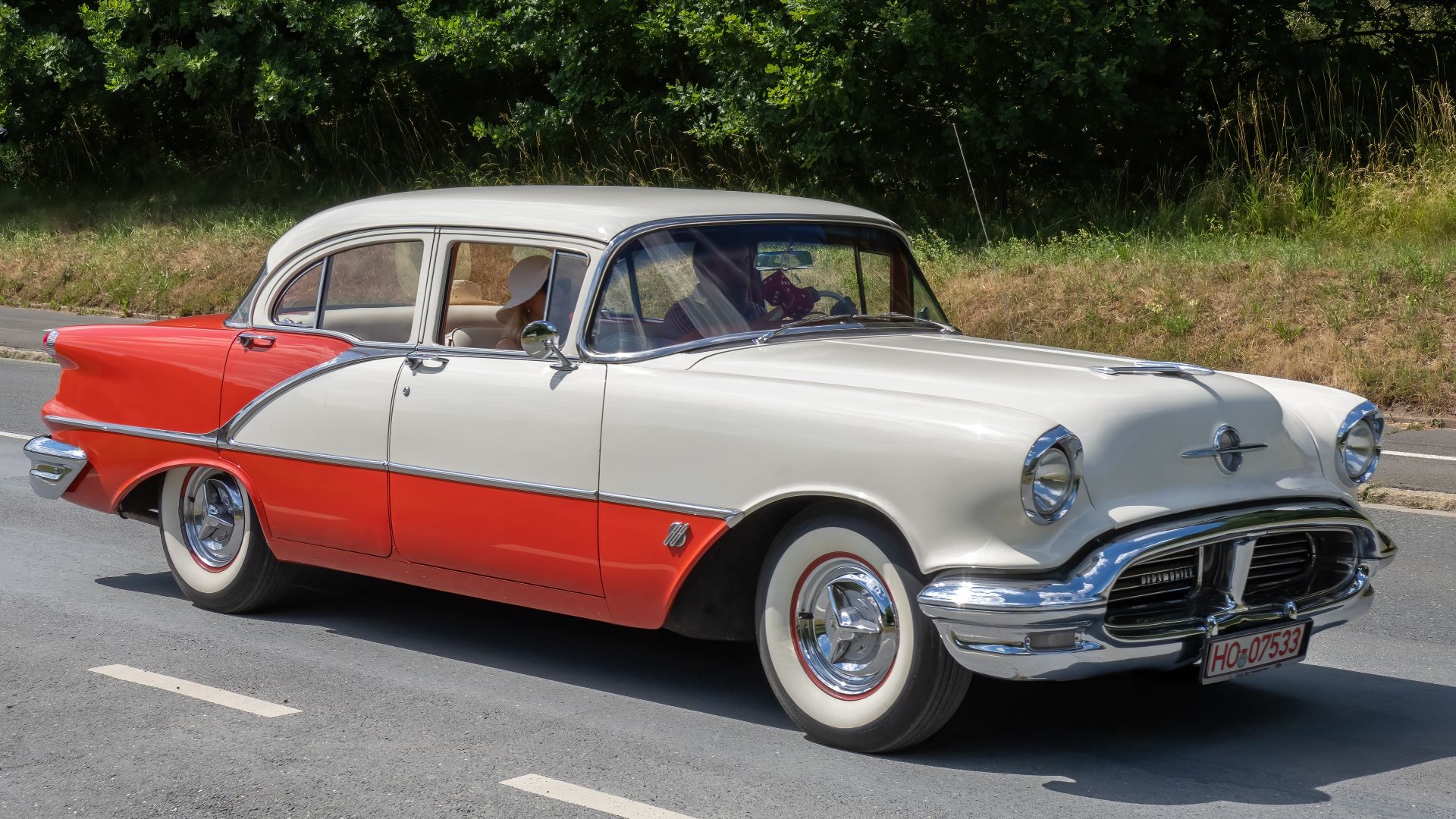
The enduring story says Chevrolet worried that the V8-powered F-88 would threaten its struggling Corvette and convinced GM leadership not to approve production. It certainly sounds plausible. However, a GM Heritage Center archivist said the story could not be confirmed.
The Details Were Pure Motorama
Clear Plexiglas covers sat over the headlights, while unusual vents behind the front wheels resembled the number 88. Inside was custom upholstery, a centrally arranged instrument panel and the sort of carefully designed trim that made it clear this was never an ordinary prototype.
 GM Chevrolet, Wikimedia Commons
It Was More Than A Pretty Display
Unlike many dream cars that were little more than beautiful shells, the F-88 could reportedly run and drive properly. It also featured a concealed folding top, although surviving accounts suggest engineers had repeated trouble making the complicated mechanism work reliably.
 University of Southern California, Getty Images
So, Were Five Really Made?
Five is the number listed in contemporary reporting surrounding the famous 2005 auction. However, even that account described the figure as a legend and included an important qualification: some of the five may have been non-running display models rather than complete automobiles.
Only Two Complete Cars Are Documented
Later research found evidence for two completed 1954 F-88s, along with reports of additional bodies or display models. The surviving gold car is identified as styling order No. 2265. That helps explain why different sources give totals ranging from two to five.
 University of Southern California, Getty Images
There Was Another Complete F-88
GM Heritage Center records reportedly confirm that a second complete F-88 once existed. That car was red and was apparently created for legendary GM styling chief Harley Earl, the enormously influential executive overseeing the company’s most imaginative design work.
Then The Red Car Vanished
Nobody appears to know with certainty what happened to the red F-88. One long-repeated story says it was lost in a fire. Another possibility is that GM simply sent it to the crusher after it was no longer useful. Either way, it never resurfaced.
 University of Southern California, Getty Images
GM Routinely Scrapped Its Dream Cars
Once their promotional careers ended, many GM dream cars were dismantled or sent to scrap instead of being preserved. GM Heritage Center archivist Christo Datini confirmed that this was a typical fate for 1950s show cars. The F-88 was expected to disappear the same way.
The Gold Car Kept Changing
While traveling for GM, the surviving F-88 was repeatedly modified, repainted and refitted. Records show changes involving its interior, tires, axle, exhaust and engine. It was even painted white for a Shriners event before eventually returning to its familiar gold finish.
Then GM’s Records Went Quiet
The F-88 continued appearing in tours and promotional work after its Motorama debut. But around 1959, GM’s paper trail apparently stopped. Under ordinary circumstances, that would probably have meant the car had reached the end of its life. This one somehow escaped.
Harley Earl May Have Saved It
The best-supported account says Harley Earl was too fond of the F-88 to let it be scrapped. Instead, he arranged for the car to leave General Motors and go to E.L. Cord, the automobile businessman behind Auburn, Cord and Duesenberg.
It Left General Motors In Pieces
This was not a glamorous handover with Earl tossing Cord the keys. The F-88 was reportedly dismantled, packed into crates and shipped across the country to California. One of America’s most spectacular concept cars had suddenly become an enormous collection of disconnected parts.
The Crates Contained Something Crucial
Packed among the components were detailed blueprints, letters and assembly information. Those documents would become enormously important. They helped later owners understand how the car fit together while also supporting the remarkable story of how it escaped from General Motors.
Nobody Knows What Cord Planned
It remains unclear what E.L. Cord intended to do with the F-88. Perhaps he hoped to rebuild it and drive it. He may even have considered using it as inspiration for another automotive venture. Whatever the plan was, it apparently never happened during his lifetime.
 Unknown author, Wikimedia Commons
The Boxes Kept Changing Owners
After Cord passed away, the disassembled F-88 moved among several owners. For years, it was worth far less than anyone would imagine today. Eventually, the crates moved away from their Hollywood connections and into the hands of serious private collectors.
Reconstruction Took Years
Arizona collector and restorer Lon Krueger acquired the partially assembled car in 1980. A major restoration began in 1988, and the completed F-88 crossed the Barrett-Jackson stage in 1991. Accounts indicate the car has undergone at least two restorations during its private ownership.
Is Every Piece Truly Original?
Some uncertainty still surrounds exactly what was inside those crates. The completed car is widely accepted as the surviving Motorama F-88, but researchers have questioned whether every component came from the original display car or whether the shipment included unused spare parts.
 MercurySable99, Wikimedia Commons
Its Paperwork Became Part Of Its Value
Before the 2005 auction, the seller spent roughly a decade gathering records, parts and documentation connected to the F-88. With so few surviving GM dream cars in private hands, proving its unusual path from Motorama stage to wooden crates mattered enormously.
 MercurySable99, Wikimedia Commons
Experts Seriously Undervalued It
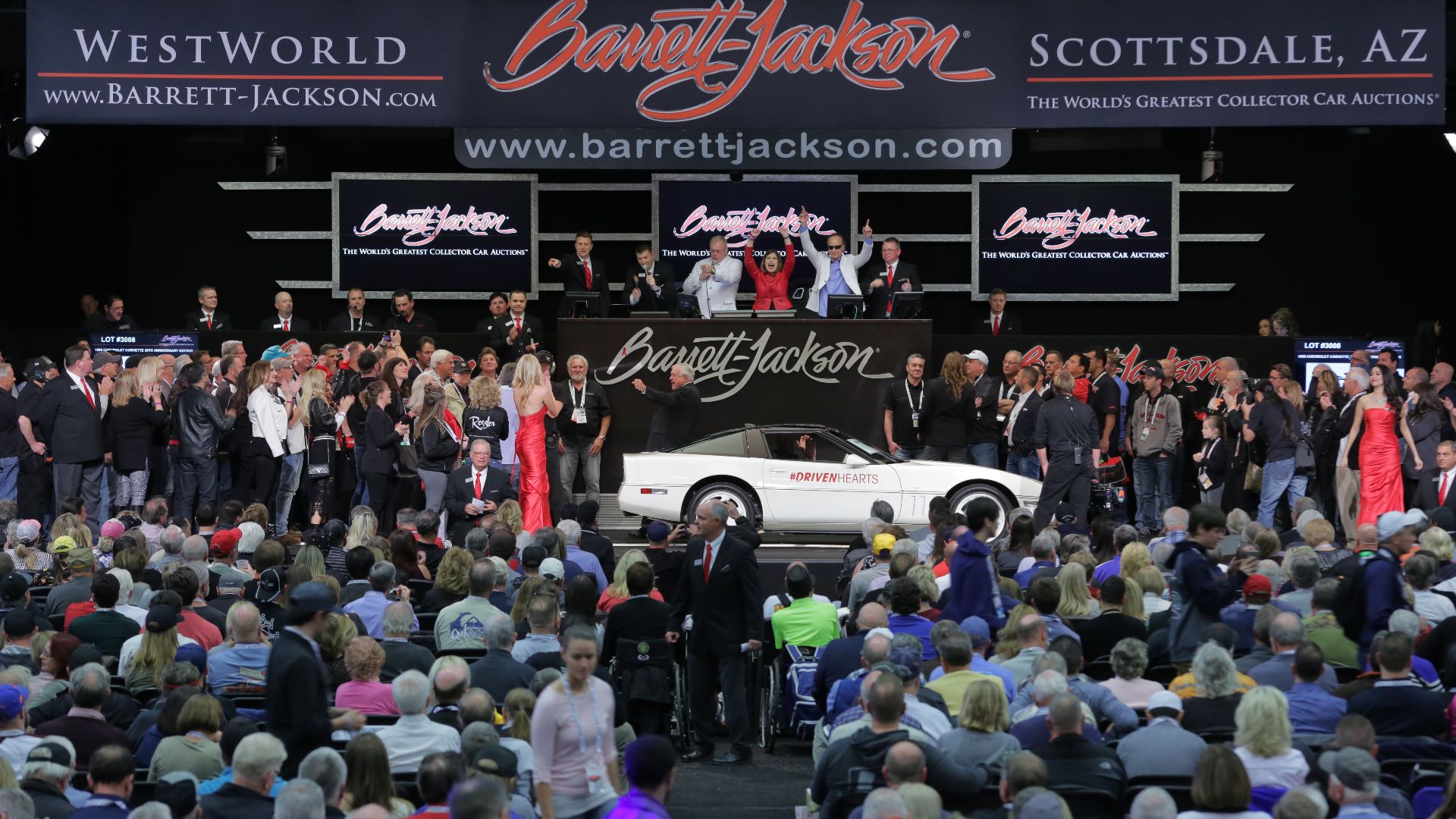
Before the Scottsdale auction, the owner reportedly hoped the F-88 might bring around $1 million. Many experienced collectors predicted only a little more than half that amount. Those estimates began looking ridiculous almost as soon as the bidding started.
The Price Hit $600,000 In Seconds
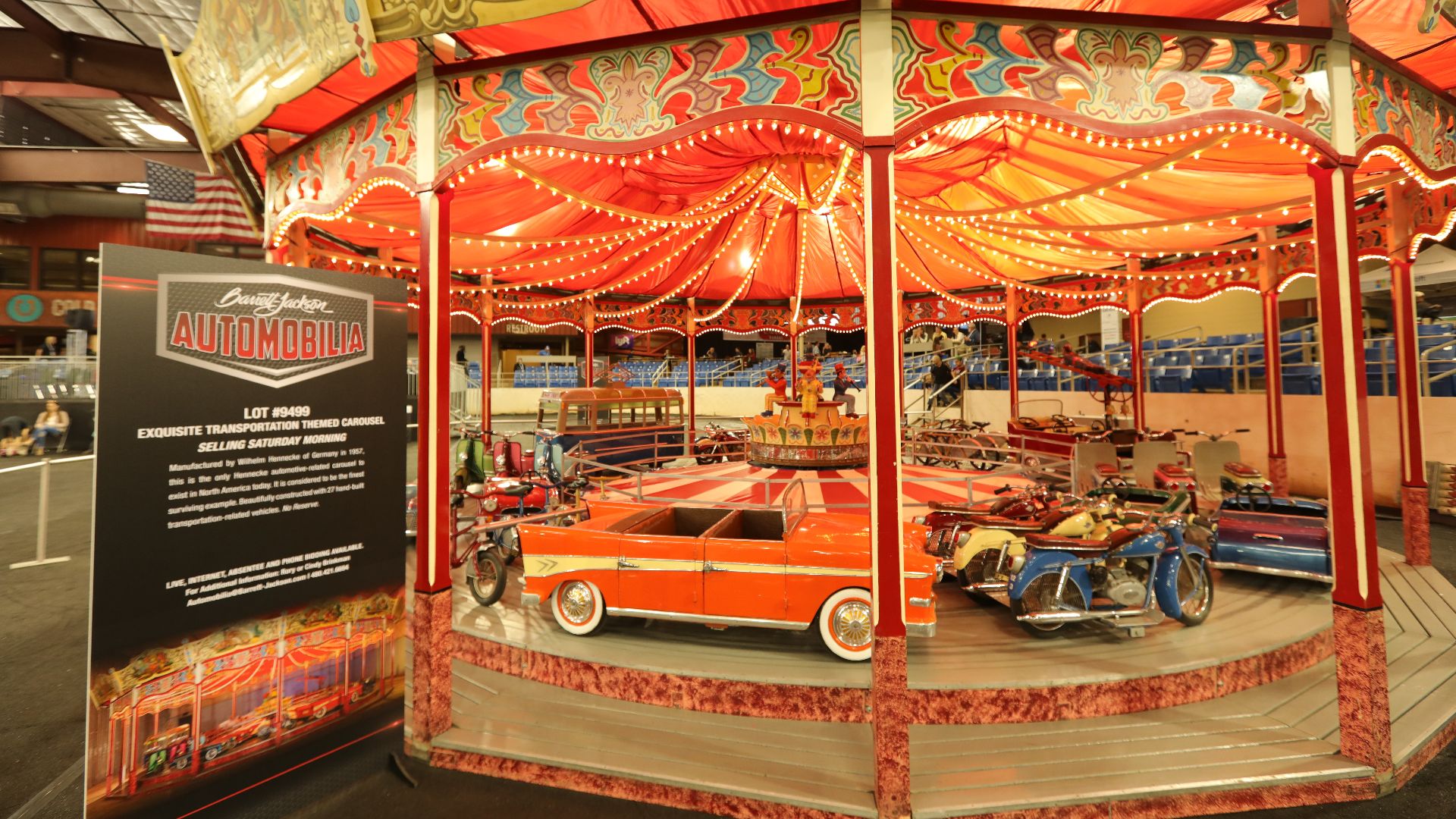
Bidding reportedly raced to $600,000 almost immediately. It did not slow down much from there. Even when the price reached $2.5 million, five prospective buyers were apparently still competing for the only surviving example of one of GM’s most beautiful concept cars.

The Winning Bid Was $3 Million
The final winning bid was exactly $3 million. The frequently quoted $3.24 million price includes the eight-percent buyer’s commission. That distinction matters because the hammer itself did not fall at $3.24 million, despite the way the sale has sometimes been described.
 LightField Studios, Shutterstock
It Set A Barrett-Jackson Record
At the time, the result was the highest price paid for any automobile during Barrett-Jackson’s 34-year history. It was especially surprising because postwar American cars rarely occupied the same multimillion-dollar territory as elite European sports cars and prewar coachbuilt classics.
 Eric Friedebach, Wikimedia Commons
The Discovery Channel Founder Bought It
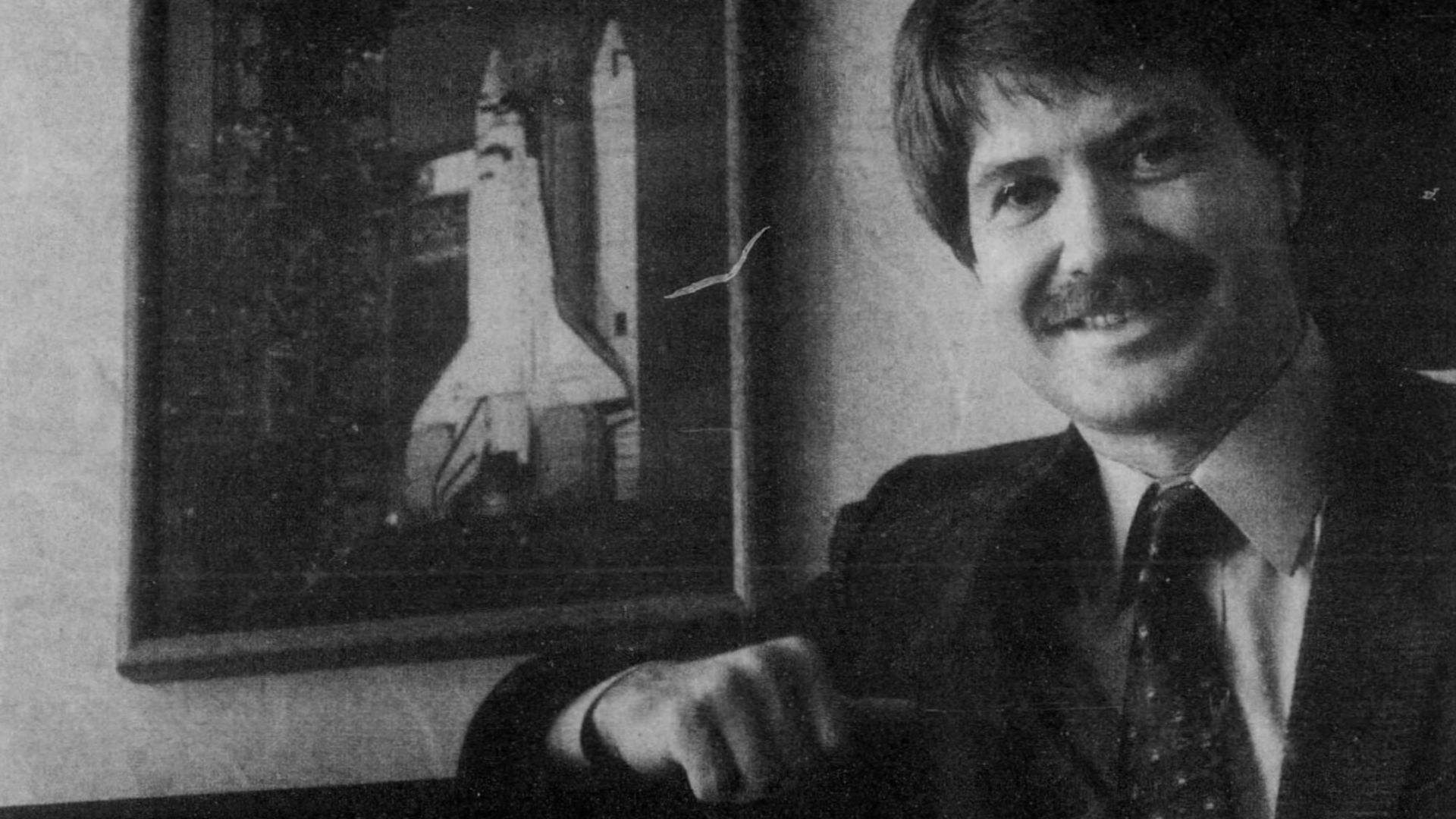
Contemporary auction reporting said GM did not bid to bring the F-88 into its Heritage Center. The winning bidder was John Hendricks, founder of the Discovery Channel and creator of the Gateway Colorado Automobile Museum, where the car became the collection’s centerpiece.
 The Baltimore Sun / Anne Arundel County Sun, Wikimedia Commons
It Returned To Auction In 2023
After spending approximately 18 years associated with the Gateway collection, the F-88 appeared at Broad Arrow’s Monterey auction in August 2023. Nearly two decades had passed since its record-setting sale, but the result would be very different the second time around.
 Mustang Joe, Wikimedia Commons
This Time It Brought $1.765 Million
The F-88 sold for $1.765 million in 2023. That was still an enormous amount for an Oldsmobile, but approximately $1.48 million below its famous 2005 total. Even allowing for changing markets, seeing such a historic car sell for considerably less was surprising.
Still The Only Survivor
The numbers surrounding the original F-88 program may never be completely settled. Five show cars were historically reported, although only two complete 1954 examples are documented. But after dismantling, corporate scrapping and decades spent in crates, just one original F-88 is known to remain.
 dave_7 from Lethbridge, Canada, Wikimedia Commons
You Might Also Like:
The Most Innovative Concept Cars Of All Time
Forgotten American Coupes That Tried To Keep Personal Luxury Alive








.jpg)