A Muscle Car With A Merc Attitude
When you think of classic American muscle, names like Mustang, Charger, and Chevelle probably come to mind first. But tucked into Mercury’s history is a vehicle that packed serious power and presence—it just never got the attention it deserved. The Marauder was one of those hidden gems that blended muscle, style, and surprising performance, yet somehow slipped under the radar. Its story spans decades, from the early 1960s to a brief revival in the 2000s, and it’s time this sleeper got the spotlight it deserves.
The Name Behind The Muscle
The Marauder name originally appeared in 1958 on Mercury’s V8 engines. These were powerful big blocks like the 383 and the “Super Marauder” 430 that made 400 horsepower, an impressive figure for the time. It was a name meant to evoke strength and swagger before it was ever attached to a specific model.
 Crown Star Images, Wikimedia Commons
1963: The Marauder Debuts
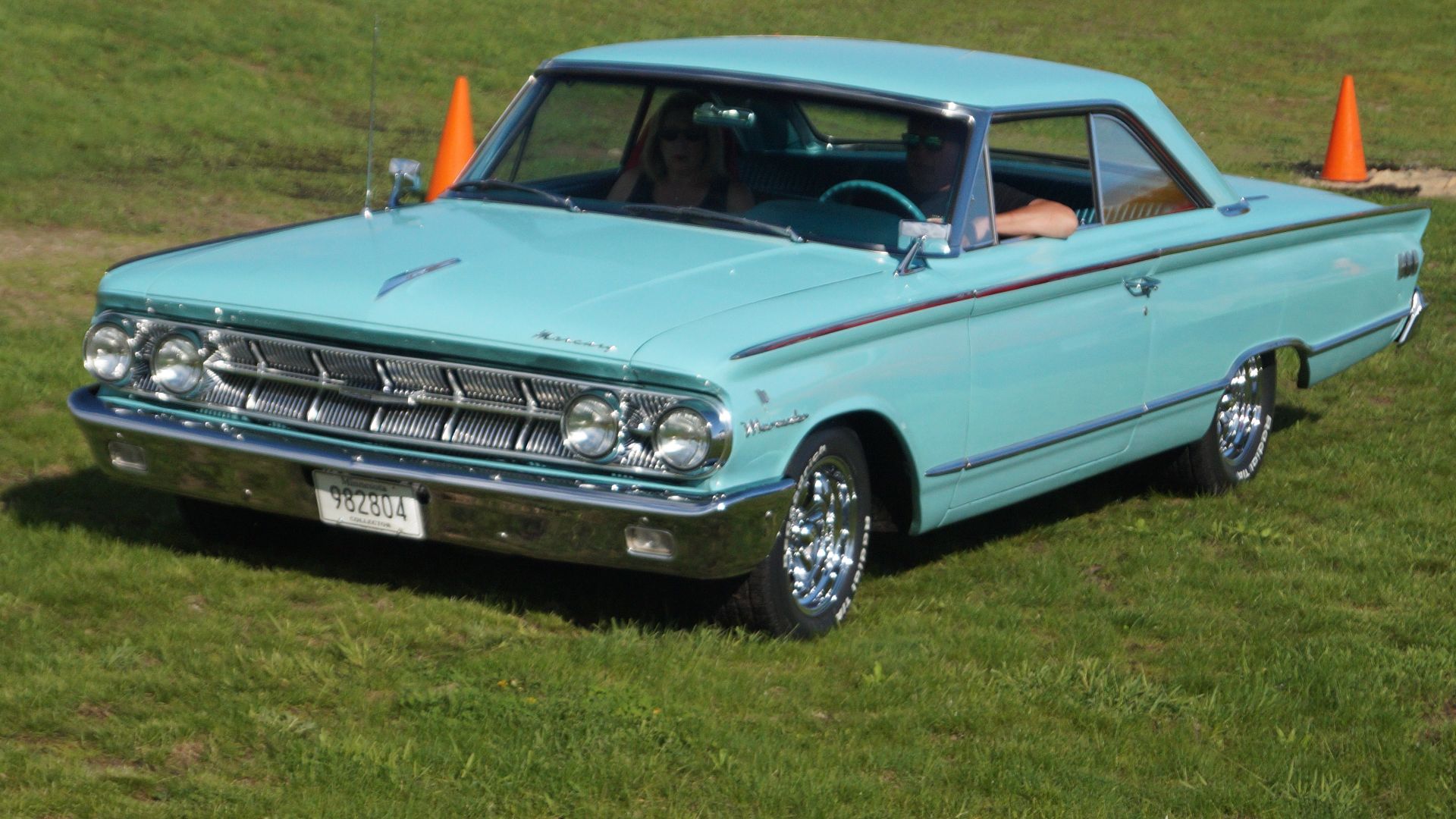
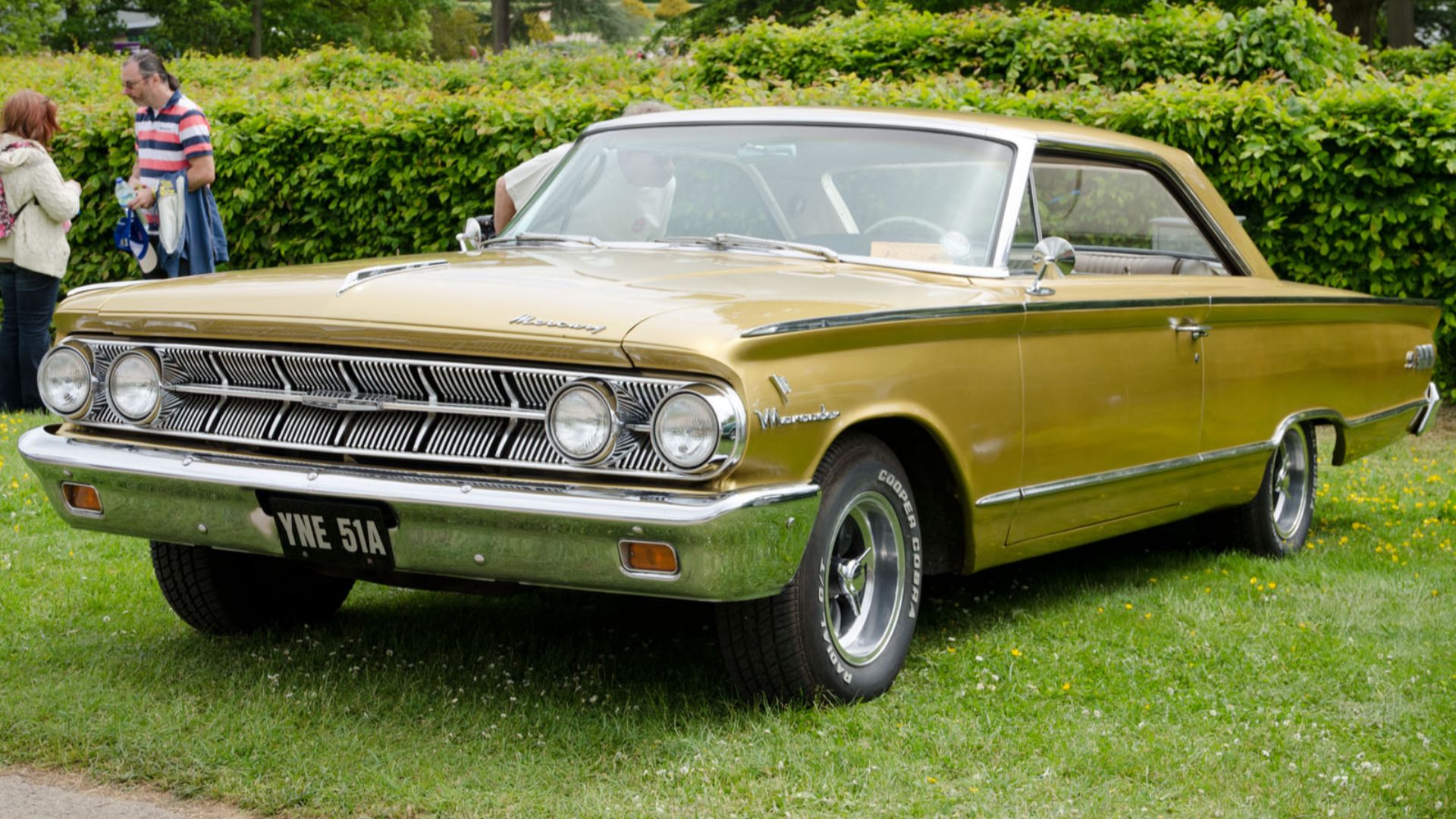
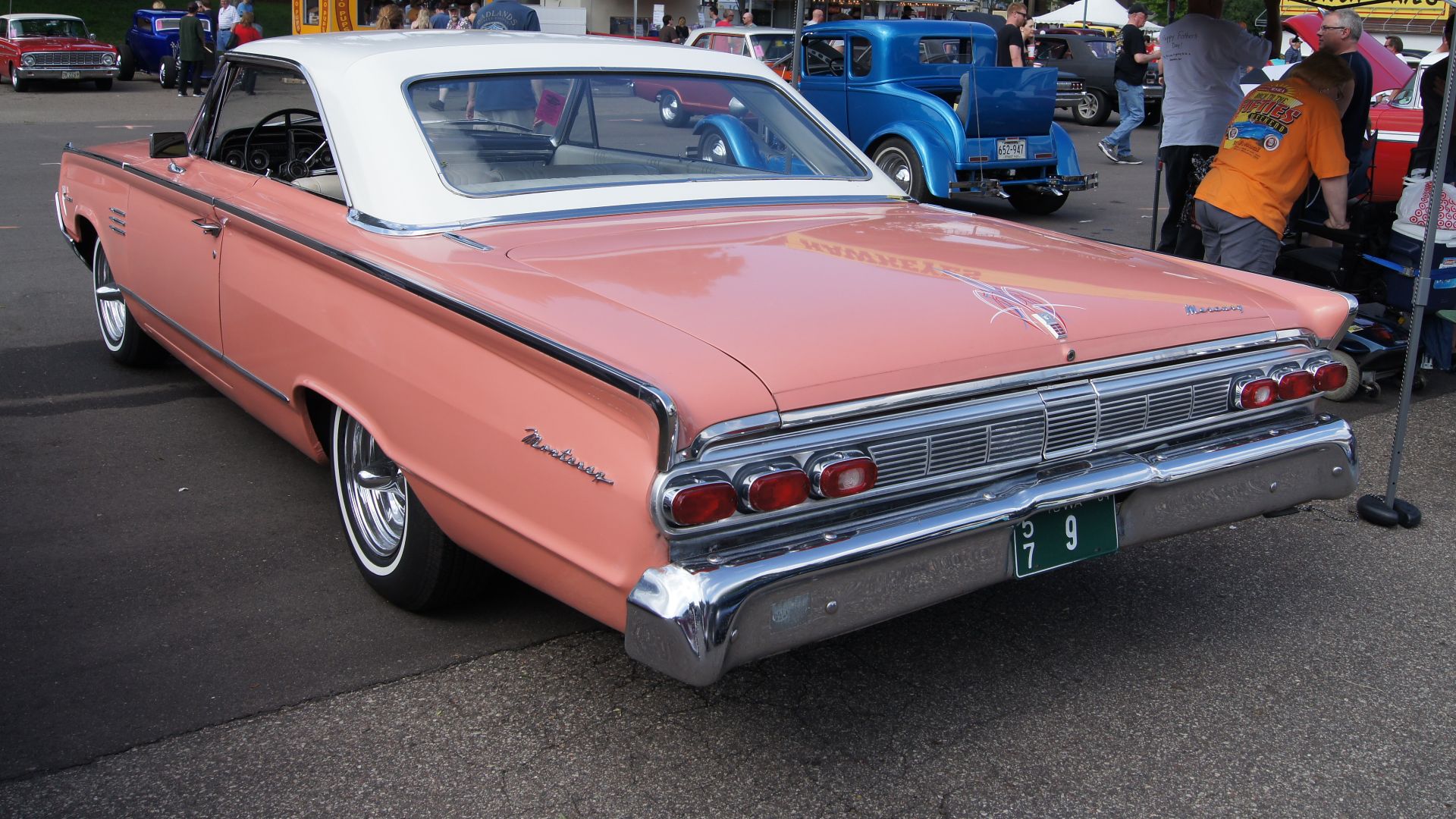
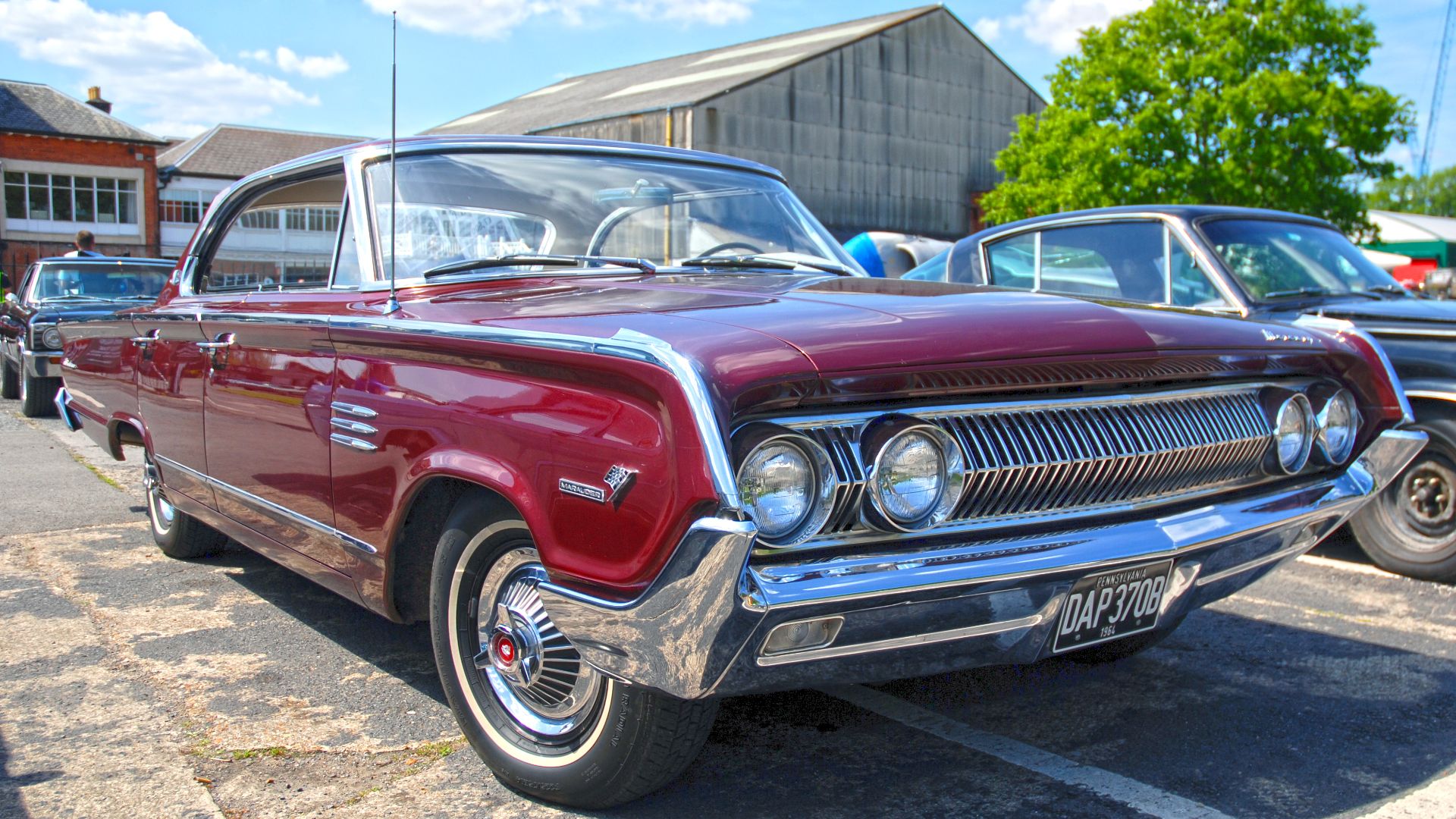
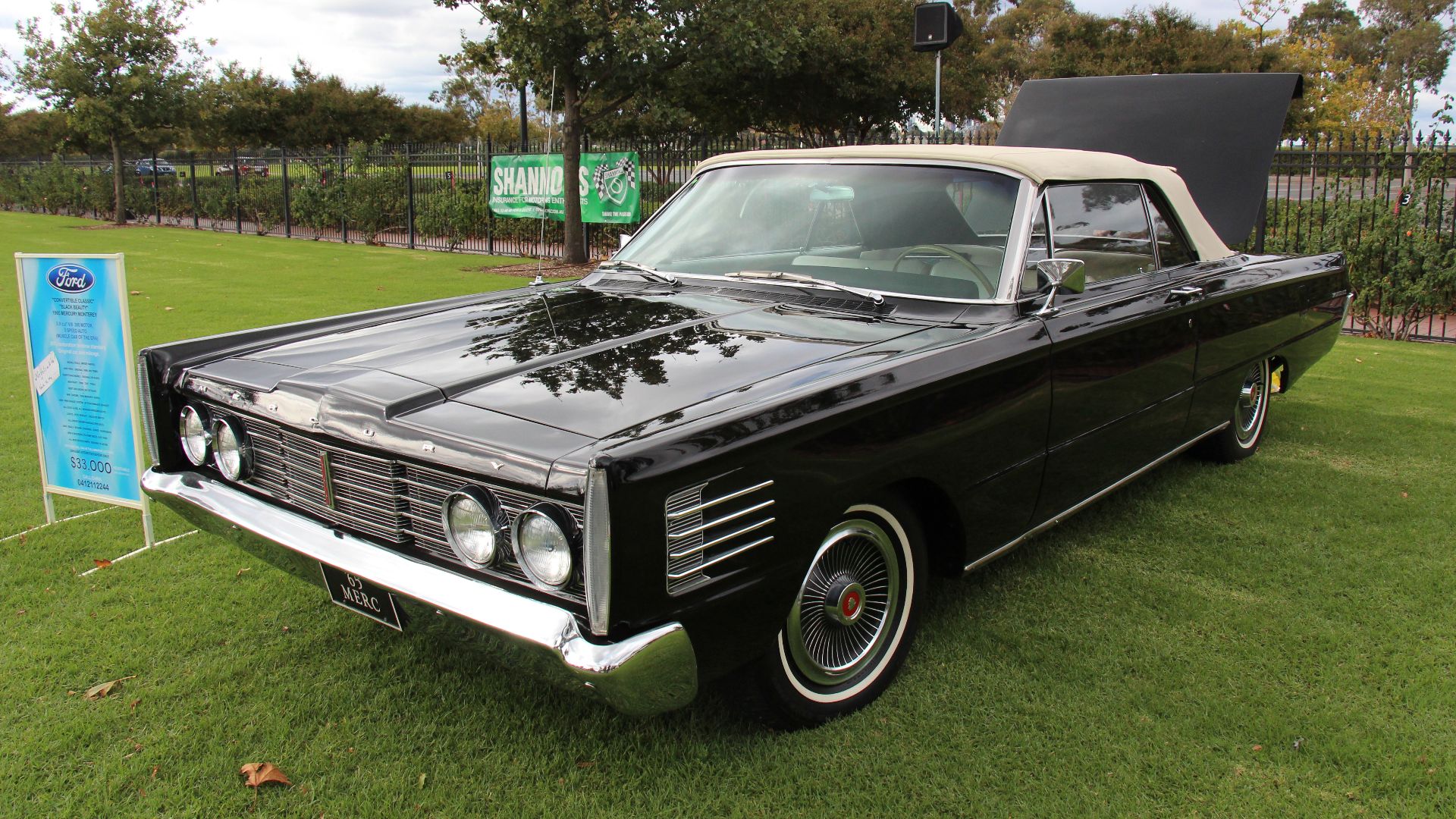
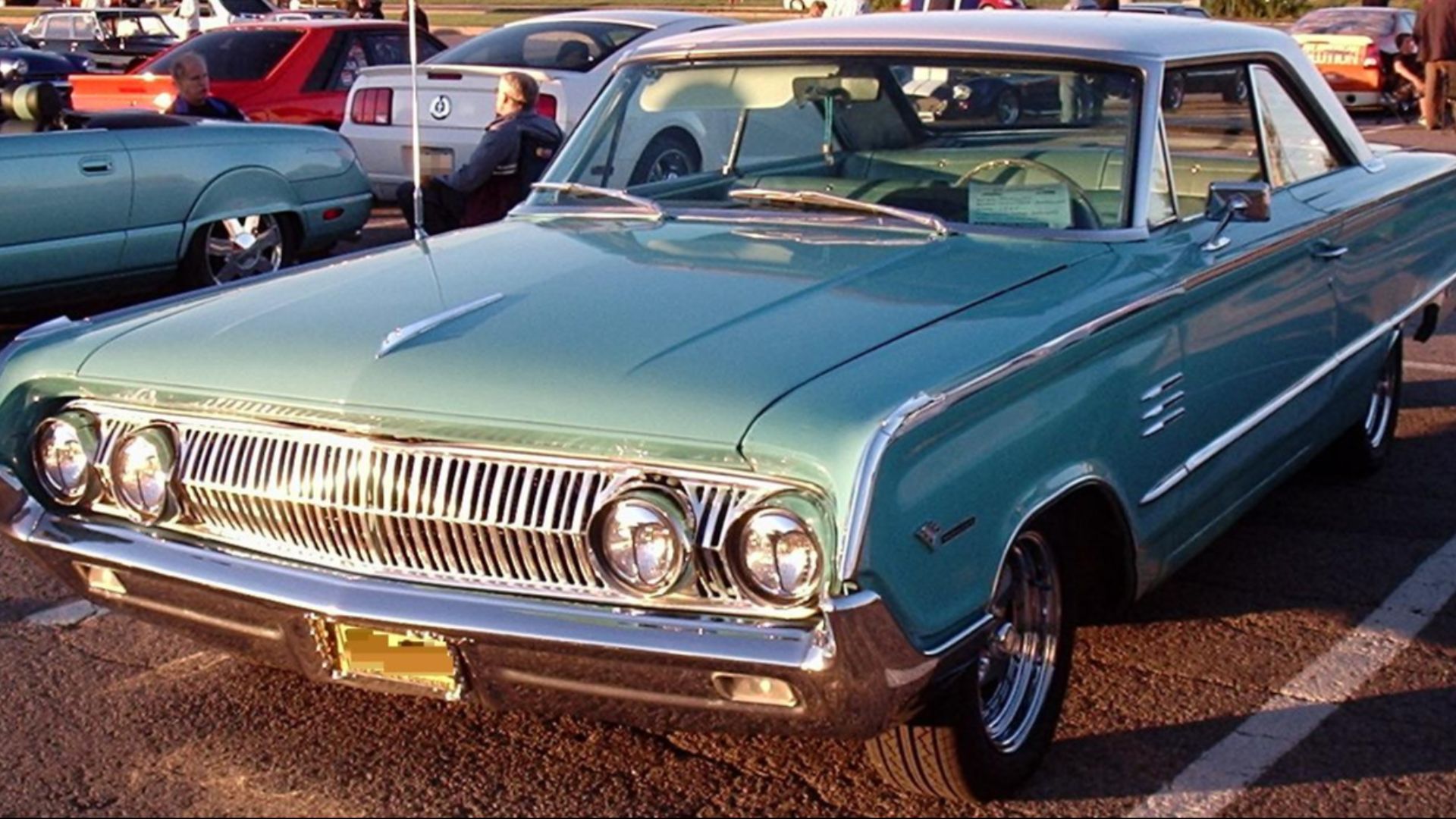
The first time the Marauder appeared as a model was in mid-1963, offered as a trim on full-size Mercury cars like the Monterey and Montclair. It was pitched as a performance-oriented version of Mercury’s big cars, a sort of muscle version of what Mercury already sold.
First-Generation Body Style
The original Marauder was mostly two-door hardtops at first, with sleek rooflines borrowed from Ford’s Galaxie. Its sporting looks were meant to compete with other full-size performance coupes of the era, and its appearance was a clear bid to stand out from regular Mercurys.
Engines And Performance In The 60s
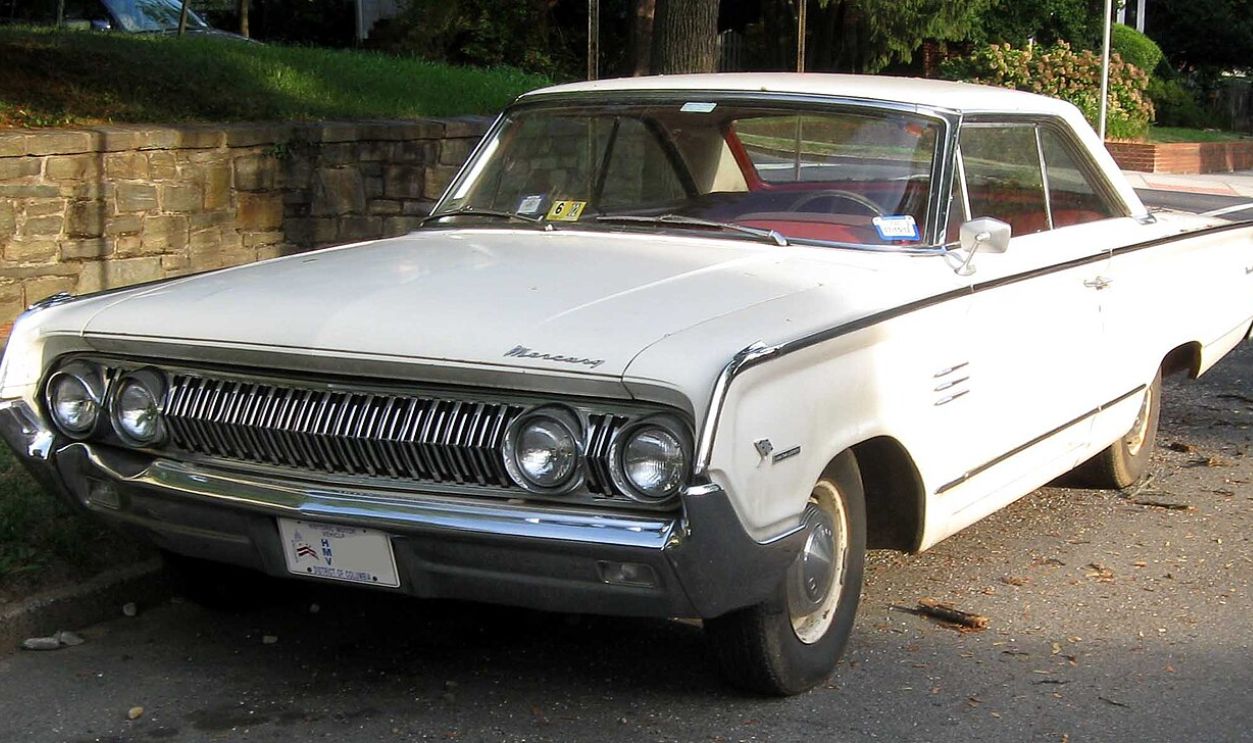
Under the hood, first-gen Marauders could be equipped with big-block engines like the 390 cu in V8 or even a 427 cu in V8 for real muscle car feel. These engines helped the Marauder hold its own in an age of skyrocketing horsepower.
 Greg Gjerdingen from Willmar, USA, Wikimedia Commons
Marauder X-100: Luxury Meets Muscle
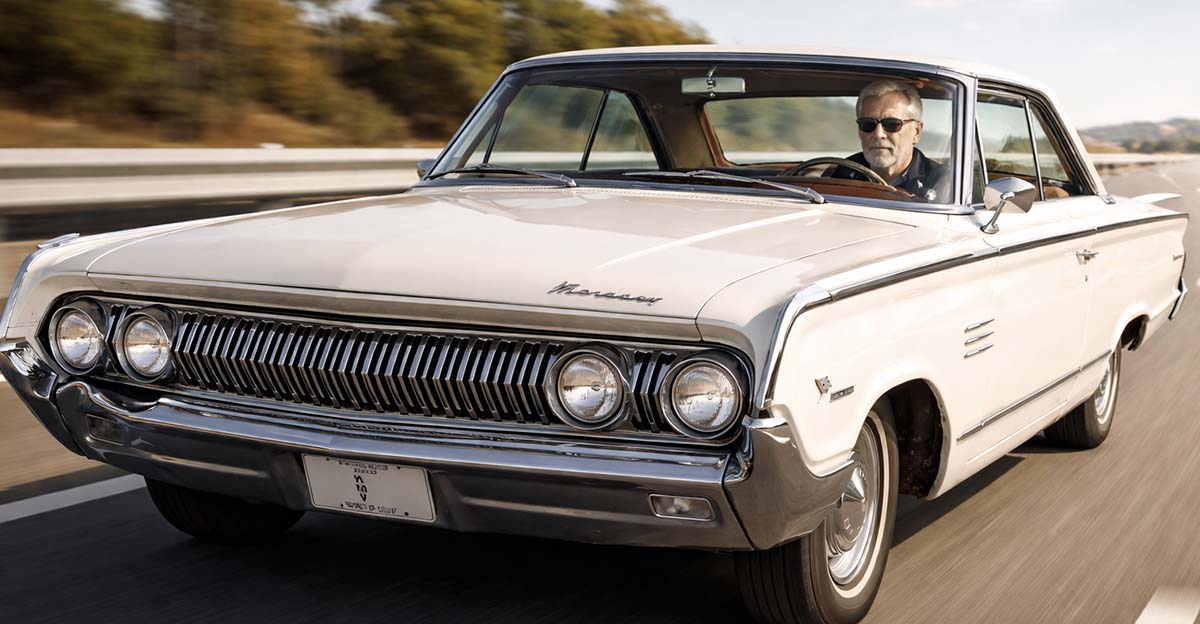
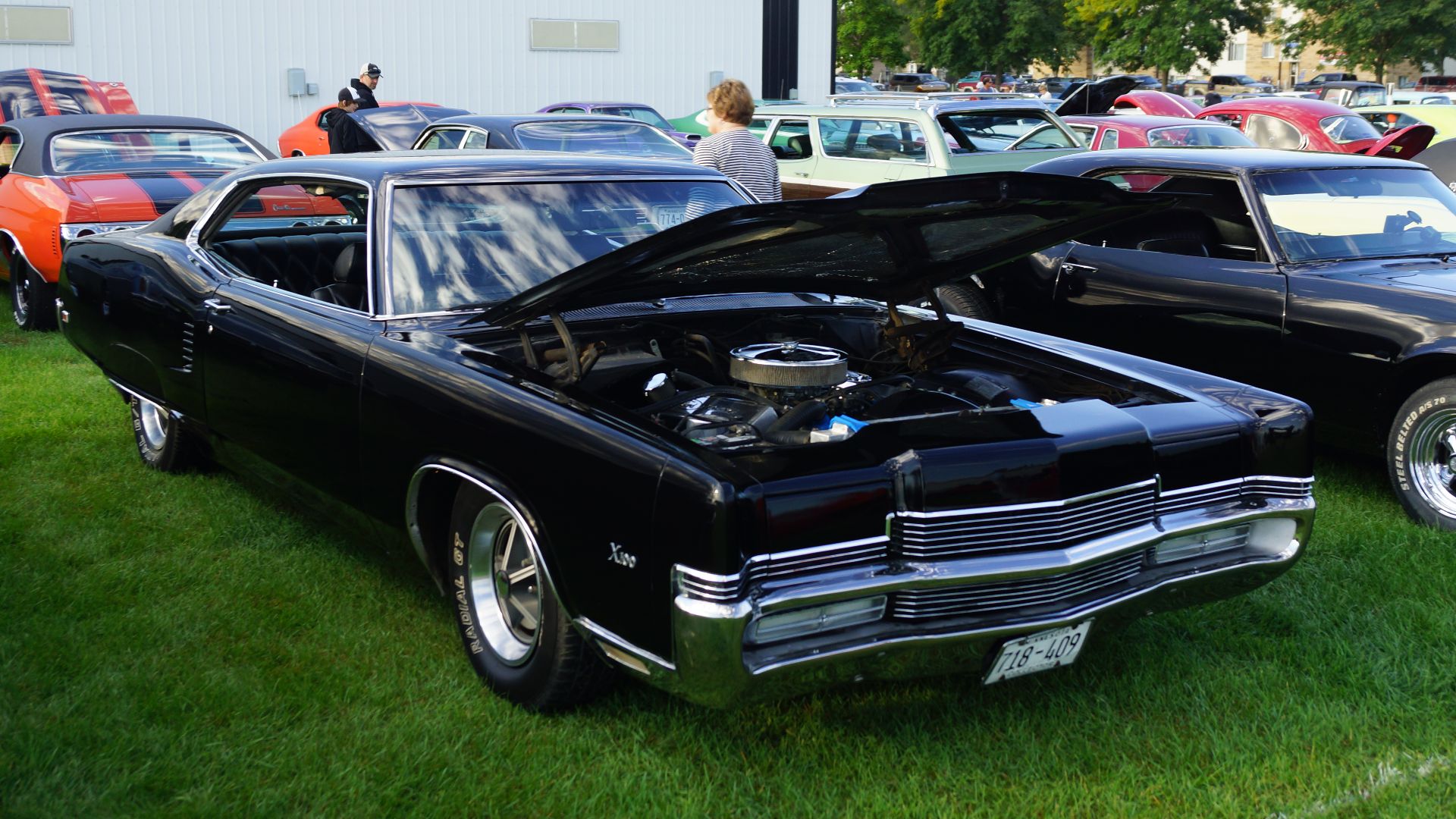
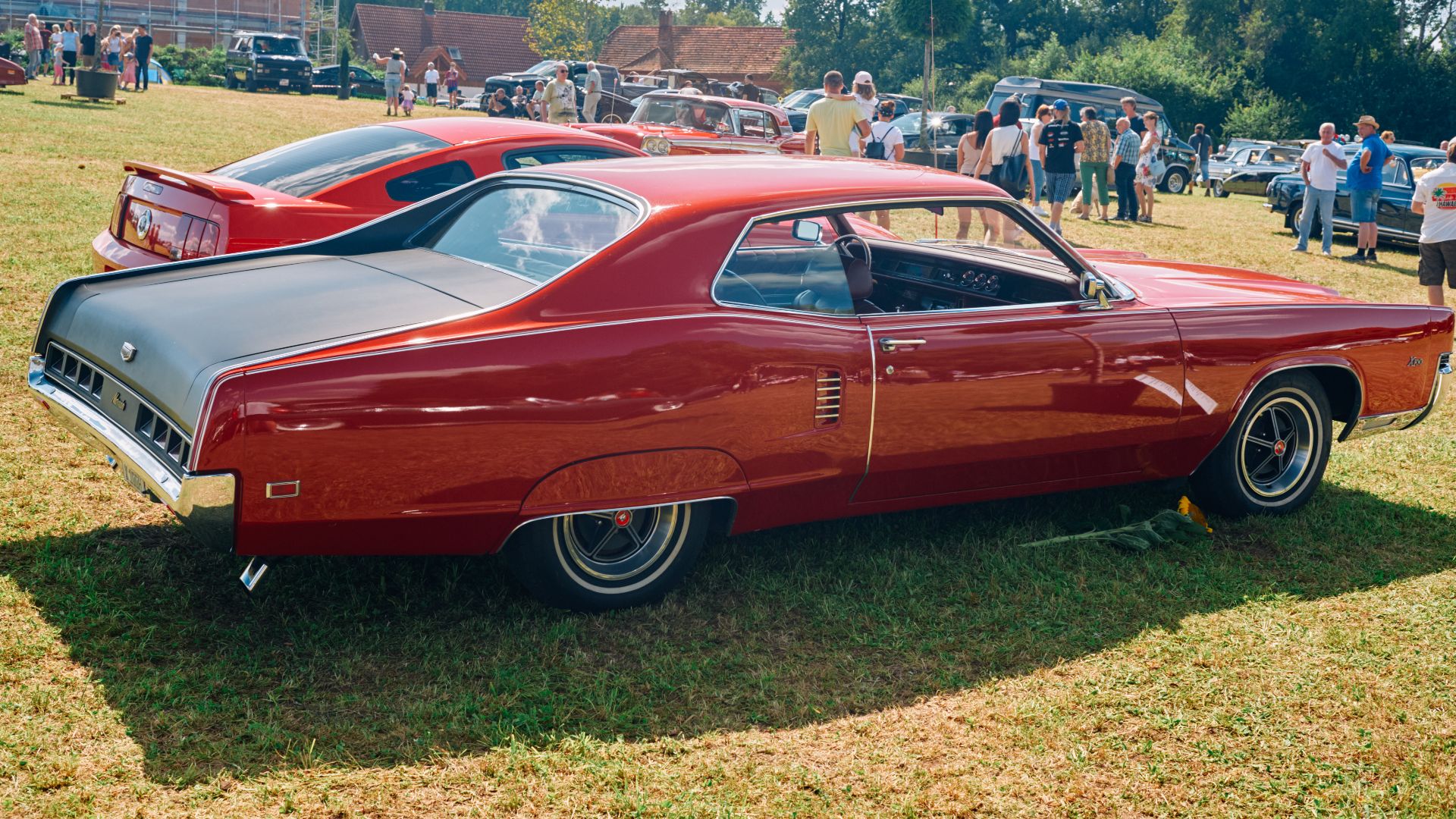
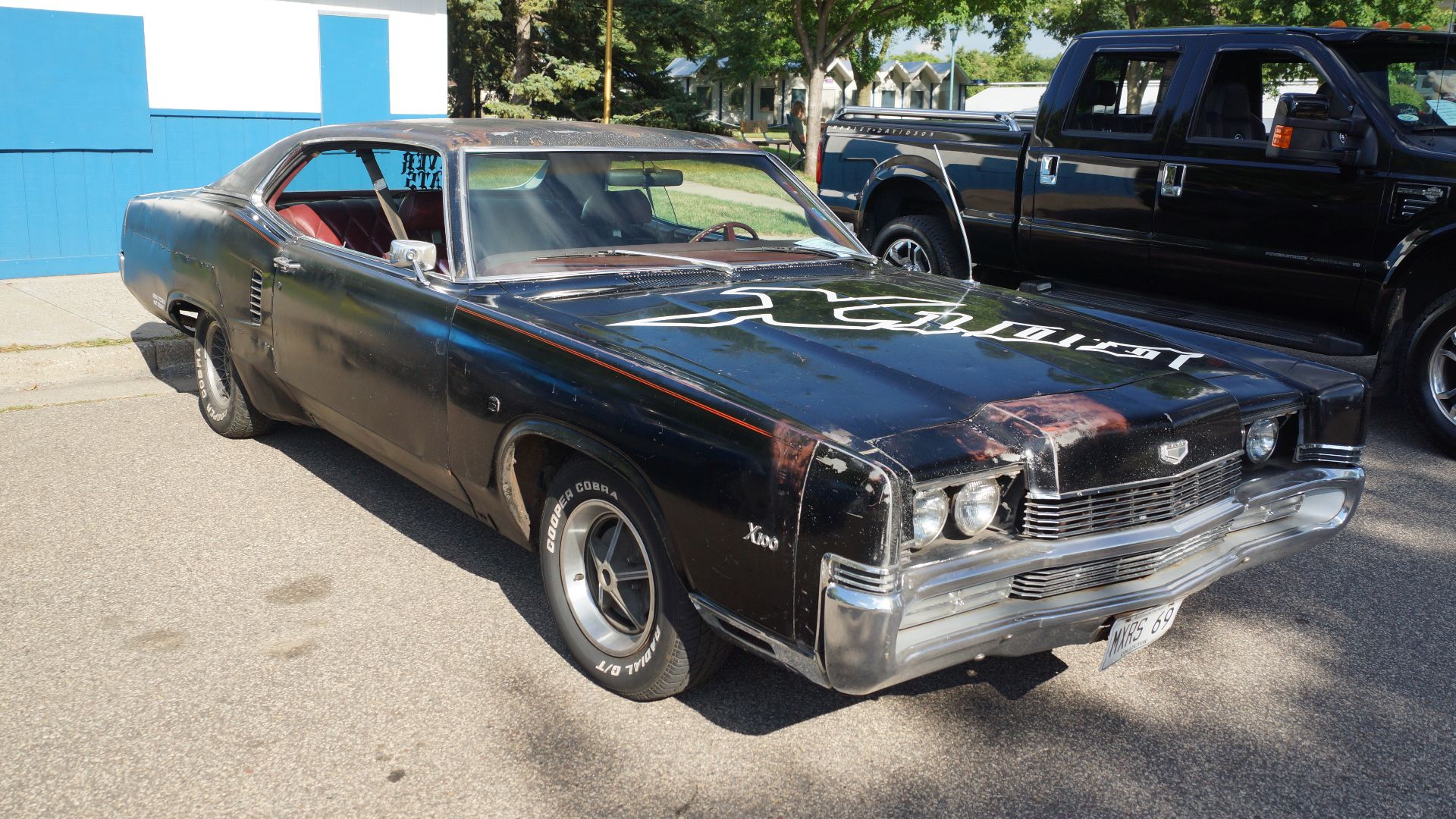
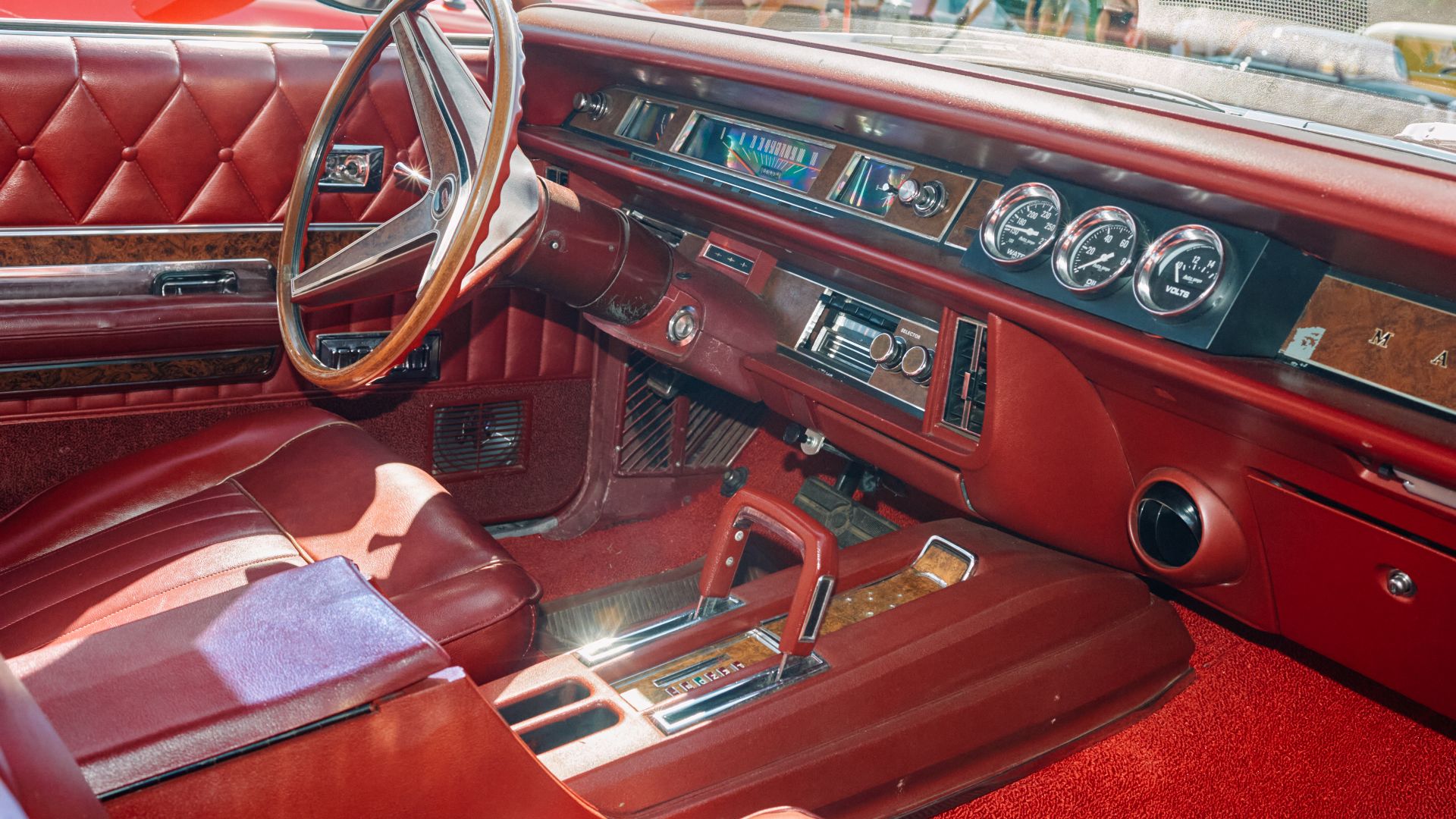
By 1969, the Marauder name had progressed from a trim option into a full model, now positioned as something between a luxury cruiser and a performance car. The Marauder X-100 of this era gave buyers bold styling, available bucket seats with console, and powerful V8 engines, including big 429 cu in units that balanced refinement and force.
1969–1970: A Short But Flashy Second Act
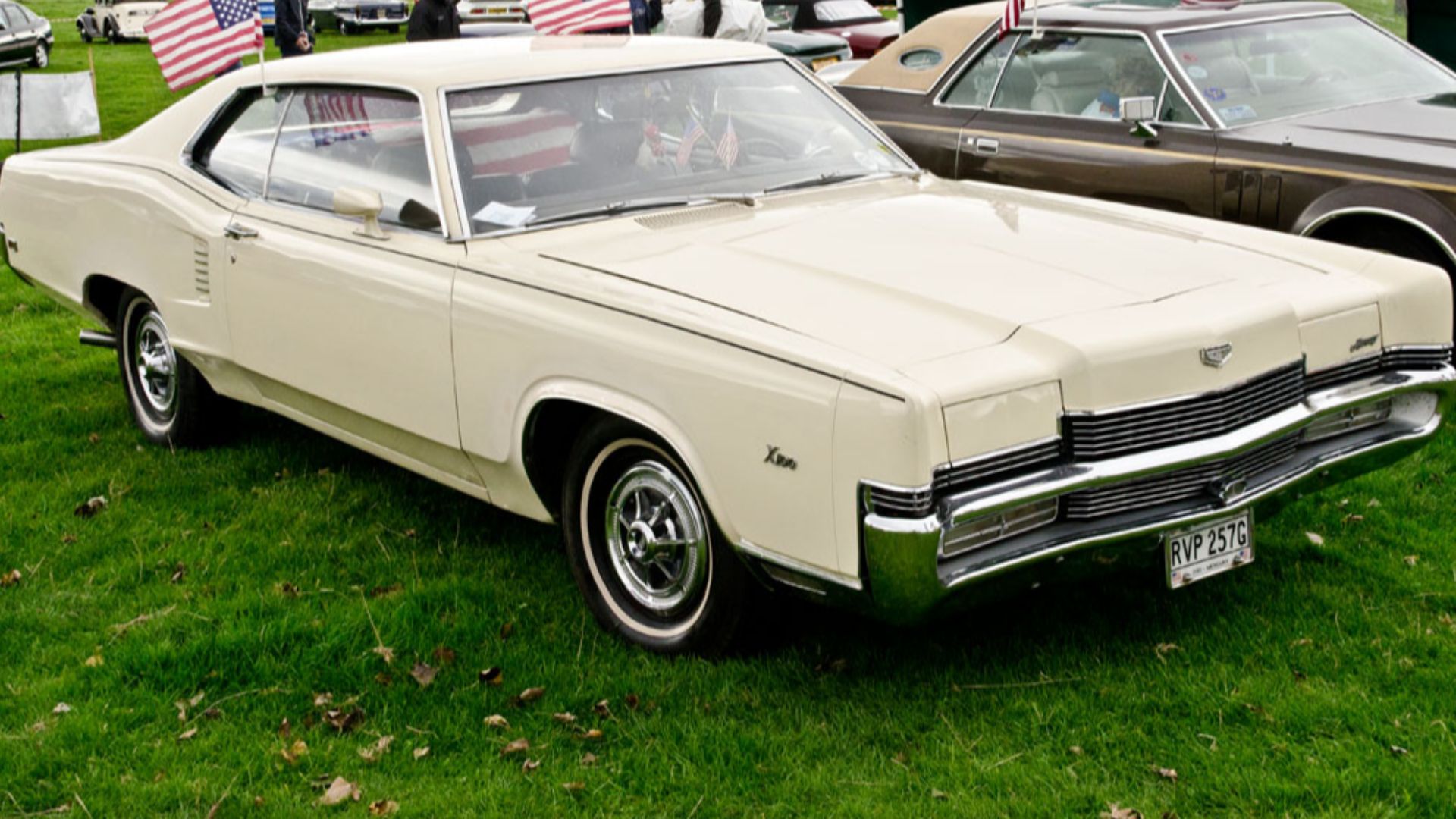
The second generation of Marauder (1969–1970) shared its chassis with the Ford XL and Galaxie 500 SportsRoof but had unique touches like flying buttresses and louvered side accents. It was unmistakably big, bold, and meant to turn heads even if sales numbers were modest.
Sales Slow As Tastes Change
Despite rolling out roughly 15,000 units in 1969 alone, the late-60s Marauder faced stiff competition from lighter, more affordable muscle cars and changing buyer preferences. By 1970, the full-size performance car market was shrinking, and the Marauder faded once more.
 Greg Gjerdingen from Willmar, USA, Wikimedia Commons
A Brand Caught Between Worlds
Part of the Marauder’s challenge was positioning. You see, it wasn’t quite a pure muscle car like a Mustang or Chevelle, nor was it a luxury cruiser like a Continental. It was both and neither, making it harder to sell in a rapidly evolving market.
The Muscle Name Disappears Again
After the 1970 model year, the classic Marauder name disappeared from Mercury’s lineup for over three decades, just another victim of the shifting tides in automotive tastes and emissions/fuel regulations that crushed big performance cars in the 1970s.
 Greg Gjerdingen from Willmar, USA, Wikimedia Commons
The 2003 Resurrection
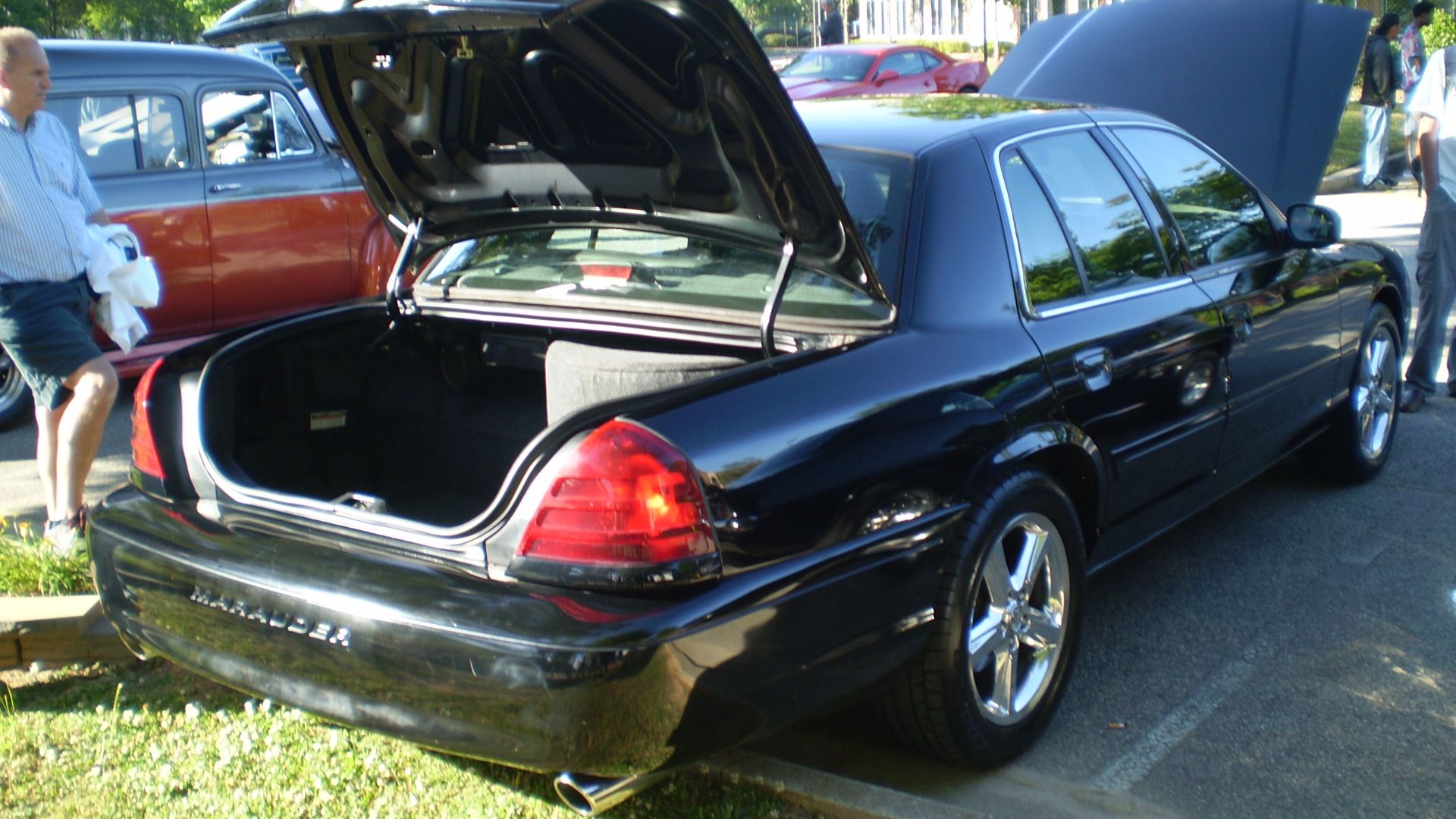
In 2002, Mercury decided to dust off the Marauder name in a surprising new way. Using the sturdy Ford Panther platform shared with the Grand Marquis and Crown Victoria, Mercury launched a high-performance four-door sedan for 2003.
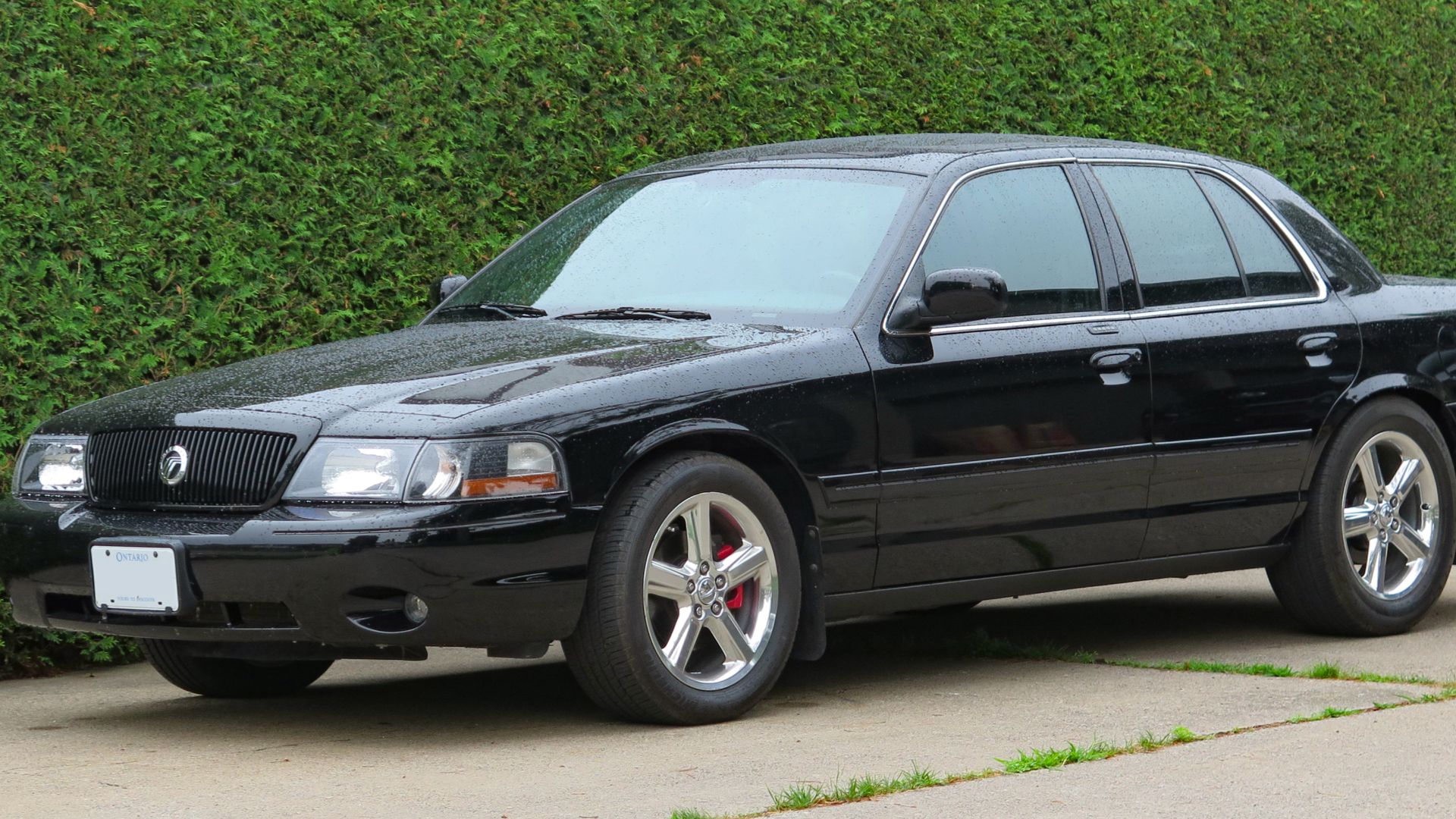
Modern Muscle Under The Hood
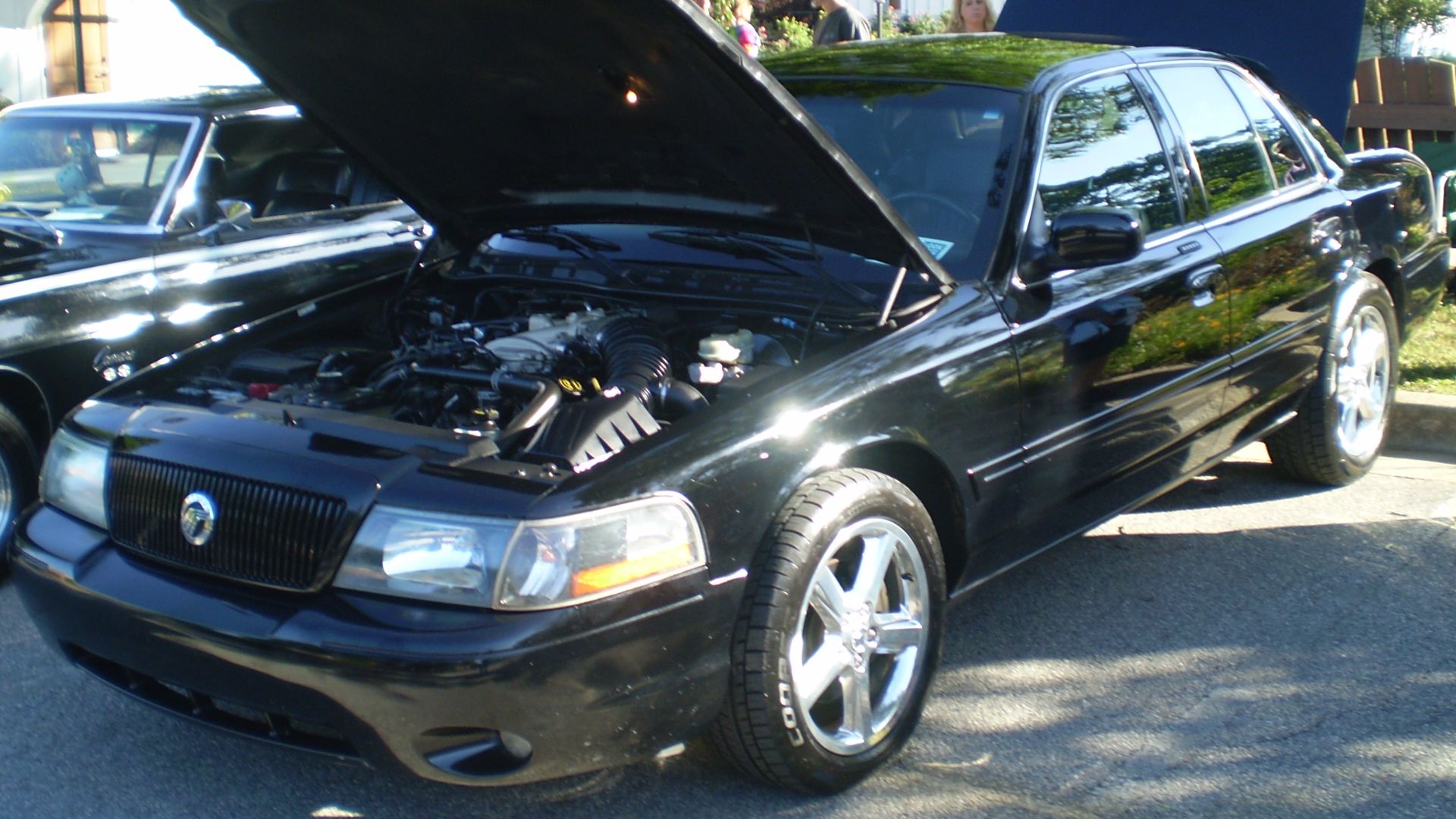
The 2003–2004 Marauder was powered by a 4.6-liter DOHC V8 producing about 302 horsepower and 318 lb-ft of torque—the same mill shared with sportier Mustangs and some Lincolns. This gave it plenty of muscle for a large, heavy sedan.
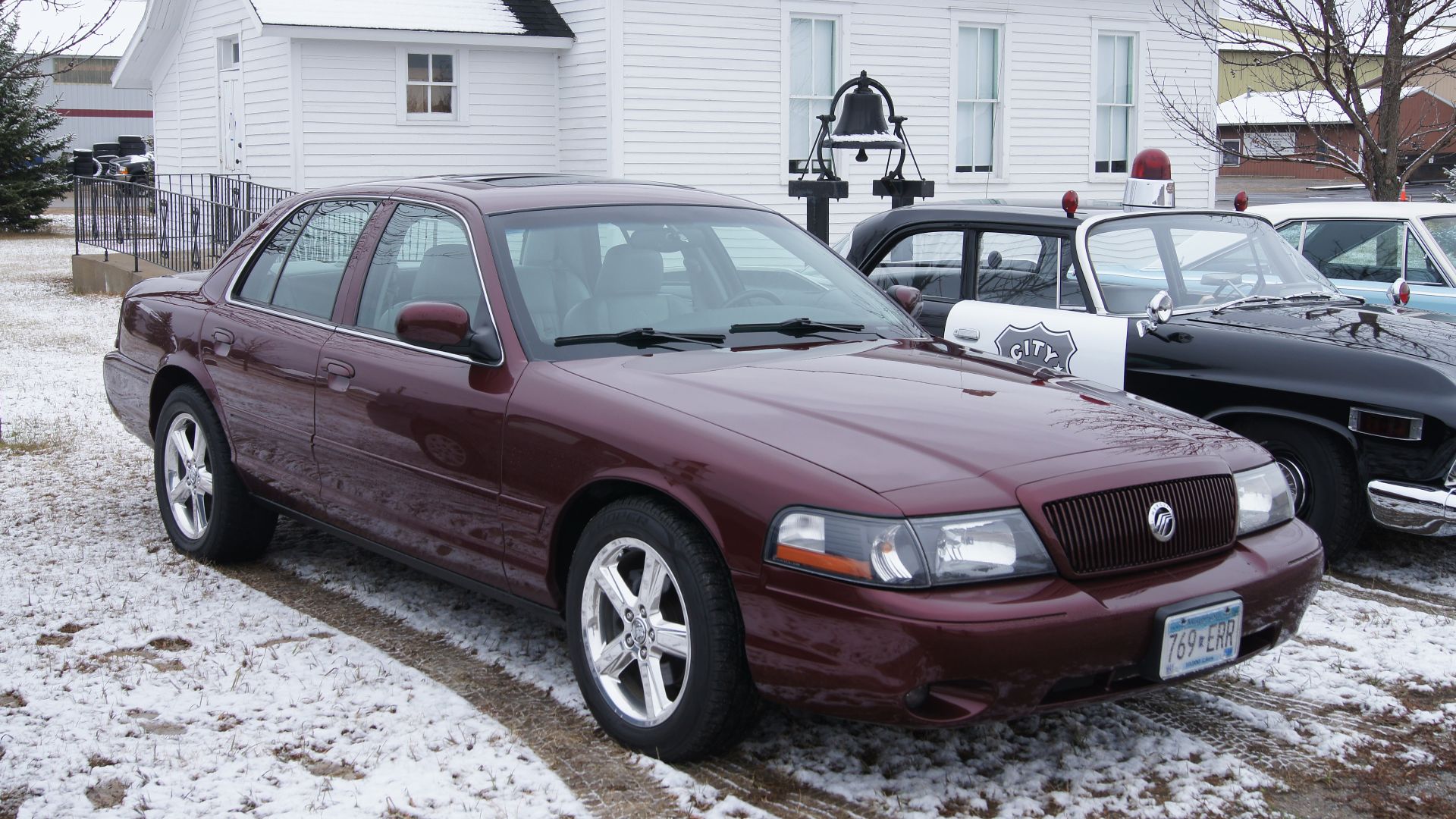 Greg Gjerdingen from Willmar, USA, Wikimedia Commons
How It Looked And Felt
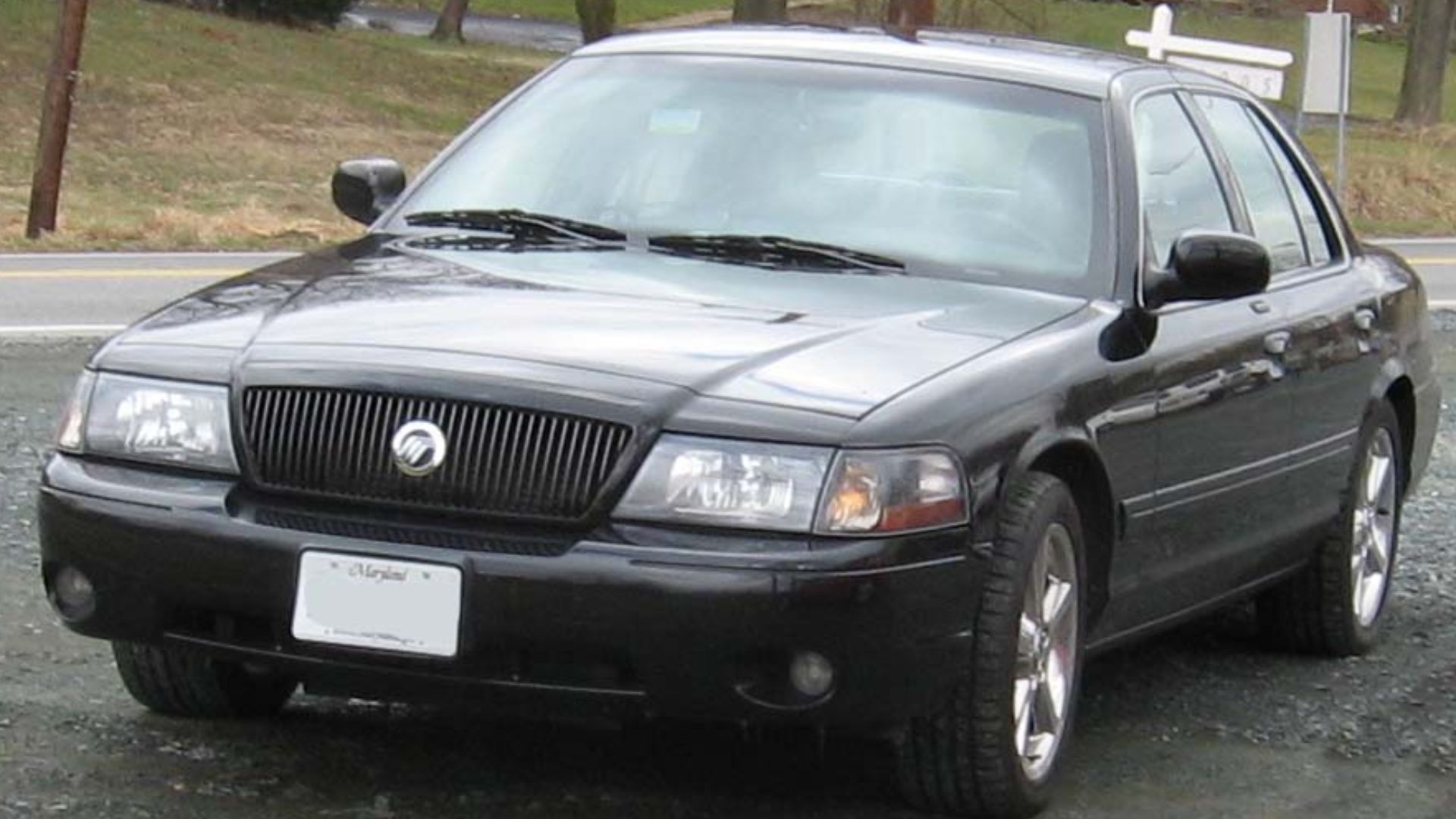
Visually, the modern Marauder took cues from its classic ancestors with a dark, aggressive fascia, unique grille and wheels, and a stance that said “performance” without shouting it. Inside, it had comfortable leather seats and a floor-mounted shifter to set it apart from the family sedan crowd.
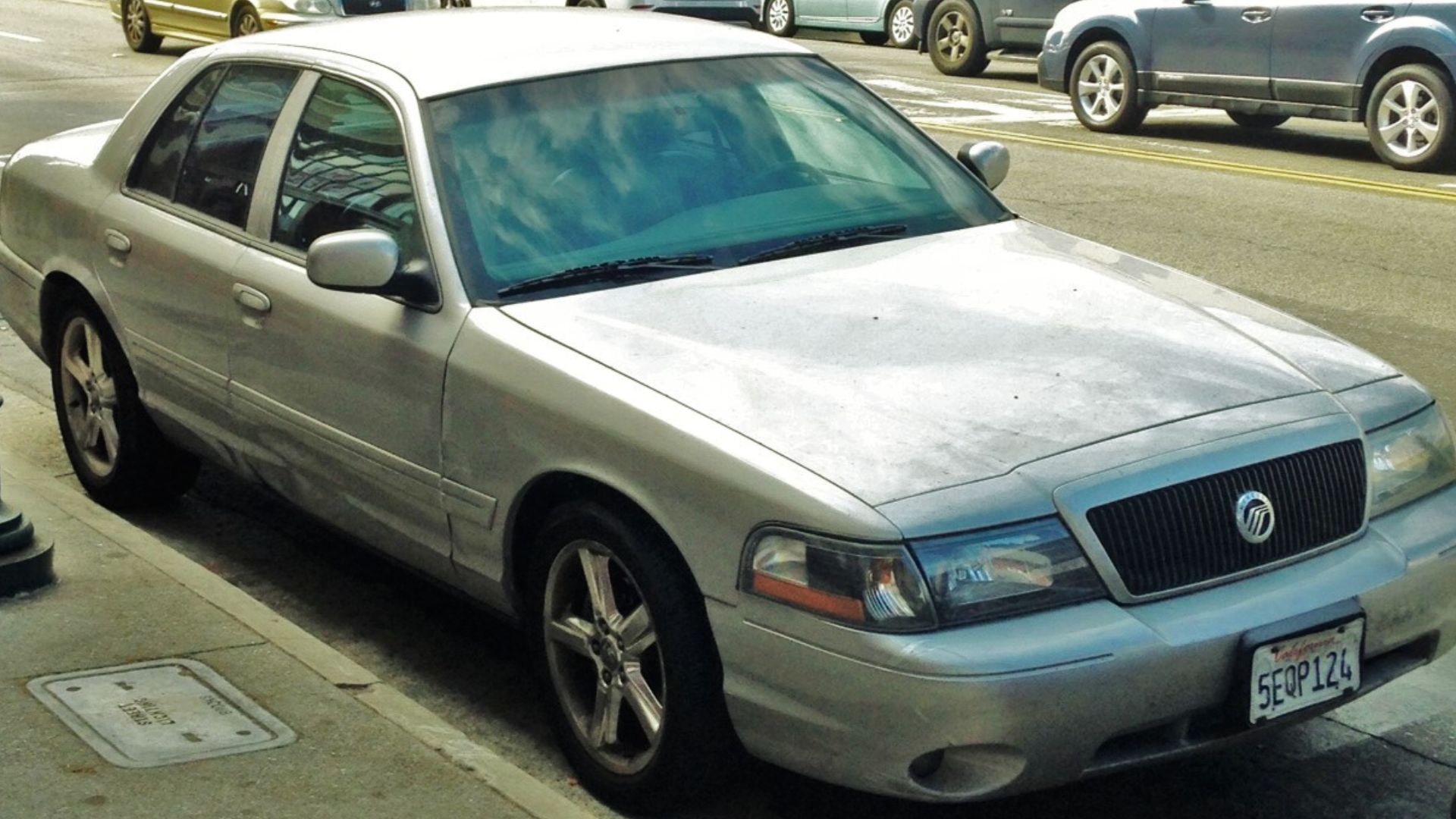
A True Sleeper Sedan
The 2003–2004 Marauder became a beloved sleeper: lots of power under the hood, but plenty of subtle styling that didn’t always tip people off. As a rear-wheel-drive sedan with a big V8, it was one of the last of its kind from a major US automaker.
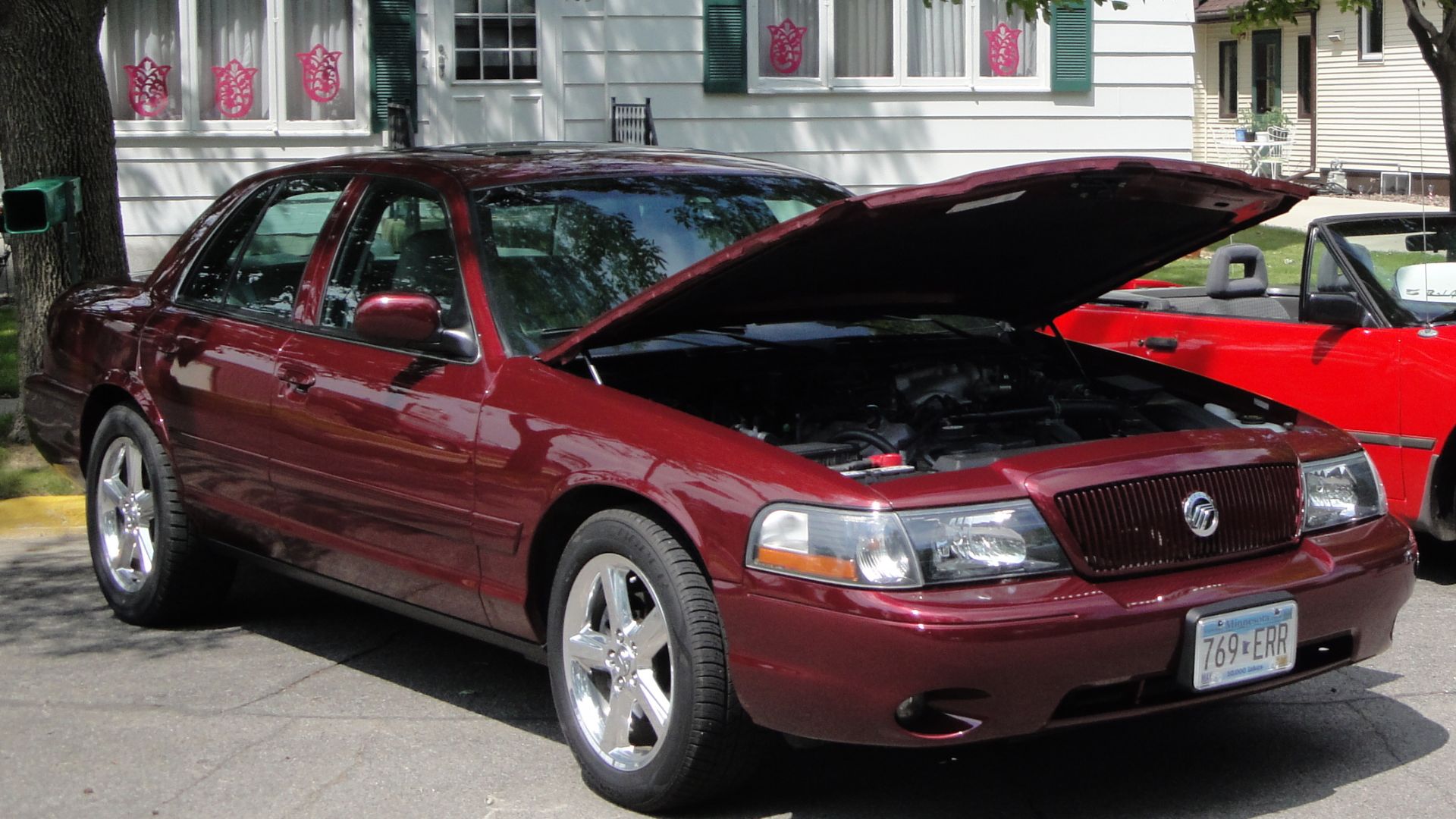 Greg Gjerdingen from Willmar, USA, Wikimedia Commons
Sales Disappoint In The 2000s
Despite its performance and loyal following, the modern Marauder was a sales disappointment, with just around 11,000 units produced across both years before being dropped after 2004. That short run only added to its mystique later.
Why It Didn’t Stick
Part of the reason the Marauder failed commercially in the 2000s was timing, as buyers were moving toward SUVs, crossovers, and more fuel-efficient options. A big, V8-powered sedan just wasn’t aligned with early-2000s consumer trends.
The Marauder’s Sleeper Legacy
Today, the Marauder is often described as a hidden muscle car: a sleeper that could surprise people with its performance but never got the broad attention its capabilities deserved. Enthusiasts appreciate its mix of power and relative subtlety.
 allen watkin from London, UK, Wikimedia Commons
Collector Appeal Of Classic Models
Original 1960s Marauders, especially rare X-100 versions, are increasingly collectible. Well-preserved examples often trade hands in the $30,000–$60,000 range depending on condition, originality, and rarity.
Modern Marauders As Collectibles
Even the 2003–2004 Marauders have seen growing interest among collectors. Values for clean, average, or better examples are creeping upwards of $20,000 as enthusiasts recognize them as one of the last true V8, rear-wheel-drive full-size sedans of their era.
Why The Marauder Was Forgotten
Despite its performance and history, the Marauder never achieved the star power of some other muscle cars. A combination of niche positioning, limited production runs, and changing market trends kept it just outside the mainstream spotlight.
A Muscle Car Worth Remembering
Looking back, the Mercury Marauder wasn’t a failure; it was a car out of step with its times but built with passion and power. It’s a reminder that muscle car history isn’t just Mustangs and GTOs—it’s also the sleepers and the underrated beasts that roared just as loud.
You May Also Like:
America’s First Muscle Car Is Still The Most Legendary
The Fastest Street-Legal Muscle Cars Of All Time