
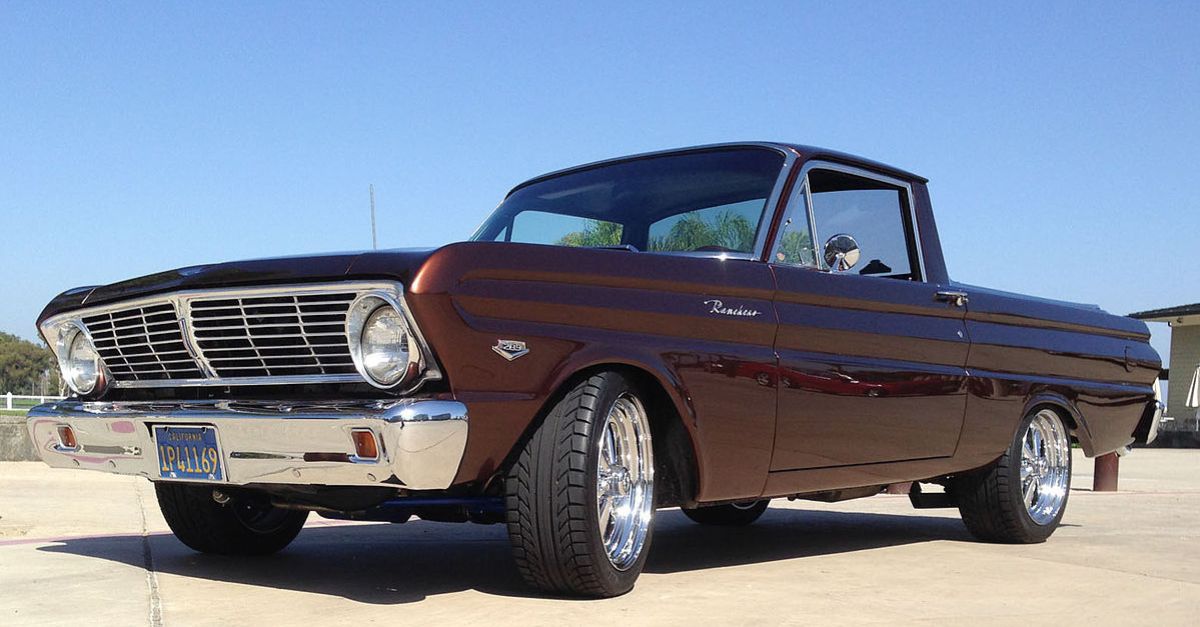
The Versatile Vehicle You Didn't Know You Needed
What if you could have the smooth swagger of a sedan and the haul-it-all grit of a pickup—without committing to either? Automakers pondered the same midlife-crisis dilemma and answered with the coupe utility vehicle, better known as the “ute”.
 Traveller70, Wikimedia Commons
Hudson Terraplane Utility Coupe
With the first car produced in 1937, the Hudson Terraplane Utility Coupe was one of the first vehicles to offer the best of both worlds. Called the Hudson Utility Coupe, production of the car stopped because of WW2 and was never resumed.
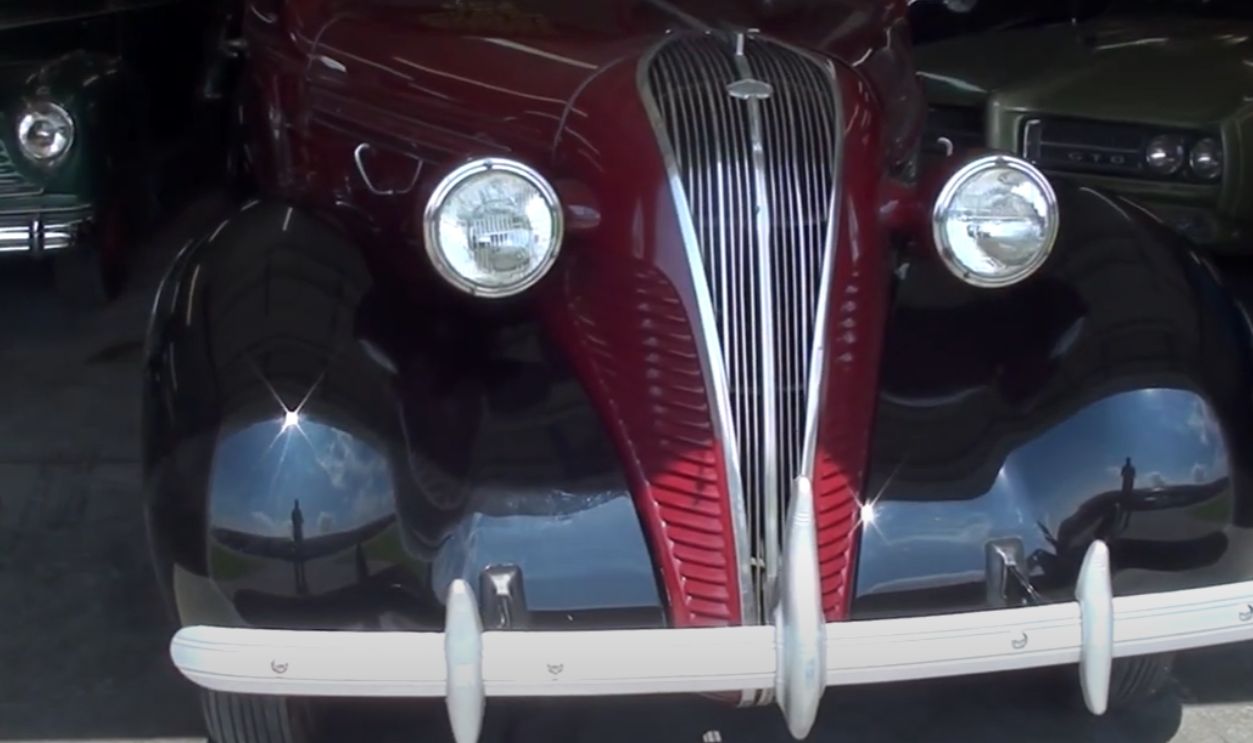 1937 Hudson Terraplane Utility Coupe - Truck Bed in Trunk at Country Classic Cars by RamblinAround
Hudson Terraplane Utility Coupe (Cont.)
Allowing users to drive it as a car or truck, this is one of the rarest vehicles. It came with significantly high hp for its class, thanks to the 3.5 L L-head straight-six engine, which produced 96 hp. Moreover, its load capacity was rated at half a ton.
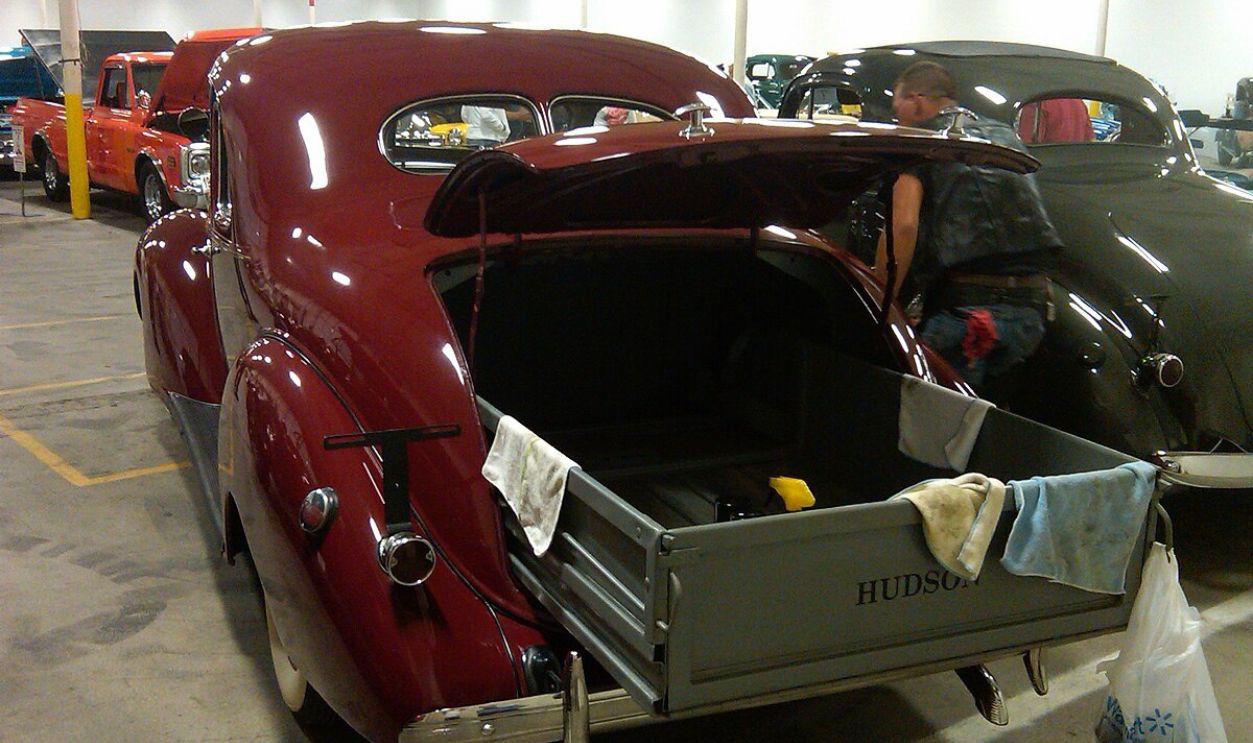
Hudson Terraplane Utility Coupe (Cont.)
This car was a special version of the Terraplane line. It featured a distinct rumble-seat-style compartment that opened to reveal a small cargo area with a pull-out steel box mounted on sliding rails. The car had sleek, Art Deco-inspired styling typical of the era, with chrome accents and streamlined bodywork.
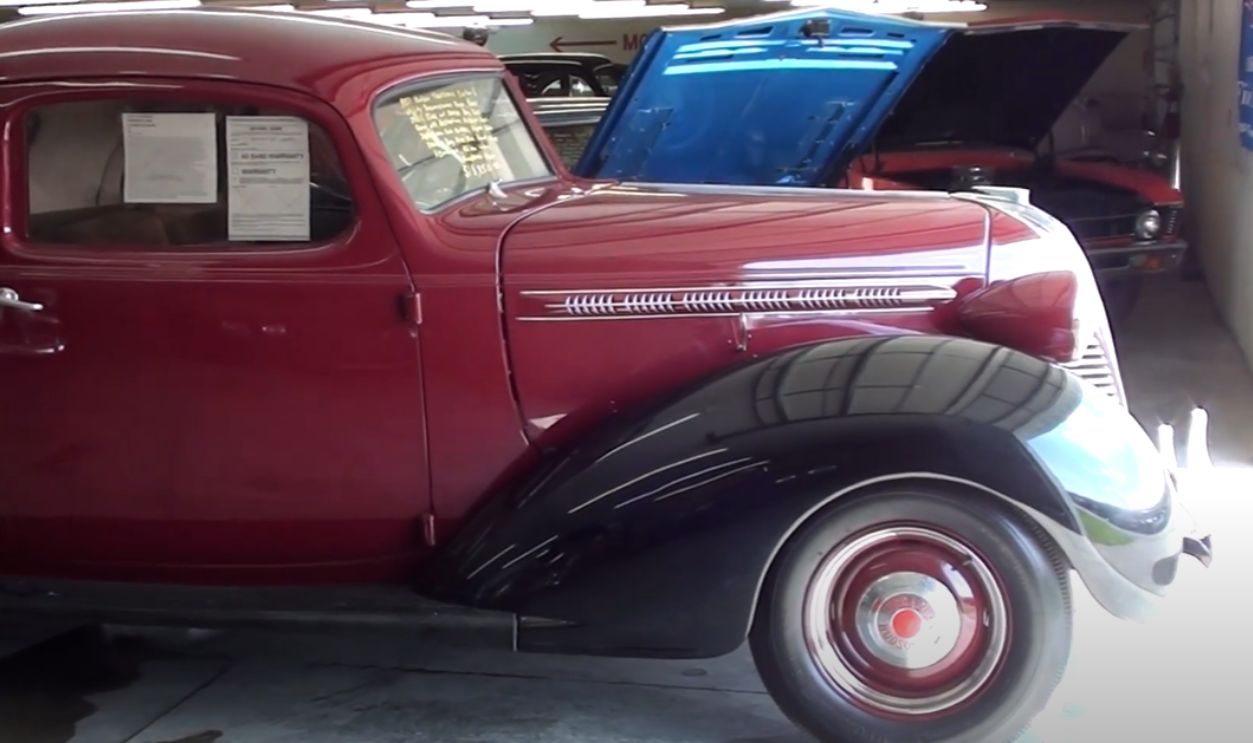 1937 Hudson Terraplane Utility Coupe - Truck Bed in Trunk at Country Classic Cars by RamblinAround
First Generation Ford Ranchero
Over 22 years of its production run, more than 508,000 units of the Ford Ranchero were produced. It was the first mass-produced utility coupe in the US, which responded to a market gap where customers needed the comfort of a passenger's car with added cargo space. A win-win.
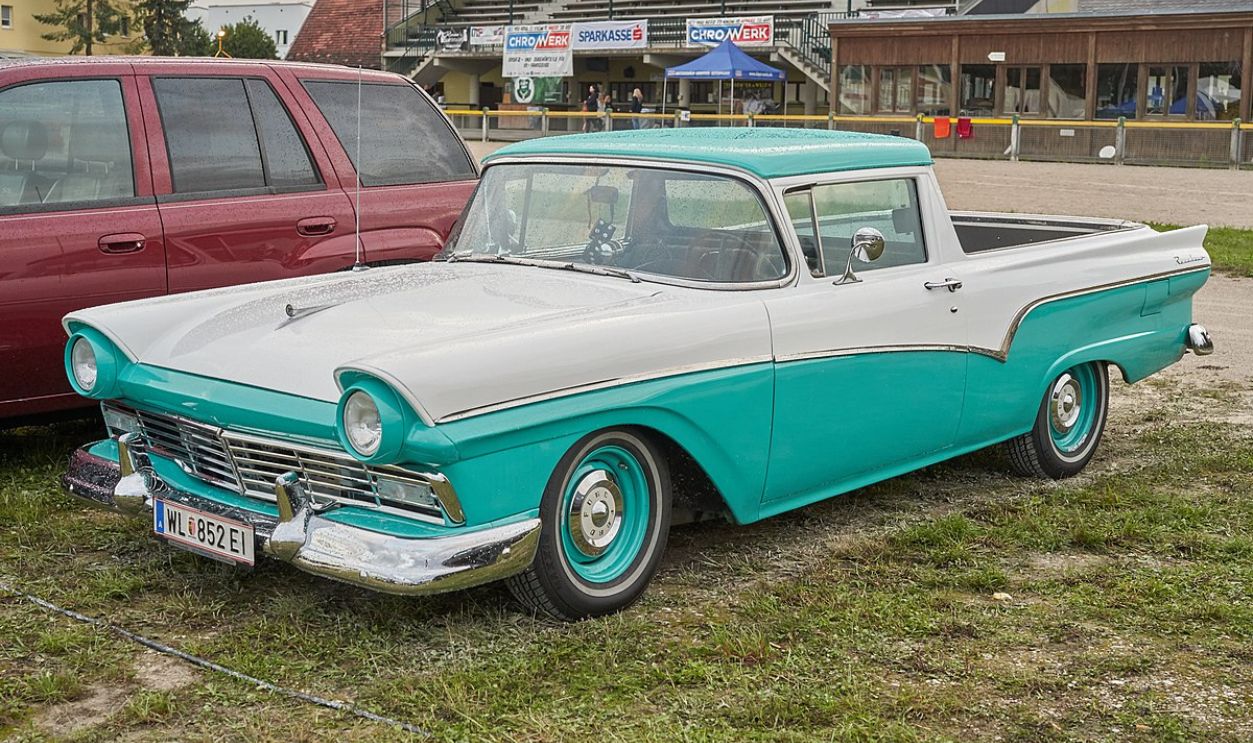 Tobias ToMar Maier, CC BY-SA 3.0, Wikimedia Commons
First Generation Ford Ranchero (Cont.)
The first generation offered between 1957 and 1959 came in two trim levels. The "More Than A Car! More Than A Truck"! slogan encouraged people to explore its potential in ranching and other outdoor activities, as the 1959 model came with a 7-foot cargo bed in 26 colors.
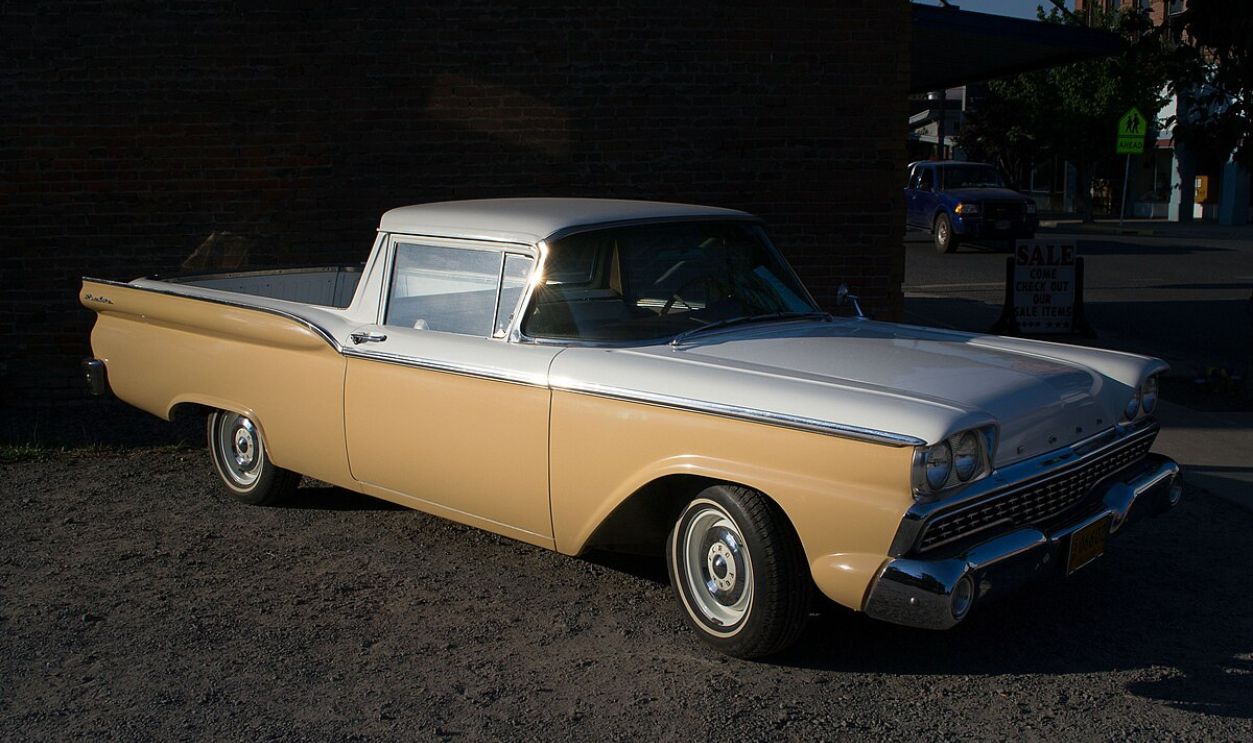 Visitor7, CC BY-SA 3.0, Wikimedia Commons
First Generation Ford Ranchero (Cont.)
Based on the Ford Custom sedan wheelbase, the first generation Ranchero came with three engine options: the 3.7 L OHV I6, 4.8 L Y-block V8, or the 5.8 L FE V8. It had more towing capacity than the half-ton offered by the F-Series.
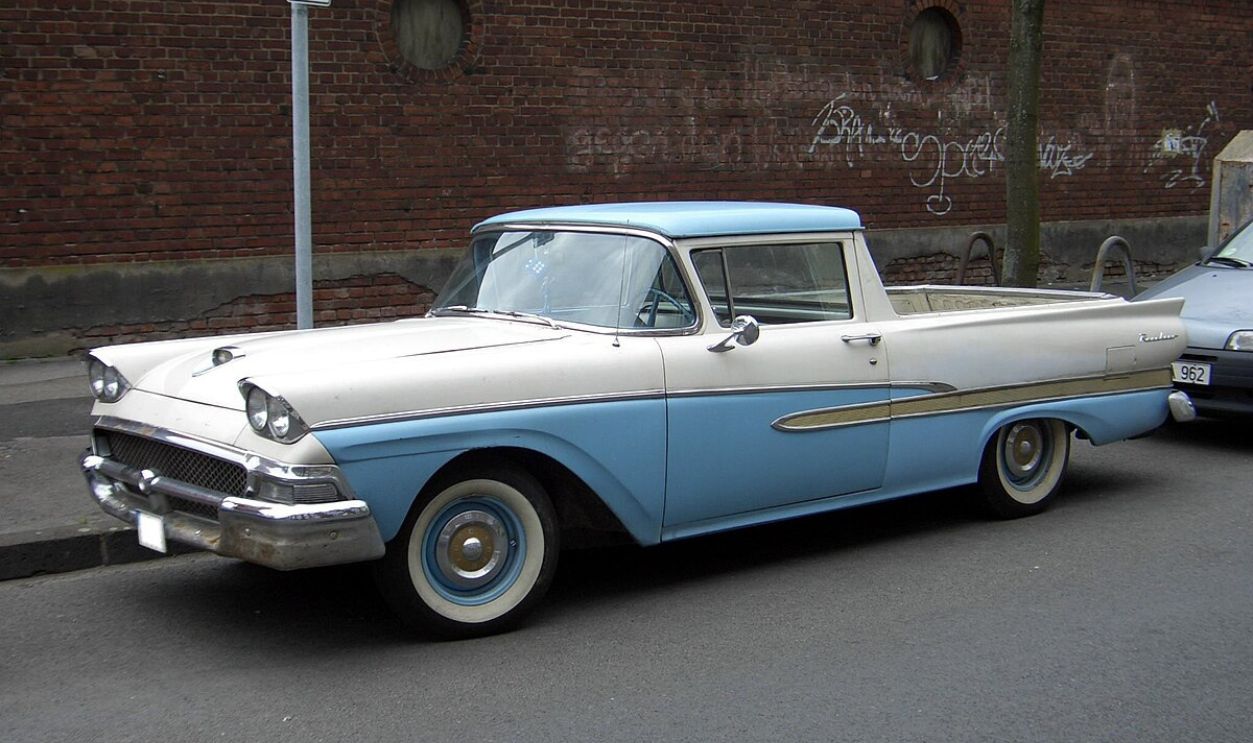 Detectandpreserve, CC BY-SA 3.0, Wikimedia Commons
First Generation Chevrolet El Camino
Chevrolet built the El Camino in two distinct runs—from 1959 to 1960, and again from 1964 all the way to 1987. Unlike traditional pickups, it rode on a two-door station wagon platform, blending the cab and cargo bed into one seamless body. Still, despite its car-like bones and smooth silhouette, the US officially classified it as a pickup truck.
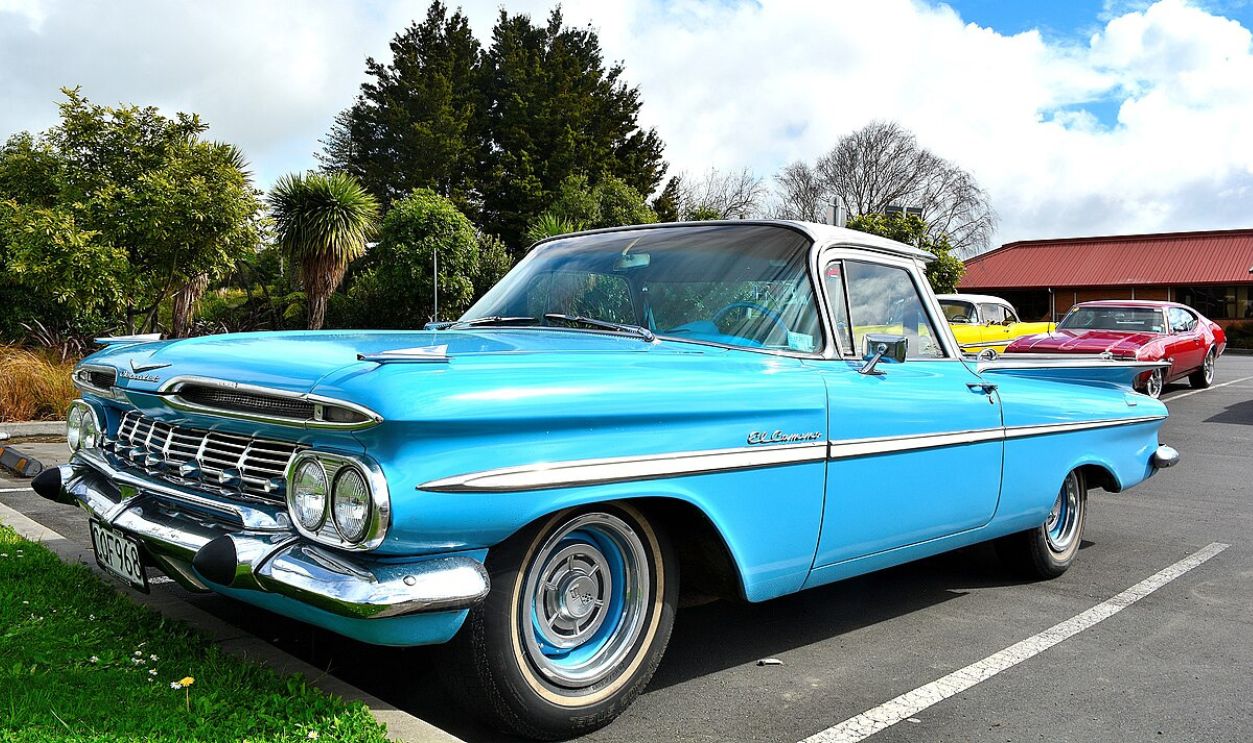 GPS 56, CC BY 2.0, Wikimedia Commons
First Generation Chevrolet El Camino (Cont.)
After the Ford Ranchero's success, Chevrolet produced the El Camino to compete in the rising market of coupe utility cars. The first generation had a payload range of 650 to 1150 pounds, depending on suspension and powertrain. It was marketed as the first Chevrolet truck with a steel bed floor.
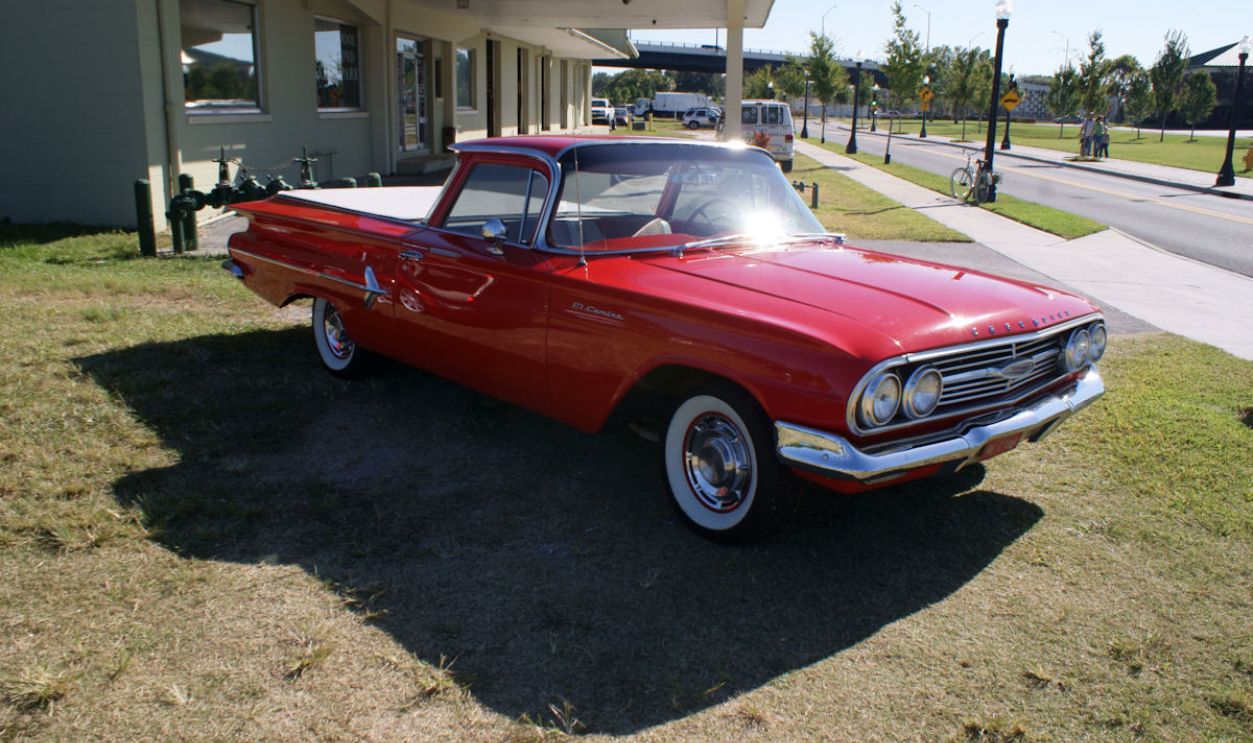 Valder137, CC BY 2.0, Wikimedia Commons
First Generation Chevrolet El Camino (Cont.)
During a documented test, a 1959 El Camino fitted with the 5.7 L V8 was able to achieve a bhp output of 315. It could accelerate to 60 mph in 7 seconds and had a maximum speed of 130 mph, which was pretty impressive at this time.
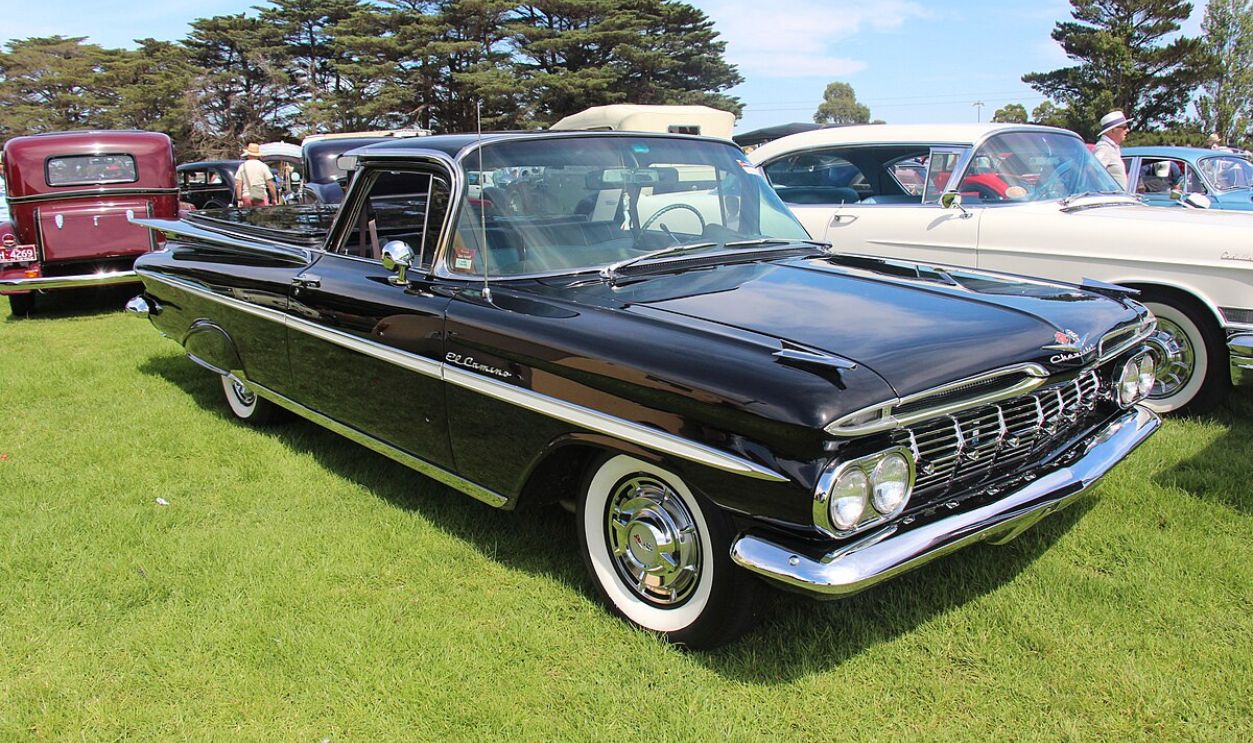 Sicnag, CC BY 2.0, Wikimedia Commons
Dodge Rampage
Produced only between 1982 and 1984, the Dodge Rampage was a subcompact unibody coupe utility produced by Dodge. It combined the handling and passenger characteristics of a sedan with the open-bed versatility of a small pickup truck by sharing components from the Dodge Omni 024.
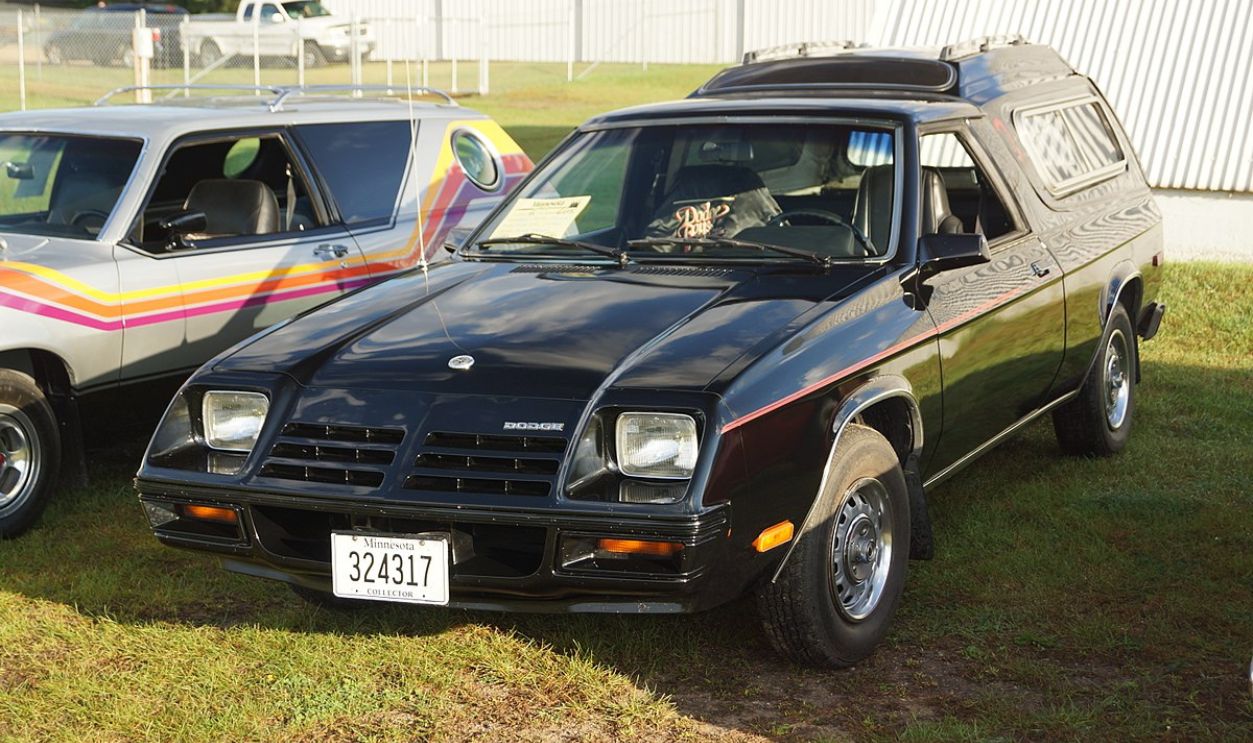 Greg Gjerdingen, CC BY 2.0, Wikimedia Commons
Dodge Rampage (Cont.)
Also known as the Plymouth Scamp for the 1983 model, this vehicle was fitted with a 2.2 L carbureted inline-four engine that could produce 84 hp in its first year. It offered modest performance, which made it suitable for light-duty tasks as it had a rather low towing capacity.
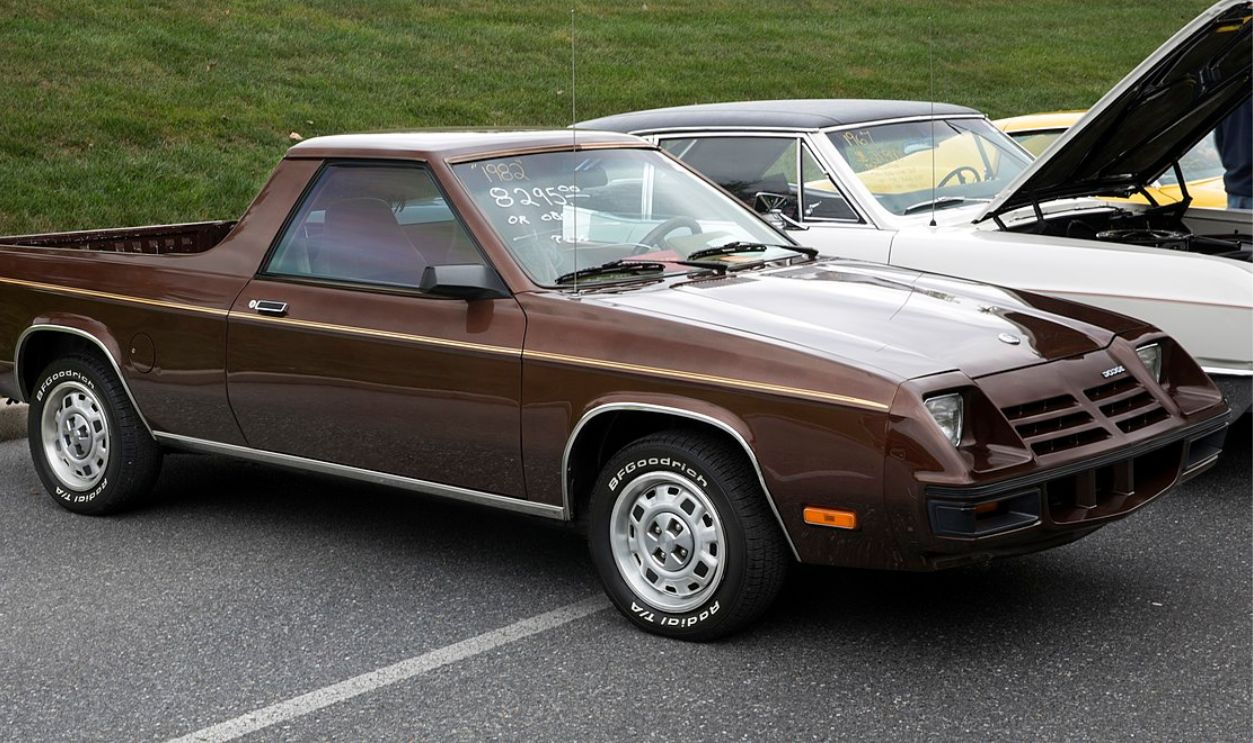 Mr.choppers, CC BY-SA 3.0, Wikimedia Commons
Dodge Rampage (Cont.)
Nevertheless, the 1983 Scamp saw an upgraded performance that increased the towing capacity to 1,145 pounds. More changes were applied to the 1984 model with a redesigned grille and headlights. Dodge revived the Rampage as a concept car in 2006 equipped with a 5.7 L Hemi V8.
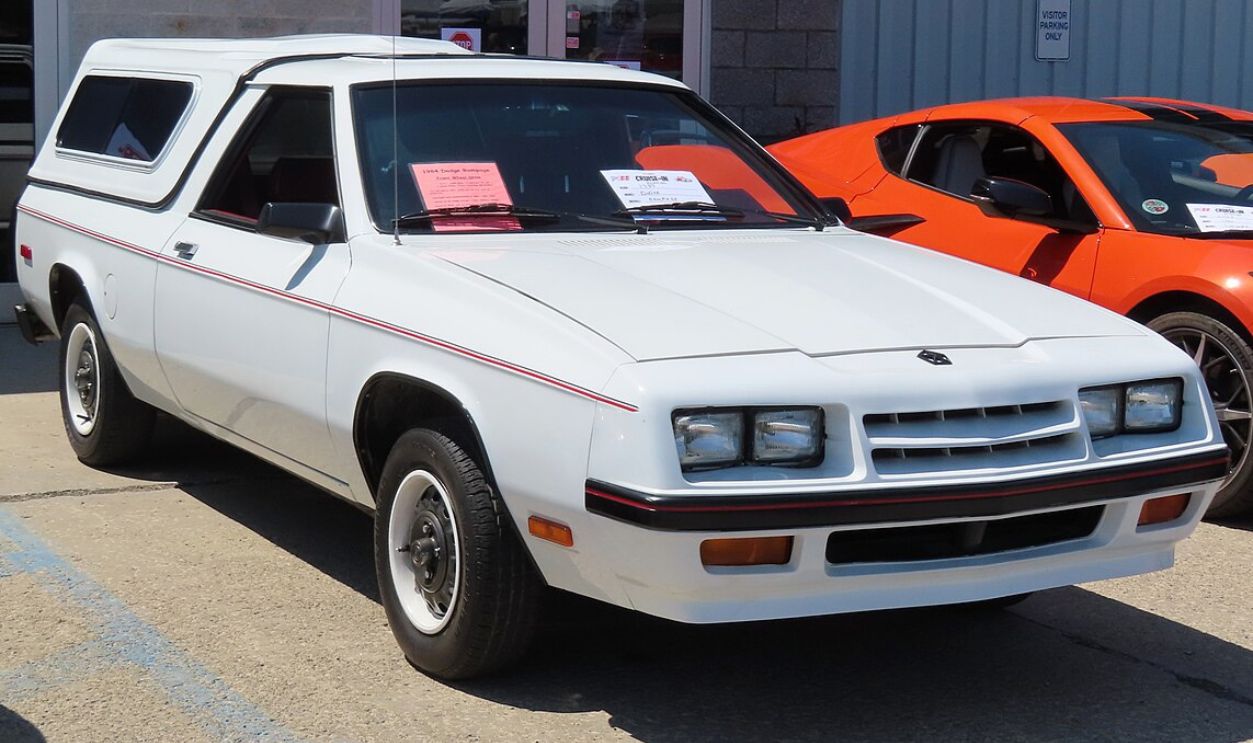 MercurySable99, CC BY-SA 4.0, Wikimedia Commons
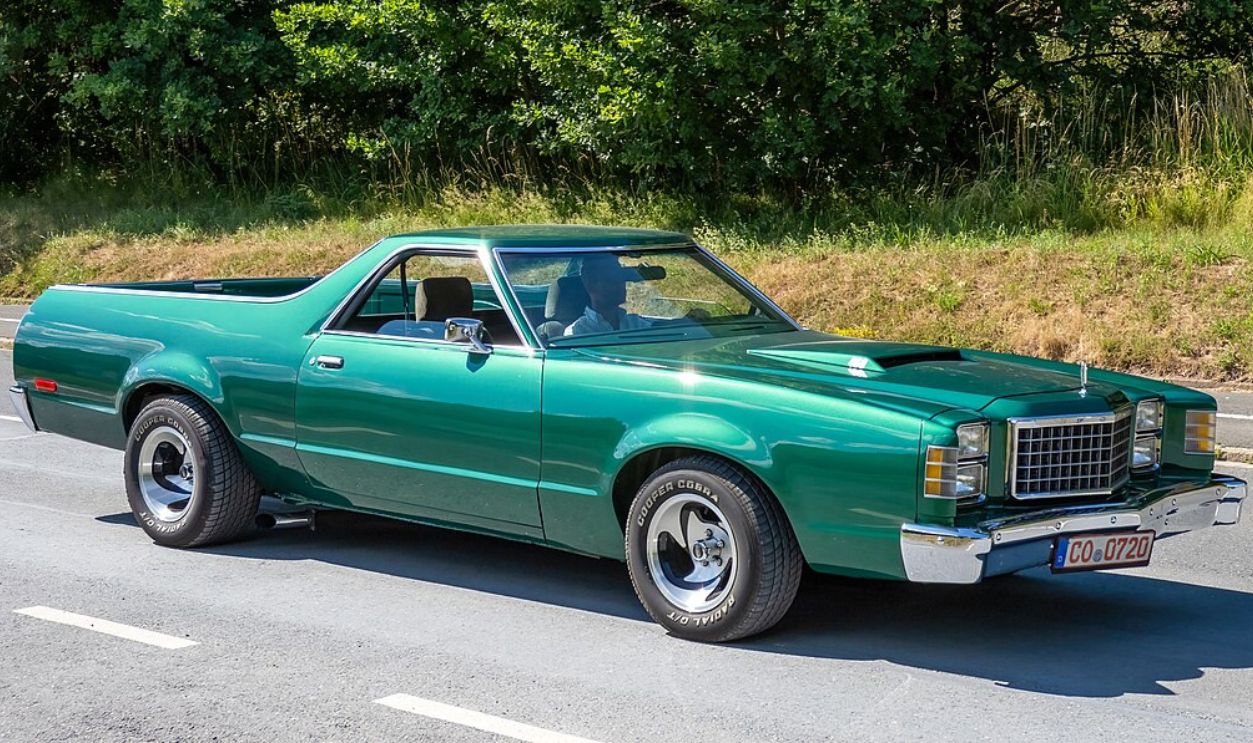
Seventh Generation Ford Ranchero
By the 7th generation, the Ranchero’s engine was upgraded to a 6.6 L V8, and buyers could swap the front to several front clips from the Mercury Montego, Ford Thunderbird, or Mercury Cougar. However, consumers were favoring smaller and lighter trucks, and production in the US stopped after 1979.
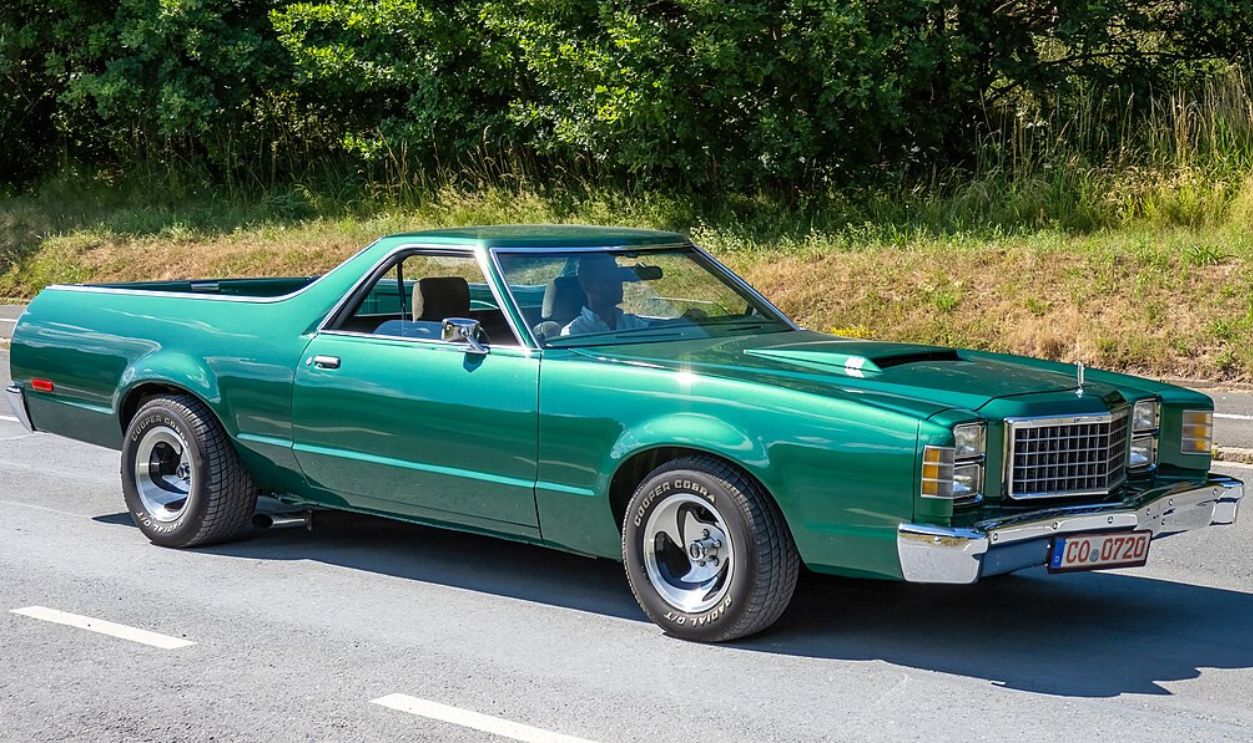 Reinhold Möller, CC BY-SA 4.0, Wikimedia Commons
Seventh Generation Ford Ranchero (Cont.)
For this generation, Ford pulled a few styling cues from the LTD II—most noticeably the sixth-generation front end—to comply with new federal standards. The standout change was the switch to rectangular stacked headlights, a detail that gave the car a sharper, more modern face at the time. Today, that distinctive look—and its relative rarity—has helped turn it into a hot ticket among vintage car collectors.
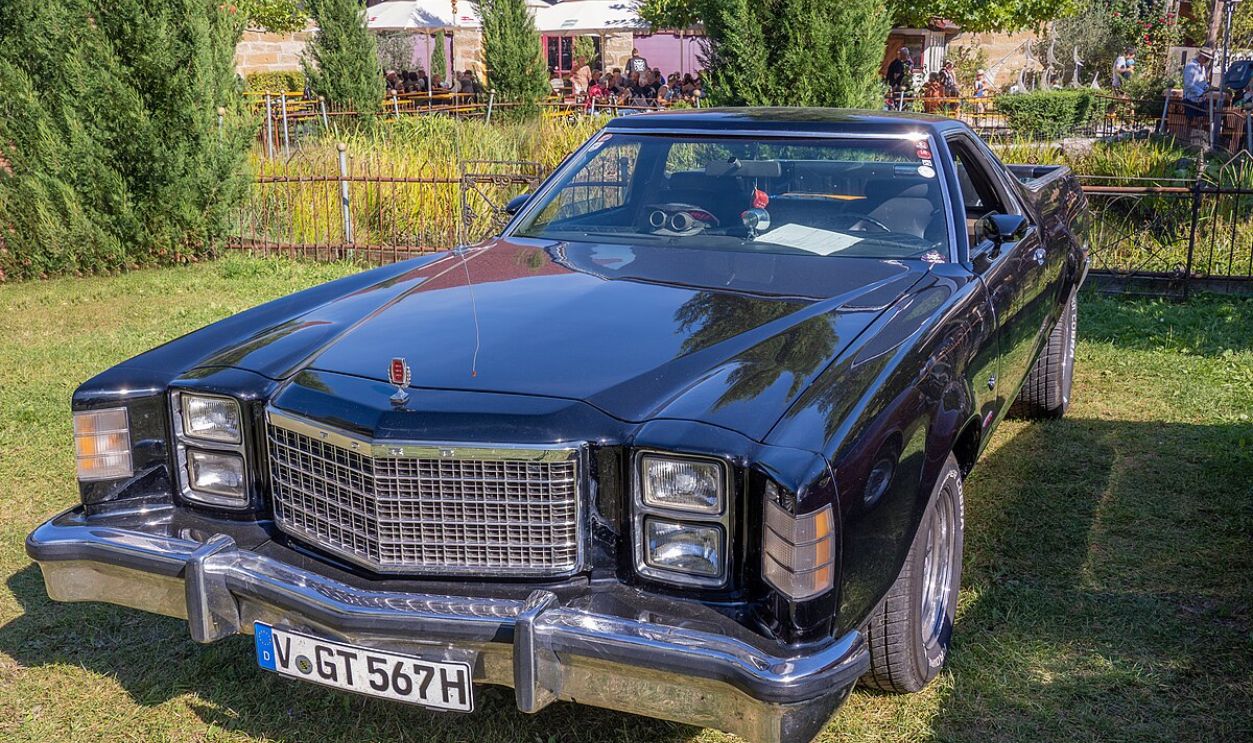 Ermell, CC BY-SA 4.0, Wikimedia Commons
Ford Durango
As a limited-production Ford vehicle, the Durango was a conversion of the Ford Fairmont Futura coupe, modified by National Coach Works to include a pickup bed. It was developed as a response to the fuel crises of the 1970s to offer a more fuel-efficient alternative to traditional pickups.
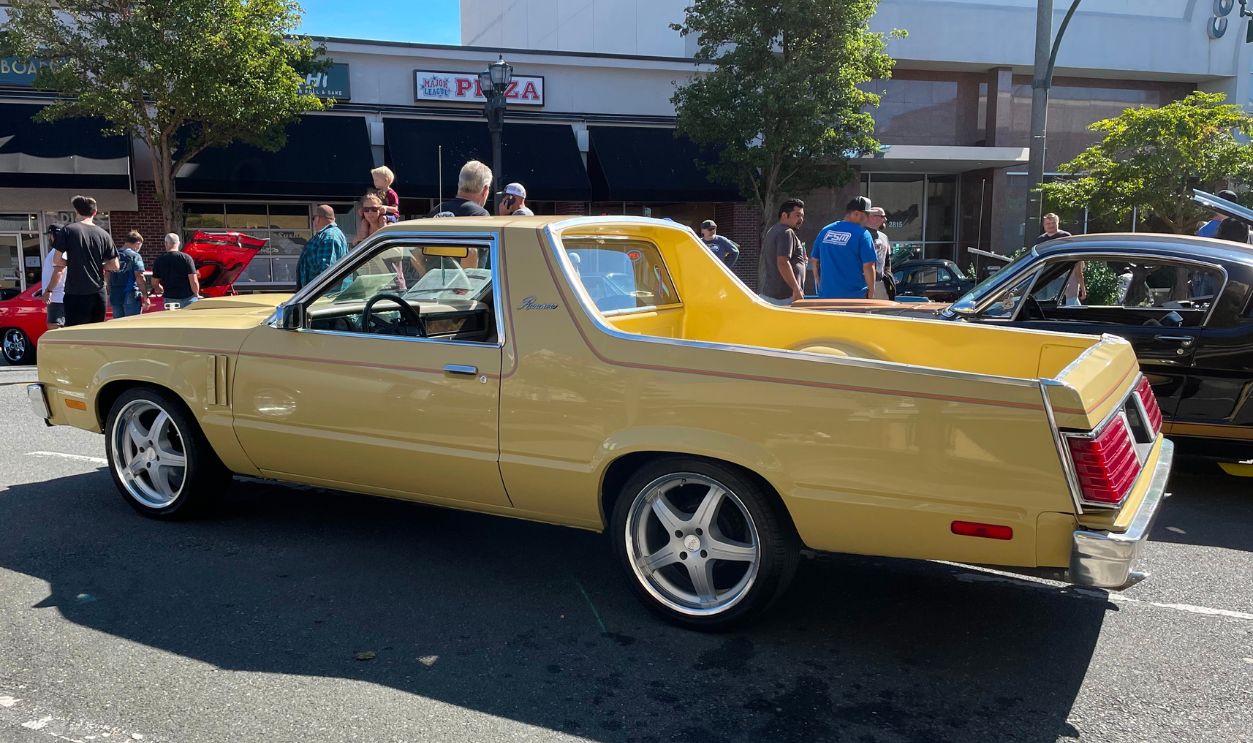
Ford Durango (Cont.)
Fewer than 350 units were produced between 1979 and 1982, which makes the Durango one of the rarest “ute” cars. Out of which, 212 were customized and converted by National Coach Works. It was designed to compete with the downsized El Camino but wasn't an official production car.
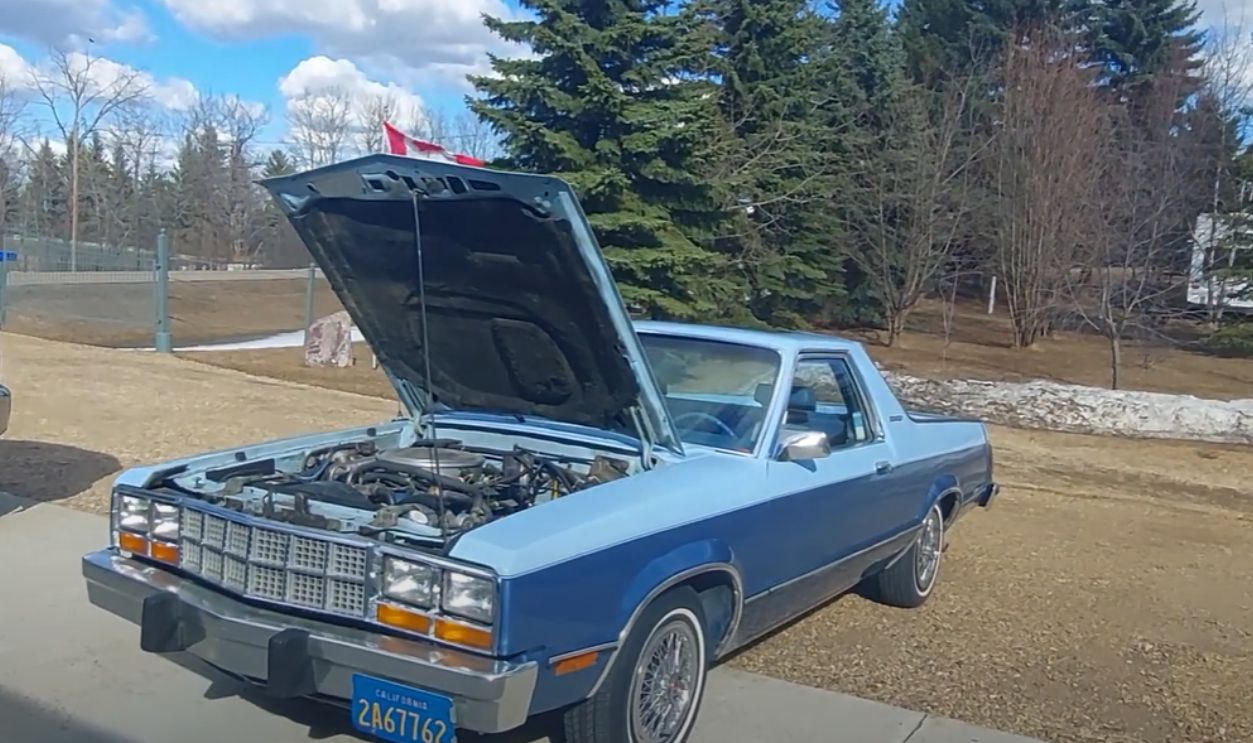
Ford Durango (Cont.)
Vehicles converted by the National Coach Works have various unique features, like the fiberglass filler panel. This panel between the tailgate and the cargo bed stores the hinges when folded. All Durango cars came equipped with 200 cubic-inch inline-six engines.
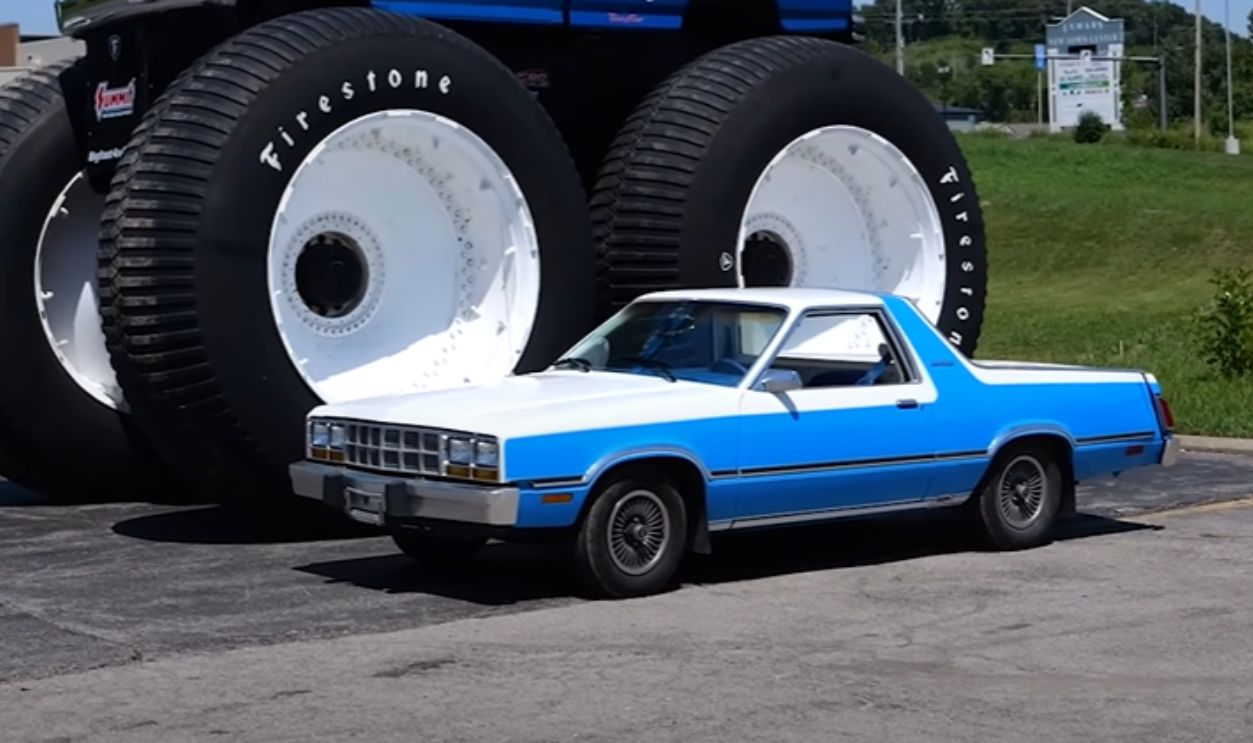 RARE Ford Durango Revival! Will it Drive 400 Miles After 9 YEARS? By Junkyard Digs
GMC Sprint Renamed Caballero
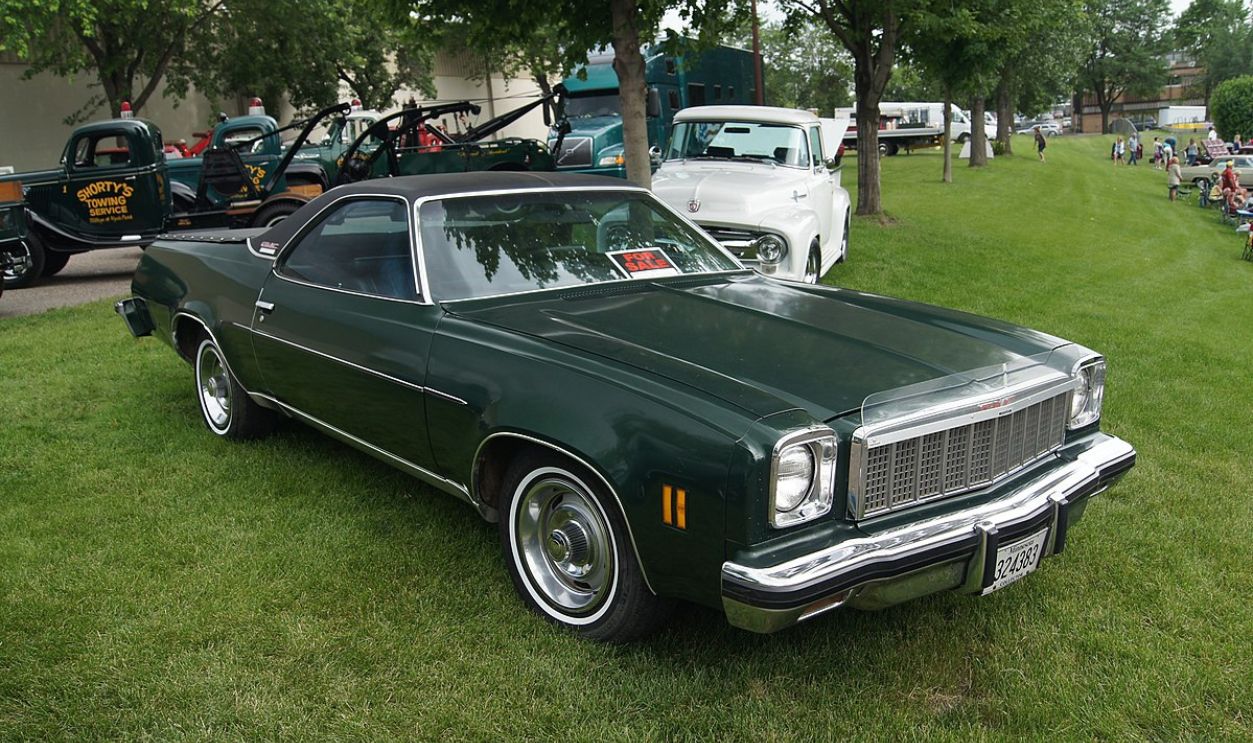
The GMC Sprint (later renamed the Caballero) was a coupe utility vehicle produced by General Motors under the GMC brand between 1971 and 1987. Debuted in 1971, the GMC Sprint was the company's response to the growing popularity of the Chevrolet El Camino.
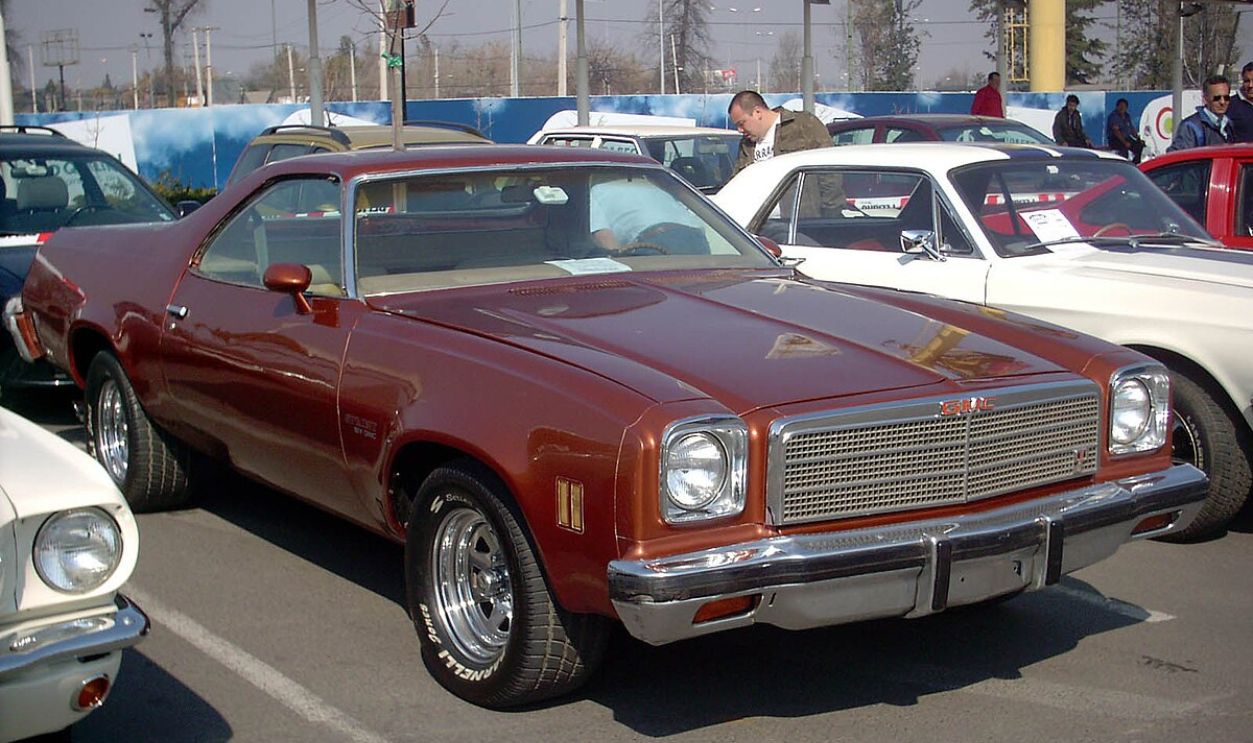 Qwerty242, CC BY-SA 3.0, Wikimedia Commons
GMC Sprint Renamed Caballero ( Cont.)
As a matter of fact, it was essentially a rebadged version of the Chevrolet El Camino and shared many components with it. However, it was marketed under GMC for buyers seeking a slightly different branding experience with various trim designations and emblems.
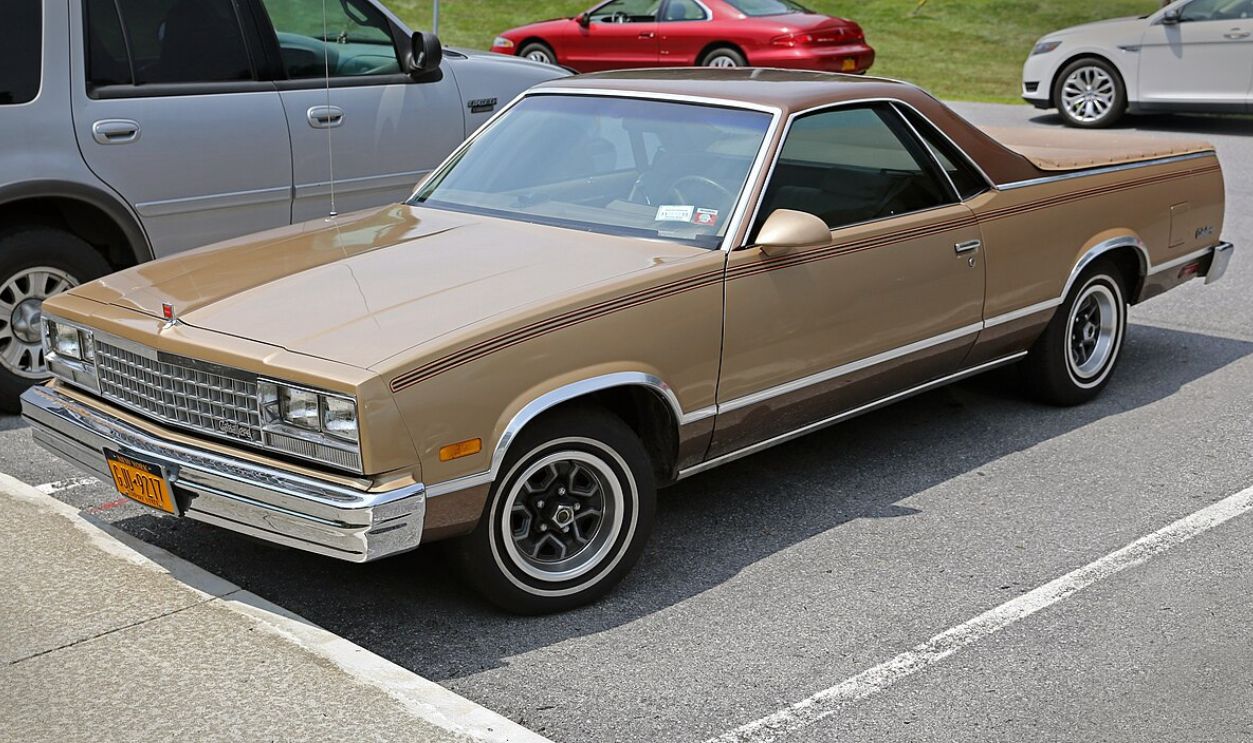 Mr.choppers, CC BY-SA 3.0, Wikimedia Commons
GMC Sprint Renamed Caballero ( Cont.)
First-generation Sprint vehicles came with various inline six and V8 engine options. They shared some exterior features with the Chevelle Malibu and El Camino. The second-generation cars were larger but lighter, and in 1977, the name was changed to Caballero.
 Greg Gjerdingen, CC BY 2.0, Wikimedia Commons
Third Generation Chevrolet El Camino
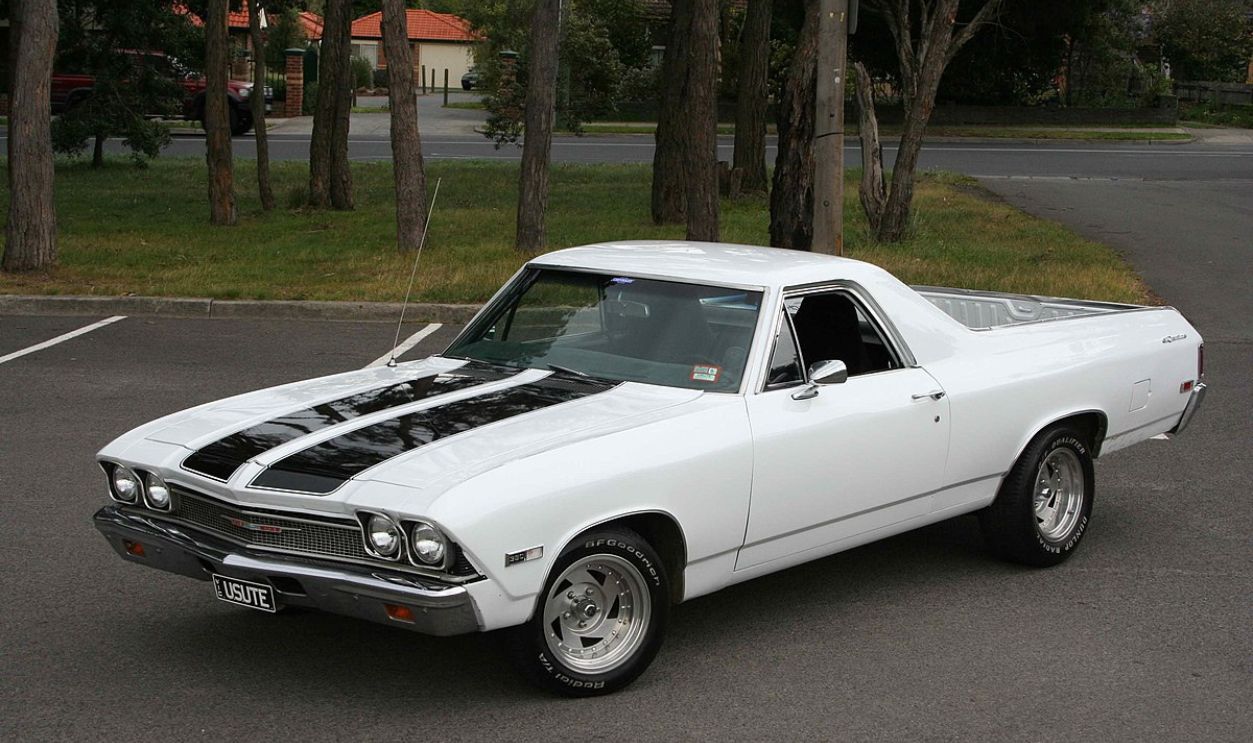
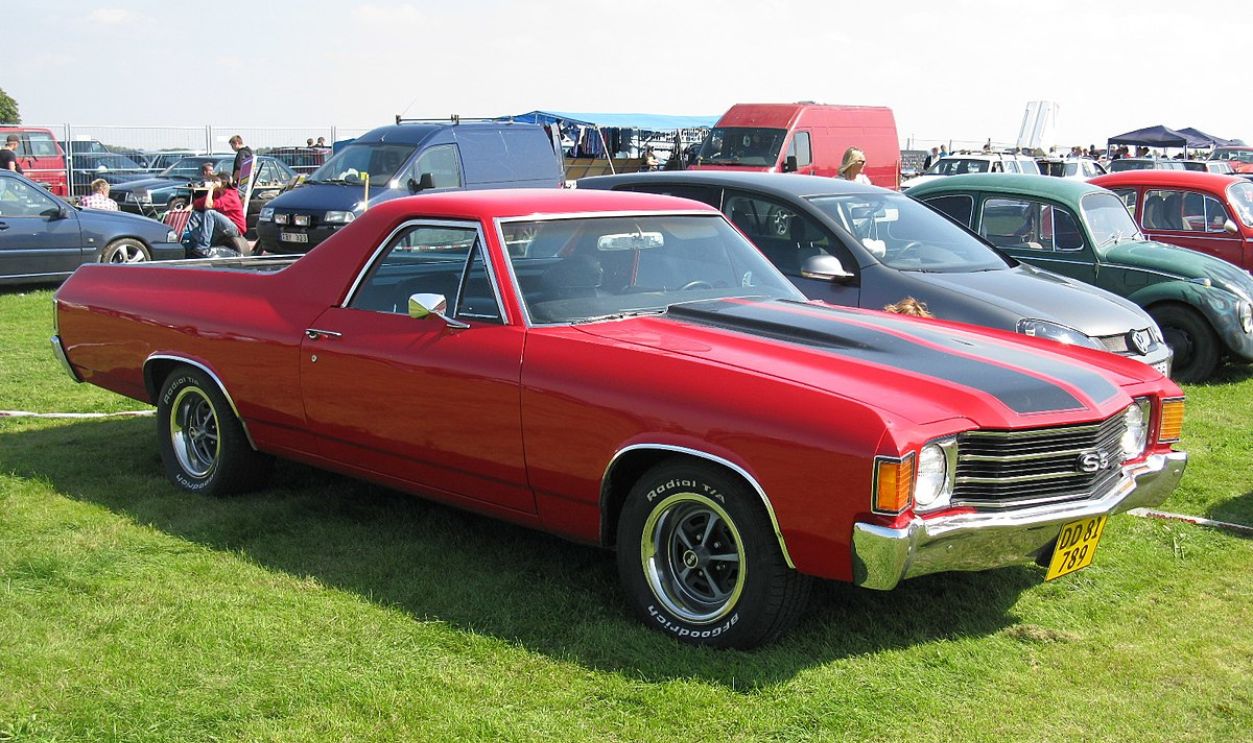
Chevrolet wasn’t shy about reinventing the El Camino. By the third generation, it had grown noticeably larger, taking its cues from the Chevelle station wagon. Inside, things got a glow-up too, with vinyl upholstery and plush carpeting elevating the cabin feel. And for drivers who wanted a little extra muscle with their multitasking, Chevrolet rolled out the high-performance Super Sport trim.
Third Generation Chevrolet El Camino (Cont.)
A red 1972 SS El Camino was the star in the 1973 spaghetti western My Name is Nobody. These vehicles had upgraded grilles and power-beam single-unit headlights. They came equipped with different engines, the strongest of which was a 270 hp V8.
 nakhon100, CC BY 2.0, Wikimedia Commons
Ford Falcon Ranchero
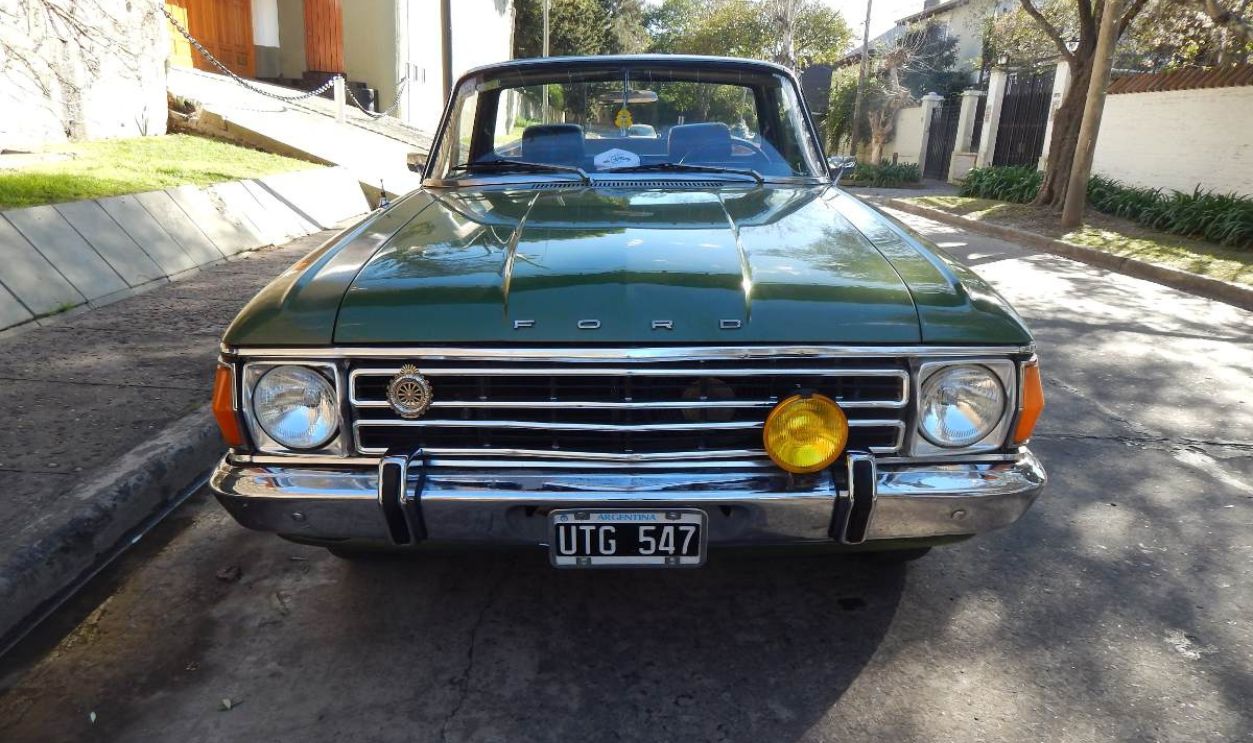
After the success of the first generation Ford Ranchero, Ford opted to reduce the size of its ute by using the Ford Falcon as its base. The new car was offered in 1960 and marketed under the name of Falcon Ranchero. It had a load capacity of 800 pounds.
 Nickmix01, CC BY-SA 4.0, Wikimedia Commons
Ford Falcon Ranchero (Cont.)
Despite the smaller size, the Falcon Ranchero was still popular among those who needed a light-duty truck. It was initially offered with a 2.4 L 90 hp Thriftpower I6 engine. However, it was upgraded to a 4.7 L V8 in 1965.
 Reinhold Möller, CC BY-SA 4.0, Wikimedia Commons
Ford Falcon Ranchero (Cont.)
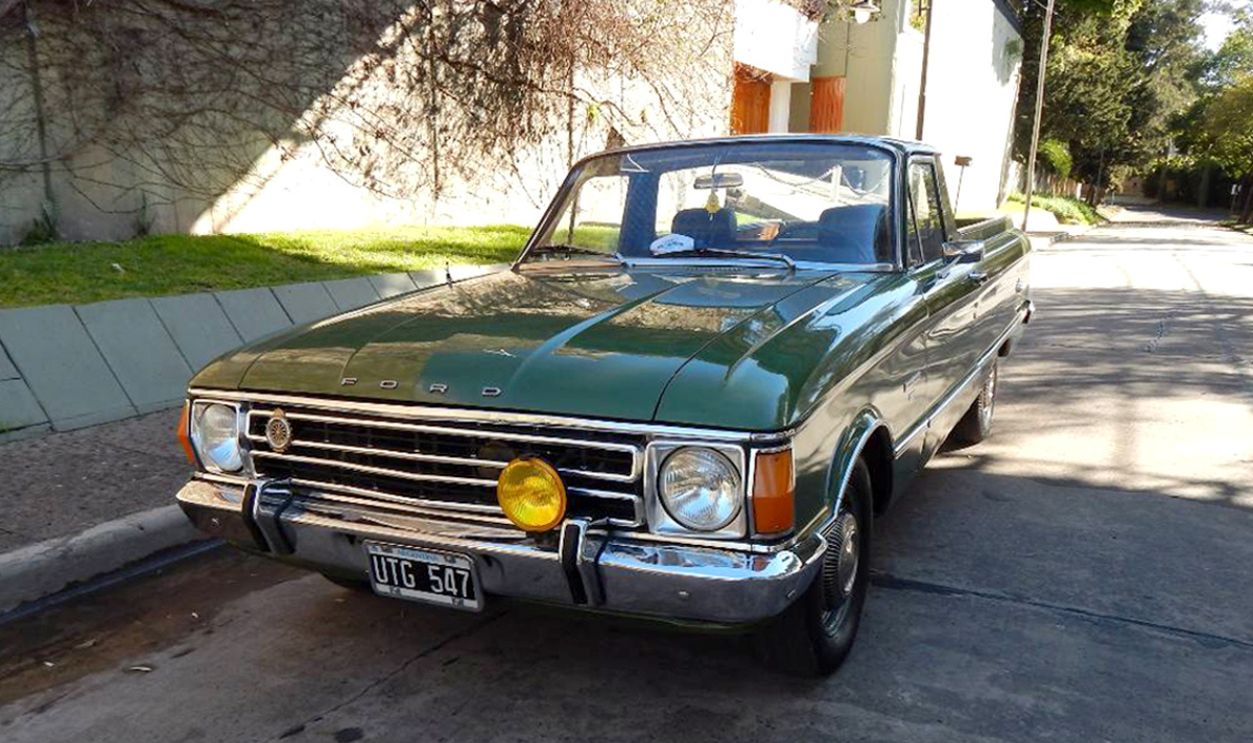
This generation of the Falcon was available in three different body models. The Australian one had a short rear overhang, while the Argentinian version had a higher and more square cargo box compared to the American. Production of the Australian Falcon continued until 2016.
 Nickmix01, CC BY-SA 4.0, Wikimedia Commons


.jpg)

.jpg)
,_1977_(4).jpg)
_Kulmbach-20220626-RM-160247.jpg)
