It Was Once A Familiar Sight
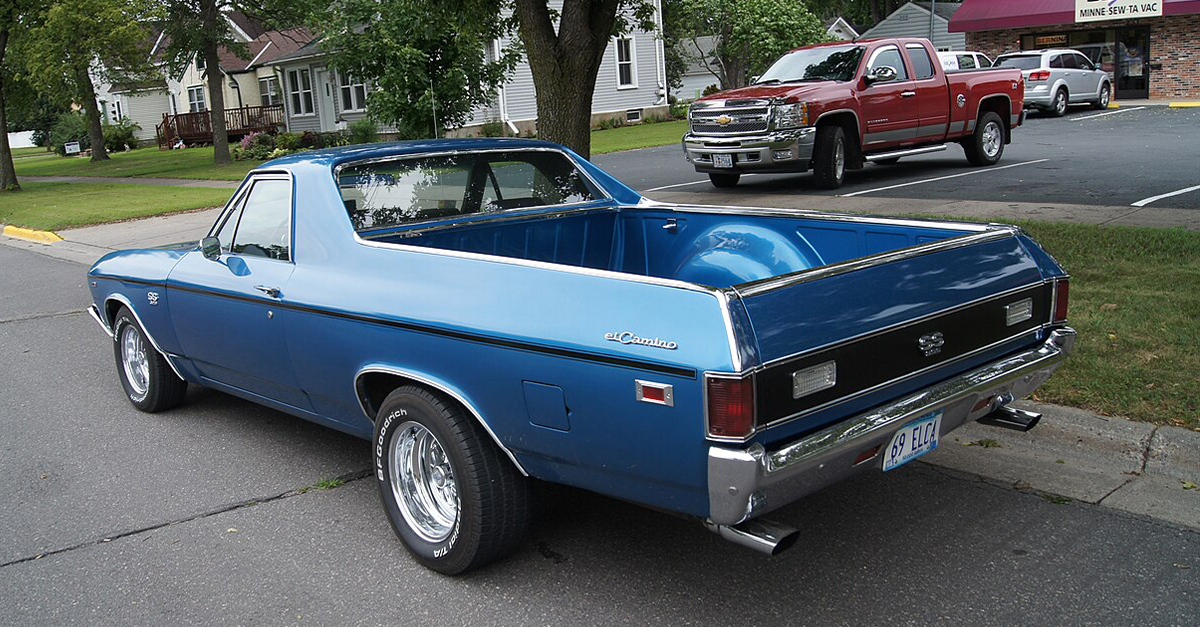
You may have seen a Chevrolet El Camino and wondered how the famous car-truck hybrid ever came to be viewed as a classic. Born to compete with Ford’s Ranchero, the El Camino blended passenger-car comfort with cargo-bed utility. Its life spanned three decades, defying categorization and helping shape automotive culture from the moment Chevrolet committed to the idea.
The El Camino Concept
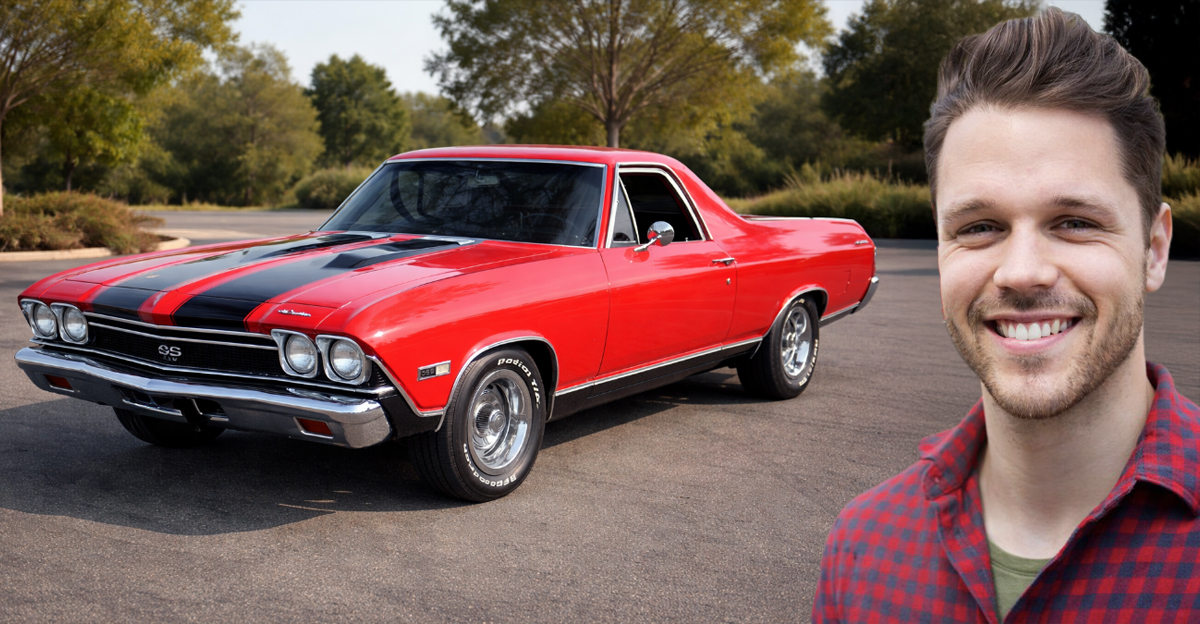
The El Camino was Chevrolet’s answer to drivers who wanted more utility than a sedan could provide, but more comfort than a pickup. Built on passenger-car platforms, the El Camino offered car-like handling with an open cargo bed. Its unusual combination allowed Chevrolet to experiment with engines and performance levels that weren’t available for traditional compact trucks.
 Chevrolet pre-1978, Wikimedia Commons
Ford Ranchero Pushed Chevy To Build One
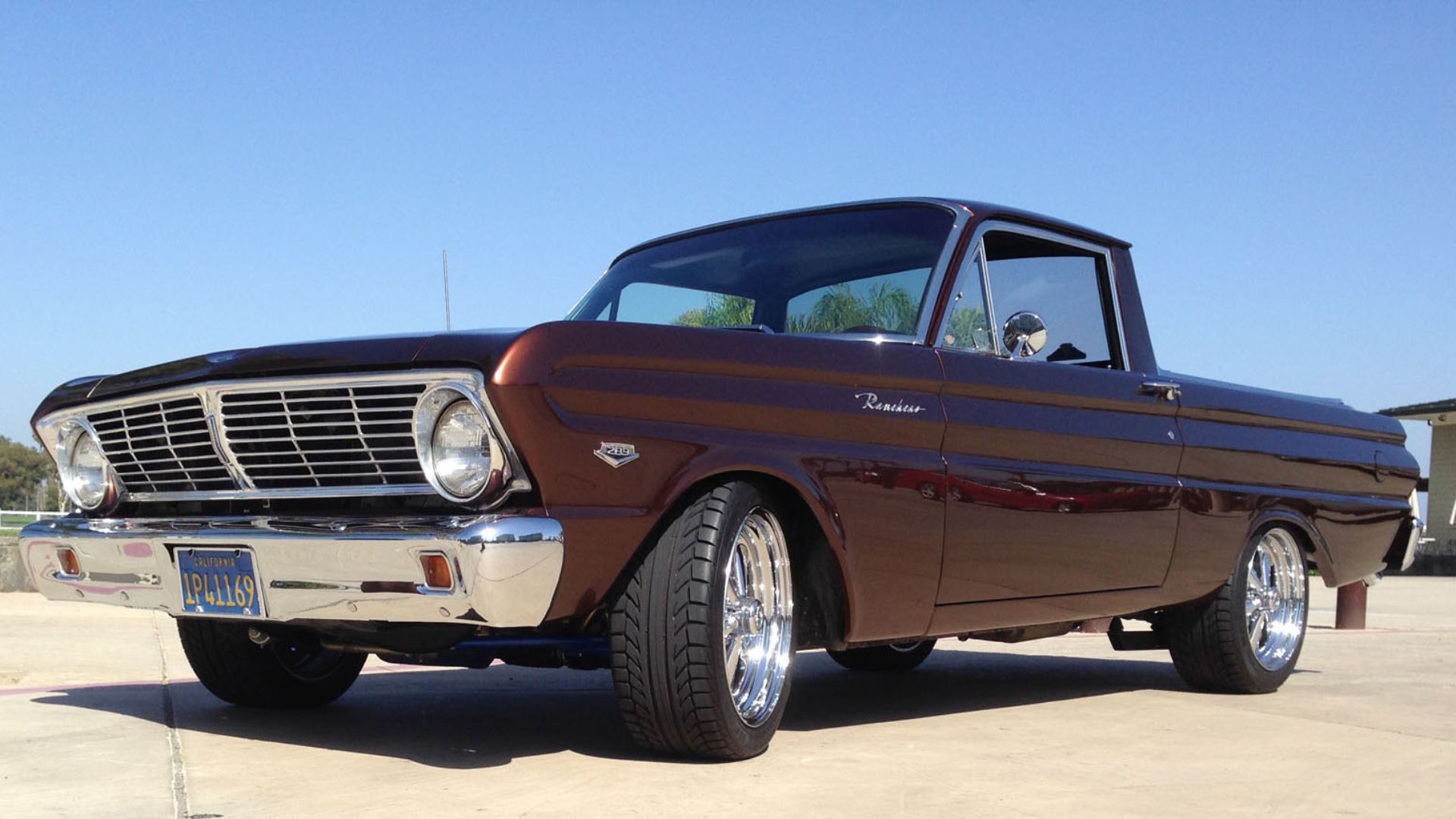
When Ford introduced the Ranchero in 1957, Chevrolet saw market validation for a car-based pickup. GM management targeted car buyers who wanted utility without a truck’s rough ride. The El Camino was Chevrolet’s response, positioned as a slightly more performance-oriented variant of the Ranchero.
First Generation: 1959–1960
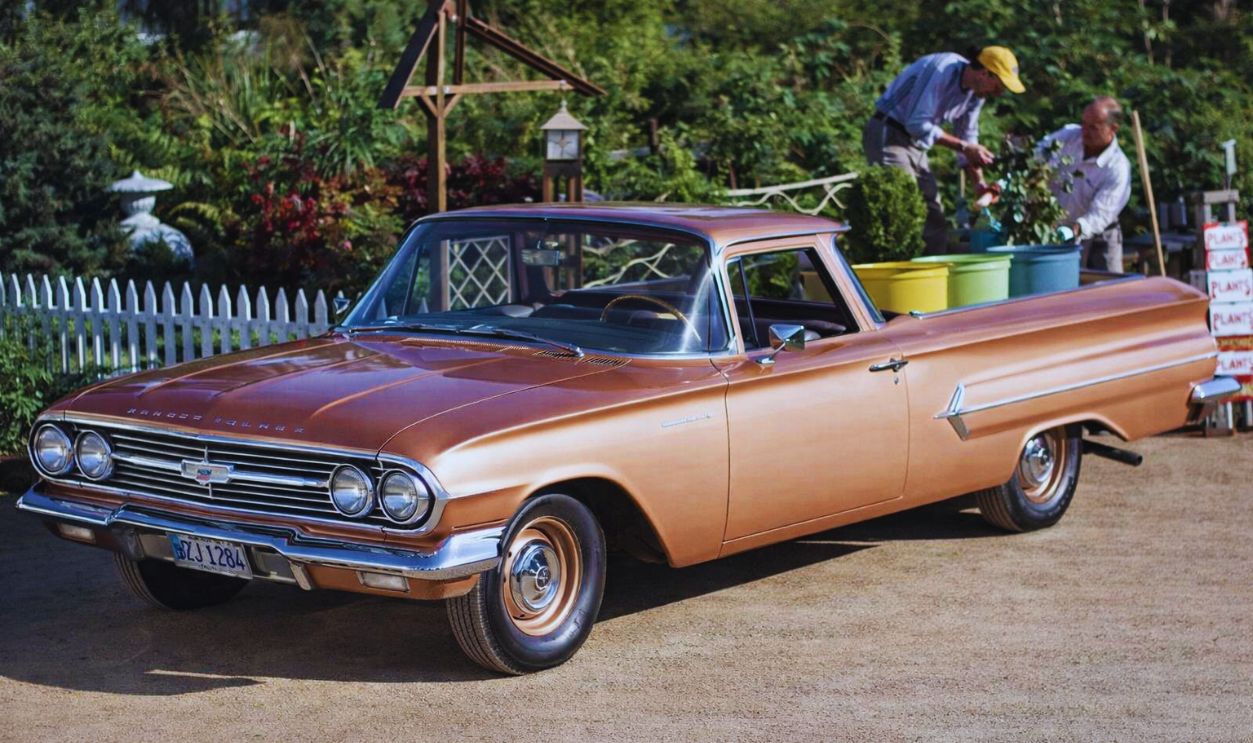
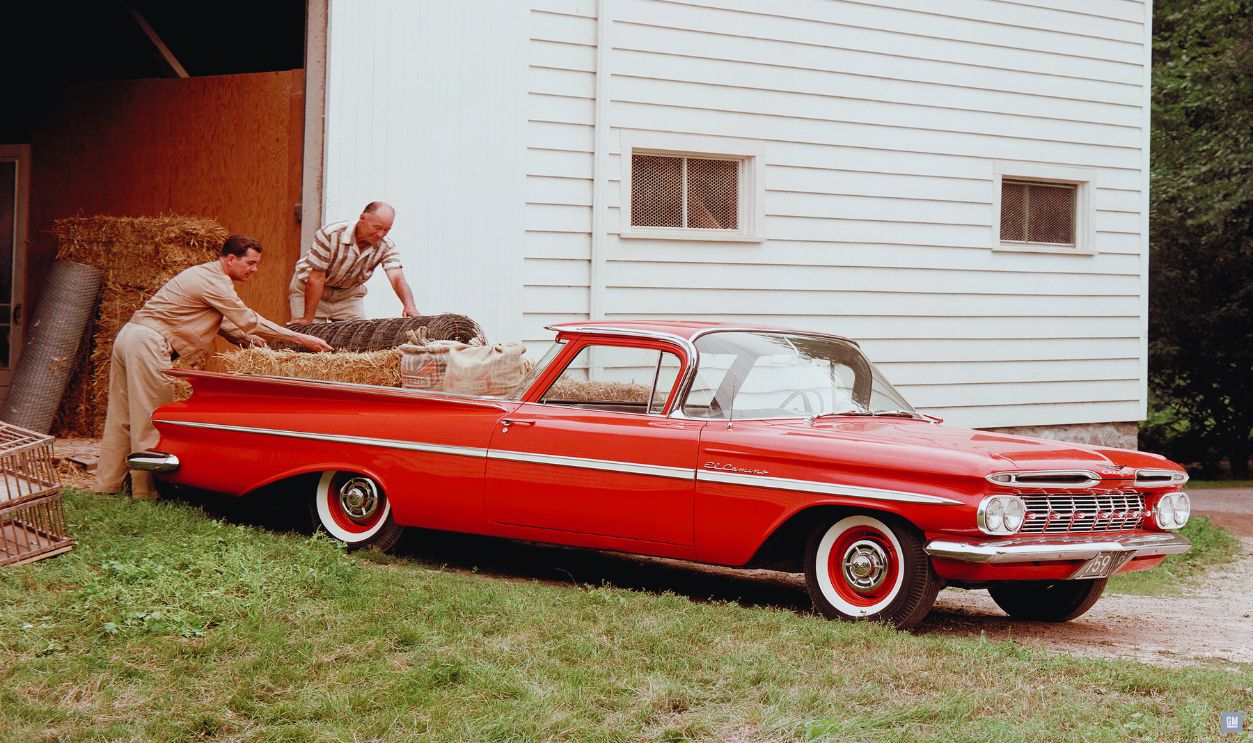
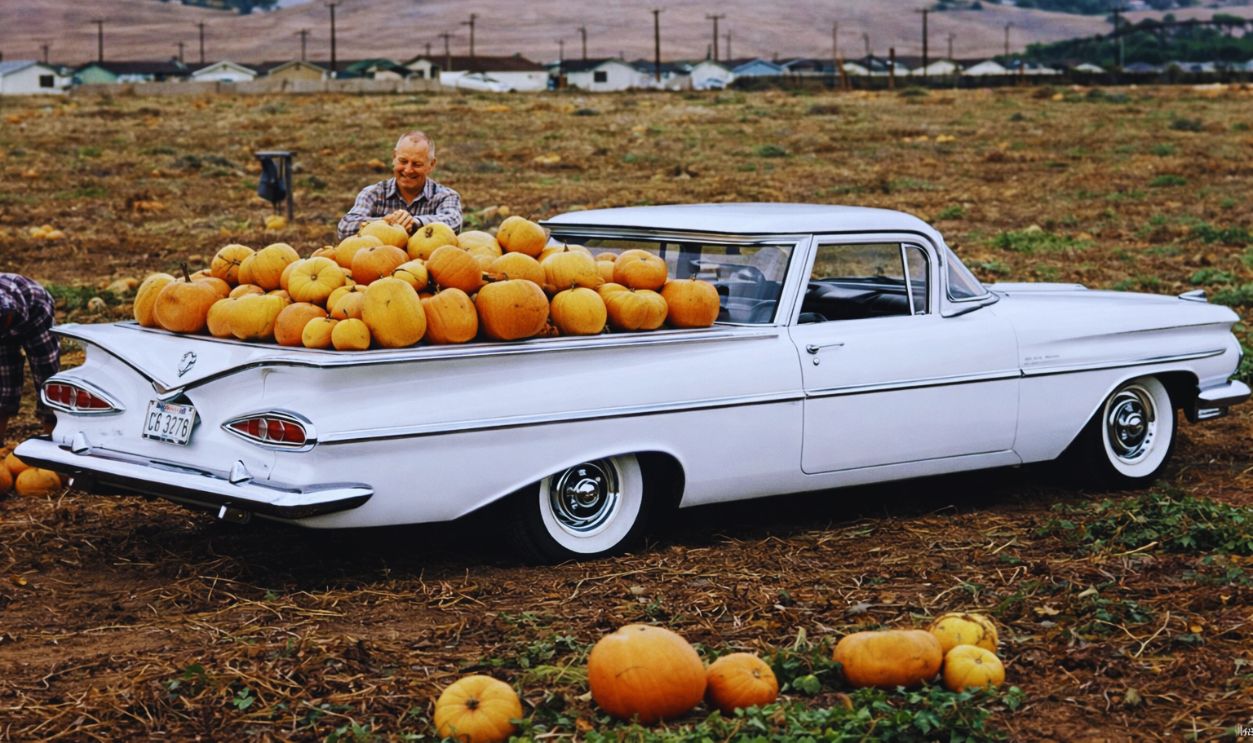
The first-generation El Camino debuted in 1959 on the full-size Chevrolet platform shared with the also then-new Chevrolet Brookwood station wagon. Its base engine was a 283-cubic-inch V8, emphasizing comfortable highway cruising rather than work duty. Although stylish and powerful, its lack of space limited sales in an era when Americans had larger families than they do today. This caused Chevrolet to pause the experiment after 1960.
 Chevrolet pre-1978, Wikimedia Commons
Hiatus And Return In 1964
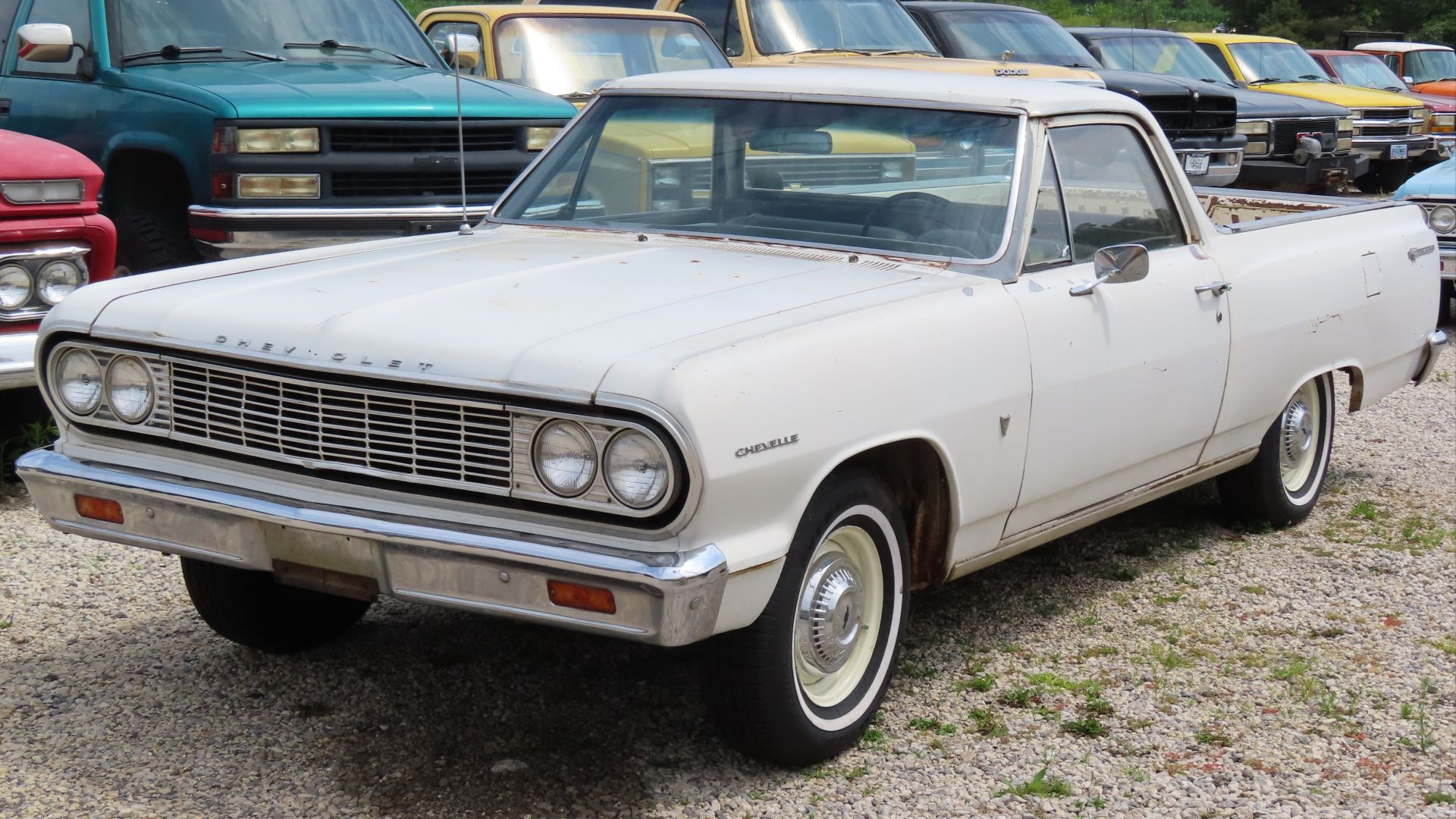
After four years away, the El Camino was brought back in 1964 on the mid-size Chevelle platform. This time, Chevrolet aimed to make the car-truck hybrid more affordable and practical, with better aerodynamics and a longer wheelbase. The updated formula resonated better with buyers and ensured the El Camino’s long-term survival.
 Chevrolet pre-1978, Wikimedia Commons
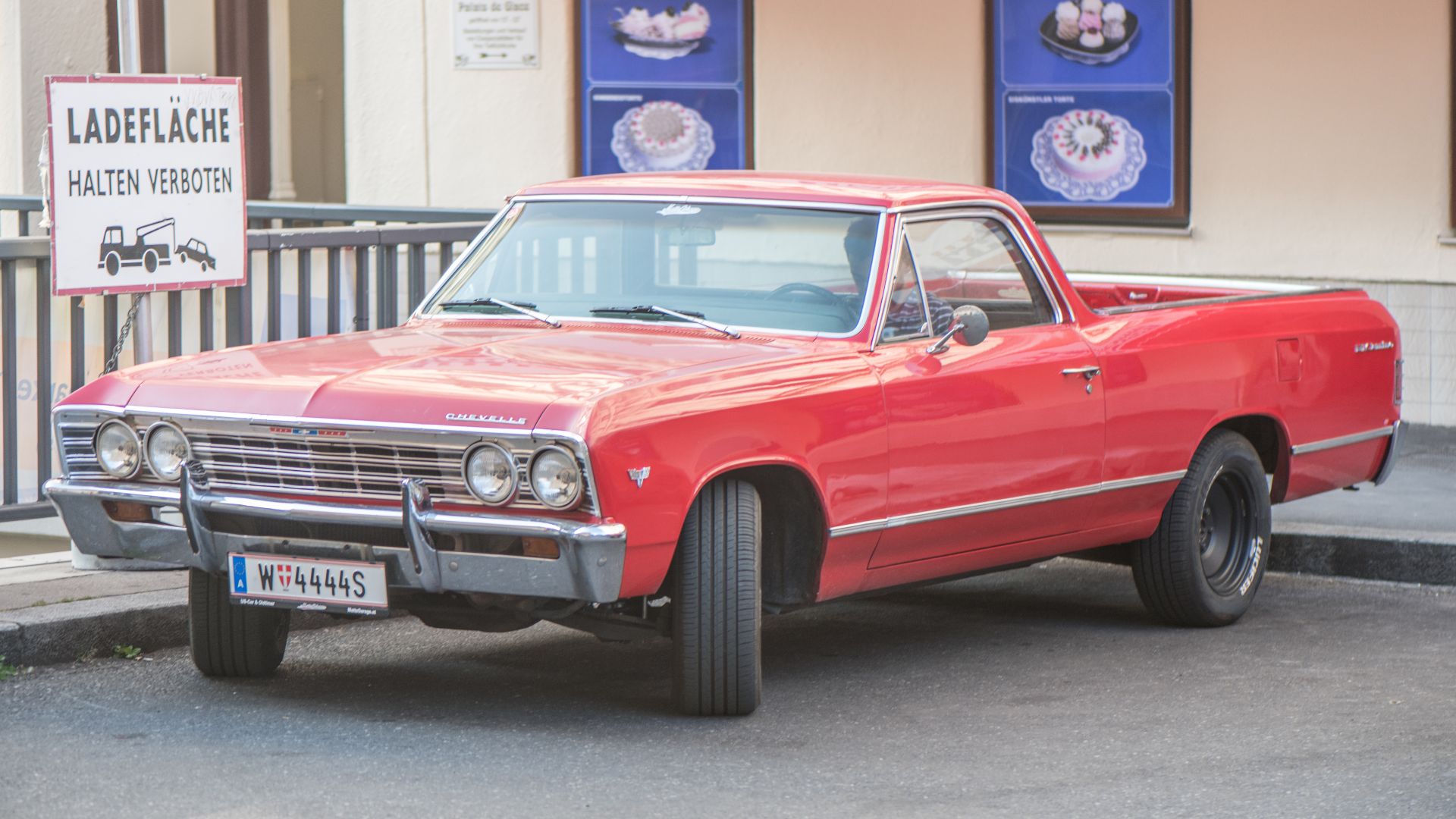
Second Generation: 1964–1967
Second-generation El Caminos offered a wide engine range, but the standard powerplant remained an inline six, growing to 230 cubic inches by the late 1960s. Buyers could upgrade to small-block V8s, but the base engine reinforced the El Camino’s role as a daily-drivable utility vehicle with the option of powering up to a pure muscle machine.
 MercurySable99, Wikimedia Commons
Third Generation: 1968–1972
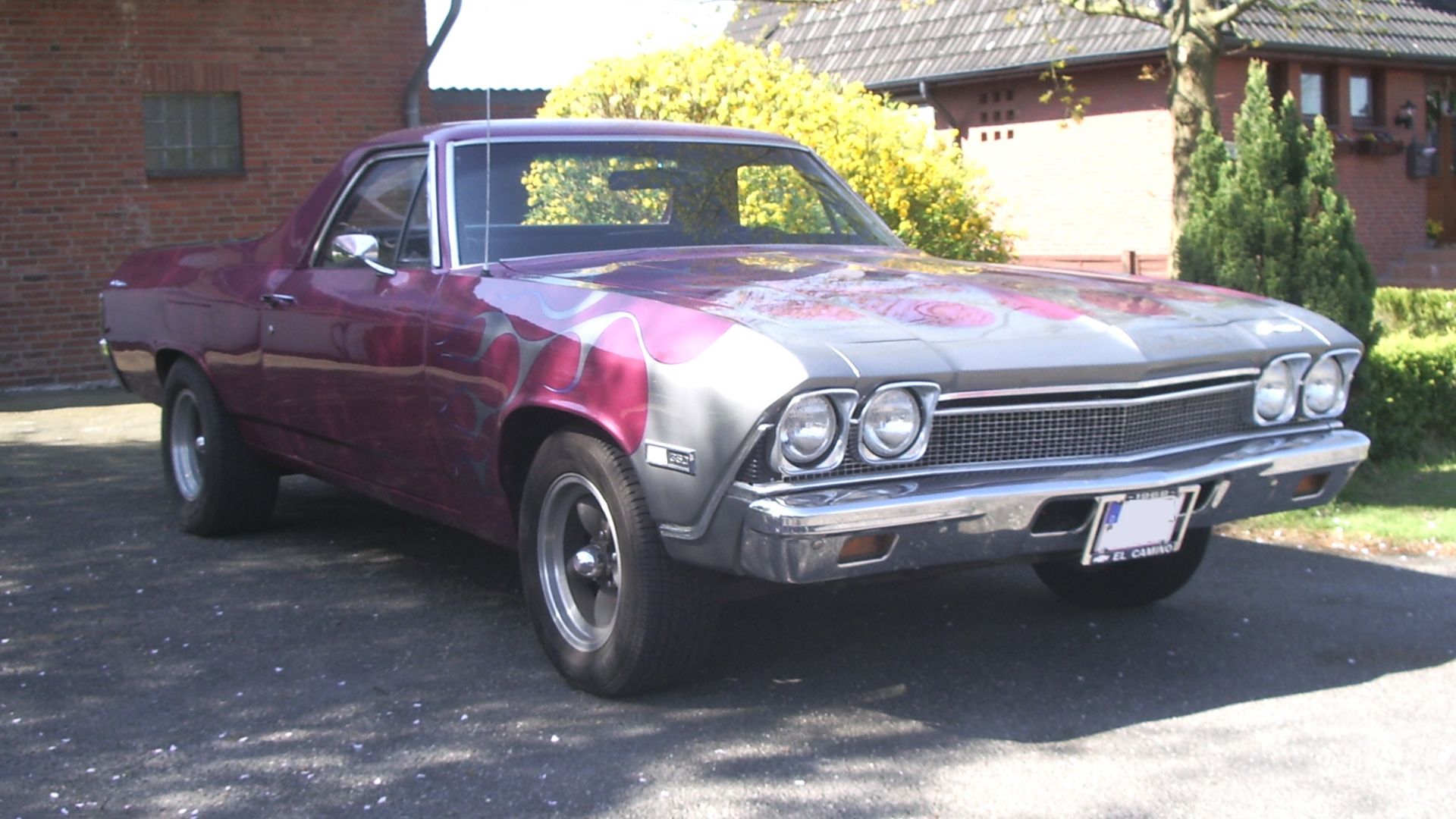
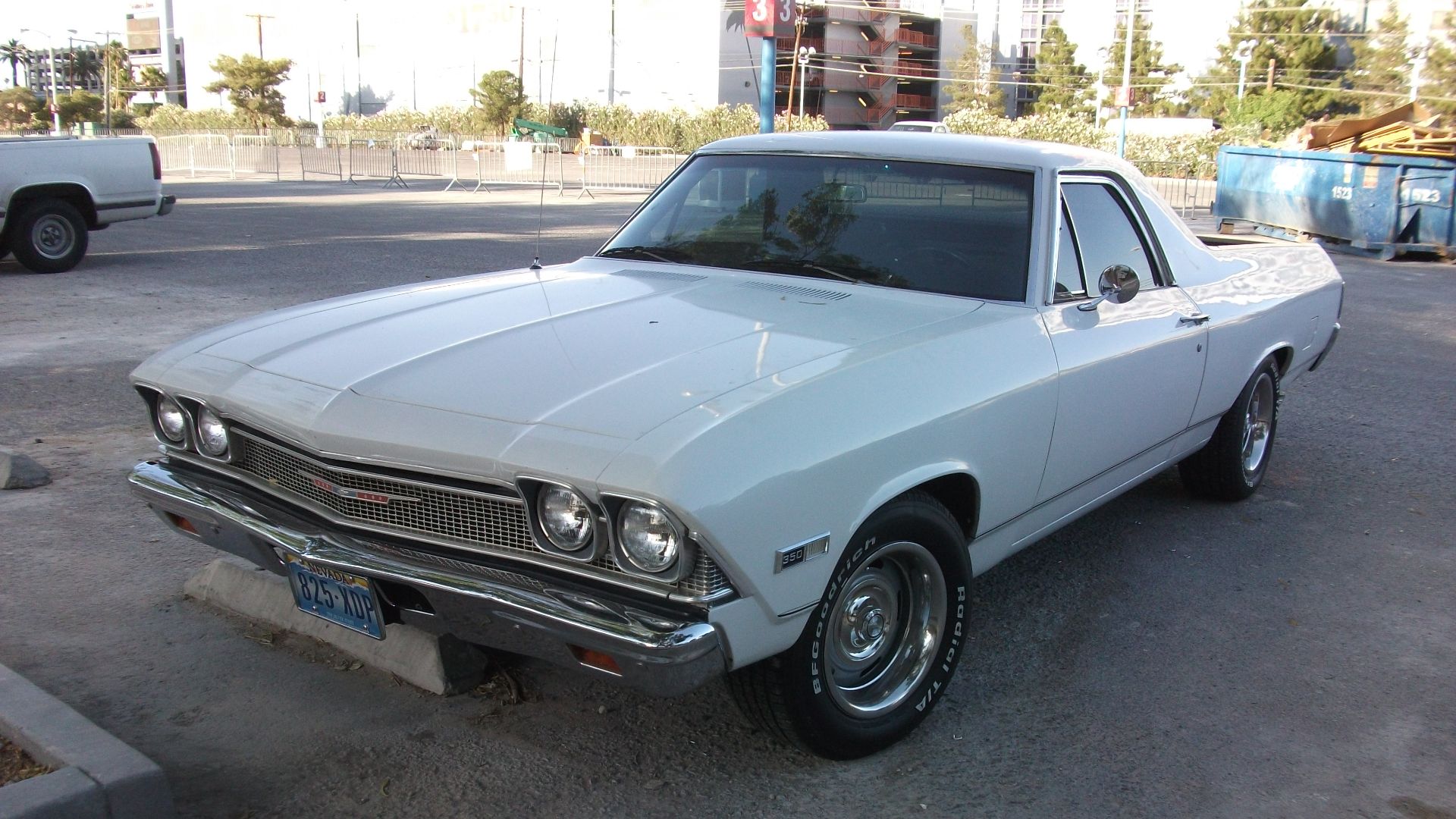
The third generation was introduced in the heyday of the muscle-car era, and the El Camino’s styling strongly reflected that. Despite optional big-block V8s, the base engine was still Chevrolet’s 250-cubic-inch inline six. That kept entry prices reasonable, while allowing performance buyers to add some serious power. The flexibility helped the El Camino thrive during the peak muscle-car years.
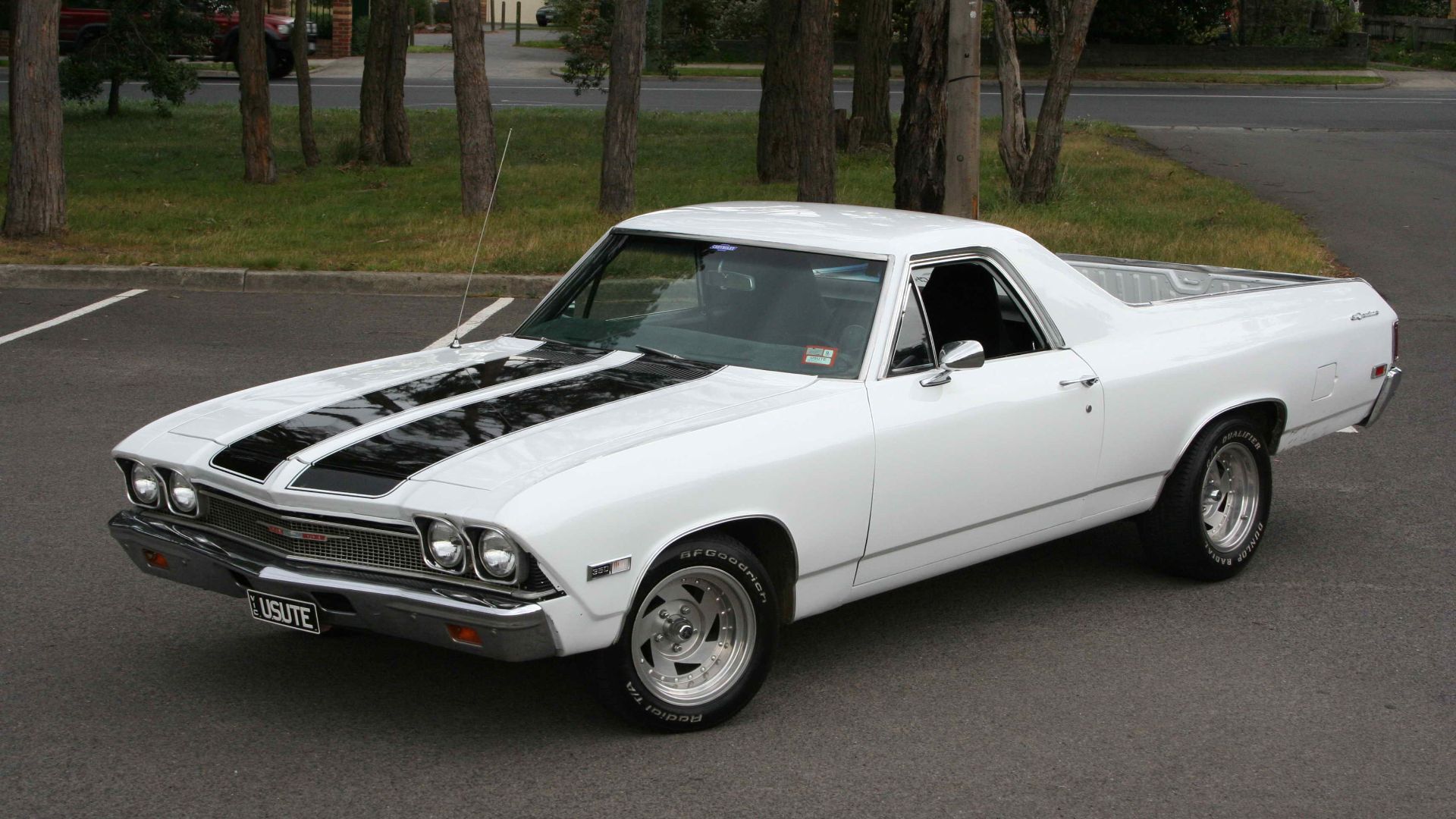
Super Sport Edition
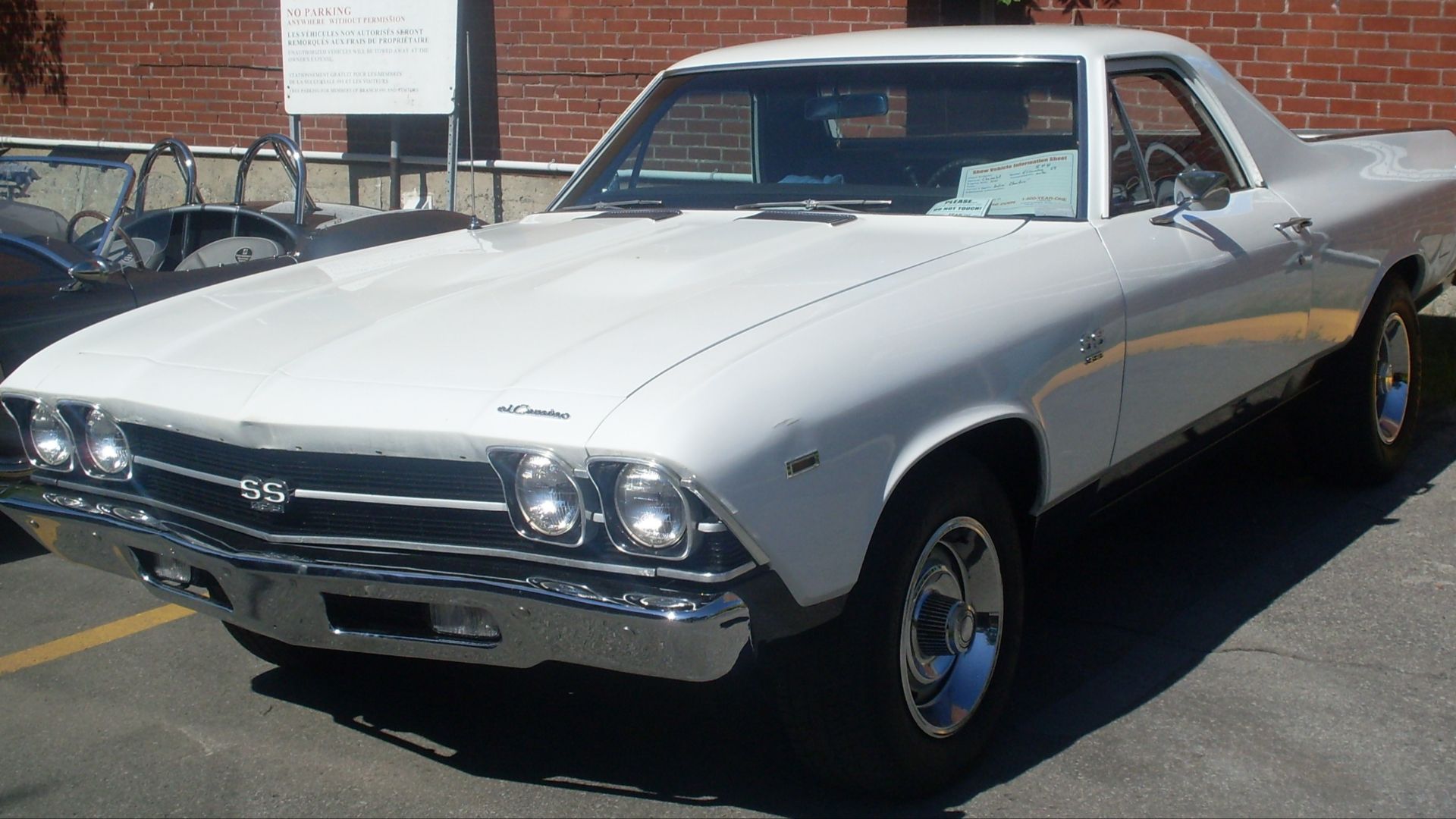
The Super Sport (SS) El Camino debuted in 1968, marking the moment Chevrolet fully embraced performance for its car-truck hybrid. The SS package brought aggressive styling cues, upgraded suspension components, and access to powerful big-block V8 engines, including the legendary 396. This made the El Camino a legitimate muscle machine, appealing to those who wanted speed, sound, and street presence along with a usable bed.
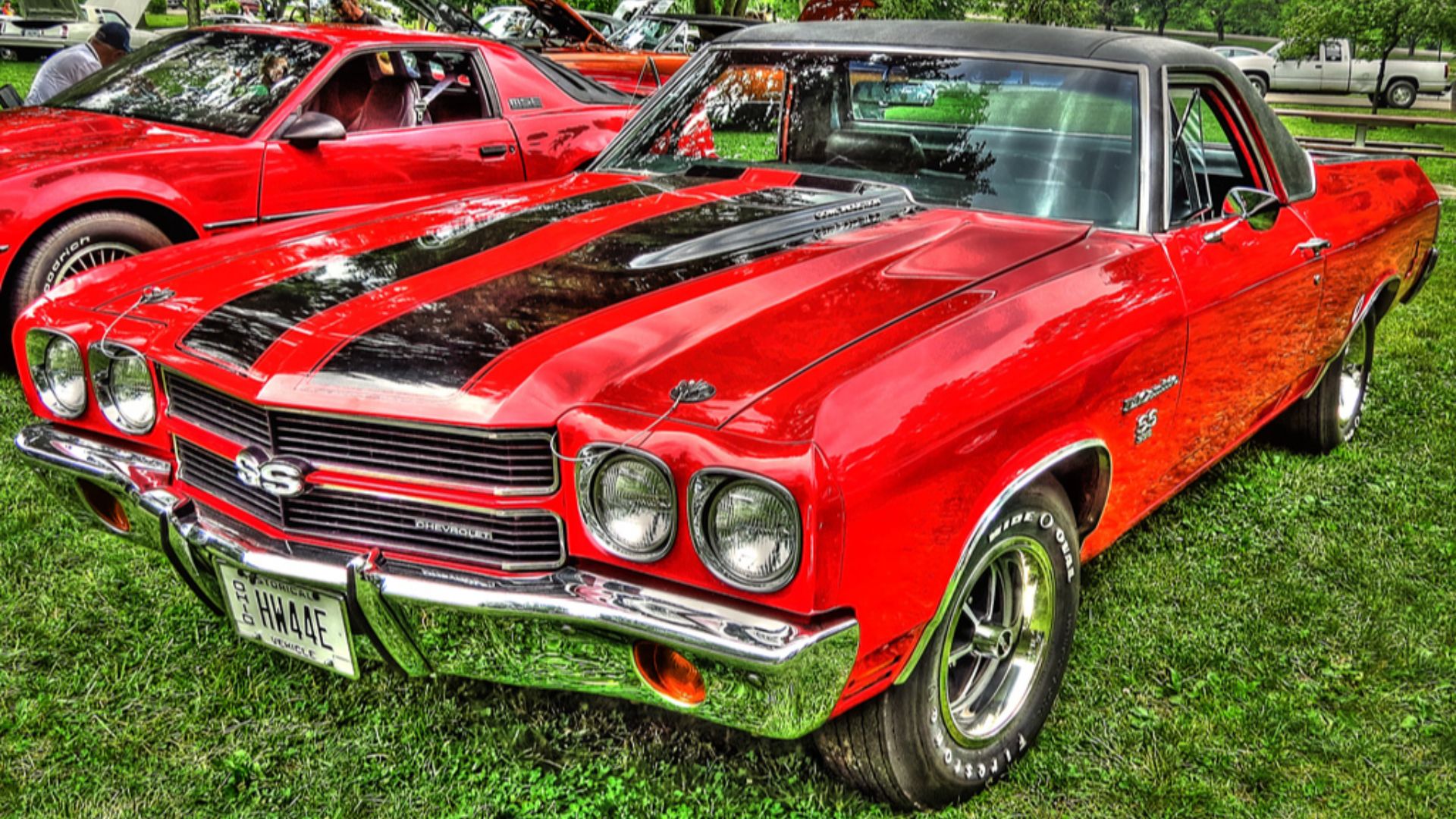 Don O'Brien from Piketon, Ohio, United States, Wikimedia Commons
Fourth Generation: 1973–1977
As emissions regulations tightened, the El Camino adapted. The base engine during this era was a 250-cubic-inch inline six, later supplemented by the low-compression 307 V8. Performance took a back seat to better drivability and comfort. The styling went through its biggest change yet in terms of a more streamlined look. But the El Camino still retained enough power to remain useful in an automotive industry going through rapid change.
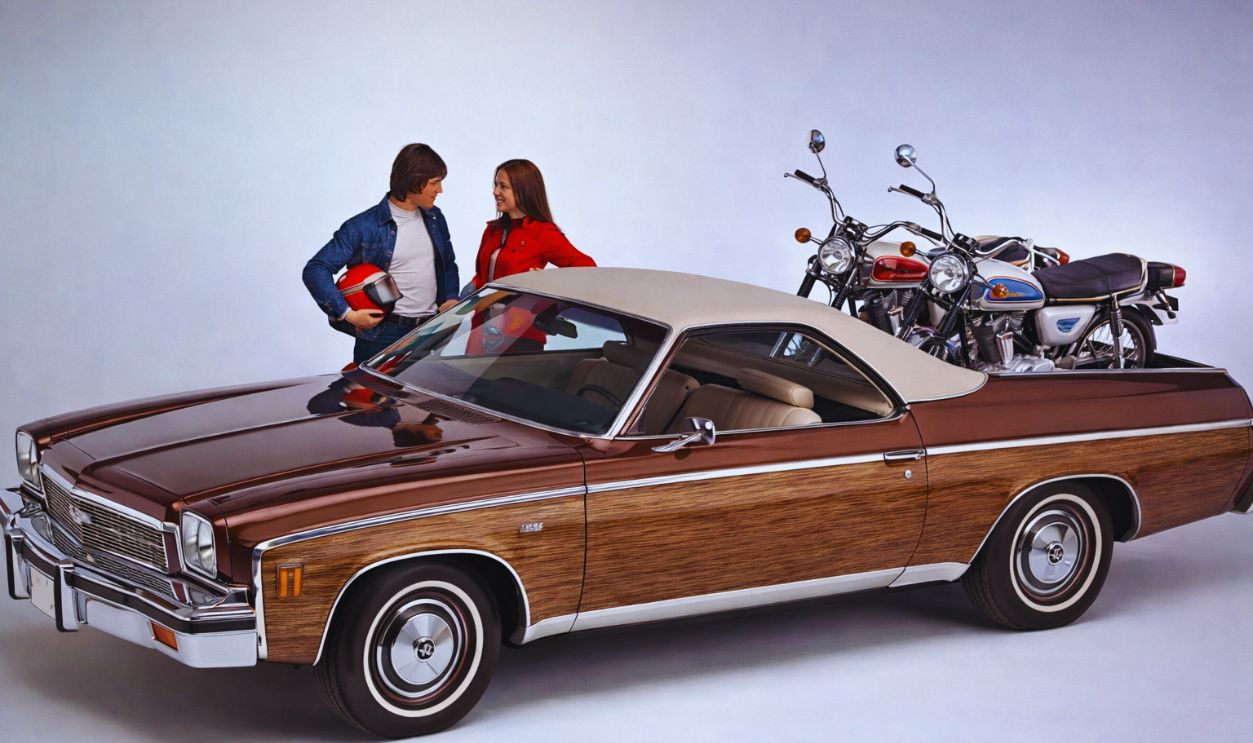 Chevrolet pre-1978, Wikimedia Commons
Fifth Generation: 1978–1987
The fifth and last generation moved to GM’s downsized G-body platform by the early 80s. Its base engine shifted to a 200-cubic-inch V6, reflecting the fuel-economy concerns of the era. Optional V8s remained available, but the standard V6 signaled Chevrolet’s acknowledgment that buyers were more and more prioritizing fuel efficiency over performance.
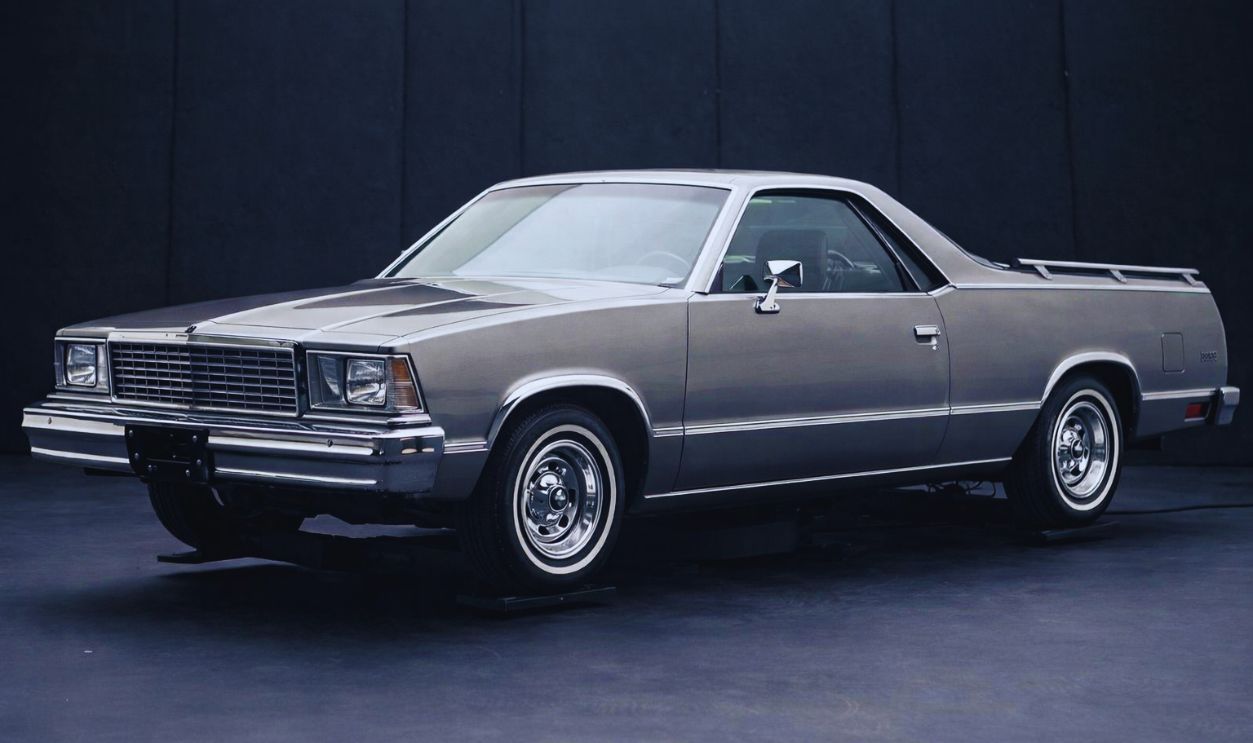 Chevrolet pre-1978, Wikimedia Commons
El Camino’s Popularity In The 80s
During the 1980s, the El Camino found a new audience among drivers who appreciated practicality with flair. The base V6 was modest, but reliability and customization potential kept sales steady, especially among younger drivers and hot-rodders looking for something unconventional in the increasingly boring automotive landscape of the 80s.
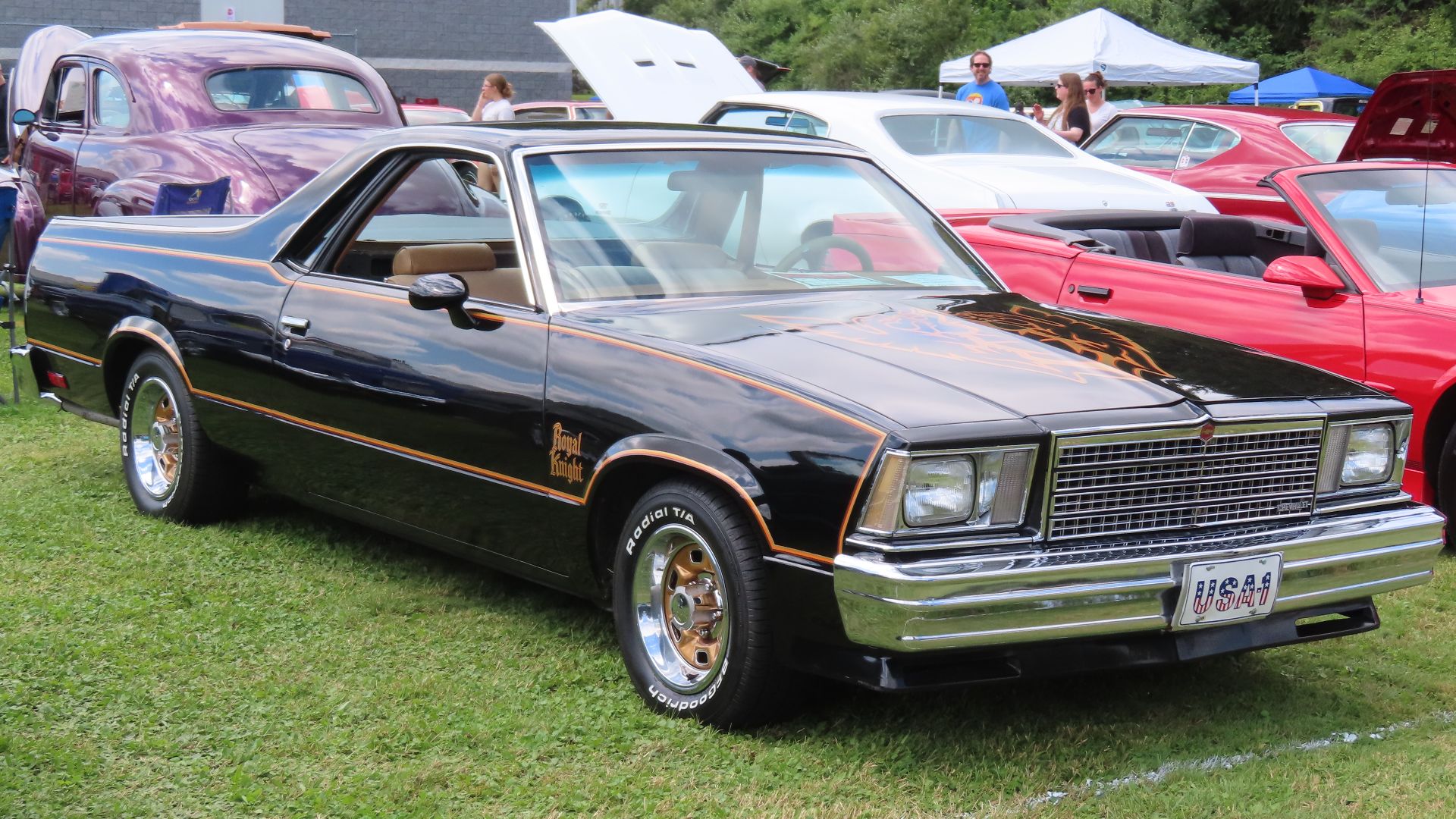 MercurySable99, Wikimedia Commons
Why The El Camino Lasted So Long
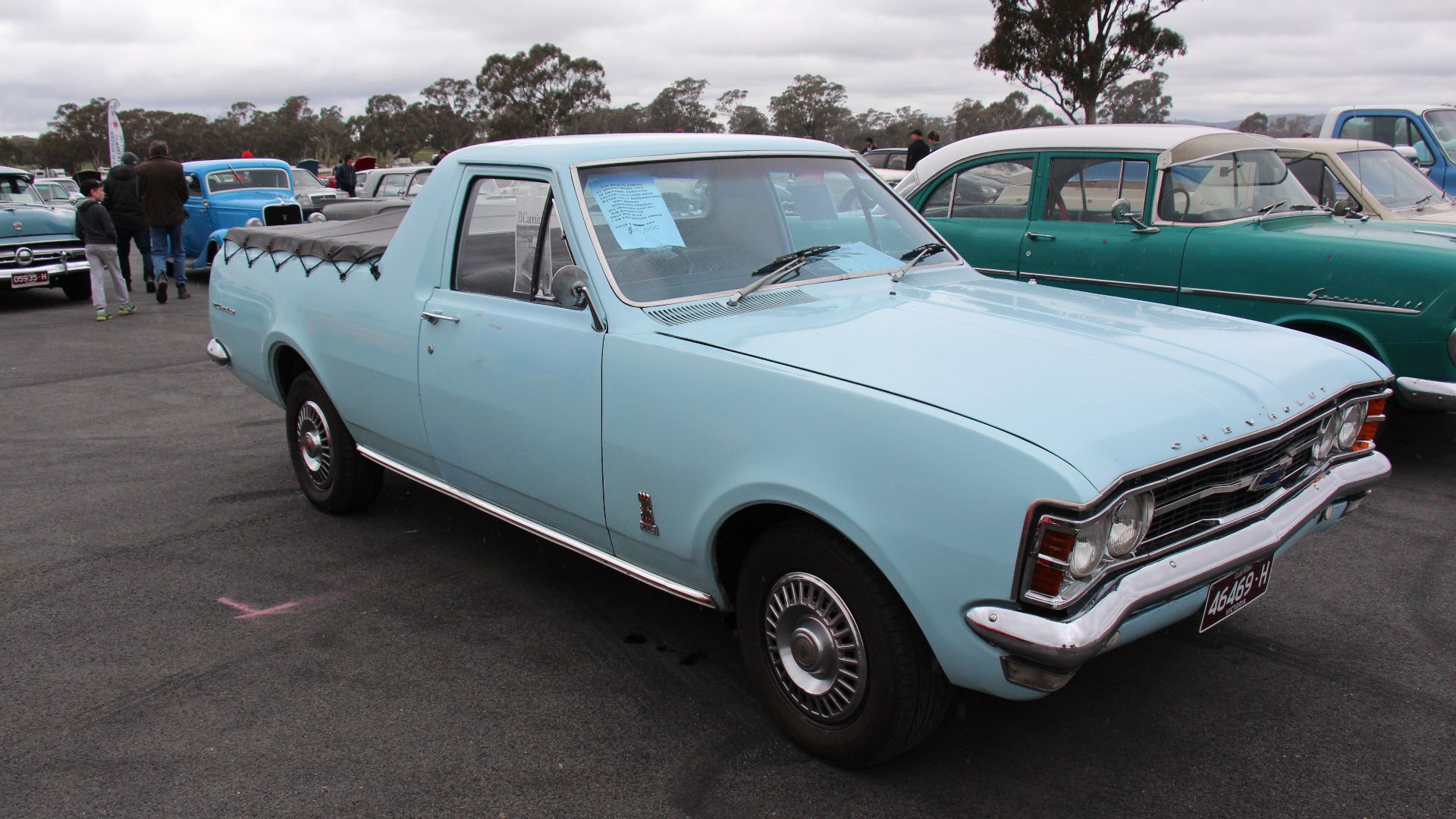
The El Camino survived for nearly three decades because Chevrolet kept adapting its powertrain strategy. Base engines evolved from V8s to inline sixes and eventually V6s, while ride comfort improved to keep up with market demands. That willingness to adjust to expectations helped the El Camino remain viable long after similar niche vehicles disappeared.
Final Year In 1987
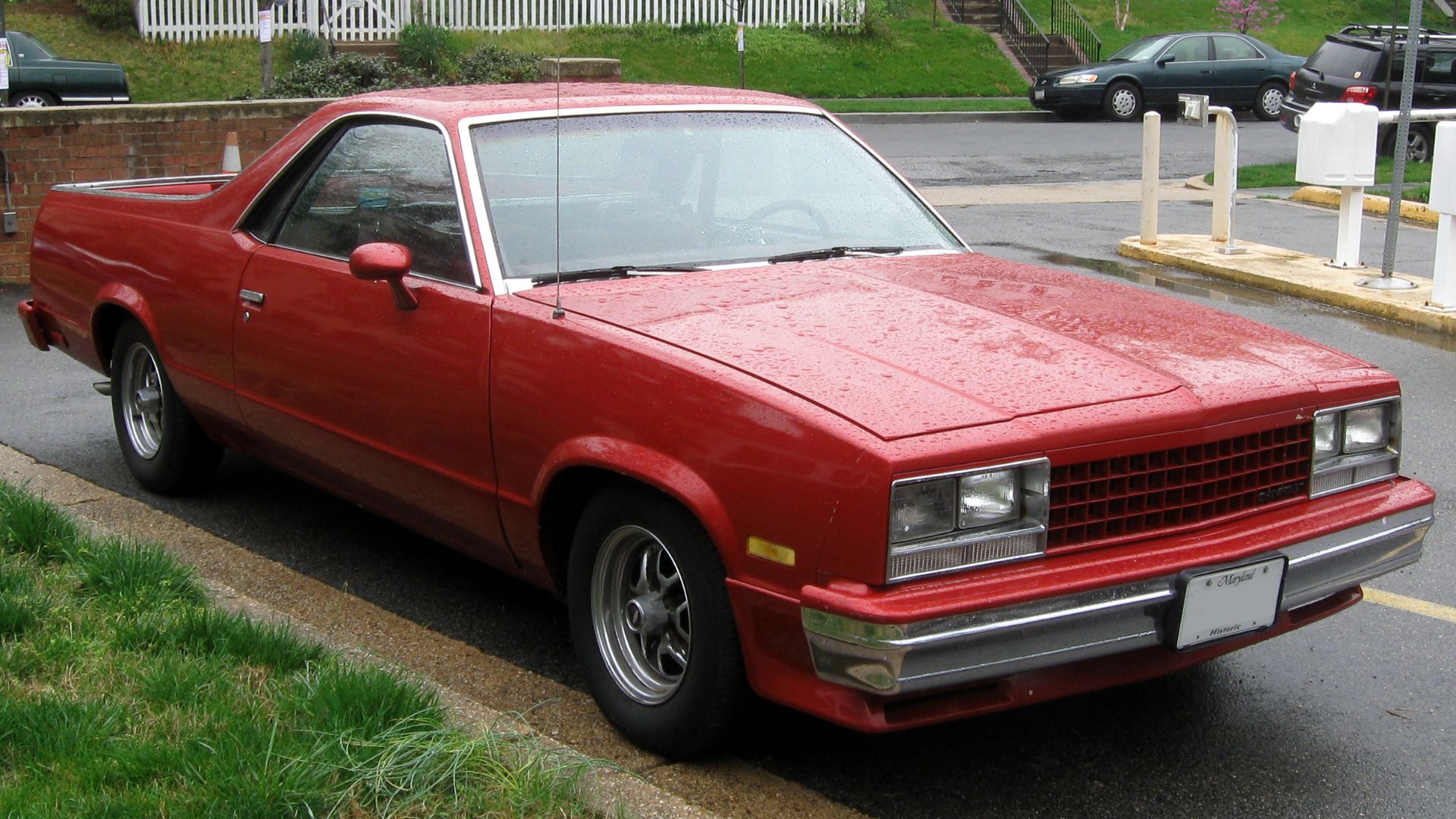
By 1987, compact pickups offered similar utility with better efficiency, and SUVs were already gaining in popularity. The El Camino’s features as a car no longer differentiated it enough. Production economics, tightening regulations, and shifting consumer tastes all combined to make the car-truck redundant within Chevrolet’s expanding lineup.
The El Camino’s Place In Culture
Despite its discontinuation, the El Camino has grown in cultural stature. Its engines and other components were never very exotic, but the platform’s adaptability made it consistently popular. Movies, music, and car shows have all added to its image as a uniquely American machine that blurred the line between work vehicle and personal expression.
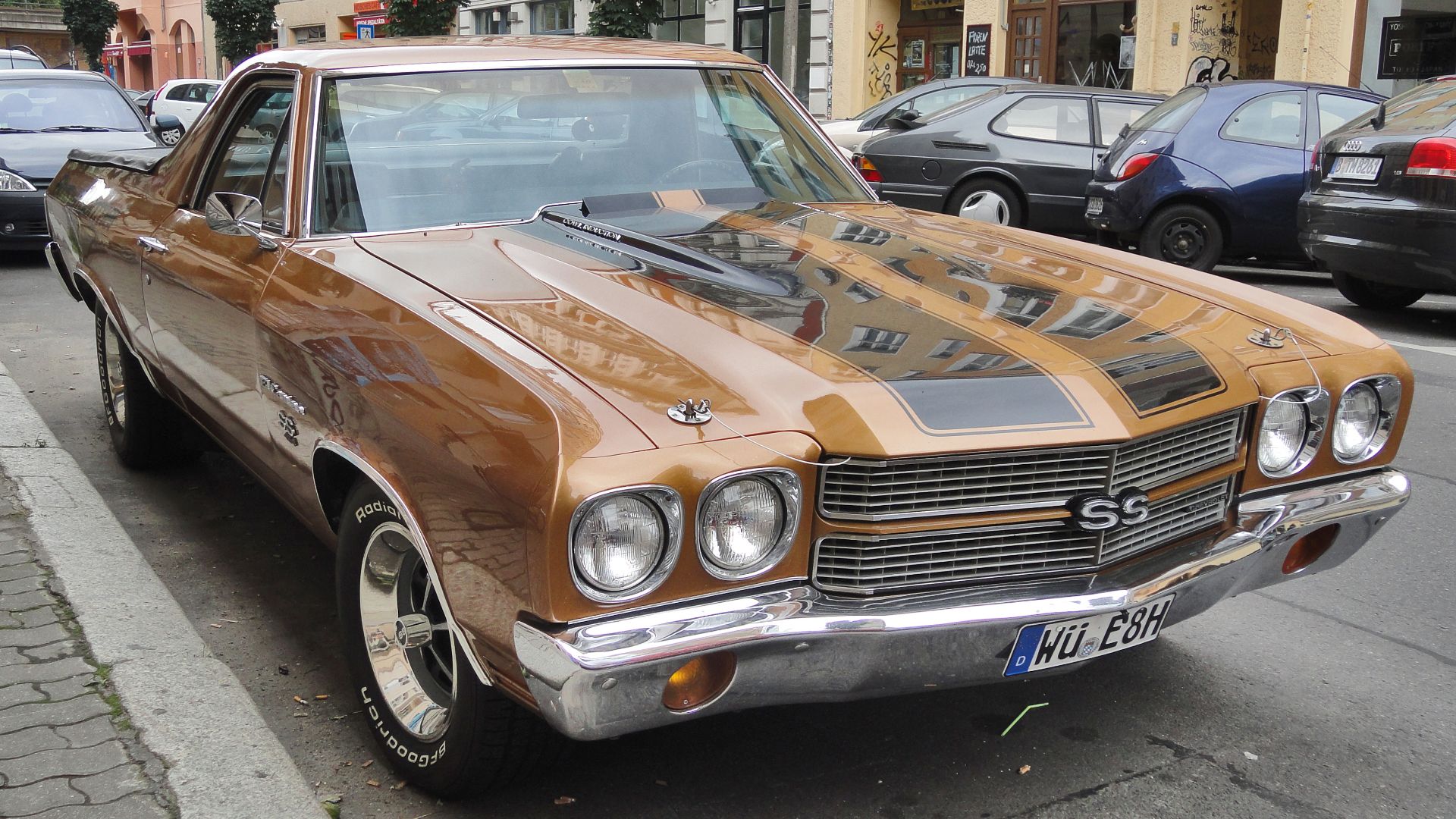 Berit from Redhill/Surrey, UK, Wikimedia Commons
El Camino And Hot Rodding
Hot-rod owners embraced the El Camino precisely because its base engines were simple and replaceable. Inline sixes and small V6s made engine swaps easy, while the car-based chassis welcomed suspension upgrades. This mechanical flexibility turned countless El Caminos into street machines that left their factory configurations a distant memory.
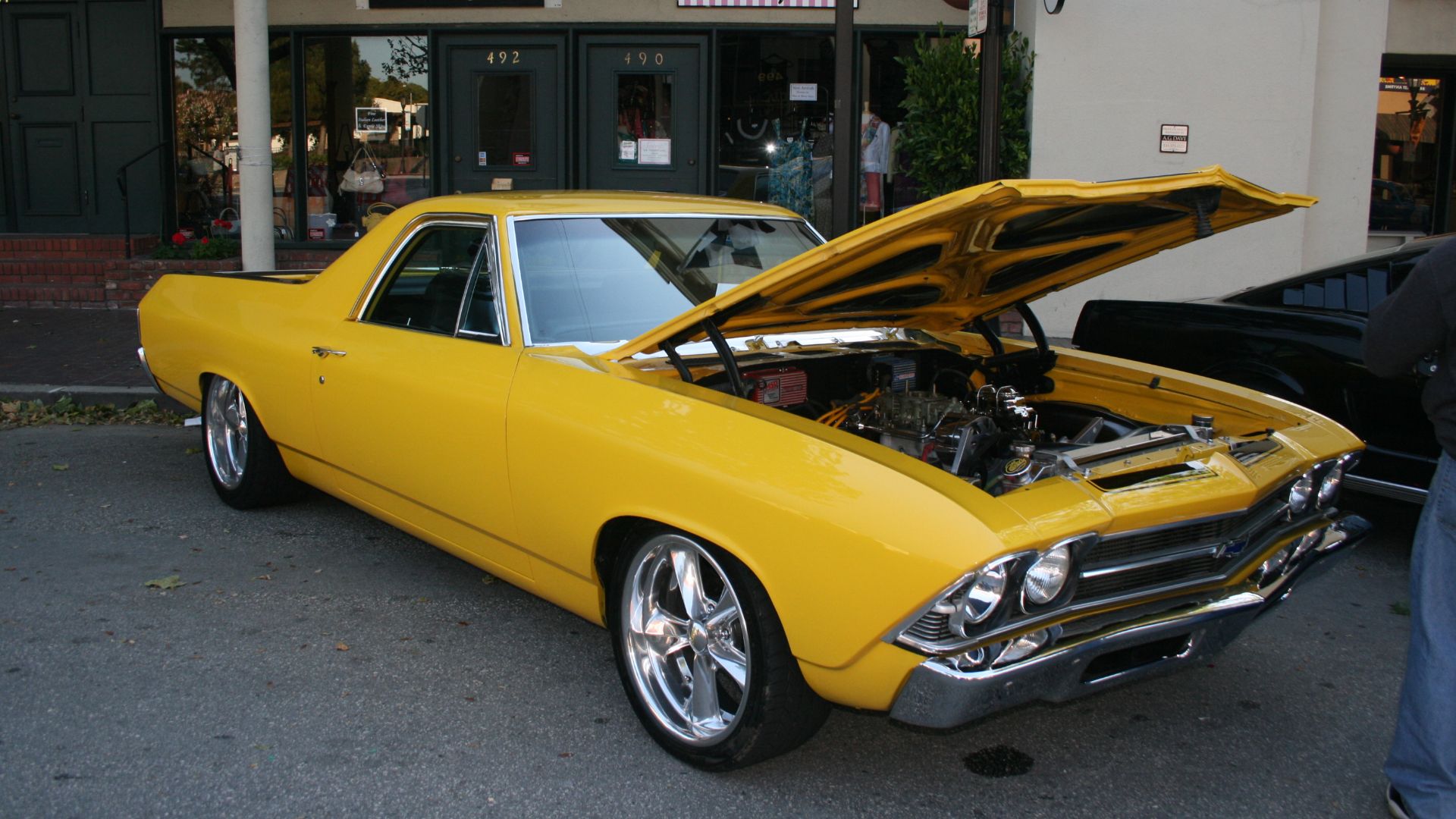 Supermac1961 from CHAFFORD HUNDRED, England, Wikimedia Commons
Collector Appeal Today
Today, El Caminos attract collectors across price tiers. Early V8-powered models command premiums, but even more recent six- and V6-based examples are desirable. Enthusiasts appreciate the car’s originality, and many seek base-engine trucks as restoration projects, preserving the vehicle’s working-class roots.
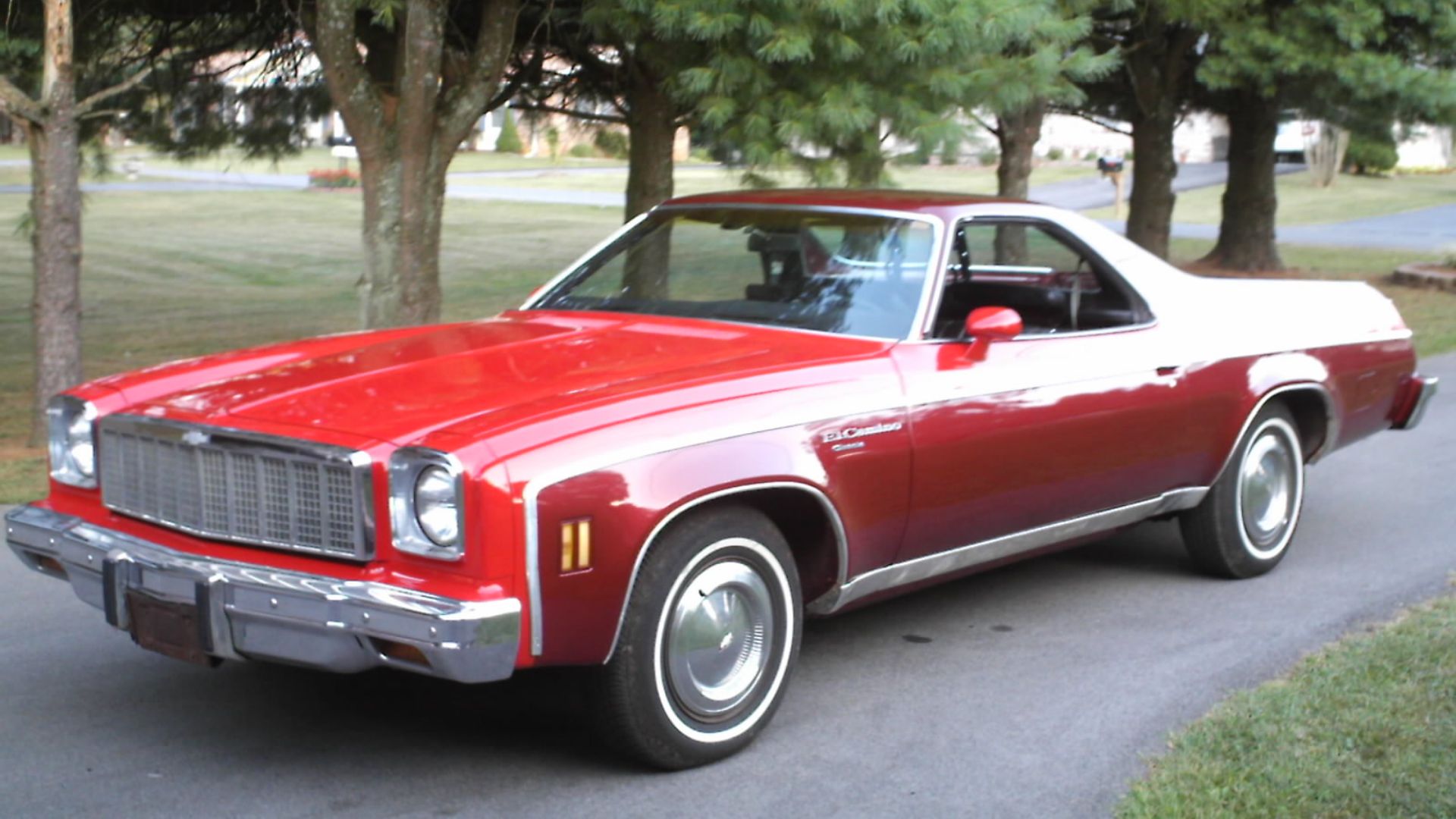
Chevrolet El Camino Vs Ford Ranchero
The El Camino’s rivalry with the Ford Ranchero persisted for decades. While Ford often emphasized six-cylinder practicality, Chevrolet’s engine lineup more frequently skewed toward performance desires. The El Camino’s base engines evolved with Chevrolet sedans, reinforcing its identity as a true car-based utility vehicle. The Ranchero ceased production in 1979.
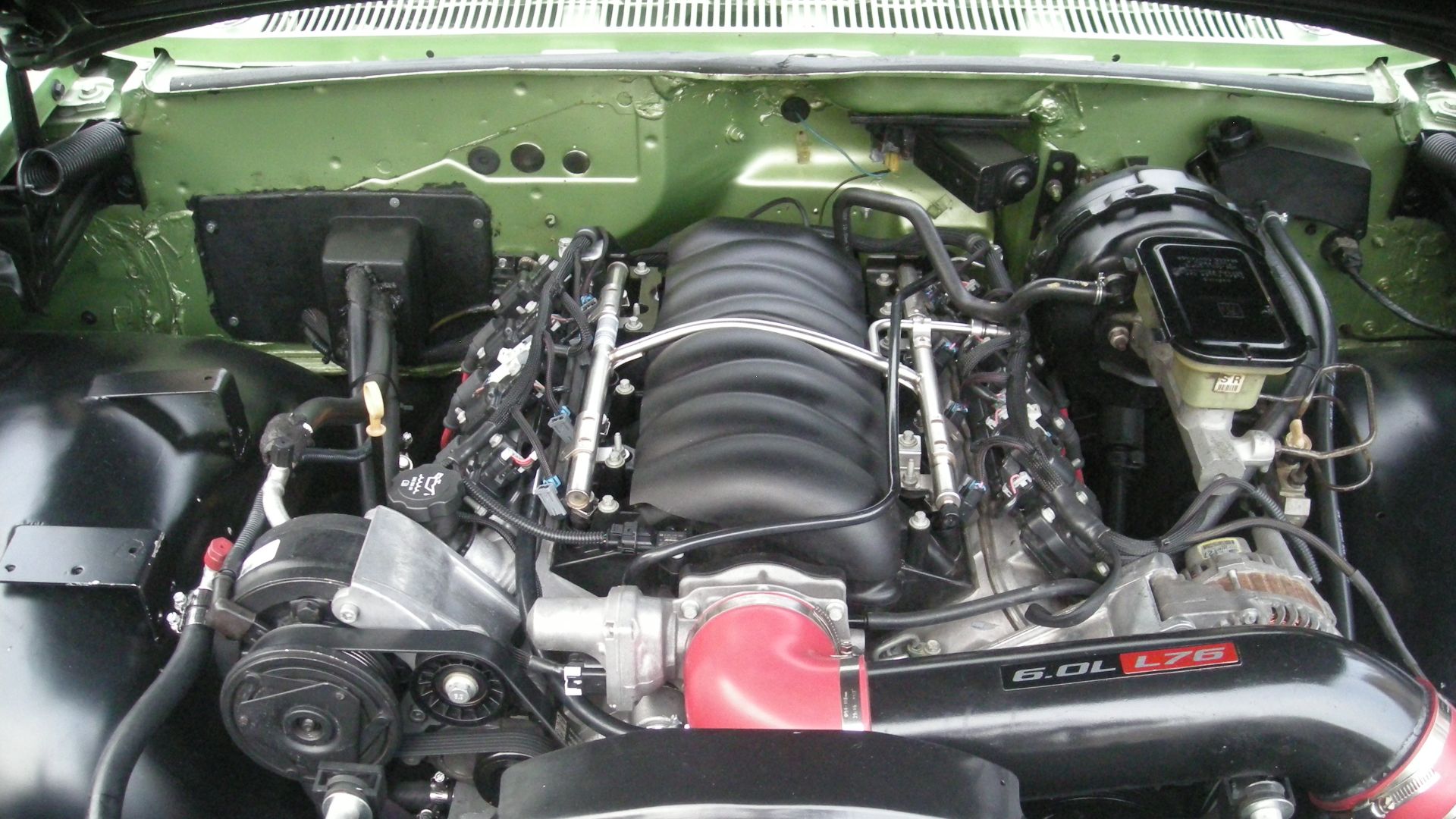 Michael Barera, Wikimedia Commons
The Big Drawback
One of the El Camino’s biggest persistent drawbacks was the compromise built into its design. While it offered a usable truck bed, it rode on a car-based suspension rather than true pickup hardware. That meant limited payload capacity and reduced durability under heavy loads. Owners could haul light cargo easily, but anyone expecting real pickup-level capability quickly found out the El Camino had practical limits.
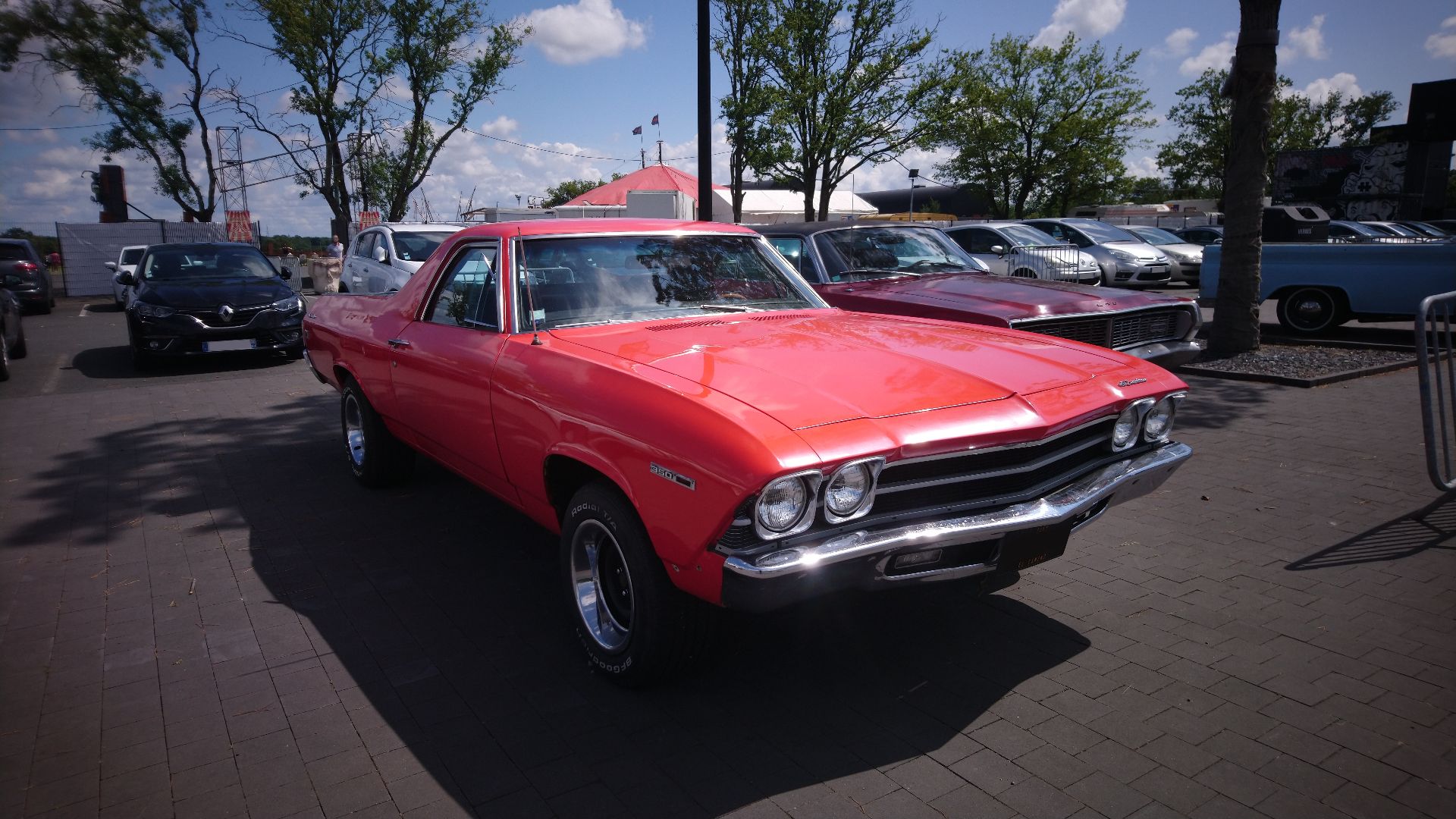
Could The El Camino Ever Return?
An El Camino revival would face some tough market realities. It would likely feature a turbocharged four-cylinder or hybrid base engine, in line with efficiency standards. Nostalgia is strong, but Chevrolet would need to ensure the El Camino fits today’s emissions and market expectations. It would need to retool a production facility for a car that has no guarantee of being a big seller against the flood tide of cookie-cutter crossovers.
Concept Car Hints At A Revival
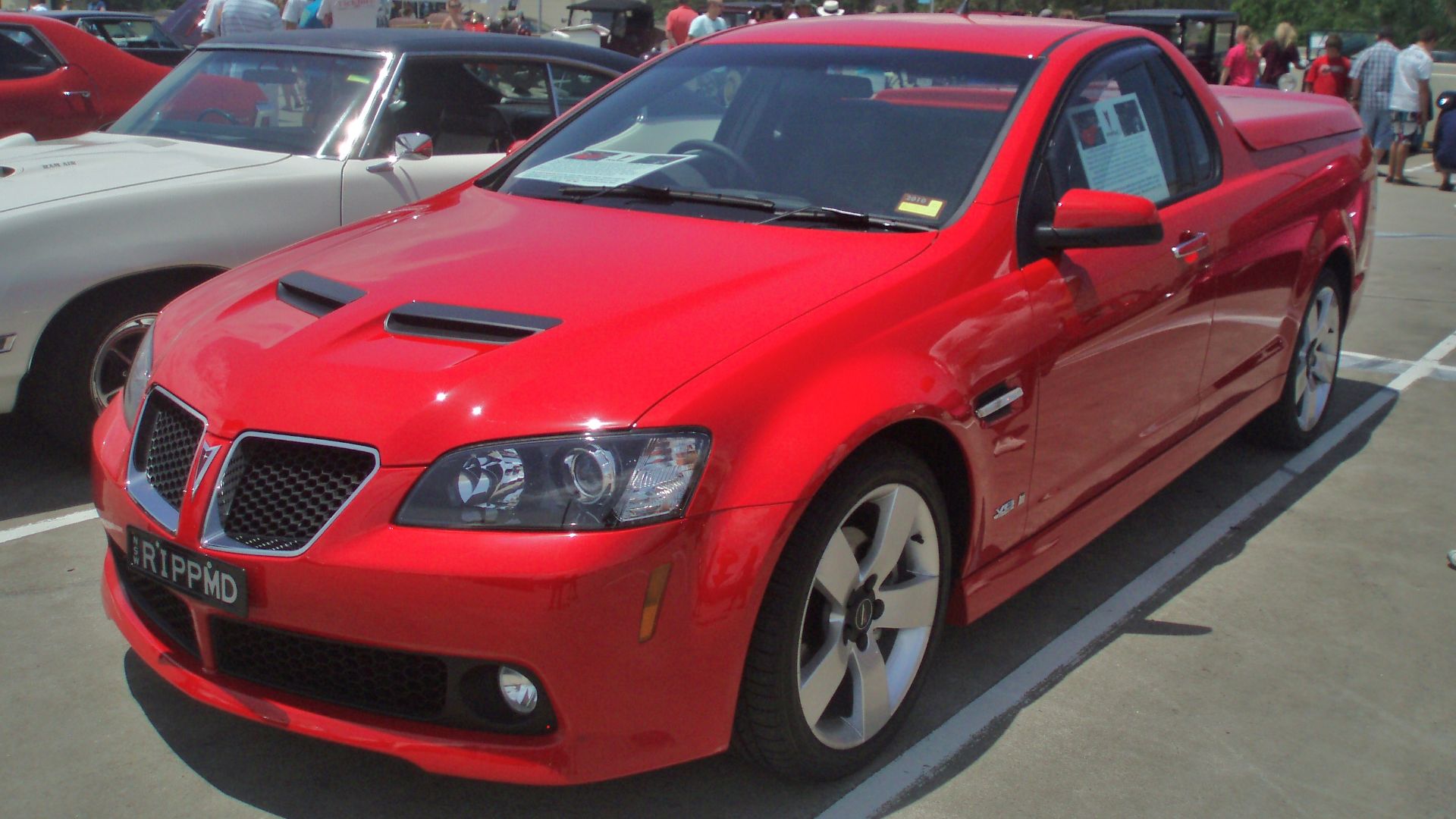
The Pontiac G8 ST concept debuted at the 2008 New York Auto Show as a modern, performance-focused take on the car-based pickup idea. Built on the Australian Holden Commodore platform, it featured a rear-drive layout, a functional short bed, and the same aggressive styling as the G8 sedan. Although well received and planned for limited production, the G8 ST was canceled after Pontiac’s shutdown during GM’s bankruptcy, leaving it as a historical “what-if?” moment.
The EV Era And Car-Truck Hybrids
Electric platforms could theoretically revive the car-truck concept. With flat battery packs and flexible packaging, a modern El Camino EV could offer utility and car-like ride quality. Whether Chevrolet sees enough demand for something like this, electrification could remove a lot of the limitations that once doomed niche vehicles.
 dave_7 from Lethbridge, Canada, Wikimedia Commons
El Camino Still Captures Hearts
The El Camino is fondly remembered not just for performance, but utility and appearance. That blend of usefulness, affordability, and personality explains why the El Camino still resonates with people who remember a time when there was a lot more variety and personality in the cars people drove.
A Living Symbol Of The Past
The Chevrolet El Camino succeeded by adjusting its engines and bodies alongside the market. Each generation reflected changing priorities while preserving a core idea. Whether or not it ever returns, the El Camino is still a lasting symbol of American automotive creativity.
 Johannes Maximilian, Wikimedia Commons
You May Also Like:
The Oldsmobile Intrigue: GM’s Best Sedan Nobody Bought
Chrysler’s Slant 6 Engine Was Indestructible