A Dangerous Time at GM
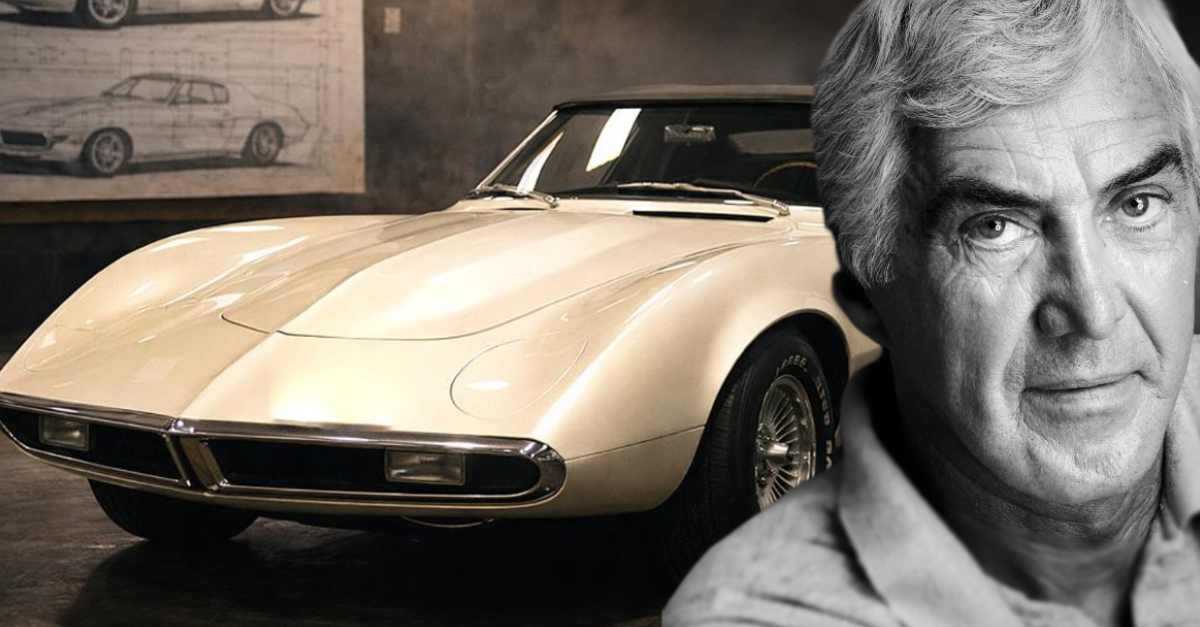
The early 60s were a confident time in Detroit. American cars were bigger, faster, and selling in massive numbers. Inside General Motors, new ideas were being sketched, tested, and quietly debated. Some of them were exciting. Some of them made people nervous.
Pontiac Was Getting Bold
Pontiac wasn’t content being GM’s sensible middle child. Under new leadership, the brand leaned younger, faster, and louder. Sales were climbing, reputations were changing, and Pontiac was starting to look like a performance brand with real swagger—and real ambition.
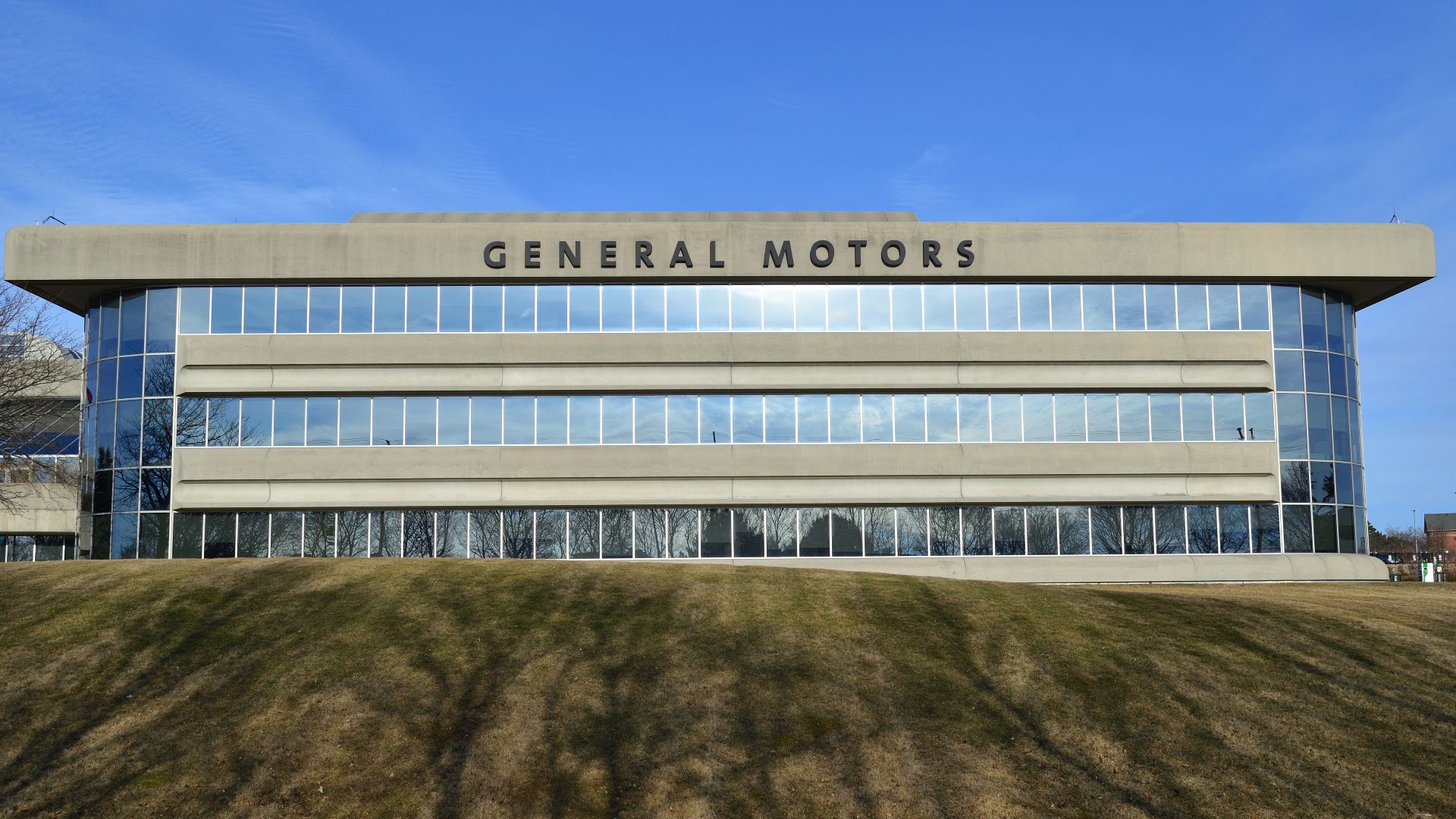
 Raysonho @ Open Grid Scheduler / Scalable Grid Engine, Wikimedia Commons
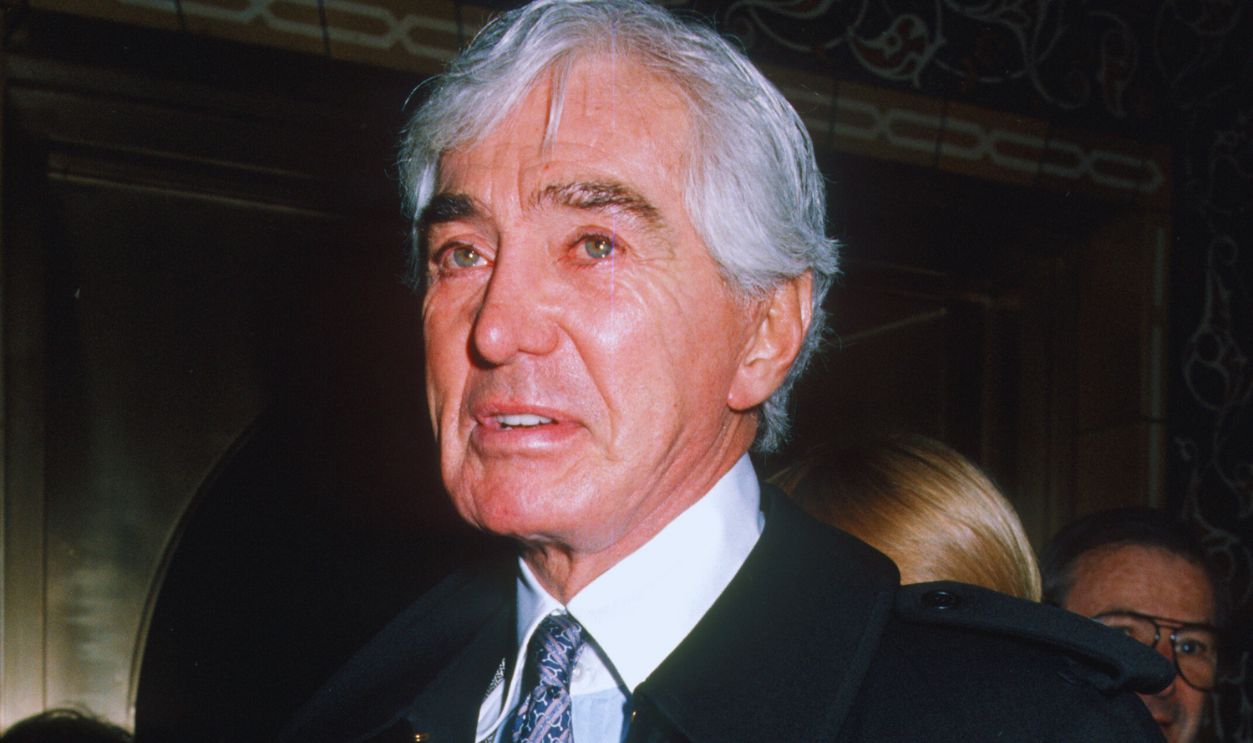
Enter John Z. DeLorean
John DeLorean wasn’t a traditional GM executive. He dressed differently, talked differently, and thought differently. He believed performance sold cars—and that Pontiac could outthink, out-design, and out-hustle its rivals if given the chance.

The Idea That Crossed a Line
DeLorean wanted a lightweight, affordable sports car—something sleek and modern that normal buyers could actually own. Not a halo car. Not a toy. A real performance machine that didn’t need excuses.
The Pontiac Banshee Is Born
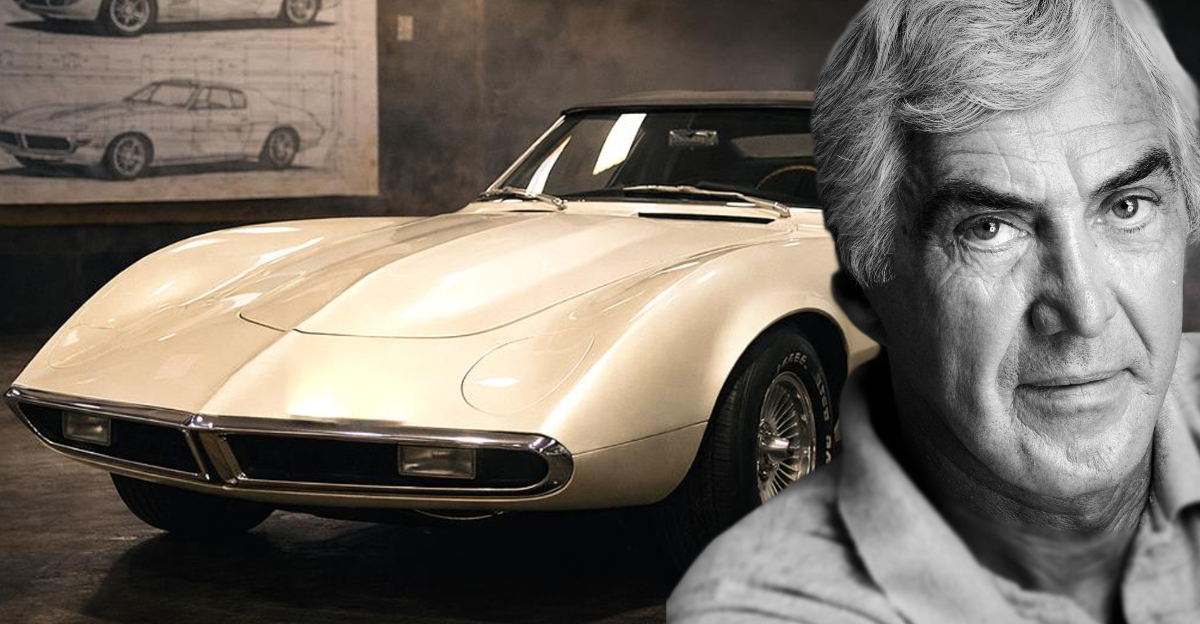
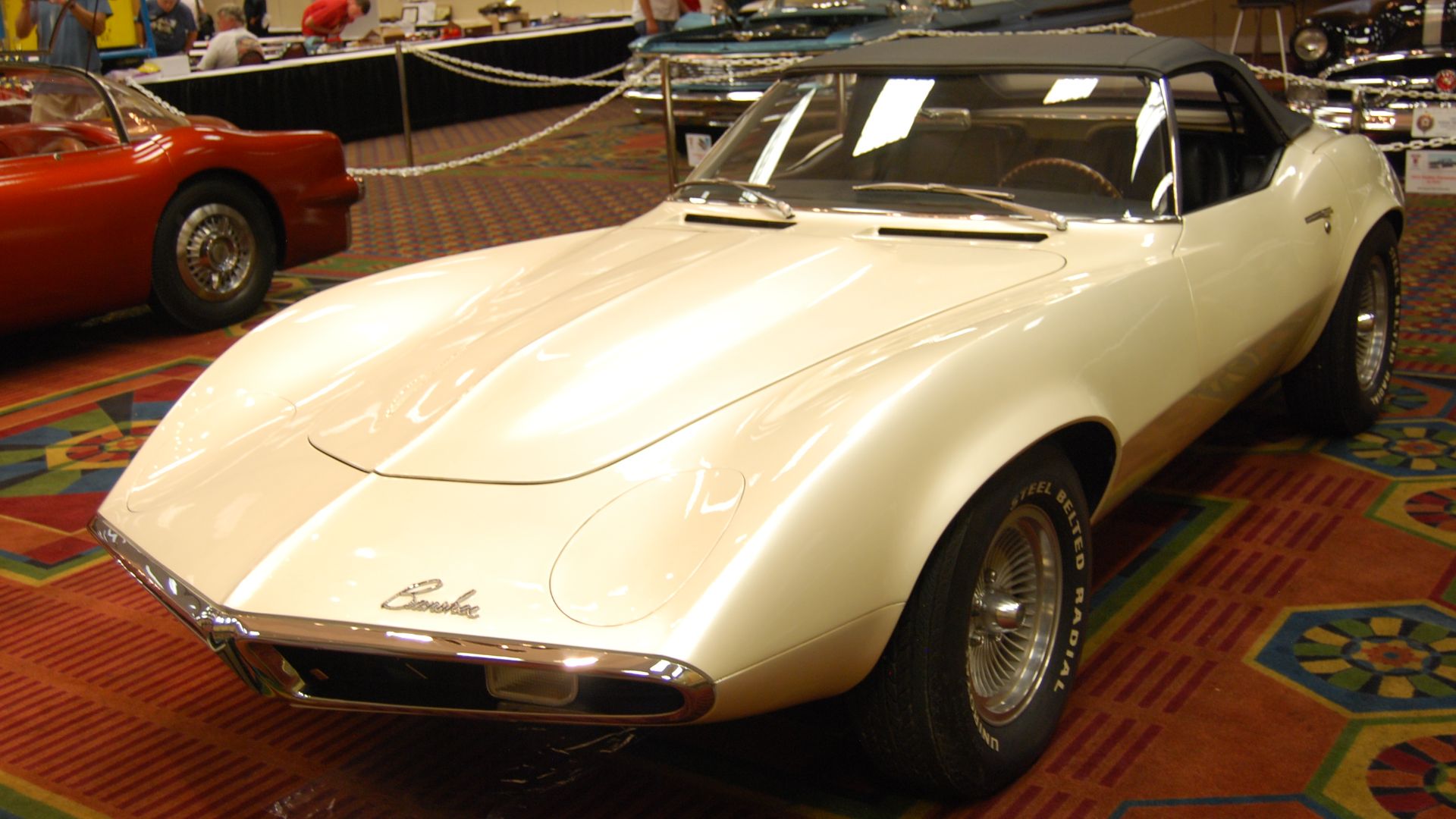
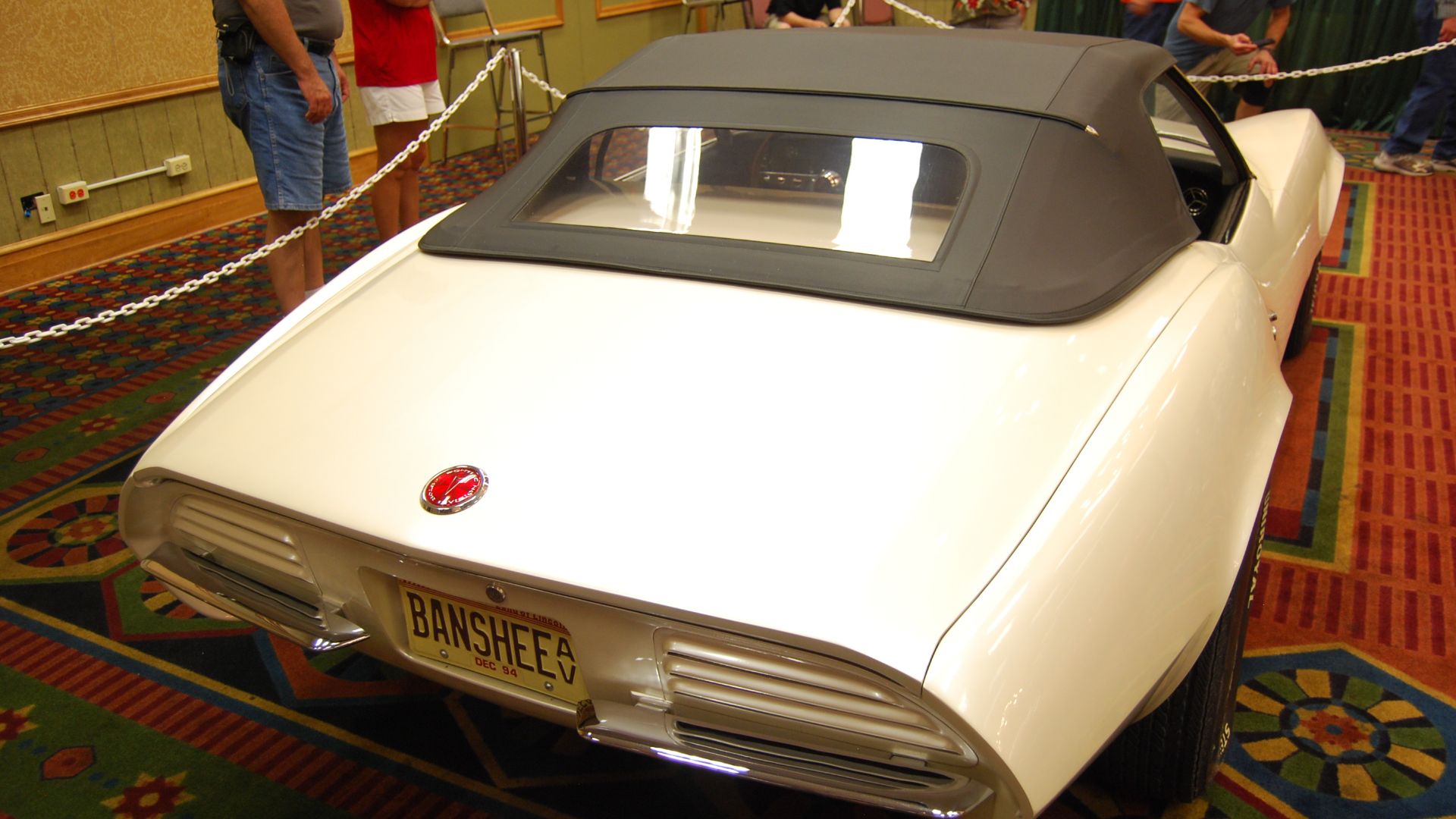
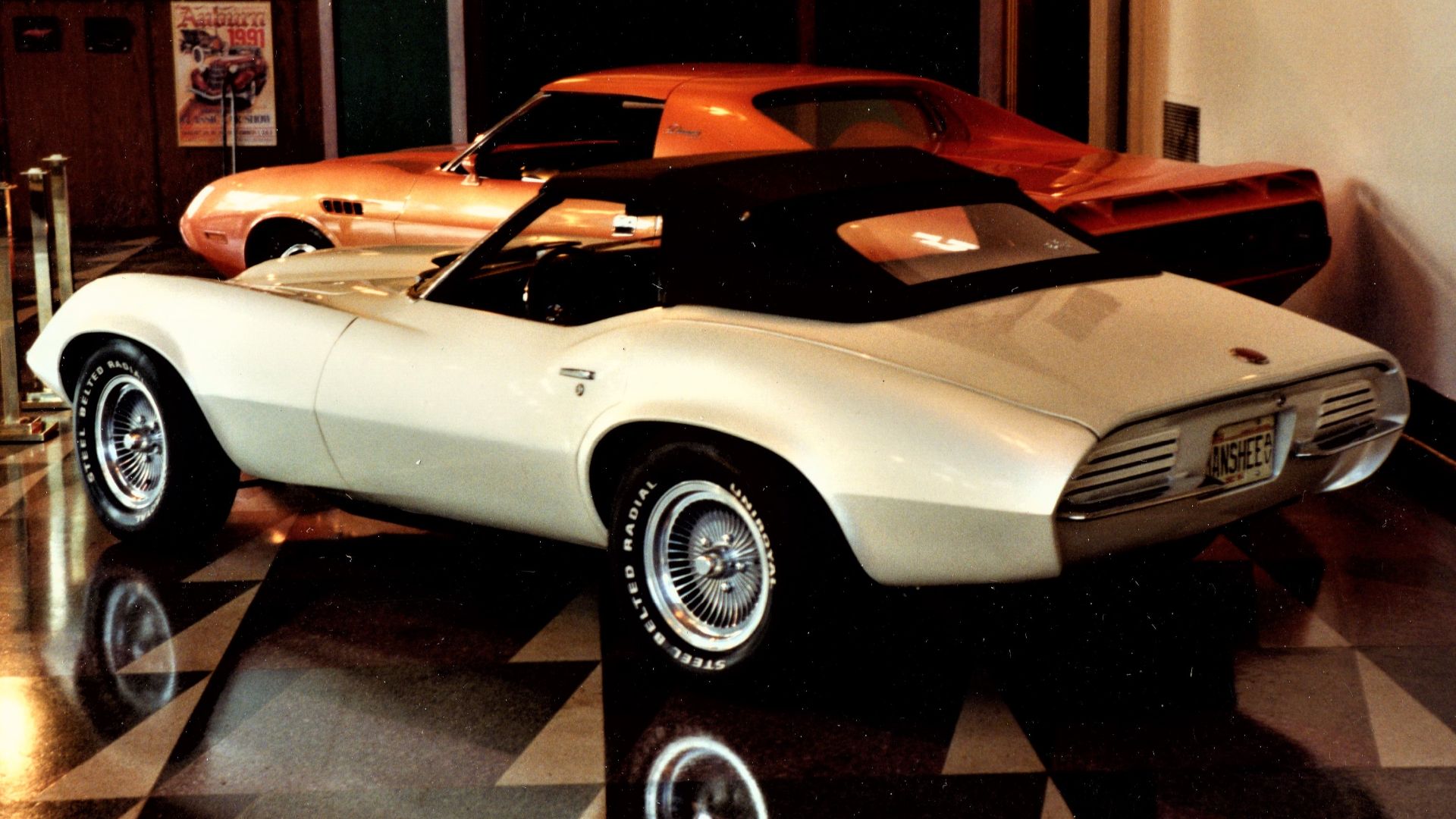
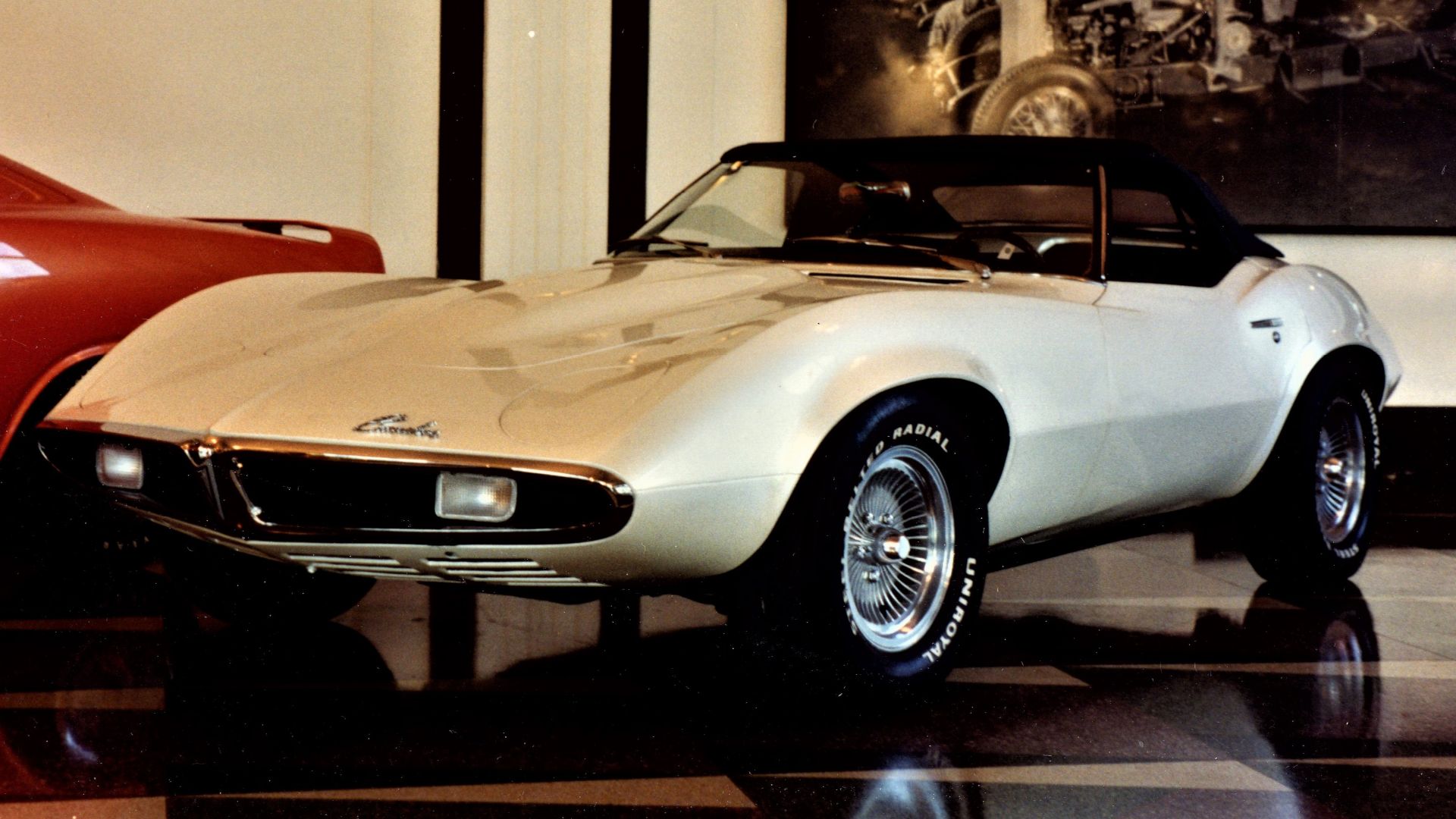
The Banshee wasn’t meant to be a wild show car. Pontiac’s two-seat program was internally designated XP-833, and two complete, running prototypes were built—a coupe and a roadster. Underneath, it used proven GM hardware and cost-conscious thinking, which made it feel dangerously real.
Lighter Than a Corvette
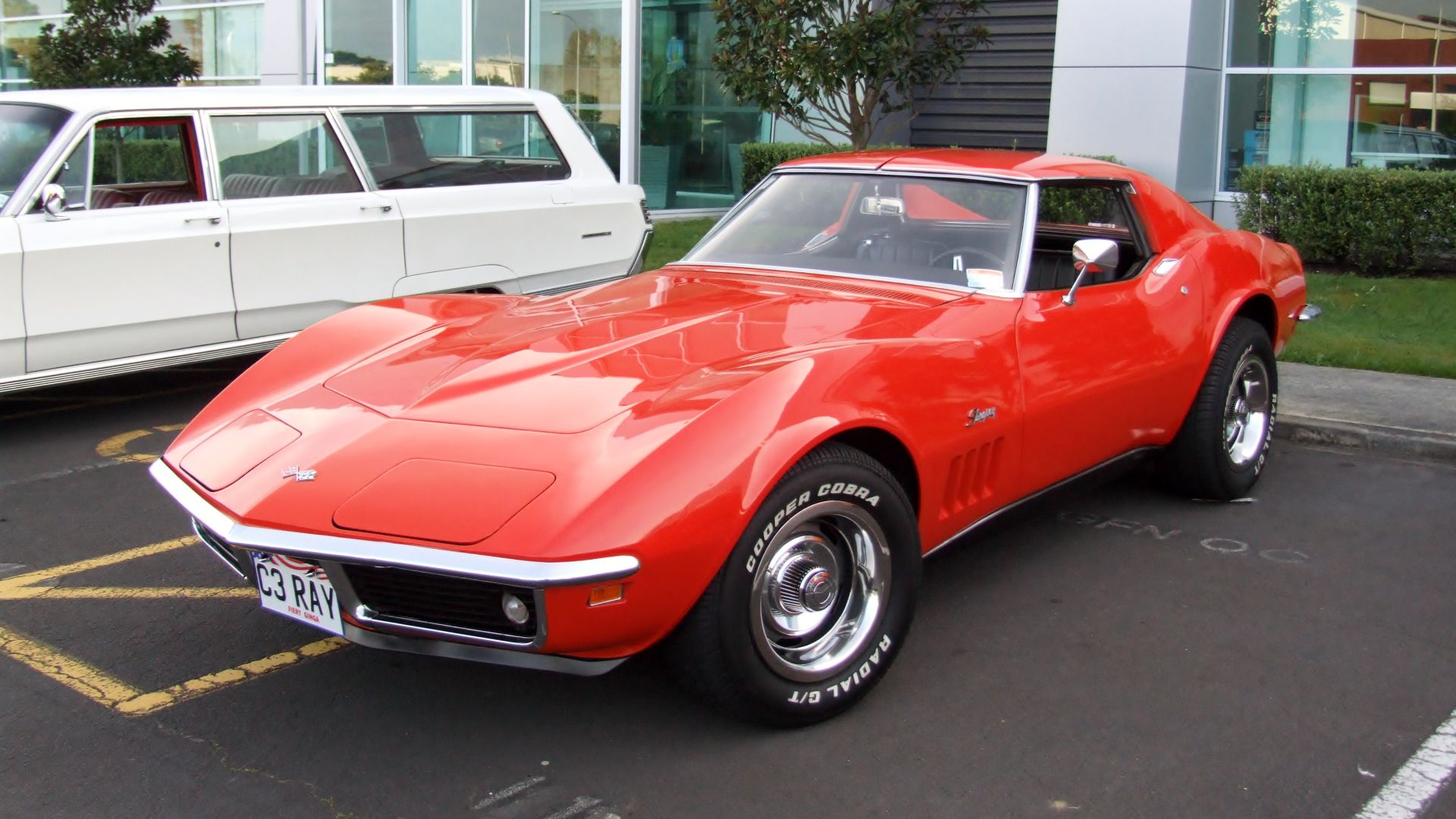
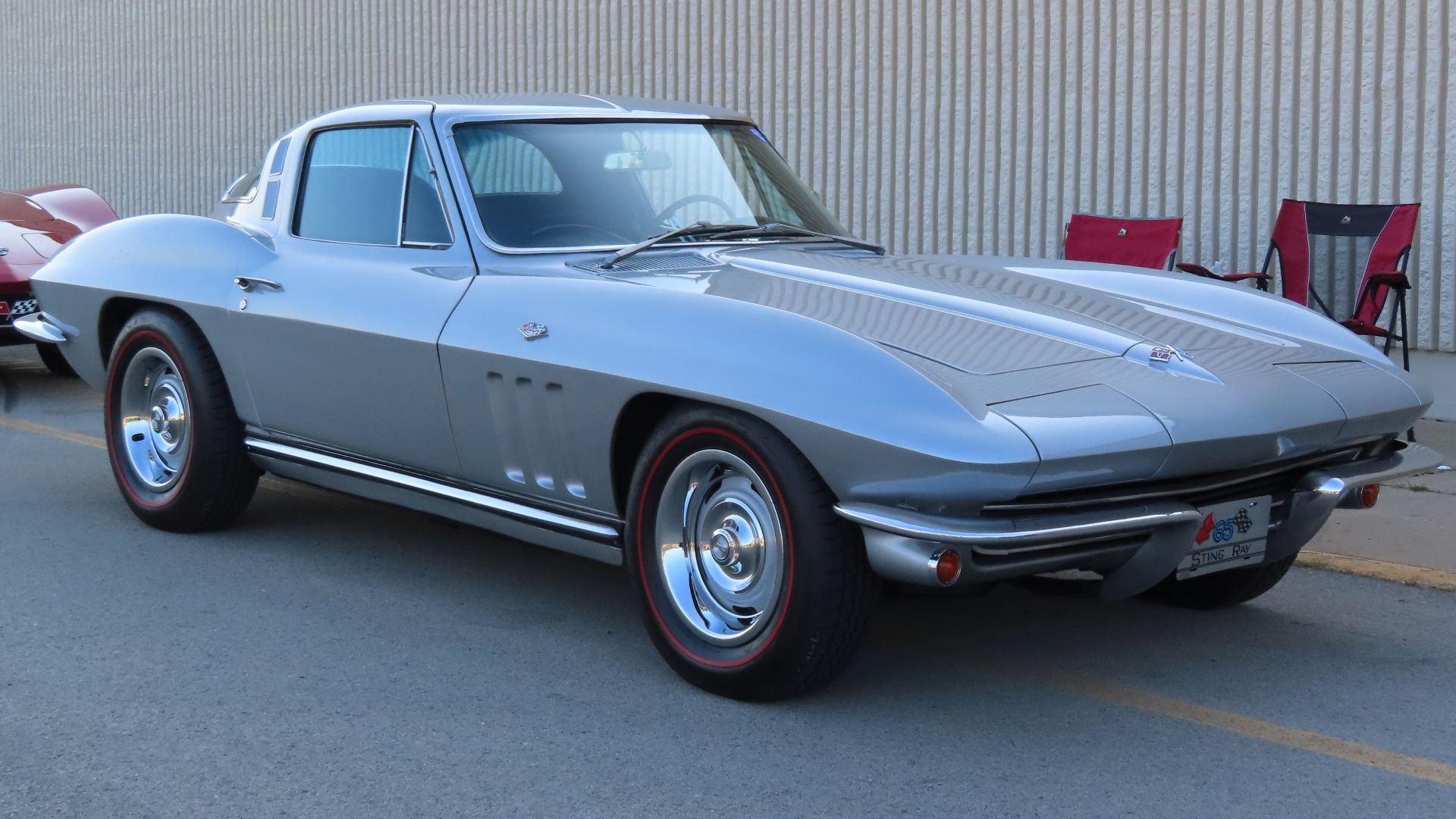
The Banshee was compact by design. The XP-833 rode on a 91-inch wheelbase, while a mid-60s Corvette sat on a 98-inch wheelbase—and that smaller footprint would’ve helped it feel quick and tossable even before you touched the throttle.
 GPS 56 from New Zealand, Wikimedia Commons
Affordable on Purpose
This wasn’t a rich man’s sports car. The XP-833 coupe was built to demonstrate a base-model, price-leader idea, with Pontiac aiming for something fun and attainable rather than exotic. That affordable mission is also what made it feel like it could steal buyers from anywhere.
Performance Without Apology
With V8 power on the table and a light chassis underneath, the Banshee wasn’t pretending. Pontiac planned to use its 230-cubic-inch overhead-cam inline-six as a statement—choosing the conservative version specifically to avoid alarming corporate leadership too early.
 Raysonho @ Open Grid Scheduler / Scalable Grid Engine, Wikimedia Commons
Chevrolet Took Notice
Inside GM, Chevrolet executives saw the danger immediately. A lower-cost Pontiac two-seater—sold through Pontiac’s massive dealer network—wouldn’t just compete. It would rearrange the balance inside GM showrooms.
 John Martinez Pavliga from Berkeley, USA, Wikimedia Commons
The Unwritten GM Rule
No division was allowed to outshine Chevrolet. Especially not with a sports car. It didn’t matter how good the idea was or how strong the business case looked. Some lines simply weren’t meant to be crossed.
 MercurySable99, Wikimedia Commons
DeLorean Pushes Anyway
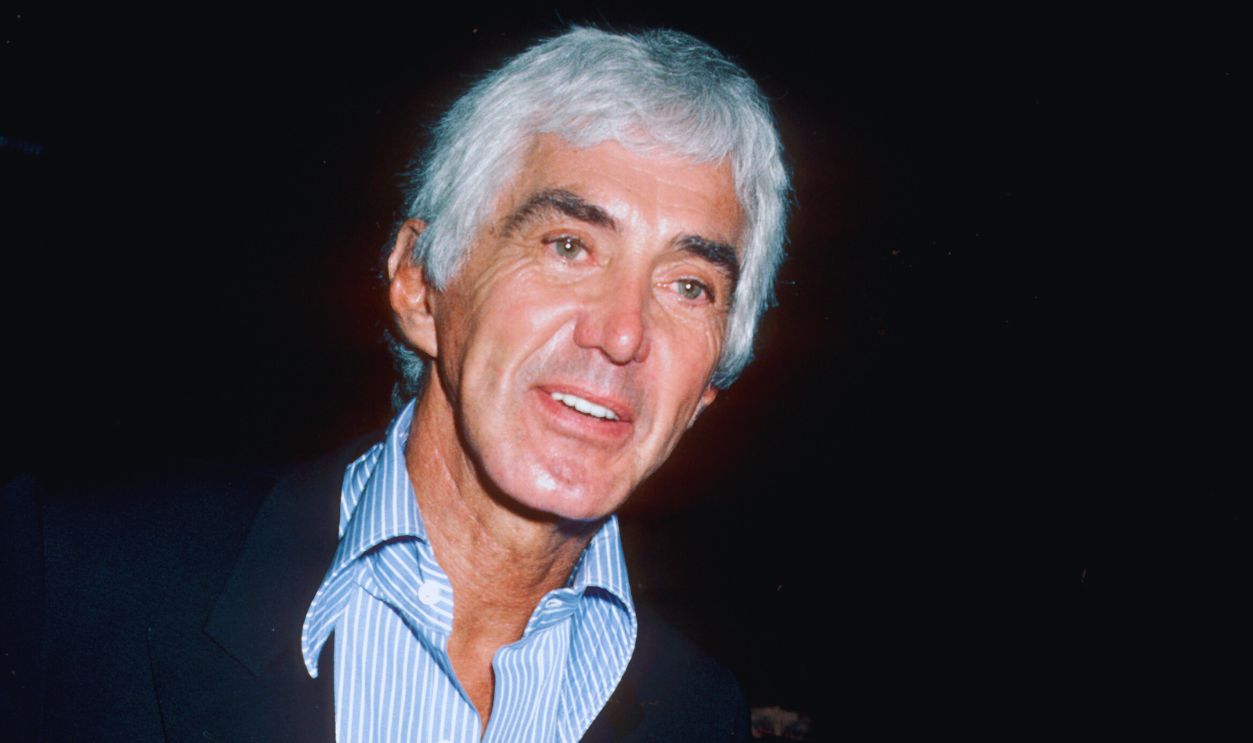
DeLorean didn’t back down quietly. He believed GM needed this car and that Pontiac had earned the right to build it. He pushed for approval, defended the concept, and made the case as hard as he could.
DeLorean Was Already a Problem
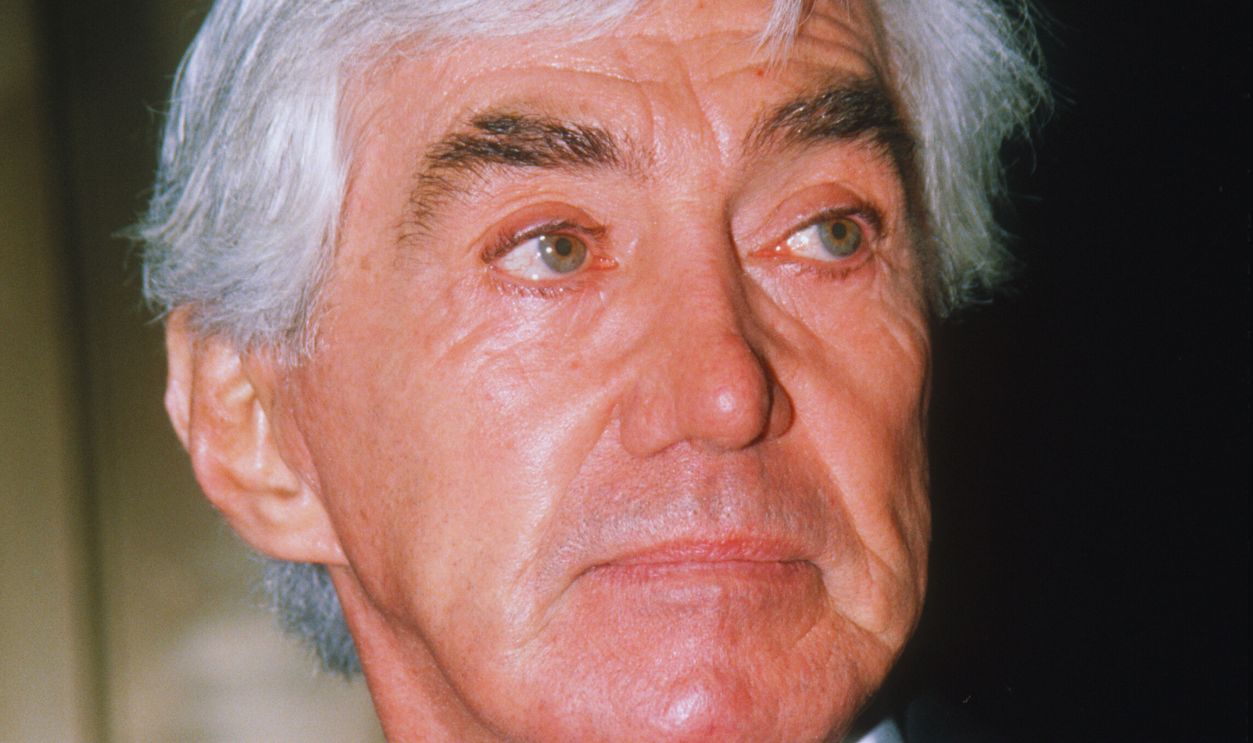
By the mid-60s, DeLorean wasn’t just another GM executive. He spoke freely to the press, challenged internal hierarchy, and didn’t hide his ambition. That visibility made leadership uneasy. When the Banshee appeared, it wasn’t just a radical car—it came from a man who already made the system nervous.
A Ceiling He Couldn’t Break
But the decision was never really his to make. When the Banshee was shown to top GM leadership, further development was denied. The car didn’t die because it failed—it died because it succeeded too clearly.

Not a Quiet Cancellation
This wasn’t a last-minute engineering failure or a budget disaster. From an engineering standpoint, the Banshee was far along. Once corporate approval was withheld, progress stopped immediately.
 BriYYZ from Toronto, Canada, Wikimedia Commons
Pontiac Tried to Compromise
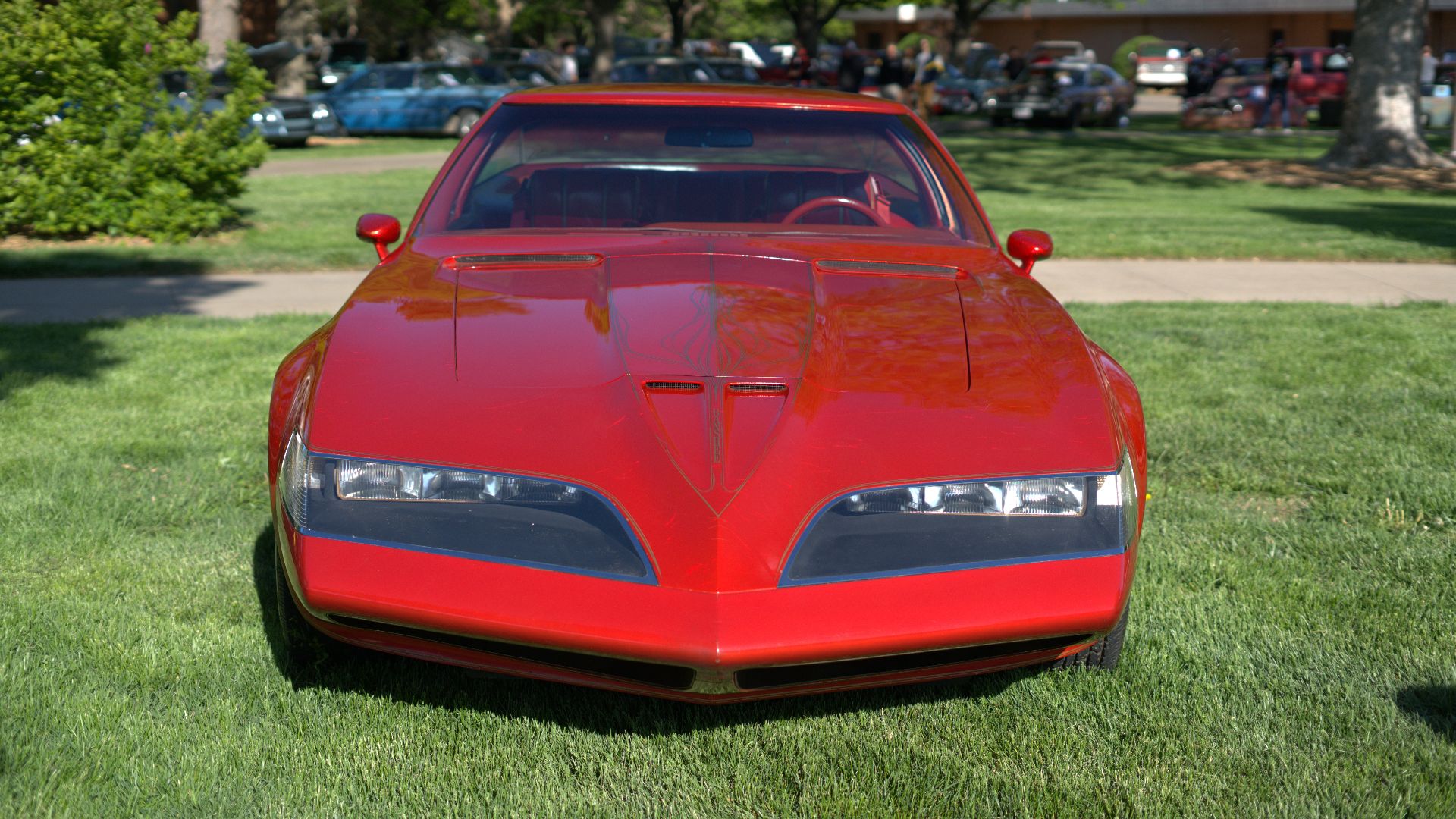
After the two-seat Banshee stalled, Pontiac explored a softer alternative: a 2+2 fastback version meant to feel less threatening. It kept the futuristic look but added practicality. Even that wasn’t enough. The message was clear—this wasn’t about configuration. It was about control.
 Realrubytuby, Wikimedia Commons
Too Good for the Hierarchy
The problem wasn’t that the Banshee couldn’t compete. The problem was that it could. GM didn’t want an internal war—and Pontiac wasn’t allowed to win one.
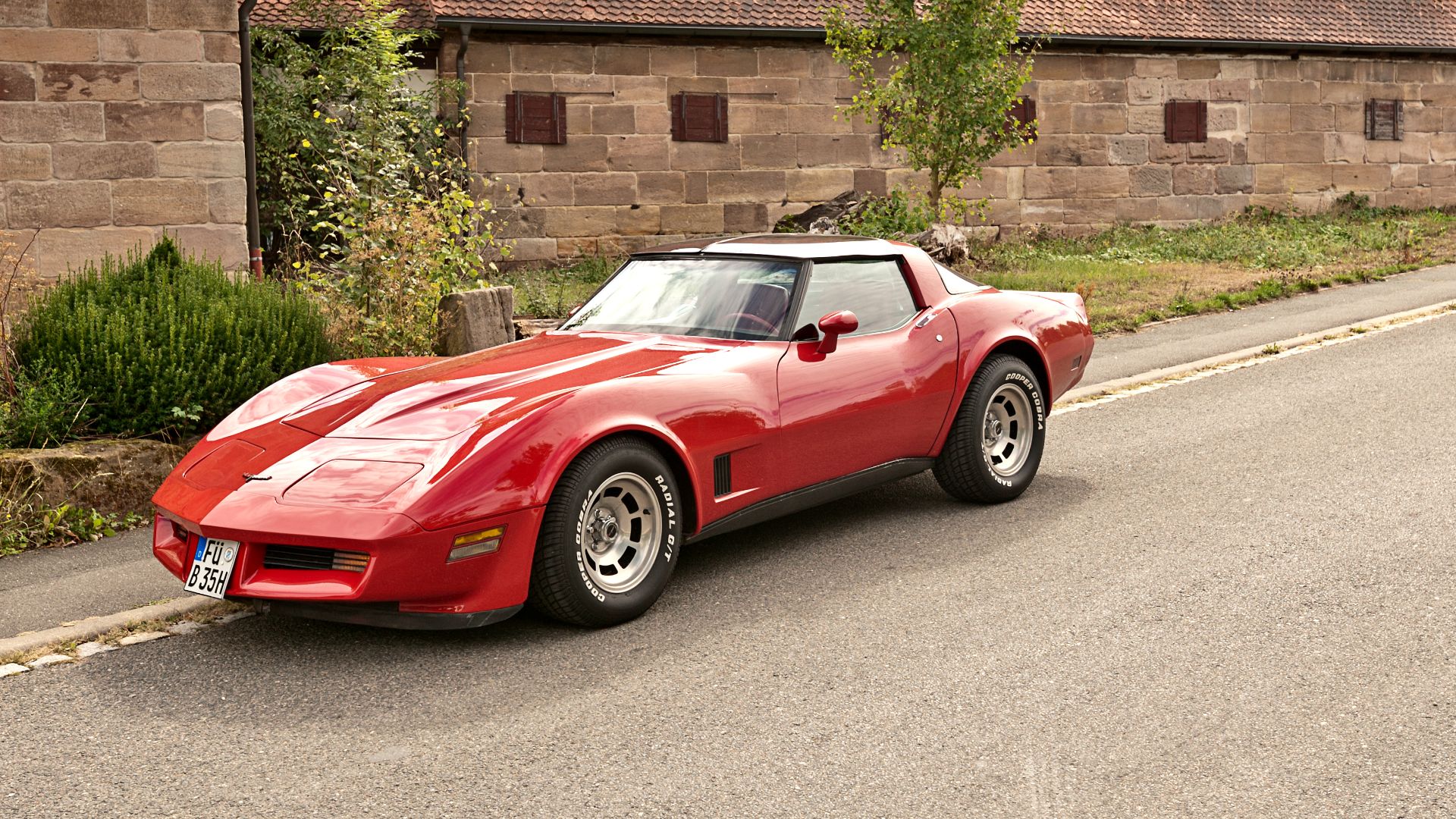
The Corvette Survives
Chevrolet kept its protected status. The Corvette remained GM’s sports car, untouchable from below. Pontiac was told, politely and firmly, to stand down.
 Hans-Jürgen Neubert, Wikimedia Commons
The Idea Didn’t Die
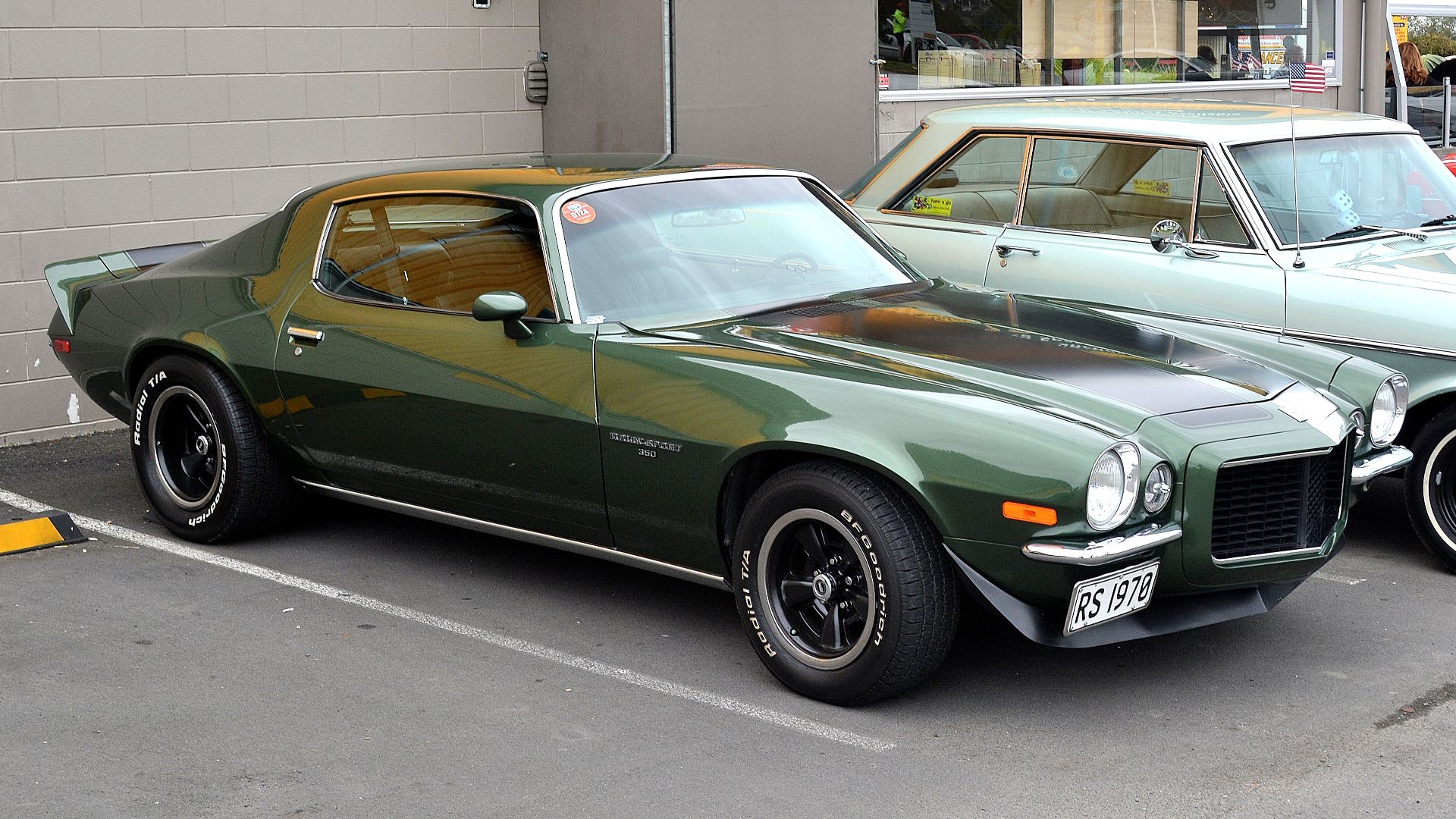
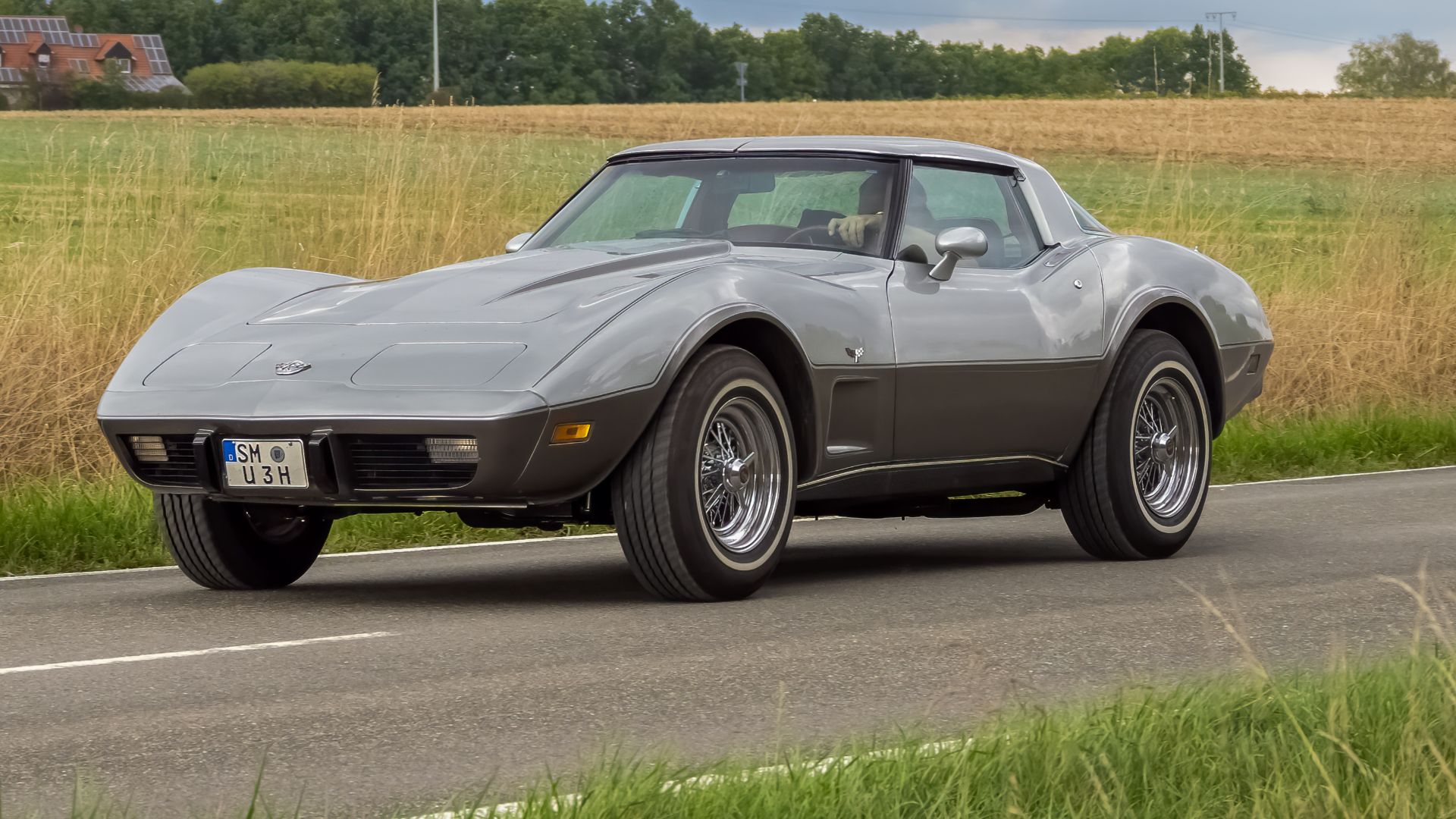
The Banshee vanished, but its logic didn’t. A youthful, affordable performance car still made sense—just not as a Pontiac two-seater. A few years later, Chevrolet introduced the Camaro, capturing many of the same buyers without threatening Corvette territory. The idea survived. The badge didn’t.
 GPS 56 from New Zealand, Wikimedia Commons
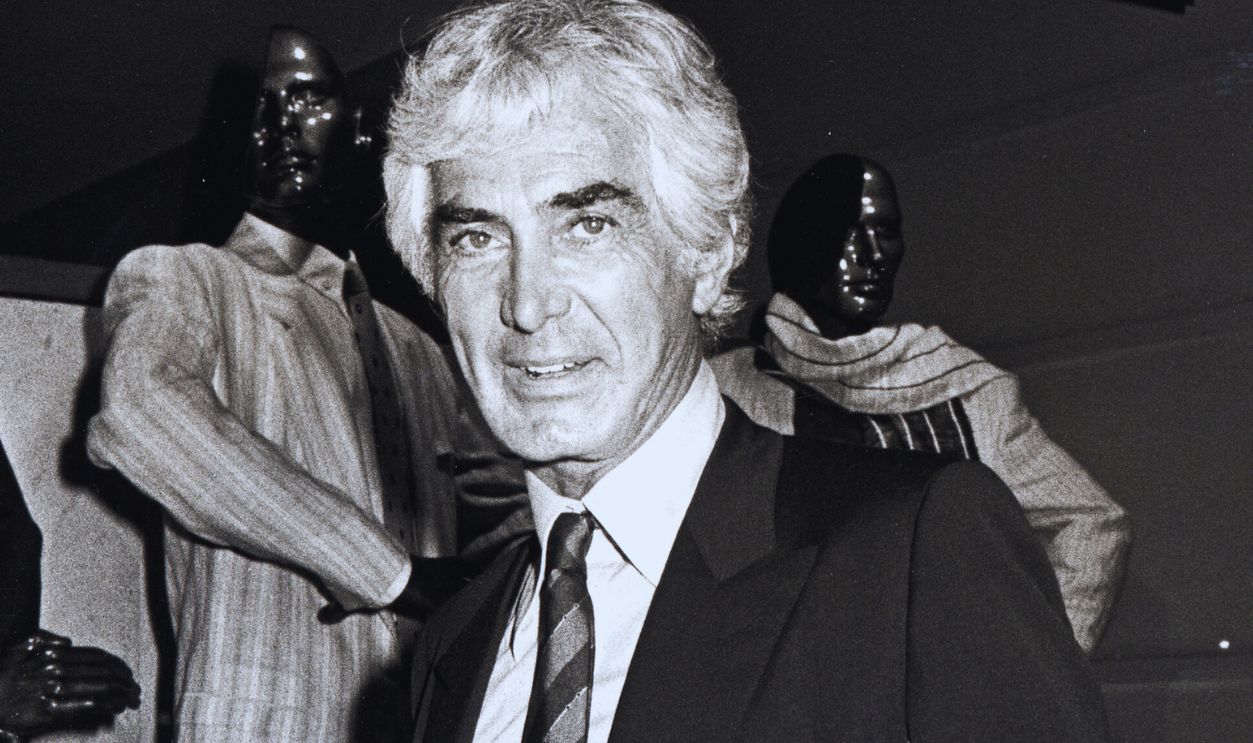
DeLorean Learns the Lesson
For DeLorean, the Banshee was a turning point. He’d proven a Pontiac two-seater could be real—then watched it get stopped from above. Years later, when he left GM, that lesson stayed with him.
A Car We Never Got
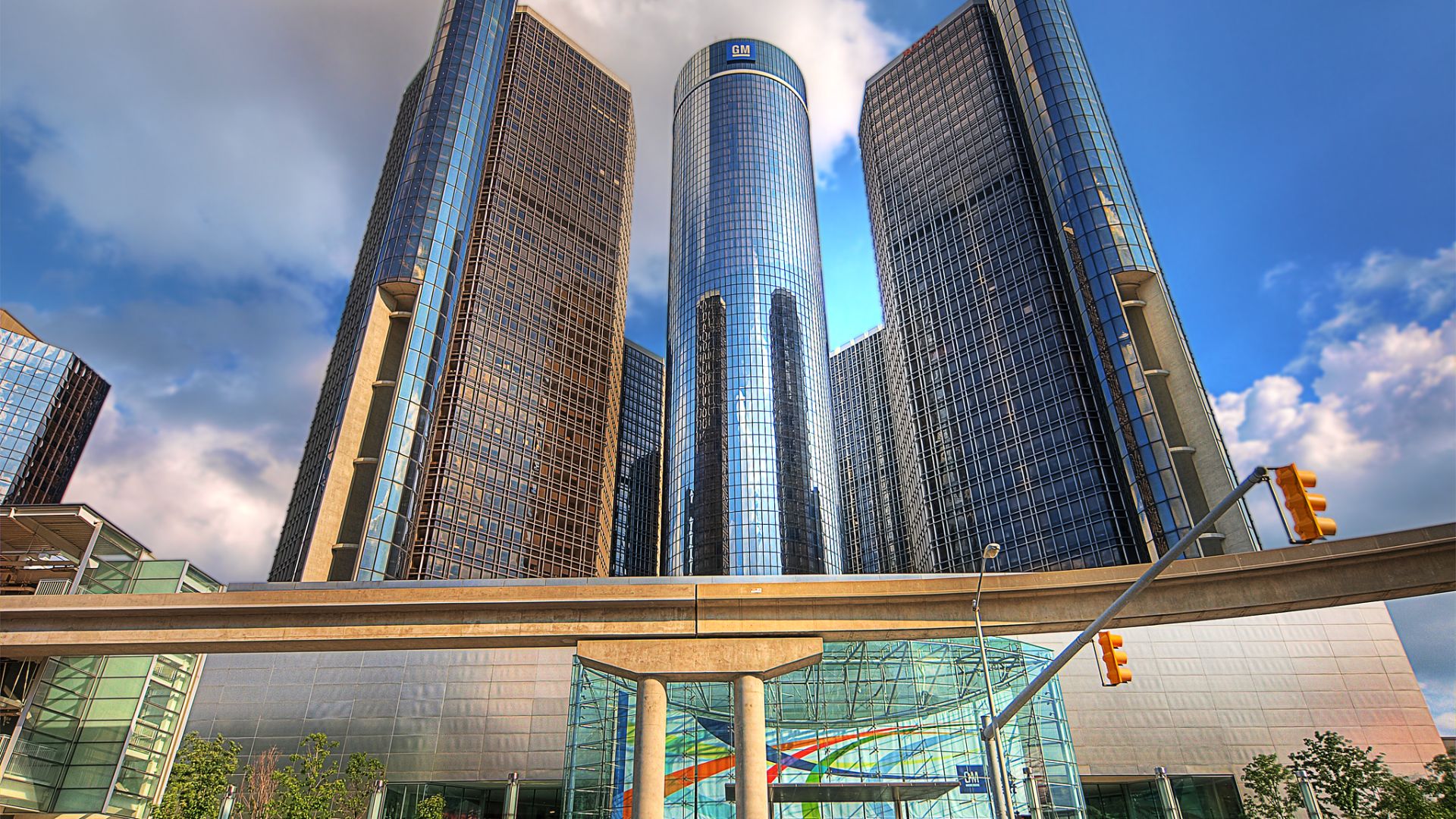
The Banshee never reached showrooms, but its influence lingered. It proved there was demand for a sharp, attainable two-seat sports car—and that GM understood the concept well enough to fear it.
 paul (dex) bica from toronto, canada, Wikimedia Commons
The One That Got Away
Pontiac built two running XP-833 Banshee prototypes—a coupe and a roadster. The roadster was destroyed after the program was canceled. The coupe wasn’t. After GM released it, the surviving XP-833 passed through private ownership, including longtime Pontiac collectors and historian Frank Taylor. Today, it’s restored, documented, and still exists—the only physical reminder of how close this car came to being erased entirely.
 Alden Jewell, Wikimedia Commons
An Alternate Timeline
In another universe, the Banshee rewrites American sports cars. Affordable performance becomes normal earlier. Pontiac becomes a true rival brand. The Corvette evolves faster—or fights harder.
The Irony
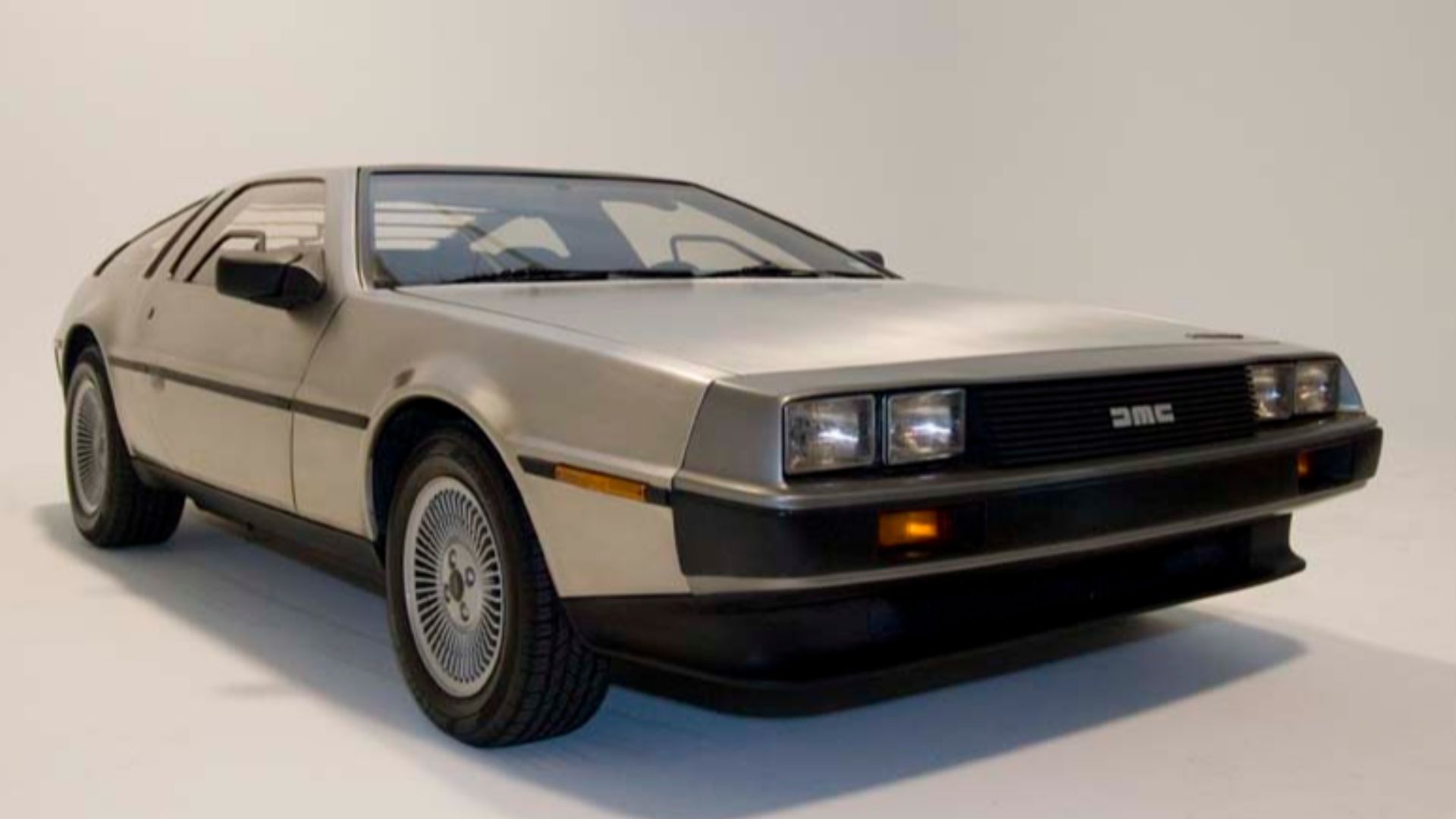
Years later, DeLorean would become famous for a car that arrived late and struggled commercially. But long before that, he helped push a car that was canceled precisely because it looked like it could succeed.
 Grenex at English Wikipedia, Wikimedia Commons
History’s Quiet What-If
The Pontiac Banshee isn’t remembered because it failed. It’s remembered because it made the right people nervous at the wrong time. Sometimes the best ideas don’t lose. They’re simply not allowed to win.
 Alden Jewell, Wikimedia Commons
You Might Also Like: