The Sick Feeling Starts At The Pump
If your teenage son put diesel into a gasoline car and then drove for about ten minutes don't panic, yet. The engine is hopefully not destroyed. But absolutely do not drive again until the fuel system is drained and checked, because diesel in a gas engine can cause stalling, smoke, fouled spark plugs, or contamination. But it's true that in some cases, the damage could be more serious.

Why This Mix-Up Happens So Often
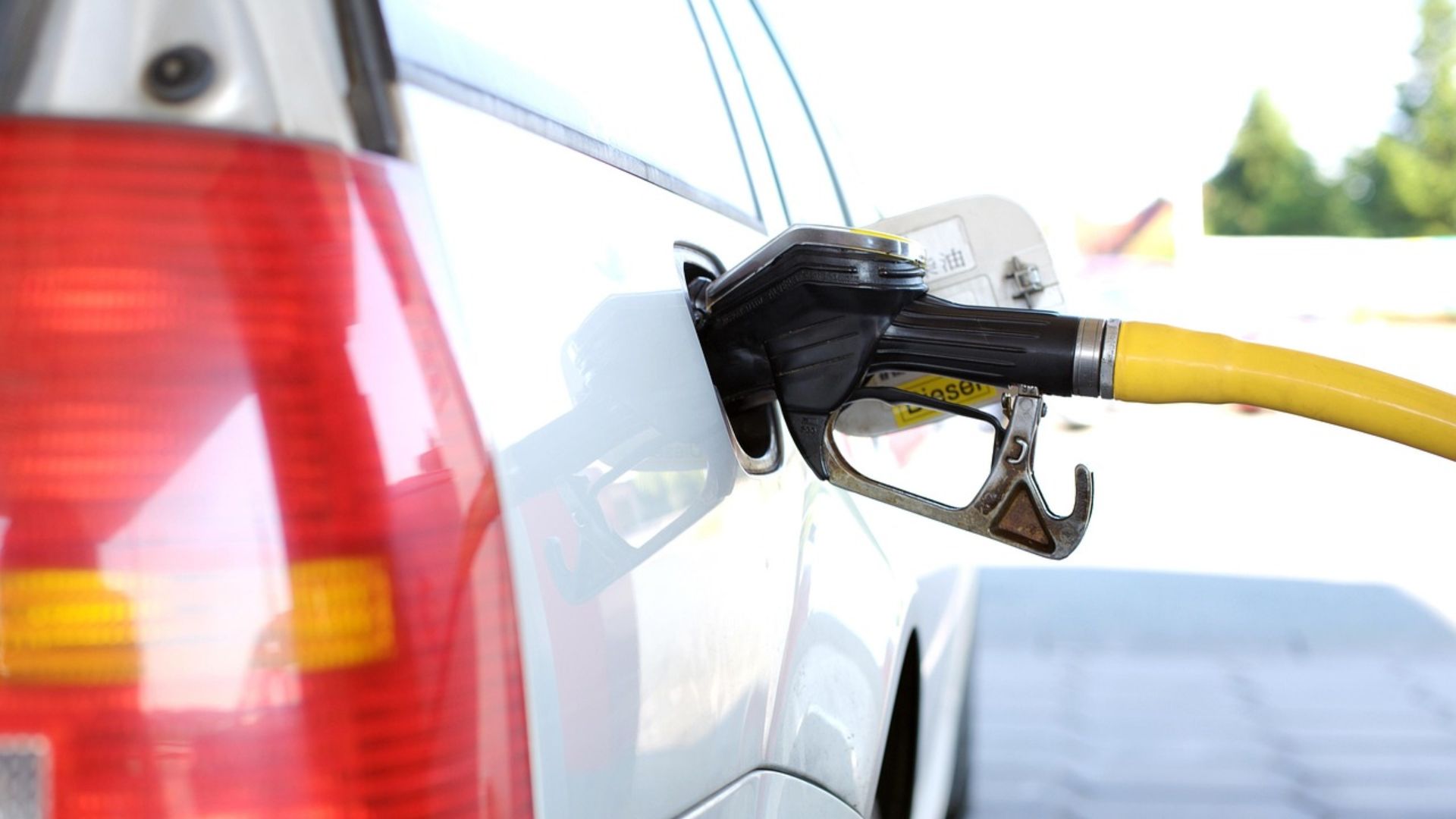
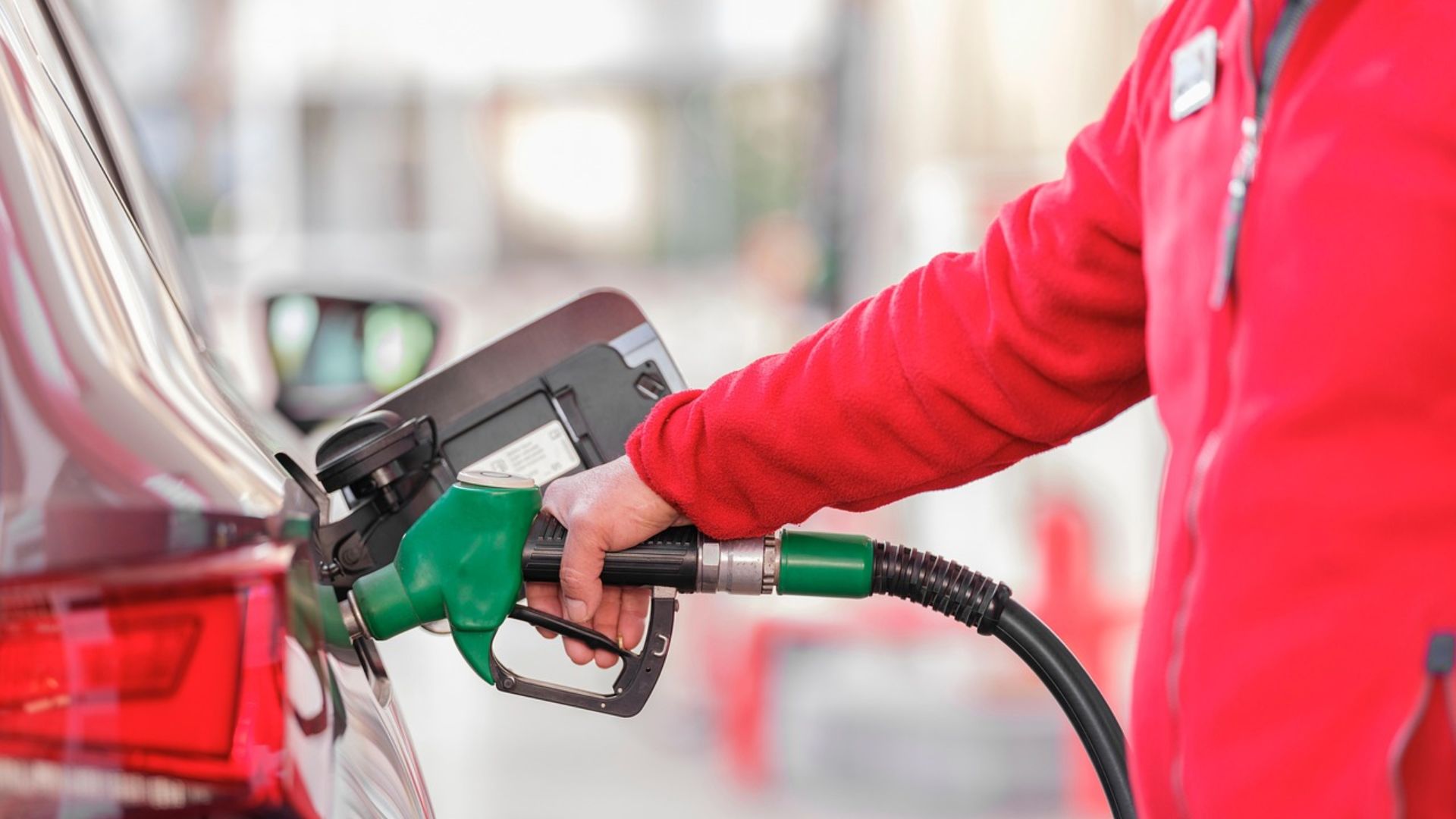
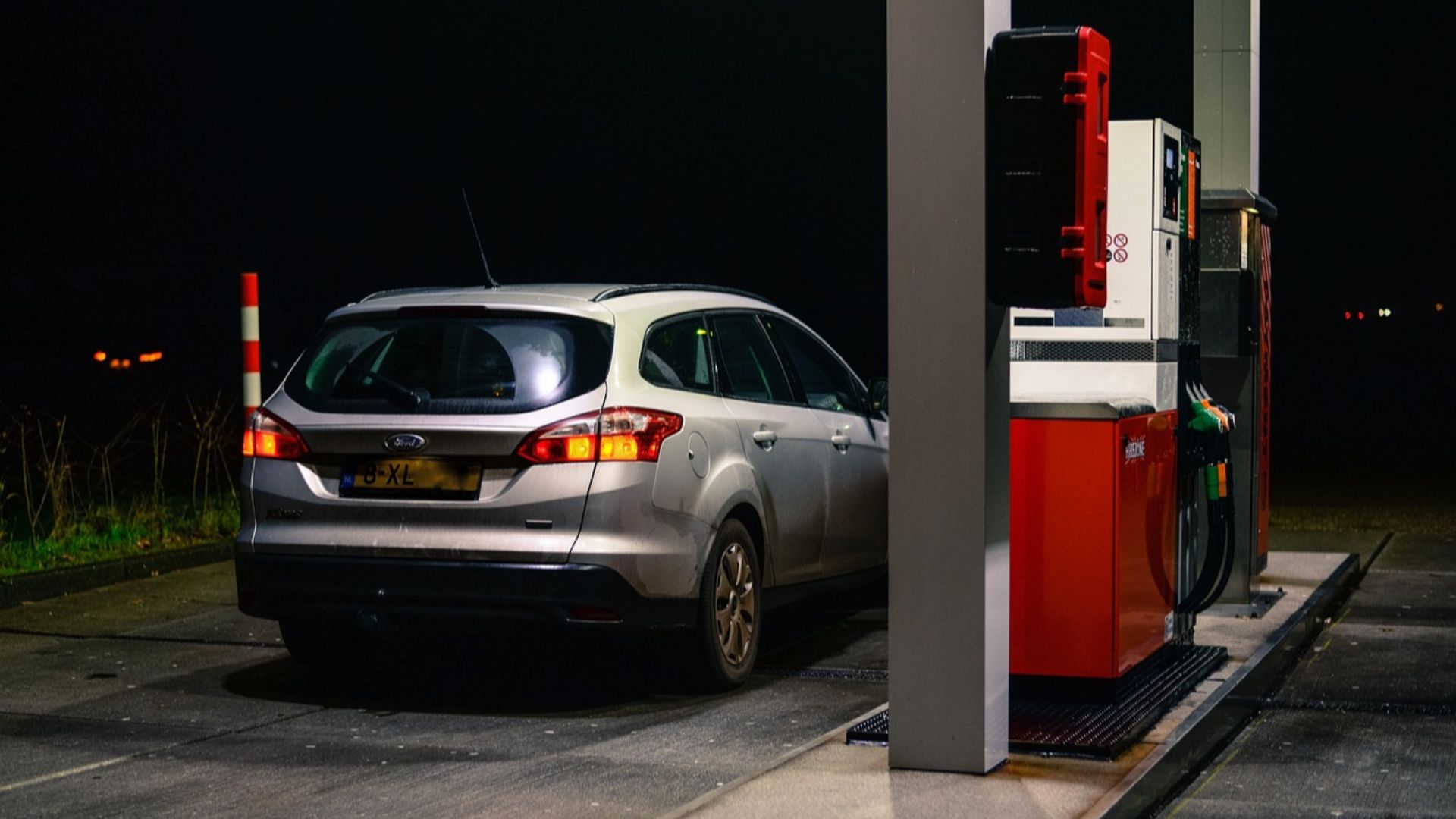
Misfueling is more common than a lot of drivers think, especially when someone is borrowing a car, in a rush, or just not used to that vehicle. In the United States, gasoline nozzles are usually smaller than diesel nozzles, which helps stop people from putting gas into many diesel vehicles. But diesel can still go into a gasoline car because the diesel nozzle often fits into a gas filler neck.
Here Is The Short Answer
If the car runs at all after being filled with diesel, it usually runs badly instead of suffering instant major damage. A gasoline engine is built to ignite a lighter air-fuel mix with spark plugs, while diesel fuel is heavier, less volatile, and burns in a different way. That mismatch can make the engine stumble, smoke, knock, and eventually stall.

Ten Minutes Matters, But It Is Not Usually A Death Sentence
Driving for ten minutes means the diesel likely moved beyond the tank and through the fuel lines, injectors, and combustion chambers. That makes cleanup more involved than if the mistake had been caught before the car was started. Even so, major consumer and roadside-assistance guidance says the usual fix is draining and flushing the system, not replacing the engine.

What Diesel Does Inside A Gasoline Engine
Diesel does not vaporize like gasoline, and a spark-ignition engine depends on that vaporization to run properly. When diesel reaches the cylinders, combustion becomes incomplete and uneven. That can lead to rough running, hesitation, misfires, smoke from the exhaust, and a clear loss of power.
The Most Likely Symptoms You Would Notice
A car contaminated with diesel usually gives warning signs fast. It may feel weak, shake at idle, hesitate when you press the gas, or produce gray, black, or white smoke from the tailpipe. In many cases, it will simply stop running once the gasoline left in the system is used up and the diesel-heavy mix takes over.

What Usually Gets Hurt First
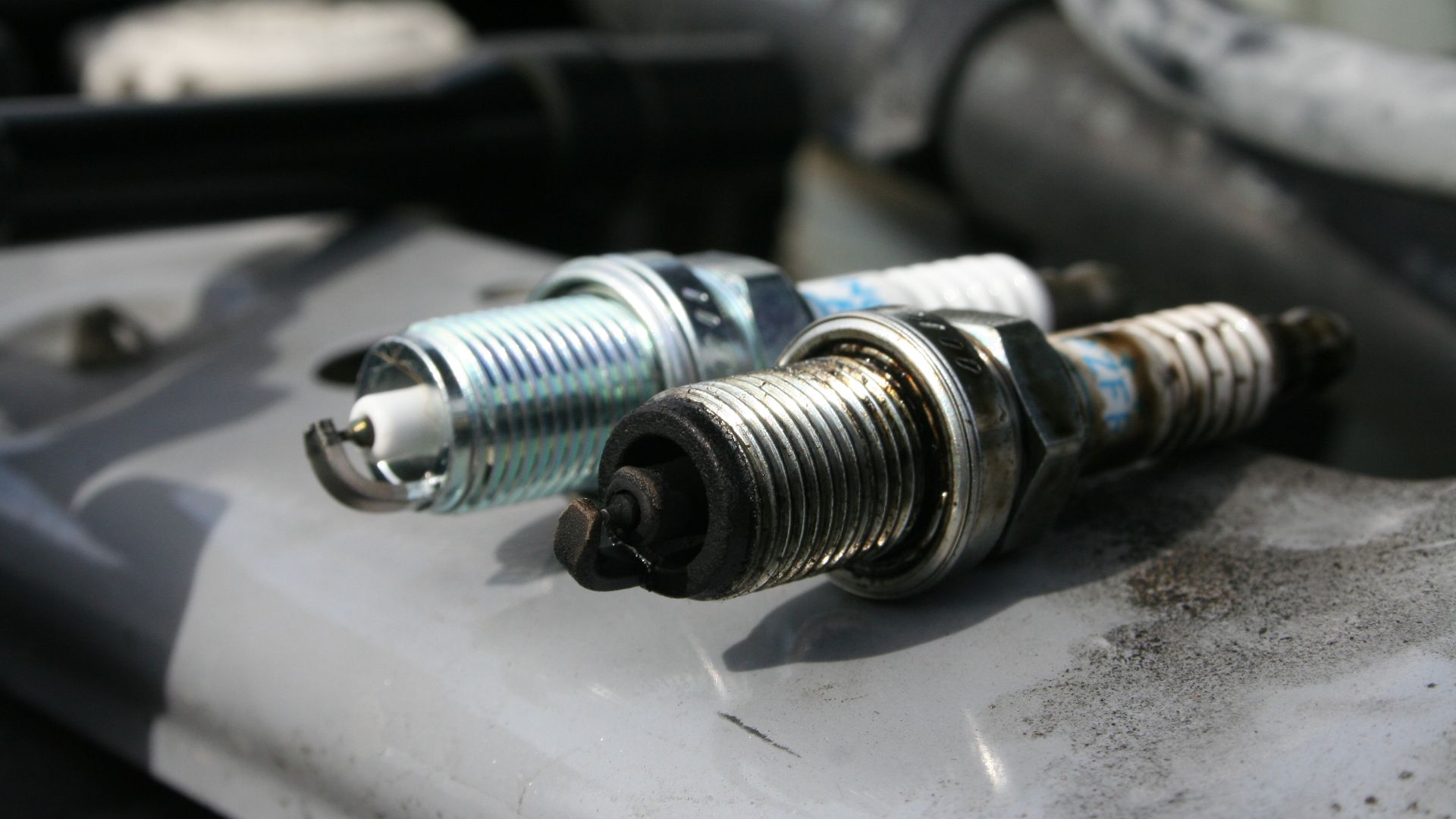
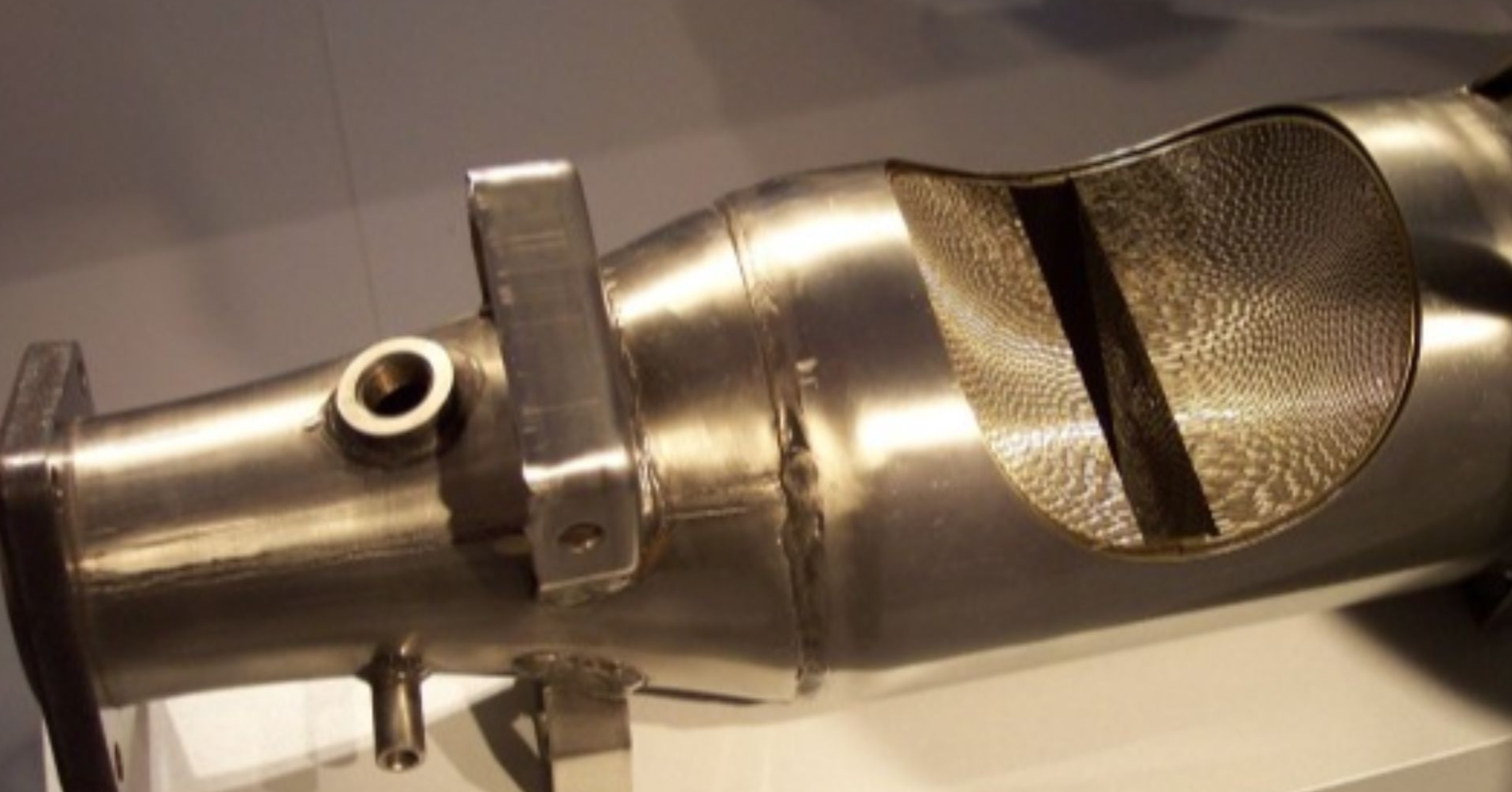
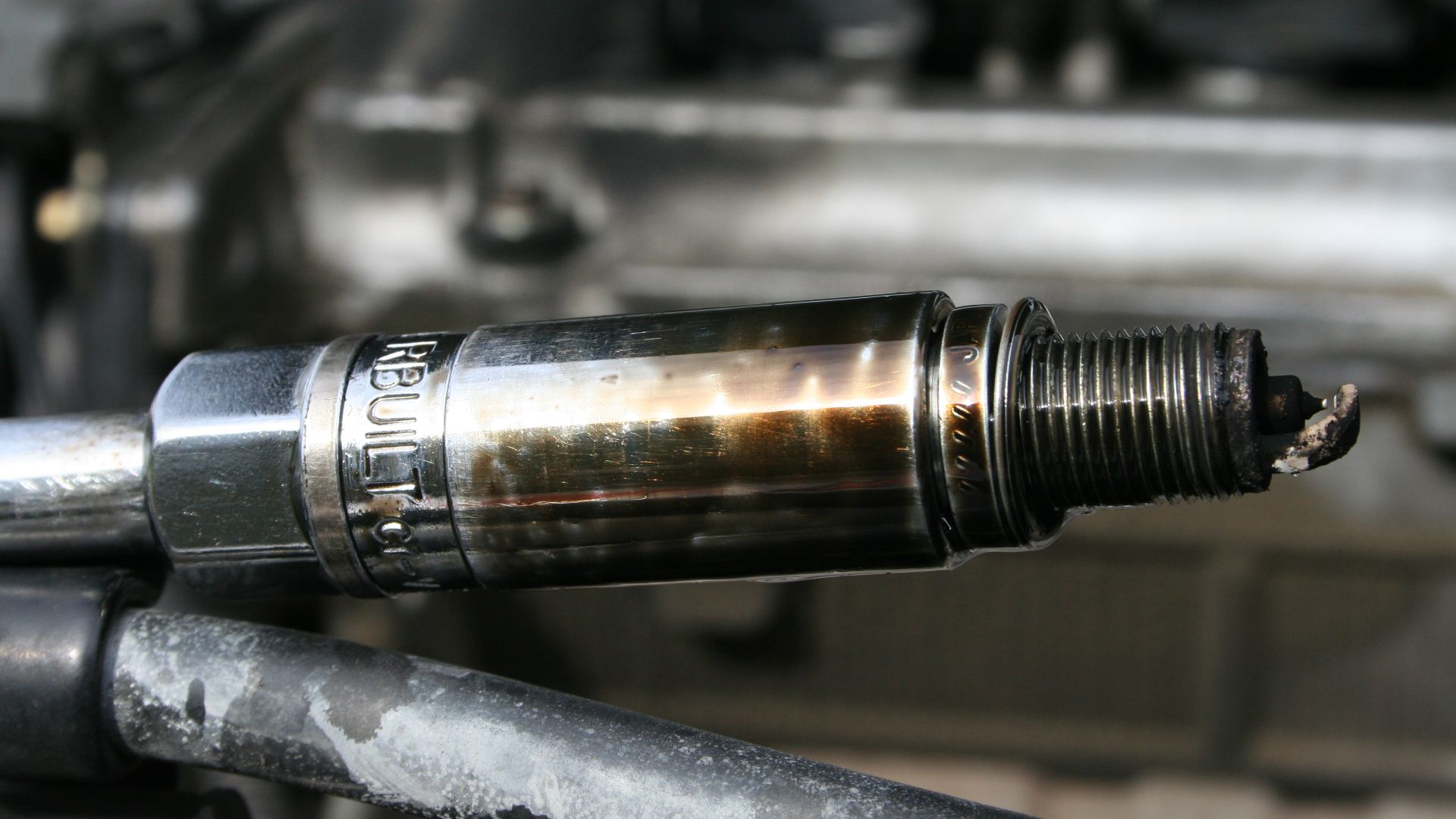
The most common trouble spots are the spark plugs, fuel injectors, fuel filter, and sometimes the catalytic converter if the car keeps running poorly for too long. Spark plugs can foul because diesel leaves heavier deposits than gasoline. If the engine was only driven for a short time, the repair may be limited to draining the tank, replacing the filter, purging the lines, and cleaning or replacing fouled plugs.
 Aidan Wojtas, Wikimedia Commons
Destroyed Engine Or Expensive Mess
Those are not the same thing, and that difference matters. A ten-minute drive on diesel in a gas car is usually more of an expensive hassle than a ruined engine. The engine’s hard parts, like the block, pistons, and crankshaft, are usually not the first things to fail in this kind of mistake.
Why Gas Engines React Differently Than Diesel Engines
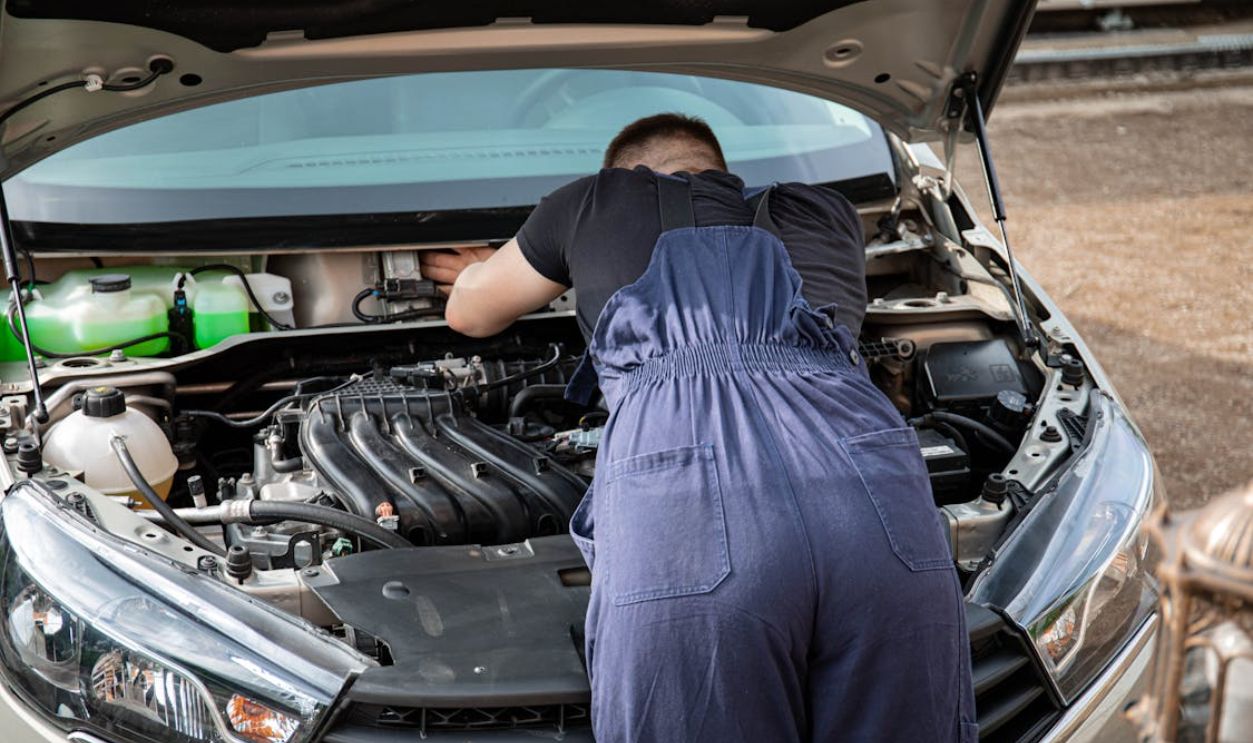
Gasoline engines use spark ignition, while diesel engines use compression ignition. Diesel fuel is meant to ignite under high compression in a diesel engine, not from a spark in a gasoline engine. Because of that basic design difference, the fuel mix behaves badly, but that does not automatically mean the engine tears itself apart.

Stop Driving It Immediately
If this just happened, the first rule is simple. Do not restart the car, and do not try to limp it home. Every extra minute of running sends more contaminated fuel through the system and can make the cleanup more complicated.

What To Do Next
Have the vehicle towed to a repair shop instead of driven. Tell the shop exactly what happened, including that the tank was filled with diesel and the car was then driven for about ten minutes. That helps the technician decide how thoroughly the tank, lines, rail, injectors, plugs, and emissions parts need to be inspected and cleaned.

The Standard Repair Process
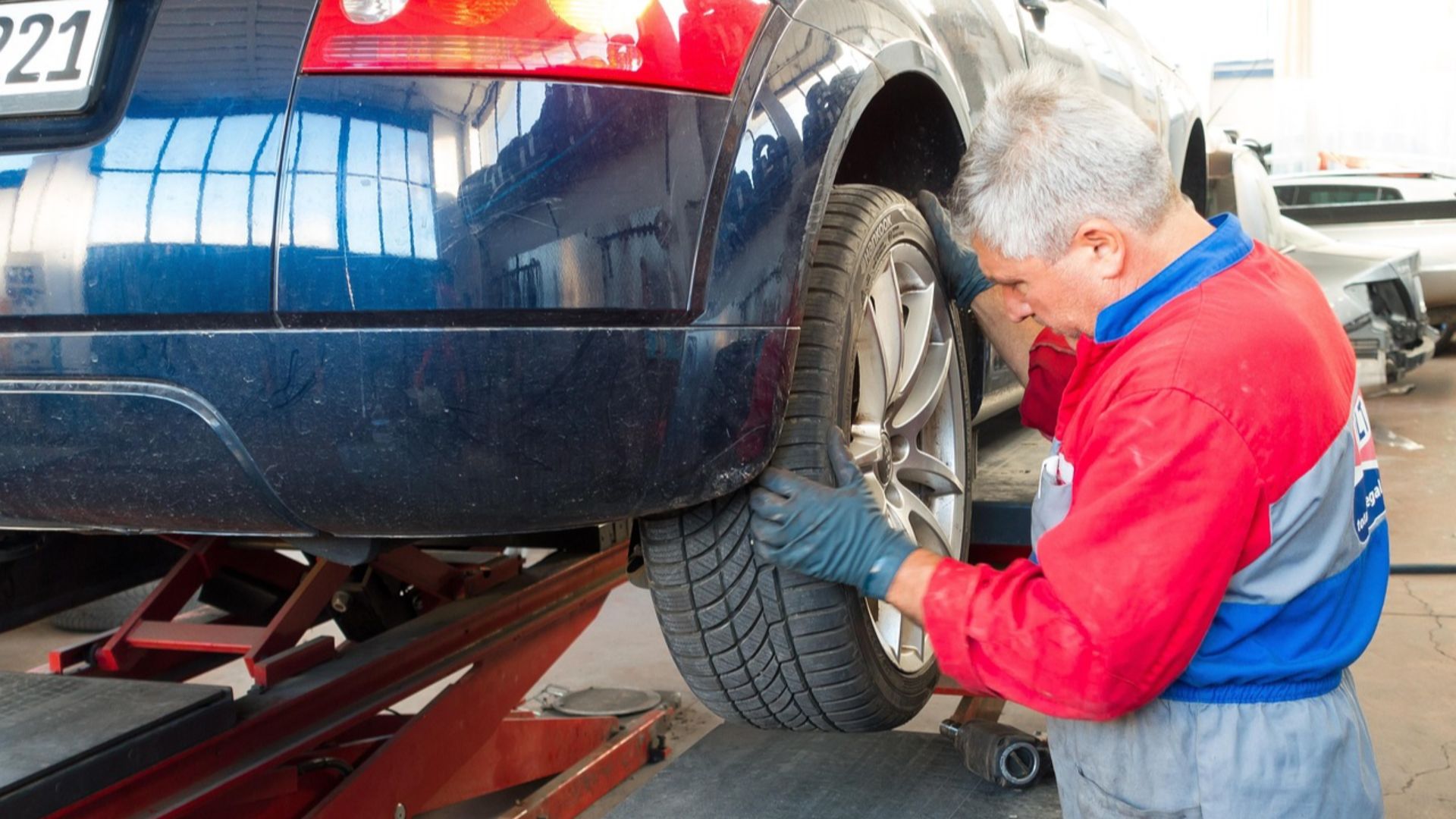
The usual procedure starts with draining the fuel tank completely. After that, technicians often flush the fuel lines, replace the fuel filter if the car has a serviceable one, and refill with the correct gasoline. Depending on how badly the engine ran, they may also inspect or replace spark plugs and clear any fault codes after making sure the car runs normally again.
Why You Should Not Just Top It Off With Gas
Some drivers hope that diluting diesel with gasoline will fix the problem, but that is a gamble. Once the engine has already been driven and the contaminated fuel has circulated, topping off with gas does not remove the diesel already in the lines and injectors. It can also make diagnosis more confusing if the car keeps running badly afterward.
Could The Fuel Pump Be Damaged
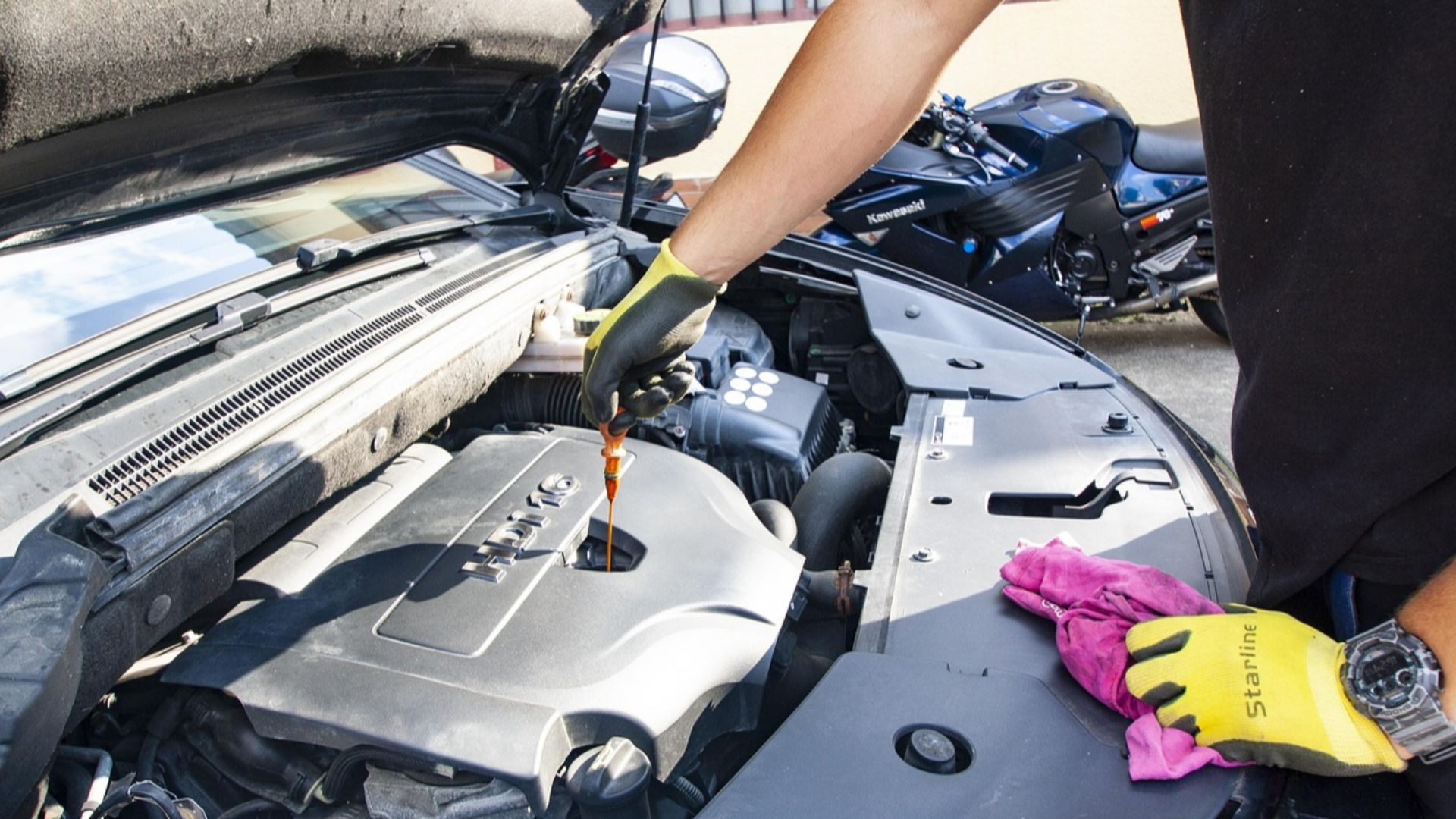
In a gasoline car, the fuel pump is usually not the main victim of diesel contamination the way other misfueling mistakes can damage diesel high-pressure systems. The bigger problem is that the engine cannot burn the fuel properly. Still, any pump or injector exposed to contaminated fuel may need inspection if symptoms continue after the system is cleaned.
The Catalytic Converter Risk
If the car was driven while misfiring and sending unburned fuel into the exhaust, the catalytic converter can be stressed. That risk goes up the longer the car is driven after the symptoms start. A short ten-minute drive does not guarantee converter damage, but it is one more reason to stop right away and avoid restarting the engine.
 User Stahlkocher on de.wikipedia, Wikimedia Commons
Spark Plugs May Need Attention
Diesel contamination can foul spark plugs because the fuel does not burn cleanly in a gasoline engine. If the plugs are coated with deposits, the engine may keep misfiring even after fresh gasoline is added. Replacing the plugs is often a straightforward part of getting the car back to normal.
 Aidan Wojtas, Wikimedia Commons
Modern Cars May Also Trigger Warning Lights
Do not be surprised if the check engine light comes on. Modern engine management systems quickly notice misfires and abnormal combustion. That warning alone does not prove major damage, but it does confirm that the car needs proper service instead of guesswork.
If The Car Would Not Start After Fueling
That would actually be the better outcome. If the mistake is caught before the engine is started, many service advisories say the fix can be as simple as draining the tank and adding the correct fuel. Once the engine has run, the contaminated fuel has had time to circulate, which is why a ten-minute drive raises the repair cost without necessarily making the damage severe.

What Repair Bills Often Depend On
The final bill usually depends on how much diesel was added, how empty the tank was beforehand, how far the car was driven, and how quickly it started showing symptoms. A car that was nearly empty and then filled mostly with diesel will usually run worse than one with only a small amount of diesel mixed into a mostly full gas tank. Shop rates and vehicle design also affect the total cost.

How Mechanics Typically Verify The Fix
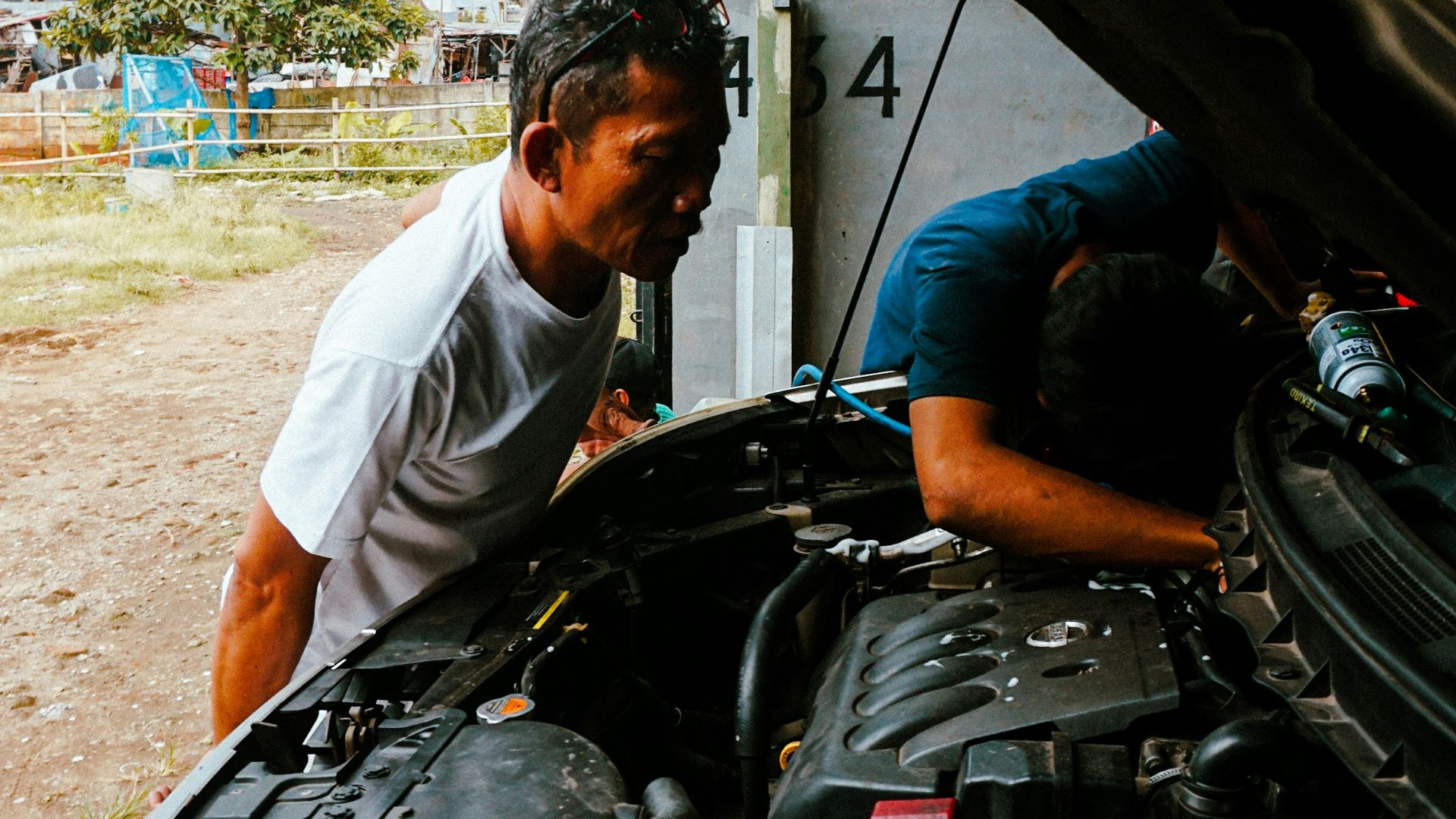
After draining and refilling, technicians usually run the engine on fresh gasoline and check for a smooth idle, clean acceleration, and the absence of smoke or misfires. They may scan for trouble codes and road-test the vehicle. If symptoms remain, they can inspect plugs, injectors, and emissions parts more closely.
When To Worry More
You should be more concerned if the engine now makes unusual mechanical noises, will not restart after repairs, or keeps smoking and misfiring on fresh gasoline. Those signs could point to secondary problems that need deeper diagnosis. But based on standard guidance for diesel in a gas car, those outcomes are not the most likely result after a brief drive.

What The Experts Consistently Say
Consumer guidance from AAA, Progressive, and other service resources is consistent on the main point. Gasoline in a diesel vehicle is often the more dangerous mistake because it can damage high-pressure diesel fuel components. Diesel in a gasoline vehicle usually causes poor running and stalling, with the typical fix being draining and flushing rather than engine replacement.

So Did He Destroy The Engine
Probably not. If the car only ran for about ten minutes, the most likely outcome is fuel-system contamination that needs quick professional cleanup, not a permanently destroyed engine. It is a stressful mistake, and it can be expensive, but in most cases it can be fixed.

What To Tell Your Son
Tell him two things. First, this is a fixable mistake if the car is handled the right way now. Second, next time he borrows a car, he should double-check the fuel type on the fuel door, in the manual, or even on the dashboard reminder before he starts pumping.

How To Prevent This From Happening Again
A small label inside the fuel door that says “Regular Unleaded Only” can save a lot of trouble. It also helps to remind new drivers that diesel and gasoline are not interchangeable, even if the pump handles are right next to each other. A ten-second check at the station is much cheaper than a tow truck and a fuel-system flush.

The Bottom Line For Worried Parents
If your son filled a gasoline car with diesel and drove it for ten minutes, treat it as an urgent repair issue, not proof that the engine is done for. Stop driving it, have it towed, get it drained, and let a shop inspect the affected parts. In plain terms, he probably did not destroy the engine, but the car does need professional attention before it goes anywhere else.