Inside Ferrari’s Iconic V12
For generations of car lovers, especially those who grew up when Ferraris still seemed impossibly exotic, the words “Ferrari V12” meant something special. It was more than an engine layout. It was the sound coming from a Daytona disappearing down a highway, the centerpiece of glossy magazine spreads, and the mechanical signature of Maranello’s finest machines.
 Unknown photographer, Public domain, via Wikimedia Commons
Enzo Ferrari Wanted Twelve Cylinders
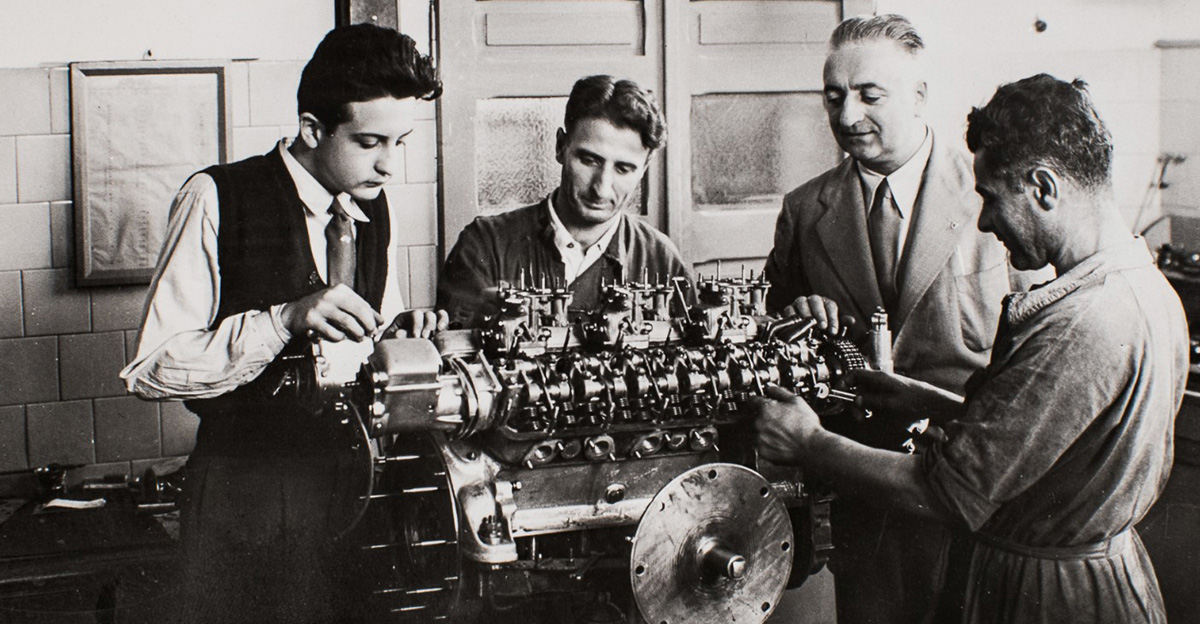
When Enzo Ferrari began planning the first car to carry his own name, he wanted twelve cylinders beneath the hood. It was an ambitious choice for a tiny postwar company, but Ferrari was never interested in thinking small. From the very beginning, his road cars would be deeply connected to racing machinery.
Gioachino Colombo Creates The First Heart
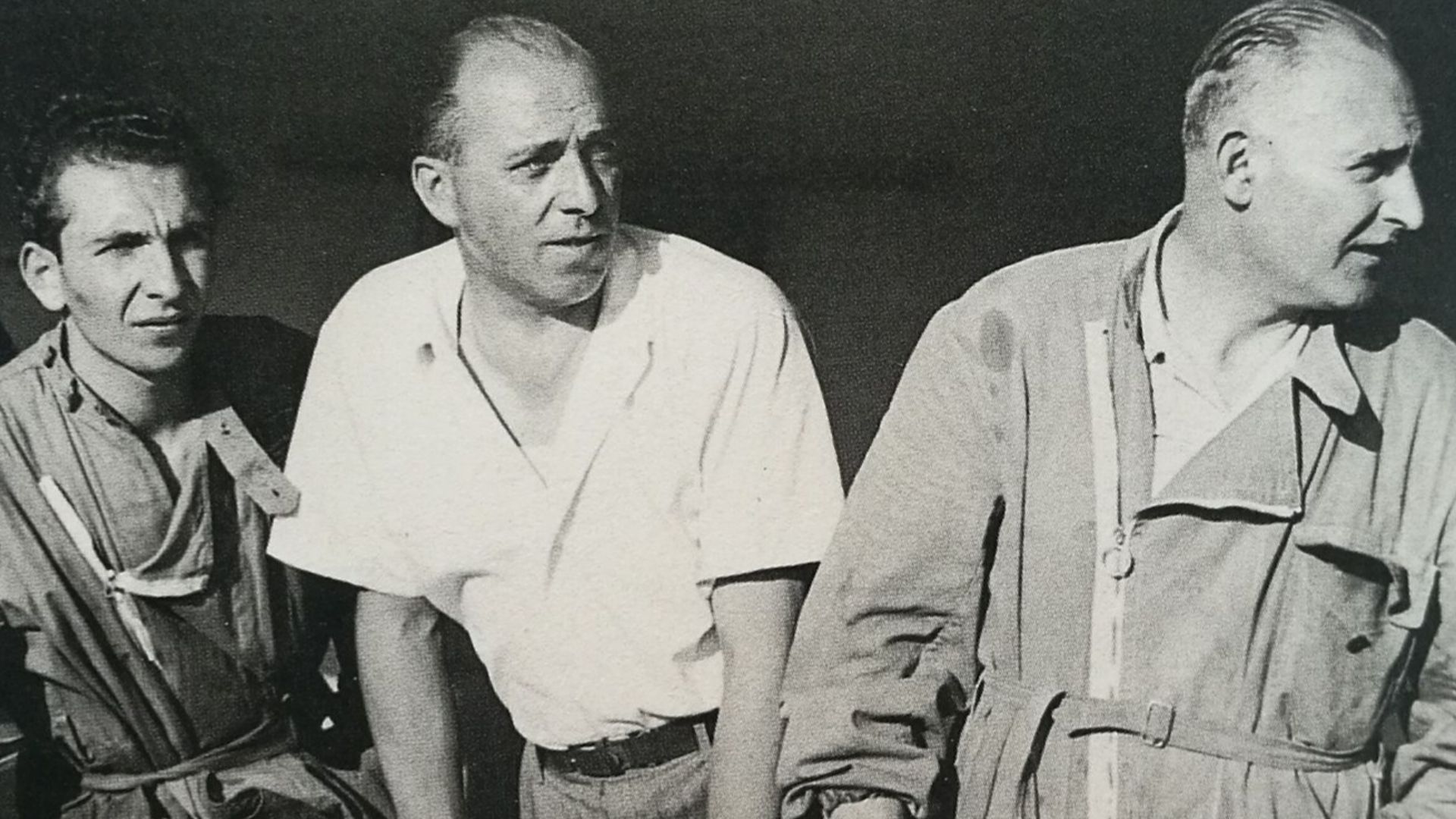
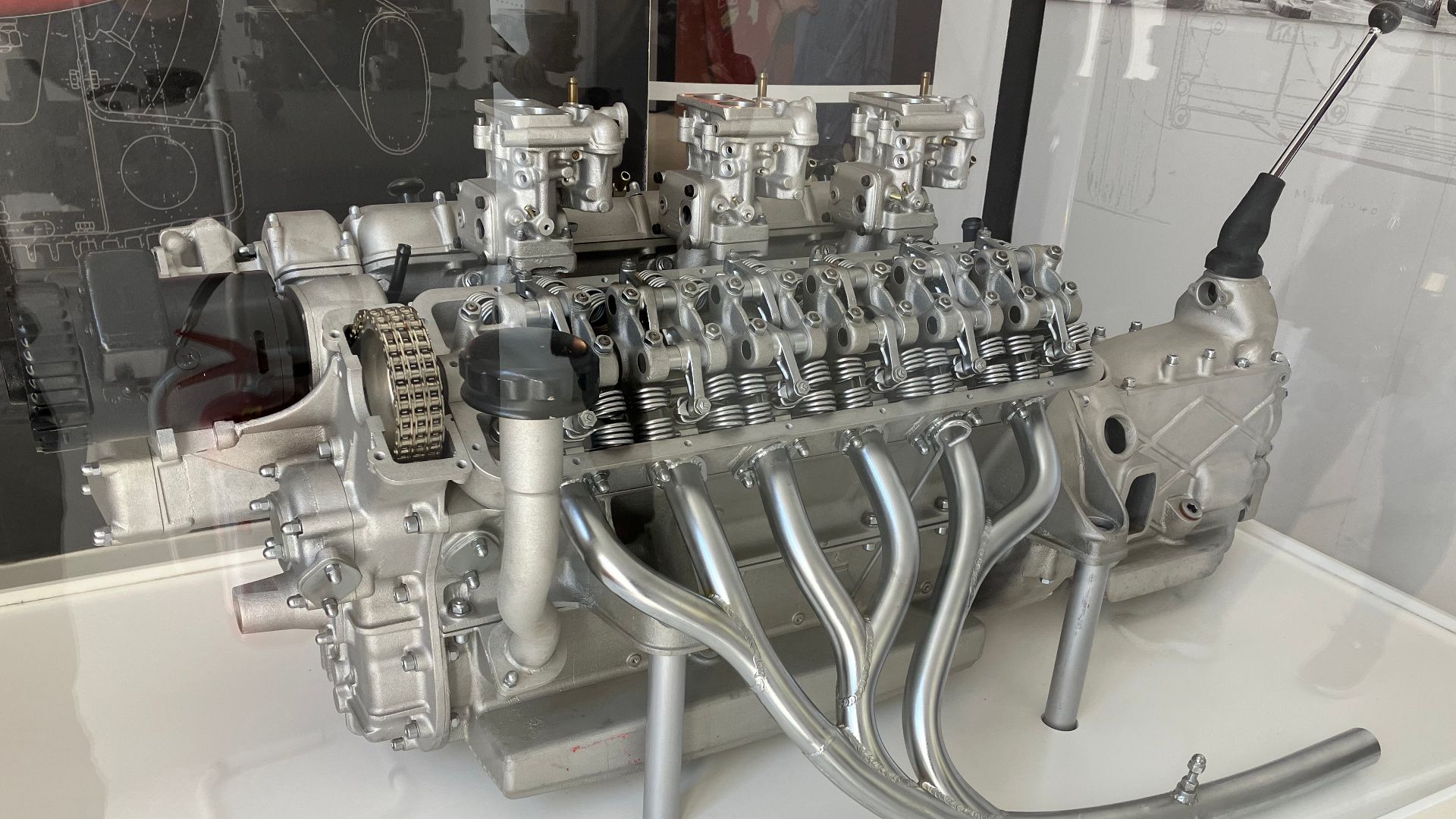
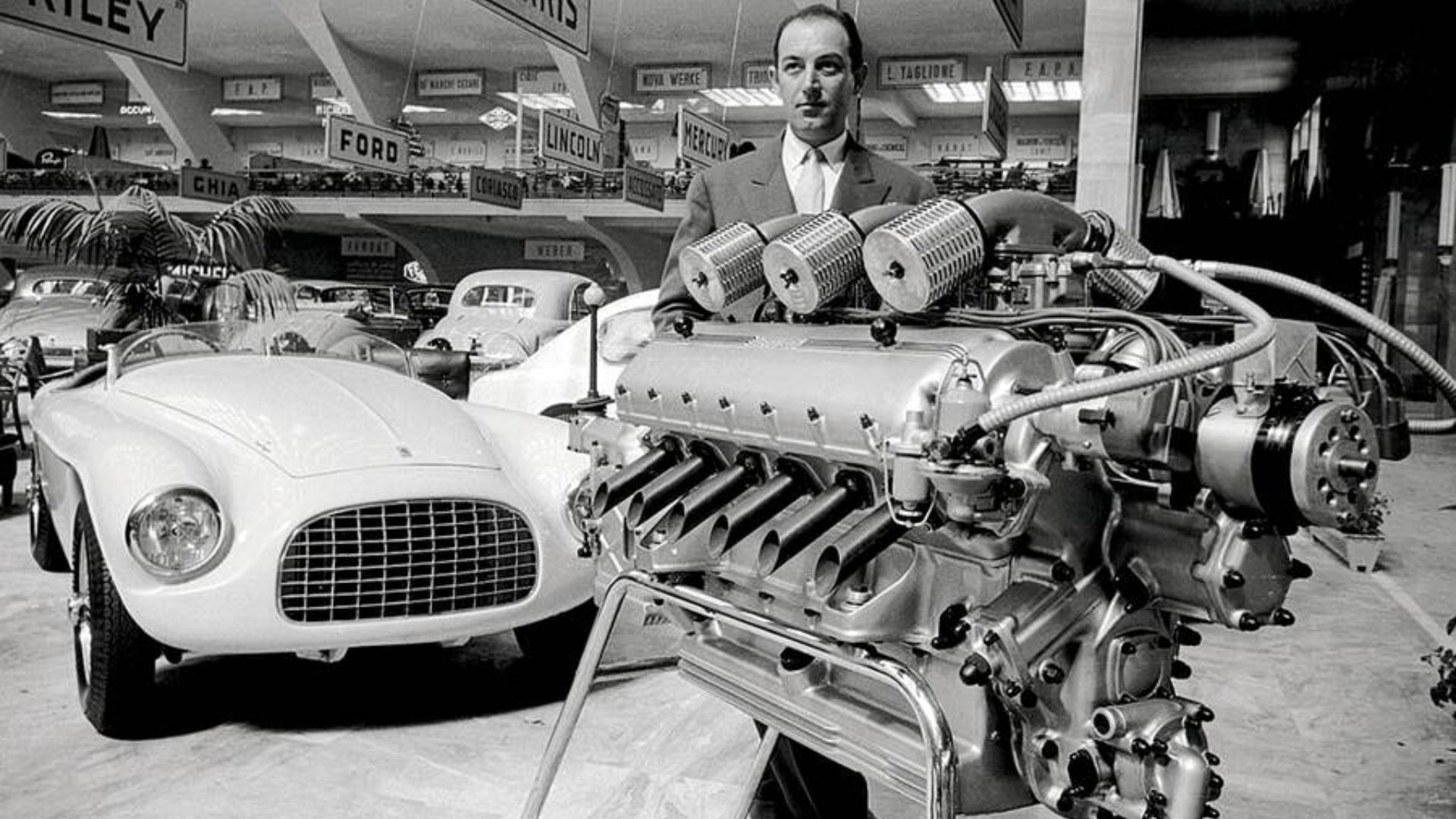
Engineer Gioachino Colombo was entrusted with designing Ferrari’s first V12. The result was compact, smooth, and surprisingly adaptable. Other talented engineers, including Giuseppe Busso and Luigi Bazzi, helped develop the design. Nobody could have known that their work would establish a mechanical tradition lasting for generations.
 Unknown photographer, Wikimedia Commons
The Little 125 S Starts Everything
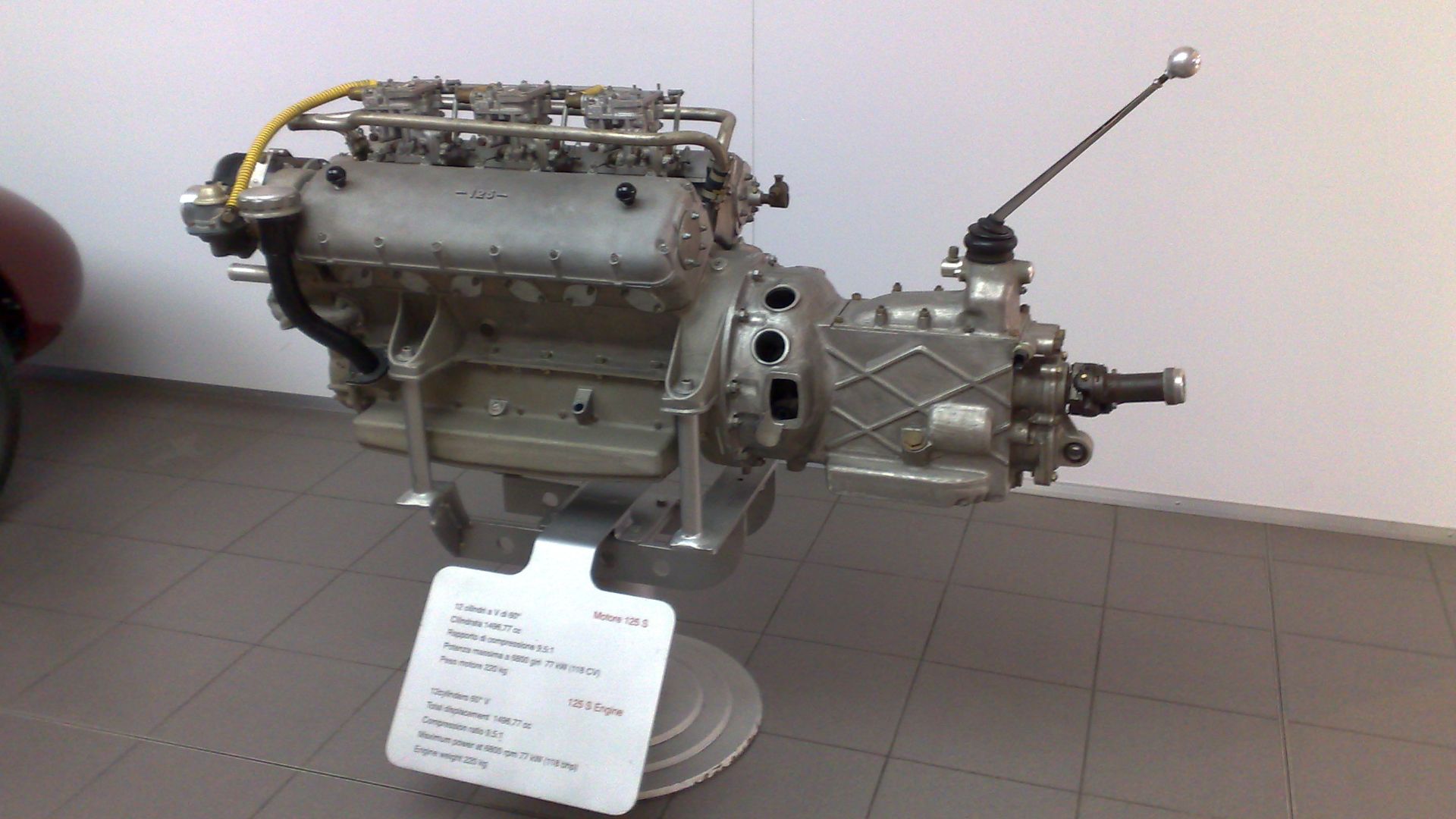
The first Ferrari, the 125 S of 1947, carried a remarkably small 1.5-liter V12. Today that sounds almost unbelievable. Twelve cylinders were packed into an engine smaller than those found in many modern economy cars. Yet the formula gave Ferrari exactly what it wanted: refinement, responsiveness, and wonderful mechanical character.
 pelican-actor, Wikimedia Commons
Why Ferrari Loved The V12 Layout
A properly designed V12 is naturally smooth, which was perfect for Ferrari’s unusual combination of racing performance and sophisticated grand touring. It could feel civilized while cruising and completely different when the driver put his foot down. That dual personality became one of the defining characteristics of great road-going Ferraris.
Racing Improved The Breed
Ferrari’s first cars were not developed in isolation from competition. Racing was the laboratory. The original 125 S suffered a frustrating retirement during its first event in 1947, then won shortly afterward. Enzo Ferrari famously regarded that debut as a “promising failure.” The philosophy was simple: race it, break it, improve it.
![1947 Ferrari 125 S s/n 01C (entry #128) at perhaps its first race at Circuito di Piacenza on May 11, 1947. Driver Franco Cortese did not finish due to mechanical problems.[1]. This particular car is one of the first Ferraris built.](https://www.factinate.com/storage/app/media/driversdaily/2026/9/23/179015369232862f6792685892322d07f56e7de84e6b72788a.jpg) Unknown photographer, Wikimedia Commons
Unknown photographer, Wikimedia Commons
Lampredi Builds A Bigger V12
As Ferrari entered increasingly serious competition, engineer Aurelio Lampredi developed a larger family of V12 engines. These engines were bigger and more muscular than Colombo’s original design. Lampredi’s work helped Ferrari challenge powerful rivals in Formula One and proved there was more than one way to create a great Ferrari twelve-cylinder.
 Unknown photographer, Wikimedia Commons
Silverstone Changes Ferrari History
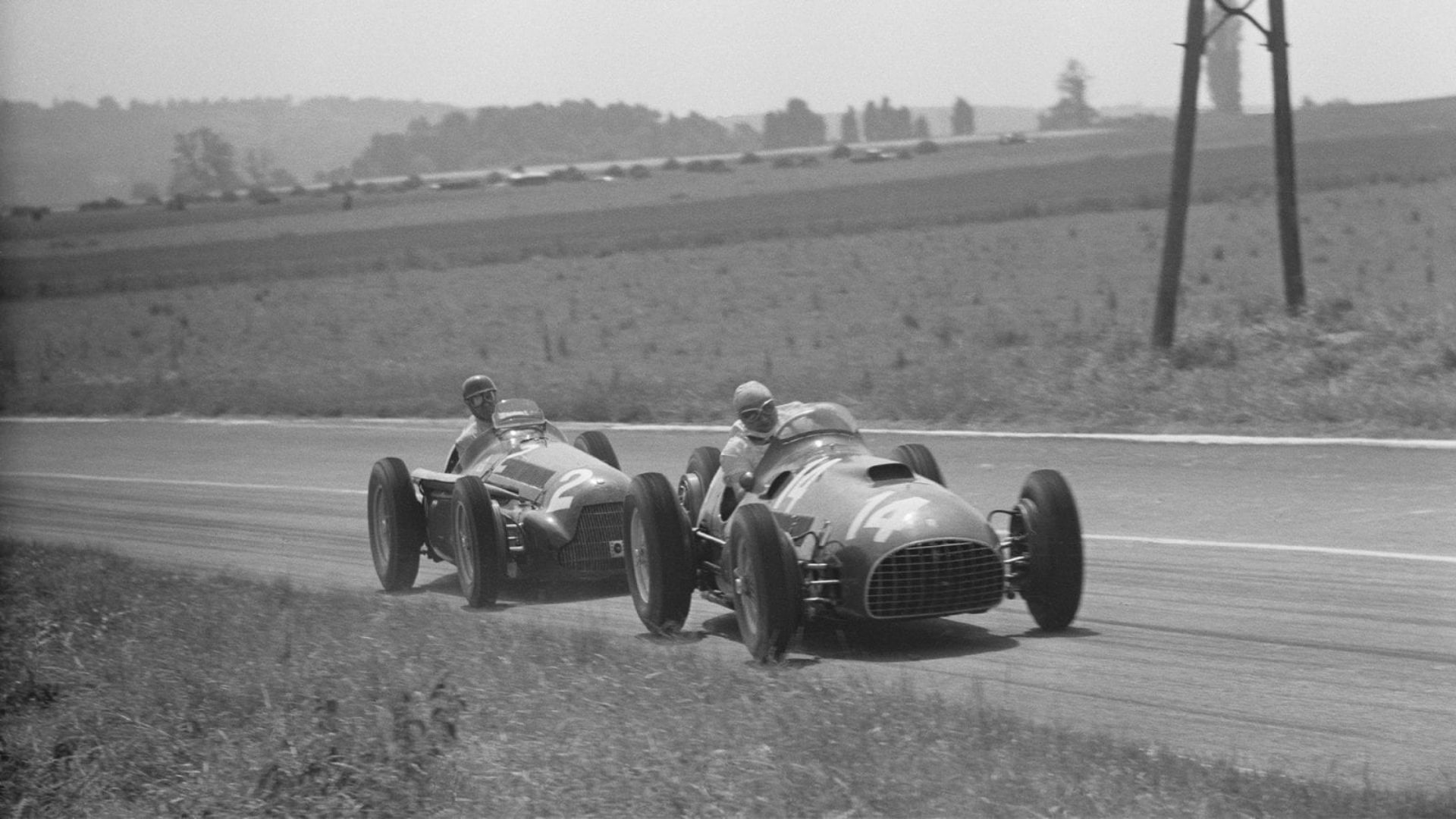
One of Ferrari’s defining early moments came at Silverstone in 1951. José Froilán González gave Ferrari its first Formula One World Championship victory, defeating the once-dominant Alfa Romeo team. For Enzo Ferrari, beating the company with which he had been so closely associated before the war carried enormous significance.
 Unknown photographer, Wikimedia Commons
Ferrari Develops Two V12 Traditions
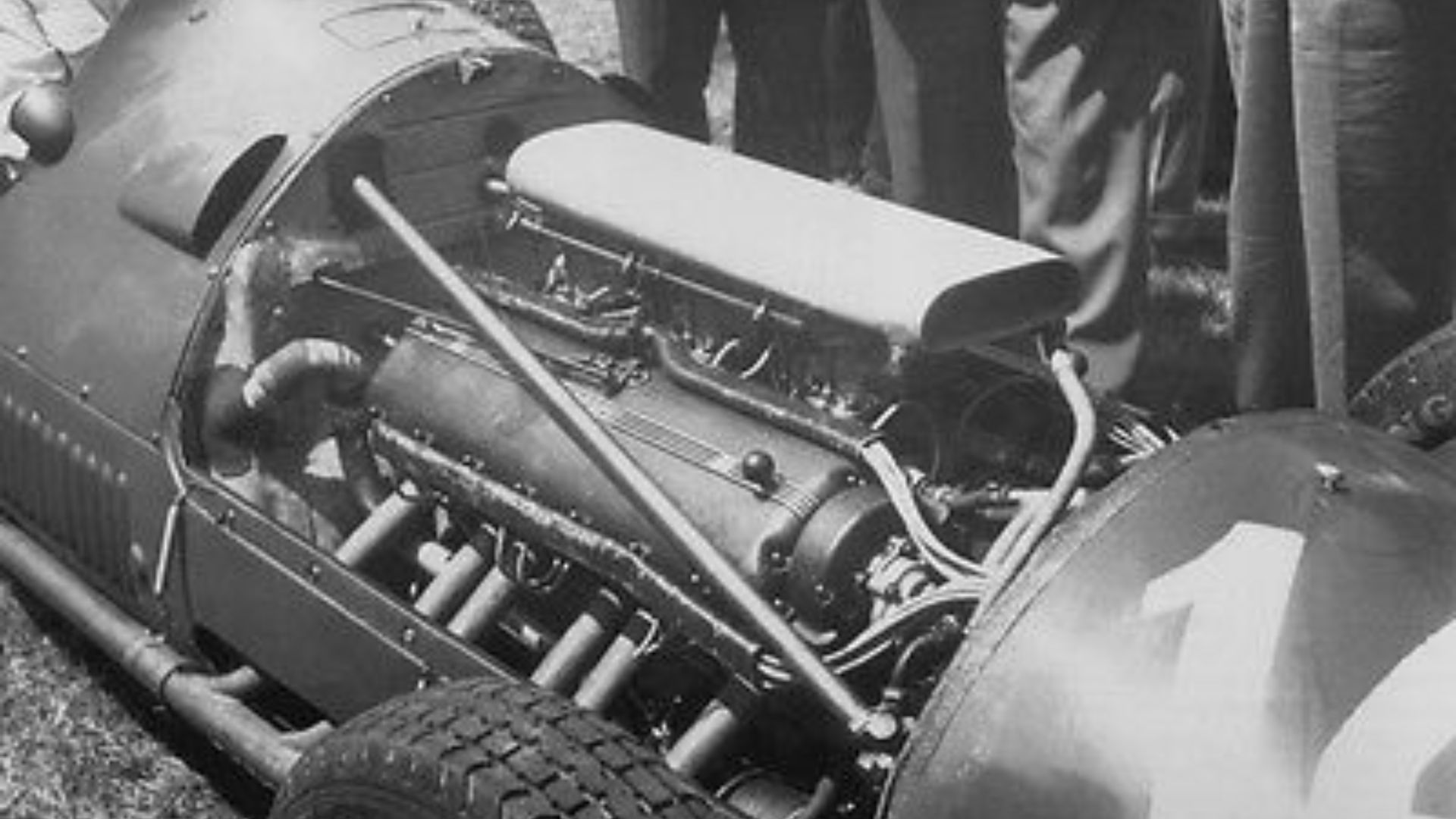
During the 1950s, Ferrari did not simply abandon one V12 design whenever another appeared. Colombo and Lampredi engines existed alongside one another, serving different purposes. That willingness to experiment became typical Ferrari behavior. The badge remained the same, but engineers were constantly finding new ways to interpret the twelve-cylinder idea.
 Unknown photographer, Wikimedia Commons
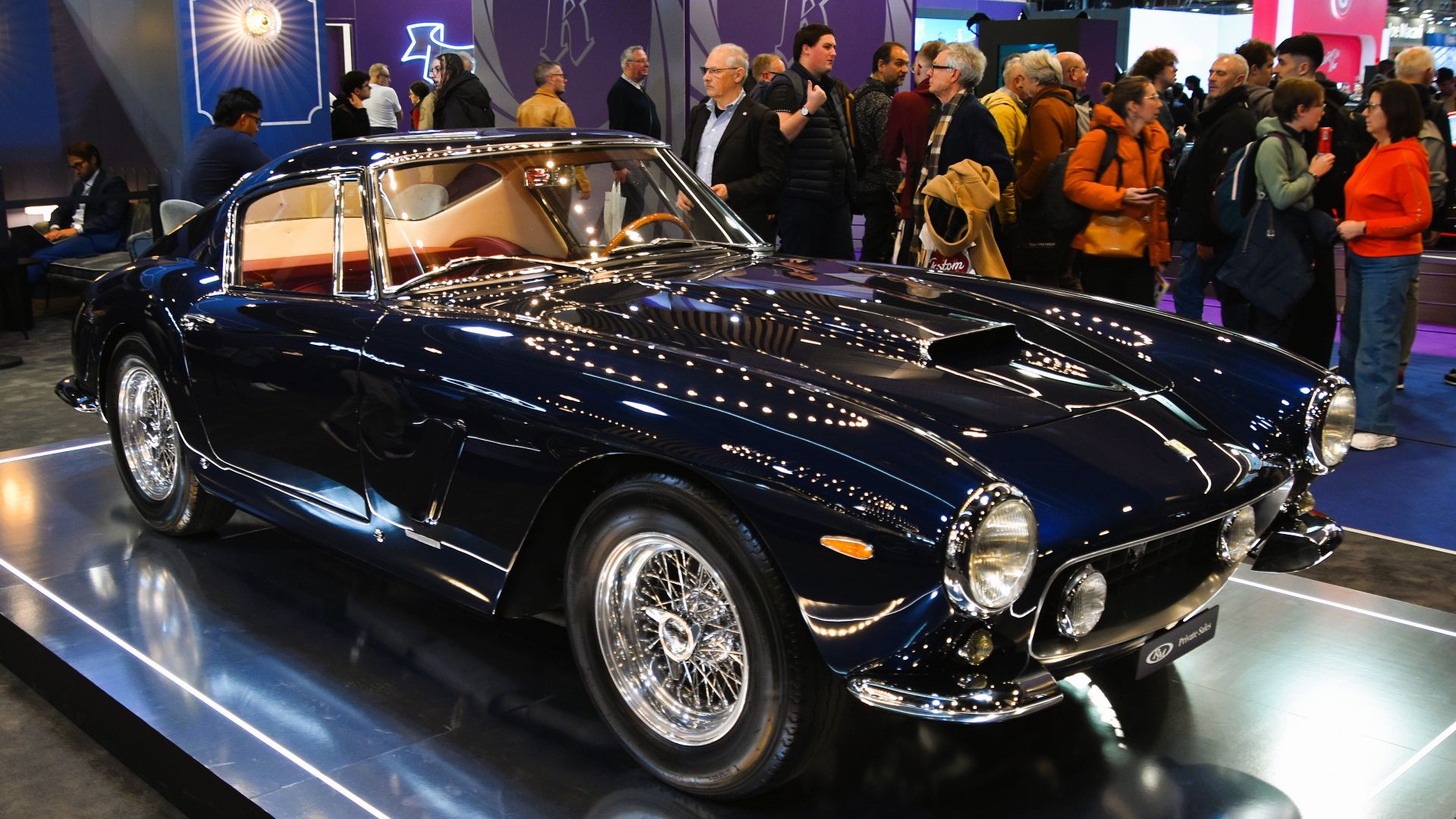
The 250 Series Becomes An Icon
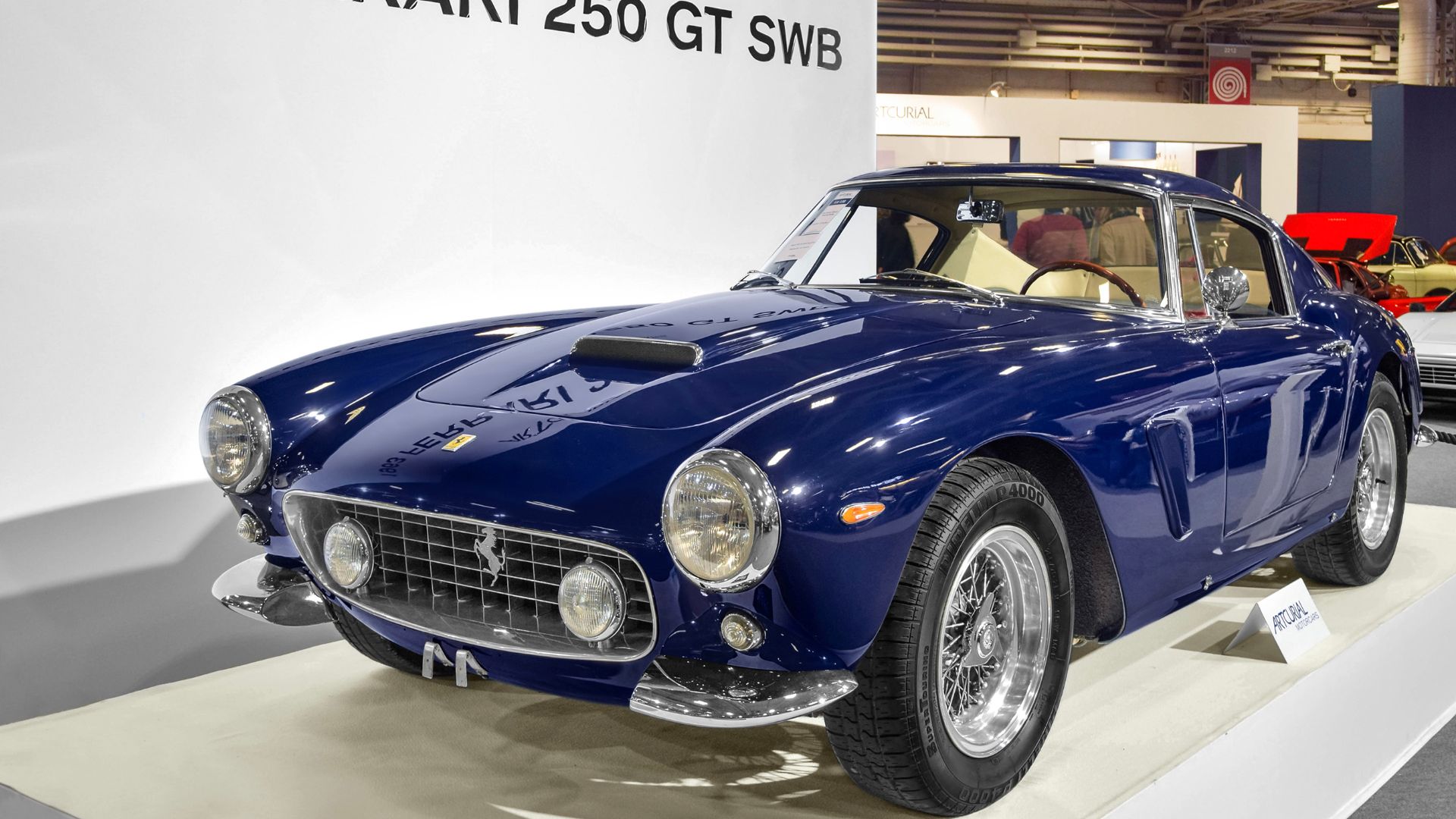
For many longtime enthusiasts, the Ferrari 250 represents the golden age. Cars such as the 250 GT combined elegant Italian coachwork with Colombo’s beautiful V12. They could cross Europe at serious speed and still arrive looking suitable for dinner at a grand hotel. Few cars captured the romance of postwar grand touring quite so well.
 Alexandre Prevot from Nancy, France, Wikimedia Commons
The 250 GTO Becomes A Legend
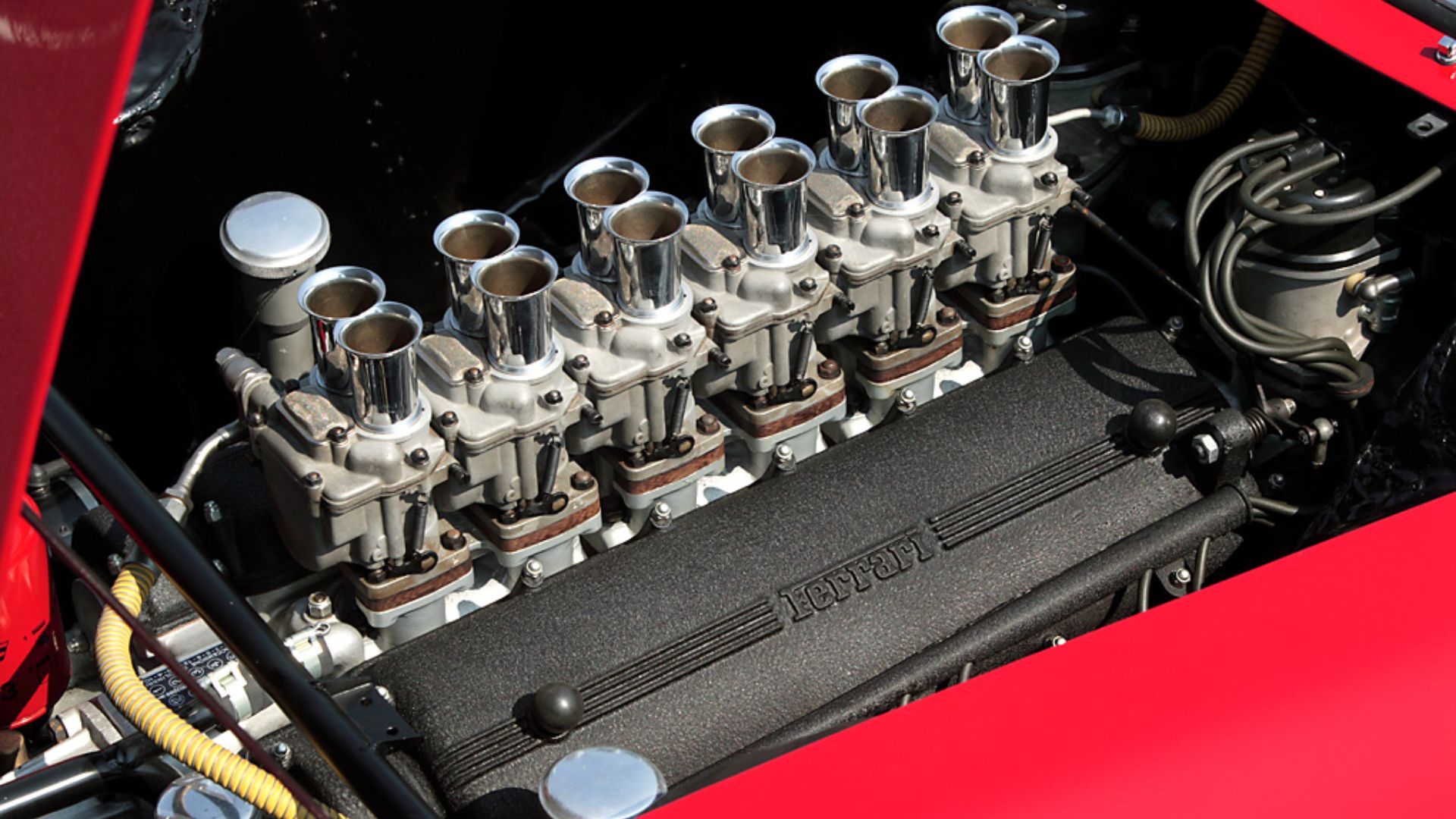
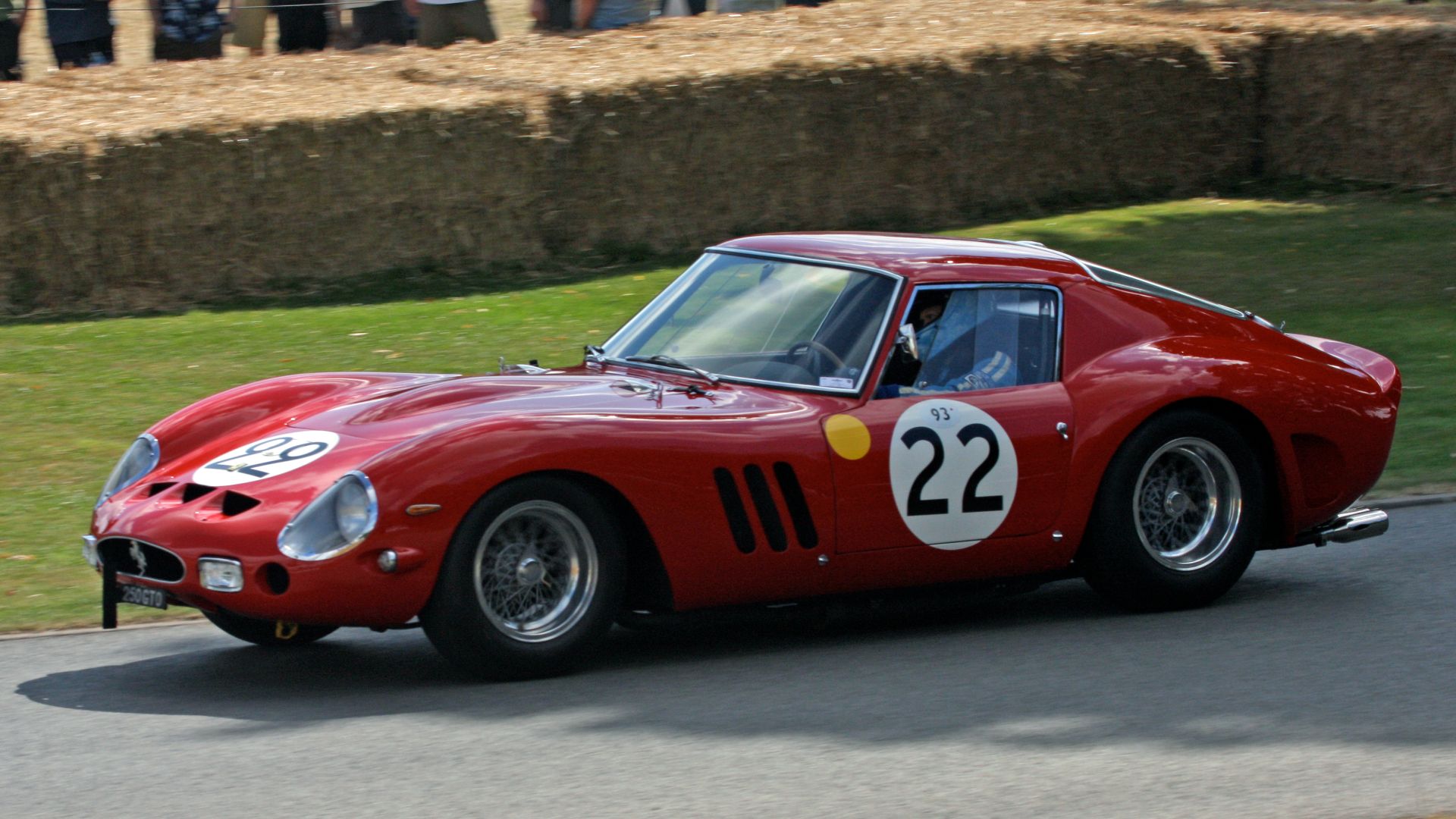
Then came the 250 GTO. Today it is one of the most valuable automobiles ever created, but in period it was built to compete. Its Colombo-derived V12 was powerful, flexible, and proven. More importantly, the entire car represented the old Ferrari philosophy at its purest: build something beautiful, then take it racing.
 Brian Snelson, Wikimedia Commons
Four Cams Change The Sound
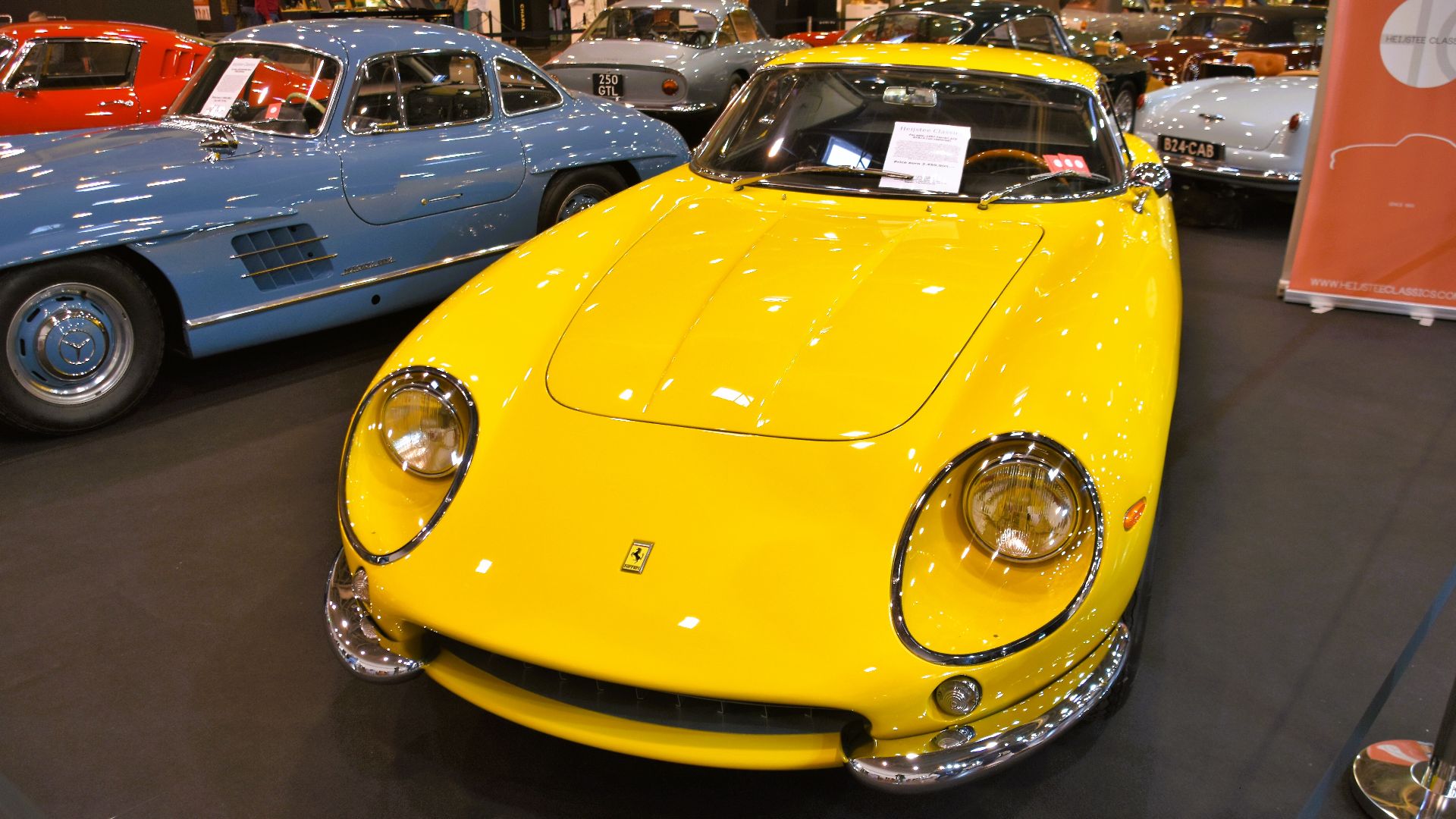
The 275 GTB/4 arrived during the mid-1960s with a major development: four overhead camshafts. To the casual observer, it was simply another gorgeous Ferrari. To enthusiasts, it represented an important step forward. The old Colombo V12 was becoming more sophisticated without losing the personality that had made Ferrari famous.
 Charles from Port Chester, New York, Wikimedia Commons
The Daytona Becomes A Boomer Dream Car
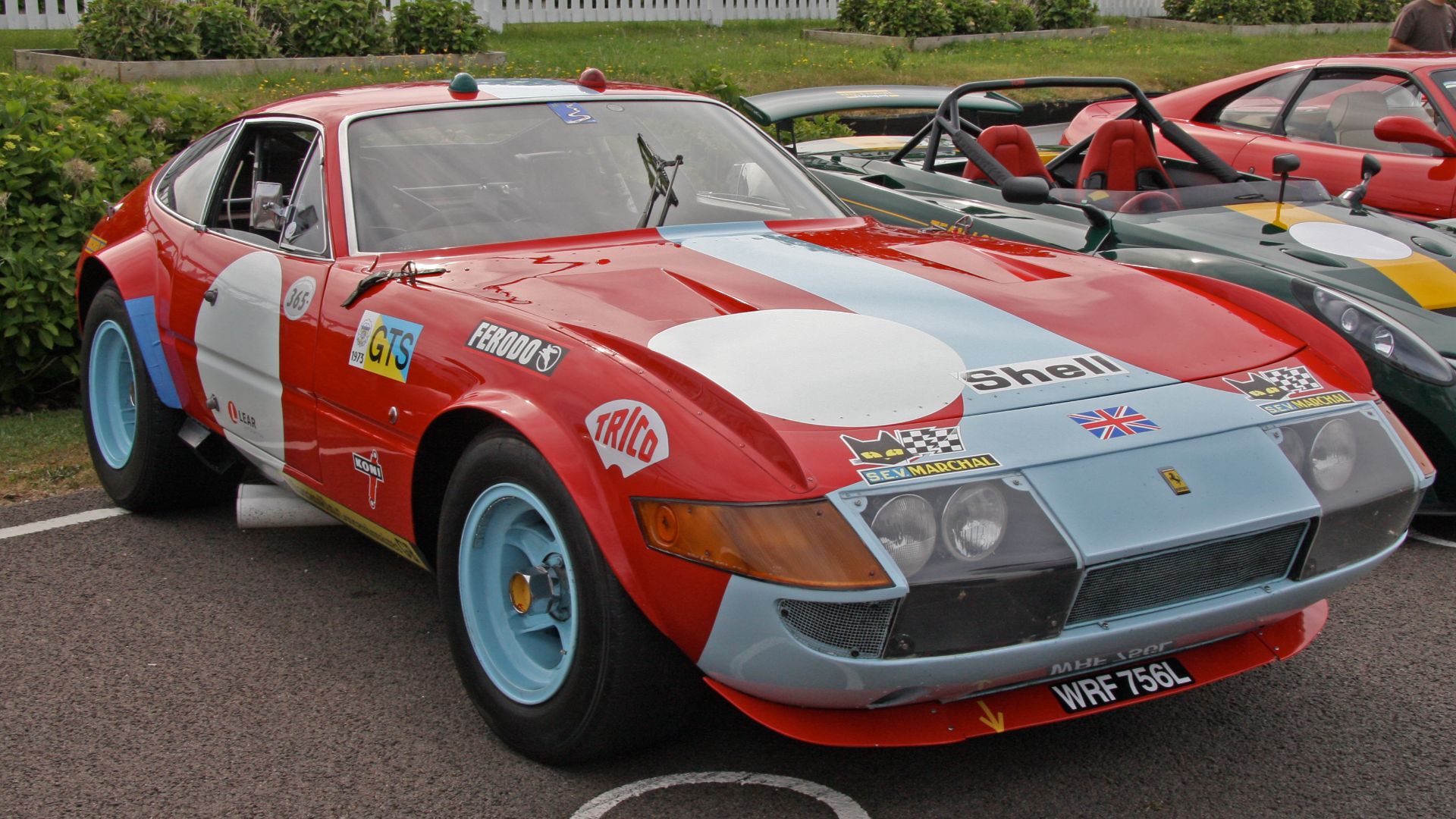
Few Ferraris stir memories quite like the 365 GTB/4 Daytona. Its long nose, muscular stance, and glorious V12 made it one of the defining supercars of the late 1960s and early 1970s. For young enthusiasts reading Road & Track or Car and Driver, the Daytona seemed less like transportation and more like machinery from another world.
 Brian Snelson, Wikimedia Commons
The 500 Superfast Shows The Luxurious Side
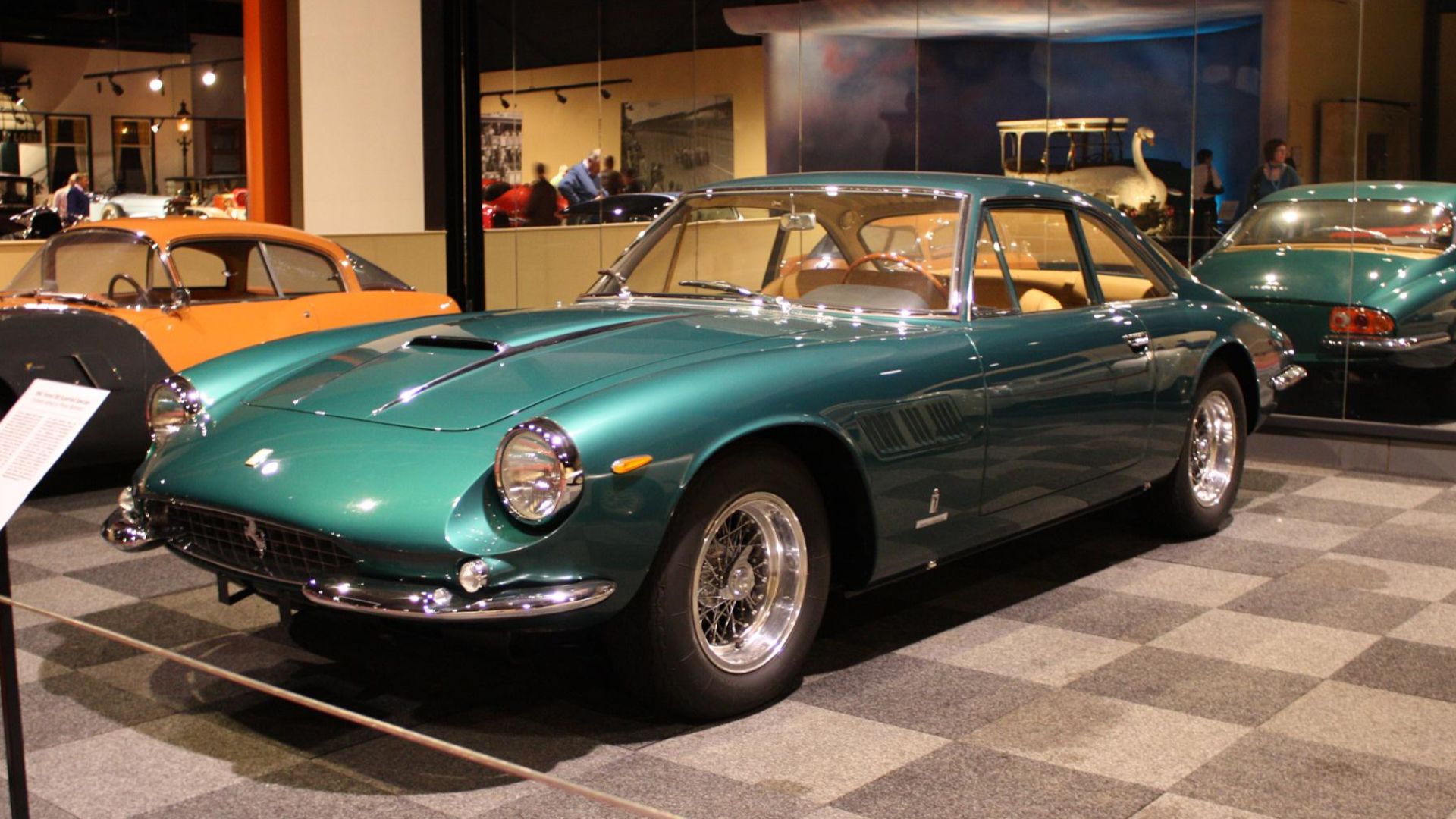
Ferrari’s V12 was never only about lap times. The magnificent 500 Superfast demonstrated the engine’s other personality. Built for wealthy customers who wanted extraordinary performance wrapped in sophisticated coachwork, it was a reminder that Ferrari had always understood grand touring as well as racing. Speed could arrive wearing a tailored Italian suit.
 Mark van Seeters from Netherlands, Wikimedia Commons
The Boxer Turns Ferrari Upside Down
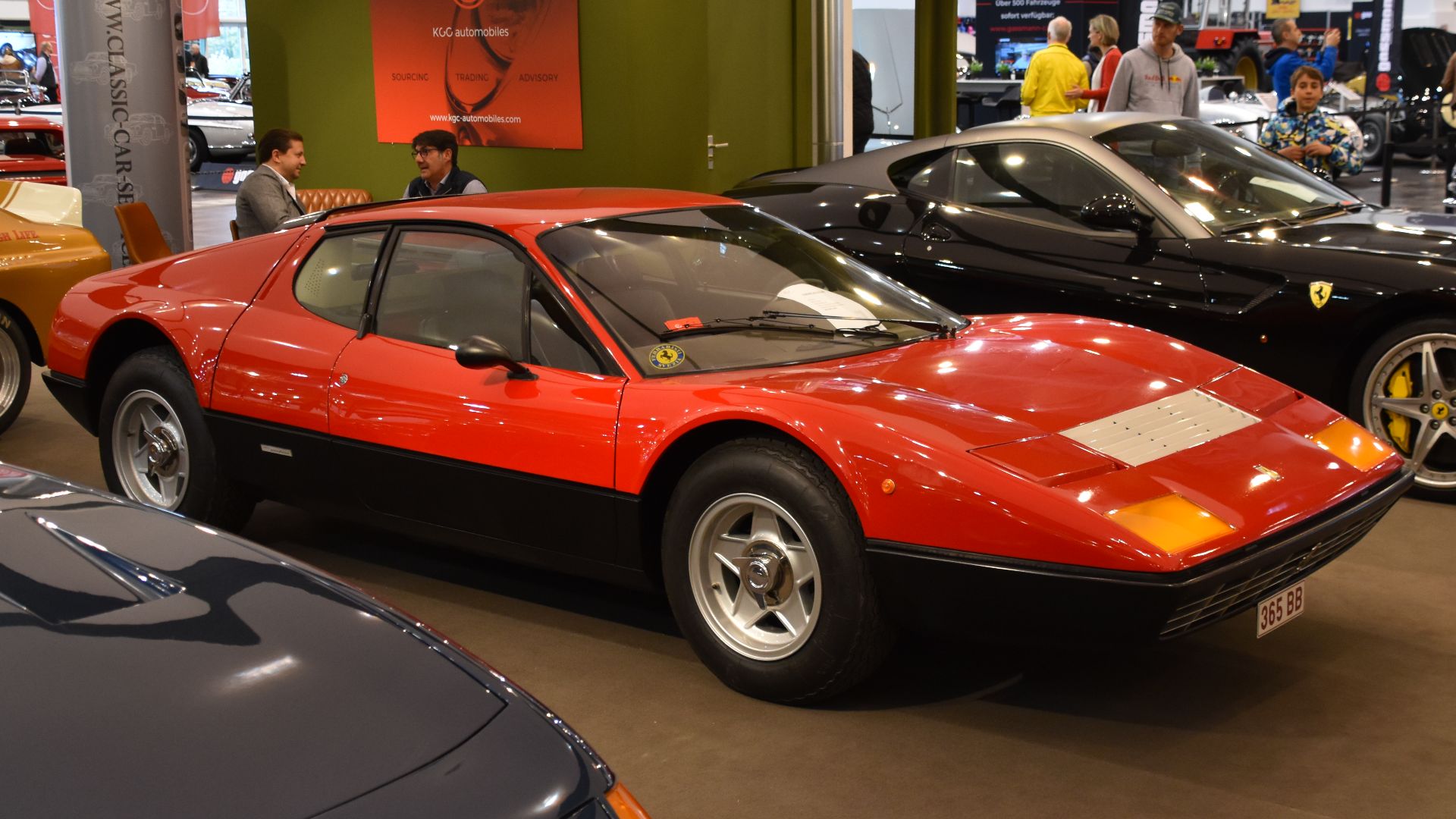
The 1970s brought a dramatic change. The 365 GT4 BB placed its twelve-cylinder engine behind the driver and used a horizontally opposed layout Ferrari commonly described as a boxer. Suddenly, the classic long-hood Ferrari formula looked old-fashioned. The shape was lower, wider, and unmistakably aimed at a new generation of exotic-car buyers.
 Charles from Port Chester, New York, Wikimedia Commons
The Testarossa Era Captures A Generation
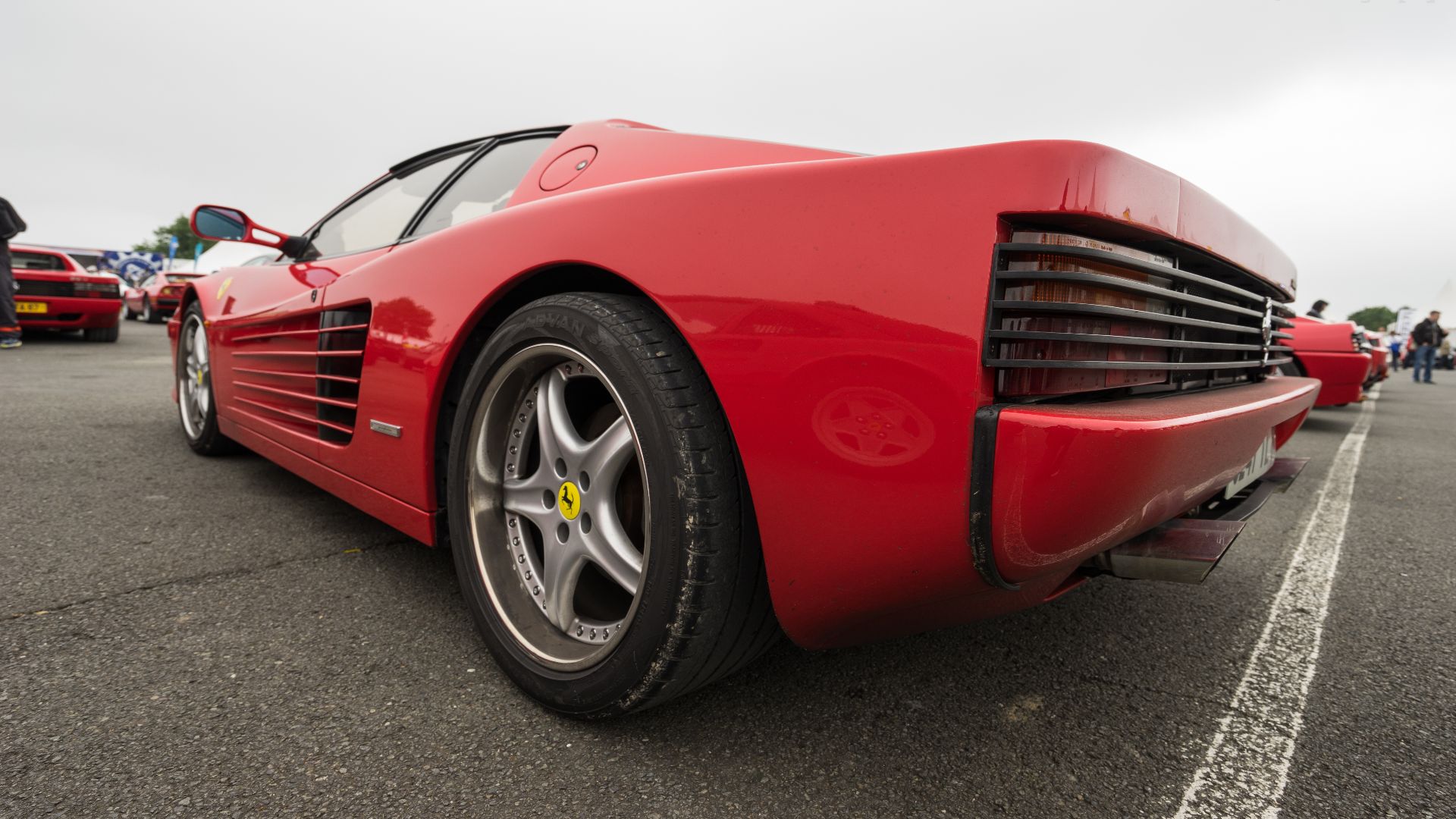
That mid-engined twelve-cylinder philosophy eventually gave us the Testarossa. With its enormous side strakes and poster-ready shape, it became a symbol of 1980s excess. Millions of enthusiasts who never came close to owning one still knew exactly what it was. Its flat twelve was every bit as memorable as the body surrounding it.
 Falcon Photography from France, Wikimedia Commons
The Traditional V12 Never Really Left
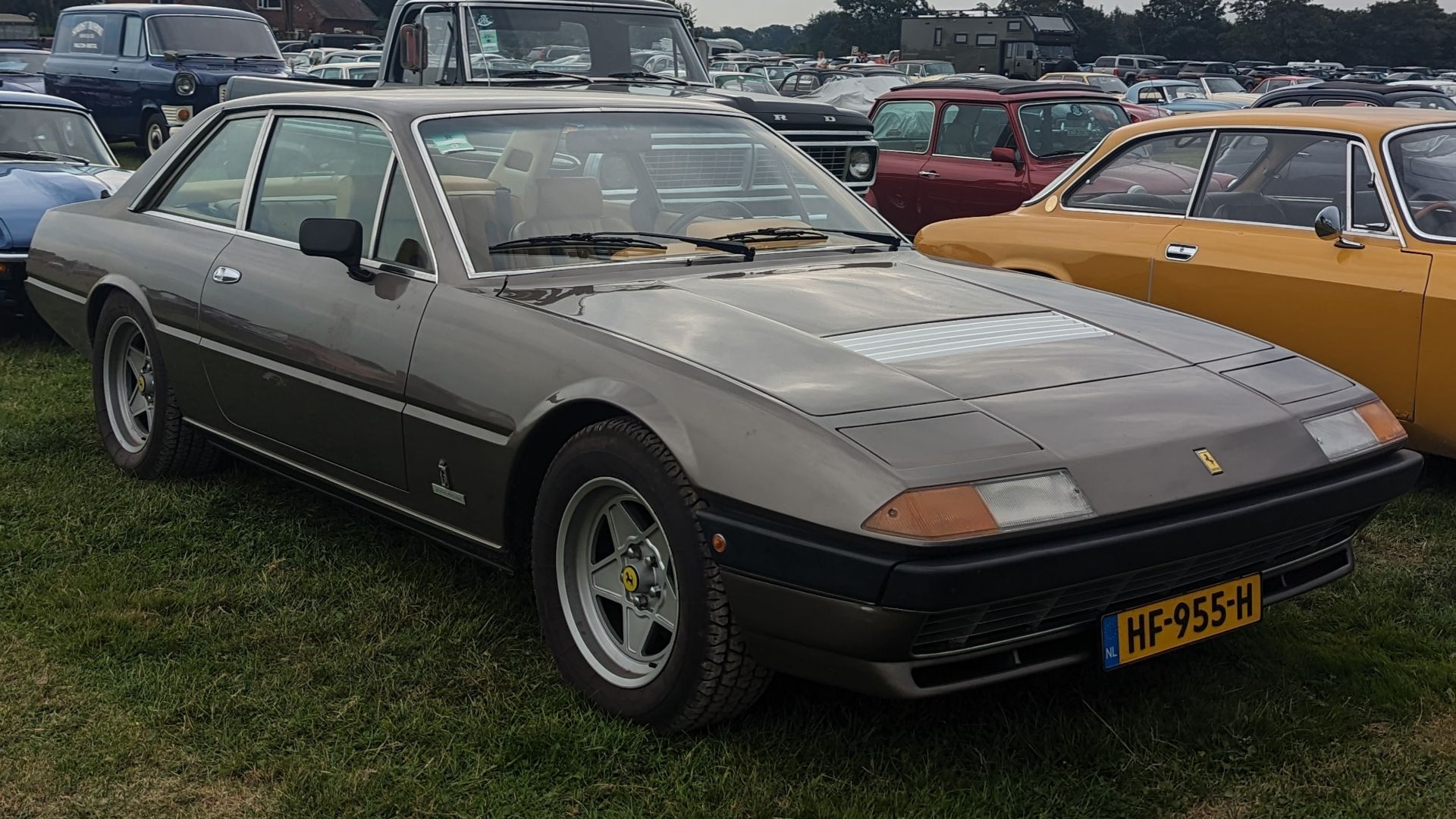
Even while the Boxer and Testarossa dominated bedroom walls, Ferrari continued building front-engine V12 grand tourers. Models such as the 400 and 412 kept the old tradition alive. They were quieter and more understated than the poster cars, but they preserved the classic idea of a powerful twelve-cylinder engine sitting ahead of the driver.
The 456 Brings Back Elegant Grand Touring
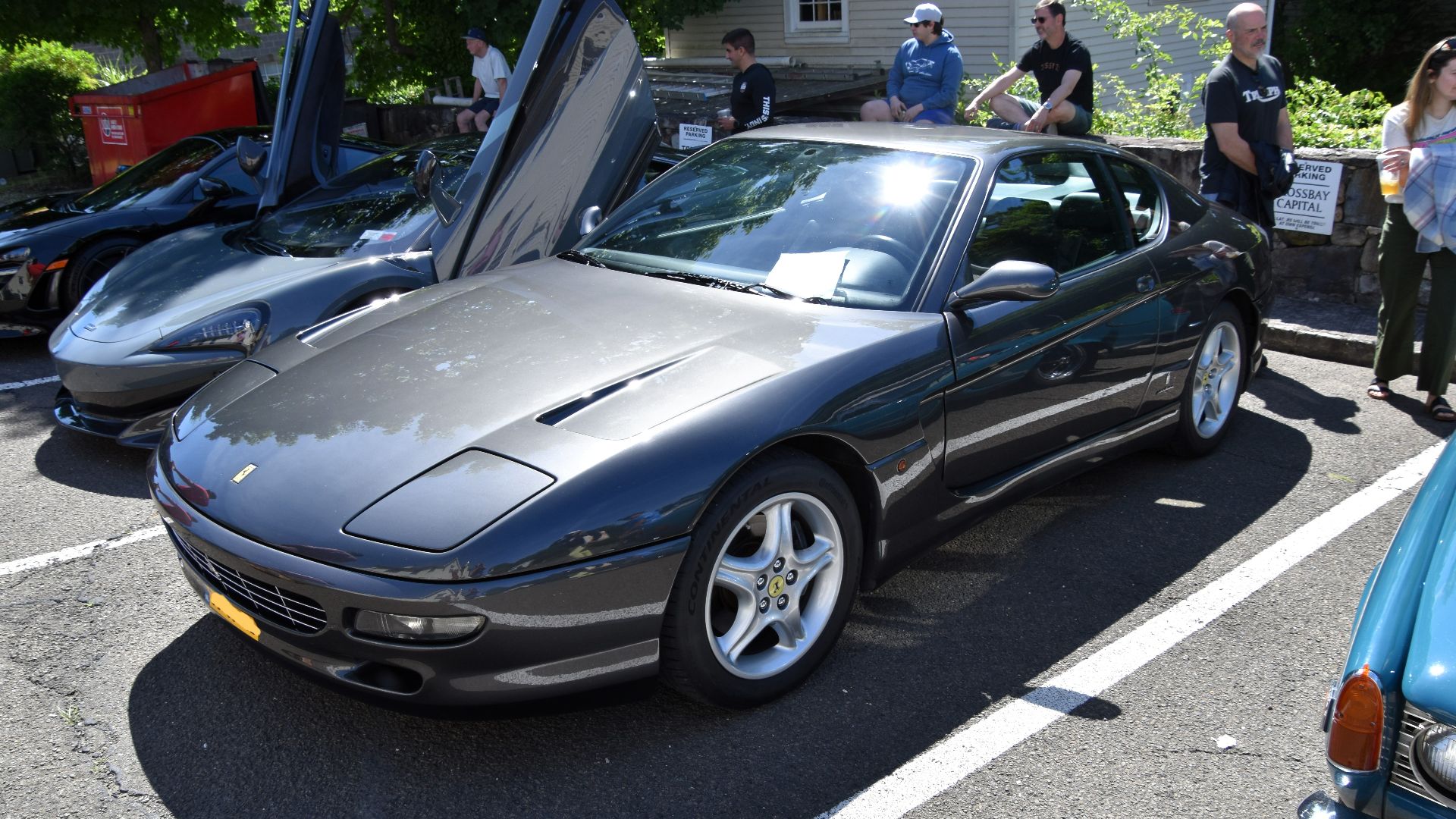
When the 456 GT arrived in the early 1990s, it felt like Ferrari rediscovering an old favorite. Here was a graceful front-engine V12 that could carry four people and cross countries effortlessly. It was modern beneath the skin, but its purpose would have been instantly understandable to anyone who remembered the great 250 and 330 grand tourers.
 Charles from Port Chester, New York, Wikimedia Commons
The 550 Maranello Feels Familiar Again
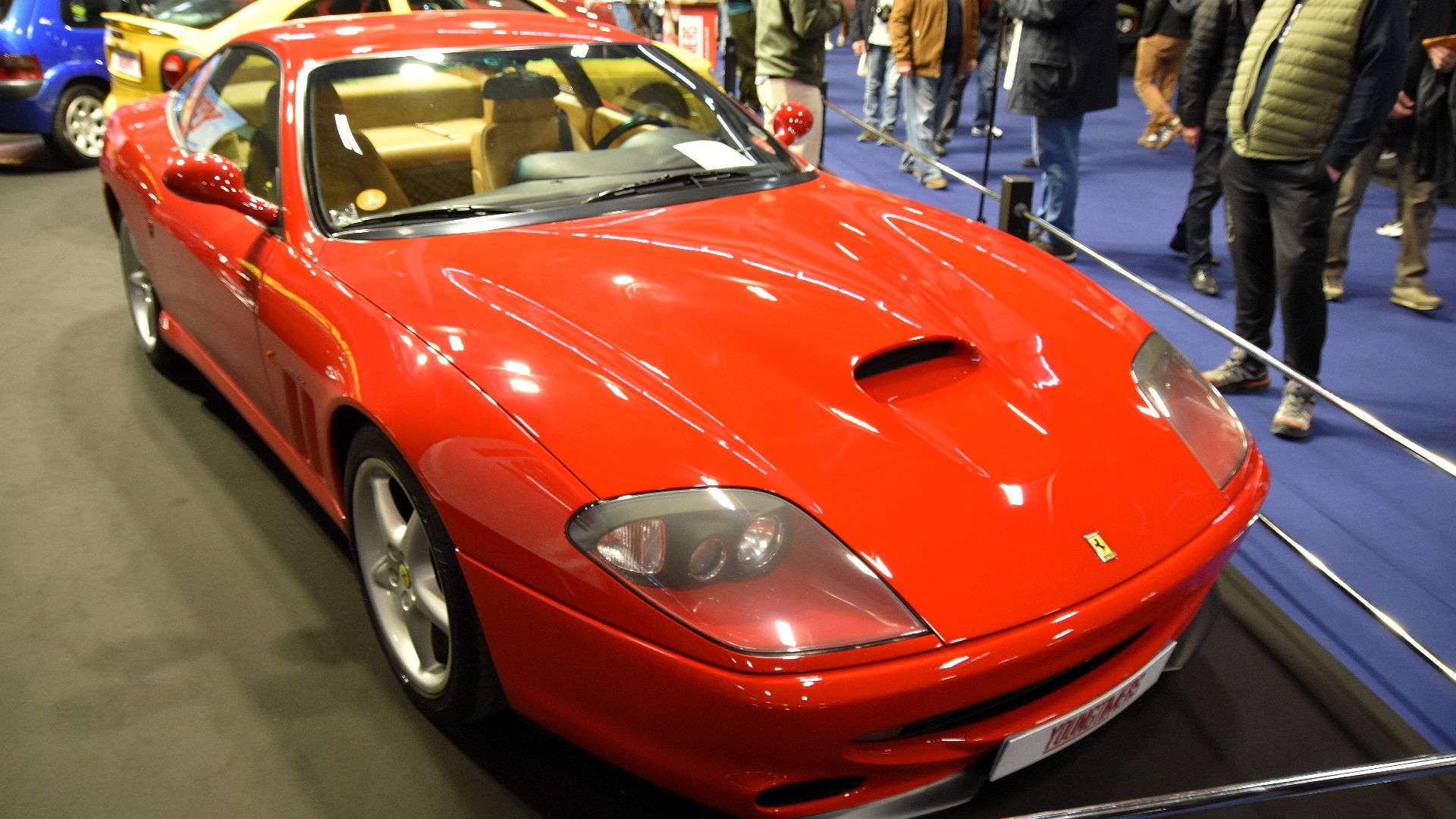
The 550 Maranello arrived in 1996 and brought Ferrari’s flagship two-seat GT back to the front-engine layout. For enthusiasts who had loved the Daytona, it was a welcome sight. The recipe was familiar: long hood, two seats, rear-wheel drive, manual gearbox, and a big naturally aspirated V12 supplying the soundtrack.
 Charles from Port Chester, New York, Wikimedia Commons
The F50 Brings Formula One To The Road
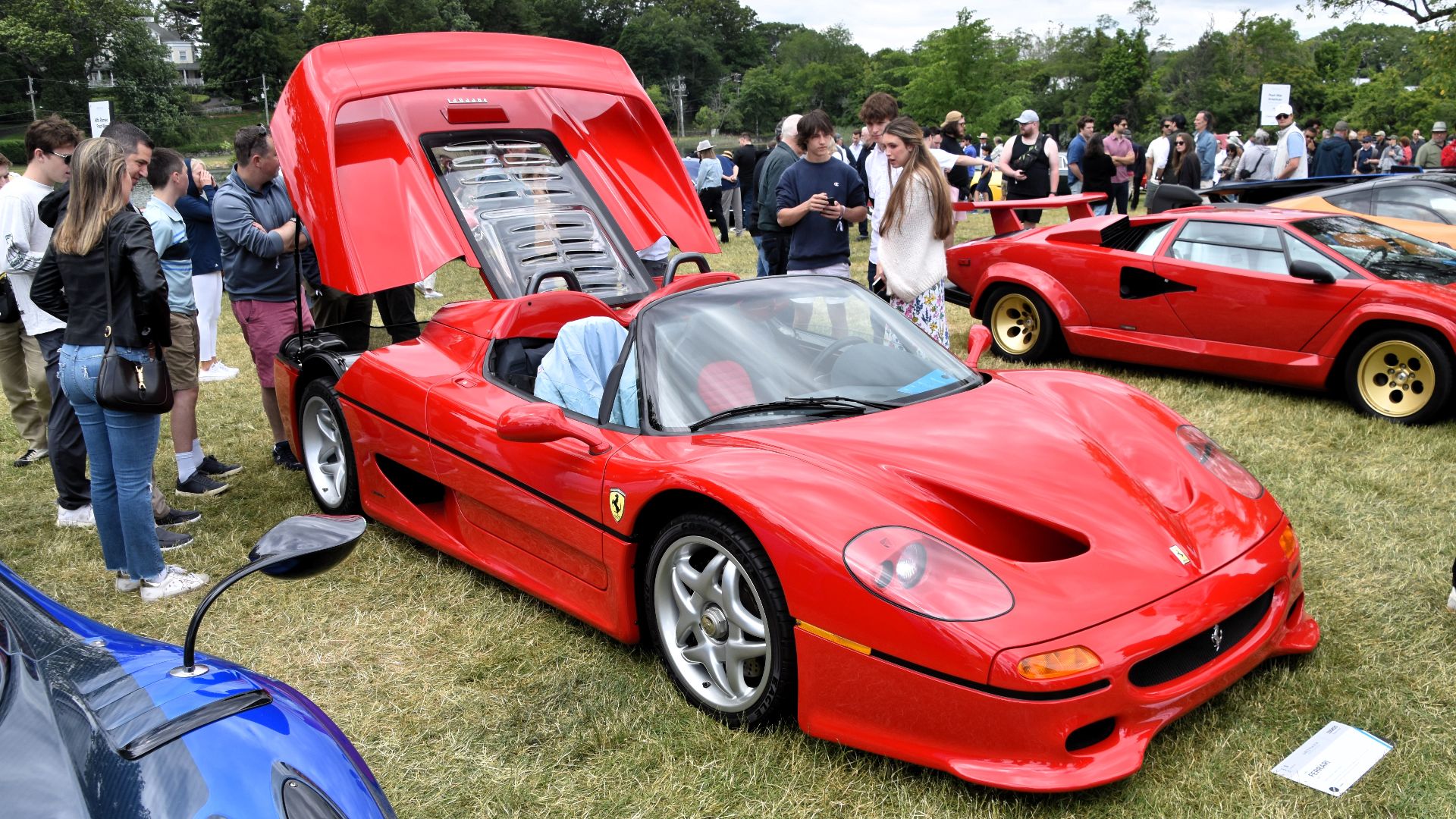
The F50 took another approach entirely. Introduced during Ferrari’s 50th-anniversary era, it used a V12 heavily influenced by Formula One technology. The engine was even incorporated into the car’s structure. It was raw, loud, and deliberately uncompromising, resembling a racing machine with license plates more than a conventional luxury car.
 Charles from Port Chester, New York, Wikimedia Commons
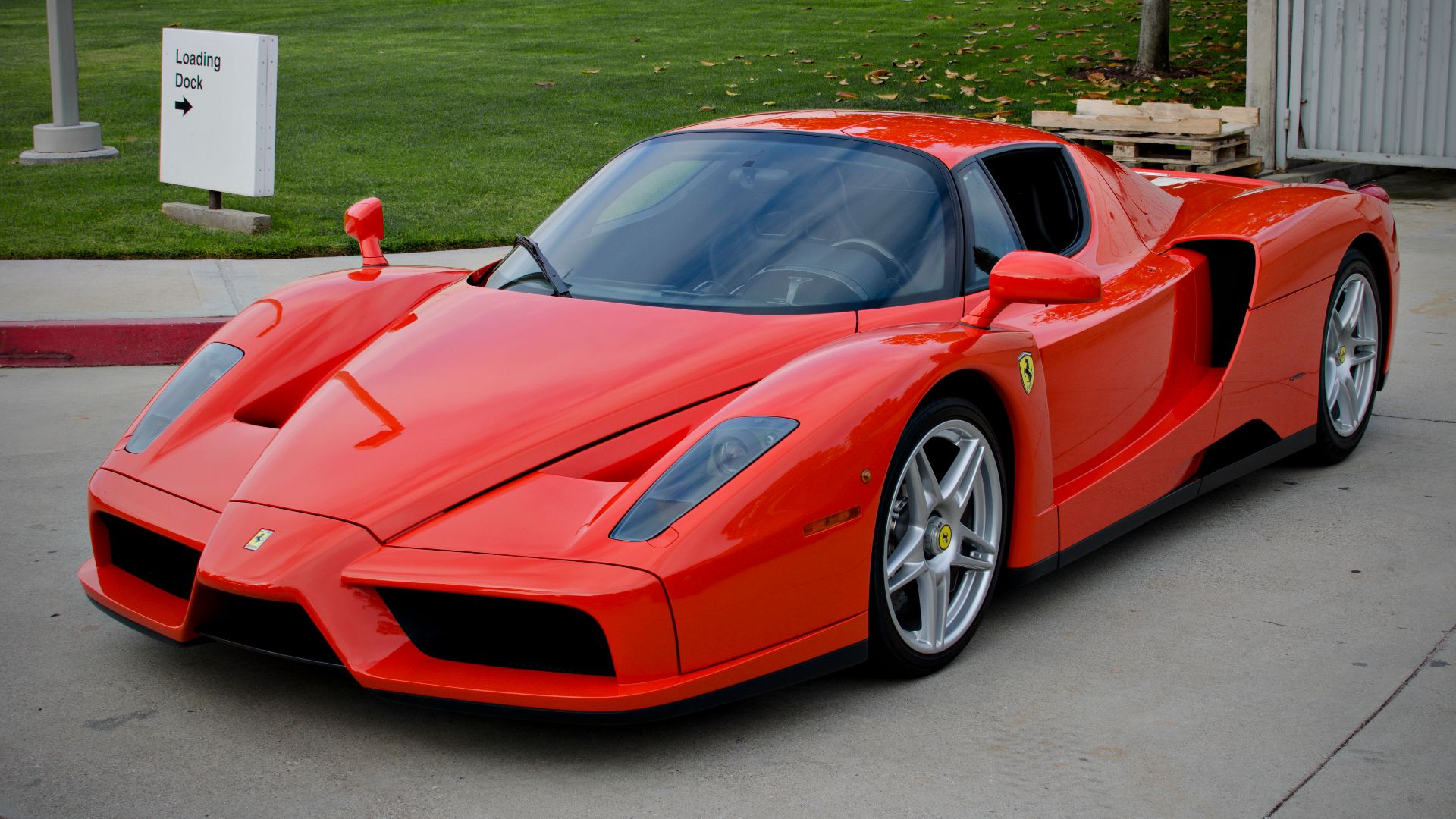
The Enzo Begins A Modern V12 Dynasty
In 2002, Ferrari introduced the Enzo and another major chapter began. Its new V12 became the foundation of Ferrari’s modern twelve-cylinder family. The technology had moved far beyond carburetors and distributor caps, yet the basic attraction was remarkably familiar: immediate response, mechanical drama, and an engine that encouraged its driver to keep going.
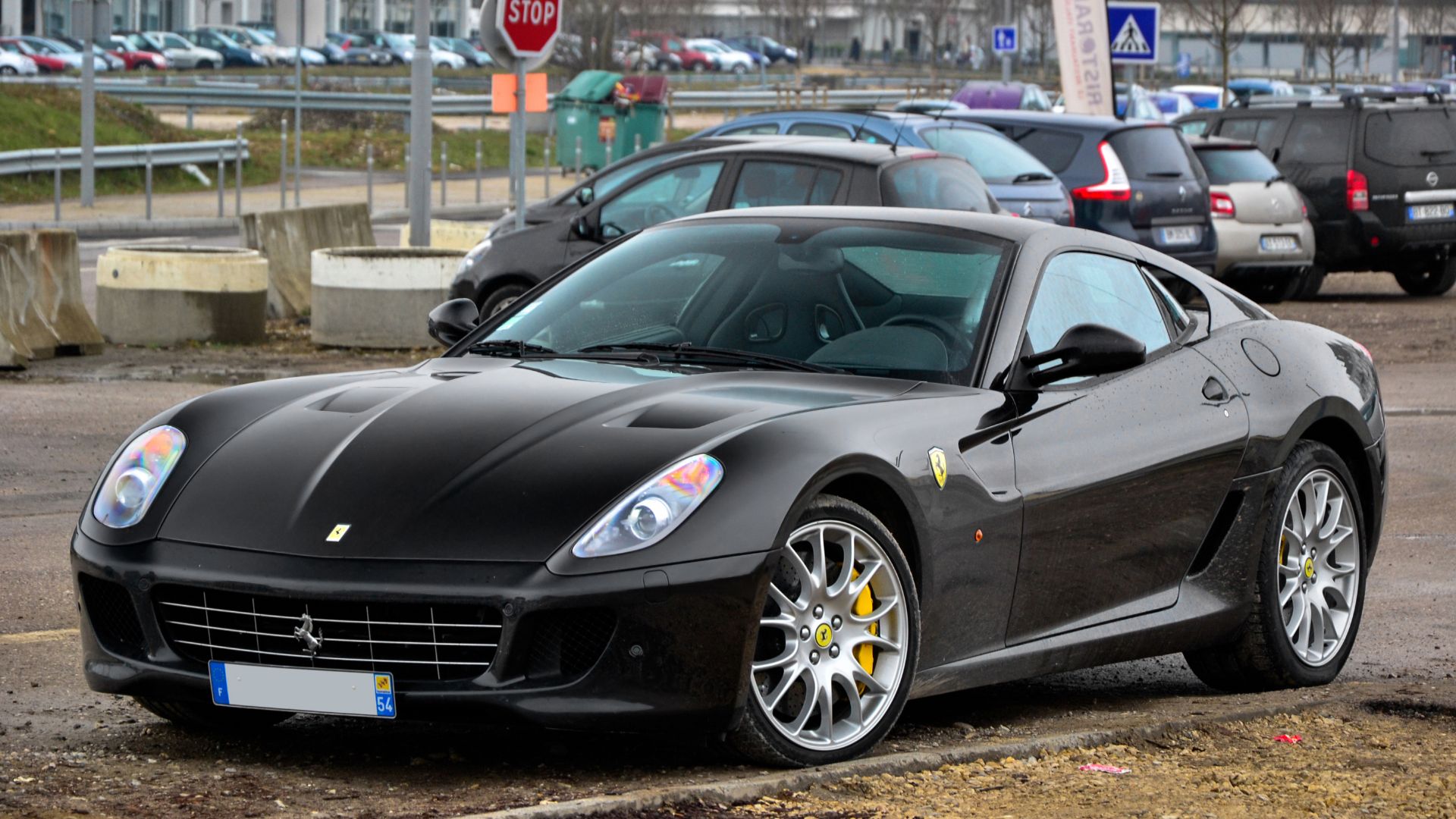
The 599 Revives The Great Front-Engine GT
The 599 GTB Fiorano took some of the Enzo’s engine philosophy and placed it into a traditional front-engine grand tourer. It was tremendously sophisticated, yet recognizable as a descendant of the Daytona and 550. Ferrari had discovered that modern electronics did not require abandoning the old-fashioned pleasure of a naturally aspirated twelve-cylinder engine.
 Alexandre Prevot, Wikimedia Commons
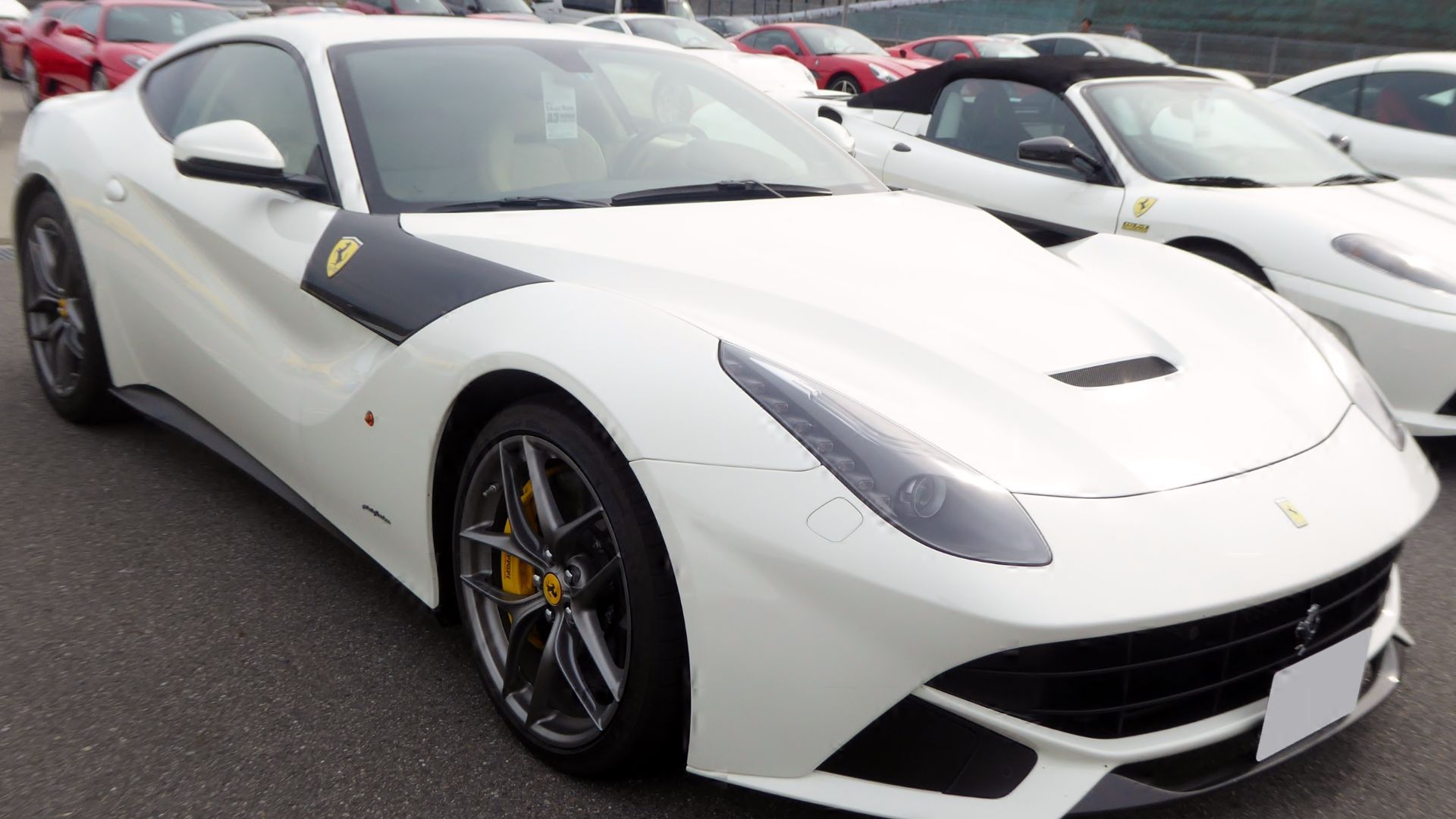
The F12berlinetta Pushes The Formula Further
The F12berlinetta showed just how far Ferrari could push the traditional front-engine V12. It was enormously fast, but speed alone was not the point. The engine remained responsive and theatrical in a way turbocharged motors often struggle to imitate. For old-school Ferrari fans, that naturally aspirated character mattered enormously.
 Tokumeigakarinoaoshima, Wikimedia Commons
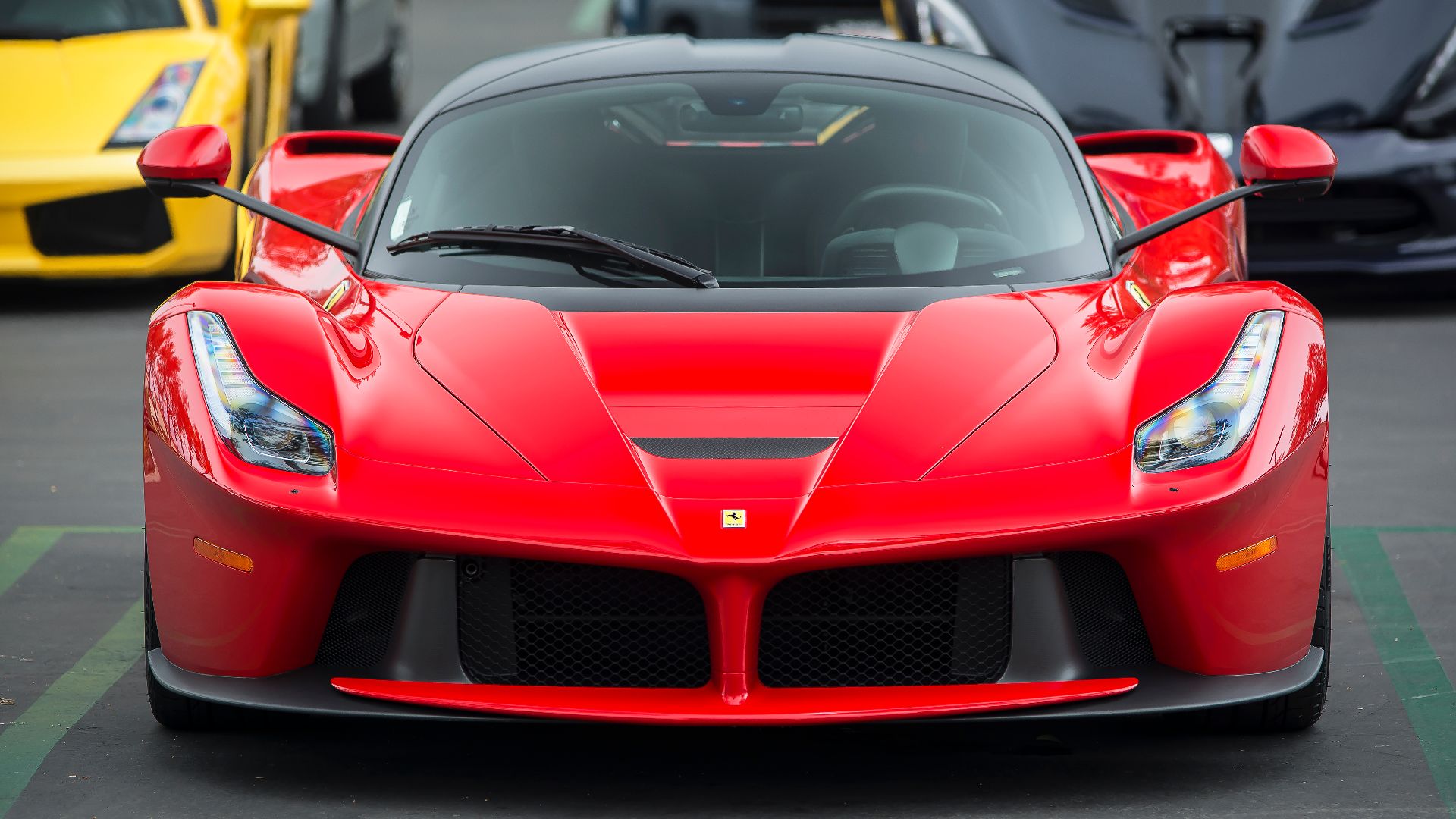
LaFerrari Meets The Hybrid Age
When Ferrari introduced LaFerrari, some traditionalists worried electrification might spell trouble for the V12. Instead, Ferrari used electric assistance to enhance the twelve-cylinder engine rather than replace it. The result married new technology with one of the company’s oldest traditions, suggesting that Ferrari’s past and future did not necessarily have to fight each other.
The 812 Superfast Keeps The Tradition Alive
The wonderfully named 812 Superfast continued Ferrari’s front-engine V12 lineage in spectacular fashion. Beneath all its computers and aerodynamic tricks remained something wonderfully traditional: a large naturally aspirated engine without turbochargers. In an industry increasingly dominated by smaller boosted engines, Ferrari’s decision to keep twelve cylinders felt almost rebellious.
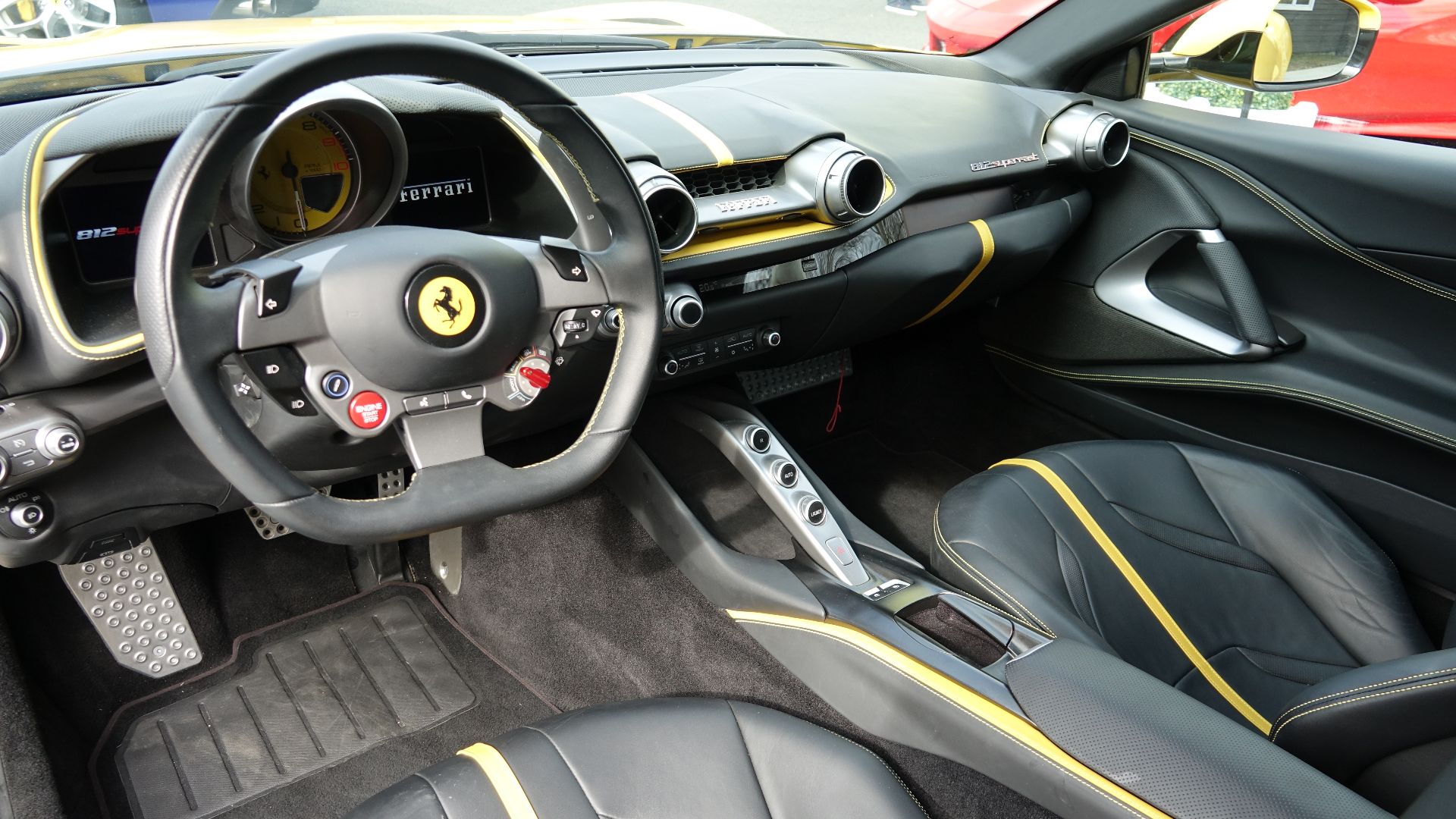
Modern Technology Preserves An Old Feeling
Today’s Ferrari V12 has little mechanically in common with the carbureted engines Baby Boomers first read about in magazines. Modern versions use direct injection, sophisticated valve controls, exotic materials, and extremely advanced electronics. Yet all that technology is ultimately employed to preserve something surprisingly old-fashioned: instant response, smooth power, and a tremendous mechanical soundtrack.
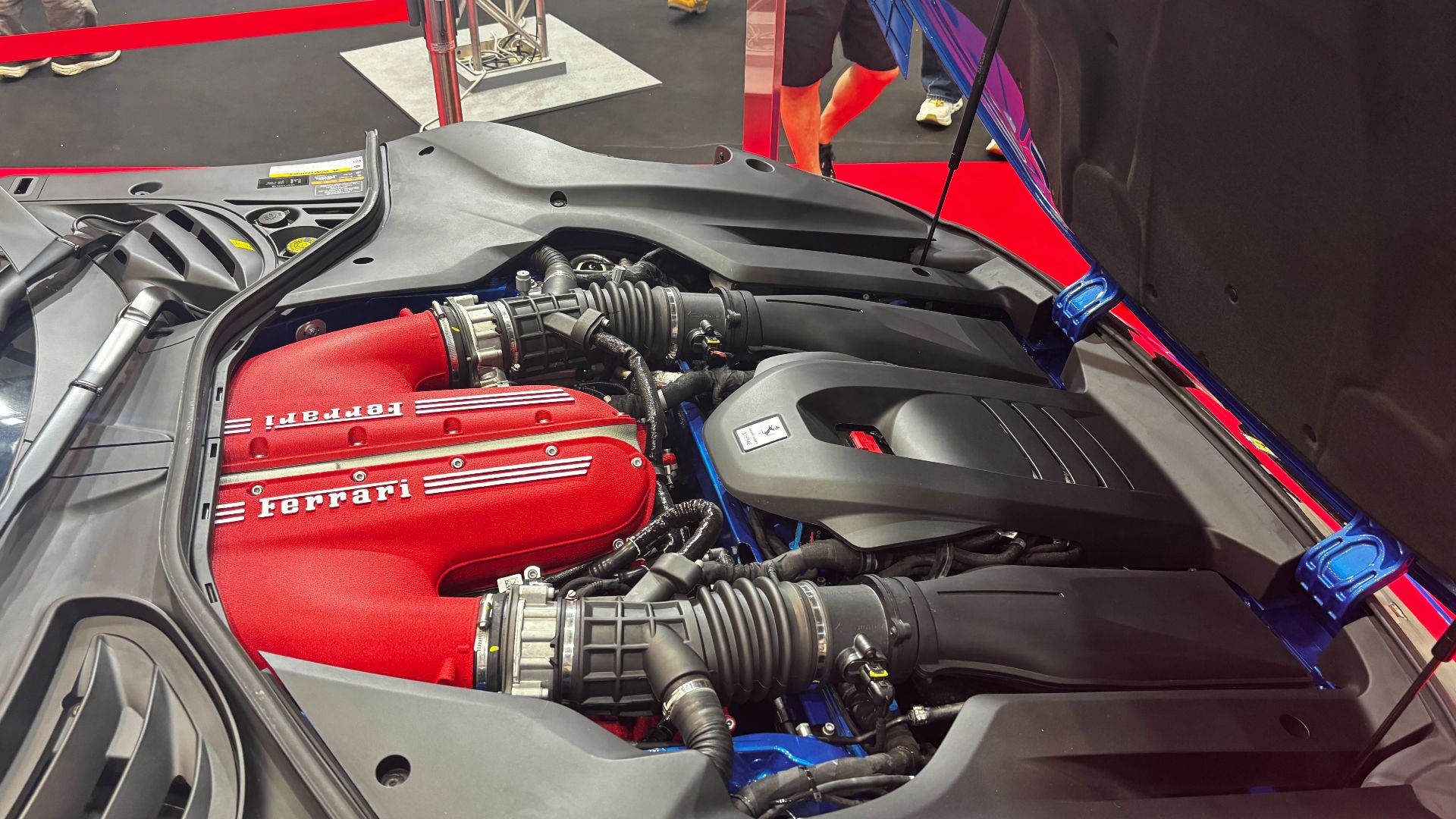
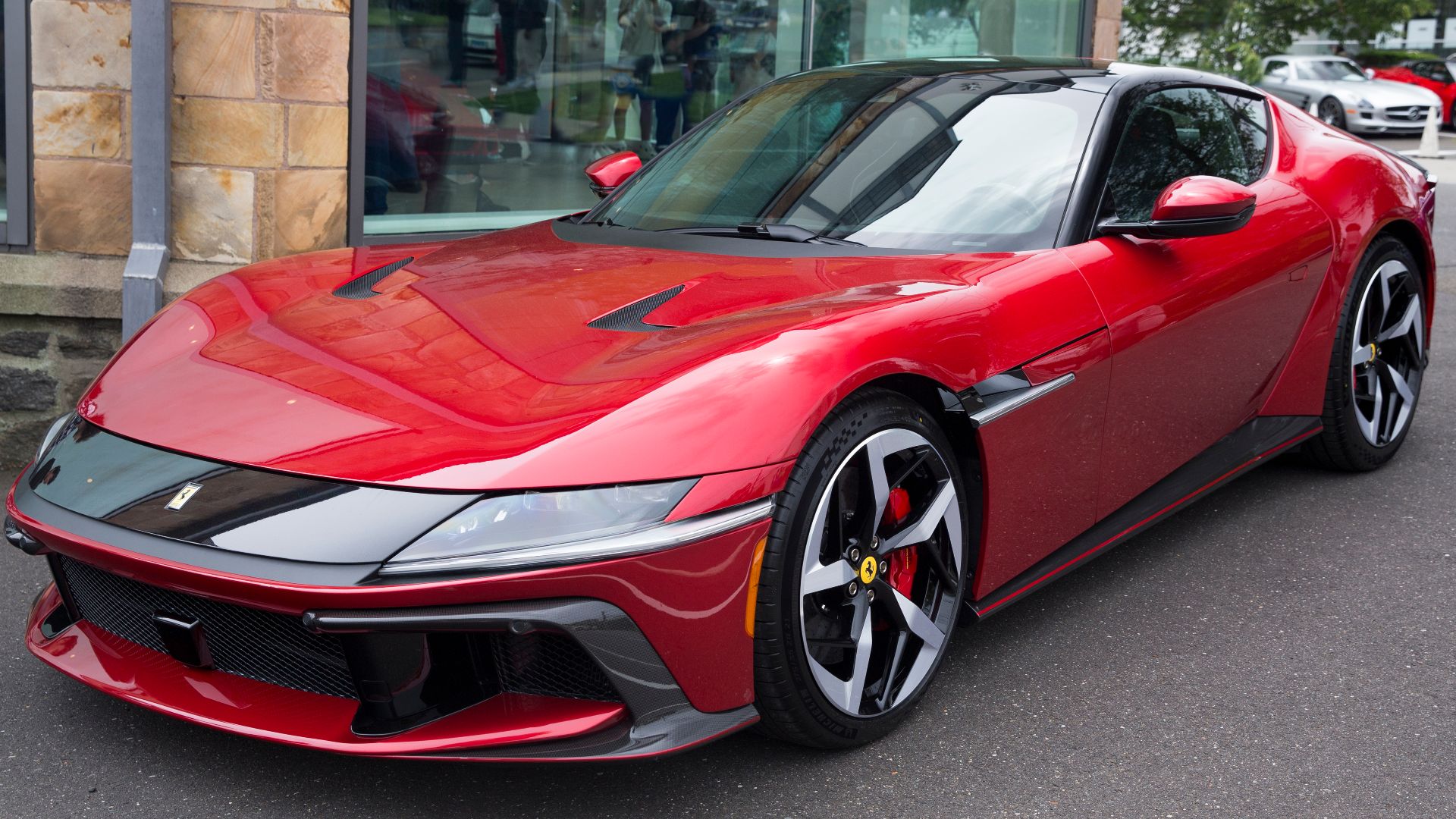
The 12Cilindri Carries The Torch
Ferrari’s current 12Cilindri makes its intentions clear in the name itself. Instead of hiding the engine behind a complicated badge, Ferrari essentially named the car “twelve cylinders.” Its styling even nods toward classic front-engine Ferraris. In an age of downsizing and electrification, that feels like Maranello planting a flag.
 Mr.choppers, Wikimedia Commons
Why Ferrari’s V12 Still Matters
Ferrari’s V12 story stretches from tiny postwar racers to Daytonas, Testarossas, Enzos, and today’s 12Cilindri. The engines themselves have changed enormously, but their purpose has remained familiar. For generations of enthusiasts, twelve cylinders have represented Ferrari at its most romantic: fast, complicated, expensive, slightly excessive, and utterly unforgettable.
 Charles from Port Chester, New York, Wikimedia Commons
You May Also Like:
The $3.3 Million Plymouth Is One Of Just Five Ever Made—And They Called It “The White Elephant”