Chrysler's Incredible Car That Almost Vanished
In the 1960s, Chrysler built a futuristic car with a jet-inspired engine that could run on everything from gasoline to tequila. It actually worked, and ordinary Americans got to drive it for months. But after spending years and millions developing the technology, Chrysler destroyed 46 of the 55 cars it had built.
Why would Detroit's engineering giant crush nearly every example of its most revolutionary automobile?
 Sandy Huffaker/Corbis, Getty Image
Detroit Was Fascinated With The Jet Age
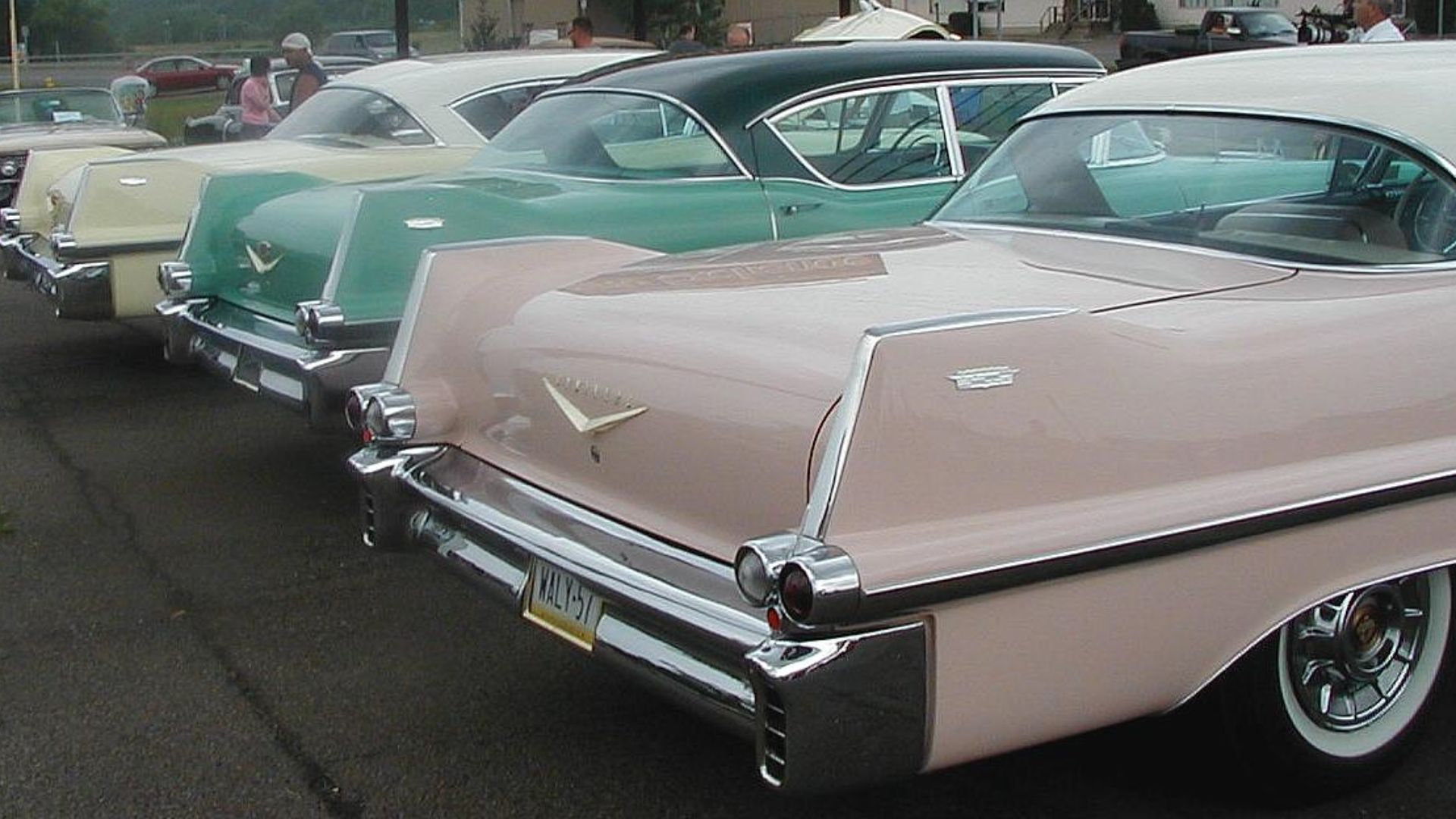
During the 1950s, American automakers embraced aviation-inspired styling, from enormous tailfins to aircraft-like dashboards. Chrysler wanted to go further by putting turbine technology under the hood. The company believed a completely different engine might someday replace the familiar piston-powered V8.
Chrysler Had Already Built A Working Prototype
In 1954, Chrysler demonstrated a gas turbine engine installed in a Plymouth, proving the concept could power a roadgoing automobile. Engineers spent the following years testing improved versions in several experimental vehicles. By the early 1960s, the company was preparing something far more ambitious than another prototype.
 Michael Barera, Wikimedia Commons
An Engine Unlike Anything Else On The Road
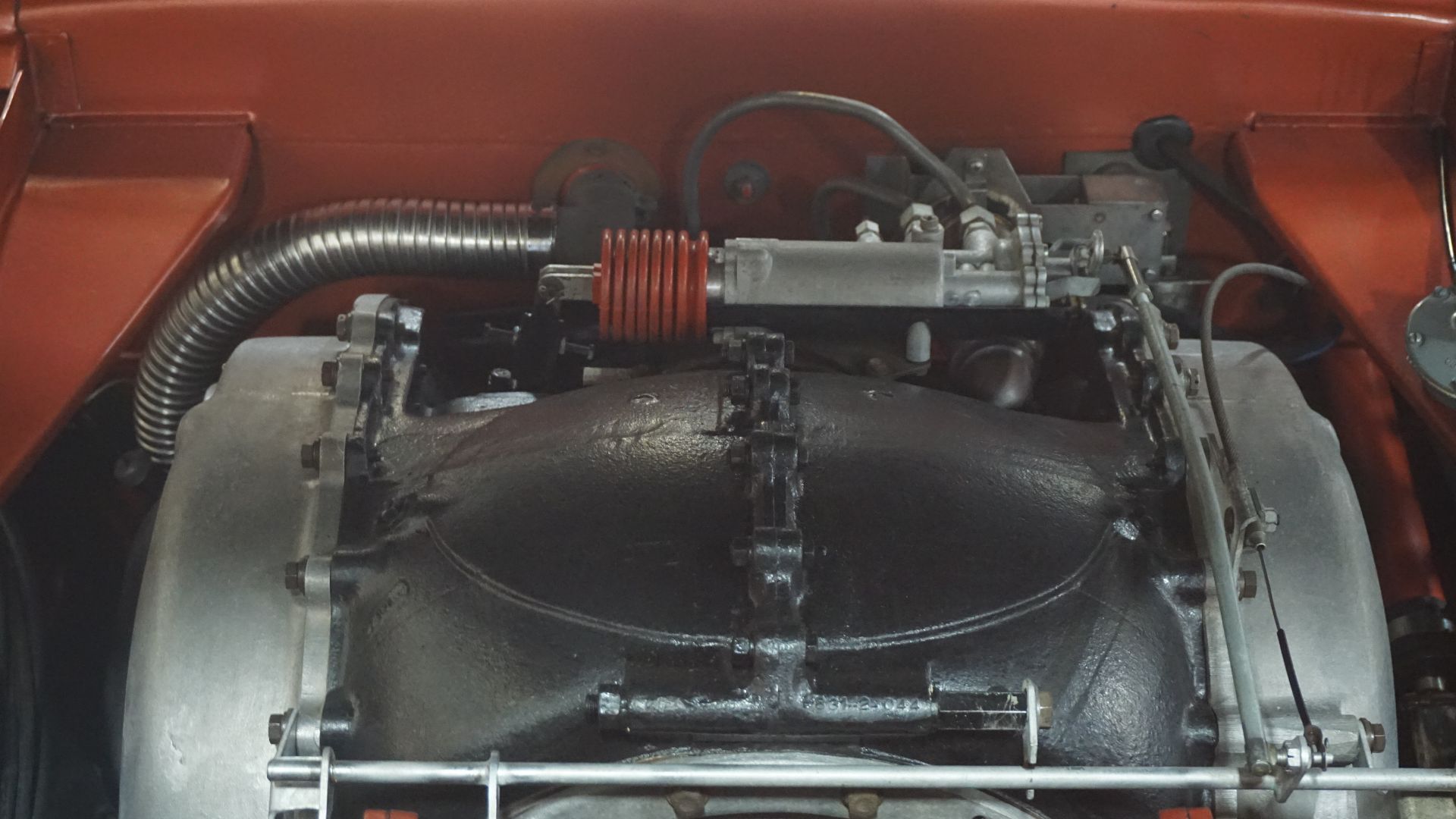
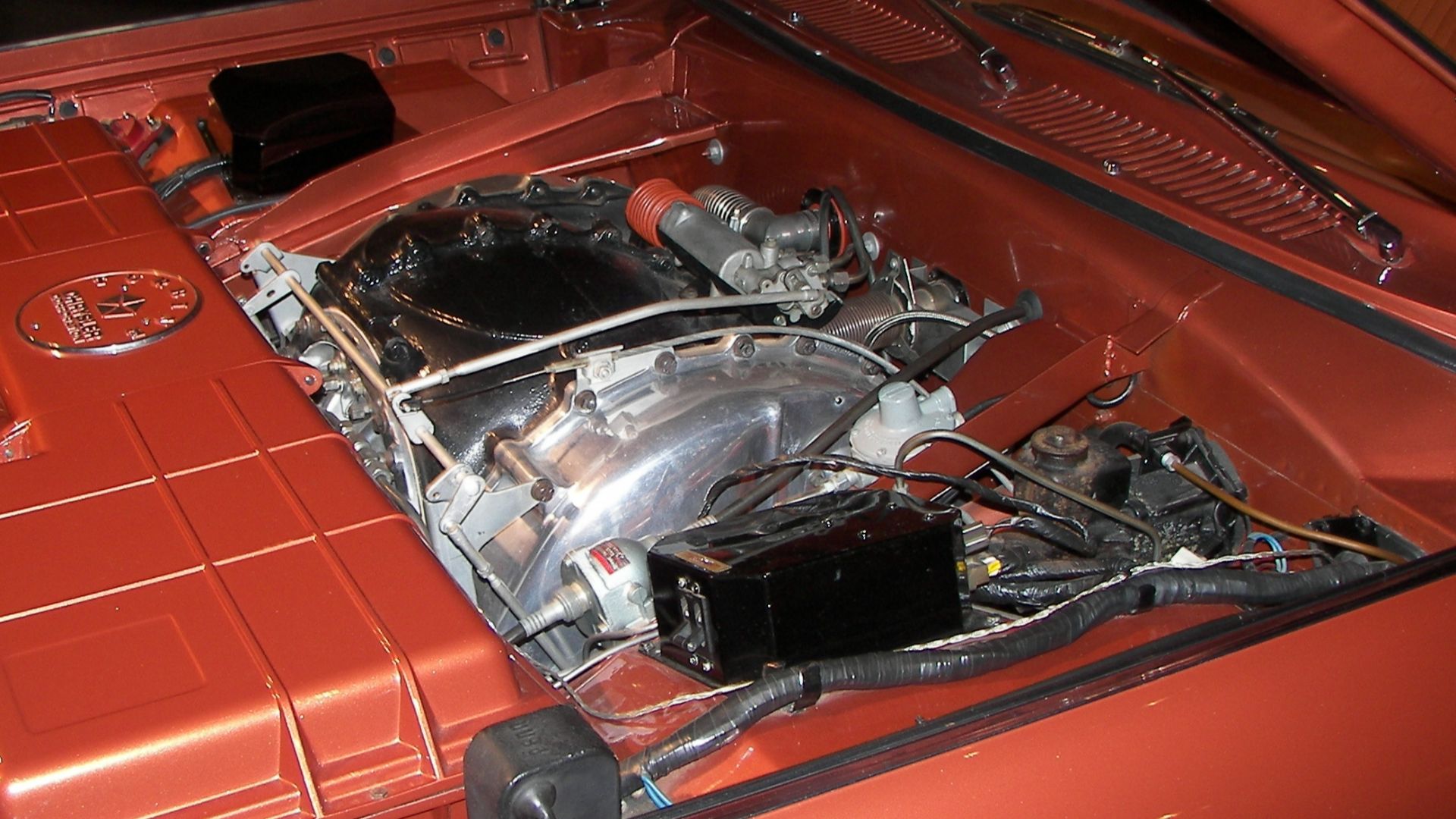
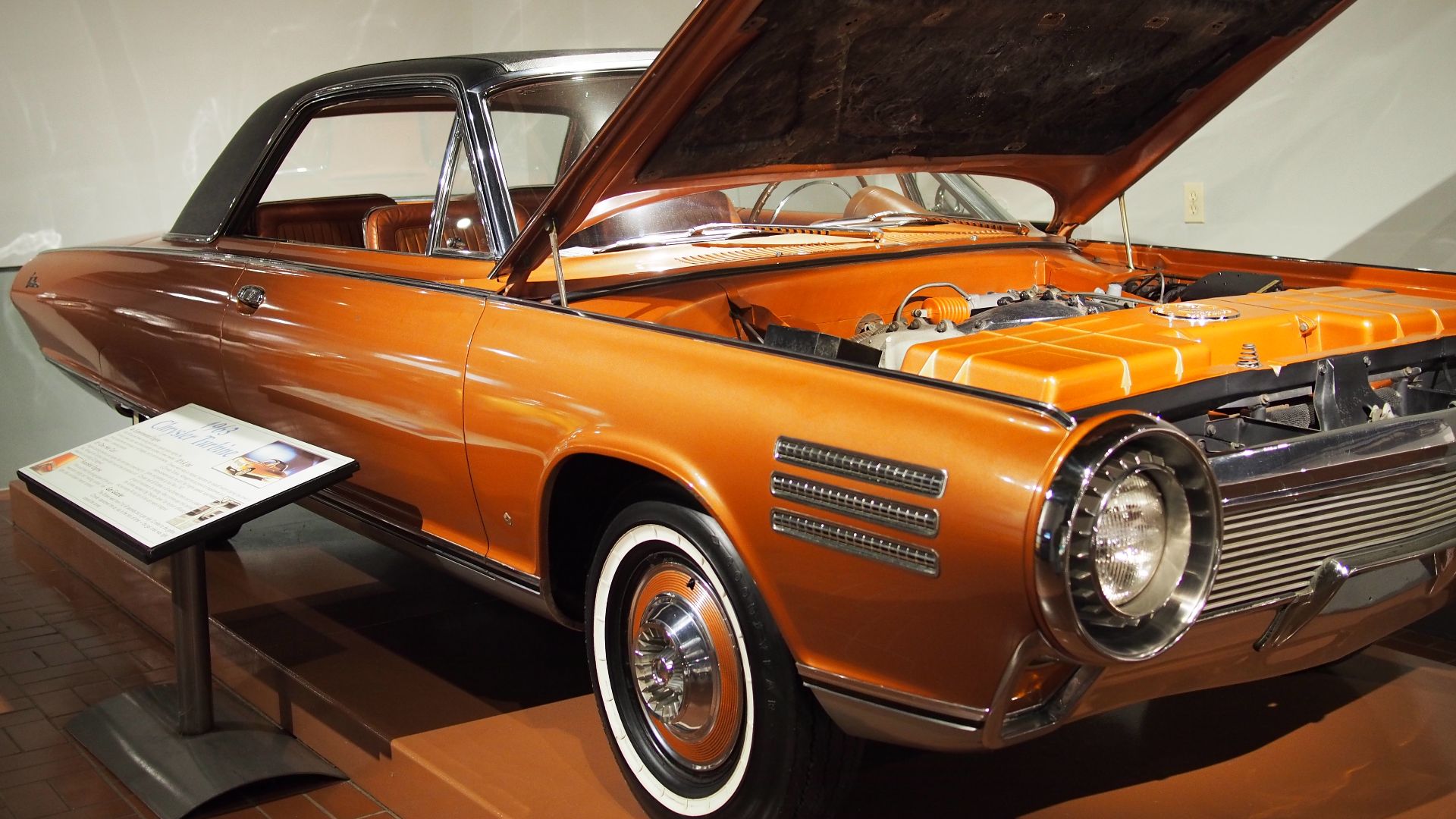
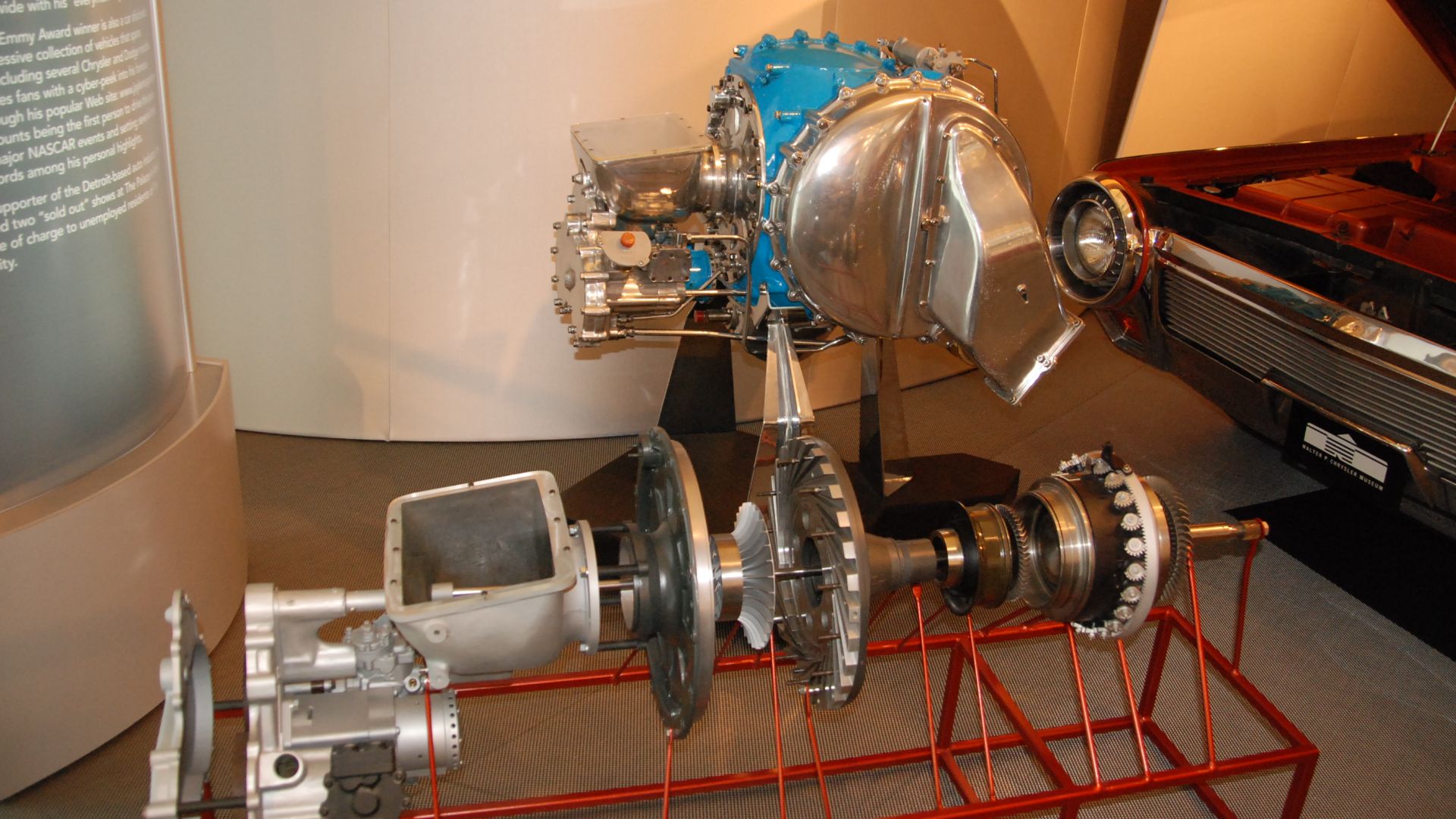
Unlike a conventional engine, Chrysler's turbine didn't rely on pistons moving up and down. It compressed air, mixed it with fuel, and used the resulting hot gases to spin turbine wheels. The process resembled the technology used in jet aircraft, although the automotive engine was designed to drive wheels rather than produce jet thrust.
The Benefits Sounded Almost Too Good
Chrysler's engineers believed turbine engines could be smoother, more durable, and easier to maintain than conventional engines. With fewer moving parts, there were fewer components to wear out or require regular servicing. The design also eliminated the need for a conventional liquid-cooling system, potentially simplifying automobile ownership.
Chrysler Designed A Car From Scratch
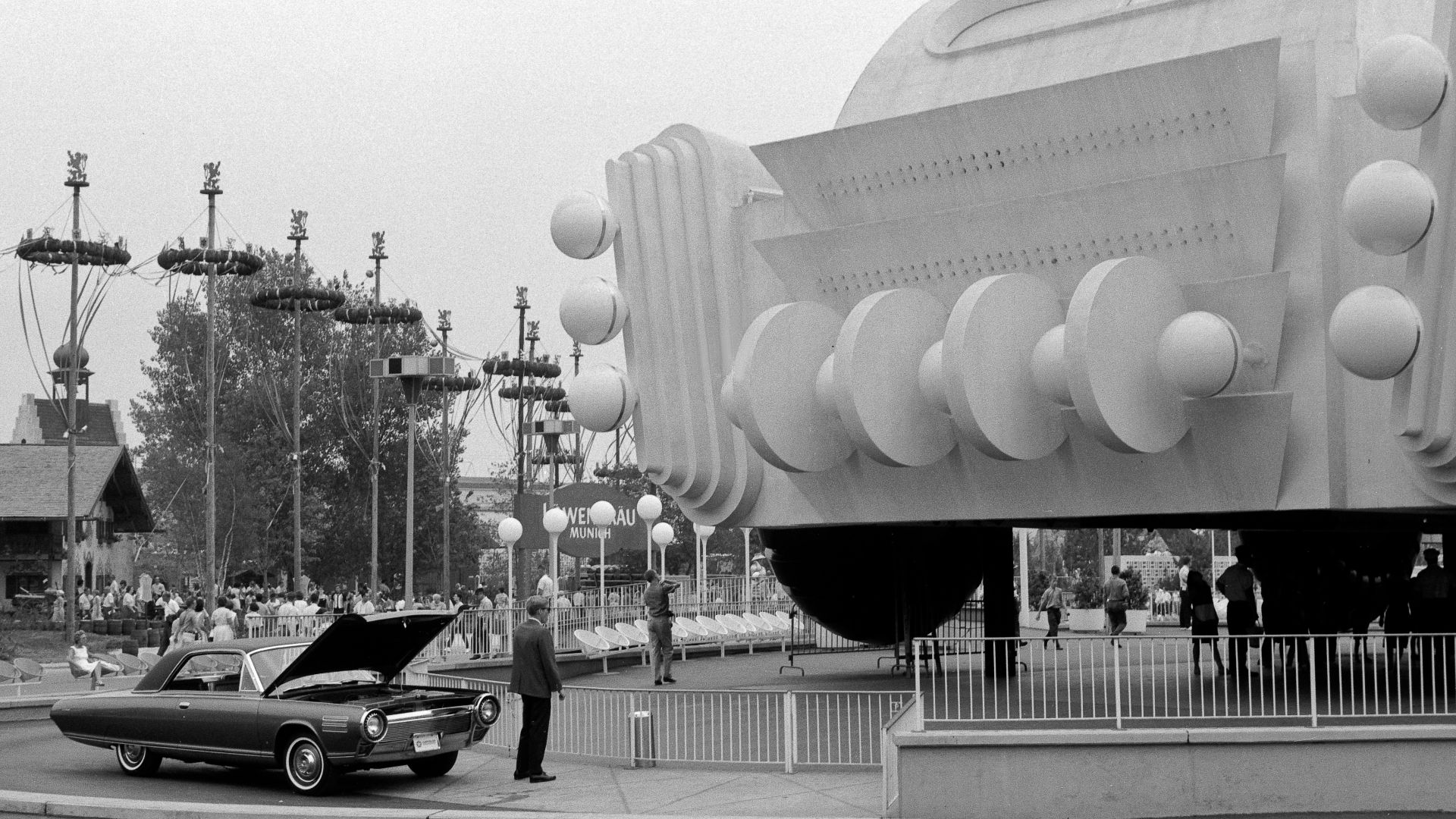
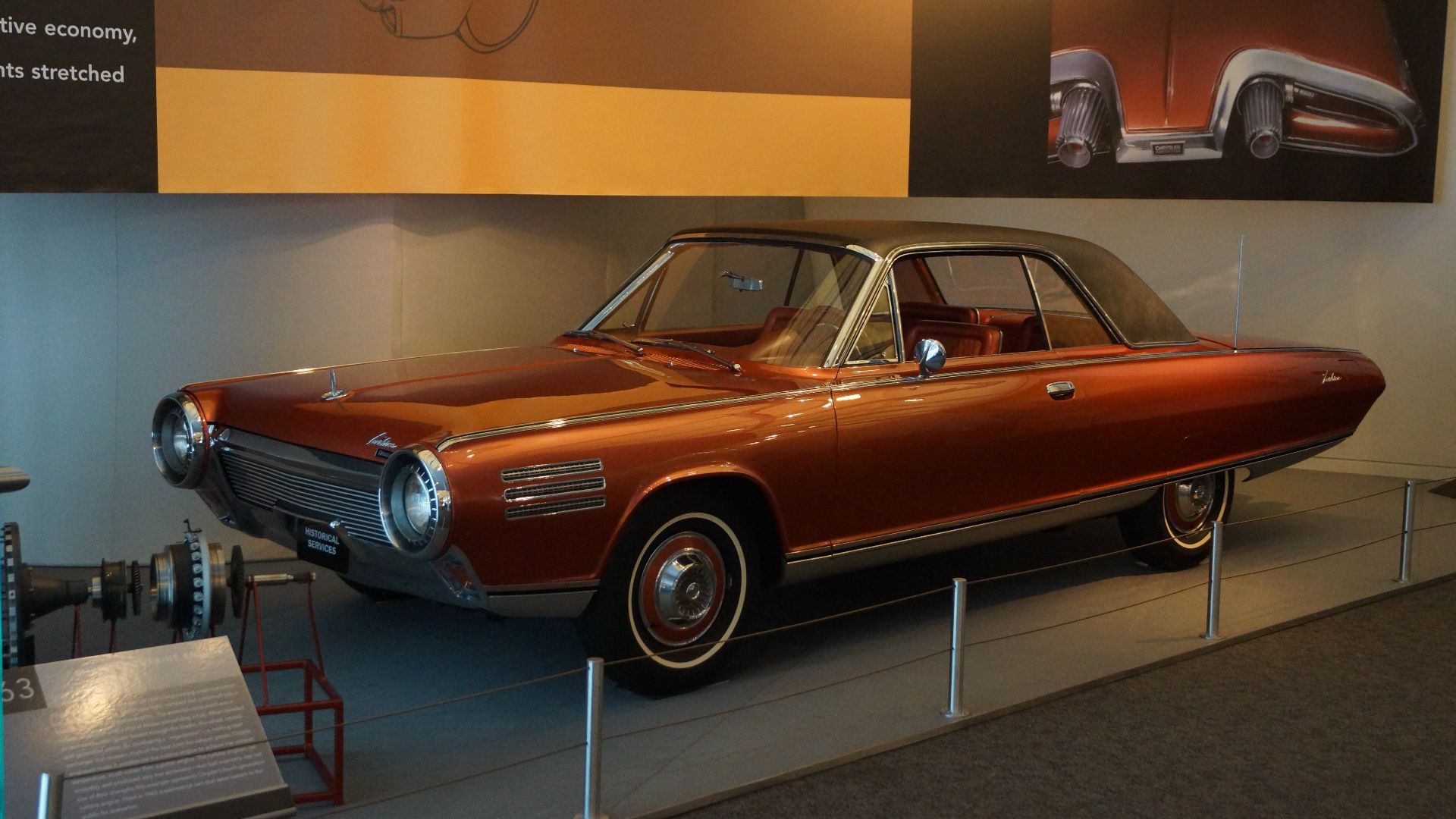
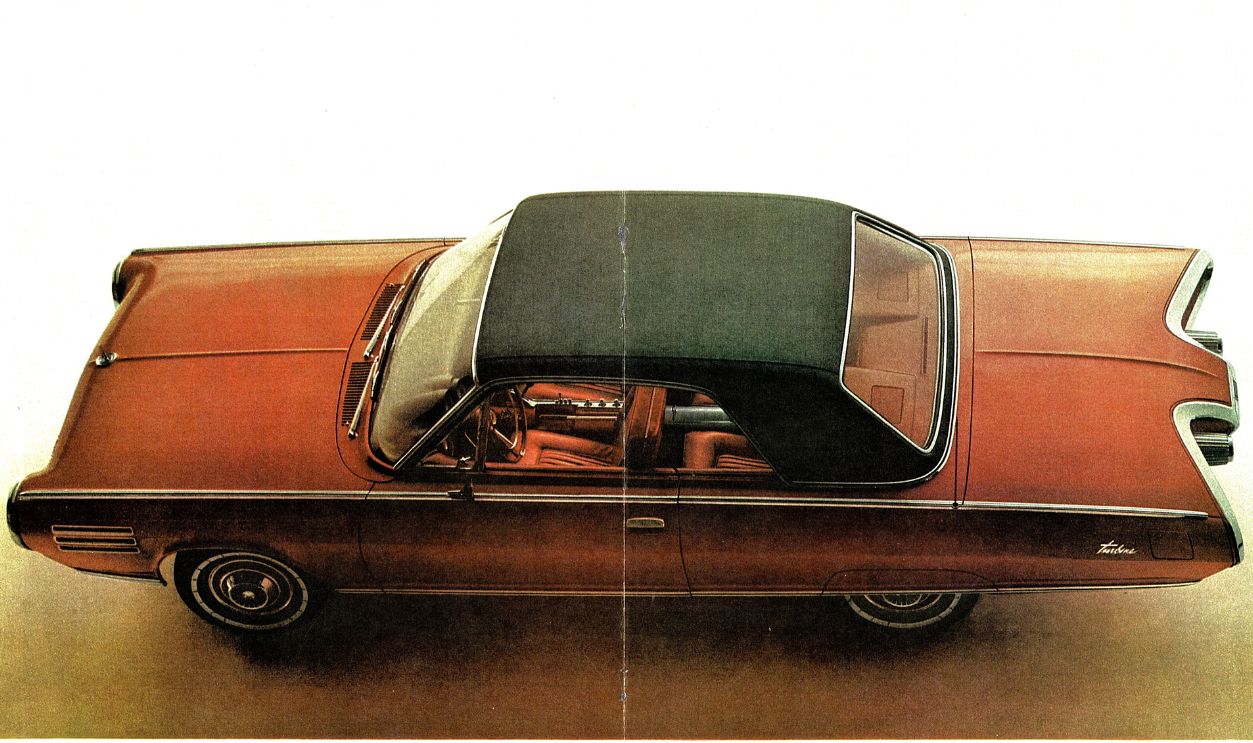
Instead of installing another turbine in an ordinary Plymouth, Chrysler commissioned a distinctive two-door hardtop. Designer Elwood Engel gave it sleek proportions, sculpted bodywork, and unmistakable aircraft influences. The finished car looked futuristic without being too radical for American roads.
 Greg Gjerdingen from Willmar, USA, Wikimedia Commons
The Bodies Were Handmade In Italy
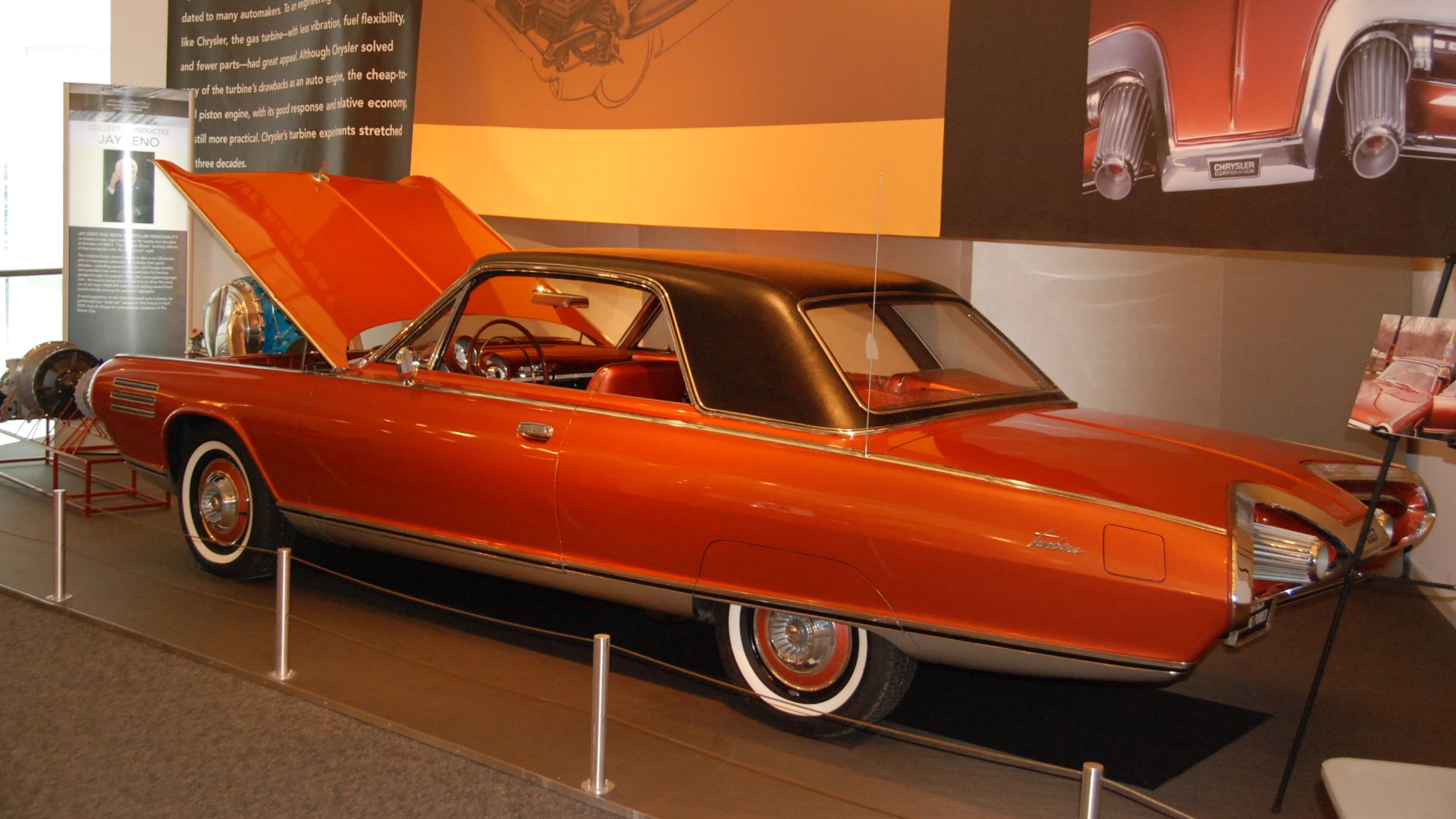
Chrysler hired Italian coachbuilder Ghia to construct the Turbine Car's bodywork. The completed bodies were shipped to Michigan, where Chrysler installed the experimental engines and finished assembling the vehicles. This unusual collaboration helped create one of the most distinctive American automobiles of the 1960s.
 Corvair Owner, Wikimedia Commons
Chrysler Built Just 55 Cars
The company produced five prototypes and another 50 nearly identical cars for its public testing program. Each was a fully functioning automobile rather than a stationary showpiece. But their remarkable engineering and limited production would eventually make Chrysler's next decision especially shocking.
Chrysler Eventually Destroyed 46 Of Them
When the experiment ended, Chrysler ordered the destruction of 46 Turbine Cars, leaving just nine survivors. These weren't simply worn-out automobiles headed for the junkyard, but valuable experimental machines representing years of research. To understand why Chrysler made such an extraordinary decision, it's worth looking at what made these cars so unusual.
Every Car Wore The Same Bronze Paint
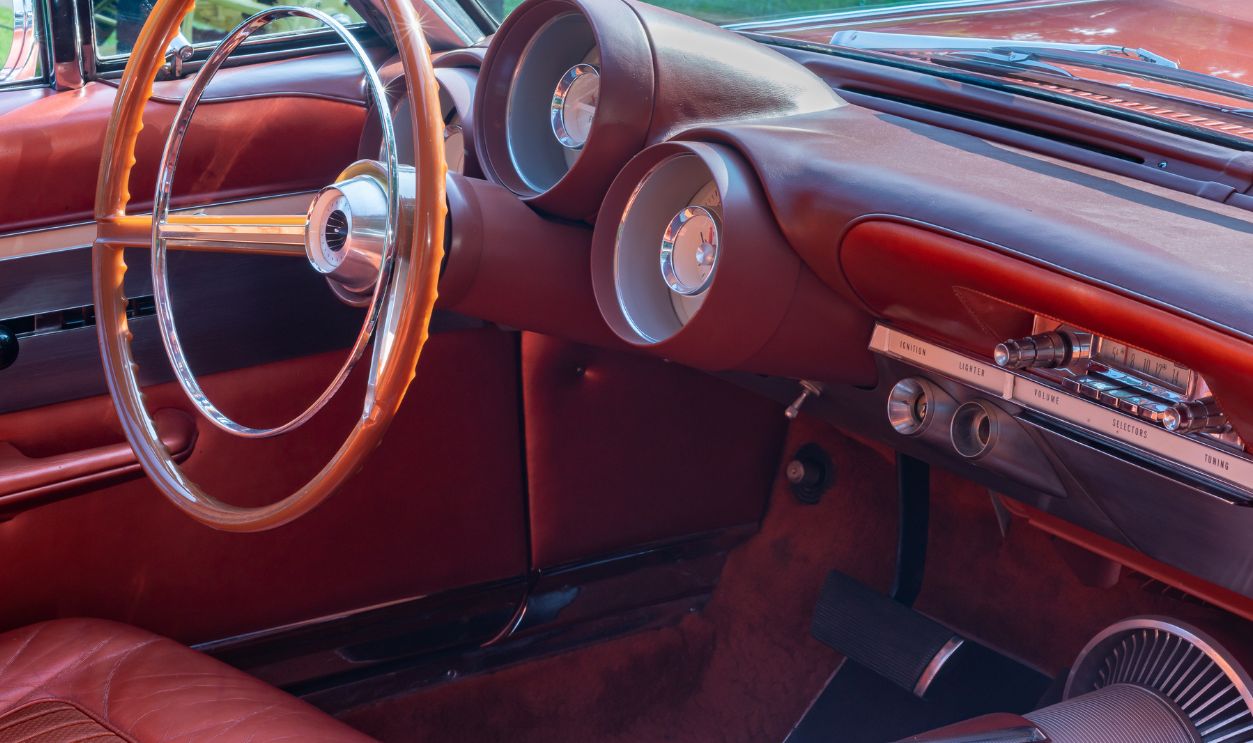
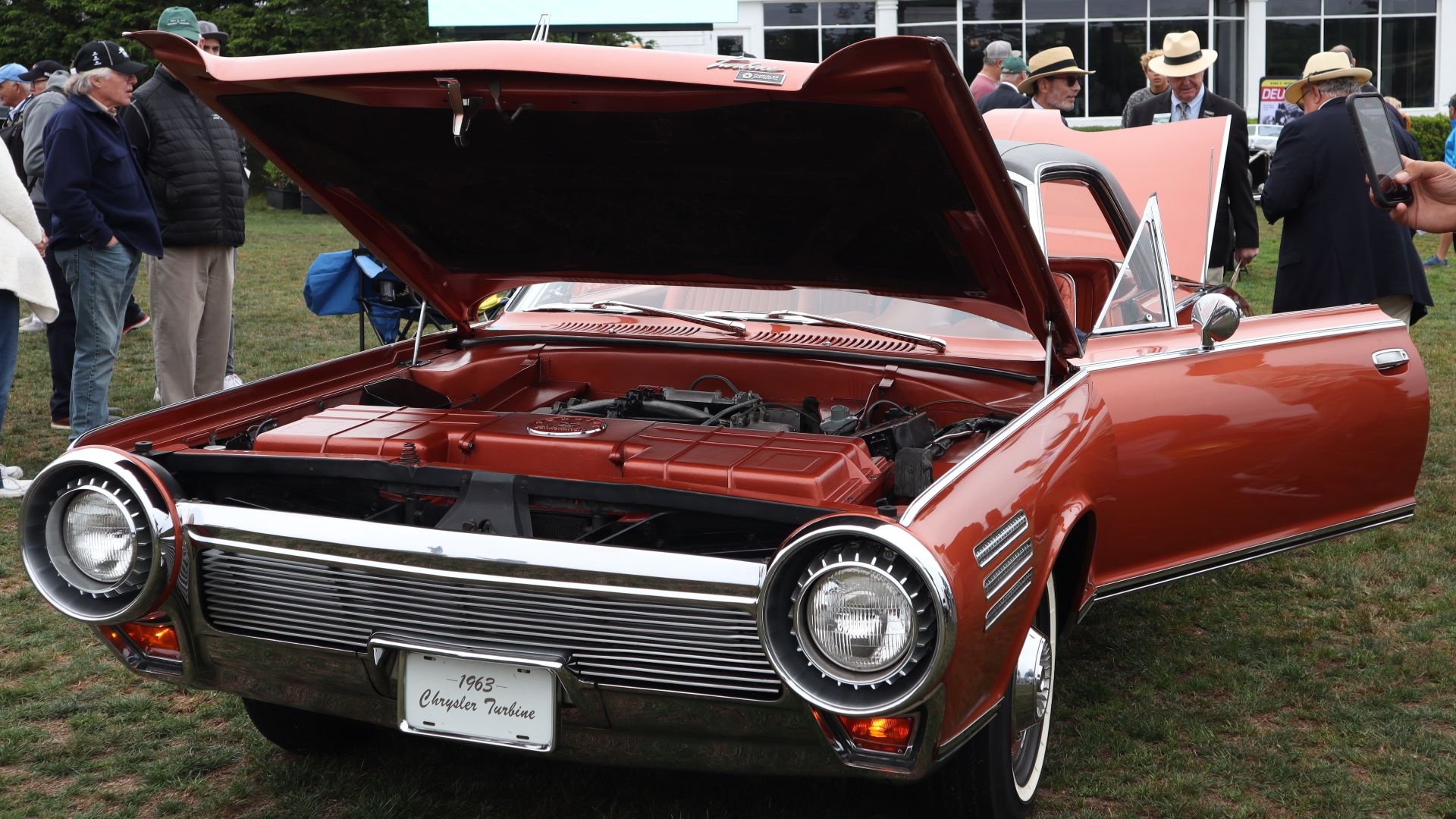
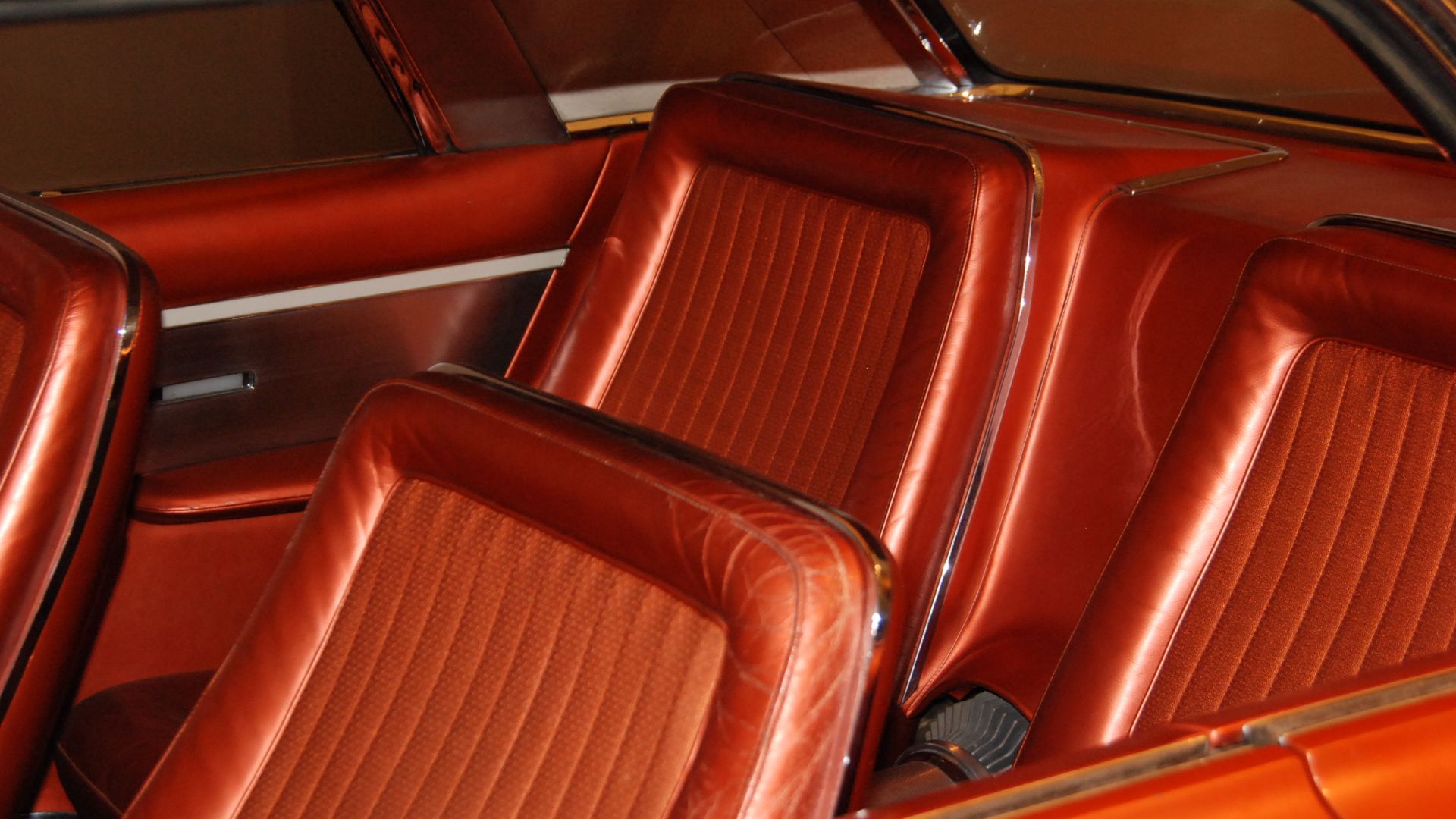
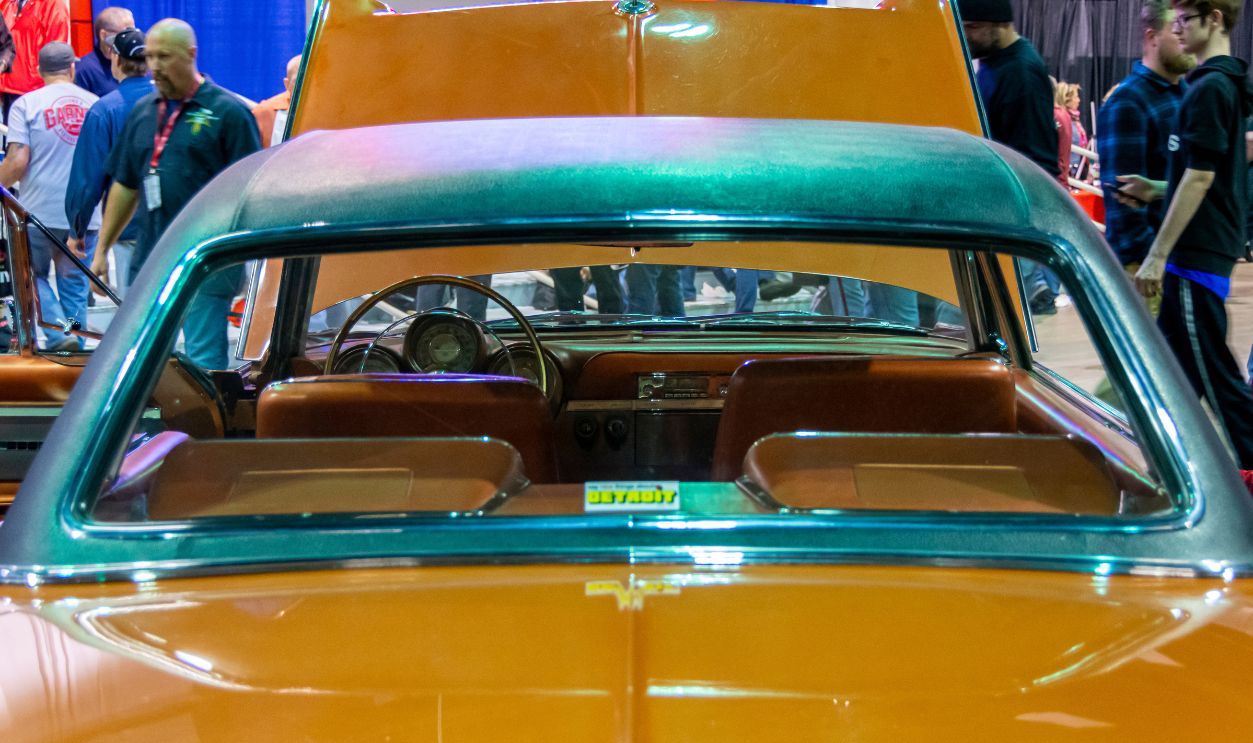
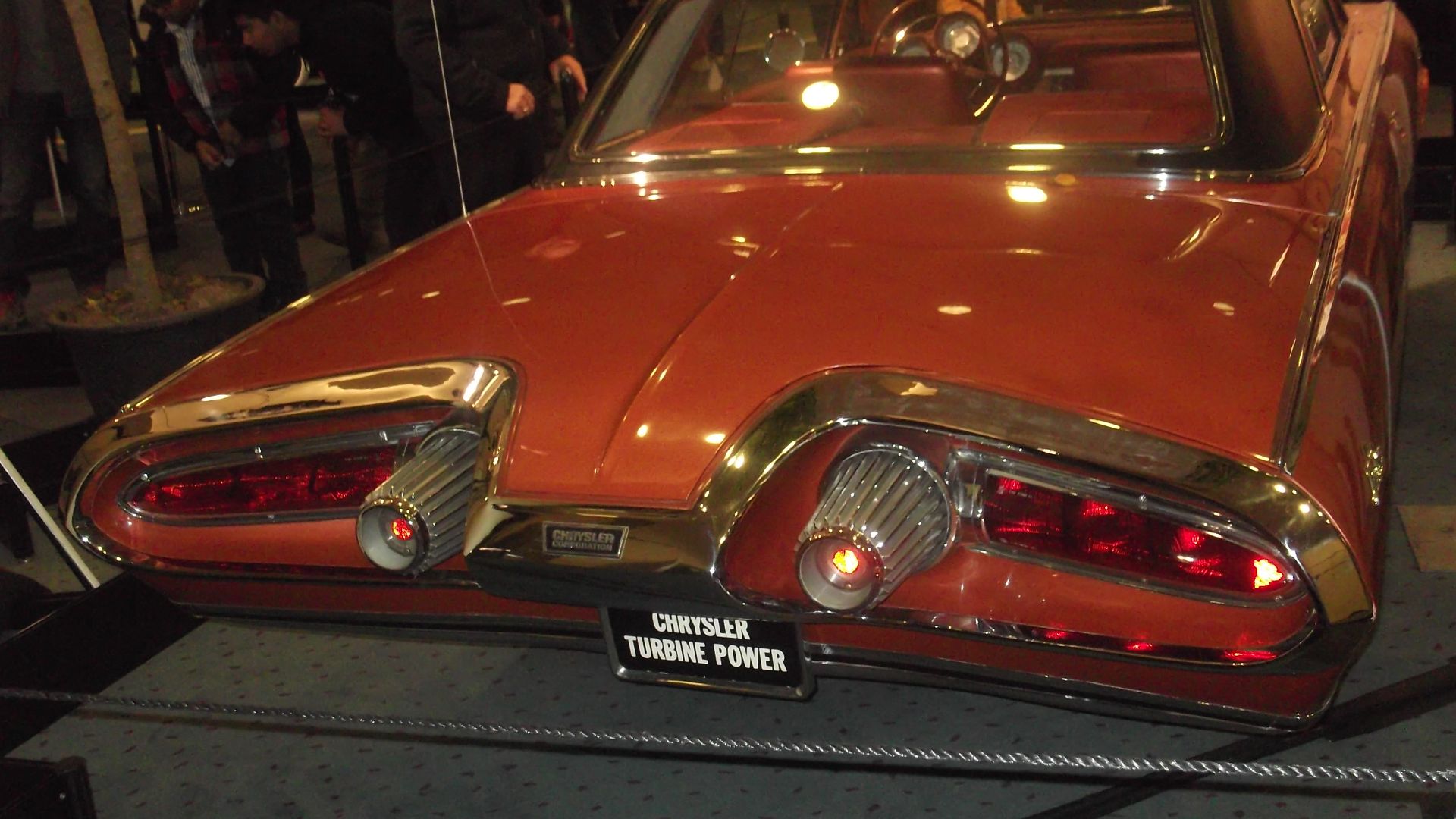
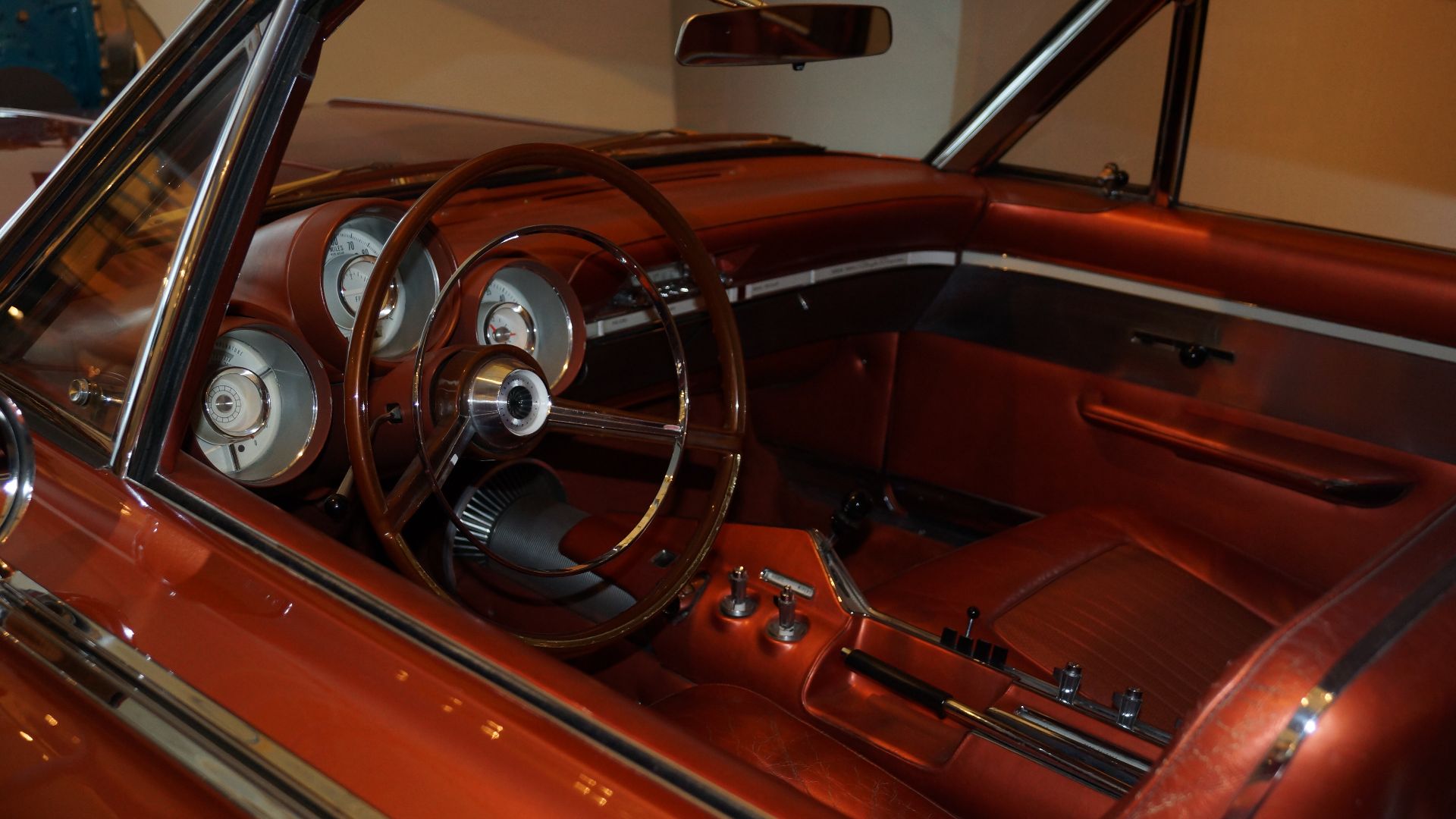
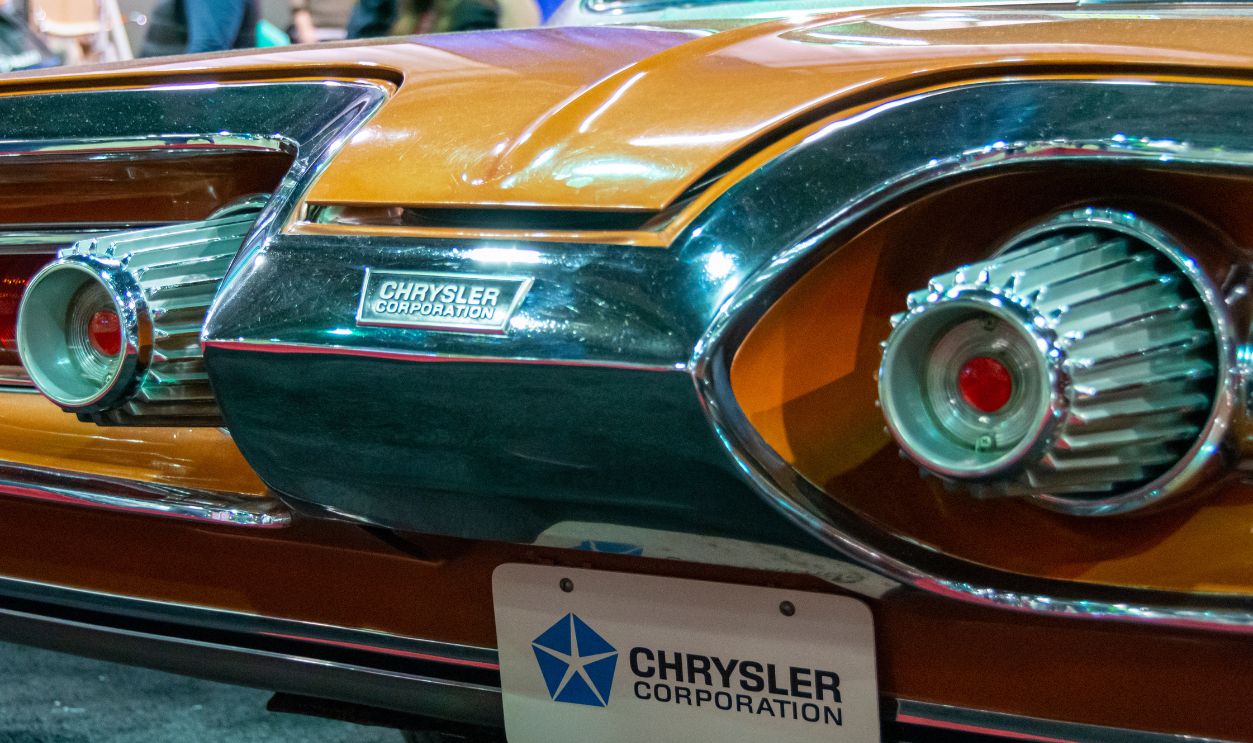
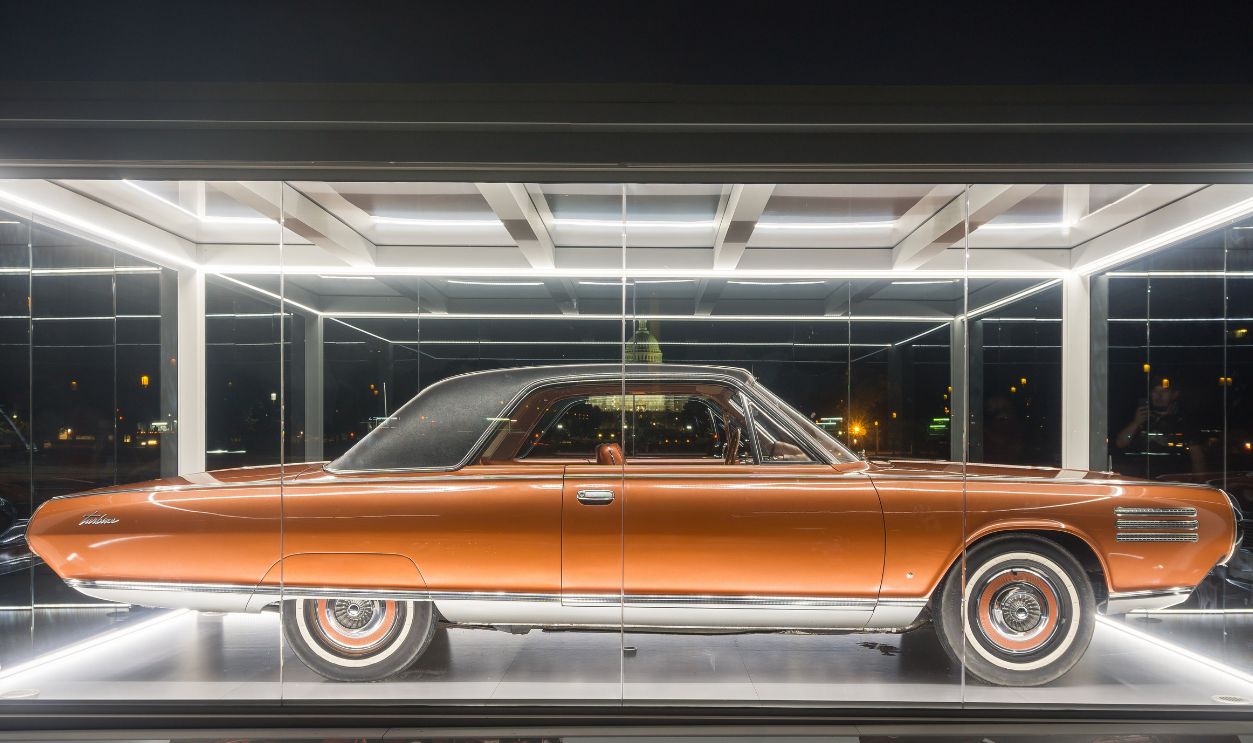
The Turbine Cars were finished in a distinctive metallic color called Turbine Bronze. Their aircraft-inspired details included turbine-shaped headlight surrounds and distinctive rear styling. The bronze-colored interior completed the futuristic appearance, making the cars instantly recognizable wherever they traveled.
 Corvair Owner, Wikimedia Commons
Its Engine Had Some Surprising Numbers
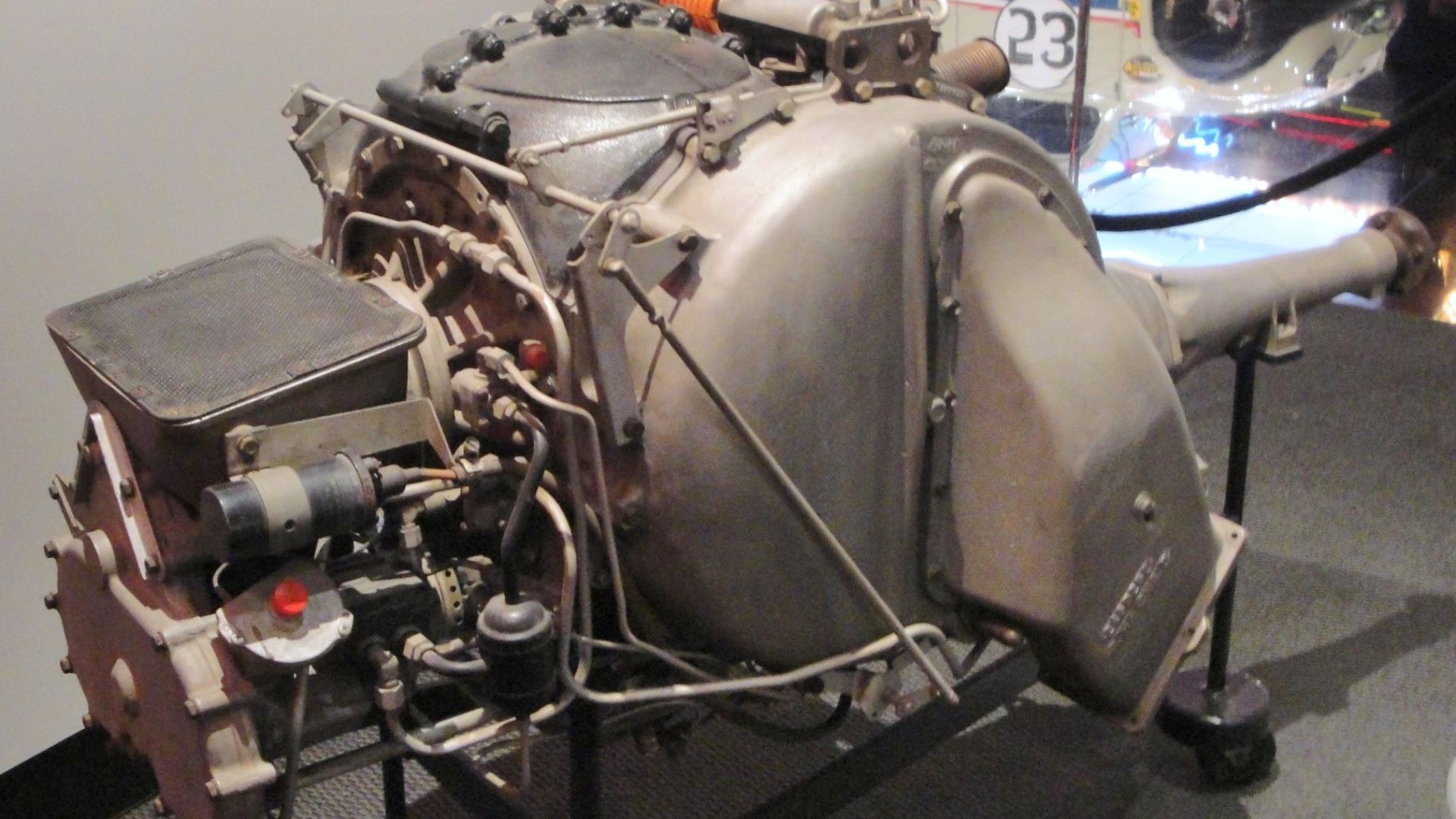
The Chrysler Turbine Car used an A-831 regenerative gas turbine producing 130 horsepower and 425 pound-feet of torque. Power reached the rear wheels through a modified three-speed TorqueFlite automatic transmission. Despite its exotic powerplant, the approximately 3,900-pound car offered performance closer to a conventional family automobile than a sports car.
 Greg Gjerdingen from Willmar, USA, Wikimedia Commons
It Could Even Run On Tequila
One of the Turbine Car's biggest attractions was its ability to operate on different combustible fuels. Diesel, kerosene, and certain vegetable oils were among the possibilities, while a famous demonstration involved tequila. Ordinary leaded gasoline, however, could leave deposits that damaged the turbine's internal components.
 David S. Swierczek, Shutterstock
It Sounded Like A Small Jet
Instead of a rumbling V8, drivers heard a distinctive high-pitched whine when the turbine started. The engine idled at approximately 22,000 revolutions per minute, far beyond the speeds associated with ordinary passenger-car engines. The unusual sound made starting the car an experience unlike anything else in a typical American driveway.
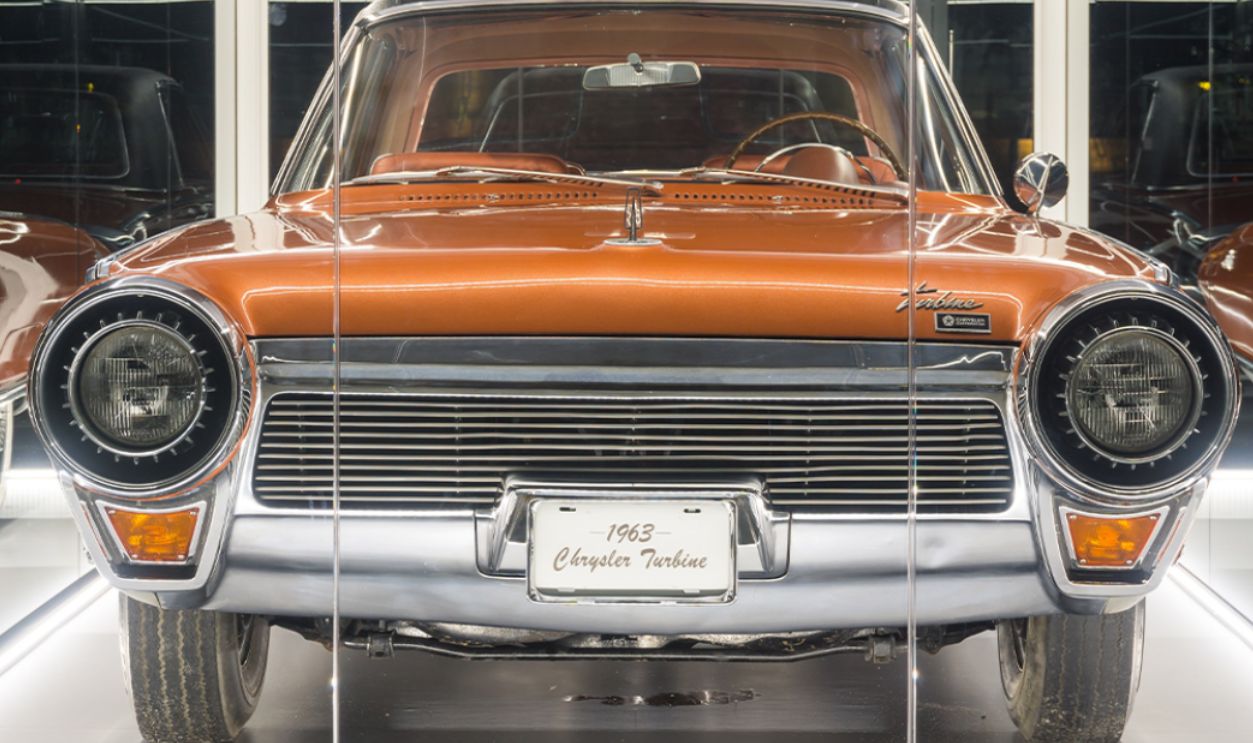
More Than 30,000 Americans Wanted One
In 1963, Chrysler announced that ordinary motorists would be allowed to test its futuristic cars. More than 30,000 people applied for the opportunity, giving Chrysler an enormous pool of potential participants. The company's goal was to discover how the technology performed in everyday conditions rather than relying solely on engineers and professional drivers.
 Erik Cox Photography, Shutterstock
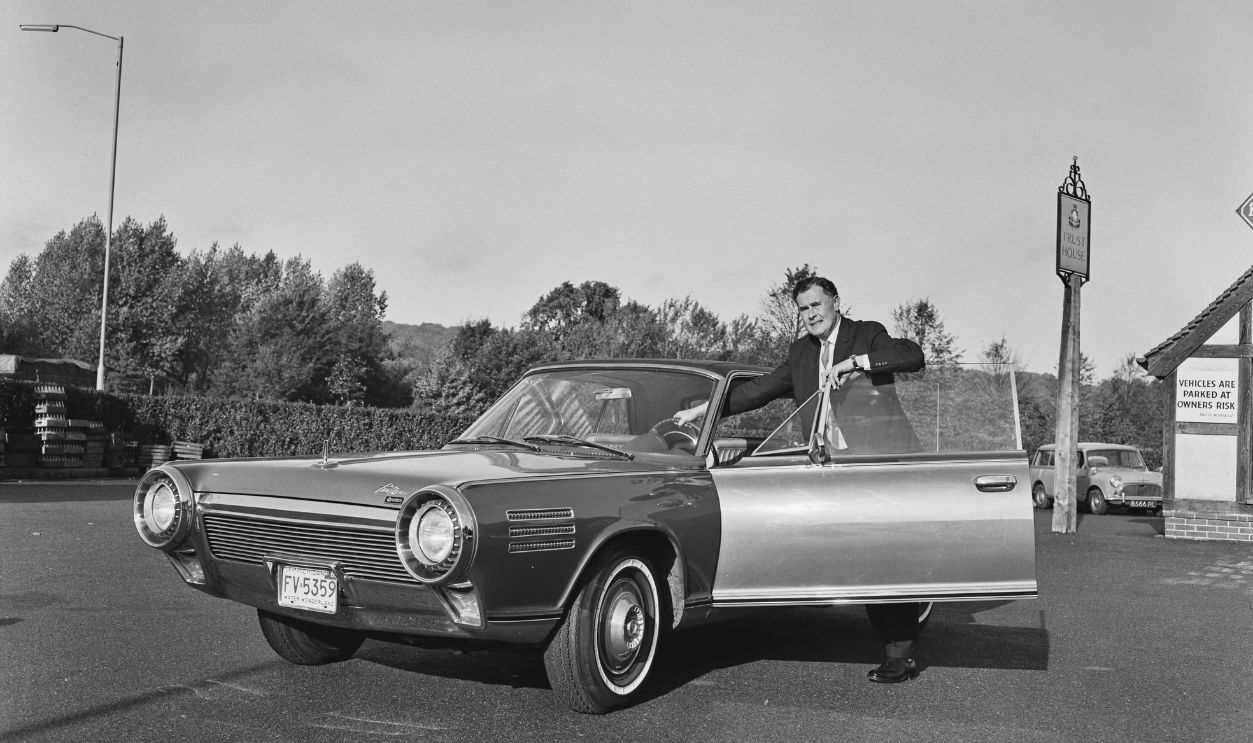
Only 203 Drivers Made The Cut
Chrysler selected 203 participants for the program, which ran from October 1963 through January 1966. The motorists represented different ages, occupations, and vehicle ownership backgrounds. An independent accounting firm helped select candidates according to Chrysler's testing requirements.
 Evening Standard, Getty Images
The First Family Got Their Keys In 1963
On October 29, 1963, Chrysler president Lynn Townsend presented the first consumer Turbine Car to Richard and Gertrude Vlaha of Broadview, Illinois. The couple became the first ordinary motorists entrusted with one of the experimental vehicles. Their handover marked the beginning of an unprecedented public test of turbine-powered transportation.
 F. D. Richards https://www.flickr.com/people/50697352@N00/, Wikimedia Commons
Drivers Got Three Months Behind The Wheel
Each participant received a Turbine Car for approximately three months without paying a rental fee. Chrysler covered insurance and specialized servicing, while motorists paid for their own fuel and were expected to care for the vehicle. In return, the company collected feedback about how the car performed in everyday use.
 Greg Gjerdingen from Willmar, USA, Wikimedia Commons
The Cars Covered More Than A Million Miles
Participants came from 133 cities across 48 states and Washington, D.C. They drove the cars on ordinary roads, dealing with traffic, changing weather, and everyday transportation needs. By the end of the program, Chrysler recorded an impressive 1,111,330 miles driven by participating motorists.
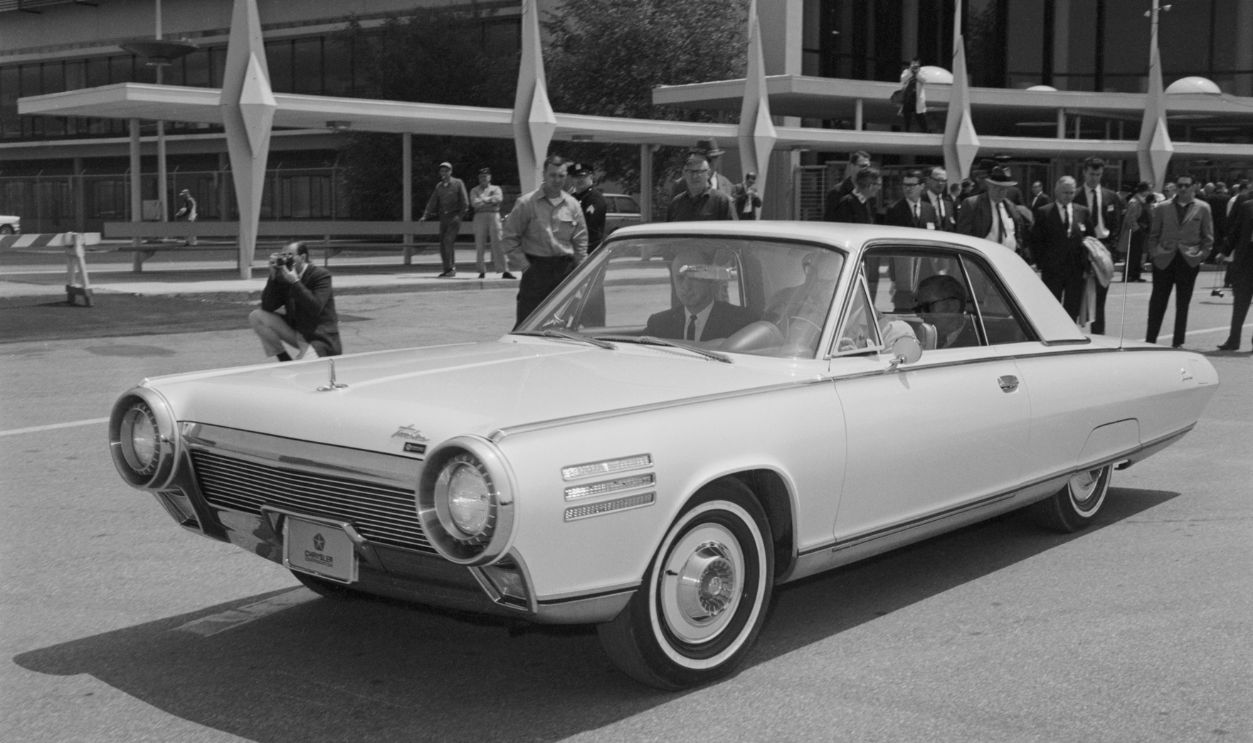
Drivers Discovered Some Genuine Advantages
Many participants appreciated the turbine's remarkably smooth operation and the absence of conventional engine vibration. They also reported dependable starting and relatively few maintenance problems during their time with the cars. The experiment demonstrated that turbine technology could function successfully outside a laboratory.
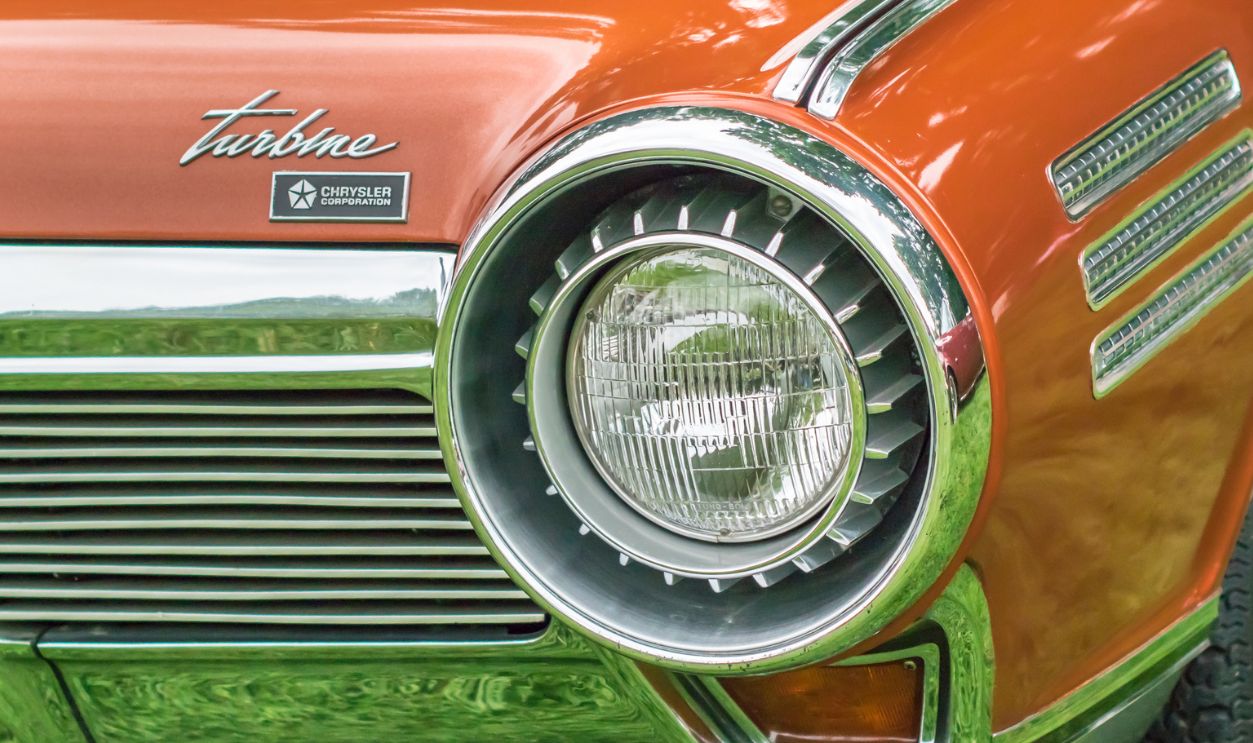
Acceleration Wasn't Quite What They Expected
Despite its impressive torque rating, the Turbine Car could hesitate when drivers pressed the accelerator. The engine needed time to increase its speed before delivering additional power, creating noticeable throttle lag. Chrysler's own records showed a zero-to-60-mph time of approximately 12 seconds, but the delayed response could make the car feel less eager than its performance figures suggested.
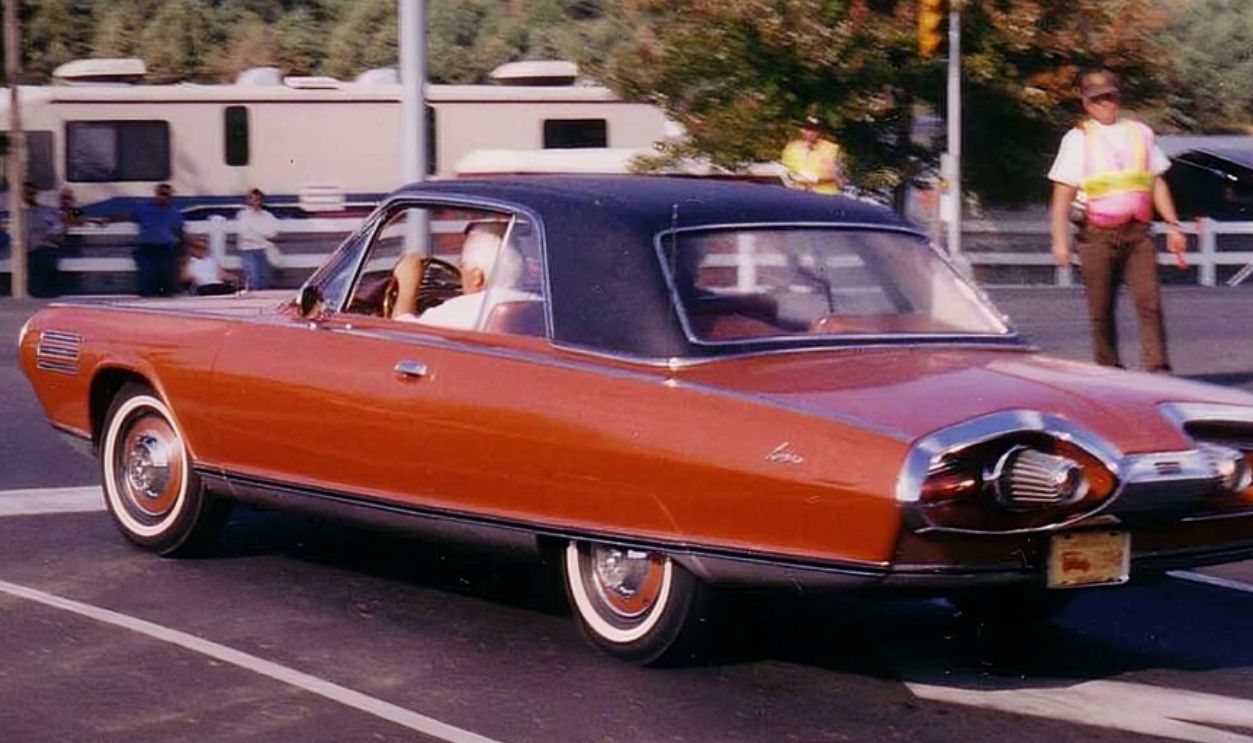 CZmarlin, Wikimedia Commons, Enhanced
Fuel Economy Became A Serious Problem
The Turbine Car's ability to burn different fuels didn't mean it used them efficiently. Consumption was particularly disappointing during city driving, where idling and frequent acceleration worked against the turbine's strengths. Chrysler recognized that improving fuel efficiency would be essential before the engine could compete with conventional automobiles.
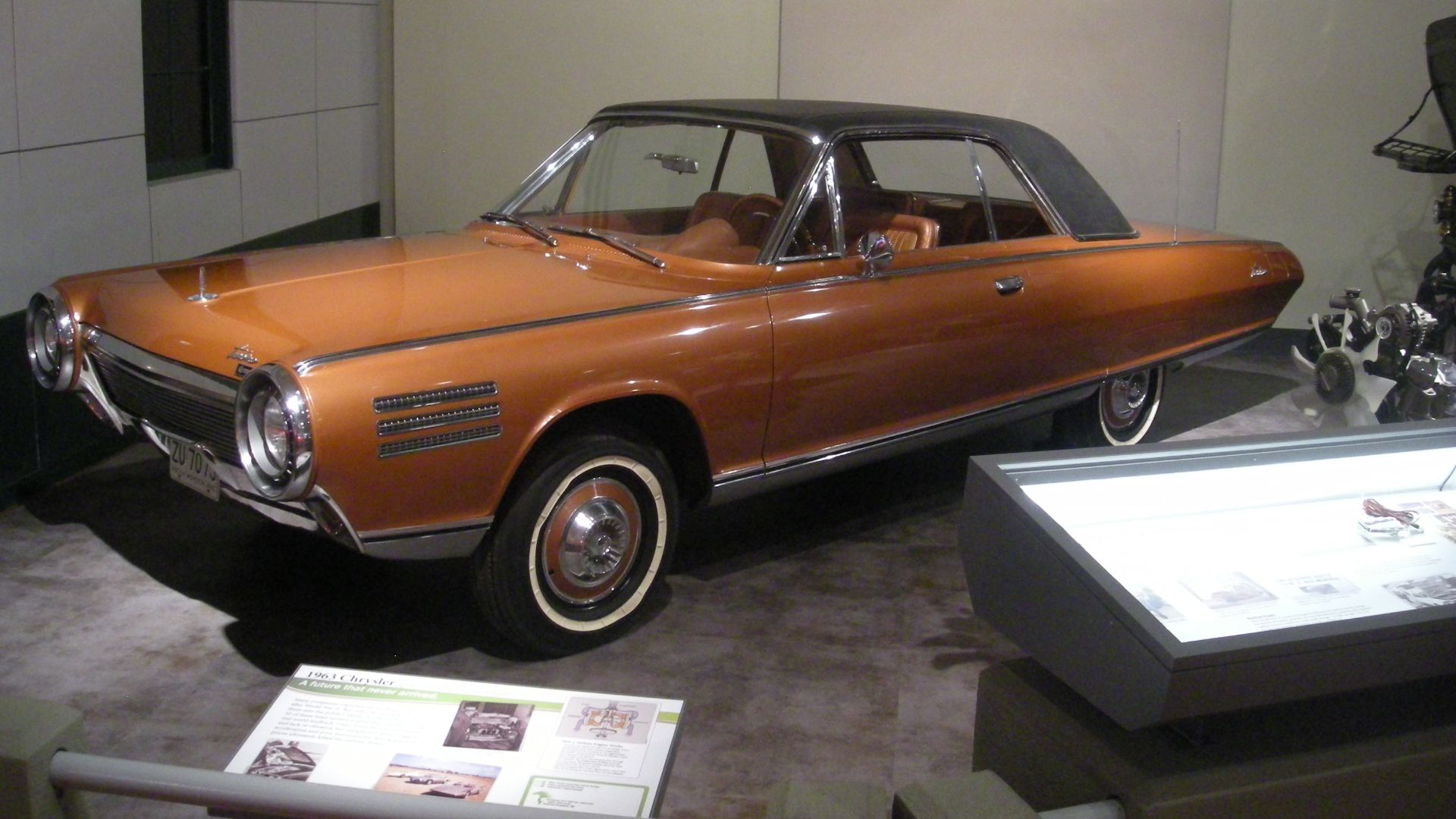 Michael Barera, Wikimedia Commons
Emissions Presented Another Major Obstacle
As the federal government began tightening automobile pollution regulations, turbine technology faced additional challenges. Nitrogen oxide emissions were particularly troublesome because of the engine's high combustion temperatures. Chrysler's engineers continued experimenting with improvements, but meeting increasingly demanding standards complicated the path toward mass production.
 David S. Swierczek, Shutterstock
Building Them Was Far Too Expensive
Each Turbine Car required a handmade Italian body, specialized components, and an experimental engine. Some historical accounts have estimated their individual development-era construction costs at roughly $300,000, although that figure was never a realistic retail price. Chrysler needed a far cheaper manufacturing process before it could consider selling turbine-powered cars to the public.
 Corvair Owner, Wikimedia Commons
The Public Experiment Ended In 1966
Chrysler's consumer testing program concluded on January 28, 1966, after more than two years of real-world driving. The company had gathered extensive information about the technology's strengths and weaknesses. Participants returned their vehicles, and Chrysler faced the question of what to do with a fleet of expensive experimental automobiles.
 Erik Cox Photography, Shutterstock
Why Chrysler Sent Them To The Crusher
The decision was influenced by more than disappointing fuel economy or technical challenges. Because the Italian-built bodies had entered the United States under temporary import arrangements, keeping the cars could create substantial customs costs. Former Chrysler engineering executive Burt Bouwkamp also identified the expense and responsibility of supporting dozens of experimental vehicles as another reason for destroying them.
Nine Cars Escaped The Crusher
Fortunately, Chrysler preserved a small group of vehicles for historical and institutional purposes. Nine Turbine Cars are known to survive, although only a few remain capable of running. Their scarcity makes them extraordinary reminders of an automotive future that never reached dealership showrooms.
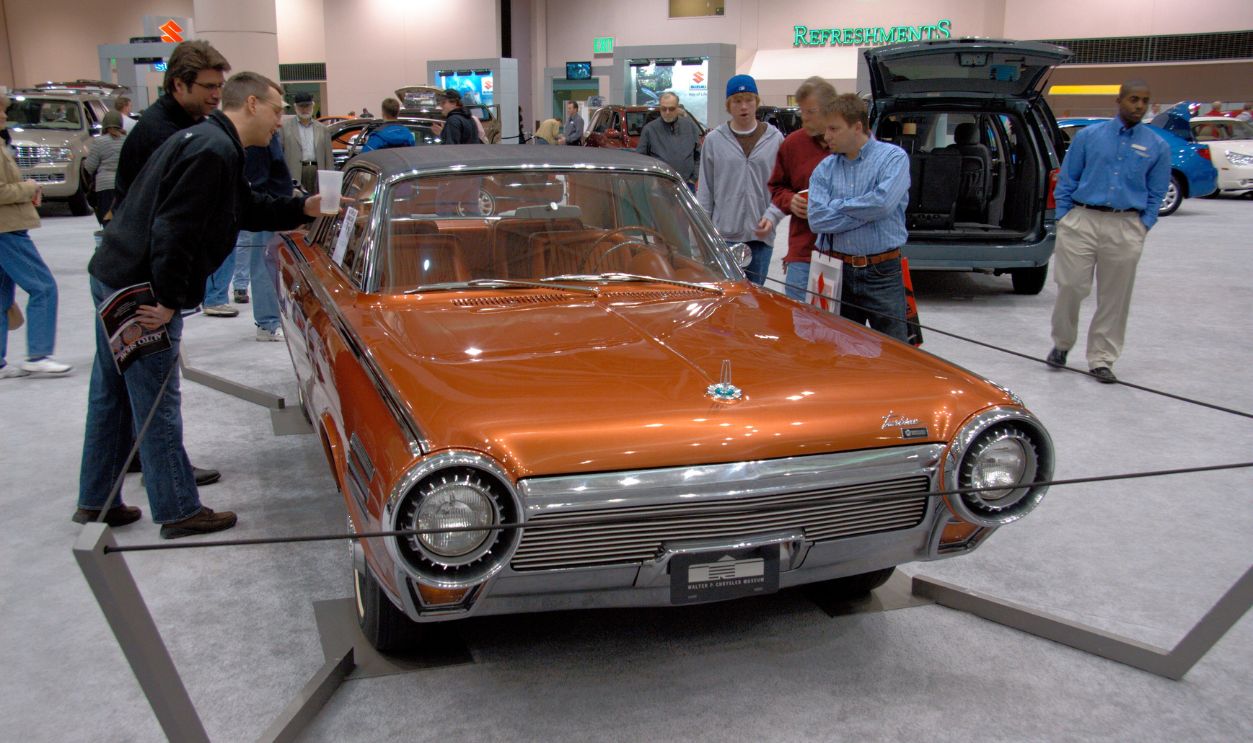
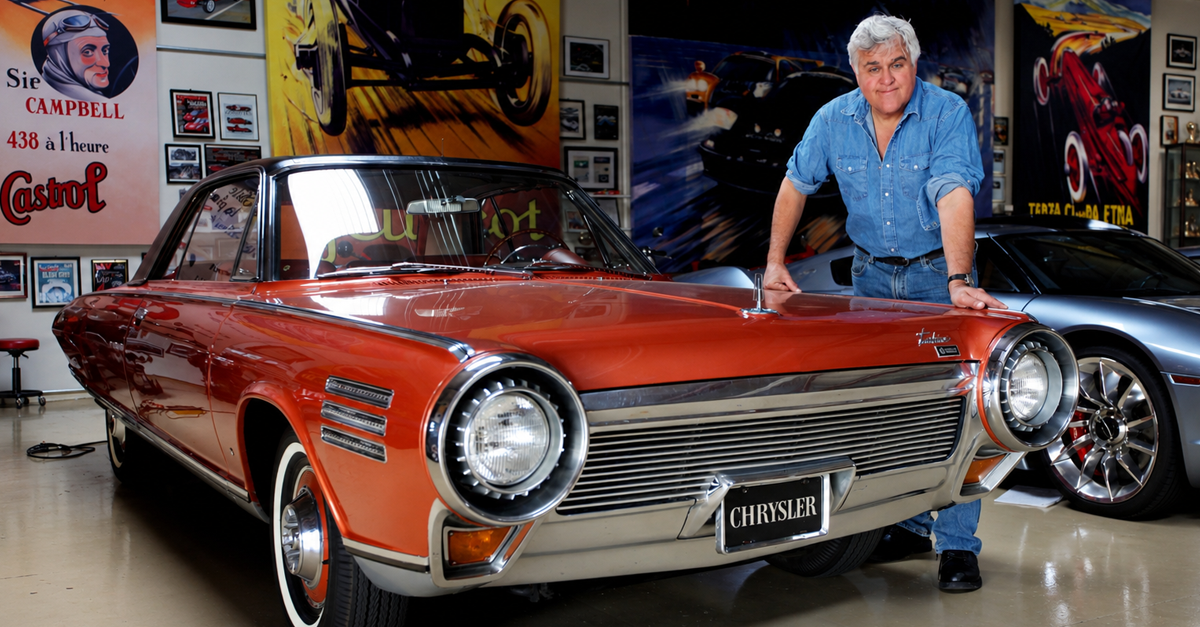
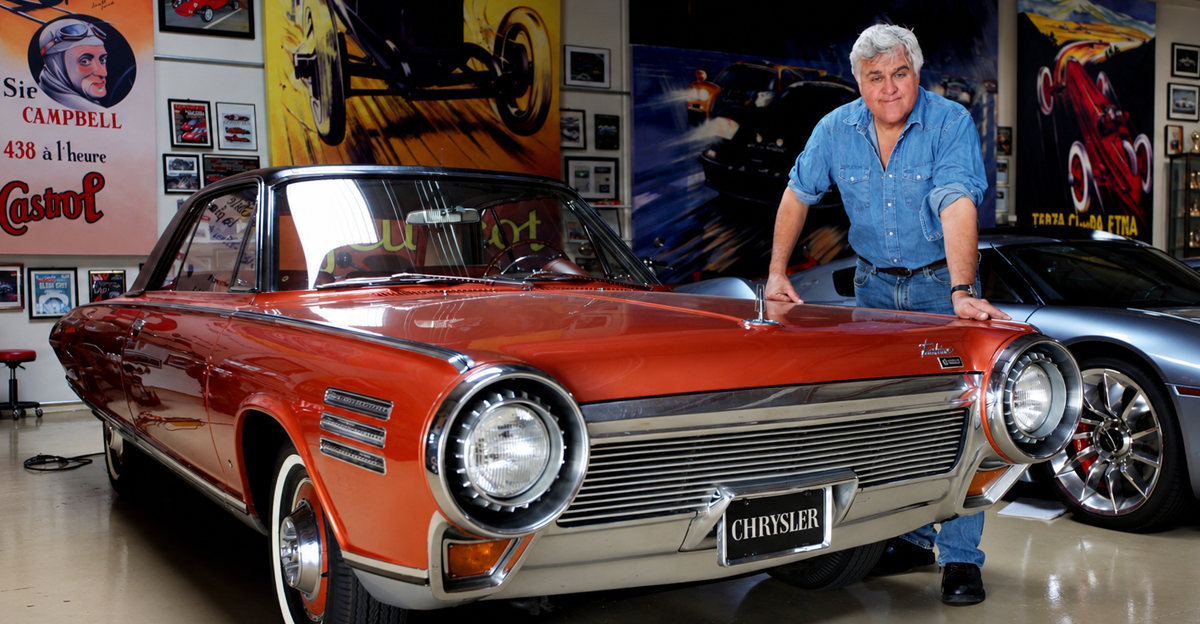
Jay Leno Keeps One Running
Automobile collector and television personality Jay Leno owns one of the surviving Chrysler Turbine Cars. His example has appeared in demonstrations that show how the unusual engine starts, sounds, and operates. Keeping one running requires specialized knowledge and careful maintenance, since replacement turbine components aren't readily available.
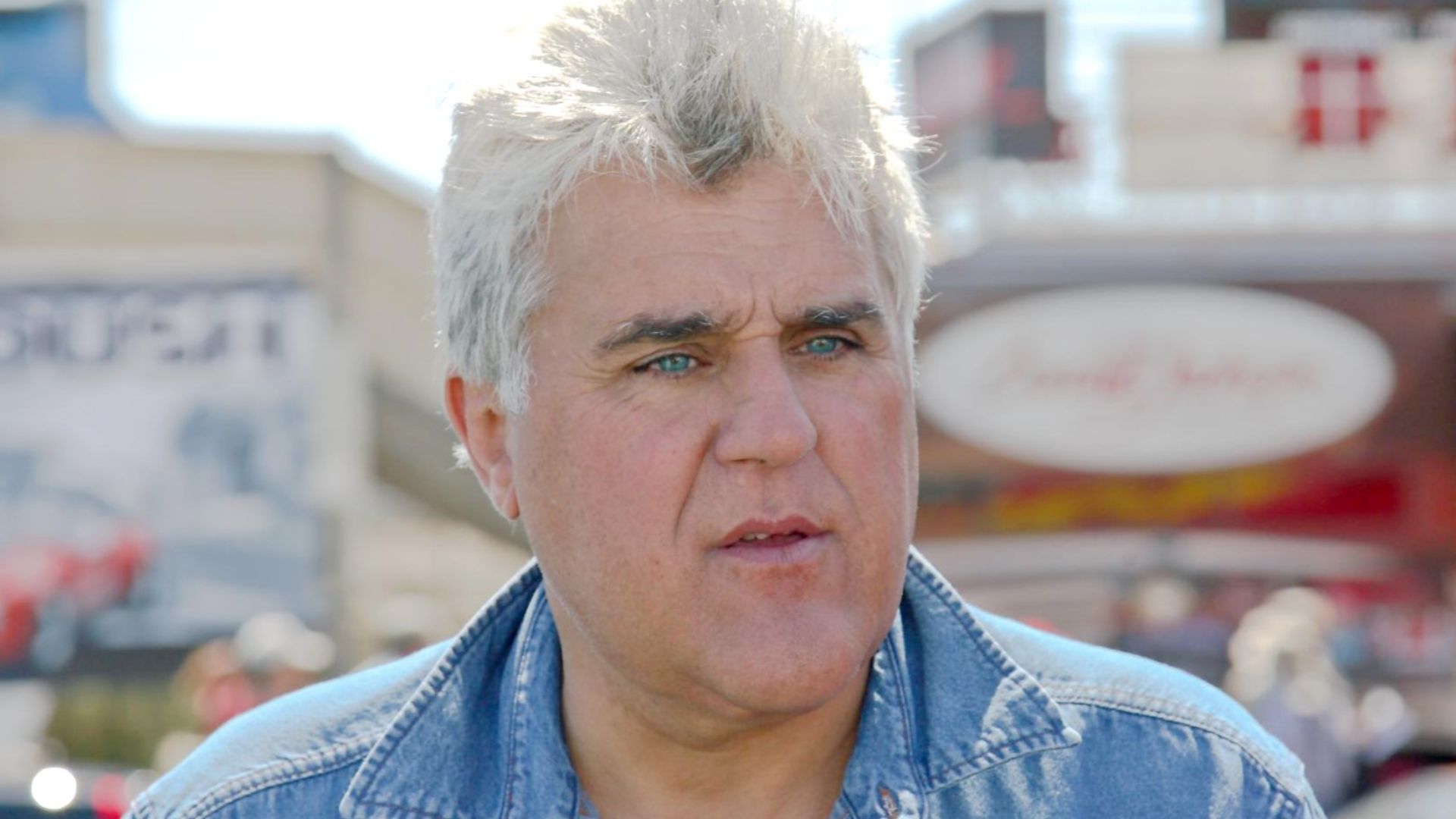 Michael Albov, Wikimedia Commons
Chrysler Didn't Abandon Turbines Immediately
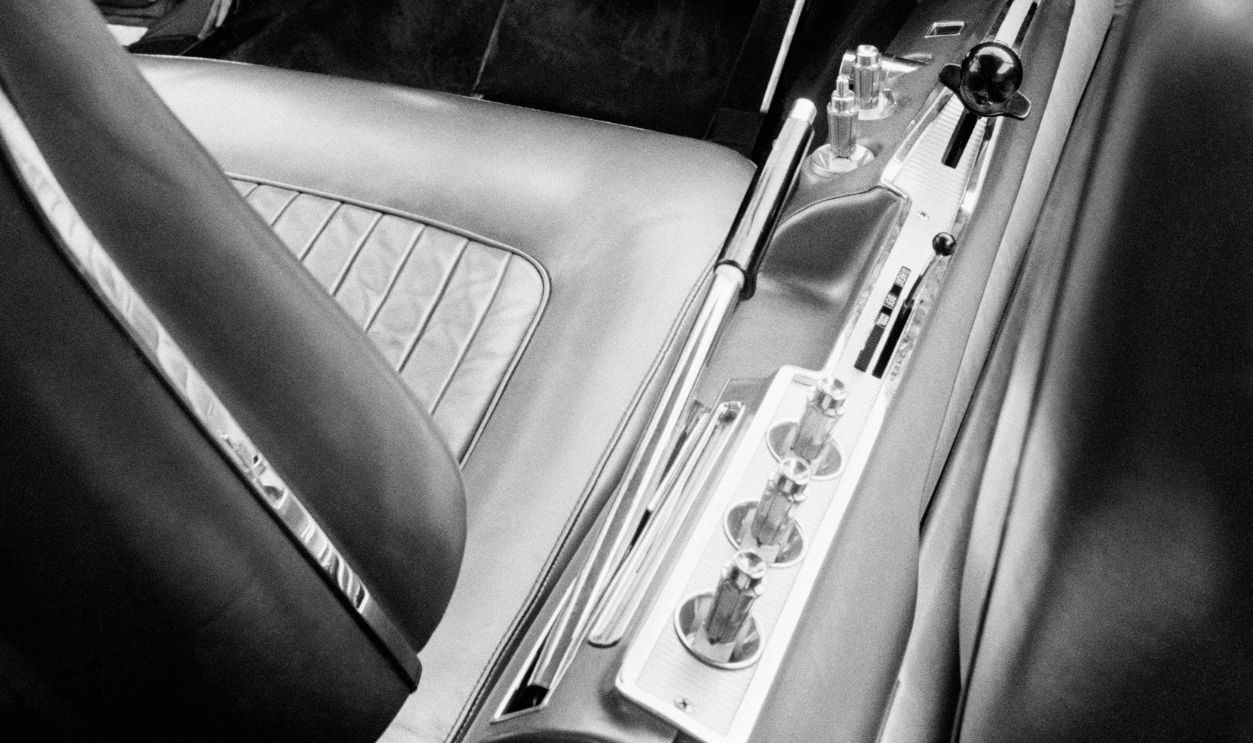
Although most of the famous cars were destroyed, Chrysler continued developing gas turbines throughout the 1970s. Engineers worked on improving fuel consumption, emissions, and everyday drivability, supported in part by government research funding. But changing fuel economy expectations and Chrysler's financial problems eventually helped bring the program to an end in 1981.
 REPORTERS ASSOCIES, Getty Images
Detroit's Future That Never Happened
The Chrysler Turbine Car remains one of the boldest experiments in American automotive history. Unlike countless concept cars that never traveled beyond an exhibition floor, it proved itself on public roads in the hands of ordinary drivers. Chrysler destroyed most of the fleet, but the surviving examples preserve an extraordinary glimpse of what American motoring might have become. Would you have wanted a turbine-powered Chrysler in your driveway?
You May Also Like:
GM Axed Pontiac After 84 Years—But Did It Save The Wrong Brand?