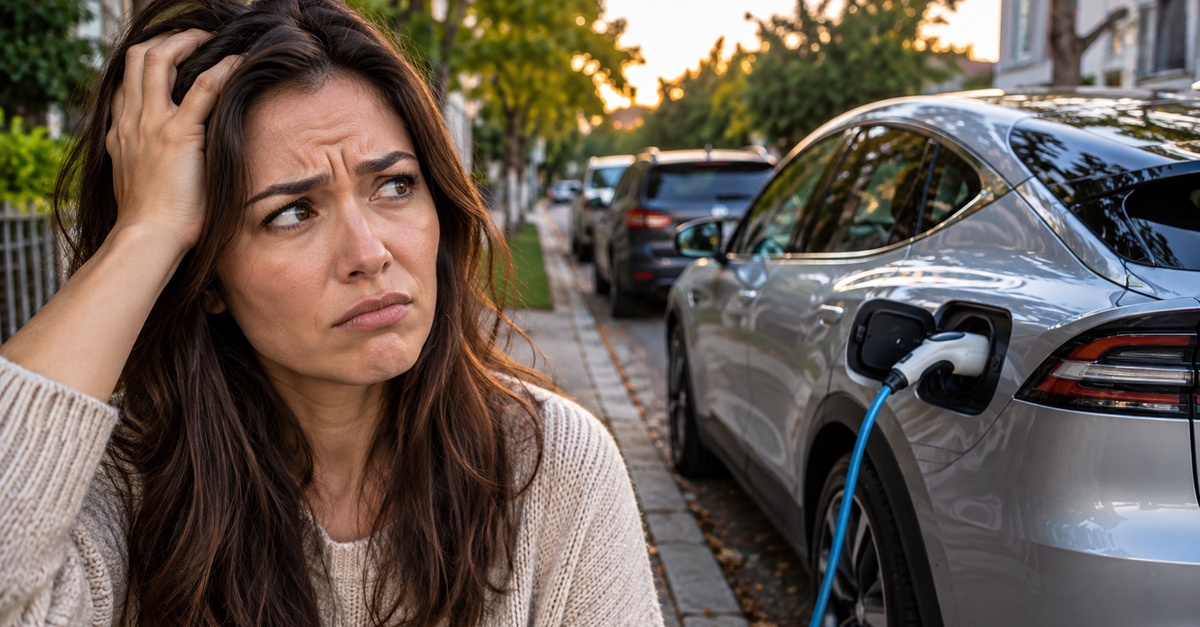
I Thought Home Charging Would Be The Easy Part
One of the reasons I liked the idea of owning an EV was being able to charge it at home. There is just one problem: I do not have a private parking space, so my setup only works when I can park close enough to my house. By the time I get home, someone else often has the spot I need, leaving me wondering whether EV owners have any special rights to the curb.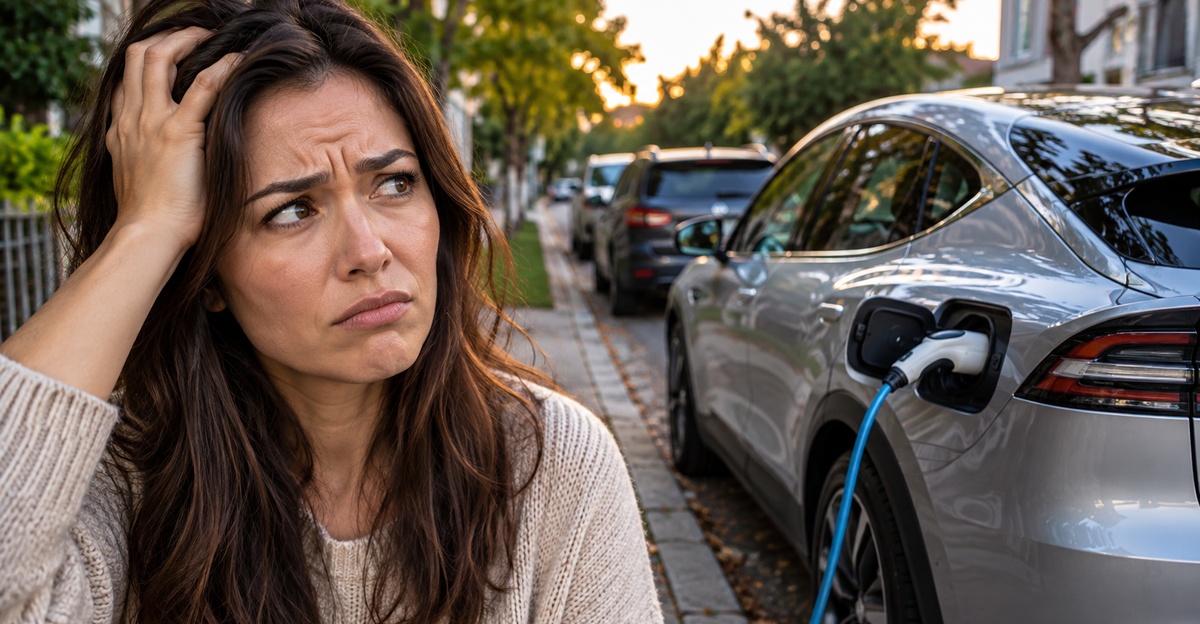 Factinate Ltd
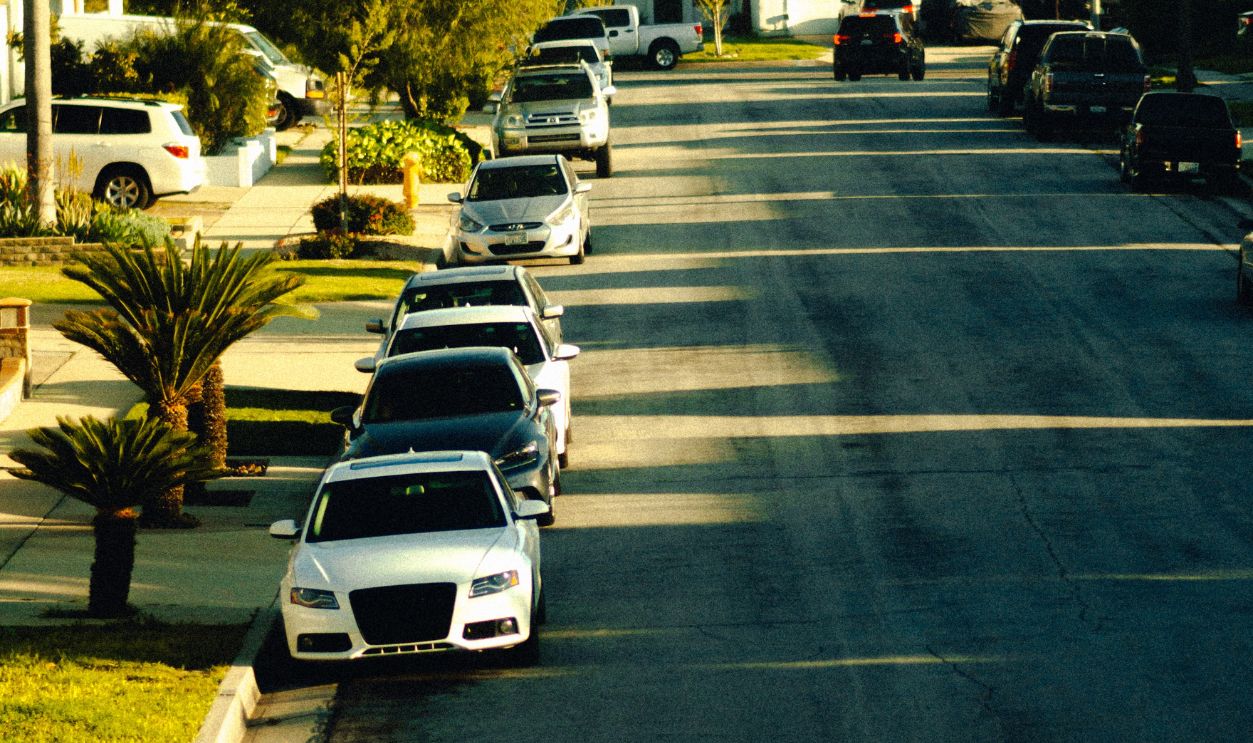
The Spot Out Front Is Still Public
It is easy to understand why the space directly outside a home can feel connected to that property, especially when an EV charger can only reach that far. Legally, however, a public curb is generally governed by local parking regulations rather than the preferences of the nearest homeowner. Living beside a parking space does not ordinarily make it part of the property.
EV Ownership Does Not Automatically Change That
There is no nationwide rule automatically giving an EV owner priority over an ordinary public curb space simply because the vehicle needs to charge. EV parking restrictions are instead established through state laws, municipal ordinances, posted regulations, and rules governing particular charging stations. The answer can therefore vary considerably from one jurisdiction to another.
 l i g h t p o e t, Shutterstock
Local Rules Make The Difference
Municipal governments have significant influence over how curb space is used. The Department of Energy notes that municipalities can use parking ordinances to regulate EV charging infrastructure and publicly accessible charging locations. Local rules are therefore the first place an EV owner should look when trying to determine whether curbside charging is permitted.
Designated Charging Spaces Are Different
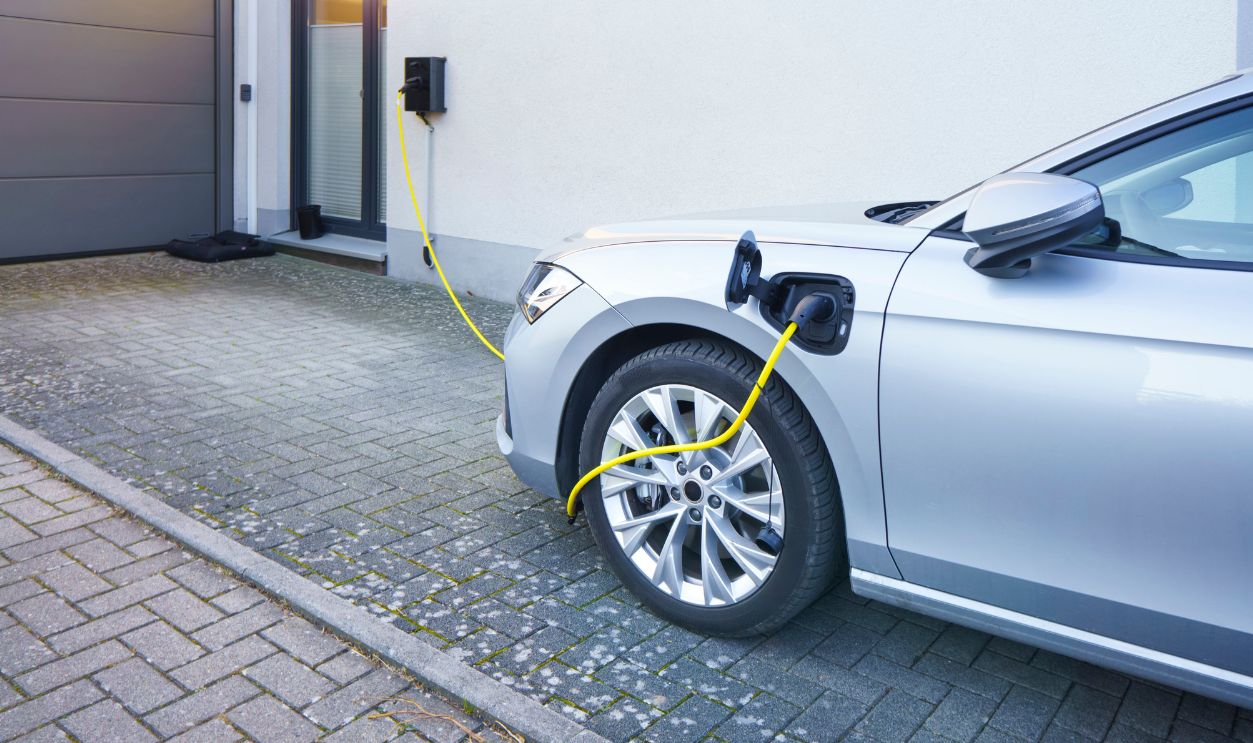
An officially designated EV charging space is not the same as an ordinary parking spot that happens to be within reach of someone's house. New York City, for example, reserves its designated curbside charging spaces for electric vehicles that are actively charging. Vehicles occupying those spaces without actively charging may be ticketed.
Even An EV Cannot Simply Sit There
An EV badge alone does not necessarily qualify a vehicle to occupy a designated charging space. New York State restricts vehicles from occupying designated EV charging spaces when they are not actively charging under specified circumstances. Maryland similarly requires an electric vehicle parked in a designated charging space to be plugged into charging equipment.
California Protects Charging Spaces Too
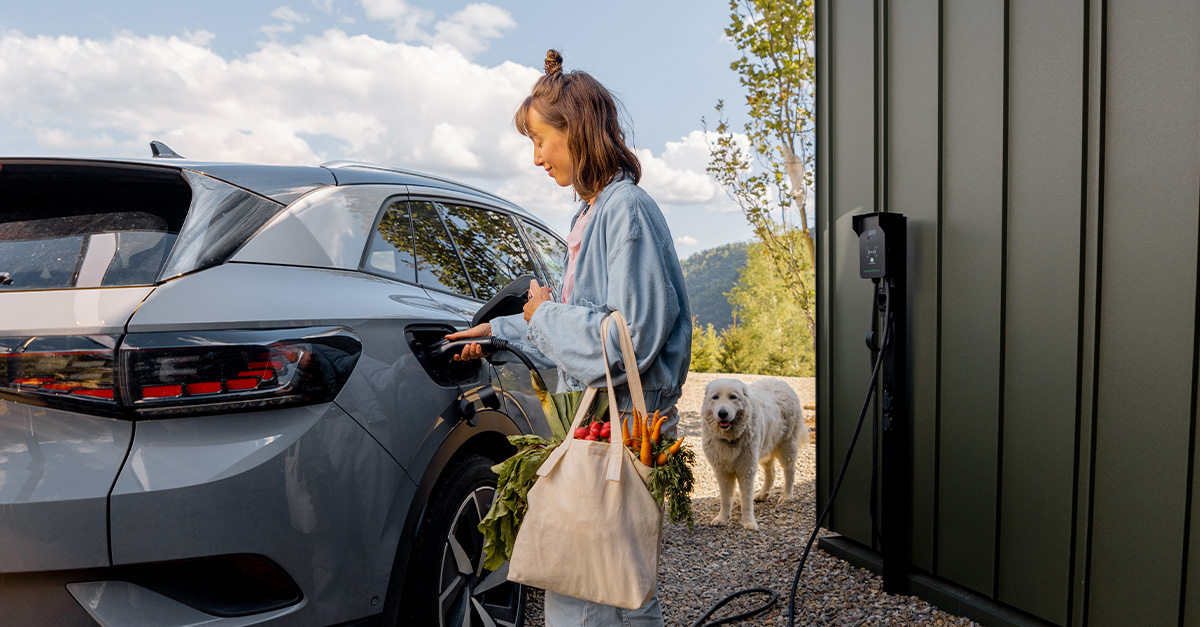
California provides another example of how EV parking protection works. Local authorities and owners of off-street parking facilities can designate spaces for vehicles connected for charging, and properly marked spaces can carry enforcement consequences. The special protection attaches to the designated charging space and its proper use, rather than to every parking space used by an EV owner.
 Summit Art Creations, Shutterstock
My Charging Cable Does Not Reserve The Space
That brings me back to the spot outside my house. Even if my charger and cable can reach it perfectly, that does not change how the city has classified the parking space. If it remains ordinary public parking, my charging setup alone generally does not make it an EV-only spot.
Homemade Signs Do Not Create Parking Laws
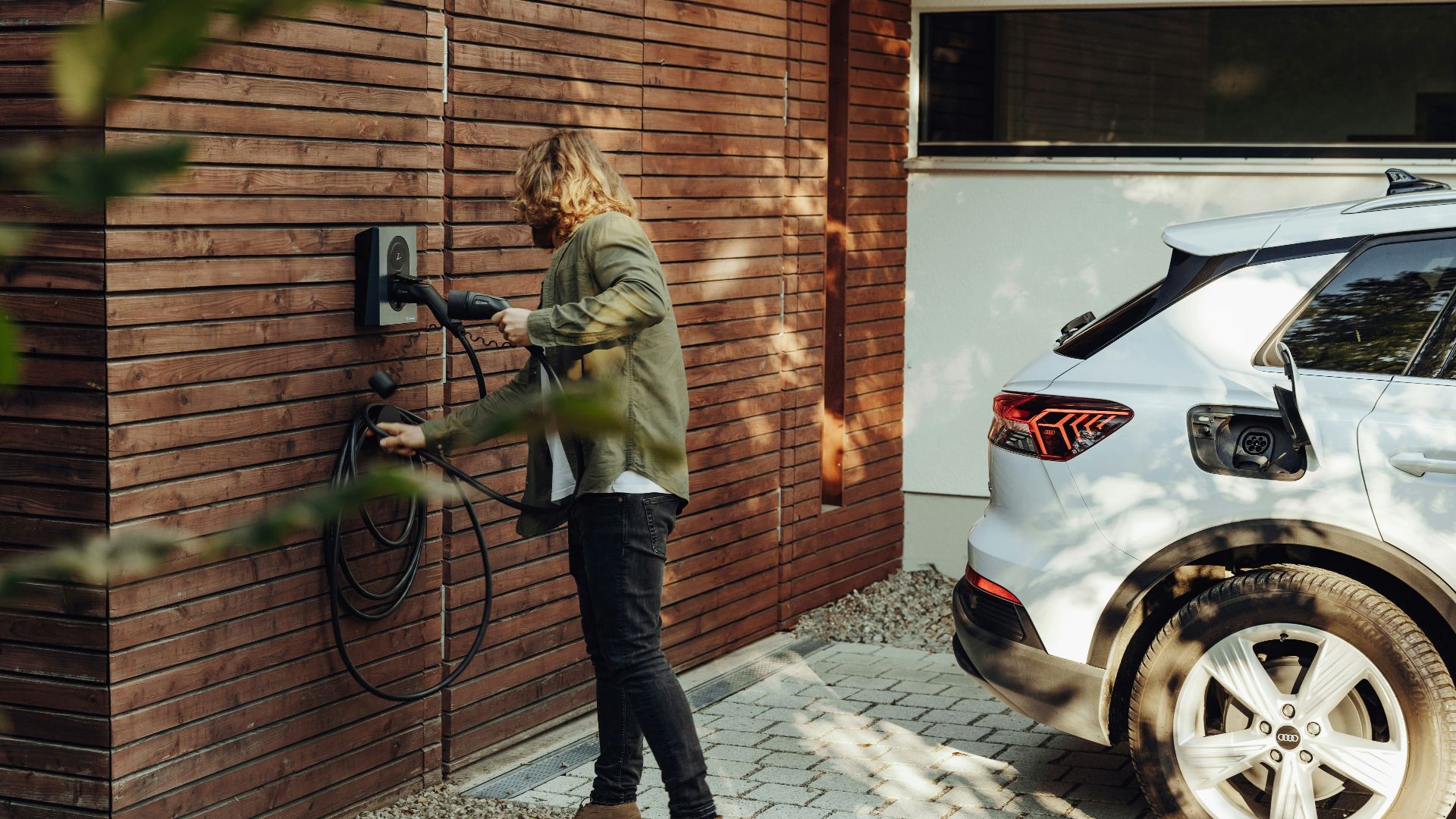
Putting up an "EV Charging Only" or "Please Leave Open" sign might persuade a considerate neighbor to park somewhere else, but it does not necessarily create an enforceable parking restriction. Portland specifically states that residents using its curb-charging allowance cannot place signs or use other methods to reserve the parking space in front of their property. Any official restriction would normally need to come through the appropriate local authority.
Traffic Cones Are Not A Solution Either
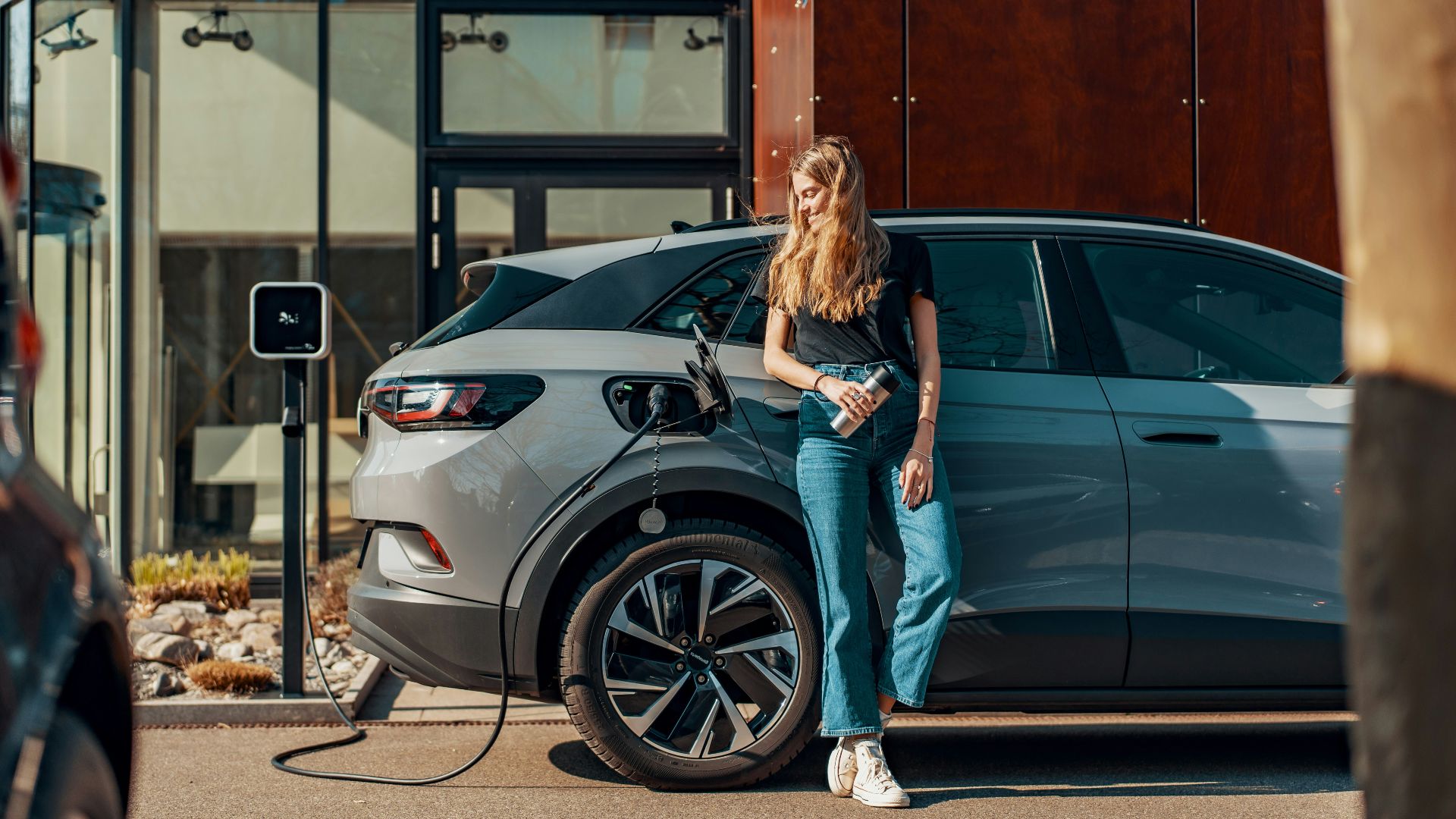
Cones, chairs, trash cans, and similar objects are sometimes used informally to save parking spaces, but local right-of-way rules may prohibit that practice. EV ownership does not automatically provide an exception. Portland's EV guidance explicitly says residents may not use any means to reserve a curb space for their charging needs.
The Charging Cable Creates Another Question
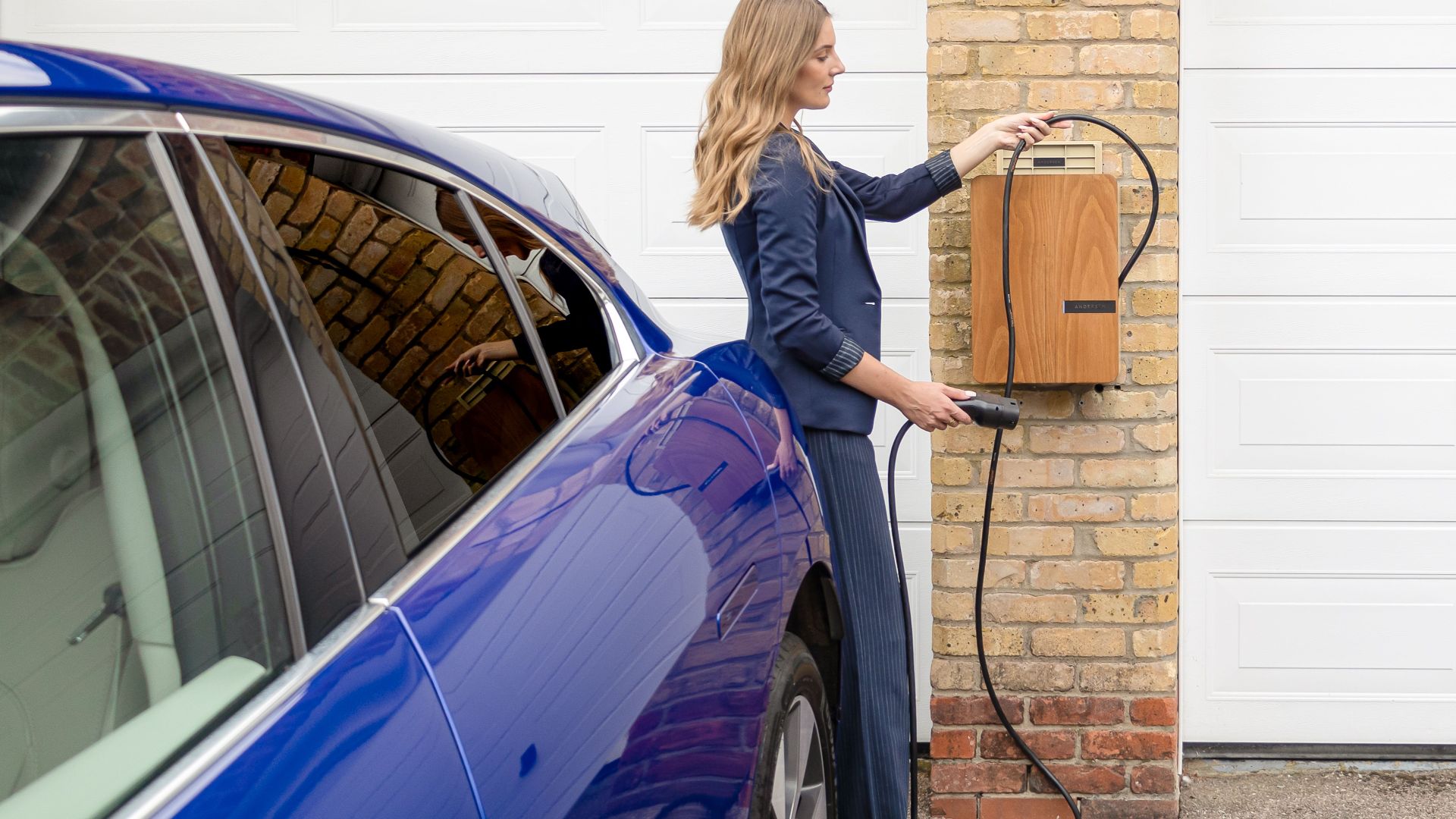
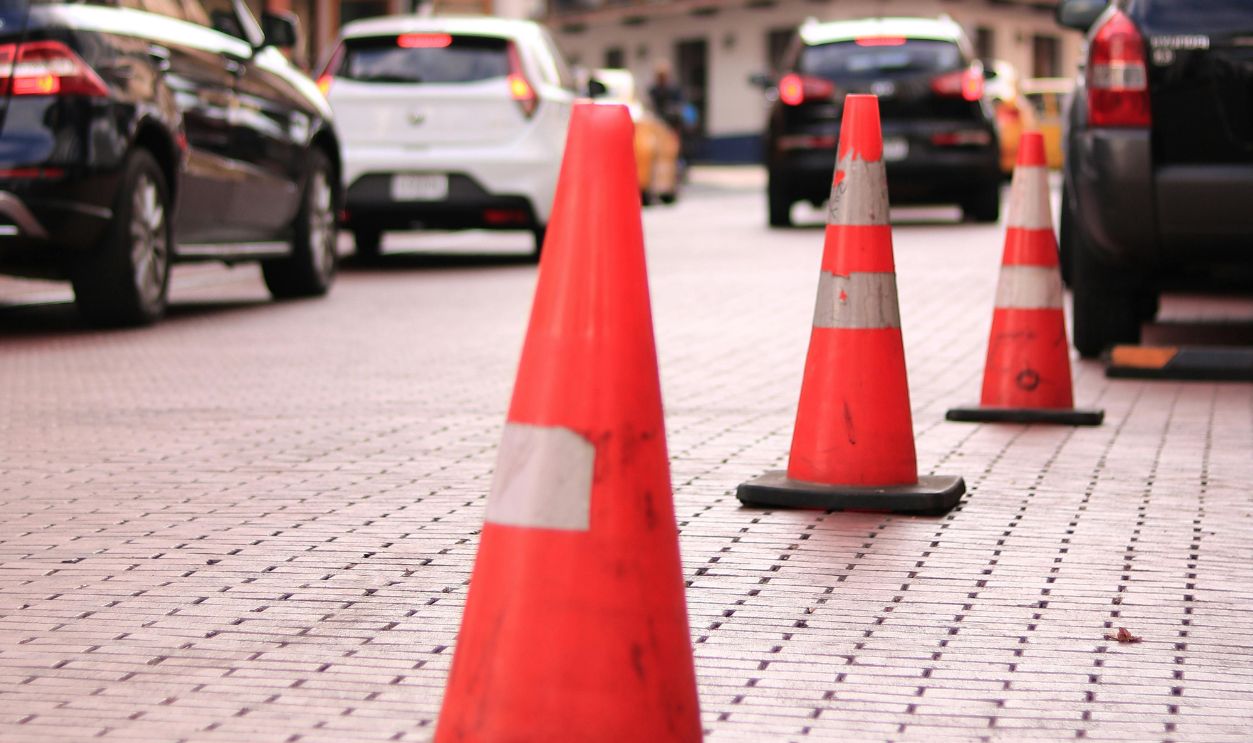
Parking is only part of the issue for people charging an EV from a house without a driveway. A charging cable may need to cross a sidewalk or another portion of the public right-of-way to reach the vehicle. Cities can regulate these arrangements because cables can interfere with pedestrian movement and accessibility.
Portland Allows A Limited Version
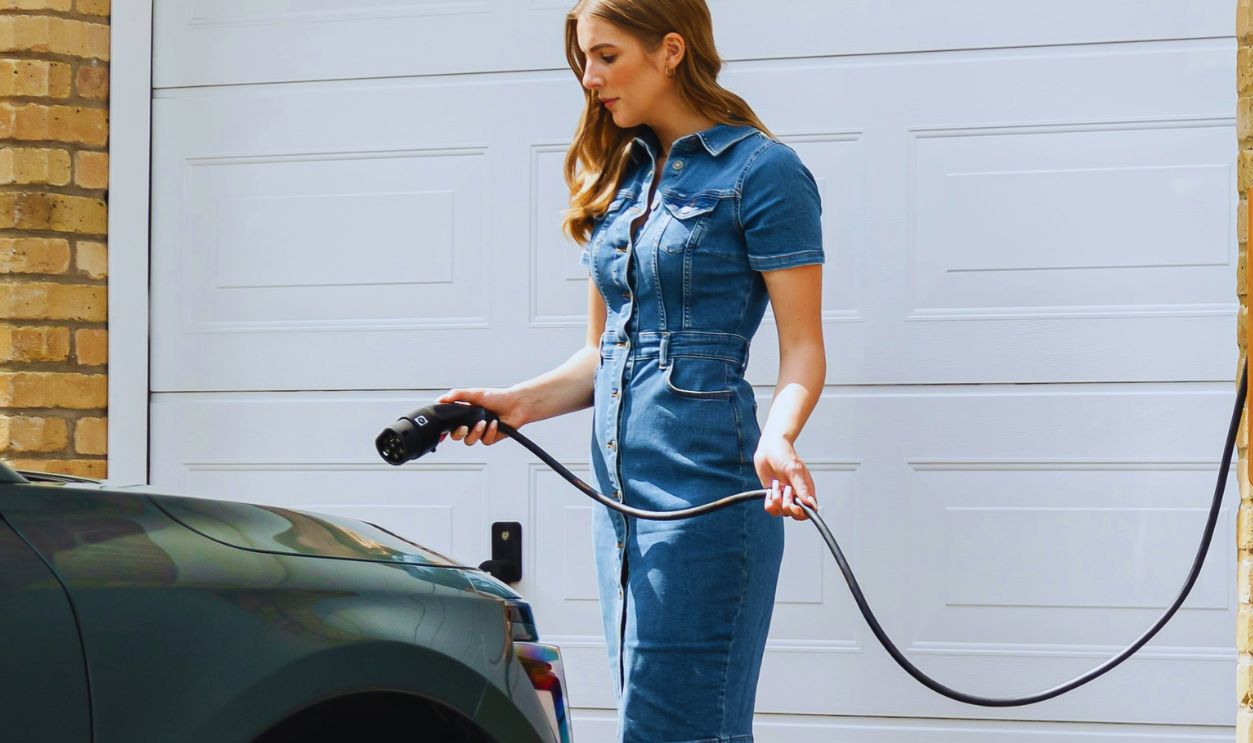
Portland permits qualifying residents without suitable off-street parking to run a Level 1 charging cord from their property to a vehicle parked at the curb. The city requires an ADA-compliant cord cover under specified circumstances and imposes other conditions. Importantly, permission to run the cord does not give the resident the right to reserve the parking space.
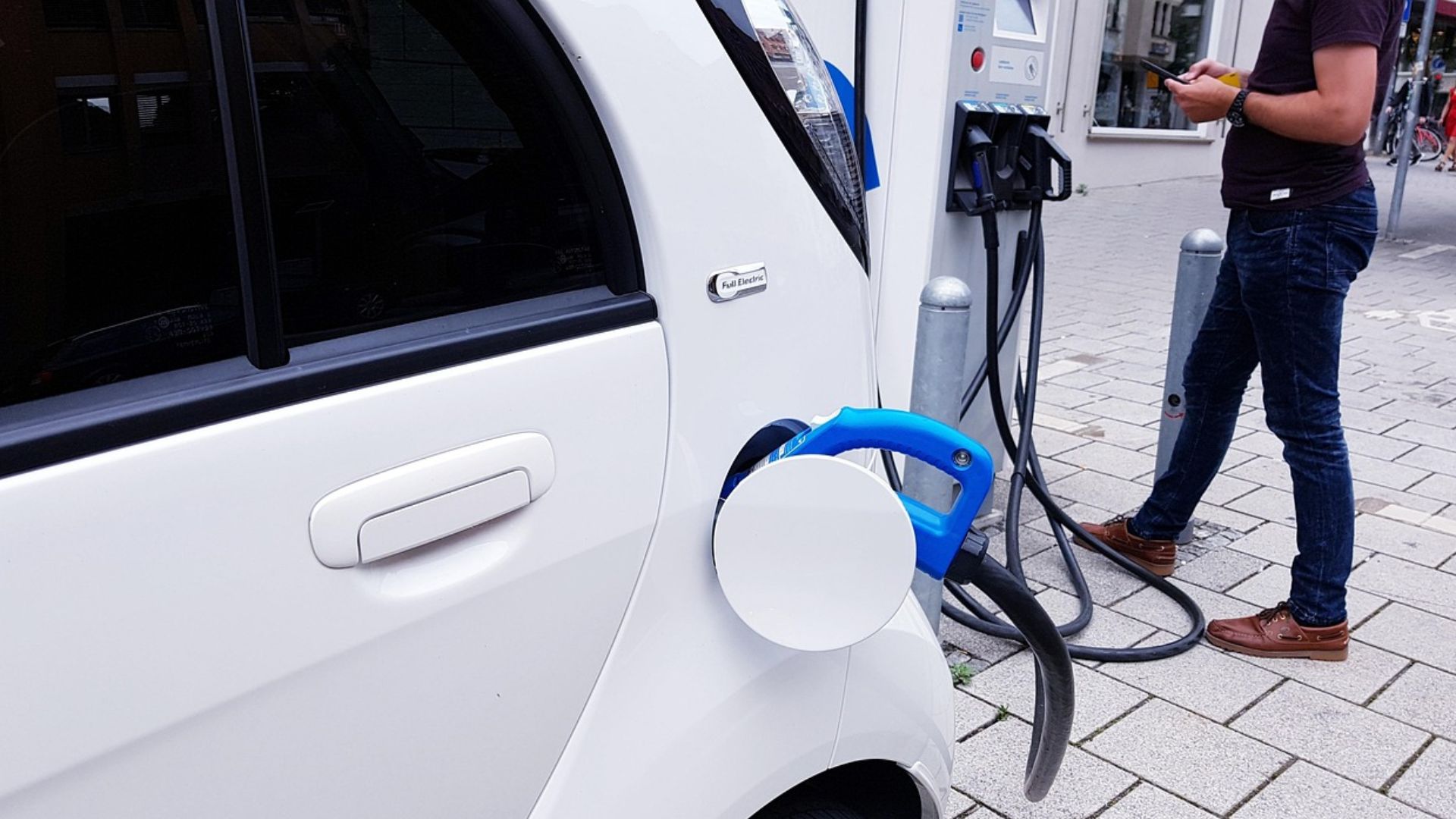
Charging Permission And Parking Rights Are Separate
Portland's approach illustrates an important distinction. A city can legally allow a resident to charge a vehicle across the sidewalk while still requiring that person to compete with everyone else for the curb space. Permission to connect an EV to electricity does not necessarily include guaranteed access to the parking spot needed to do it.

Faster Charging May Face More Restrictions
Portland's residential curbside allowance is limited to Level 1 charging using 110-to-120-volt equipment. The city does not permit Level 2 charging cables to extend into the public right-of-way under that arrangement. Individual residents also cannot install their own charging stations in the street, sidewalk, or planting strip.
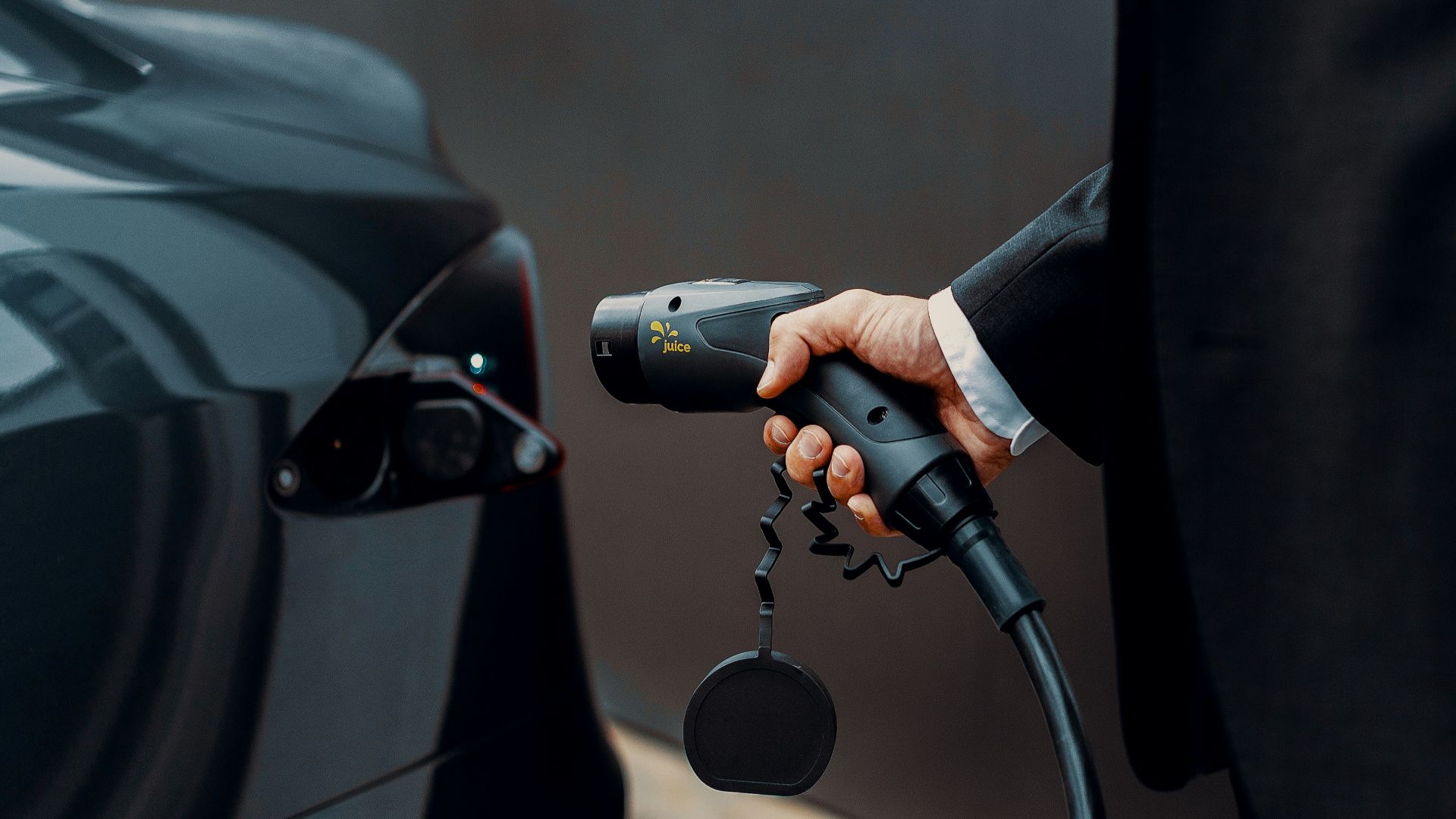
Seattle Uses A Different Approach
Seattle has published guidance covering ground-floor residential EV charging when a cable must cross the public right-of-way. The city's guidance includes specifications for a highly visible, stable, low-angle cable ramp. Seattle also encourages residents with off-street parking to use that location for charging instead of relying on the street.
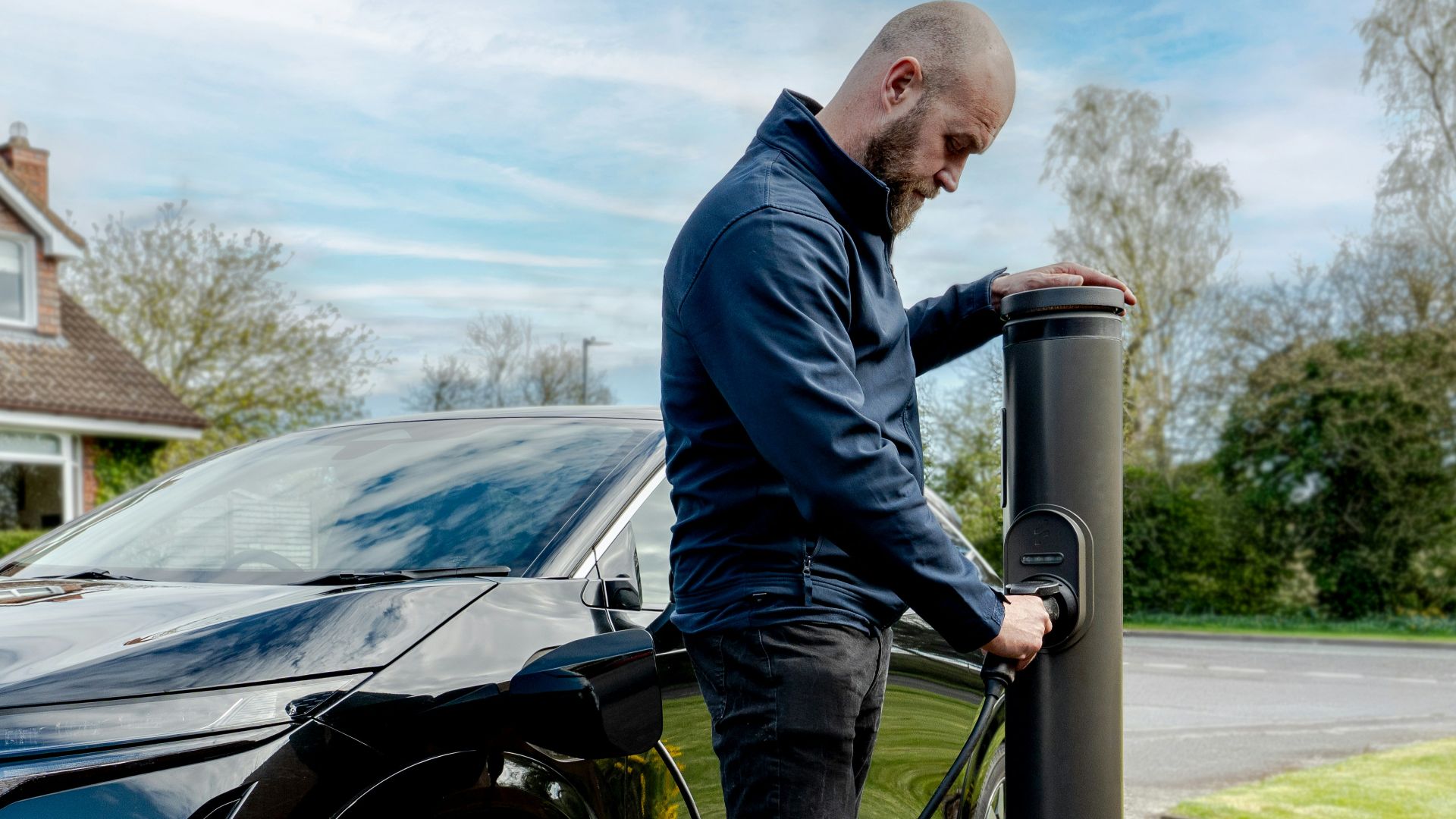
Cambridge Requires A Permit
Cambridge, Massachusetts, operates a pilot program for qualifying residents who do not have off-street parking. Participants must meet requirements involving a Cambridge parking permit, an appropriate GFCI-protected outlet, insurance, and an accessible ramp over the charging cable. The program demonstrates why residents should check local rules rather than assuming that across-sidewalk charging is automatically permitted.

Cities Are Experimenting With Better Options
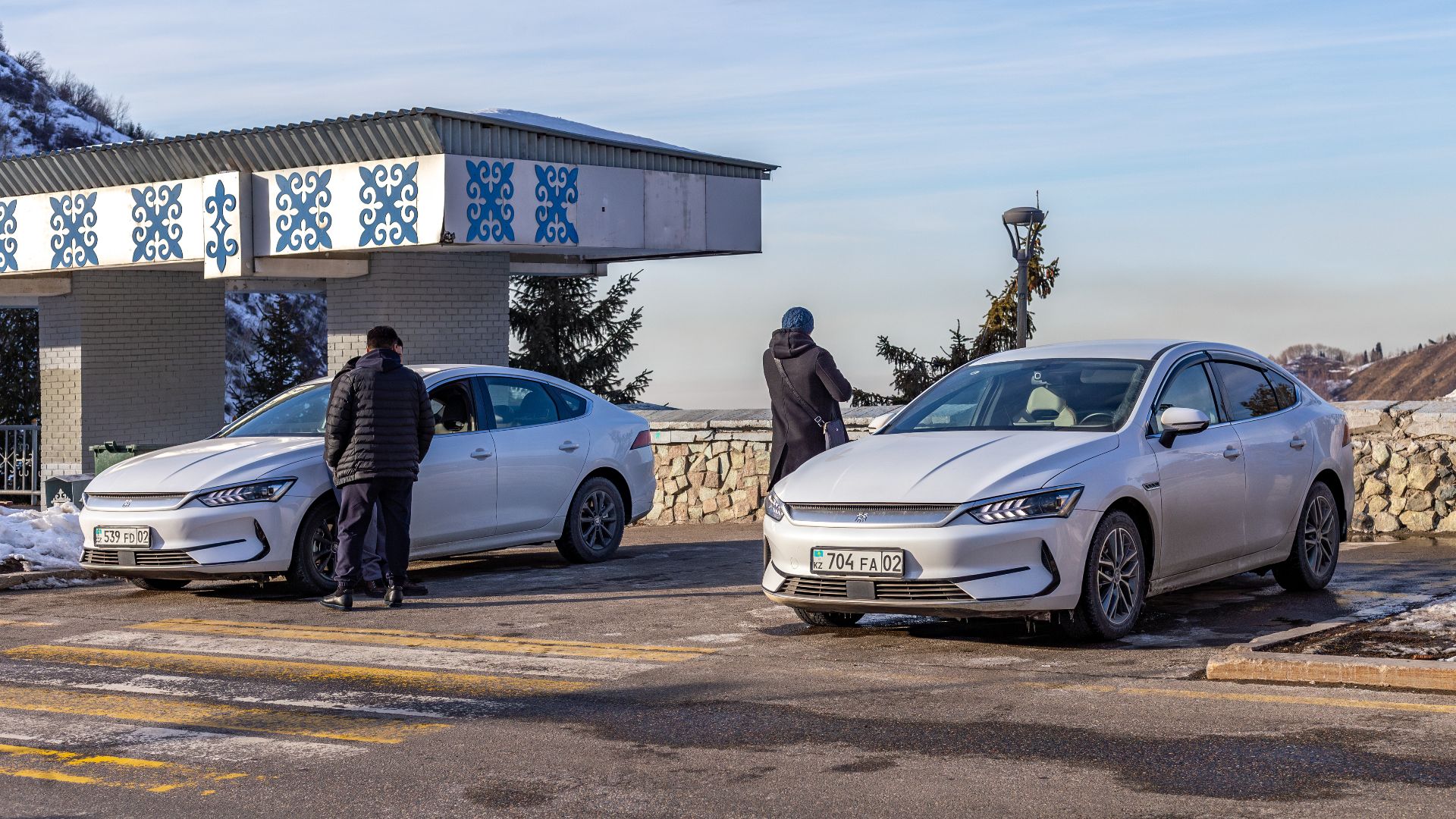
Some governments are addressing the problem by bringing charging equipment directly to public curbs. Washington, D.C., announced a neighborhood curbside EV charging pilot in February 2026 to test installations and help shape future regulations. Such programs can provide charging access without treating the space in front of an individual home as private property.
 Nikolai Bulykin, Wikimedia Commons
New York Shows What An Official Space Looks Like
New York City's curbside charging program offers another model. Certain curb spaces are paired with public chargers and reserved for EVs while they are actively charging. That is fundamentally different from an ordinary public parking space that happens to be close enough to a private outlet.
Other Parking Rules Still Apply
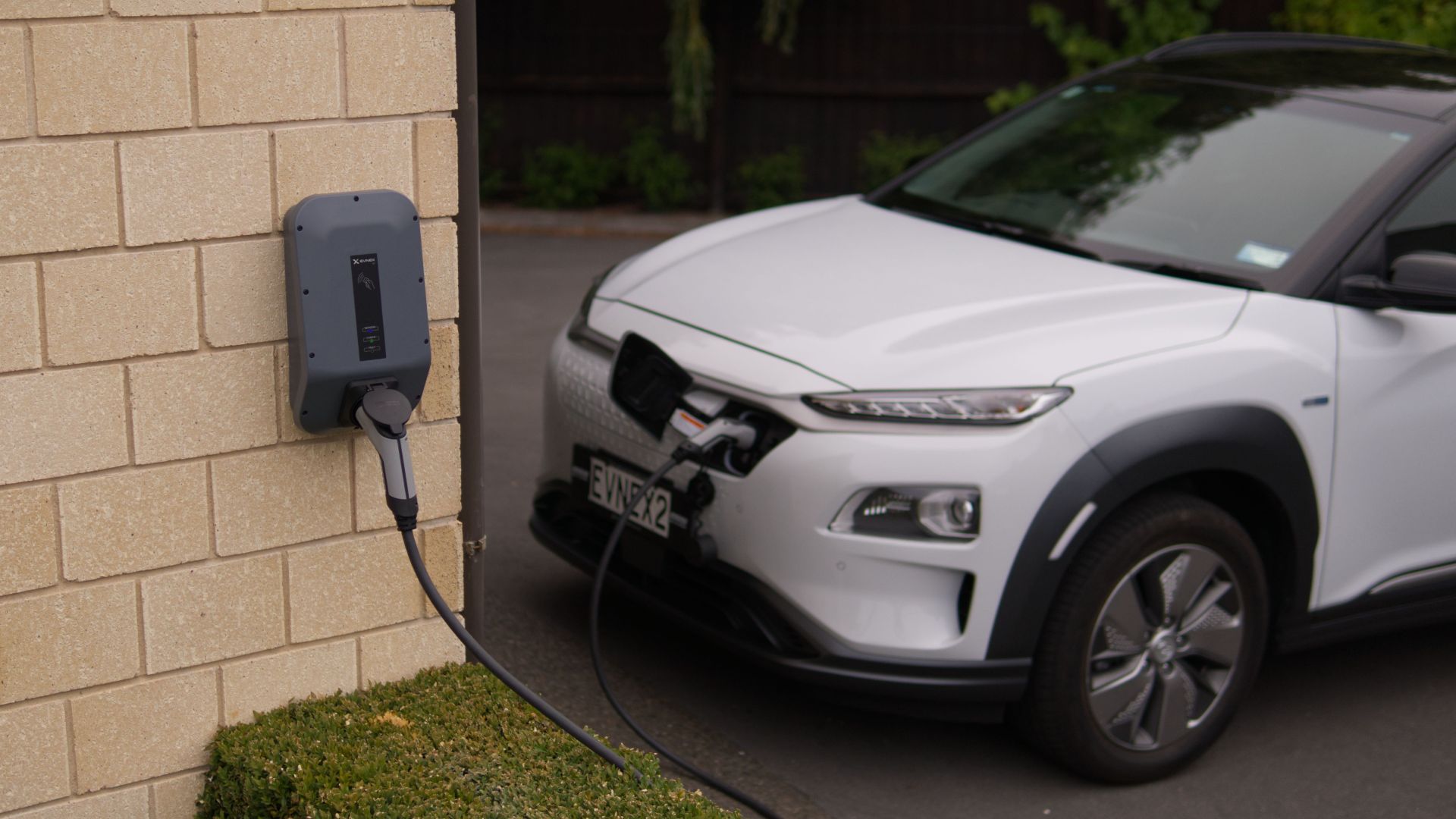
Using an official EV charging space does not necessarily override every other parking restriction. New York City tells drivers using its curbside chargers that existing on-street parking regulations remain in effect. Meter requirements and other posted restrictions may therefore continue to apply while a vehicle is charging.
Accessibility Cannot Be An Afterthought
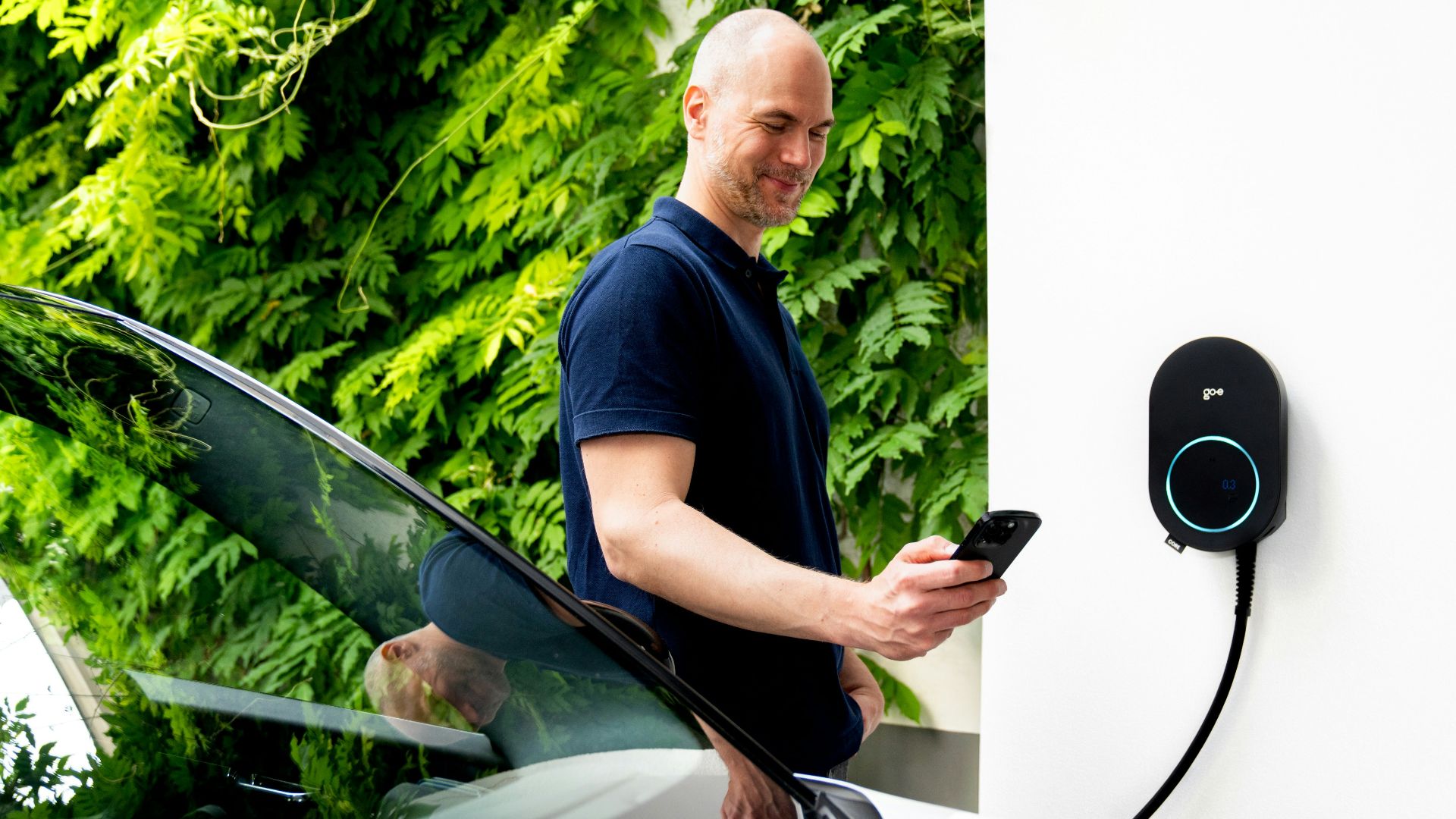
EV charging infrastructure also needs to account for people with disabilities. The U.S. Access Board's guidance discusses clear ground space, charger placement, accessible routes, and other considerations for public EV charging. These concerns become especially important when chargers, cords, or vehicles interact with sidewalks.
Charging Cords Need To Stay Out Of The Way
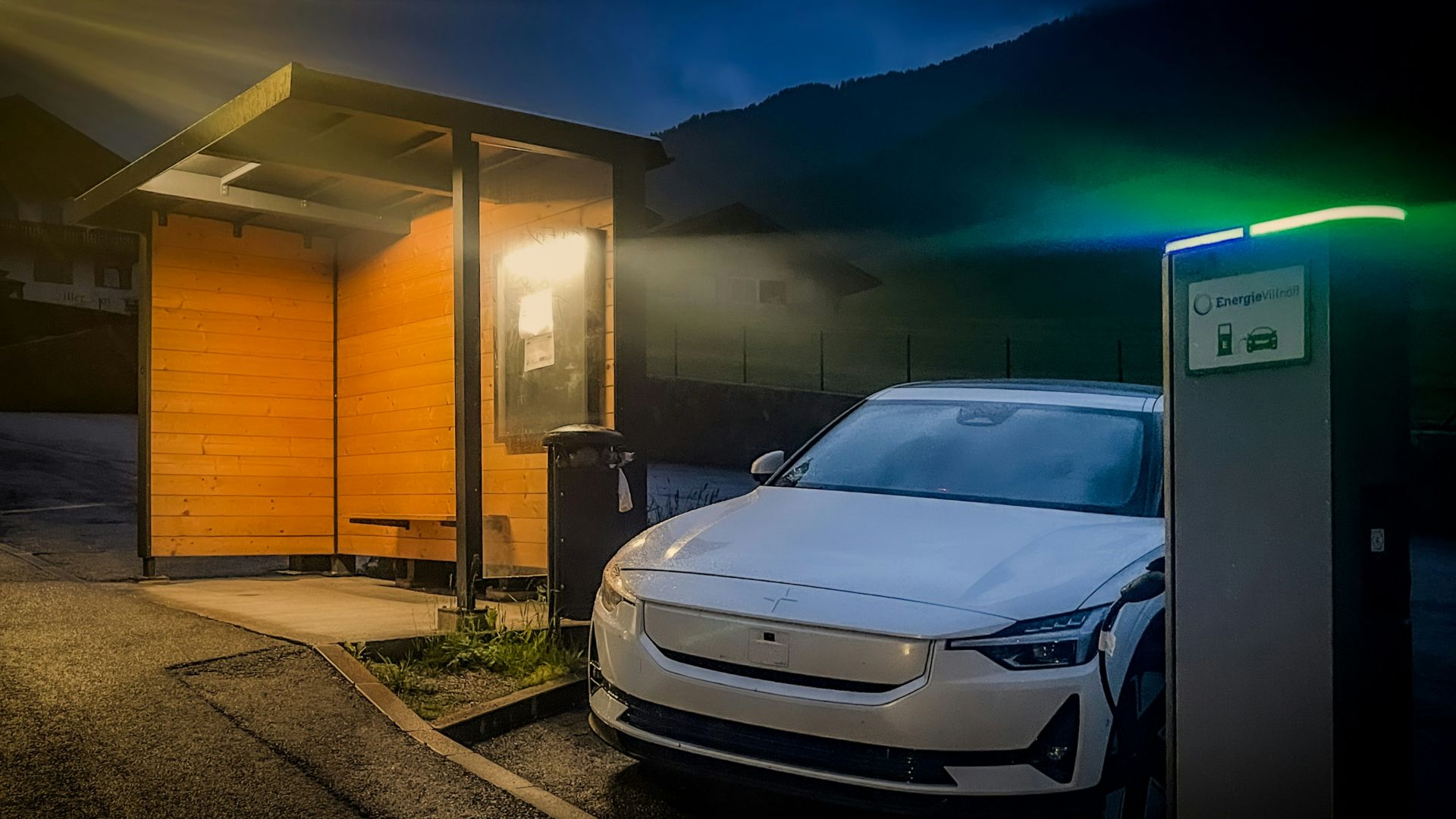
Cities that permit charging across sidewalks often impose rules designed to protect pedestrians. Portland requires qualifying users to cover cords with ADA-compliant equipment where applicable, while Seattle provides specifications for protective cable ramps. Simply tossing a loose extension cord across a sidewalk is therefore not a safe assumption for legal curbside charging.
The Real Challenge Is Not Having A Driveway
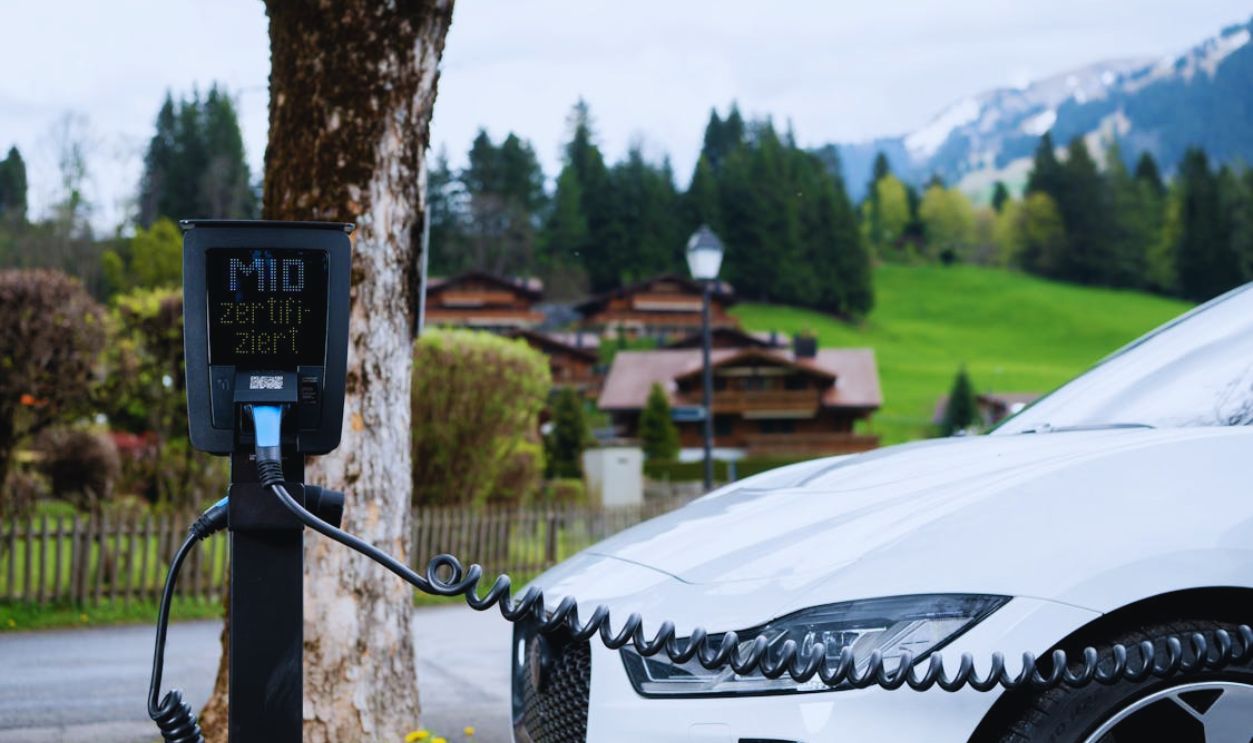
My biggest problem is ultimately not the EV itself. It is that my car depends on public parking while my electricity comes from private property. Home charging is much simpler when the vehicle can remain in a garage, driveway, or another private space beside the electrical supply.
Level 1 Makes A Lost Night More Noticeable
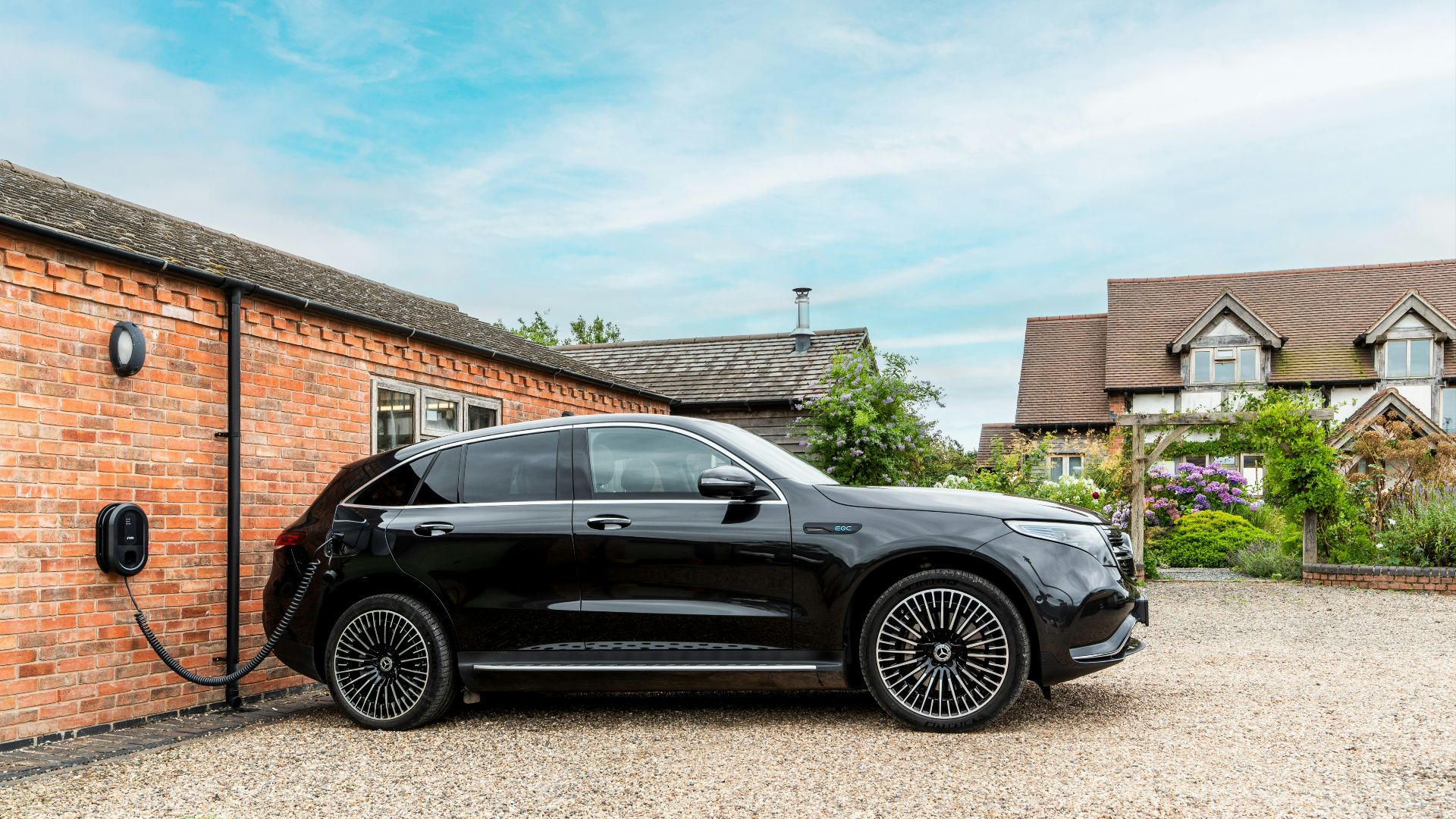
Level 1 charging typically uses a standard 120-volt electrical supply and adds range relatively slowly. Department of Energy guidance says eight hours of Level 1 charging can provide roughly 40 miles of range for a midsize EV, although actual results vary. For someone depending on overnight Level 1 charging, losing access to the nearby curb for an evening can make a meaningful difference.
Level 2 Can Reduce Charging Time
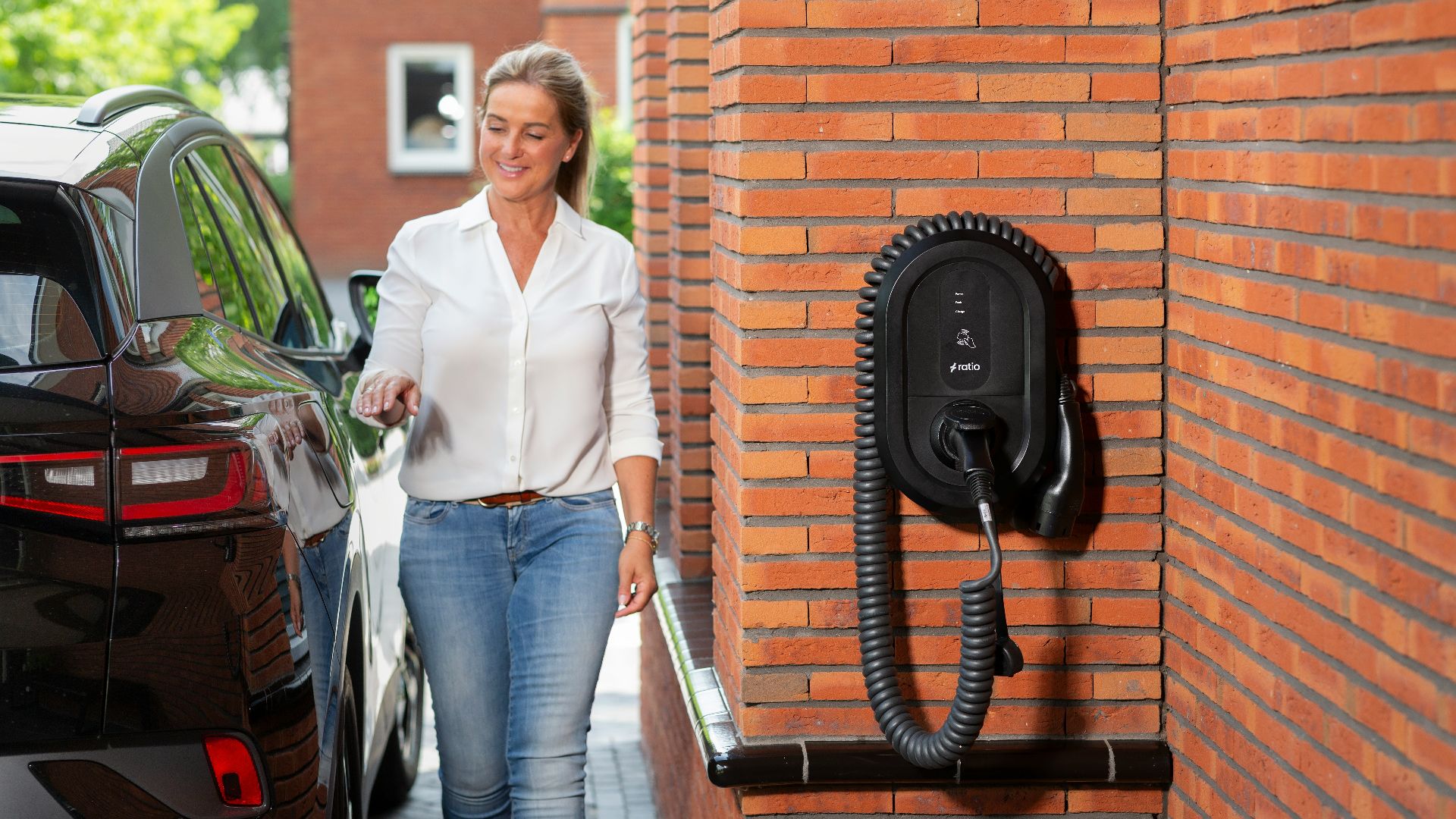
Level 2 equipment generally operates at 240 volts in residential settings and charges considerably faster than Level 1 equipment. Department of Energy guidance says Level 2 can generally recharge a fully depleted all-electric vehicle overnight. Faster charging can reduce the amount of time an EV needs to remain connected, although local rules still determine whether a particular curbside arrangement is allowed.
Public Charging Can Fill The Gap
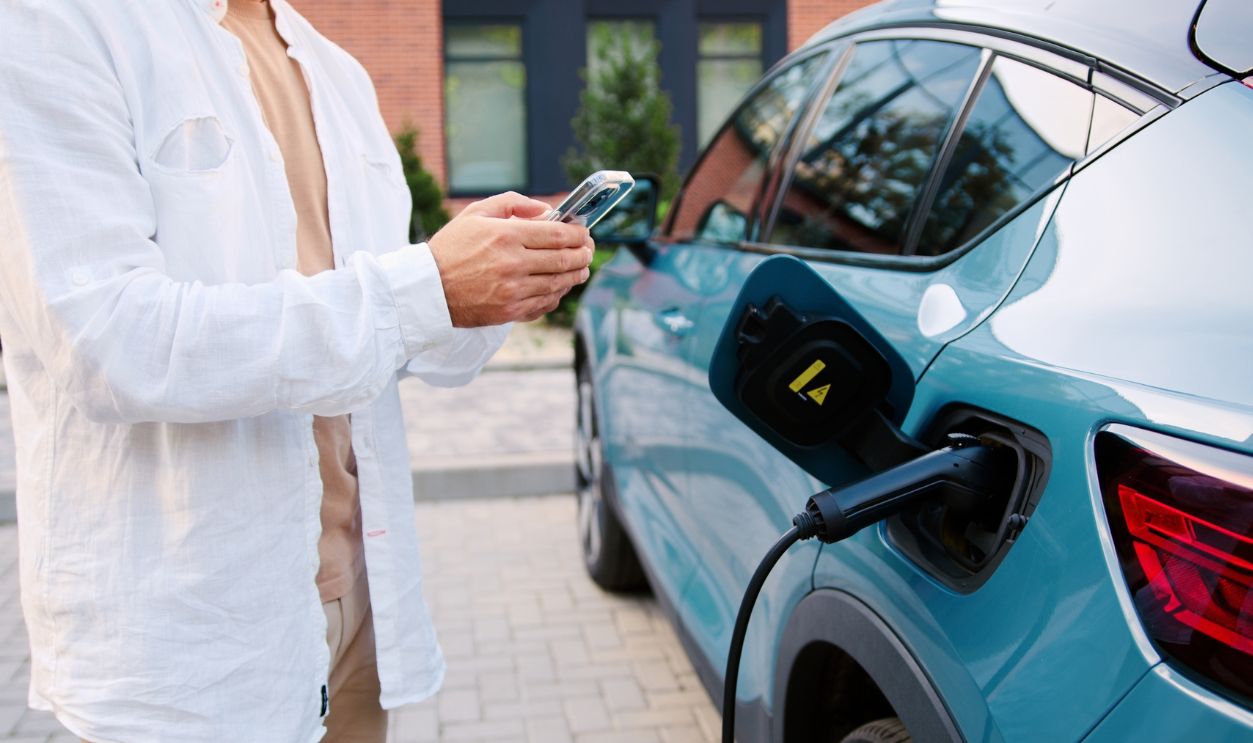
EV owners without reliable off-street parking may need to combine home charging with public charging. The Department of Energy's Alternative Fueling Station Locator lists public charging locations throughout the United States and Canada. Public locations commonly offer Level 2 or DC fast charging, providing alternatives when home curbside charging is unavailable.
A Local Program Might Already Exist
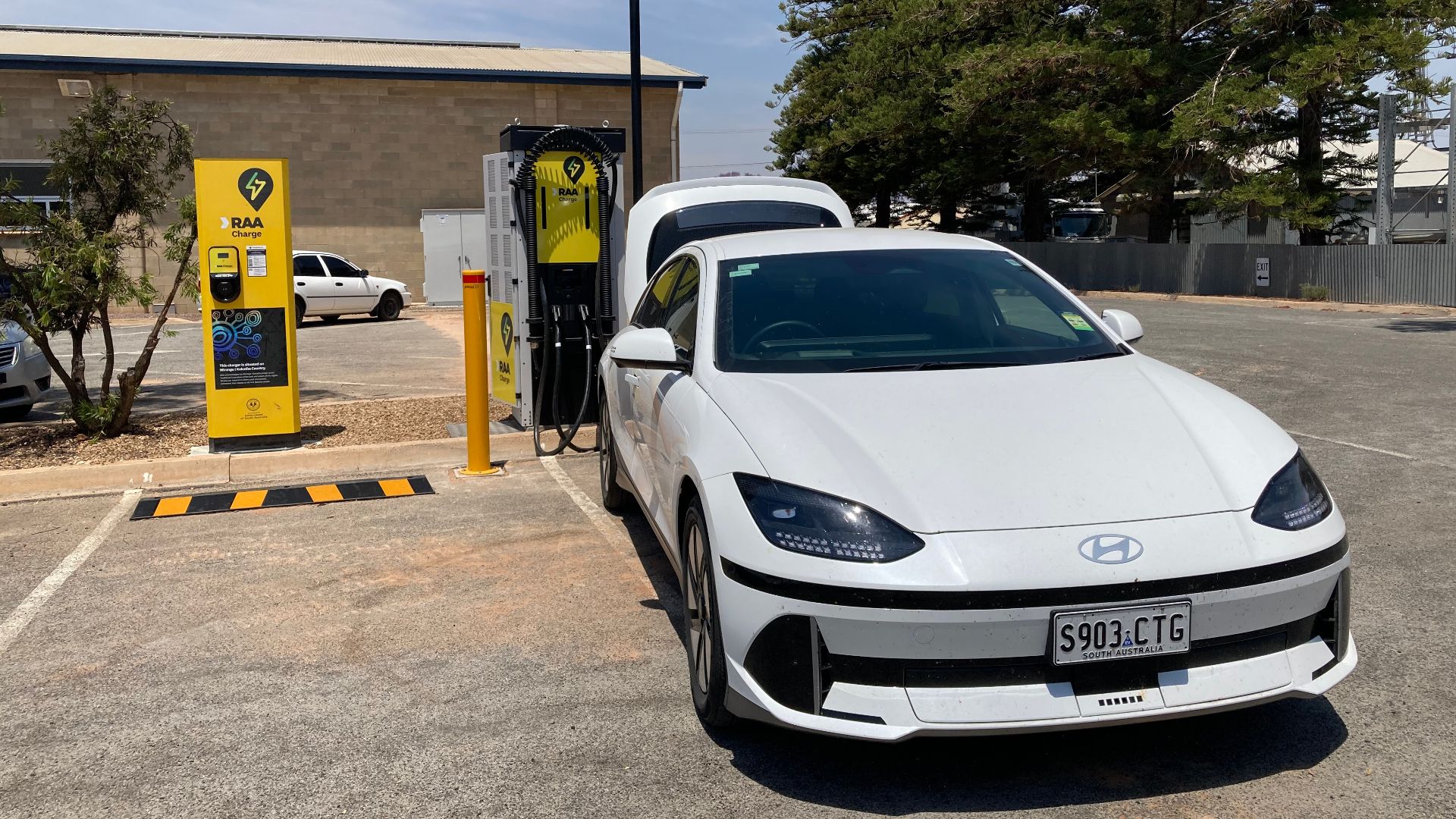
Residents facing this problem should check with their local transportation, parking, or public works department. Cambridge has developed an across-sidewalk charging pilot, while New York operates public curbside chargers and Washington, D.C., has been testing additional neighborhood curbside infrastructure. Other municipalities may have their own permits, pilots, or charging programs.

Check The Rules Before Buying Equipment
Installing an expensive home charger does not guarantee that its cable can legally reach a vehicle parked on a public street. Portland's distinction between permitted Level 1 curb charging and prohibited private Level 2 installations in the right-of-way demonstrates the problem. Checking local requirements before purchasing or installing equipment can prevent an expensive surprise.
The Driver In My Spot May Be Doing Nothing Wrong
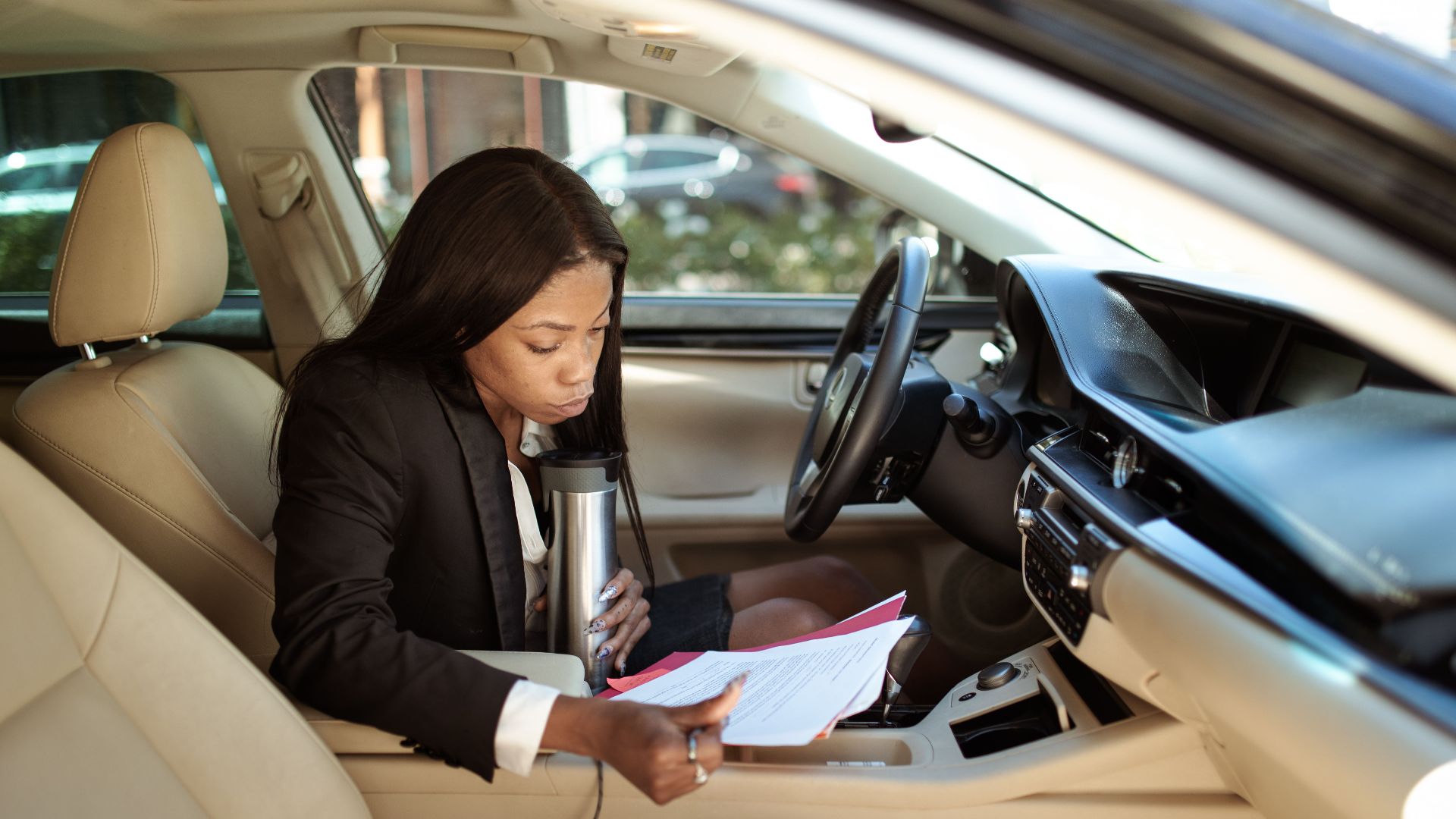
This is probably the most frustrating part of my situation. If someone parks legally in the ordinary public space outside my home, that driver may have exactly as much right to use it as I do. My need to charge makes that particular space more valuable to me, but it does not automatically create a legal parking priority.
There Are Still Practical Steps I Can Take
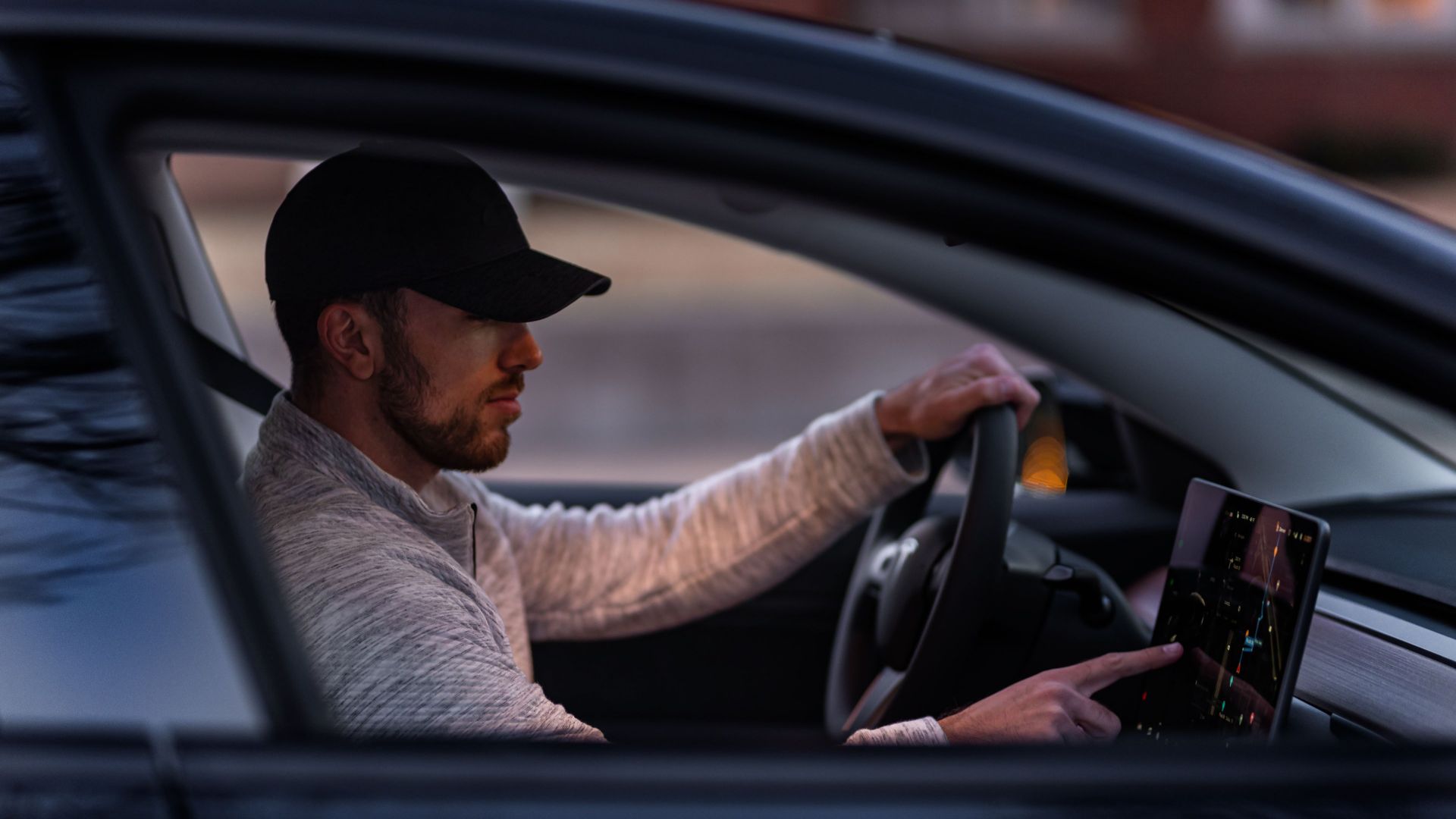
The best starting point is to identify the exact rules covering the curb, sidewalk, and charging equipment in the municipality. EV owners can check whether across-sidewalk charging is permitted, whether permits are available, and whether nearby curbside charging infrastructure exists. If the municipality has no residential solution yet, public charging may have to supplement home charging.
I Own The EV, Not The Curb
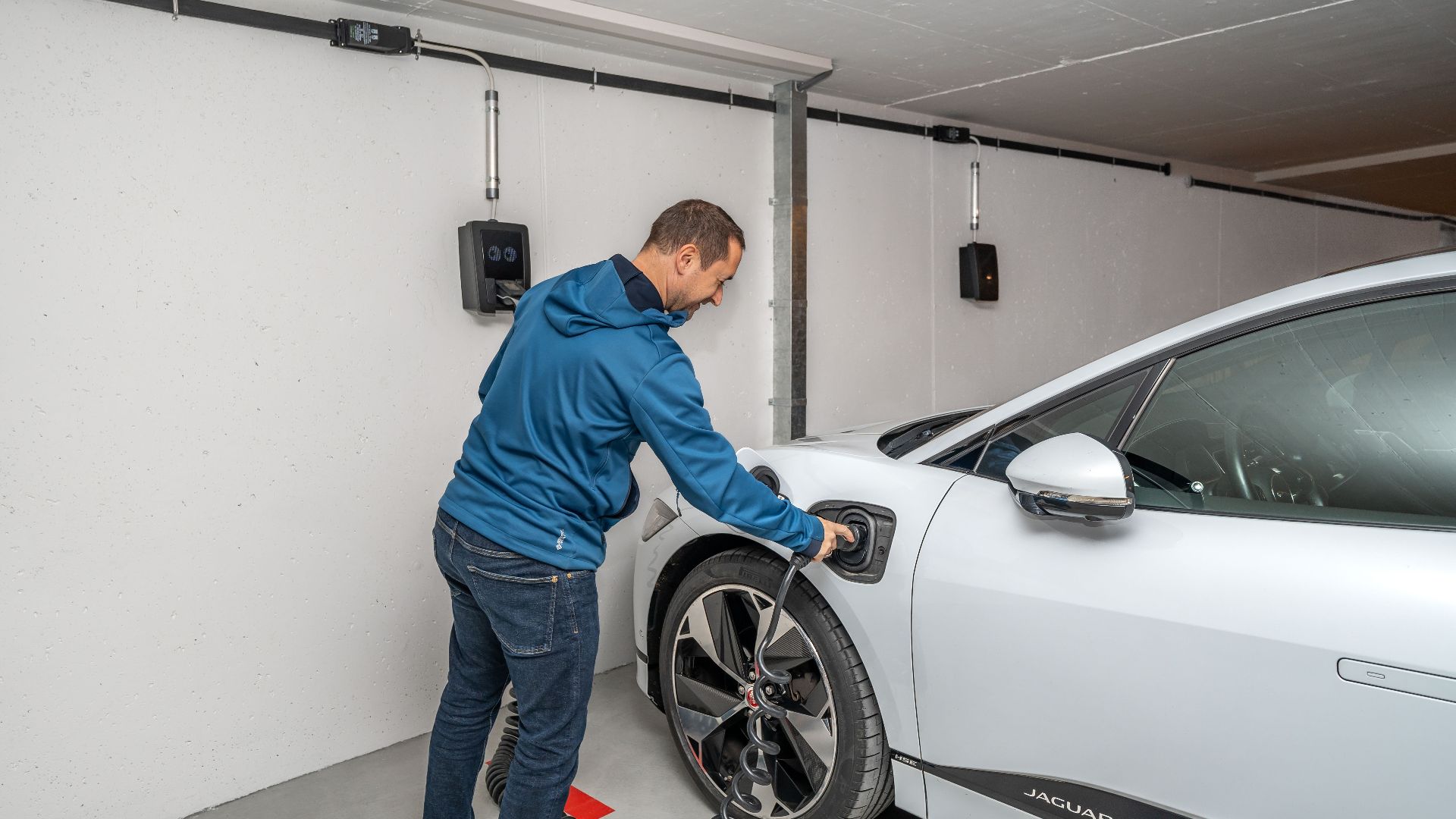
After looking into the rules, the basic answer to my original question is fairly straightforward. I may genuinely need the spot outside my house to make home charging practical, but that need generally does not turn ordinary public curb space into my personal EV parking space. Special protections usually arise when a government has formally designated a location for EV charging, and until that happens, I may have to keep sharing the curb.
 DJ Creative Studio, Shutterstock
You May Also Like:
The Most Overrated Cars Today, According To Car Enthusiasts