When One Storm Turns Into Two Deductibles
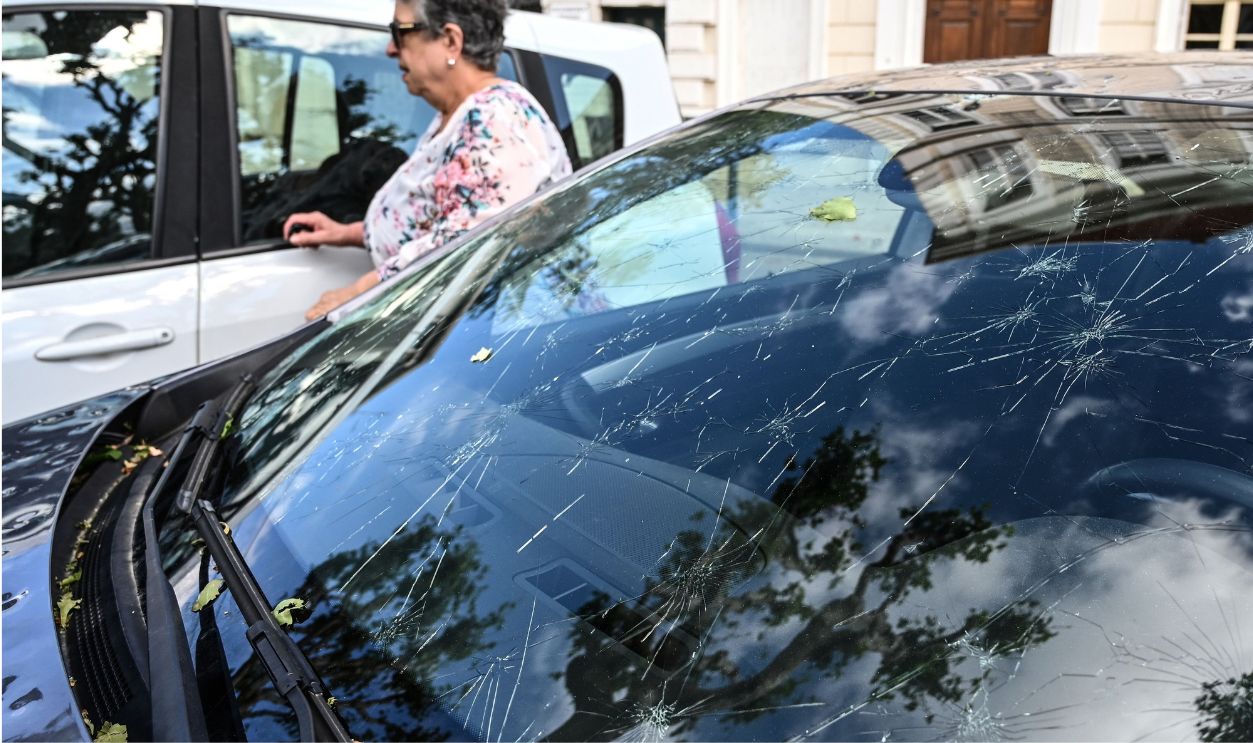
You walk outside after a hailstorm and find both family cars peppered with dents. Then the insurer delivers the second hit and says you owe a deductible on each vehicle. That feels wrong to a lot of drivers, but in most cases it matches how auto policies are written and regulated.

The Short Answer Most Drivers Hate
In auto insurance, the deductible usually applies per covered vehicle, not per weather event. If two cars on the same policy both suffer covered comprehensive damage, each car’s claim is typically subject to its own deductible. The storm may be one event, but the policy usually treats each damaged car as a separate covered auto.
Why This Feels So Counterintuitive
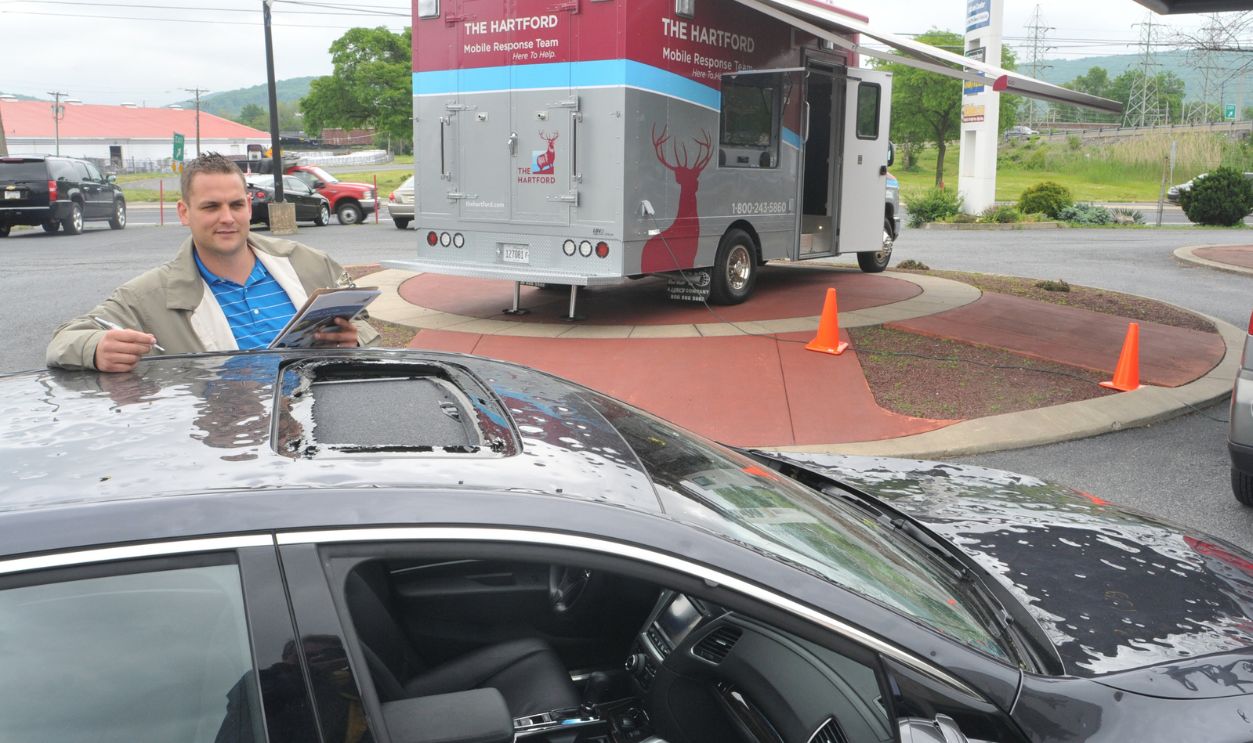
People naturally think in terms of the event that caused the damage. One hailstorm, one falling tree, one flash flood. Insurance contracts, however, often organize coverage around each insured vehicle and the damage to that specific auto.
 Win Henderson, Wikimedia Commons
What Comprehensive Coverage Actually Does
Damage from hail, wind, flood, falling objects, and similar non-collision events is generally handled under comprehensive coverage. The Insurance Information Institute explains that comprehensive helps pay for losses from events like theft, hail, flood, and contact with animals, subject to the deductible. If you do not carry comprehensive on a vehicle, weather damage to that car usually is not covered.
The Deductible Is The Part You Keep
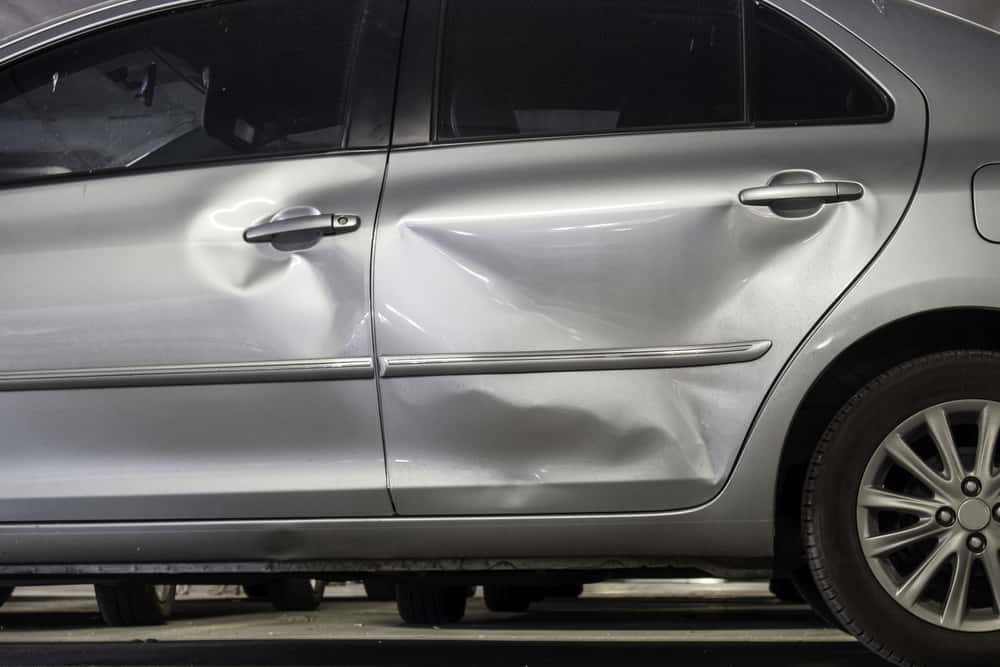
A deductible is the amount you agree to pay before insurance pays the covered remainder of a claim. The National Association of Insurance Commissioners says a deductible is the portion of a claim you pay out of pocket. On auto policies, that deductible commonly attaches to each covered loss for each insured vehicle.

One Policy Does Not Always Mean One Deductible
Many households assume bundling two cars onto one auto policy means one claim should lead to one deductible. That is not how most personal auto policies work. A multi-car policy is still usually a collection of separate covered autos with separate premiums, separate ratings, and separate deductibles.

Why Insurers Separate The Cars
Each vehicle has its own value, repair cost, and coverage election. One car might carry a $500 comprehensive deductible, while another has $1,000. Because the policy insures each auto individually, the insurer adjusts the loss and applies the deductible to each damaged vehicle.

What Policy Language Usually Points To
The key words are often “your covered auto” and deductible language that applies to “loss to” that auto. While wording varies by insurer and state, the structure usually ties payment to damage sustained by a particular car. That is why two damaged vehicles can mean two deductibles from one storm.

What State Regulators Say About It
State insurance departments routinely explain deductibles in vehicle-specific terms. The Texas Department of Insurance, for example, describes deductibles as the amount you must pay before your insurance company will pay a claim, and it discusses comprehensive and collision by vehicle coverage choices. Regulators focus on policy terms first, because those terms control whether one or multiple deductibles apply.

Hail Is Where This Fight Often Starts
Hailstorms are a classic trigger for this dispute because they can damage every car in a driveway in minutes. Repair bills can range from cosmetic paintless dent repair to full panel work and glass replacement. That is exactly when drivers notice that the deductible math can hurt almost as much as the storm.
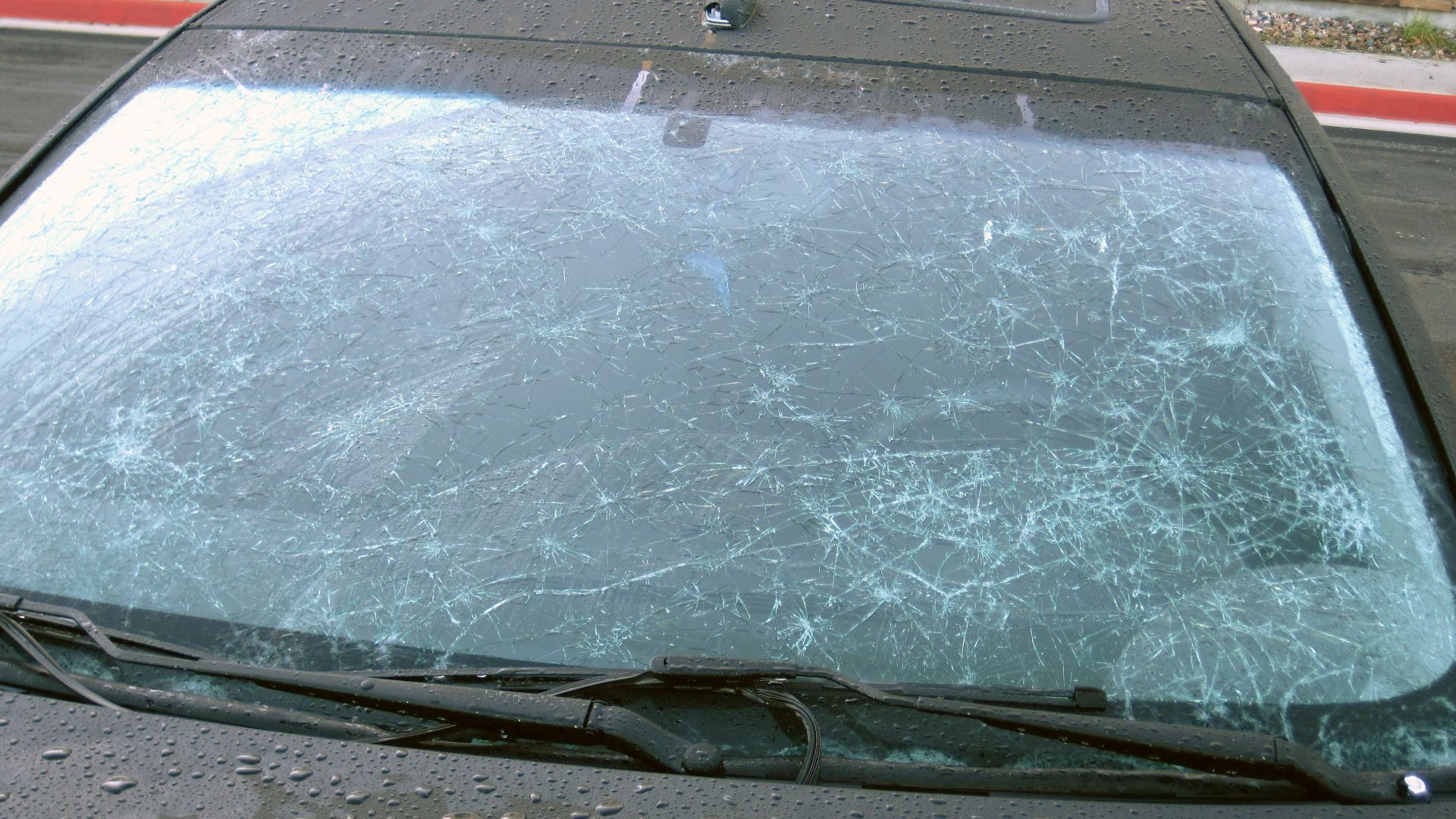 James St. John, Wikimedia Commons
Flood Damage Can Create The Same Surprise
Flooding creates similar sticker shock. If rising water damages two vehicles, comprehensive coverage may respond for both, but each vehicle’s deductible generally still applies. FEMA repeatedly warns that floods can damage vehicles quickly, but flood losses on cars are handled through auto insurance, not homeowners insurance.

Falling Trees Do Not Change The Rule
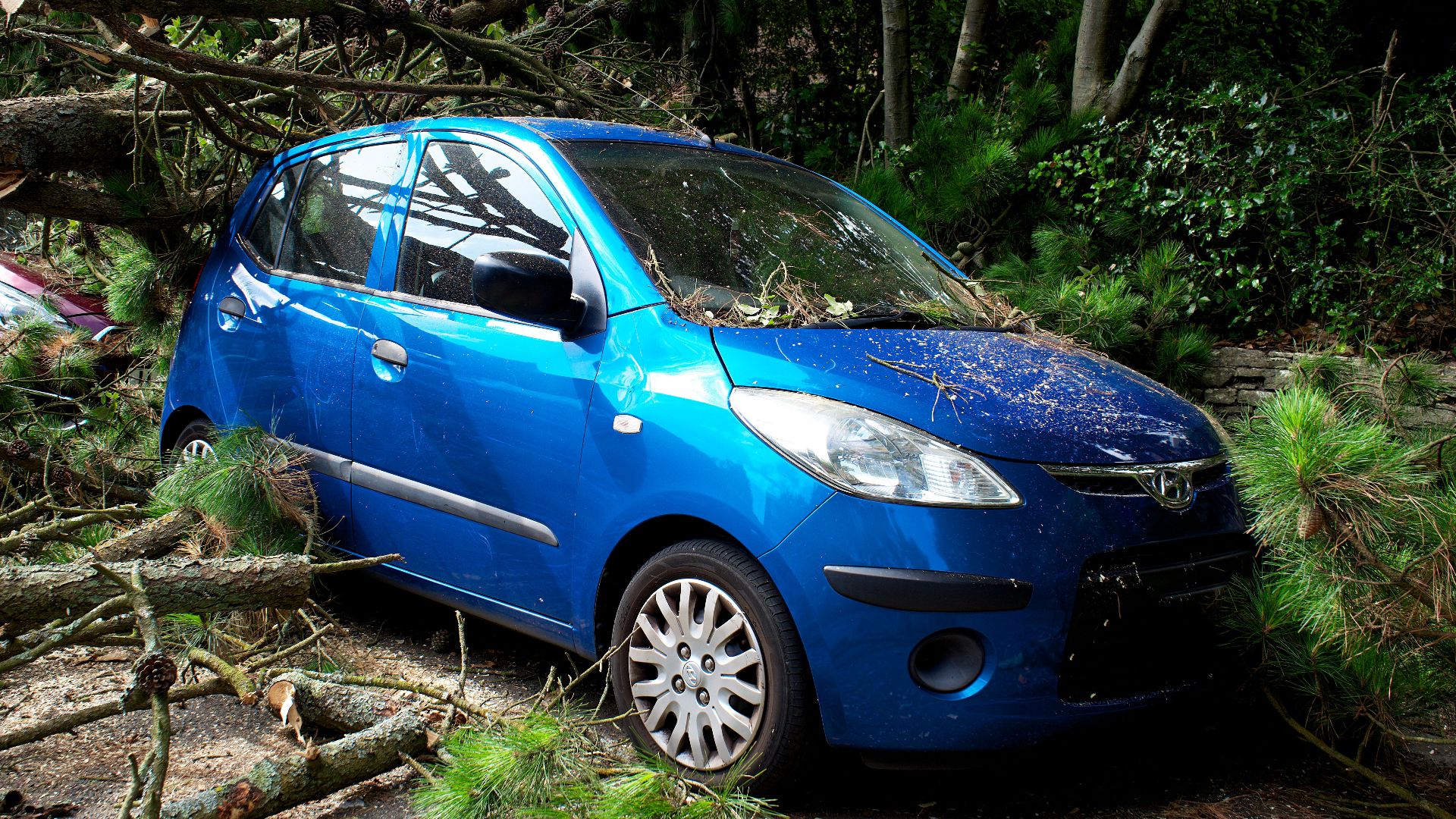
A storm-blown branch or a toppled tree can hit two cars in the same driveway at the same time. The cause may be a single weather event, yet the insurer may still open or process separate vehicle losses under the same claim file. Practically, that still often results in one deductible per damaged car.
One Claim Number Can Mislead You
Sometimes an insurer assigns one claim number to the storm event for convenience. That can make a customer think there will be one deductible total. But a single claim number is an administrative tool, not a promise that only one deductible will apply across multiple autos.

Can An Insurer Ever Waive The Second Deductible
Sometimes, yes, but it is usually a courtesy or a policy endorsement, not a standard legal requirement. Some insurers offer disappearing deductibles, deductible waivers, or special claim handling practices in limited situations. Unless your policy says so, do not assume the second deductible will be waived.

Could State Law Force A Different Result
In some insurance issues, state law changes the outcome. With auto weather claims, though, the answer usually comes back to policy wording and approved state filings. If your state has a special rule or your insurer filed special deductible language, that can matter, but it is not the standard rule most drivers encounter.
 https://kaboompics.com/, Pexels
Home Insurance Sometimes Works Differently
This is one reason the auto result feels unfair. On homeowners insurance, one named storm or one hail event may be discussed as a single occurrence affecting one home with one deductible, though policy structures vary there too. Auto insurance is different because each car is treated as its own insured piece of property.

Leased And Financed Cars Add Another Layer
If your car is leased or financed, the lender or lessor usually requires comprehensive coverage. That means weather damage is likely covered, but the deductible still comes out of your pocket first. If both financed cars are damaged, both deductibles can arrive at once, which is a painful cash-flow problem for many families.

How Adjusters Usually Calculate The Payment
The adjuster estimates the repair cost for each vehicle separately. Then the insurer subtracts that vehicle’s deductible from that vehicle’s covered loss. If one car has $3,000 in hail damage and a $500 deductible, and the other has $1,200 in hail damage with the same deductible, each payment is reduced separately.

What Happens If One Car Is Totaled
The same basic rule usually applies. The insurer determines the actual cash value or other applicable settlement amount for that specific vehicle, then subtracts the deductible. If the second car is repairable, its claim is still adjusted on its own terms with its own deductible.

When You Should Push Back
You should ask questions if the insurer applies two deductibles to the same vehicle for the same storm damage. You also should push for a clear written explanation if the policy language is not obvious. The issue is not whether the event was one storm, but whether the contract actually authorizes the insurer’s calculation.

Ask For The Exact Policy Language
Start by requesting the page and paragraph that explains the deductible application. Ask the claims representative to show where the policy says the deductible applies per vehicle or per covered auto. This keeps the conversation grounded in the contract instead of vague claims jargon.

Check Your Declarations Page Too
Your declarations page often lists each vehicle, its coverage, and its deductible. That page can quickly reveal if the two cars even have the same comprehensive deductible. It also helps you spot surprises like one car carrying no comprehensive coverage at all.

Look For Endorsements And Special Forms
The declarations page is not the whole policy. Endorsements can change how the deductible works, and some insurers use state-specific forms. If you are being charged two deductibles, confirm there is no endorsement that softens or changes that result.

If You Still Think It Is Wrong
Escalate the issue within the insurer first. Ask for a supervisor review and a written coverage position. If the explanation still does not match your policy, contact your state insurance department for guidance on filing a complaint or requesting assistance.

How To Prepare Before The Next Storm
This is one of those expensive lessons that is easier to manage before the weather hits. Review the comprehensive deductible on every car in the household. If paying two deductibles at once would be a financial strain, consider whether lower deductibles make sense for your budget.

Lower Deductibles Cost More For A Reason
Choosing a lower deductible usually raises your premium. That tradeoff buys you less out-of-pocket pain after a storm. For households with multiple vehicles parked outside, that trade can be worth a close look before hail season or hurricane season arrives.

Parking Choices Matter More Than You Think
Insurance cannot stop hail or wind, but your routine might limit exposure. Covered parking, garages, and moving vehicles ahead of major weather can reduce the odds that two cars get hit in the same event. It is not always possible, but prevention is still the cheapest claim strategy.

The Bottom Line Drivers Need To Know
Your insurer is usually not saying there were two storms. It is saying there were two covered autos with separate physical damage losses, and the policy deductible applies to each one. That distinction feels frustrating, but in most cases it is the plain-English reason one ugly weather event can still produce two deductibles.